April: Tristan und Isolde
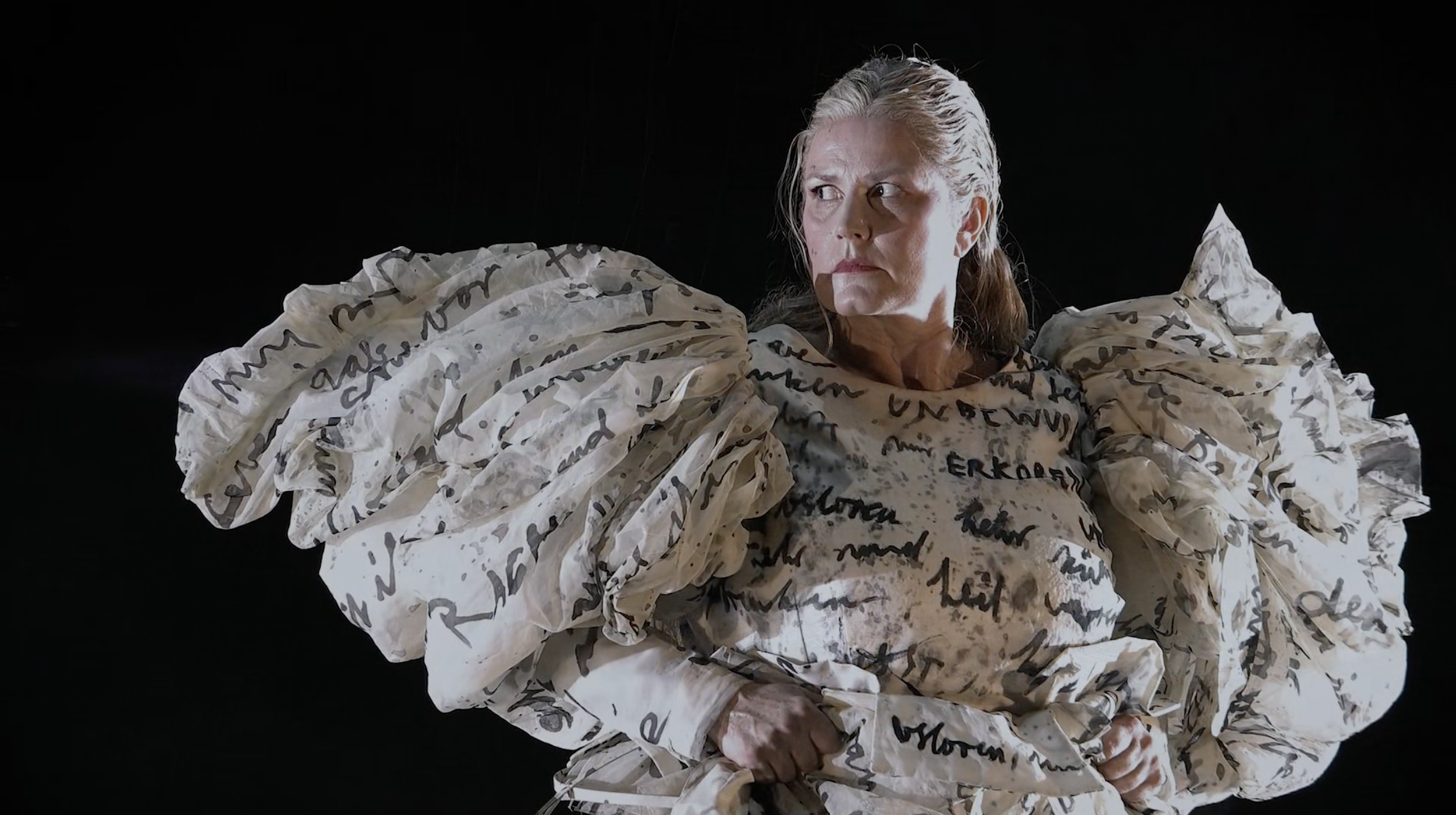
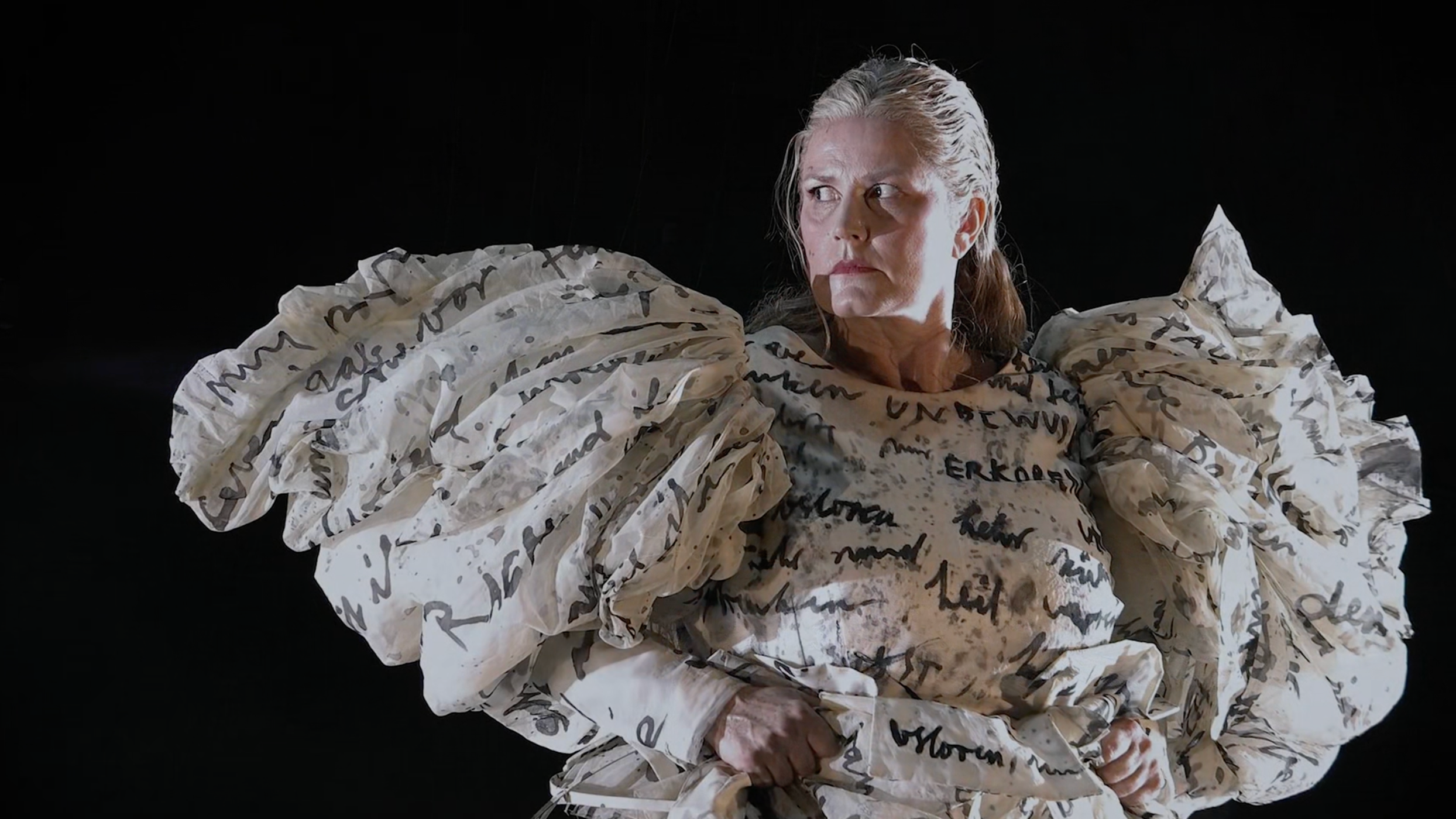
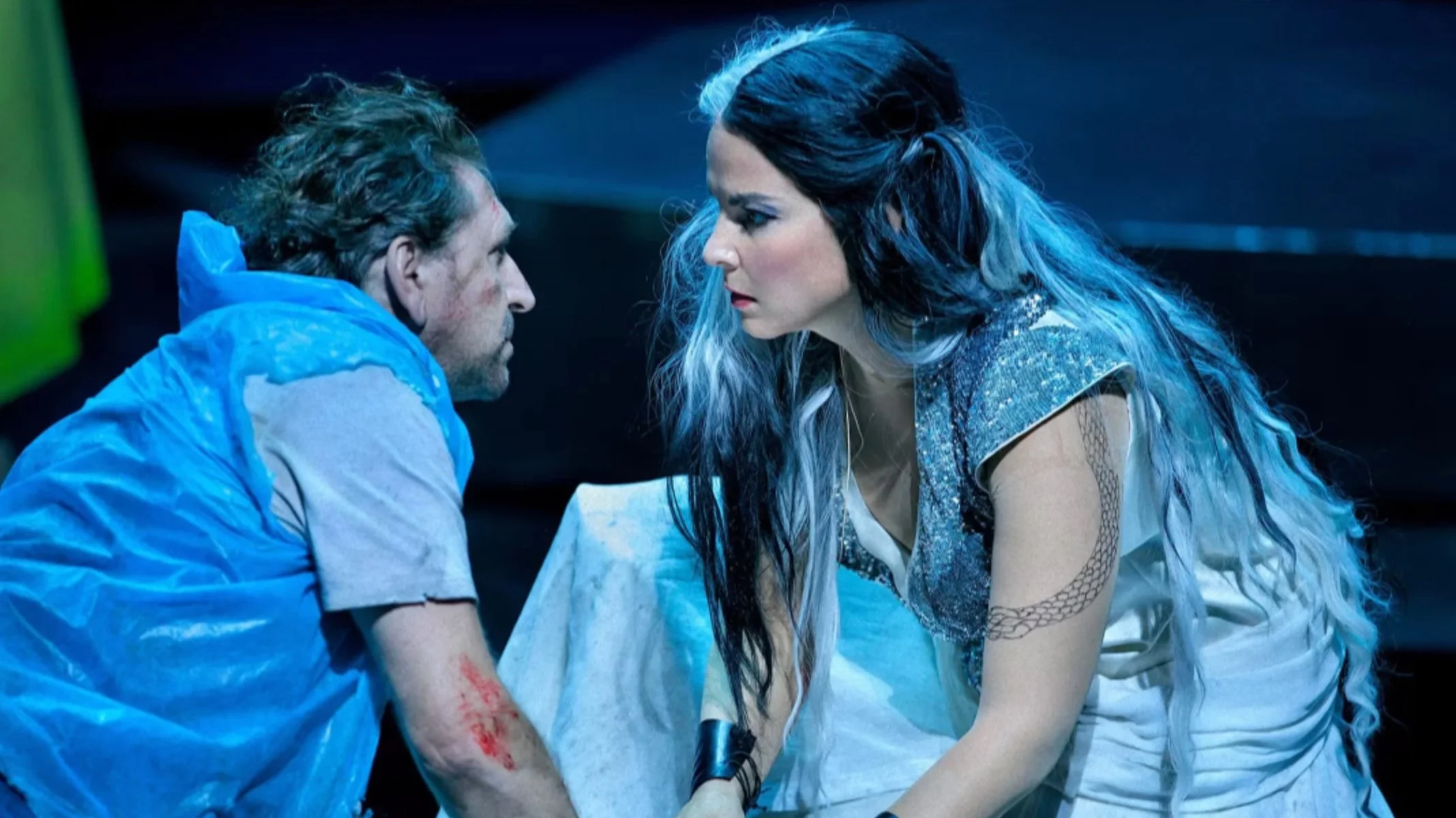
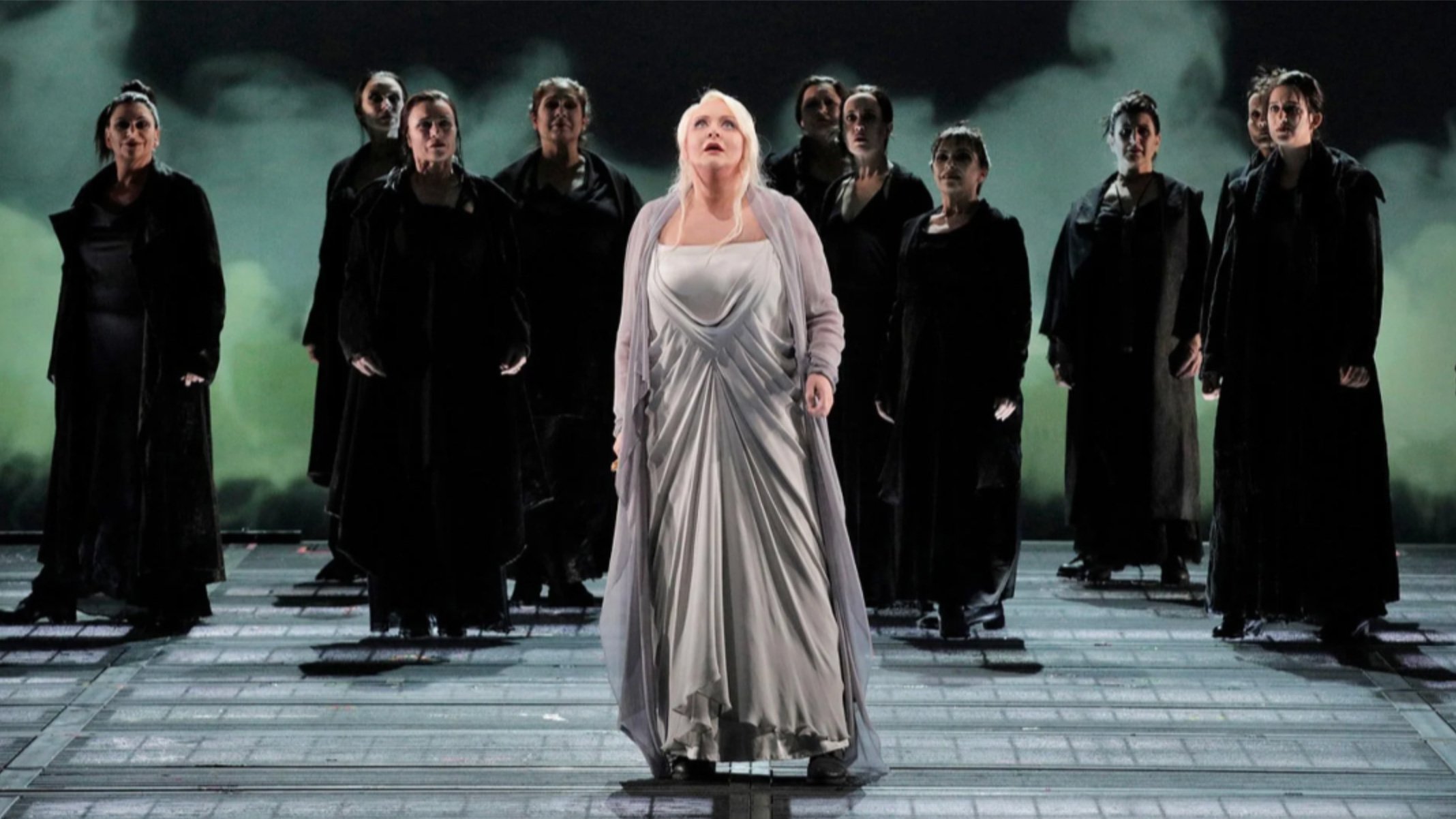
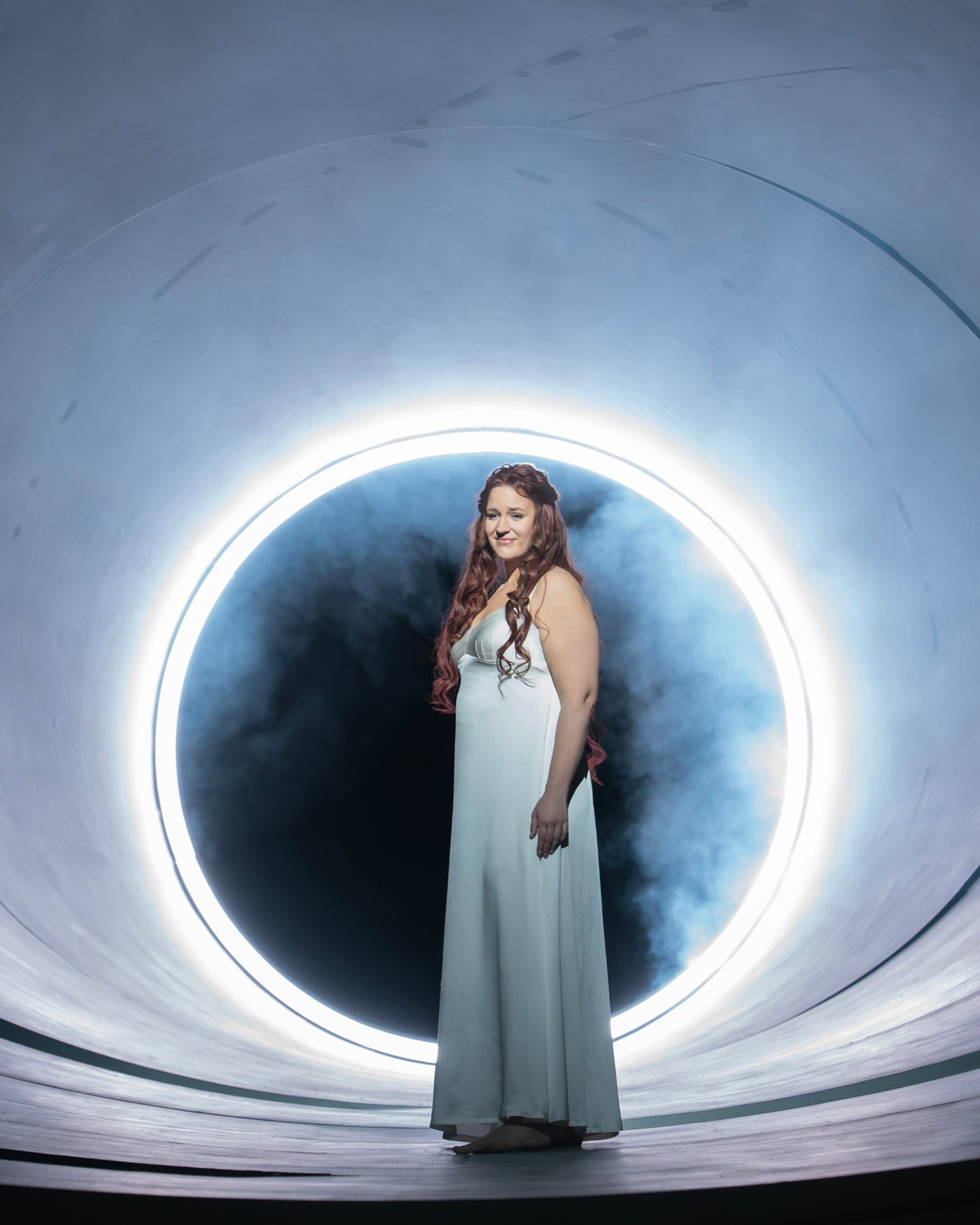
Camilla Nylund as Isolde in the Bayreuth Festival production of Tristan und Isolde in 2024
Themen: Sehnsucht, Nacht, Die Suspension des Willens, Auflösung und Rückkehr
Element: Gefiltertes Licht auf altem Stein, Tunneldunkel, Aprilnacht im Park
This walk treats Wagner not as repertoire, but as a composed method for moving through the city.
Das Ergebnis auf einen Blick
Dauer: Dusk to midnight, or later. This is the only walk in the year's circuit that requires night. The library and the cathedral can be done in afternoon, but the Cloisters, the Heather Garden, and Washington Square must happen after dark. Plan to finish after midnight.
Distanz: 3–4 miles of walking, with significant subway transit between movements. This is not a walk that covers ground. It is a walk that goes deep. The transit is part of the experience. The A train tunnel between 59th and 125th is a scored movement, not a gap between them.
Beste Zeit:
Begin at the NYPL at 4 or 5pm. Arrive at the Cloisters before they close at 5pm (check current hours). Or, on the Fridays when extended evening hours are offered, use those.
The Heather Garden in Fort Tryon Park has no closing hour.
Washington Square Park is at its most Tristan between midnight and 2am on a Friday or Saturday in April, when the fountain runs and the park holds its residual social life.
Wetter:
April in New York is the opera's own weather. The day too bright and the night still cold, the cherry blossoms opening in ways that feel slightly early, the light changing faster than you expect.
Rain deepens every movement except the Heather Garden. The library in rain, the cathedral in rain, the subway tunnel. All improved. Washington Square after rain, when the pavement reflects the arch's lighting and the fountain's sound carries further, is the walk's most precisely Tristanesque condition.
Zugänglichkeit:
The NYPL Rose Main Reading Room requires no admission.
St. Patrick's Cathedral is free and open late.
The Temple of Dendur at the Met requires admission. Check extended Friday/Saturday evening hours.
The Cloisters requires admission (same-day Met ticket works).
Fort Tryon Park and Washington Square are always open.
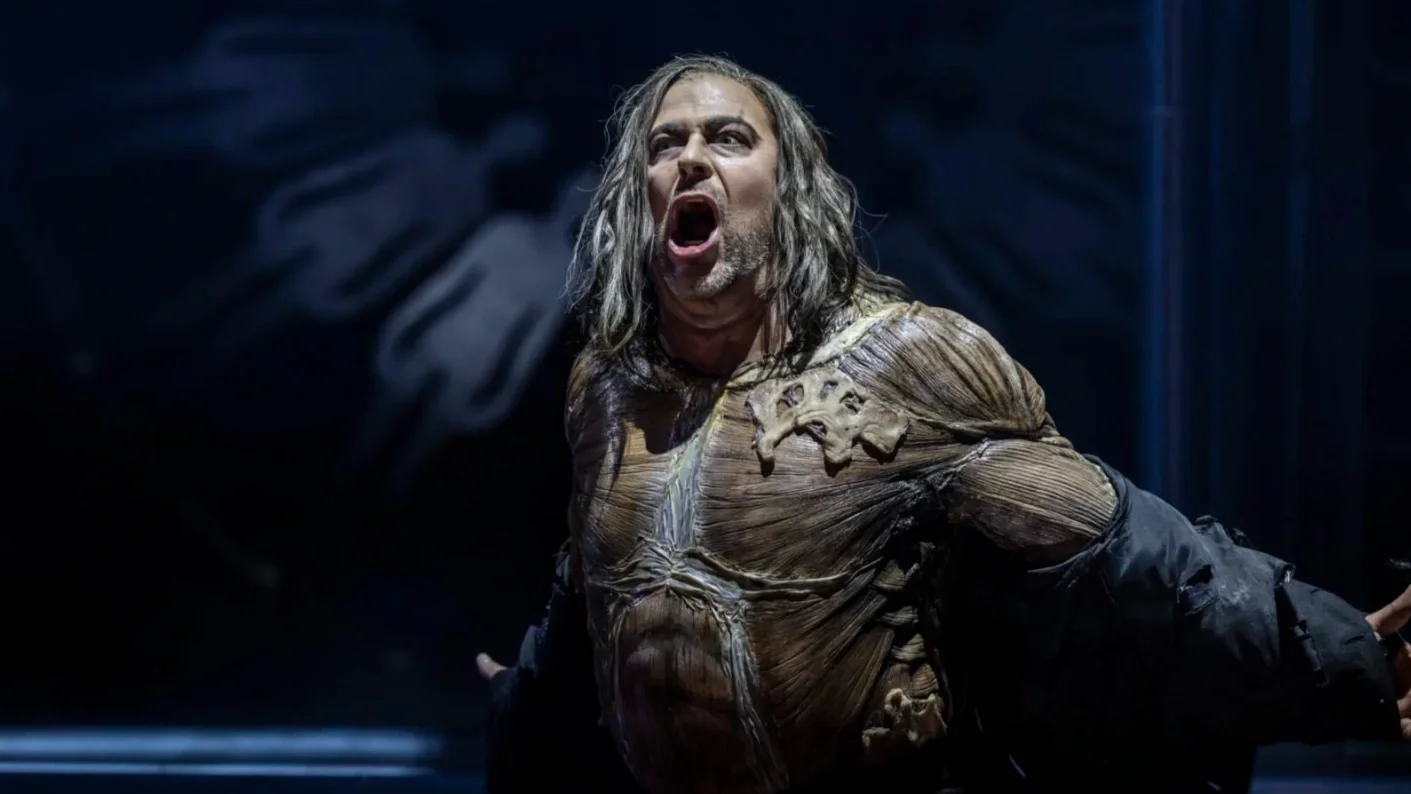
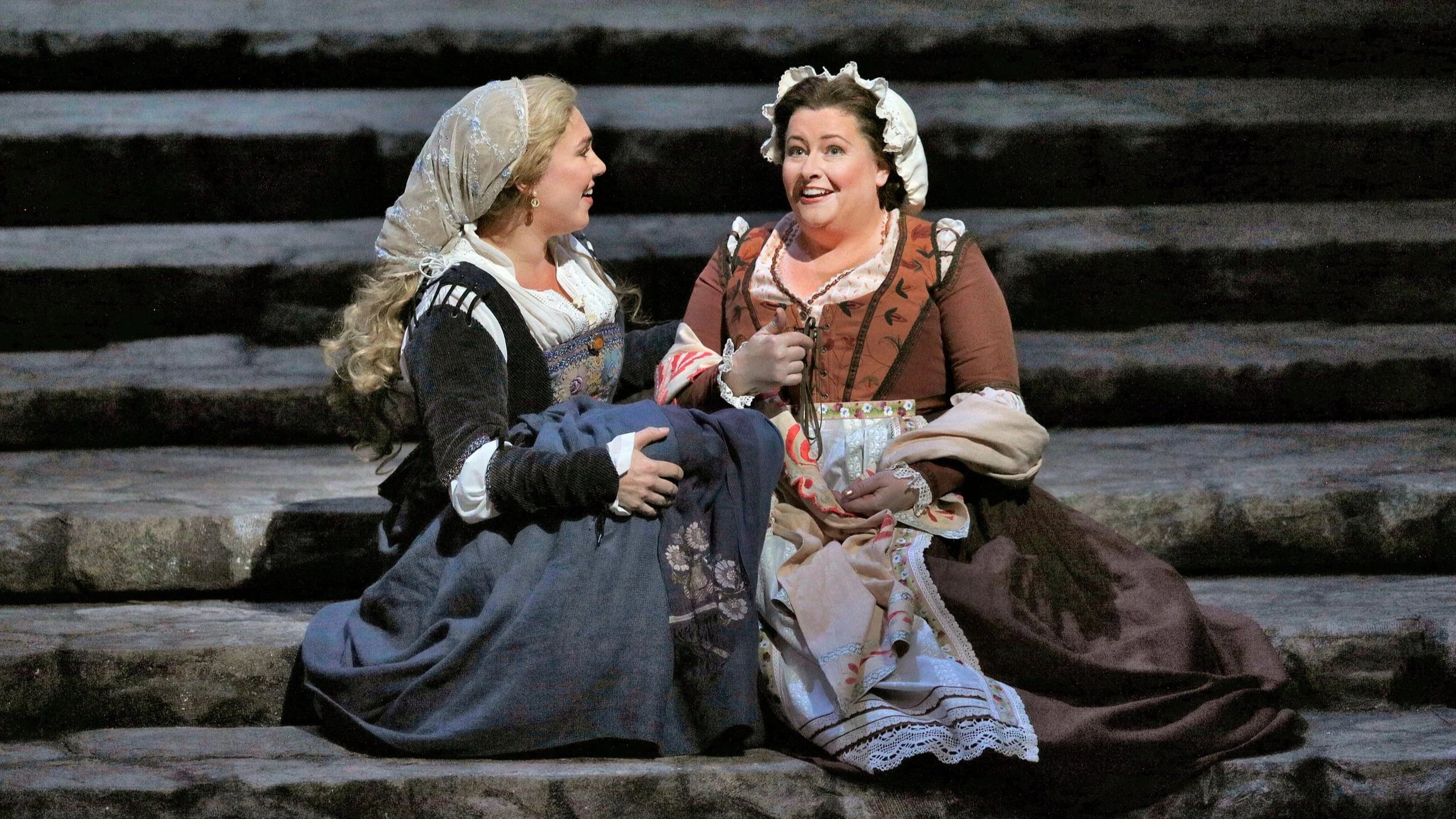
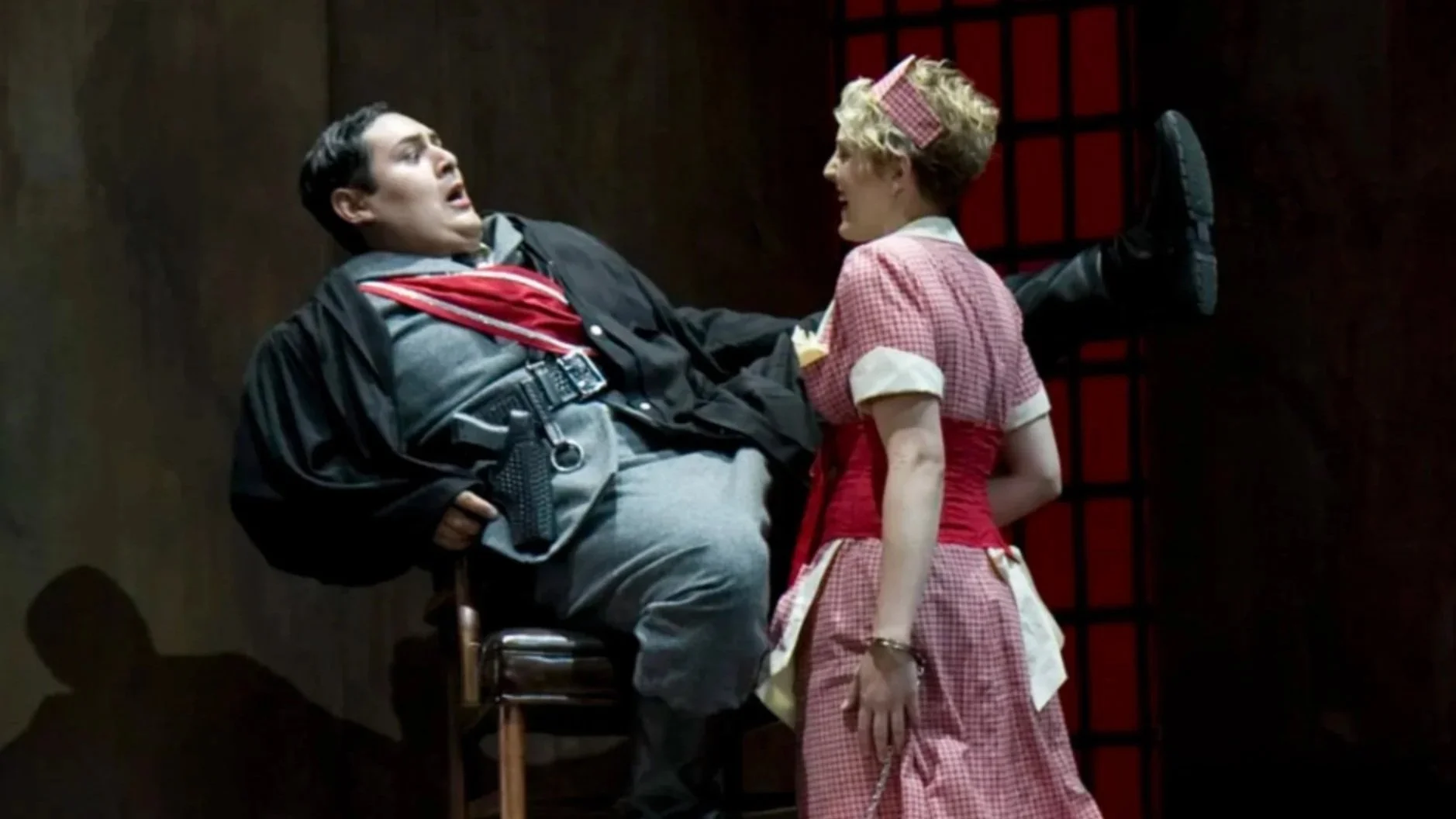
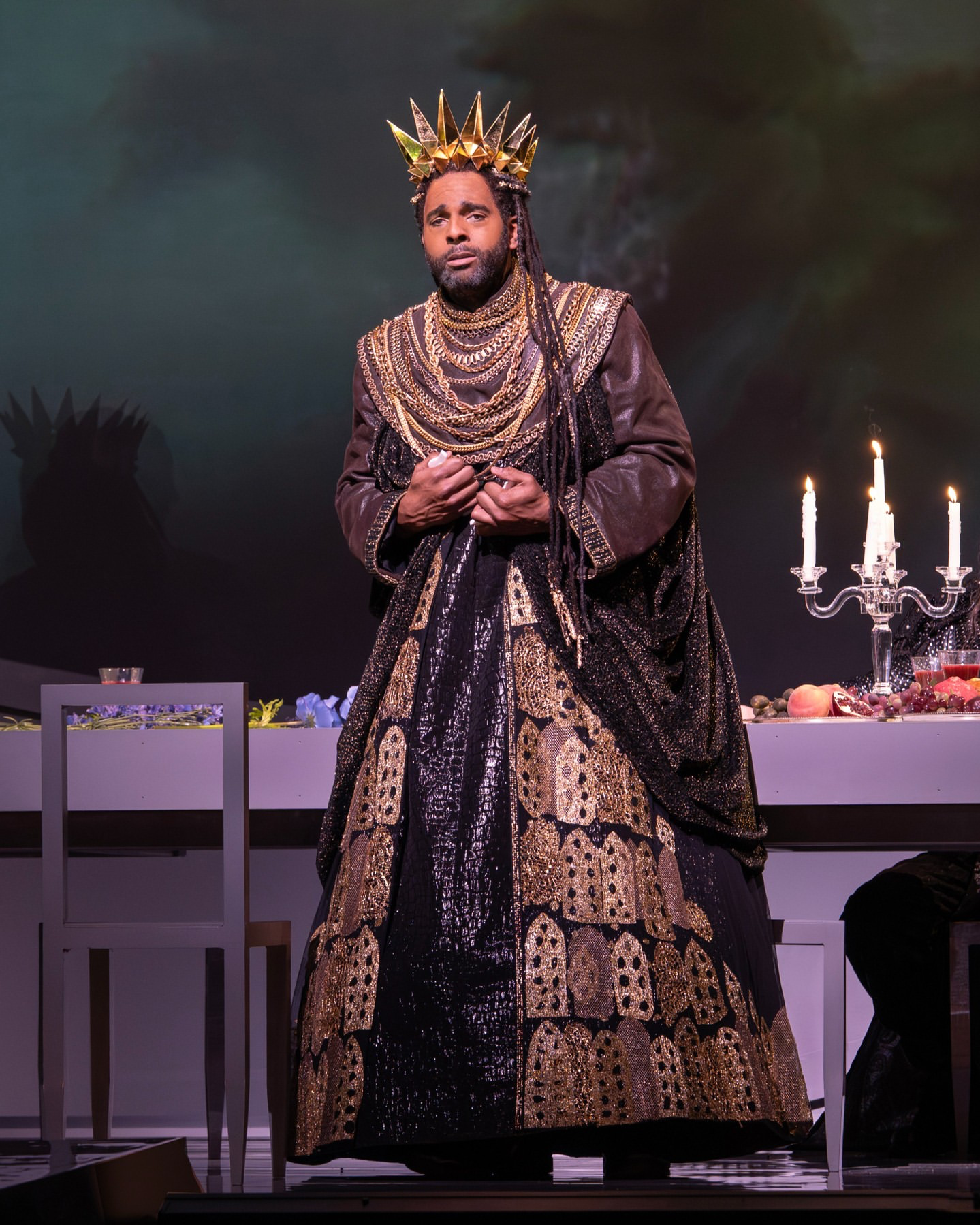
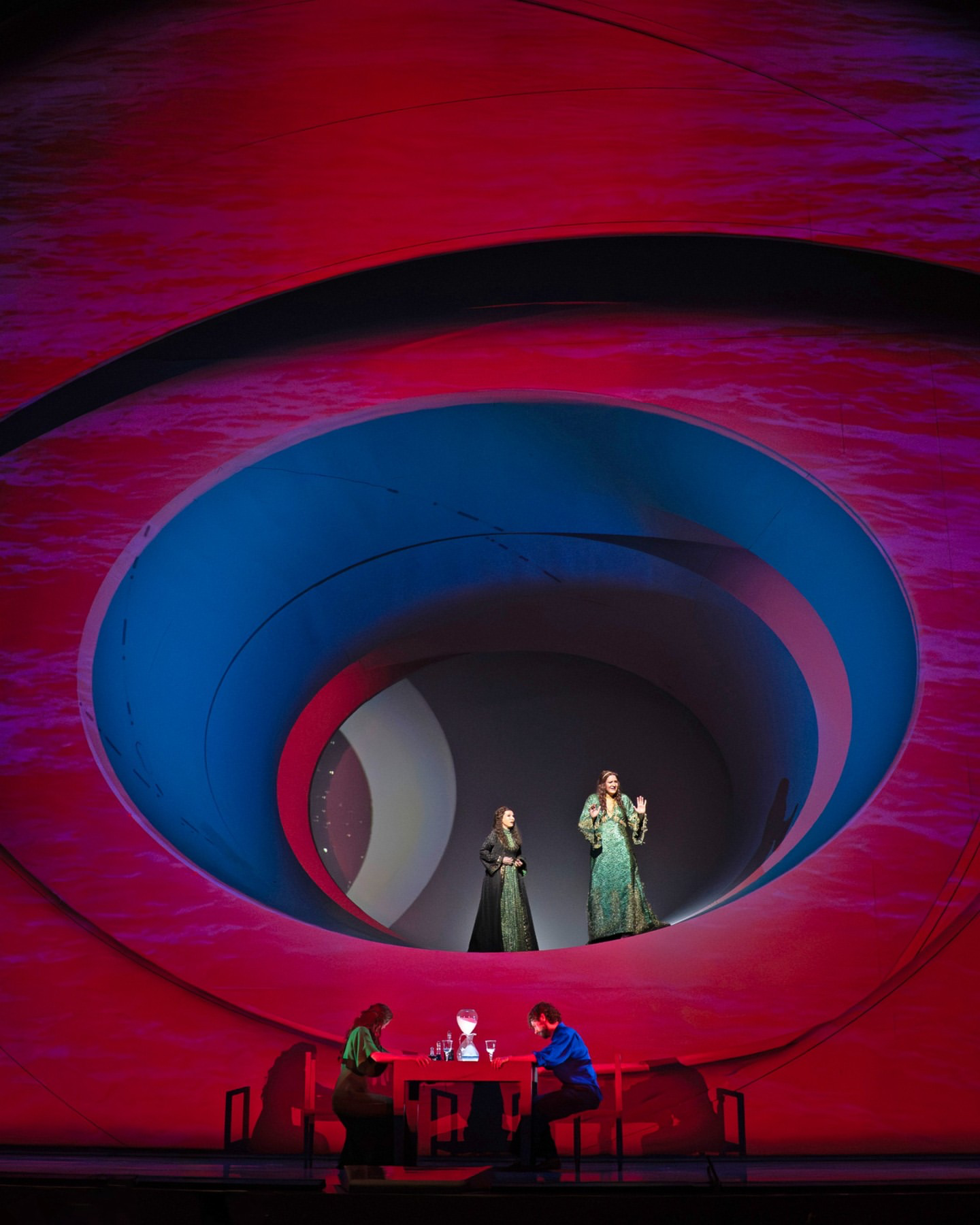
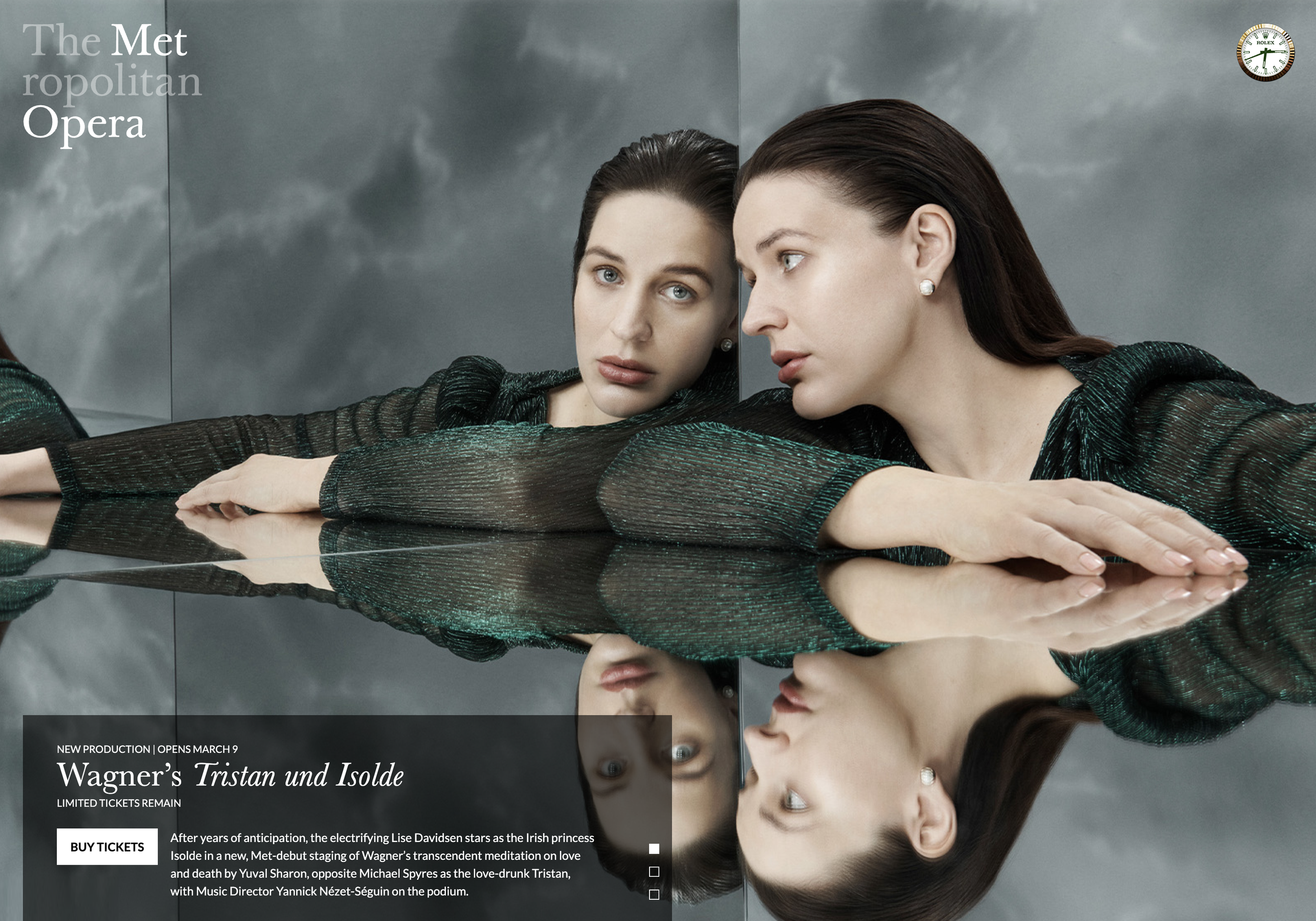
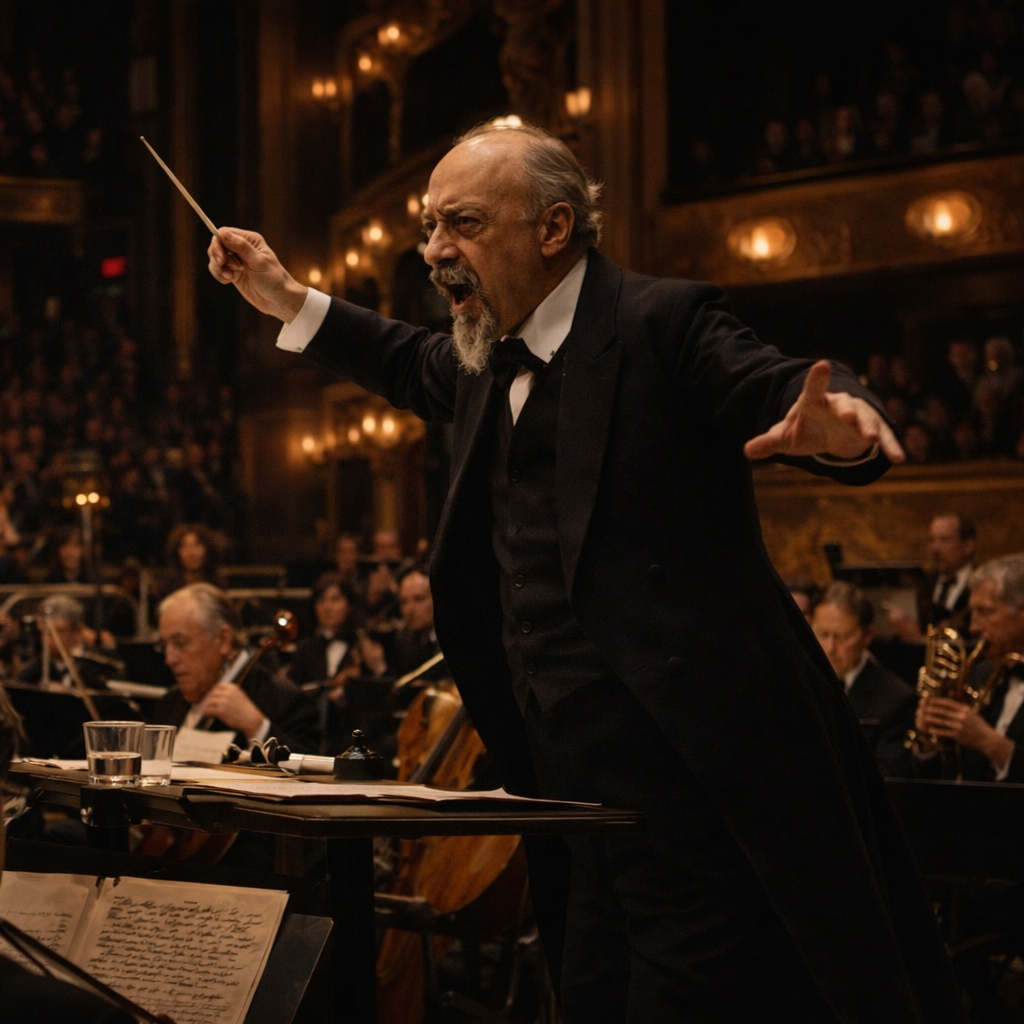
Tristan und Isolde, Metropolitan Opera, March 2026
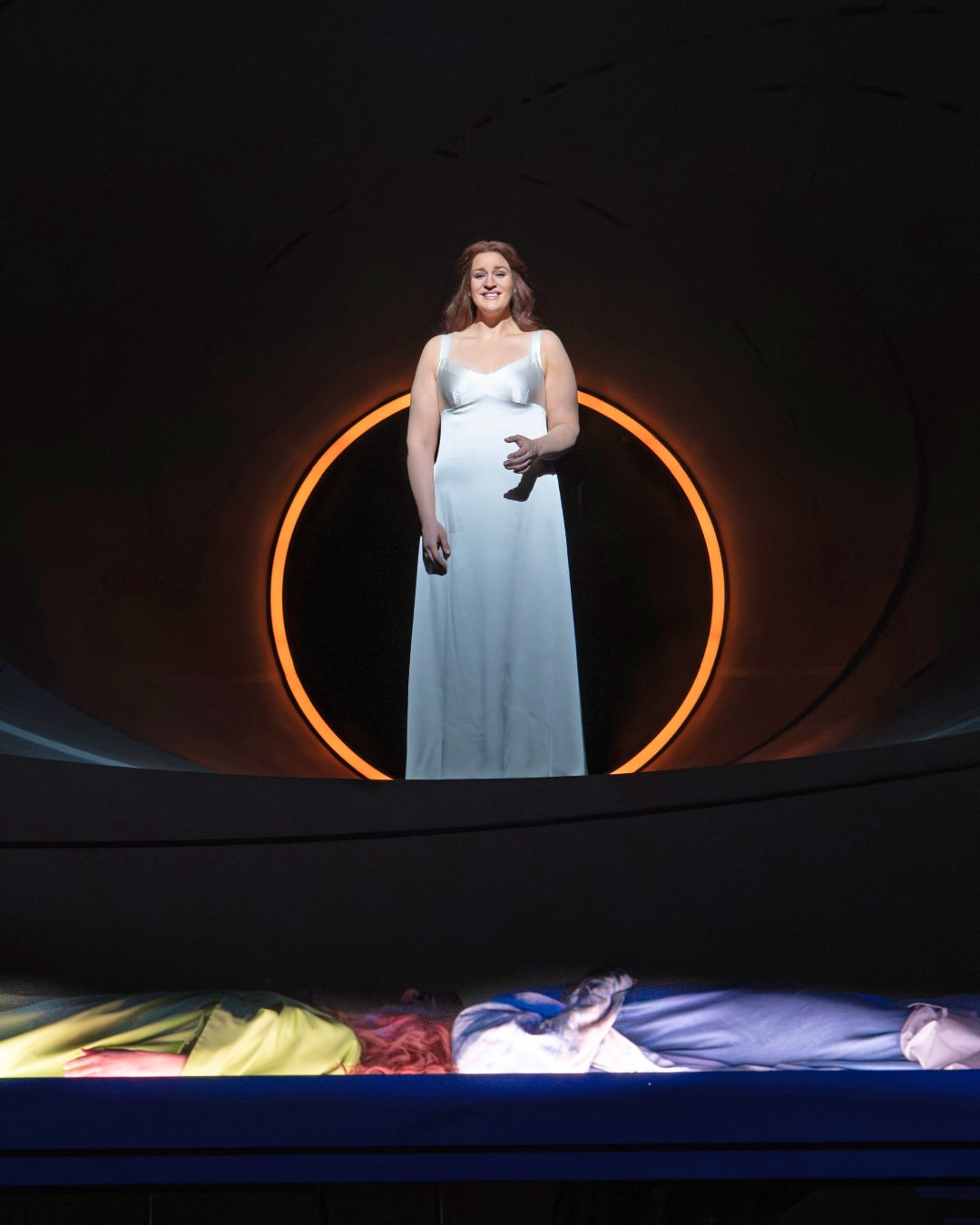
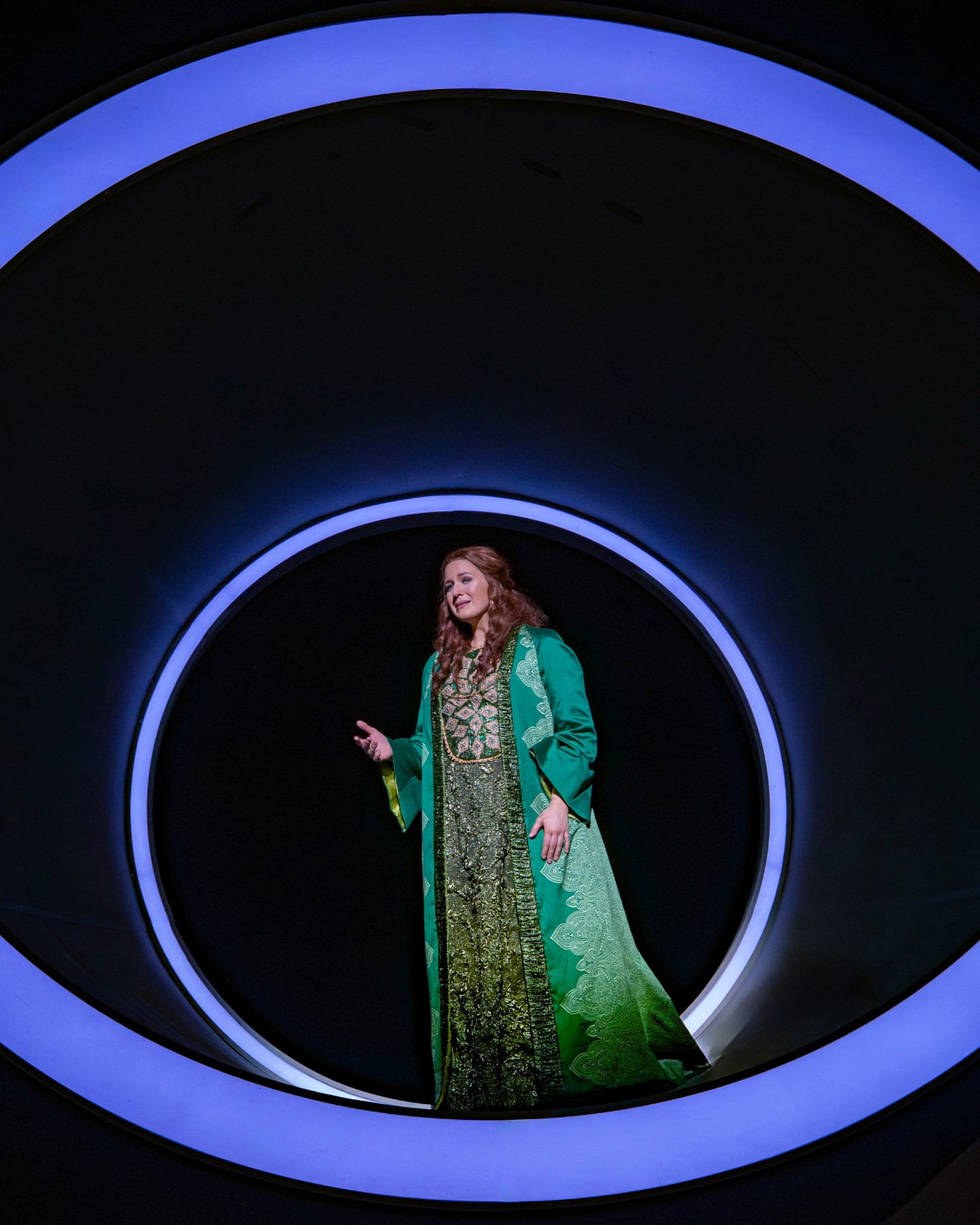
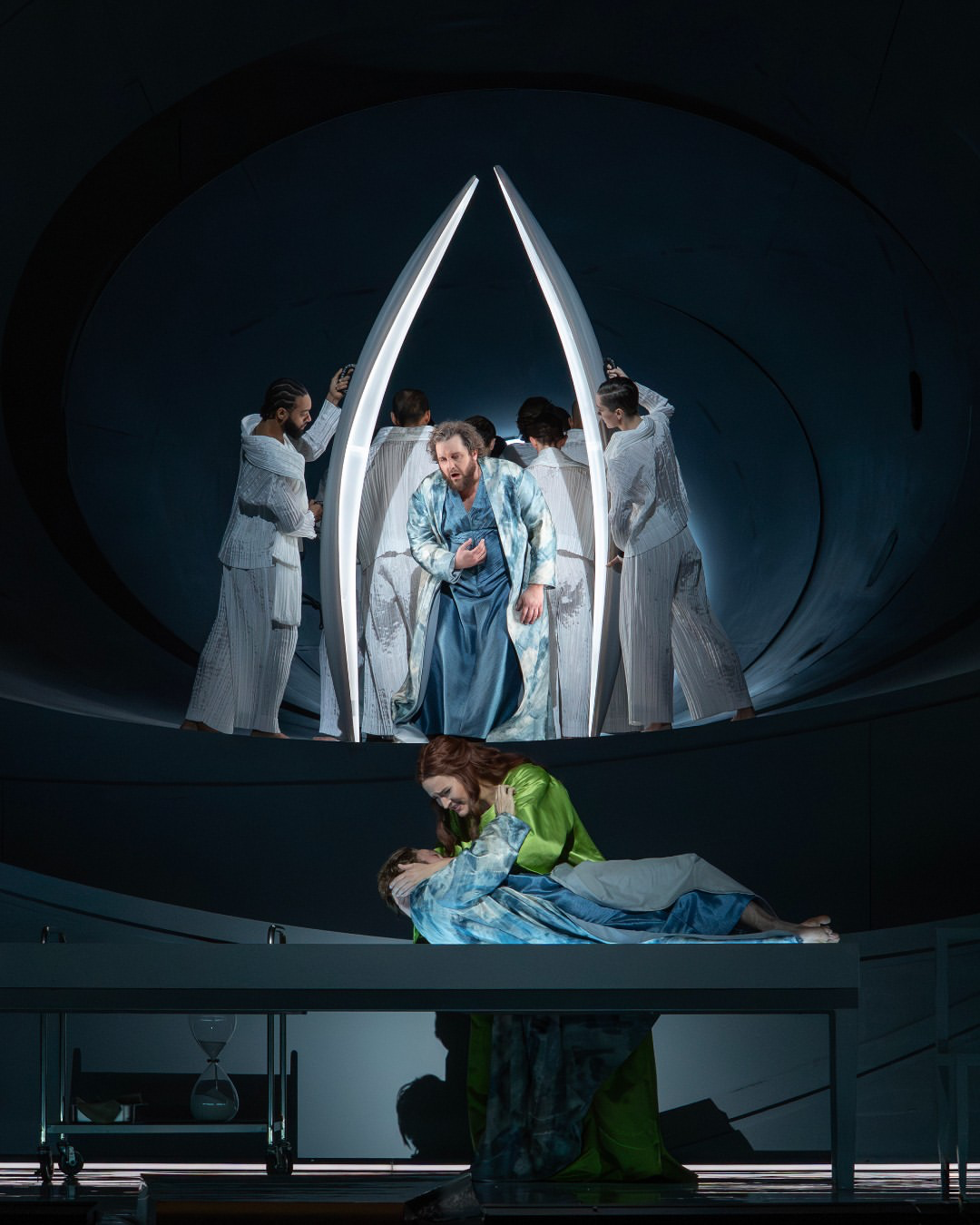
Essentieller Moment:
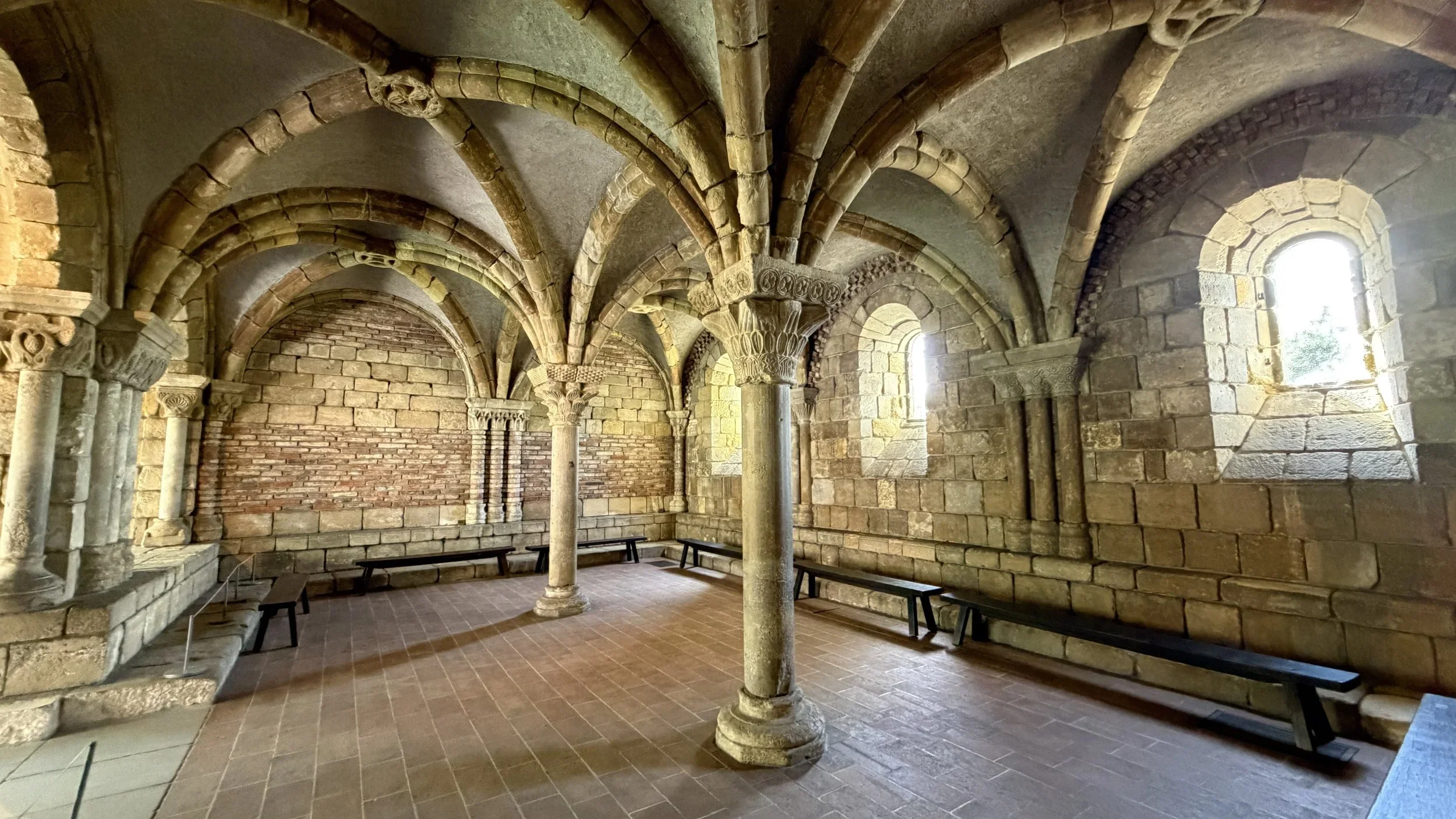
The Cloisters, Pontaut Chapter House, with the Act II Love Duet. The chapter house, a 12th-century French Romanesque room, its columns reassembled from a monastery in Gascony, its stone floor original, is the most spatially correct room in New York for the O sink hernieder duet. Not because it is medieval, but because it has been placed outside ordinary time by the fact of its displacement. It is a room that is not where it should be, whose stones are real but whose context is constructed, that exists in a permanent condition of atmospheric suspension. This is the lovers' condition. Sit in this room with the duet playing at low volume, in the late afternoon light or by lamplight if the evening hours are in effect. Do not rush the track. Let it not arrive.
Language Anchor (German Phrase of the Walk):
Ohne Nennen, ohne Trennen, neu Erkennen, neu Entbrennen / Without naming, without separating, newly recognized, newly ignited. From the Act II Love Duet, the lovers describing what it means to lose the distinction between self and other in the night. The phrase is untranslatable in the sense that its effect depends entirely on the German, the rhyme of Nennen/Trennen/Erkennen/Entbrennen, the chain of gerunds that collapses the distinctions they name (naming, separating, recognizing, burning) into a single continuous action.
This is what the harmonic language of Tristan is doing at every moment: collapsing the distinctions between tension and resolution, desire and satisfaction, self and world, until the distinctions themselves become the subject rather than the container.
Wort des Weges
Sehnsucht (pronounced: ZAYN-zookt):
Longing, but not the longing for a specific thing. Sehnsucht is the German word for the condition of longing itself, prior to any object, the ache that precedes and exceeds whatever it attaches to. C.S. Lewis called it Joy, the sharp stab of desire that is, paradoxically, more desirable than any of its apparent objects, because no object can satisfy it and the objects are only occasions for its appearance.
Wagner's teacher Schopenhauer called it the Will. The blind, purposeless force that drives all life, that generates desire without satisfaction, that can only be temporarily stilled in the experience of beauty or permanently escaped through renunciation. Sehnsucht in this sense is not about a person or a place. It is the condition that New York produces and cannot satisfy. The city of maximum stimulus and permanent non-arrival. Tristan und Isolde is four and a half hours of Sehnsucht given harmonic form. The famous Tristan chord, which opens the opera and recurs throughout it, is a chord that generates desire for resolution and then declines to resolve. It does not modulate away from the tension. It sits in it, finding in the suspension itself a form of completeness that resolution would destroy.
April is the month for this. The days are finally long enough to feel the night as a choice rather than an imposition. The cherry blossoms open and immediately begin to fall. The city is at maximum restlessness. Sehnsucht is everywhere and its object is nowhere. This is the right month to go looking for it in specific rooms.
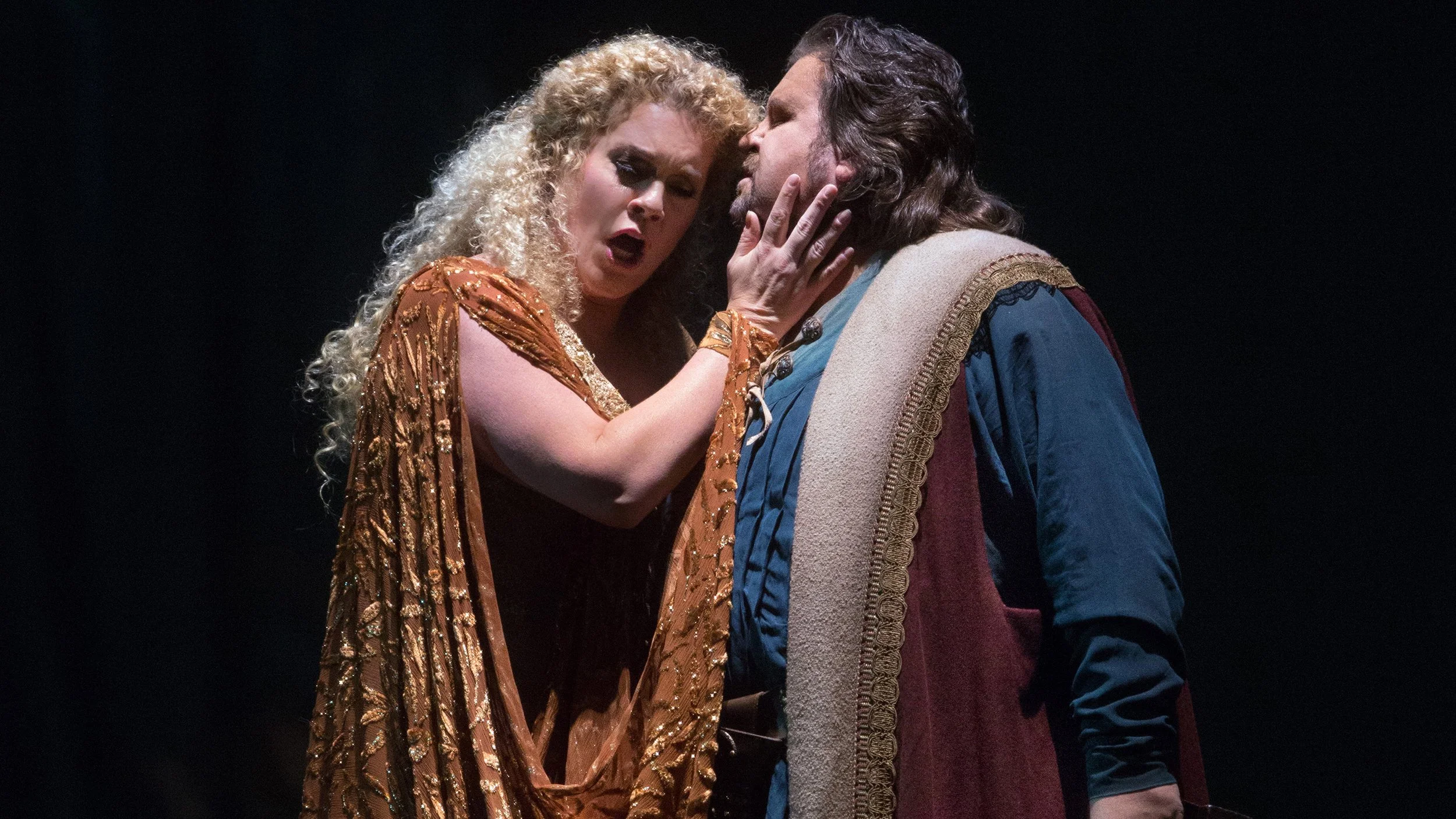
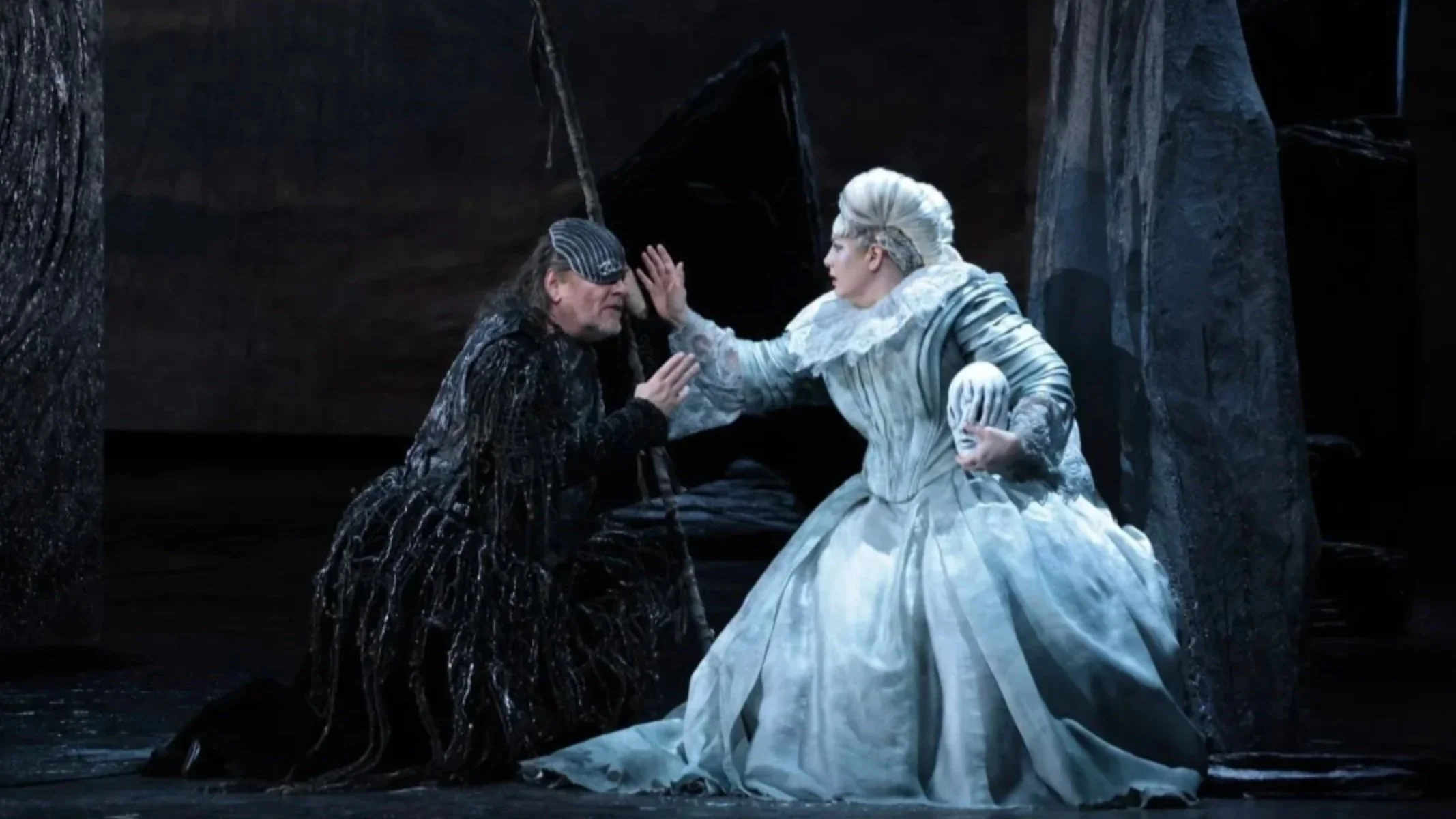
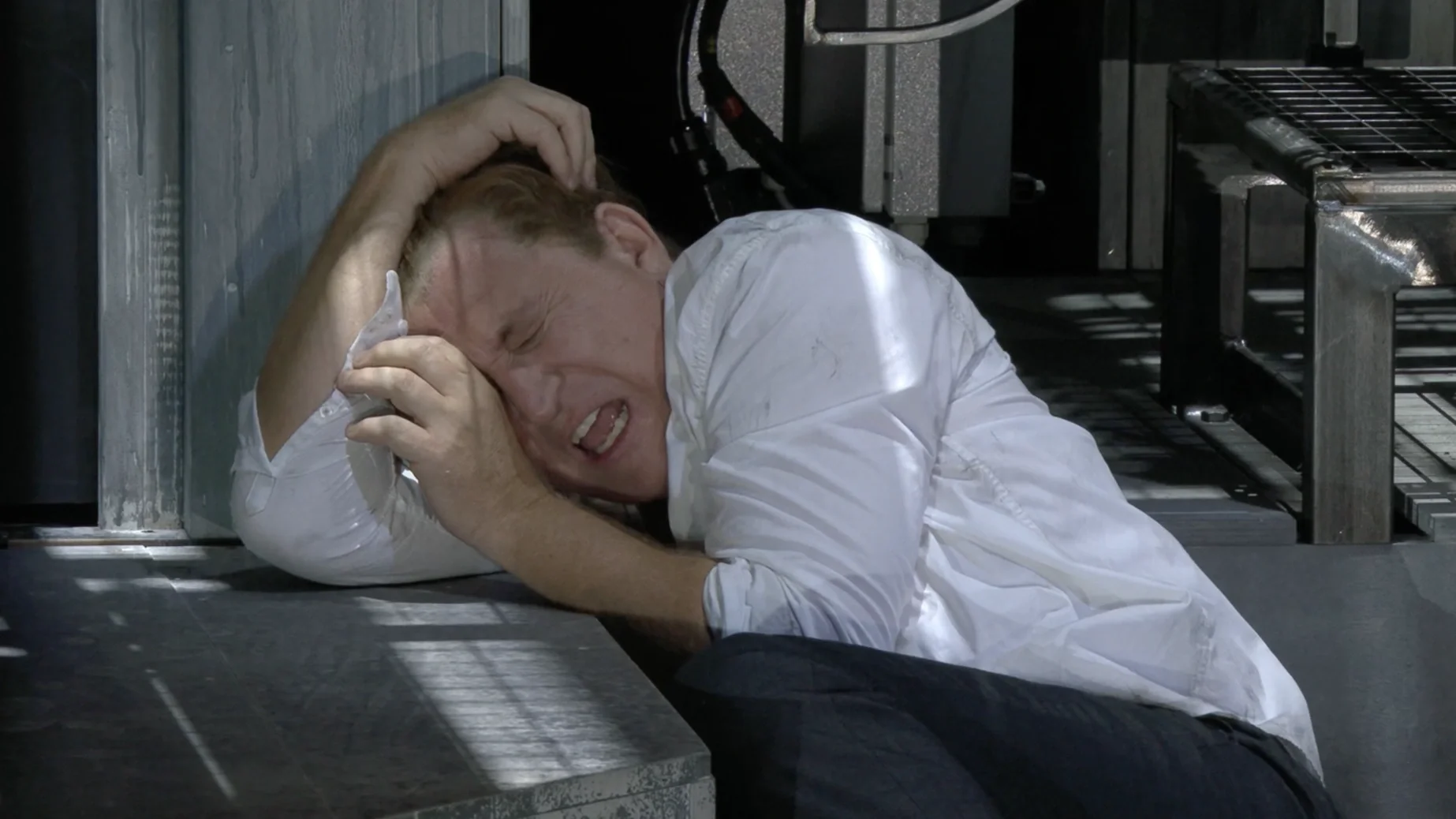
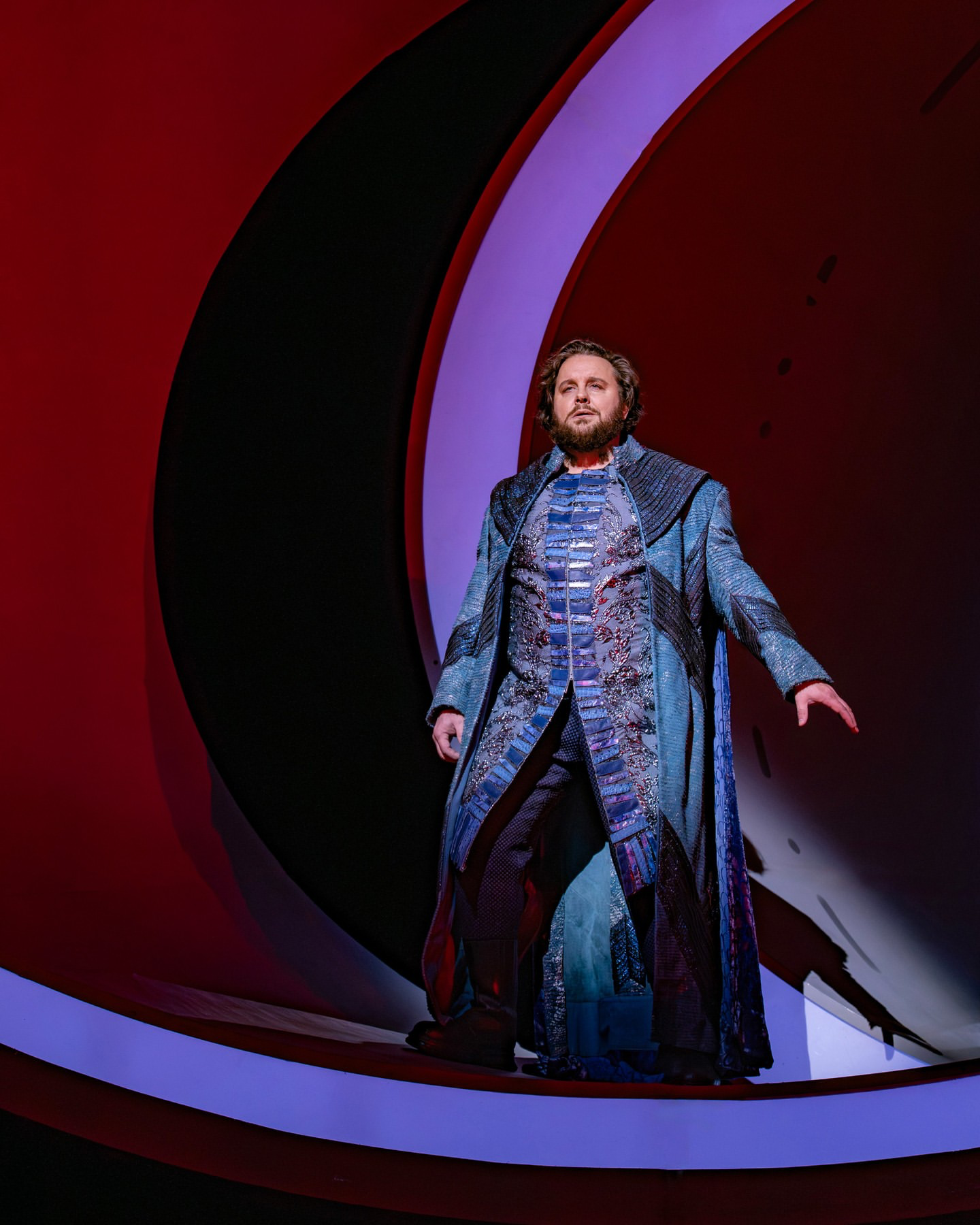
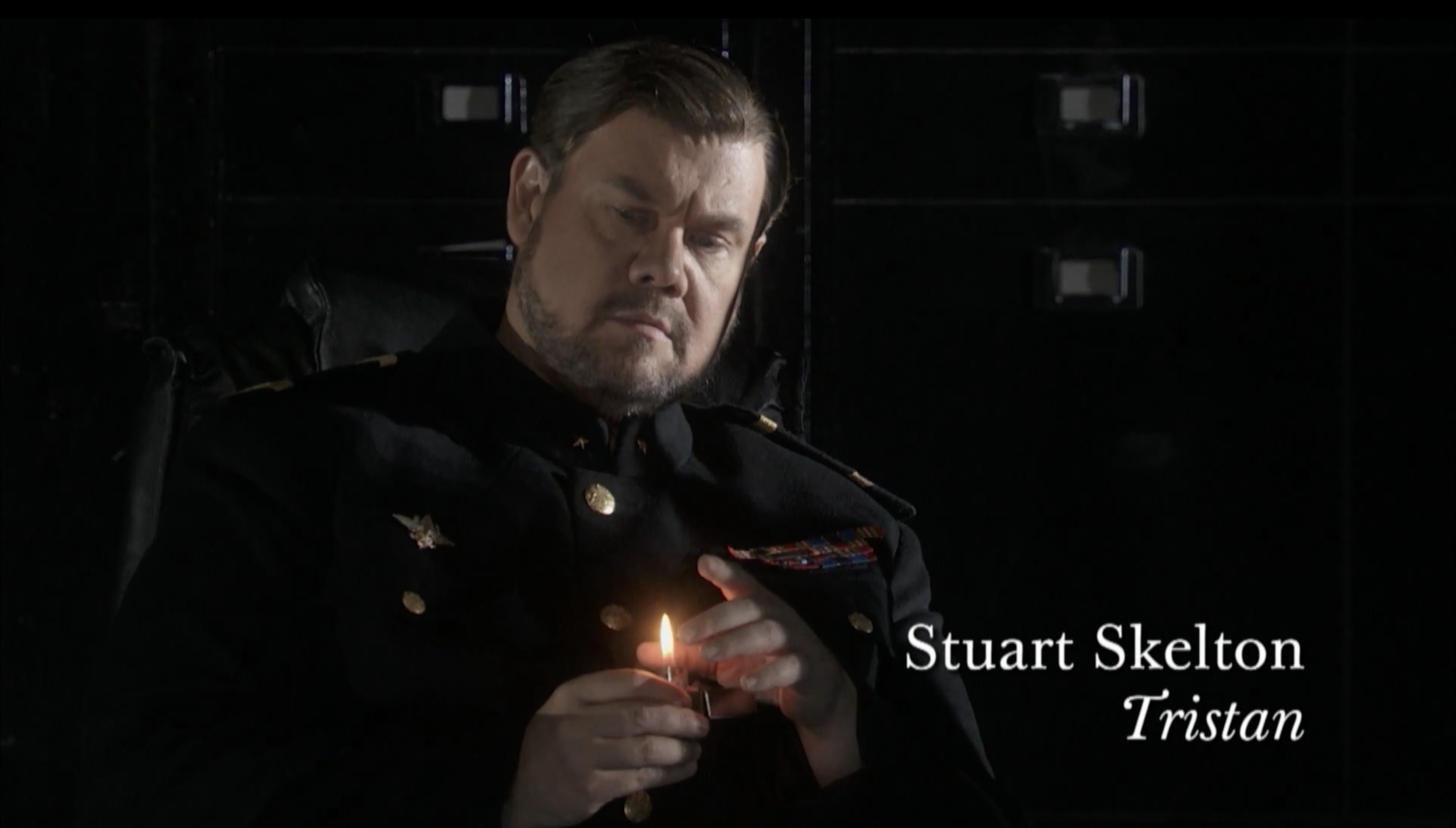
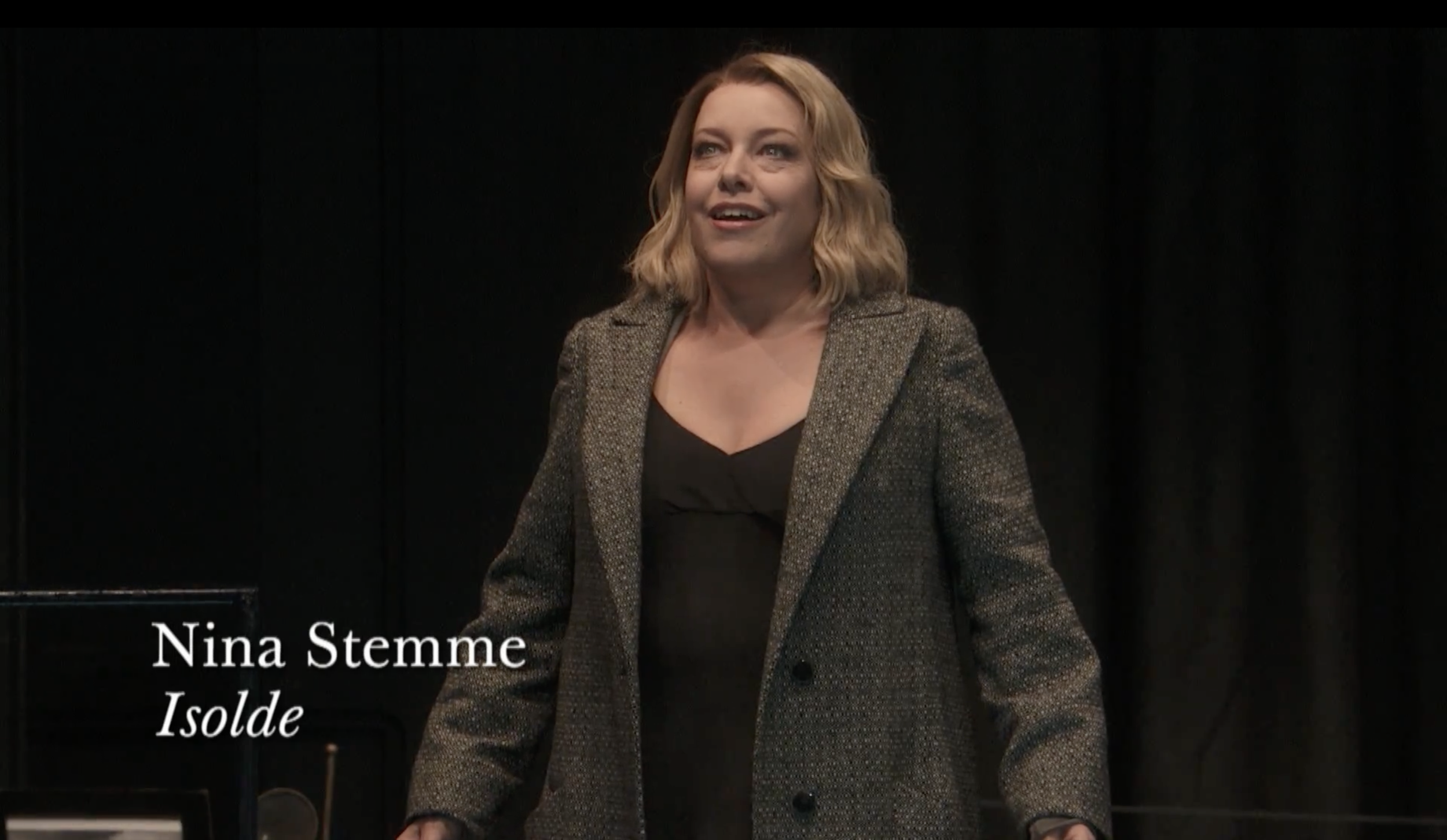
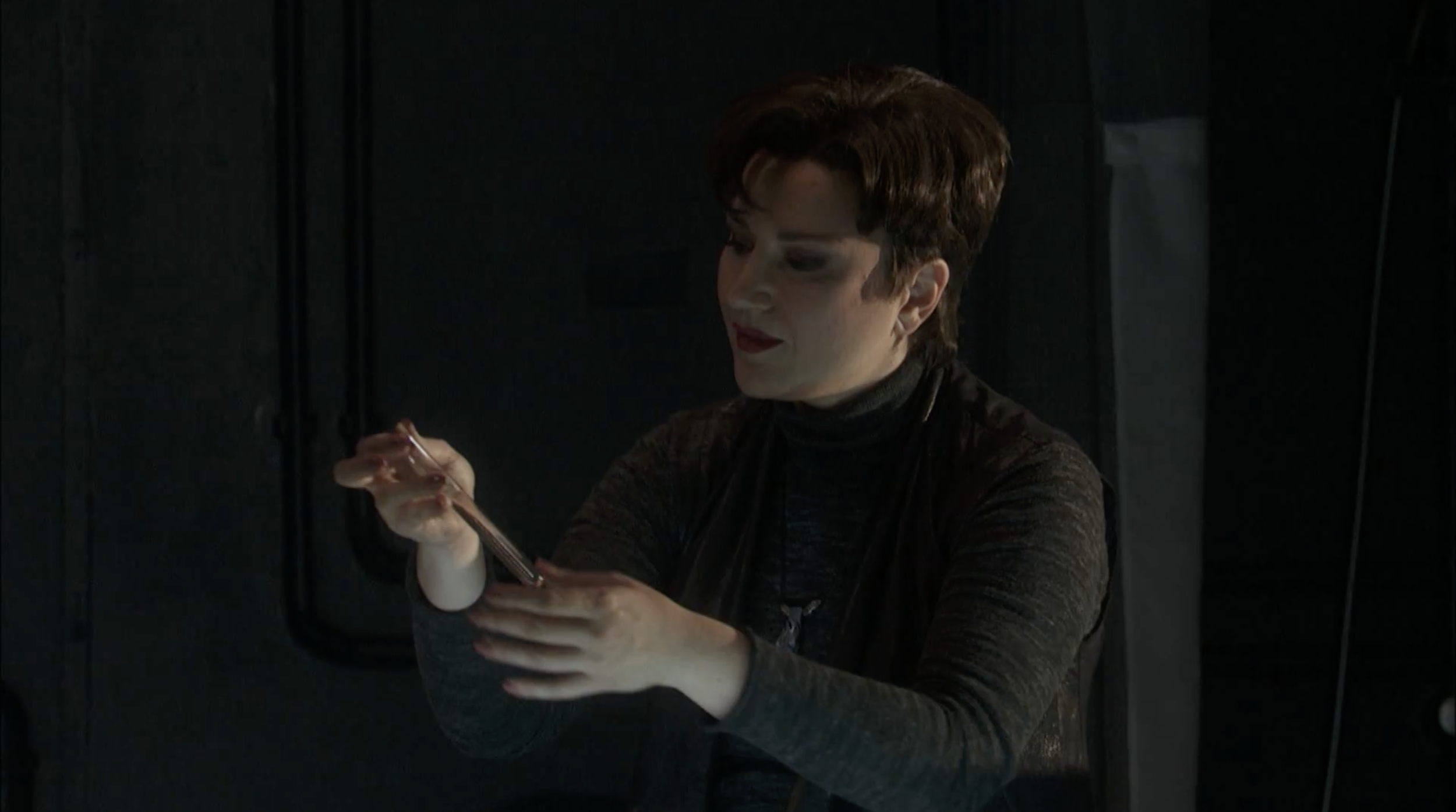
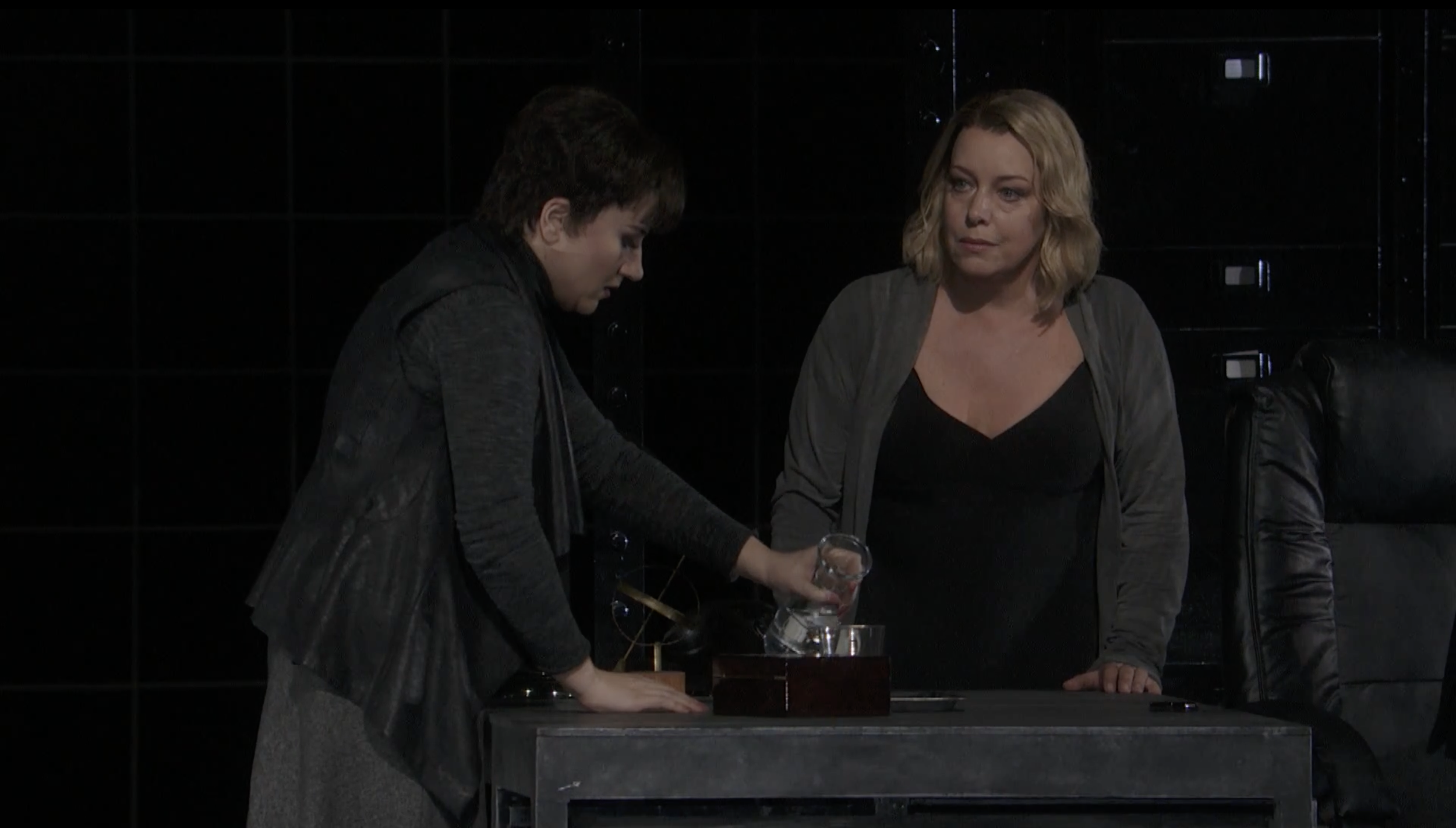
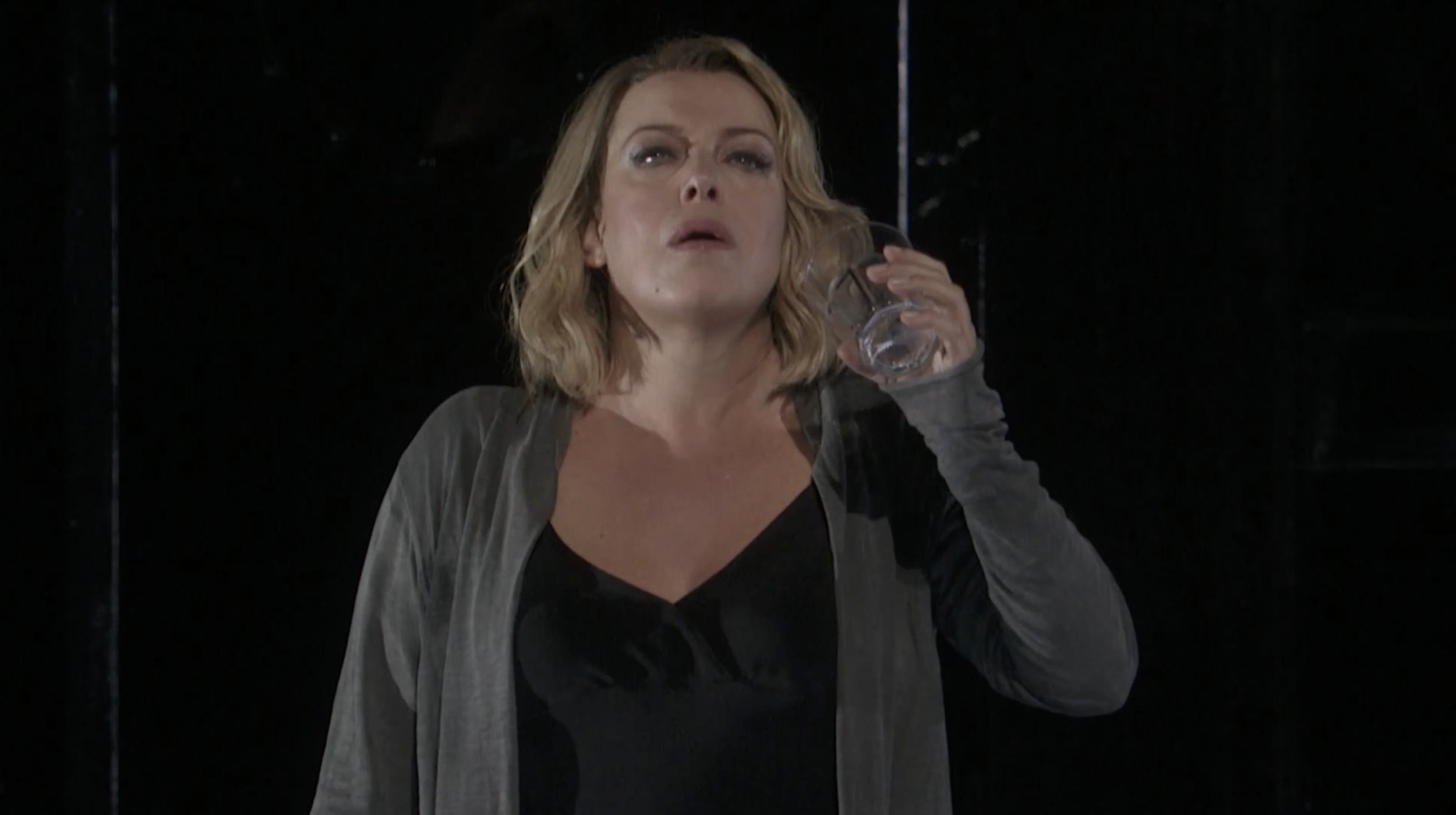
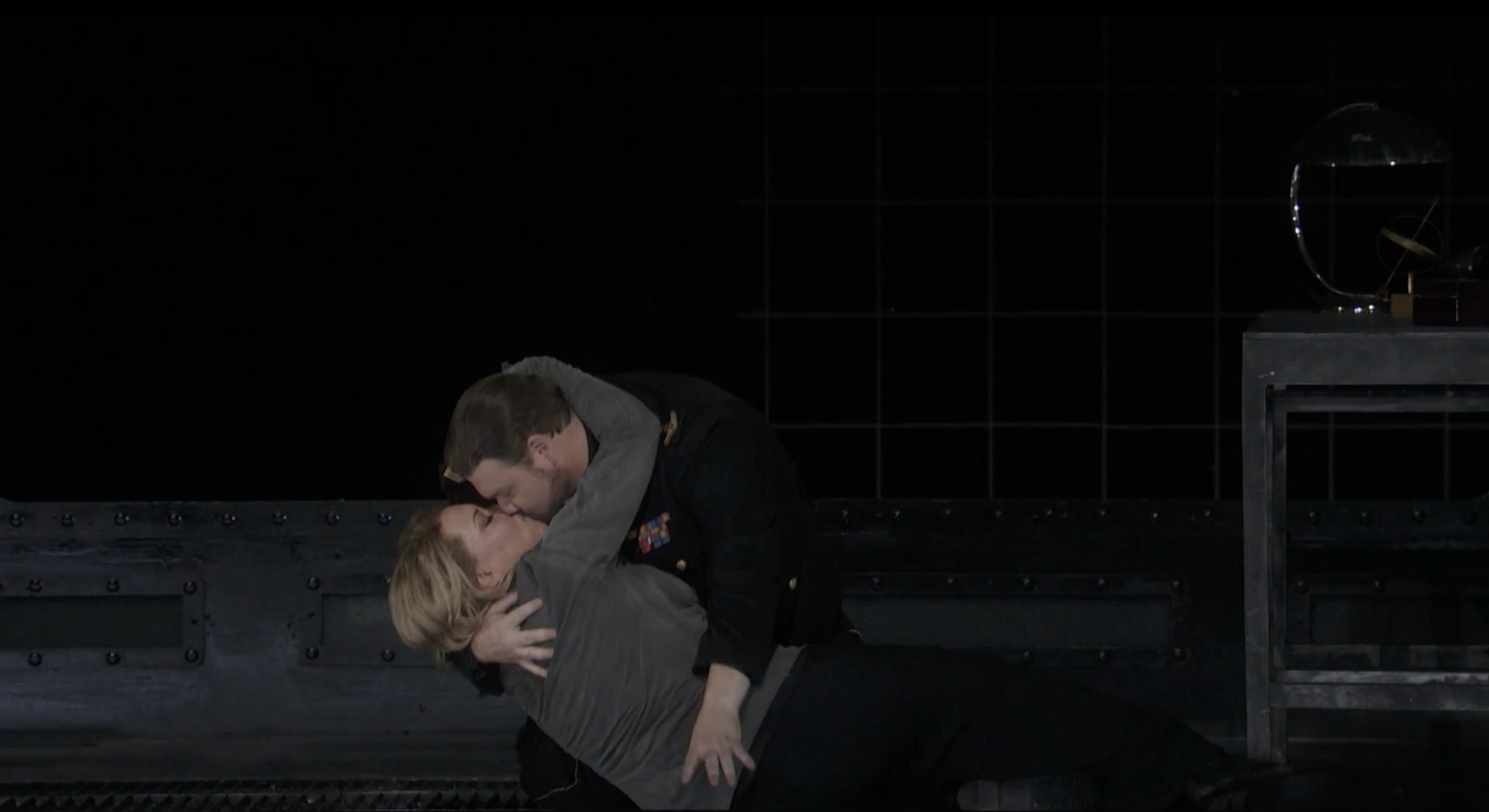
Tristan und Isolde, Metropolitan Opera, October 2016
Thematischer Rahmen: Das Unmögliche Begehren
Wagner read Schopenhauer's Die Welt als Wille und Vorstellung, The World as Will and Representation, in the autumn of 1854, while he was composing the Ring cycle, and it broke the Ring open and rerouted everything. He had been writing optimistic mythological redemption. Siegfried's heroism, Brünnhilde's awakening, the regeneration of the world through love and sacrifice. After Schopenhauer, he understood that the metaphysical foundation was different. The Ring continued but with a new gravity in its last two operas. And Tristan und Isolde, conceived immediately after the Schopenhauer reading, sketched in 1854 and composed in full between 1857 and 1859, was the direct artistic consequence: the opera that Schopenhauer's philosophy required.
Schopenhauer's argument begins with a distinction. There is the world as we represent it, the phenomena, the appearances, the objects of ordinary experience, and beneath it the thing-in-itself, which Schopenhauer calls the Will. A blind, purposeless force, the metaphysical engine of all life, that expresses itself through desire. Every living thing is an expression of the Will. Every desire is the Will seeking itself through an apparent object. And here is the trap: the Will is never satisfied by its objects, because the objects are not the point. Achieving a desire relocates the desire rather than satisfying it. The Will is the condition, and the condition is permanent. The only exits are aesthetic contemplation, in which beauty temporarily suspends the Will, or renunciation, the saint's or the Buddhist's path of not-wanting.
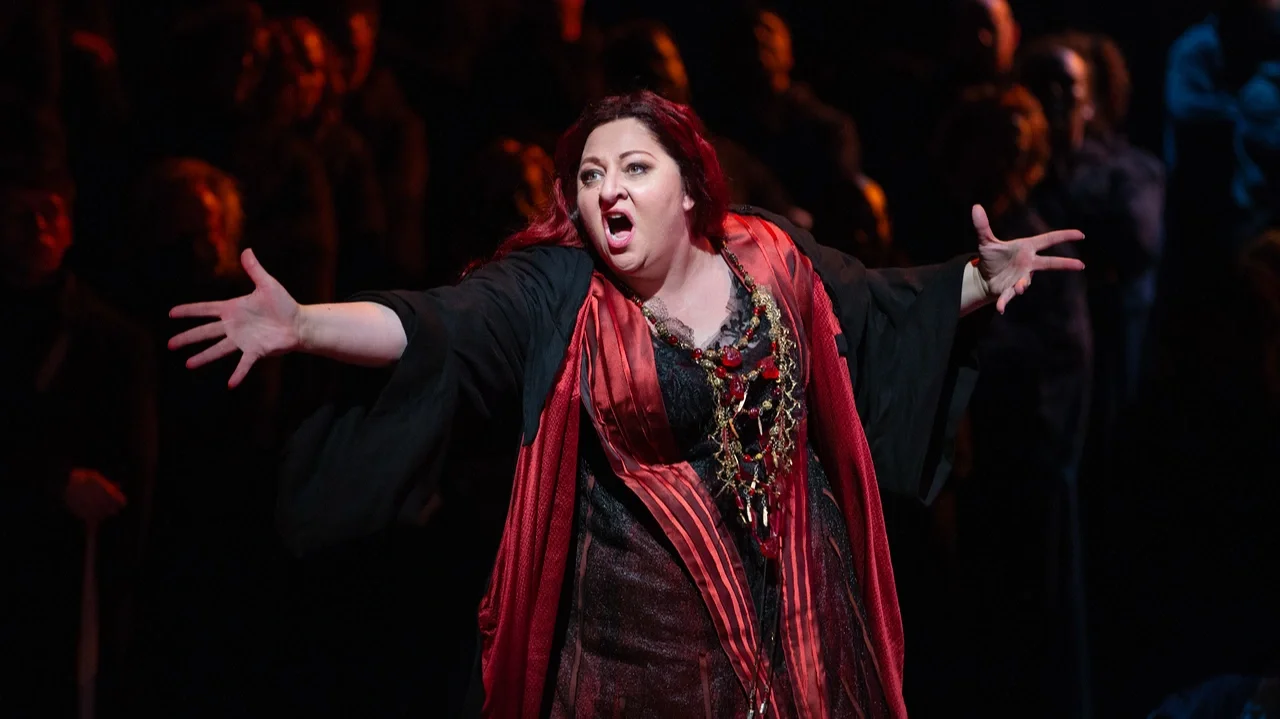
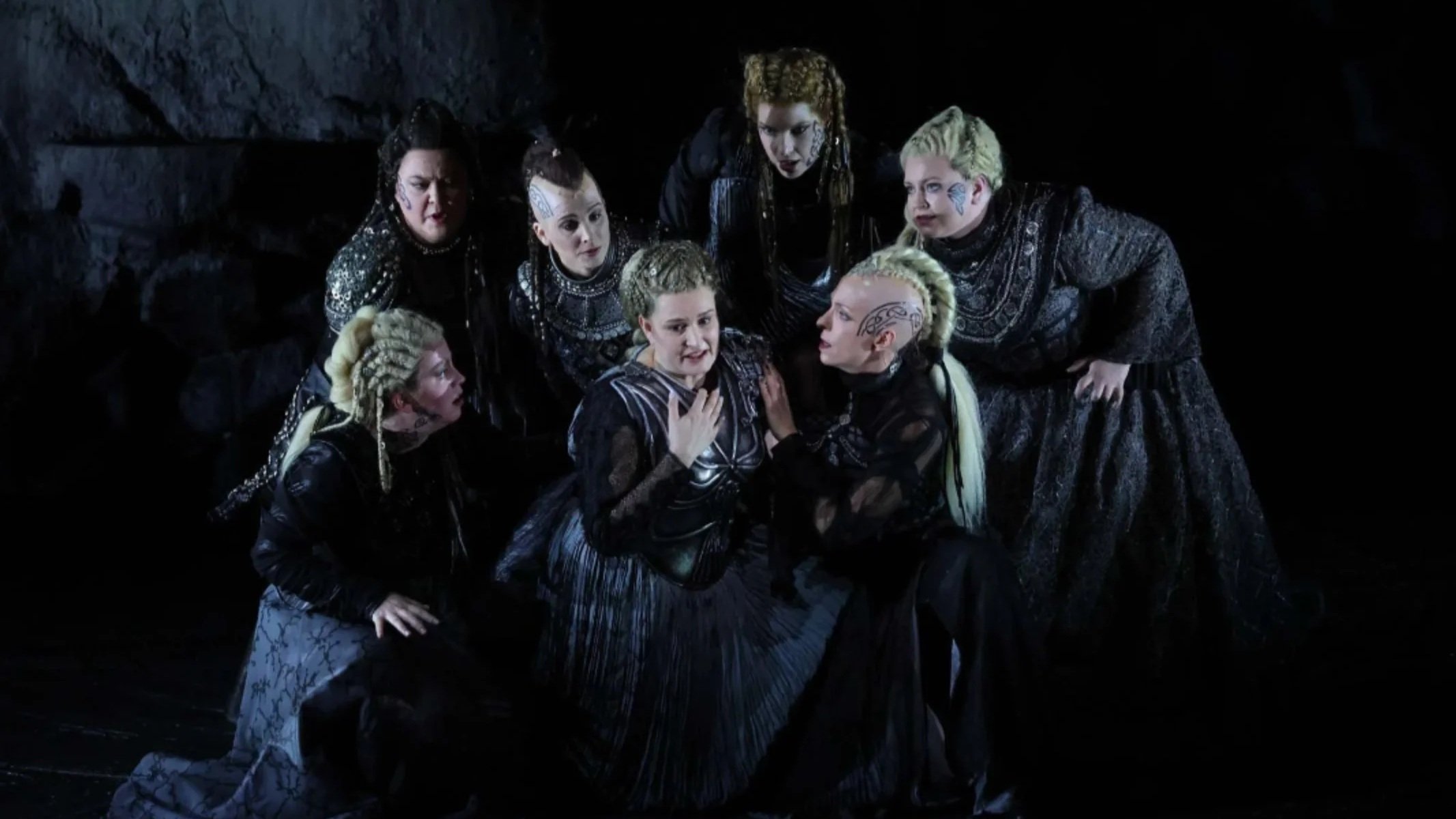
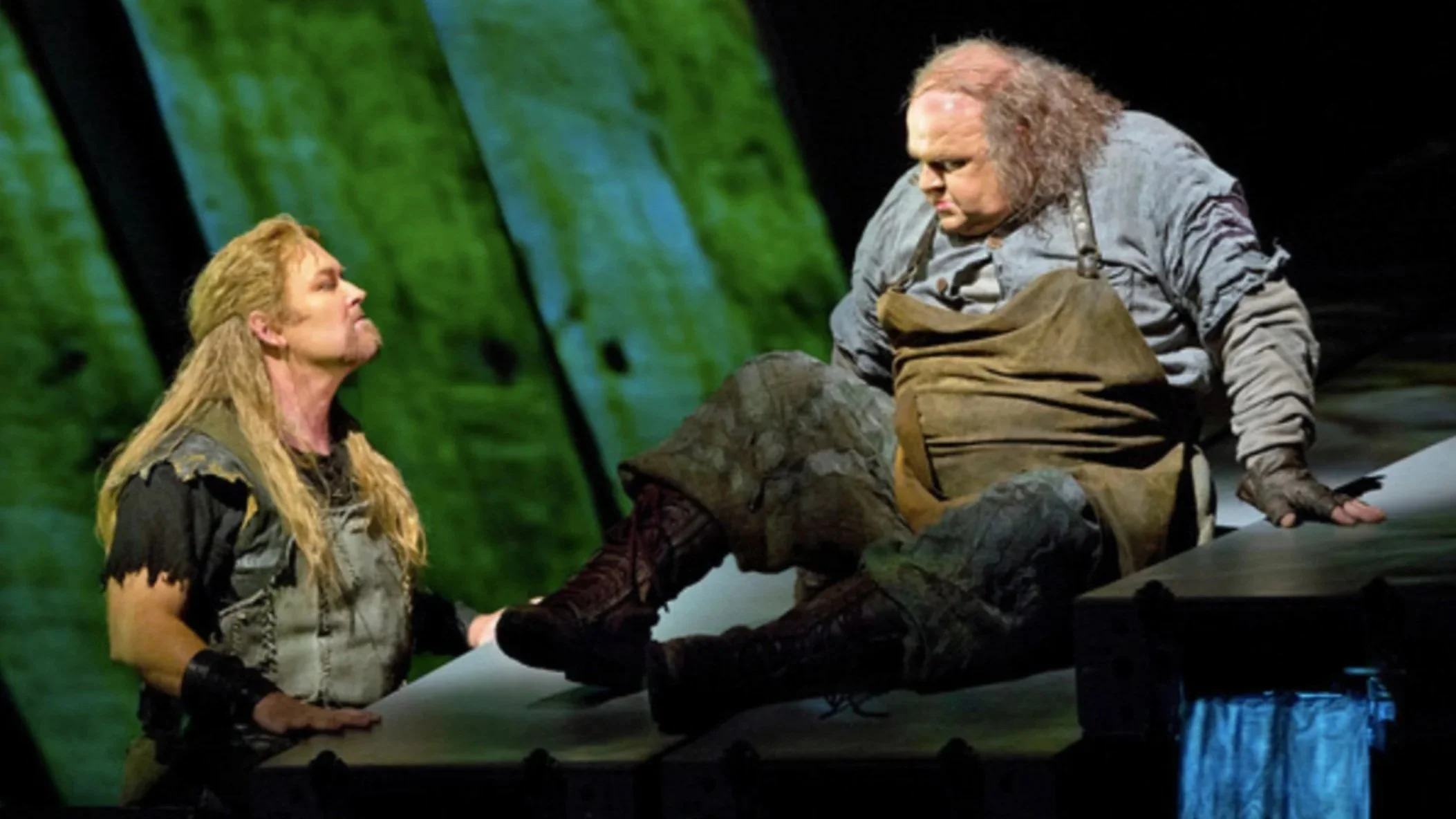
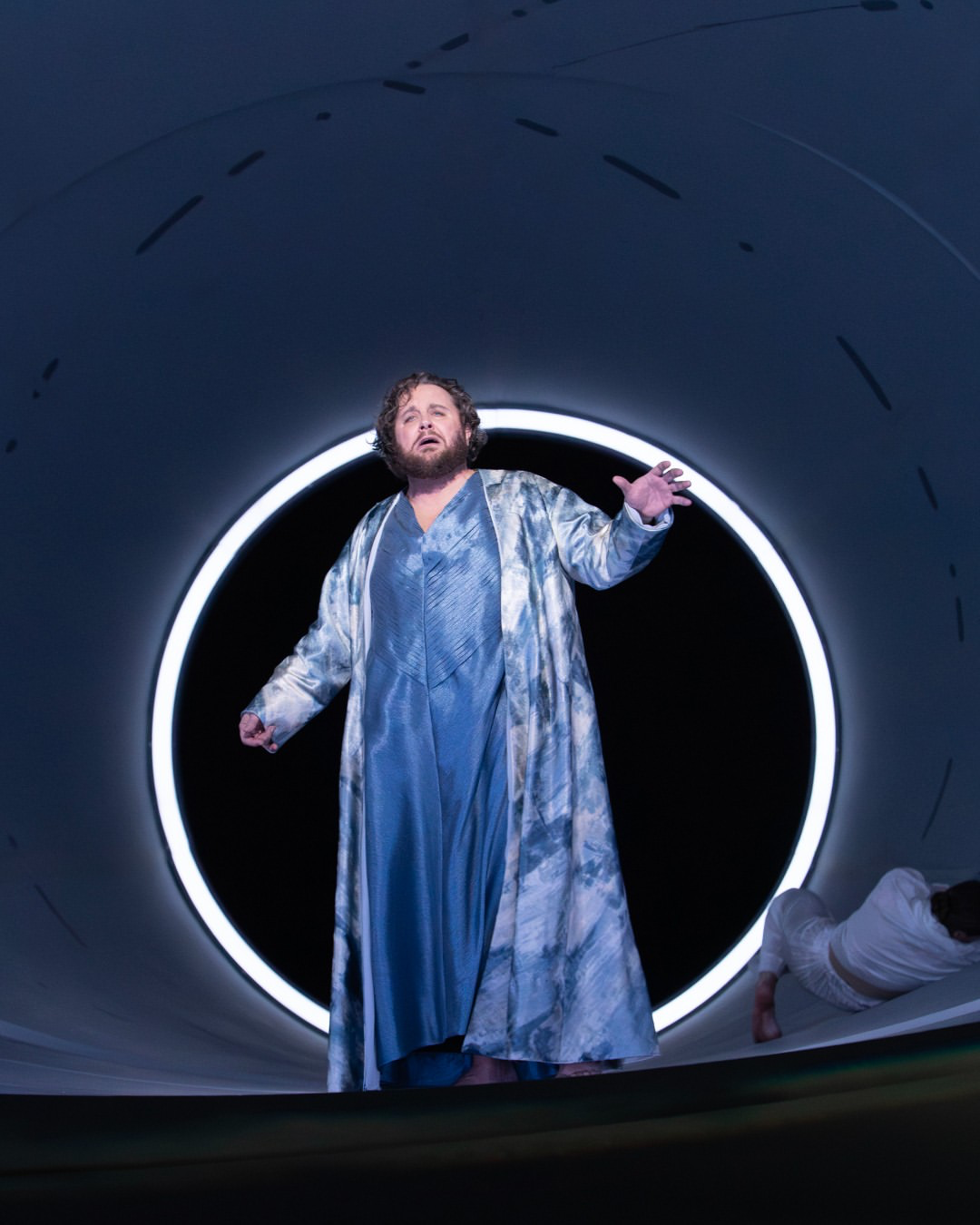
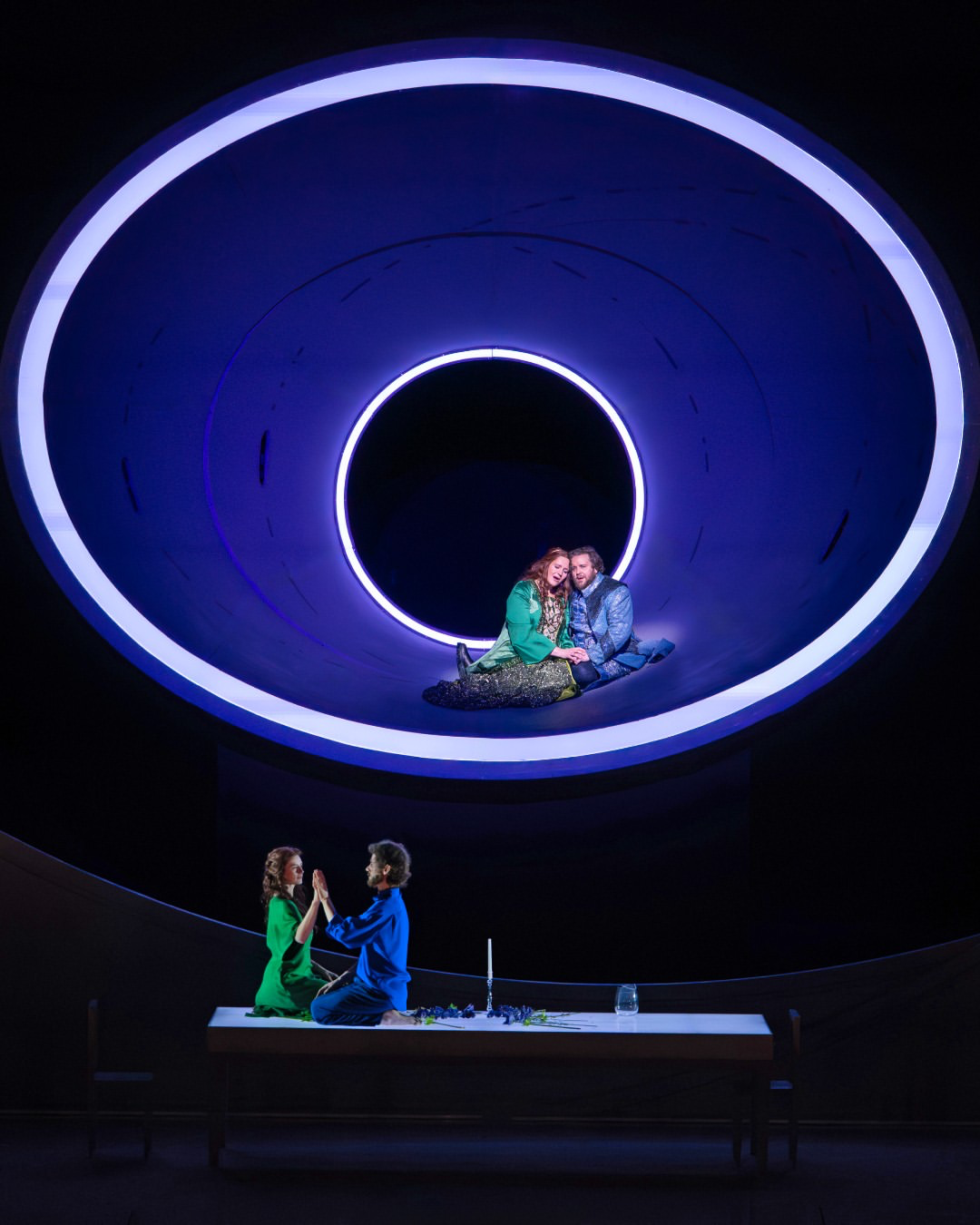
Tristan und Isolde, Bayreuth Festival, July 2024
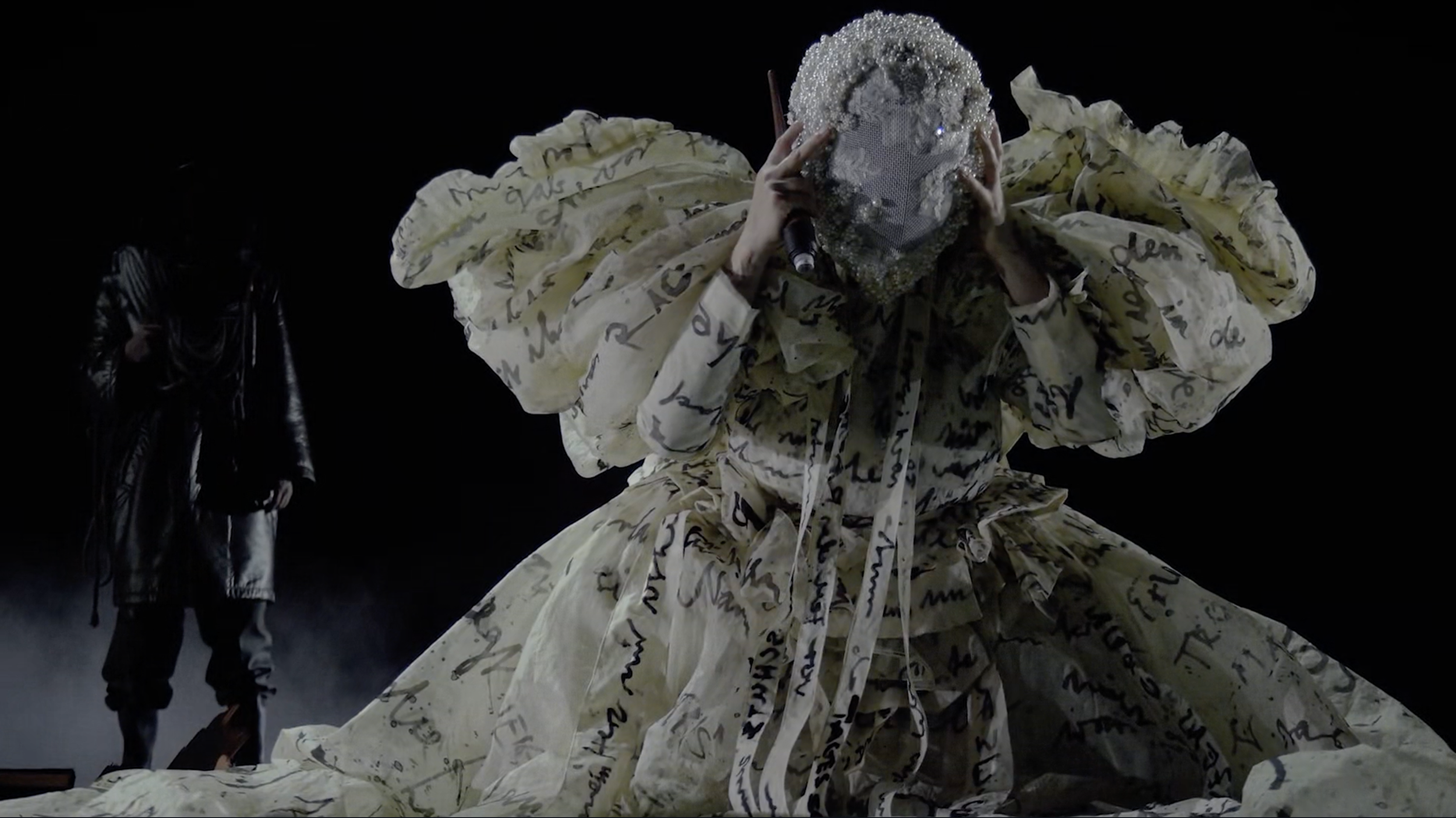
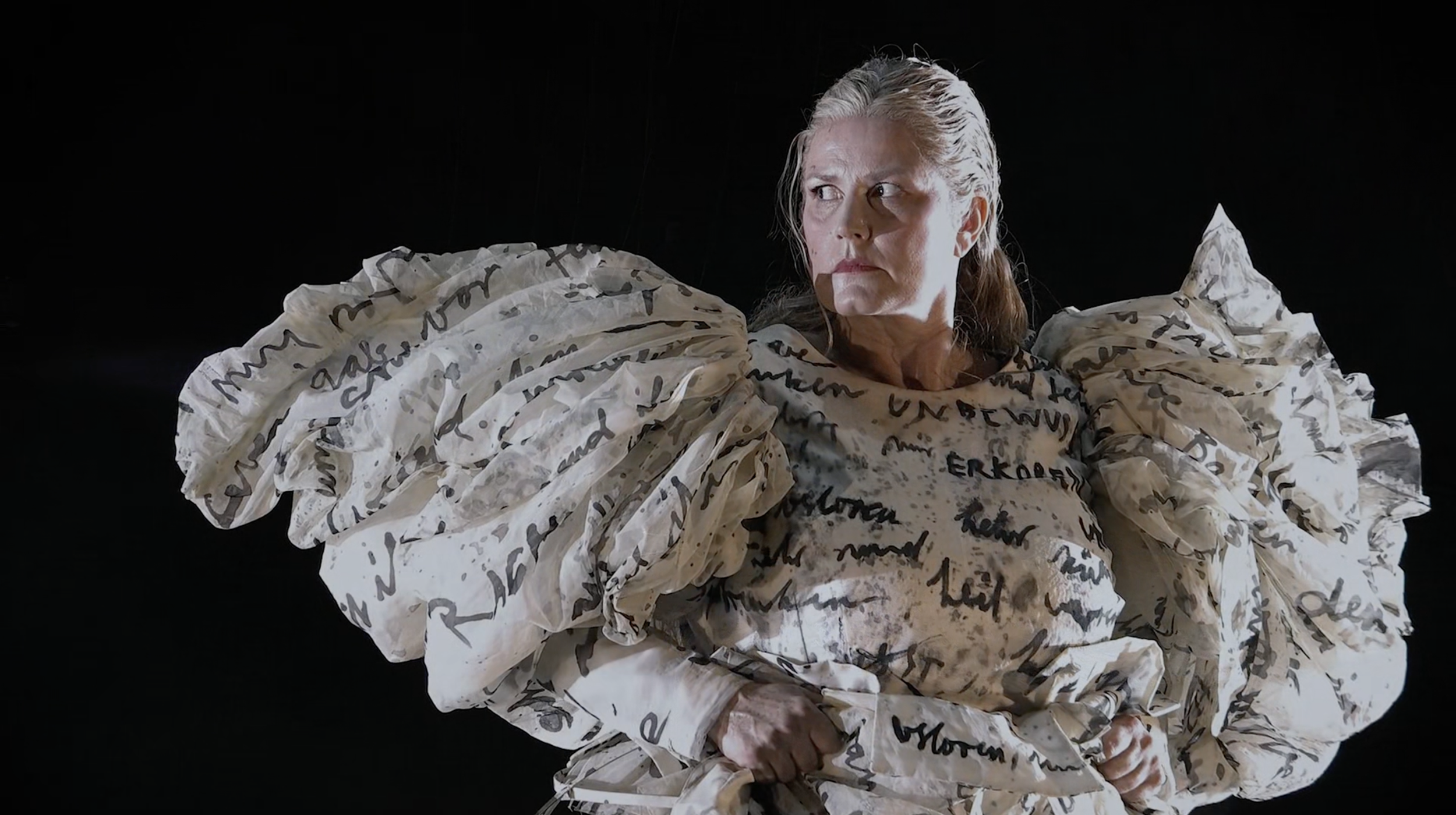
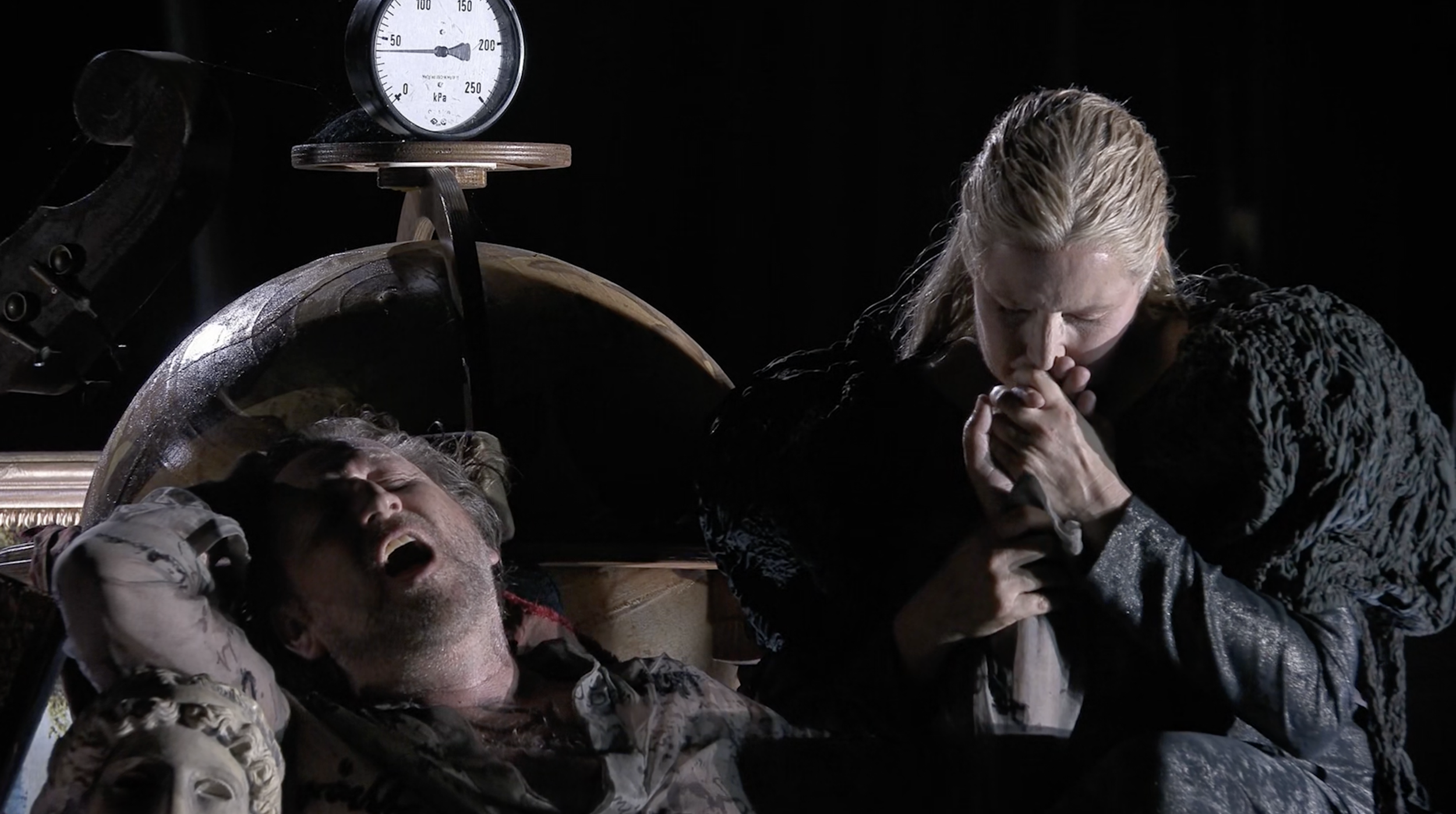
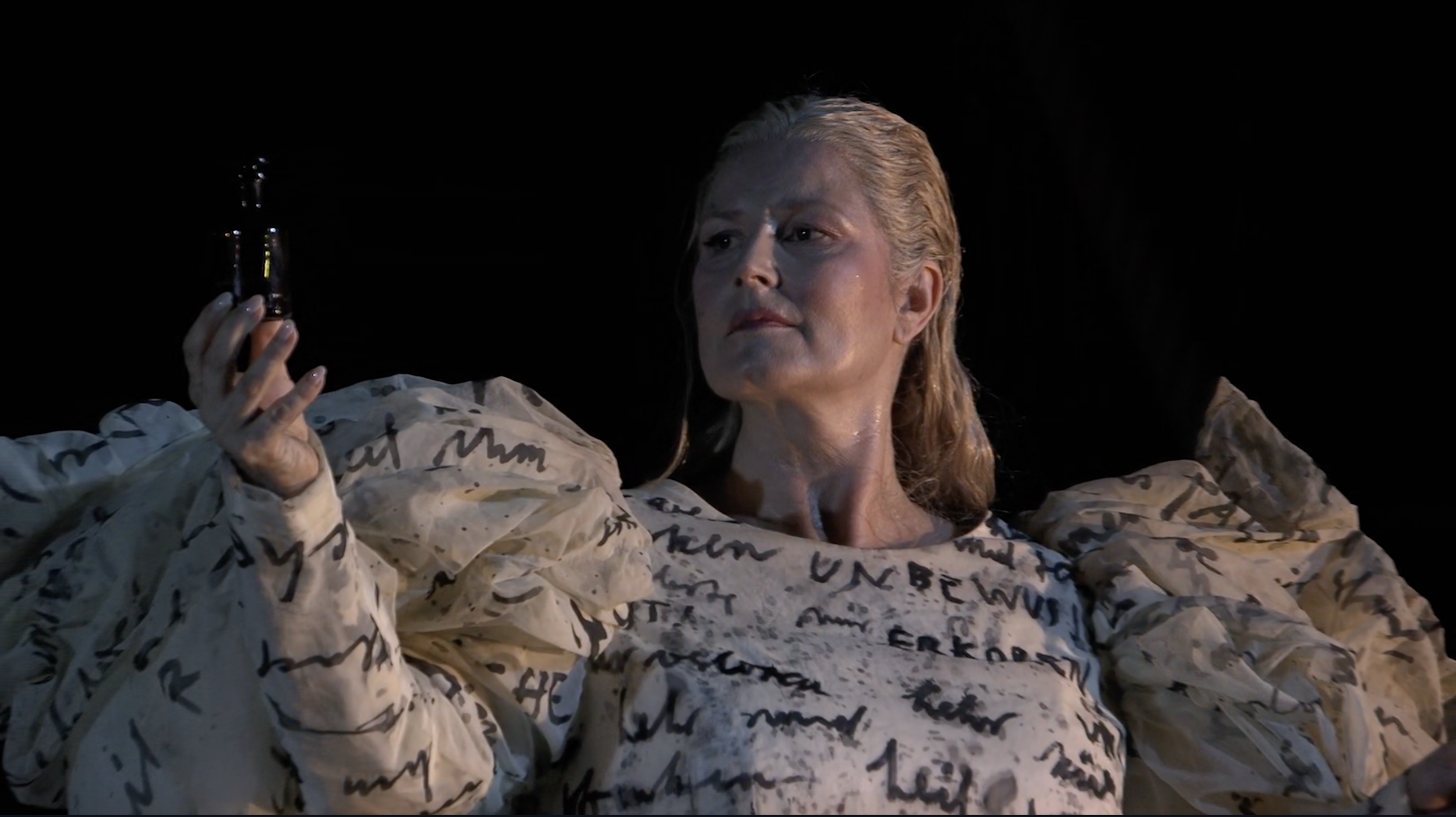
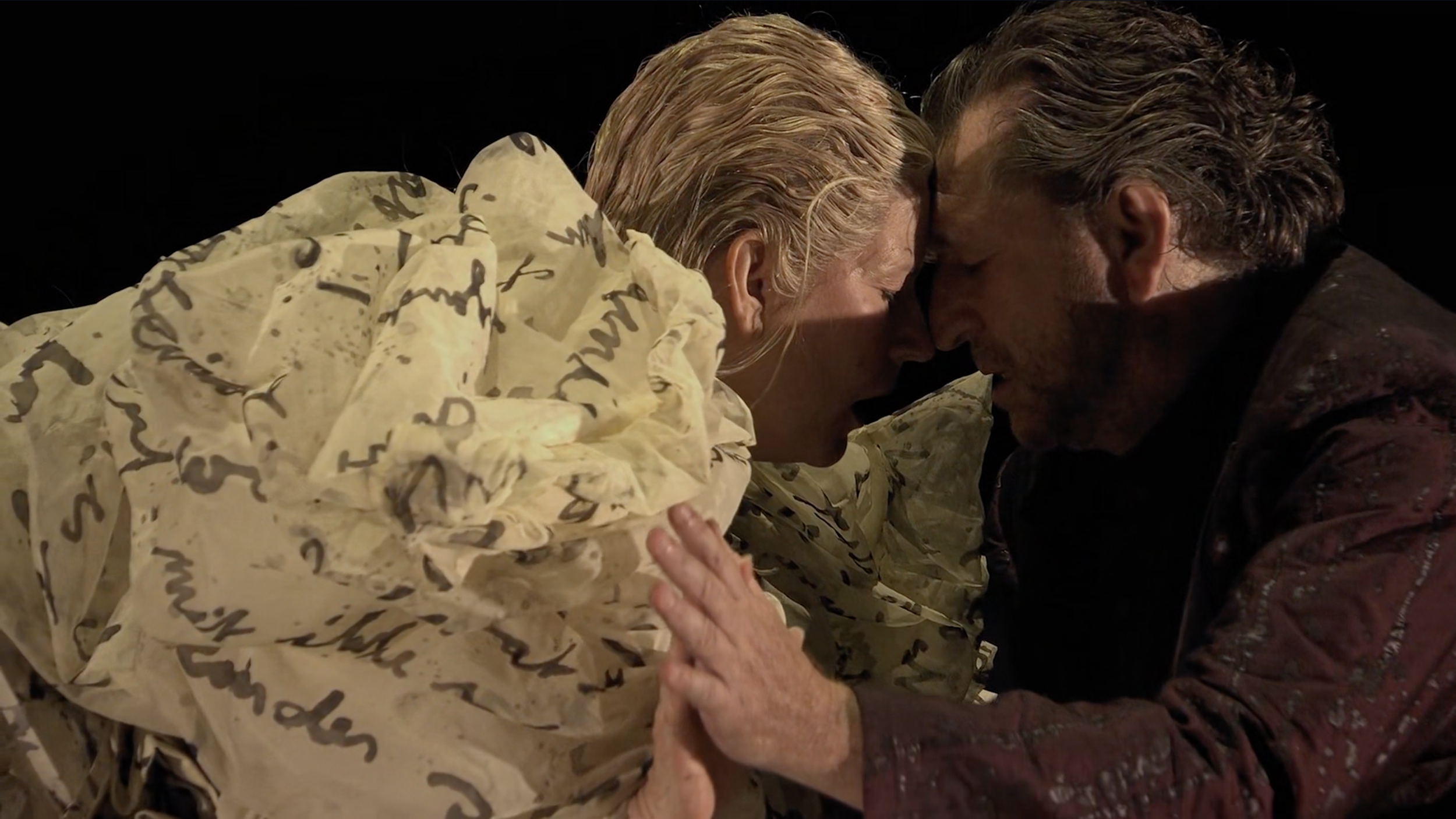
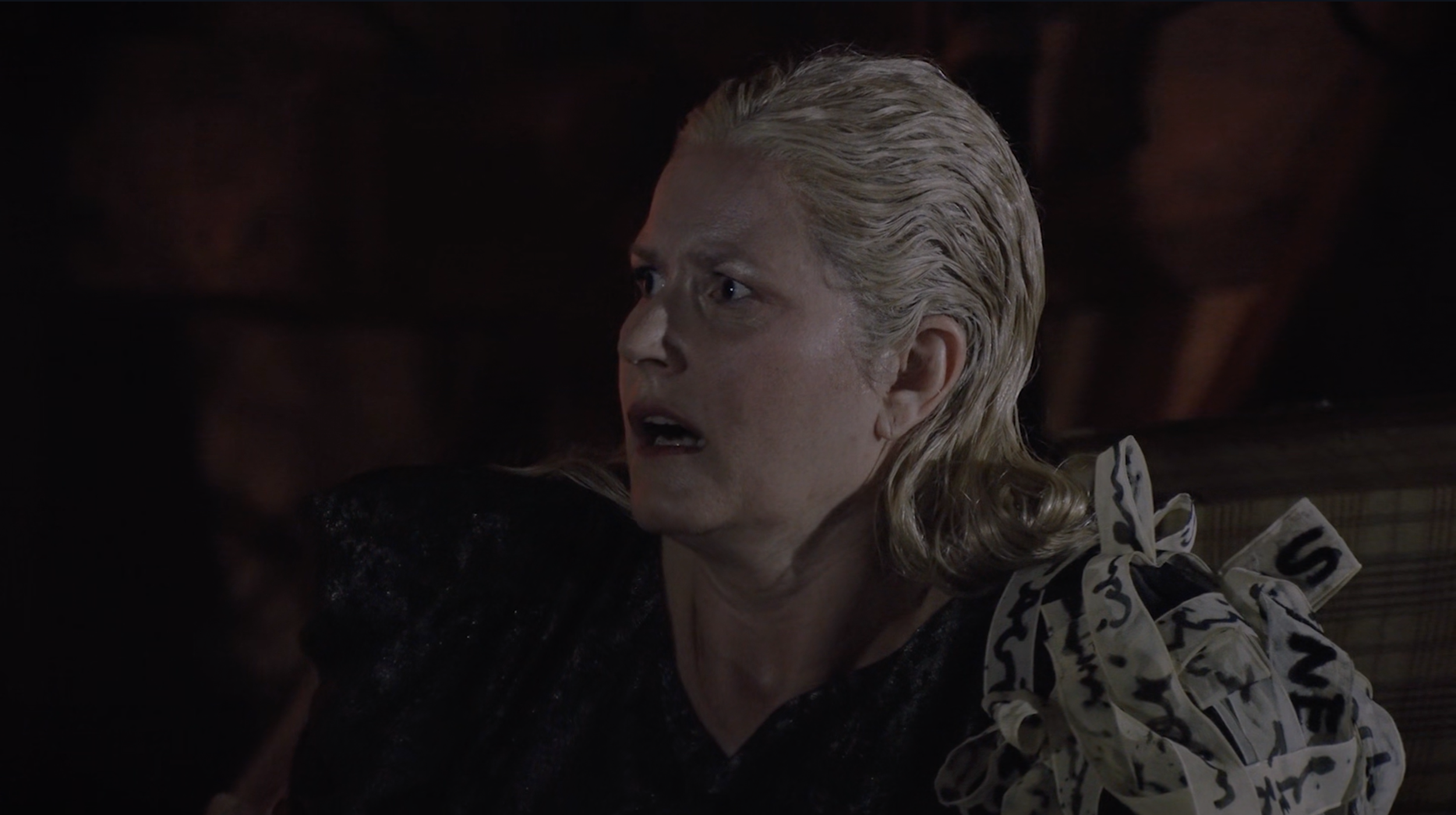
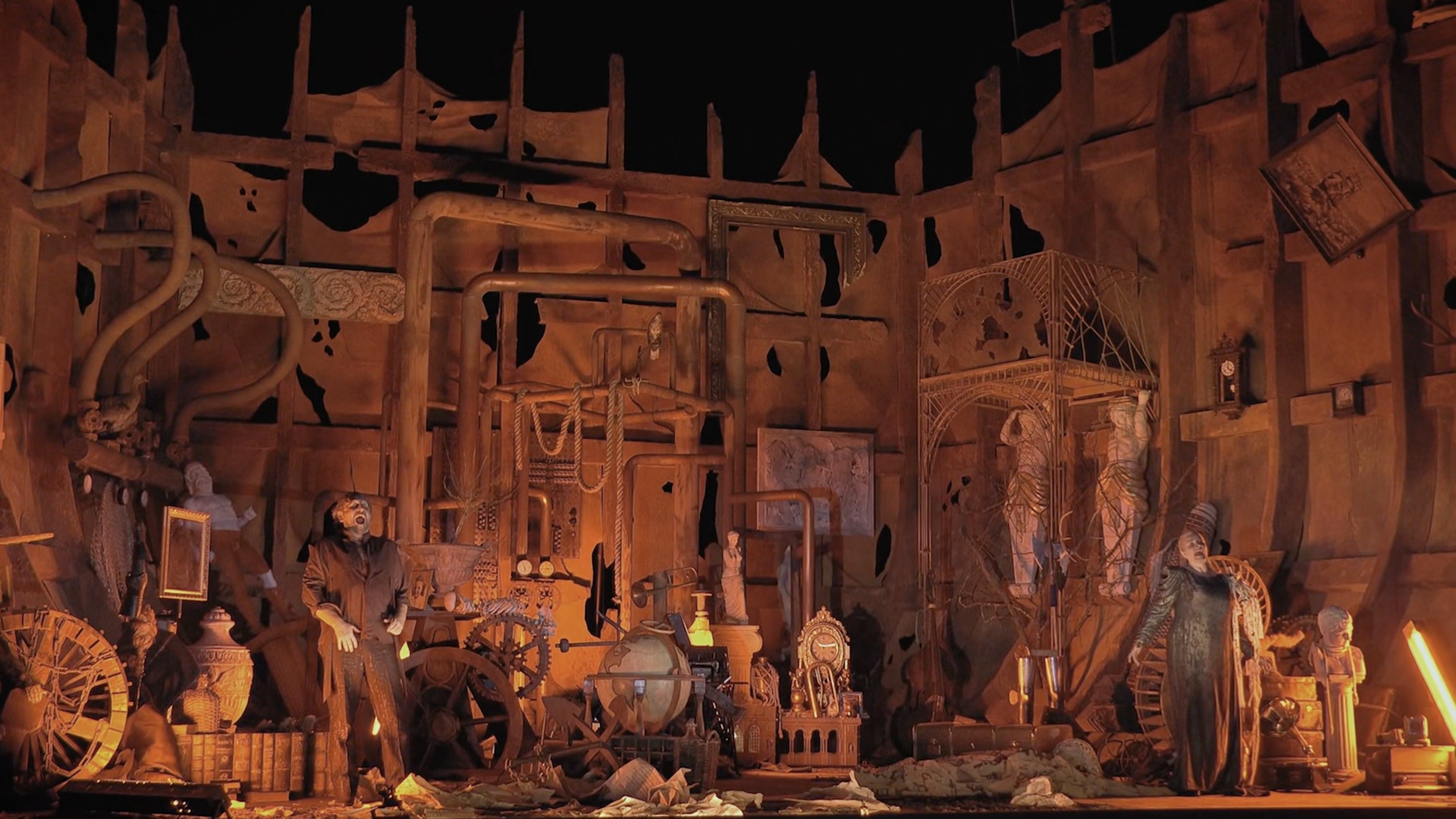
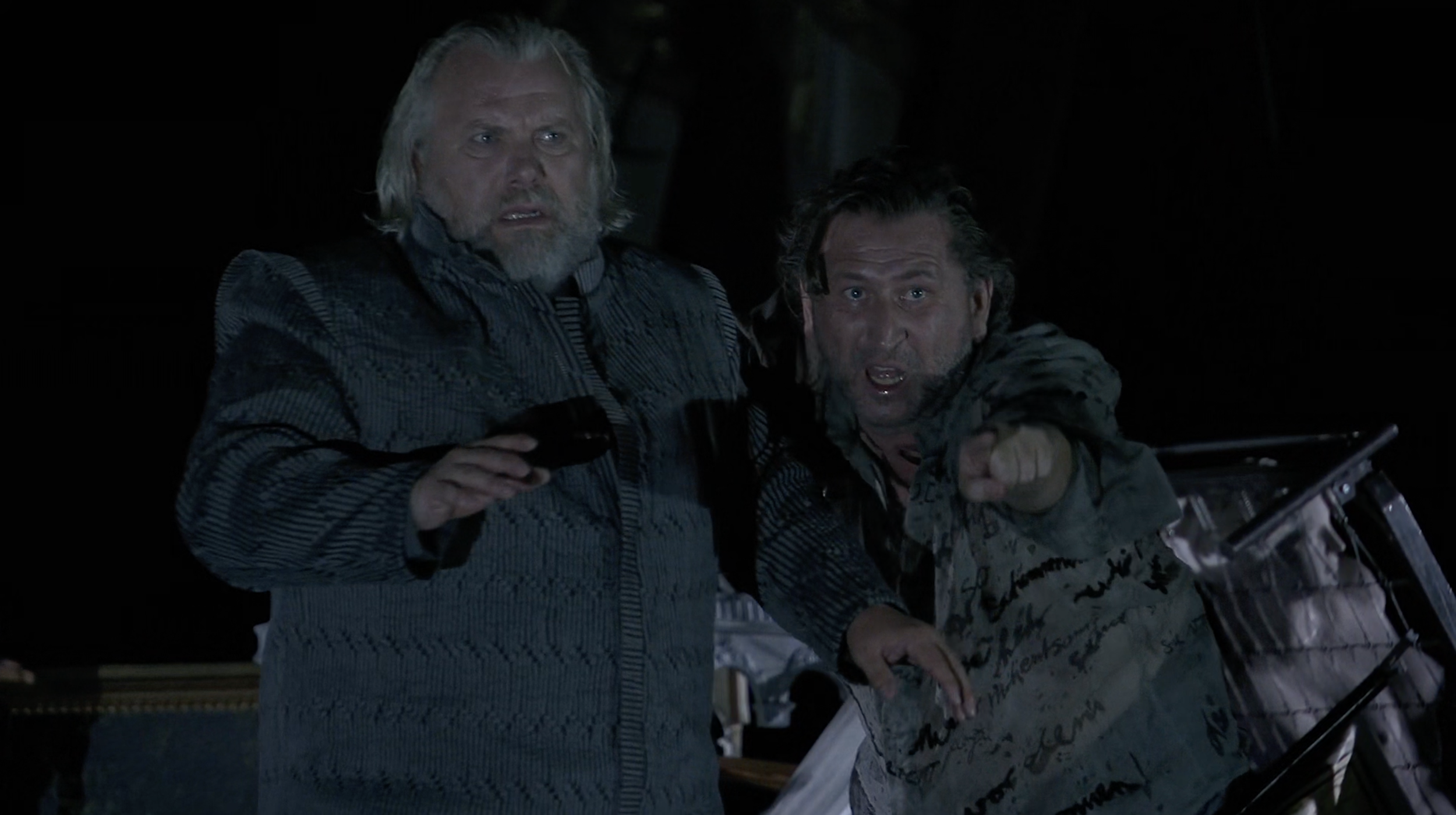
Tristan is built on this architecture. The lovers are not simply in love. They are in the condition that the Will produces when it exceeds the social structures designed to contain it. The ship, the betrothal to King Marke, the feudal loyalty that Tristan owes his lord. The potion does not create the love. It removes the inhibition that was keeping the love from acknowledging itself. What is revealed is not desire for Isolde the person but the Will itself, in its full metaphysical intensity, finding in Isolde its most recent occasion.
The night, the central metaphor of Act II, the great duet O sink hernieder, Nacht der Liebe, is not darkness as absence but darkness as the truer condition. Night is when the distinctions that daylight maintains dissolve. The distinction between self and other, between Tristan and Isolde, between desire and its object, between the lover and the loved. The night is Schopenhauer's aesthetic contemplation writ large. The suspension of the Will's endless striving in a condition of pure being. The lovers do not want to do anything in the night. They want to be in it. To be held by it, as the opera's music holds its harmonic tensions, unresolved, complete in their incompletion.
Wagner composed Tristan at Tribschen, on Lake Lucerne, during the period of his unconsummated love for Mathilde Wesendonck, the wife of his patron Otto. The opera is the form that desire took when it could not take its natural form. The Wesendonck Lieder, the five songs he set to Mathilde's poems during the same period, are the private version. Two of them, Träume (Dreams) and Im Treibhaus (In the Greenhouse), carry the manuscript annotation Studie zu Tristan und Isolde. Dreams and the greenhouse, the night-vision that cannot be daylit, the exotic plant that cannot survive outside its glass enclosure. Mathilde and Tribschen are in every bar of Tristan, as Paris and the Seine are in the Holländer, as Vienna and the 77 rehearsals are in Meistersinger. The opera is always also a biography.
April in New York is the month for this because April is when the city most aggressively performs the condition Tristan refuses. Everything is beginning again. The parks filling, the restaurant terraces opening, the streets returning to their summer density, the city making its annual claim that forward motion is the answer. Tristan says the opposite. The answer is not forward motion but suspension. The chord held, the night extended, the distinction between self and world temporarily allowed to soften. This walk is not about moving through New York. It is about being held by certain rooms and certain music until the city's ordinary epistemology loses its grip, and what is underneath becomes audible. Not resolution. Suspension. The Tristan chord, extended to the length of an evening.
Listening Index (Die Musikalische Wirbelsäule)
Prelude to Act I: The Tristan chord and its non-resolution; desire before its object; the Will before it finds its occasion
Act I, the Potion Scene (Tristan! Isolde!): The recognition that was always already there; the removal of the inhibition rather than the creation of the love
Act II, O sink hernieder, Nacht der Liebe: Night as the truer condition; the dissolution of distinction; the Will suspended in beauty
Act II, Brangäne's Watch (Habet Acht! Habet Acht!): The warning that cannot be heard; the daylight that is coming
Act III Prelude: Consciousness without ground; the wound that cannot heal; Sehnsucht without object or direction
Liebestod (Mild und leise wie er lächelt): Not transcendence but dissolution; exhaustion become completeness; the chord finally allowed to arrive
Listening Note:
Every track in this month should be played at the lowest volume at which you can still hear it clearly. Tristan is not music to be surrounded by. It is music to move toward. Let the city's ambient sound occupy the outer register and the music occupy the inner one. This is the correct listening posture for the Schopenhauer aesthetic: the world as representation in the foreground, the Will as music just audible beneath it.
Das wartende Zimmer: Die New York Public Library
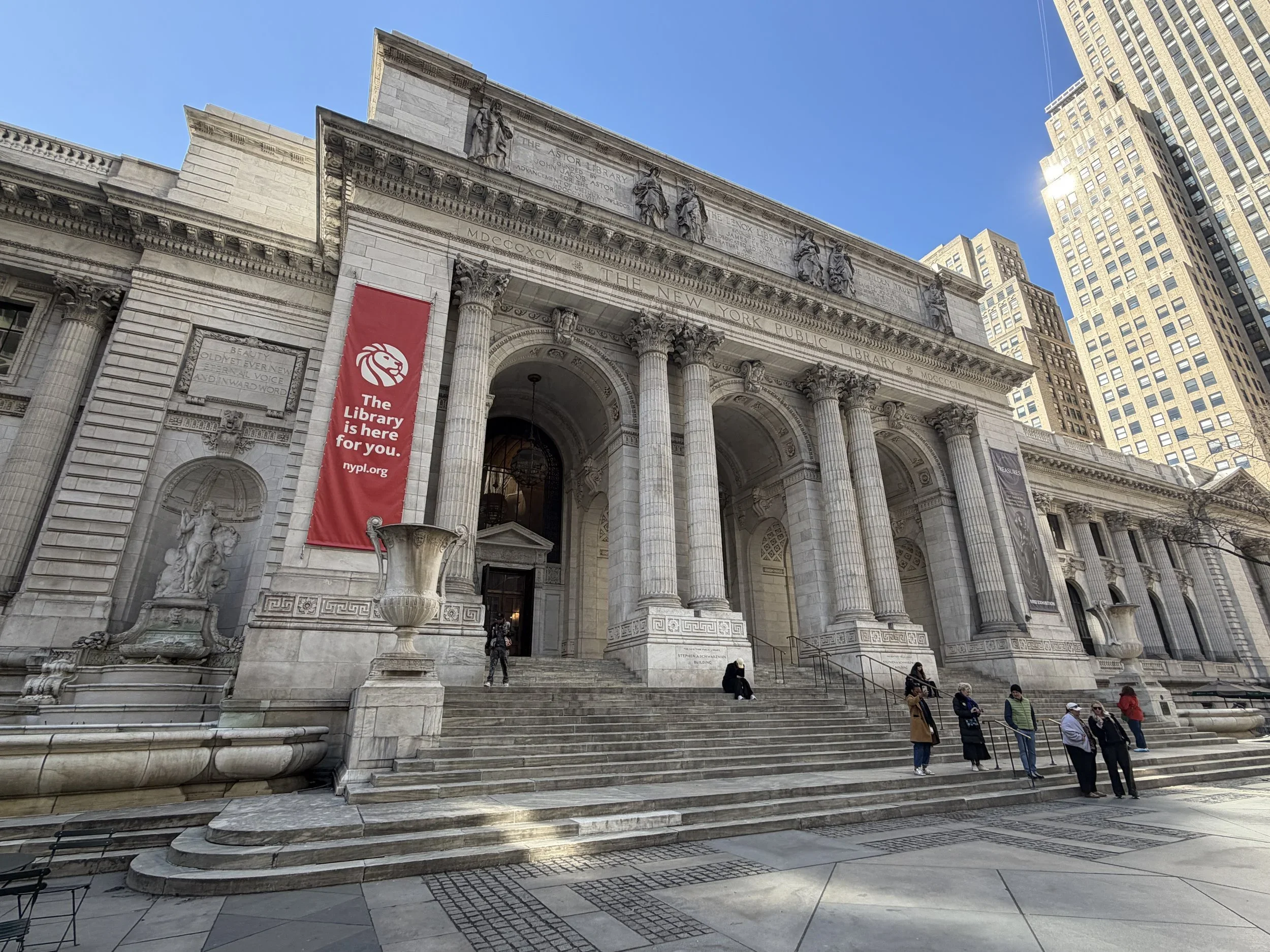
Getting There
Take any train to 42nd Street / Bryant Park and approach the library from the Fifth Avenue side — up the broad steps between Patience and Fortitude, the two marble lions, which have been sitting at the entrance since 1911 and have names because the city gave them names during the Depression when patience and fortitude were the civic virtues most needed.
Enter through the central bronze doors and proceed directly to the Rose Main Reading Room on the third floor. Do not stop in the lobby. The lobby is the world as representation. The Rose Room is the first suspension.
What the Rose Main Reading Room Is
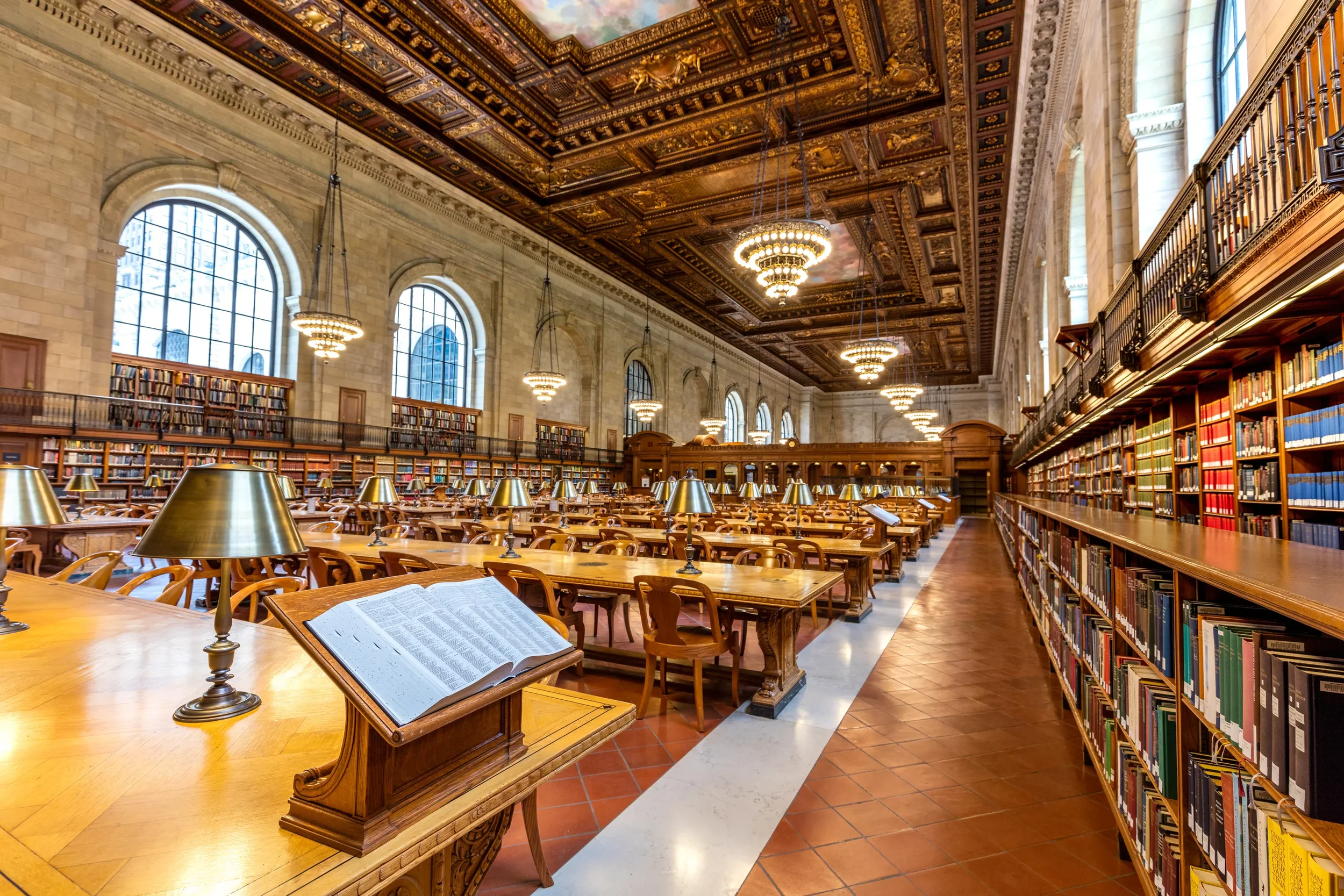
The Rose Main Reading Room is 297 feet long, 78 feet wide, and 51 feet high. A room that was designed at the same scale as a cathedral nave, with coffered ceilings painted to simulate an open sky of clouds and gilt molding, and long windows that admit the same filtered Fifth Avenue light at every hour of the day. The room was built in 1911, when Carnegie and Astor money were still making the kind of civic gesture that assumes posterity, and it has been continuously in use since. The same long tables, the same green-shaded lamps, the same population of readers in various states of concentrated inwardness.
The room is a machine for the suspension of ordinary time. Everyone in it is in the process of going toward something, a thesis, an argument, a project, but the room itself is not oriented toward any of those destinations. It simply holds the people who are in it, at whatever stage of their longing, in its enormous, light-filled, coffered quiet.
Track: Tristan und Isolde, Prelude to Act I
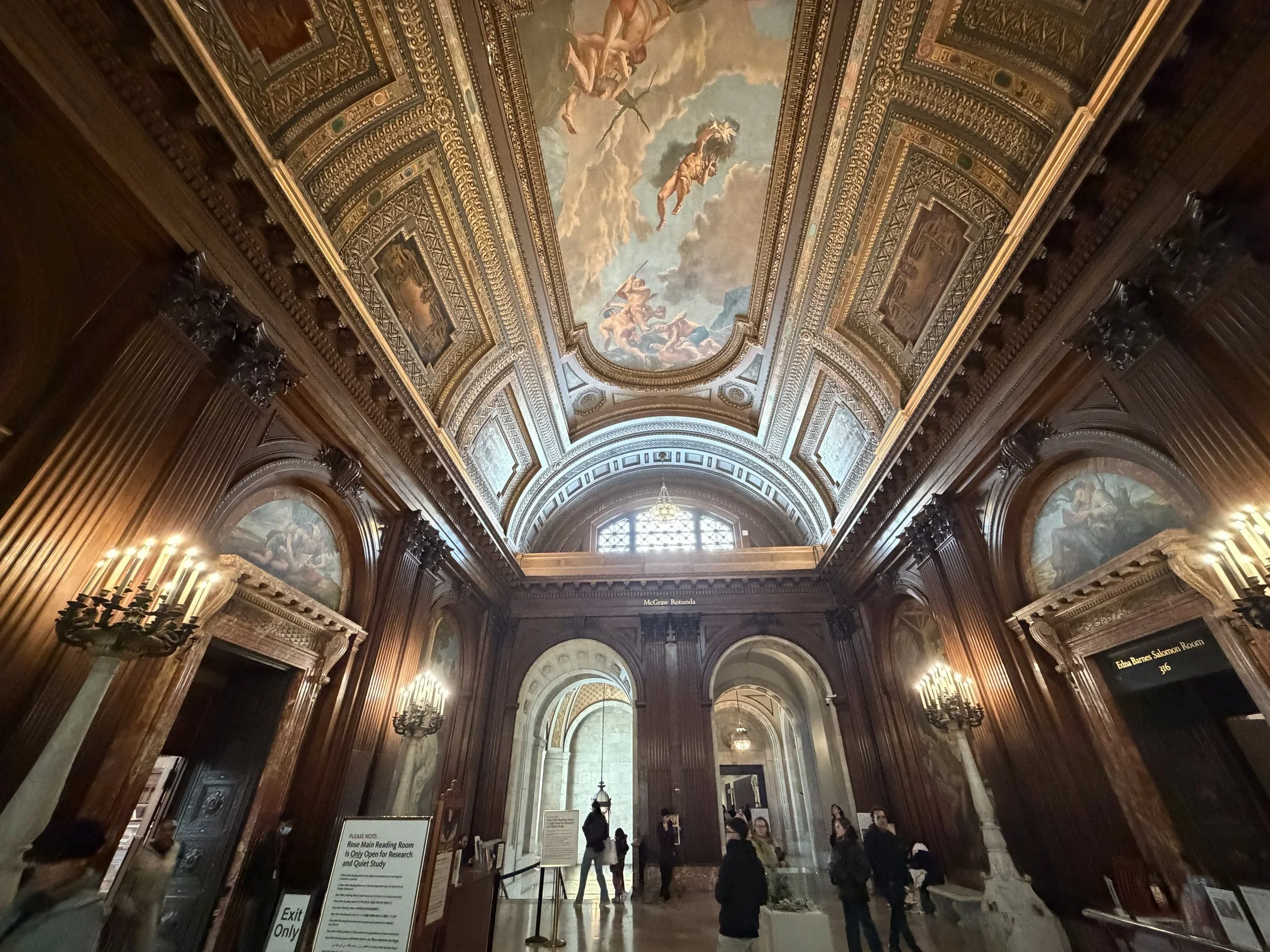
Find a seat at a central table. Place your phone face down with one earbud in, the other ear open to the room's ambient quiet. Begin the Prelude.
The Prelude opens with the Tristan chord. Four notes in the cellos, A, F, B, D-sharp, a chord that has been analyzed, argued about, and explained incompletely for 160 years. It is not that the chord cannot be analyzed. It is that the analysis keeps producing multiple plausible explanations simultaneously, each of which captures something and none of which captures everything. The chord is ambiguous in the specific sense that it belongs to more than one harmonic context at once, and the Prelude's genius is that it refuses to resolve the ambiguity. It simply moves the tension to a new location, a new chord that generates a new desire for resolution, which is itself declined.
This is desire rendered in harmony. The movement from one unresolved tension to another, each one genuinely tending toward a resolution that is always deferred, the whole Prelude a single long gesture of reaching toward something that keeps receding. It lasts approximately eleven minutes. At the end it has not arrived. It simply... waits.
Sit in the Rose Room while it plays. Do not read. Do not write. Let your attention move between the music and the room. The readers at the other tables in their various states of concentrated longing, the light from the windows crossing the long tables, the coffered ceiling doing its cloud-simulation above everything. Notice how often your attention wants to resolve, to complete something, to check something, to do. Each time, return to the chord. To the non-arrival. The room holds you in it.
The Prelude's final gesture is a long diminuendo. The music fading rather than concluding, the tension remaining at low volume, the desire still present but quieted. The room continues around it. This is the correct relationship between the music and the city. The city in the foreground, the Will audible beneath.
Die Enthüllung: St. Patrick's Cathedral
Walk: From the Library to St. Patrick's
Exit the library from the Fifth Avenue side and walk north on Fifth Avenue to 50th Street — approximately eight minutes.
St. Patrick's is at the corner of Fifth Avenue and 50th Street, its Gothic Revival facade set back slightly from the avenue behind a small forecourt. Enter from the Fifth Avenue doors.
What St. Patrick's Is in This Context
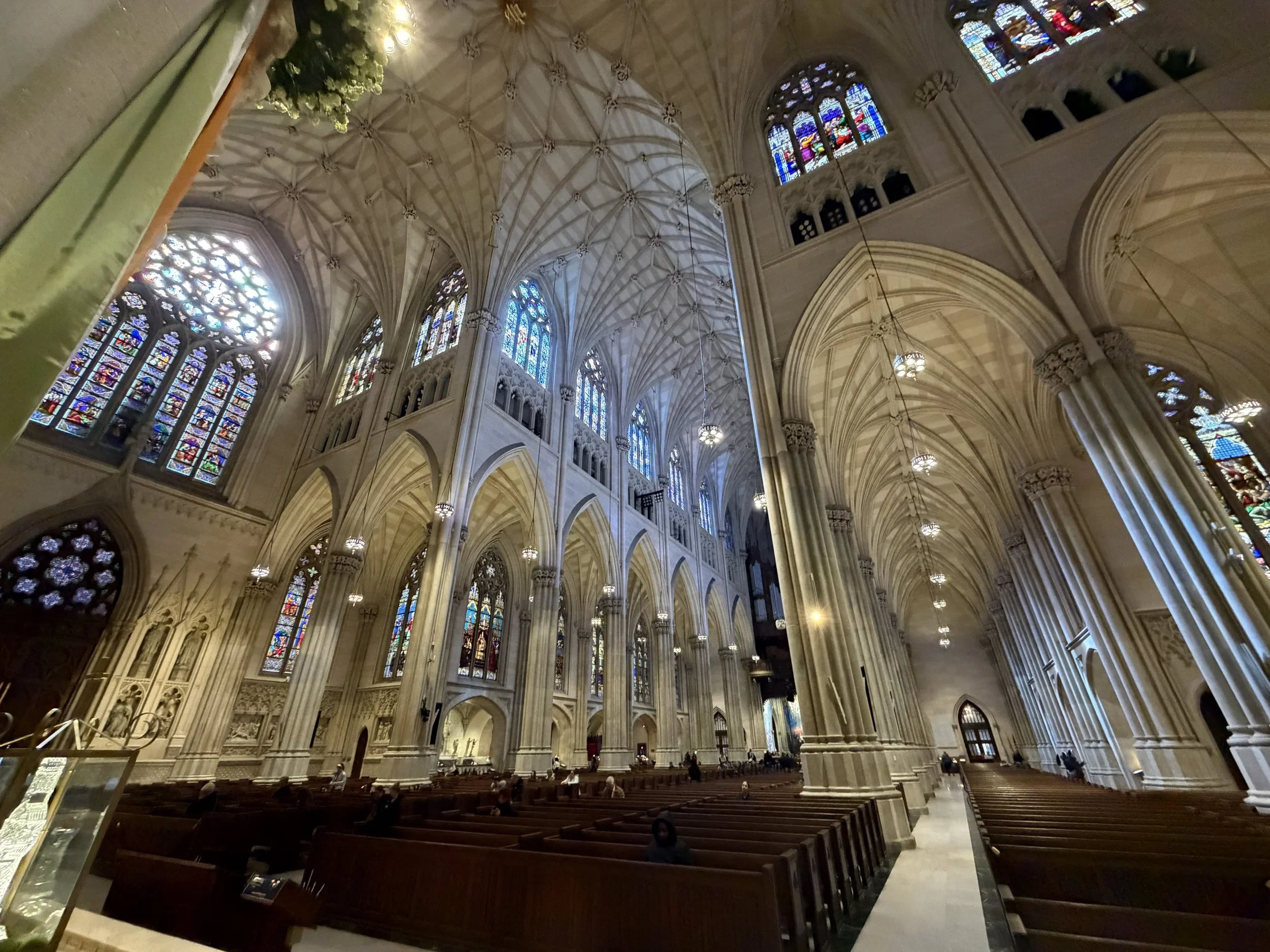
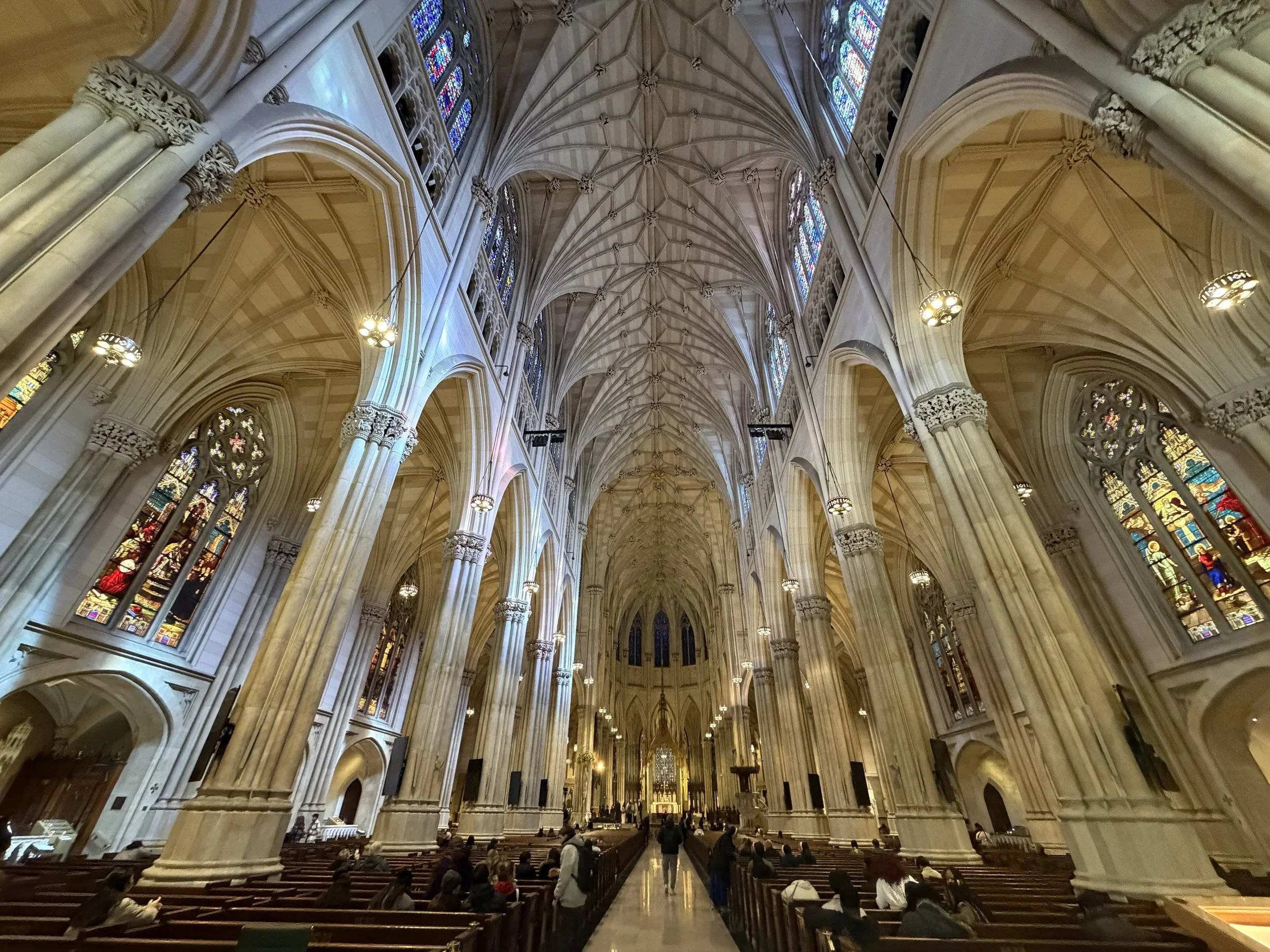
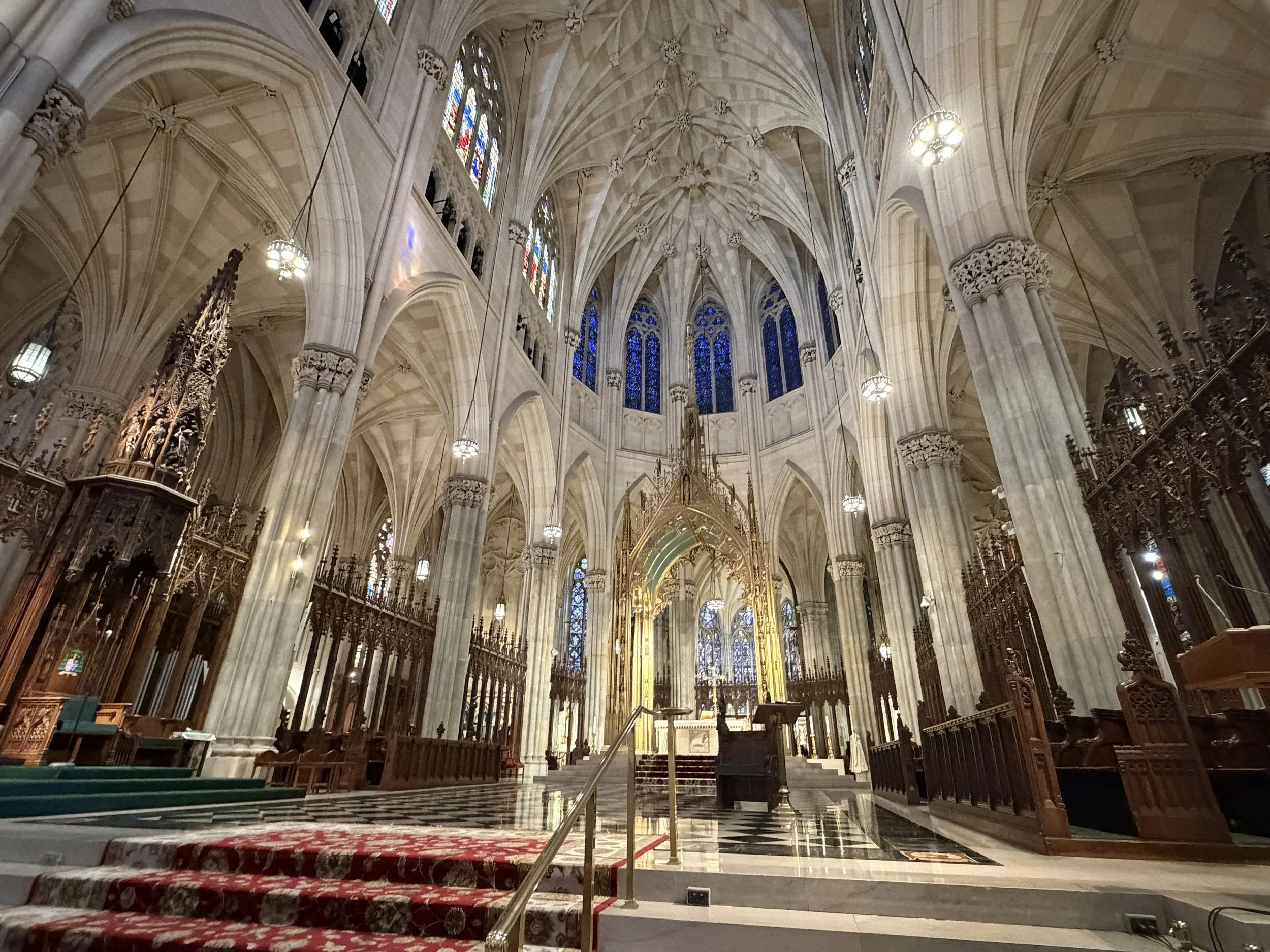
St. Patrick's Cathedral was designed by James Renwick Jr. and built between 1858 and 1878, precisely the years of Tristan's composition and its aftermath. It is Gothic Revival in the specific sense that it is not Gothic. The proportions are American rather than medieval, the stone is light rather than dark, the nave is flooded with more light than any actual Gothic cathedral would admit. It is the aspiration toward Gothic rather than the thing itself, which makes it more interesting for this walk than an actual medieval building would be.
The cathedral's interior is organized around a tension the original Gothic was designed to manage and that Renwick's version makes newly available. The tension between the vertical, the soaring nave, the clerestory windows, the aspiration toward the high, and the human scale of the side chapels, where the architecture contracts and the candles make their small, specific argument against the general grandeur. The nave is the daylight world, the civic performance of faith. The side chapels are the night. Private, contracted, candlelit, in no hurry.
The Side Chapels
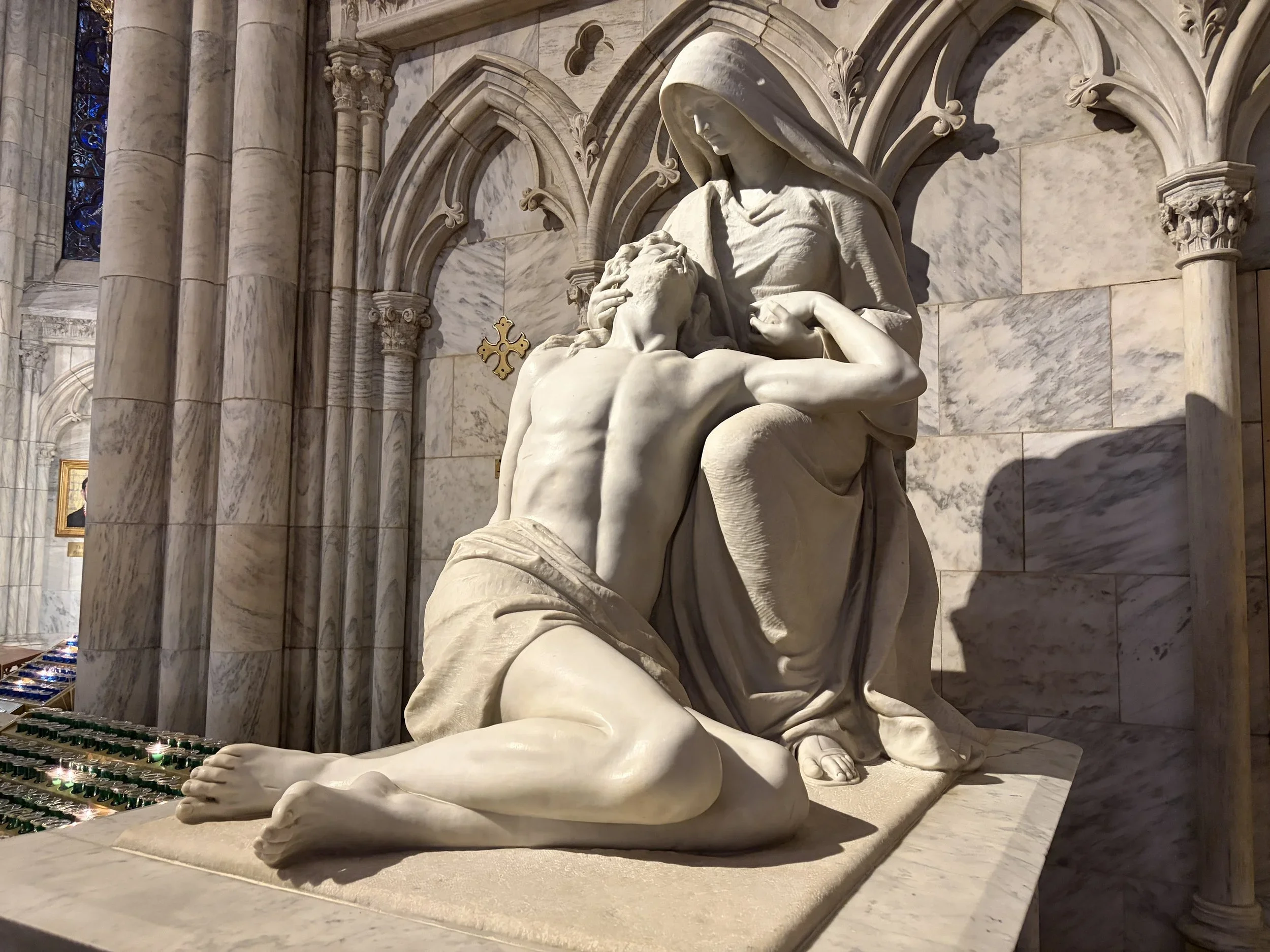
Move away from the central nave immediately. Do not linger in the main space. Walk the south aisle to the chapels at the east end, the Lady Chapel and the smaller devotional chapels along the ambulatory, where the scale shrinks and the light is predominantly candle-flame. Find a chapel where you can stand or kneel before a candle stand without being in anyone's way.
Track: Act I — the Potion Scene through the recognition: Tristan! Isolde!
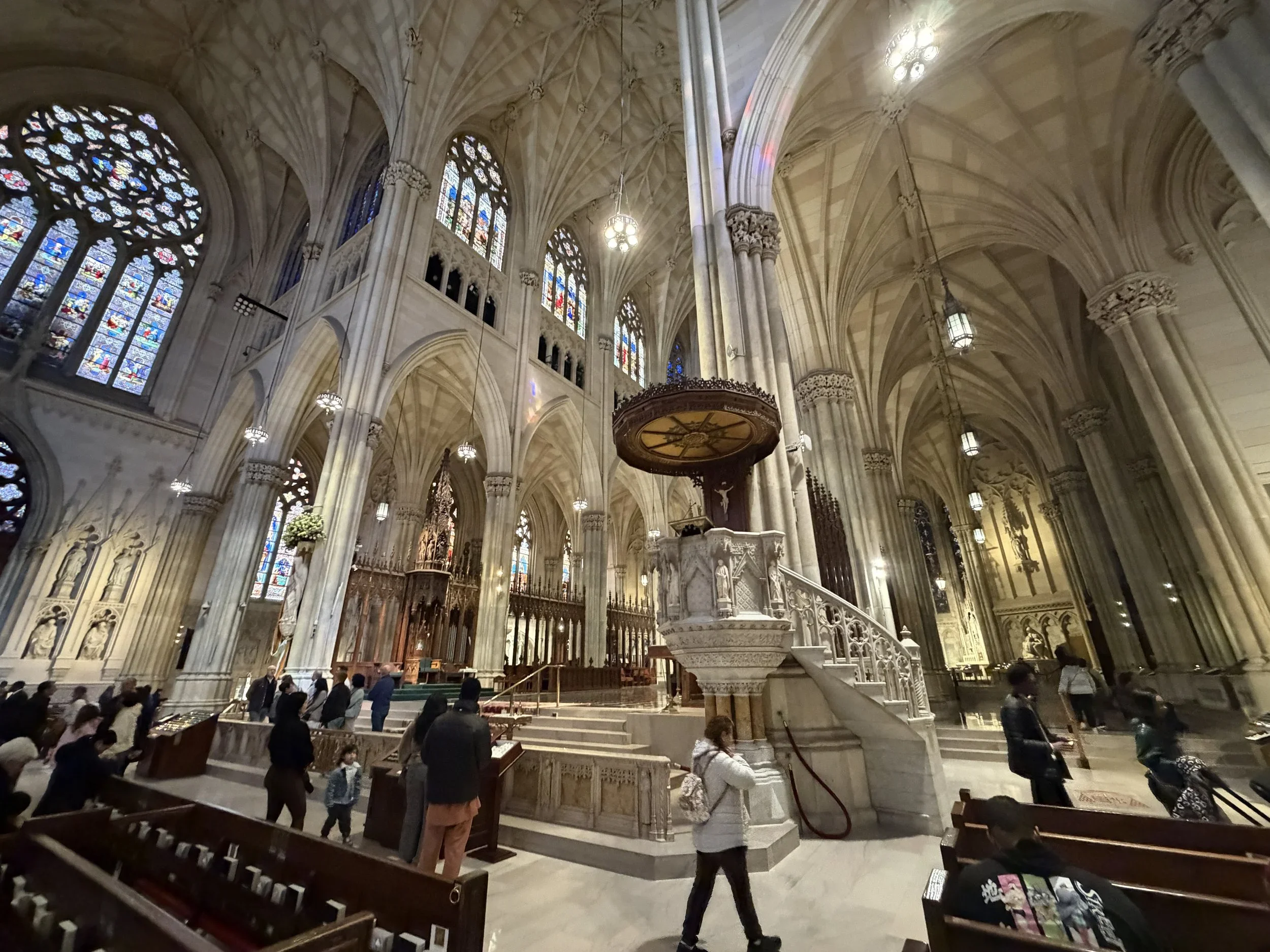
Play the Potion Scene in the side chapel. Stand facing the candles. What the potion does, in Schopenhauer's terms, is remove the representation that was keeping the Will from acknowledging itself. Tristan and Isolde were already in love before the potion; the potion's function is not to create the love but to dissolve the inhibition, the feudal loyalty, the betrothal, the social structures, that was preventing the love from naming itself. The moment of recognition, Tristan! Isolde! is not the beginning of something new. It is the sudden legibility of something that was always already there, the name finally given to the condition that had been present and unnameable throughout Act I.
The candle flame in the side chapel is doing the same work at the visual level. Making visible, in a small specific light, what the nave's general illumination renders indistinct. The chapel is where you go to name the thing that the main space keeps general.
Ask yourself, in the chapel, in the candlelight, with the recognition playing in your ear. What do you already know but have not yet named? Not as a self-improvement exercise. As a genuine phenomenological question. What is present and unacknowledged? What would it cost for it to say its own name aloud?
The curtain falls on Act I with the recognition still reverberating. Tristan and Isolde have named what they are. Nothing will be the same. The potion is not a cause. It is a permission. The love was always the cause.
Das Vertriebene Heiligtum: Der Tempel von Dendur
Walk: From St. Patrick's to the Metropolitan Museum
From St. Patrick's, walk north on Fifth Avenue to 82nd Street and the Metropolitan Museum of Art, approximately twenty-five minutes on foot, or take the 6 train from 51st Street to 86th Street and walk west.
Enter the Met and navigate to the Sackler Wing, the glass-enclosed room on the museum's north side that houses the Temple of Dendur. Check current hours. The Met offers extended evening hours on Fridays and Saturdays.
What the Temple of Dendur Is
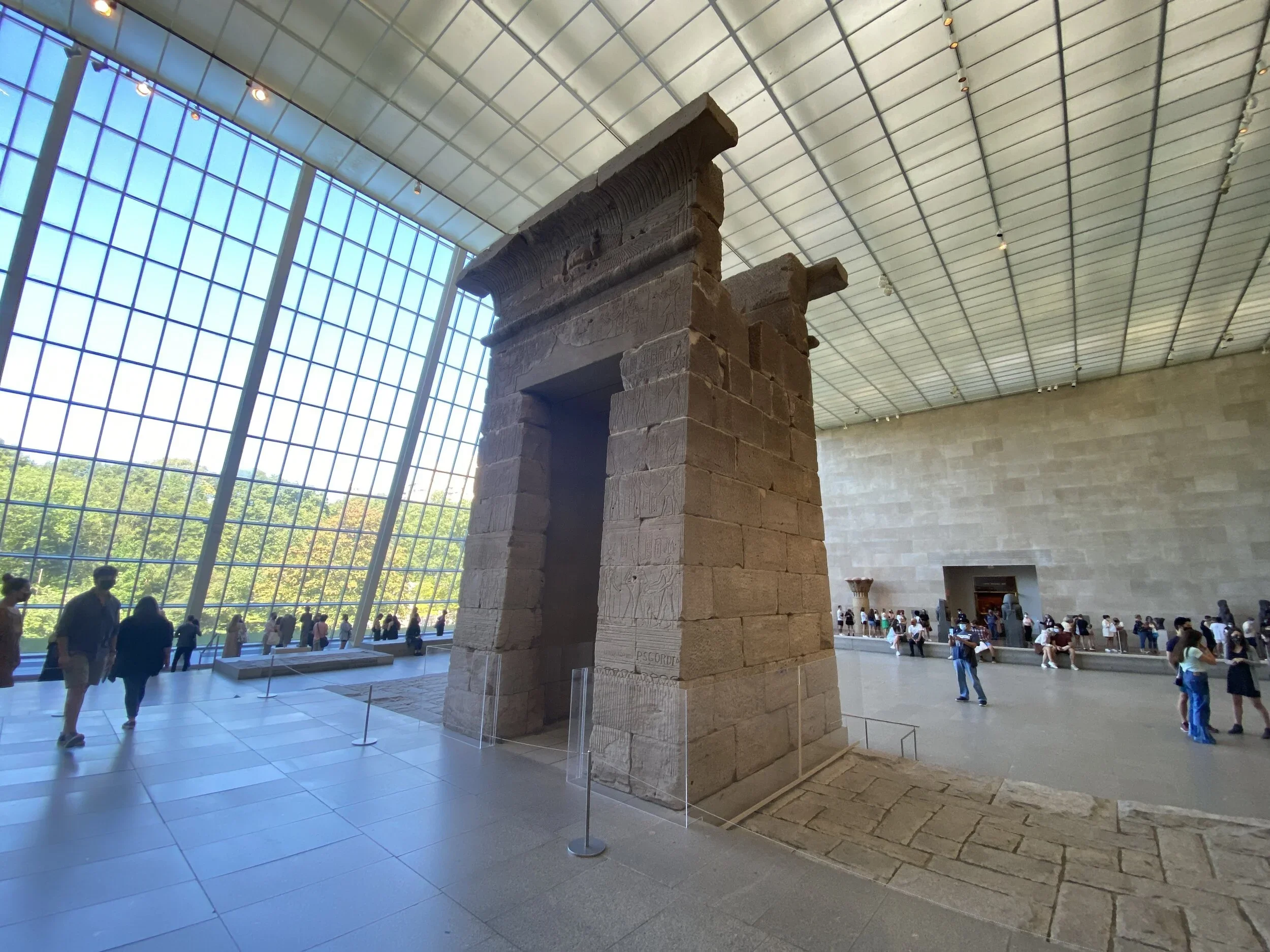
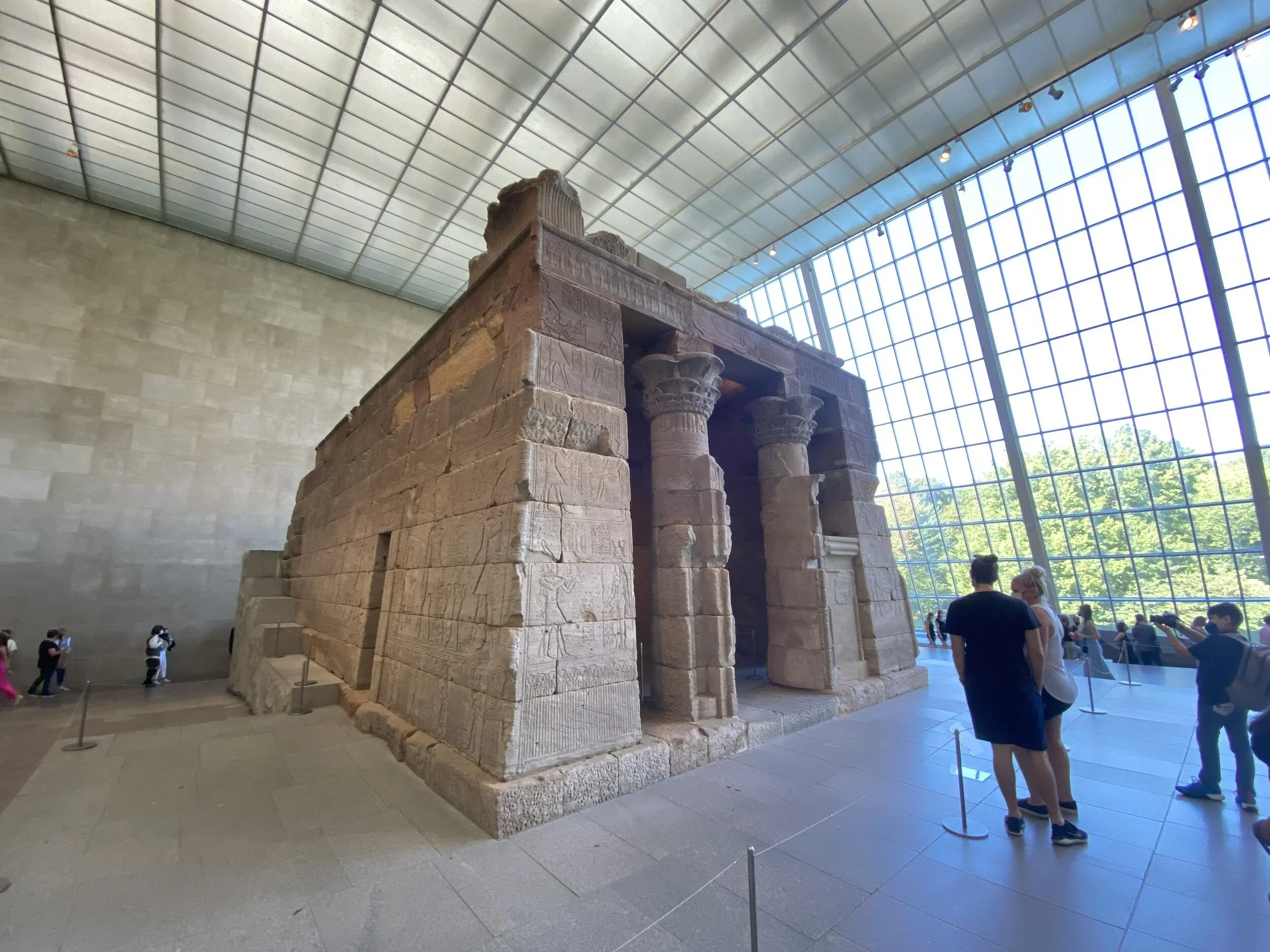
The Temple of Dendur was built in 15 BC by the Roman governor of Egypt, Petronius, on the orders of the Emperor Augustus, at a site on the west bank of the Nile south of Aswan, the gateway to Nubia. It is a small temple in the Egyptian tradition. A gateway structure (pylon), an offering hall, and an inner sanctuary, cut from the local sandstone, decorated with reliefs of the Roman emperor in the posture and iconography of the Egyptian pharaoh. It was built as a political gesture and a genuine act of devotion simultaneously, the Roman occupier adapting the religious form of the occupied as a means of exercising spiritual authority.
In 1964, the construction of the Aswan High Dam made the temple's site permanently inaccessible under the reservoir. The Egyptian government, in gratitude for American contributions to UNESCO's effort to move threatened Nubian monuments, gave the temple to the United States in 1965. After years in storage, it was reassembled in the Sackler Wing of the Metropolitan Museum, which was built specifically to house it, and opened in 1978.
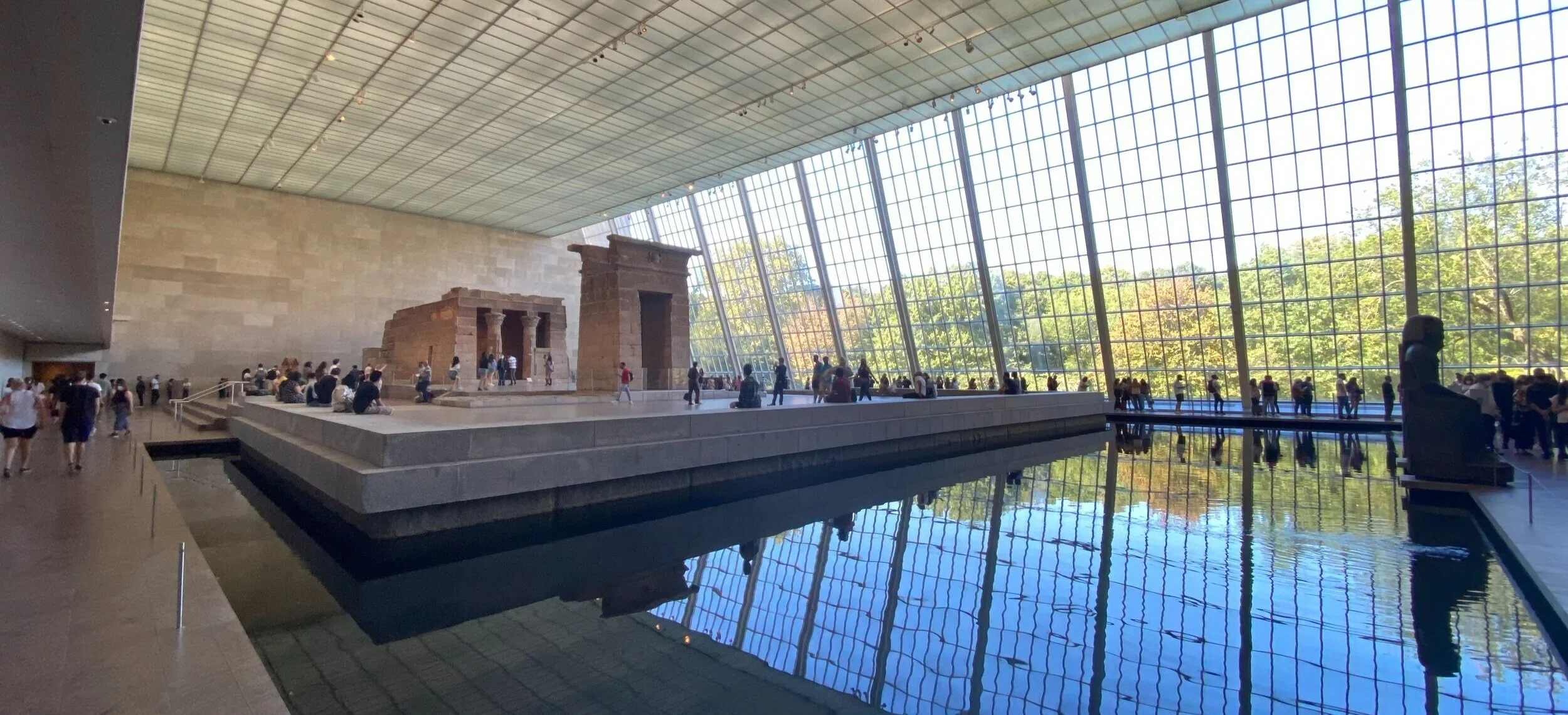
The temple sits in a shallow pool of water. The Sackler Wing's angled glass ceiling admits light at the angle of the Egyptian sun, the museum's architects calculated it, so that at certain times of year the light falls on the temple's reliefs the way it would have fallen in Nubia. The effect is partial, because Manhattan's light is not Nubian light, and the surrounding stone walls of the Met are not the Nile Valley's sandstone cliffs, and the water in the pool is New York City water rather than the Nile. But partial is exactly right. This is not the temple in its original context. This is the temple held in suspension, displaced from its origin, kept alive in an enclosure that is not its natural environment, existing in a permanent condition of not-quite-rightness that is also, given sufficient attention, a condition of remarkable atmospheric intensity.
This is Tristan's condition. The love that cannot exist in the daylight world has been placed in an enclosure that keeps it alive while preventing it from being fully itself. The temple is alive, genuinely; the reliefs are visible, the proportions are correct, the stone is the original stone. But it is also in exile, in a room made for it by people who cared enough to build the room and not enough to return it to where it came from. It exists in the suspension between authentic presence and displacement that the Act II love duet inhabits: fully real, fully removed from the context that would give the reality its full meaning.
Track: Act II: Habet Acht! Habet Acht! Schon weicht dem Tag die Nacht
Stand beside the temple's pool and play Brangäne's Watch. Brangäne, Isolde's waiting woman, the one who administered the potion, the one who stands guard while the lovers are in the garden, sings from the tower twice during the Act II love duet, warning that the night is ending and the day is coming. Her voice floats above the duet like a separate consciousness, the practical intelligence that the lovers cannot hear because they are too far into the night to receive the warning. She is right. The day is coming. Melot and Marke are on their way. She can see it from the tower and they cannot hear her from the garden.
The Sackler Wing is Brangäne's tower. The enclosure that keeps the sacred object visible and preserved but cannot protect it from the daylight of the ordinary world, from the politics that displaced it to this room, from the Nubian sun it will never feel again. The watch-song played in this room is the sound of the warning that cannot be heard by what it is trying to protect.
Walk slowly around the temple while the watch-song plays. Let the angled light through the glass ceiling fall on you as it falls on the reliefs. Notice the pool's surface. Notice the glass walls and what is visible through them: the museum's other galleries, the guards, the other visitors. The world of daylight, on the other side of the glass, continuing.
Der Tunnel: Die A-Bahn zwischen 59th und 125th
Getting to the A Train
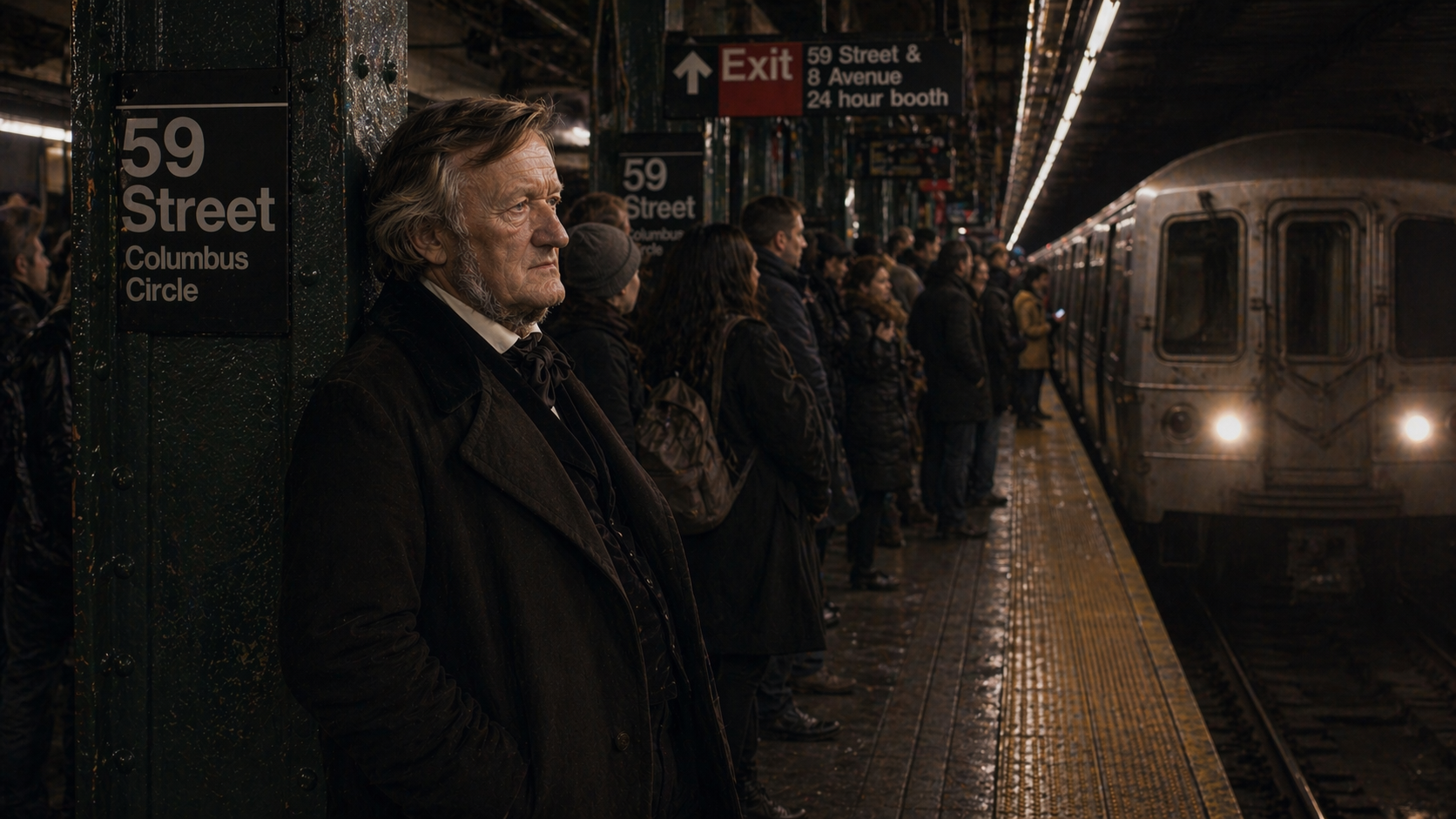
From the Met, walk west to Central Park West and take the B or C train to 59th Street / Columbus Circle, then transfer to the A train uptown.
Board the A train at 59th Street. Do not sit if you can stand comfortably. Face the window.
The Tunnel
The A train runs express between 59th Street and 125th Street. A distance of approximately two miles with no intermediate stops, the entire passage underground, four minutes of unbroken tunnel during which the windows show nothing but darkness and the occasional work light passing at speed. This tunnel is Act III's Prelude.
The Act III Prelude is the opera's most unrelenting music. A long, broken melody in the cellos and violas, wounded, circling, unable to find its resolution, consciousness in the condition that the opera calls longing but that Schopenhauer would call the Will without its object, the desiring mechanism still running after the occasion for desire has been removed. Tristan is wounded. He is waiting for Isolde. He is not sure whether the ship is coming. The prelude is what it sounds like inside a mind that is trying to maintain hope in the face of evidence that hope is unreasonable. Four minutes of unbroken darkness. The tunnel's walls passing just outside the glass.
Track: Tristan und Isolde, Act III — Prelude
Begin the track as the A train doors close at 59th Street and the train enters the tunnel. Face the window. Watch the darkness. The Act III Prelude is the opera's most personal music in the biographical sense. It was composed during the period when Wagner knew that Tristan had effectively no prospect of being performed, that the Vienna rehearsals were failing, that the opera he considered his masterpiece was going to remain unheard. The prelude is the sound of the work's own impossible longing for an audience. The music waiting for its first performance the way Tristan waits for the ship from Ireland.
Four minutes is not long. The tunnel makes it feel longer than it is, the way the prelude makes its eight minutes feel longer than they are, because the darkness outside the window removes the reference points that ordinary consciousness uses to measure time. You are in the tunnel. The train is moving. The music is circling. There is no intermediate stop.
When the train arrives at 125th Street and the doors open, do not get off immediately. Let the moment of re-emergence into light and station noise be the re-emergence into the daylight world that the prelude withholds. Then get off.
Die Stille: Der Heather Garden, Fort Tryon Park
Getting to Fort Tryon Park
From 125th Street, continue on the A train to 190th Street. The station cut into the Manhattan schist bedrock, entered via elevator from the street level or via a long internal corridor with arched ceilings that feels like arriving somewhere both ancient and underground.
From 190th Street, walk north along Margaret Corbin Drive into Fort Tryon Park. The Heather Garden is on the park's northern slope, approximately ten minutes from the subway exit.
Arrive at dusk or after. The garden has no closing time.
What the Heather Garden Is
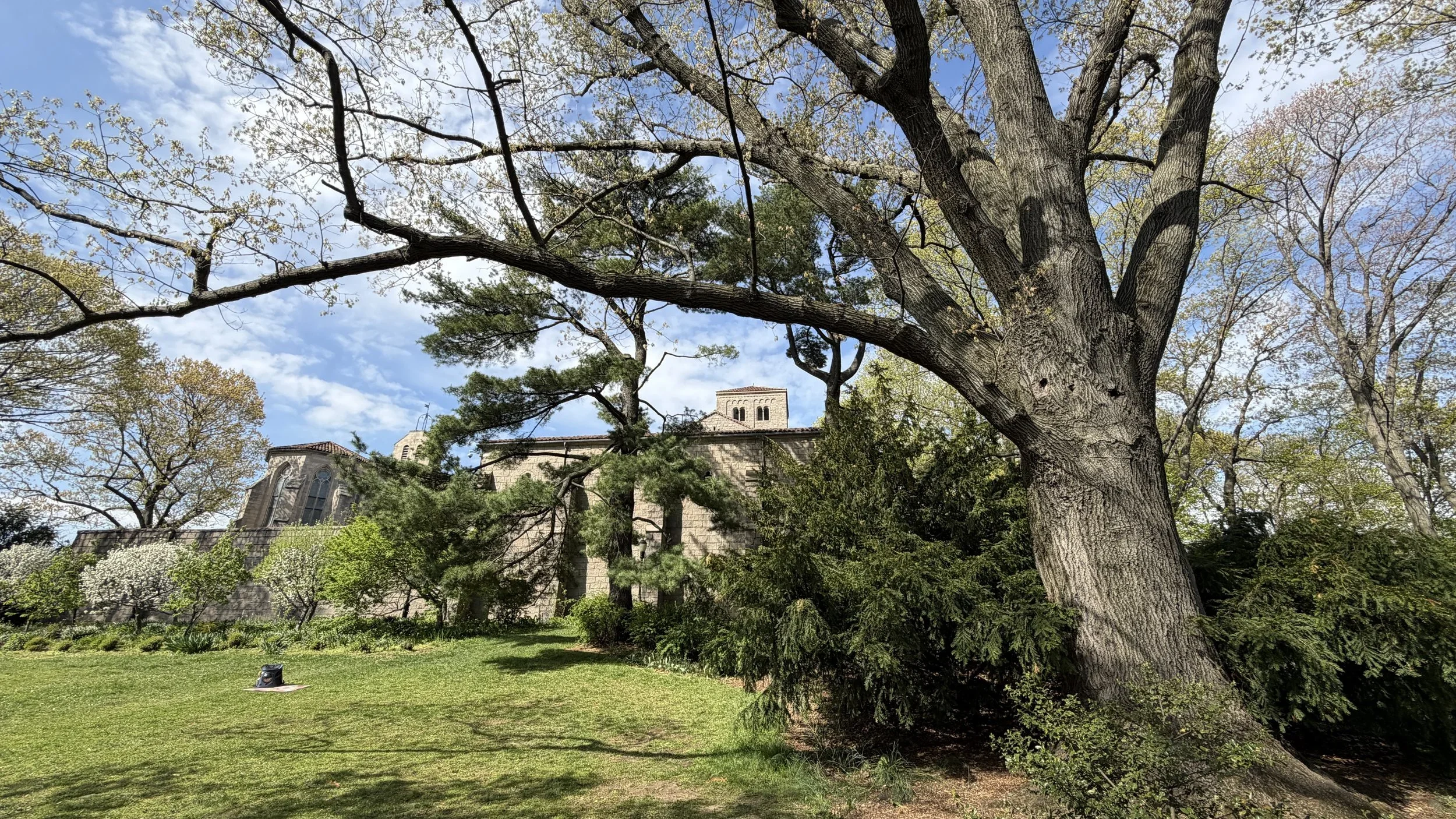
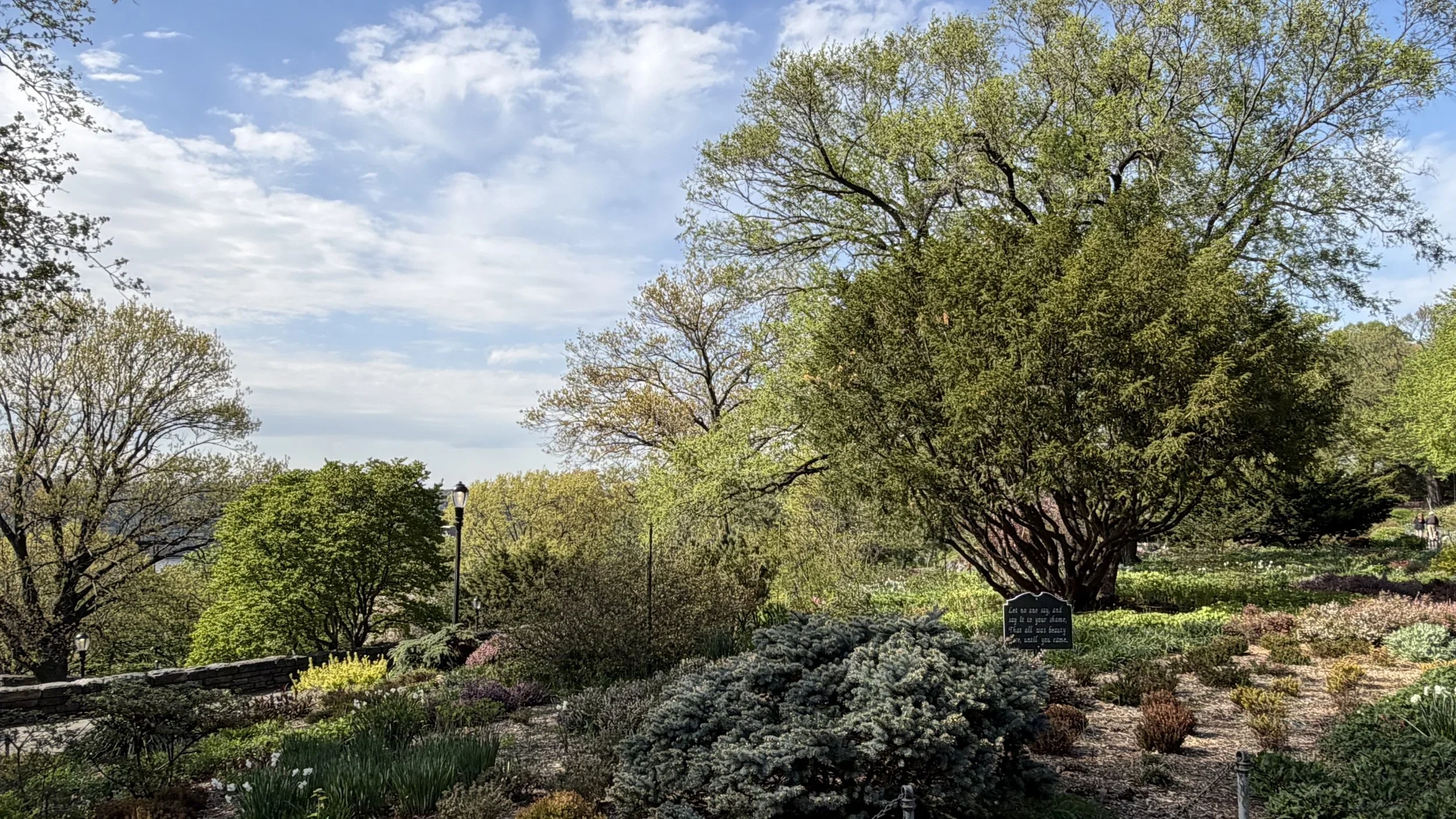
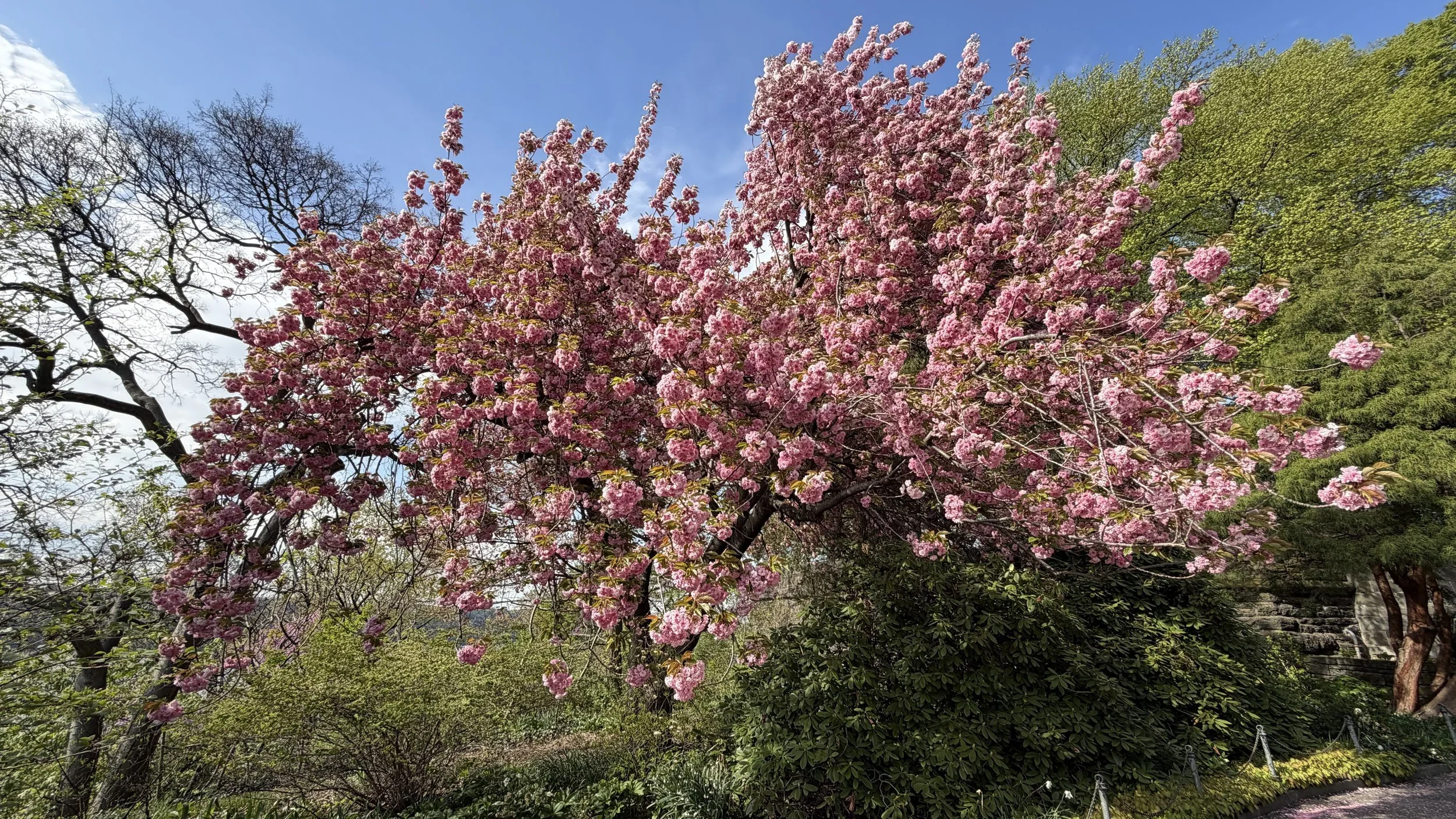
The Heather Garden is the largest public garden in the New York City parks system. Four acres on the north-facing hillside of Fort Tryon Park, descending from the ridge toward the park's northern boundary, planted with heather and ornamental shrubs and flowering trees in a design by the Olmsted Brothers that emphasizes the informal and the gradual over the geometric. In April the heather is not yet in its summer density; the garden shows its bones, the paths, the stone retaining walls, the bare or barely-budding shrubs, with the year's growth still to come.
The Hudson River is visible through the trees to the west. The George Washington Bridge is visible to the north. The garden in early spring, at dusk, with the day visitors gone and the bridge lit and the river dark below the Palisades across the water, has the atmospheric quality of the landscape Tristan requires. Elevated, exposed, neither fully enclosed nor fully open, the horizon visible in the direction of the sea. This is the mandatory silence movement.
Track: None
Turn the music off when you enter the Heather Garden. Leave it off for at least fifteen minutes. Longer if the garden holds you. The purpose of the silence is not rest. It is the continuation of the music by other means: the sustained harmonic tension of the Tristan chord, now extended into the garden's own atmospheric suspension, the unresolved question of what you are longing for given form not by Wagner's harmony but by the specific quality of this hillside, this light, this river, this early spring air.
The opera's music will have been inside you for several hours by this point. It does not stop when you turn off the track. It continues in the inner ear, the way any music you have listened to closely will continue to play in the imagination after the sound stops. The silence is the space in which the inner music becomes audible: the Tristan chord, the Brangäne watchsong, the Act III prelude, playing now without the outer prompt, in a garden above the Hudson, at the moment when the day has become the night.
Walk the garden paths slowly. Find the best viewpoint toward the river and stand there. Notice the specific quality of the April twilight. The light going faster than you want it to, the cold coming back as the warmth drains, the bridge's lights appearing not all at once but gradually, as if the bridge is also deciding to become visible. This is the night that Tristan is about. Not darkness as absence but the specific quality of inhabited twilight, the transition that the lovers are always trying to preserve and that always ends. When you are ready to continue, when the silence has become pressure rather than rest, which is the signal that the inner music is ready to be met by the outer, walk north through the park to the Cloisters.
Die Nacht selbst: Die Cloisters
Getting to the Cloisters
From the Heather Garden, walk north through Fort Tryon Park to the Cloisters. Approximately ten minutes through the park's upper paths.
If visiting during standard hours, check the closing time carefully. If visiting during an extended Friday/Saturday evening, use the additional time.
The Cloisters admission is required. A same-day Met ticket is valid.
What the Cloisters Is Doing Here
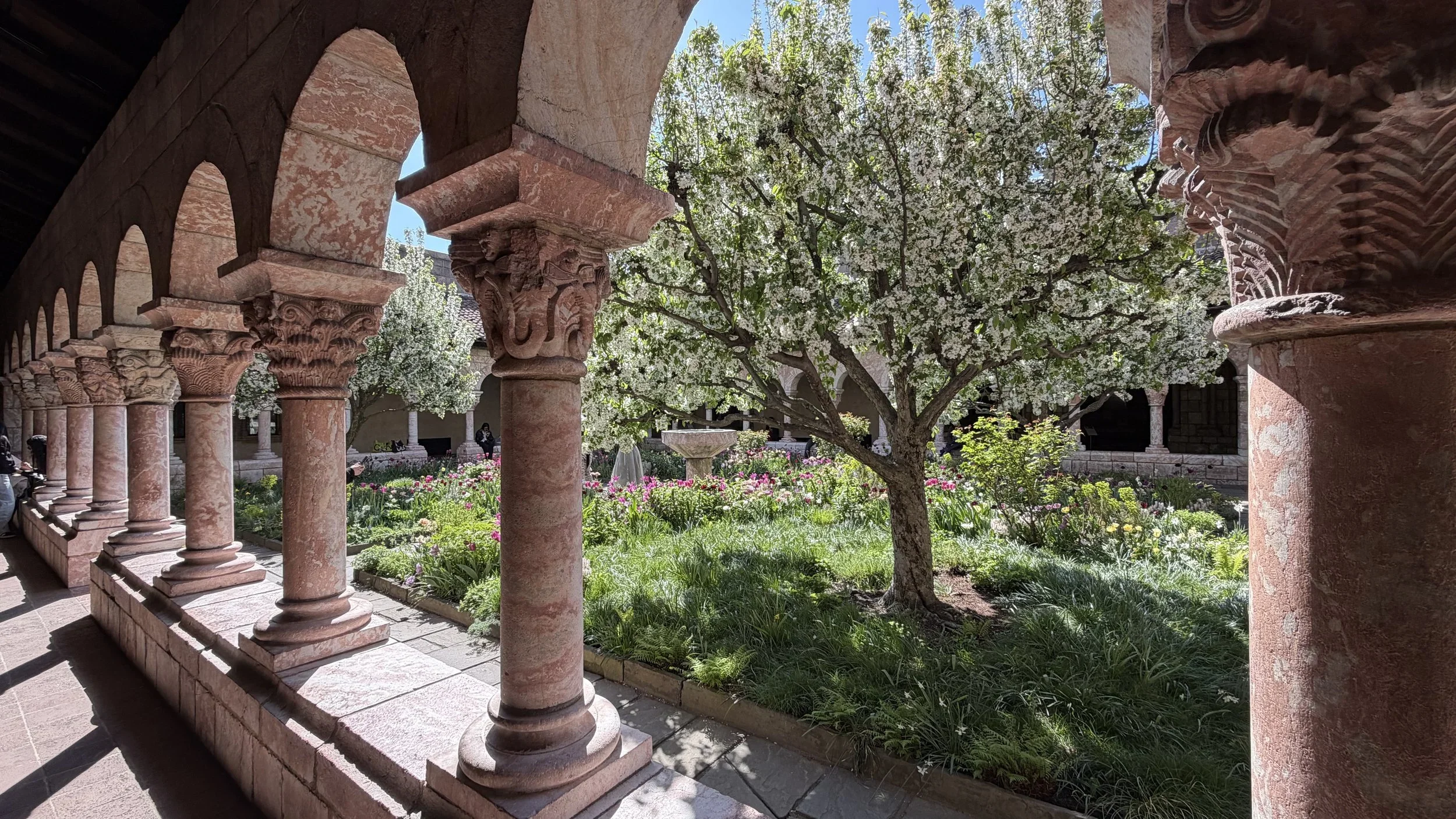
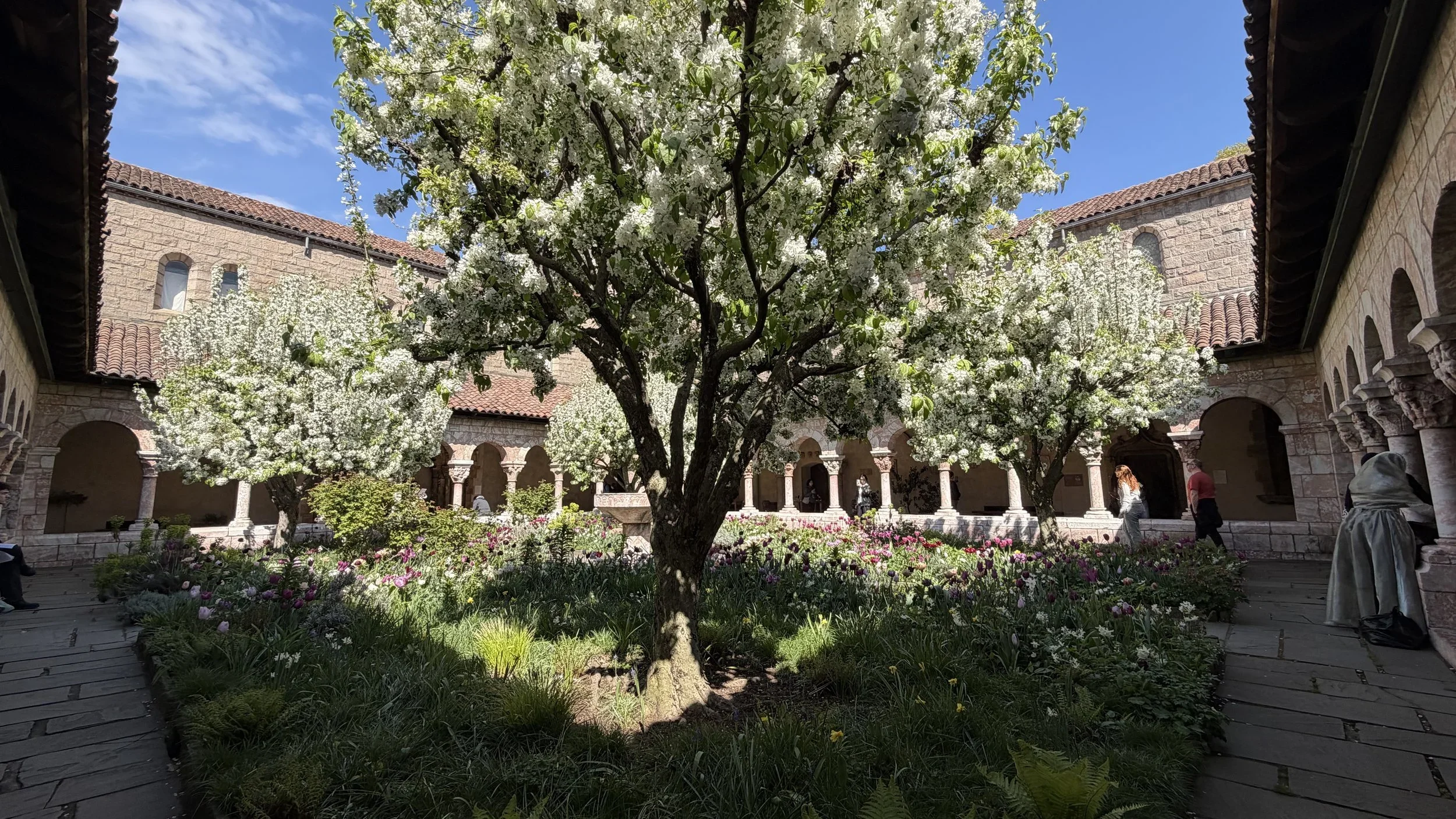
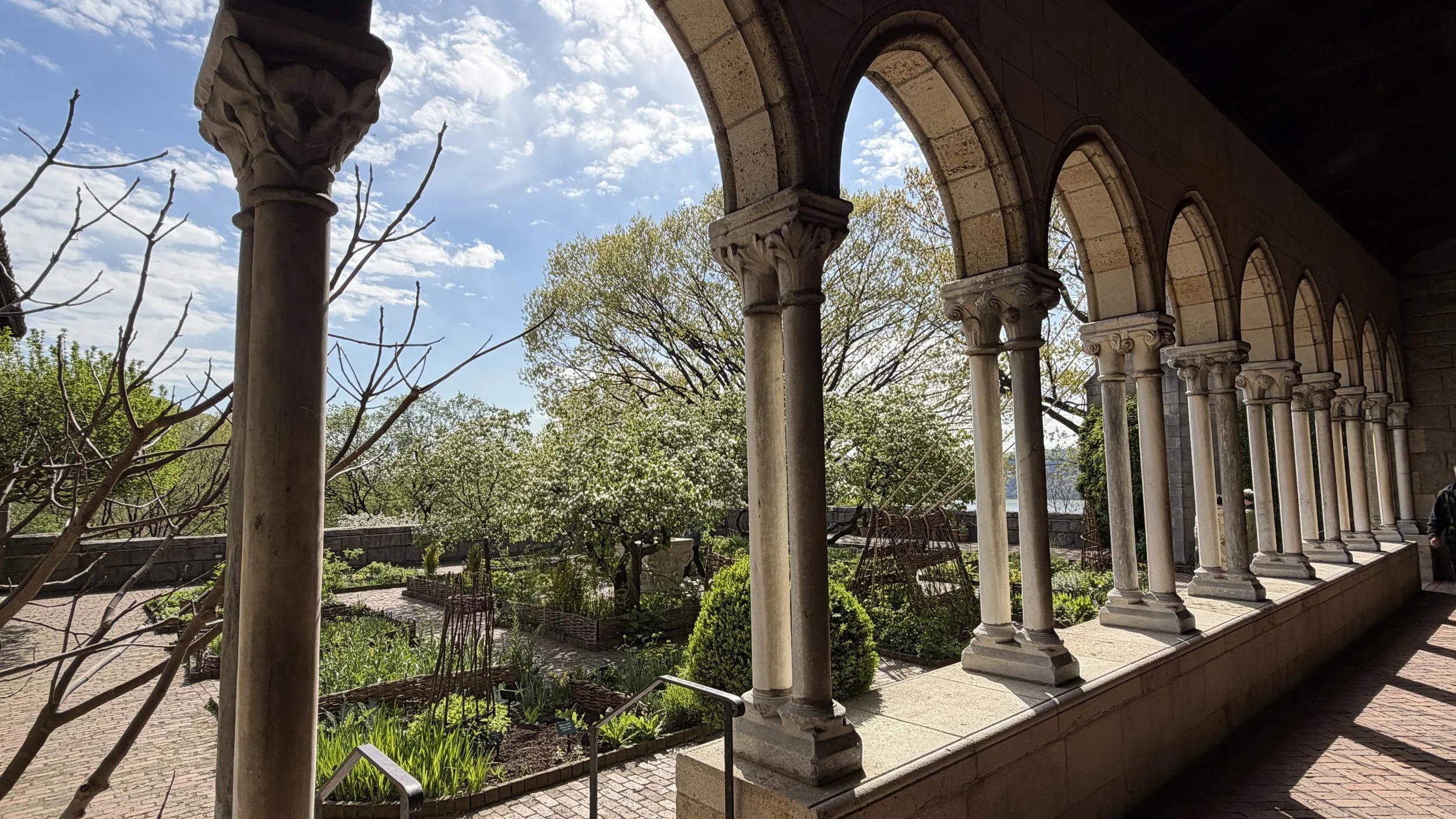
The Cloisters is a museum of medieval art assembled from the architectural fragments of five French and Spanish monasteries. The Cuxa Cloister (from Saint-Michel-de-Cuxa, 12th century Pyrenees), the Bonnefort Cloister (from Gascony), the Trie Cloister (from the Hautes-Pyrénées), and elements from several other demolished or dispersed religious buildings. John D. Rockefeller Jr. purchased the fragments from the sculptor and dealer George Grey Barnard in 1925, donated them to the Metropolitan Museum, and built the purpose-made museum on the Fort Tryon ridge to house them.
The result is a building that does not exist anywhere in medieval Europe. A composite of genuine medieval architectural elements assembled into a plausible medieval structure, occupying a hilltop above the Hudson, surrounded by a park designed to exclude the 20th century from view. It is not a fake. The stones are real, the carvings are real, the proportions in individual rooms are authentic to their sources. But the combination is an invention, a 1930s American fantasy of medieval Europe assembled from real parts.
This is what the Act II love duet is. Real material, genuine feeling, genuine music, genuine poetry, assembled into a form that does not correspond to any possible real-world situation. The love is real. The night is real. The garden is real. The condition in which two people can exist in this way, outside all social structure, outside time, outside consequence. This has never existed and cannot exist. The music holds it real for the duration. The Cloisters holds its medieval atmosphere real for the duration of the visit. Both are genuine constructions.
The Pontaut Chapter House
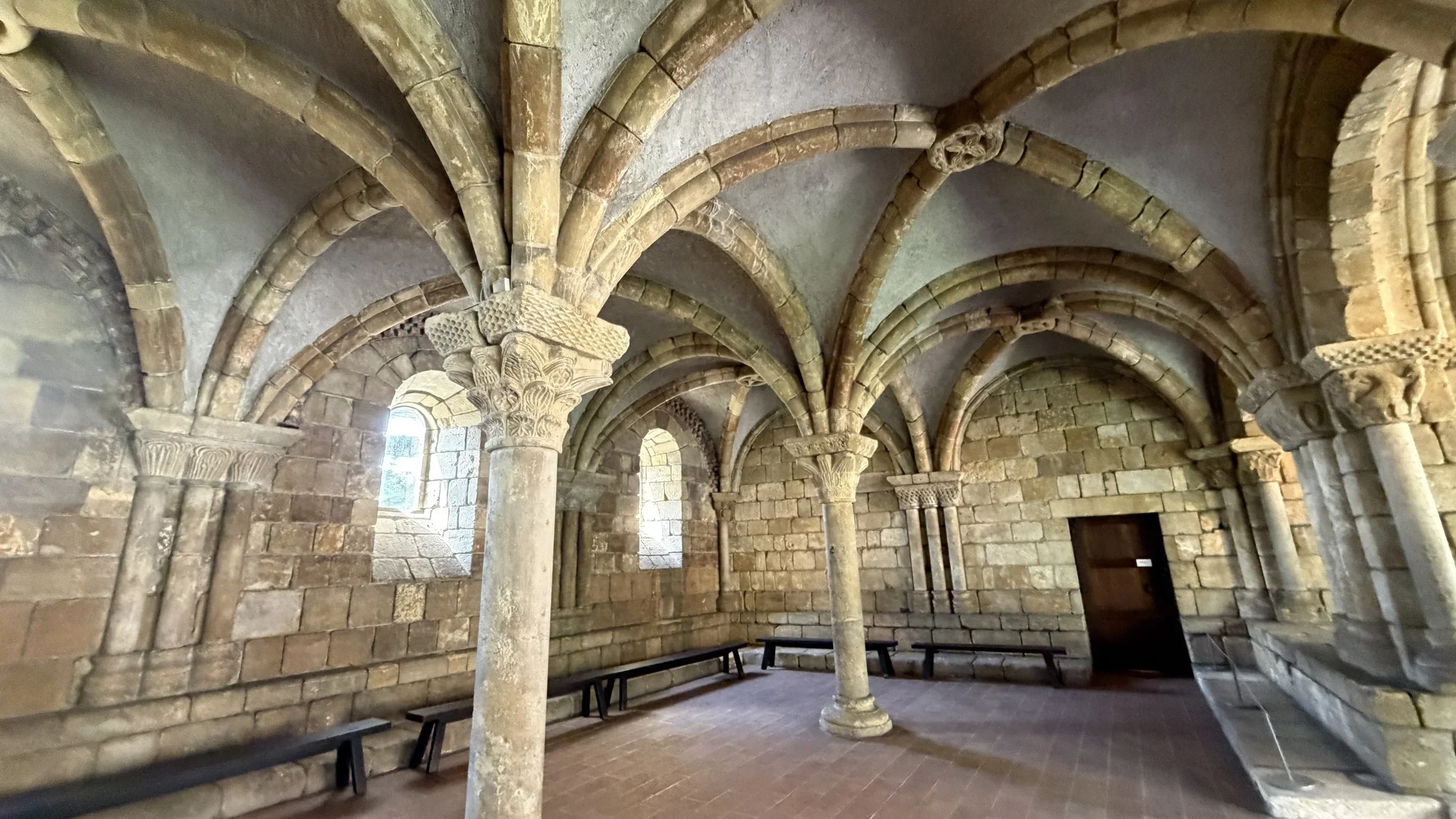
Navigate through the museum to the Pontaut Chapter House, the reconstructed chapter house from the Benedictine monastery of Notre-Dame-de-Pontaut in Gascony, France, dating from the late 12th century. It is a single-vaulted room on the museum's lower level, its stone ribs meeting at a simple keystone, its floor original, its proportions, square, with windows on one side and the plain vaulted ceiling above, creating the specific enclosed quality of a room that was built for communal silence.
Find a seat or a place to stand. This room holds approximately twenty people comfortably, and in the late afternoon or evening it is rarely crowded.
Track: Tristan und Isolde, Act II — O sink hernieder, Nacht der Liebe; through So stürben wir, um ungetrennt, ewig einig, ohne End
Sit or stand in the Pontaut Chapter House and play the duet. Do not skip anything. Do not manage the listening. The duet is approximately forty minutes if played from its beginning through So stürben wir, the passage where the lovers reach the furthest point of their dissolution, singing so might we die, undivided, eternally one, without end. Let all forty minutes run.
The duet does not progress in the ordinary sense. It circles. It descends. It goes further into the night rather than through it, the harmonic language finding new ways to sustain the suspended tension, the voices moving between unison and counterpoint and unison again, the dissolution of distinction happening gradually, measure by measure, until ohne Nennen, ohne Trennen, neu Erkennen, neu Entbrennen, without naming, without separating, newly recognized, newly ignited, and the grammar has given up distinguishing subject from object because the grammar was designed for a world where the distinction holds and the night has removed that world.
The Pontaut Chapter House holds this music with its stone walls and its vaulted ceiling in a way that reinforces rather than competes with it. Both the room and the duet are constructions that create a genuine condition of suspension. The room by removing you from the 21st-century city outside its walls, the duet by removing you from the harmonic expectations that 19th-century tonality had established. Both ask for the same thing. Your willingness to remain in the suspension without demanding resolution. Are you waiting for it to end, or resisting its ending? Notice which one.
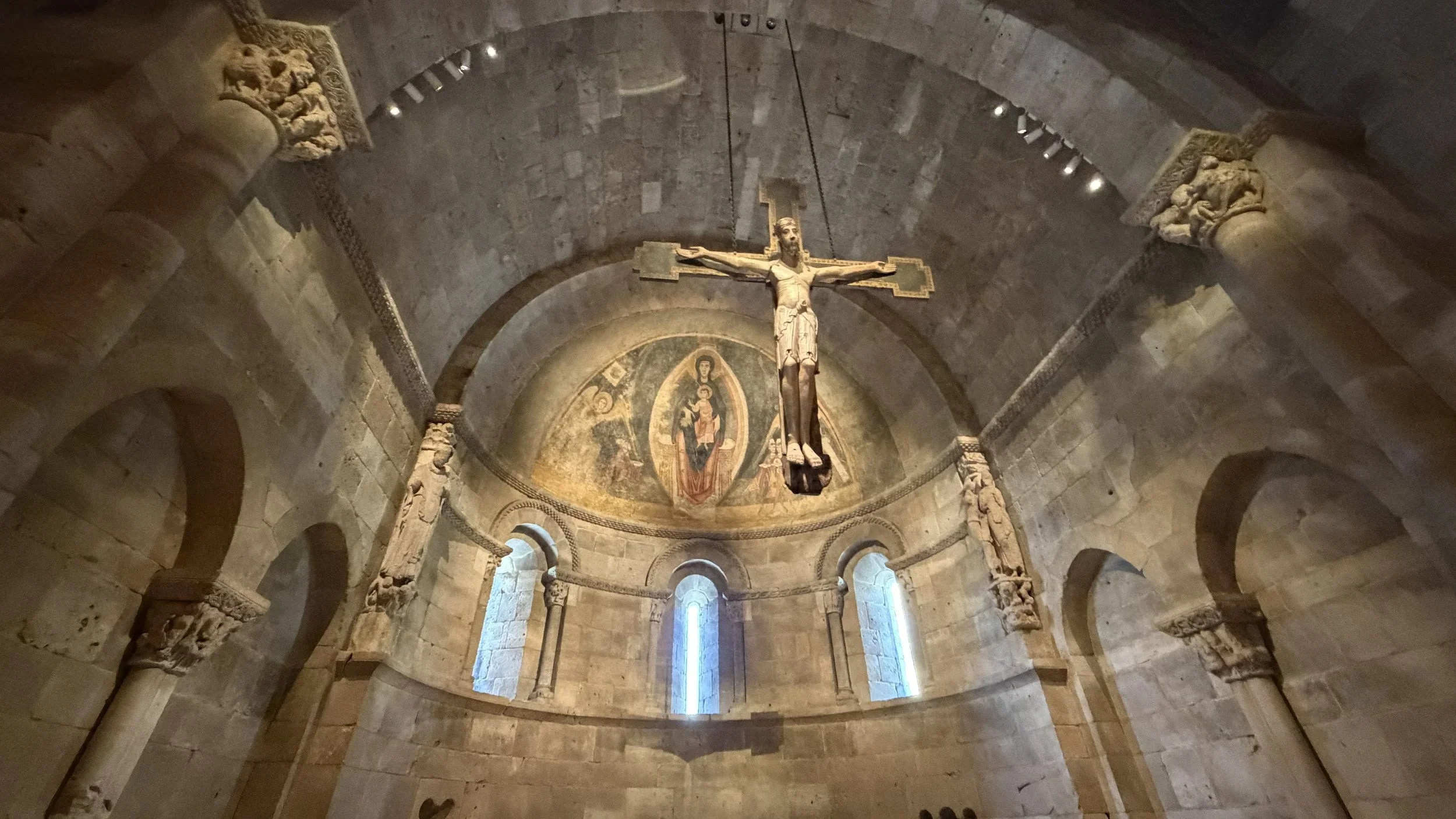
The duet ends, So stürben wir, not with resolution but with interruption. Melot and Marke arrive. The night is broken. The day, which has been coming since Brangäne's watch-song, arrives. This is the moment the duet was always heading toward, not as defeat but as the confirmation of the night's reality. The lovers were right that the night was the truer condition, and the arrival of the day is not the refutation of that claim but its demonstration. What the day does to the night is exactly what the ordinary world does to the condition of absolute love. It does not disprove it. It simply cannot sustain it.
Stay in the chapter house after the track ends. The stone is still there. The vaulting is still there. The night outside the museum's windows is still there.
Die Wiederkehr der Nacht: Washington Square Park
Getting to Washington Square
From the Cloisters, take the A train from 190th Street south to West 4th Street / Washington Square.
Walk to Washington Square Park.
Arrive after midnight if you can. After 11pm at minimum.
What Washington Square Is at This Hour
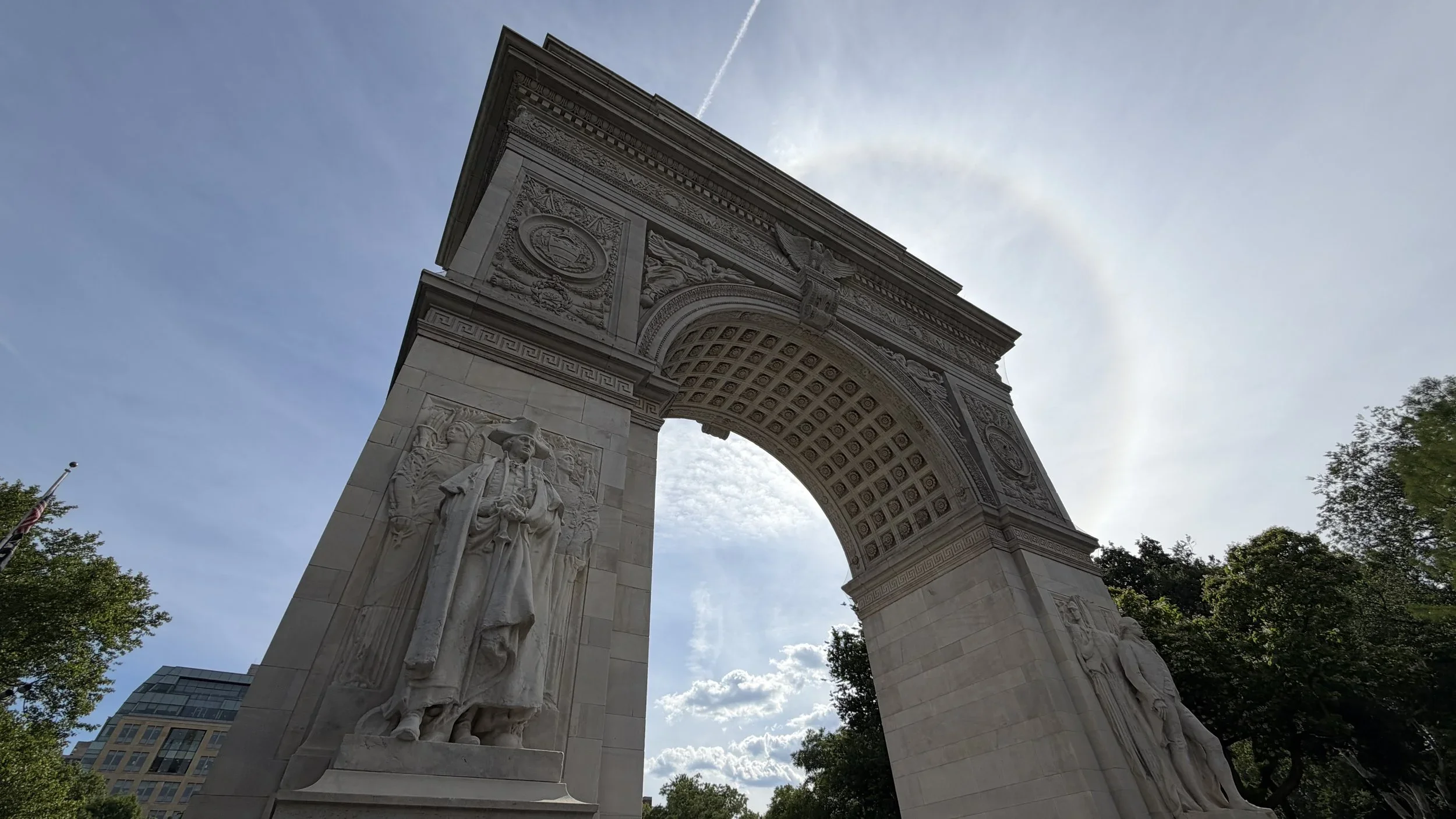
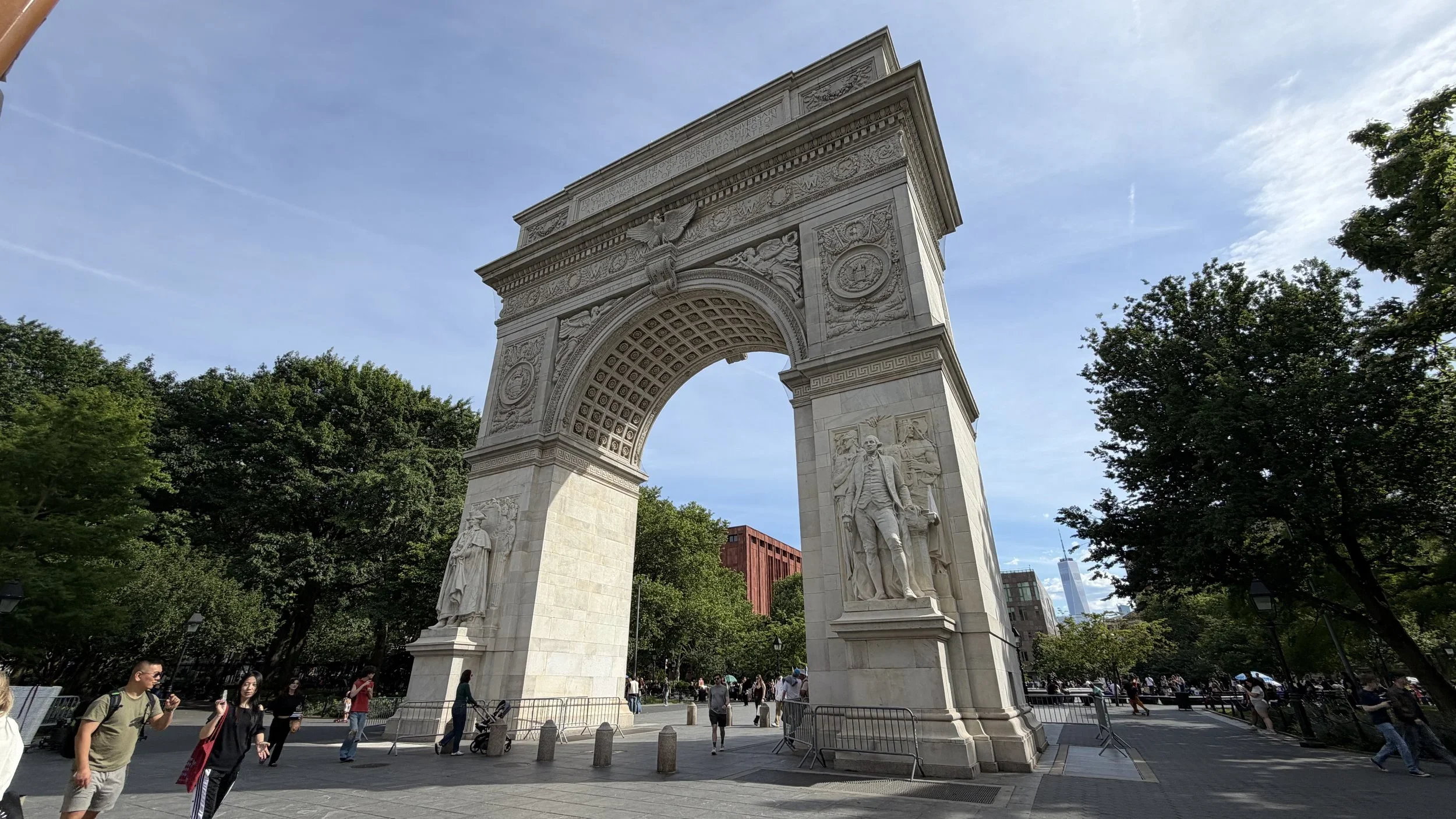
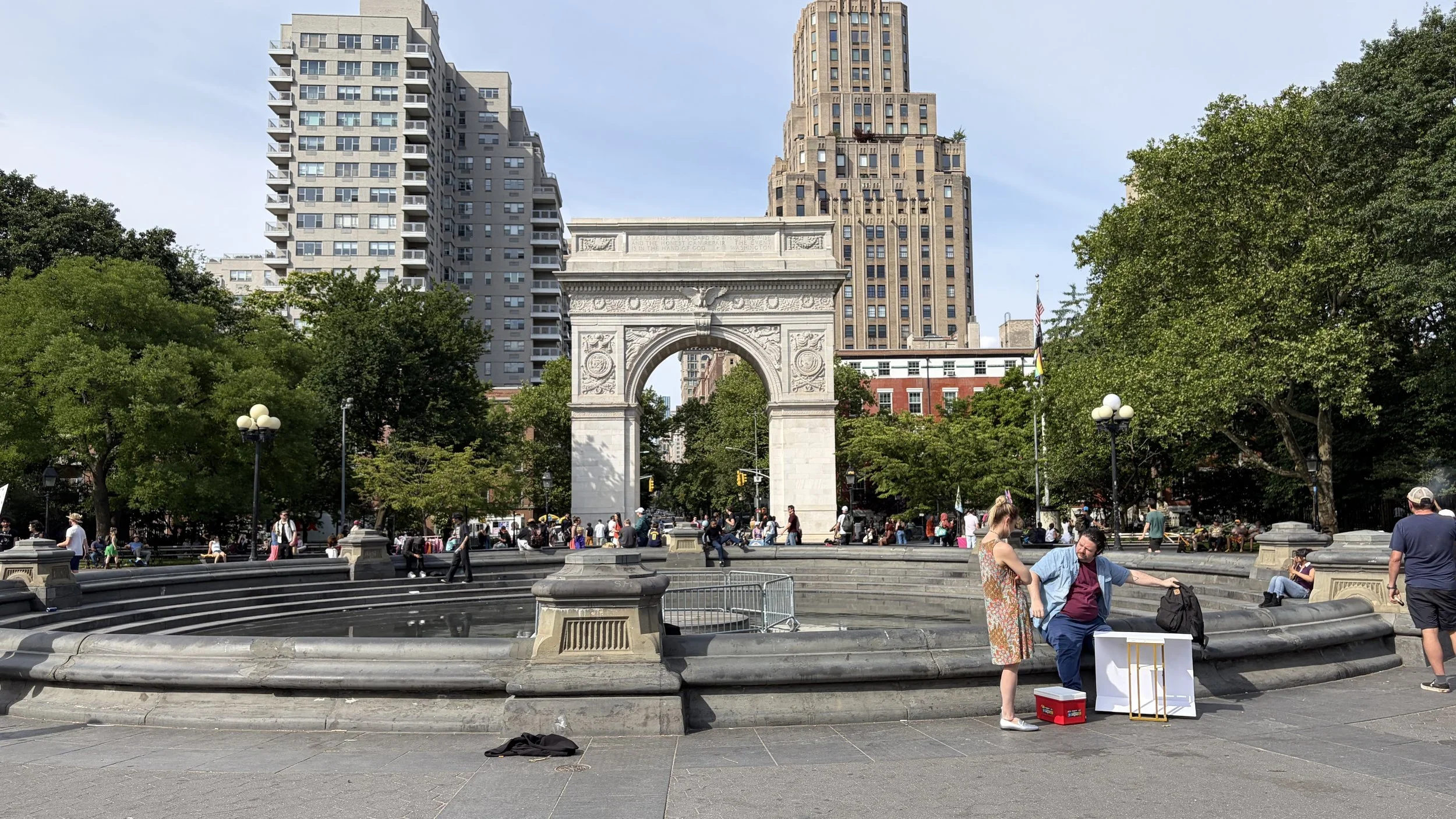
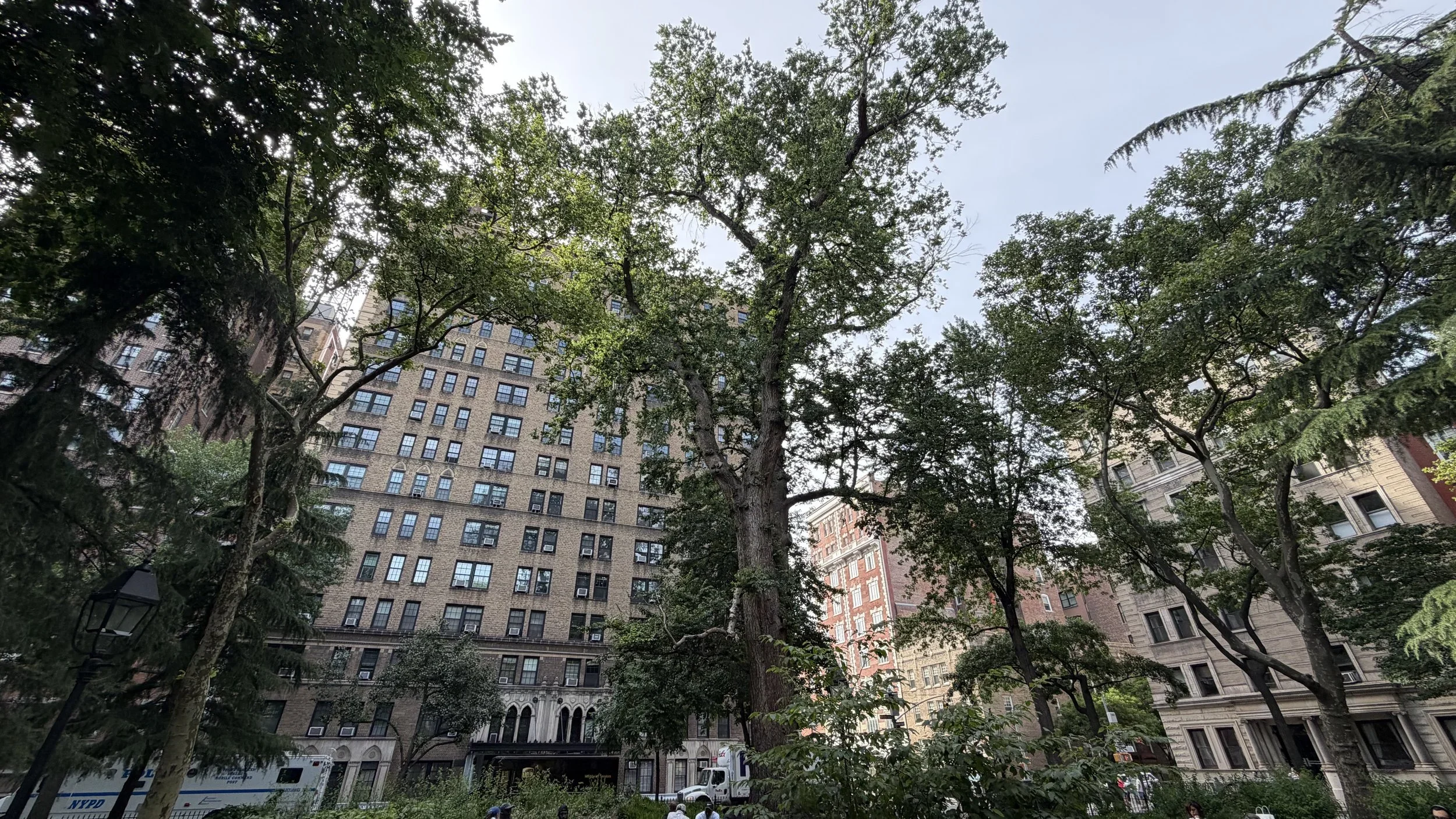
Washington Square Park is never empty, and after midnight in April it approaches as close to the condition of Tristan's night as any public space in New York. The fountain at the park's center is running, the city keeps it running through most of the spring and summer, and its sound carries across the mostly empty space in a way that it cannot during the day when the park is full. The arch is lit from below, the limestone white against the dark sky. The dogwood trees around the perimeter are at their earliest blossoming in April, the white flowers just beginning, the branches still visible through the petals.
The park's nighttime population is its most honest. A few couples on benches. A saxophonist sometimes, near the fountain, playing to no particular audience. People crossing on their way home, or not on their way home, or not going anywhere specific. The night's social life at its minimum viable threshold.
This is not the Cloisters' constructed medieval night. This is the city's own night, made available by the hour. It is the night that exists between the city's performances, between the restaurant and the subway, between the party and the apartment, in the gap that the city creates when it is not making claims on you. Wagner walked the Seine at three in the morning in Paris in 1841 and found, in that gap, the condition that Tristan is about. The Hudson at midnight in Tribschen. The night that the city makes when it reduces its noise to the level at which the inner music becomes audible.
Track: Act III — Isolde's Liebestod: Mild und leise wie er lächelt
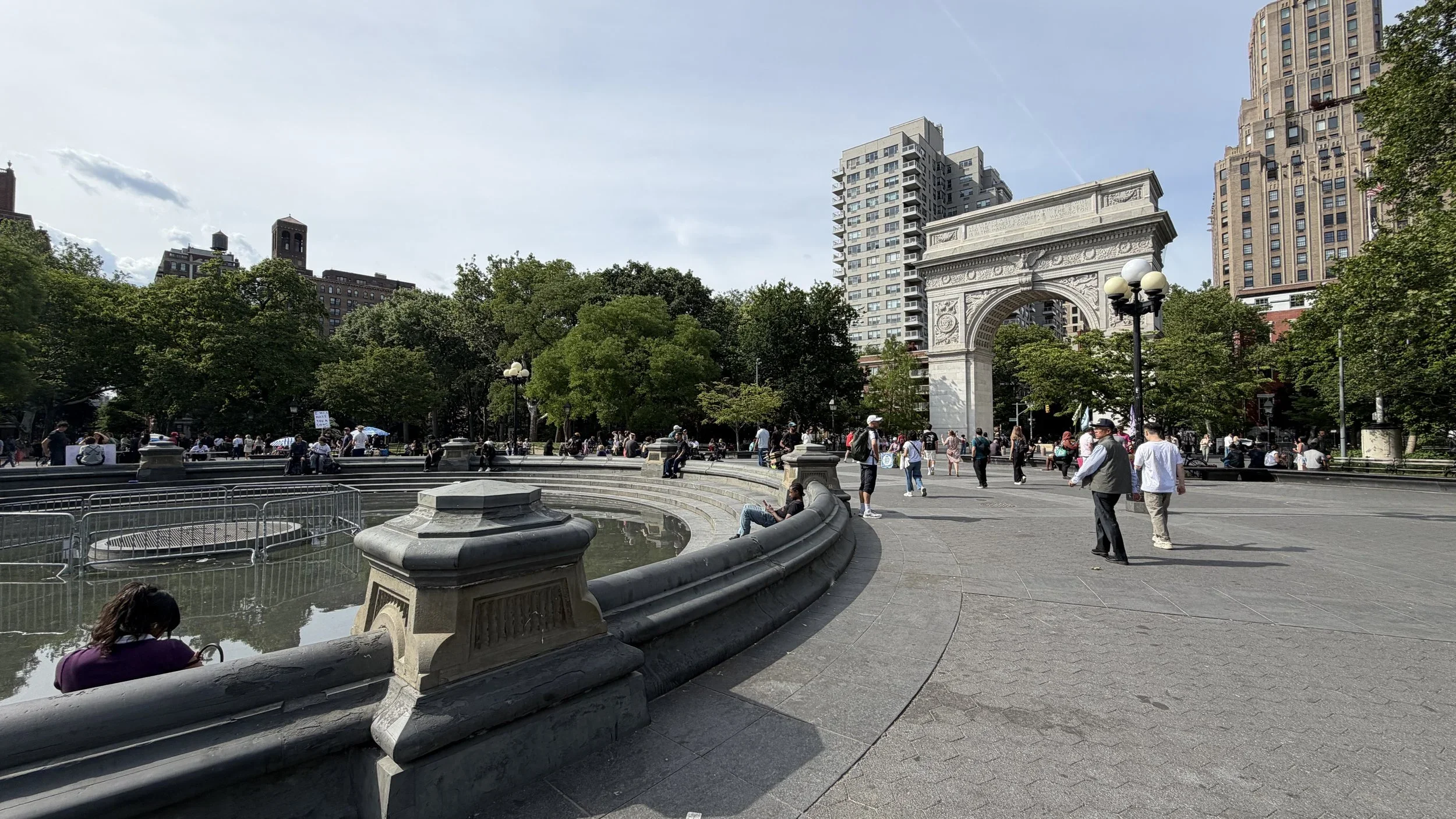
Find a bench facing the fountain. Sit down. Wait until you are genuinely tired, physically tired from the walk, from the evening, from the sustained attention the music has required. Begin the Liebestod only then.
The Liebestod is not transcendence. It is not uplift. It is what Schopenhauer's aesthetic contemplation produces when it is carried all the way to its conclusion. Not the suspension of the Will in beauty but the dissolution of the self that was the Will's container, the condition in which the distinction between the self and the music and the night and the fountain's sound and the April air and the Tristan chord finally arriving. All of these collapse into a single continuous present that is also, somehow, the silence at the other end of the sound.
Mild und leise wie er lächelt, soft and gentle how he smiles. Isolde is seeing Tristan's face in death and perceiving that the distinction between his death and her love has dissolved, that what she is feeling is not grief but the final removal of the boundary between herself and what she loves, which is what the whole opera has been building toward and what the whole opera has been preventing by keeping the lovers alive and separated and longing.
The Tristan chord arrives, at the end of the Liebestod. It finally resolves. The resolution is not a triumph. It is the quietest possible landing, a B major chord that has been withheld for four and a half hours arriving as a sigh rather than a statement. The chord resolves because the self that was carrying the tension has dissolved. You can't hold a chord unresolved if there is no one holding it.
Sit at the fountain. Let the Liebestod run to the final bar. Let the B major chord arrive. Notice what it feels like when the tension you have been living with for an entire evening is finally allowed to land. Then sit in the silence for a moment before standing.
The fountain continues. The arch is still lit. The city makes its ambient sound at the lowest volume it ever reaches. April continues into the small hours. You are in the night that the opera was about. Not the medieval night of the Cloisters, not the constructed night of the chapter house, but the actual night of the actual city, with the actual music still fading in the inner ear.
This is what remains when the opera ends. Not resolution in the sense of completion, but the sense of having been held in something larger than ordinary attention, and now being released back into the ordinary world, which is the same world as before and which you are slightly different within. Walk home slowly.
Tristan und Isolde
Nachklang
The April walk ends at the fountain, in the small hours, with the B major chord fading. This is the opera's proper ending. Not the stage going dark, not the curtain, but the specific quality of silence that follows the final bar in a concert hall when an audience has been truly held. The silence before the applause begins, the few seconds in which everyone is still in the suspension together and has not yet returned to being individual people with coats to find and trains to catch.
Tristan und Isolde argues that the night is the truer condition and the day is the intrusion. This is not a practical argument. You cannot live in the night any more than Tristan and Isolde can. The day arrives. The daylight social world returns with its structures and its demands and its considerable, genuine pleasures. The walk does not end with the recommendation that you remain in the suspension indefinitely. It ends with the recognition that the suspension is available. In specific rooms, at specific hours, with specific music, and that knowing it is available changes the quality of the daylight world you return to.
Wagner composed Tristan in conditions that made the ordinary world unavailable to him. The unconsummated love for Mathilde, the exile from Germany, the decades of non-production of his mature work. The night was his available country. He mapped it with extraordinary precision in five years of composition, and the map holds. The Tristan chord is still unresolvable except by dissolution. The chapter house is still vaulted. The fountain is still running.
April ends. May begins with the Meistersinger's daylight and its guilds and its prize song and its very different argument about what love is for when it has to be lived among other people, in public, with consequences. The night was real. The day returns. Both things are true.

Further Reading