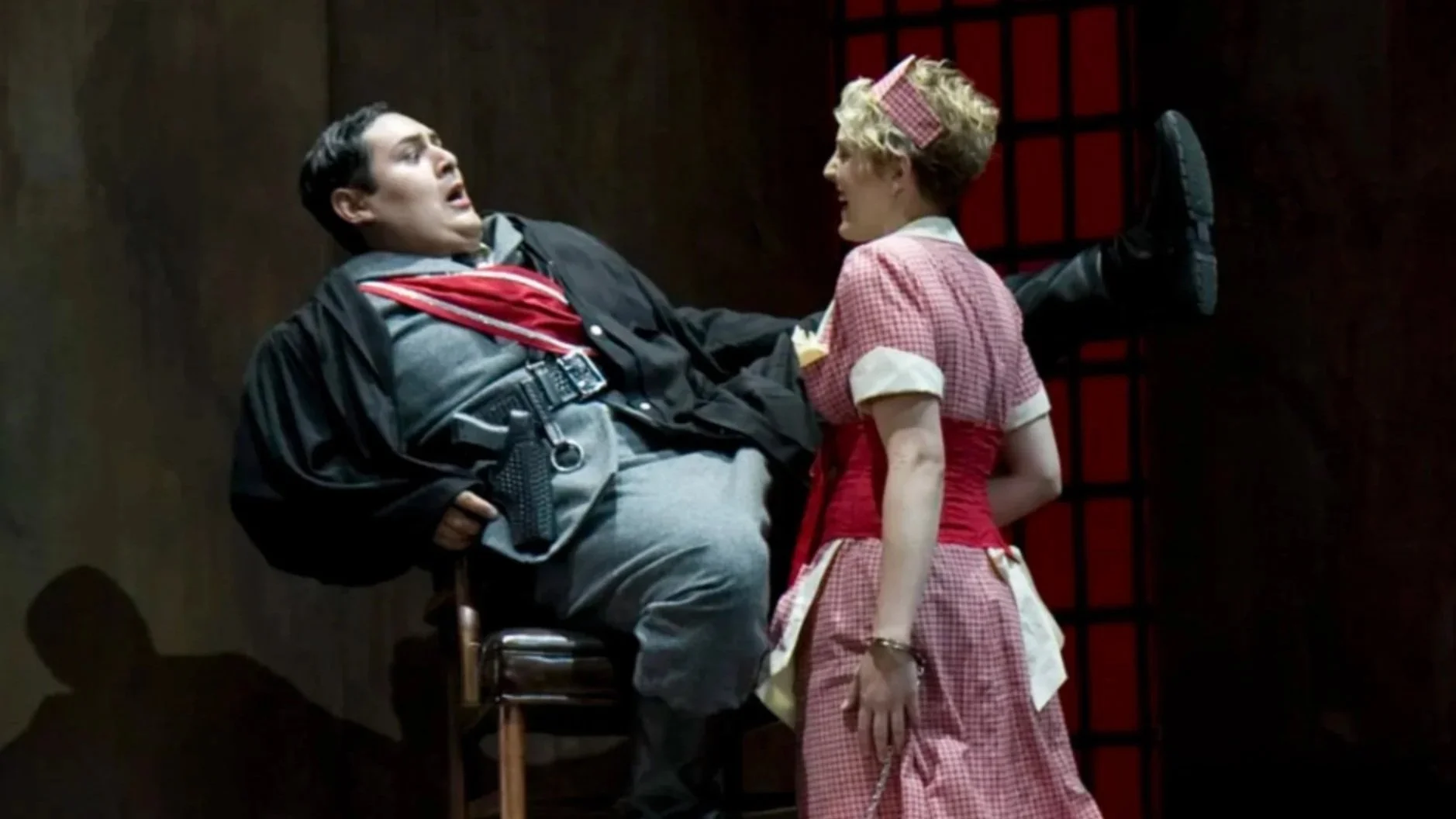
Juli: Die Walküre
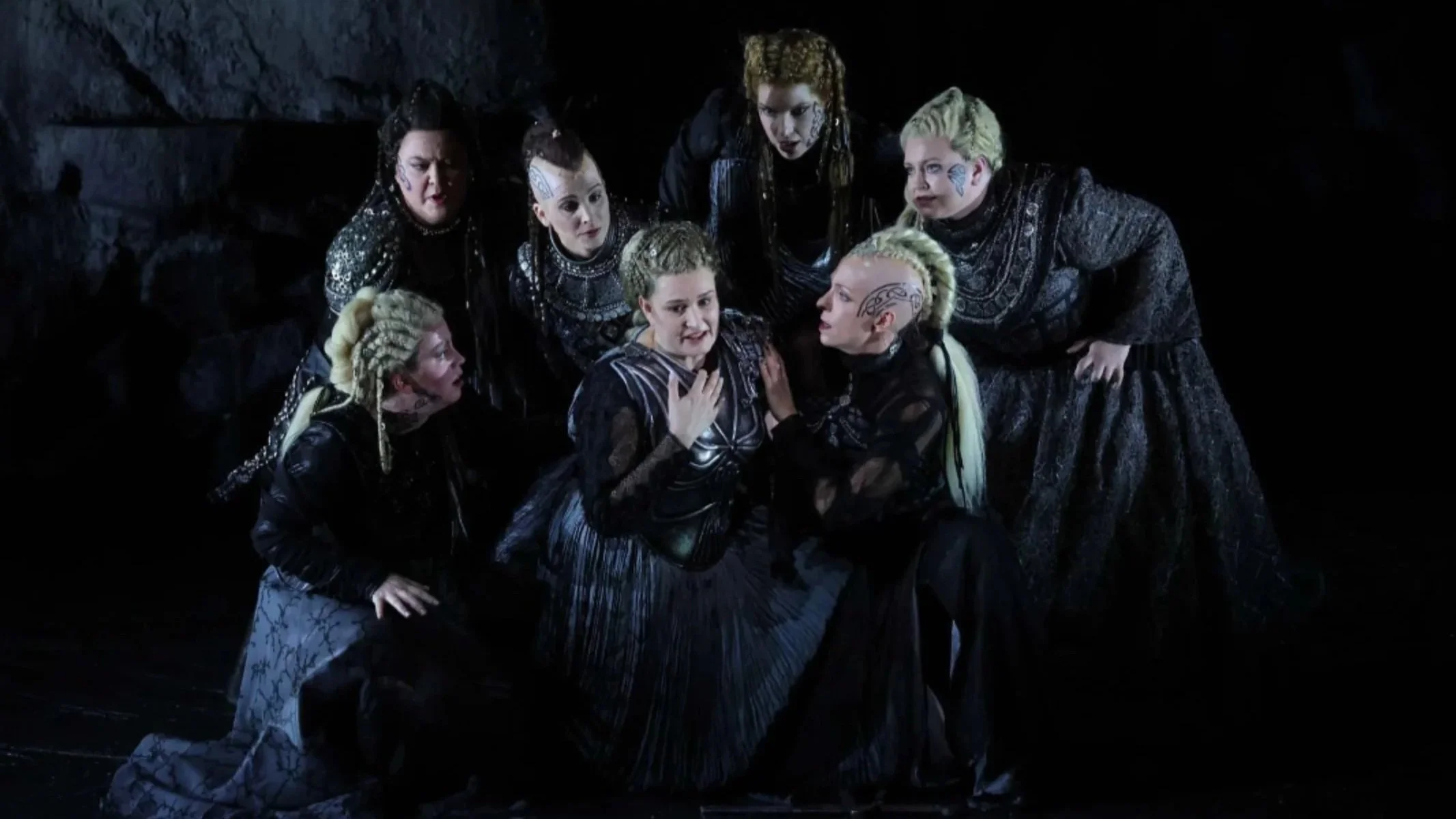
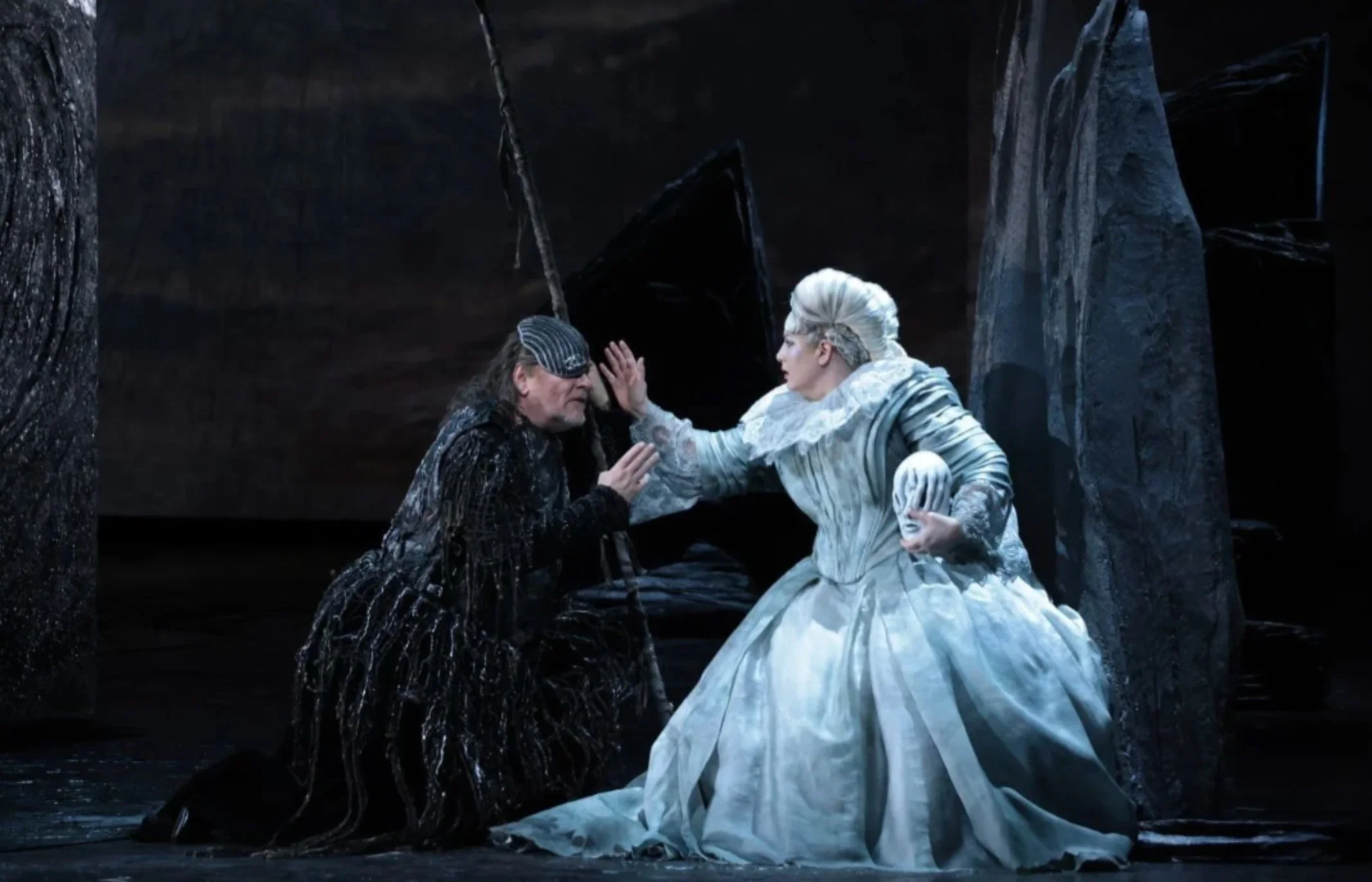
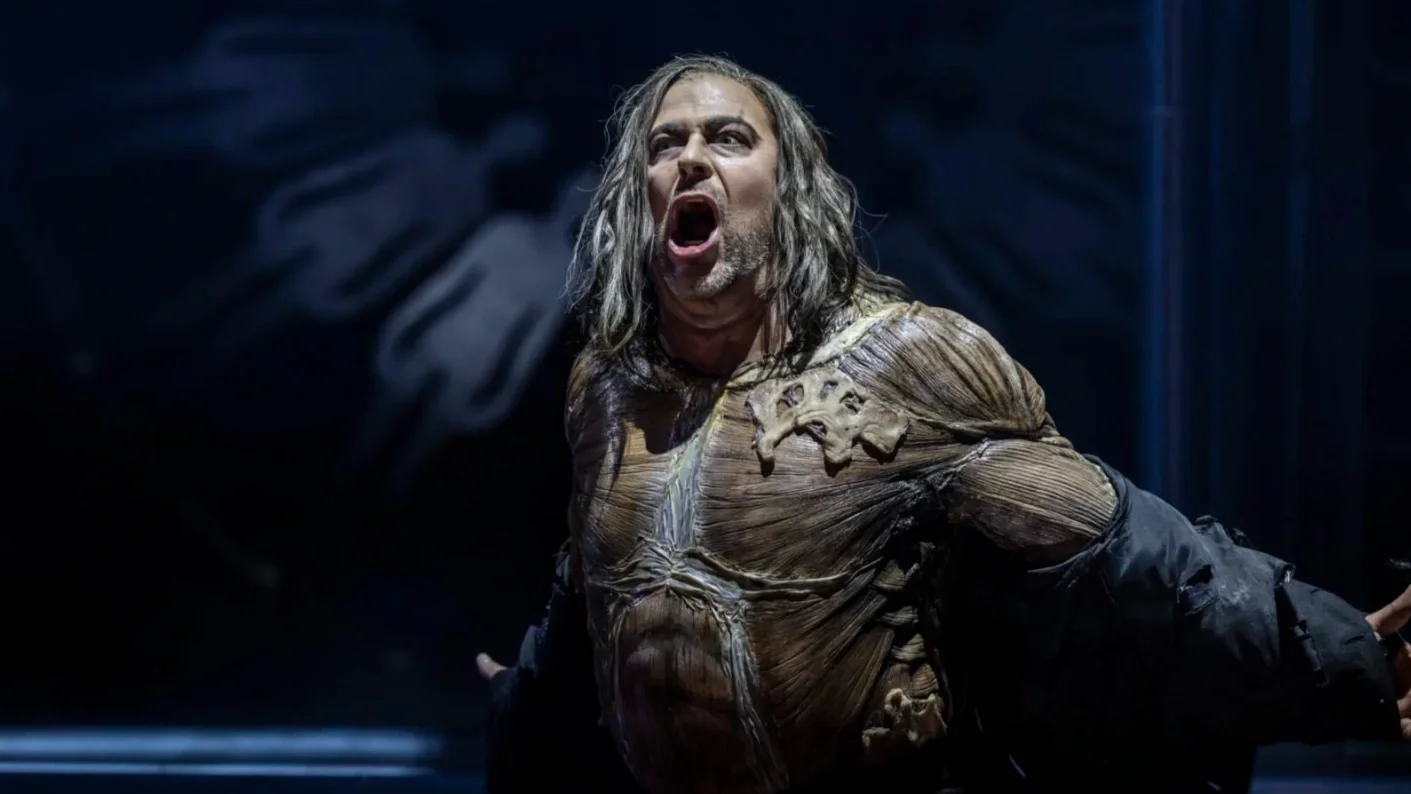
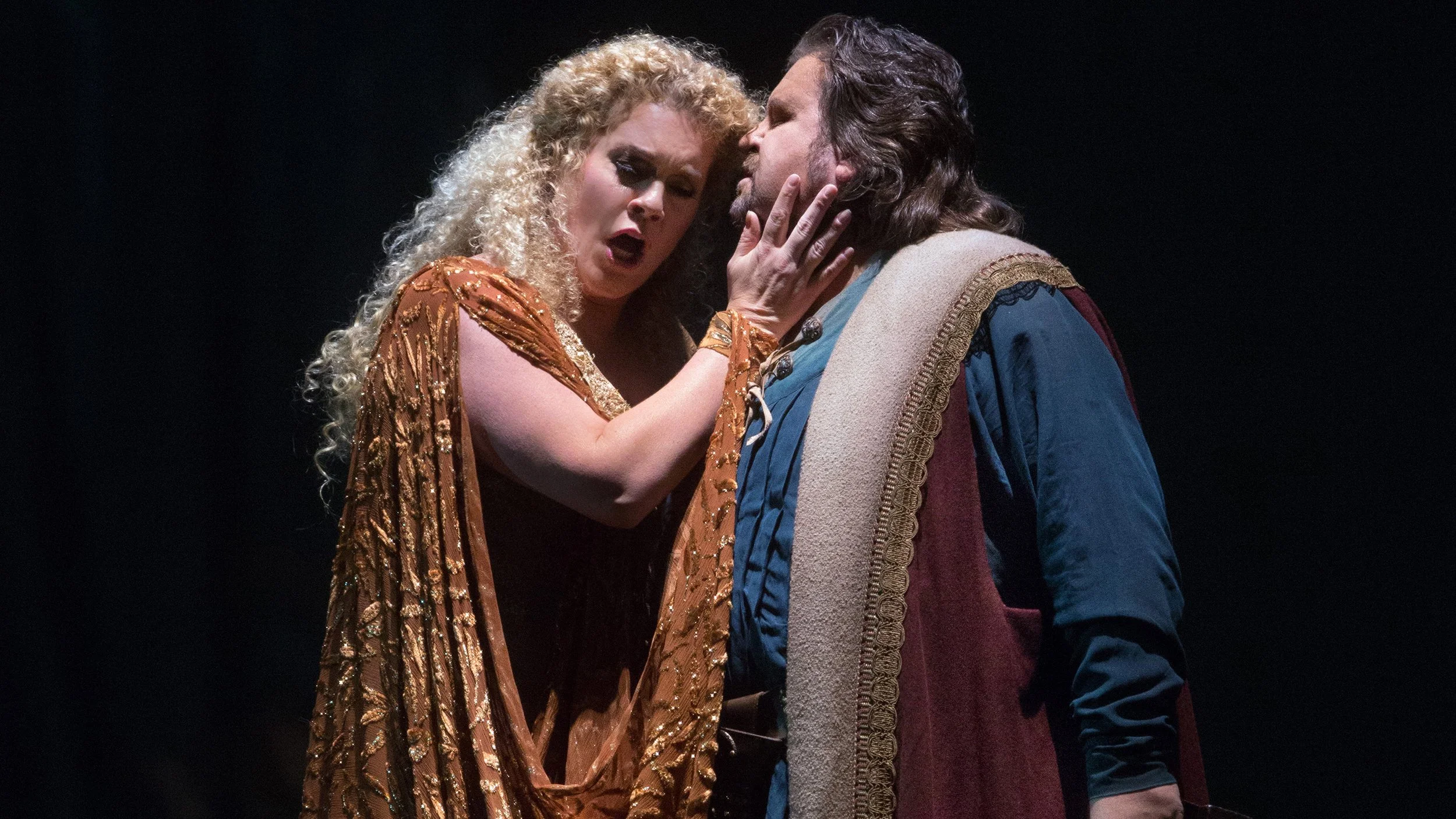
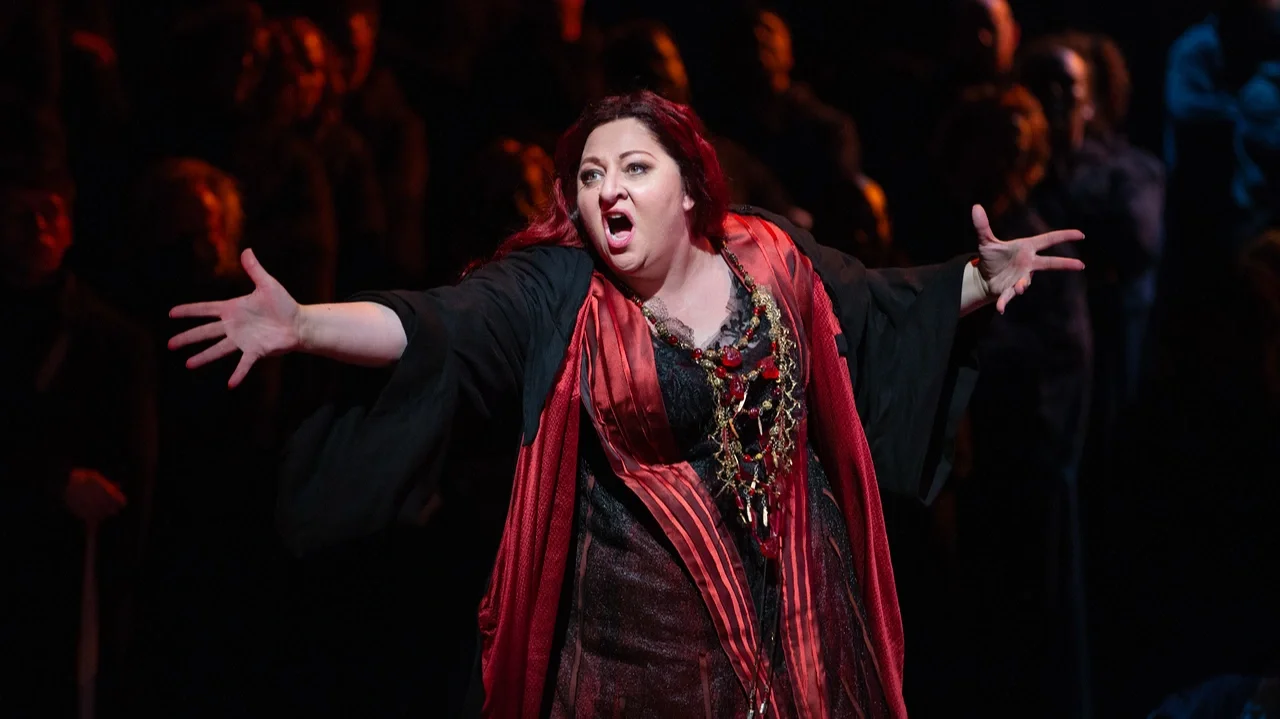
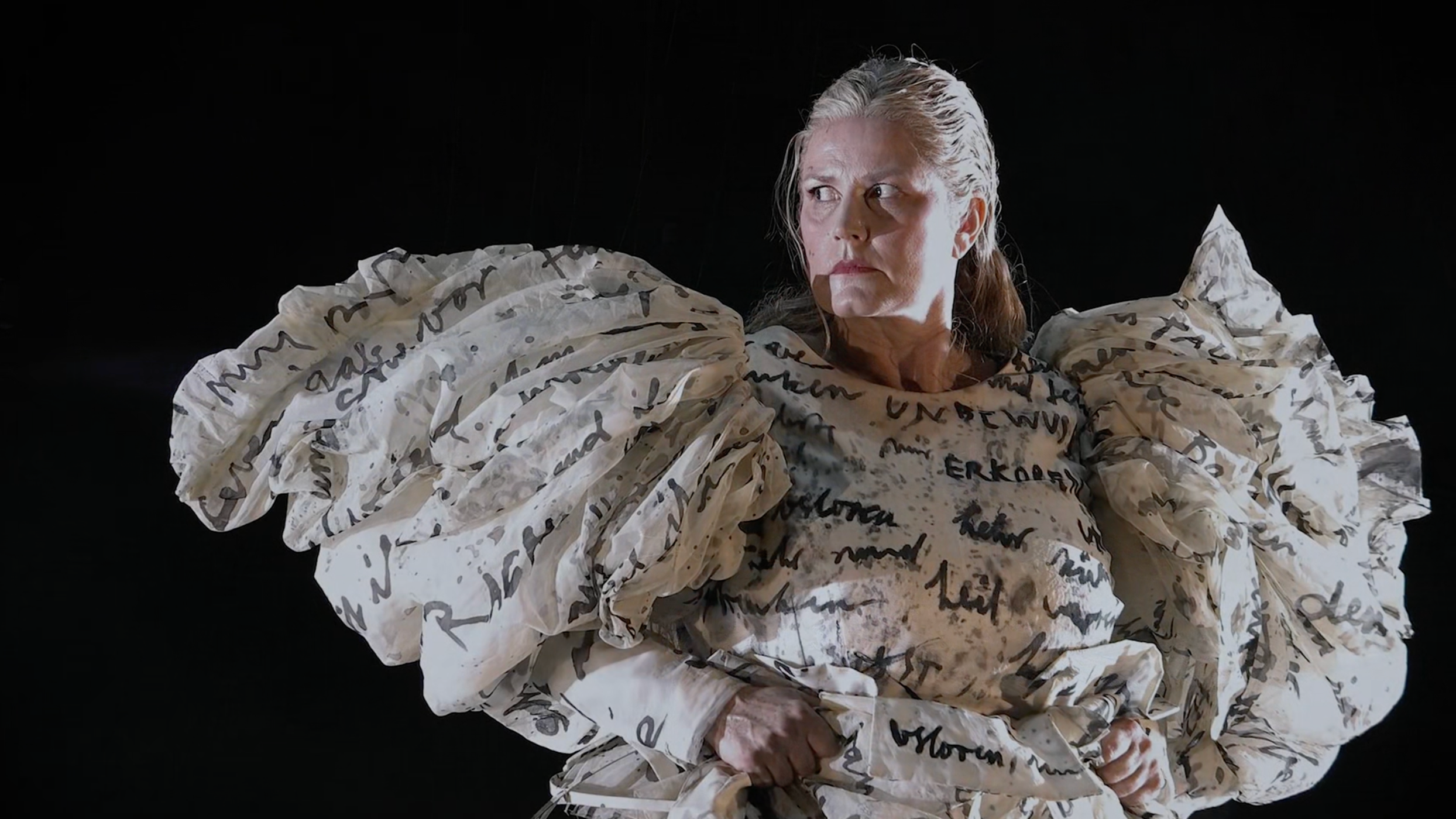
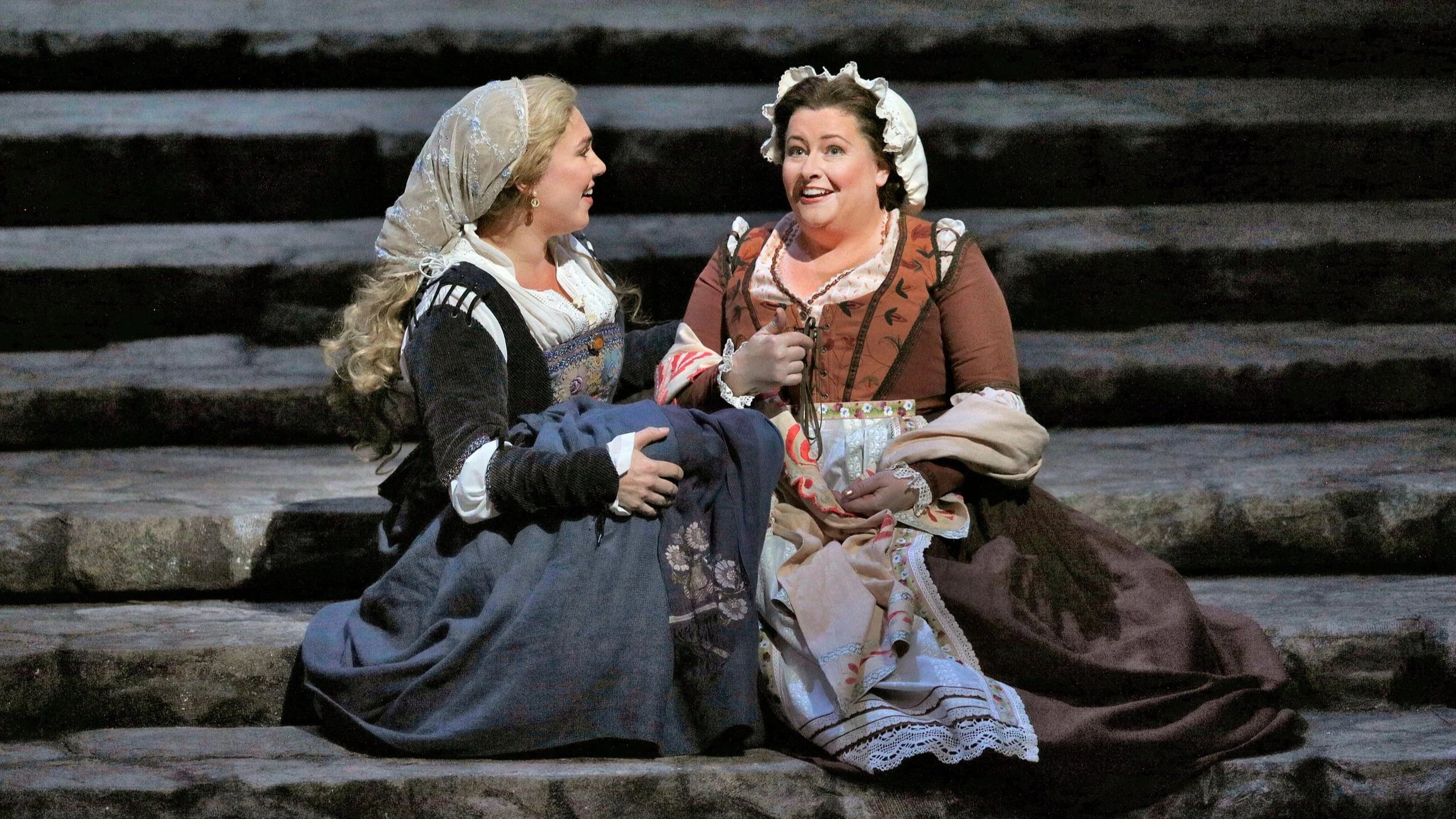
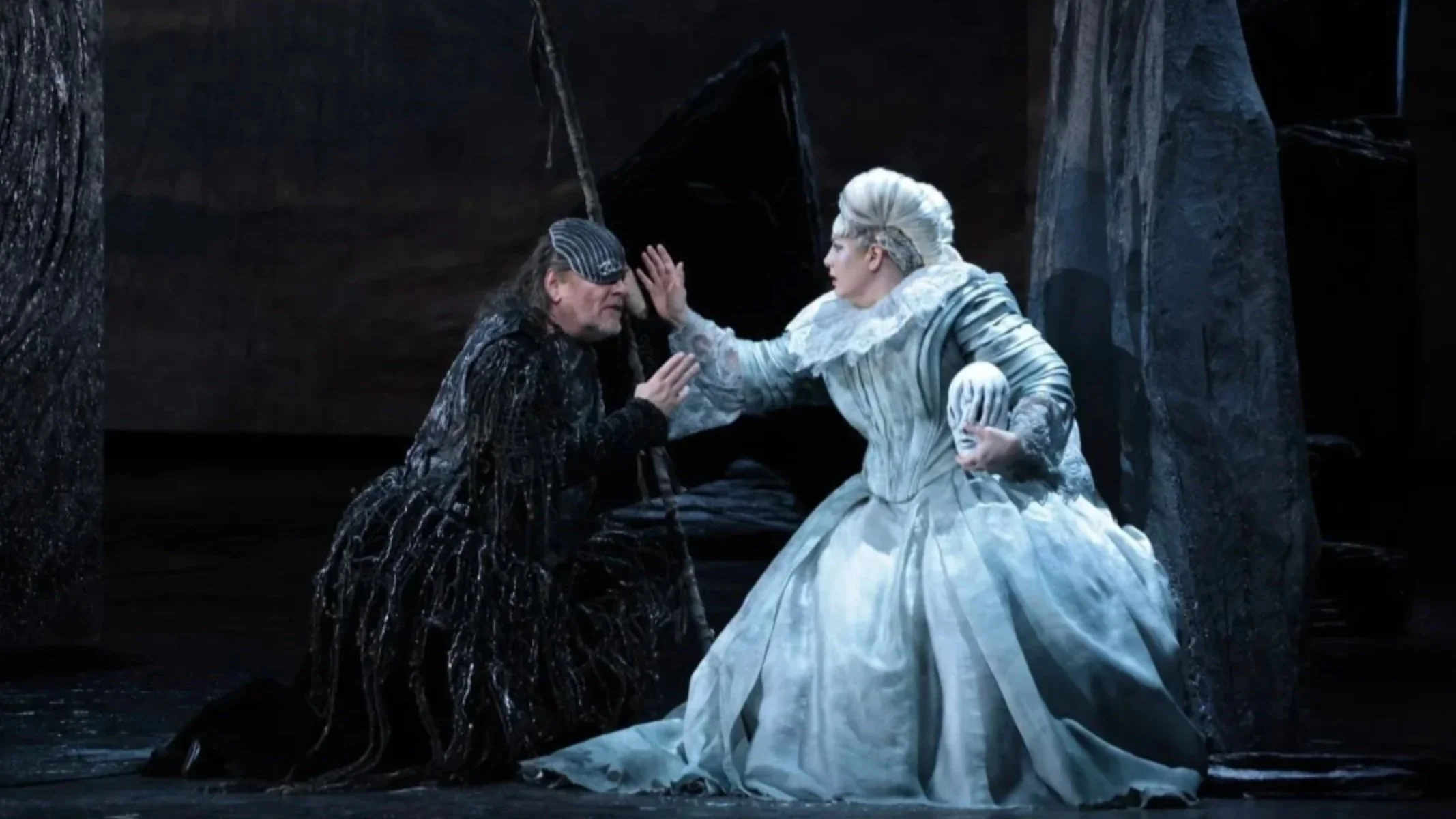
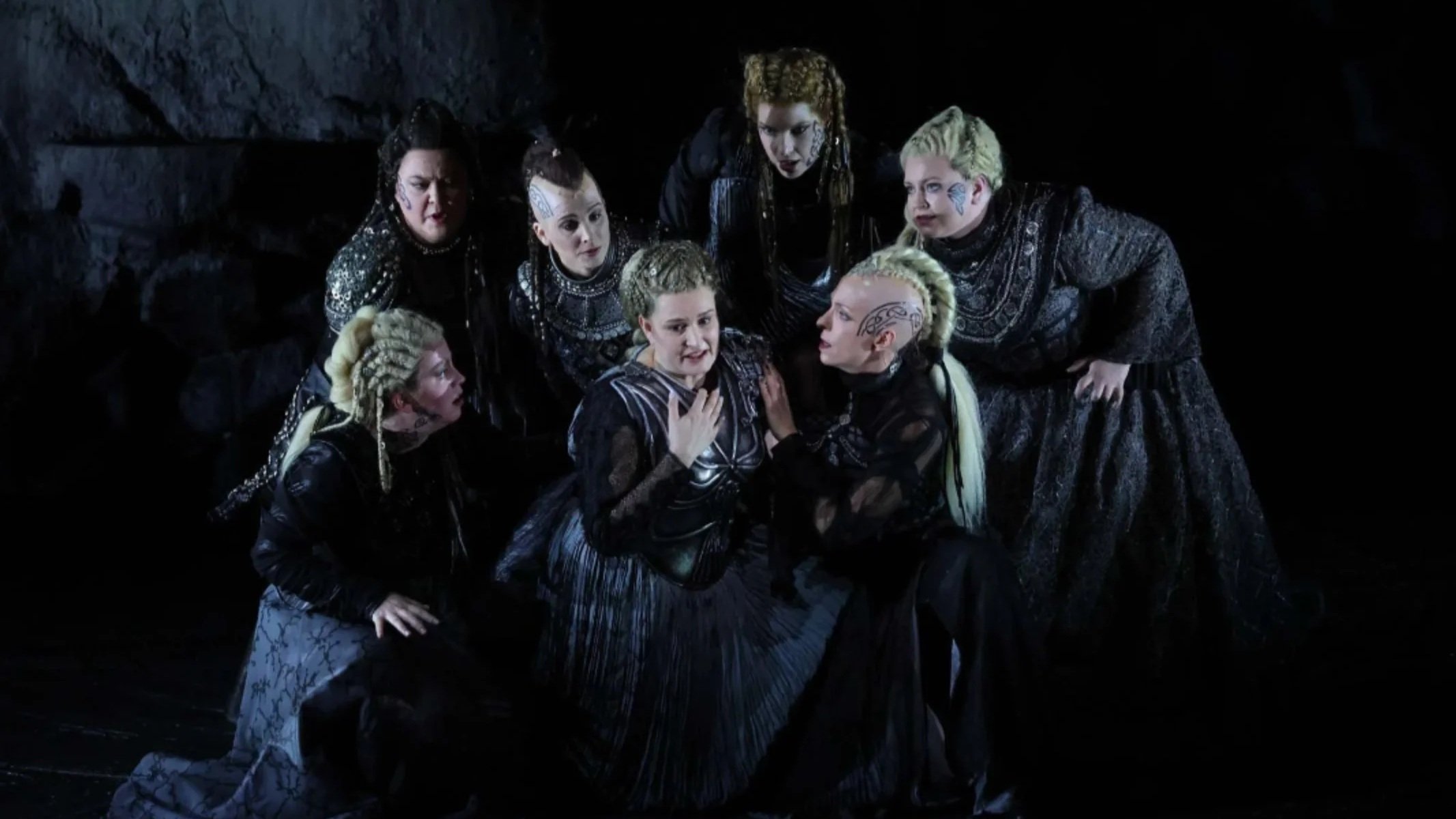
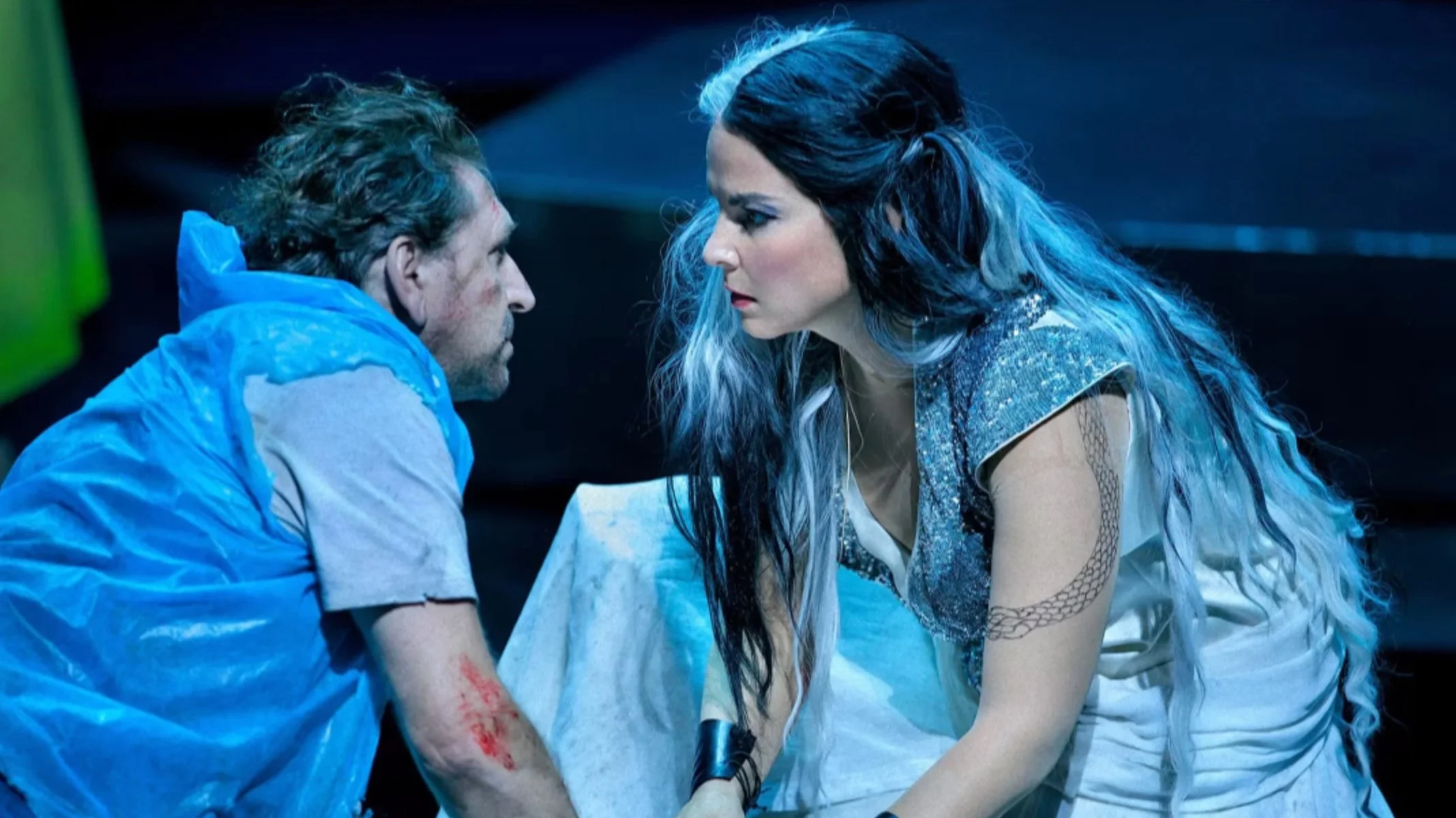
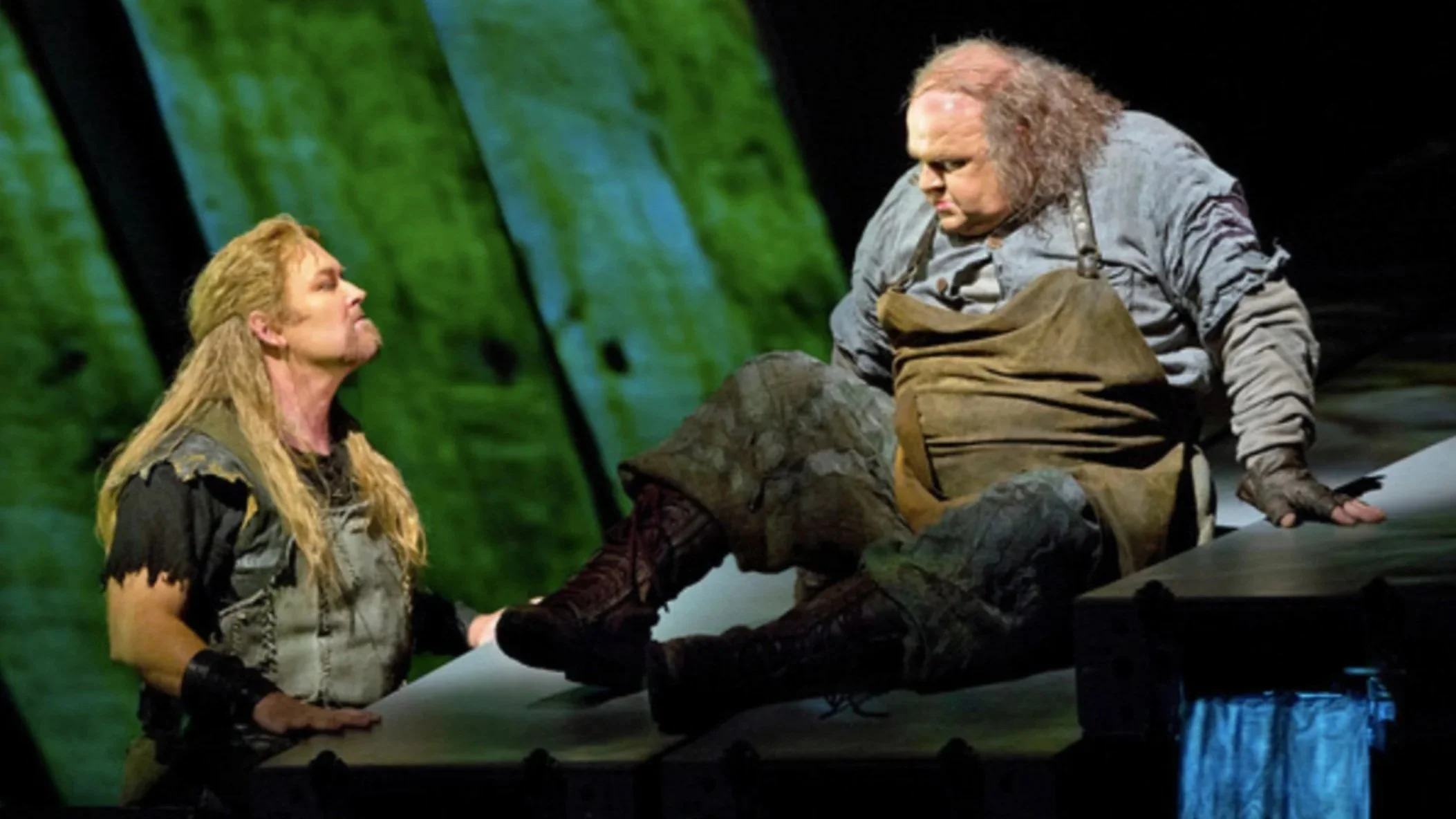
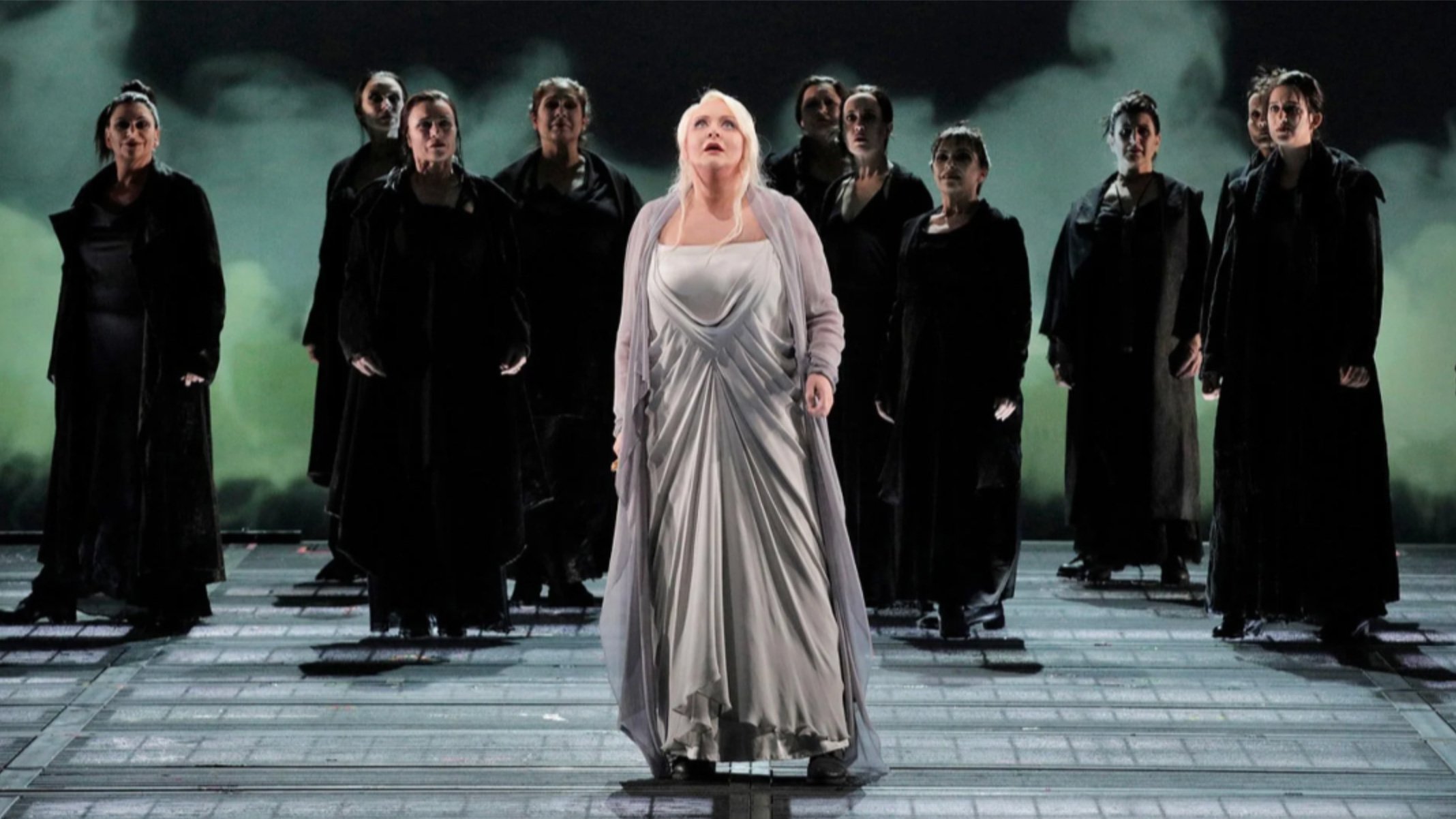
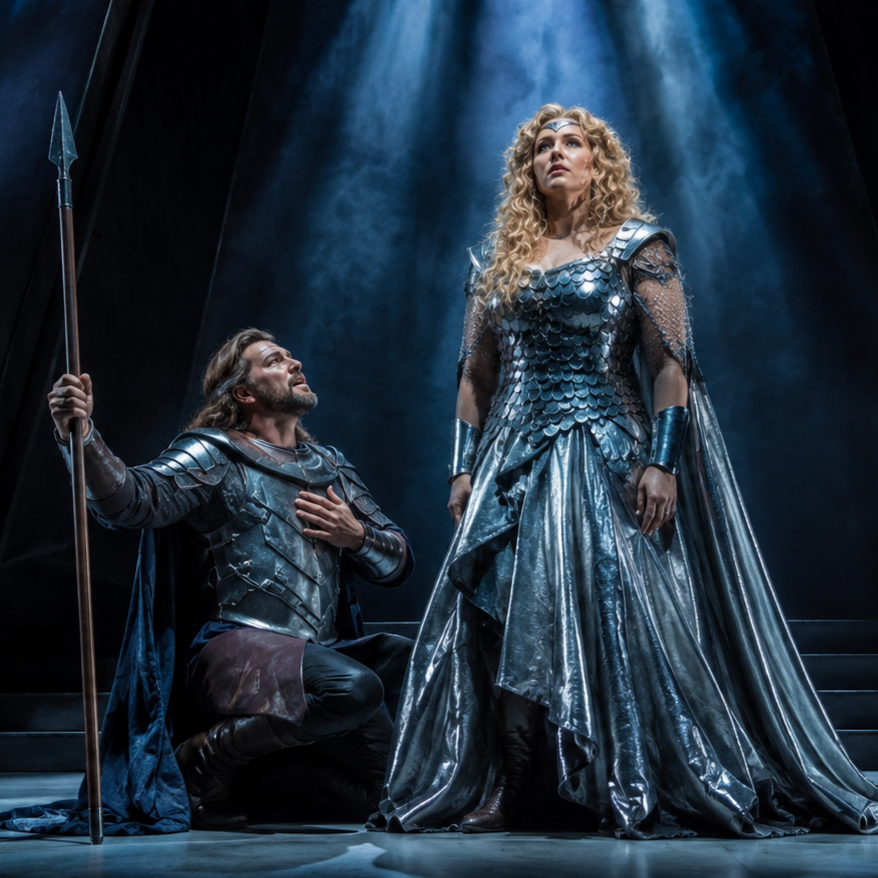
A scene from the opera Die Walküre by Richard Wagner, from a new production at the Teatro alla Scala in Milan
Themen: Trotz, Zwang, Schutz, Verwandlung
Element: Sommergewitter und Bergfeuer
This walk treats Wagner not as repertoire, but as a composed method for moving through the city.
Das Ergebnis auf einen Blick
Dauer: Late afternoon into dusk, four to five hours. This is the year's first walk built around a thunderstorm rather than around it happening to occur. Begin while the day still has its full summer weight and end at the river as the light goes.
Distanz: 4–5 miles, entirely above 79th Street. The walk moves north and slightly west across the width of the island, from the interior of Central Park to the Harlem River gorge to the Hudson cliffs, tracing a single long climb toward high ground and then a single long descent to water.
Beste Zeit: A July afternoon with a storm forecast, ideally one that breaks late rather than early. Begin in full heat and let the barometric pressure do some of the opera's work for you. If no storm arrives, the heat alone is close enough. This walk does not want a mild day.
Wetter:
Heat and humidity are correct.Walküre is the only opera in the cycle that wants you sweating. The forest hut, the storm, the flight, all of it plays better in July's thick air than in any cooler month's approximation of it.
An actual thunderstorm, arriving during the walk rather than before it, is the best possible condition. Plan the timing so the worst of it might catch you between the third and fourth stations. Carry a light rain shell and accept some risk.
Clear, punishing heat with no storm at all also works. The oppressiveness becomes Fricka's argument: law that will not bend, an atmosphere that will not break.
Zugänglichkeit:
The Ramble and Belvedere Castle involve uneven natural-surface paths and some steps; both are within Central Park's generally accessible core.
The American Museum of Natural History is fully accessible, with elevators to all rotunda and staircase levels.
High Bridge has a ramped and stepped approach on the Manhattan side and is closed overnight; check current hours before the walk.
Fort Washington Park's cliff paths involve real elevation change. The Little Red Lighthouse is reached by a paved path and a modest descent from the park's upper level.
Essentieller Moment:
The Little Red Lighthouse, under the George Washington Bridge, with Wotan's Farewell and the Magic Fire Music. A forty-foot cast-iron lighthouse standing directly beneath a bridge whose towers rise nearly six hundred feet above it, floodlit red against the size of what looms over it. This is the whole opera's argument made out of steel and paint: a small, stubborn, illuminated thing, protected by an encirclement built specifically to keep out everyone except the one person it was built for.
Language Anchor (German Phrase of the Walk):
Der Augen leuchtendes Paar, das oft ich lächelnd gekost / The shining pair of eyes, that I so often fondly caressed. From Wotan's Farewell, the line where the god who has just sentenced his daughter to sleep stops being a god and becomes, for four bars, only a father. Not the opera's loudest German. Its quietest, and its truest.
Wort des Weges
Trotz (pronounced: TROHTS): Defiance, but a specific register of it. Not Widerstand, resistance, which names an external opposition, a force pushing back against another force. Not Ungehorsam, disobedience, which names the breaking of a rule and stays inside the rule's own vocabulary. Trotz is something closer to a child's whole-body refusal, the stamped foot, the folded arms, the total commitment of a small person who has decided that a thing is wrong and will not be moved regardless of consequence. German keeps this childhood register alive even in its adult uses. To act aus Trotz, out of Trotz, still carries the memory of the tantrum, the stubbornness that precedes argument rather than following from it.
Brünnhilde's disobedience in Act III is usually discussed as a moral education, the moment she learns to feel what Wotan has been unable to act on. But the German gives the moment a different shape. She does not reason her way to defying him. She simply cannot do the thing he has commanded, and she says so with the same unanswerable finality a child uses. Ich konnte nicht anders. I could not do otherwise. Wotan recognizes the register immediately, because it is his own. He raised her on it. Kind! Kind! Der eig'ne Frucht meines Kummers! Child, my grief's own fruit. He is not surprised that she has Trotz. He is her father. He put it there.
This is the month for the word because July in New York produces its own version of the condition. The heat that will not lift, the storms that build all afternoon before finally breaking, the sense of a city holding a position it knows is unsustainable simply because backing down has not yet become psychologically possible. Trotz is not strategy. It is the refusal that arrives before strategy, and Wagner spends the whole of Act III proving that this refusal, arriving in a daughter who was raised to have it, is the only thing strong enough to survive contact with a father's broken law.
Thematischer Rahmen: Das Gesetz und das Kind, das Es Nicht Halten Kann
Die Walküre is the Ring's most human opera because it is the one where the gods' compromises stop being abstractions and start costing actual children. Rheingold showed the theft and the contract. Walküre shows what the contract does to a family once it is required to enforce itself against people who love each other.
Wotan has, by the start of this opera, fathered two separate lines of consequence. Siegmund and Sieglinde, twins separated in infancy, raised apart, who meet as adults without knowing each other and fall in love without knowing they are committing what the law of marriage and the law of blood both call catastrophic. And Brünnhilde, the eldest of his nine Valkyrie daughters by Erda, the one who has spent her existence executing her father's will so completely that she describes herself, without irony, as nothing more than dein Wille, your will. Two experiments in what a father's authority can produce. One in the children he cannot protect from the world's law. One in the daughter he has trained to have no will of her own, until the moment she discovers she does.
Fricka is the opera's most misunderstood figure, cast too easily as the villain who ruins Siegmund and Sieglinde's happiness. She is not wrong. This is the opera's hardest structural fact. Marriage is a contract Wotan himself made sacred, embodied in Fricka's own domain, and Siegmund and Sieglinde have broken it twice over: adultery and incest, both real, both consequential in the world the gods have built. Fricka's demand that Wotan punish Siegmund is not petty jealousy. It is the law, correctly applied, by the god who is supposed to guarantee it. Wotan cannot defend Siegmund without admitting that the law he enforces on everyone else does not bind his own family, and a law that exempts its enforcer is not a law. He capitulates because he has no argument. Fricka has simply read the contract correctly.
What follows is the longest interior monologue in the Ring, Wotan's confession to Brünnhilde in Act II, and it is where the opera's real subject arrives. Not law versus love, which is too simple, but the specific horror of a god who wanted, through Siegmund, to produce a free hero, someone who could act without Wotan's authority behind him and so escape the trap Wotan built for himself with every treaty and every rune carved into his spear. And who now understands that Siegmund was never free. Every choice Siegmund made, he made because Wotan had arranged the world so that he would make it. Wie macht' ich den Freien, den nie ich schütze? How do I make the free one, whom I never shield? The hero has to act without the god's protection to be genuinely free, but Wotan cannot stop himself from protecting what he has made, and so the freedom he wants is structurally impossible for him to produce. He built a cage and called it a birth.
This is the confession Brünnhilde hears before she disobeys him. She is not choosing compassion over an abstract law. She has just watched her father articulate, in the most devastating self-analysis in the cycle, that he cannot get what he wants inside the system he built, that Siegmund's death, which the system now requires, is a death Wotan does not actually want. Brünnhilde does what the god himself cannot do, act on the wish beneath the command rather than the command itself, and she does it because he raised her to read him this closely. His punishment of her afterward, the sleep on the rock encircled by fire, is not really punishment for disobedience. It is Wotan discovering, again, that he cannot bear to let go of what he has made, and disguising that discovery as law.
New York in July is the city's own version of law meeting what it cannot fully control. The heat drives everyone into public space at once, parks and stoops and open hydrants, a city temporarily governed less by its usual private arrangements than by shared, undeniable physical need. Storms build across whole afternoons with an inevitability that has nothing to do with anyone's plans and gather force regardless of what the day's schedule required. This walk moves from the forest interior where the twins first find each other, to the museum's grand authority where the order is given, to a wild gorge where the order is carried out, to the exposed cliffs where the daughters gather, to the small illuminated point under an enormous bridge where a father finally says goodbye to the part of his daughter he loved best and can no longer protect. Law is real. So is what breaks it. Wagner does not resolve the contradiction. He gives it four acts and lets it stand.
Listening Index (Die Musikalische Wirbelsäule)
Act I, Prelude and the storm: Siegmund's flight, the hut's low ceiling, shelter found before it is understood
Act I, Winterstürme wichen dem Wonnemond: Recognition arriving as season change, the twins naming what they already are to each other
Act II, Wotan's Narration (Als junger Liebe Lust mir verblich): The confession beneath the command, the god's own trap described in his own words
Act II, Todesverkündigung (Siegmund! Sieh auf mich!): The announcement of death and the first crack in Brünnhilde's obedience
Act III, Ride of the Valkyries: Eight sisters at full force, the sound of the system still functioning exactly as designed
Act III, Wotan's Rage and Brünnhilde's Defense (War es so schmählich): The daughter arguing back, the only successful cross-examination of Wotan in the entire cycle
Act III, Wotan's Farewell and Magic Fire Music (Leb wohl, du kühnes, herrliches Kind): Punishment performed as protection, the fire that keeps out everyone except the one man brave enough to walk through it
Listening Note: This month's music runs hotter and louder than April's or March's. Do not undersell it by keeping the volume low out of habit. Let the Ride arrive at real volume in a real outdoor space. Save the quiet for the Farewell, where the opera itself finally drops to a whisper and asks you to match it.
Der Wald Vor Dem Sturm: The Ramble, Central Park
Getting There
Take the B or C train to 81st Street–Museum of Natural History, or the 1 to 72nd Street, and enter the park at 77th Street.
Walk east and south into the Ramble, the thirty-eight acres of deliberately wild woodland at the park's center, designed by Olmsted and Vaux to feel like the one place in the park that has escaped design entirely.
What the Ramble Is Doing Here
The Ramble is Central Park's only interior without sightlines. Winding paths, dense plantings, sudden drops and rises, a landscape built specifically to disorient a visitor who has walked five minutes from an open lawn and can no longer see it. This is the correct geography for the opening of Walküre: a stranger, wounded and pursued, stumbling into a shelter he did not choose and cannot yet read.
Track: Die Walküre, Act I, Prelude and Opening Scene
Enter the Ramble's paths as the Prelude's low string tremolo begins, the storm music that opens the opera before a single word is sung. Walk without a fixed route. Let a path choose itself. The music is doing the same thing the forest is doing: building pressure through repetition rather than through melody, the same driving cell of notes returning and thickening until it is less a theme than a weather system.
Find a small clearing, one of the Ramble's pocket openings where the canopy breaks and a bench or a rock offers a place to stop. This is Hunding's hut, reduced to its essential geometry: shelter that belongs to someone else, offered to a stranger by necessity rather than welcome. Sit for a moment inside the sound of the storm continuing outside a roof you did not build.
Die Erkennung: Belvedere Castle
Walk: From the Ramble to Belvedere Castle
Walk north through the Ramble's paths toward the Belvedere Castle terrace, visible rising above the treeline as you approach from the south.
Climb the exterior stairs to the upper terrace overlooking the Great Lawn and the Turtle Pond.
Track: Die Walküre, Act I, Winterstürme wichen dem Wonnemond
Stand at the terrace rail as the storm finally breaks into the love duet, winter storms yielding to the moon of May. Siegmund and Sieglinde recognize each other not as strangers who have fallen in love but as two halves of a single thing rejoined, twins who do not yet know their own names for certain but already know, at the level below language, exactly what they are to each other.
The terrace gives you what the Ramble withheld: a horizon. The Great Lawn opens below, the skyline stands beyond it, and for the first time on this walk you can see where you are inside the larger shape of the city. This is what recognition does in the opera. It does not simplify the situation, Siegmund and Sieglinde are about to discover they are siblings, which makes everything about their love catastrophic under every law the world enforces, but it gives them, for one scene, the clarity of finally seeing the whole shape of what they are. Let the duet run to its full, unresolved joy. The catastrophe has not arrived yet. For now, there is only the recognition, and it is genuinely a kind of arrival.
Das Geständnis: Theodore Roosevelt Rotunda, American Museum of Natural History
Walk: To the Museum
Exit the park at 81st Street and Central Park West, directly opposite the museum's main entrance.
Enter through the Theodore Roosevelt Memorial hall, the grand rotunda beneath the barrel-vaulted ceiling, dominated by the mounted skeleton of a barosaurus rearing to defend its young against an allosaurus.
What the Rotunda Is Doing Here
The rotunda is New York's closest architectural approximation of a hall built to make authority feel permanent. High vaults, dark stone, an inscription of Roosevelt's own words on courage and duty carved into the walls, and at the center, a skeleton frozen mid-defense, one animal's whole body committed to protecting something smaller than itself. It is an unplanned but exact rhyme for the scene that belongs here.
Track: Die Walküre, Act II, Wotan's Narration: Als junger Liebe Lust mir verblich
Find a bench or a quiet edge of the rotunda floor, away from the main traffic, and begin Wotan's confession to Brünnhilde. This is the longest sustained piece of self-examination in the entire Ring, a god explaining to his daughter, in real time, exactly how his own compromises trapped him. He wanted a hero free of his authority. He built a world in which nothing could happen without his authority. The contradiction was there from the beginning and he is only now saying it out loud, to the one listener he trusts enough to say it to.
Look up at the barosaurus while the narration plays. An animal defending its young with everything it has, permanently mounted in the posture of a threat that cannot actually be carried out anymore, its danger preserved as spectacle rather than function. This is close to what Wotan has become. A god whose authority is still enormous and still visibly on display, and who has just admitted that the one thing he most wants to protect is precisely what his own authority cannot save.
Track: Act II, Todesverkündigung: Siegmund! Sieh auf mich!
Stay in the rotunda and let the scene continue directly into Brünnhilde's announcement of death to Siegmund, sent by Wotan to escort him to Valhalla and instead finding herself, for the first time, unable to complete the assignment without hesitation. Watch how the museum's other visitors move through the rotunda while the scene plays in your ear, unaware of the specific weight the room is carrying for you. Everyone here is walking past an argument about whether love can override an order that has already been given. Most of them do not know it. You do.
Der Wilde Übergang: High Bridge
Getting There
Exit the museum and take the A train uptown from 81st Street to 175th Street.
Walk east to Amsterdam Avenue, then north to Highbridge Park, entering near West 172nd Street.
Follow the park path to High Bridge, the pedestrian crossing over the Harlem River, reopened to the public in 2015 after decades of closure.
What High Bridge Is
High Bridge is the oldest surviving bridge in New York City, built between 1839 and 1848 as part of the Old Croton Aqueduct, the stone-arched structure that first carried fresh water from Westchester into a city that badly needed it. It carries pedestrians now, a long, elevated, single-file crossing over the Harlem River gorge, the water and the Bronx shoreline visible far below through the railings on both sides. Near the Manhattan end stands the High Bridge Water Tower, a 200-foot octagonal stone tower built in 1872 to regulate water pressure, its silhouette closer to a medieval keep than to any ordinary piece of infrastructure.
This is the wildest, most exposed stretch of elevated ground in Manhattan that is not a park designed to feel that way. It was built to be crossed by water, not by people, and something of that non-human purpose still shows in its scale and its narrowness.
Track: Die Walküre, Act II, Siegmund's Death
Begin the track as you step onto the bridge. Walk its full length slowly, the gorge opening beneath you on both sides. This is the scene's true geography: not a battlefield in any conventional sense but a narrow, elevated, unforgiving pass, exactly the kind of place where a fight has only one outcome because there is nowhere for it to go except forward or down.
Siegmund dies here, in the score, killed by Hunding with Wotan's own spear shattering the sword Wotan once gave him, the god destroying with his own hand the one thing he had tried to make free. Stop at the bridge's midpoint, its highest and most exposed section, and let the music's grief register fully before continuing. The water below does not pause for it. Neither does the wind.
Der Ritt: Fort Washington Park, unter den Klippen
Getting There
Continue north from High Bridge to 181st Street, then walk west to Fort Washington Avenue and down into Fort Washington Park, following the paths beneath the cliffs toward the river.
What the Cliffs Are Doing Here
Fort Washington Park sits at the base of Manhattan's highest natural point, the schist outcrops that rise more than 230 feet above the Hudson, with the George Washington Bridge spanning overhead and the Palisades standing across the water in New Jersey. It is the most vertical public geography left in the borough. Wind moves differently here than anywhere else on this walk, funneled by the cliff face and the river gorge into gusts that arrive without warning, exactly the kind of exposed, airborne terrain the Valkyries' ride requires.
Track: Die Walküre, Act III, Ride of the Valkyries
Walk the path beneath the cliffs at full volume. This is the one moment in the whole year's circuit built for loudness rather than restraint. Eight of Brünnhilde's sisters gathering with their fallen heroes, the horn calls answering each other across the orchestra the way the cliffs and the bridge answer each other across the gorge. The Valkyries are, at this point in the opera, still the system working exactly as intended: death collected, heroes carried, order maintained. Brünnhilde arrives late, carrying not a fallen hero but a living, pregnant, terrified woman, Sieglinde, and asks her sisters to break the rule that has governed all of them without exception. They refuse. She has already decided to defy Wotan. They have not yet found their own version of that courage.
Stand where the cliff path opens toward the bridge and let the full chorus of horns arrive at its loudest before beginning the walk down toward the water.
Der Abschied: Der Kleine Rote Leuchtturm
Getting There
Continue along the river path in Fort Washington Park to the Little Red Lighthouse, at the base of the George Washington Bridge's eastern tower.
Arrive as the light begins to go, ideally with the bridge's own lights beginning to register against the dimming sky.
What the Lighthouse Is
The Jeffrey's Hook Lighthouse, universally known as the Little Red Lighthouse, was built in 1880 and moved to this site in 1921 to warn ships of the rocky point at Jeffrey's Hook. It was decommissioned in 1948, made obsolete by the bridge's own navigation lights, and nearly demolished until a public outcry, fueled in part by the 1942 children's book that gave it its name, saved it. It now stands, floodlit red at night, directly beneath one of the largest suspension bridges in the world, a forty-foot iron tower dwarfed by towers that rise nearly six hundred feet above it on either side.
This is the entire opera's closing argument built in cast iron and stone. Something small, once useful, now obsolete by the standards of the system around it, kept alive specifically because someone decided it was worth protecting past the point of its practical function. The bridge did not save the lighthouse. The story people told about the lighthouse saved it.
Track: Die Walküre, Act III, Wotan's Farewell and Magic Fire Music
Sit facing the lighthouse, with the bridge's towers rising behind and above it, and begin the Farewell. Wotan has just spent the scene's opening minutes in genuine rage at Brünnhilde's disobedience, and the rage burns off almost entirely by the time he reaches her sleeping body on the rock. What is left is a father saying goodbye to the version of his daughter who will wake as a mortal woman rather than a god, no longer his instrument, no longer dein Wille, someone else's now, whoever proves brave enough to cross the fire he is about to summon.
Der Augen leuchtendes Paar, das oft ich lächelnd gekost. The shining pair of eyes he so often fondly caressed. He kisses her divinity away, the stage direction that ends the aria's tenderest passage, and calls for Loge to encircle the rock in flame. Not as a final punishment. As the only protection he has left the power to give. A wall of fire that will keep away every coward, and let through only the one man reckless enough to walk into it for her sake.
Watch the lighthouse's red light hold steady against the size of the bridge above it while the Magic Fire Music builds. The fire in the score and the light in front of you are doing the same structural work: marking a small, specific, deliberately preserved thing against an overwhelming scale that could have erased it and chose, for reasons that are not purely rational, not to. Let the music run all the way to its quiet close, the fire settling, the orchestra banking down to embers. The lighthouse does not stop being lit when the music ends. Neither does the bridge.
Nachklang
The July walk ends under a bridge, at a lighthouse that outlived its own usefulness and was kept anyway. This is not the resolution the opera withholds. Brünnhilde is still asleep on her rock as the act ends, still waiting for whoever will prove brave enough to reach her, and Siegmund is still dead, and Wotan has still enforced a law that cost him the son he wanted most. Nothing here is undone. What changes is smaller and harder to name: the recognition that protection and punishment can come from the same gesture, delivered by the same hand, at the same moment, without either one canceling the other out.
Wotan built a system to produce a hero free of his own authority and discovered that the system could not survive contact with its own success. Brünnhilde broke the system's clearest rule and discovered, in the breaking, the first thing she has ever done that was entirely her own. Both of these are true at once. The fire keeps her safe and keeps her from him. The law he built and the daughter he raised turn out, in the end, to be arguing the same case from opposite sides of a fire neither of them chose.
August waits with a different temperature entirely. Where July burned, August waits.


Further Reading