August: Parsifal
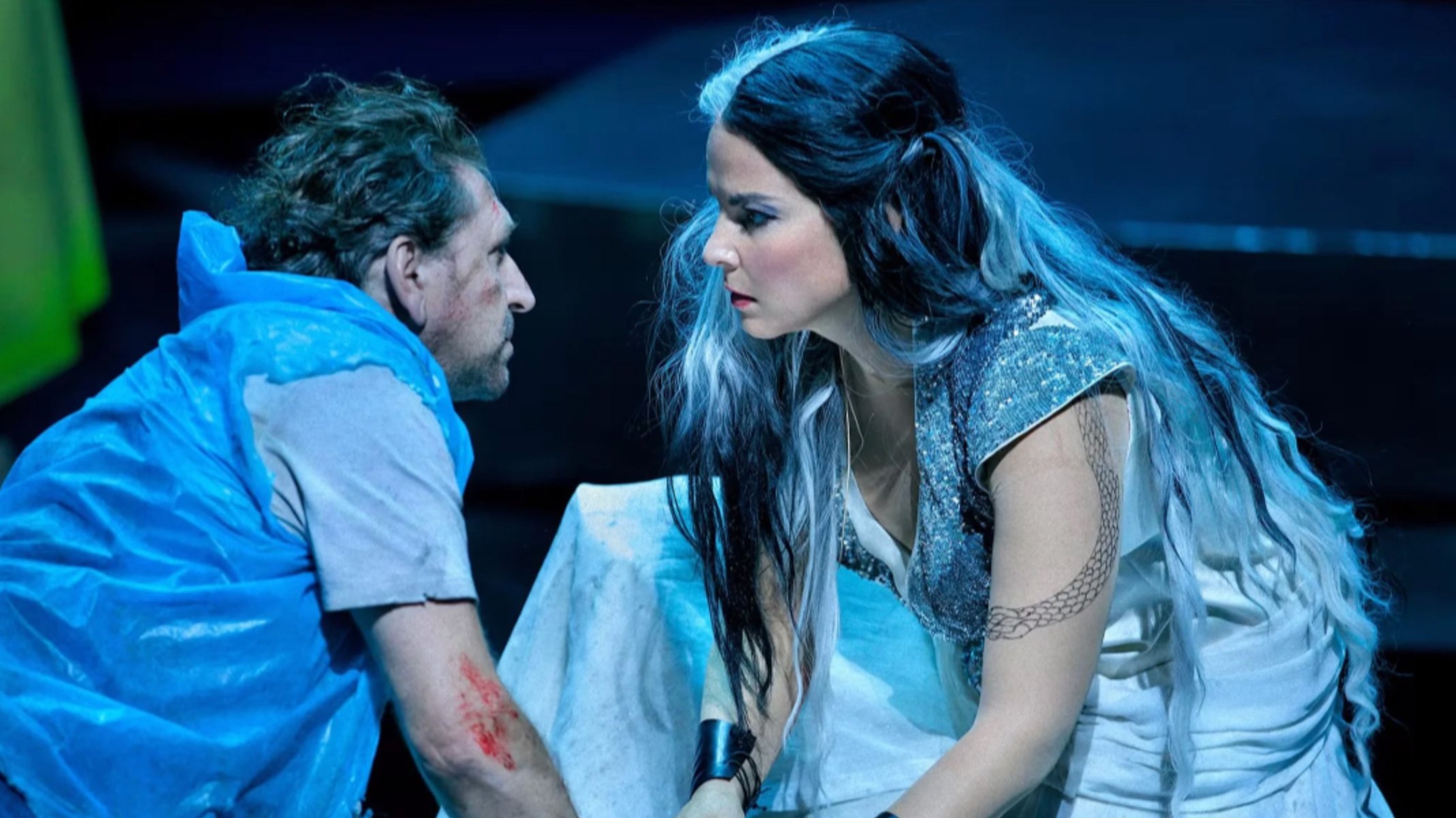
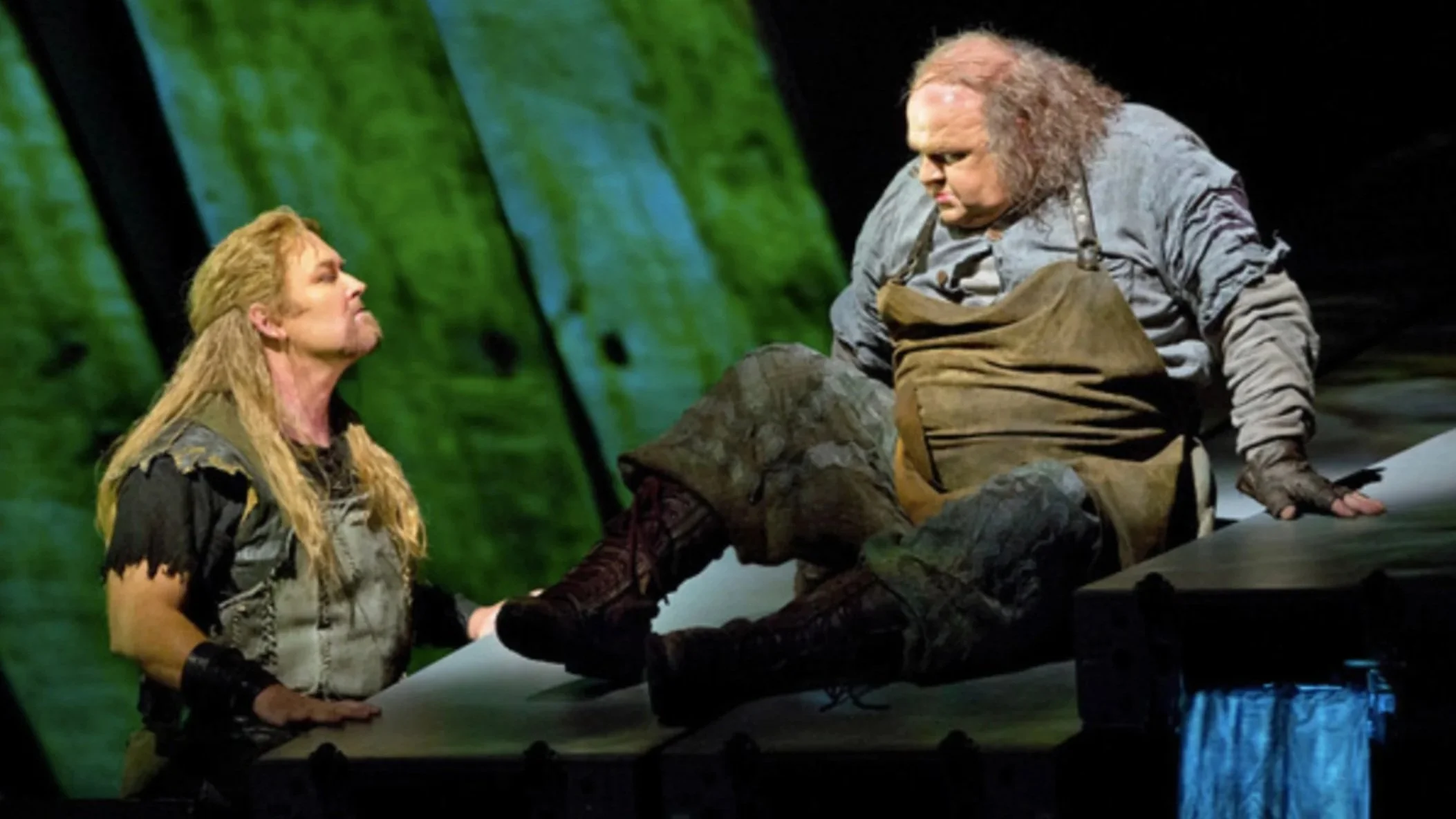
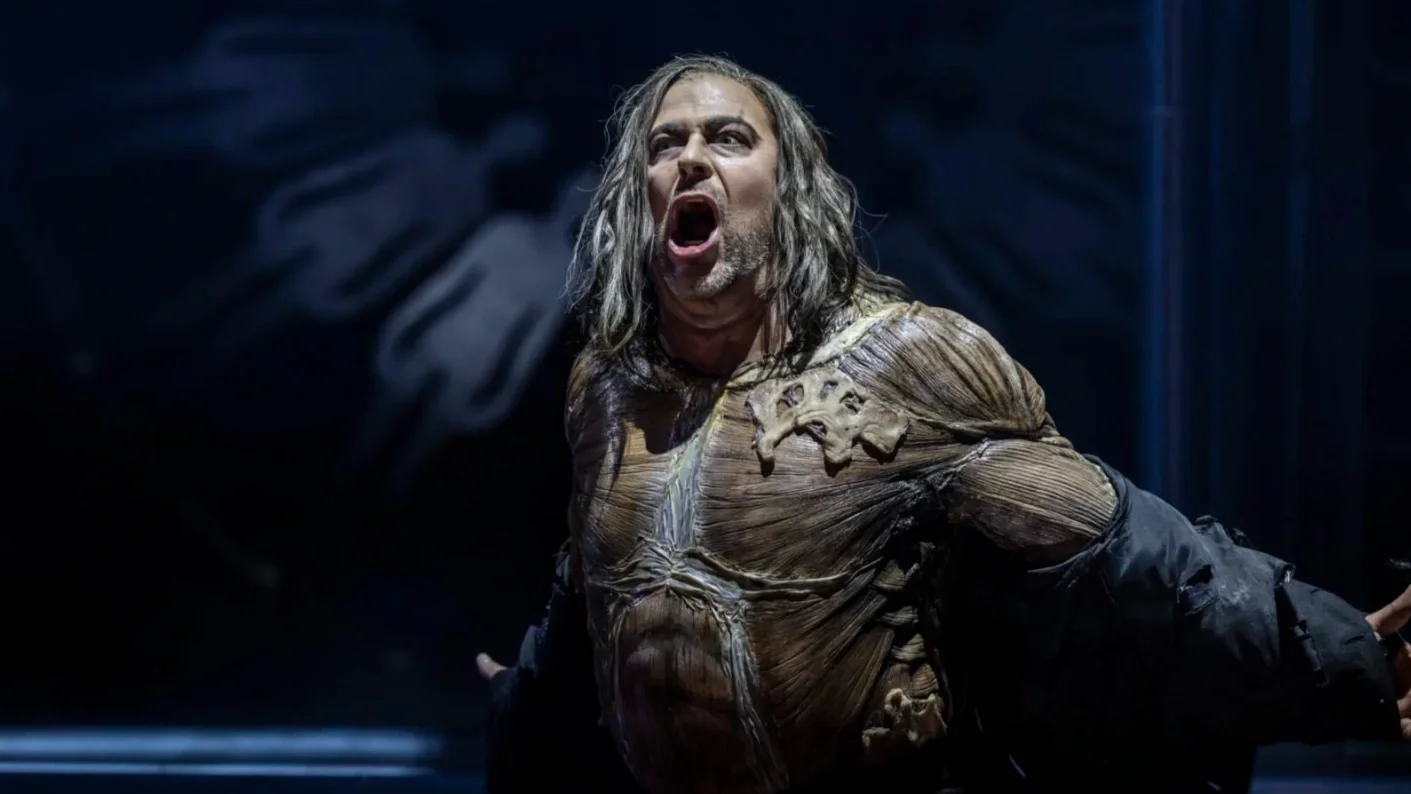
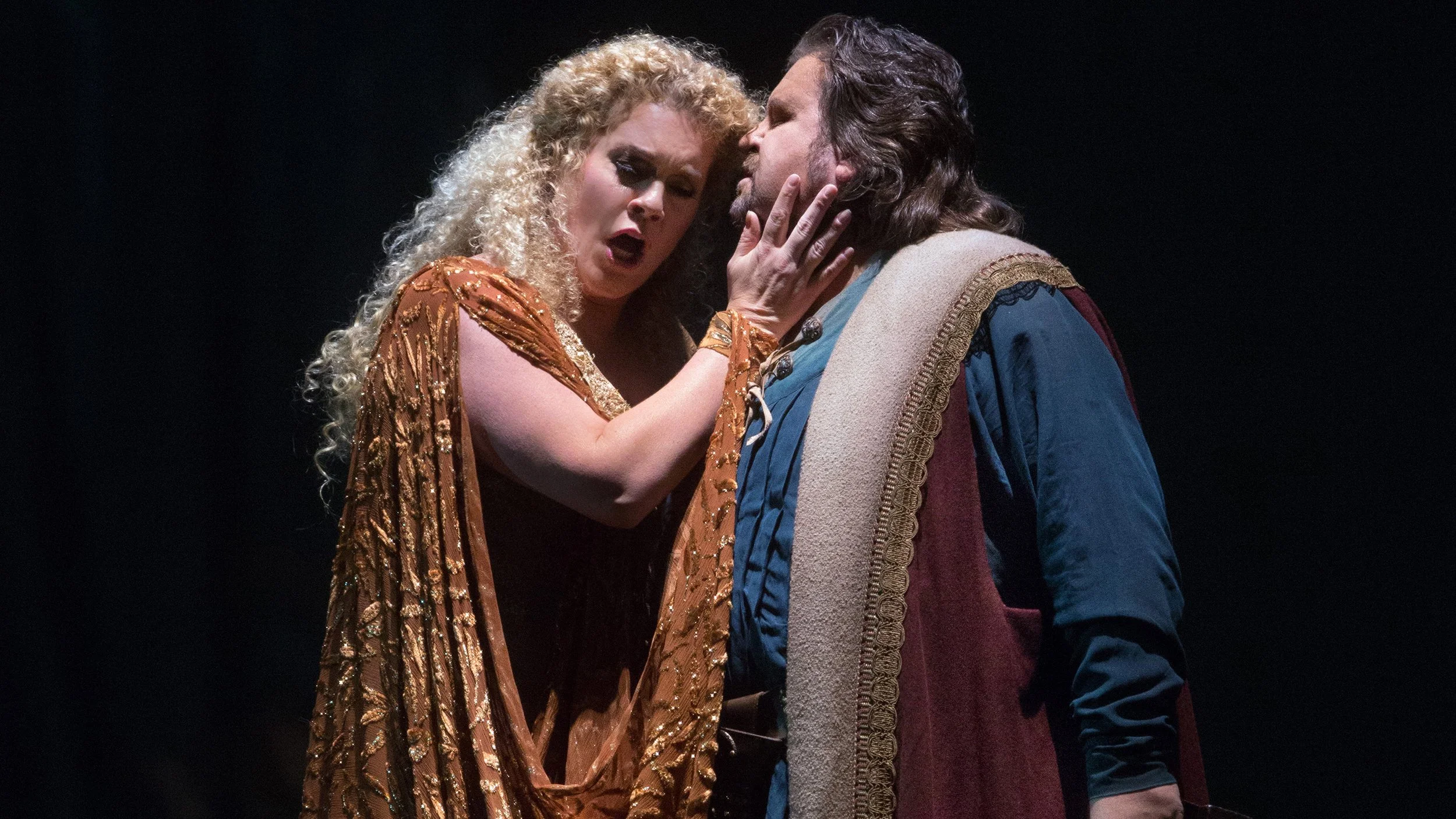
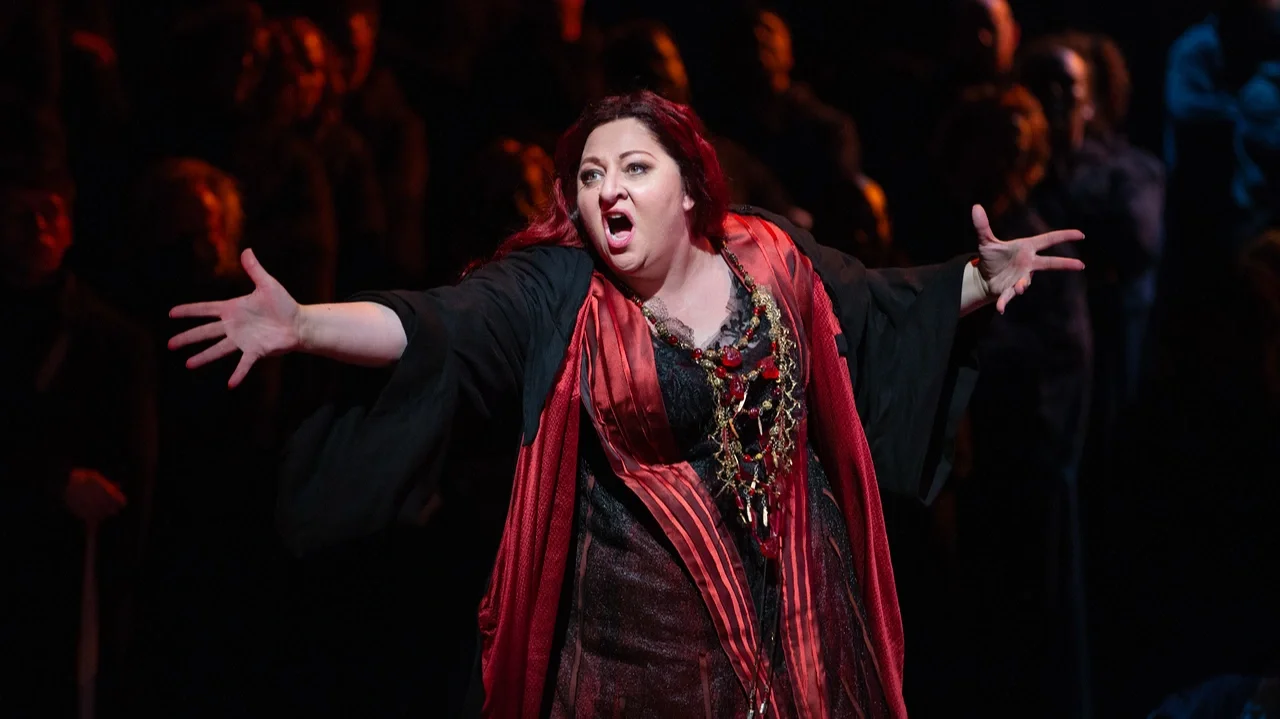
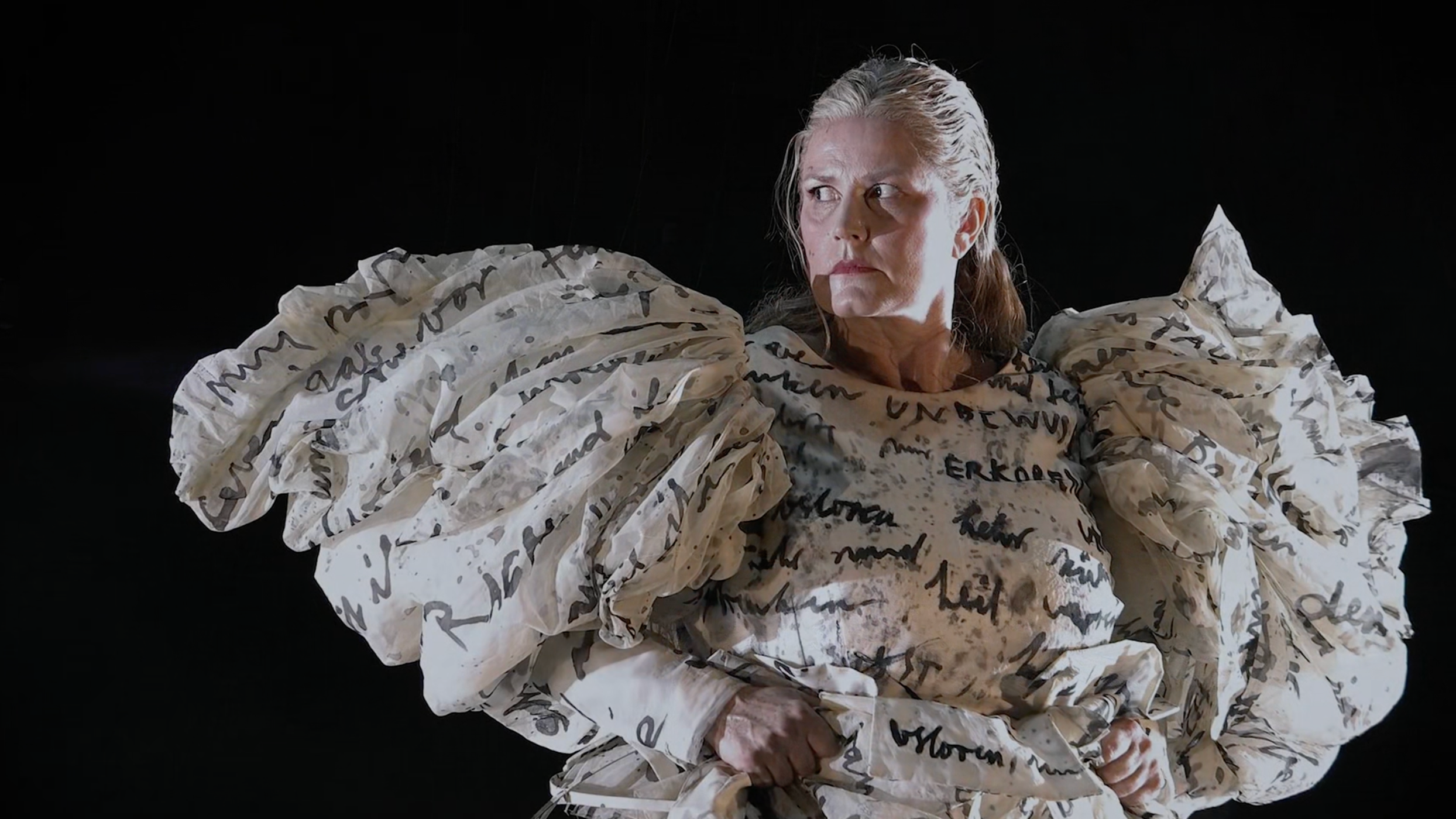
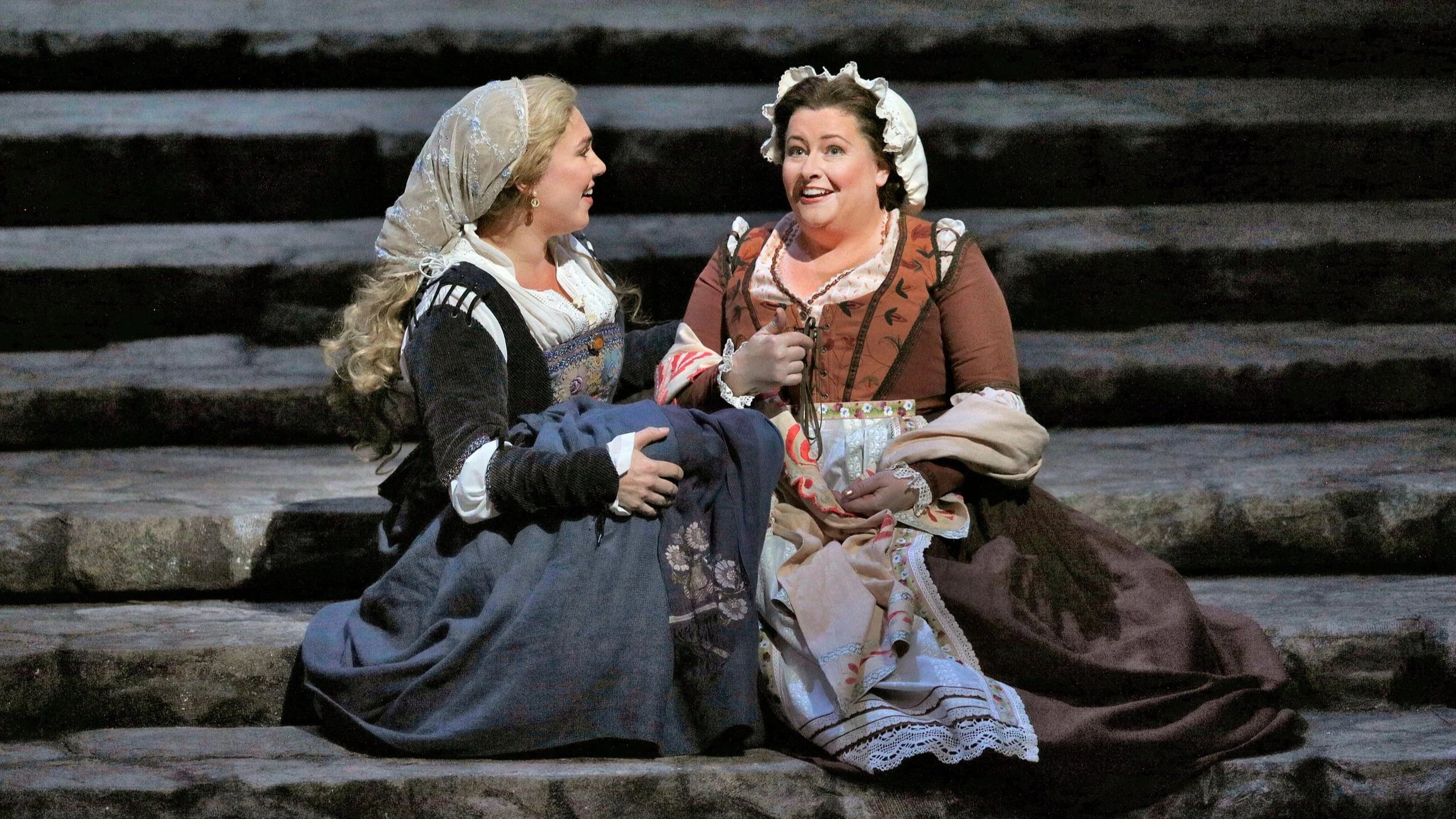
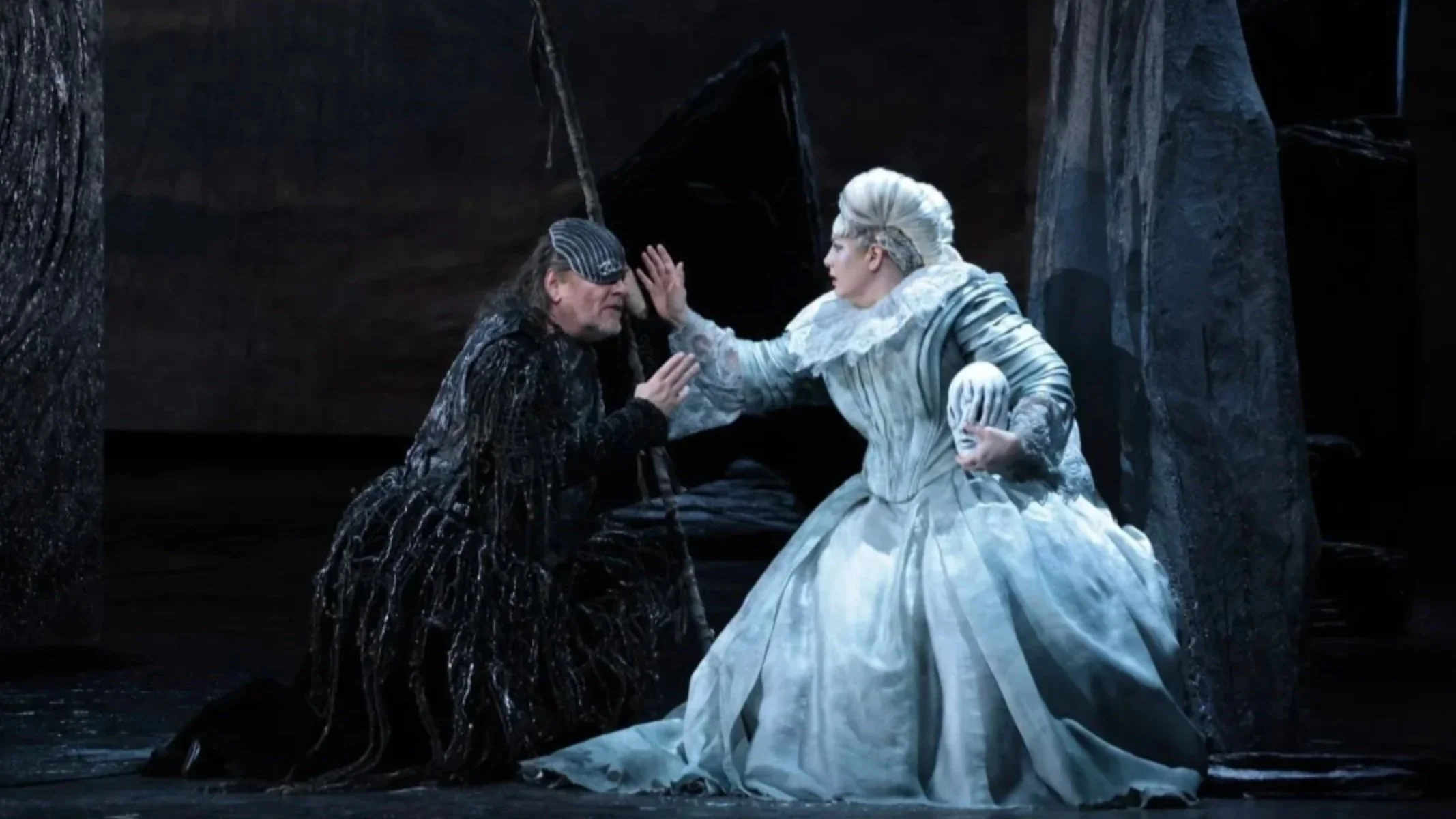
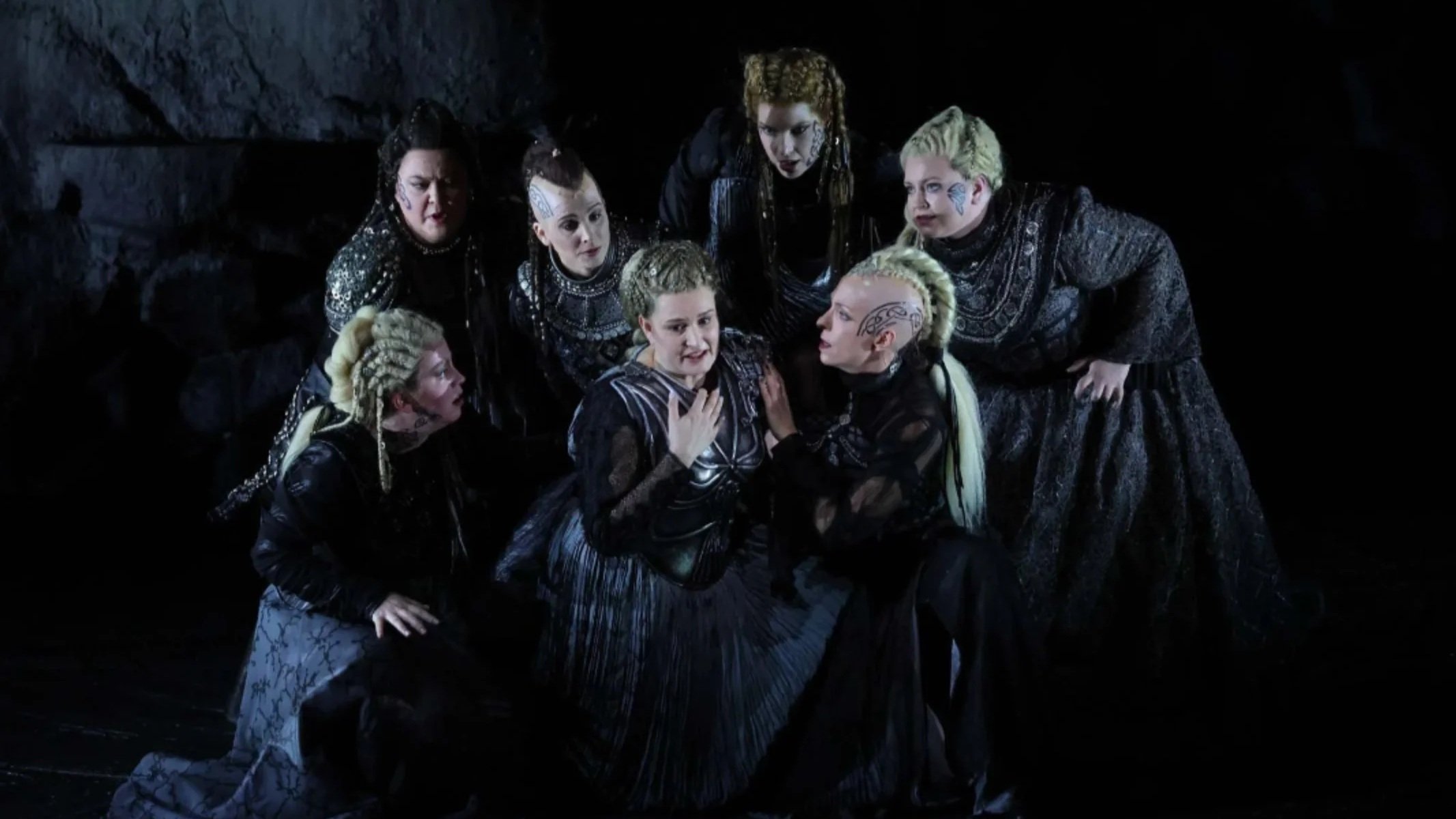
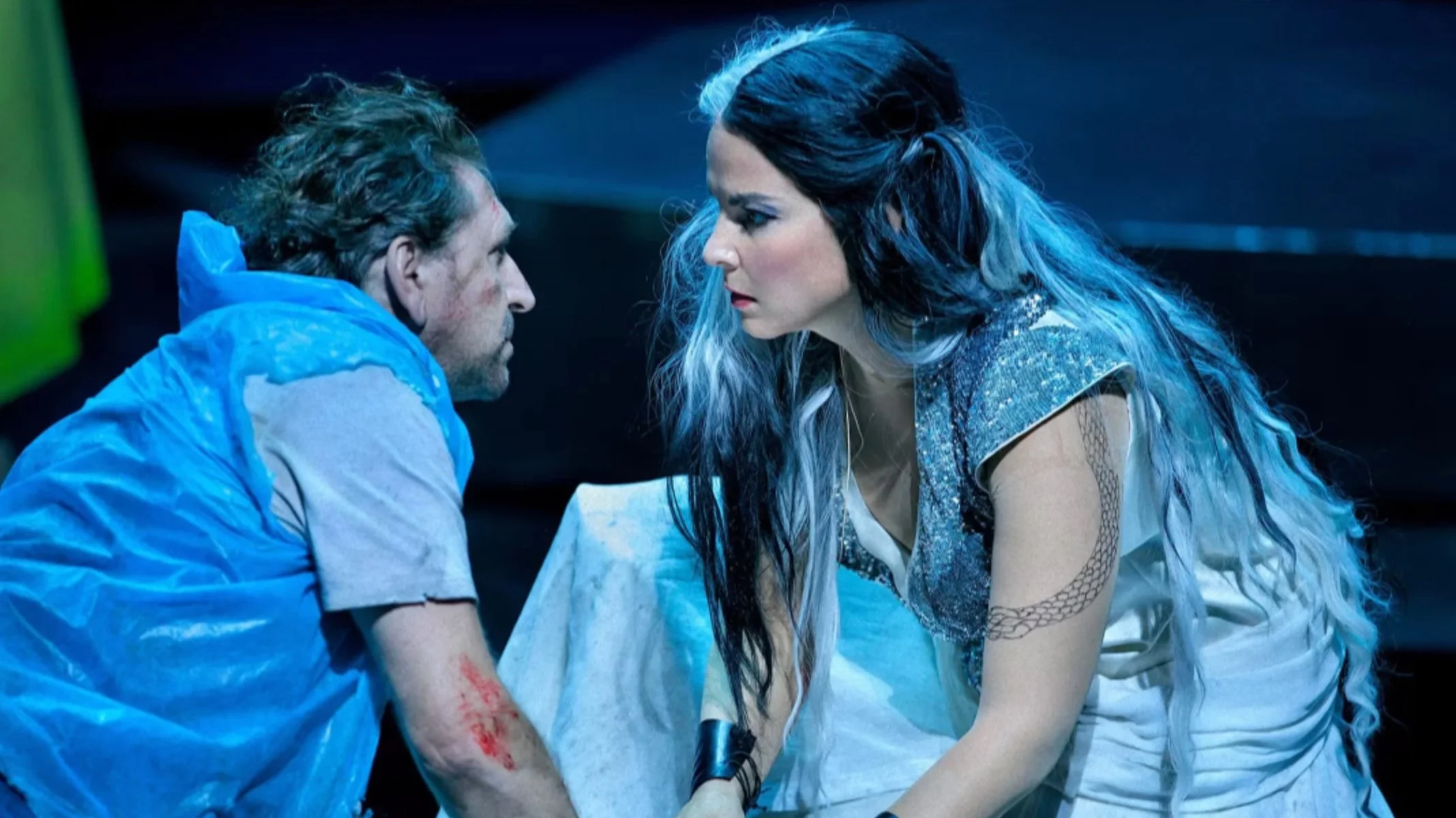
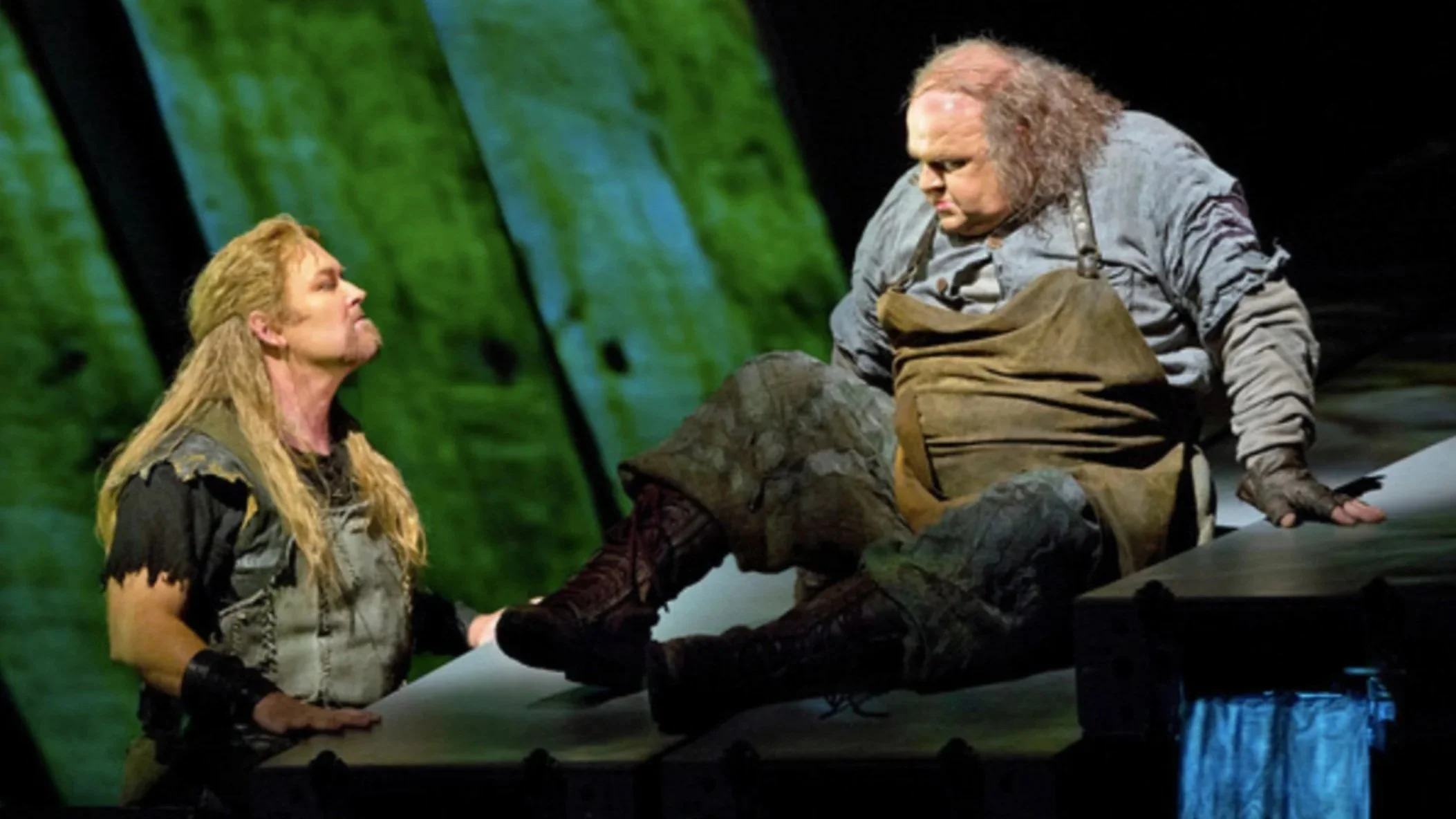
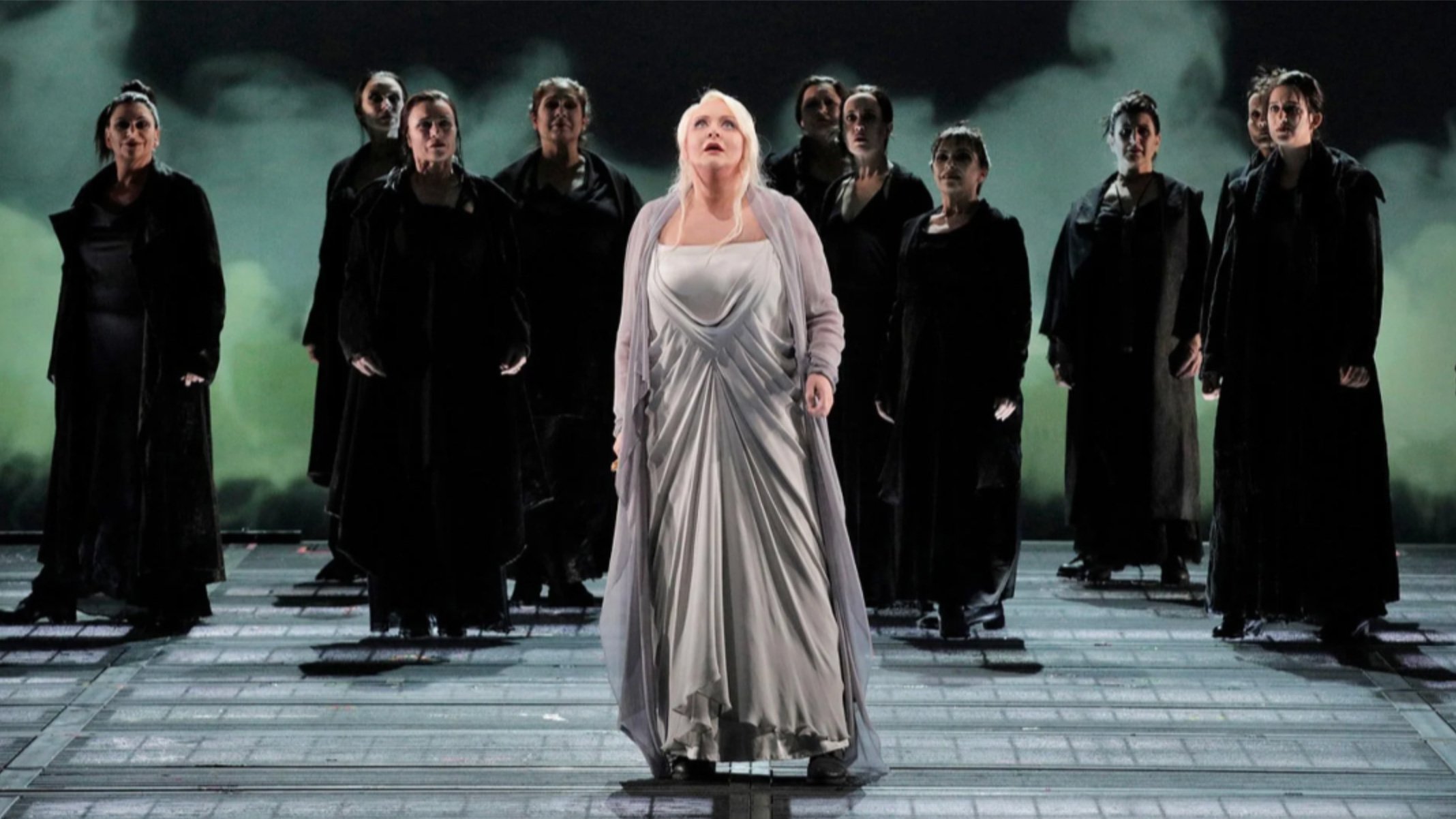
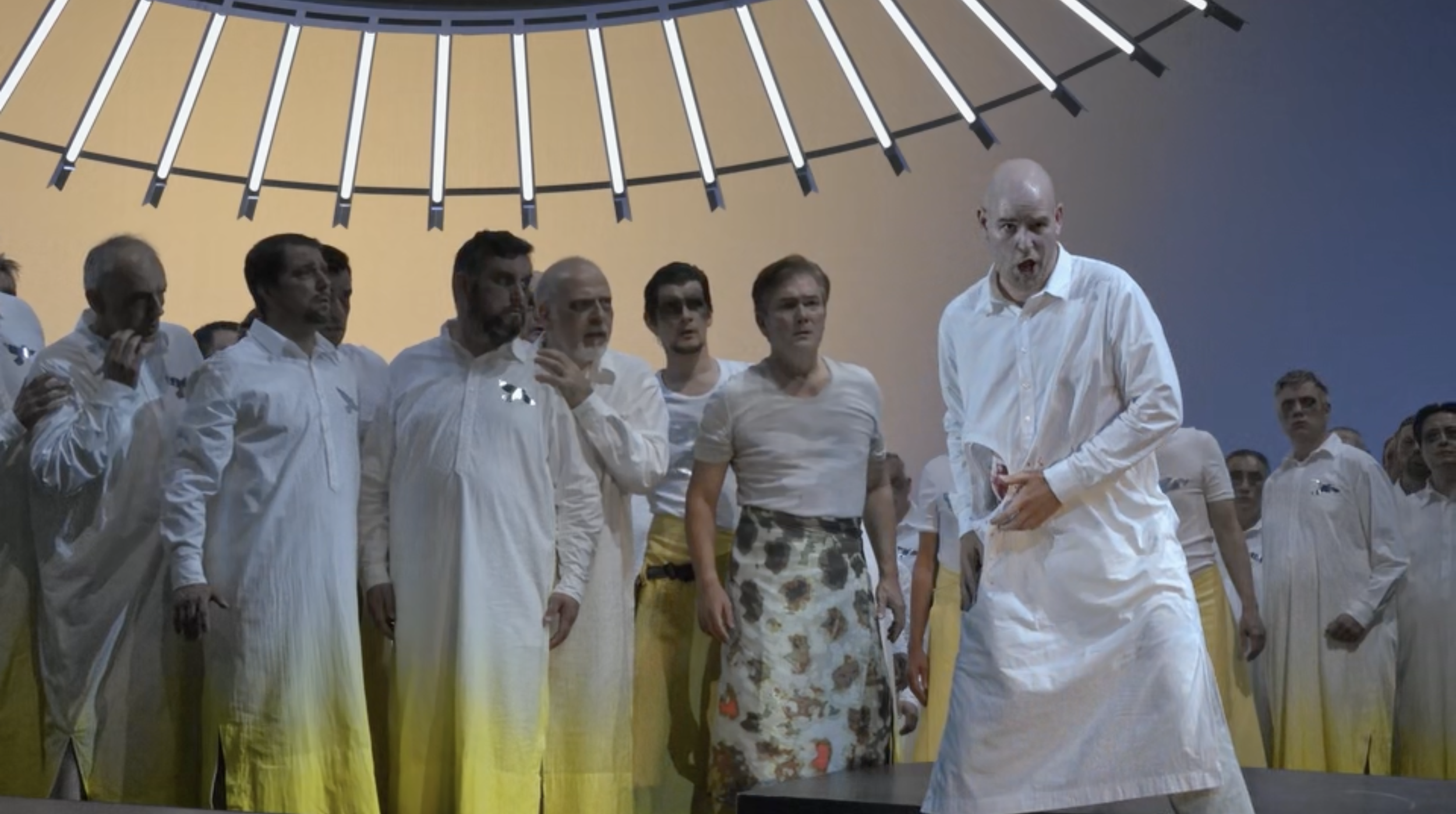
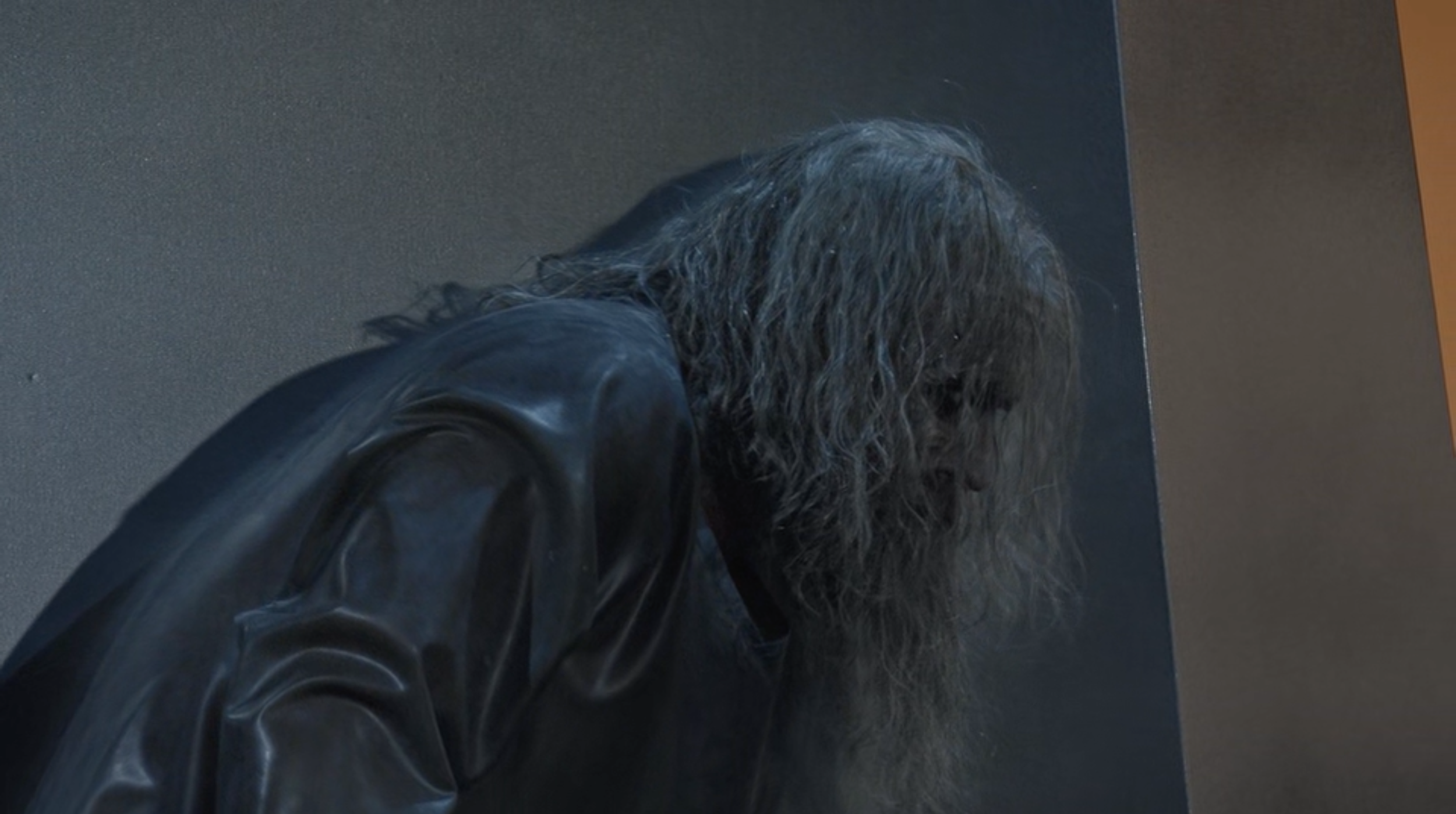
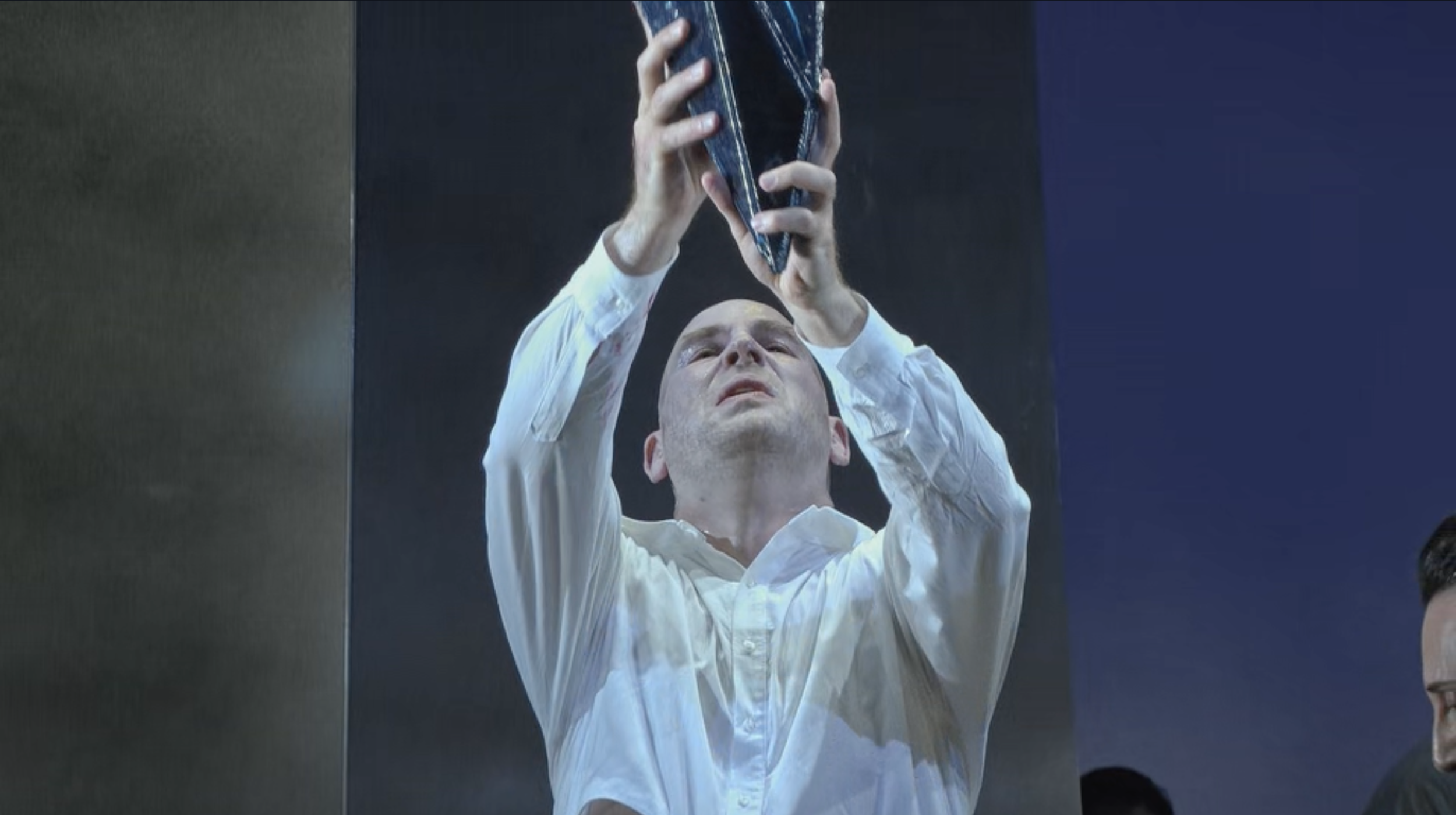
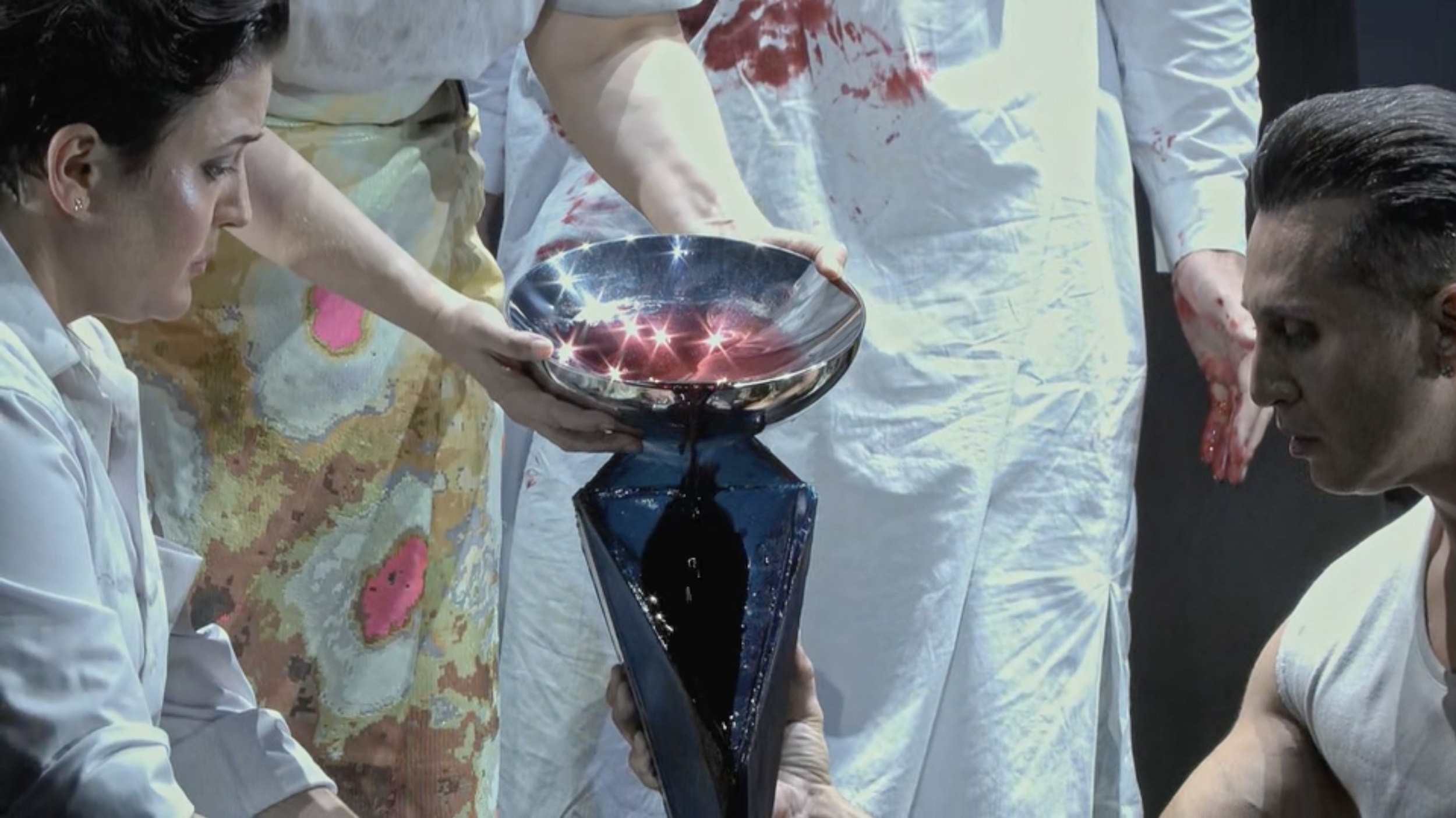
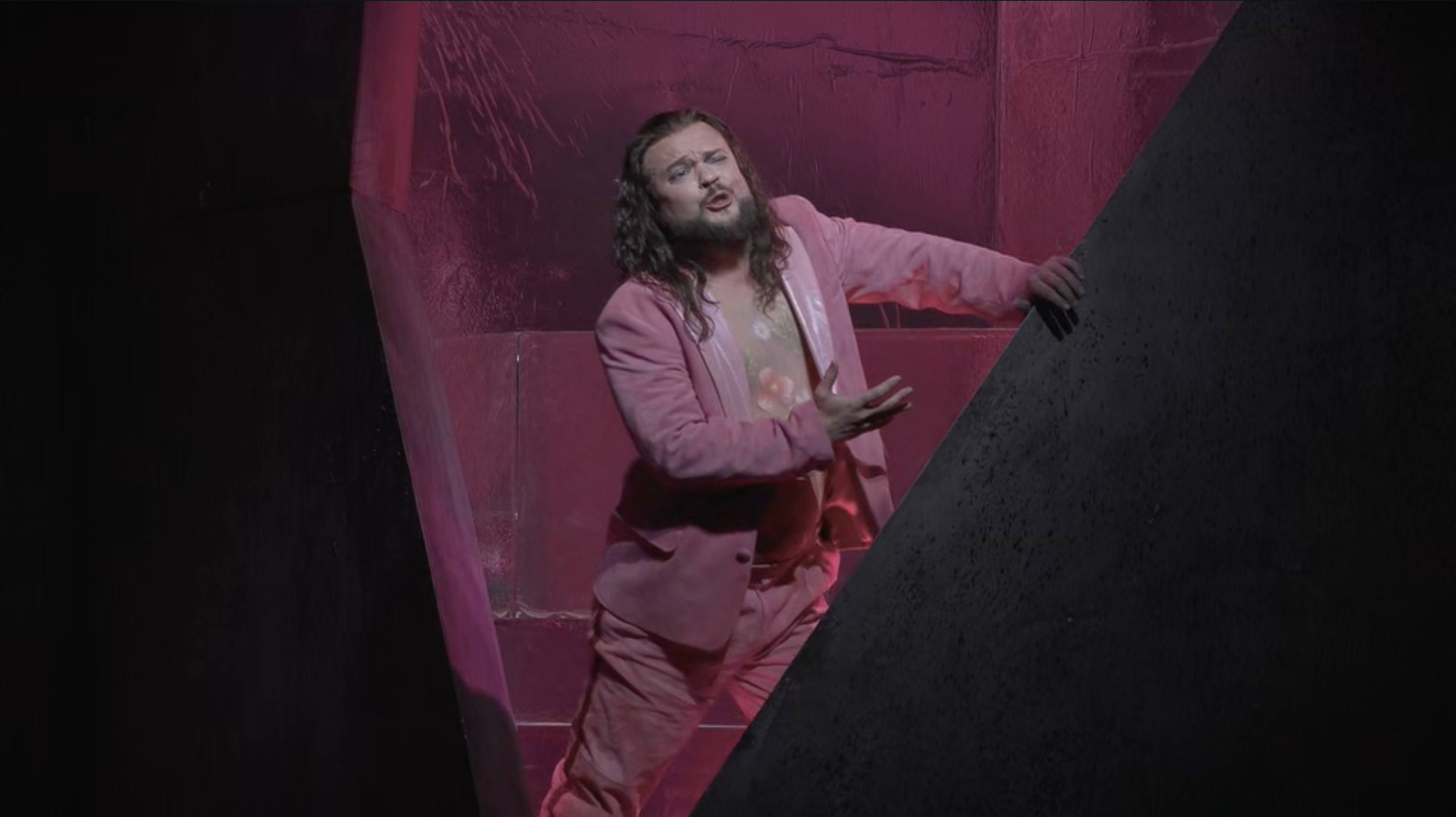
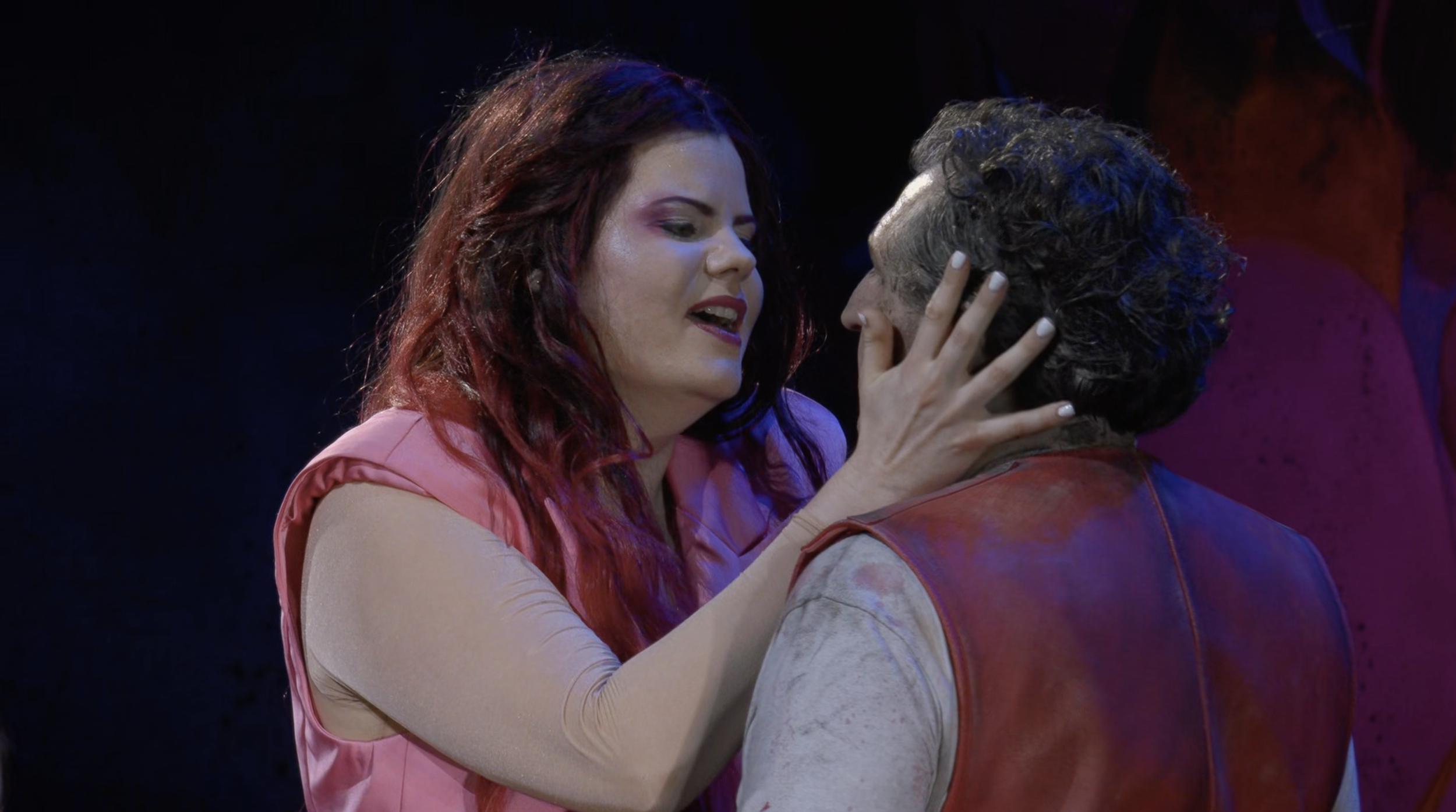
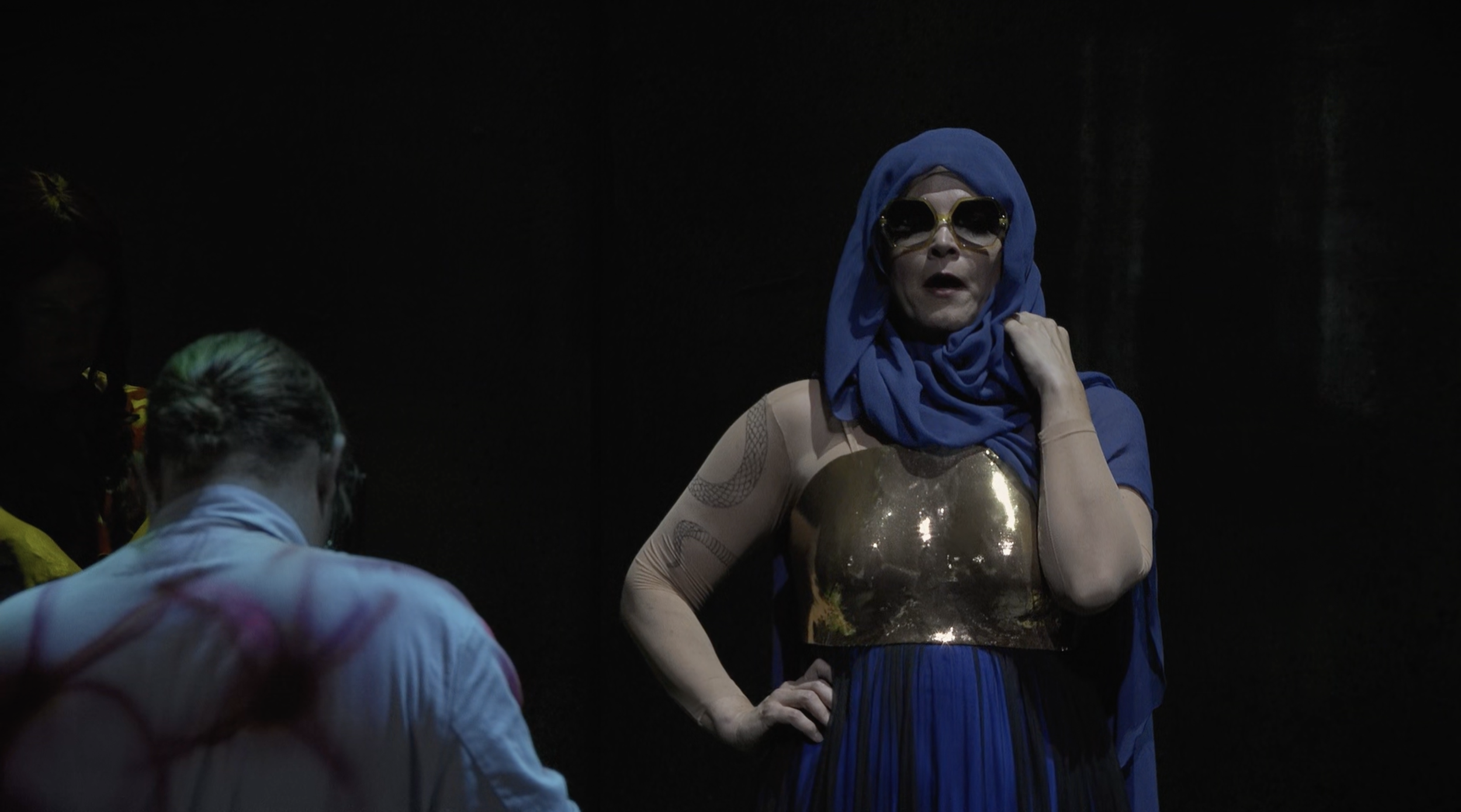
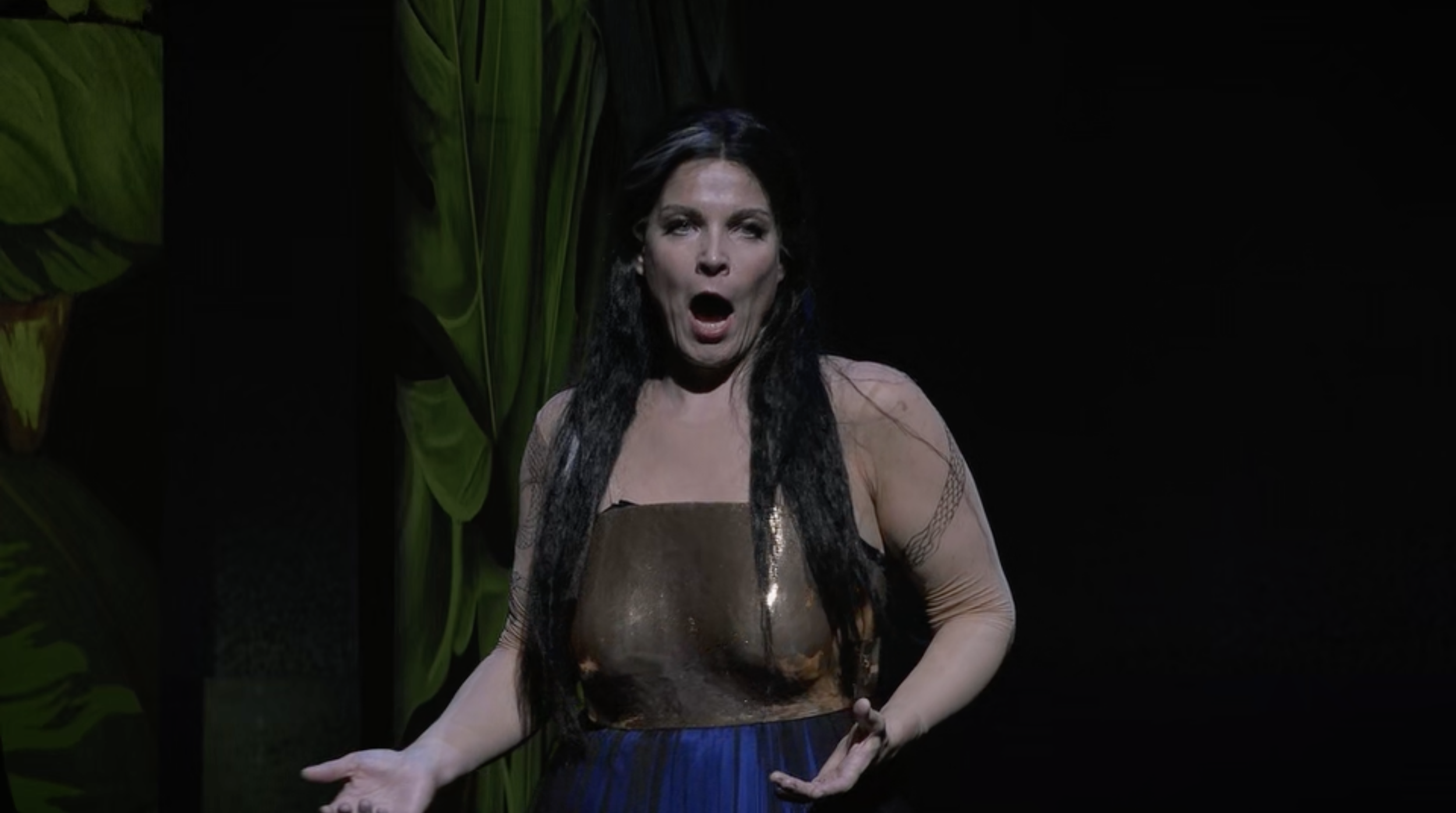
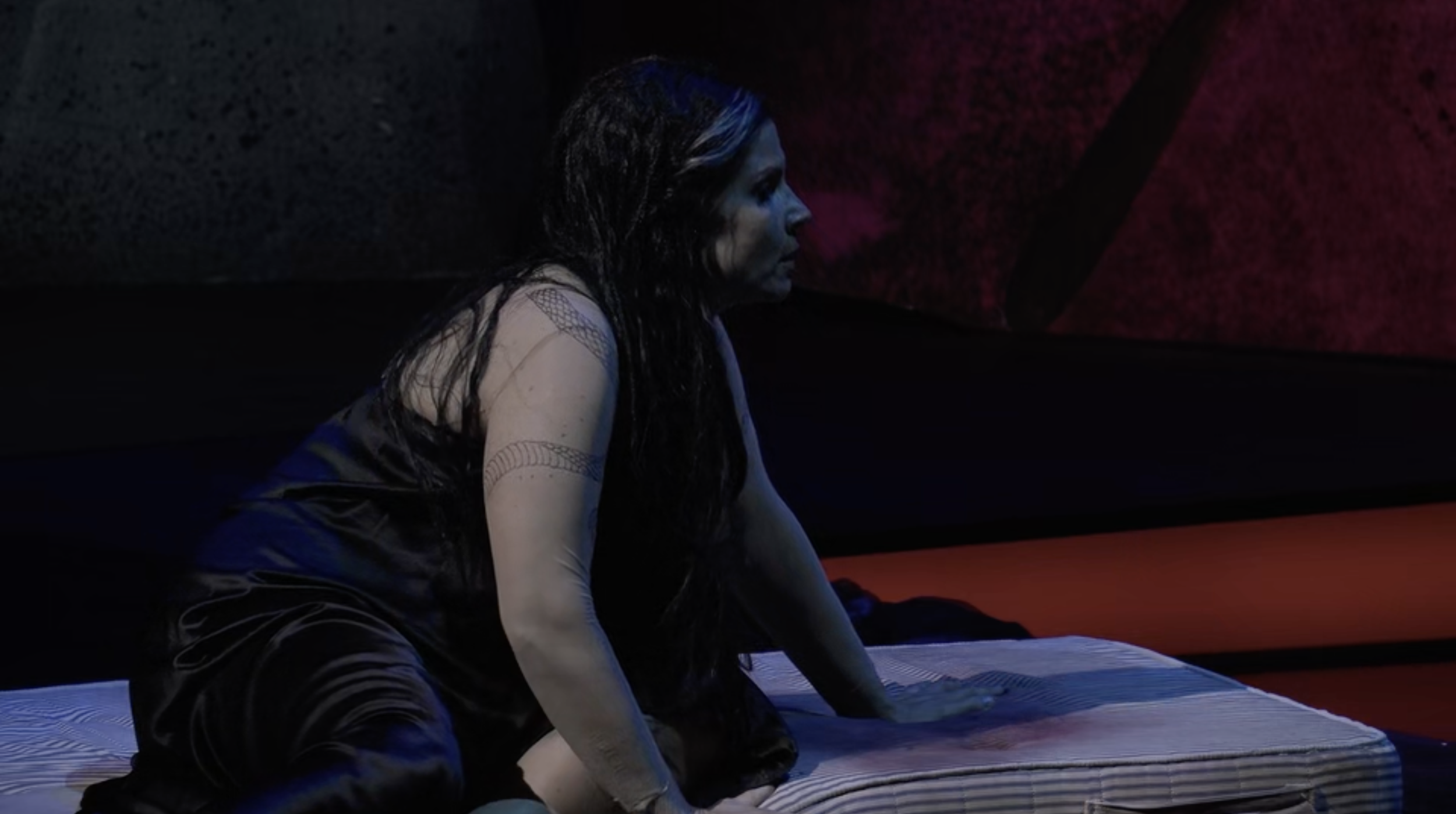
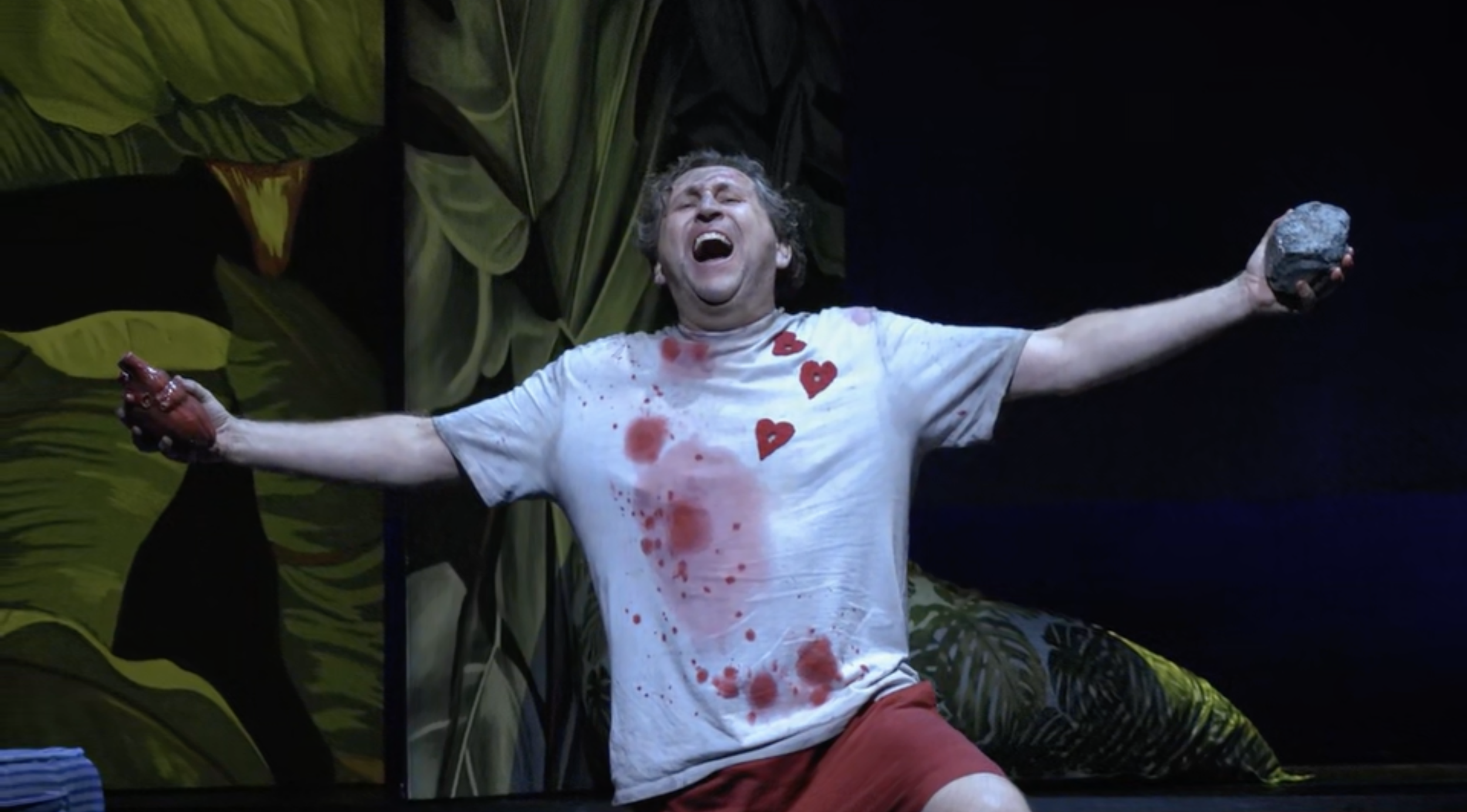
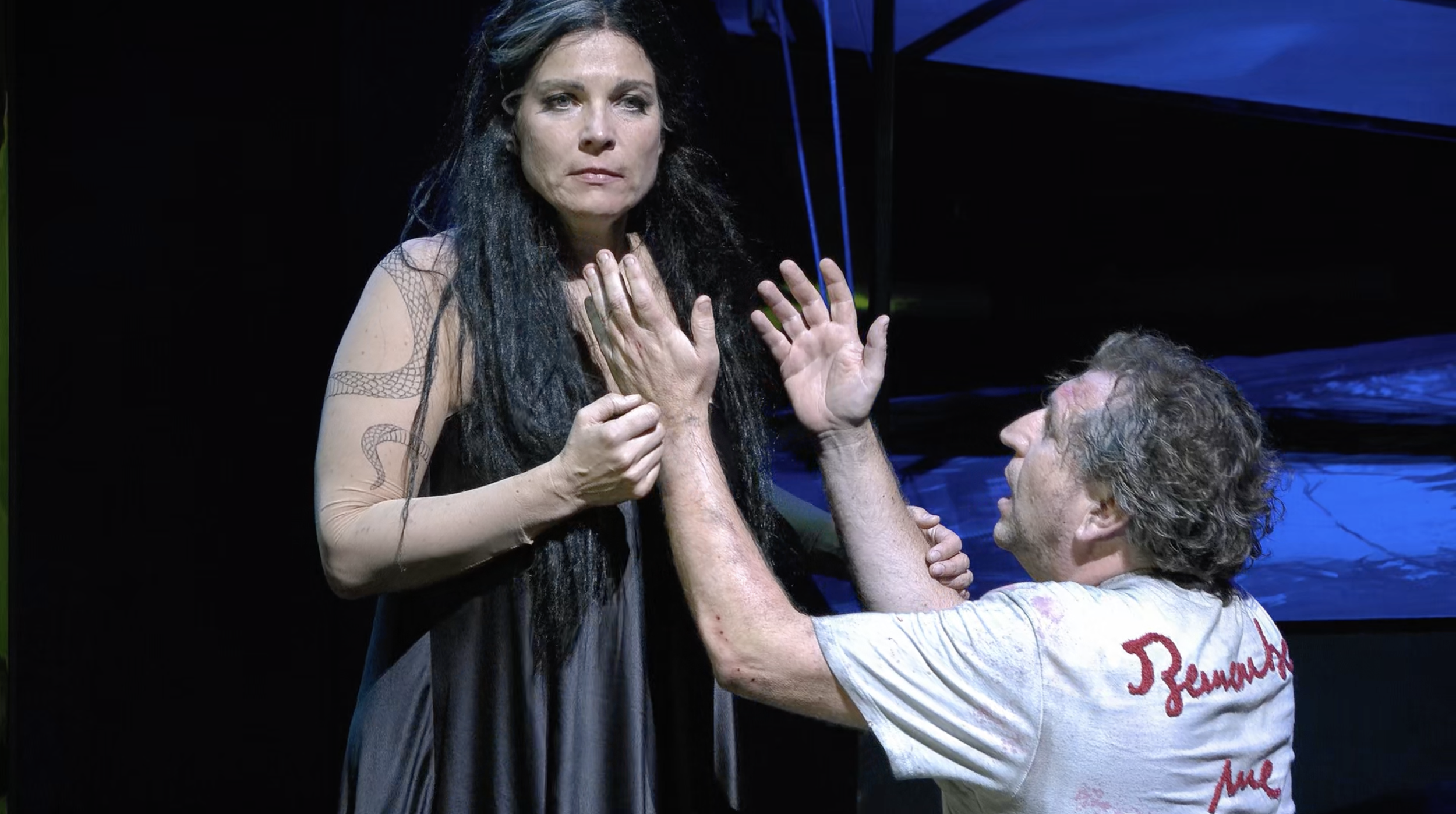
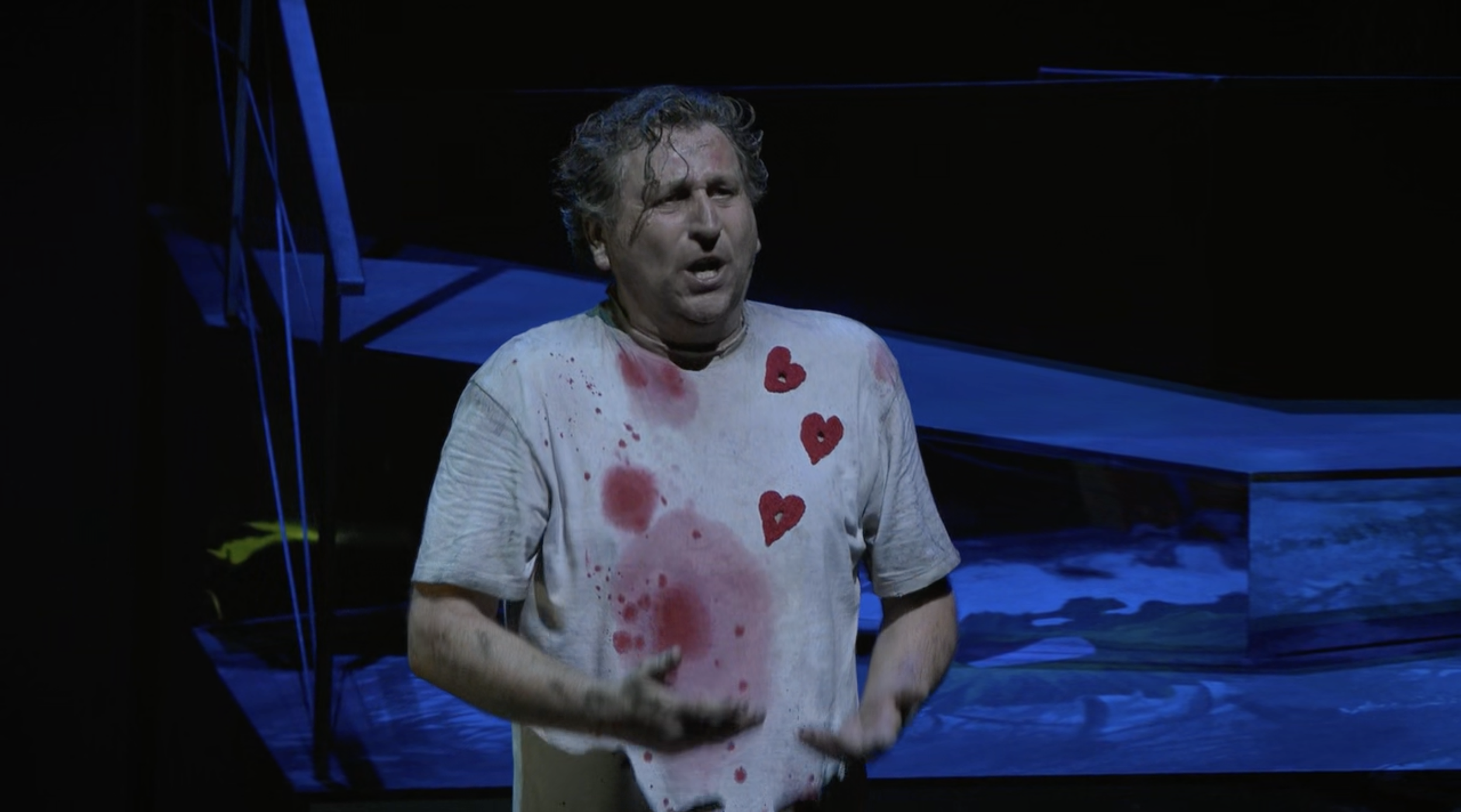
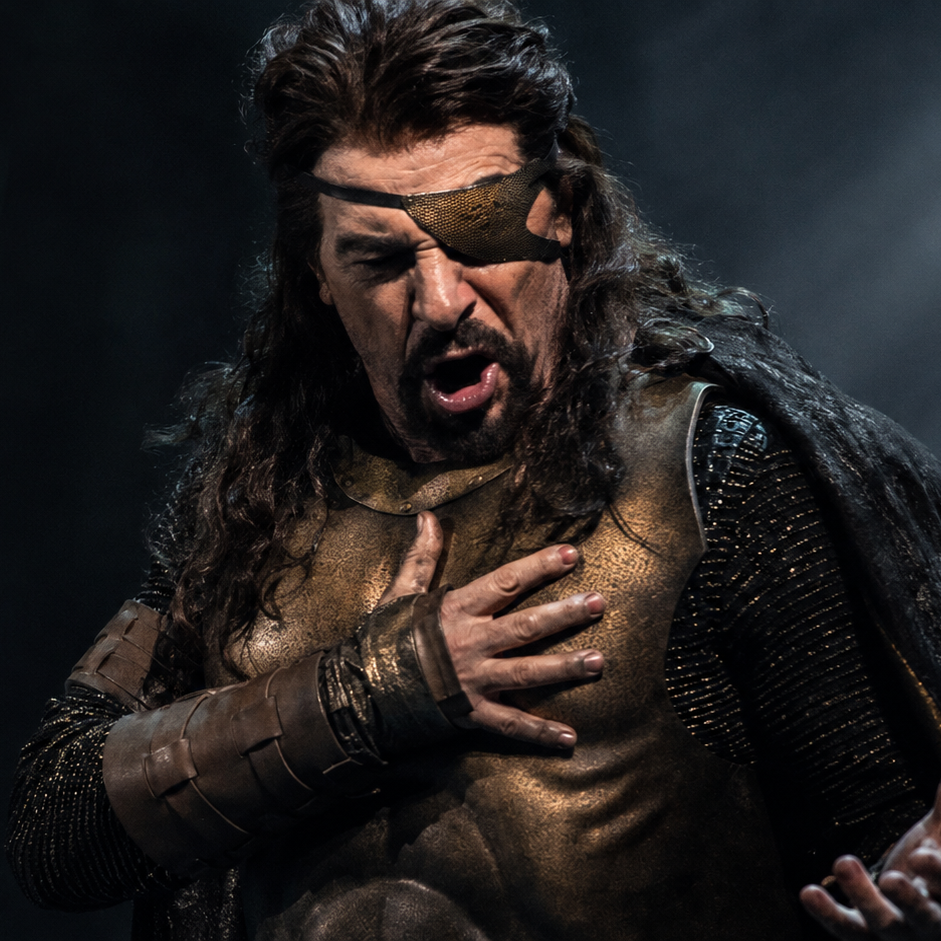
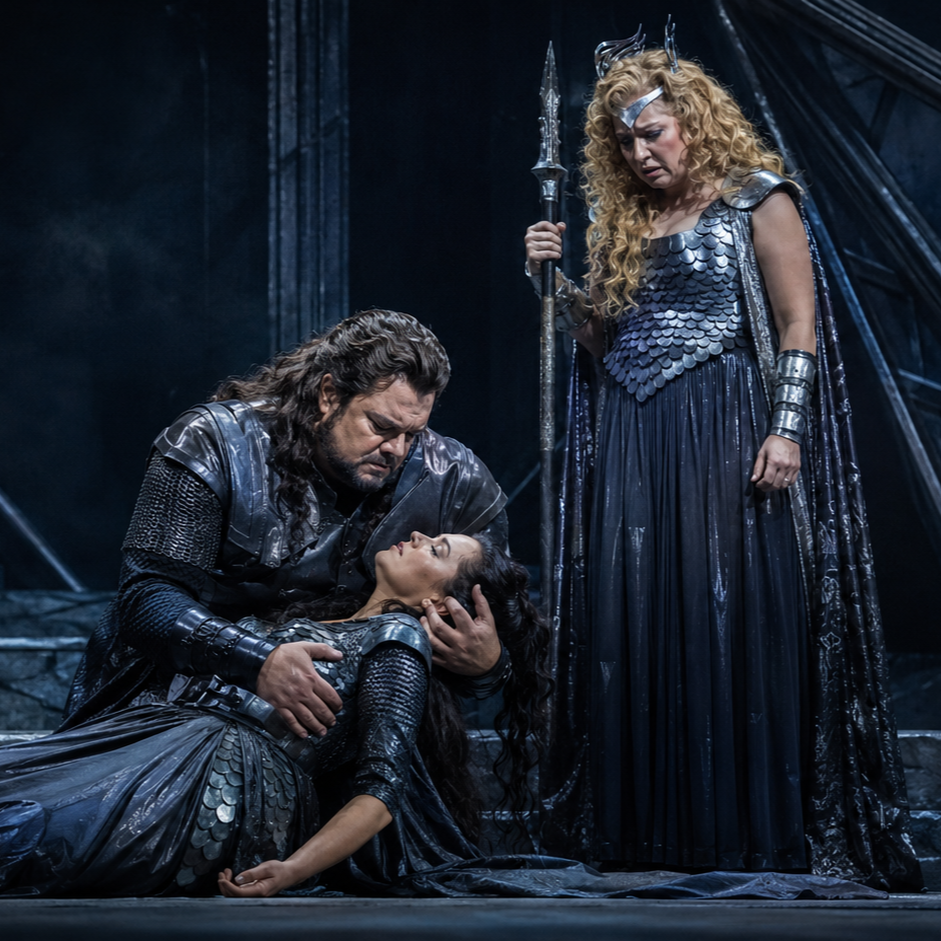
The 2023 Bayreuth Festival production of Parsifal, featuring Andreas Schager as Parsifal and Elīna Garanča as Kundry.
Themen: Mitleid, Die Wunde, Zeit als Raum, Verwandlung
Element: Später Sommerstaub und stehendes Wasser
This walk treats Wagner not as repertoire, but as a composed method for moving through the city.
Das Ergebnis auf einen Blick
Dauer: A full day, morning into early evening, six to seven hours with pauses. This is the year's slowest walk. Parsifal runs longer than any other opera in the cycle and asks to be moved through at the same unhurried pace. Do not compress it. If a full day is not available, the walk divides cleanly at the borough crossing, into a Green-Wood morning and a Botanic Garden afternoon.
Distanz: 5–6 miles across two Brooklyn landscapes, Green-Wood Cemetery and the Brooklyn Botanic Garden, connected by a short subway leg. This is the first walk of the year to leave Manhattan entirely. August is the right month for that departure: the interior, meditative register the opera needs is easier to find at some remove from the island's center of gravity.
Beste Zeit: A weekday morning in late August, arriving at Green-Wood's gate at opening and reaching the Botanic Garden's water gardens by late afternoon. Weekday quiet matters more this month than any other. Parsifal is not a crowd opera even in the moments that involve a crowd.
Wetter:
Heavy, still August air is correct. The opera's famous longueurs, the sense of time not passing so much as thickening, are easier to feel inside actual late-summer humidity than to imagine on a cooler day.
Overcast is preferable to bright sun, especially at the catacombs and in the cemetery's older sections. Diffuse light suits the wound better than direct light does.
A single clear, golden late-afternoon hour is worth protecting for the Botanic Garden's water gardens. If the day allows only one stretch of good light, spend it there.
Zugänglichkeit:
Green-Wood Cemetery is free and open daily; hours vary by season, check before the walk. Most paths are paved or fine gravel; some sections have real elevation change, including Battle Hill.
The Green-Wood Catacombs are not open on a walk-in basis. Public access is limited to scheduled tours through the cemetery's Historic Fund; check the current schedule and book ahead if the timing allows. If no tour is available, the catacombs' exterior, a row of arched vault doors set into the hillside, is visible from the path and can stand in for the interior visit.
The Brooklyn Botanic Garden requires paid admission (free on some weekday mornings; check current policy). The Japanese Hill-and-Pond Garden has its own posted hours within the larger garden.
Essentieller Moment:
Battle Hill, at the Minerva statue, facing the Statue of Liberty. The highest natural point in Brooklyn, topped by a bronze goddess who raises her hand in permanent salute across the harbor to a second bronze goddess more than five miles away, a sightline the city has legally protected since 1920. Two monuments built decades apart, acknowledging each other across open water, neither one able to close the distance. This is the exact geometry of Kundry's kiss and what it opens in Parsifal: recognition arriving across a distance that cannot be closed, only understood.
Language Anchor (German Phrase of the Walk):
Zum Raum wird hier die Zeit / Here, time becomes space. Gurnemanz's line to the young Parsifal as they walk together toward the Grail temple in Act I, spoken as the forest set famously transforms around them without a visible cut. Not mysticism for its own sake. A description of what actually happens inside sustained, undistracted attention: duration stops registering as a sequence of minutes and starts registering as a place you are standing in.
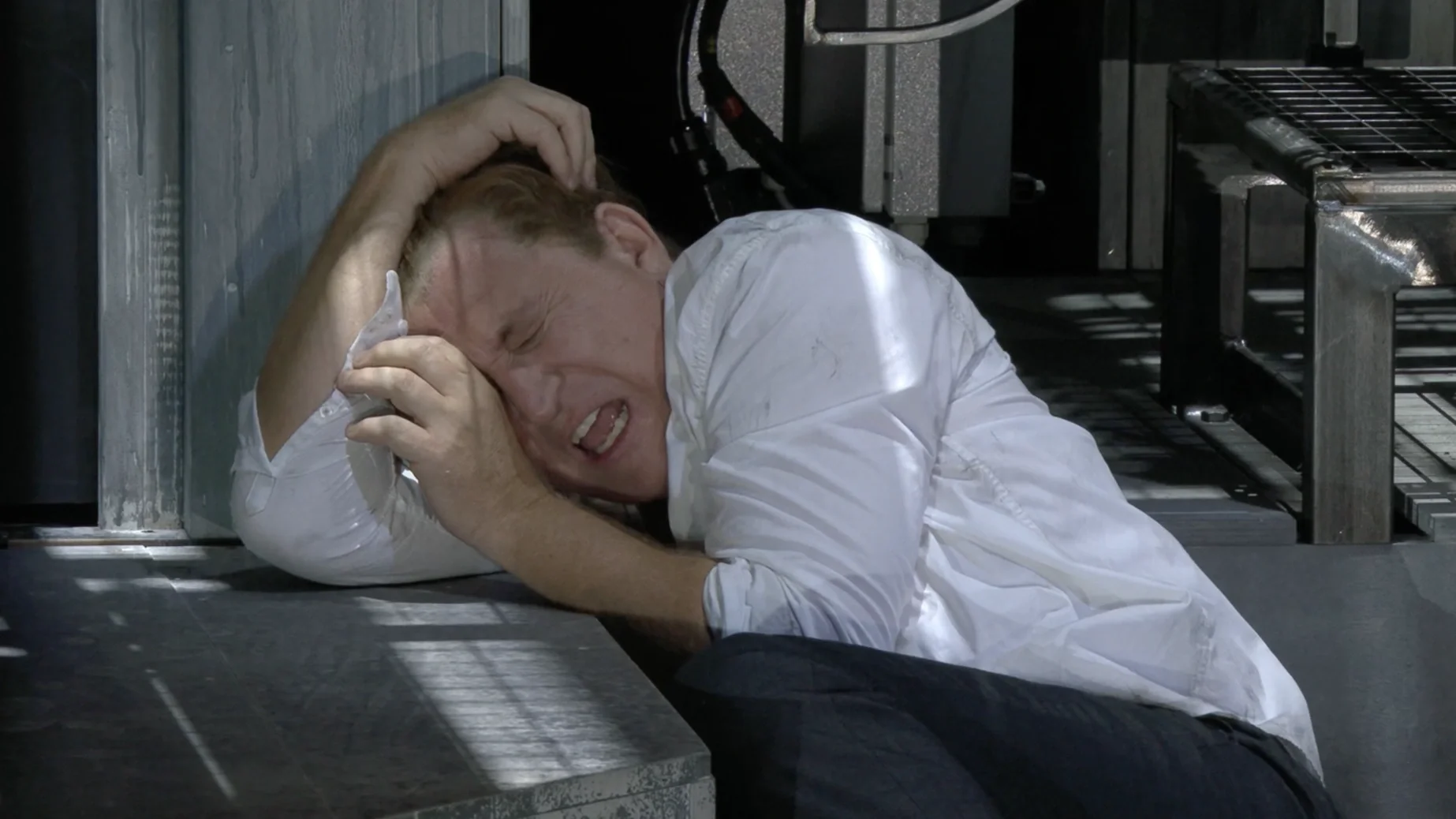
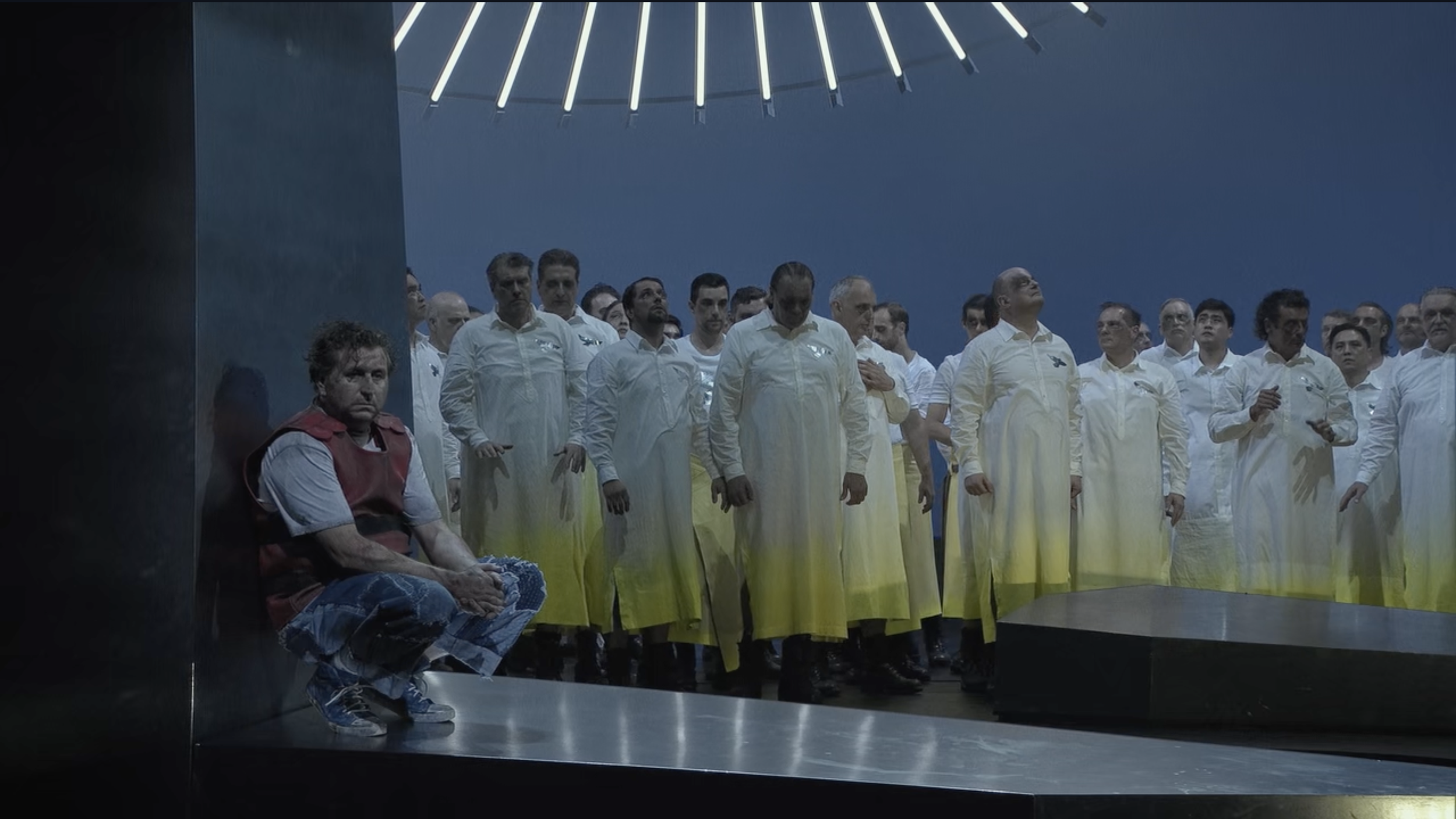
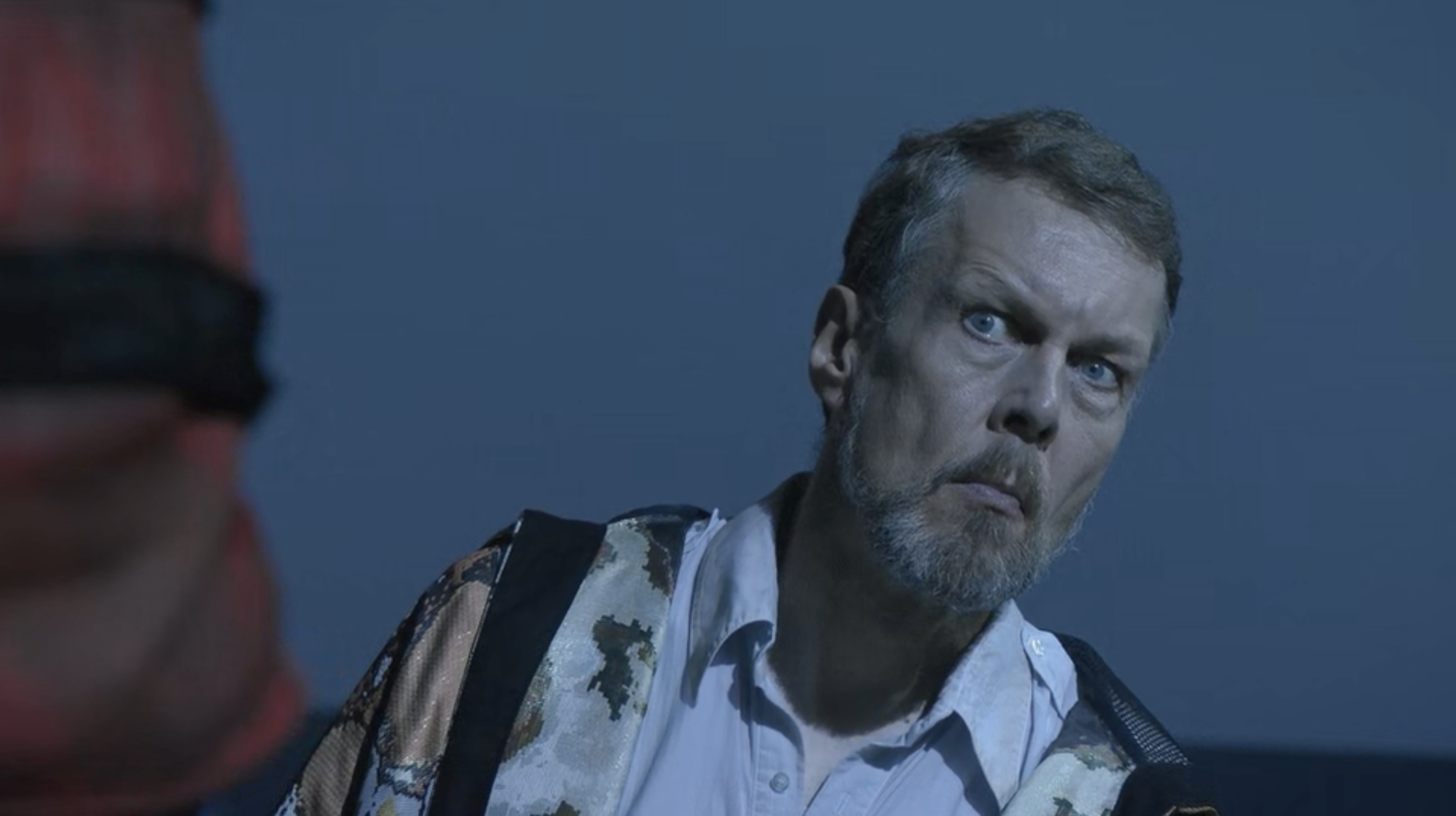
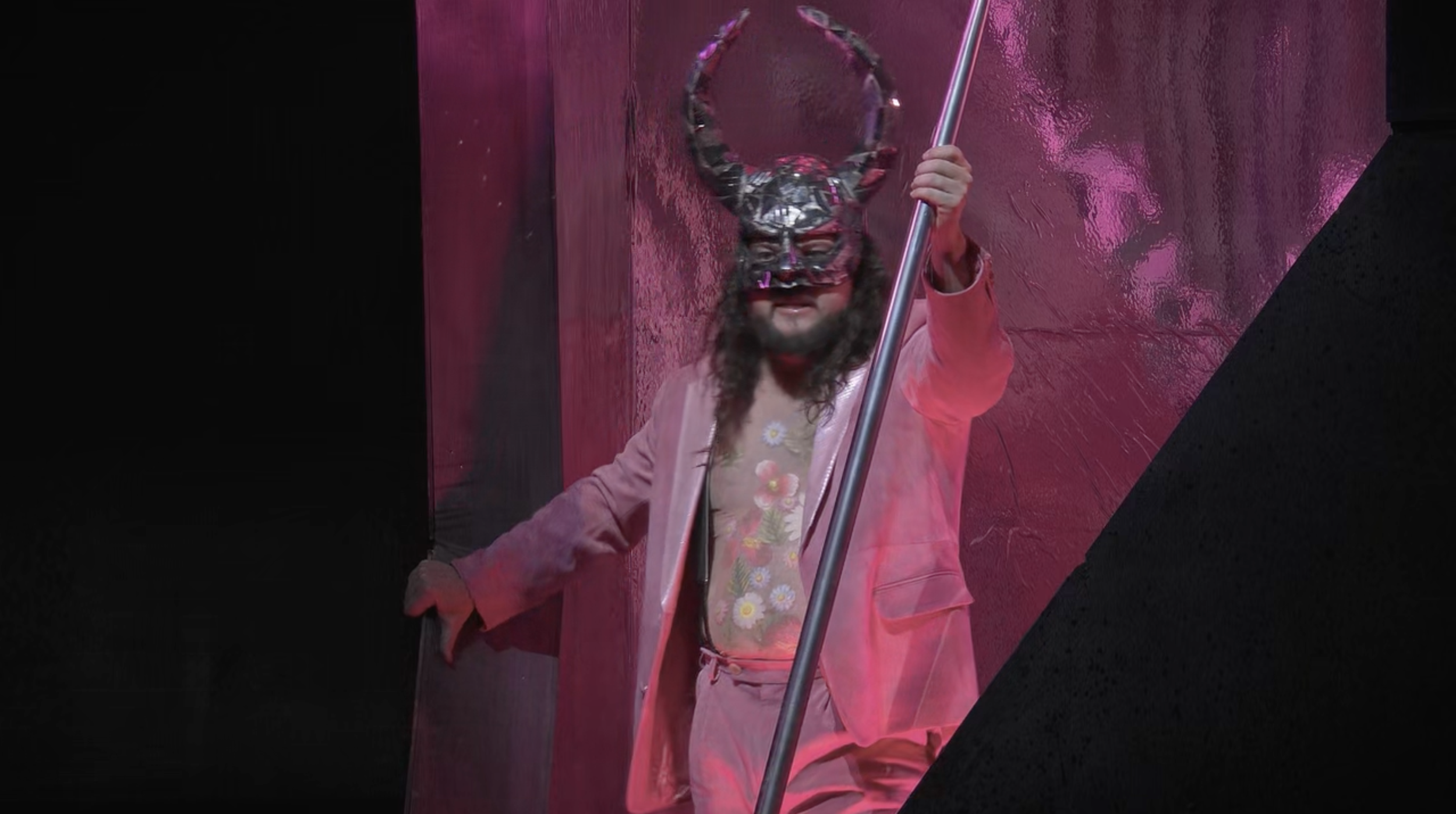
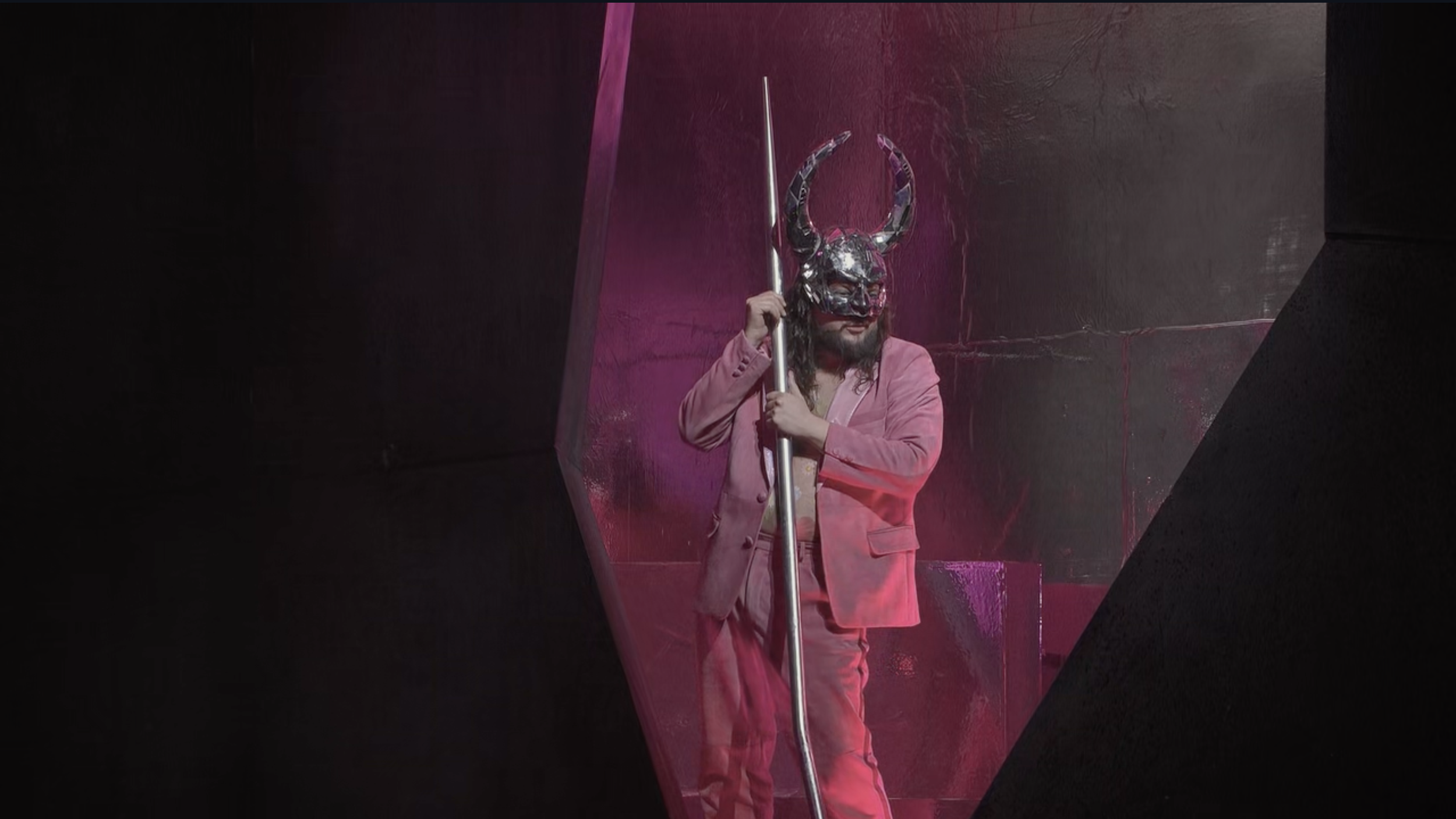
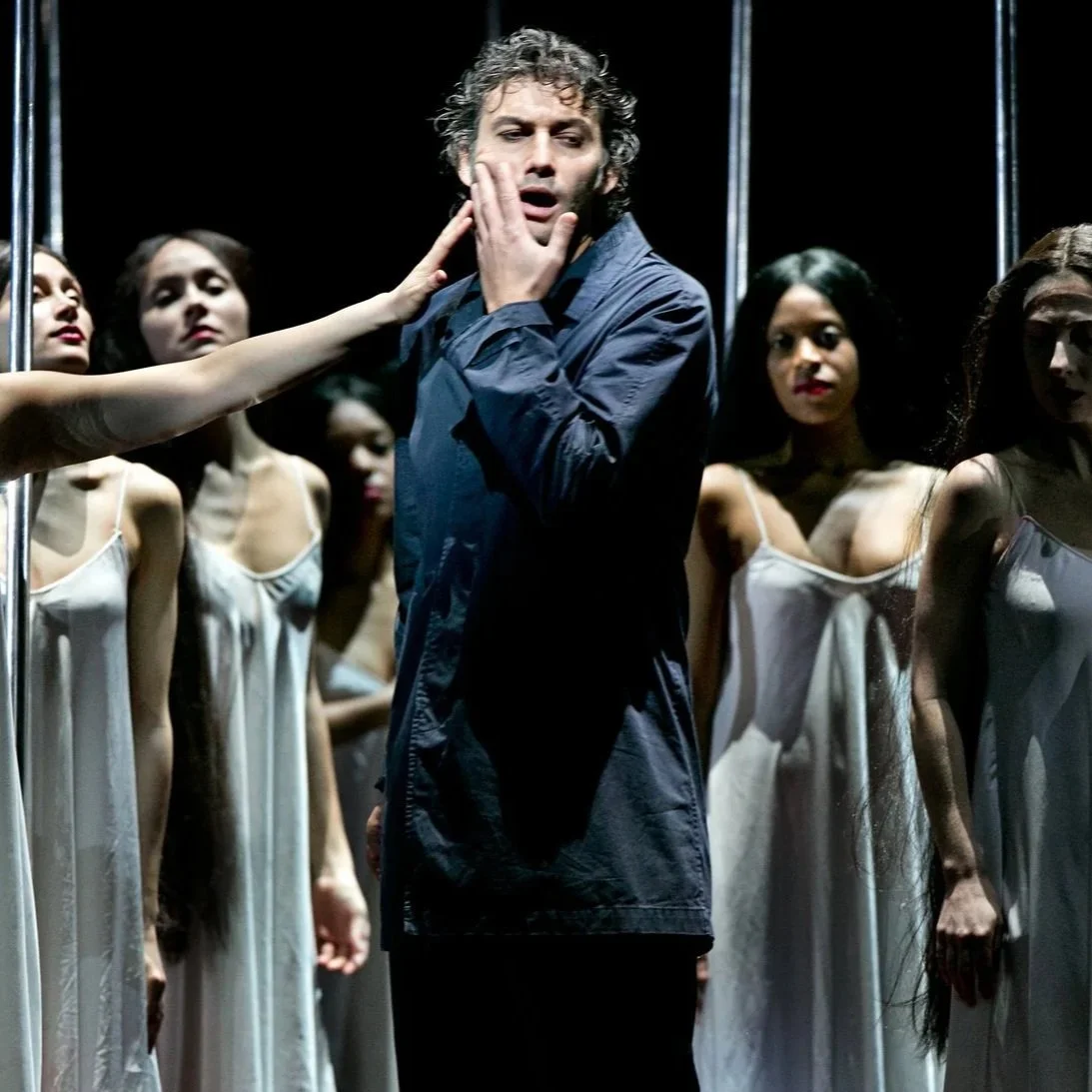
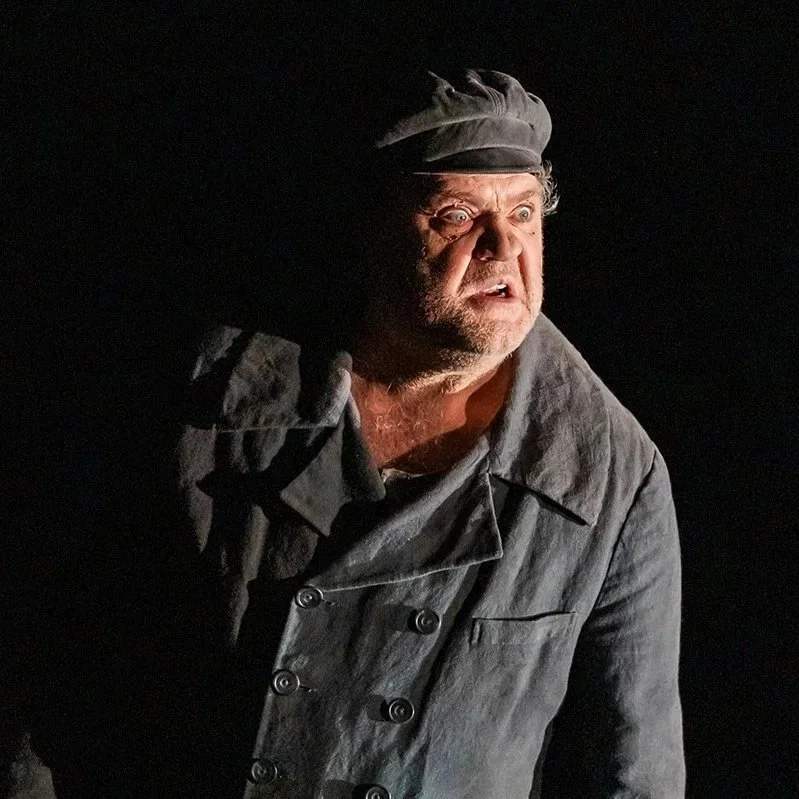
Parsifal, Bayreuth 2023
Wort des Weges
Mitleid (pronounced: MIT-lite): Compassion, but German keeps this word closer to its construction than English keeps compassion to its Latin root. Mit, with, plus Leiden, suffering. To have Mitleid is to suffer with, literally, rather than to observe suffering from a stable position and feel moved by it. This is different from Mitgefühl, sympathy or fellow-feeling in the more general sense, which can extend to joy as easily as to pain. It is also different from Erbarmen, mercy, which describes something given from a position of power to someone without it, a gesture that flows one direction. Mitleid has no direction. It requires the sufferer's condition to become, briefly and involuntarily, your own.
This is the word the opera is built around, and it names the exact thing Parsifal cannot do at the start and does by the end. Gurnemanz's knights tend Amfortas's unhealing wound for the length of Act I and Parsifal watches the ritual with total incomprehension. He is called der reine Tor, the pure fool, not because he is stupid but because purity, in this specific sense, means he has not yet suffered enough of his own to recognize suffering in someone else. Kundry's kiss in Act II changes this in a single moment. Not by teaching him a fact about Amfortas. By making him briefly inhabit, in his own body, the desire that wounded Amfortas in the first place, and from inside that desire, suddenly, unbearably, understanding the wound. Amfortas! Die Wunde! Die Wunde! He does not learn compassion. He is seized by it, the way Wahn seizes a crowd, except this seizure produces understanding rather than riot.
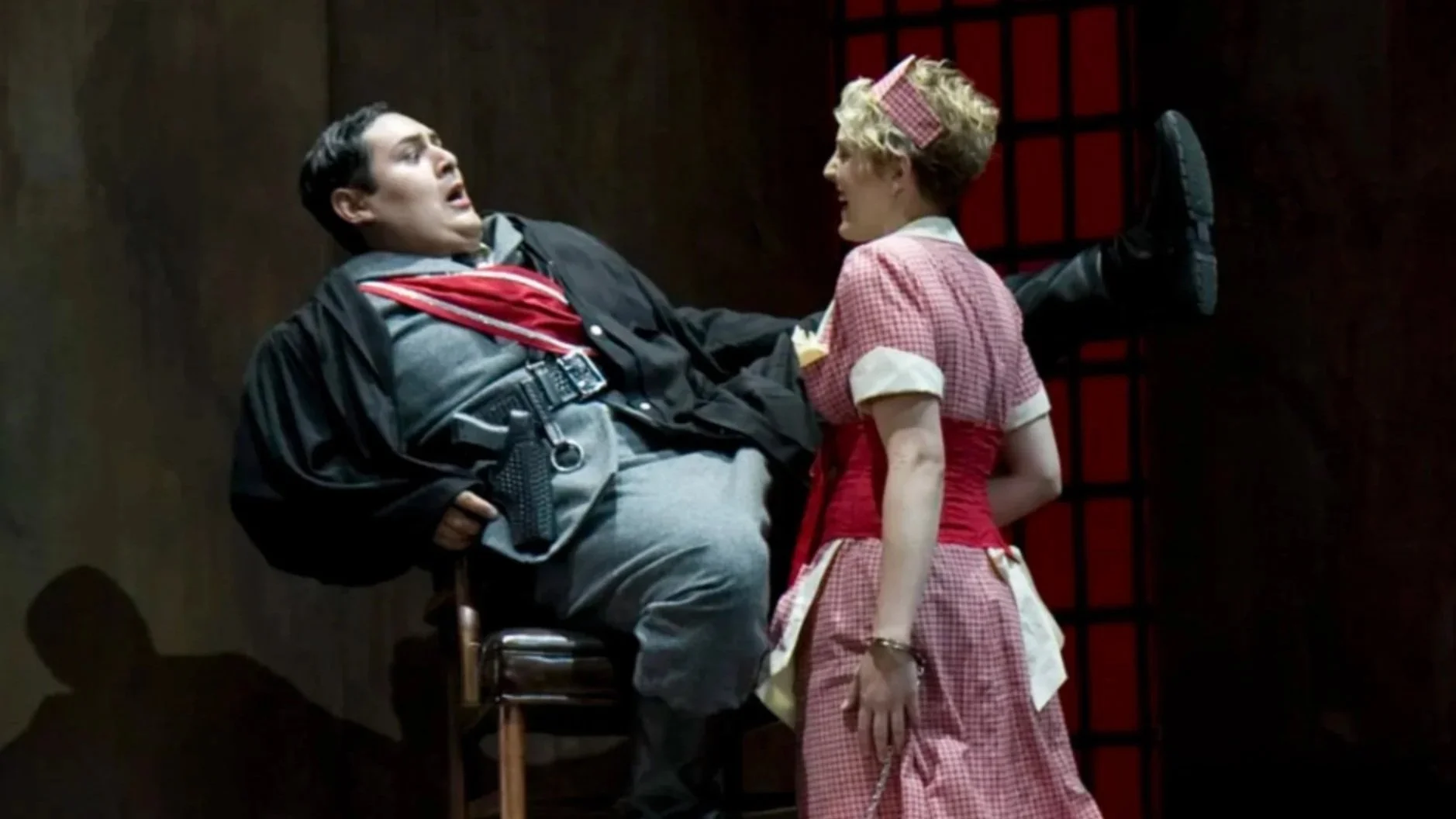
Parsifal, Bayreuth 2023
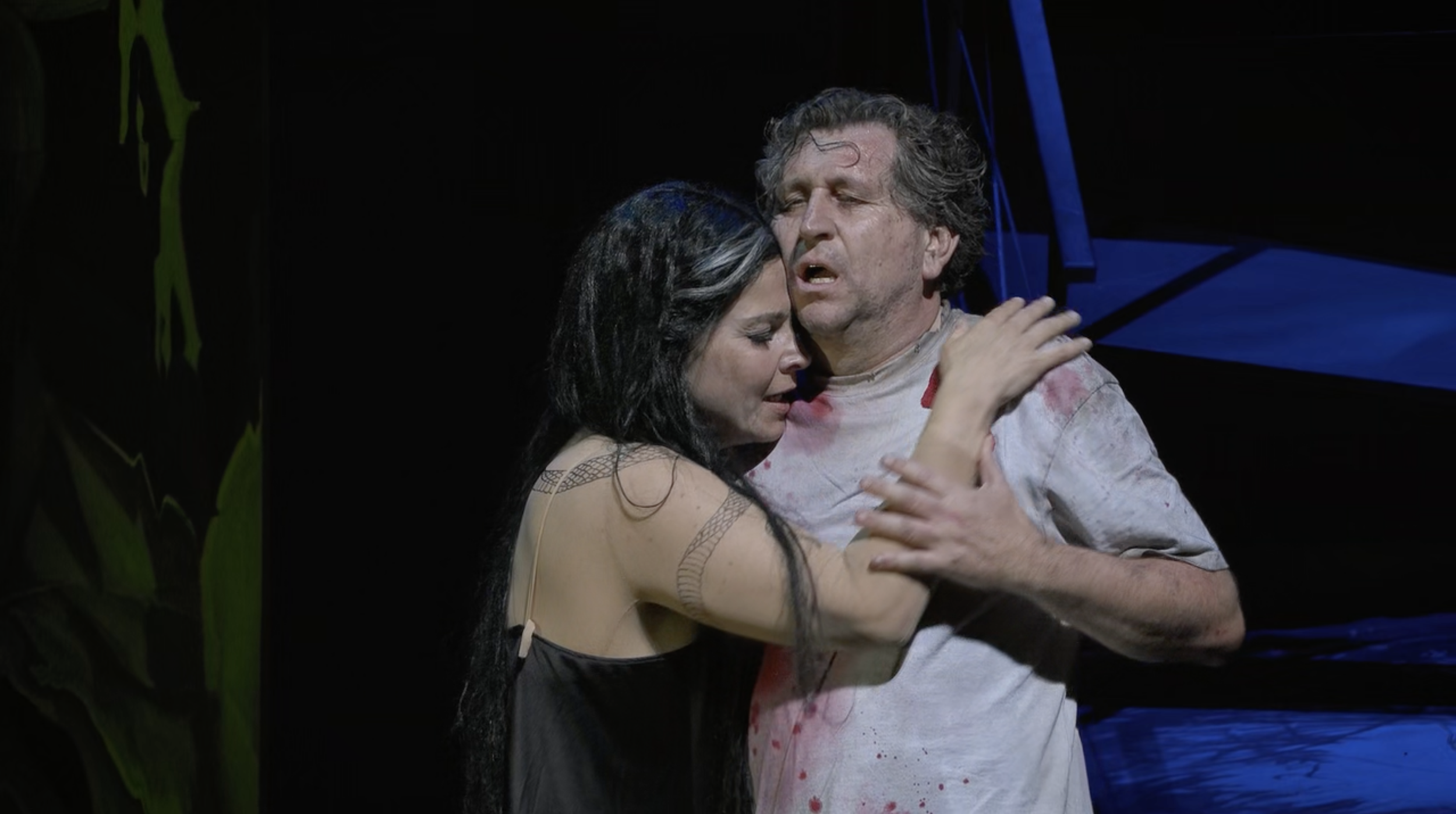
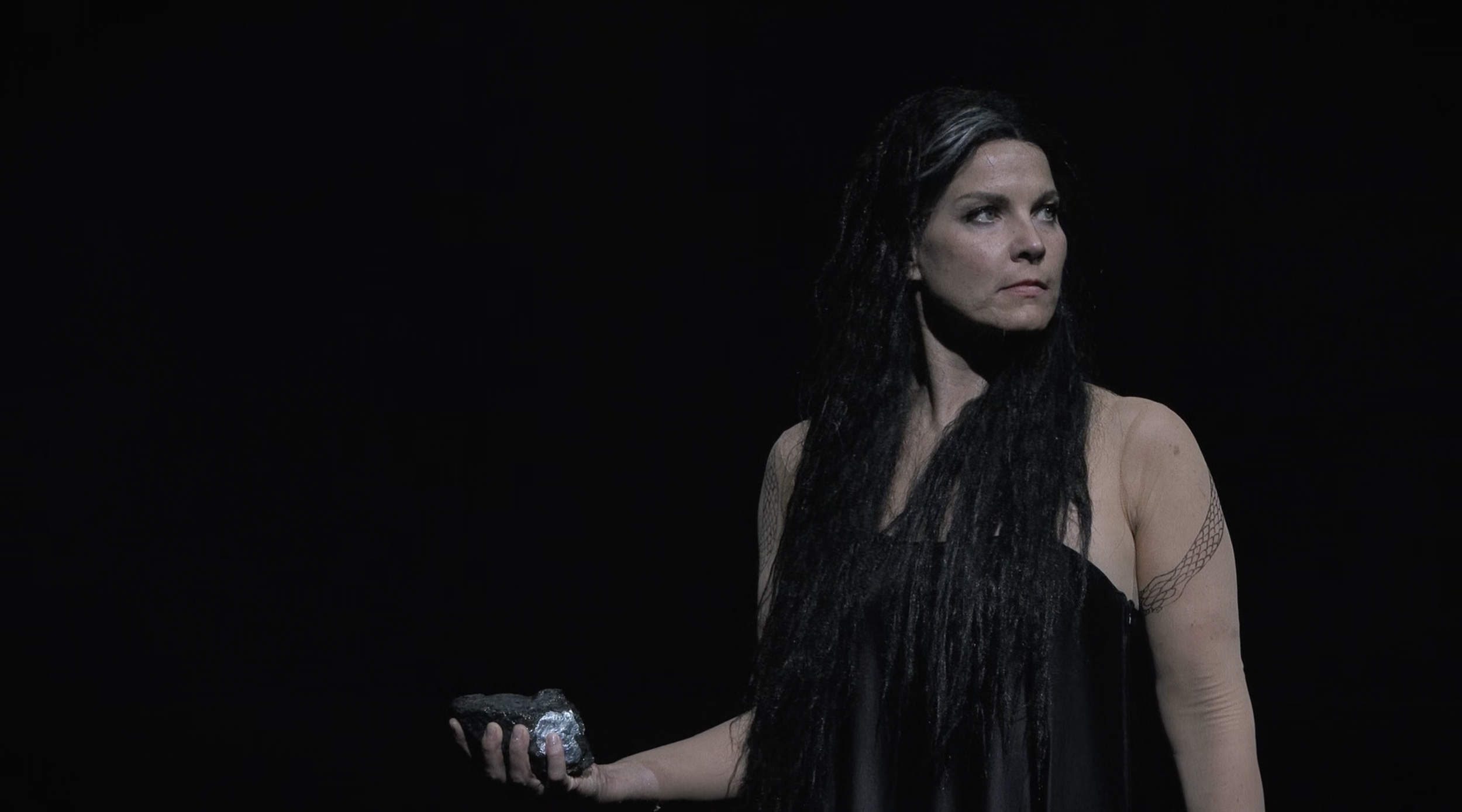
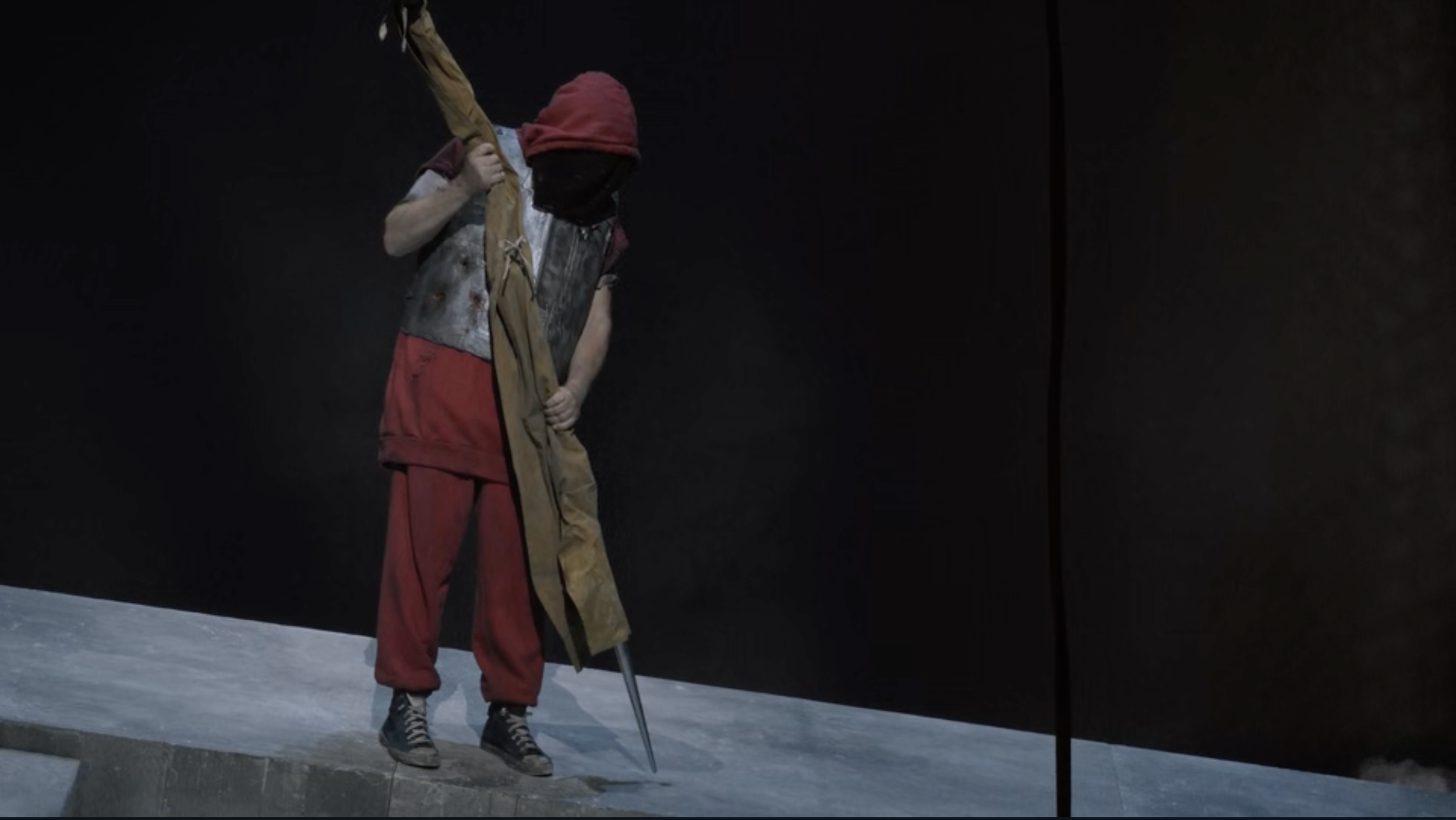
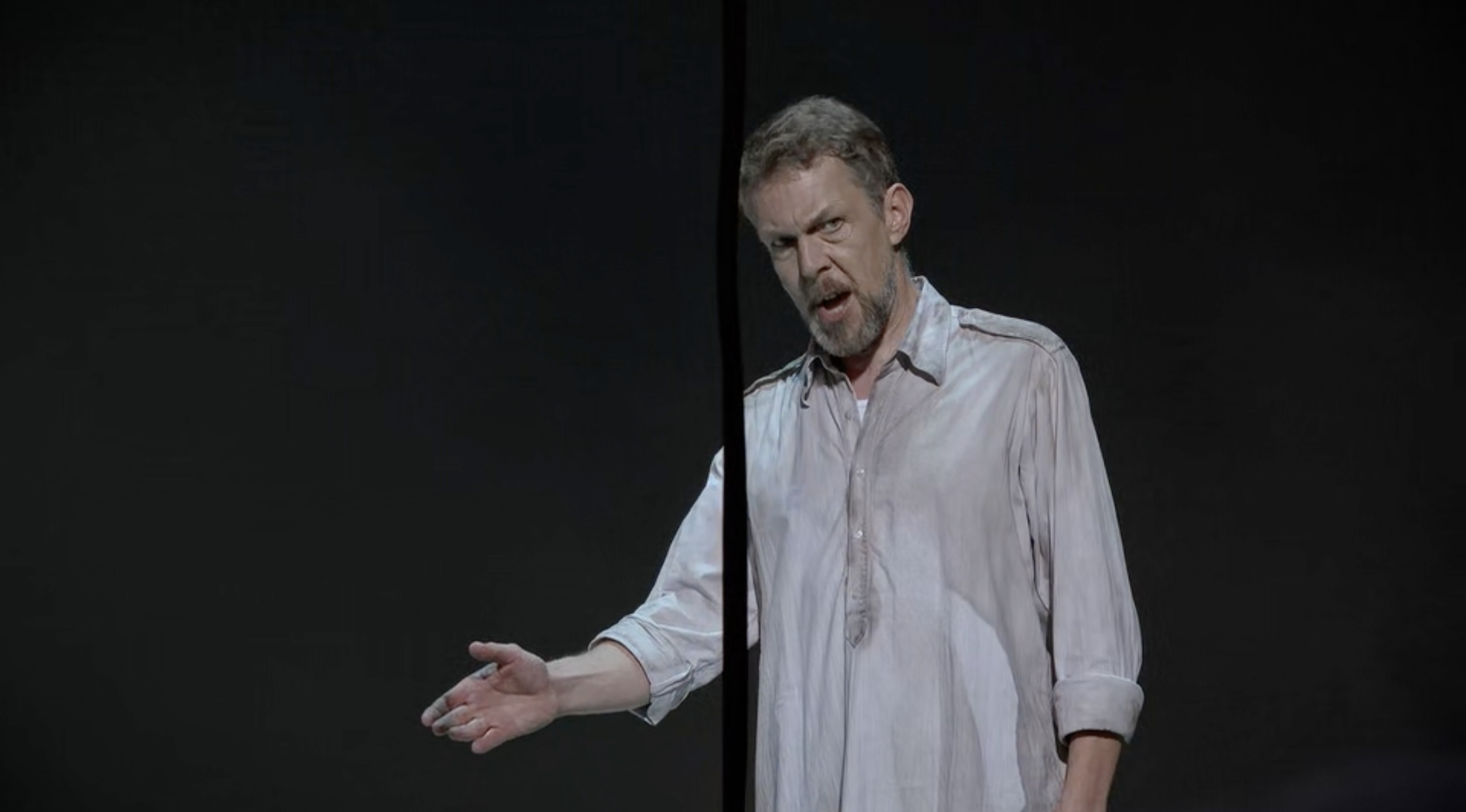
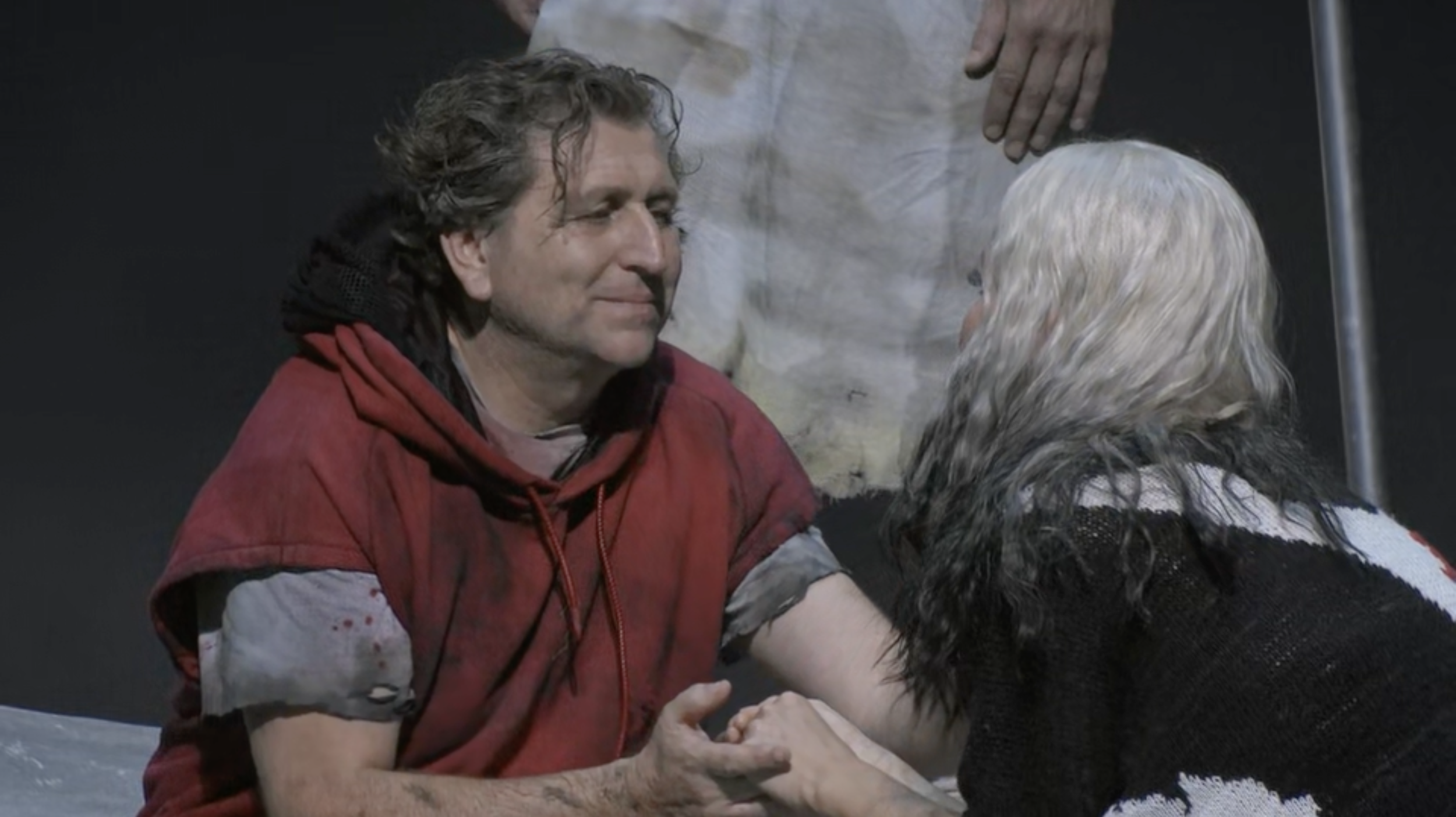
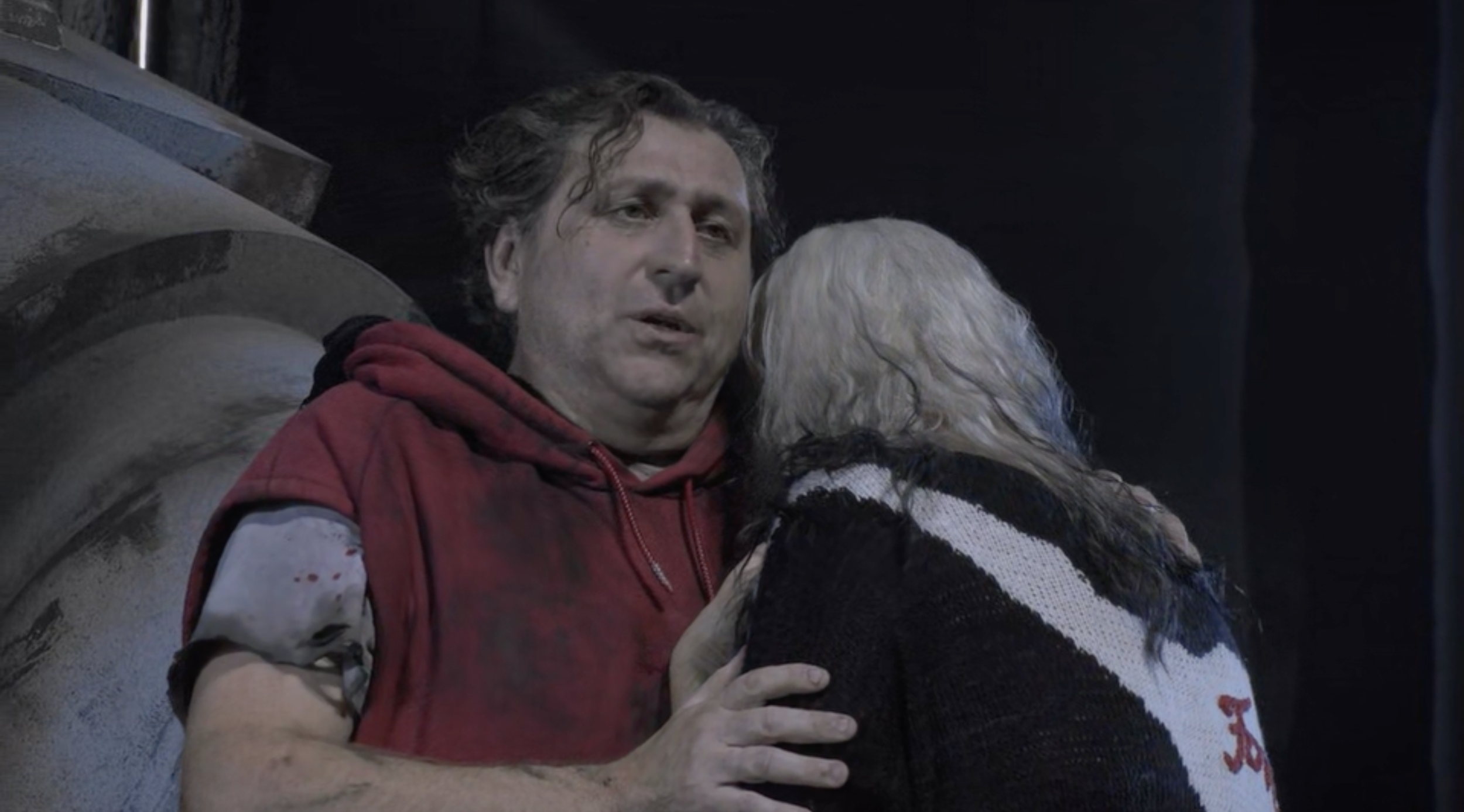
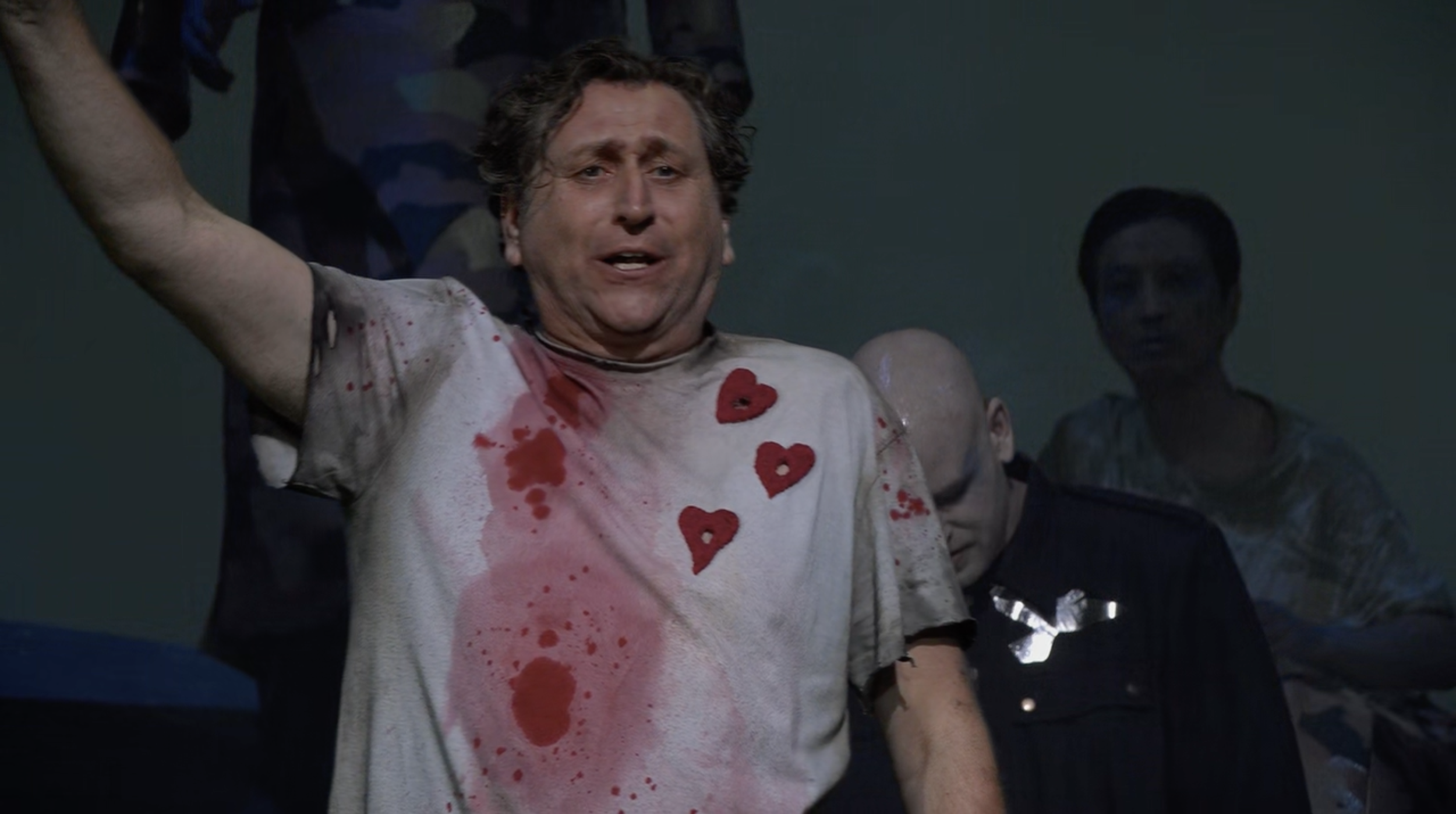
Wagner's late reading of Schopenhauer and, through Schopenhauer, of Buddhist thought, is doing real work here. Schopenhauer argued that compassion was the one ethical act that briefly dissolved the illusion of separateness between individuals, the moment when the boundary between self and other, which the intellect insists on constantly, simply fails to hold. Mitleid is what it is called when that failure happens to you. It is not a virtue you cultivate through effort. It is a boundary that gives way, usually at the worst possible moment, usually in response to something you did not choose to see.
August in New York, in the year's slowest and most interior stretch, is the month for a word that cannot be willed into being. You cannot decide to have Mitleid the way you can decide to be polite or generous. You can only put yourself in the way of the conditions where it might happen to you, and then wait.
Thematischer Rahmen: Der Reine Tor und die Wunde, die Nicht Heilen Will
Parsifal was Wagner's last completed work, premiered at Bayreuth on July 26, 1882, seven months before his death in Venice. He had been circling its material since 1845, the same year he sketched Die Meistersinger, but did not begin serious composition until the late 1870s, working from Wolfram von Eschenbach's medieval Grail romance filtered through his own decades of accumulated philosophy, Schopenhauer's metaphysics of compassion and renunciation, his increasingly serious and increasingly troubling engagement with ideas about racial purity, and a personal awareness, by this point unmistakable, that he was composing his own epitaph. He designated it a Bühnenweihfestspiel, a stage-consecration festival play, and insisted it be performed only at Bayreuth, a restriction the Wagner family enforced for decades after his death and that the opera's own subject, a community guarding a sacred object from ordinary circulation, makes almost too neat.
The story is simple in outline and dense in implication. Amfortas, king of the Grail knights, carries a wound that will not close, inflicted by his own sacred spear after he let himself be seduced by Kundry inside the sorcerer Klingsor's garden. Klingsor, who mutilated himself in a failed attempt to join the Grail brothood and was rejected anyway, has spent years using that same garden and the same Kundry to destroy any knight who wanders near. A prophecy names the only cure: a pure fool, made wise through compassion. Parsifal arrives having killed a swan out of thoughtless cruelty, understanding nothing, is shown the Grail ceremony and understands nothing, is sent away in disgrace. Years pass. He returns, having wandered, having resisted Kundry's kiss at the moment it might have destroyed him instead, having taken the spear back from Klingsor and watched the sorcerer's whole enchanted domain collapse. He heals Amfortas with the spear's own point. Kundry, cursed for centuries to serve and destroy in alternating cycles, is finally released, and dies.
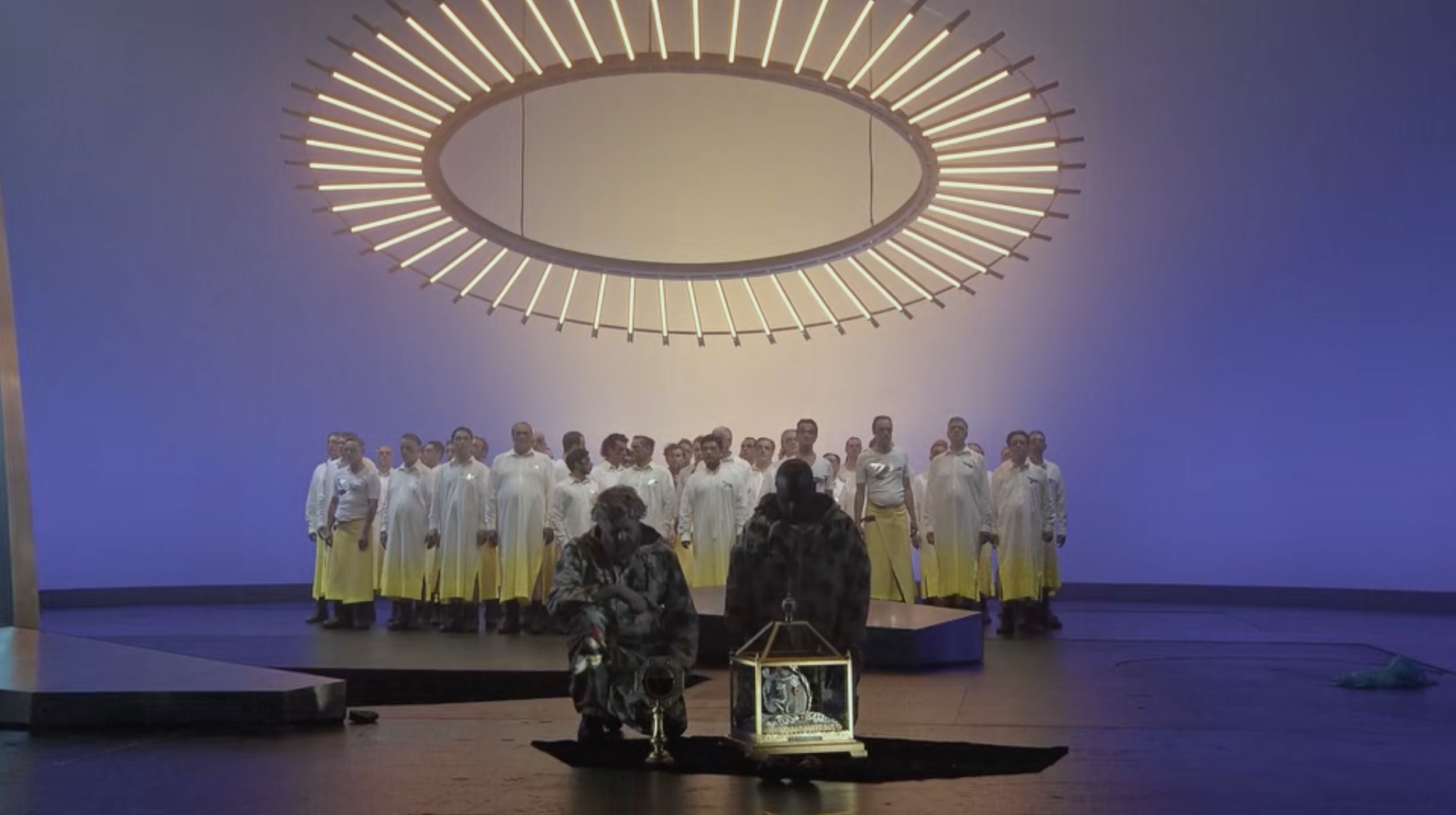
Parsifal, Bayreuth 2023
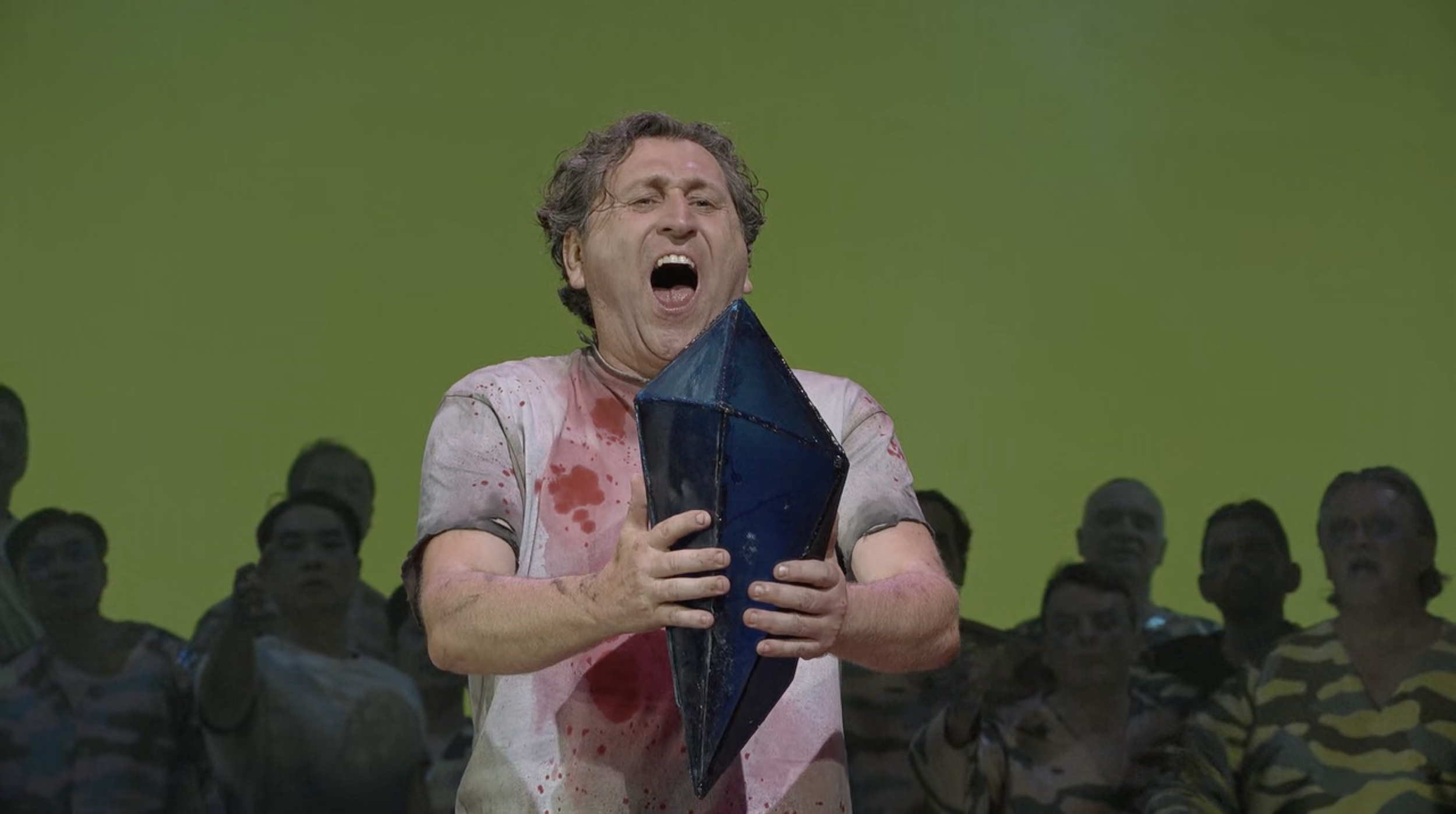
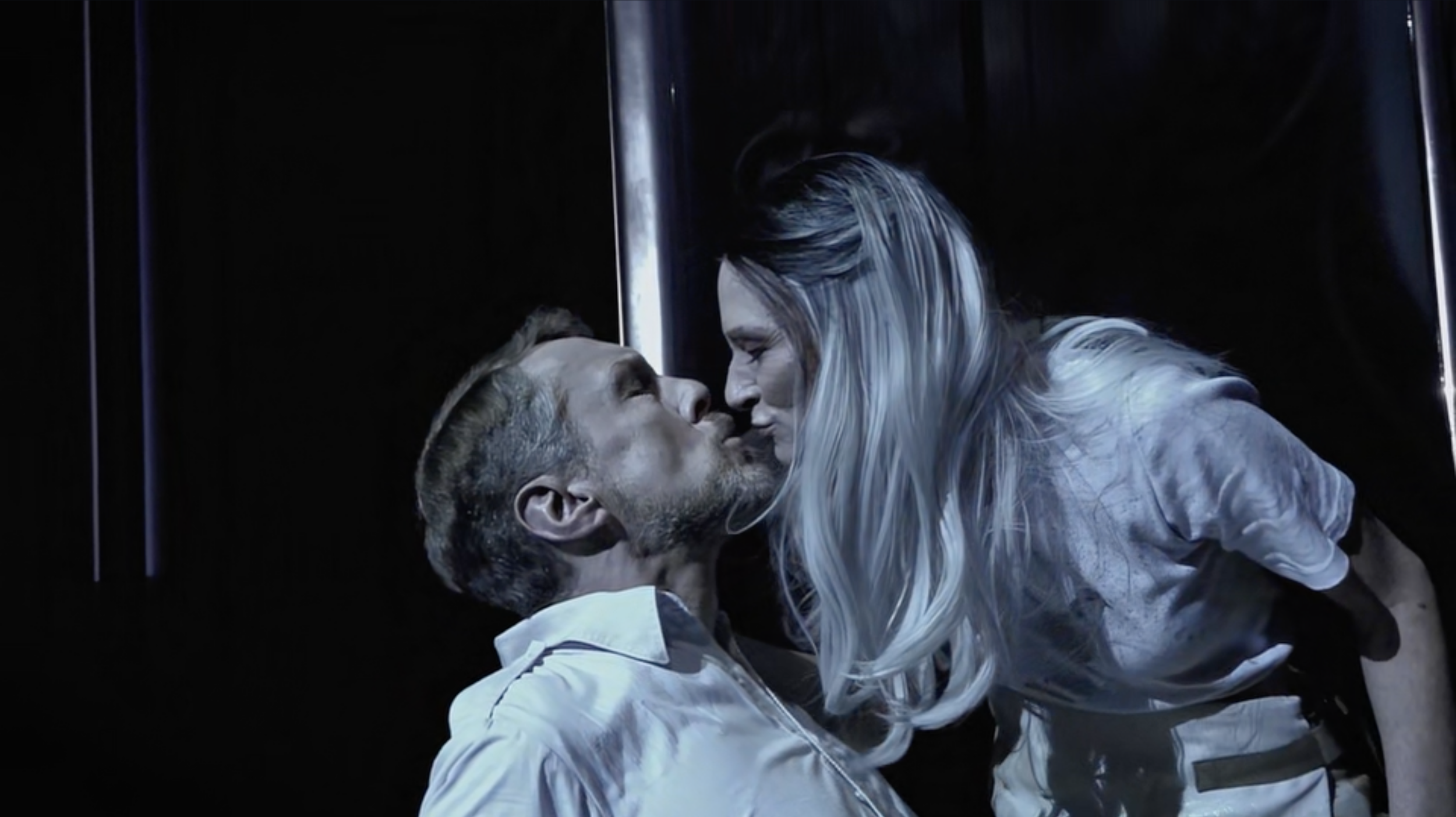
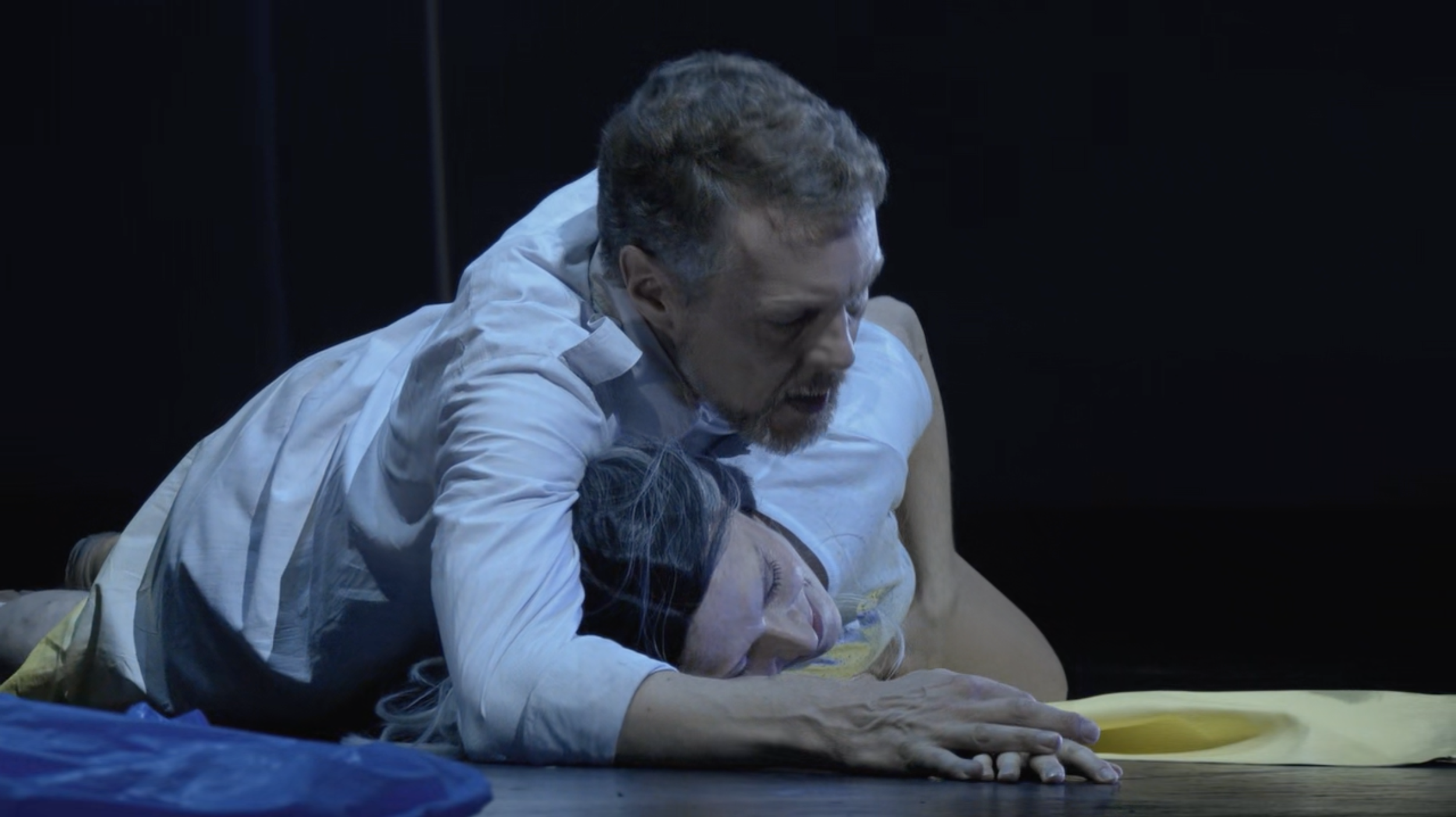
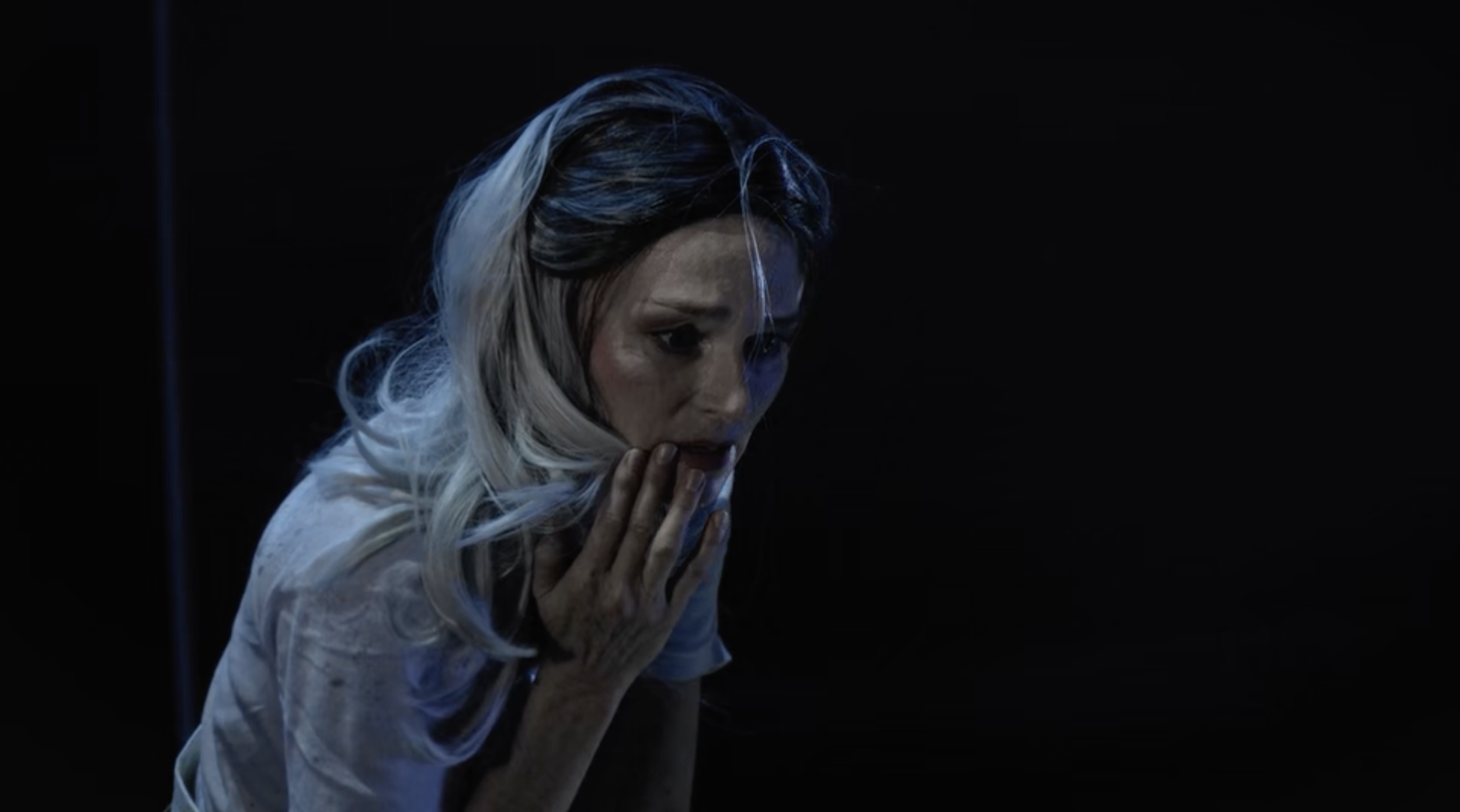
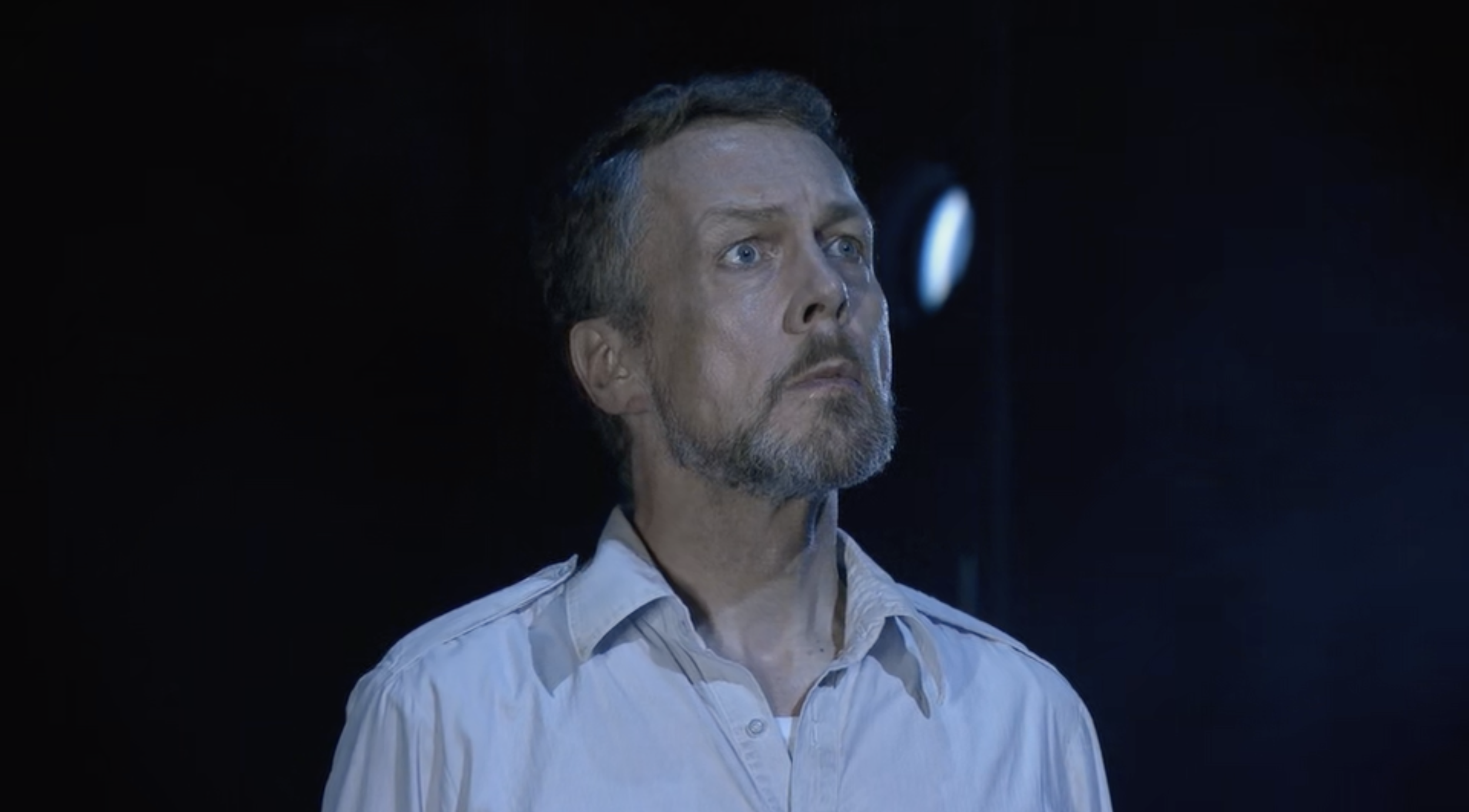
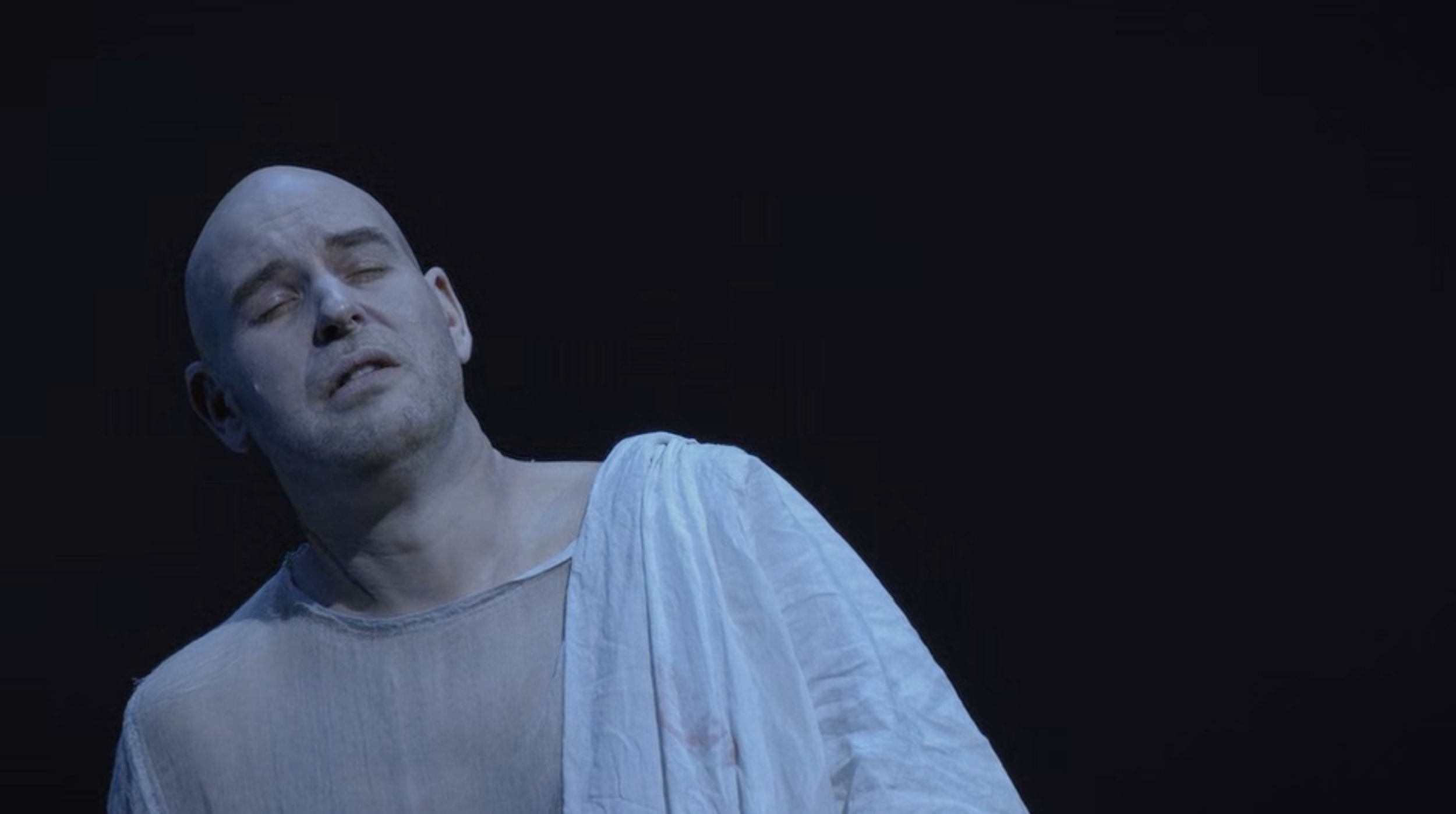
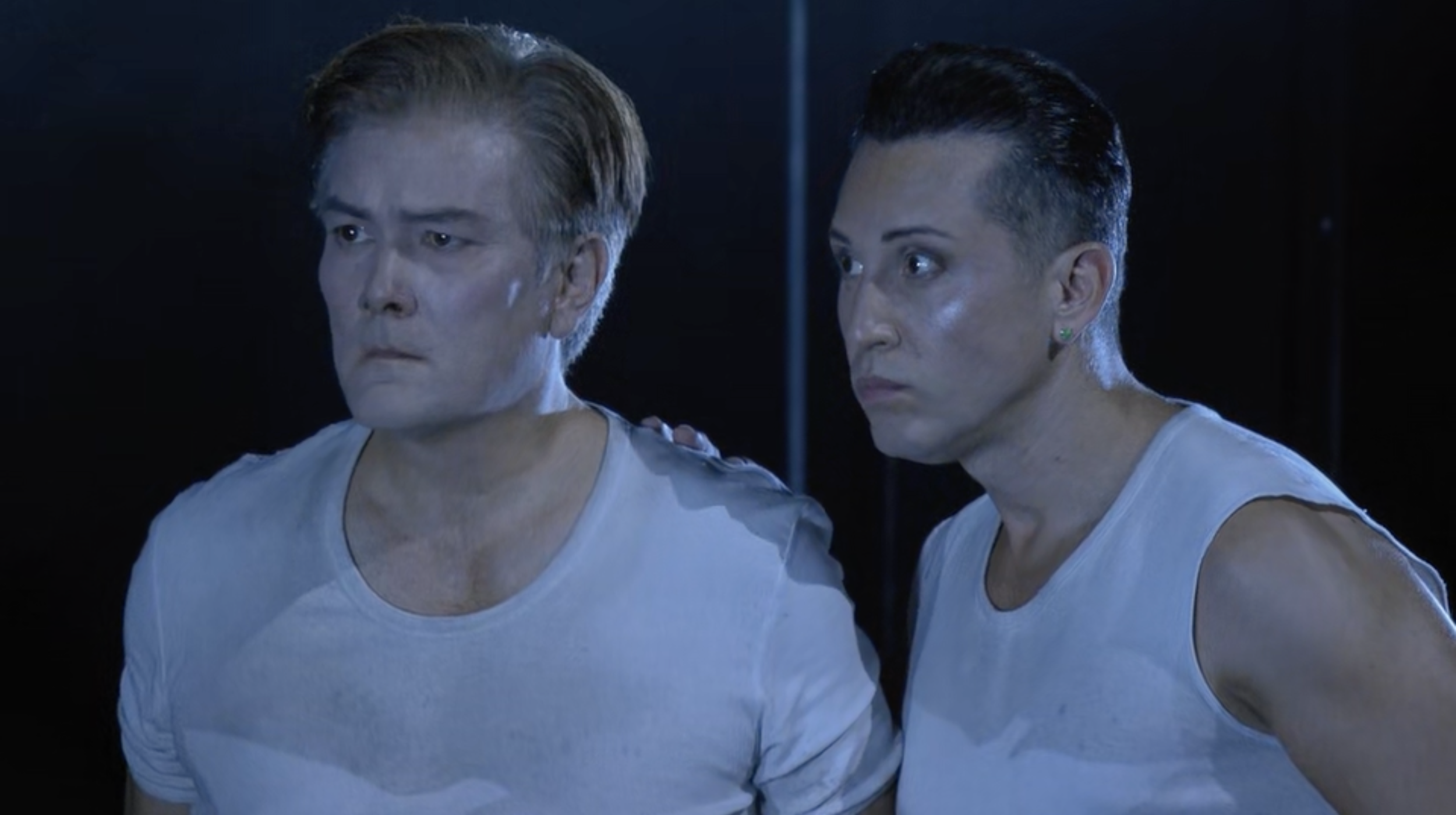
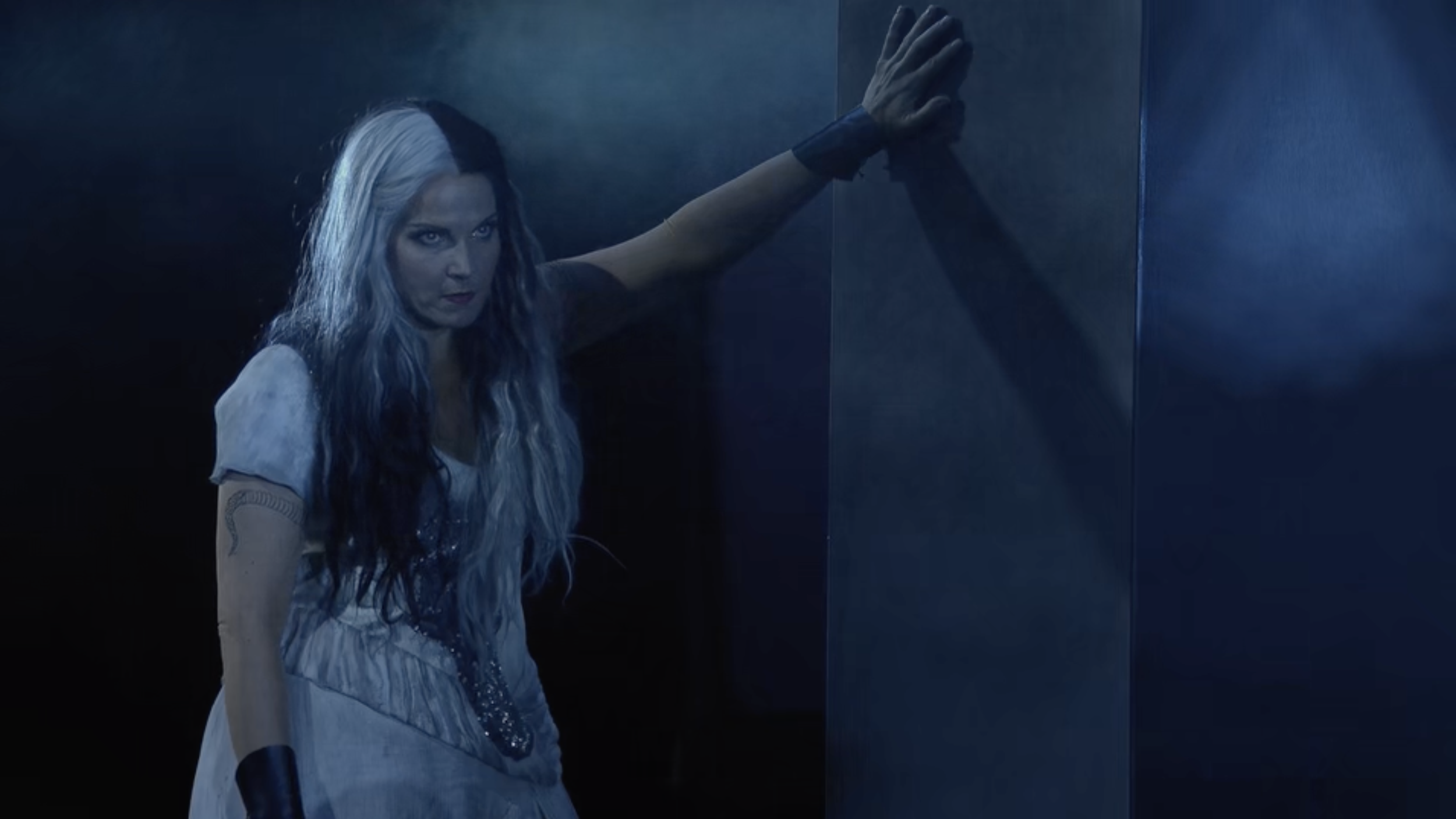
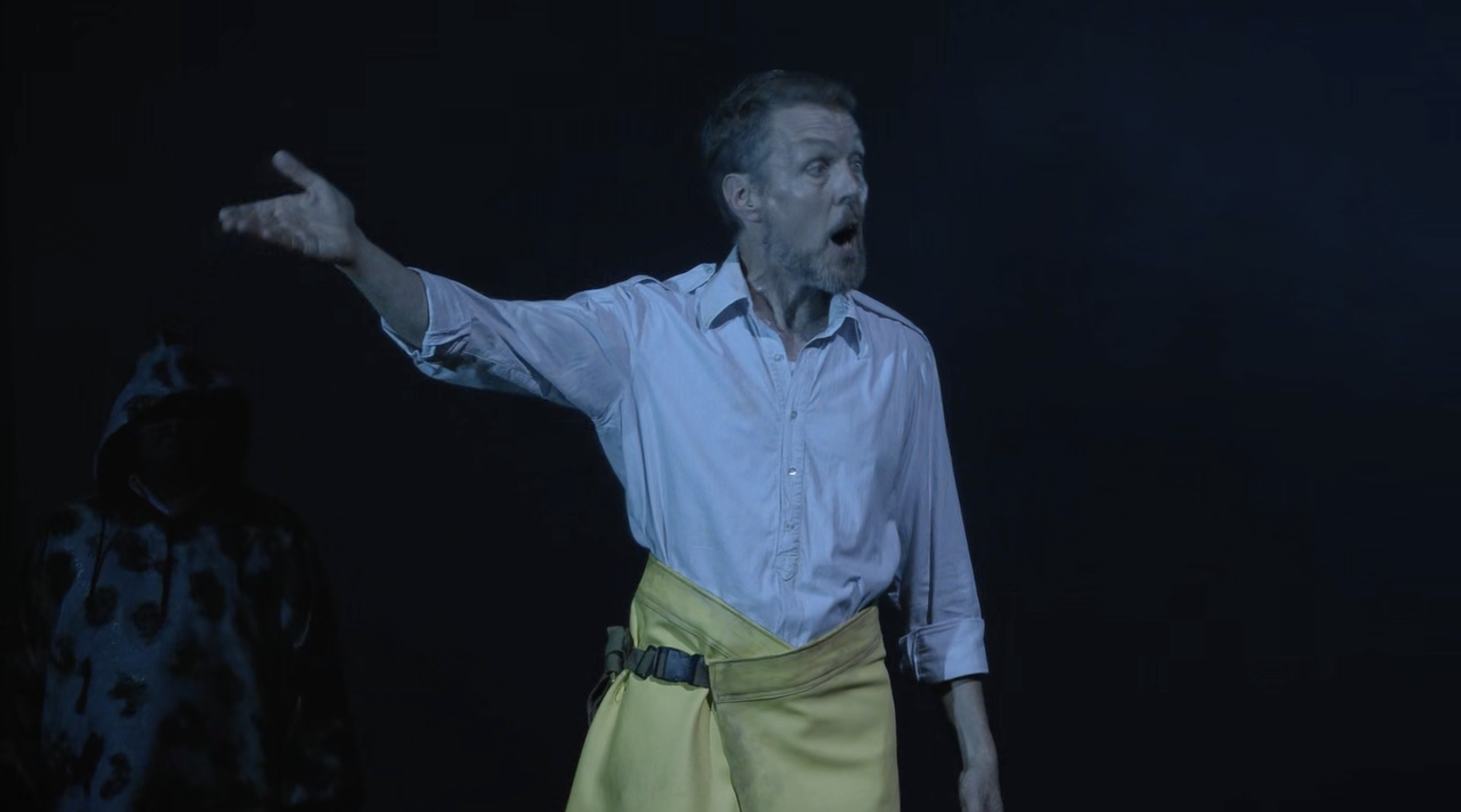
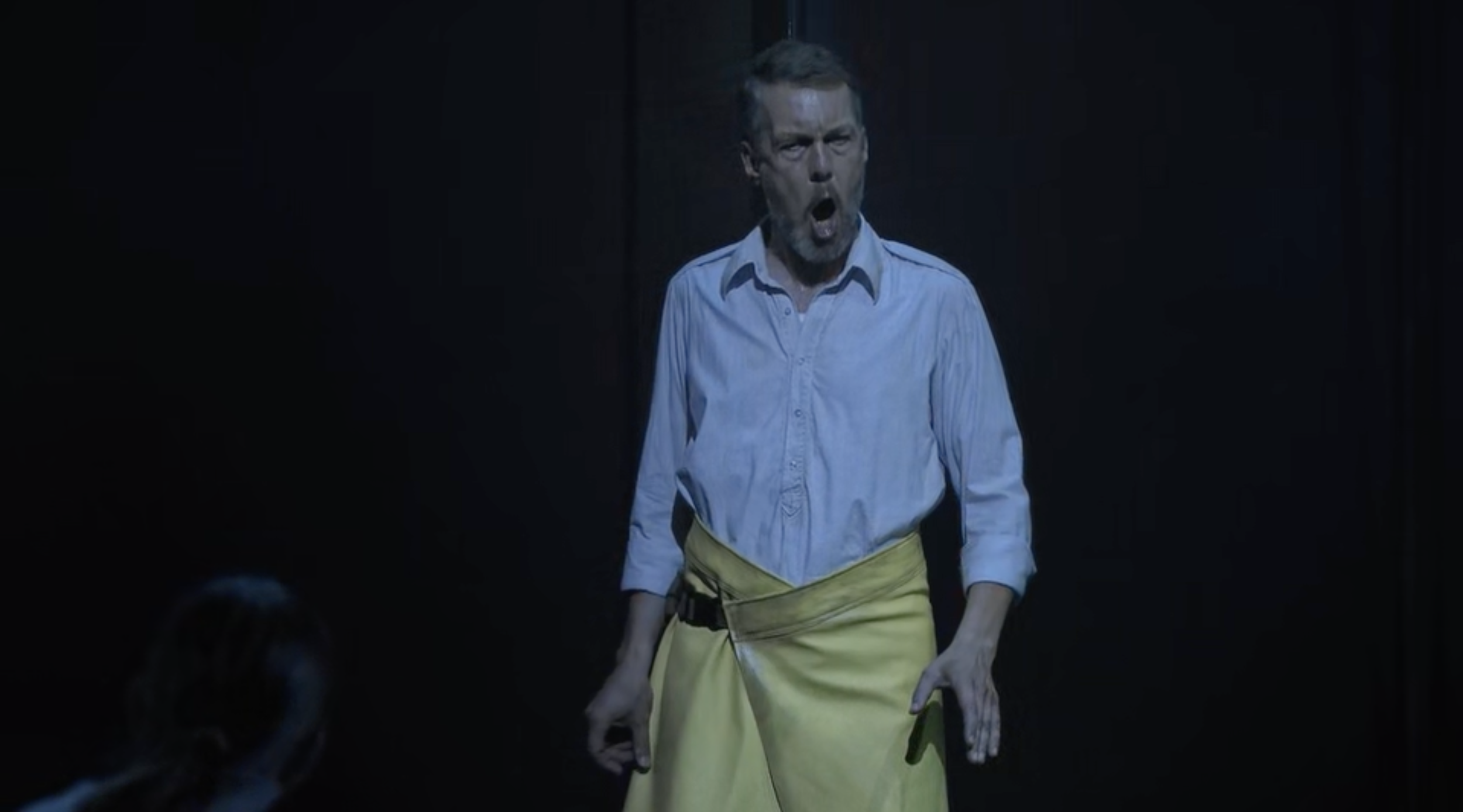
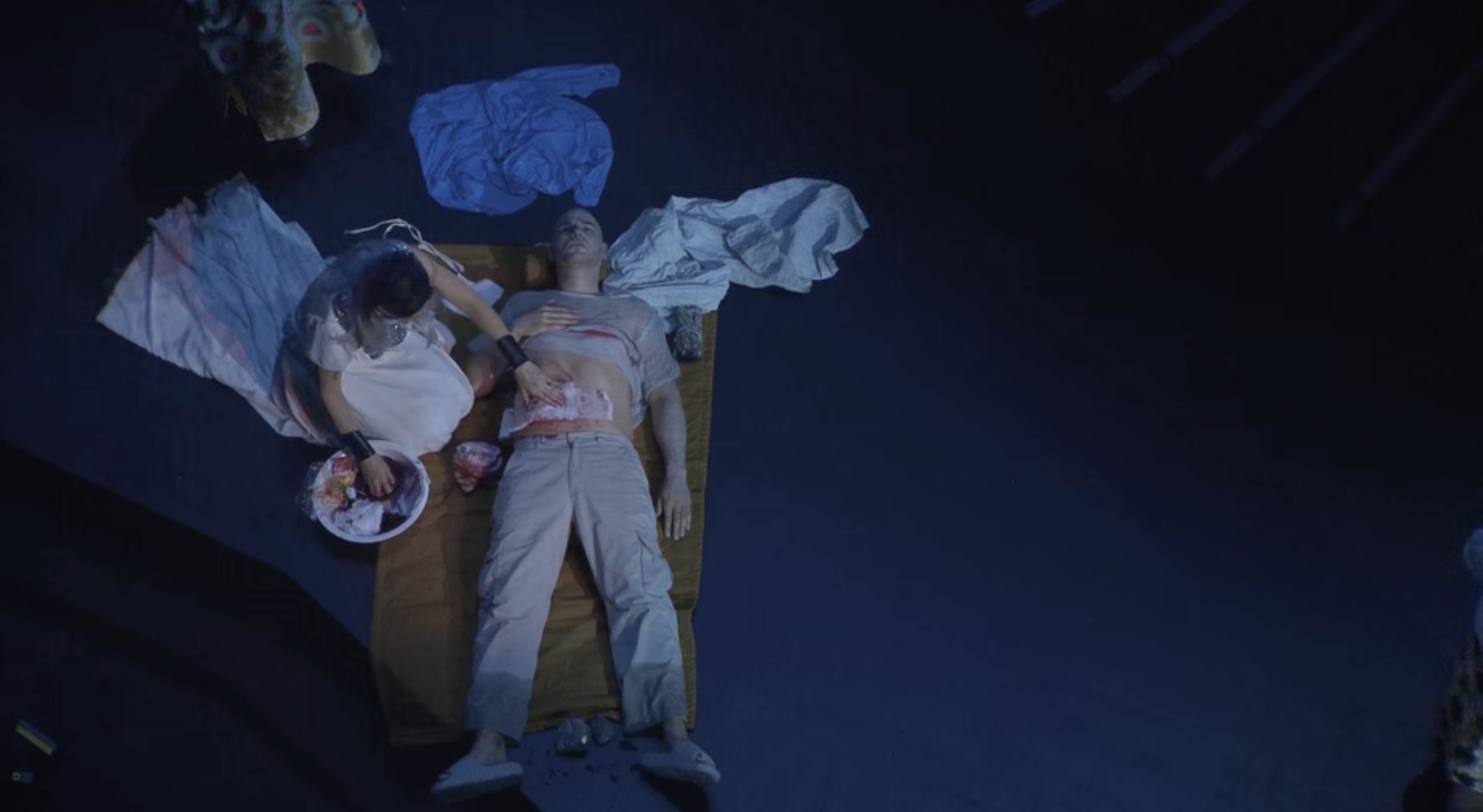
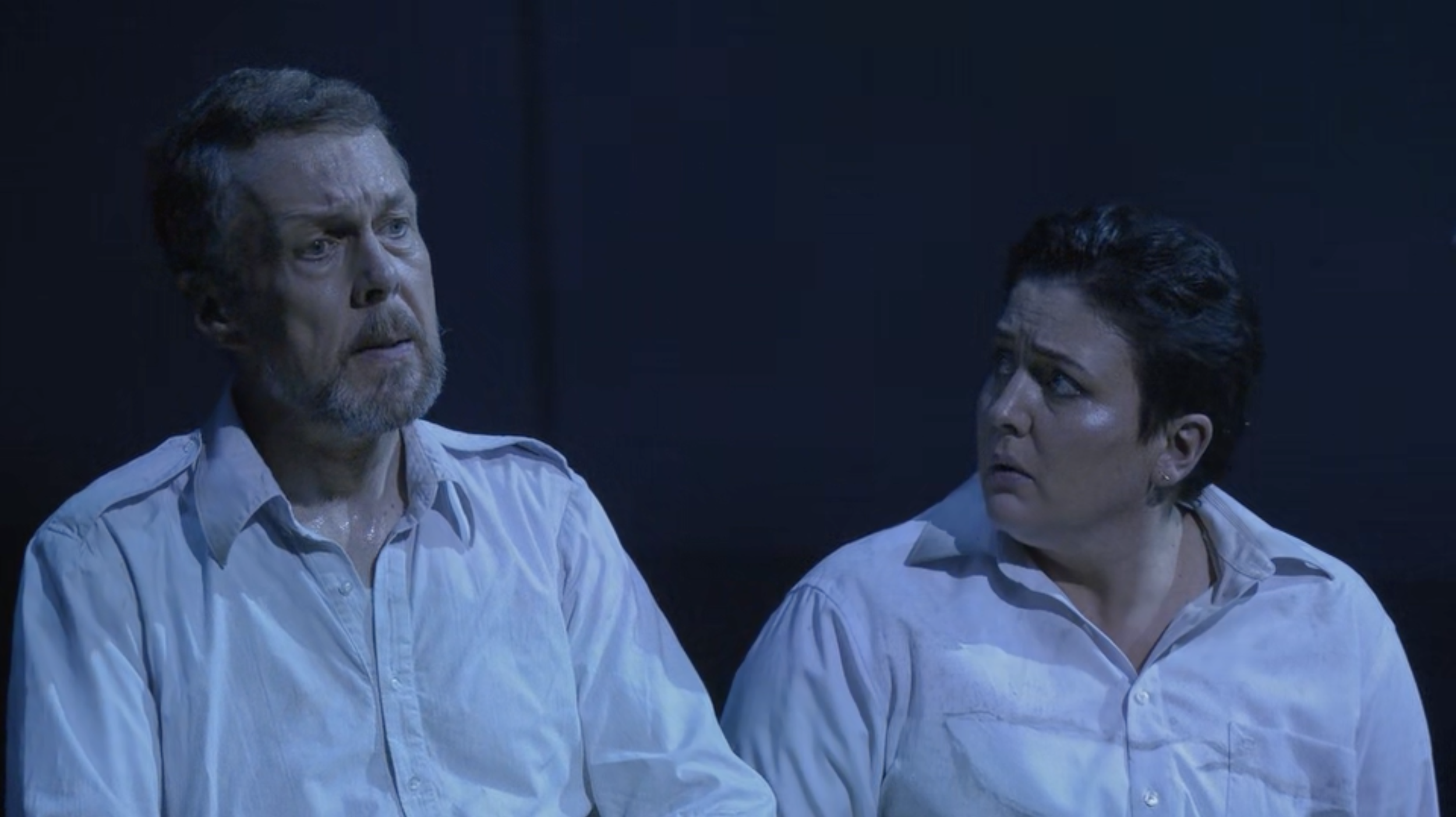
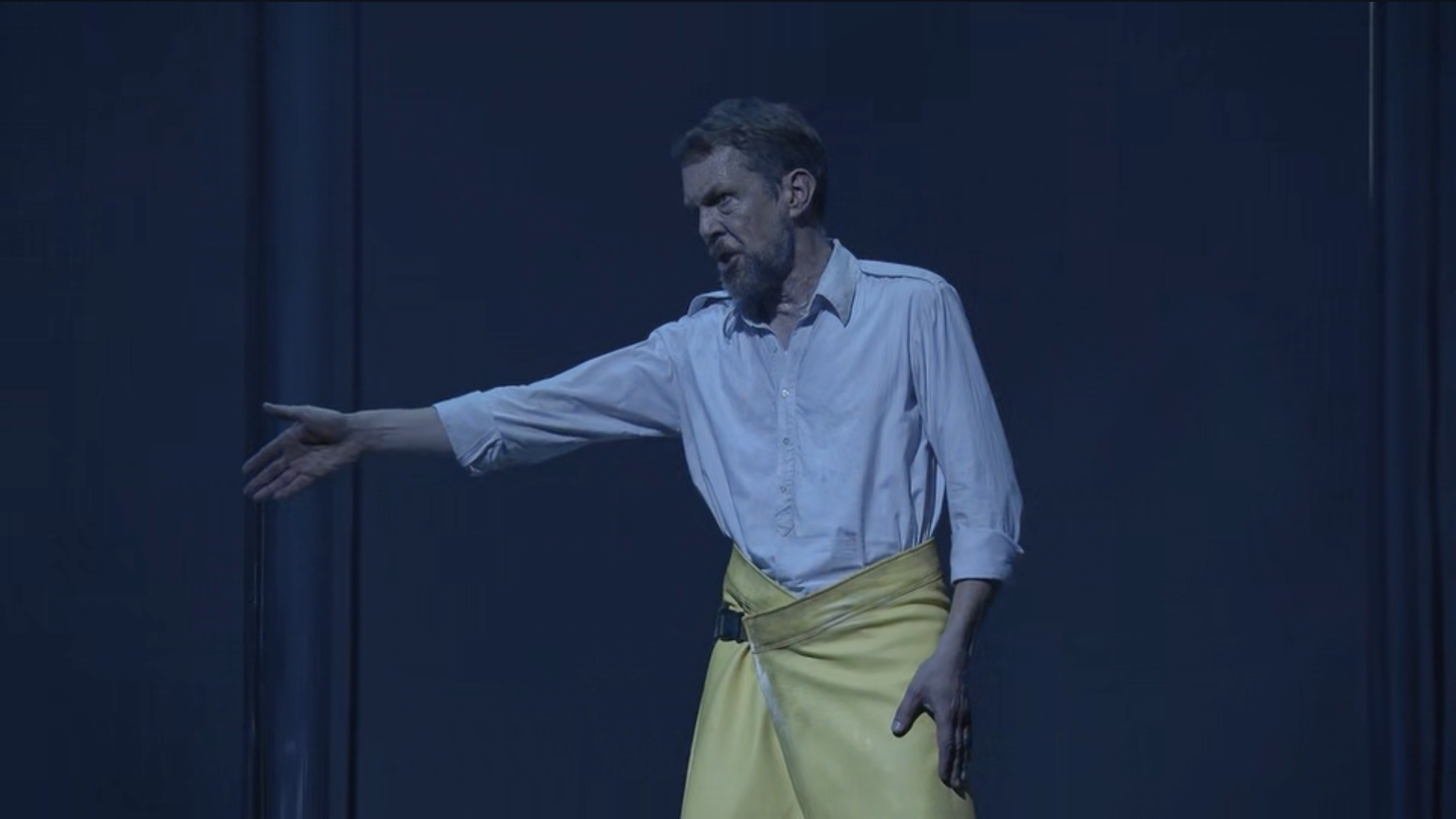
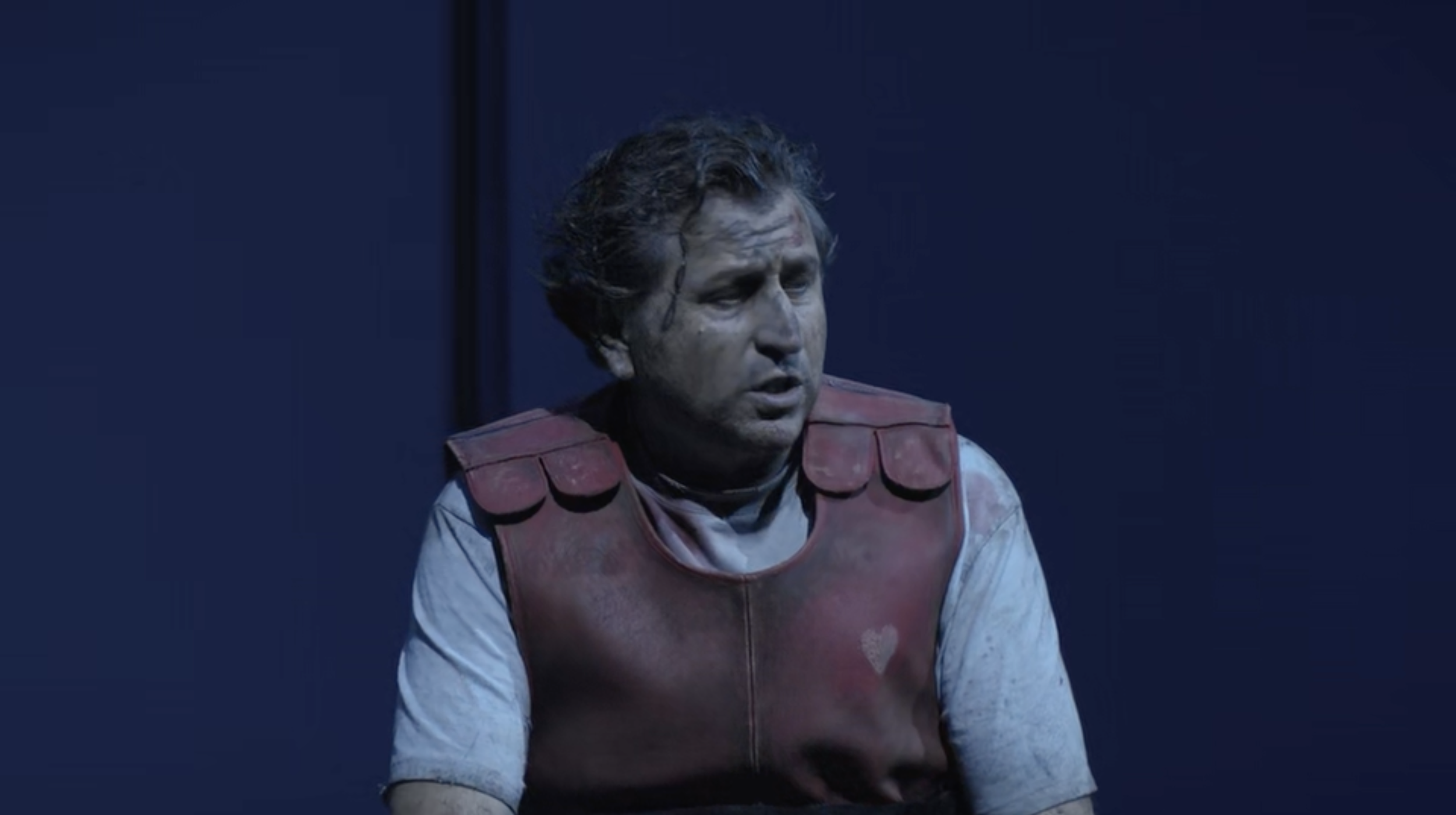
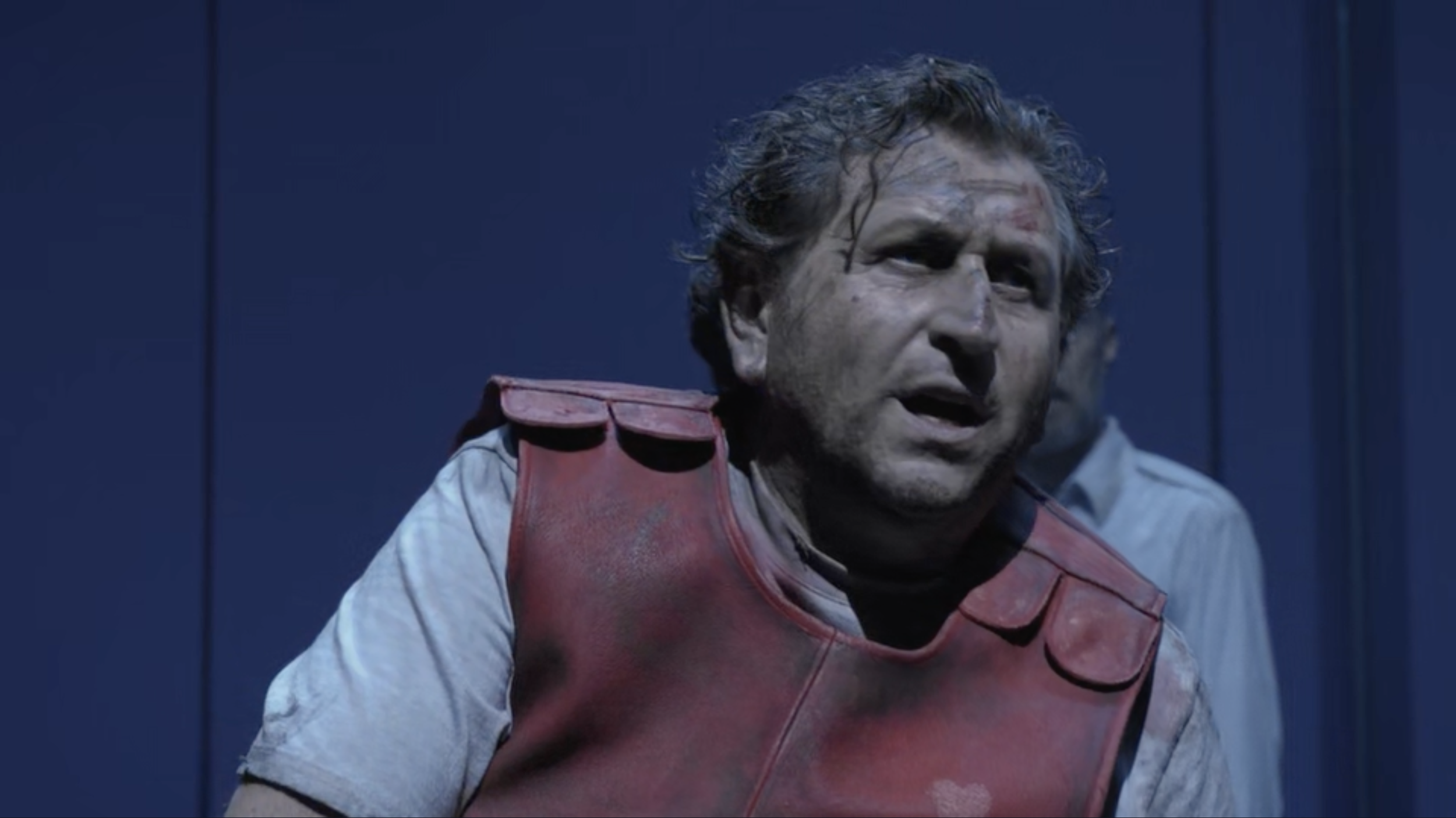
The opera's most radical formal decision is its treatment of Act I's transformation. Gurnemanz leads Parsifal toward the Grail temple and the stage set changes around them without a scene break, without the lights going down, while Gurnemanz sings the line that gives this month its language anchor: zum Raum wird hier die Zeit, here time becomes space. Wagner's music does something structurally similar to what it describes. The transformation music does not narrate a journey. It performs duration itself, extended past the point where a listener can track it as sequence, until the experience of time passing and the experience of standing still become difficult to distinguish. This is not a trick. It is the opera's whole method, applied at the level of form: compassion, like the transformation music, cannot be rushed toward. It has to be allowed the time it needs, and the allowing eventually stops feeling like waiting and starts feeling like a place.
Kundry is the opera's most genuinely tragic figure, more so than Amfortas, whose suffering is at least legible and sympathized with from the start. She is cursed, in the opera's mythology, for having laughed at Christ on the road to Calvary, condemned ever since to alternate between two states she does not choose: a mute, tireless servant to the Grail knights, and, under Klingsor's control, an irresistible seductress compelled to destroy the very order she otherwise serves. She wants release and cannot produce it herself. Only a man capable of resisting her kiss, understanding what it costs her to offer it, and forgiving her afterward, can end the cycle. Wagner gives her almost the whole of Act II and then reduces her to near-silence for the rest of the opera, a choice that has troubled interpreters for over a century. She is baptized by Parsifal in Act III, in the opera's tenderest and least ambiguous scene of Mitleid in practice, and dies at the final curtain, released rather than rewarded. The opera treats this as mercy. Whether it is remains a live question, and this walk does not pretend to settle it.
Parsifal carries a harder shadow than Meistersinger's. Wagner's late prose writings, contemporaneous with the opera's composition, include some of his most explicit and repellent statements about racial and religious purity, and scholars have argued for decades, without full consensus, about how directly those ideas are encoded into the opera's language of blood, purity, and redemption. The word rein, pure, recurs throughout the libretto with a weight that cannot be fully separated from what Wagner was writing, in prose, at the same desk, in the same years. This walk does not resolve that argument either. It holds the opera's genuine and hard-won account of compassion in the same hand as the fact of what else its composer believed, because both are true of the same work, composed by the same man, in the same room.
Green-Wood Cemetery and the Brooklyn Botanic Garden are New York's own version of a landscape built to hold contradictory registers at once. A cemetery is a place where a whole city's grief and a whole city's ordinary Sunday afternoon coexist without either one canceling the other. A botanic garden is a place of engineered, curated nature standing in for something wilder and less controllable. Both landscapes ask visitors to slow down in ways the rest of the city actively discourages. Both hold real wounds, real losses, real unresolved histories, inside settings deliberately built to be beautiful. This is not a contradiction the walk needs to solve. It is the condition Parsifal itself insists on: the wound and the flowering meadow occupying the same August afternoon.
Listening Index (Die Musikalische Wirbelsäule)
Prelude to Act I: The Grail motif stated bare, before ritual, before wound, before story
Act I, Gurnemanz and the wounded king: The daily ritual of an unhealing injury, tended without any expectation of cure
Act I, Transformation Music (Zum Raum wird hier die Zeit): Duration performed rather than described; the forest becoming the temple without a visible cut
Act I, the Grail ceremony: Titurel's voice from the crypt, the unveiling, Parsifal's total incomprehension
Act II, the Flower Maidens: Seduction as decoration, danger disguised as welcome
Act II, Kundry's Kiss and Parsifal's cry (Amfortas! Die Wunde!): Compassion arriving as a seizure, not a decision
Act III, Good Friday Music: Nature transfigured, the meadow weeping for joy rather than for guilt
Act III, the Baptism and Final Scene: Kundry released, Amfortas healed, the Grail unveiled a final time in near-silence
Listening Note: Play everything this month at a lower volume than April, lower even than April's own instruction to play quietly. This is the year's most interior music, and the specific danger with Parsifal is over-scoring a landscape that is already doing enough work on its own. Let long stretches of the walk carry no music at all. The catacombs and Battle Hill in particular ask to be met first in silence.
Die Schwelle: Das Gotische Tor, Green-Wood Cemetery
Getting There
Take the R train to 25th Street in Brooklyn. Exit and walk one block to the cemetery's main entrance at Fifth Avenue and 25th Street.
The entrance gates, designed by Richard Upjohn and completed in 1865, are Gothic Revival in dark brownstone, three tall arched openings beneath a cluster of spires. A colony of wild monk parakeets, descended from birds that escaped captivity in the 1960s, has nested in the gate's stonework for decades, their bright green bodies and improvised nests an odd, cheerful contradiction against the Gothic stone.
Track: Parsifal, Prelude to Act I
Stand beneath the central arch and begin the Prelude. Wagner stated the Grail motif here almost without ornament, a rising figure in the strings that will recur, transformed, across the whole opera's five hours. There is no ritual yet, no wound, no story. Only the motif, offered plainly, the way a threshold is offered before anyone has decided what lies on the other side of it.
Look up at the parakeets moving in and out of the spires while the Prelude plays. They should not be here. New York is not their climate, this cemetery is not their native architecture, and yet they have nested in this specific Gothic stone for two generations of birds, thriving in a place built for an entirely different purpose. Walk through the gate as the Prelude's opening statement completes. You are now inside the cemetery's 478 acres, where the whole city's dead and the whole city's ordinary Sunday joggers occupy the same paths without either one displacing the other.
Die Tägliche Pflege: Crescent Water
Walk: To the Pond
From the main gate, follow the cemetery's paved path system toward Crescent Water, one of several ponds within the grounds, roughly a ten-minute walk from the entrance following the signed interior roads.
Track: Parsifal, Act I, Gurnemanz and the Wounded King
Sit on the bank of Crescent Water and begin the scene in which the knights carry Amfortas to bathe his unhealing wound, an act repeated so many times before the opera begins that its futility has become simply part of the community's daily order. Gurnemanz explains the wound's origin to a group of squires while performing, without apparent hope, the ritual that has never once produced a cure.
Watch whatever waterfowl the pond holds that day, geese or ducks moving across the surface with no evident concern for what the music is describing. The pond does its ordinary work regardless of the wound playing in your ear. This is close to what the ritual itself has become for the knights: an action continued past any expectation of result, sustained because stopping feels like the greater failure. Stay at the water until the scene's grief has fully registered, then continue toward the cemetery's older sections.
Das Verborgene Leiden: Die Katakomben
Getting There
From Crescent Water, follow the path toward the cemetery's Catacombs, a row of arched vault entrances built into a hillside near the Fort Hamilton Parkway side of the grounds, dating from the 1850s.
If a scheduled tour is running, join it. If not, stand at the exterior; the row of sealed stone doorways, thirty in total, set directly into the earth, carries its own weight without requiring entry.
What the Catacombs Are Doing Here
Green-Wood's catacombs are one of the only structures of their kind remaining in New York City, a row of private vaults purchased by individual families in the mid-19th century, each doorway sealed, each holding its own contained and largely unvisited grief. They are not a public monument in the way the rest of the cemetery is. They are private suffering, architecturally organized but individually hidden, exactly the way Amfortas's wound is public knowledge among the Grail knights and privately, unbearably, his alone.
Track: Parsifal, Act II, Klingsor's Confession
Stand before the sealed doors and play Klingsor's brief but devastating opening scene. He mutilated himself in a failed attempt to conquer desire and join the Grail order, was rejected regardless, and has spent his exile turning that same desire into a weapon against the brotherhood that cast him out. His wound and Amfortas's wound are, structurally, the same wound, self-inflicted in one case and inflicted by another's desire in the other, both of them permanent, both of them the price of an encounter with something the wounded man could not master.
The catacombs hold this scene precisely because they are unglamorous. No Gothic tower, no vista, only a row of closed stone doors built to keep private grief contained rather than displayed. Klingsor's shame operates the same way. Hidden, sealed, converted into something that harms others because it could not be resolved in the open.
Die Erkenntnis: Battle Hill und die Minerva
Getting There
From the catacombs, follow the marked path uphill toward Battle Hill, the cemetery's highest point at 220 feet above sea level, site of an engagement in the 1776 Battle of Long Island.
The Minerva statue, formally the Altar to Liberty, stands at the summit, dedicated in 1920.
What Minerva Is Doing Here
The bronze statue of Minerva stands atop Battle Hill with her right hand raised in salute, facing directly across New York Harbor toward the Statue of Liberty, more than five miles away. The sightline between the two statues is legally protected, one of the only such protections of its kind in the city, meaning that whatever else changes on Battle Hill, the view between these two goddesses cannot be built over. Minerva has been saluting Liberty across open water for over a century, and Liberty, by the nature of her own pose, cannot salute back. The gesture only travels one direction.
Track: Parsifal, Act II, Kundry's Kiss and Parsifal's Cry
Stand beside Minerva, facing the same direction she faces, and begin the scene. Kundry kisses Parsifal, and in the instant of contact, he does not fall into the desire the kiss offers. He is thrown, instead, directly into Amfortas's experience of that same desire, understanding in his own body what the wound has meant, crying out the king's name and the word for the wound itself before he has any language ready to explain what has happened to him.
This is Minerva's gesture given a plot. Recognition traveling one direction across a distance that cannot be closed. Kundry cannot make Parsifal love her the way she perhaps needs to be loved. What she can do, without meaning to, is open in him an understanding of someone else's suffering that changes everything that follows. Look out across the harbor, toward wherever the sightline actually permits a view, and let the cry land. Something has been transmitted here that was not what was offered.
Die Wiese: Cherry Esplanade und der Native Flora Garden, Brooklyn Botanic Garden
Getting There
From Green-Wood, return to the R train at 25th Street and take it to Atlantic Avenue–Barclays Center, then transfer to the 2 or 3 to Eastern Parkway–Brooklyn Museum.
Walk south to the Brooklyn Botanic Garden's main entrance on Washington Avenue.
Enter and walk to the Cherry Esplanade, the long open lawn framed by rows of flowering cherry trees, in full green canopy by late August.
Track: Parsifal, Act III, Good Friday Music
Walk the length of the Esplanade slowly as the Good Friday Music begins, one of the gentlest and most sustained passages Wagner ever wrote. Gurnemanz, meeting Parsifal again after years of wandering, explains why the meadow looks so radiant on the day that commemorates the Crucifixion. Not despite the day's grief, but because of it. Nature itself, in Gurnemanz's account, is not celebrating triumph. It is weeping for joy at being forgiven, at no longer needing to bear the full weight of human guilt alone.
The trees that will be extraordinary in April are, in late August, simply green and full, doing their ordinary work of photosynthesis and shade with no spectacle attached. This is closer to Gurnemanz's actual meaning than the blossoms would be. The meadow does not need to perform beauty to be transfigured. It only needs to be seen properly, by someone finally capable of seeing it. Continue into the adjacent Native Flora Garden, where the plantings are deliberately unspectacular, native species arranged to look almost wild, and let the music's long, unhurried final pages complete there.
Die Taufe: Der Japanische Teich und Hügelgarten
Getting There
From the Native Flora Garden, follow the paths to the Japanese Hill-and-Pond Garden, one of the oldest Japanese-style gardens in an American public garden, built in 1914–1915, with a torii gate, a viewing pavilion, and a central pond fed by a small stream.
Arrive in late afternoon, as the light begins to lower over the water.
Track: Parsifal, Act III, The Baptism and Final Scene
Sit at the edge of the pond, near the viewing pavilion, and begin the scene. Parsifal, now understanding fully what his years of wandering were for, baptizes Kundry at the water's edge, the first purely tender gesture directed at her in the entire opera, offered without condition and without the desire that has organized every other encounter she has had with a man. She weeps. It is the closest the opera comes to giving her an interior life fully her own, briefly, before her death at the final curtain.
Watch the pond's surface while the music moves into its last extended passage, the return to the Grail hall, Amfortas healed by the spear's point touching the same wound it once made, the Grail unveiled a final time to a community that has, across three acts, learned to receive it differently than it did at the beginning. The stream feeding the pond does not pause for any of this. It moves the same amount of water through the garden whether anyone is listening or not, which is close to what the whole afternoon has been asking you to notice about compassion itself: it does not arrive because it is owed. It arrives, when it arrives, the way water moves through a garden built to receive it.
Nachklang
The August walk ends at a pond in a Japanese garden in Brooklyn, with the last chords of an opera about a wound that finally closes. Nothing about the day has been fast. This was the point. Parsifal does not reward the kind of attention the rest of the year has trained. It asks for the opposite: duration allowed to become a place rather than a countdown, compassion arriving as an interruption rather than an achievement, a fool who becomes wise not by learning something but by being seized by someone else's pain until the seizing changes him.
Green-Wood held the wound in its daily, unspectacular form: the pond, the sealed catacomb doors, the two statues saluting each other across water neither can cross. The Botanic Garden held the second half of the story, the meadow that does not need to perform its transfiguration and the water that receives a body without asking what it deserves. Neither landscape resolved anything on its own. Together they gave the opera's argument somewhere to stand. September arrives with a very different temperature. Where August waited, September moves.


Further Reading