Mai: Die Meistersinger von Nürnberg
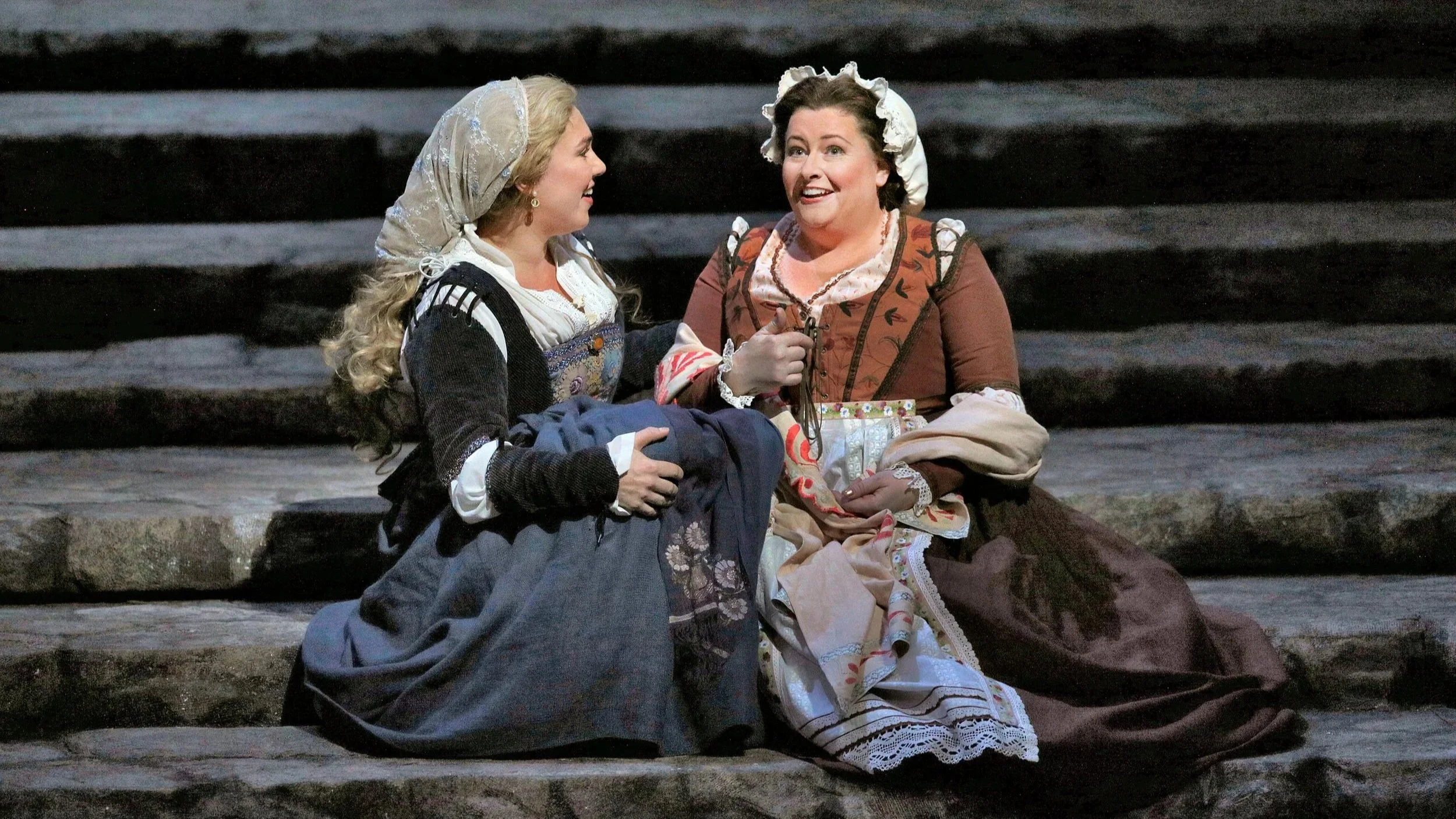
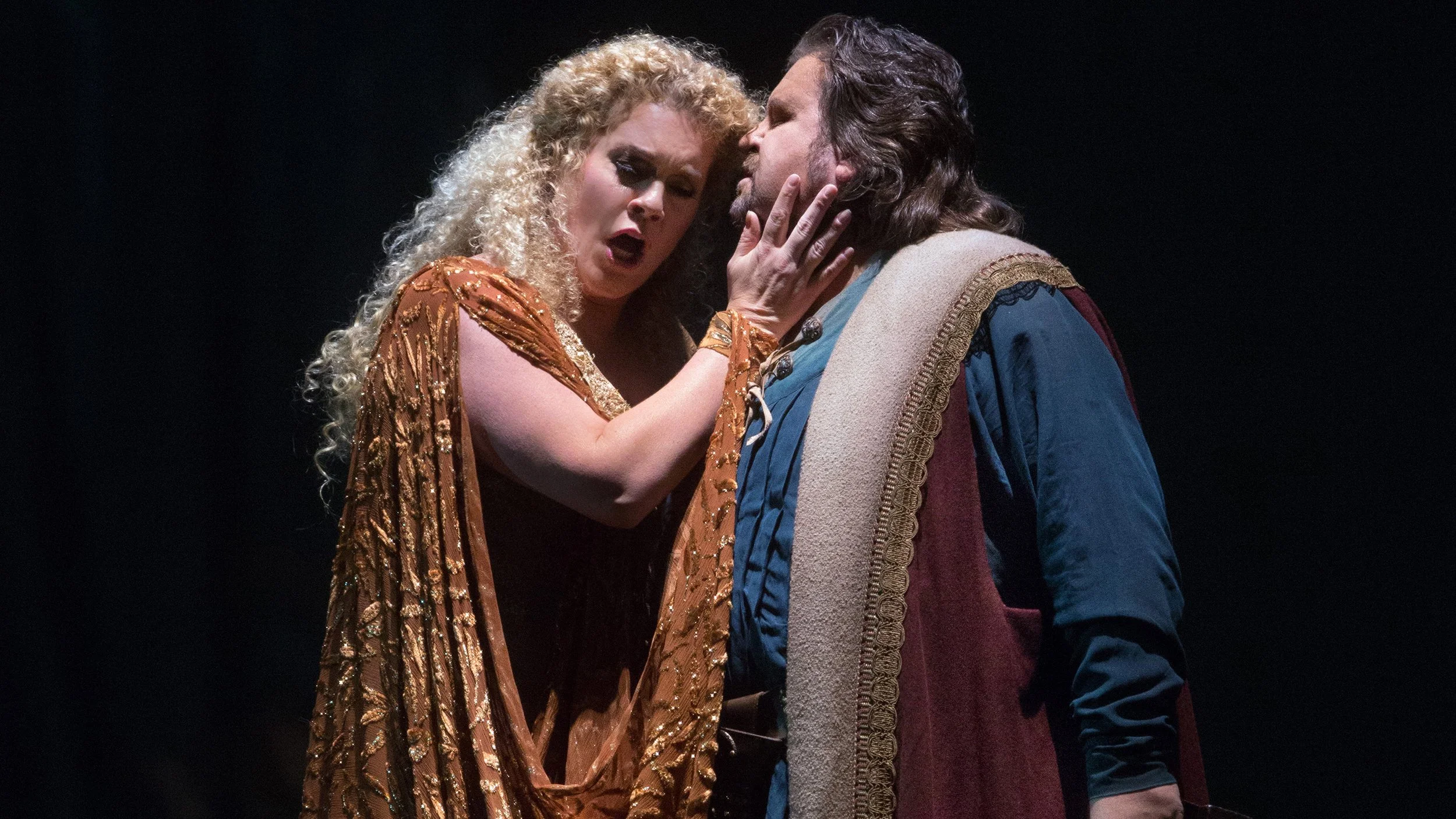
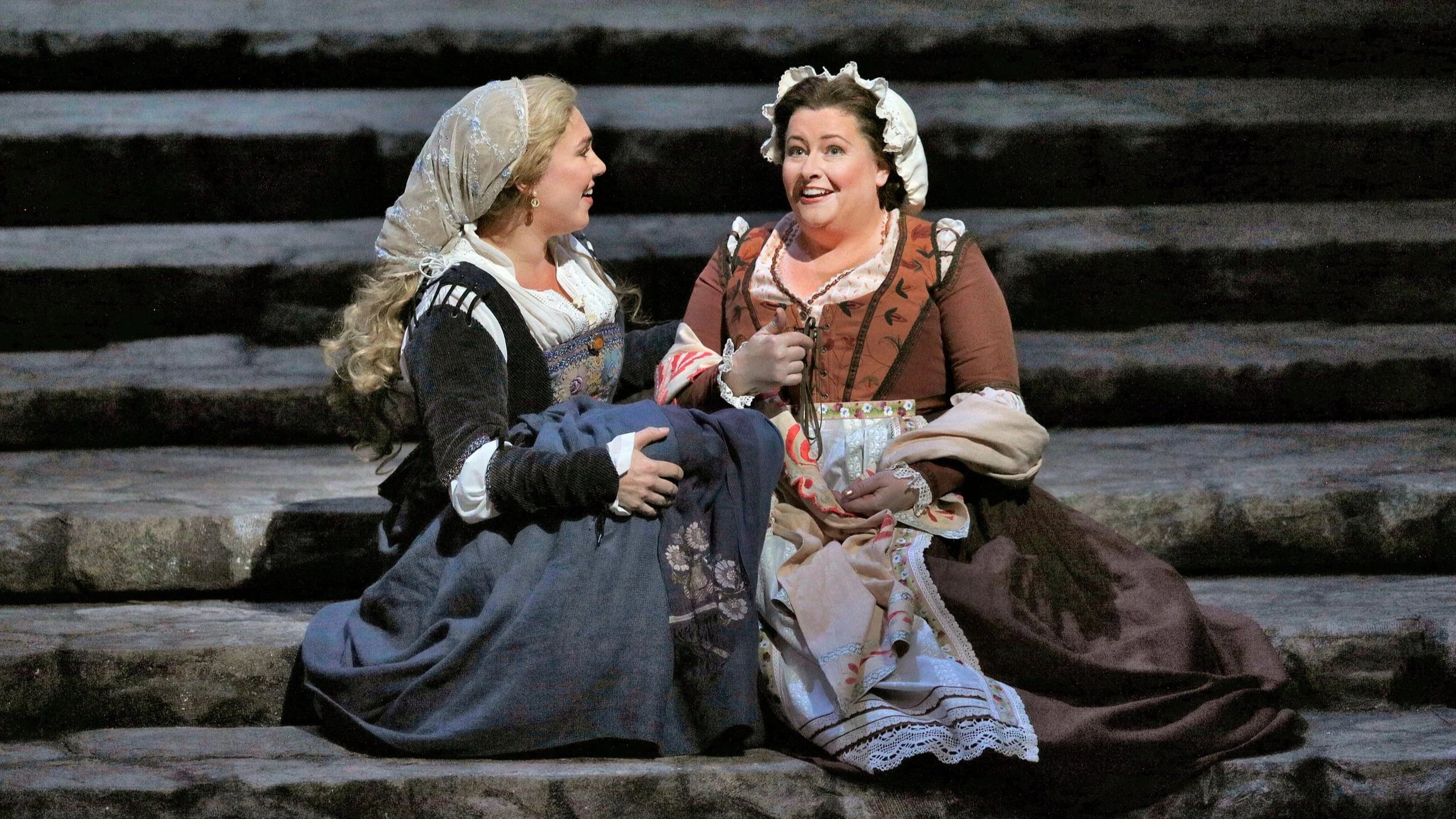
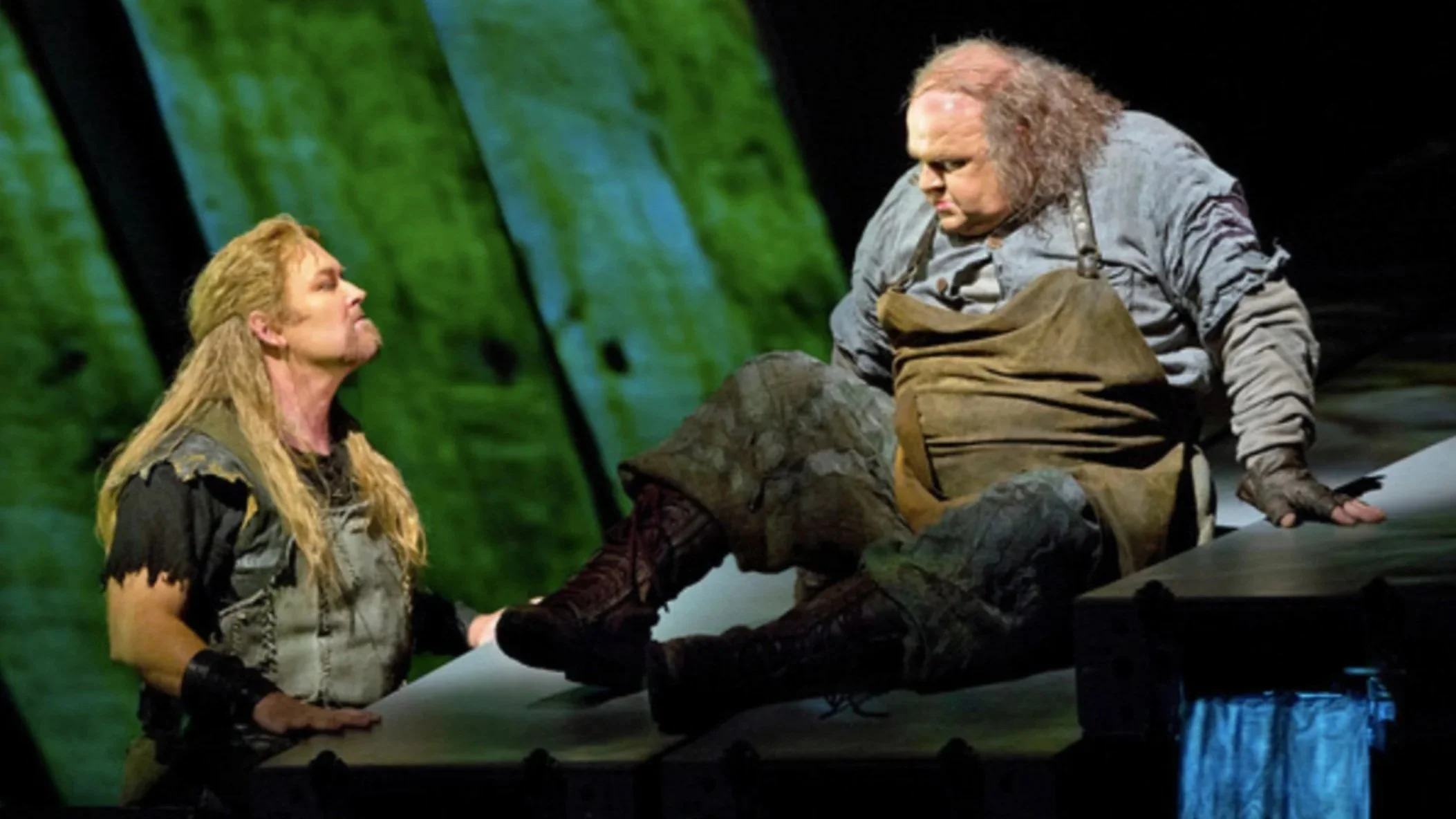
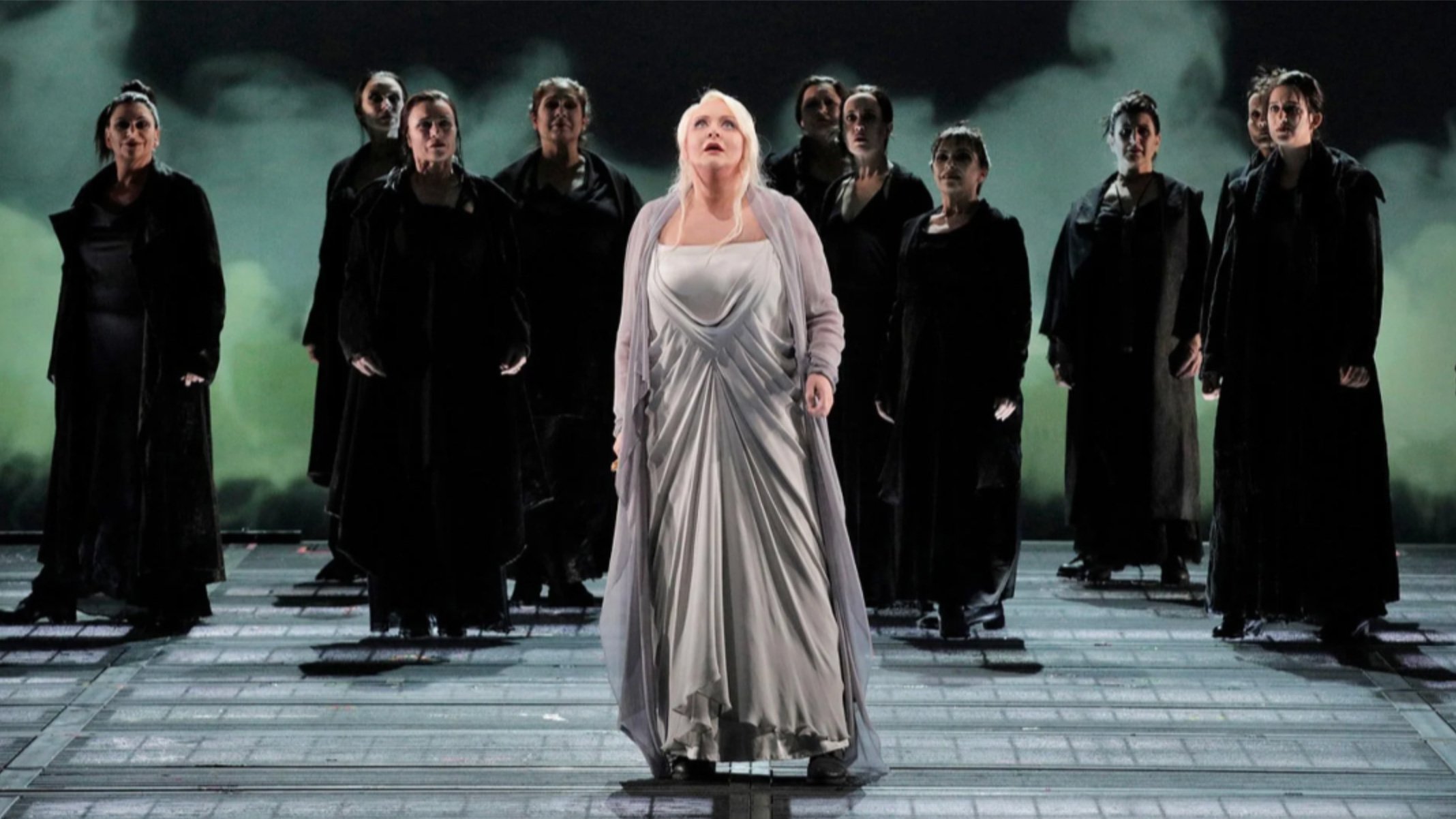
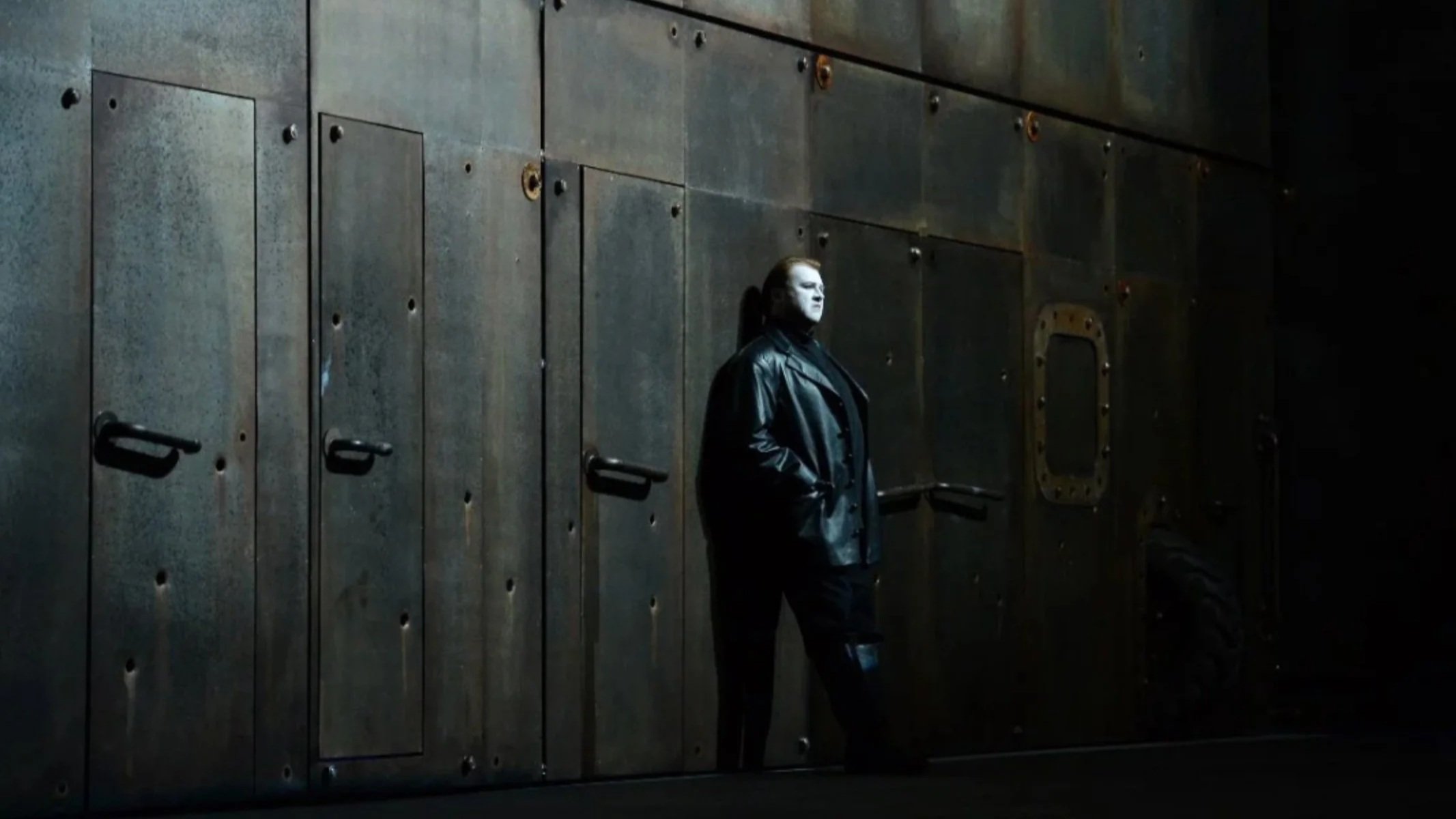
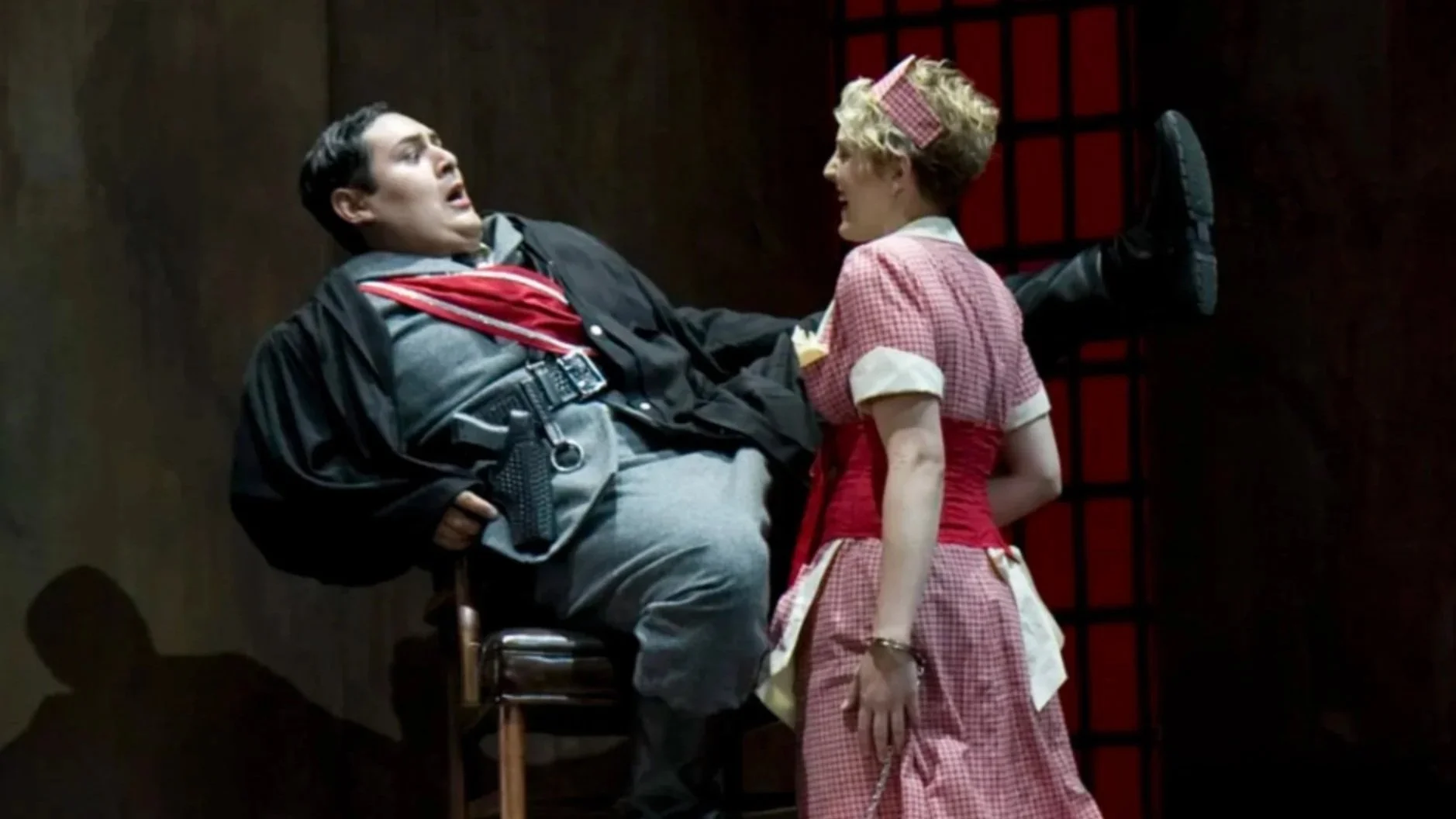
Annette Dasch as Eva and Karen Cargill as Magdalene in The Metropolitan Opera production of Die Meistersinger
Themen: Kreativität, Handwerk, Zugehörigkeit
Element: Goldenes Licht und Städtische Schönheit
Why May belongs to Die Meistersinger
May is the first month where New York feels collectively outdoors again. Parks filling, street life switching on, people lingering in public squares. That’s very Meistersinger. A whole city singing, arguing, and reconciling out in the open.
Key themes we’re walking through:
Guild & Craft: A community obsessed with rules, technique, and tradition.
Experiment vs Orthodoxy: Walther’s dangerous new song vs the masters’ code.
Public Judgment: A literal song contest, like a civic product review.
Reconciliation After Chaos: The riot, Sachs’s Wahn! Wahn! reckoning, and the Festival Meadow.
New York Analogues
Union Square: Long a civic stage for labor, protest, and public life, ringed by commercial guilds.
Liederkranz Hall Site (E 58th St): The closest thing NYC ever had to an actual Meistersinger guild. A German-American singing society with its own hall.
Naumburg Bandshell & Central Park Mall: Over a century of free orchestral concerts. Literally a public classical music stage in a tree-lined promenade.
Old Met block at 39th & Broadway: The house that carried Meistersinger through both world wars, right at the intersection of art and politics.
Union Square: The Civic Guild
Opera Focus
Die Meistersinger: Overture (concert version; 9–10 minutes).
Subway
Take the 4/5/6, N/Q/R/W, or L to 14 St–Union Sq.
Exit on the north side of the square (near 17th Street).
Where to Stand / Walk
Start at the northwest corner of Union Square (17th St & Union Square West), looking across at the tall Beaux-Arts tower on the northeast corner. The former Germania Life Insurance Company Building, now the W New York–Union Square.
Then walk a slow clockwise loop around the park, keeping the building in view whenever you can.
What to Listen to
Start the Overture as you emerge into the square. Ideally a big, extrovert recording with plenty of brass.
What to Look at / Why this Place
The Germania / Guardian Life building is a Wagner ghost-node in Ross’s tour. Founded by Hugo Wesendonck, brother of Otto (Mathilde’s husband), part of the same family network that bankrolled Wagner’s work.
The building’s mansard roof and signage were designed to project solidity and prestige, very much like the guild pageantry in Meistersinger’s Festival Meadow.
Union Square itself evolved into the cradle of American labor history, a perennial site for labor rallies, suffrage marches, and political demonstrations. Modern equivalents of Nuremberg’s public debates about rules and rights.
Walking / Listening Micro-Script
As the Overture strikes up its proud opening chorale, stand still and treat the square as the Festival Meadow; the traffic becomes the guilds parading in.
When the more lyrical Walther-like theme surfaces, walk down Union Square West, imagining Walther moving through a skeptical crowd of masters and apprentices.
As the music knits all the themes together toward the end, cross along 14th Street and come up Union Square East, letting the grid, the shoppers, and the protest posters read as your modern Nuremberg. Messy, commercial, but capable of order.
Liederkranz Hall: The New York Meistersinger Guild
Opera Focus:
Die Meistersinger: Act III chorus Wach auf, es nahet gen den Tag (Festival Meadow chorus).
Subway from Union Square
From 14 St–Union Sq, take the 4/5/6 uptown to 59 St–Lexington Av.
Walk south on Lexington to 58th St, then east to between Park & Lexington. You’re aiming for roughly 111–119 East 58th Street, the site of the original Liederkranz Hall (the club itself is now up on E 87th, but this block was the historic hall).
What to Listen to
Queue up Wach auf, es nahet gen den Tag, chorus from Act III.
What to Look at / Why this Place
The Liederkranz of the City of New York, founded in 1847, is a German-American singing society devoted to choral music and cultural exchange.
Under president William Steinway, the club raised funds to build its own four-story Liederkranz Hall at 111–119 E 58th Street in the 1880s, a full guild-like HQ for choral life.
By 1900, New York’s Sängerfeste brought thousands of German-American singers to the city. Exactly the mass amateur singing culture Meistersinger mythologizes.
There’s no historic façade left to admire. We’re listening to a ghost building.
Walking / Listening Micro-Script
Start the chorus as you turn east onto 58th from Lex.
Let the sound of the chorus stand in for the missing hall. As the music swells, imagine:
A 19th-century audience packed into a brownstone hall.
Amateur singers belting their hearts out under portraits of German poets.
Walk slowly the length of 111–119 E 58th and back again while the chorus goes through its big climaxes. Treat the current street wall, shops, glass, whatever’s there, as a palimpsest over which that chorus is still faintly written.
We’re visiting the New York guild of song while listening to Wagner’s idealized guild sing its signature chorale.
Central Park Mall & Naumburg Bandshell
Opera Focus:
Die Meistersinger: Walther’s Prize Song Morgenlich leuchtend im rosigen Schein
Optional: the Act III Prelude, or a reprise of Wach auf… at the Bandshell
Subway from 59/Lex
Walk west along 59th St to Fifth Ave & Central Park South, or take the N/R/W from Lex/59 one stop to 5 Av/59 St.
Enter Central Park at East 72nd St or 66th/67th, then walk to the Mall, aiming for the Naumburg Bandshell at the north end (Mid-Park at roughly 71st).
What to Listen to
As we walk down the Mall under the elms, play Walther’s Prize Song, Morgenlich leuchtend im rosigen Schein (Act III).
When we reach the Bandshell, switch (if you like) back to Wach auf, es nahet gen den Tag and treat the plaza as your Festival Meadow.
What to Look at / Why this Place
Since the 19th century, Central Park’s bandstand spaces hosted mass free concerts, with crowds of tens of thousands on summer afternoons.
The current Naumburg Bandshell, opened in 1923 and carved in Indiana limestone, has been home to one of the world’s oldest free outdoor classical series for over a century.
This is as close as Manhattan gets to Meistersinger’s Wiesenplan. A public green, a dedicated stage, and a long history of citizens gathering to listen together.
Walking / Listening Micro-Script
Start at the south end of the Mall. Hit play on Walther’s Prize Song just as you step into the tree tunnel.
As he sings about morning light and rosy glow, look at:
The dappled light through the elms.
The buskers, dog walkers, and kids, your 21st-century Nurembergers.
Pace your walk so the big final statement of the Prize Song lands just as you see the Bandshell open up ahead.
Once you’re standing in front of the shell:
Switch to Wach auf or loop the Prize Song,
Imagine the space filled with guild banners and processions rather than joggers and folding chairs.
If it’s quiet, stand dead center beneath the dome and sing one quiet line of Walther’s tune just to feel the acoustic kick back at you. The shell is designed to project sound out to a crowd.
This is the heart of the May circuit. Meistersinger as a story about a city discovering that new art can belong to everyone when it’s sung in the open air.
Old Met at 39th & Broadway: Politics, Performance, and Wahn! Wahn!
Opera Focus
Die Meistersinger: Hans Sachs’s Wahn! Wahn! Überall Wahn! monologue (Act III).
Subway from Central Park
Exit the park near Seventh Avenue at 59th (Columbus Circle area) or at 57th Street, then:
Take the N/Q/R/W or 1/2/3 down to Times Sq–42 St,
Walk south on Broadway to 39th Street.
You’re looking for the block of Broadway between W 39th and W 40th that once held the Old Metropolitan Opera House, opened 1883 and demolished 1967.
What to Listen to
Play Sachs’s Wahn! Wahn! Überall Wahn! from Act III. Ideally a recording with English subtitles somewhere so you know where you are in his rant.
What to Look at / Why this Place
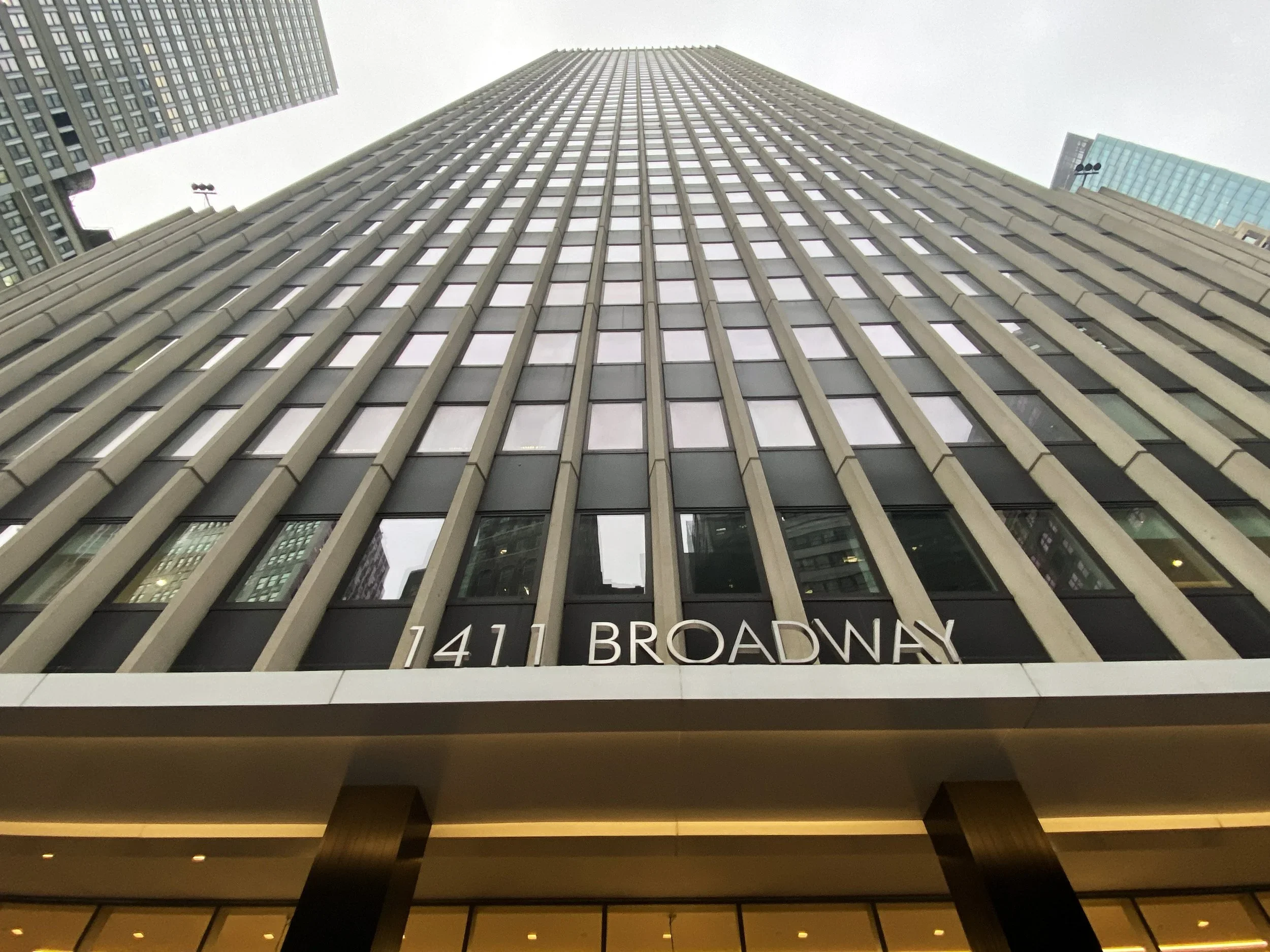
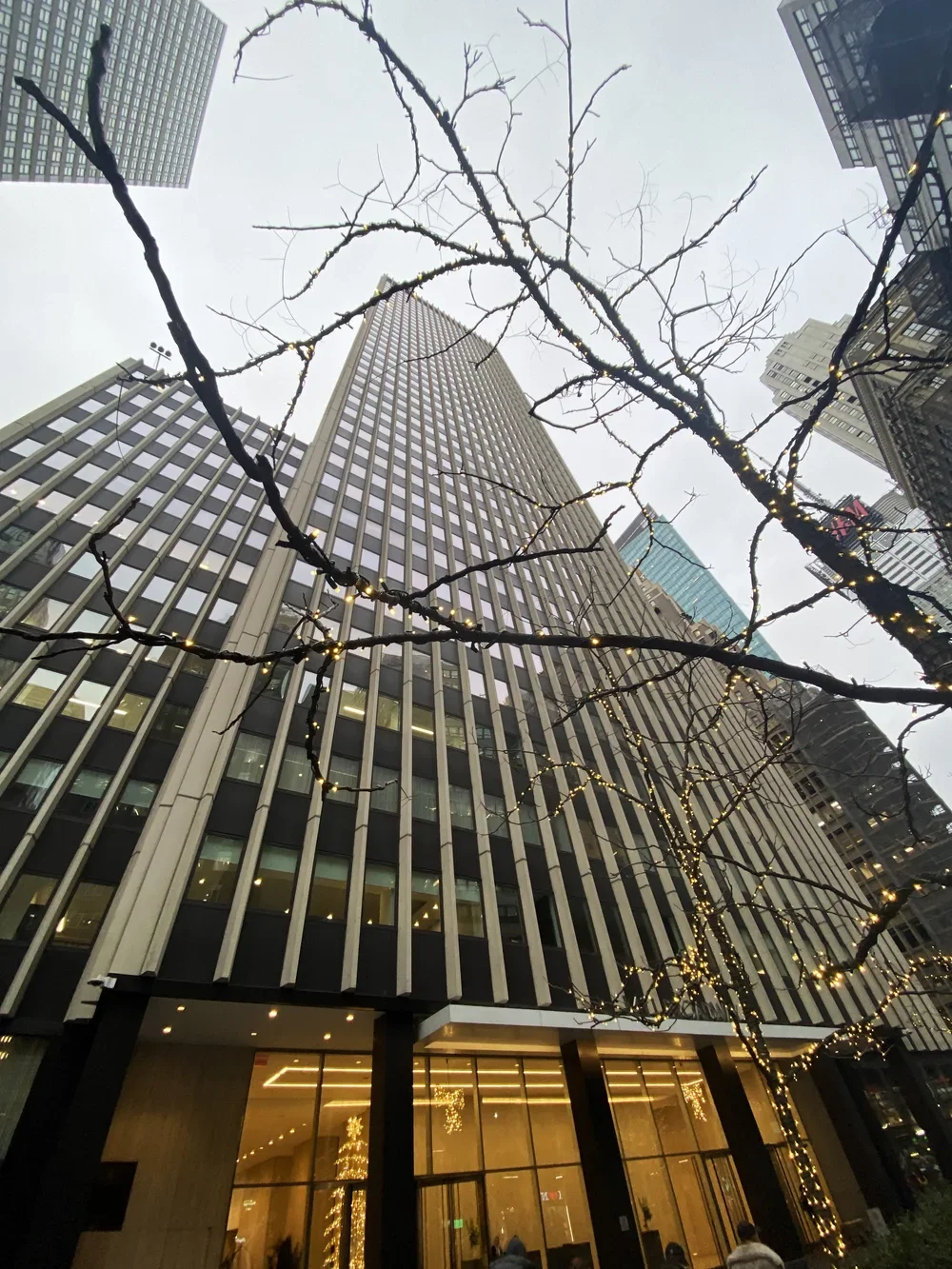
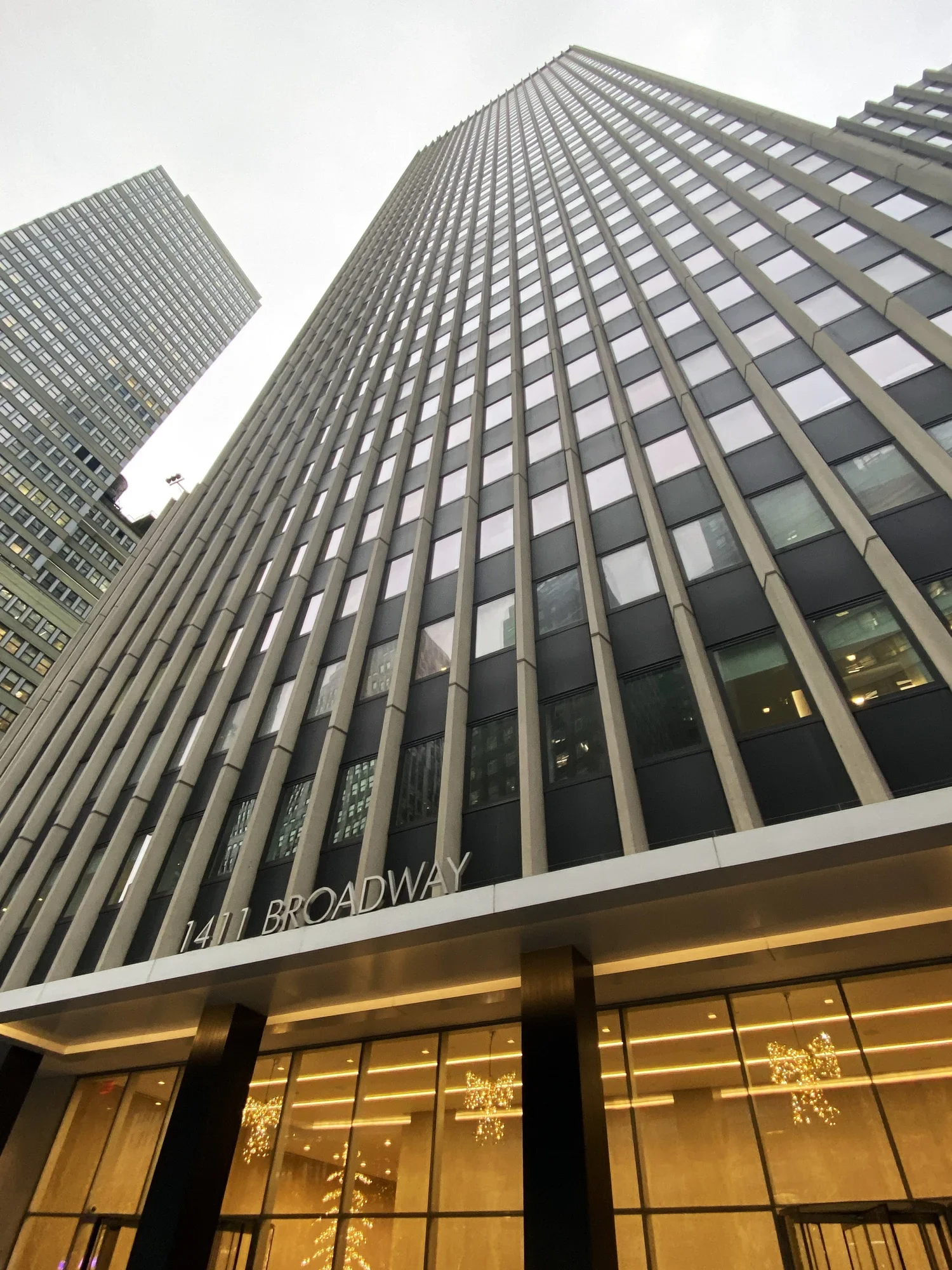
The Old Met stood right here at 1411 Broadway, filling the whole block between 39th and 40th. It was Wagner central for New York from 1883 to 1966.
Meistersinger has a thick New York performance history. It was a mainstay of the Met’s Wagner repertory, including a famous 1940 performance and a politically fraught hiatus during WWII before returning in 1945.
The opera’s complicated nationalism and later Nazi appropriations made it a lightning rod. New York productions had to navigate that history in the very decades this building was under pressure and ultimately demolished.
Walking / Listening Micro-Script
Stand mid-block on the east side of Broadway, looking at the modern office tower.
Start Wahn! Wahn! just as you look up the glass and steel façade and remind yourself. This was once gold damask, red velvet, and a horseshoe of boxes.
As Sachs catalogues the madness of human behavior, think about:
New York audiences cheering this music between the wars,
The 20th-century political baggage it picked up,
The eventual demolition of the Old Met in 1967 despite preservation efforts.
Walk slowly the length of the block and back as the monologue unfolds, treating the flow of commuters as Sachs’s chaotic townsfolk.
This closes the May loop. From civic square (Union) to guild hall (Liederkranz) to festival meadow (Naumburg) to the institution that kept Meistersinger alive in New York for decades.
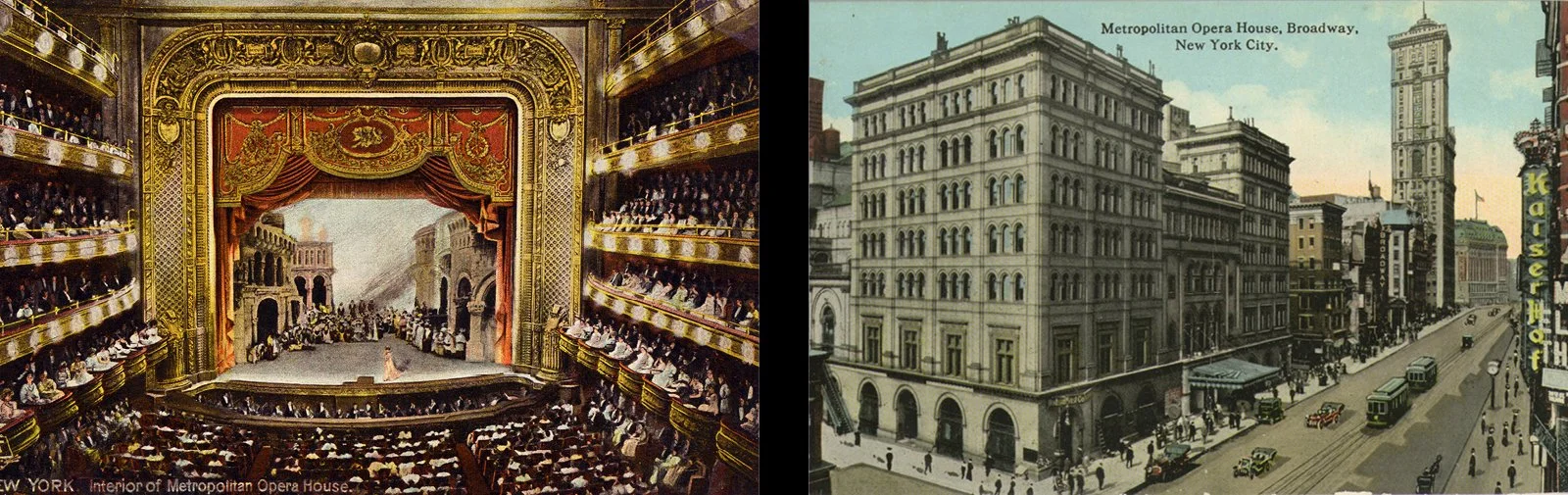
Left: Colorized photograph of the auditorium of the old Metropolitan Opera House on Broadway between 39th and 40th Streets.
Month themes: May and Meistersinger
As you do the circuit, keep these pairings in mind:
Season of Festivals: May in New York is the unofficial start of summer festival season. Outdoor concerts at Naumburg, protests and parades in Union Square. That’s the mood of Meistersinger’s St. John’s Day celebrations and Festival Meadow.
Craft and Community: Union Square’s old labor rallies and the Liederkranz singing society echo the opera’s obsession with guild rules, artisanal pride, and collective identity.
Madness and Reconciliation: Wahn! Wahn! at the Old Met block gives you the opera’s self-awareness about its own chaos. You’ve literally walked past protest sites, labor history, and a demolished opera house to get there.
Listening List for May
Here are concrete recordings you can drop into a playlist.
Die Meistersinger von Nürnberg: Overture (Concert Version), The Philadelphia Orchestra
Richard Wagner: Prelude to 'Die Meistersinger von Nürnberg' (with orchestral score)
Jonas Kaufmann 'Morgenlich leuchtend' / Walther's Prize Song
Die Meistersinger von Nürnberg, WWV 96 / Act 3: 'Morgenlich leuchtend'
Die Meistersinger von Nürnberg: 'Wach auf, es nahet gen den Tag' (Act III Chorus), Met Opera
Die Meistersinger von Nürnberg, WWV 96: Wach auf, es nahet gen den Tag
Hans Sachs' monologue ('Wahn! Wahn!'), Die Meistersinger von Nürnberg, Gerald Finley
Meistersinger: 'Wahn, Wahn, überall Wahn', Bernd Weikl als Hans Sachs (1984)
Toward June: Das Rheingold
Die Meistersinger ends in daylight. Craft is affirmed. Rules are argued over, bent, revised, and ultimately inhabited. Art is shown as something made among others. Imperfect, communal, grounded in tradition yet capable of renewal. After months of exile, temptation, night, and annihilating desire, May restores the possibility that society itself might hold.
June begins by questioning the cost of that holding.
Das Rheingold is not about art or ethics, but about origin. The moment before culture, when power is first seized, contracts are written, and value is abstracted from life itself. Where Meistersinger asked how form sustains community, Rheingold asks what community is built on: renunciation, theft, hierarchy, and the belief that ownership can replace relation.
The shift is deliberate and unsettling. Having just experienced the fragile beauty of social order, June pulls the floor out from under it. Gods appear not as ideals, but as managers. Agreements feel transactional rather than moral. The music flows continuously, without arias or rest. A system coming online.
The question changes again. Not How do we belong? but What did we give up in order to build the world we live in? June begins at the source. Before heroes, before crowds, before collapse. Where the bargain is struck and the river starts to move.