Dezember: Das Liebesverbot

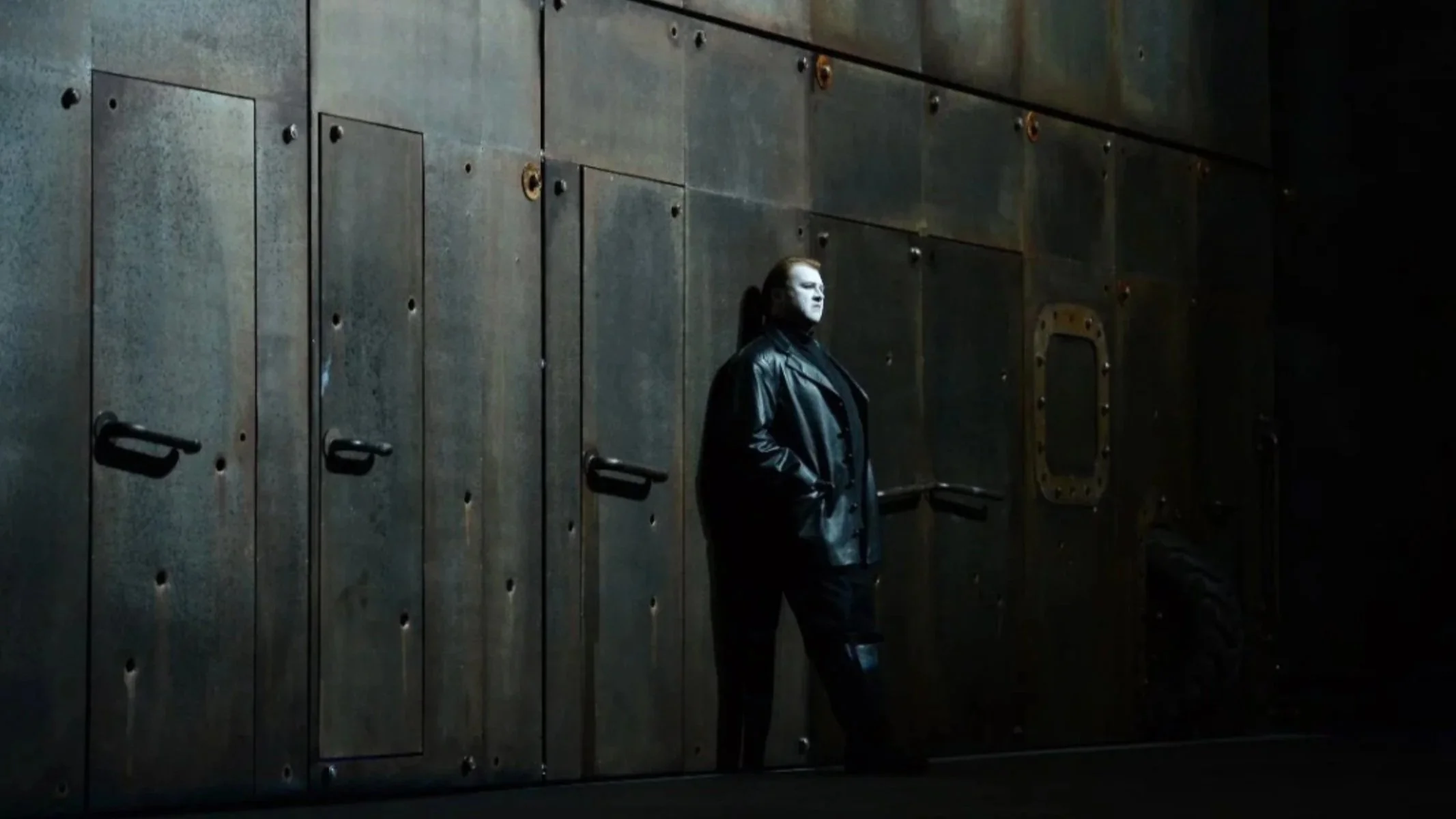
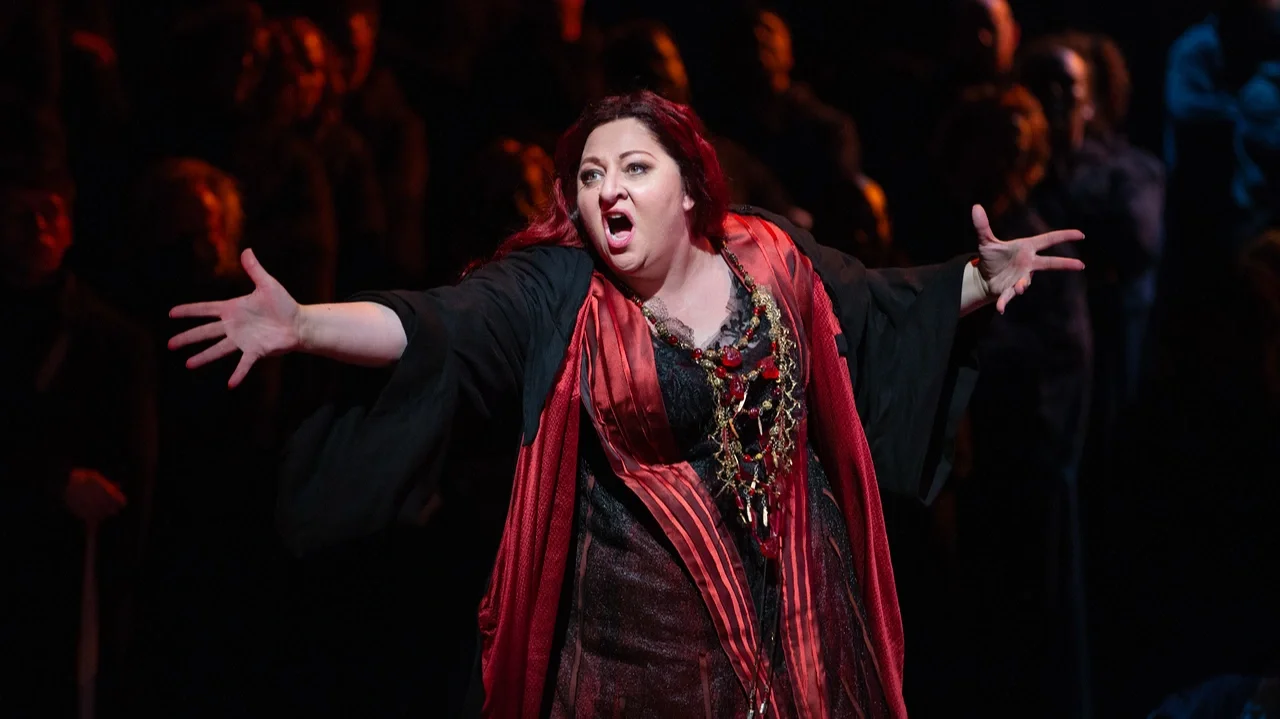
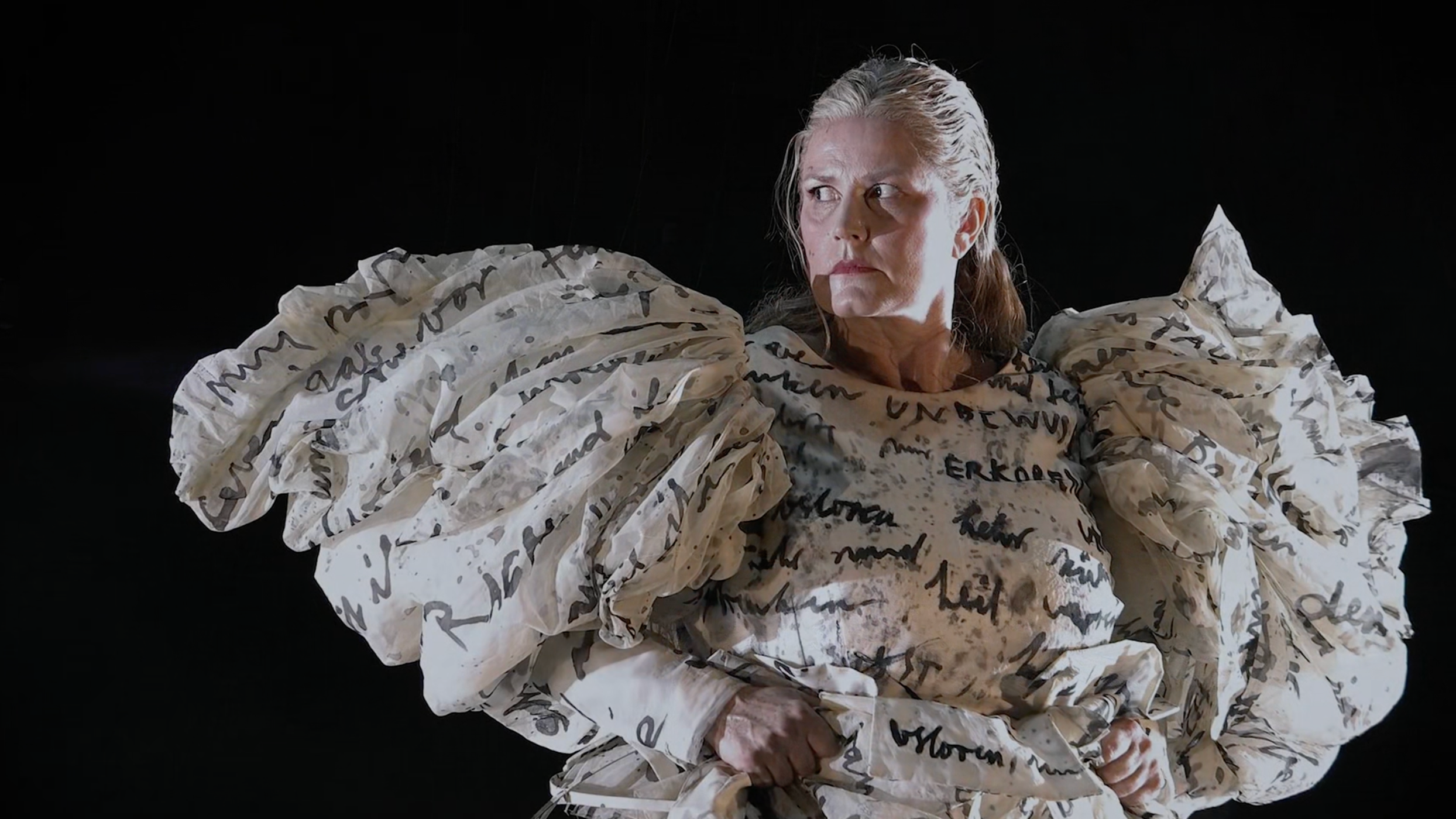
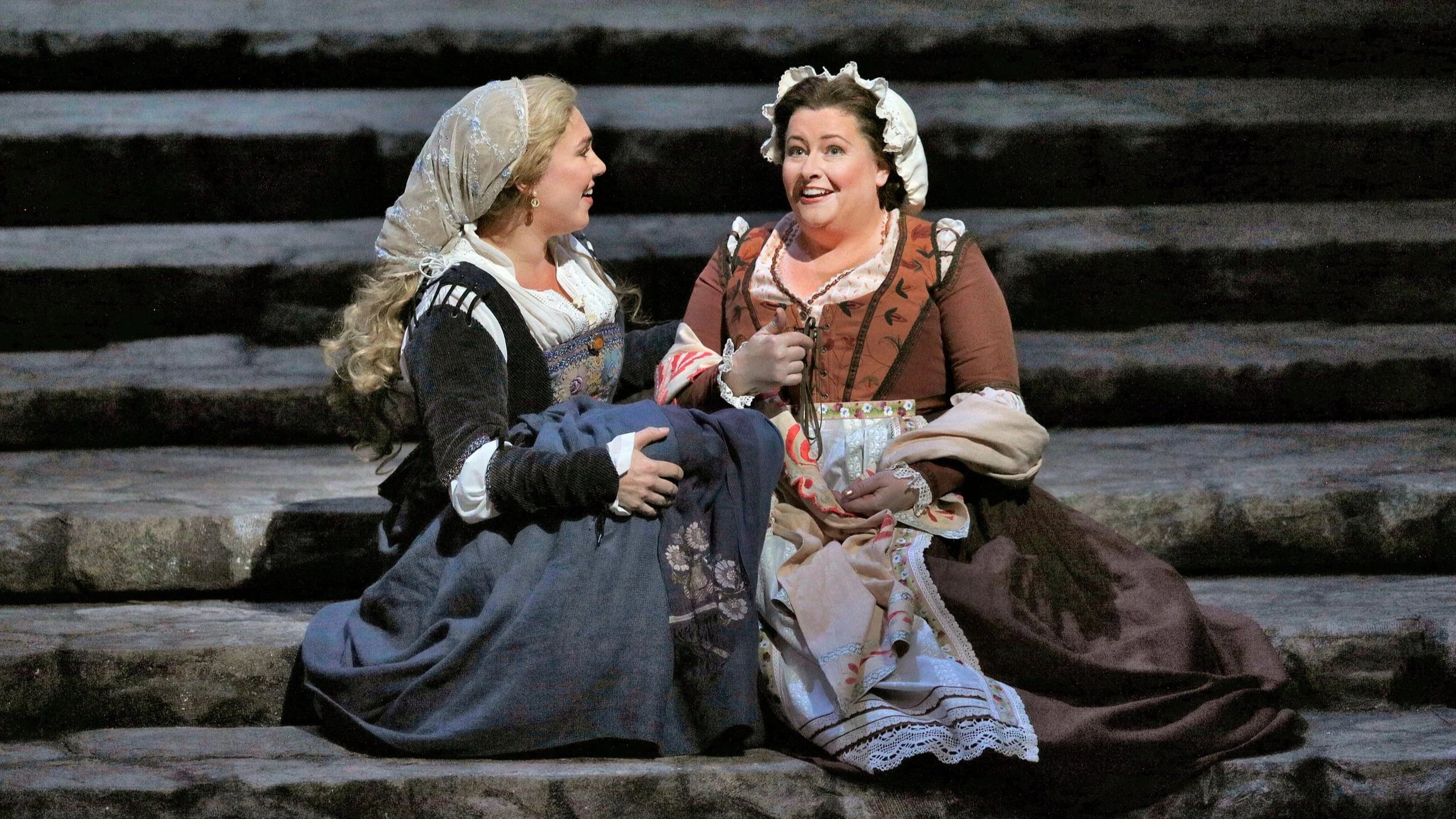
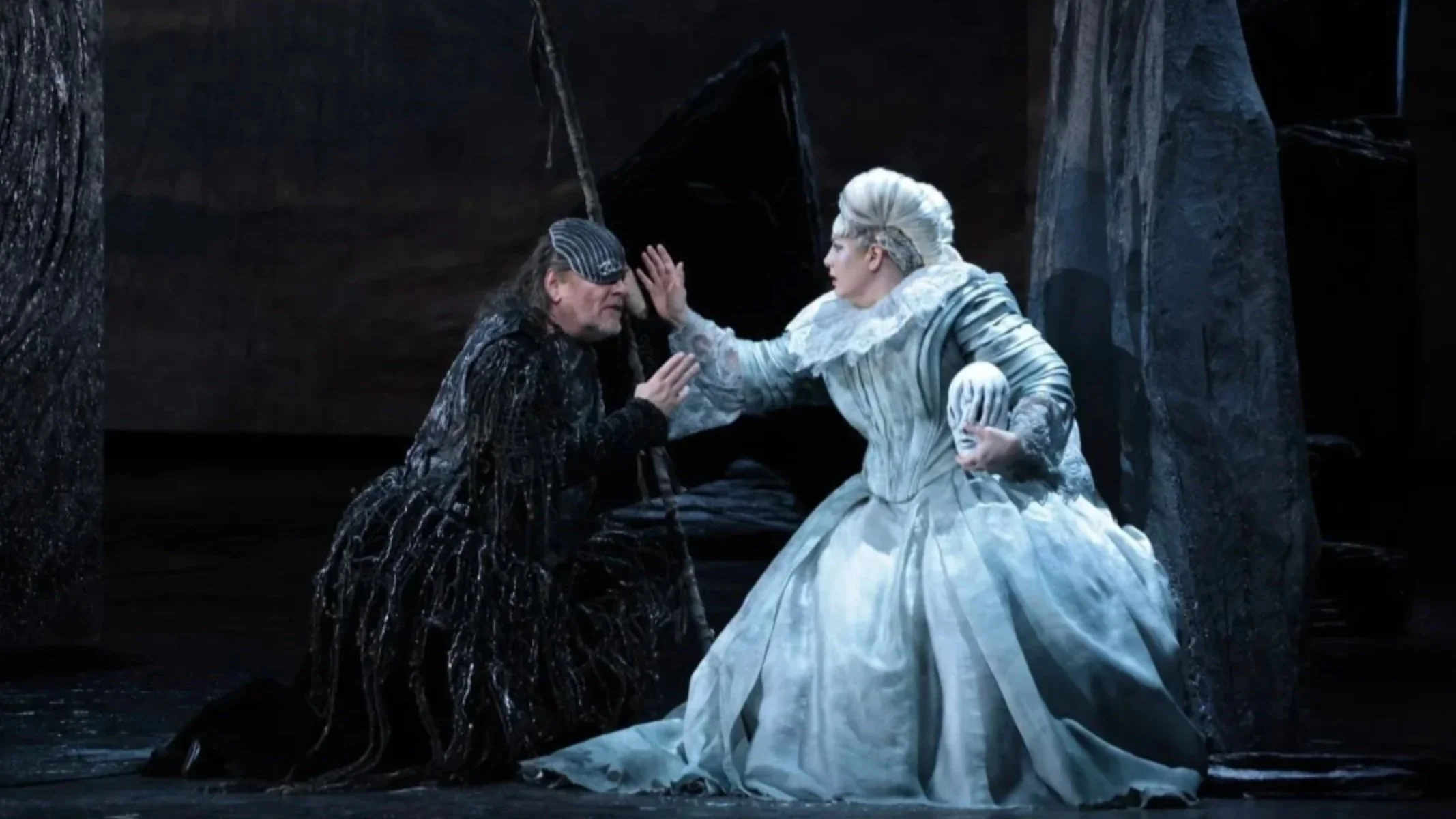
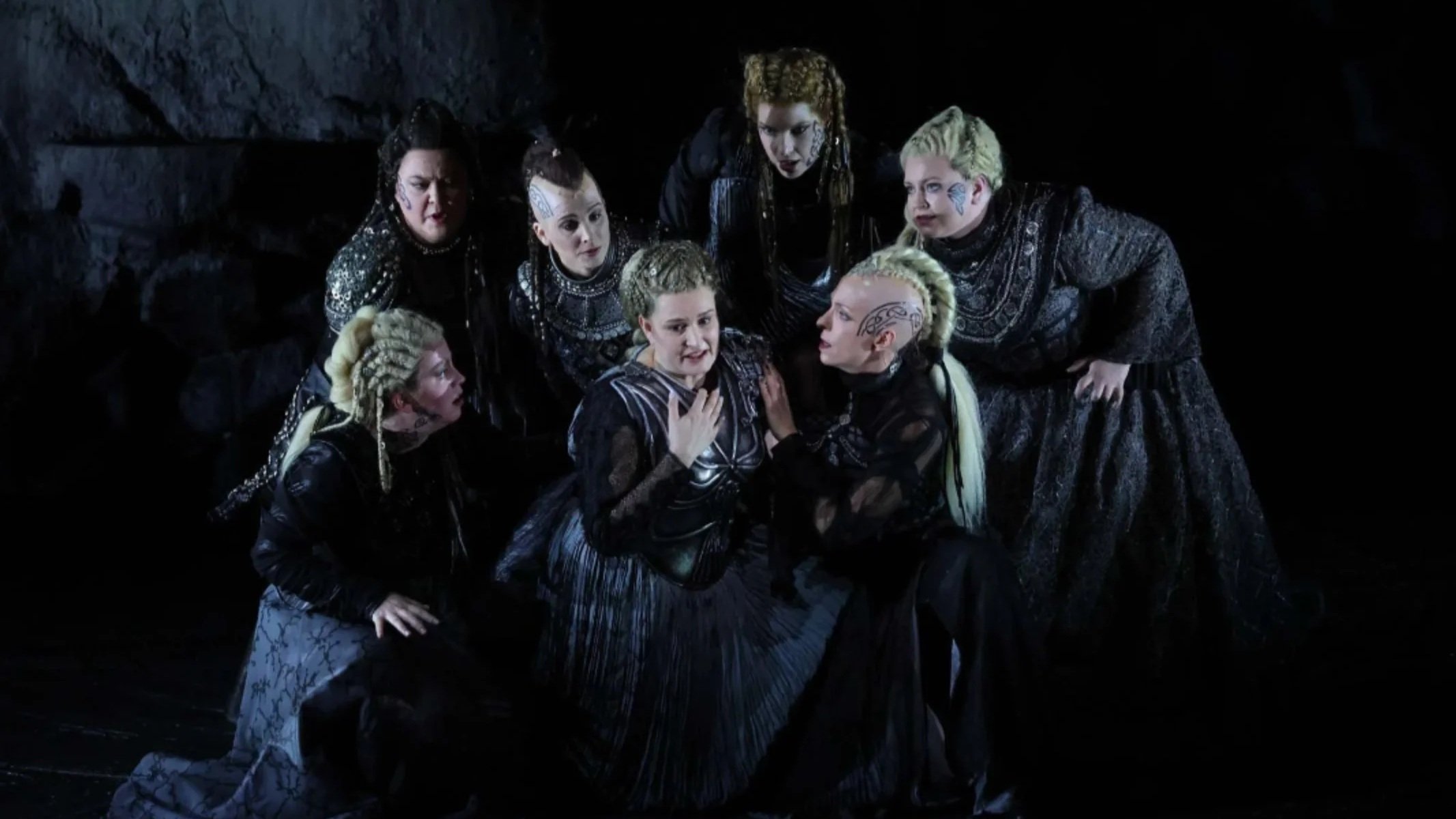
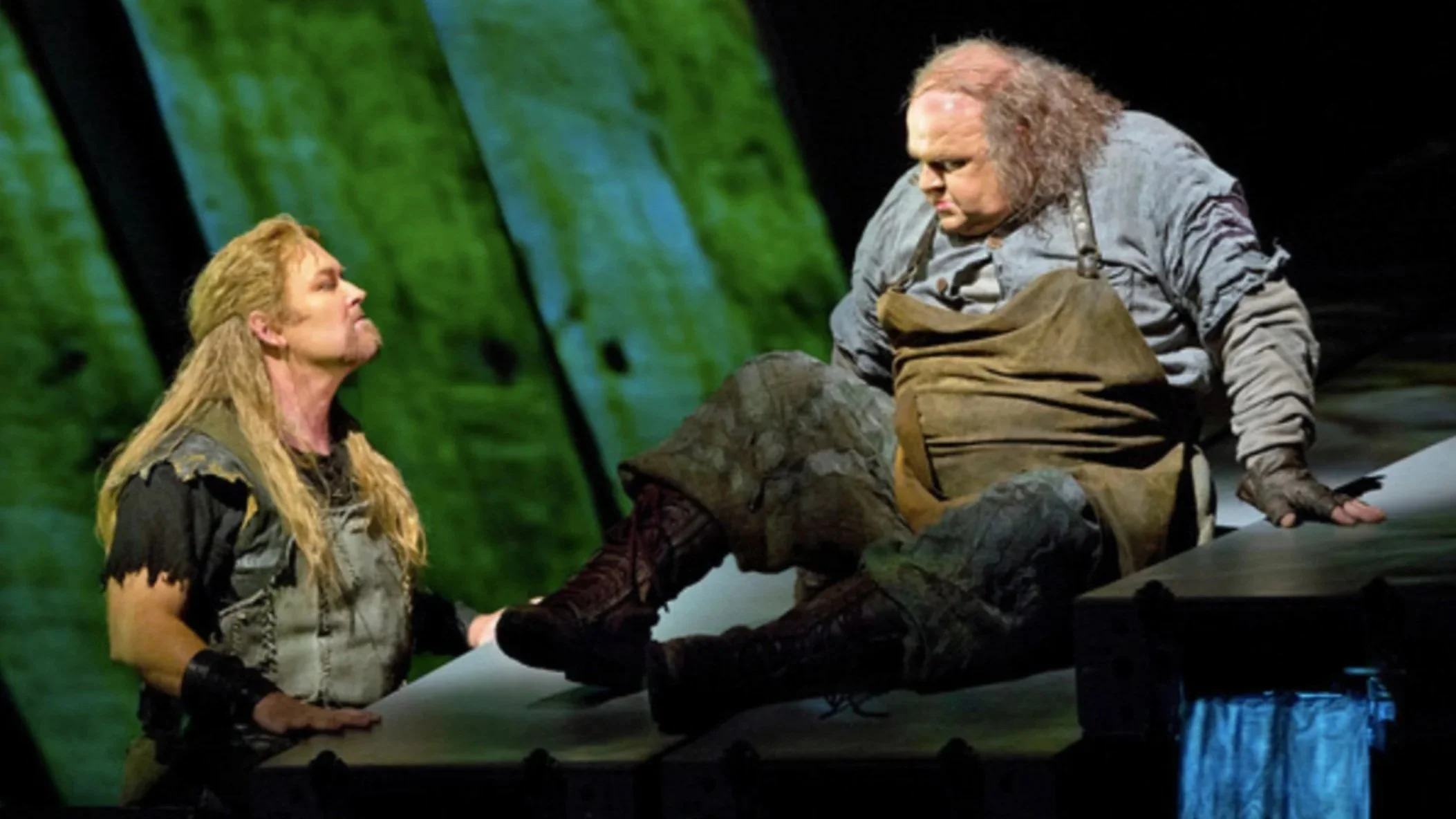
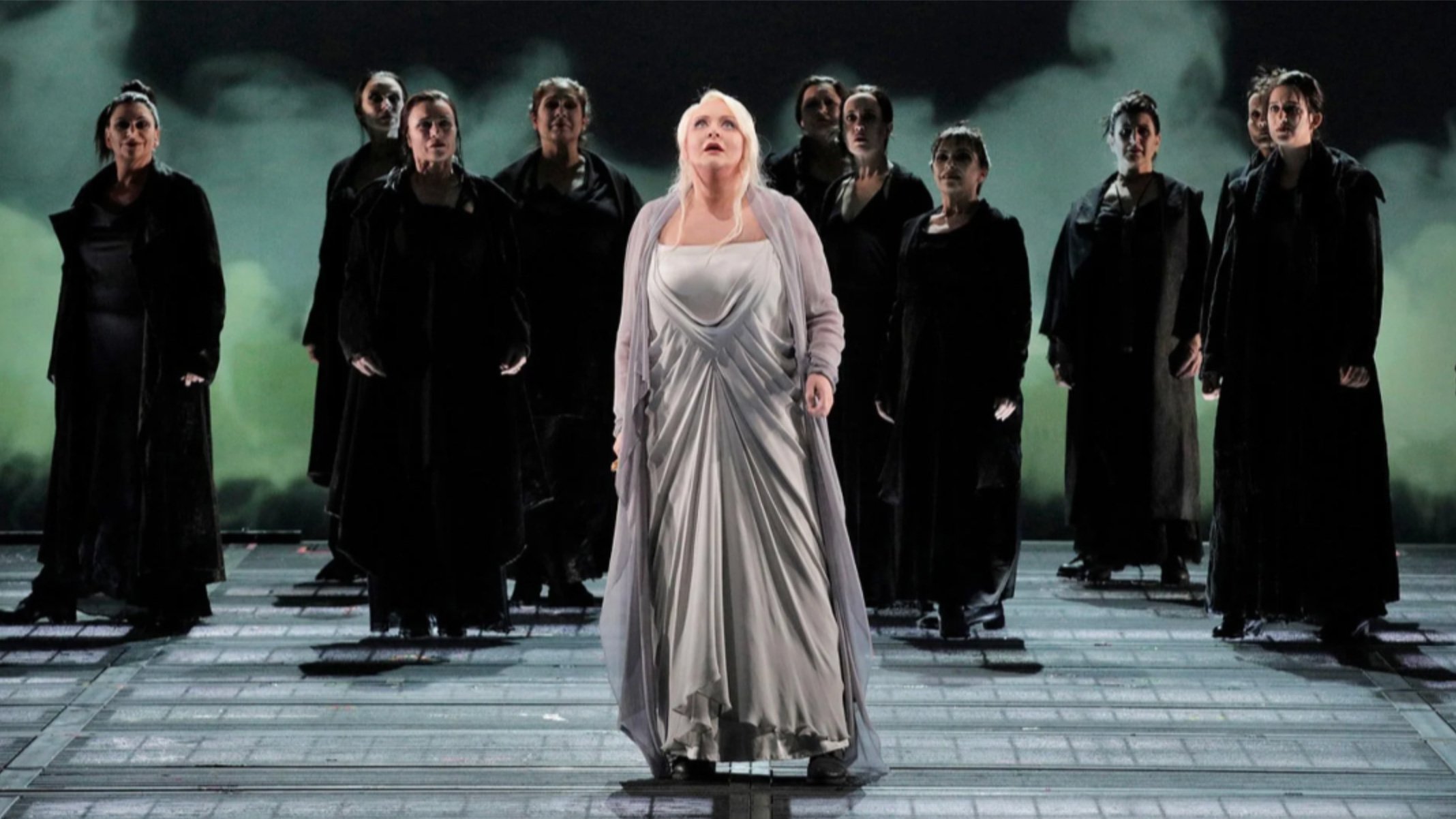
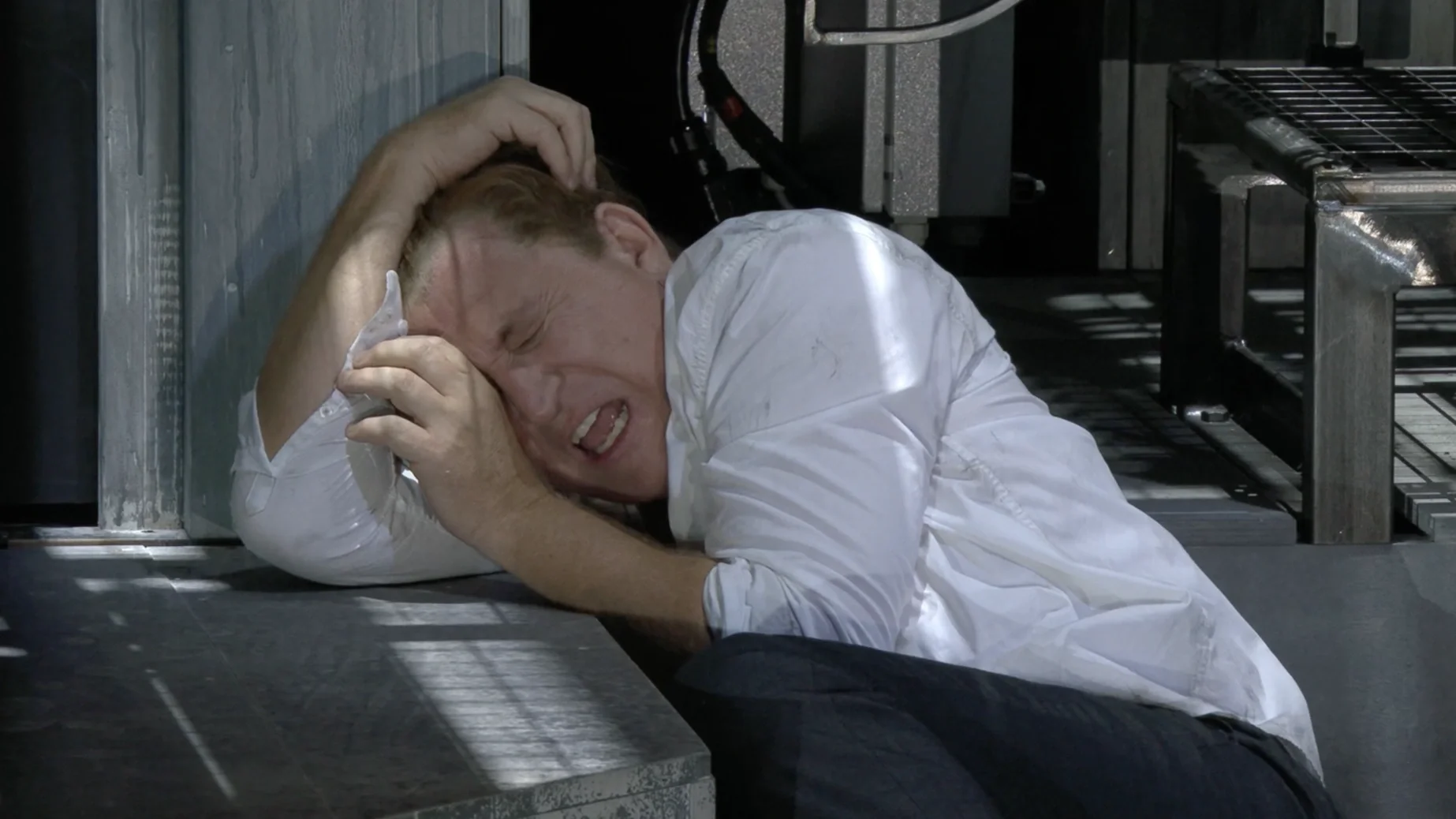
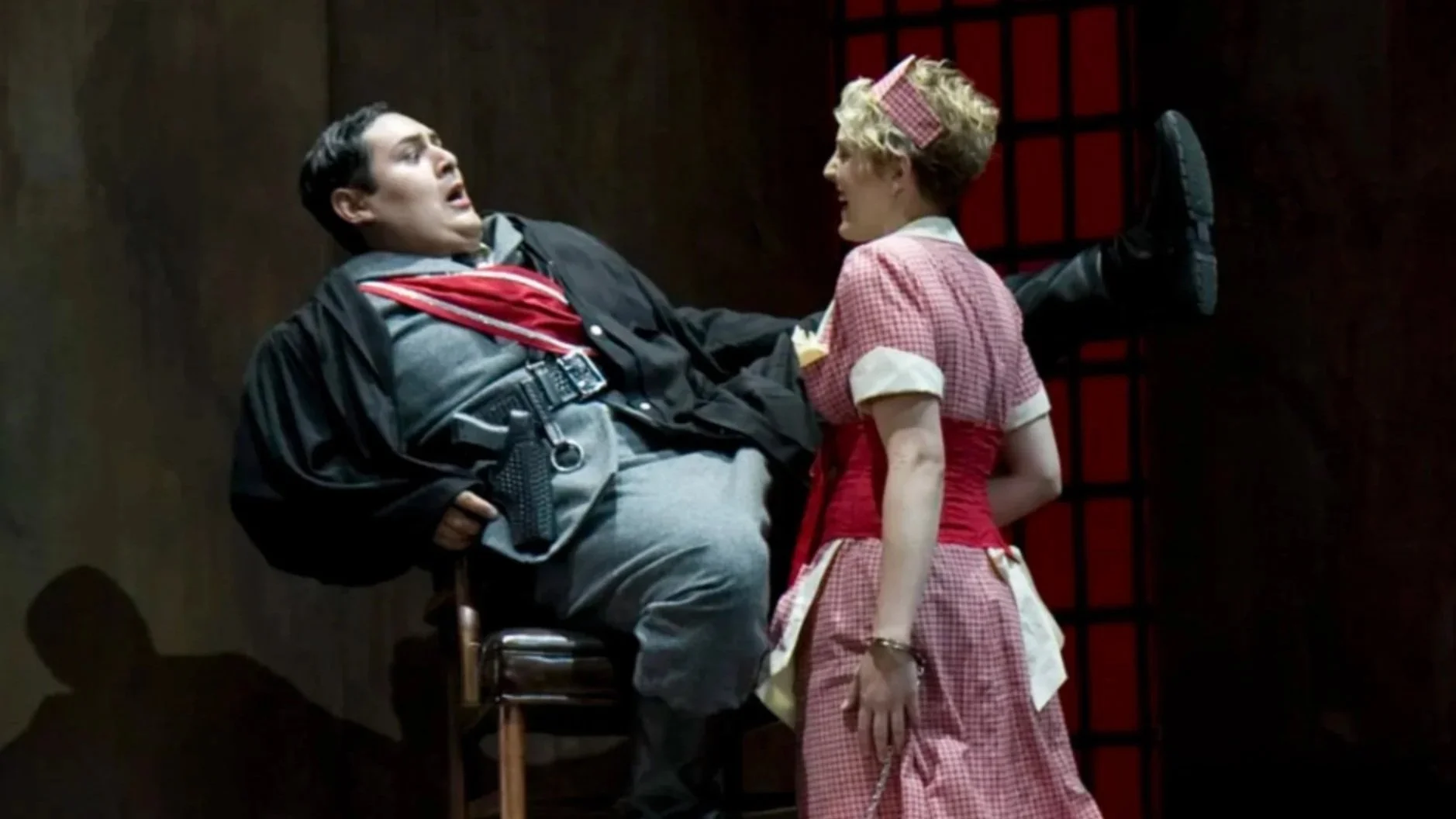
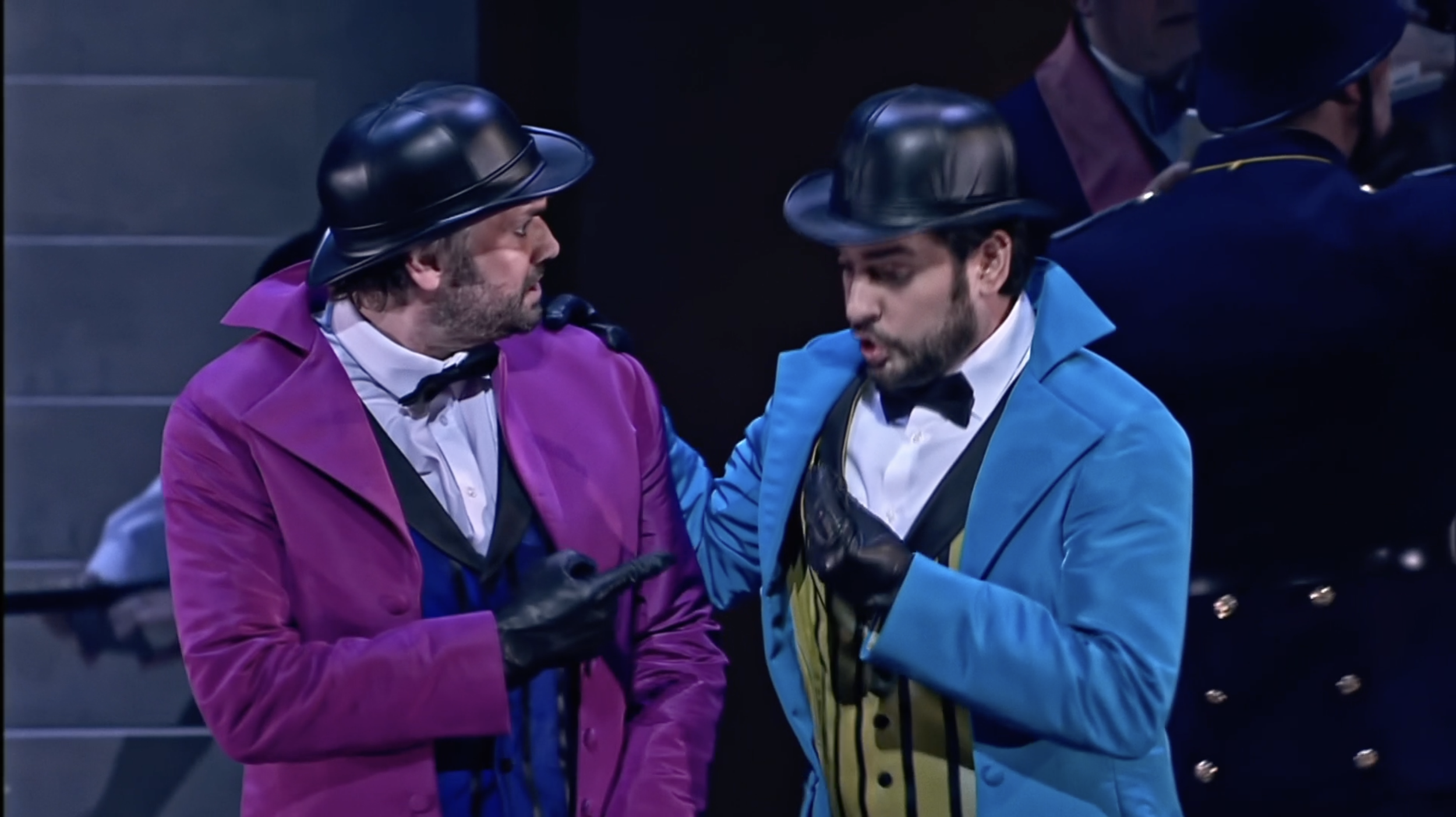
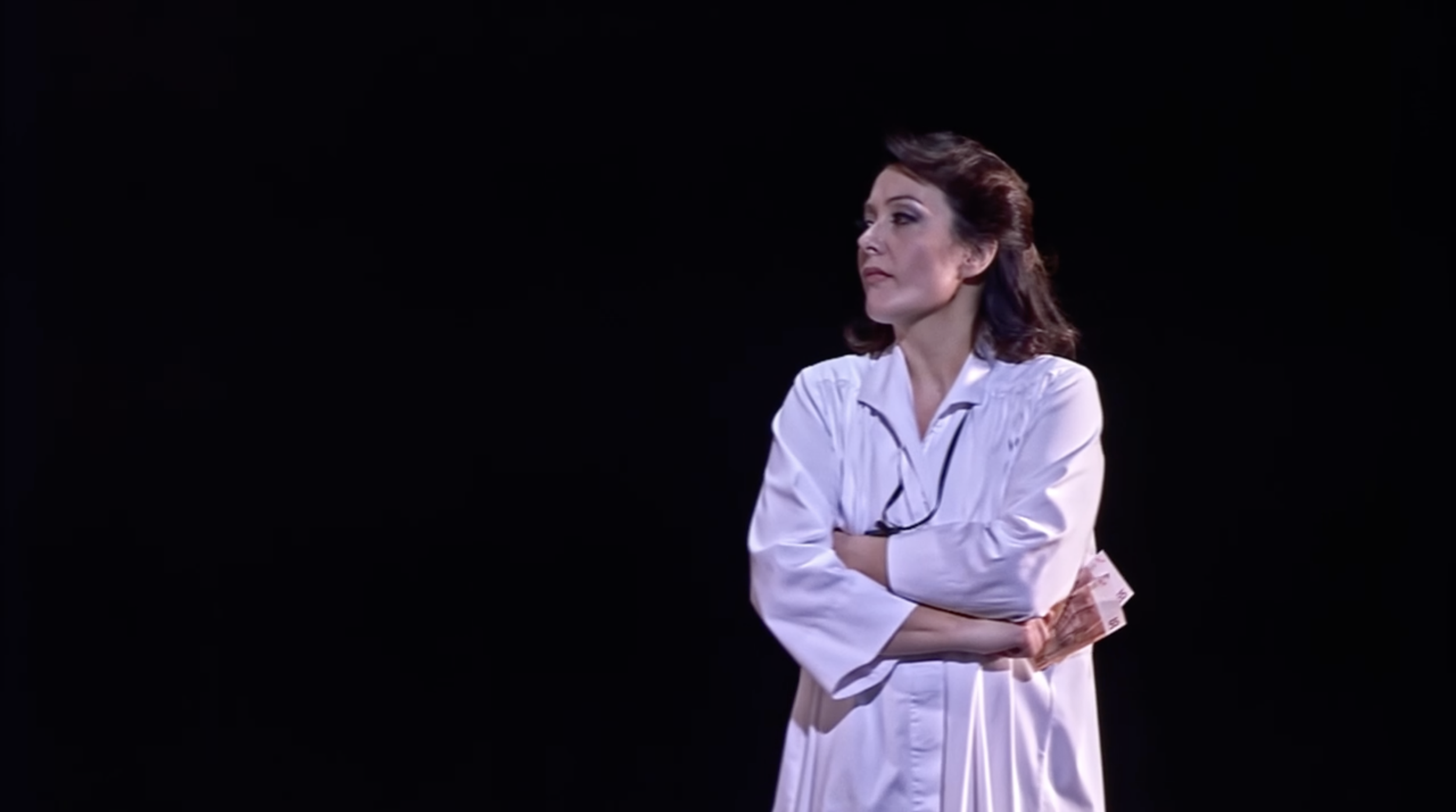
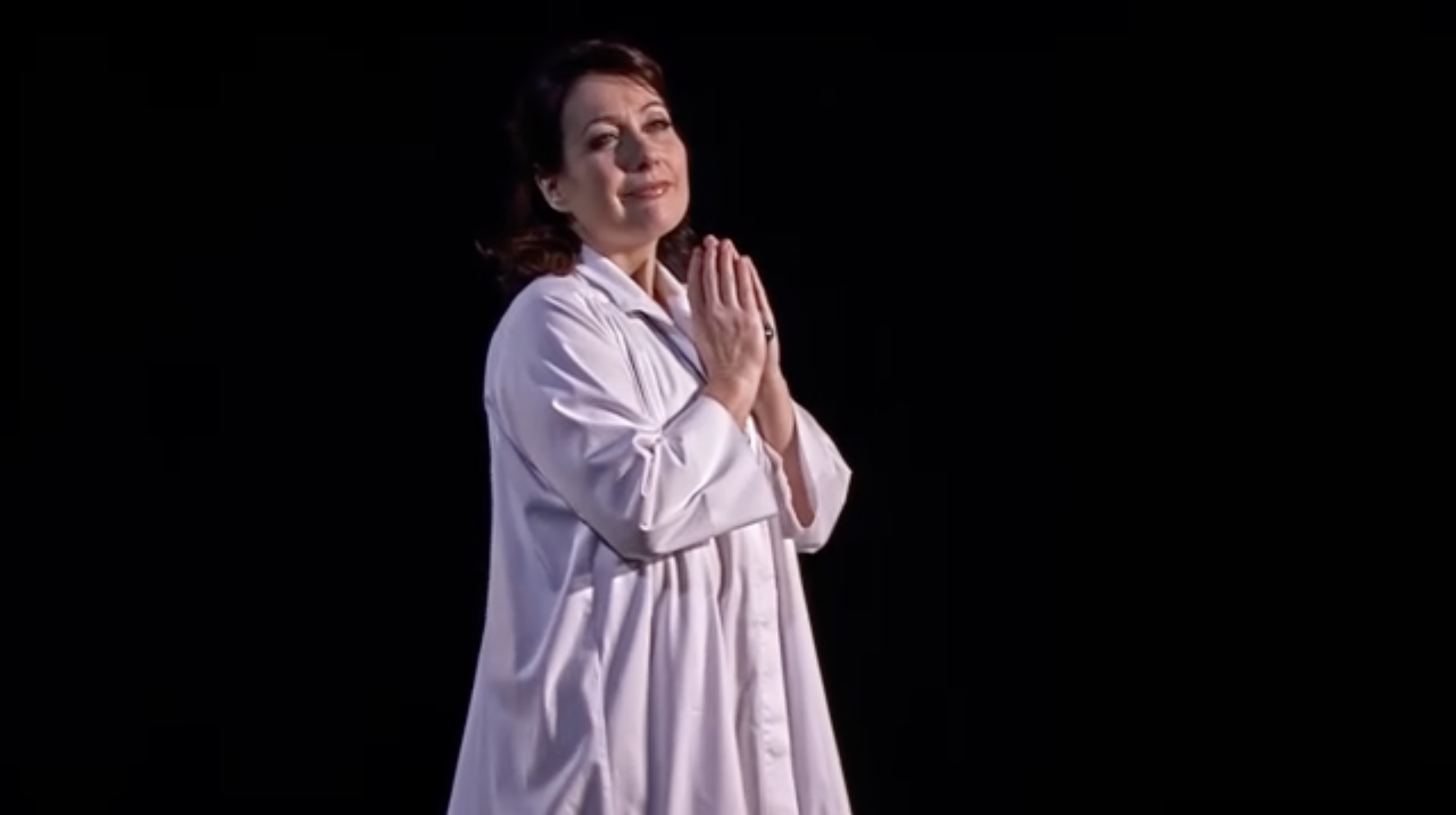
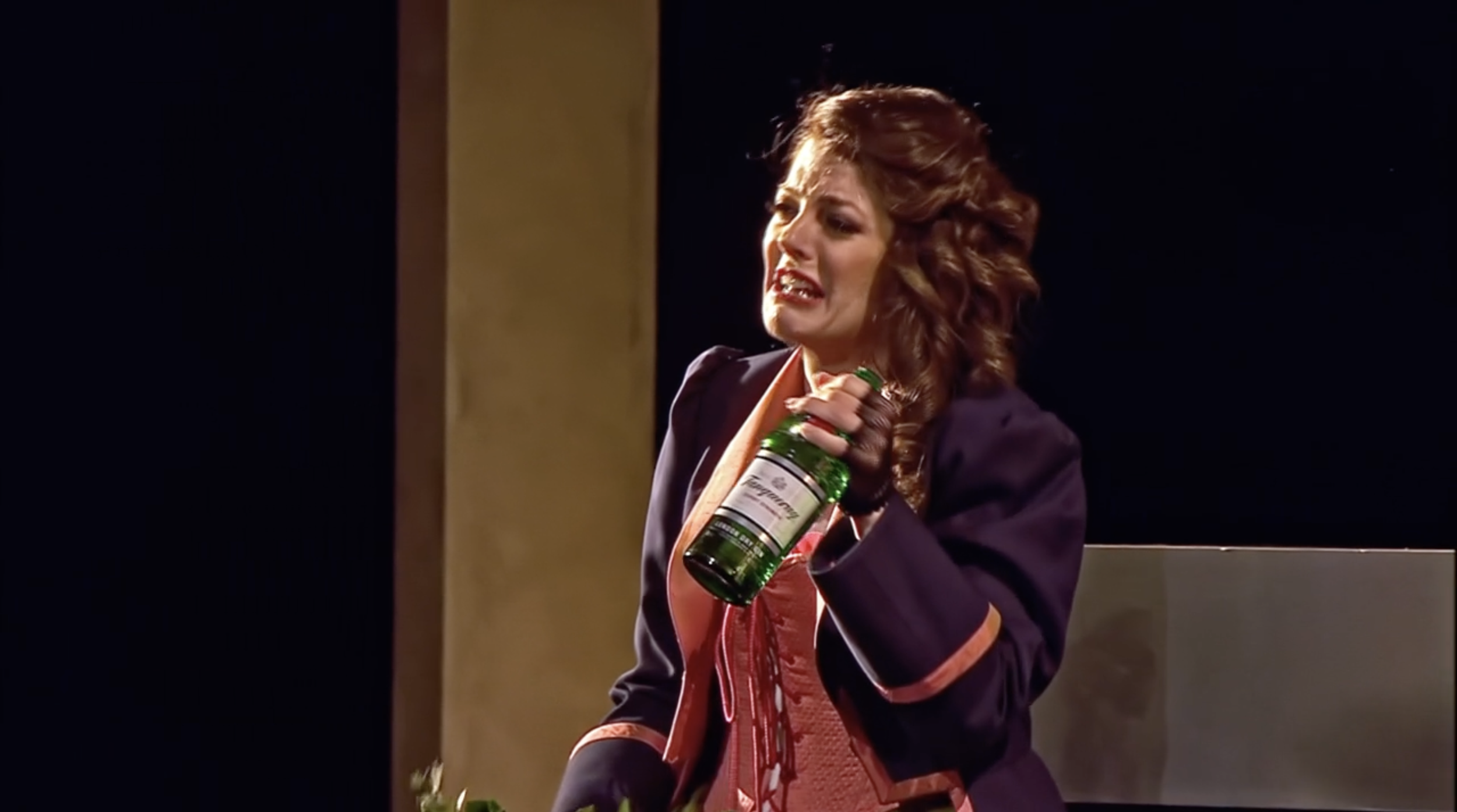
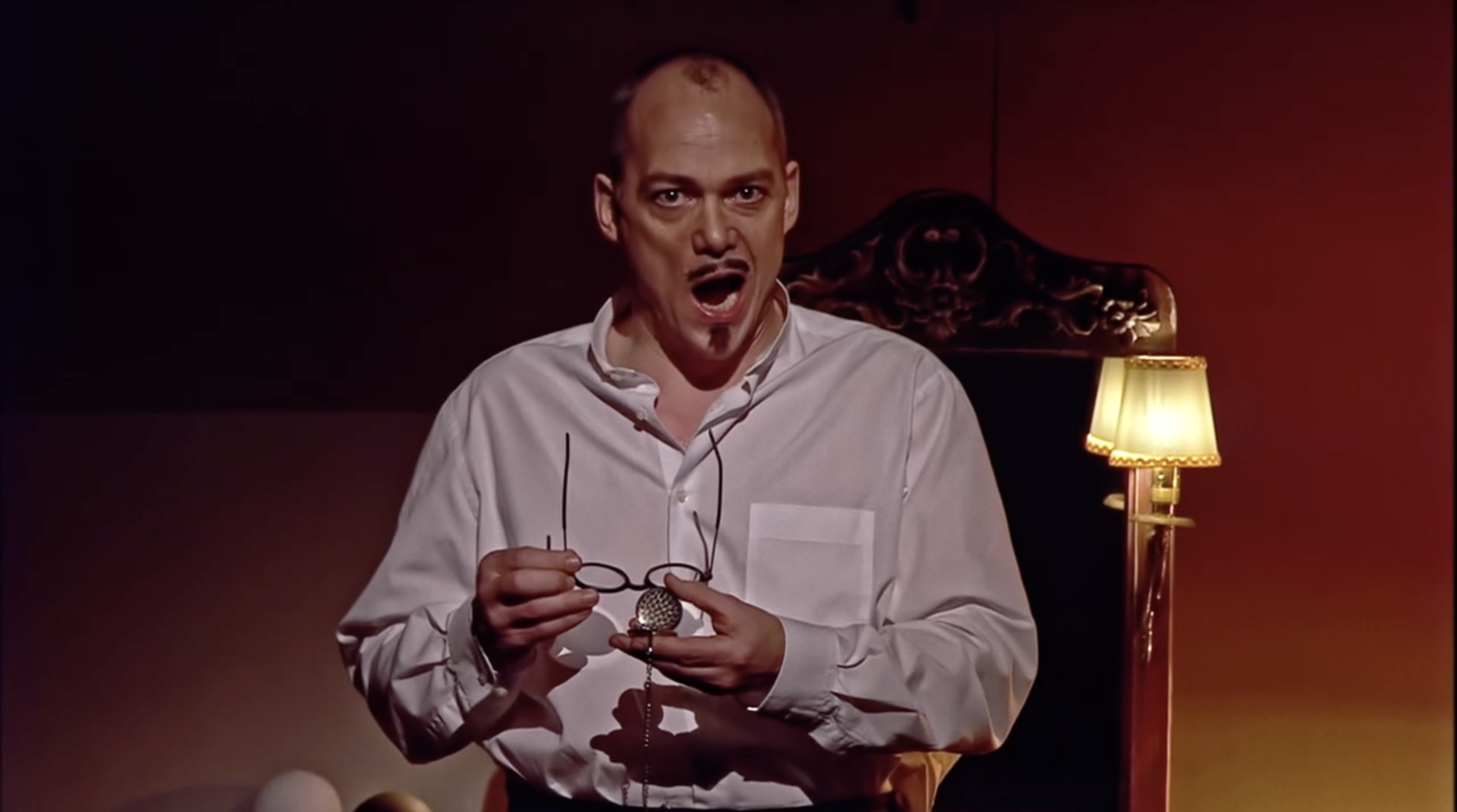
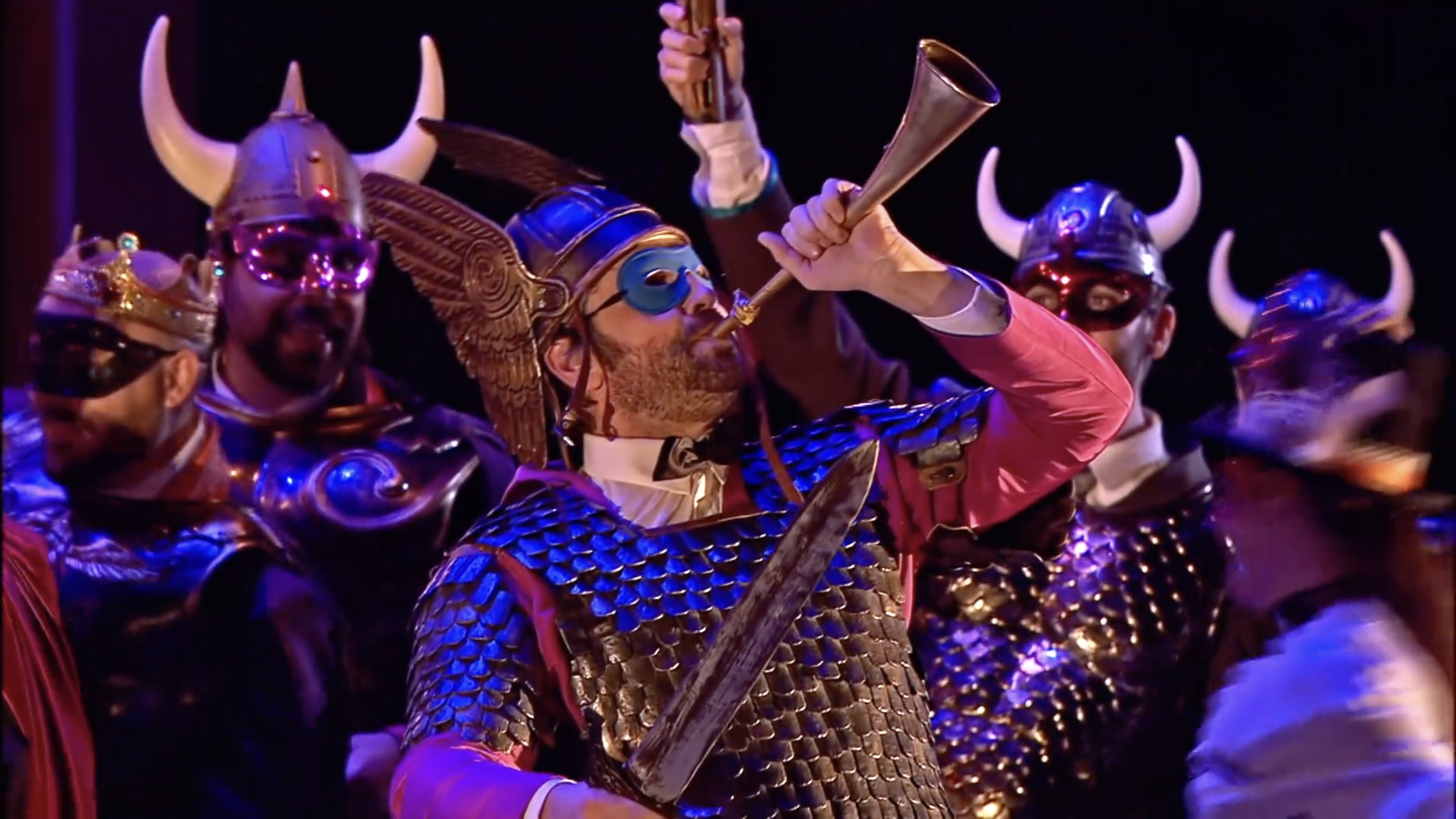
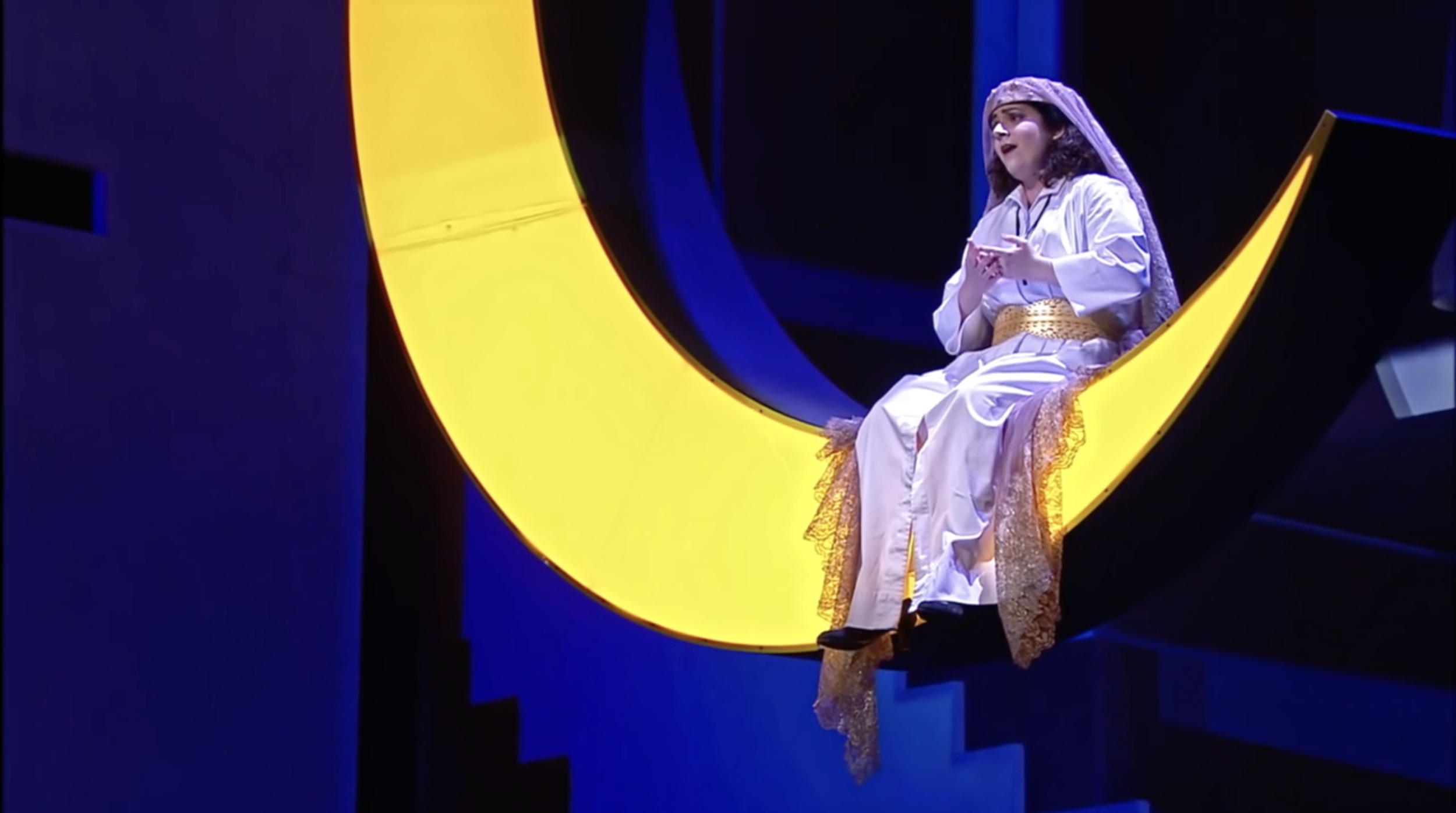
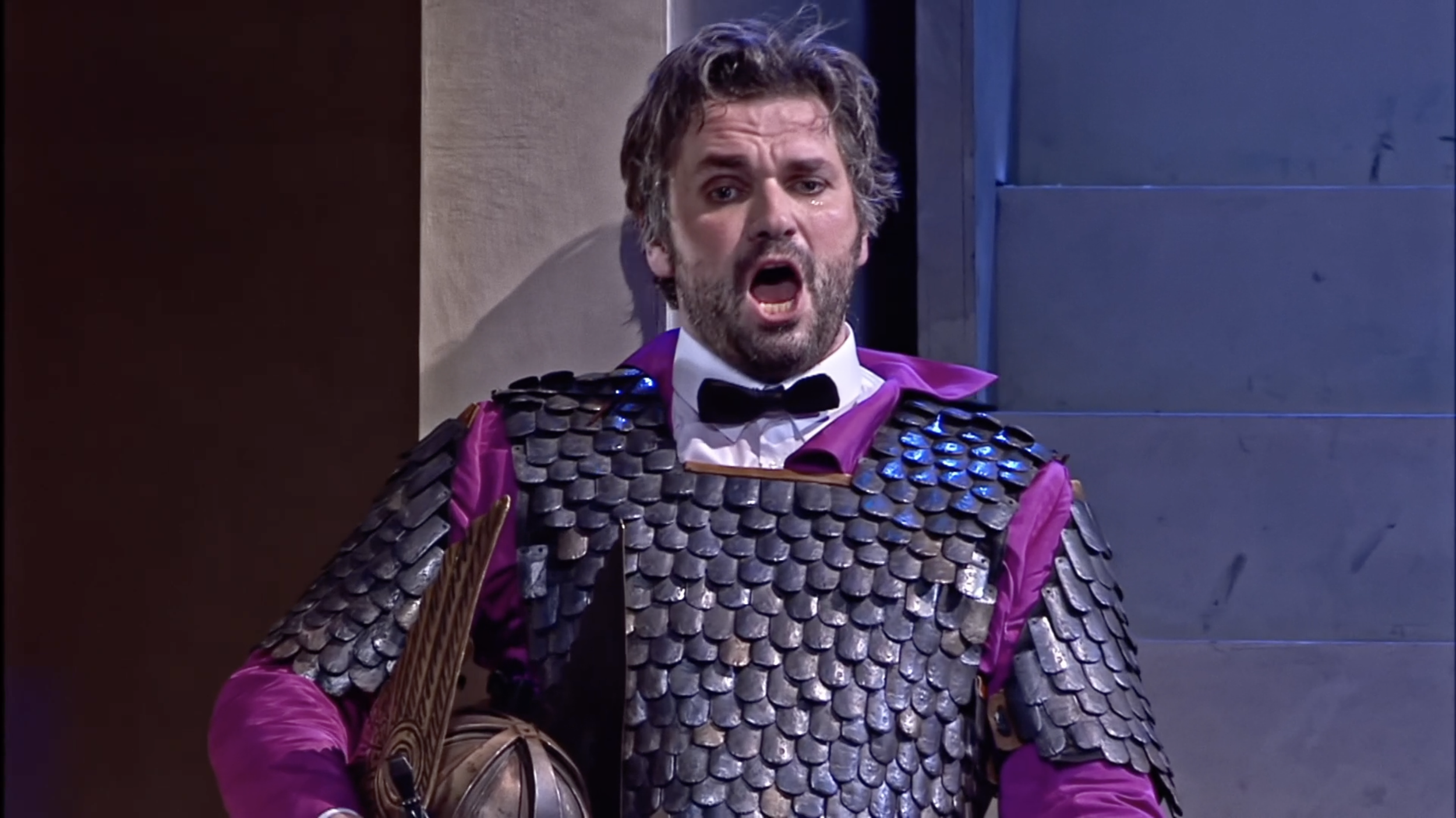
A moment from a production of Richard Wagner's second opera, Das Liebesverbot (‘The Ban on Love’)
Themen: Die Gnade, Verbot, Heuchelei, Fest
Element: Winterlicht in schmalen Straßen
This walk treats Wagner not as repertoire, but as a composed method for moving through the city.
Das Ergebnis auf einen Blick
Dauer: Evening into late night, three to five hours, modular enough to expand into a full night out or contract into a shorter loop.
Distanz: 2–4 miles through Little Italy and the West Village, with an optional final leg to Coney Island.
Beste Zeit: A cold December evening, ideally a weekend when the streets are genuinely full rather than merely occupied. This walk depends on other people being out for their own reasons, not on the walker's solitude.
Wetter:
Cold is correct, and the colder the better. The whole month argues that warmth found anyway, against the season's natural discouragement, means more than warmth that costs nothing.
Zugänglichkeit:
All stations are outdoor public streets and parks, fully accessible.
The optional Coney Island leg requires a longer subway ride; if time or energy does not allow it, the finale plays just as well on the ride home, as the walk itself suggests.
Essentieller Moment:
Christopher Park, facing the Stonewall National Monument, at night. A small, unassuming park across the street from a bar that became, in 1969, the site of one of the most consequential acts of resistance to a law policing love and identity in American history. This walk holds that history with the seriousness it deserves, separate from the comic register the rest of the month moves in.
Language Anchor (German Phrase of the Walk):
Das Liebesverbot, the ban on love, is the opera's own title and this month's central German phrase. A legal prohibition applied to something no law has ever successfully governed. The title does the same work Wagner's later leitmotifs do in a single compressed phrase: naming the contradiction the whole piece exists to dramatize.
Wort des Weges
Die Gnade (pronounced: dee GNAH-de): Grace, or mercy, but specifically the kind that is granted rather than deserved, extended by someone with the power to punish instead. German keeps this distinct from Vergebung, forgiveness, which describes an act, something one specific person does in response to a specific wrong, and from Barmherzigkeit, compassionate mercy in a more general, often religious register, closer to an ongoing disposition than a single decisive gesture. Gnade sits between these. It is a decision, made by an authority that could have ruled otherwise, to set the deserved consequence aside.
Das Liebesverbot ends with exactly this decision, staged as comedy rather than solemnity. Friedrich, the regent who has banned carnival, drinking, and love-making under threat of death in an attempt to impose German Protestant sobriety on Sicilian Catholic Palermo, is caught in his own hypocrisy, having propositioned the novice Isabella while enforcing the very law he claims she and everyone else must obey without exception. Rather than the expected reckoning, the opera resolves in pardon. The Prince returns, the law is repealed, and the carnival that has been happening in the streets regardless of the ban is simply allowed to become official again. Gnade, in this ending, is not really about Friedrich's individual fate. It is the opera's argument that governing intimate life through prohibition and threat was always going to fail, and that the honest response to that failure is not harsher enforcement but release.
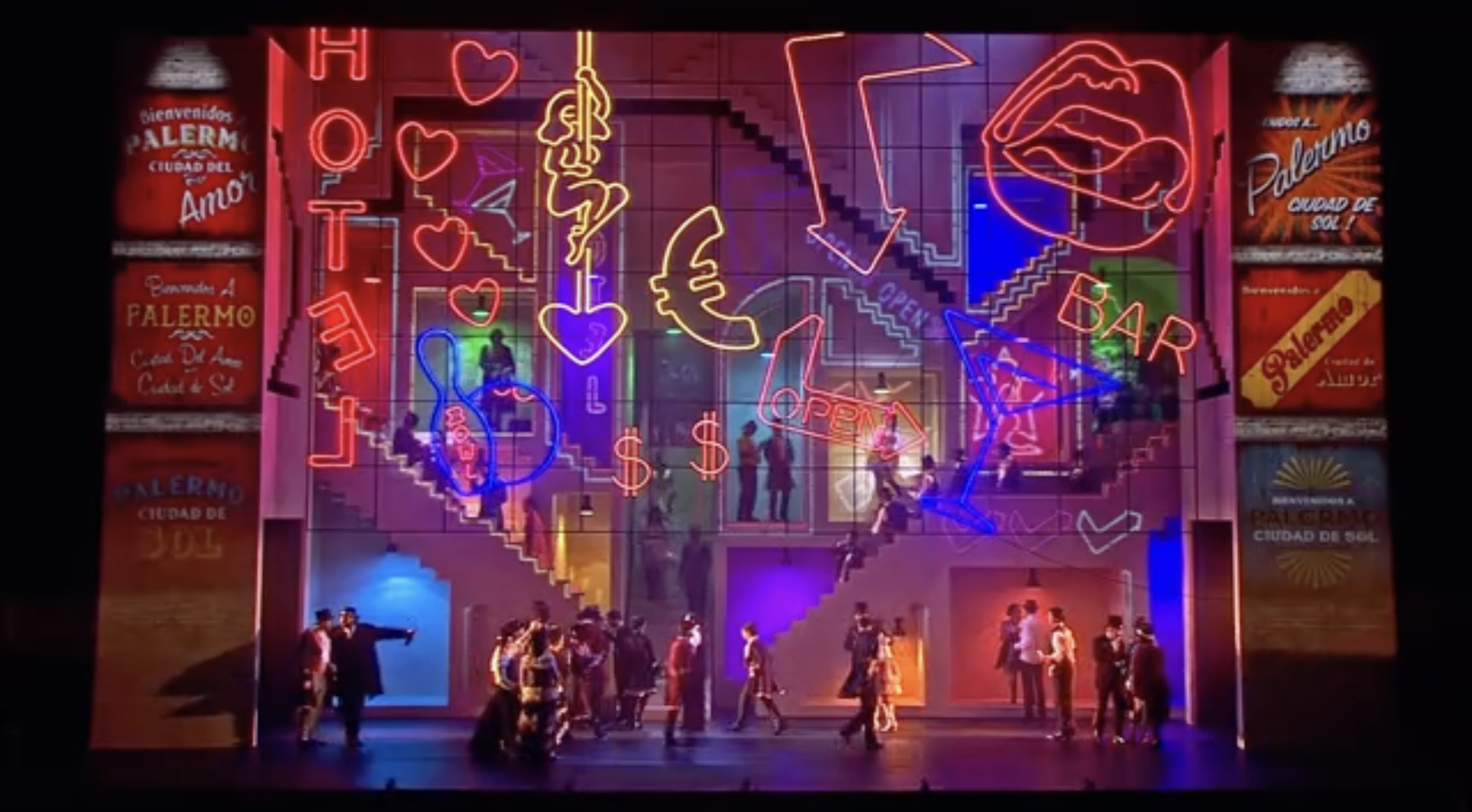
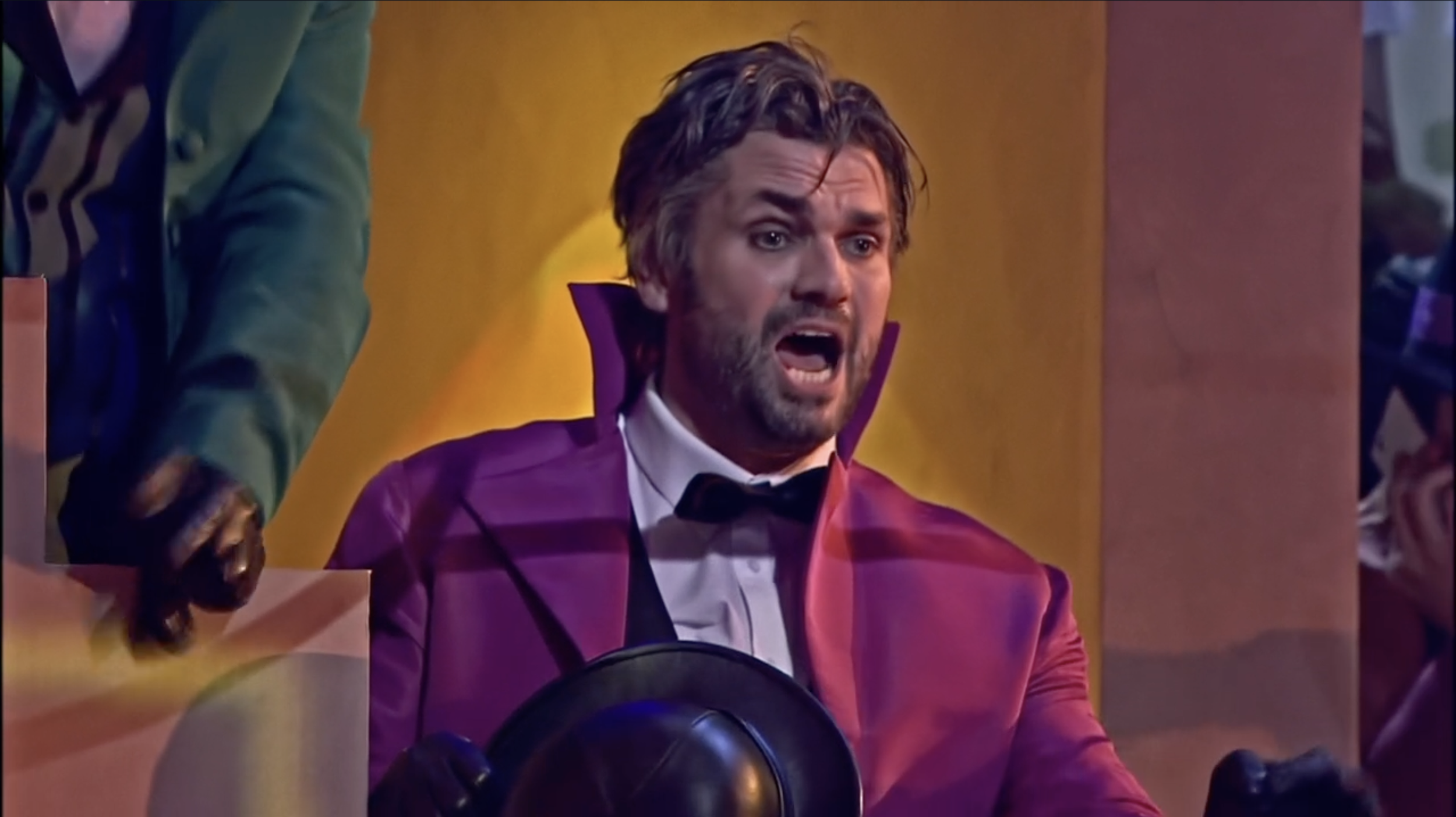
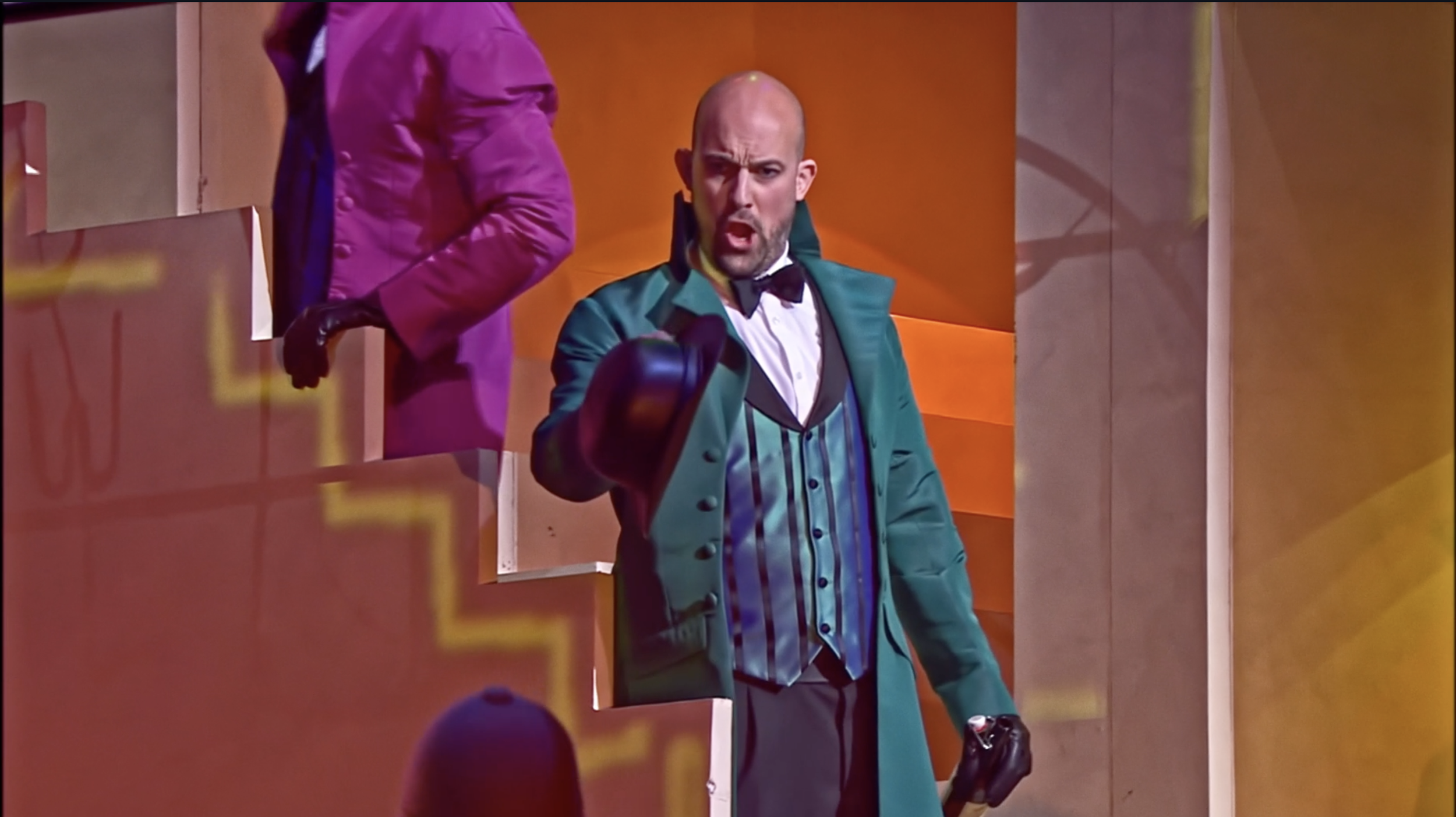
Das Liebesverbot, Teatro Real, Madrid, 2015
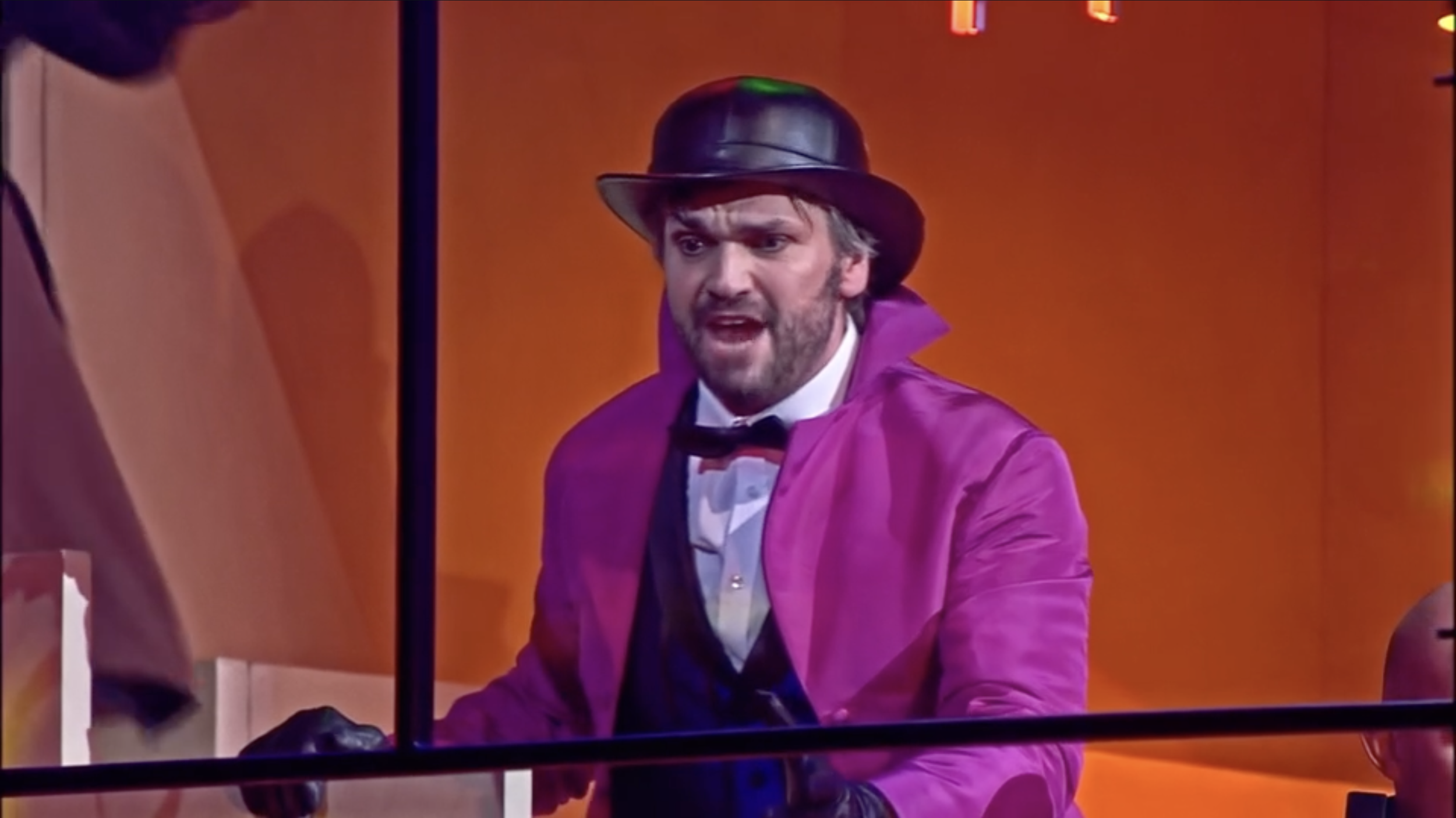
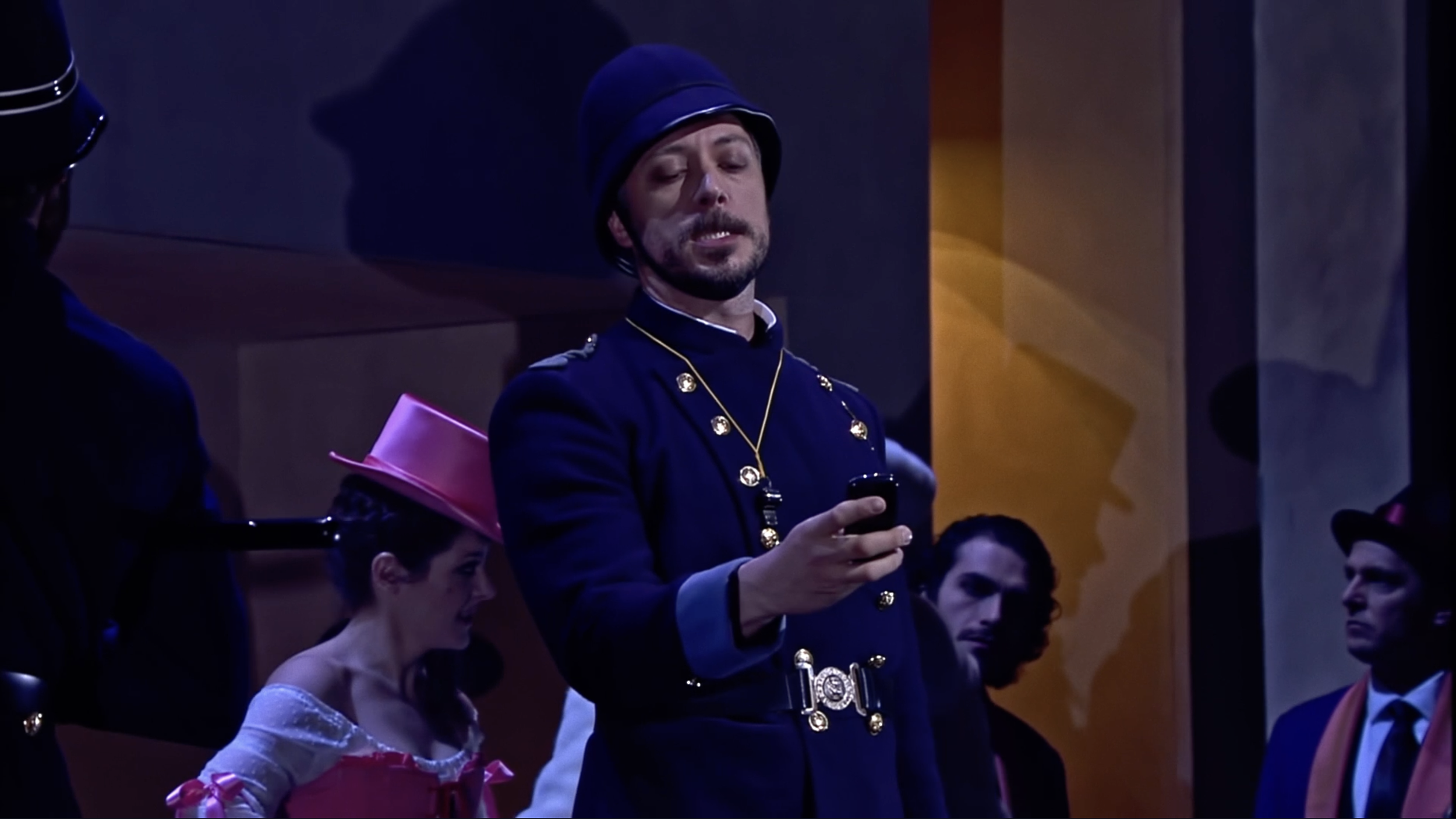
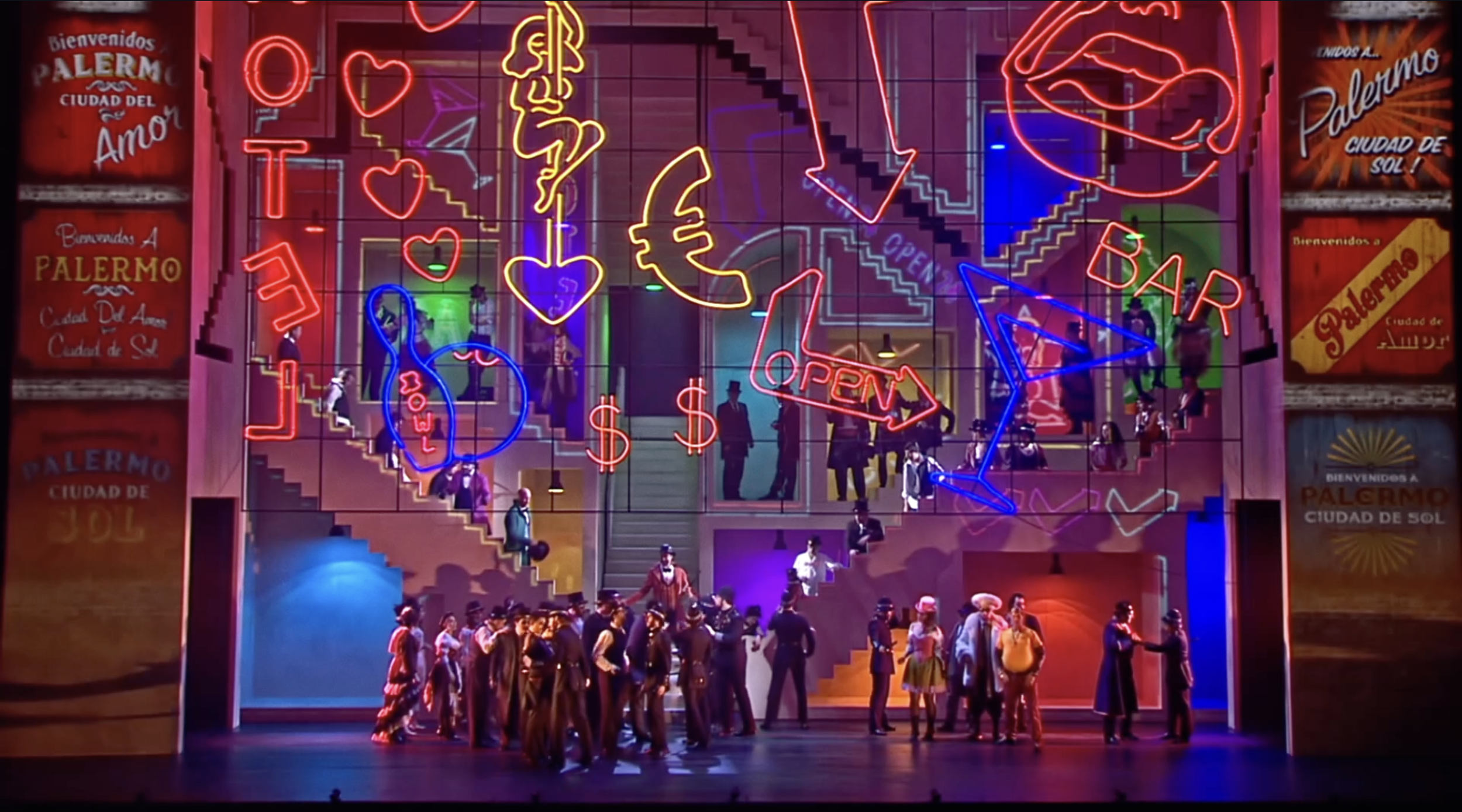
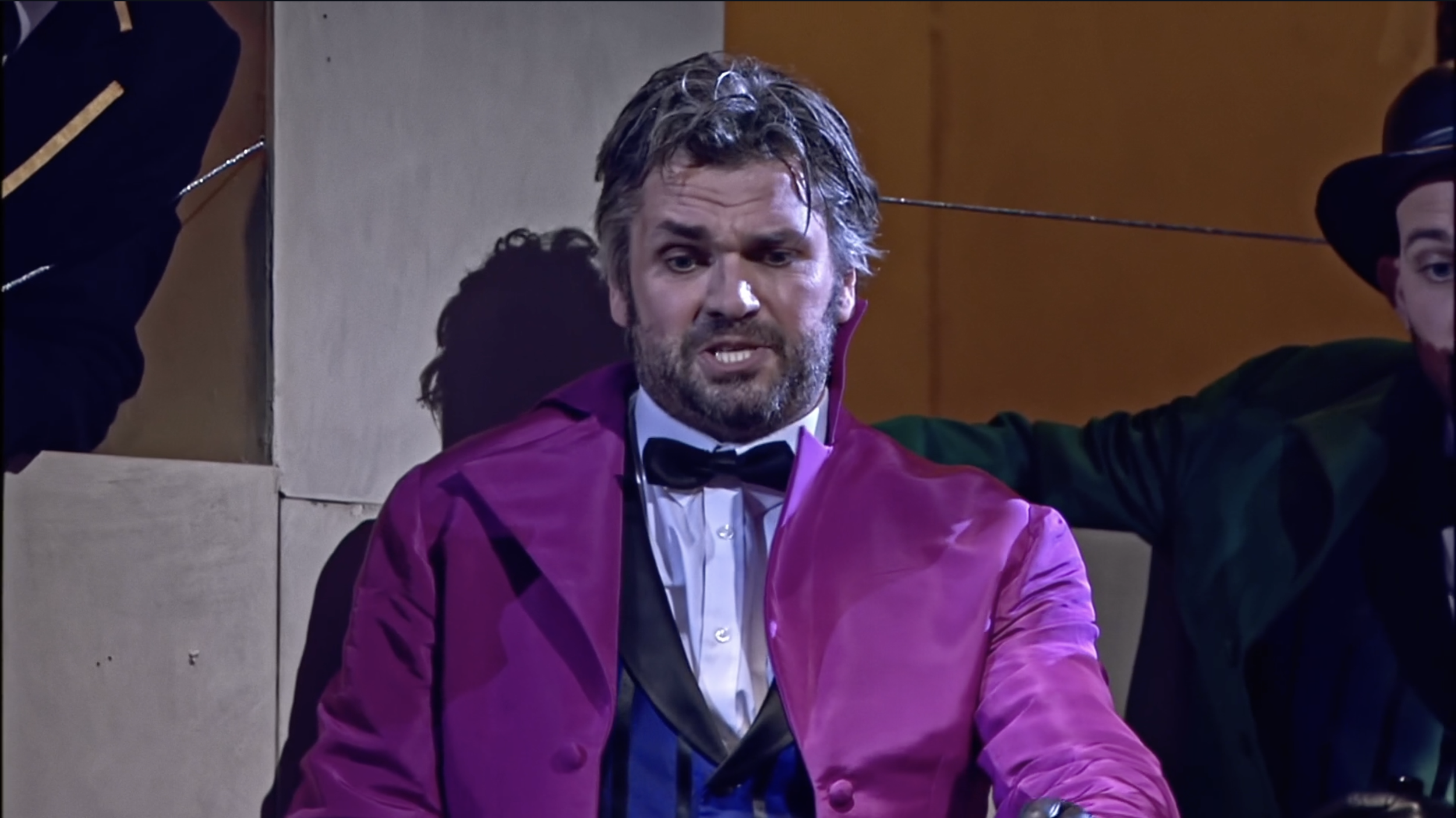
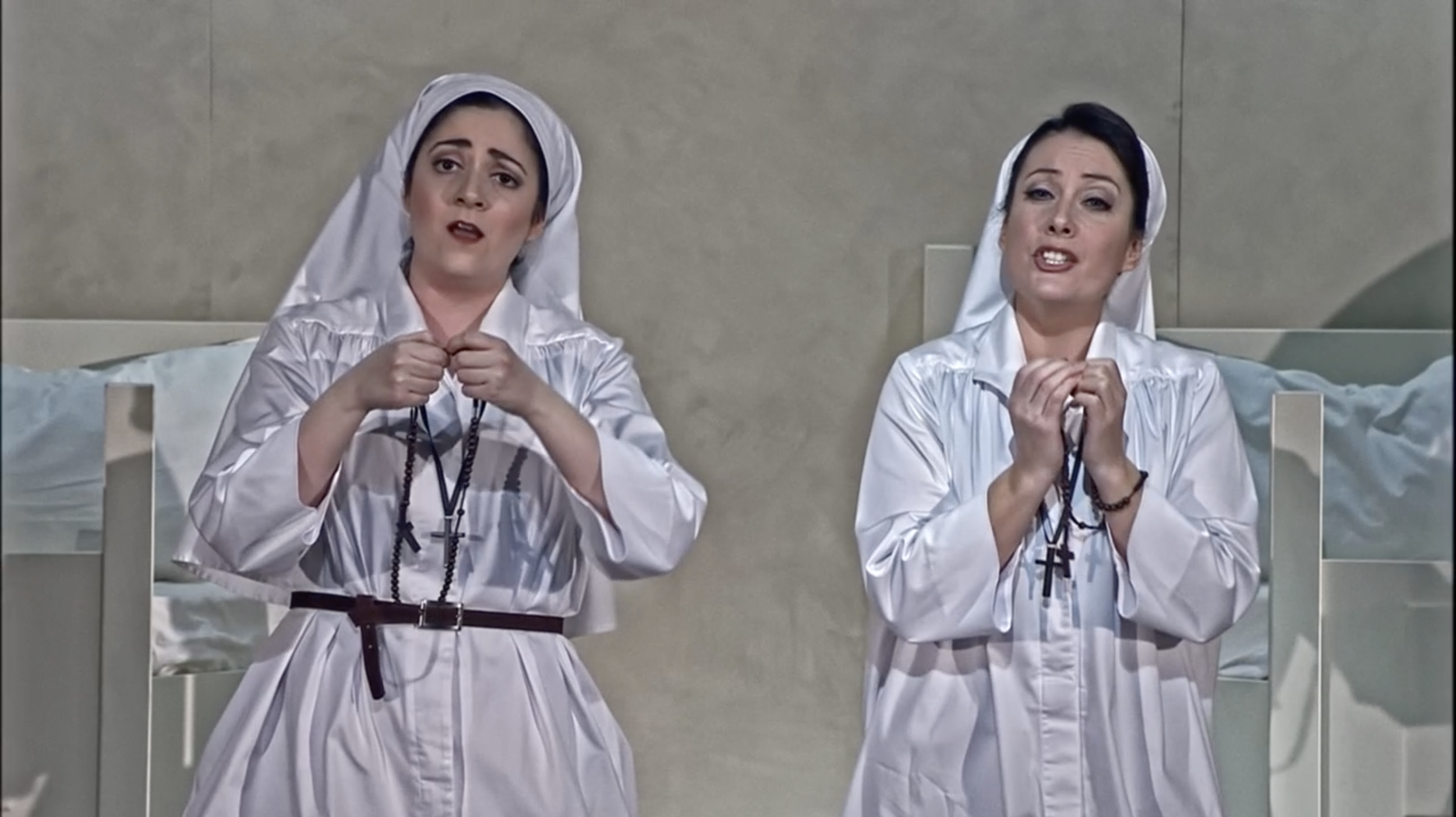
This is the same word November used from the opposite direction. Gunst, the crowd's favor, is granted and withdrawn without explanation, unstable by nature. Gnade is also granted from a position of power, but the opera treats it as the more durable civic technology of the two: mercy, once extended, does not require the same continuous performance that favor does. It resolves something. Favor only ever postpones a reckoning.
December in New York carries its own quiet argument for this. The year's harshest month, weather-wise, is also the month the city seems most willing to suspend its ordinary rules: later nights permitted, louder streets tolerated, strangers greeted with a warmth the rest of the year does not especially encourage. Not law repealed exactly. Something closer to Gnade practiced informally, city-wide, for a few weeks, before the ordinary rules quietly resume in January.
Thematischer Rahmen: Das Gesetz, das Niemand Befolgt
Das Liebesverbot is Wagner's second completed opera, composed in 1834 when he was twenty-one, adapted from Shakespeare's Measure for Measure and relocated from Shakespeare's Vienna to a sun-warmed, carnival-saturated Palermo. It premiered in Magdeburg in March 1836 to a nearly empty house, its second performance canceled outright after a backstage brawl among the cast, several of whom were involved in romantic entanglements as complicated as anything in the plot they were performing, made a second night of the production impossible. It was, by any ordinary measure, a total failure, and Wagner effectively disowned it for the rest of his career, allowing only a handful of performances during his lifetime and excluding it entirely from the Bayreuth repertory he built to enshrine his mature work.
This makes it the most genuinely surprising entry in the whole year's circuit, and worth taking seriously rather than dismissing as juvenilia. The opera is Wagner's clearest and, in some ways, only sustained comedy before Meistersinger three decades later, and its target is unambiguous: the hypocrisy of authority that legislates pleasure while secretly wanting it. Friedrich, the German regent imposing joyless Protestant discipline on a Sicilian Catholic city that has no intention of complying, is a fairly direct satire of the moral censorship Wagner and his Young German contemporaries, under the influence of the writer and activist Heinrich Laube, were actively campaigning against in the German press of the early 1830s. The opera's argument, that prohibition applied to desire produces hypocrisy rather than virtue, and that a city's actual moral health is better served by mercy than by punishment, is not subtle, but it is genuinely and specifically felt, written by a young composer who believed, with real conviction, that joy could be a civic good rather than a threat to civic order.
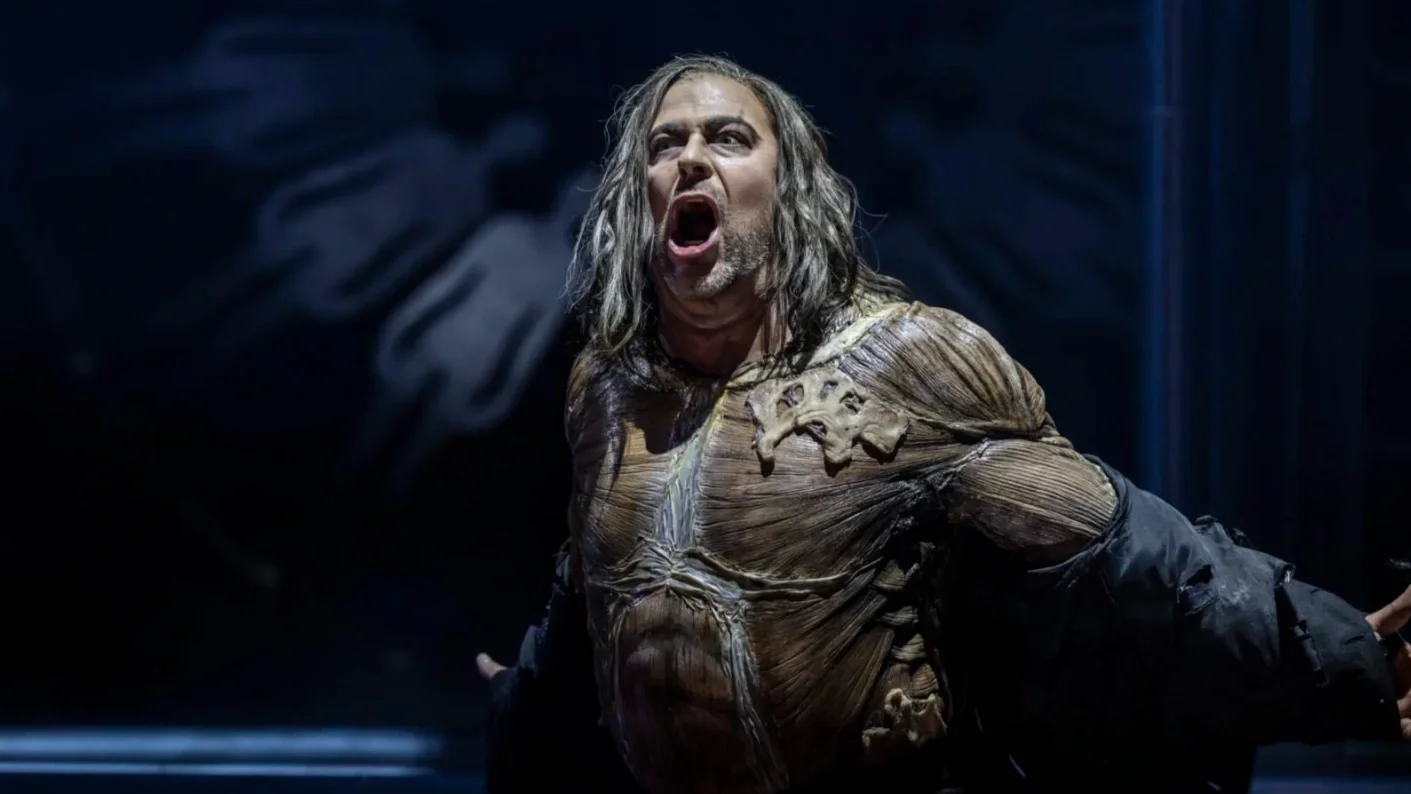
Das Liebesverbot, Teatro Real, Madrid, 2015
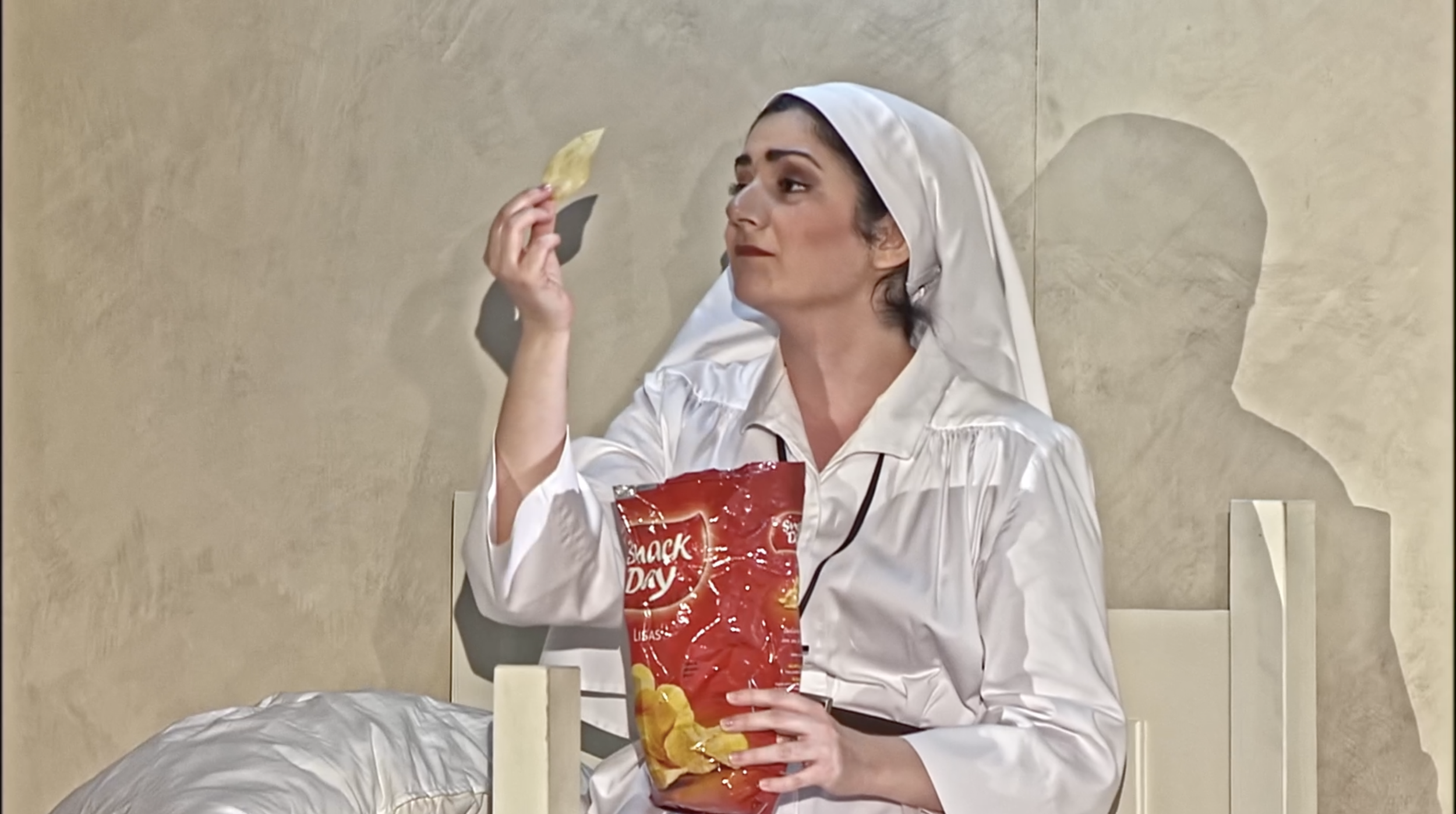
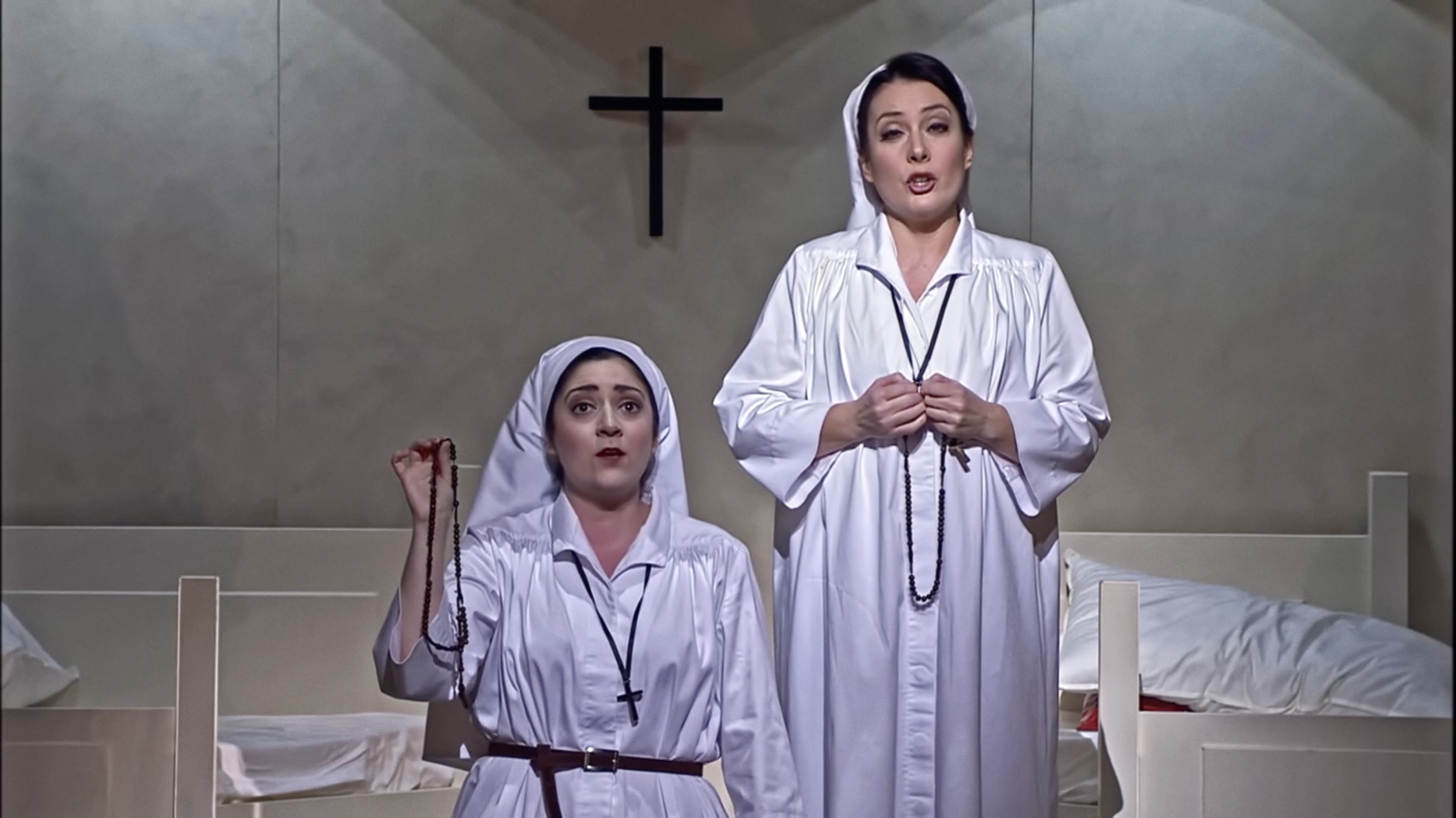
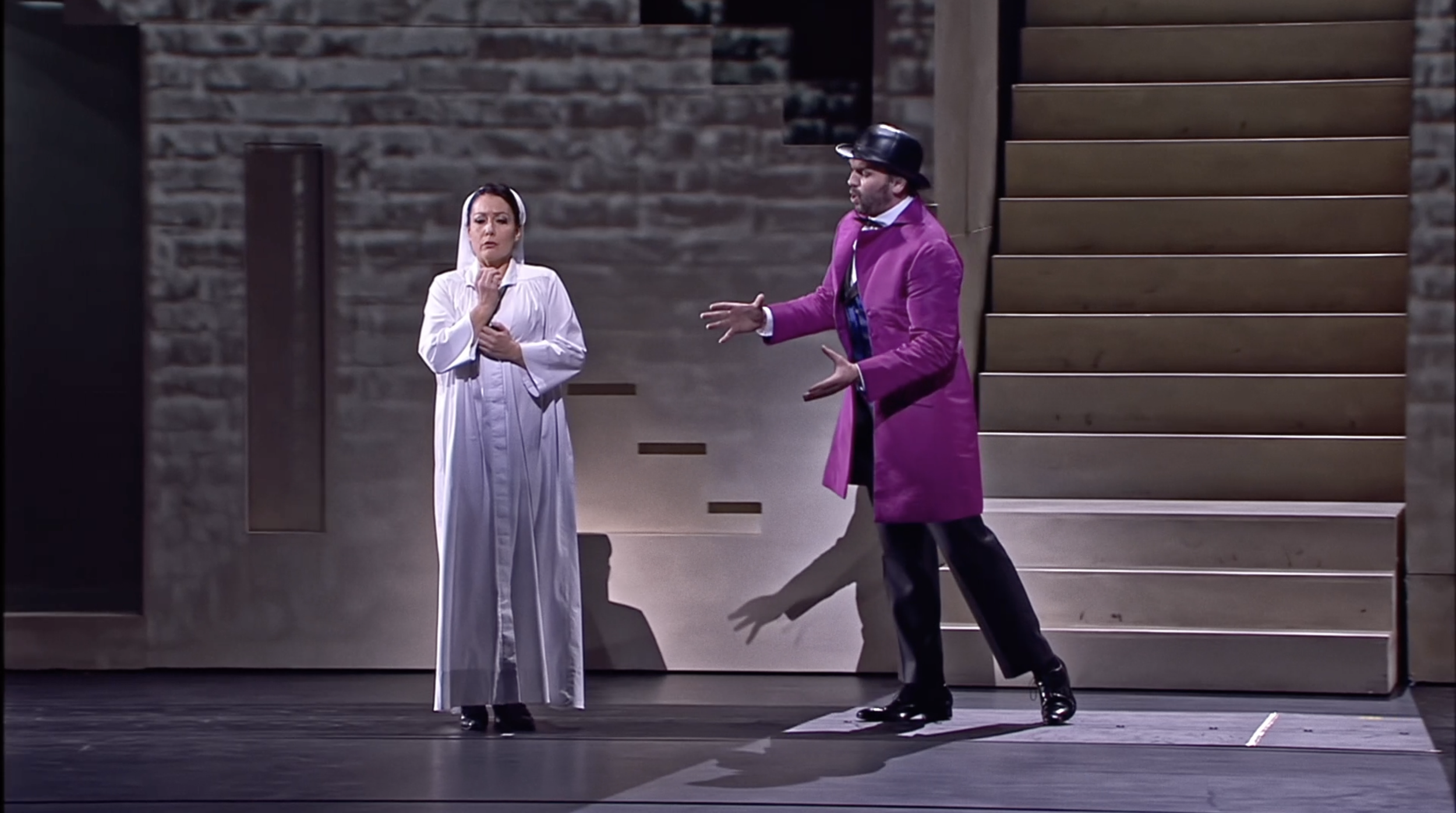
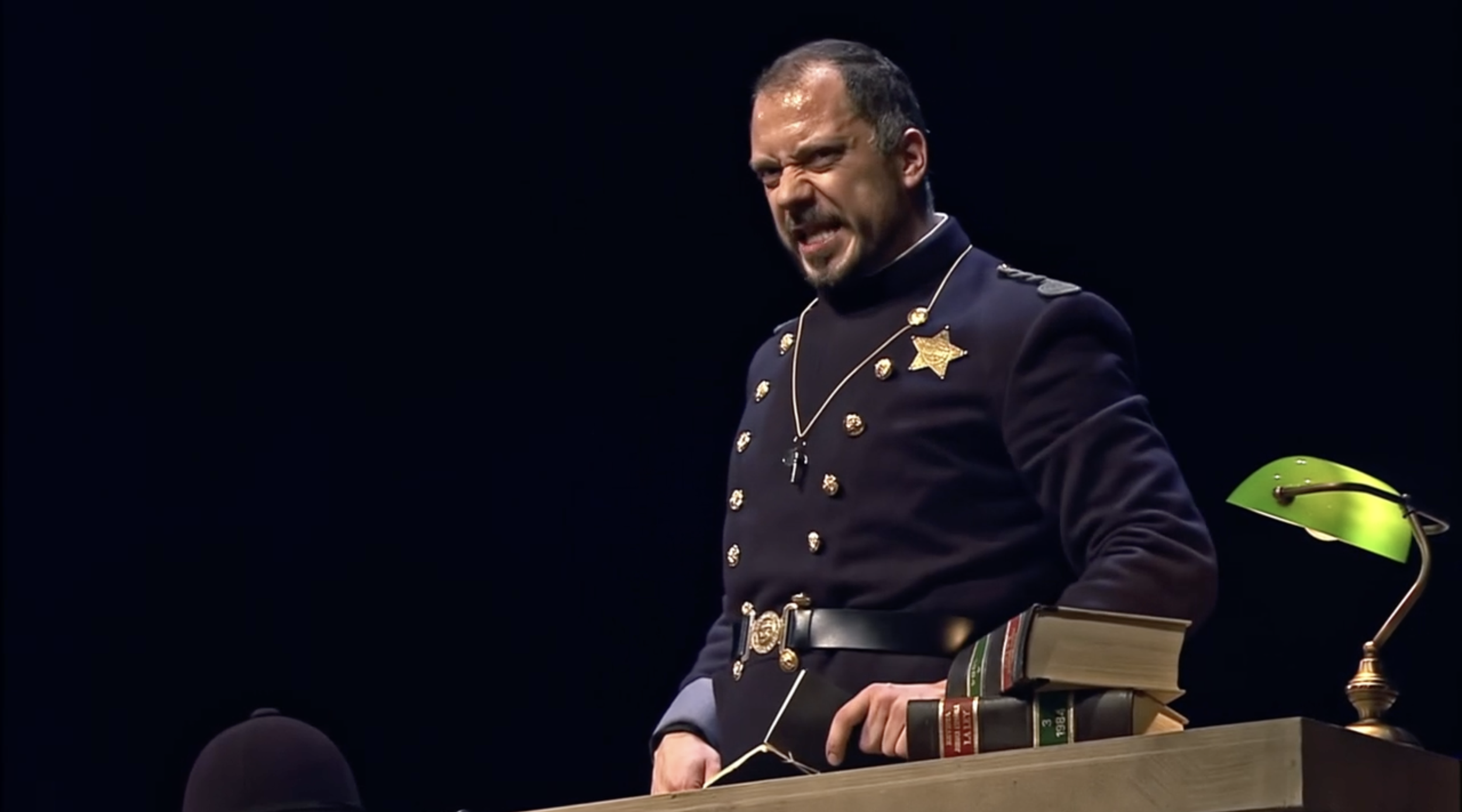
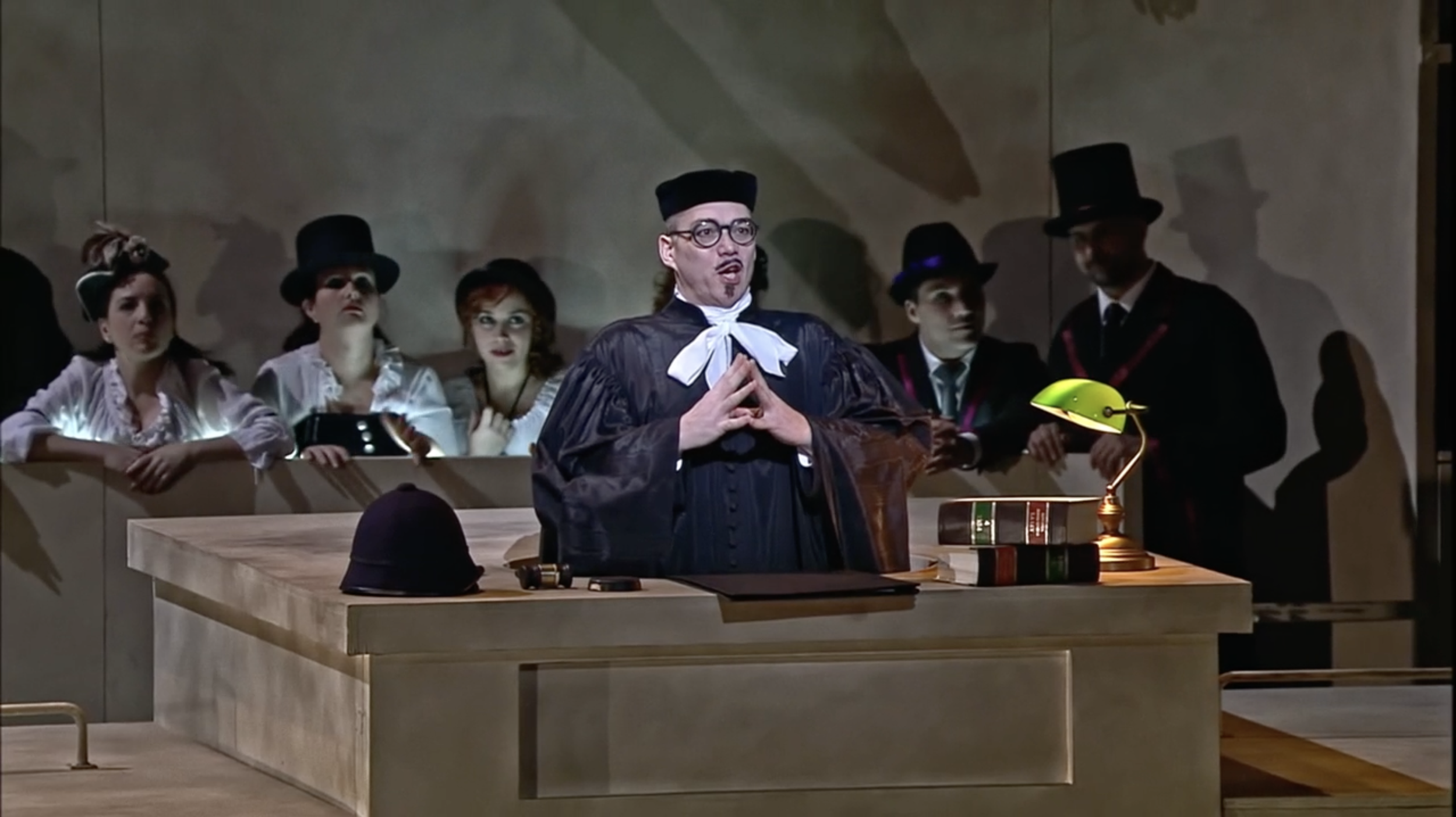
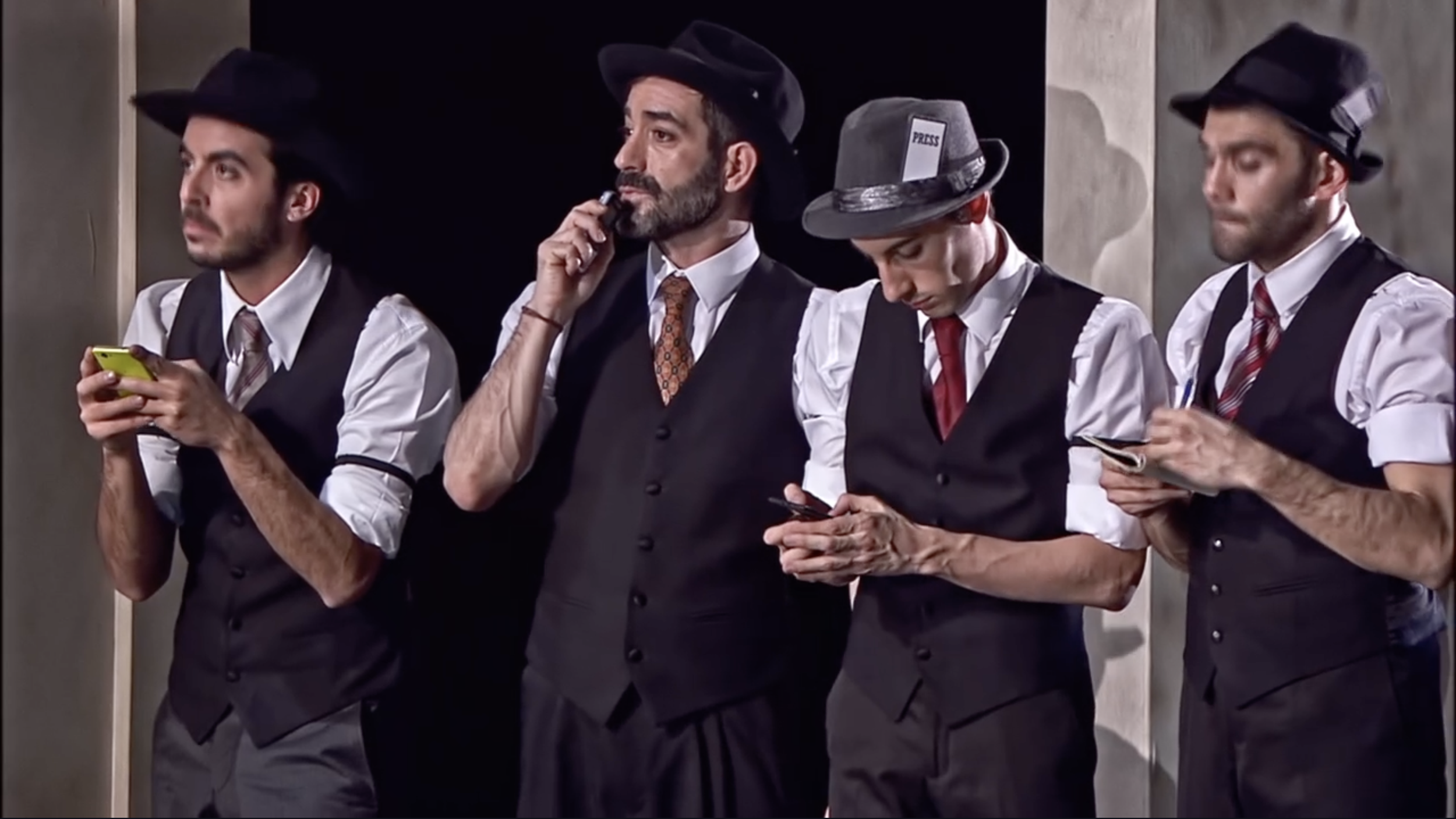
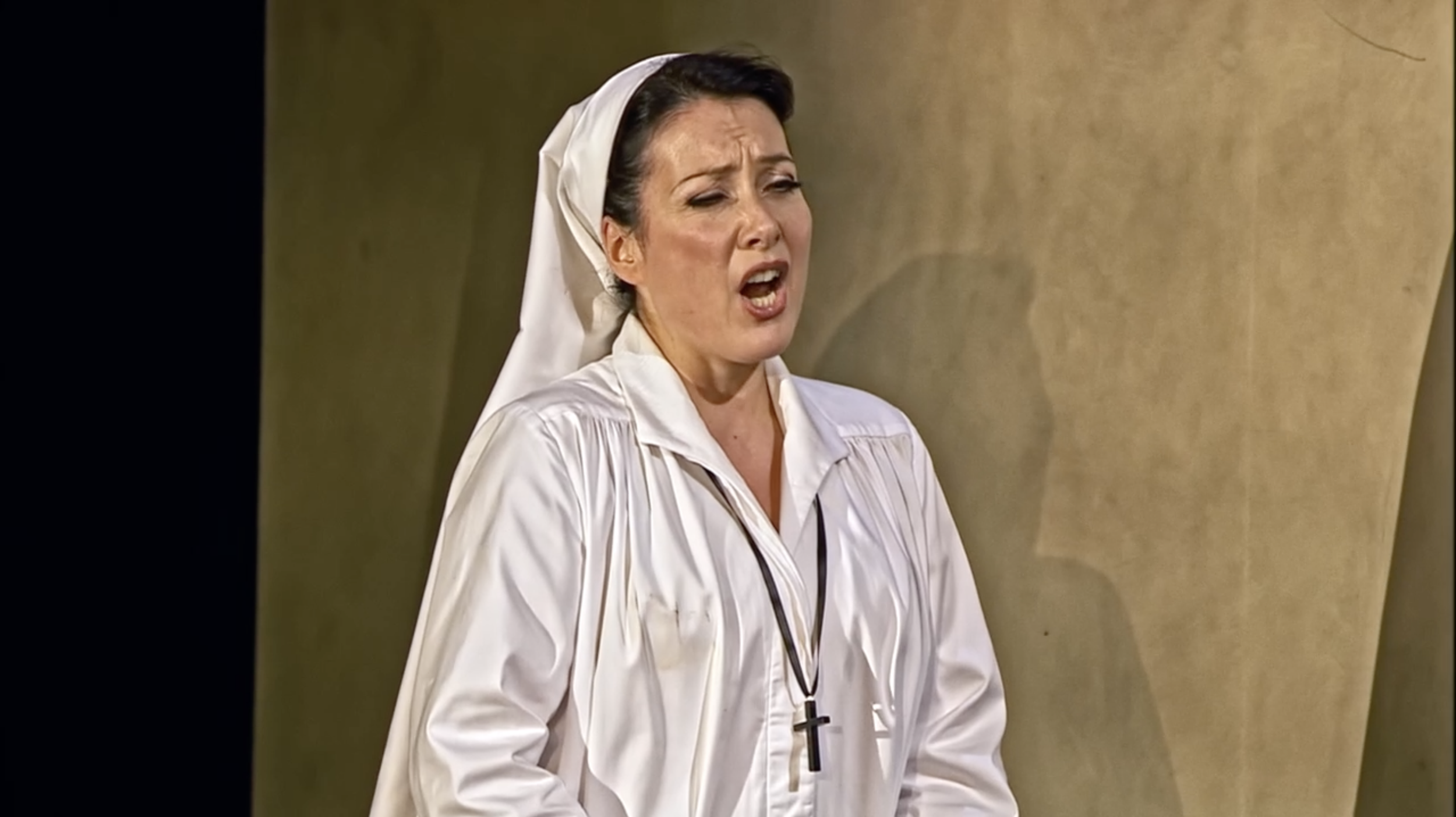
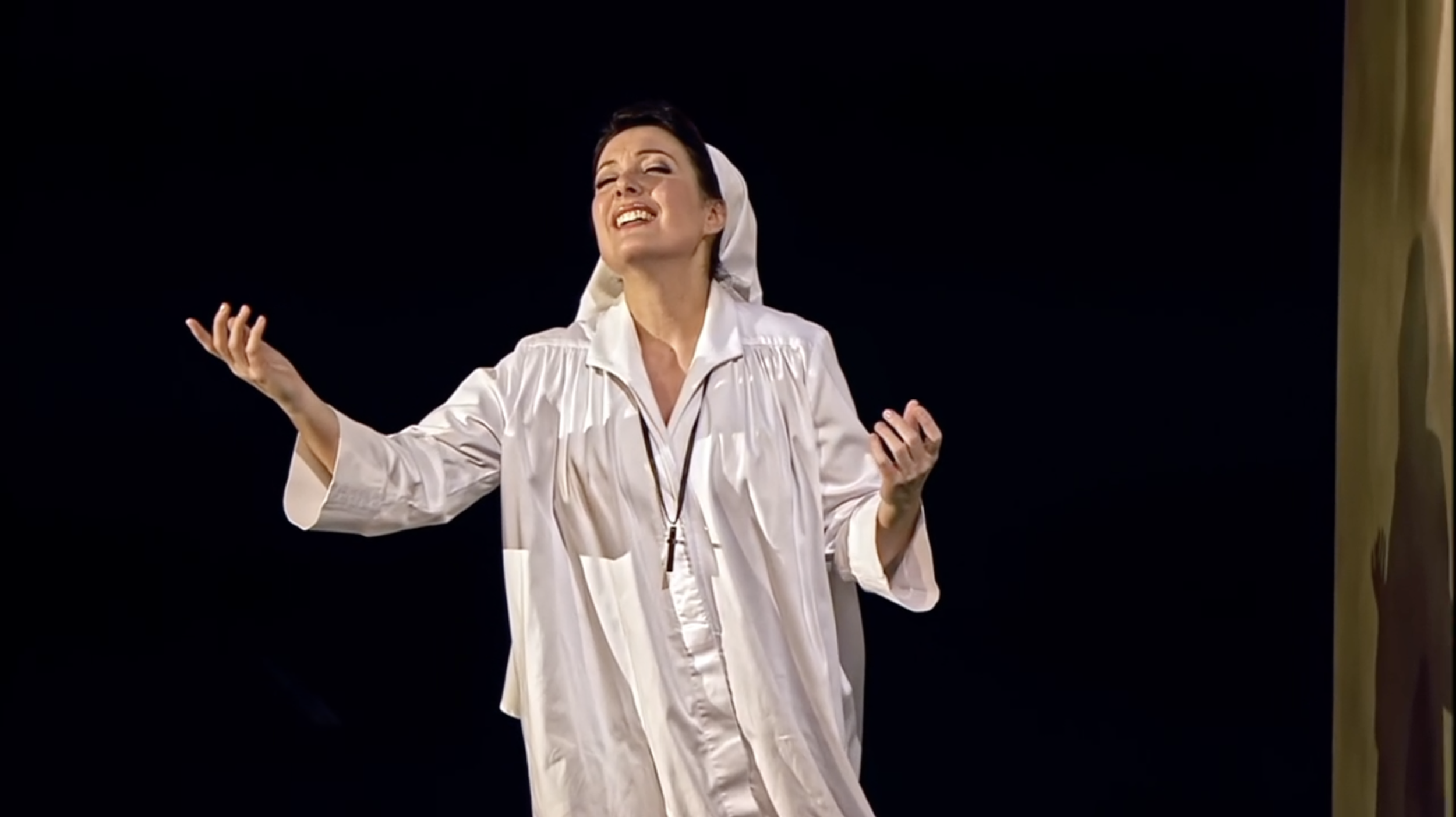
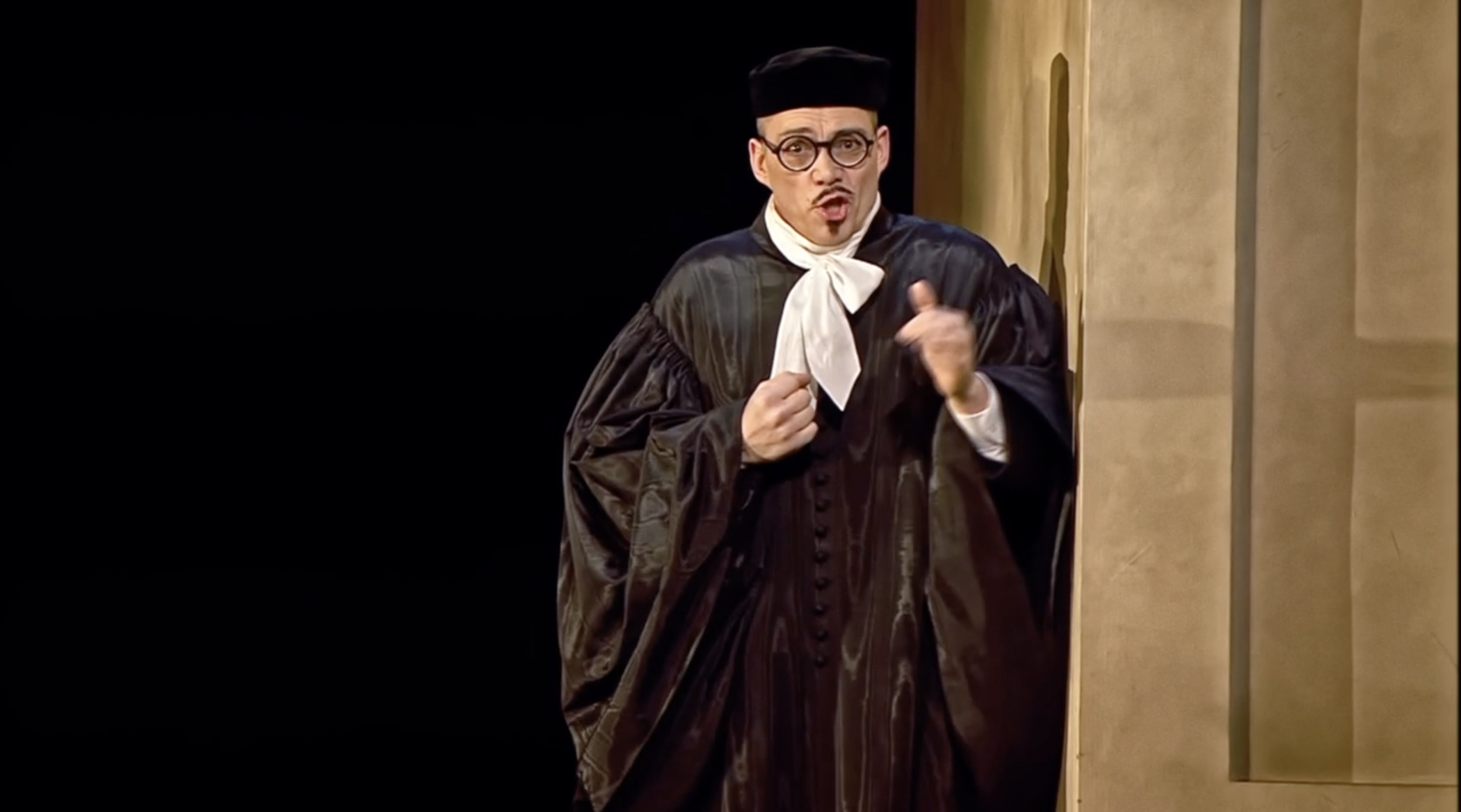
The opera vanished from the repertory for exactly the reasons that make it interesting now. It does not sound like Wagner. There are no leitmotifs in the mature sense, no endless melody, none of the chromatic harmonic language that would define Tristan two decades later. It sounds like Bellini and Auber, like the Italian and French comic opera Wagner was absorbing as a young conductor in provincial German theaters, before he found the voice the rest of this year's circuit has been walking through. Programming it at all, in December, after eleven months of increasingly weighty mature Wagner, is itself an argument: that the composer who wrote Parsifal's five hours of ritual gravity started out writing a two-and-a-half-hour comedy about a corrupt official caught trying to seduce the nun he is prosecuting, and that both of these are honestly Wagner, not a mature self correcting an embarrassing early mistake.
New York in December stages its own version of law losing a fight with pleasure it never had much chance of winning. This walk moves through three specific instances of that history: a neighborhood built around defying solemnity on principle, a former speakeasy that survived thirteen years of national alcohol prohibition by the simple expedient of an unmarked door, and a small park across from a bar where, in the actual world rather than the opera's Sicilian fiction, a law policing who could love whom, and how visibly, was finally and permanently refused by the people it targeted. Wagner's Palermo got its pardon from a returning Prince. New York's history did not wait for anyone's permission to grant.
Listening Index (Die Musikalische Wirbelsäule)
Overture: Carnival announced at full volume before any law has had the chance to object
Isabella's ensembles: Virtue performed with genuine skill; the opera's most ambiguous music, since her severity is never entirely mocked
The Masked Confrontation (Isabella and Friedrich, disguised identities): Hypocrisy caught in its own trap, staged as farce with real teeth
The Carnival Choruses: The city's actual, ongoing answer to the ban, continuing in the streets throughout the opera regardless of the law's threats
The Finale: Pardon, not punishment; the ban repealed and the carnival made official
Listening Note: Keep this month genuinely light in volume and tone until the final station. Let the music mix with real street noise, real crowds, real December cold. This is the one month of the circuit that wants company rather than solitude.
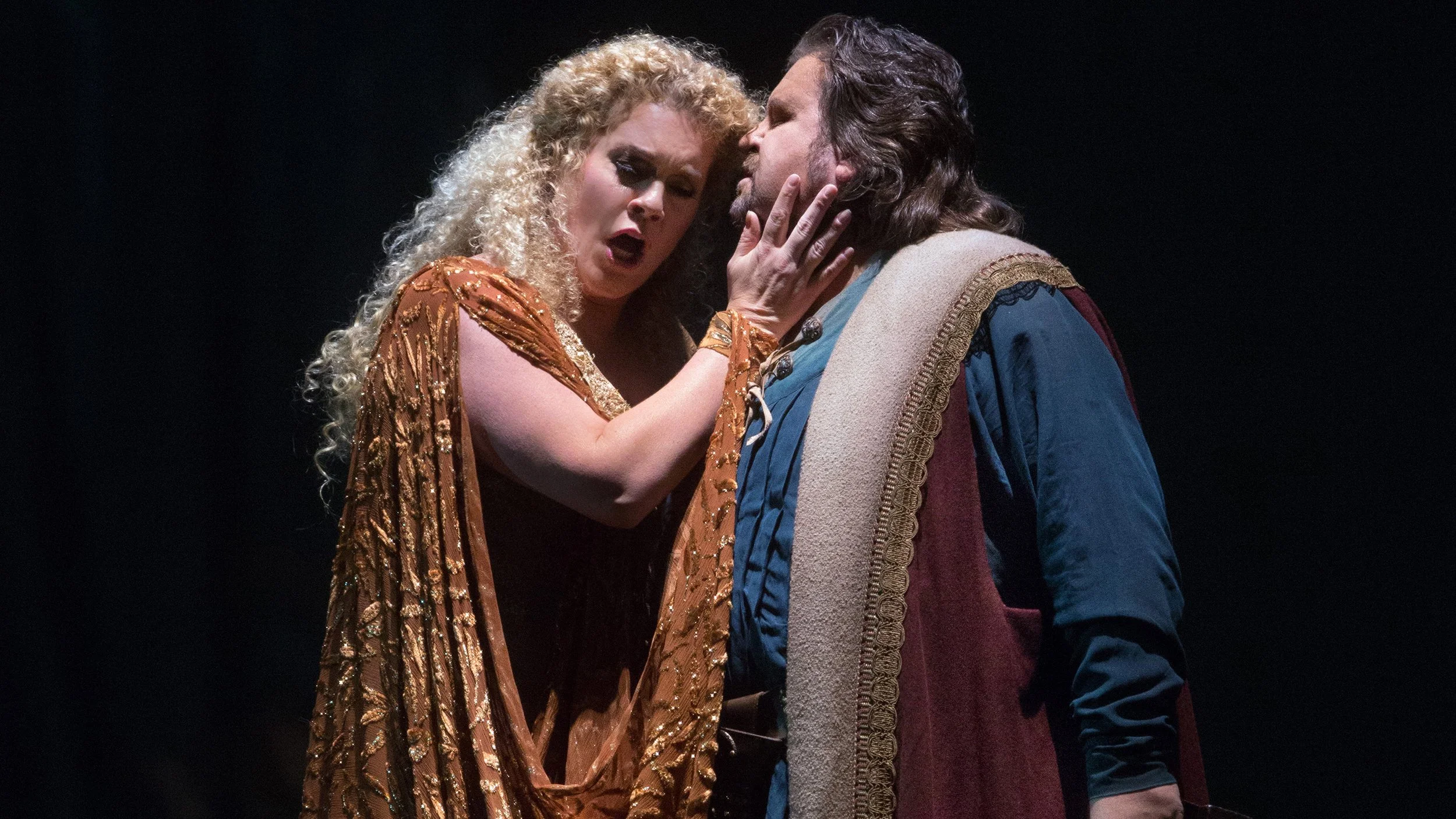
Das Liebesverbot, Teatro Real, Madrid, 2015
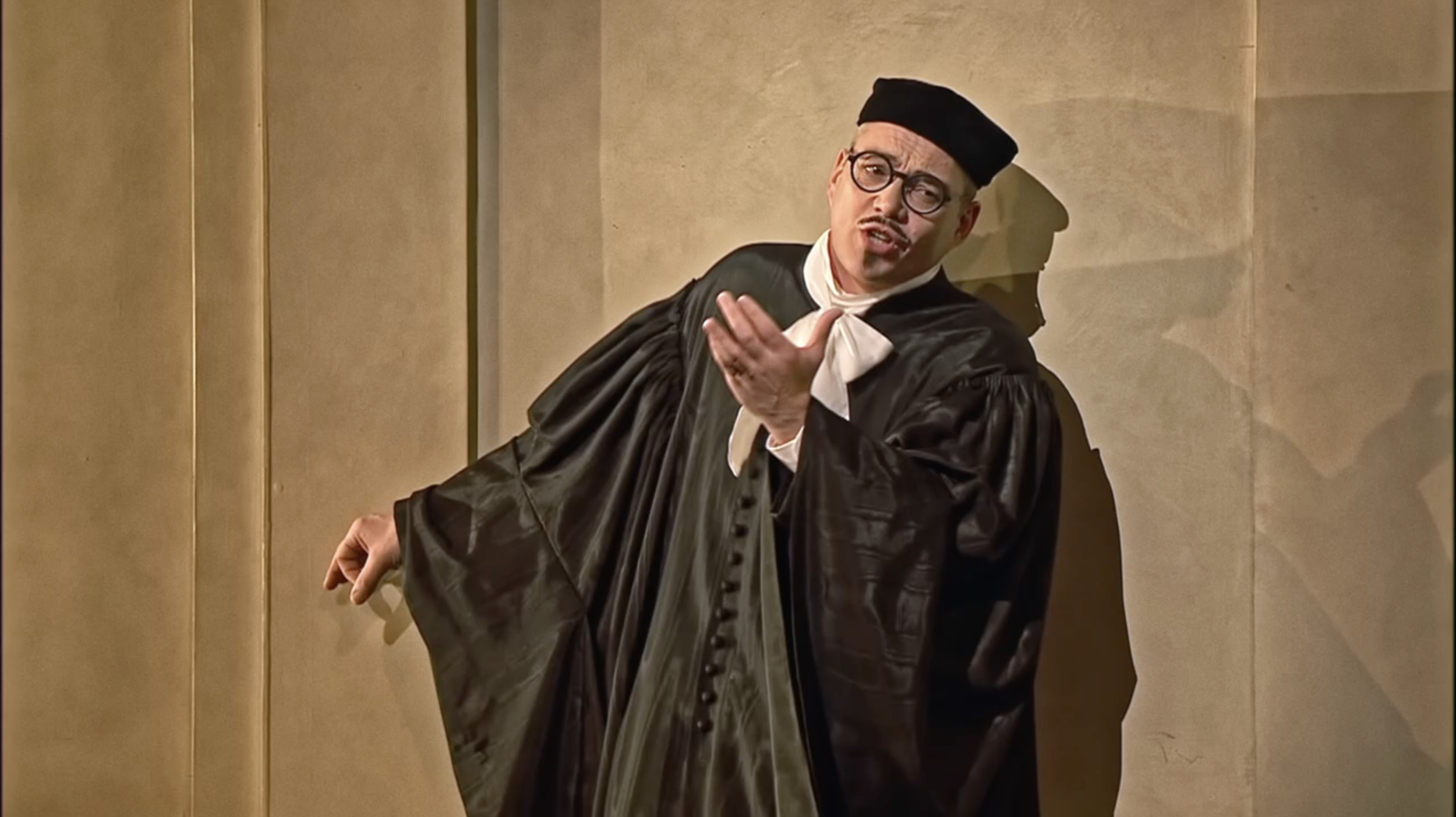

Das Fest, das Sich Nicht Verbieten Lässt: Mulberry Street
Getting There
Take the 6 train to Spring Street, or the J/Z to Bowery, and walk to Mulberry Street in Little Italy, entering from the south near Broome Street.
Track: Das Liebesverbot, Overture
Walk north up Mulberry as the Overture begins, string lights strung overhead regardless of the season, restaurants with outdoor heaters defying the cold, the street doing what it has done for well over a century: choosing conviviality as a matter of course rather than as a special occasion requiring justification.
This is the opera's Palermo before Friedrich's ban has had any real effect on anyone's behavior. Notice how little the cold actually suppresses out here. People are dressed for it, prepared for it, and going ahead with being outside together anyway. The Overture's confidence, string and brass introducing carnival themes with no hesitation at all, matches the street's own evident refusal to treat winter as a reason to stay in.
Die Verborgene Tür: Bedford Street und Chumley's
Getting There
Take the 6 train from Spring Street to Bleecker Street, or walk west through the Village, to Bedford Street between Grove and Barrow, in the West Village
What Chumley's Is
86 Bedford Street operated for decades as Chumley's, one of New York's most storied Prohibition-era speakeasies, its street entrance unmarked to this day, its original patron entrance through a courtyard off Barrow Street built specifically so drinkers could scatter through a second exit if a raid came through the front. Prohibition, the actual nationwide ban on the sale and consumption of alcohol that governed the United States from 1920 to 1933, is New York's own closest historical parallel to Friedrich's fictional ban on love and carnival: a law aimed at appetite, passed with real moral conviction, and comprehensively ignored by a public that simply moved its pleasure behind an unmarked door rather than giving it up.
Track: Das Liebesverbot, Isabella's Ensembles
Stand before the unmarked door and play Isabella's music, the novice whose severity toward the city's carnival culture is written with genuine musical seriousness rather than pure caricature. She is not simply a joyless scold. She believes, with real conviction, that discipline matters, and the opera's comedy depends on her sincerity being tested rather than dismissed.
Look at the plain, unmarked facade in front of you. This is what a law against pleasure actually produces in practice: not the elimination of the thing banned, but its relocation behind a door that gives no outward sign of what continues on the other side. The law changes the architecture of desire. It does not change the desire.
Das Gericht, das ein Garten Wurde: Jefferson Market Library
Getting There
Walk north on Sixth Avenue to Jefferson Market Library, at the corner of Sixth Avenue and West 10th Street, its distinctive red-brick clock tower visible from several blocks away.
What the Jefferson Market Building Was
The building opened in 1877 as the Jefferson Market Courthouse, a Victorian Gothic structure that once housed a night court and, at various points in its history, a women's prison on an adjacent lot, one of the sites where the city processed and punished exactly the kind of conduct Das Liebesverbot's Friedrich would have approved of criminalizing. The courthouse closed in the 1940s, faced demolition, and was saved by a local preservation campaign in the 1950s and 60s that converted it into a branch of the New York Public Library, opening in 1967. The adjacent Jefferson Market Garden, planted where the women's prison once stood, opened to the public in 1974.
Track: Das Liebesverbot, The Masked Confrontation
Stand in front of the tower and play the scene in which Isabella, in disguise, exposes Friedrich's hypocrisy directly to his face: the regent who would execute others for exactly what he has just attempted with her. The confrontation is the opera's comic and moral center, the moment the law's enforcer is caught fully inside the appetite he has been prosecuting in everyone else.
The building in front of you completed roughly the same arc across a century instead of a single scene. A courthouse and a women's prison, instruments of exactly the kind of moral enforcement the opera satirizes, converted, without erasing the history, into a library and a public garden. Walk into the garden if it is open, or along its fence if not. This is Gnade practiced by a city rather than by a single pardoning Prince: not forgetting what a place was built to do, but deciding, over enough time, to let it become something else.
Der Ort, an dem das Verbot Brach: Christopher Park
Getting There
Walk south and west to Christopher Park, at Christopher Street and Grove Street, facing the Stonewall Inn and the Stonewall National Monument.
What This Place Is
On the night of June 28, 1969, a police raid on the Stonewall Inn, one of many such raids New York's laws had long permitted against bars serving gay and gender-nonconforming patrons, met resistance instead of the usual compliance. The confrontation that followed, and the nights of protest that grew from it, are widely regarded as the catalyzing event of the modern LGBTQ rights movement in the United States. Christopher Park, the small triangular green directly across the street, and the surrounding blocks were designated the Stonewall National Monument in 2016, the first national monument in the United States dedicated explicitly to LGBTQ history.
This station asks for a different register than the rest of the month. What happened here was not comic, and this walk does not treat it as an illustration of Wagner's plot. It stands on its own. But the through-line the whole month has been tracing, a law attempting to govern who may love whom and how visibly, met by refusal rather than compliance, is nowhere in this walk's route more real, more costly, or more consequential than it is on this specific block.
Track: Das Liebesverbot, The Finale, Pardon and Rejoicing
Stand in the park at night, facing the bar, and play the opera's finale quietly, well below the volume the earlier stations have used. In Wagner's fiction, the ban on love is repealed from above, a returning Prince granting the pardon a corrupt regent had no right to withhold in the first place. Here, the actual history did not wait for anyone's permission. The people the law targeted refused it directly, at real risk, and the refusal is what changed what came after.
Let the music's warmth sit beside the seriousness of the ground it is playing on without trying to resolve the difference between them. Both things are true at once: an opera that imagines mercy descending from authority, and a history in which the people denied mercy simply stopped waiting for it to be granted and took the outcome into their own hands instead.
Optional Finale: Coney Island
Getting There
Take the F or Q train to Coney Island–Stillwell Avenue, a ride of roughly forty-five minutes to an hour from the Village.
Walk out onto the boardwalk.
Track: Das Liebesverbot, Finale, Reprise
If the night and the energy allow it, ride out to Coney Island and walk the winter boardwalk with the Finale playing again, the ocean loud and mostly empty at this hour and this season, the rides shuttered for winter, the whole park stripped down to its structure. December strips the boardwalk the way it strips the trees, and there is a version of warmth available even here, in the specific, bracing pleasure of standing at the edge of a continent in the cold with music in your ear and nowhere in particular you have to be.
If the trip is not possible tonight, the walk still completes. Replay the Finale on the ride home instead. It works there too. The point was never the specific location. It was letting the last piece of music you hear tonight be the one that argues for mercy over punishment, joy over enforcement, one more time before the year runs out.
Closing the Year: Nach Zwölf Monaten
The walk began in January under a curse that would not resolve, listening for orientation in harbor wind. It passed through temptation, secrecy, dissolution, craft, bargain, defiance, compassion, fear, forgetting, and favor. It ends here, on a cold December street, with a law that could not hold against the thing it tried to govern, and a mercy that outlasted the law.
None of the twelve months resolved cleanly into the next. Each one handed the following month an unfinished question rather than an answer. This was the method the whole year practiced: pair one work with one place, walk it slowly, let the meaning arrive through friction rather than through explanation, and let silence do some of the work no track ever could.
If the practice continues past this year, it does not need a bigger city or a larger composer. It needs only a return to the place already known, one more work chosen carefully, and a willingness to begin again.





Further Reading