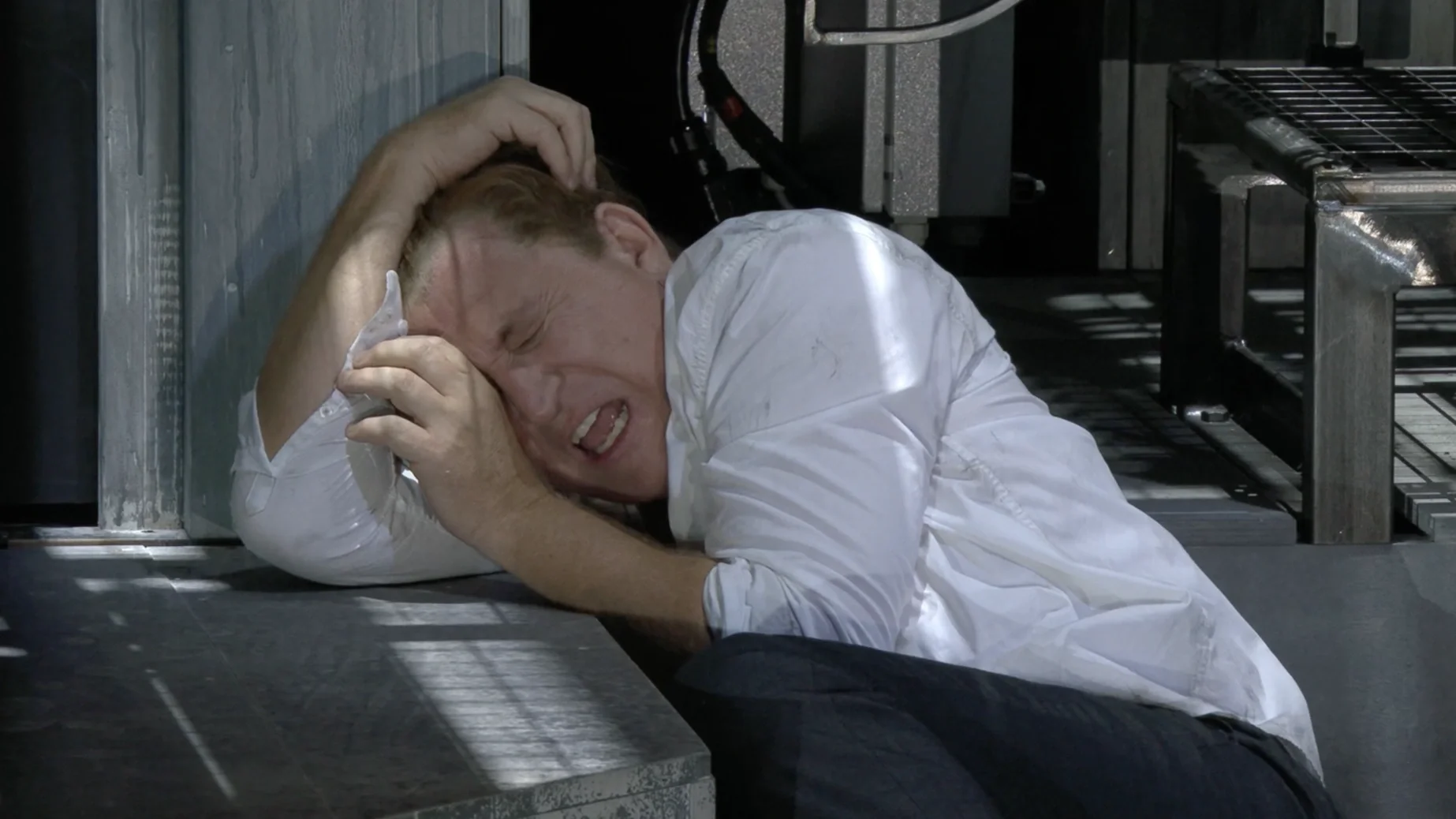
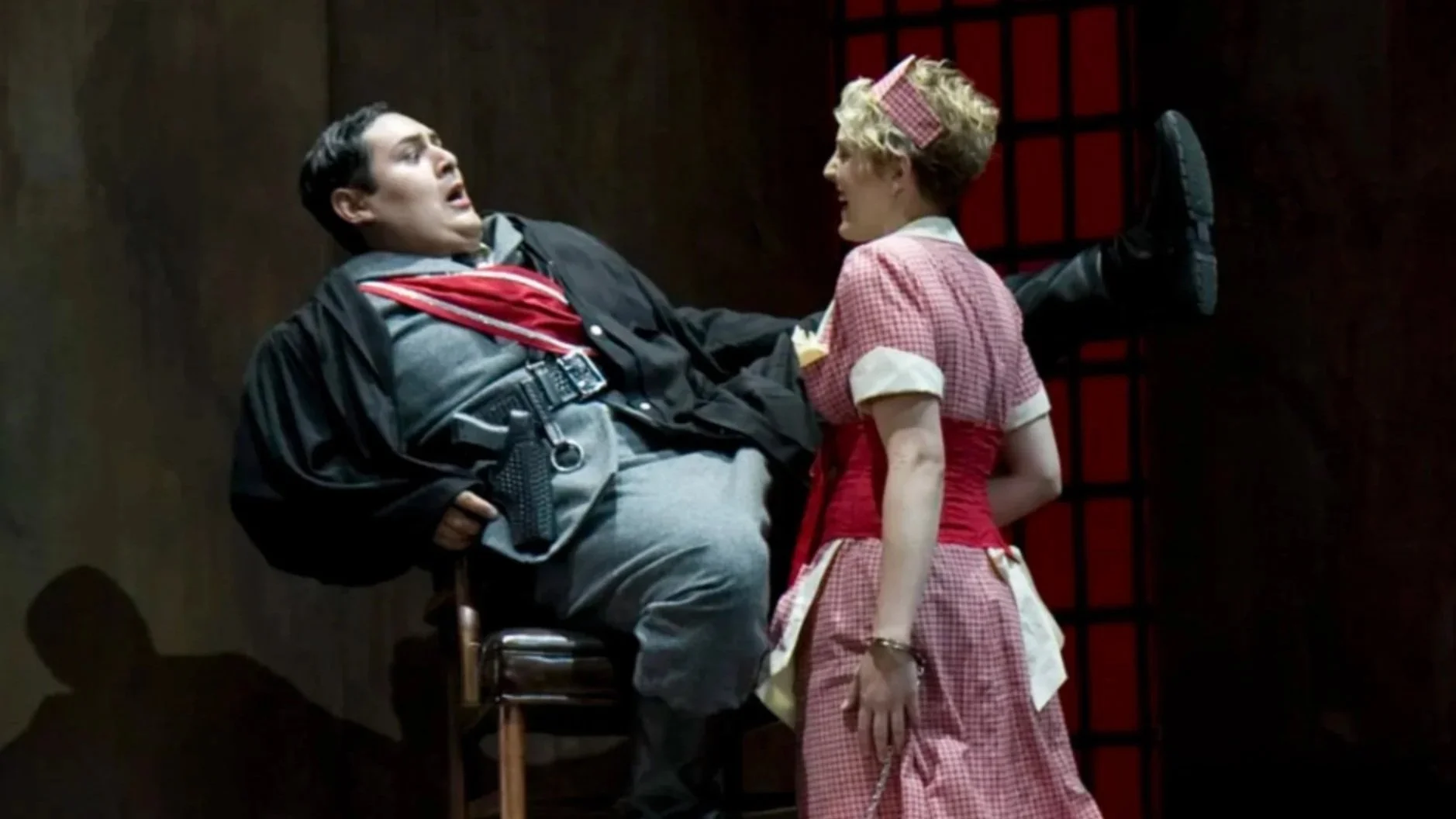
September: Siegfried
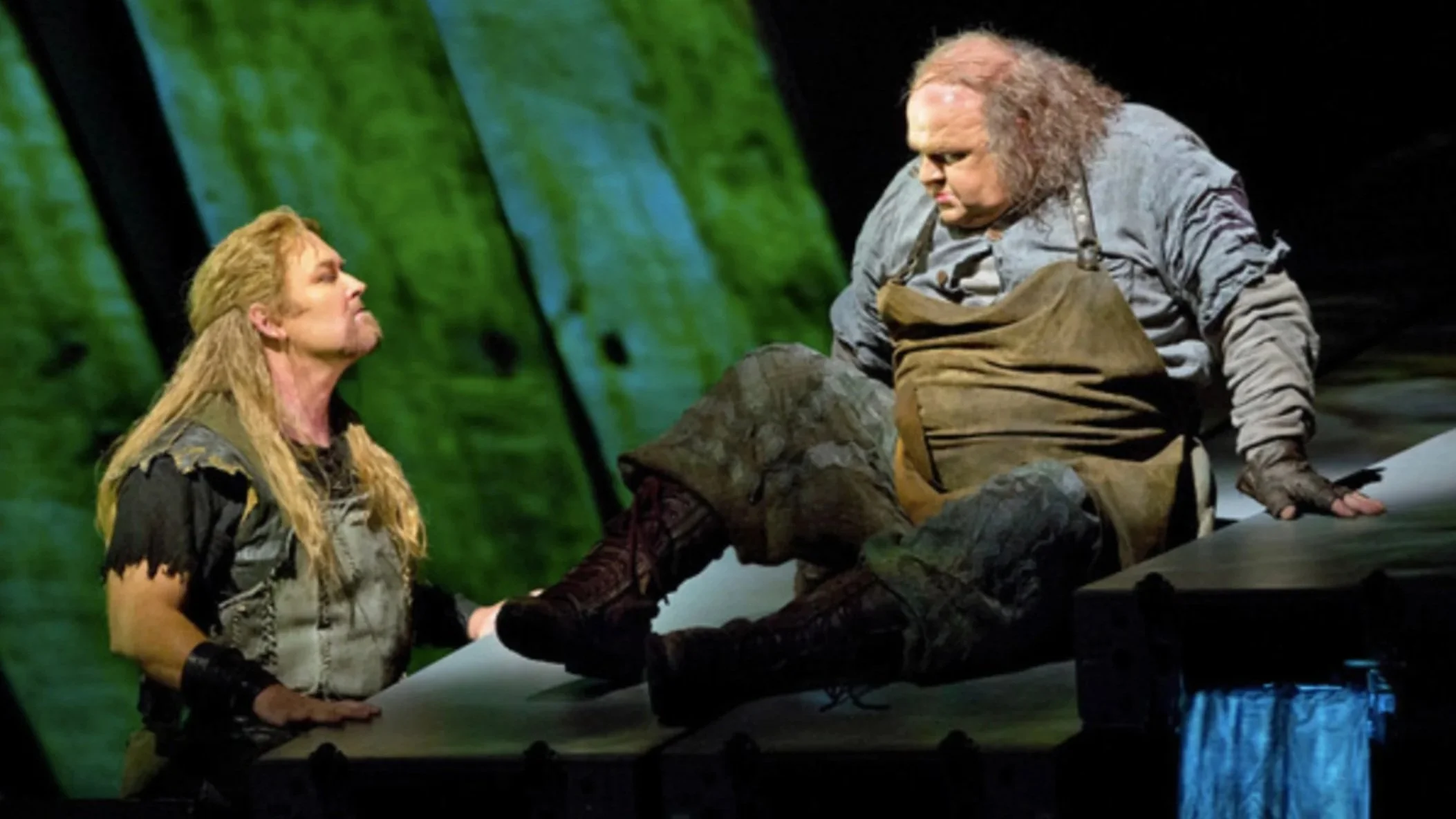
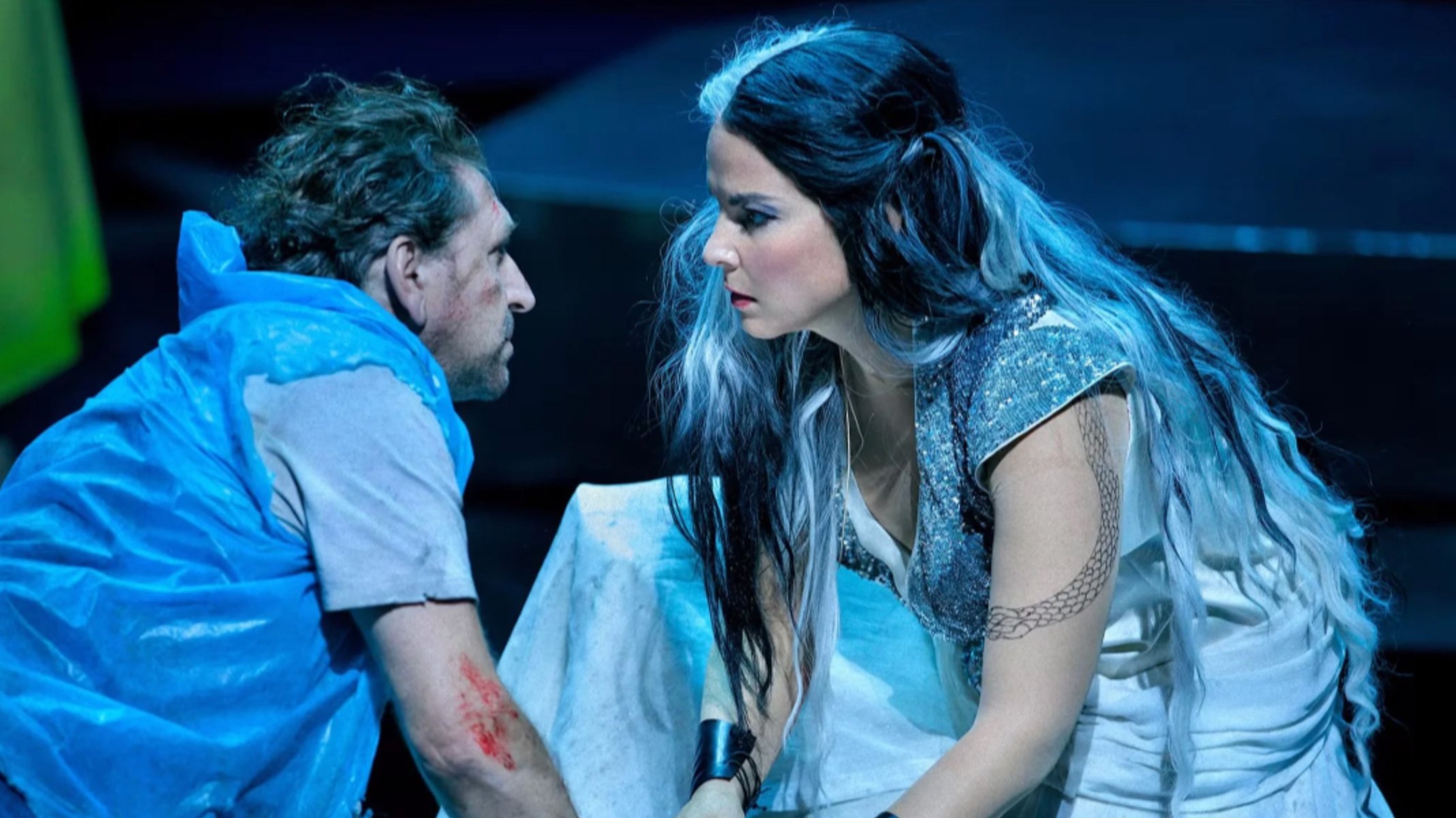
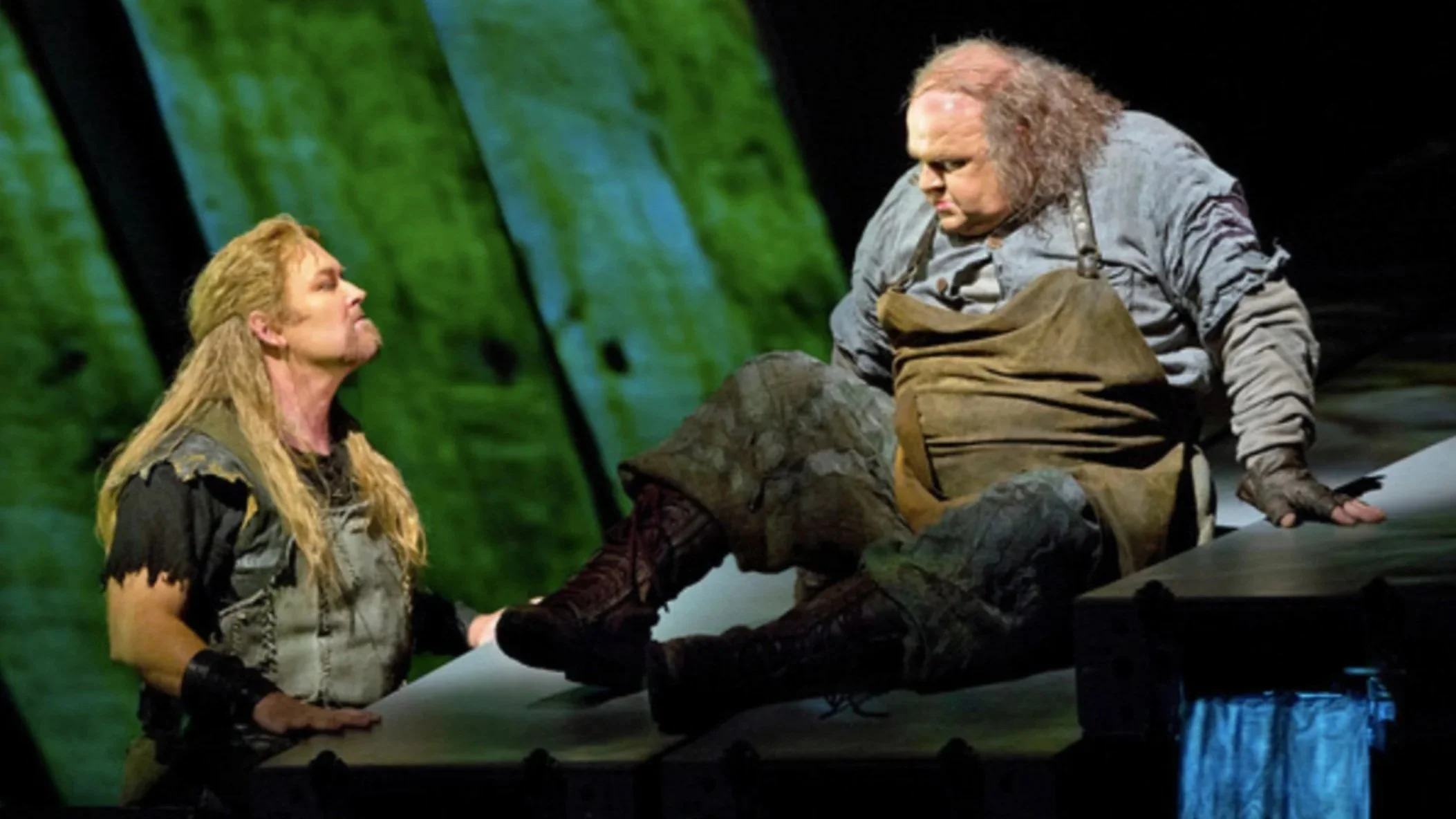
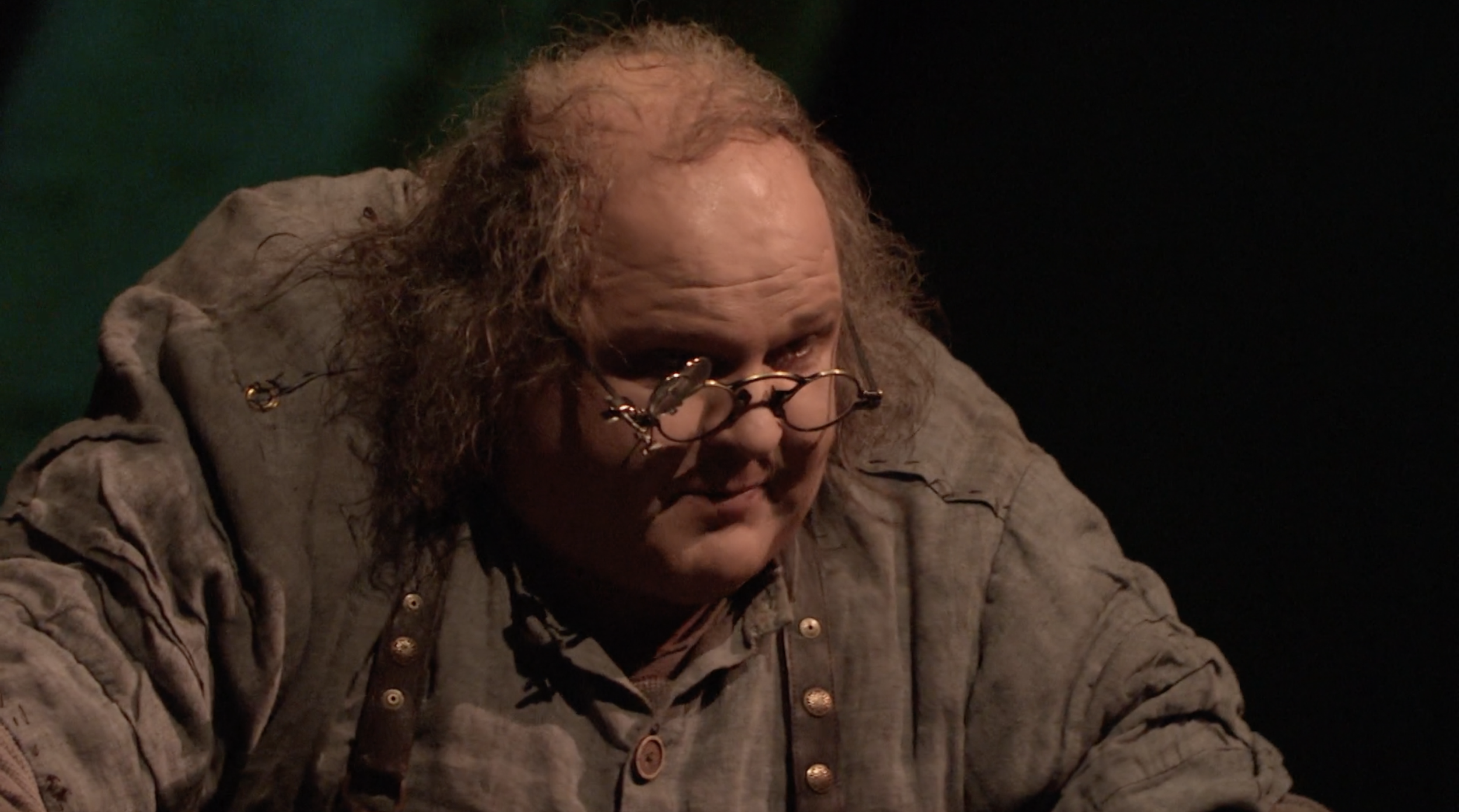
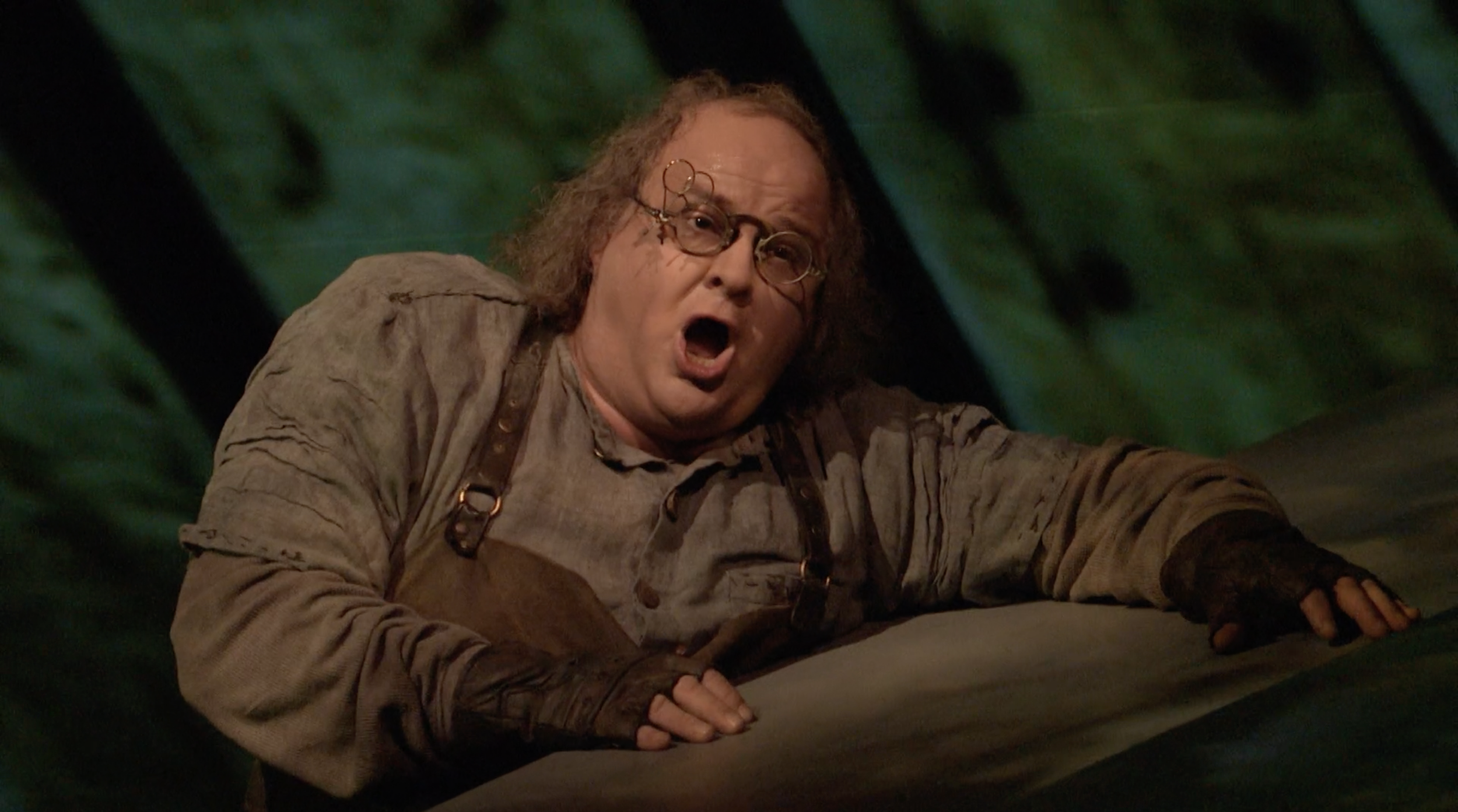
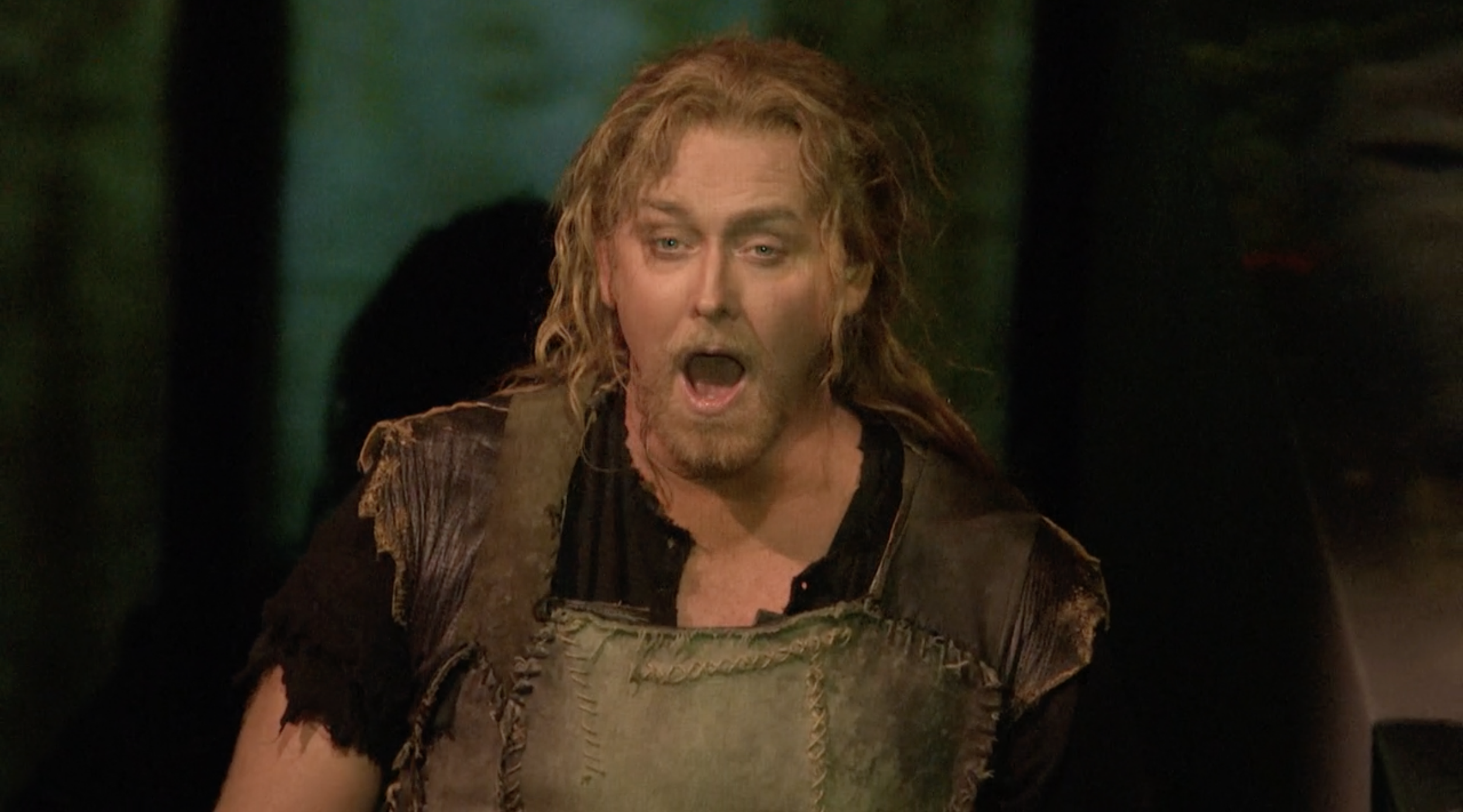
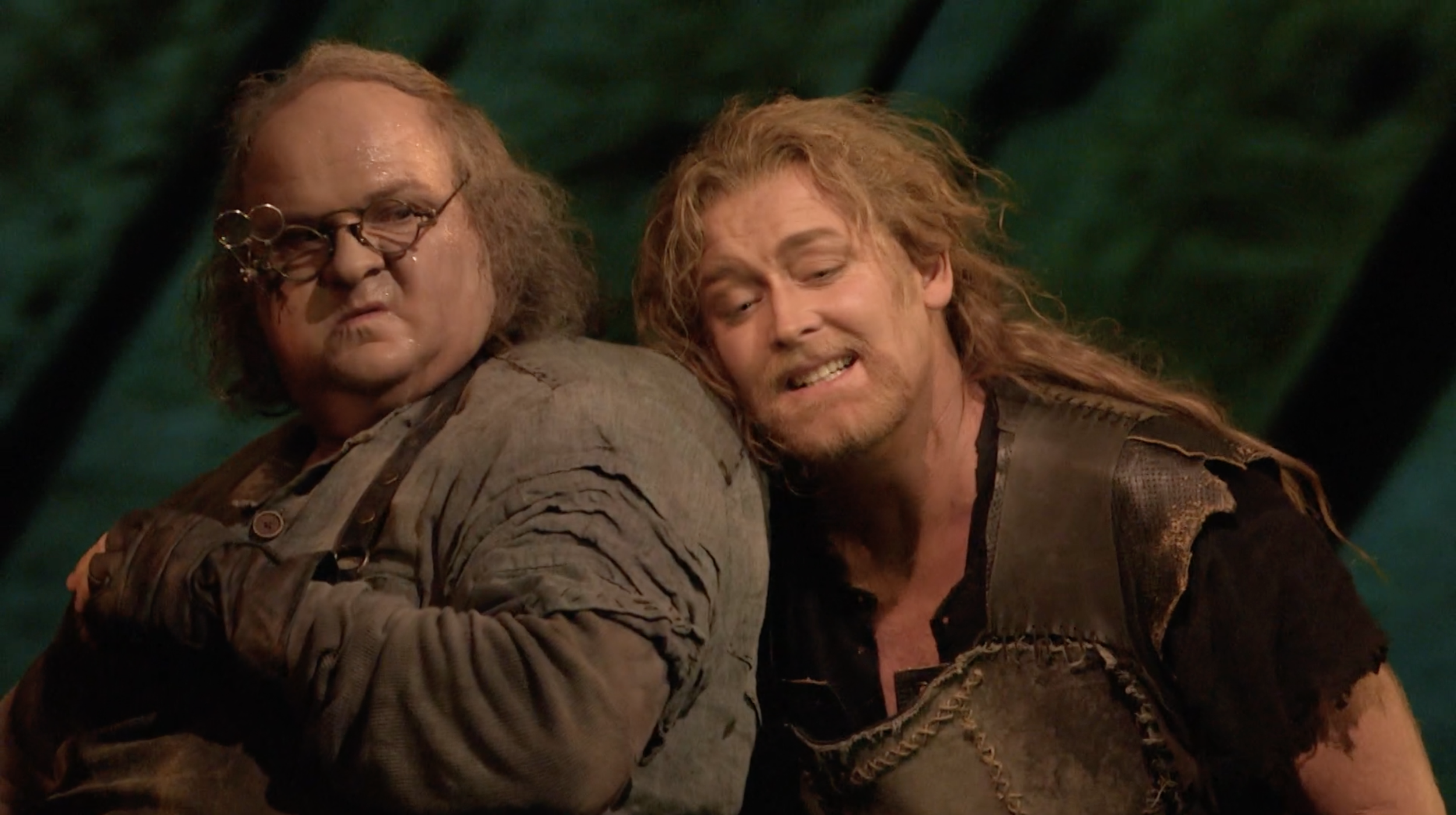
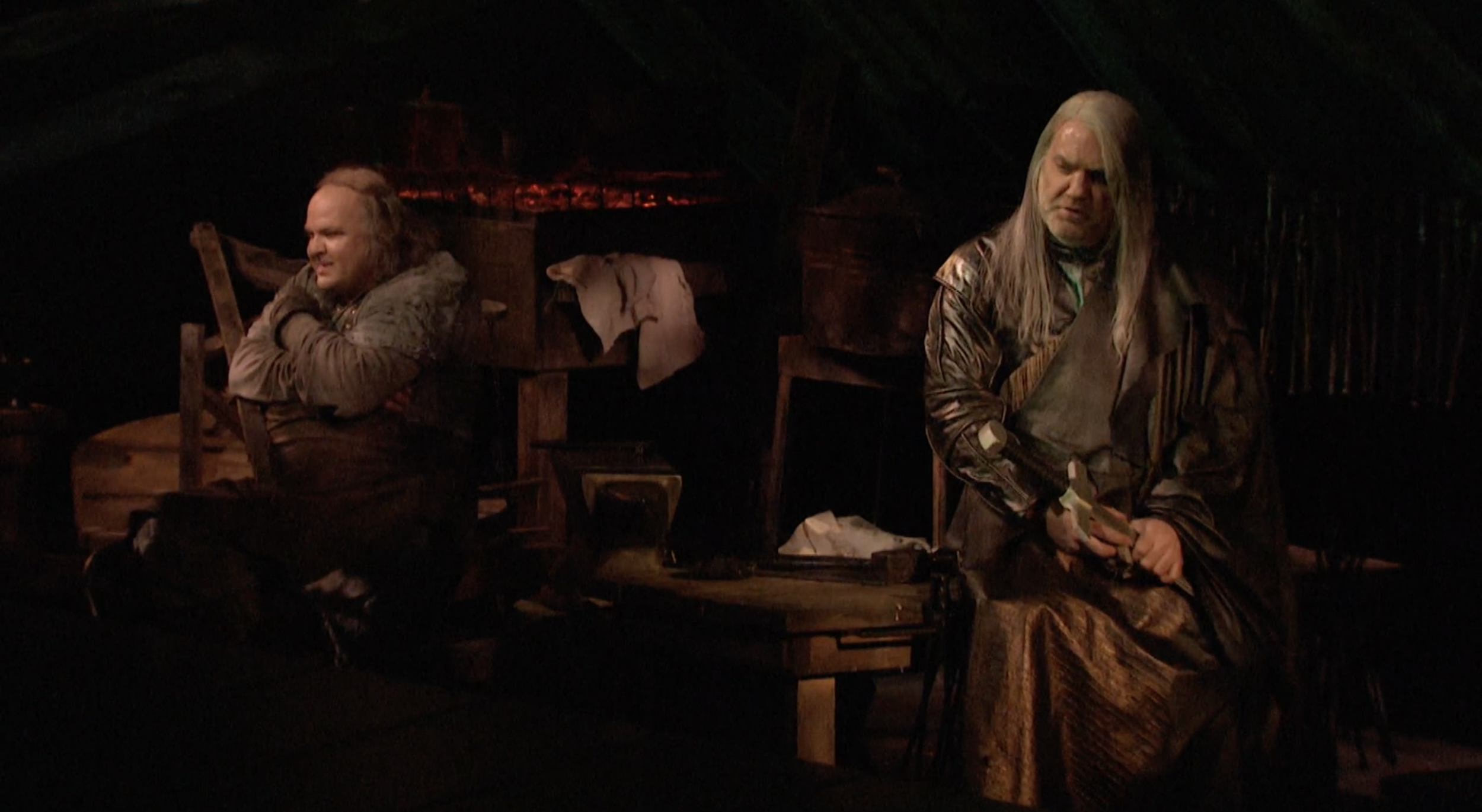
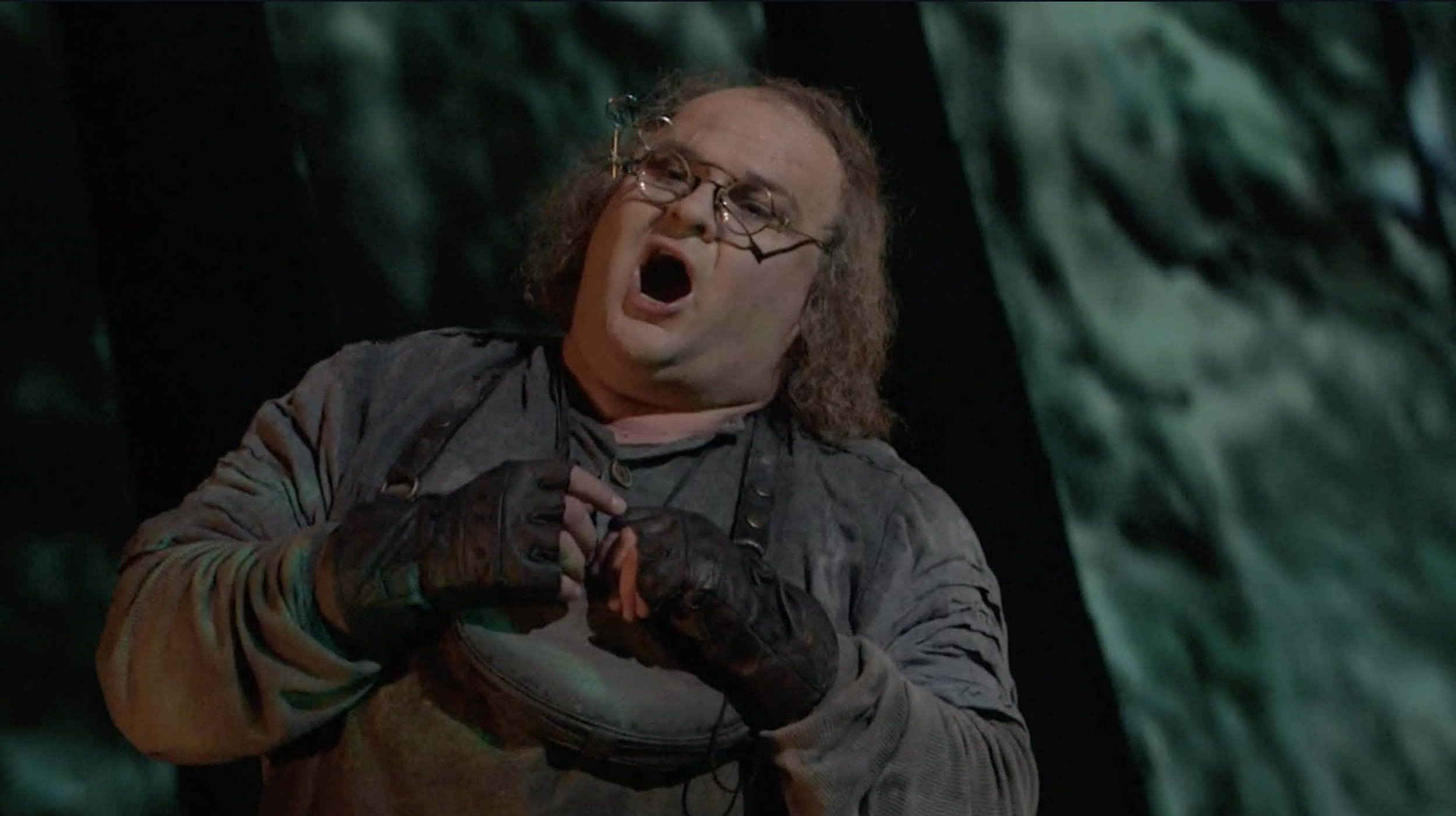
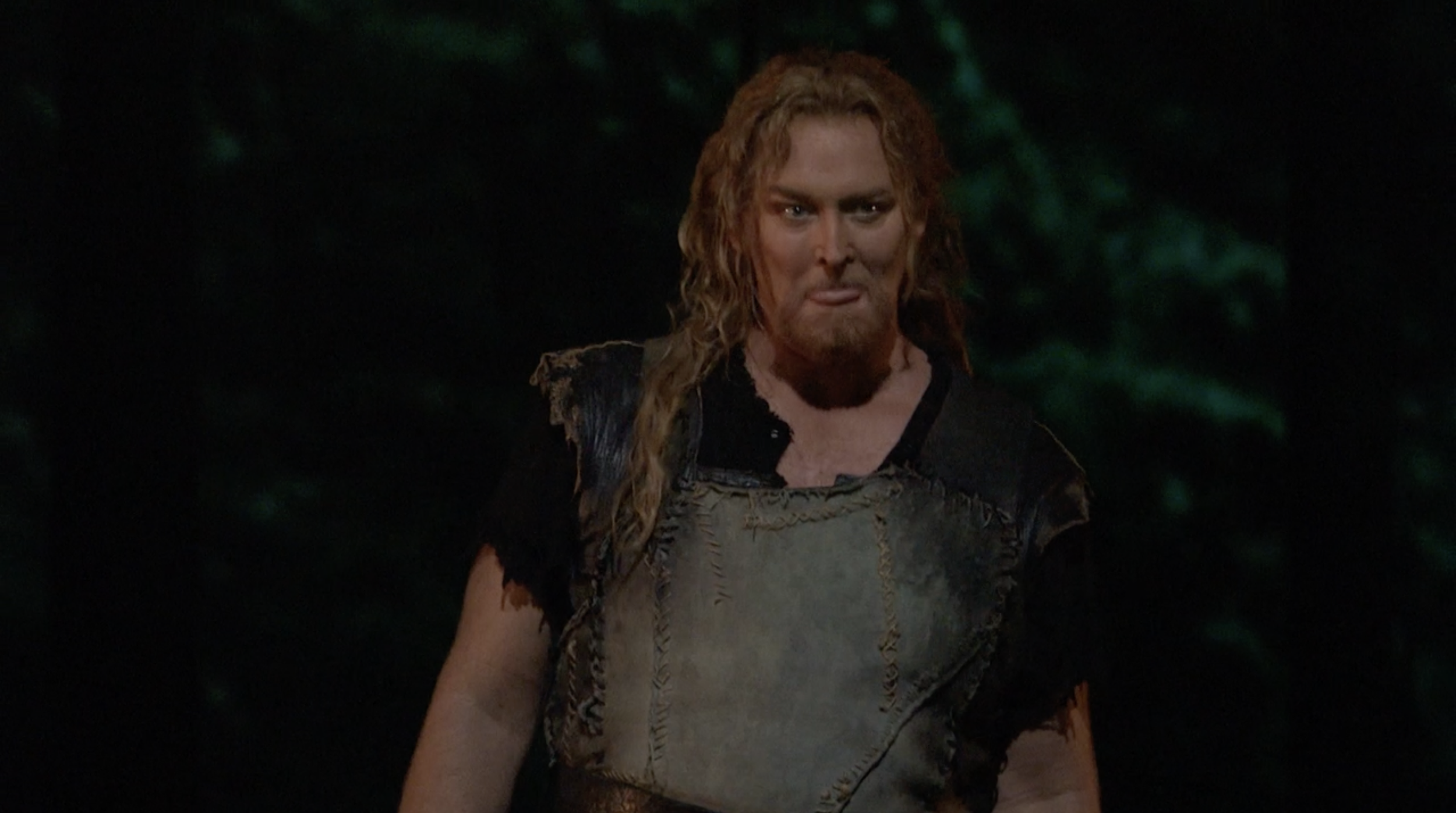
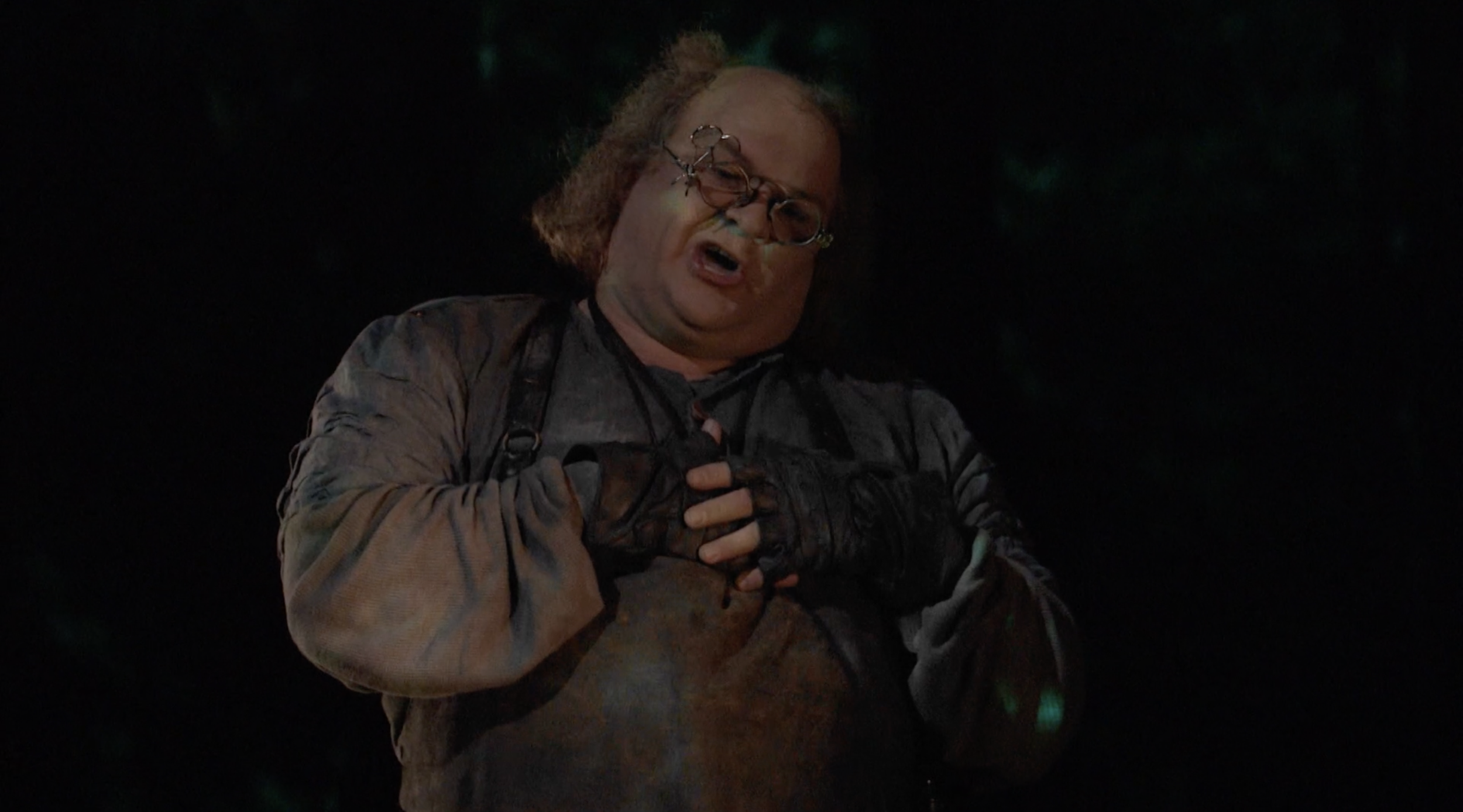
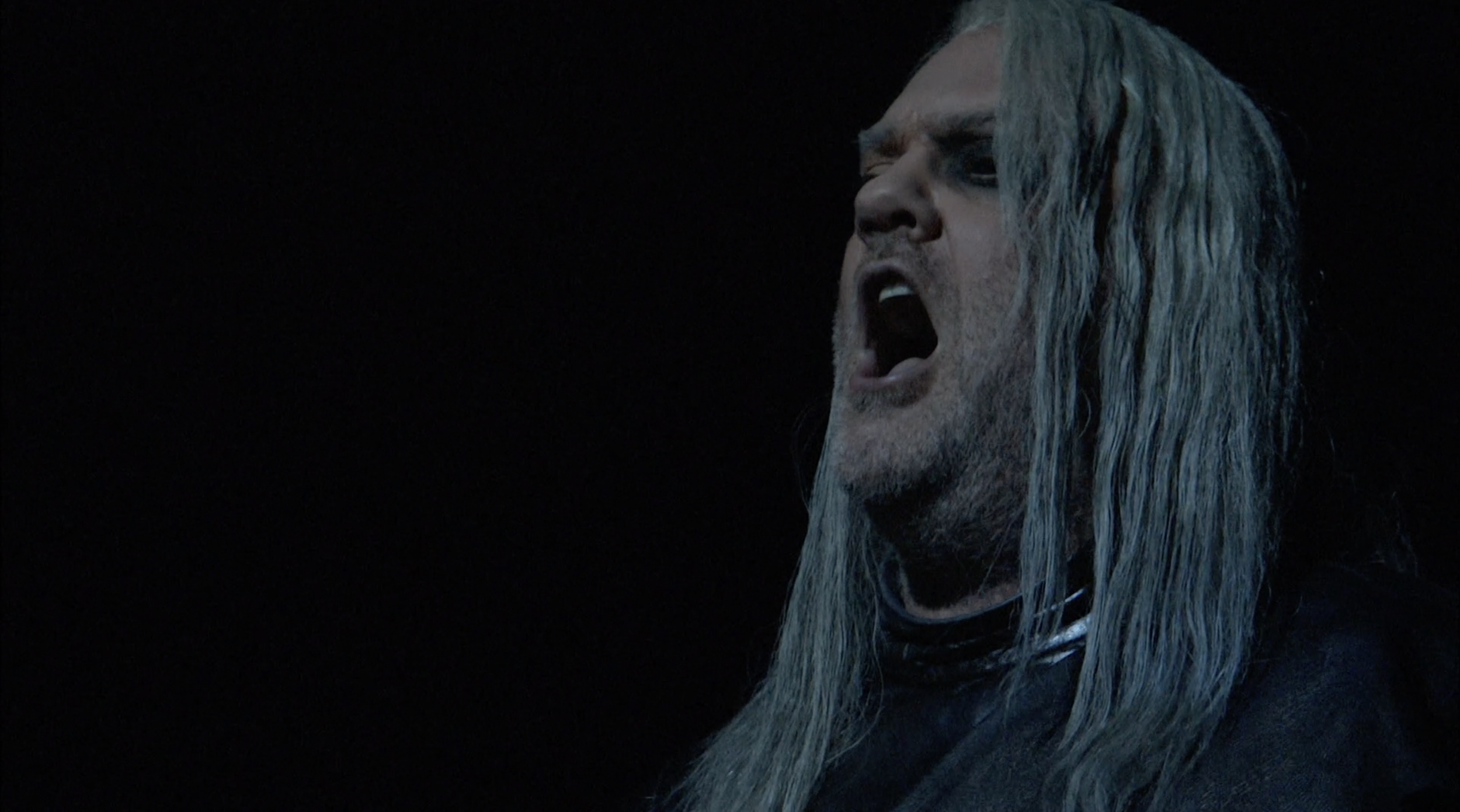
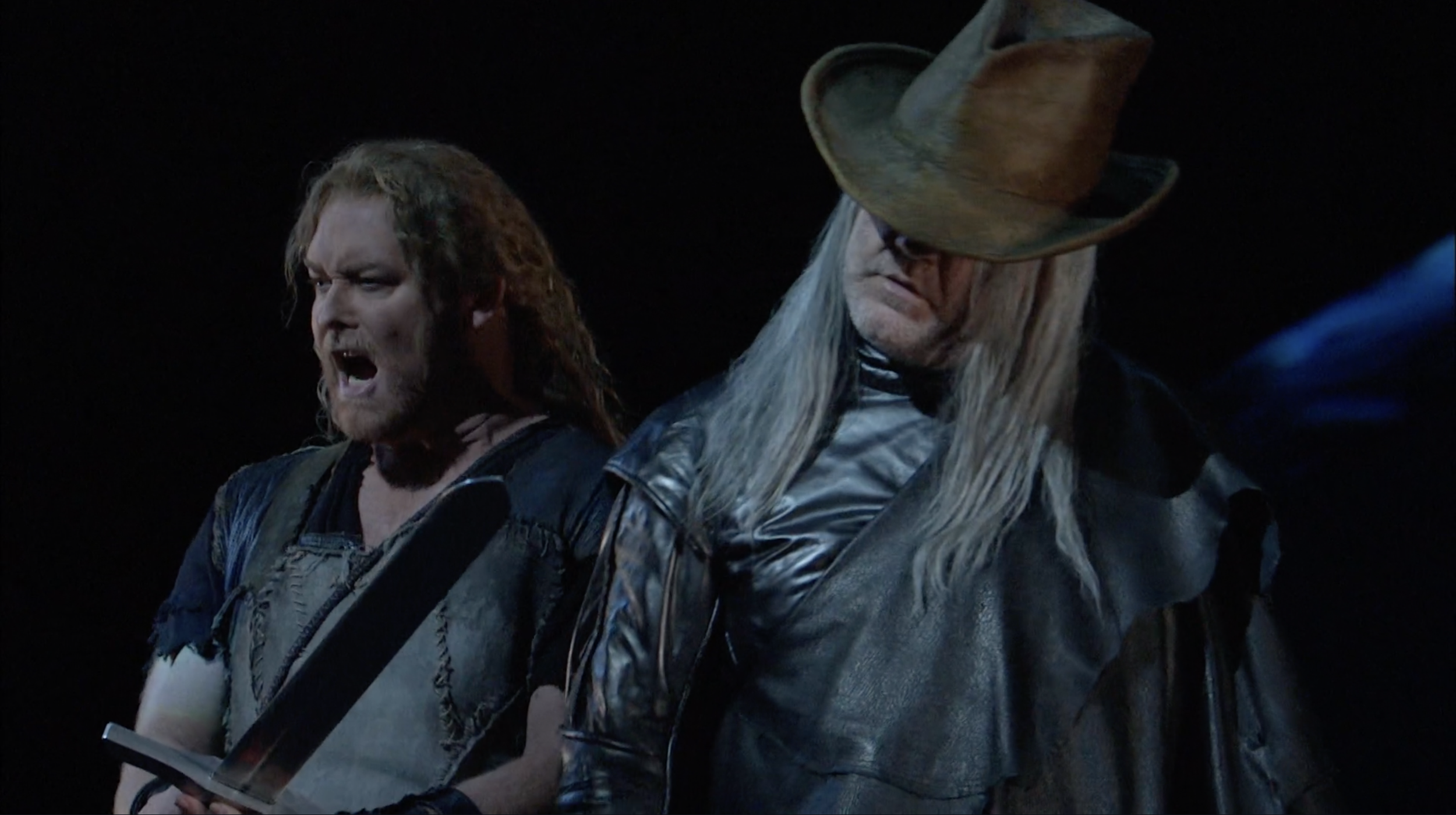
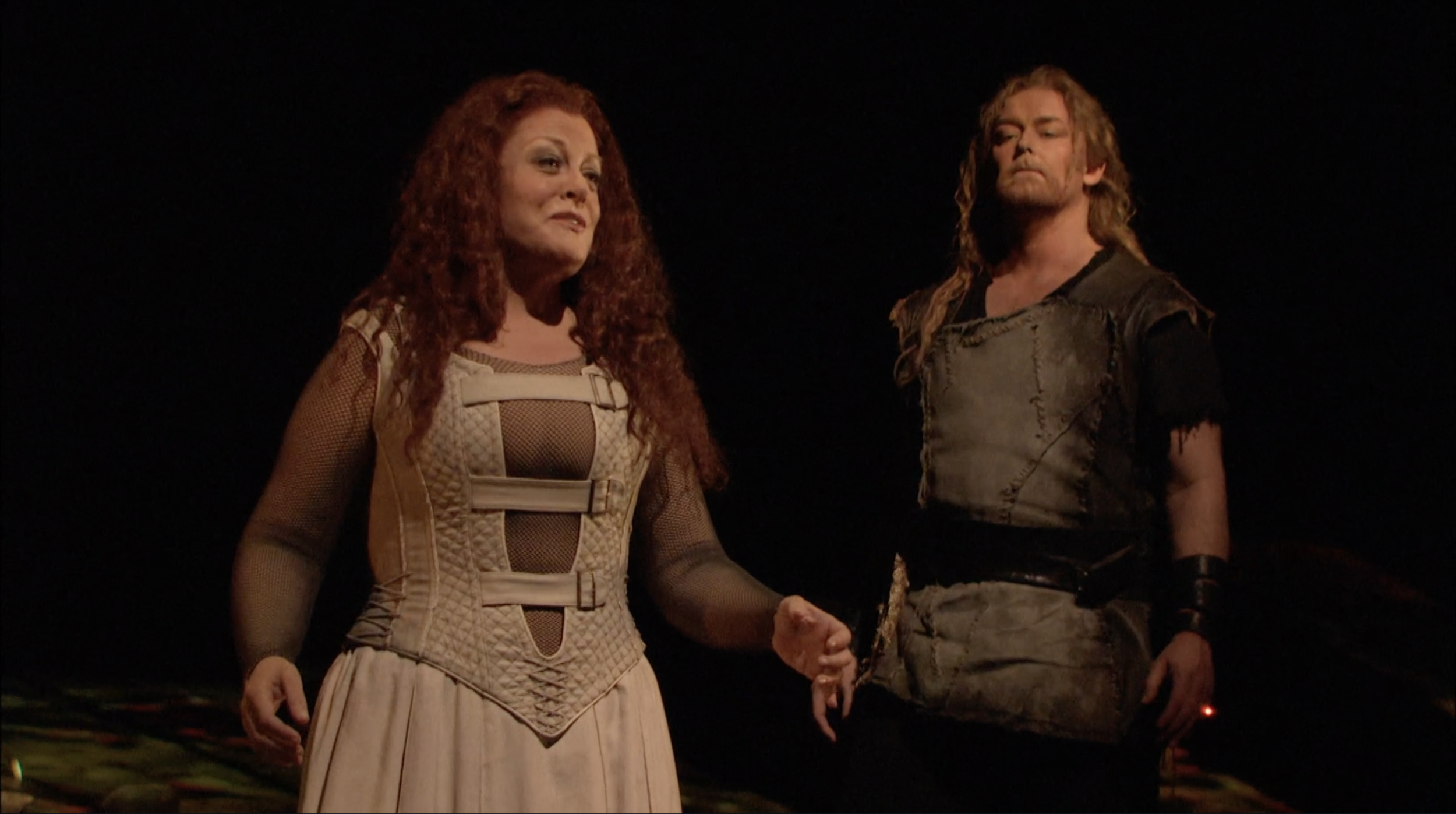
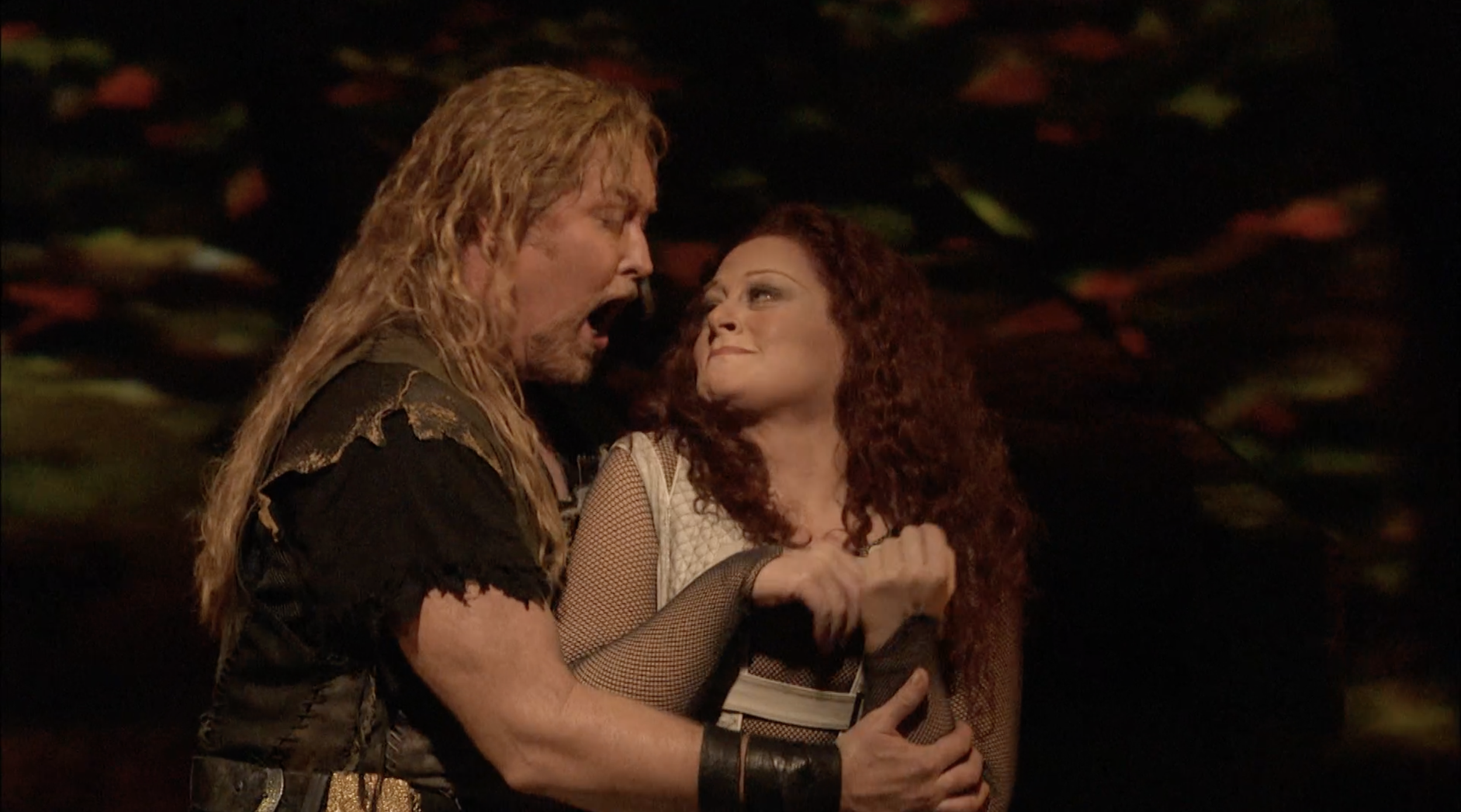
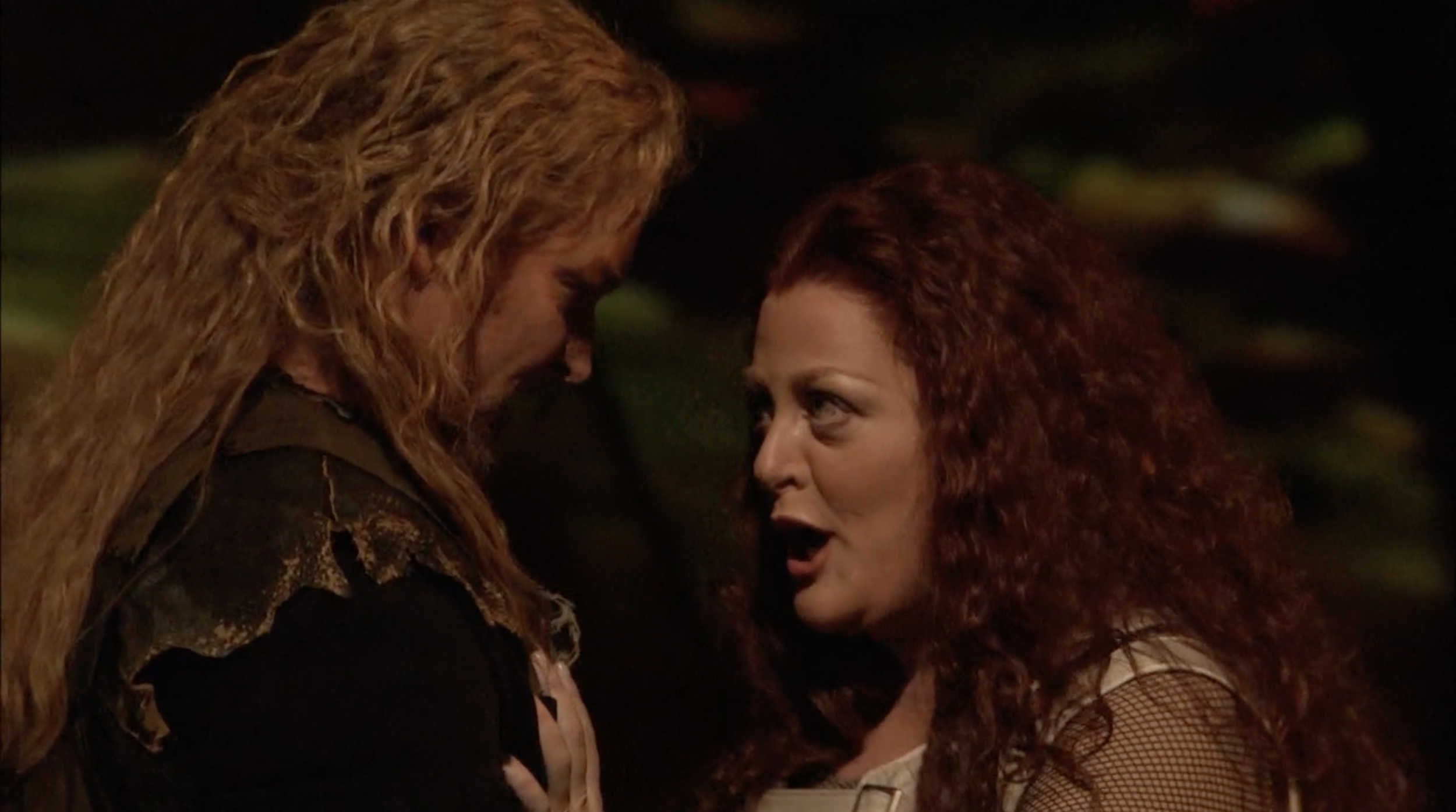
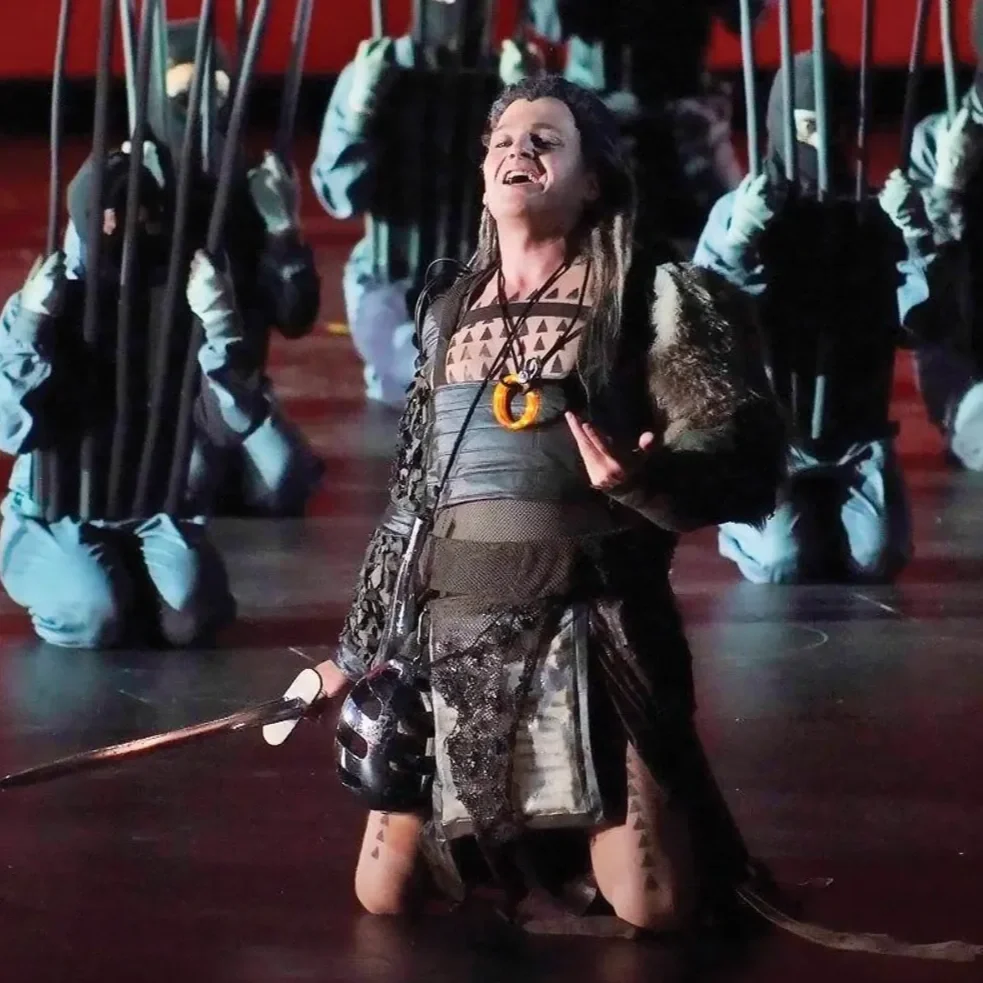
Jay Hunter Morris as Siegfried and Gerhard Siegel as Mime, from the 2013 Metropolitan Opera production
Themen: Furchtlosigkeit, Herkunft, Das Fürchten, Erwachen
Element: Frühherbstlicht und altes Gestein
This walk treats Wagner not as repertoire, but as a composed method for moving through the city.
Das Ergebnis auf einen Blick
Dauer: A full day, late morning into early evening, six to seven hours. The walk moves from Manhattan's only surviving natural forest, across the island's northern tip, over a working iron bridge, and up into the Bronx. Give it room.
Distanz: 5–6 miles, the first stretch entirely on unpaved forest trail. This is the most physically wild walk in the year's circuit, closer to hiking than to strolling for most of its first half.
Beste Zeit: A clear weekday in mid-to-late September, after the worst of the summer humidity has broken but before the leaves have turned. Early autumn light in New York has a specific clarity, low-angled and unsentimental, that suits an opera about someone who has not yet learned to be afraid of anything, including the things worth fearing.
Wetter:
Cool, dry, high-visibility days are correct. This is the one month of the year's circuit that wants clarity over atmosphere. Fog and rain, so useful in January and March, work against this walk's grain.
Wind is welcome. The forest canopy moving audibly overhead is close to what the Forest Murmurs music is describing.
Zugänglichkeit:
Inwood Hill Park's forest trails are unpaved, rooted, and involve real elevation change. Wear shoes that can handle dirt and loose rock.
The Indian Caves are reached by an unmarked scramble off the main trail; they are not accessible for anyone with mobility limitations, and the approach should be taken slowly regardless of experience.
The Broadway Bridge has a standard pedestrian sidewalk and is fully accessible.
Wave Hill requires paid admission (free on some weekday mornings; check current policy) and is fully accessible via paved paths once inside the grounds.
Essentieller Moment:
The Indian Caves, deep in Inwood Hill Park's ravine. A set of real geological shelters cut into Manhattan schist, used for occupation by the Lenape long before the island had any other name, reachable only by leaving the maintained trail. This is the one point in the entire year's circuit where the walk asks you to go somewhere the city has not finished paving. Fafner's cave should not be easy to find.
Language Anchor (German Phrase of the Walk):
Das ist kein Mann! / That is not a man! Siegfried's cry on the mountaintop, the instant he removes Brünnhilde's helmet and understands, with no prior information to prepare him, that the sleeping figure in armor is a woman. The opera's most disarming line. A hero who has just killed a dragon without flinching, undone completely by an observation a child could make.
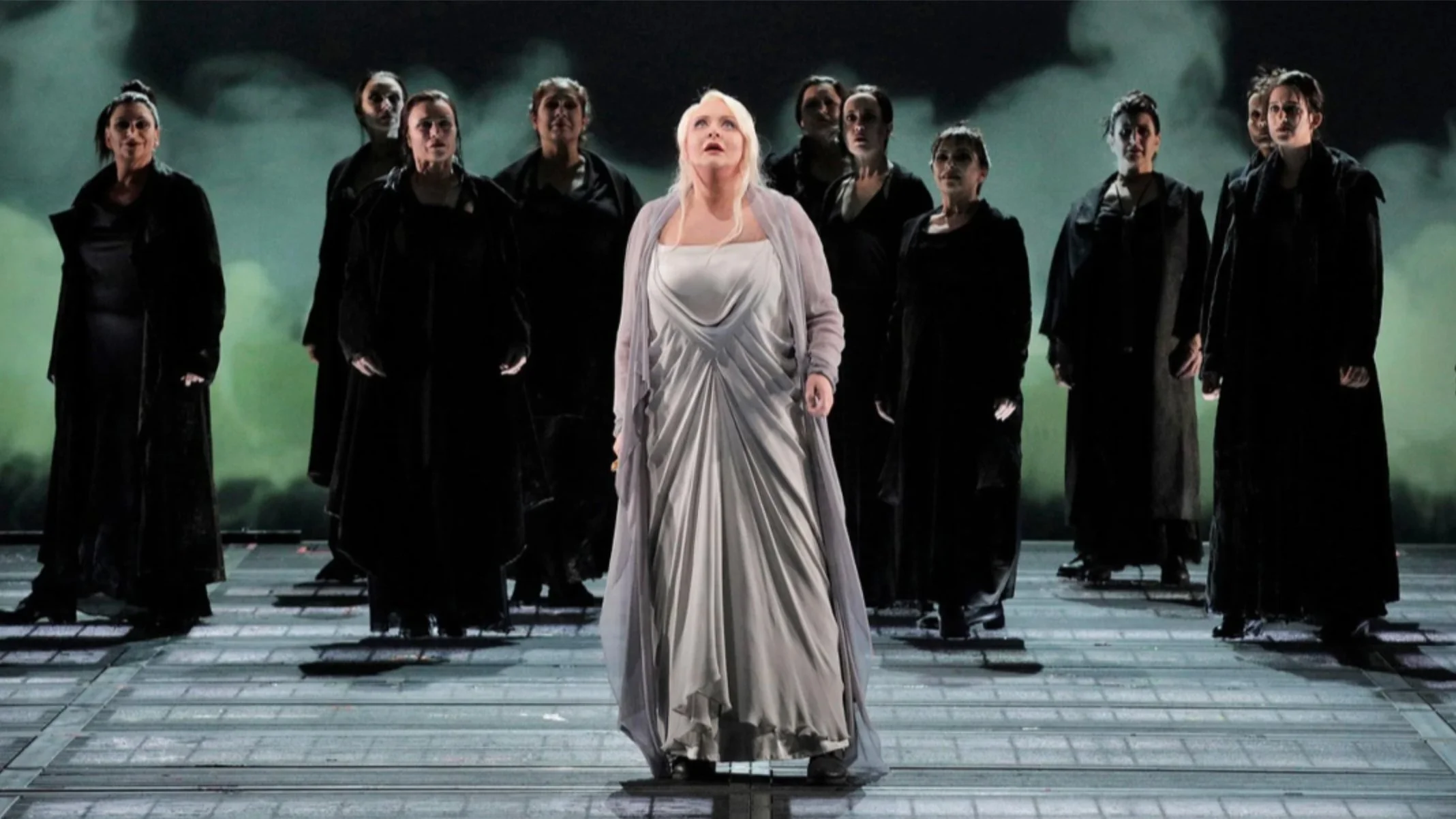
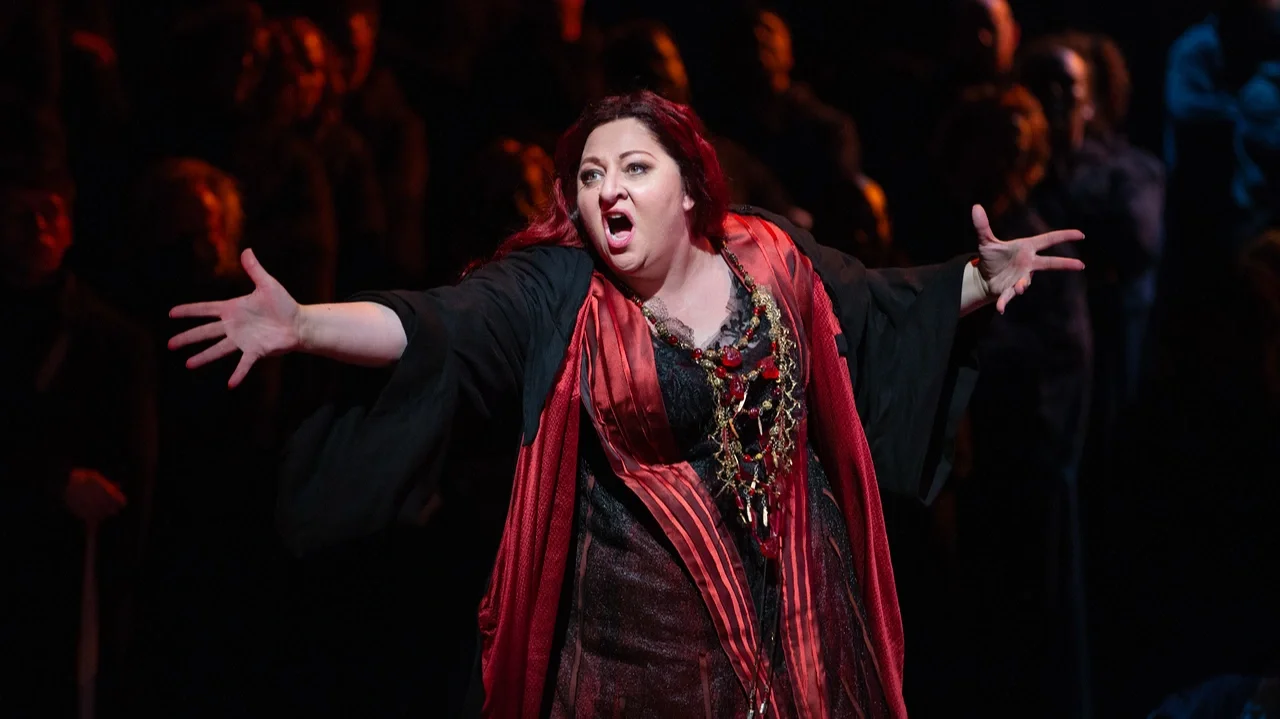
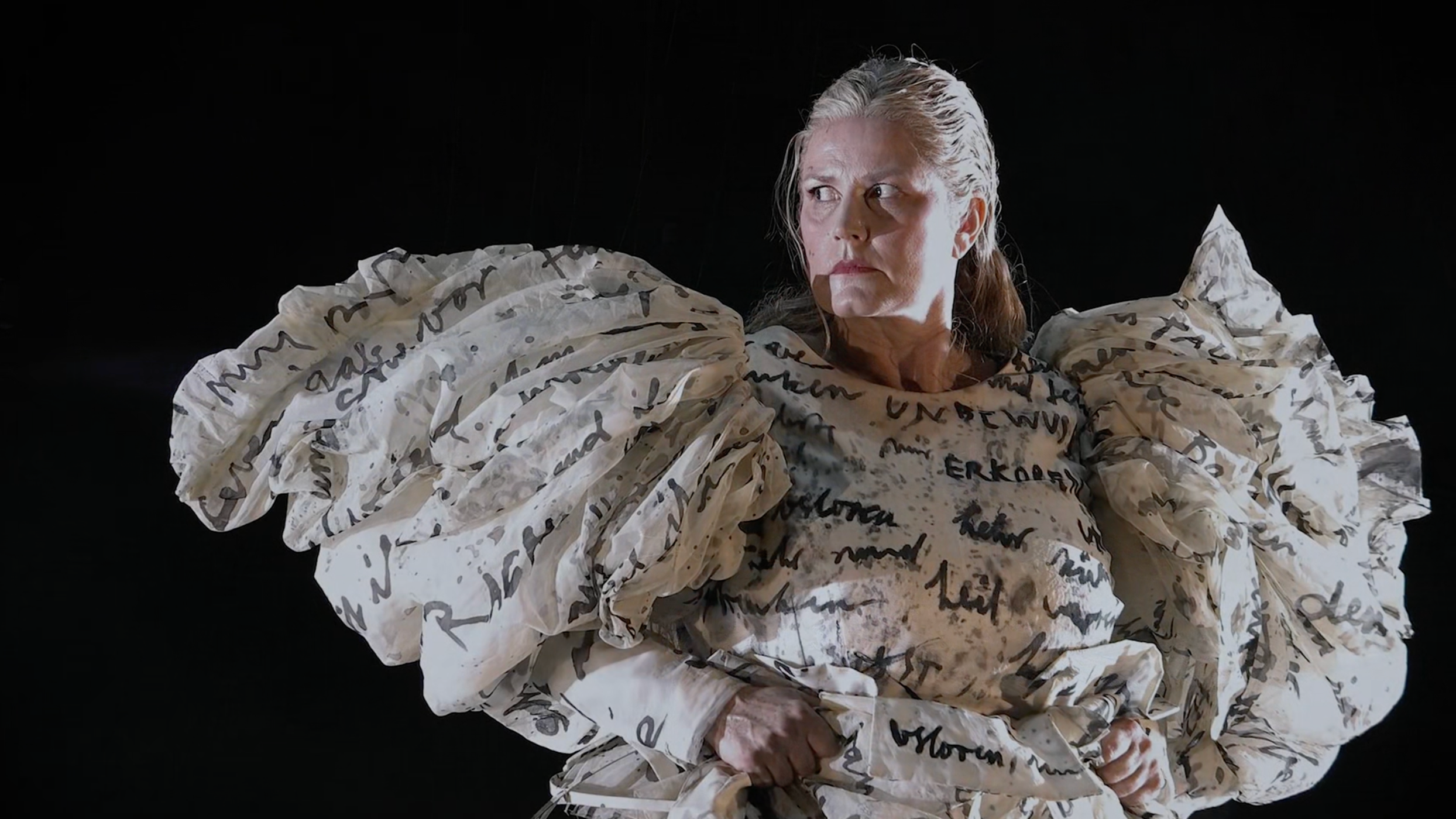
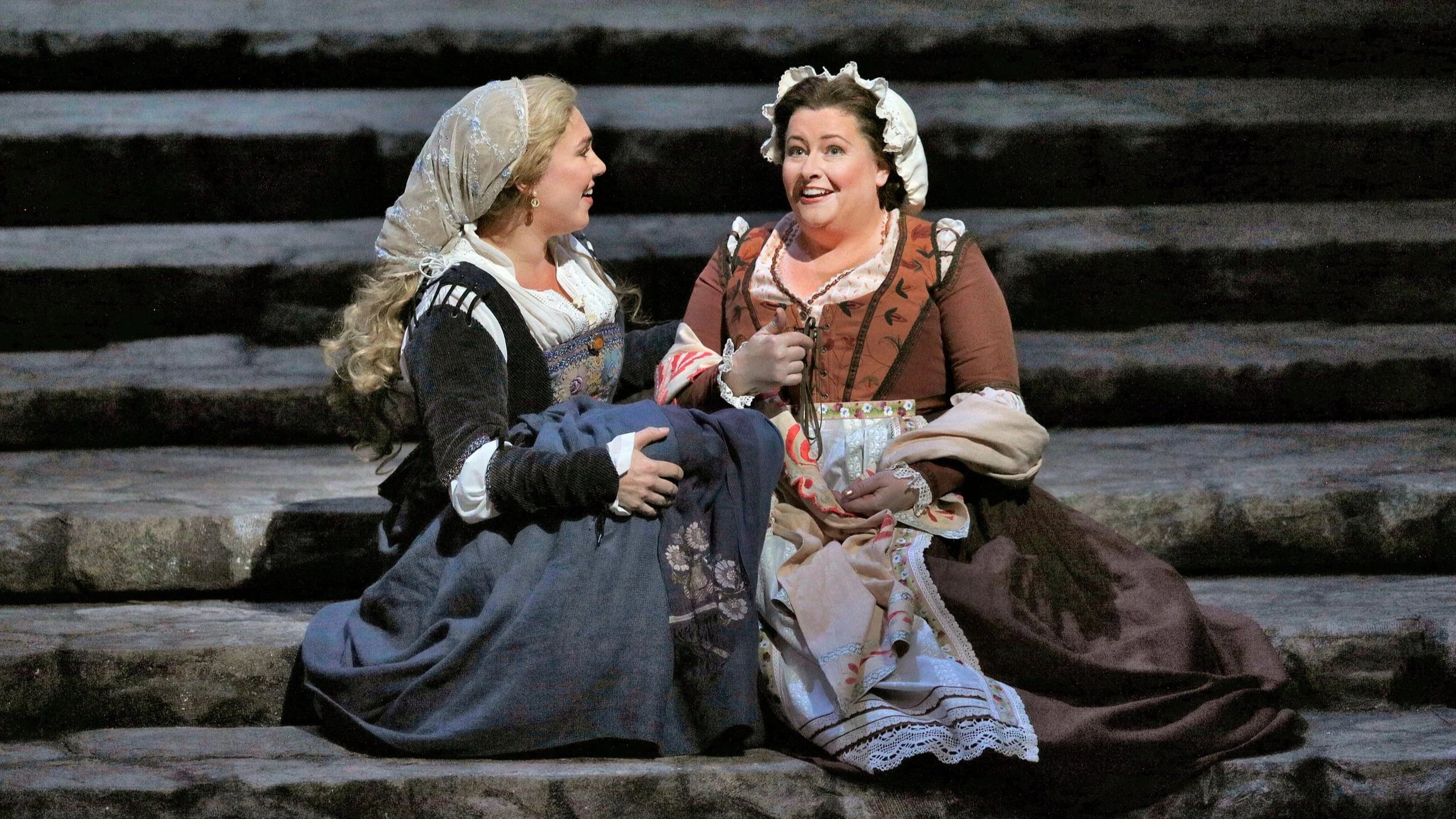
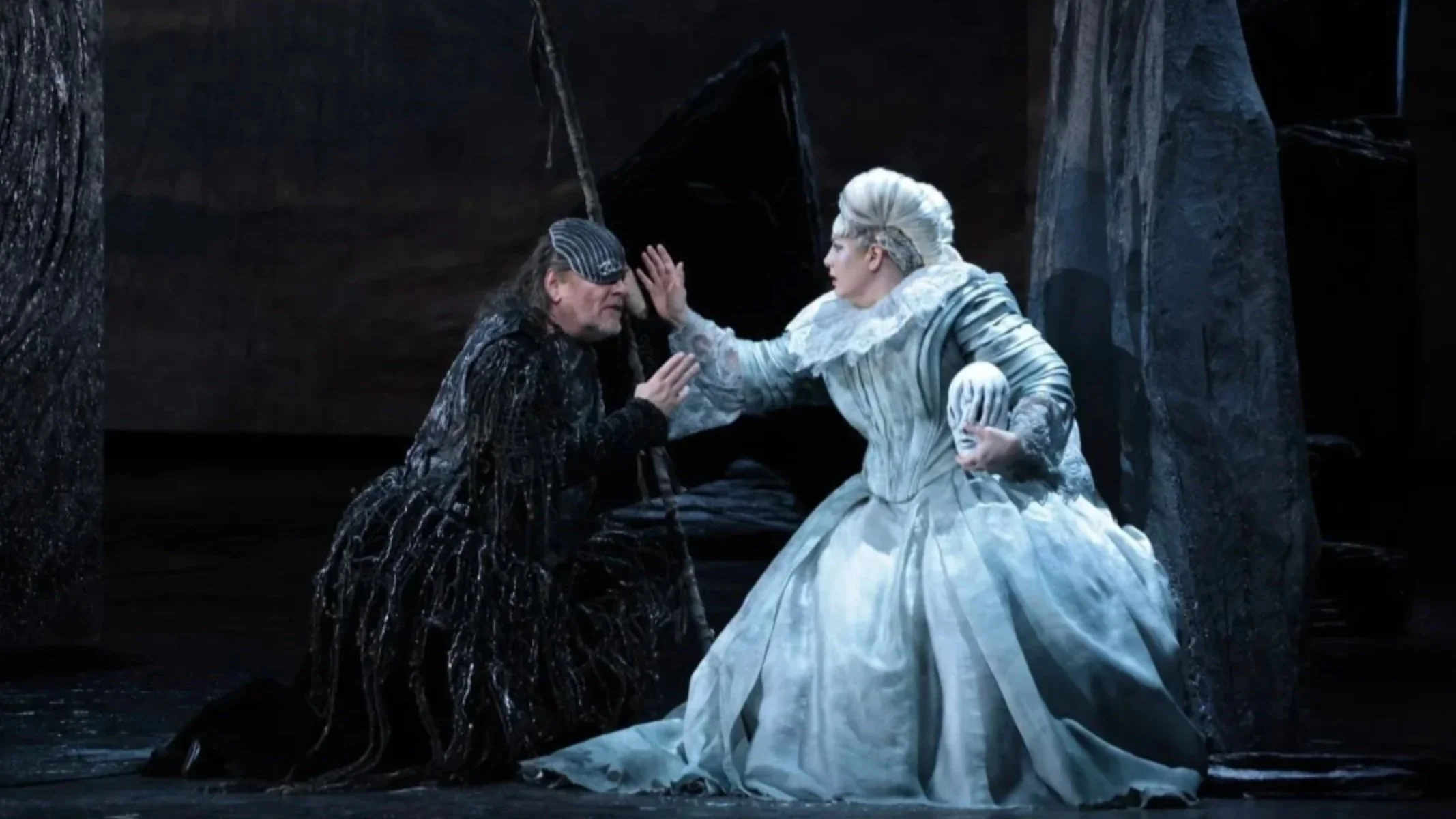
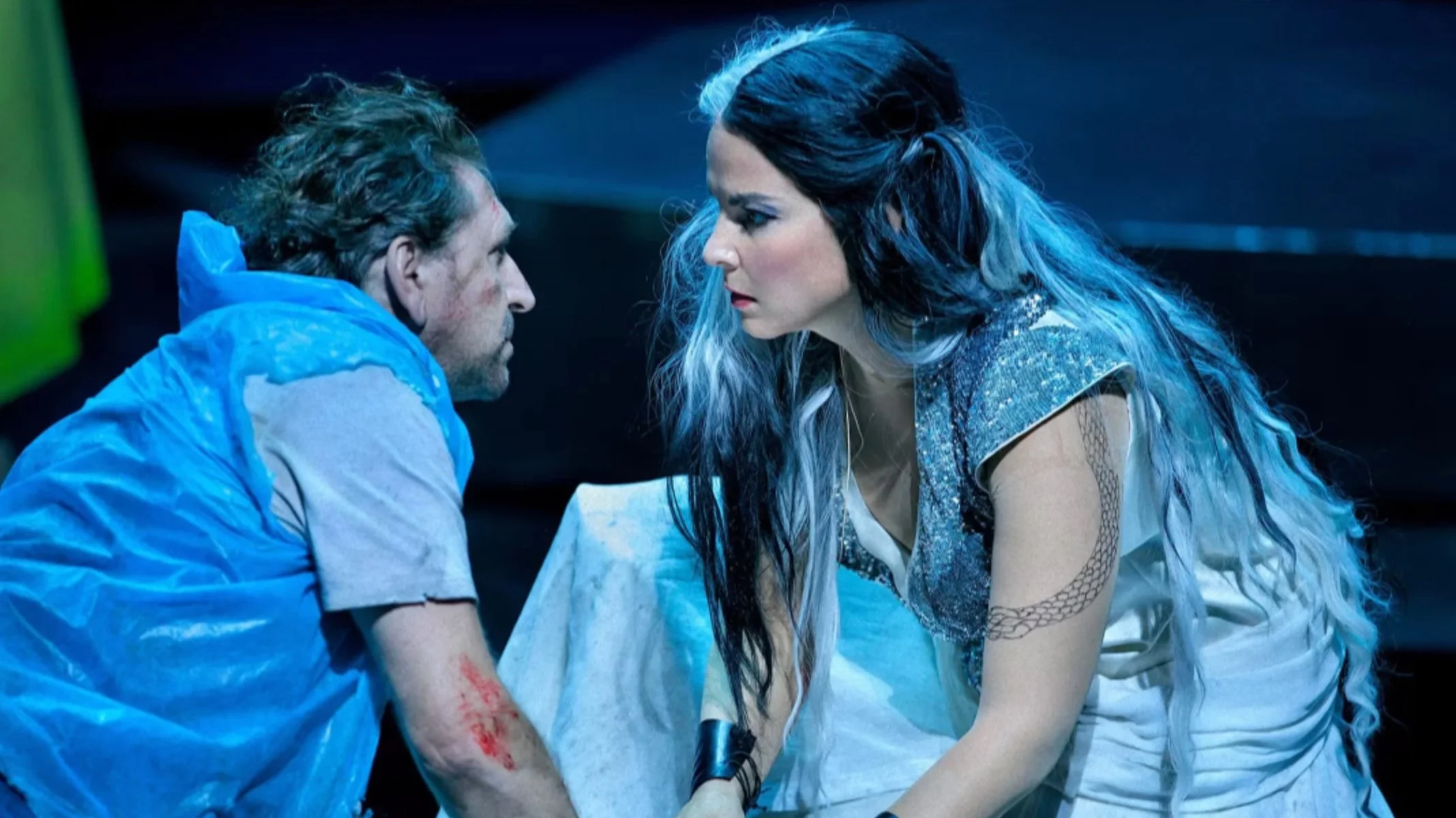
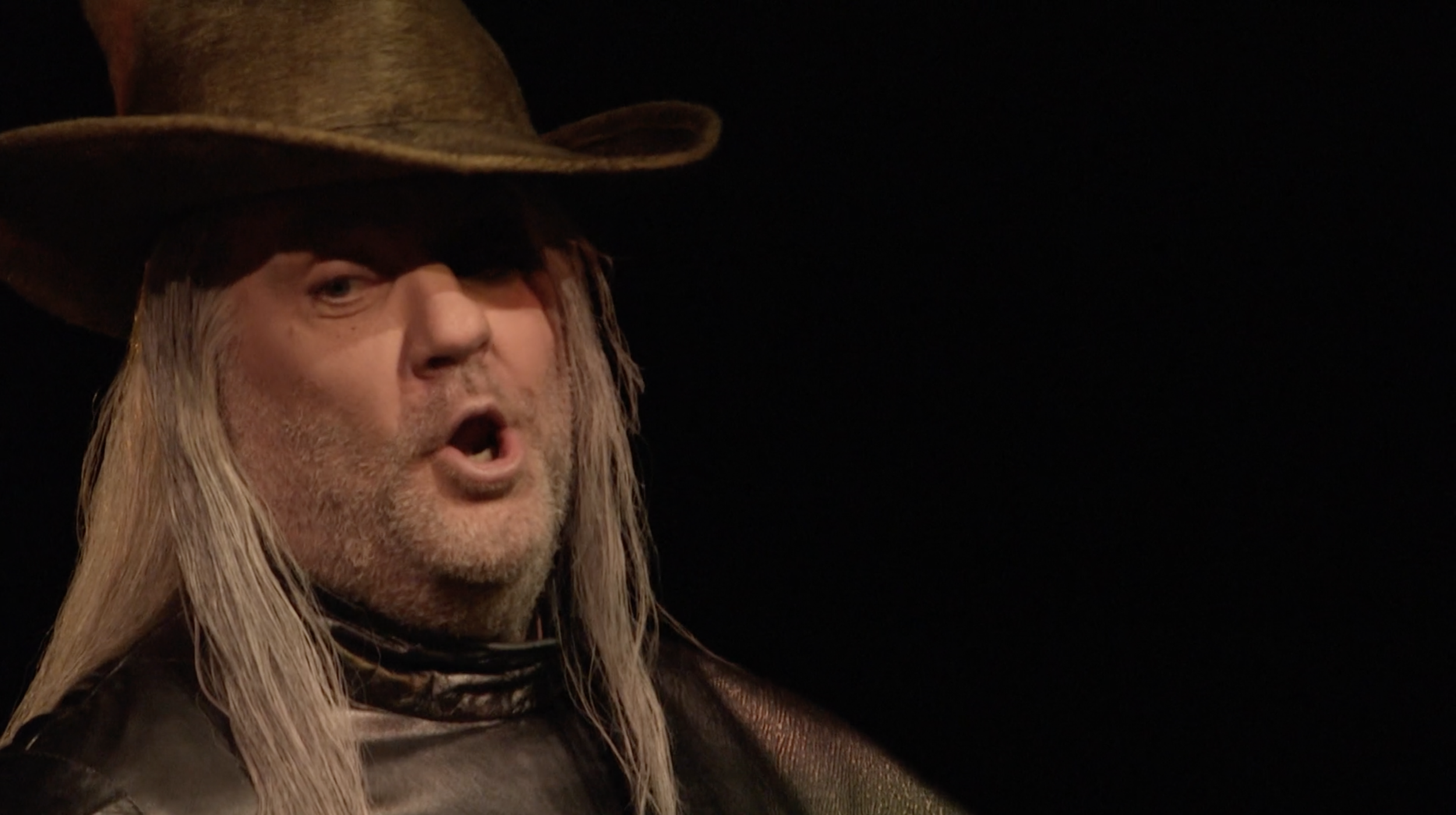
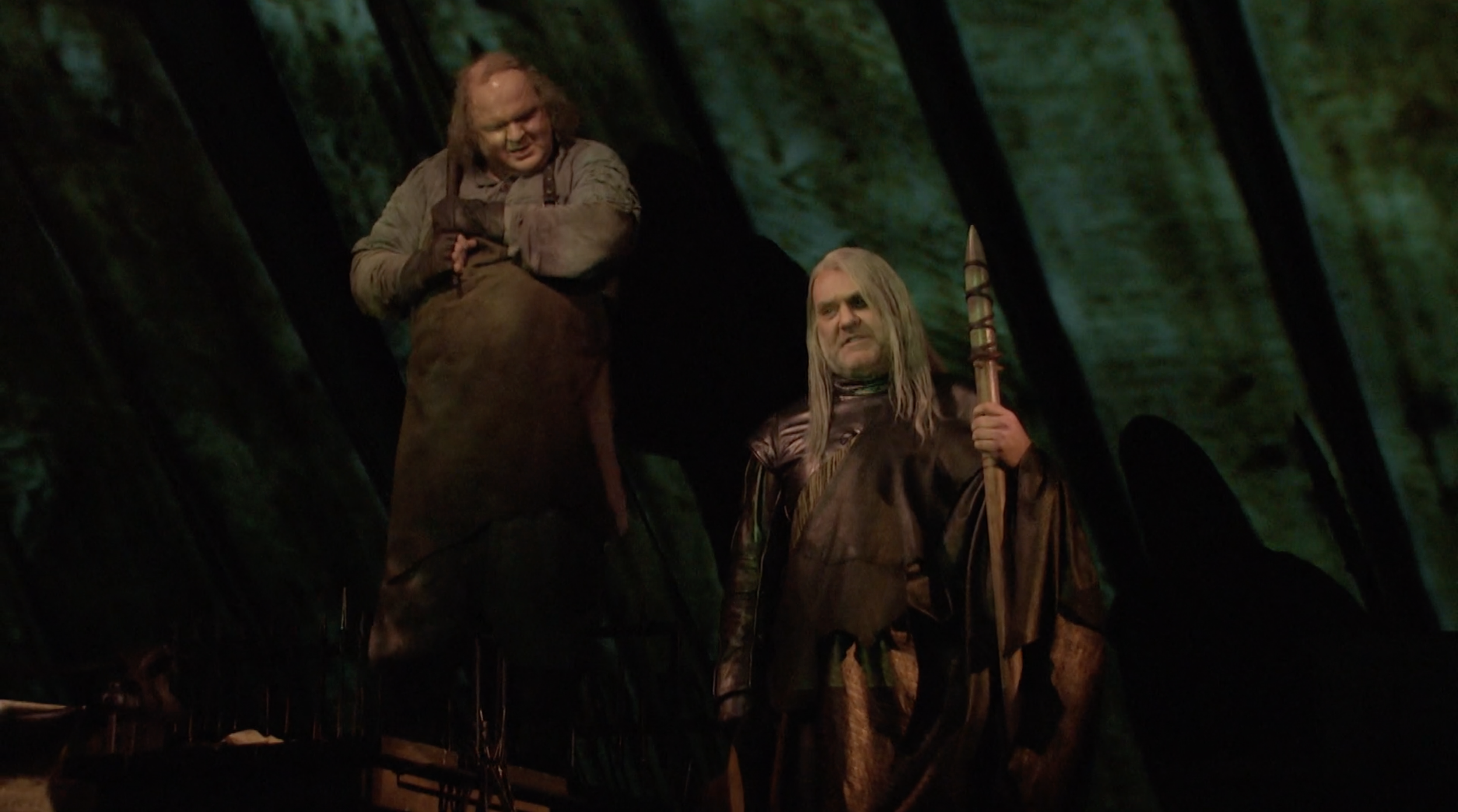
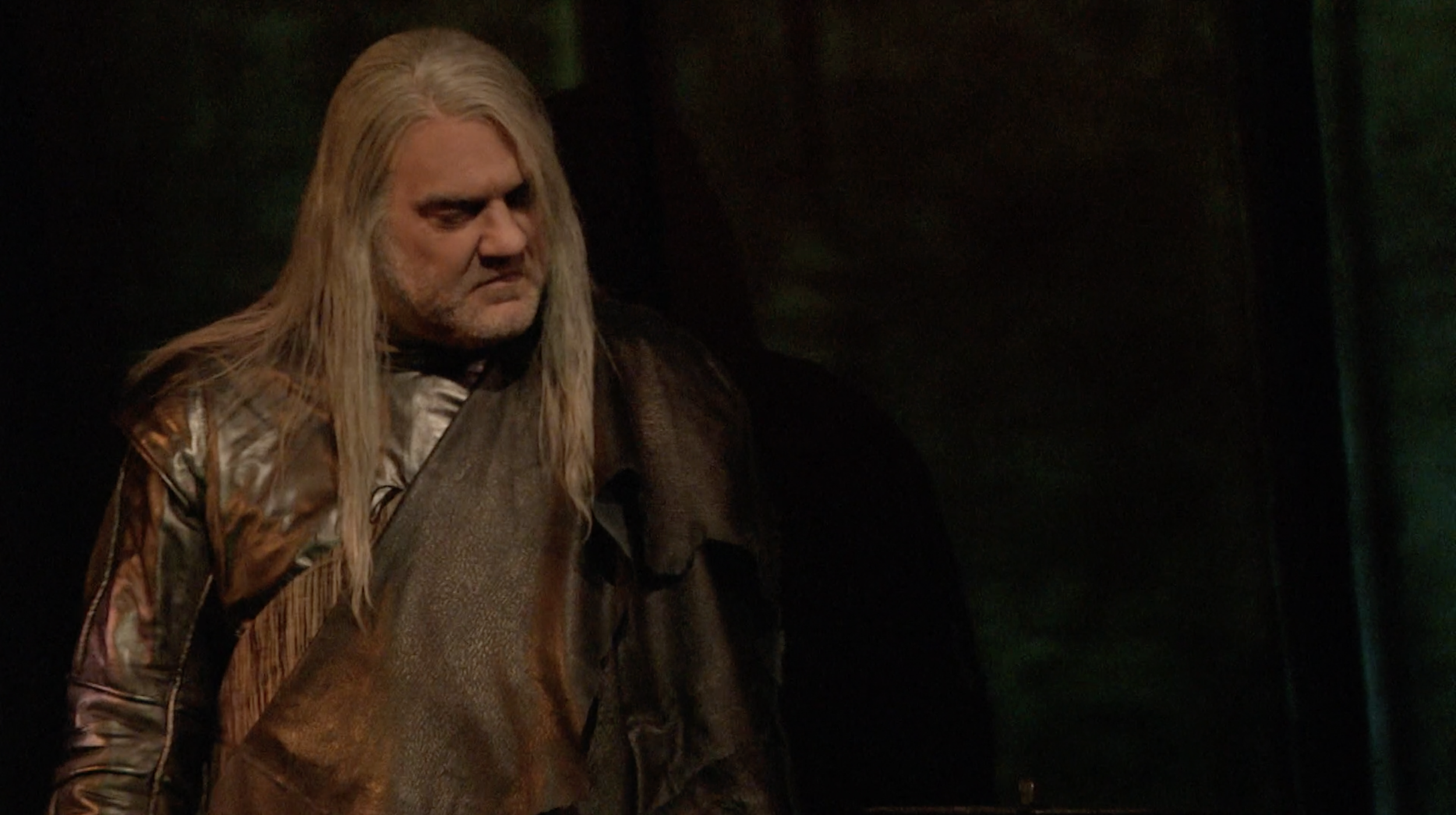
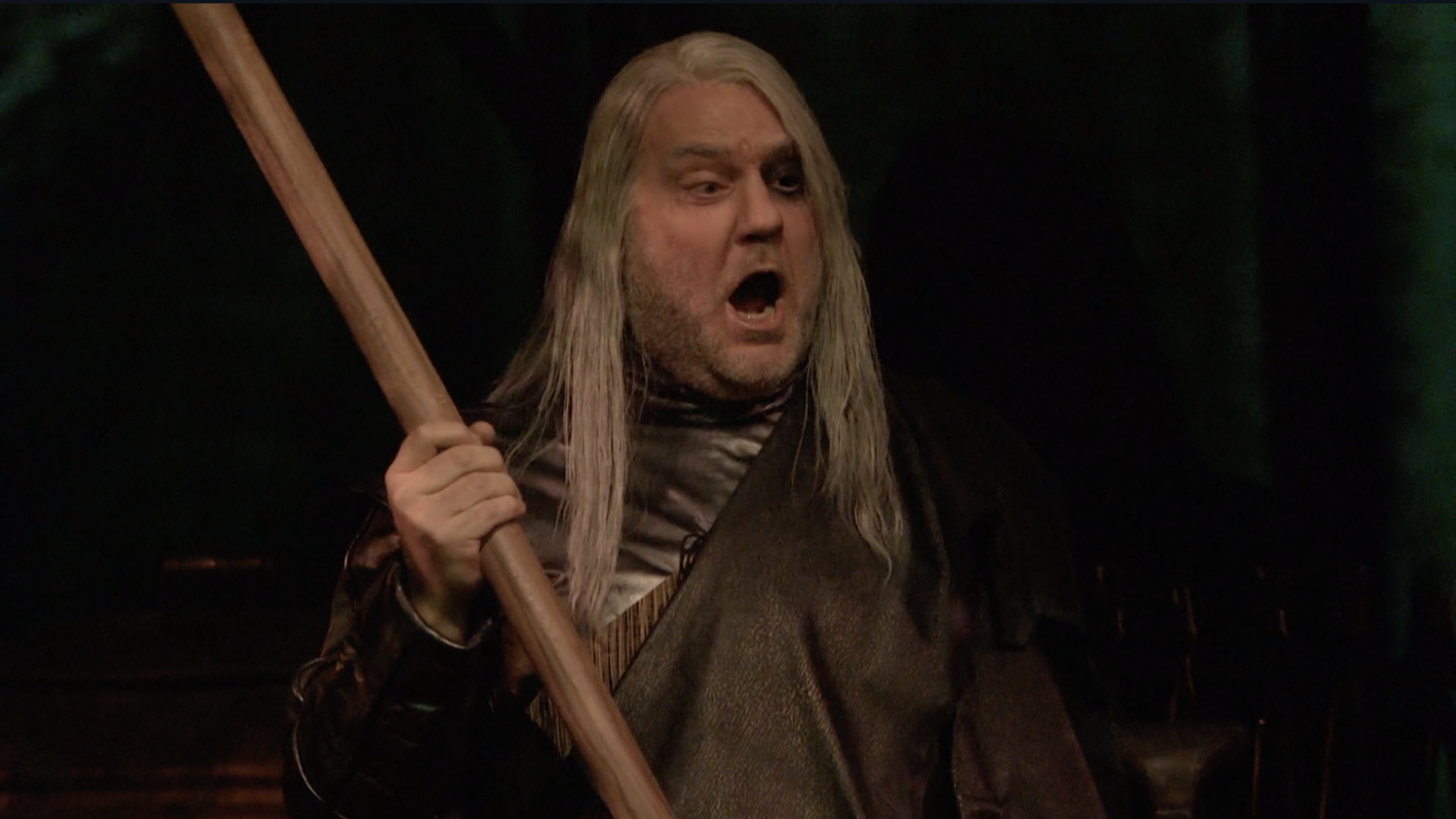
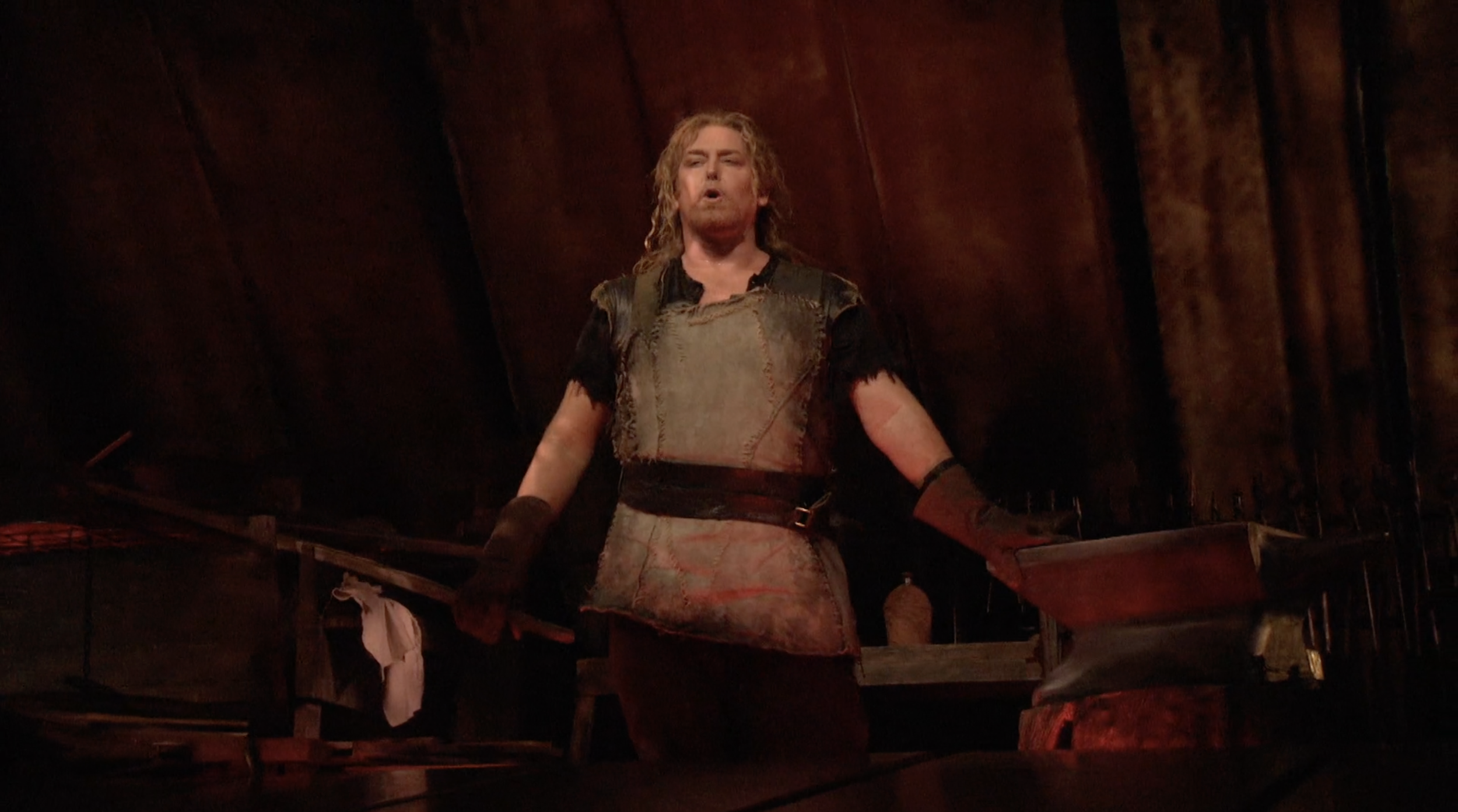
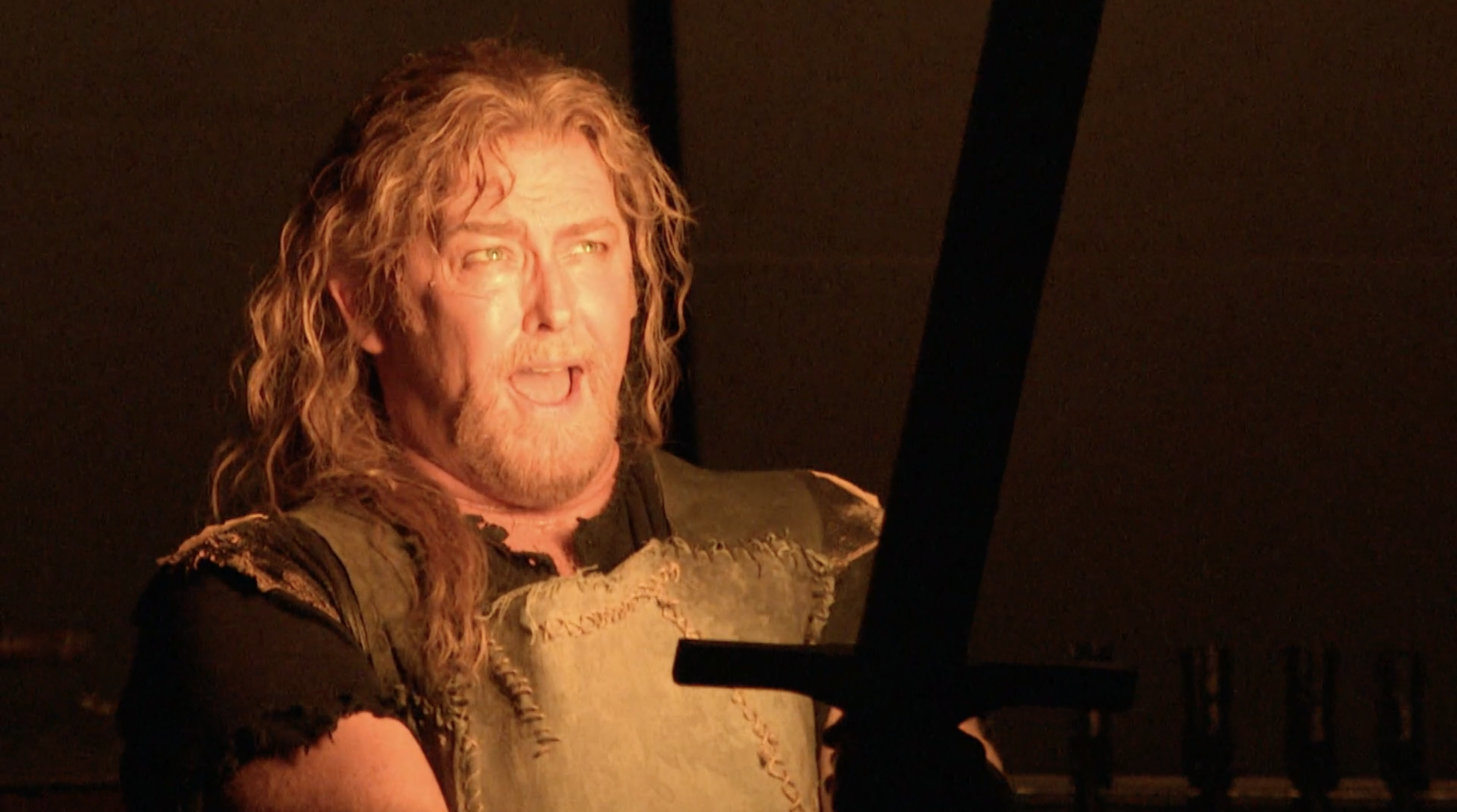
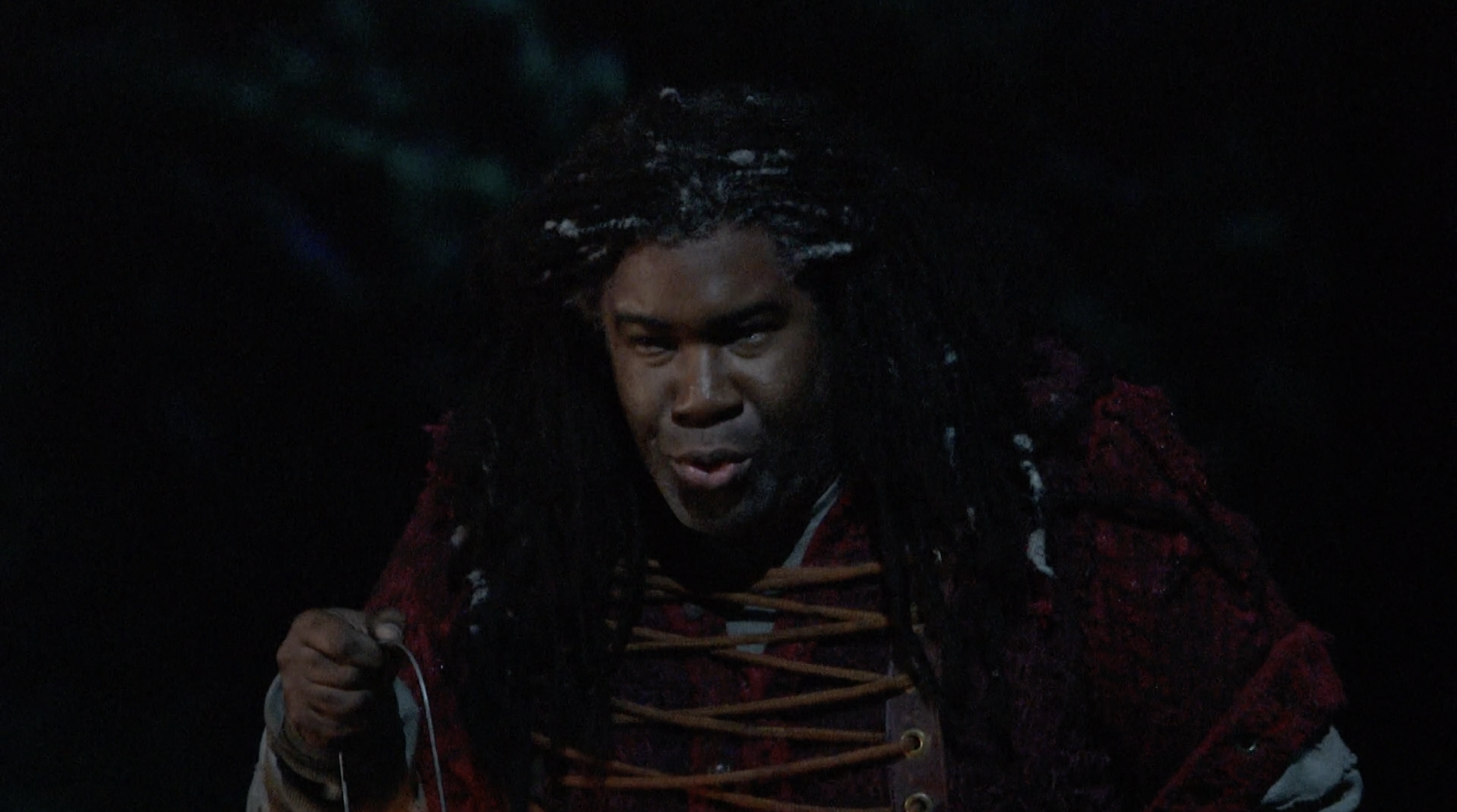
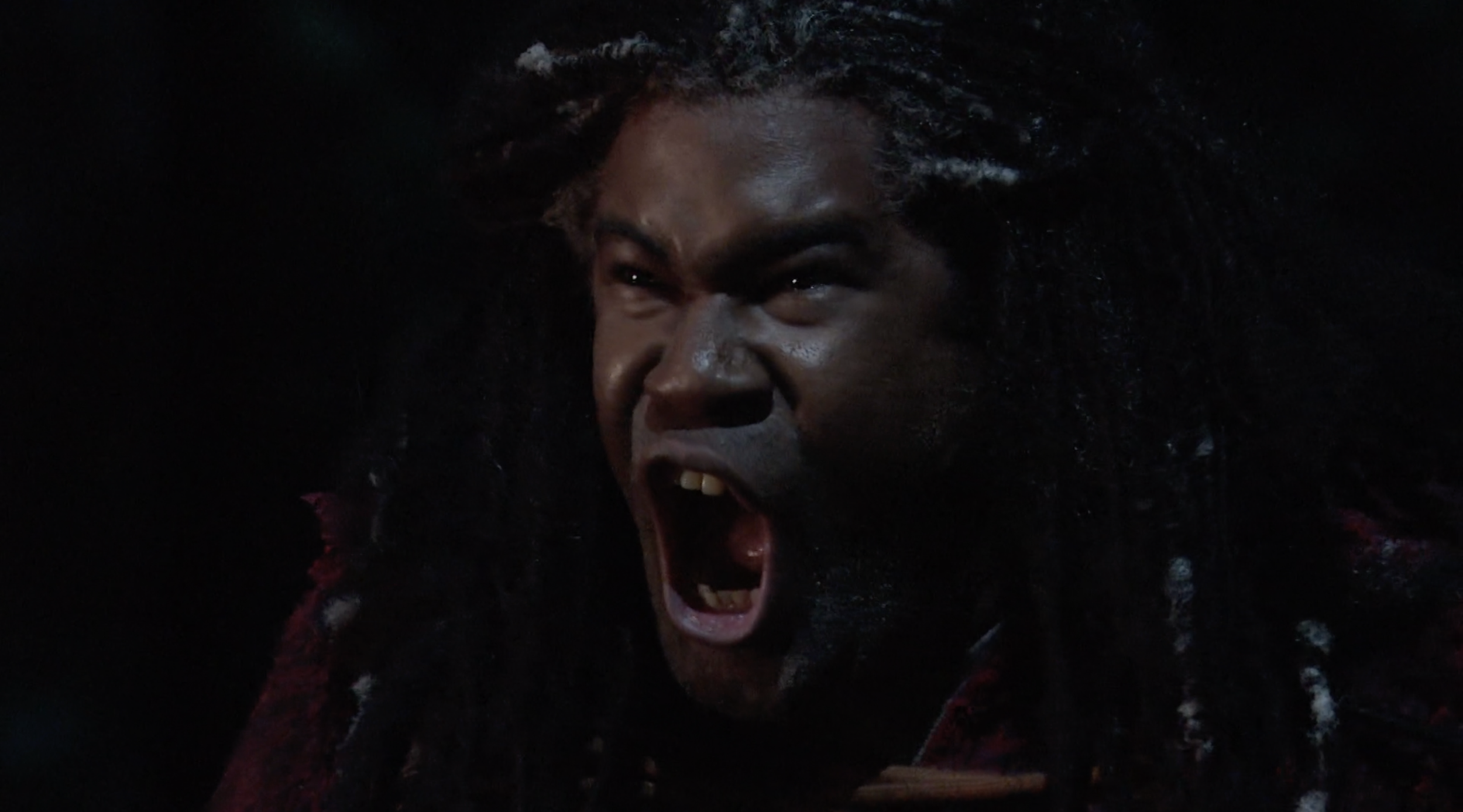
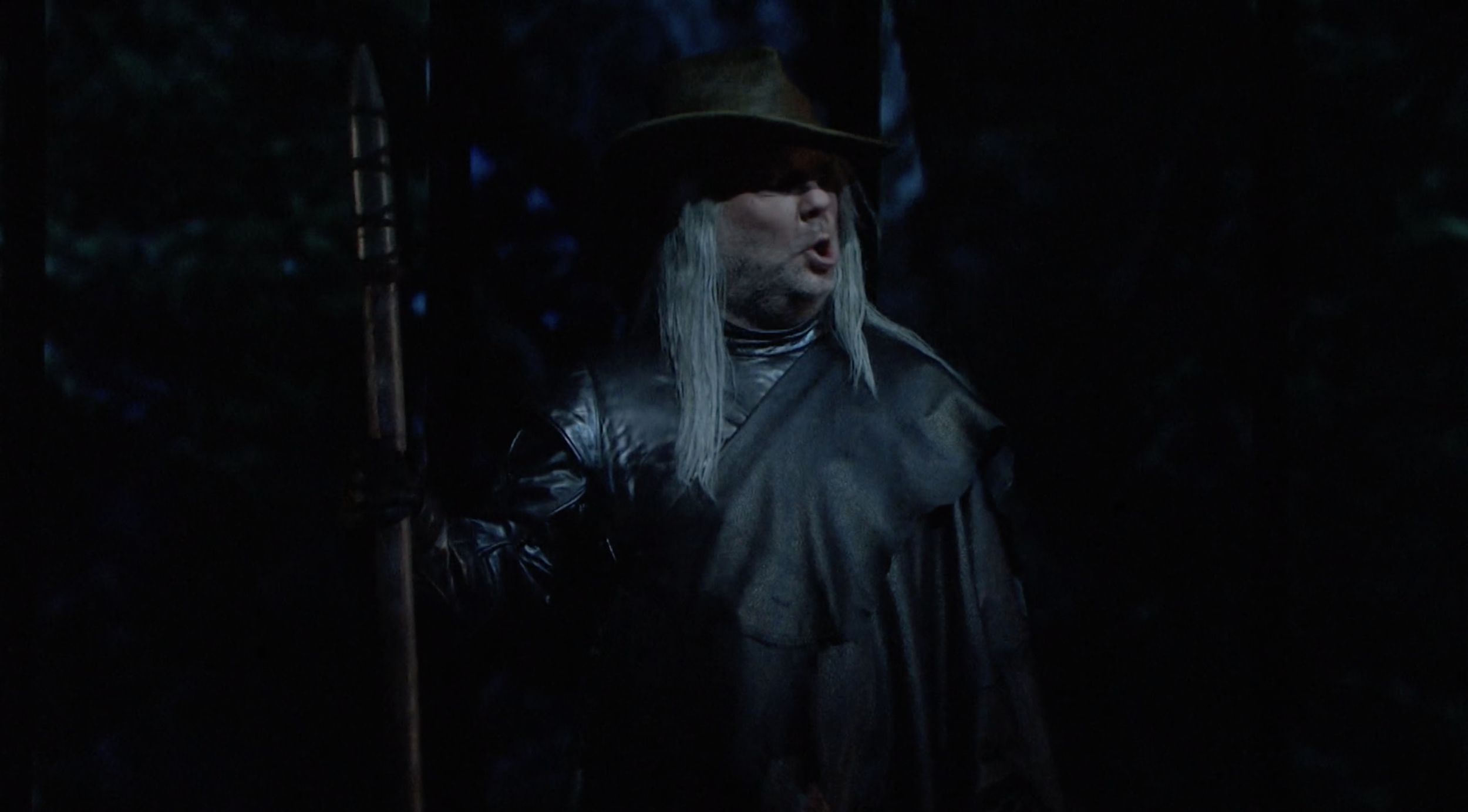
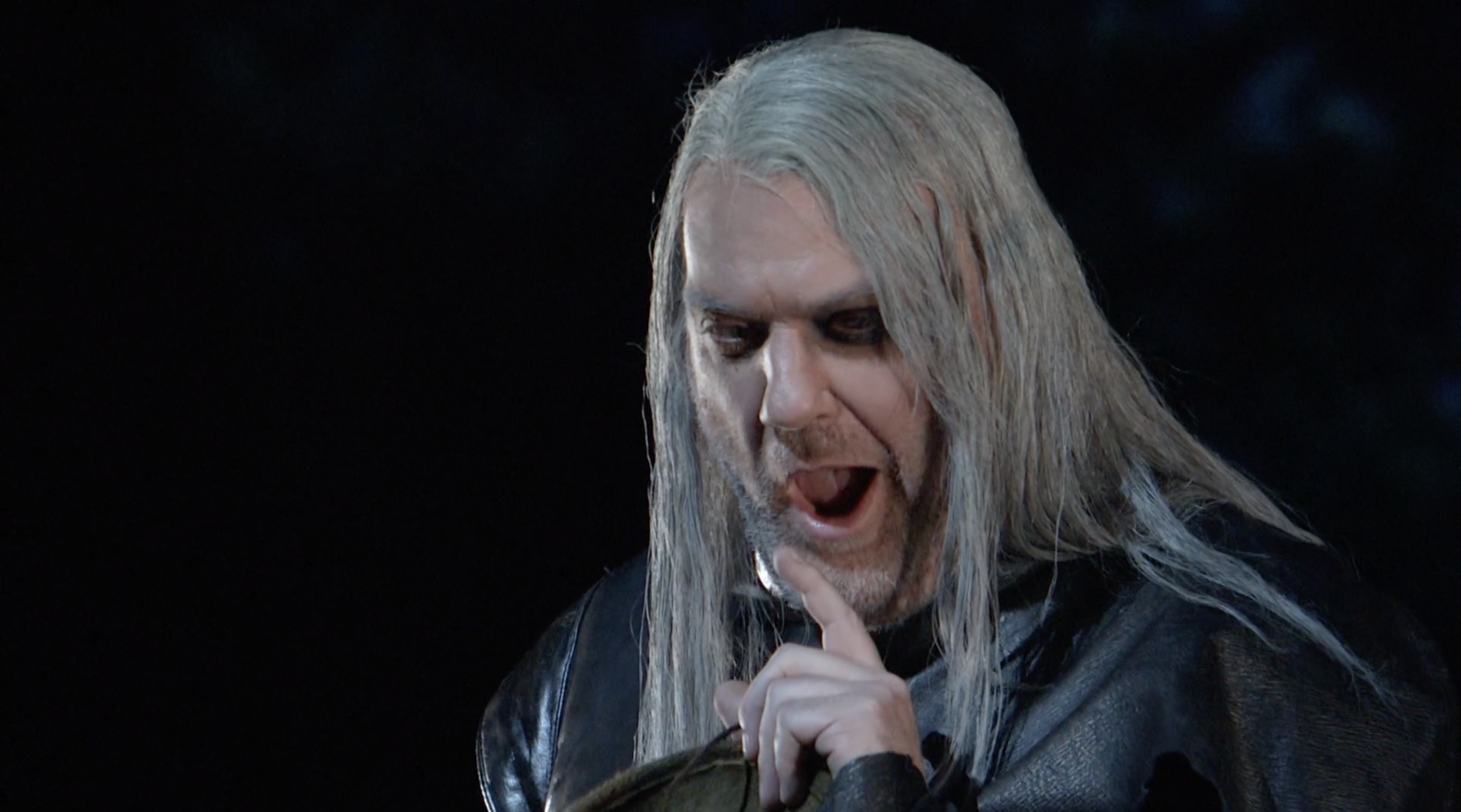
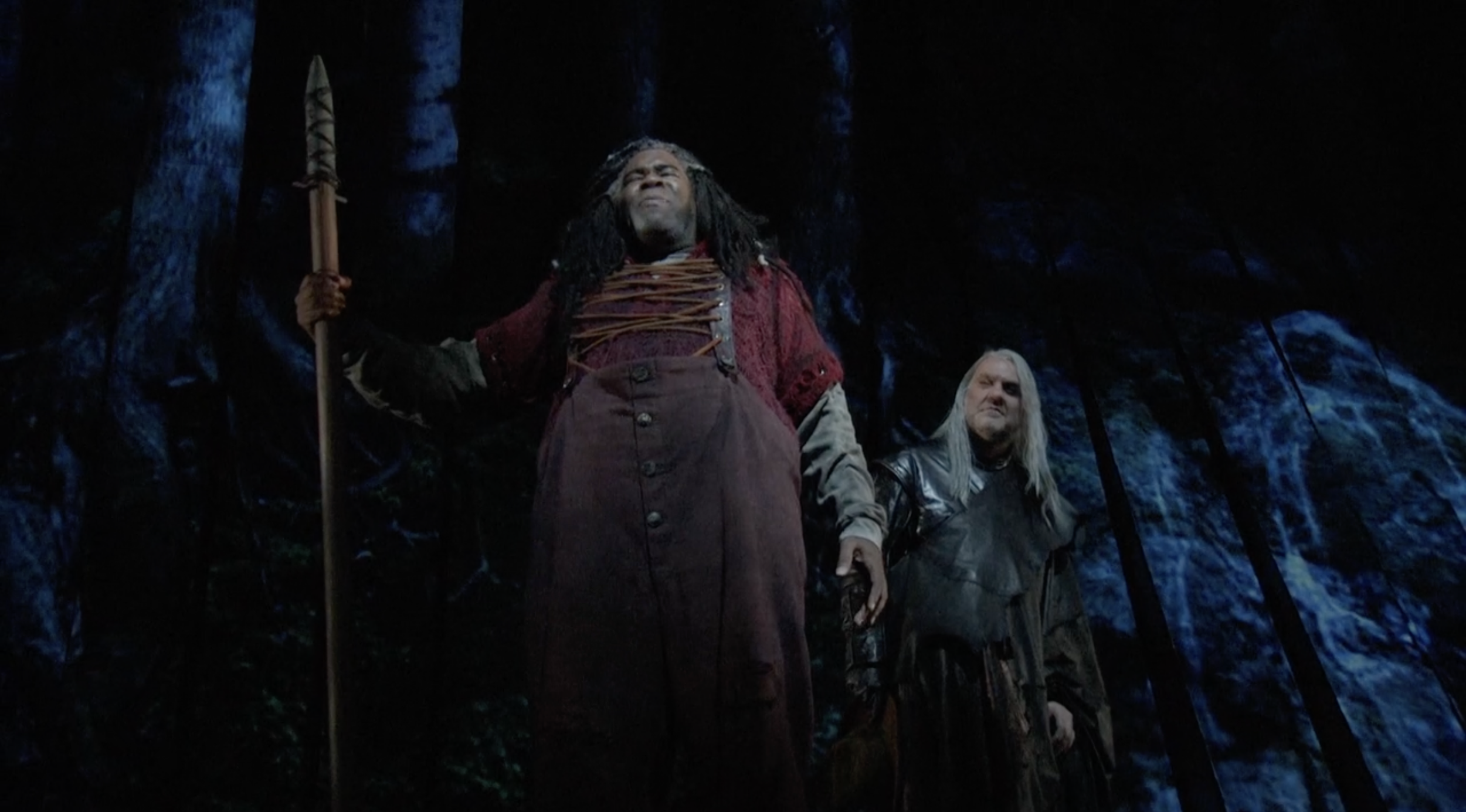
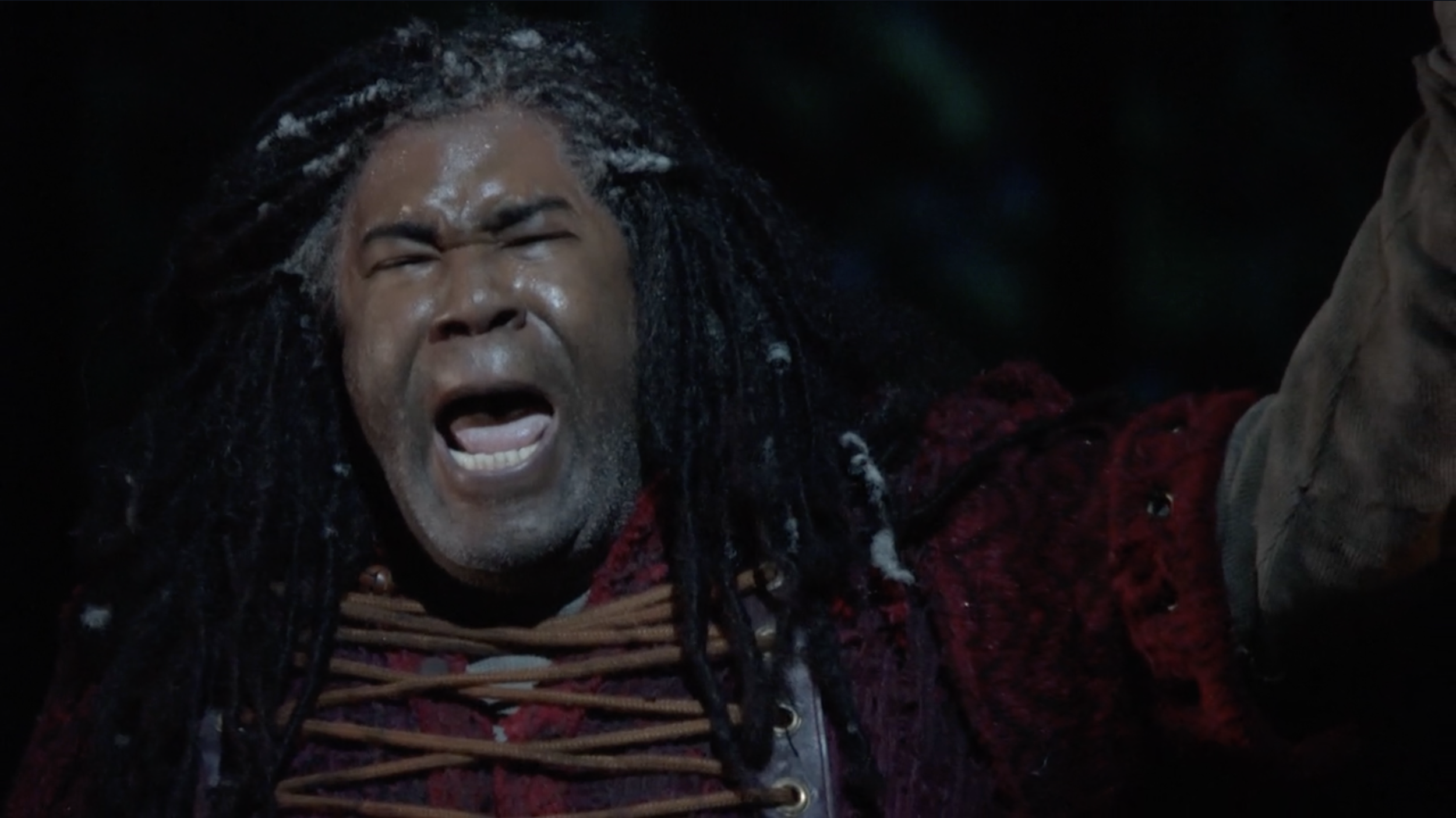
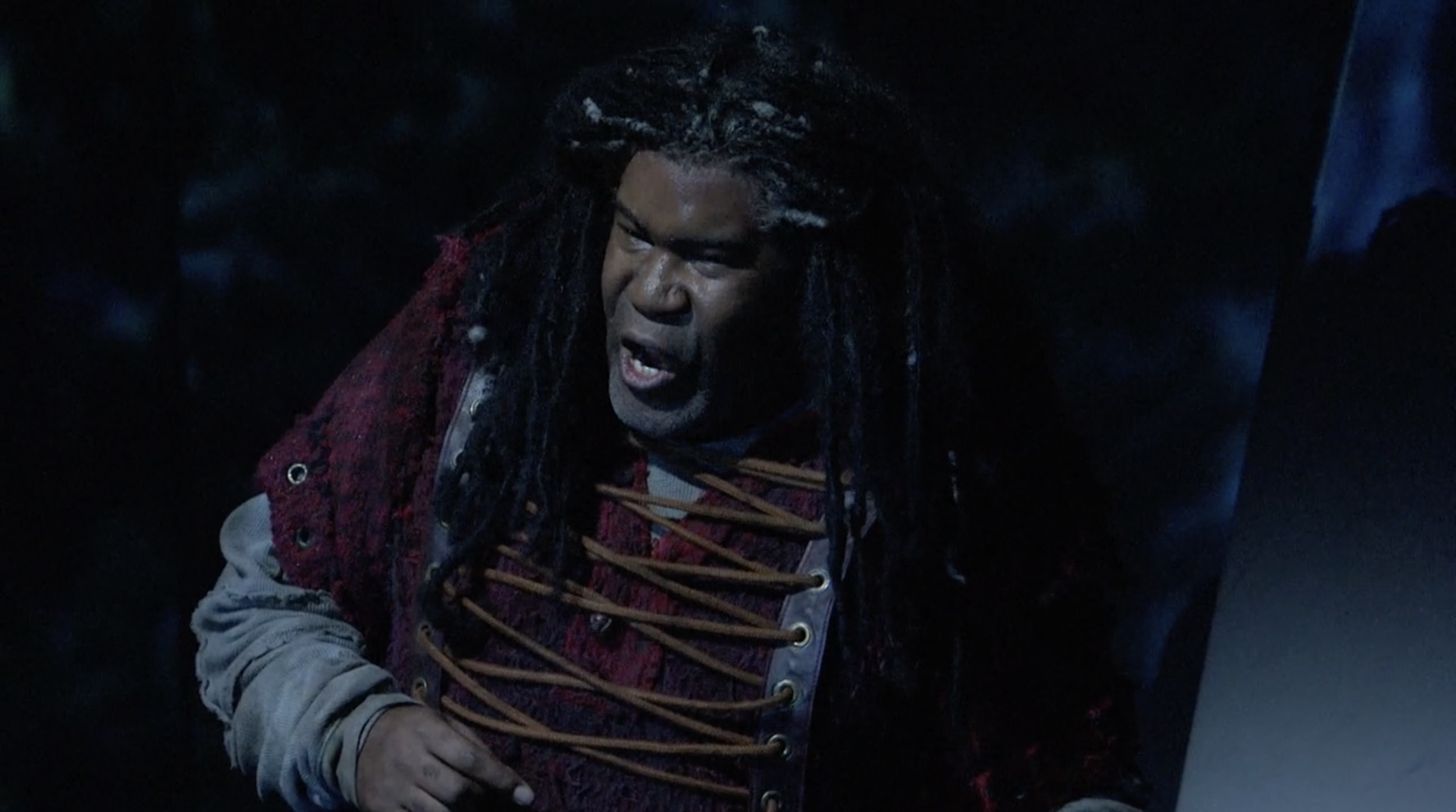
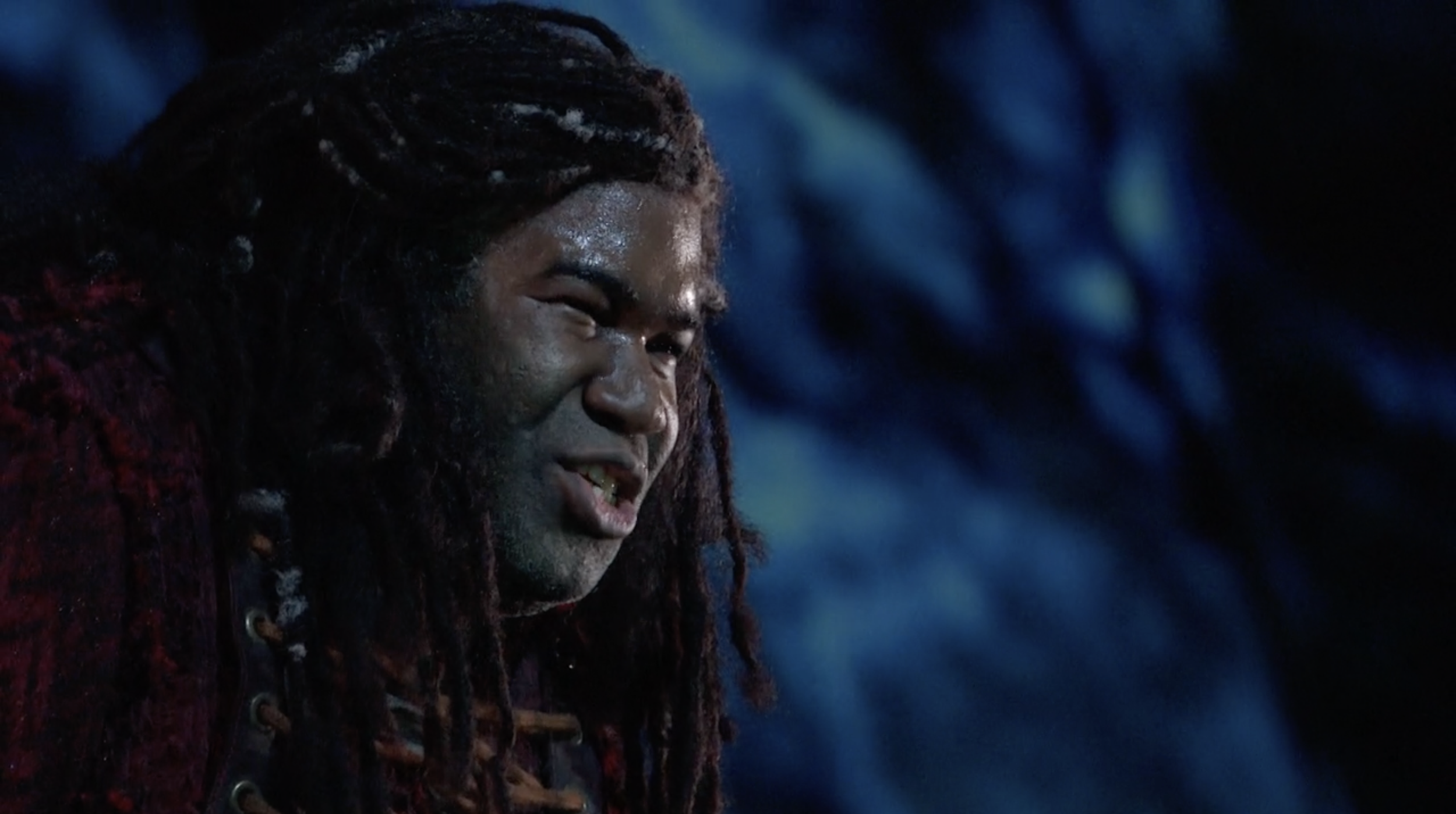
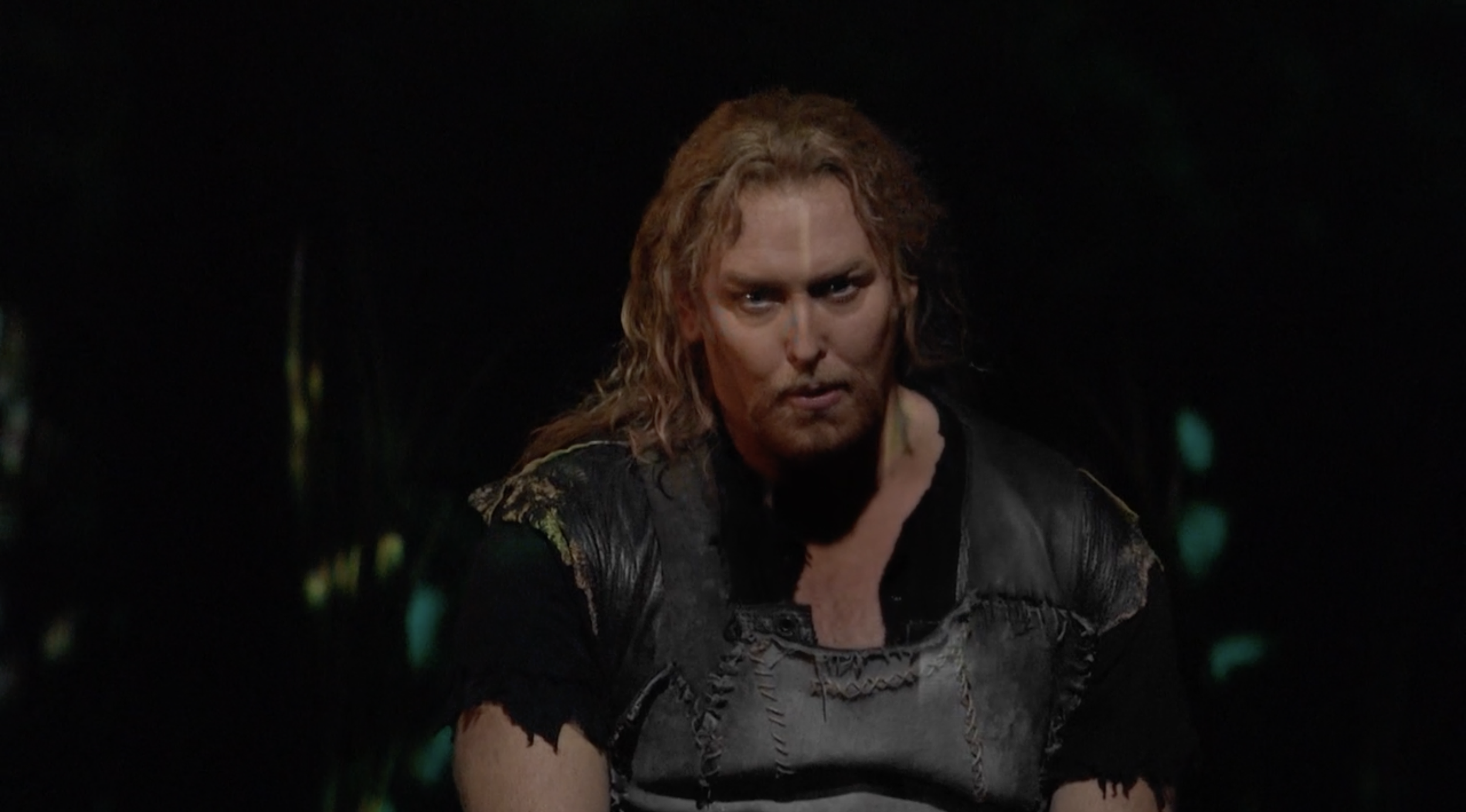
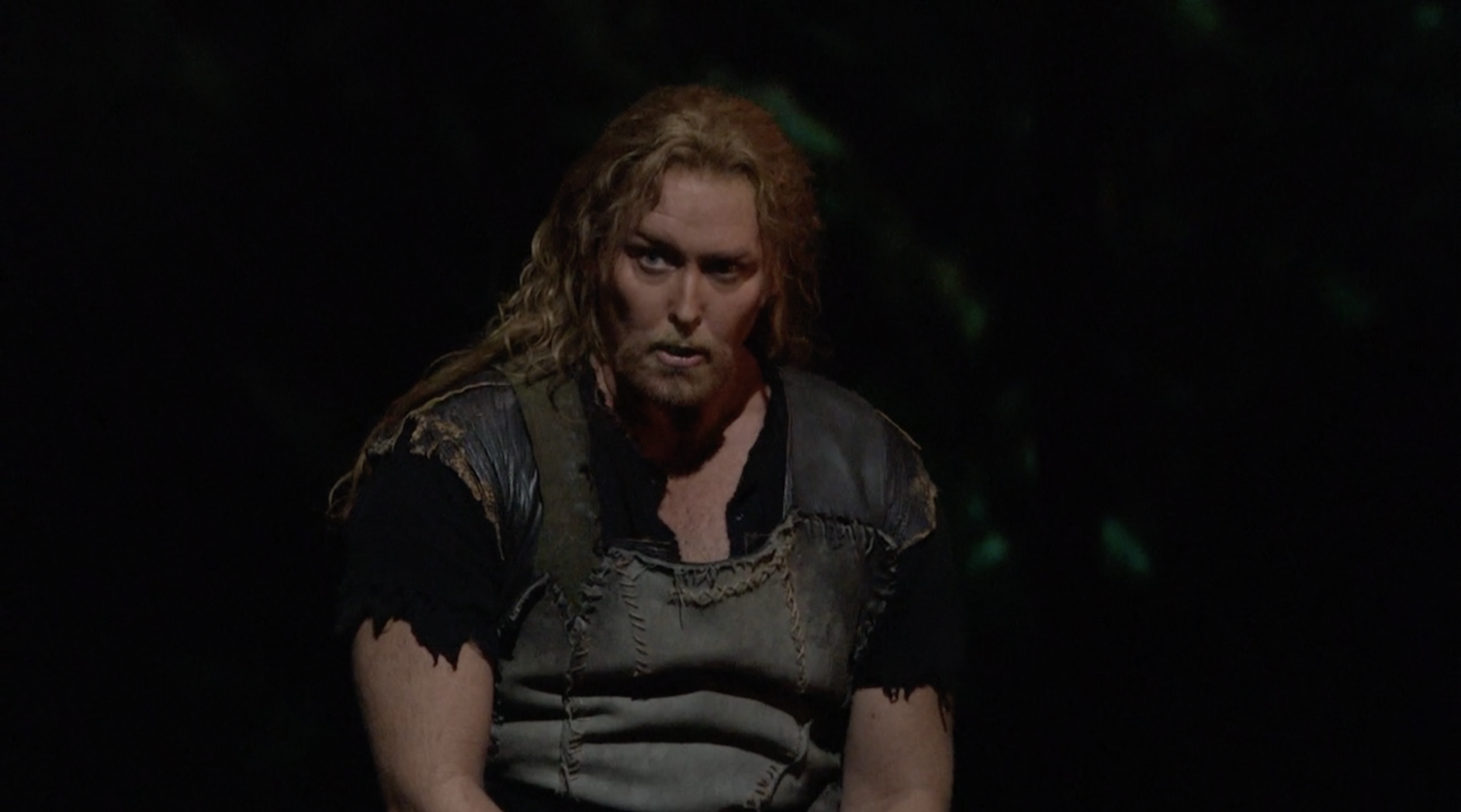
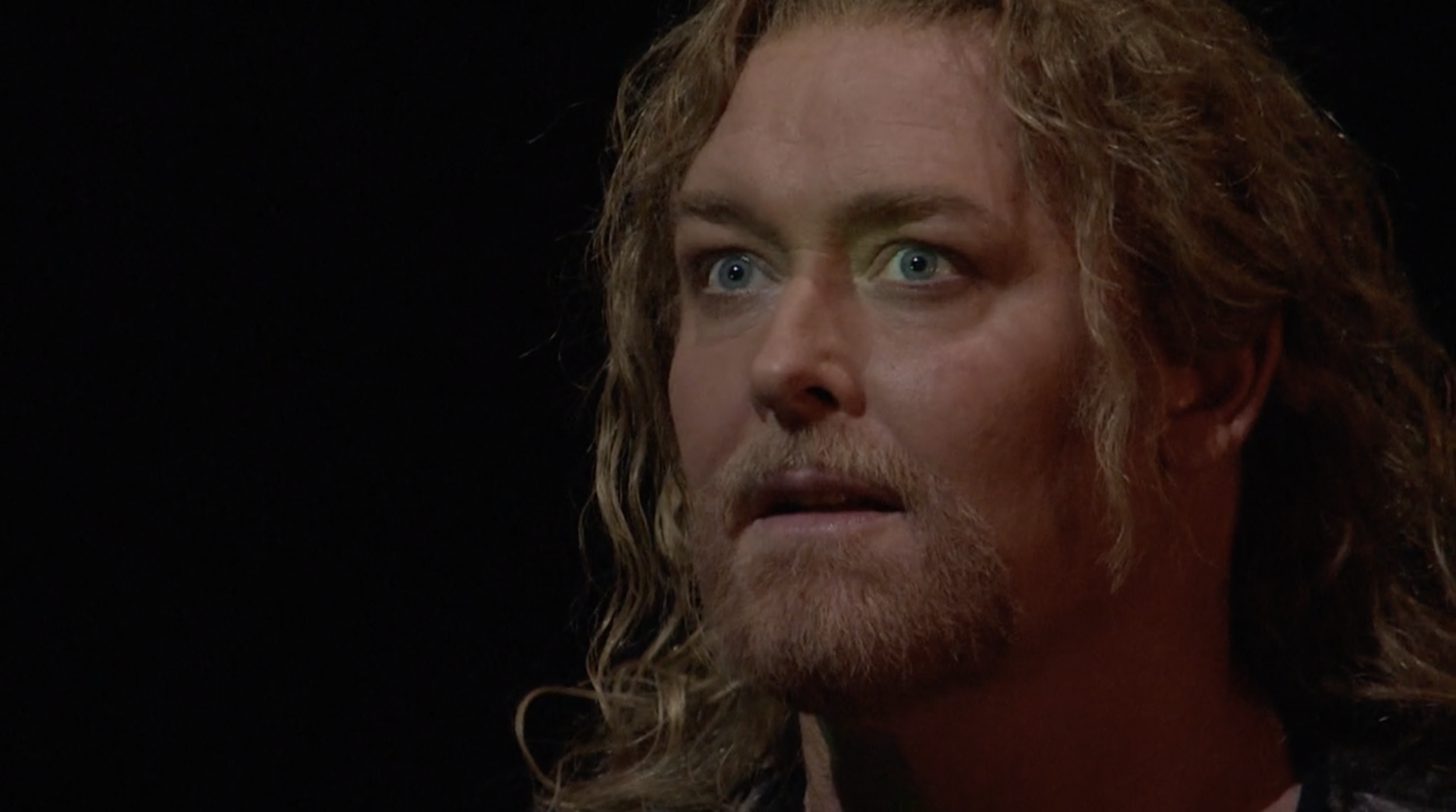
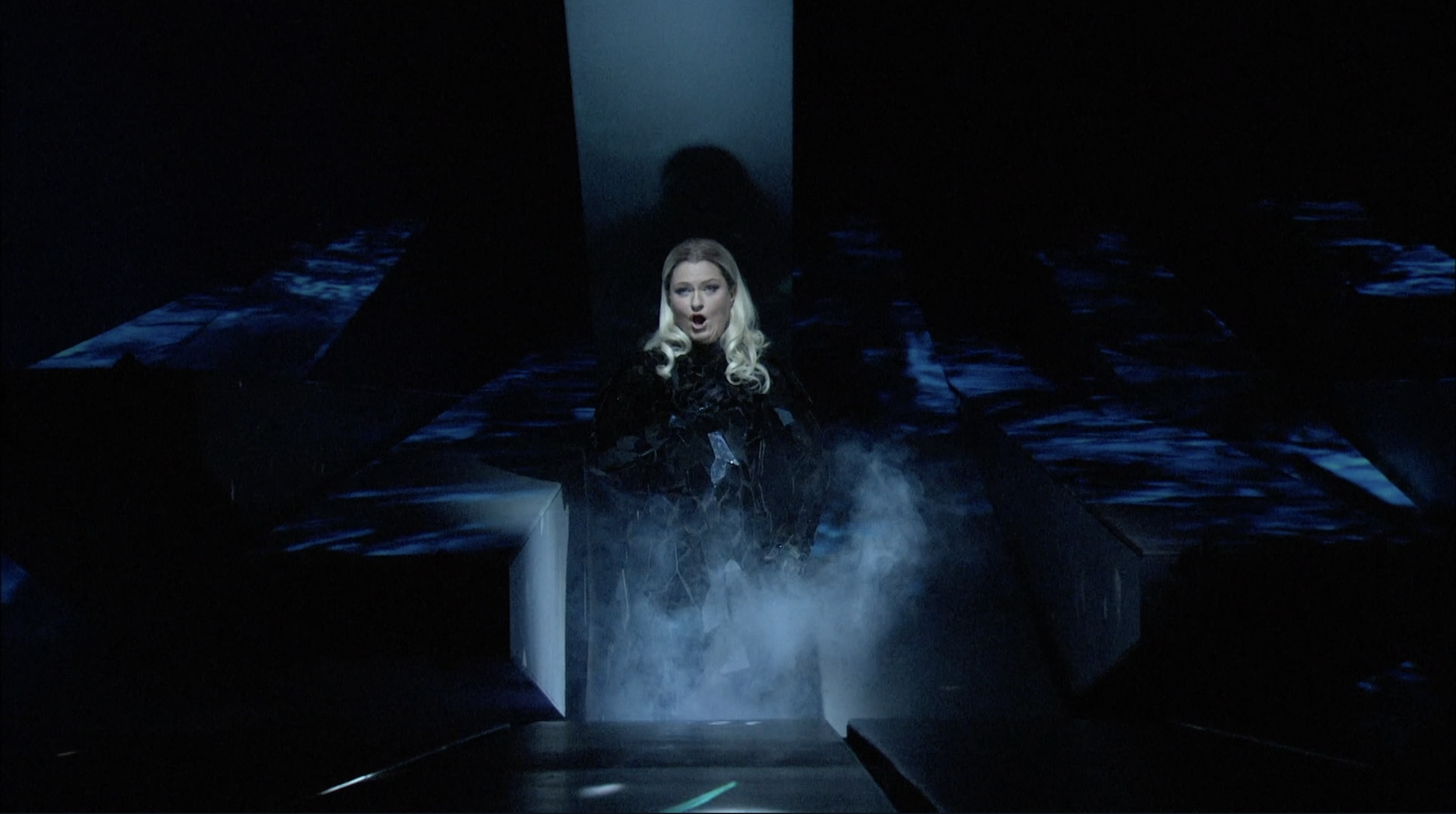
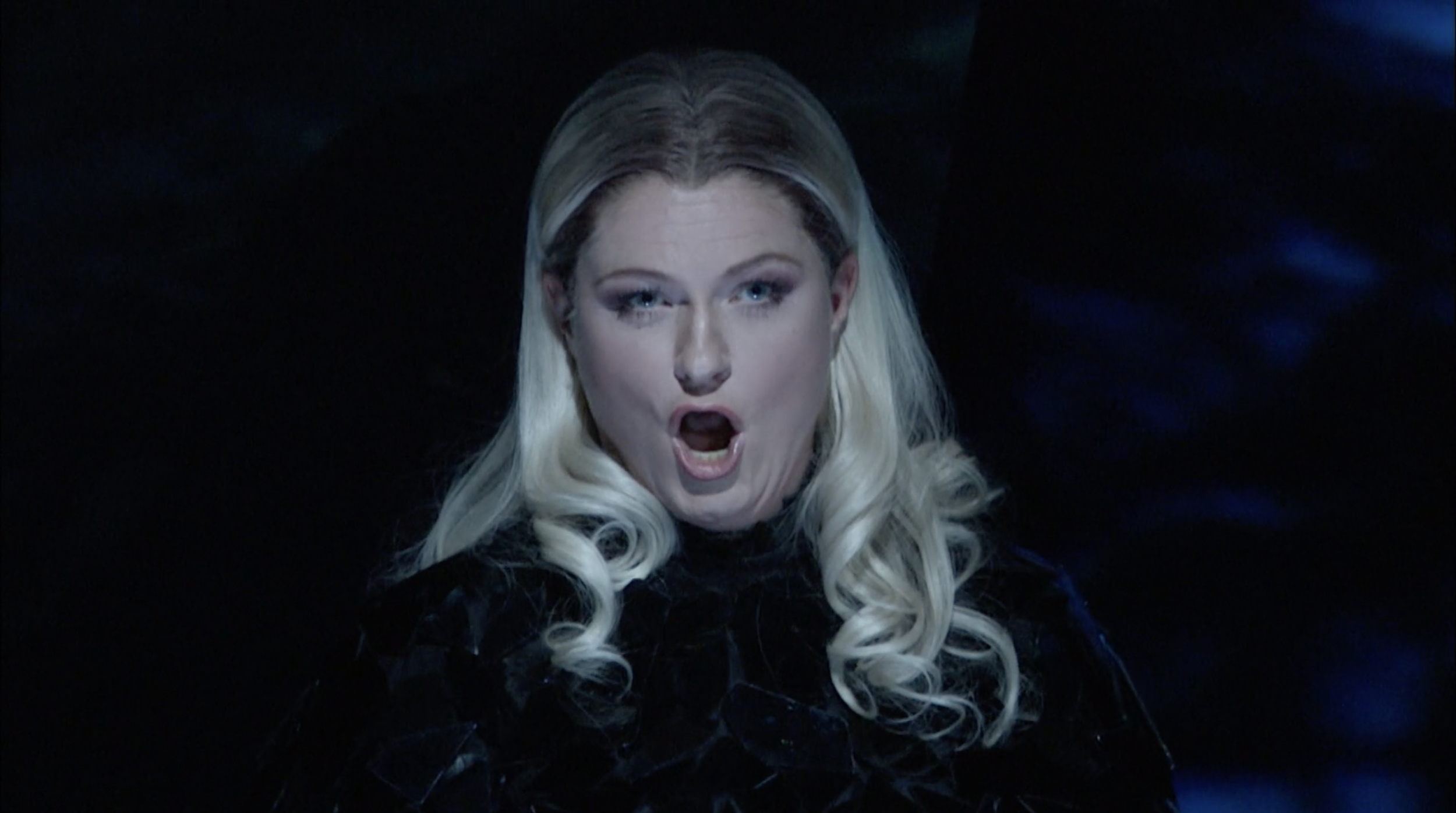
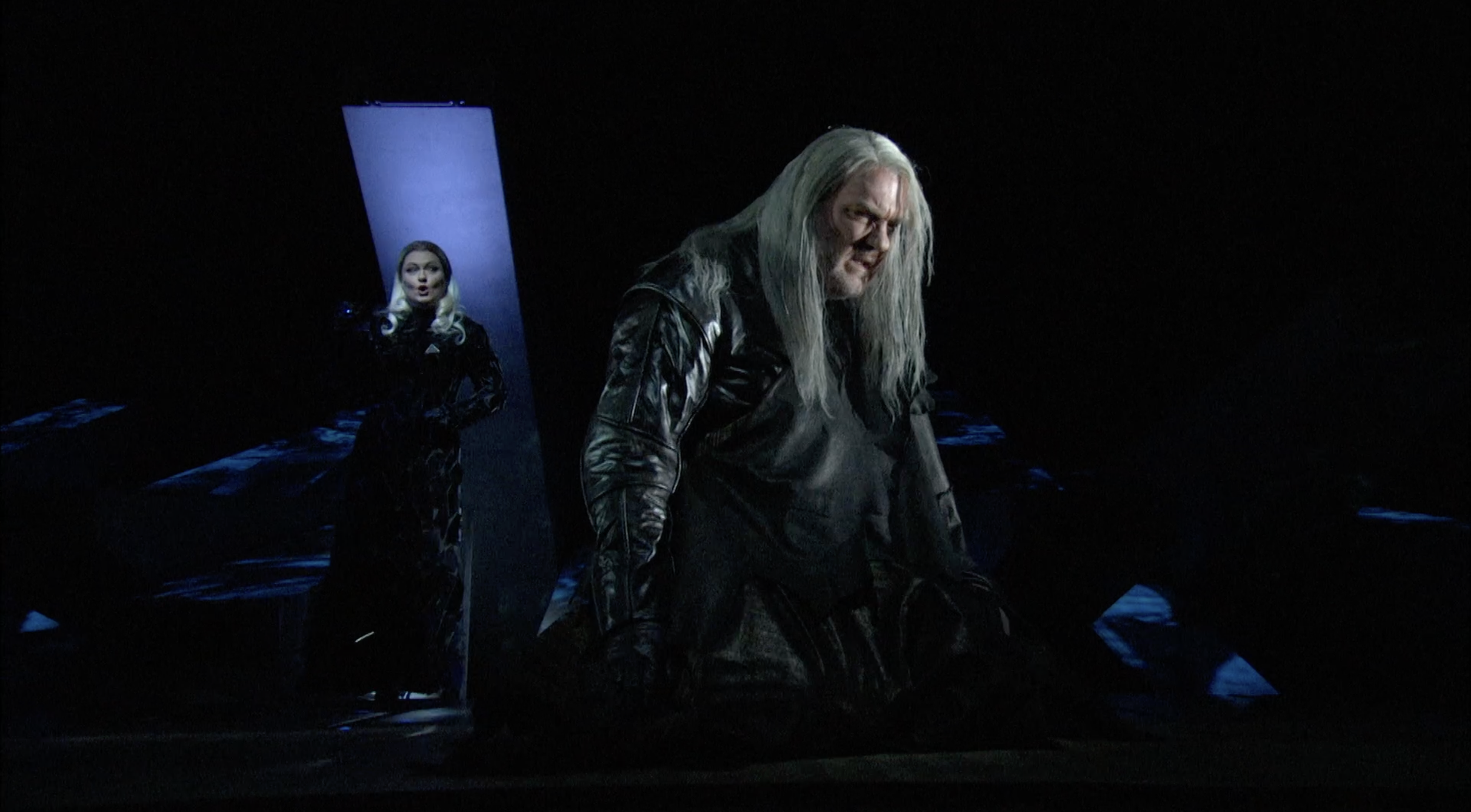
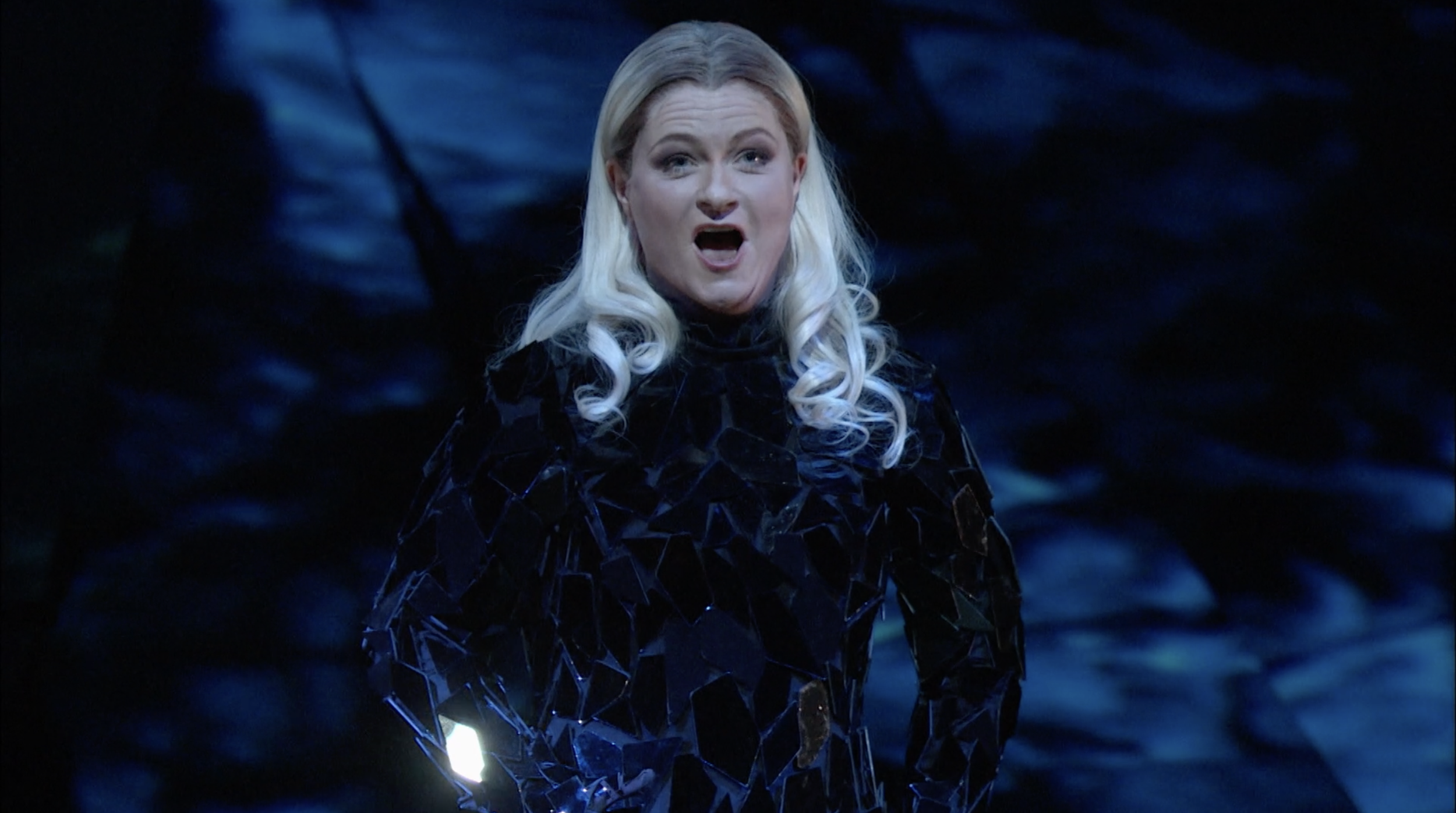
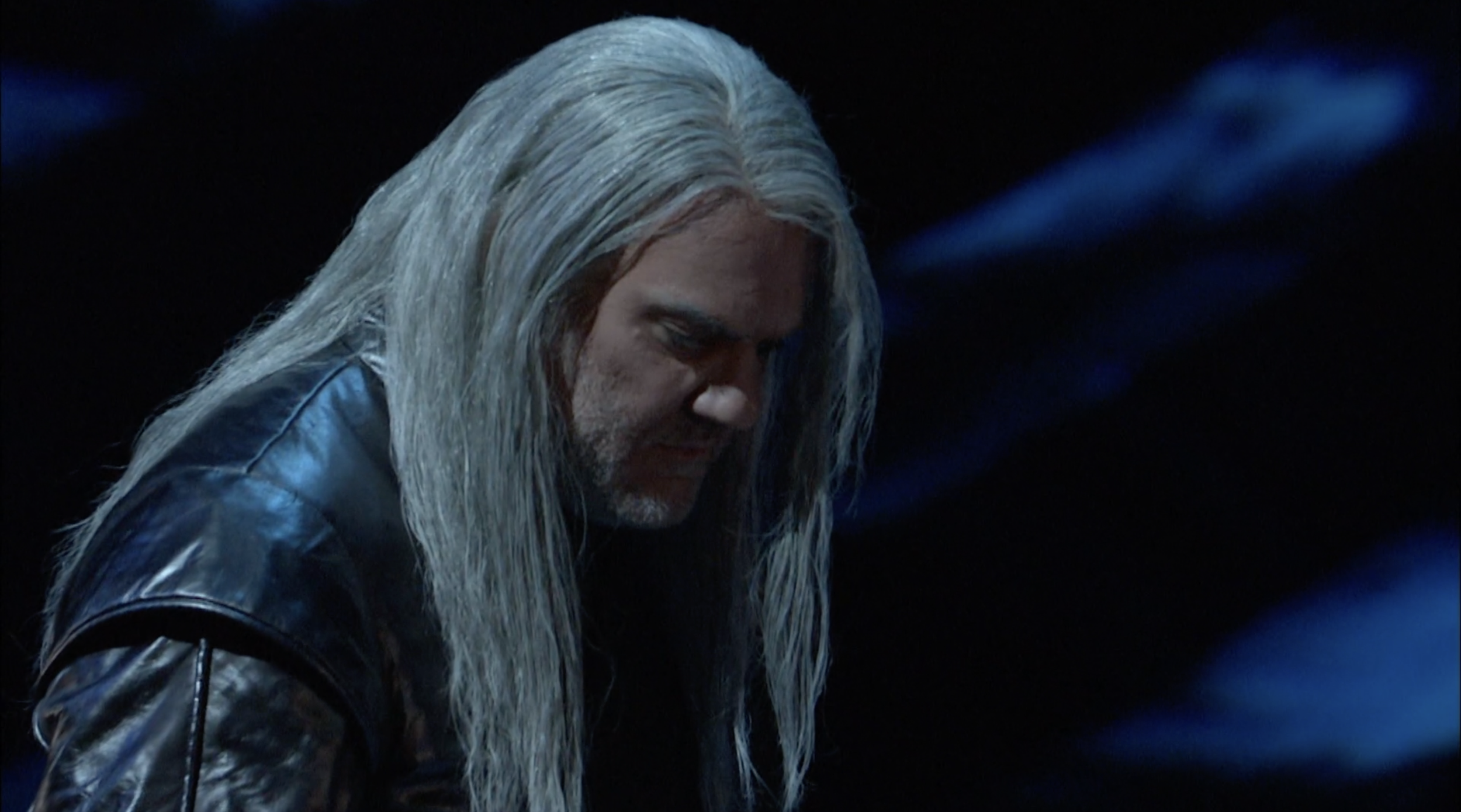
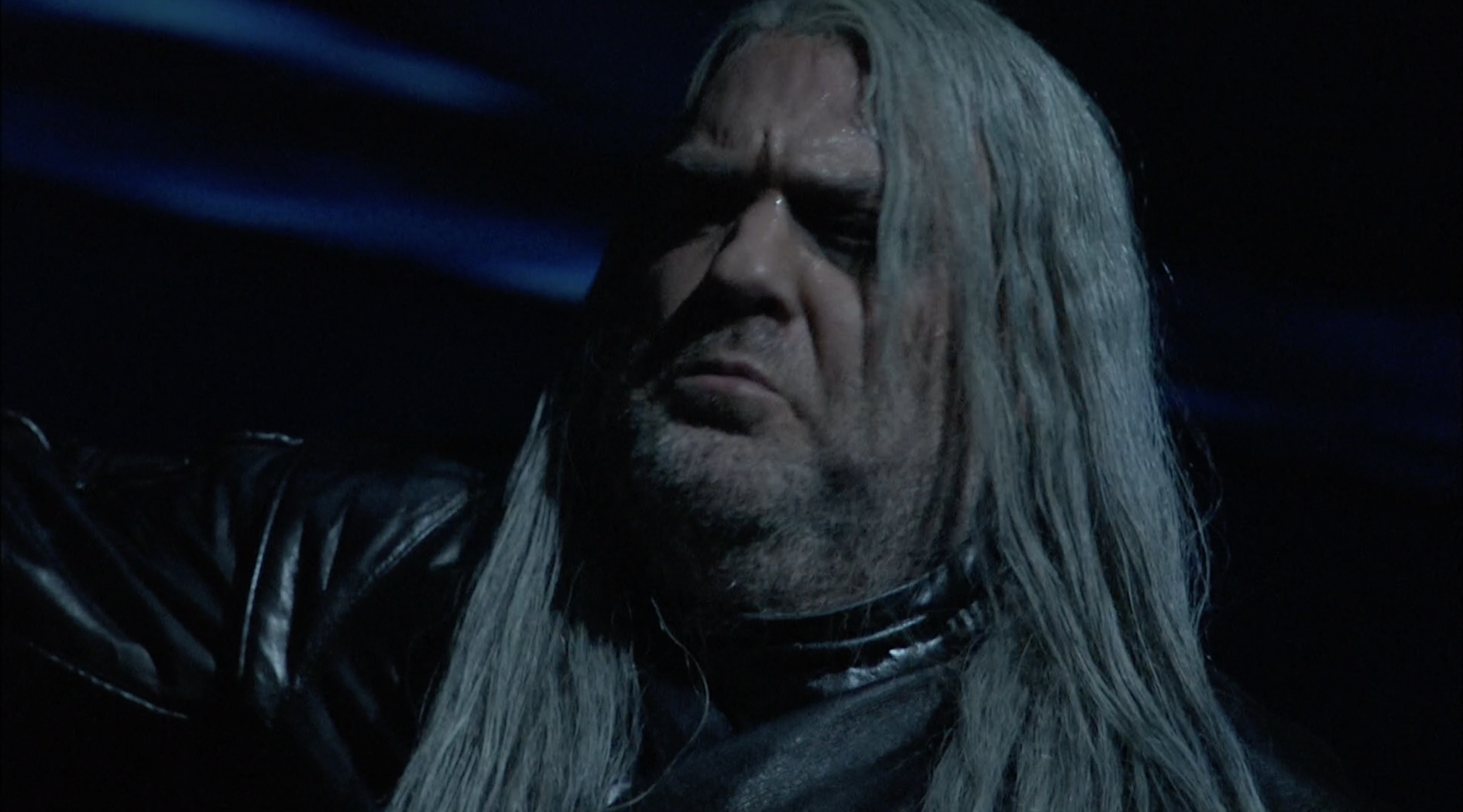
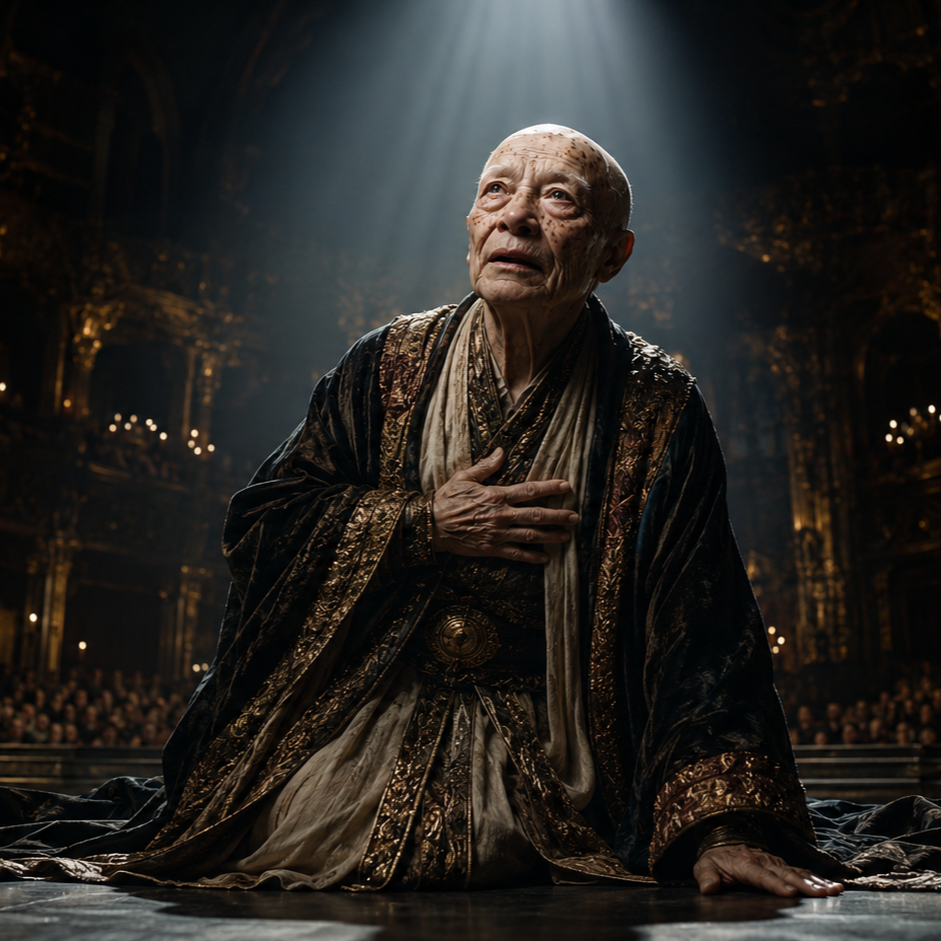
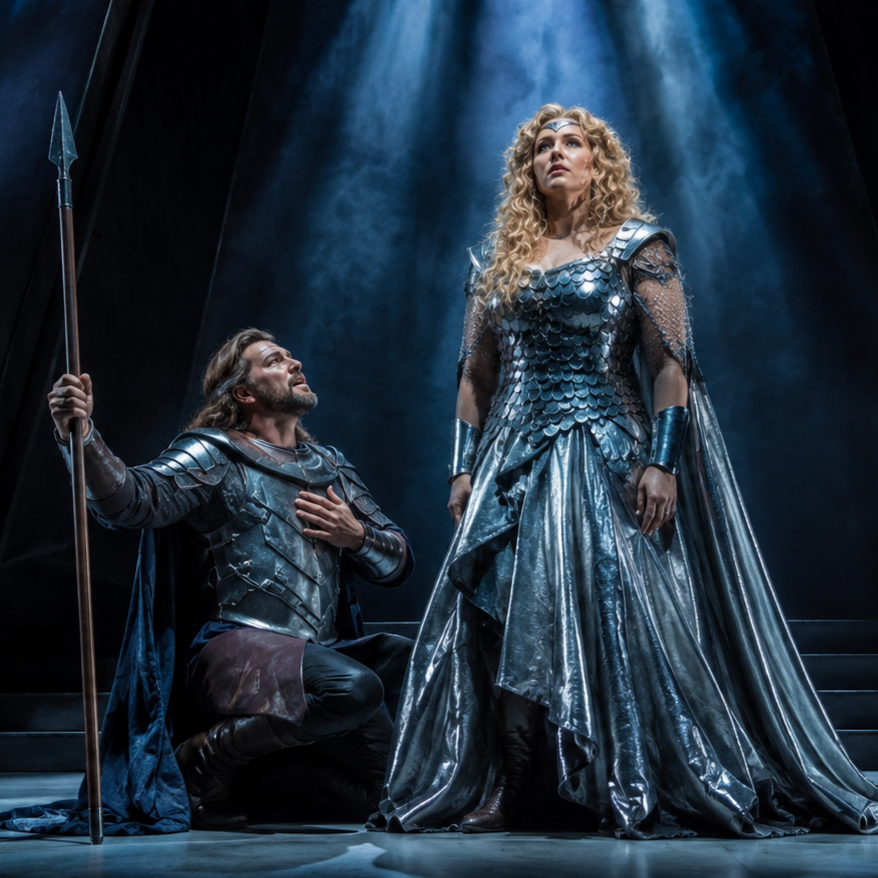
Siegfried, The Metropolitan Opera, October 2011
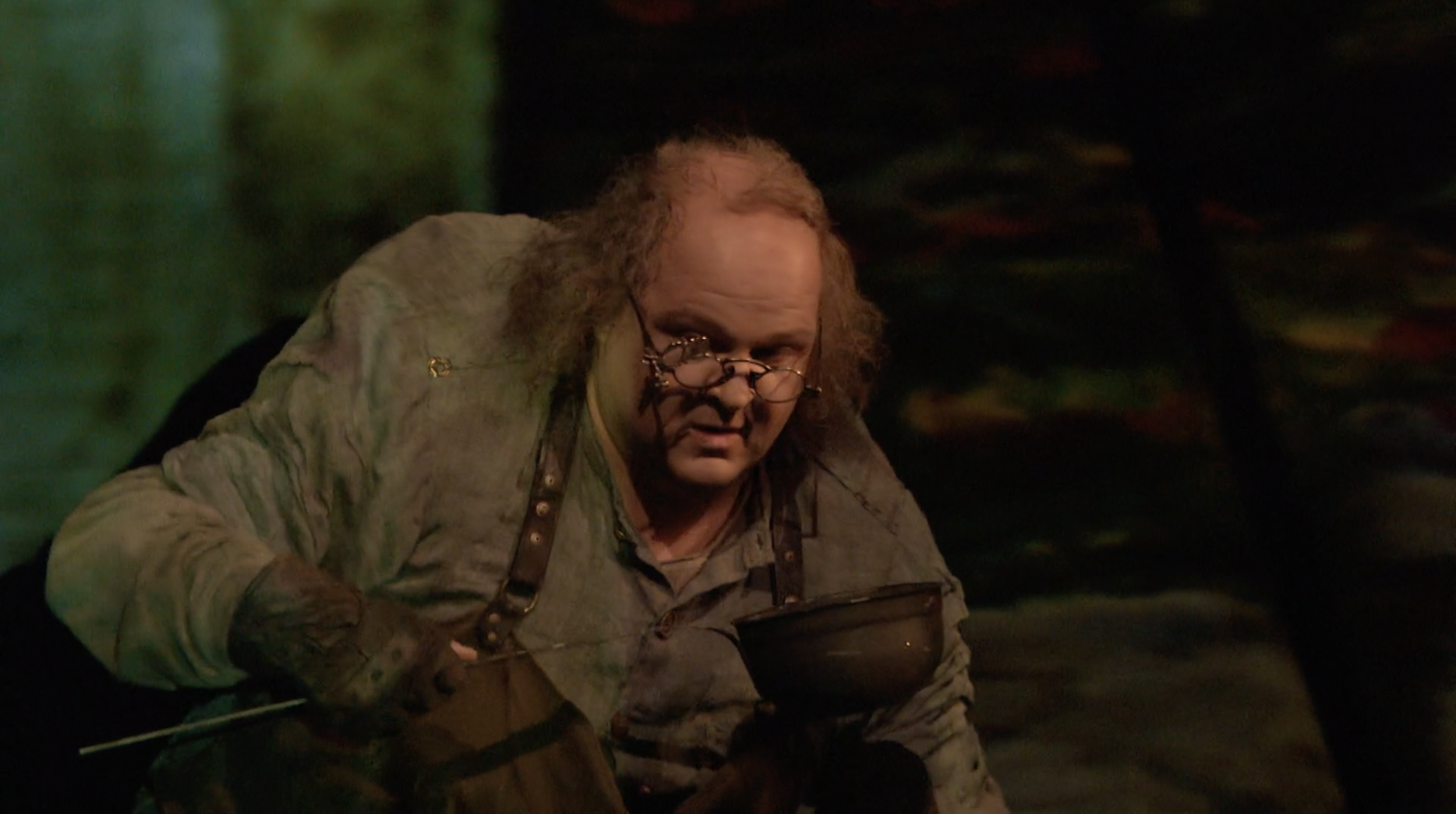
Wort des Weges
Das Fürchten (pronounced: dahs FYRKH-ten): Not Furcht, fear as a noun, the fixed thing one has or lacks. Not Angst, anxiety, the free-floating dread with no object, the word Kierkegaard and a century of German philosophy after him made famous. Das Fürchten is a nominalized infinitive, a verb turned into a noun by placing das in front of it, and German uses this construction specifically to name an action considered as a whole, ongoing thing rather than a completed state. Das Fürchten does not mean fear. It means the learning of fear, fear treated as a skill or an experience still in progress, something one does rather than something one has.
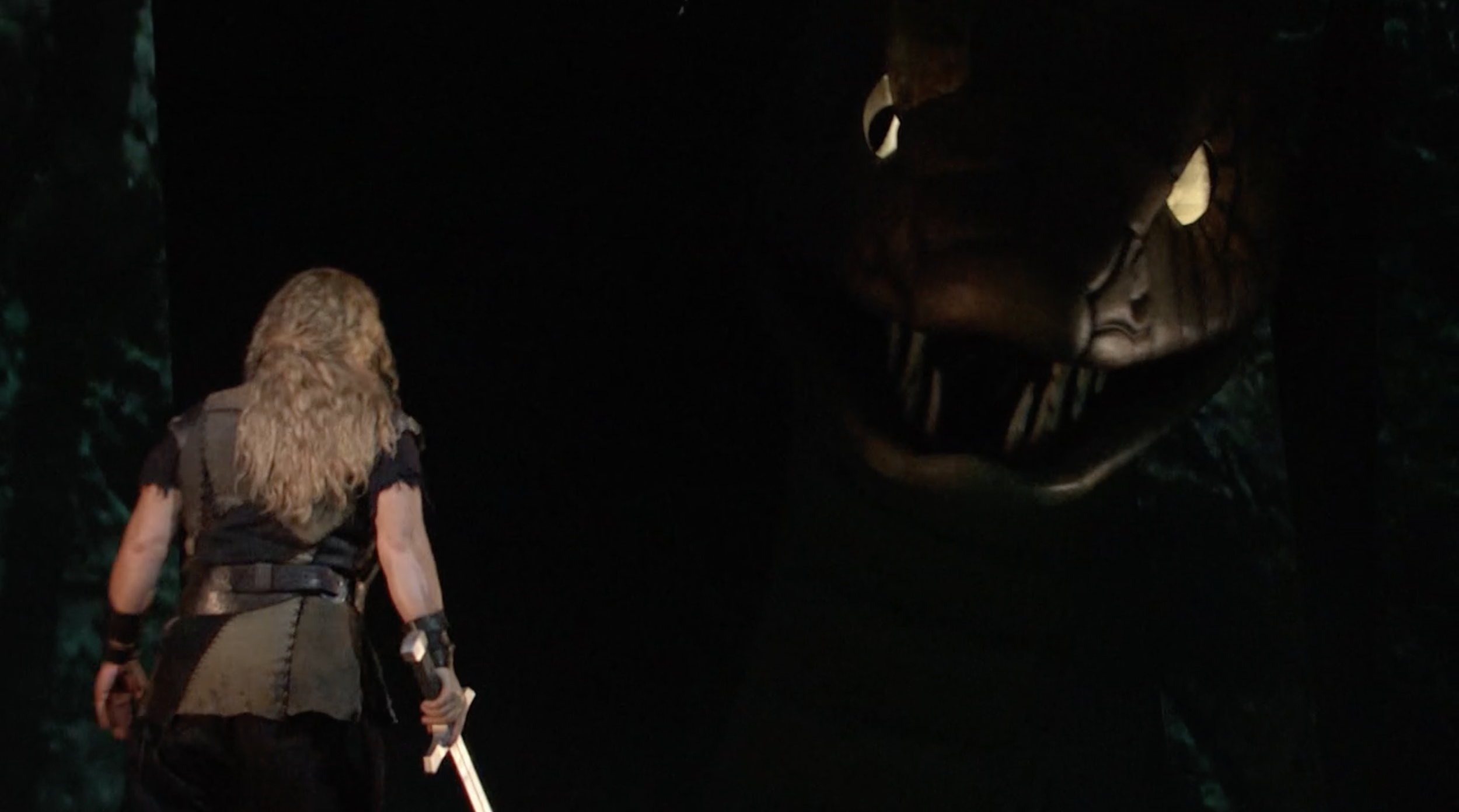
This is the precise German behind the opera's own subtitle logic. The young Siegfried is explicitly, repeatedly, described as someone who does not know das Fürchten, and his entire arc, forging the sword, killing the dragon, defying the god, is aimed at a single unanswered question: whether this specific ignorance can be cured, and by what. Mime tries to teach him fear through stories about Fafner and fails completely; fear, it turns out, cannot be transmitted as information. Fafner's actual dragon-shape, encountered in person, fails too; Siegfried finds the creature merely an obstacle, dispatched without any change in his pulse. What finally works is not danger at all. It is Brünnhilde, asleep on the mountain, a woman, the first genuinely unfamiliar thing his instincts have no ready response to. Das ist kein Mann! Mir schwanket der Sinn! That is not a man. My senses are reeling. This is das Fürchten finally arriving, not as a threat processed and survived but as an entirely new category of experience for which he had no name and no preparation.
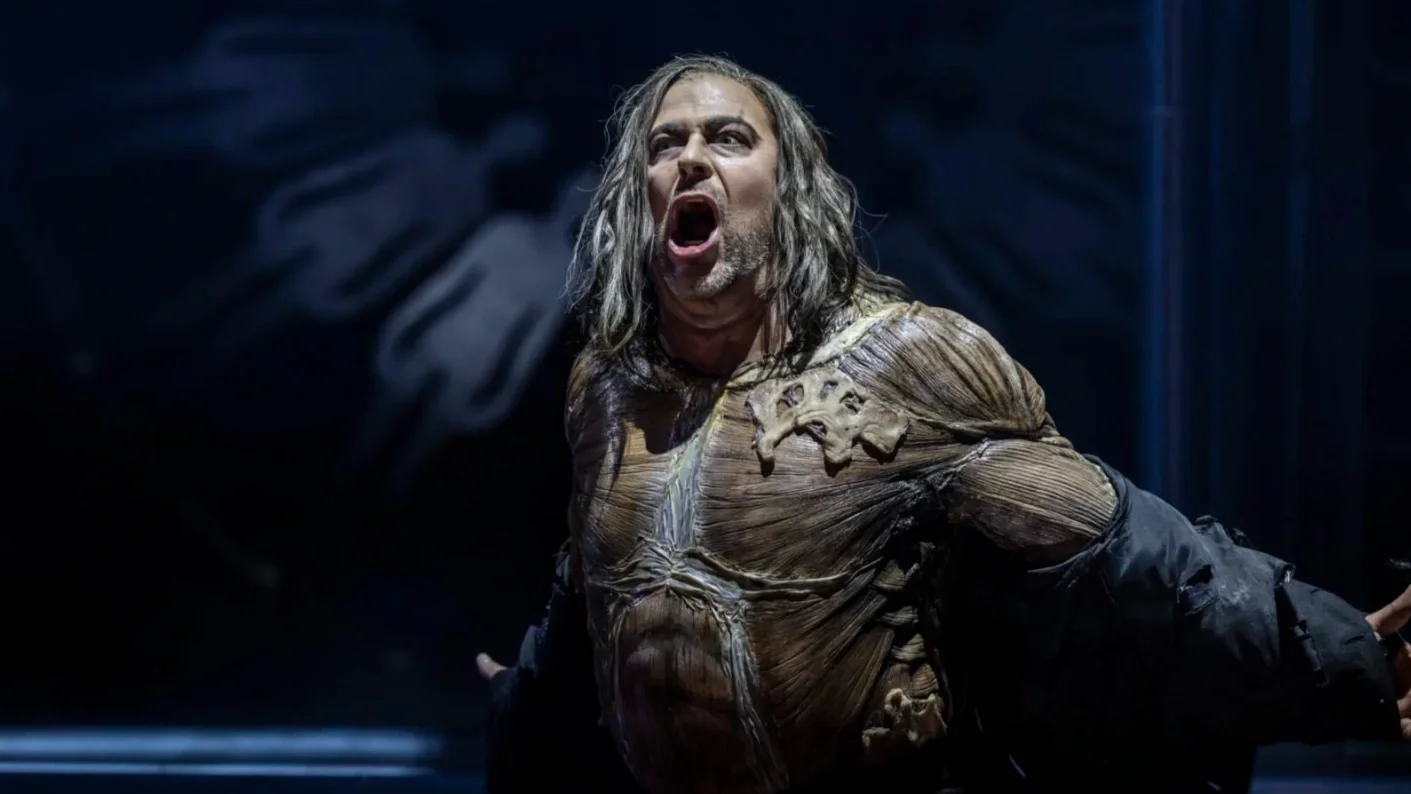
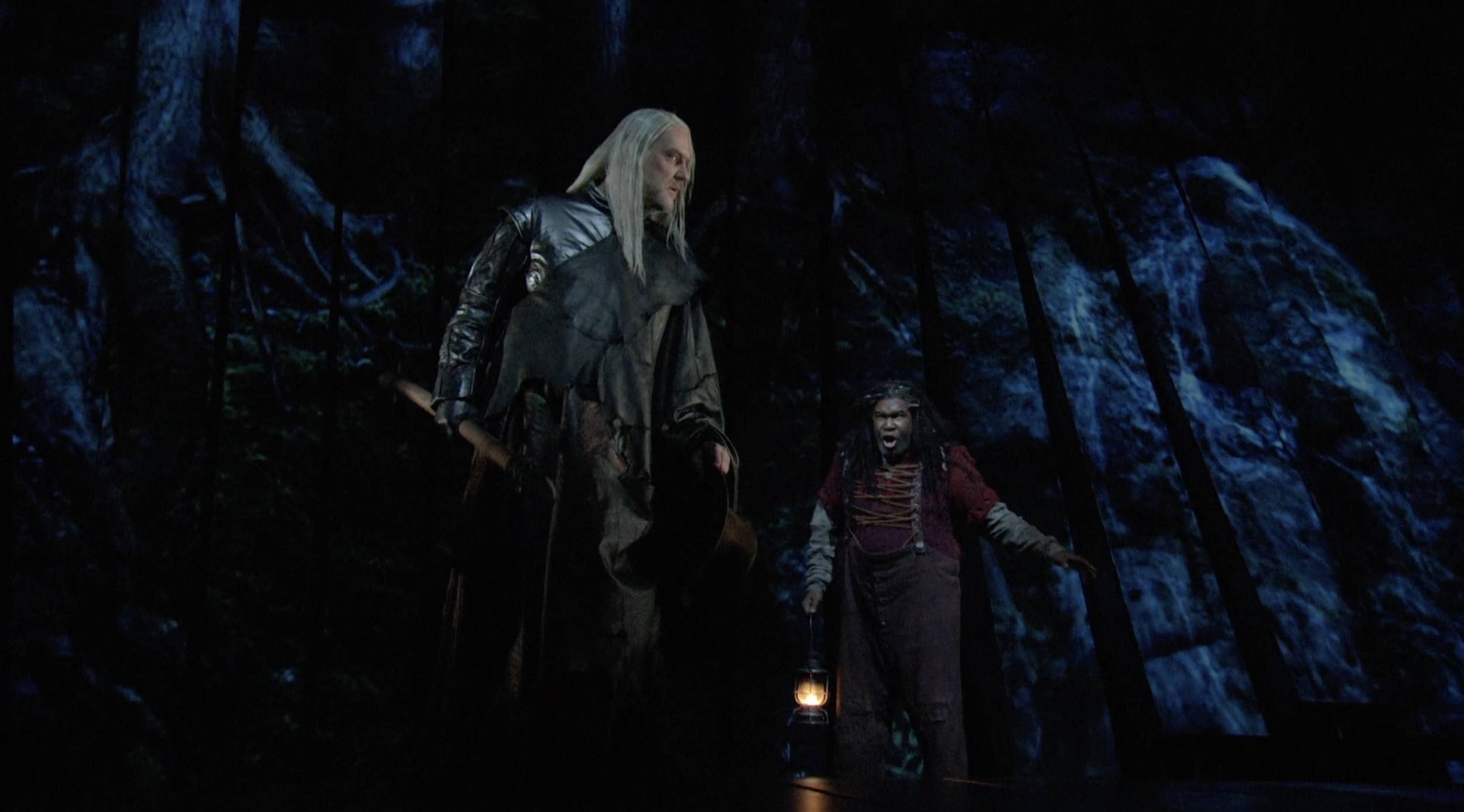
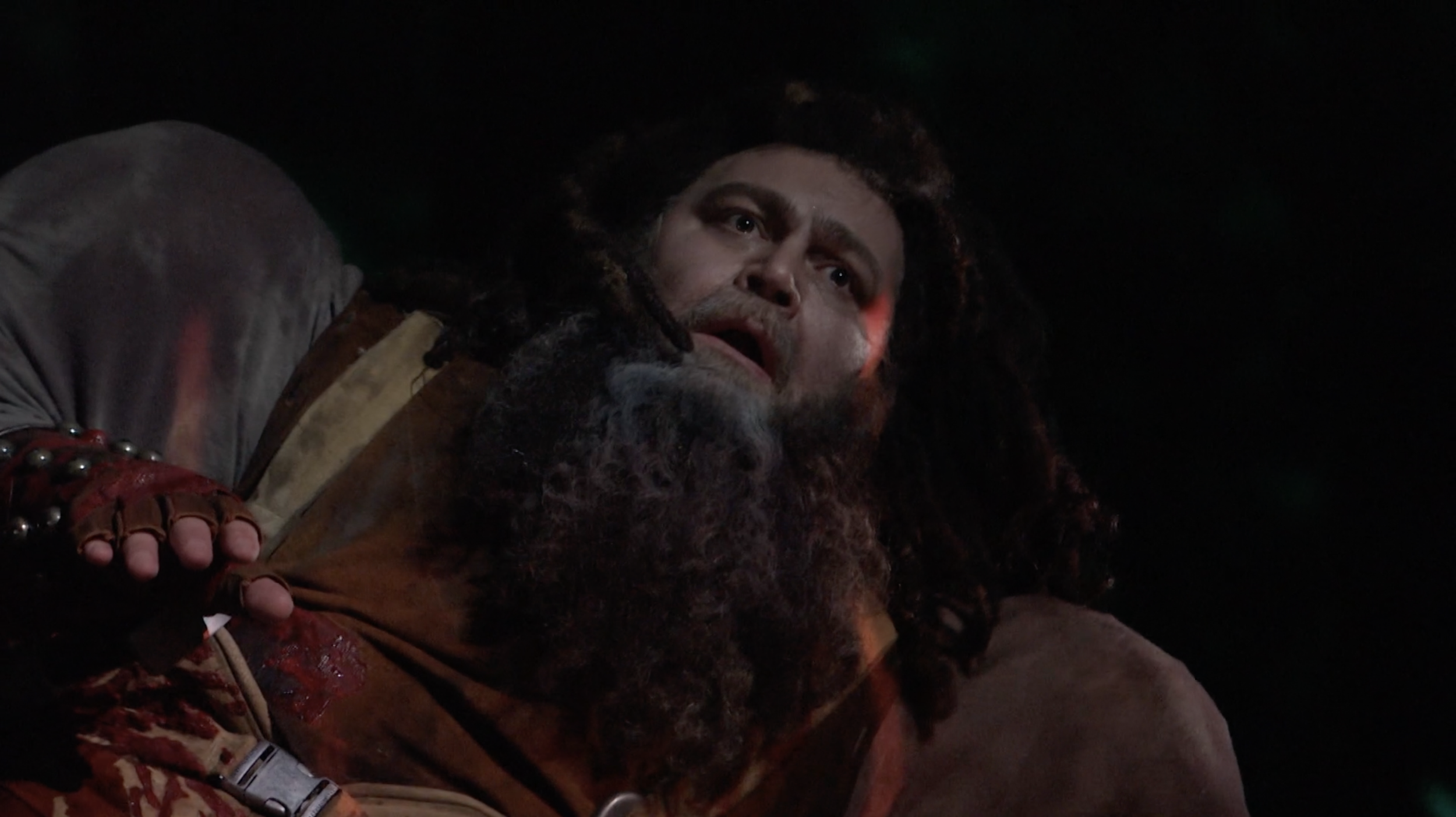
Siegfried, The Metropolitan Opera, October 2011
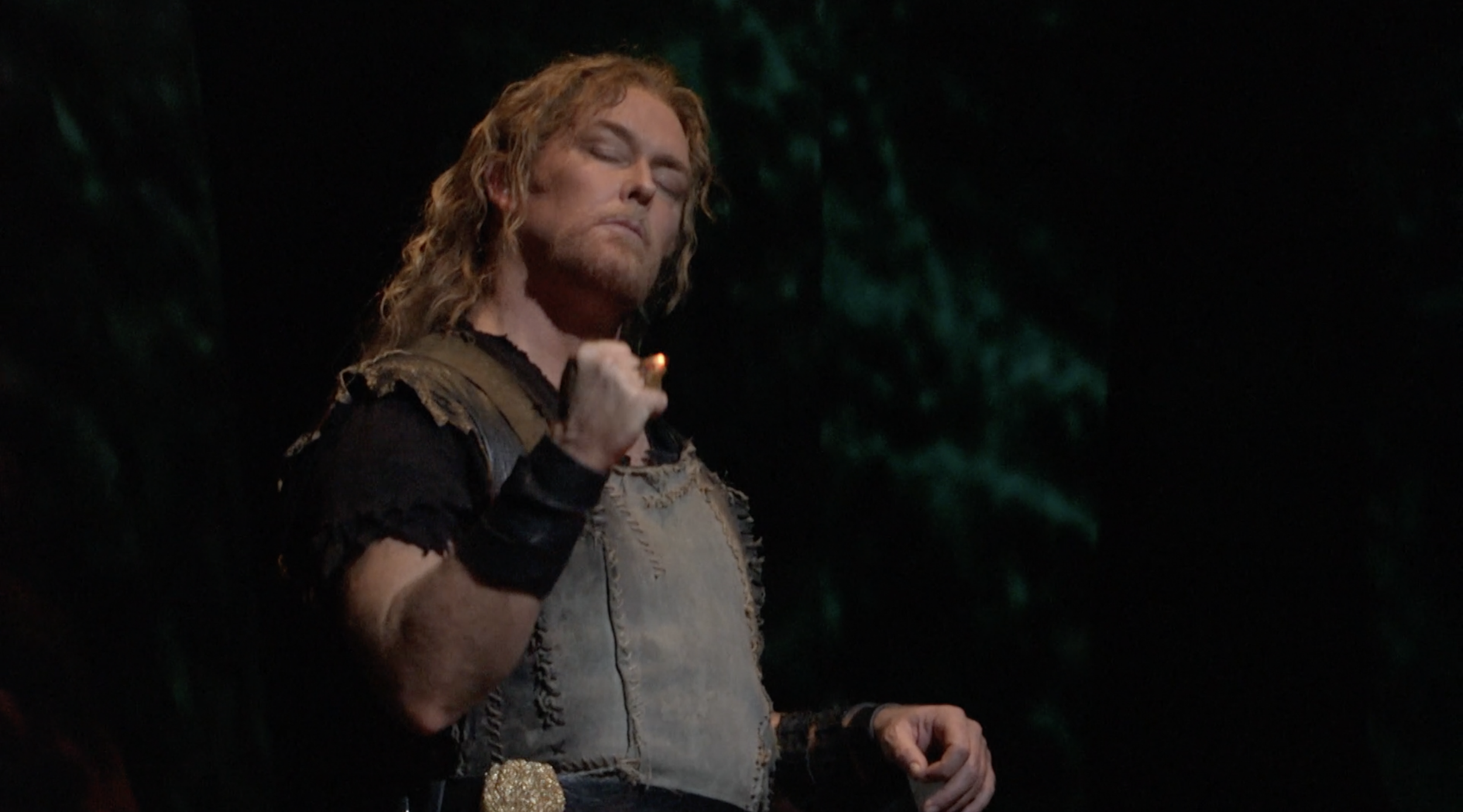
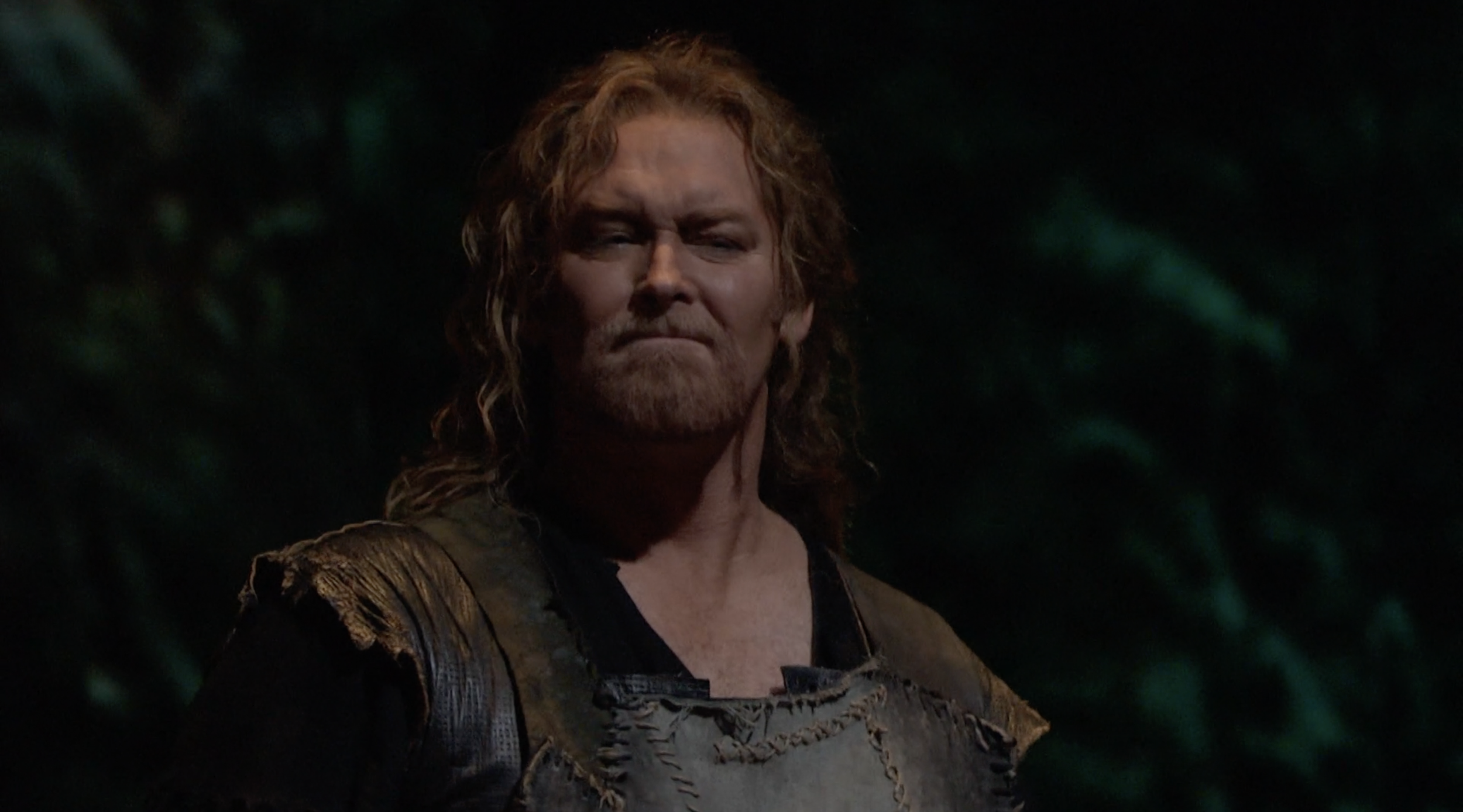
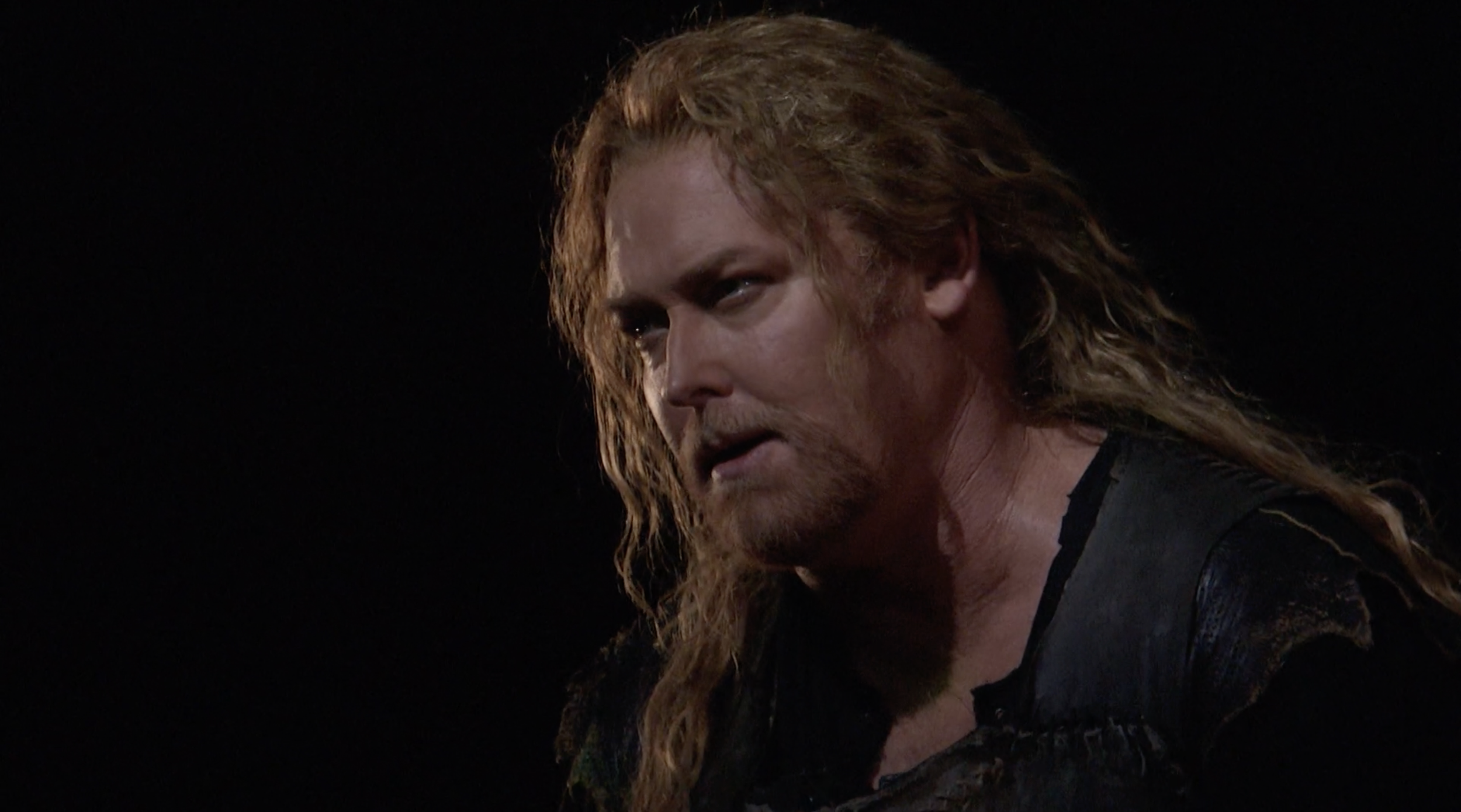
German's grammar is doing real philosophical work here that English cannot easily reproduce. English has to say "learning to fear" or "the fear," both of which either turn the process into an achieved skill too quickly or turn it into the static noun das Fürchten was specifically built to avoid being. The nominalized infinitive holds the process open. Siegfried is not becoming a person who has fear. He is, for one scene, caught inside the verb itself, still fearing, the action not yet resolved into a state.
September in New York carries its own low-grade version of this. The specific, hard-to-name unsettlement of the year turning over, school resuming somewhere in the middle distance even for people with no children in it, the light changing angle before the temperature has caught up. Nothing to point to as a cause. Only the recognizable feeling of encountering something the summer's confidence had not prepared you for.
Thematischer Rahmen: Der Junge, der Nichts Weiss
Siegfried sits at the Ring's exact structural center, and Wagner's own composition history makes that centrality literal rather than metaphorical. He wrote the text for all four Ring operas between 1848 and 1852, working backward from Götterdämmerung to Rheingold as he discovered how much prior explanation each successive draft required. Composition of the music proceeded forward, in the cycle's proper order, and reached the end of Siegfried's second act in 1857, at which point Wagner stopped, put the particell aside for twelve years, and wrote Tristan und Isolde and Die Meistersinger von Nürnberg in the interval. He did not return to finish Siegfried's third act until 1869. The opera's two halves were composed by two different men. The first two acts by the Wagner who had not yet met Schopenhauer's philosophy in earnest, still writing something close to the world-historical optimism of the Ring's original 1848 conception. The third act by the Wagner who had, in the intervening years, composed the most metaphysically exhausted love music of the 19th century and could no longer write an innocent hero's story without also writing, in the same pages, the beginning of that innocence's undoing.
The seam shows, and it is the opera's most interesting feature rather than a flaw to smooth over. Acts I and II are close to comedy: Mime's cave, the failed pedagogy, the sword reforged in an explosion of orchestral confidence, the dragon dispatched with a directness that borders on slapstick, the Woodbird's guidance arriving as pure gift. Siegfried moves through all of it essentially unbothered, the opera's tone matching his own constitutional fearlessness. Act III changes register entirely. The Wanderer, Wotan in disguise, blocks Siegfried's path up the mountain and Siegfried, without knowing who he is confronting or what the confrontation costs the god personally, shatters Wotan's spear, the same spear on which every treaty in the Ring's world is carved, the physical object that has bound the entire cosmology together since Rheingold. Wotan withdraws without a fight. He has, in this instant, accepted that his own authority has become an obstacle to the one outcome he still wants: a hero genuinely free of him. This is the last time Wotan appears as an active character in the cycle. He leaves the stage of his own story to a boy who does not yet understand what he has just done, or to whom.
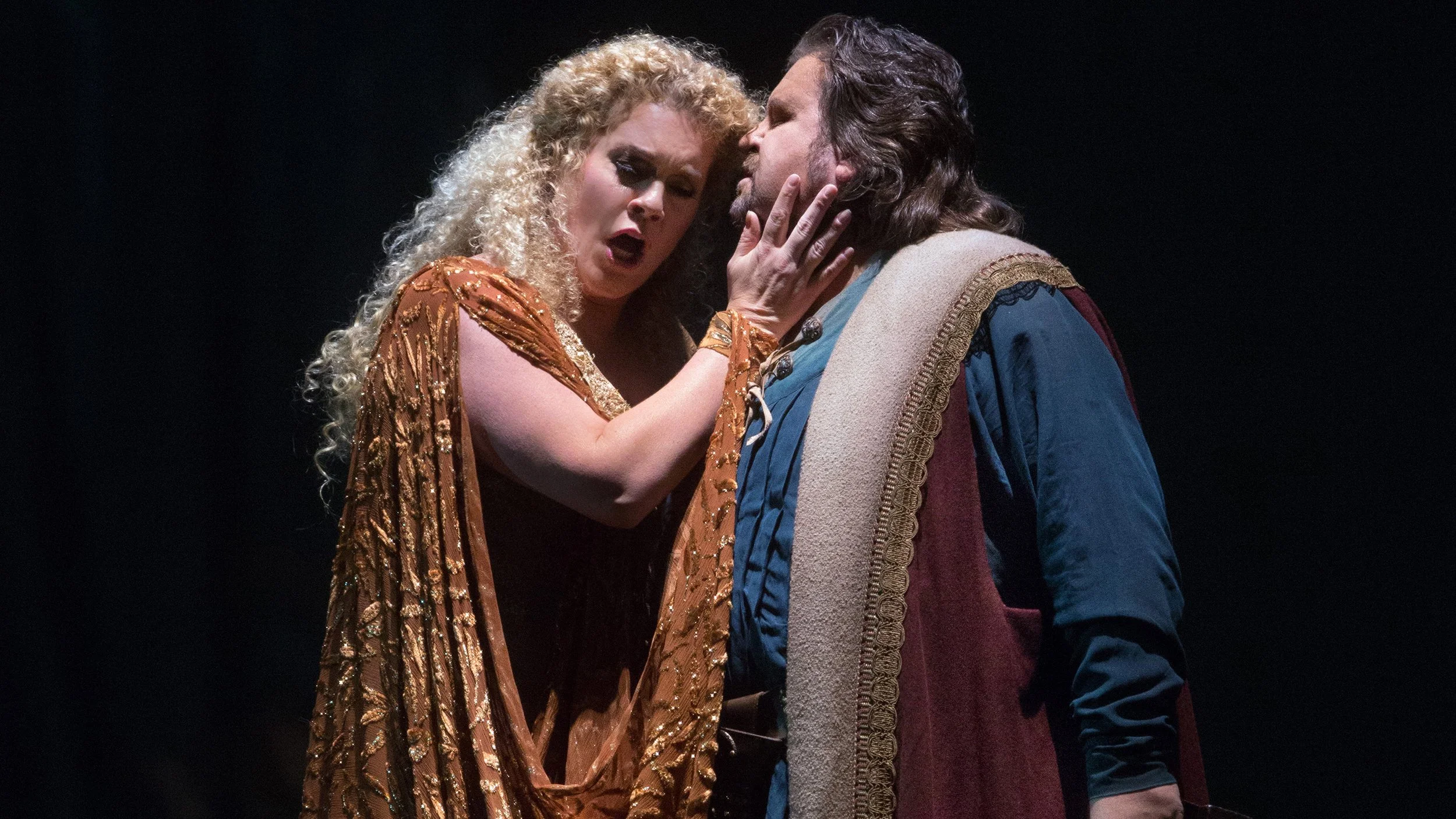
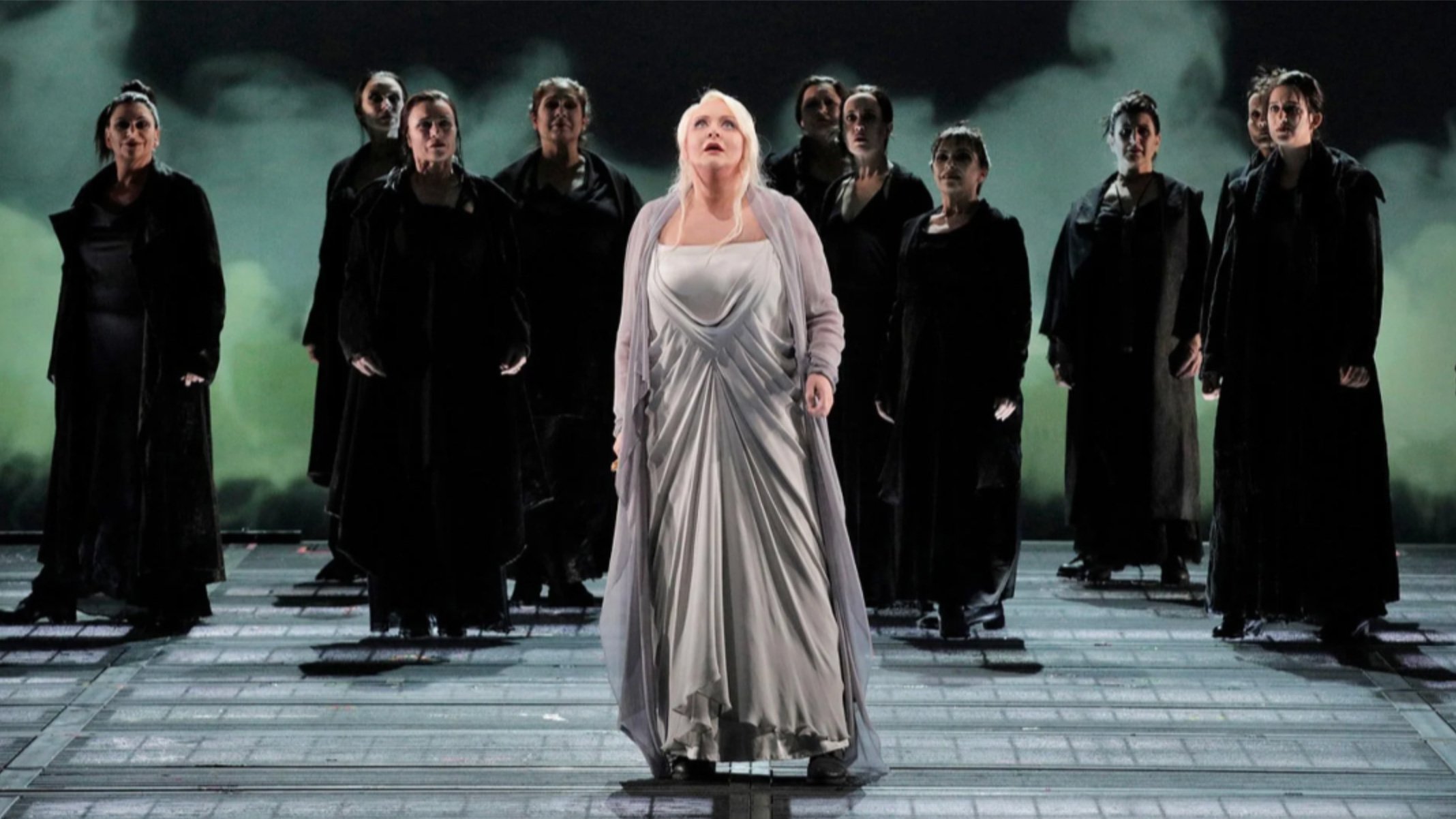
Siegfried, The Metropolitan Opera, October 2011
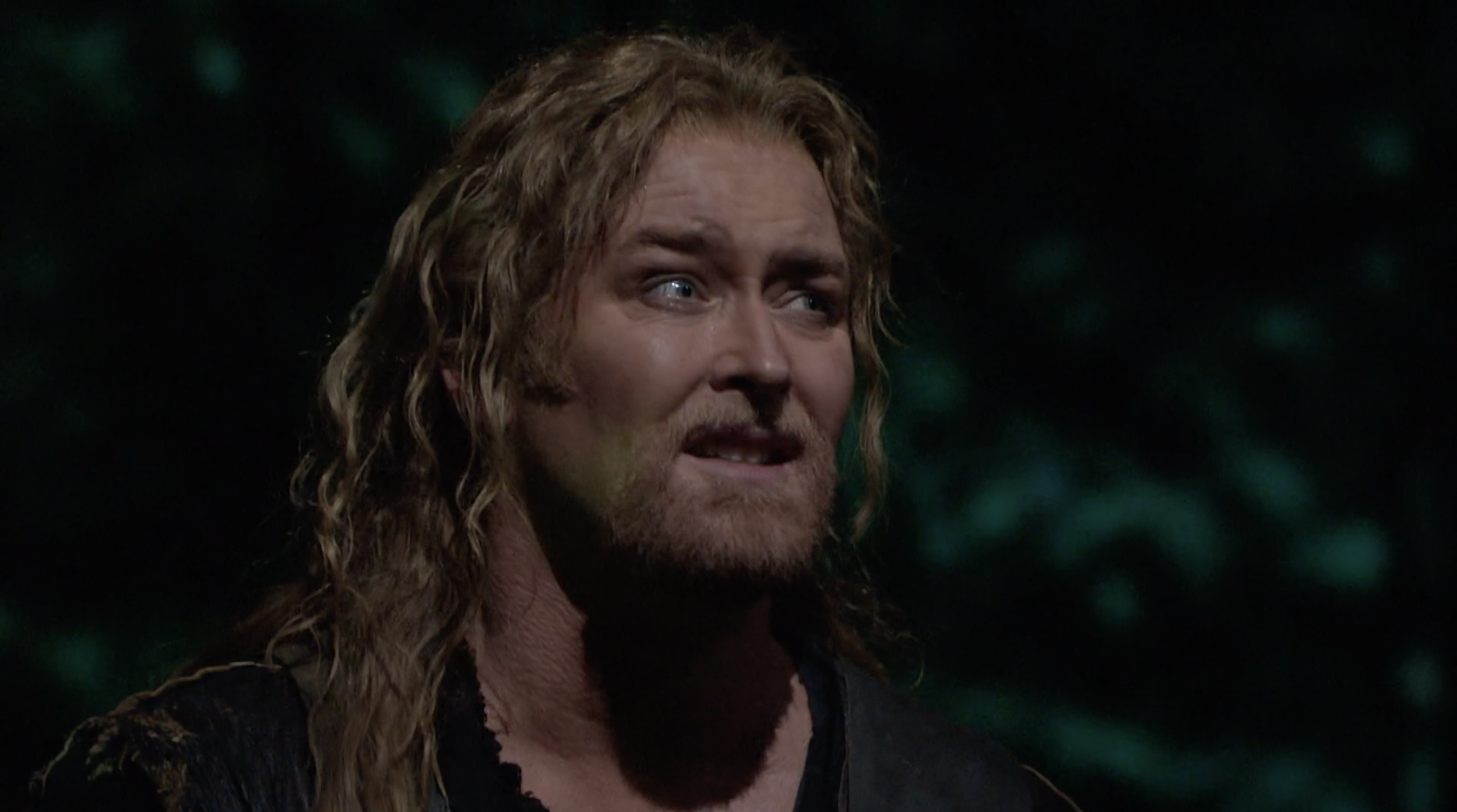
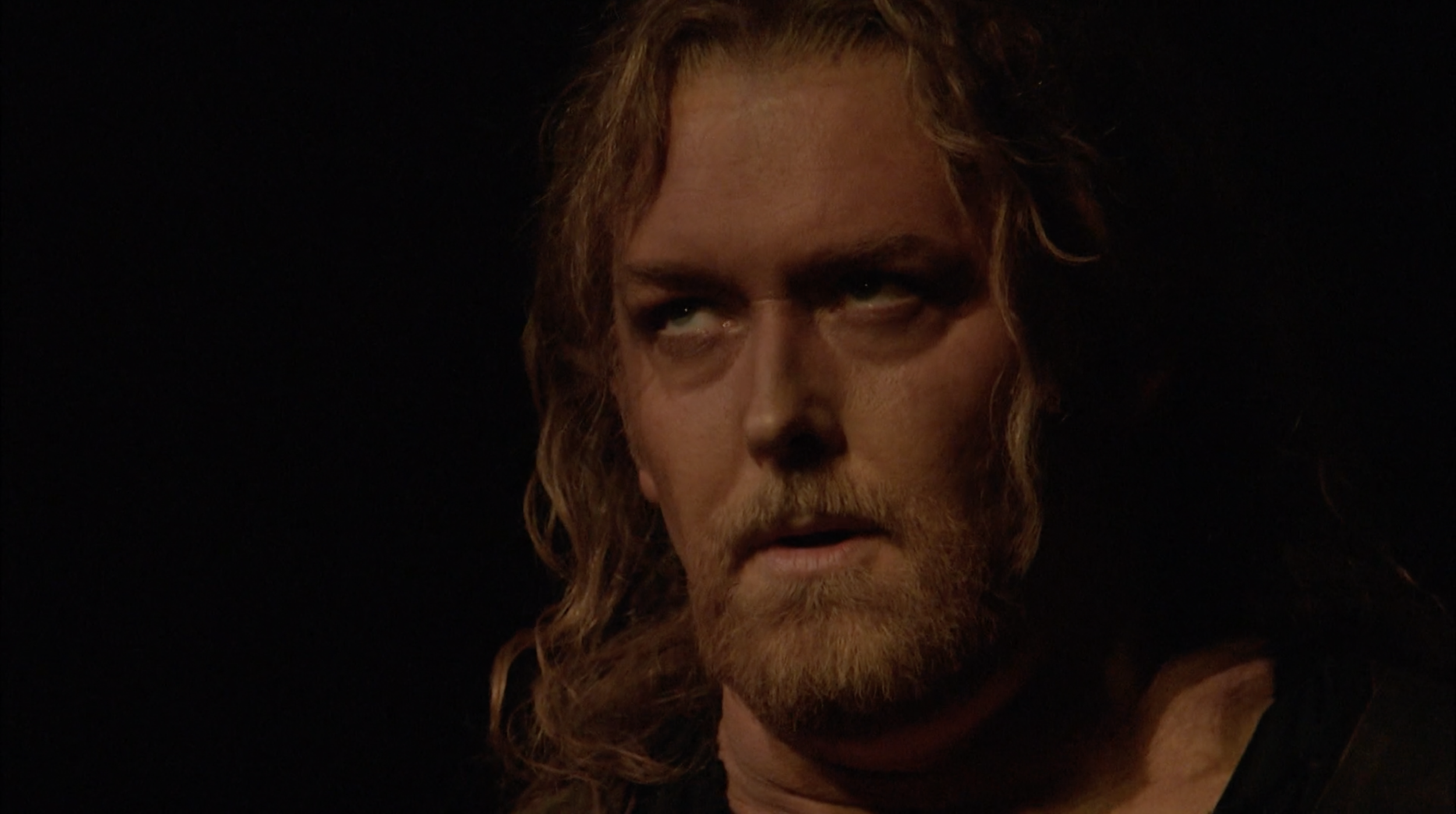
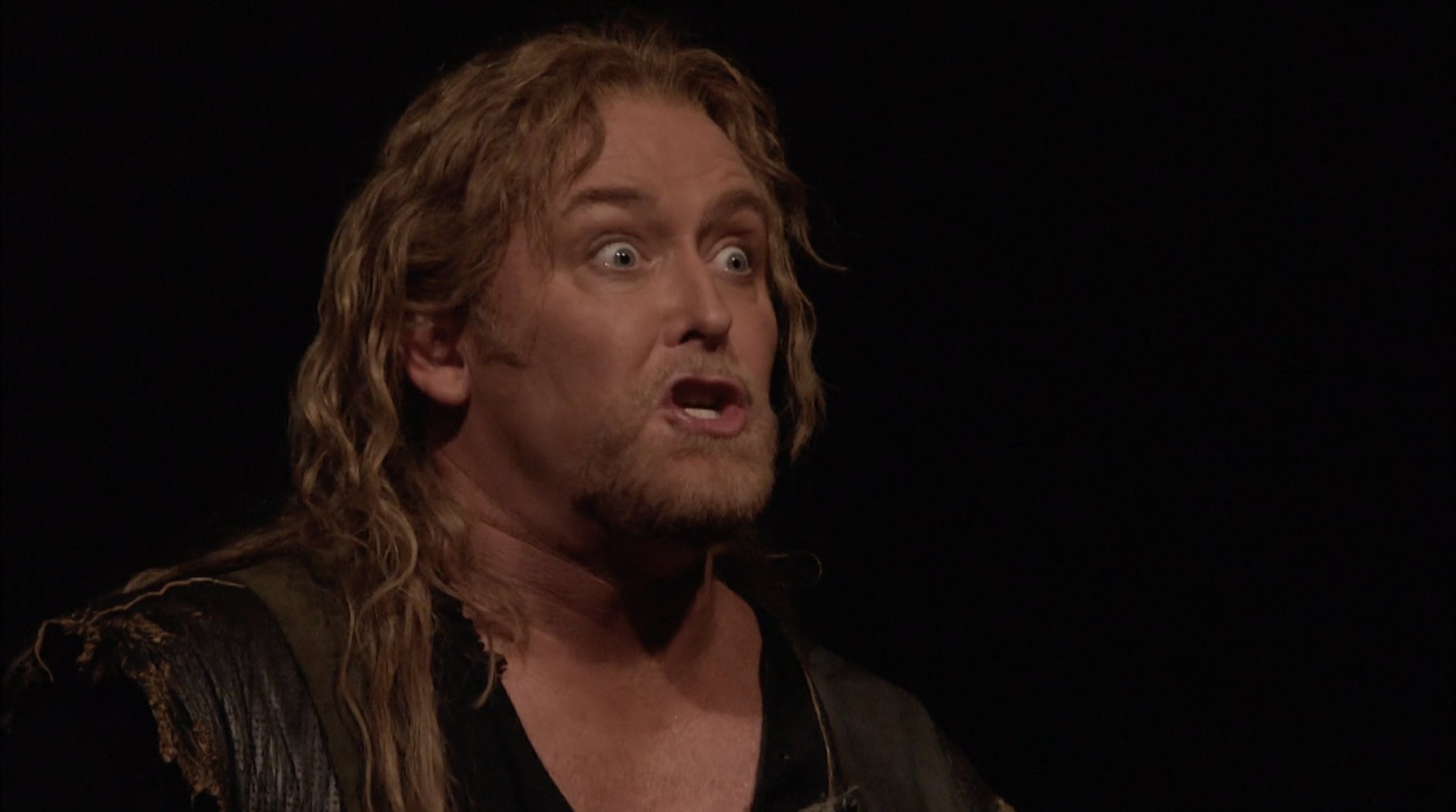
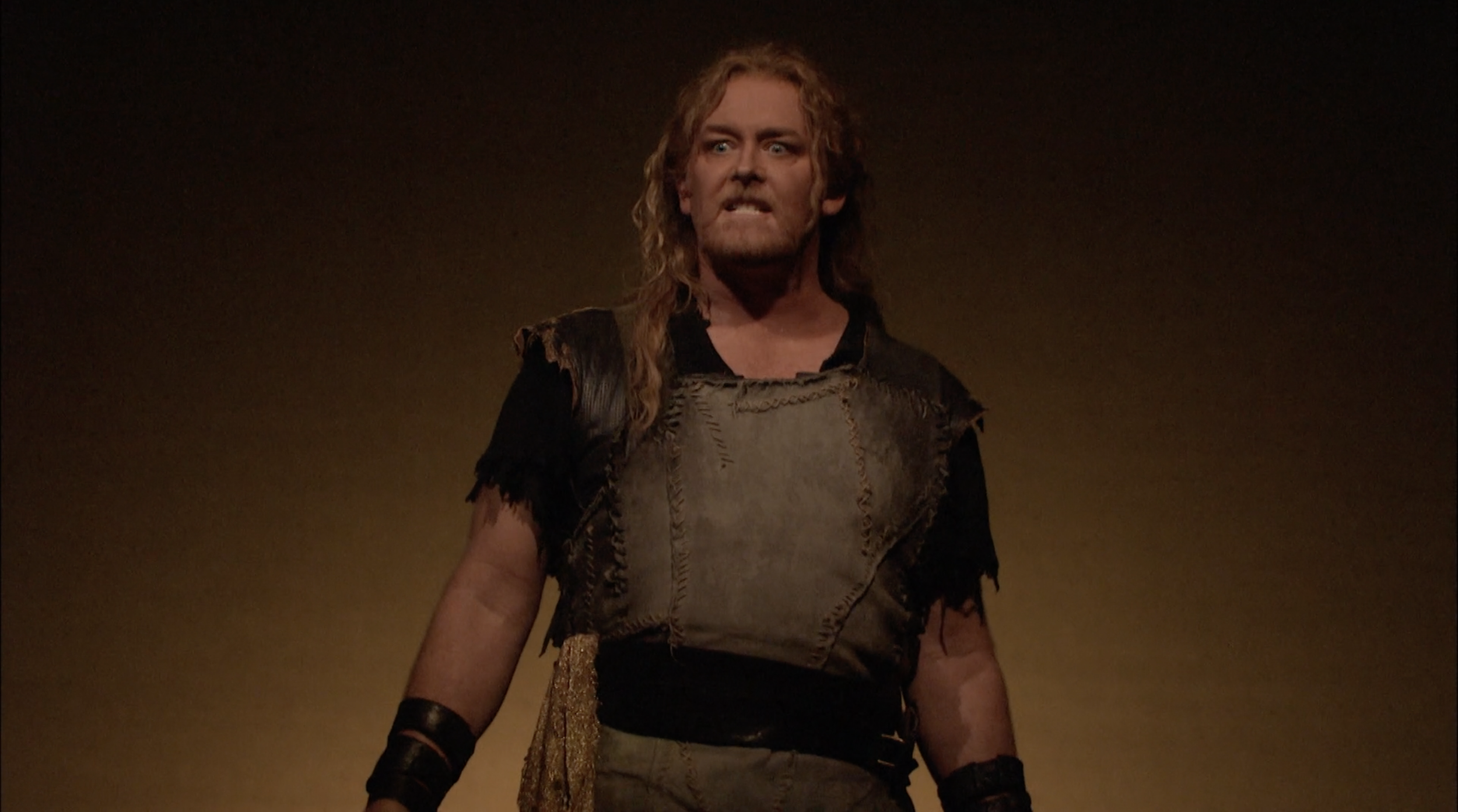
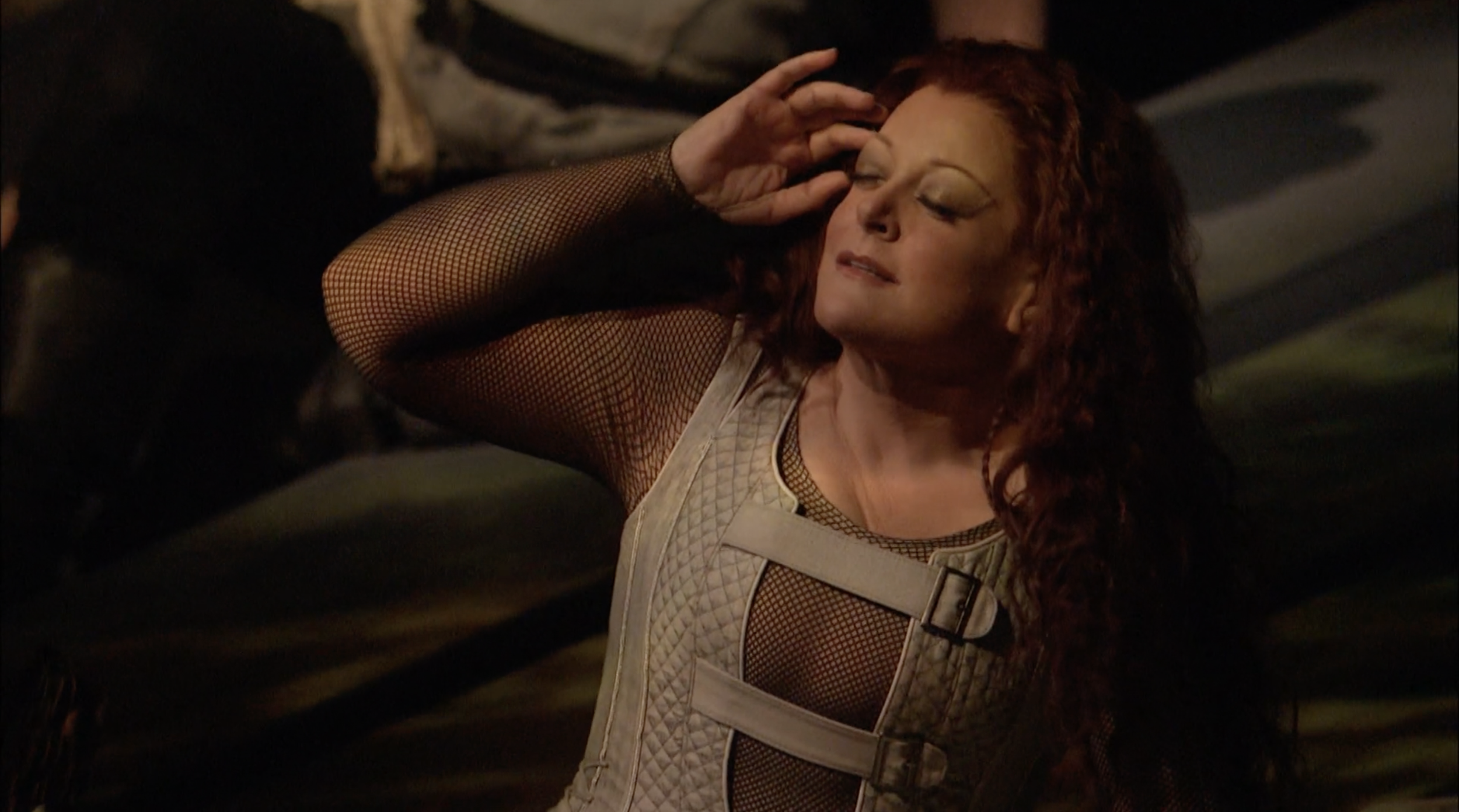
Siegfried himself is, in the strictest sense, an orphan raised by an enemy. Mime, the Nibelung dwarf who found the infant beside his dying mother Sieglinde, has raised him not out of affection but out of calculation, hoping to use him eventually to retrieve the ring from Fafner, a plan Siegfried is never told about directly and senses anyway, with the same unlearned instinct that will later let him understand the Woodbird's speech once Fafner's blood touches his lips. His ignorance of his own parentage runs through the whole opera as a genuine deprivation rather than a simple plot device. He asks Mime, repeatedly and with real hurt, why he has no mother, and Mime's evasions are the opera's clearest picture of what it costs a child to be raised by someone who needs him for a purpose rather than wants him for himself. The shards of the sword Nothung, broken when Siegmund's spear failed and Wotan's own spear intervened, are the one inheritance Mime cannot substitute or fake. Siegfried reforges them himself, in Act I's tremendous forging scene, not because Mime teaches him the craft correctly but because Mime's every attempt fails and Siegfried, in something close to contempt, does the work over from nothing, discovering competence the way he discovers everything else: by touching it directly and trusting what his hands report back.
Inwood Hill Park is the one place left in Manhattan that has not been fully authored by the city around it. It was never developed, never gridded, its topography left close to what it was before European settlement, its old-growth trees, tulip poplars over a hundred feet tall, among the oldest living things on the island. The Lenape used its caves and its sheltered coves for centuries before Peter Minuit's legendary 1626 purchase, an event local tradition places, almost certainly inaccurately but persistently, beneath a specific tulip tree that stood here until 1938. This is not a landscape organized around a monument or an institution the way almost everywhere else on this year's circuit has been. It is closer to what Siegfried moves through in Act I and II: unauthored terrain, where whatever you learn, you learn by direct contact rather than by being told.
Listening Index (Die Musikalische Wirbelsäule)
Act I, the Forging Song (Nothung! Nothung! Neidliches Schwert!): Competence discovered by doing, not by instruction
Act II, Forest Murmurs (Waldweben): The forest as the only teacher who has ever told him the truth
Act II, the Dragon's Death and the Woodbird: Violence without hesitation, understanding arriving as a side effect rather than a reward
Act III, the Wanderer's Confrontation: The spear shattered; the god steps aside from his own story
Act III, the Awakening (Heil dir, Sonne! Heil dir, Licht!): Brünnhilde waking to a changed world; fear entering the opera for the first time as something other than an absence
Act III, the closing duet (Selig in Lust und Leid): Two people who have each spent the opera alone, discovering the specific vertigo of no longer being
Listening Note: Play the first half of this month's music at full outdoor volume; the forest can hold it. Let the Wanderer's confrontation arrive quietly instead, the one moment of stillness inside an otherwise kinetic day. Save real tenderness for the very end.
Der Alte Wald: Inwood Hill Park
Getting There
Take the A train to Inwood–207th Street, or the 1 to Dyckman Street, and enter Inwood Hill Park from the Dyckman Street entrance.
Follow the marked trail west and north into the park's forested interior, leaving the paved paths for the dirt trails as soon as they diverge.
What Inwood Hill Park Is
Inwood Hill Park holds the last natural forest and the last true salt marsh in Manhattan, 196 acres that were never leveled for the street grid because the terrain, steep glacial ridges cut by a deep ravine called the Clove, made grading impractical. The tulip trees in its interior are old-growth, some over a century old, rising well above the ordinary park canopy elsewhere in the city. There are no formal sightlines here, no monuments, no design gesture asking to be photographed. The forest simply continues in every direction until the park's edges end it.
Track: Siegfried, Act II, Forest Murmurs (Waldweben)
Walk the dirt trail into the park's interior as Forest Murmurs begins, the long orchestral passage in which Siegfried, alone under the trees, listens to birdsong and wind and slowly begins to understand what an entire childhood with Mime never taught him. Let the trail choose the pace rather than the music. Notice the canopy moving overhead, the specific quality of light filtered through leaves that have not yet started to turn. This is the one classroom in the opera that keeps its promises. Everything Siegfried learns here, he learns because he paid direct attention to something that was not trying to teach him anything.
Der Ursprungsort: Shorakkopoch und die Alten Wurzeln
Walk: To the Clearing
Continue on the park's interior trail toward the marker near the park's western edge commemorating Shorakkopoch Rock, the traditional site of the legendary tulip tree beneath which the 1626 transfer of Manhattan is said, by persistent local tradition rather than reliable documentation, to have taken place.
What This Place Is Doing Here
The original tree stood here until 1938, over 165 feet at its documented peak, among the oldest living things on the island before it fell. The story attached to the spot, that this exact tree witnessed the exchange that gave the island its European name, cannot be verified and is almost certainly a later embellishment grafted onto a genuinely old and genuinely significant tree. It survives anyway, repeated on the plaque, because origin stories rarely wait for verification before taking root.
Track: Siegfried, Act I, Siegfried Questions Mime About His Mother
Stand at the marker and play the scene in which Siegfried, home from the forest, demands to know why he has no mother, pressing Mime past every evasion until the dwarf finally produces the broken shards of Nothung and admits, incompletely, where the boy came from. Siegfried does not get a full answer. He gets fragments: a name, a broken sword, a story with pieces missing. He resolves, on the spot, to reforge the sword himself rather than wait for Mime's incompetent craft to fail him again.
This is close to what the marker itself offers. A story with its most important details unconfirmable, standing in for an origin the place cannot fully document, kept anyway because a fragment, honestly held as a fragment, is sometimes the only inheritance available.
Die Höhle: Die Indianerhöhlen
Getting There
From Shorakkopoch, follow the trail down into the Clove, the park's central ravine, watching for the unmarked side path leading to the Indian Caves, a set of rock shelters cut into the exposed Manhattan schist.
The approach involves a scramble over rock and root; go slowly and choose footing carefully.
What the Caves Are
The caves are real, unglamorous, and easy to walk past if you are not looking for them: shallow overhangs and shelters in the ravine's exposed bedrock, used by the Lenape for shelter and storage long before the park existed as a park. They are not marked with the kind of interpretive signage the rest of the city reserves for its landmarks. They simply remain, doing now what they did centuries ago, available to anyone willing to leave the trail.
Track: Siegfried, Act II, The Dragon's Death
Sit near the cave mouth and begin the scene in which Siegfried, having tracked Fafner to his lair, kills the dragon with a single unhesitating thrust and then, tasting the creature's blood by accident as he checks his blade, discovers he can suddenly understand the Woodbird's song. Notice how undramatic the killing itself is in the score, how quickly the opera moves past the violence to what the violence unexpectedly opens. Fafner, once a giant who traded his brother's life and a god's stolen ring for the shape of a hoarding, stationary dragon, dies almost as an afterthought. What matters is not the kill. It is the door the kill turns out to have been standing in front of the whole time.
Stay at the cave mouth a moment longer than the track requires. This is the one station on the year's circuit that is genuinely, physically hidden, and the hiddenness is the point. Some doors do not announce themselves as doors until you are already through them.
Die Brücke der Zwei Bezirke: Die Broadway Bridge
Getting There
Exit Inwood Hill Park and walk to Broadway at the park's eastern edge, then south and east to the Broadway Bridge, the vertical-lift bridge carrying Broadway and the elevated 1 train across the Harlem River Ship Canal at Marble Hill.
What the Bridge Is Doing Here
The Broadway Bridge is a working iron lift bridge, built in its current form in 1962, that can be raised nearly 150 feet to let river traffic pass beneath it. Marble Hill, the neighborhood on its southern end, is one of New York's genuine geographic oddities: politically and administratively part of the Borough of Manhattan, physically attached to the Bronx mainland since 1914, when the old course of the Harlem River that once separated it from the island was filled in. It is Manhattan land that has not touched Manhattan bedrock in over a century, a jurisdiction that outlived the geography that originally justified it.
Track: Siegfried, Act III, The Wanderer's Confrontation
Begin the track as you step onto the bridge's pedestrian walkway. Wotan, disguised as the Wanderer, blocks Siegfried's path up the mountain toward Brünnhilde, and Siegfried, not recognizing the god and not especially interested in who is delaying him, breaks the Wanderer's spear with a single blow from Nothung. The instrument that has enforced every contract in the cycle since Rheingold splinters, and Wotan withdraws without another word, accepting an authority he can no longer defend.
Marble Hill's odd status, Manhattan by law standing on Bronx ground by geography, is a quiet echo of what is happening in the scene. An old arrangement, once load-bearing, now surviving mostly by inertia and consent, waiting for someone with no stake in maintaining it to walk straight through. Cross the bridge as the confrontation ends. You are now, like Marble Hill itself, somewhere the map insists is still connected to where you started and the ground under your feet insists is a different place entirely.
Das Erwachen: Wave Hill
Getting There
From the Broadway Bridge, walk or take the Bx7 bus north on Broadway/Riverdale Avenue into Riverdale, or take the Metro-North Hudson Line from Marble Hill station to Riverdale station.
Wave Hill's entrance is at West 249th Street and Independence Avenue; a free shuttle runs from the Metro-North station on weekends and select days, or it is a walkable but steep fifteen minutes uphill.
What Wave Hill Is
Wave Hill is a 28-acre public garden set on a bluff above the Hudson, its grounds terraced across the same escarpment that gives the whole Riverdale section of the Bronx its dramatic elevation over the river. The site's two historic houses were once private estates, visited over the decades by Theodore Roosevelt as a child, by Mark Twain, by Arturo Toscanini, before the city acquired the property and opened it to the public in 1965. The gardens are cultivated but never fussy, terraced lawns giving way to wilder plantings at the property's edges, the Hudson and the Palisades visible from nearly every point on the grounds.
Track: Siegfried, Act III, The Awakening and Final Duet
Walk to the upper terrace facing the river and begin the Awakening. Siegfried has climbed the mountain, passed through the ring of fire without alarm because fire, like everything else so far, has not yet taught him to be afraid, and found Brünnhilde asleep in her armor. He removes her helmet expecting a sleeping knight and understands, in the single most disarming moment in the entire cycle, that he has found something his instincts have no category for. Das ist kein Mann!
Brünnhilde wakes to sunlight after a sleep of unknown duration and greets it with an ecstasy that has nothing tentative in it, Heil dir, Sonne! Heil dir, Licht!, hail to you, sun, hail to you, light. What follows is the opera's most genuinely difficult transition: two people who have each spent their entire story in isolation, one raised by an enemy in a forest, one abandoned by her father on a rock, discovering the specific terror of no longer being alone, of another person's presence mattering enough to be frightening. Fear enters the opera in this final scene not as danger avoided but as intimacy encountered, and it is treated, correctly, as the harder of the two.
Stand at the terrace edge with the Palisades across the river while the duet builds toward its ecstatic close. The light this time of day, this time of year, has the same low, clarifying angle the whole walk has been moving through since Dyckman Street. Let the final phrase land before you do anything else.
Nachklang
The September walk ends on a terrace above the Hudson with two people who have just met each other properly for the first time, having spent an entire opera being extraordinary alone. The forest gave Siegfried everything a forest can give: competence, understanding, a fearlessness that killed a dragon without difficulty. It could not give him the one thing that actually undid him, which required another person's specific, unrepeatable presence to arrive at all.
This is the shape of the whole month. Not fear as danger, which turns out to be the easy category, but fear as intimacy, which is not defeated by a sword and does not resolve by being fought. Siegfried spends two acts learning that nothing in the world can hurt him and one act learning that this was never the same question as whether anything in the world could matter to him. Both turn out to be true. Neither one cancels the other. October begins where this leaves off, with the same two people, no longer alone, walking directly into what that was always going to cost.




Further Reading