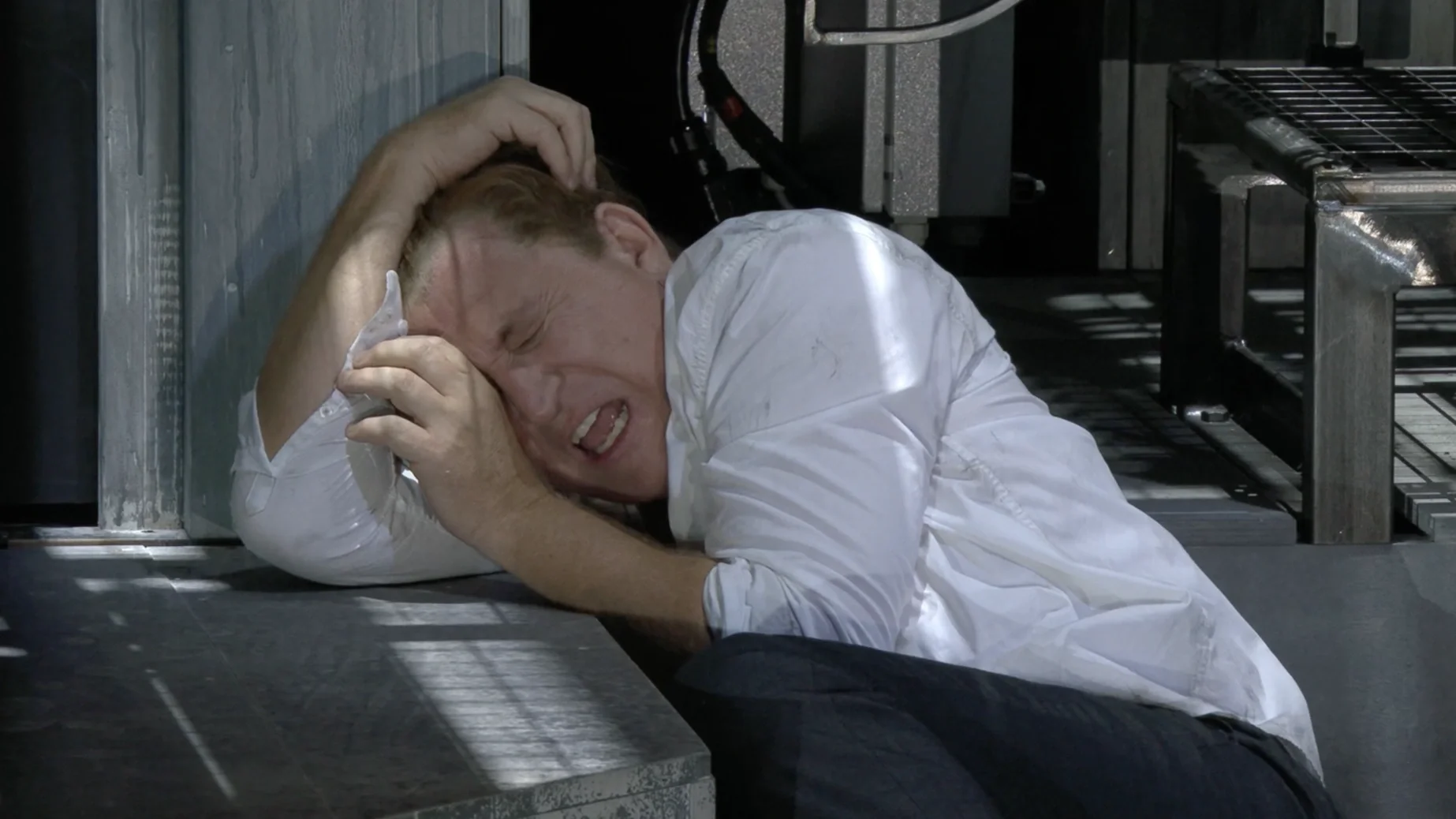
November: Rienzi
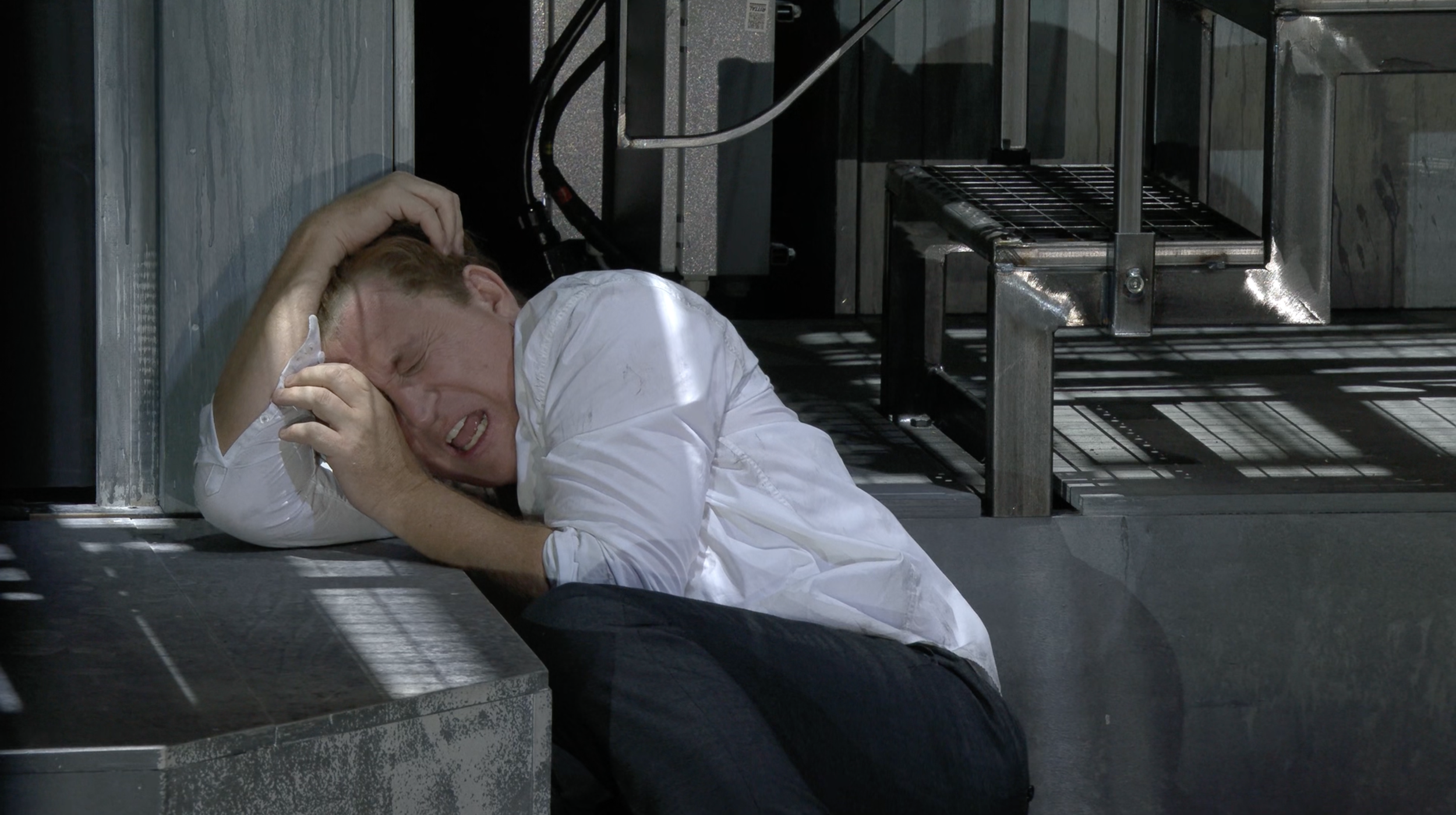
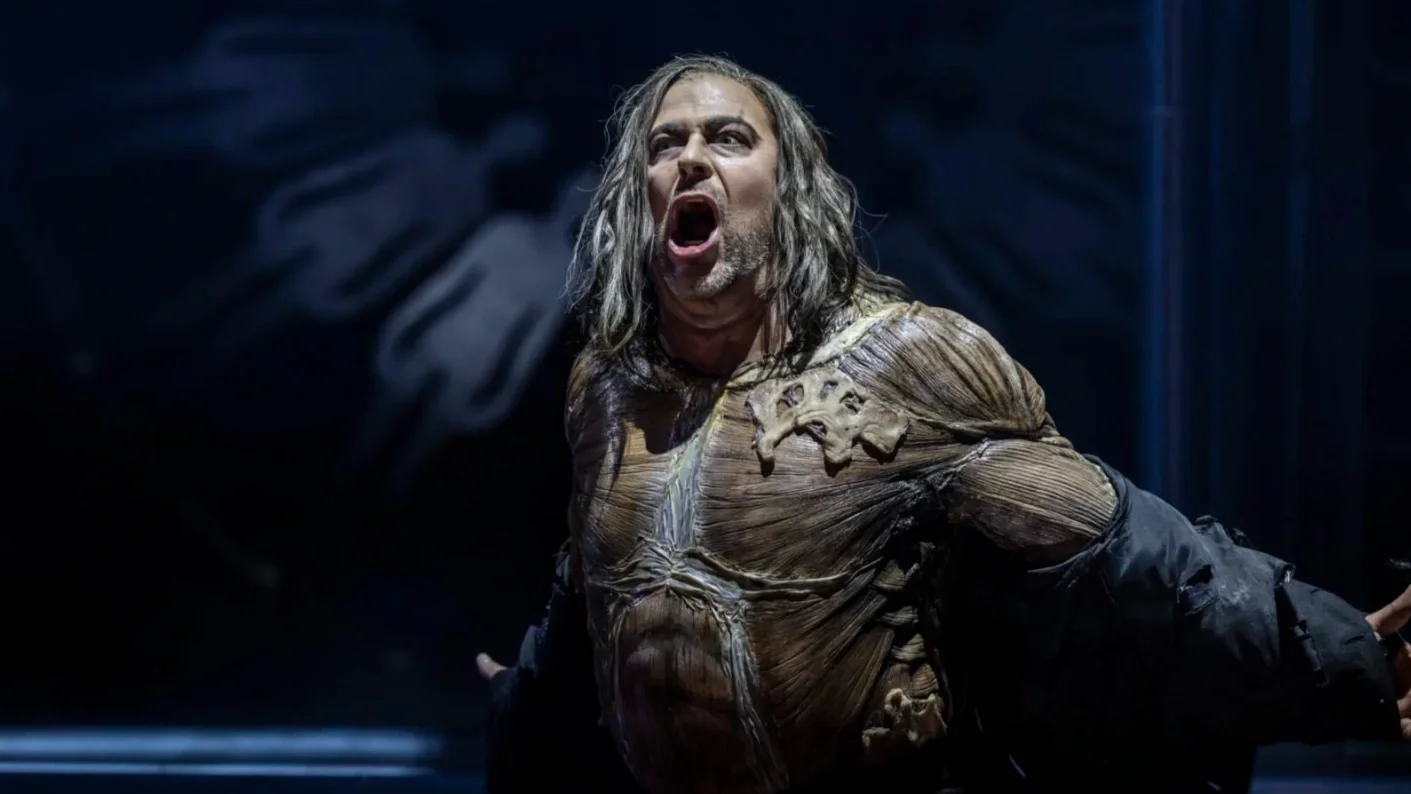
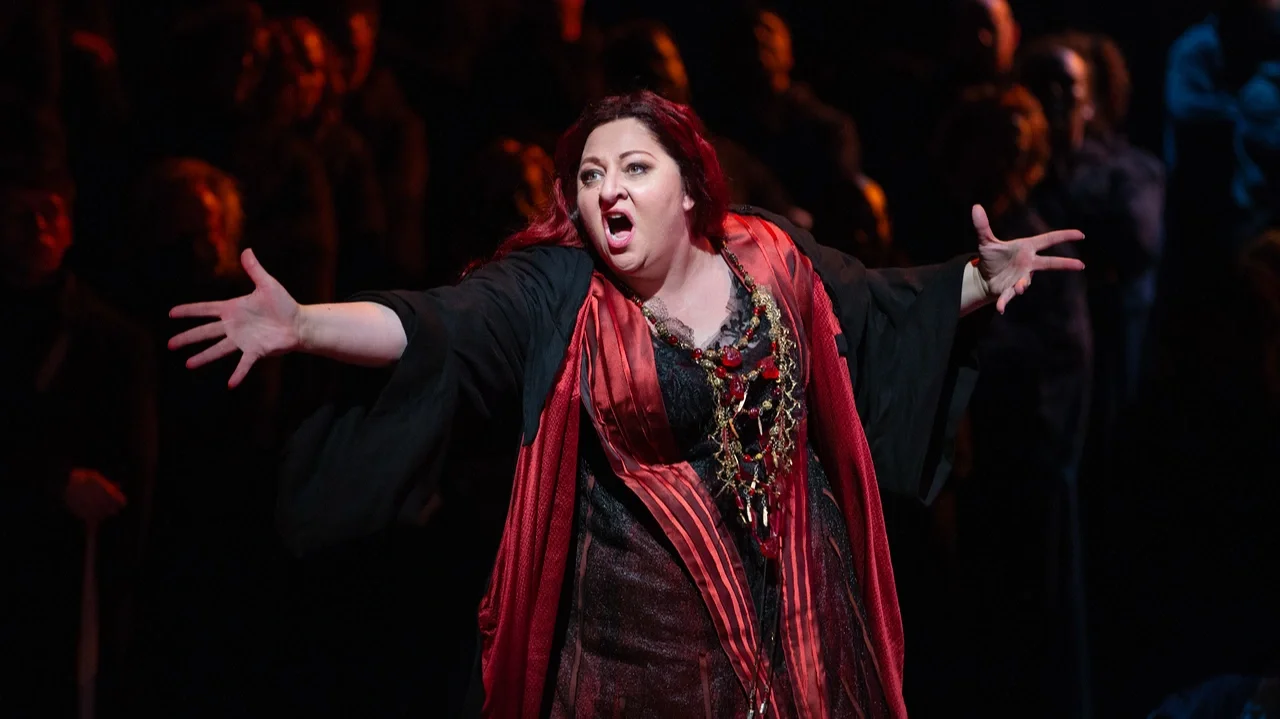
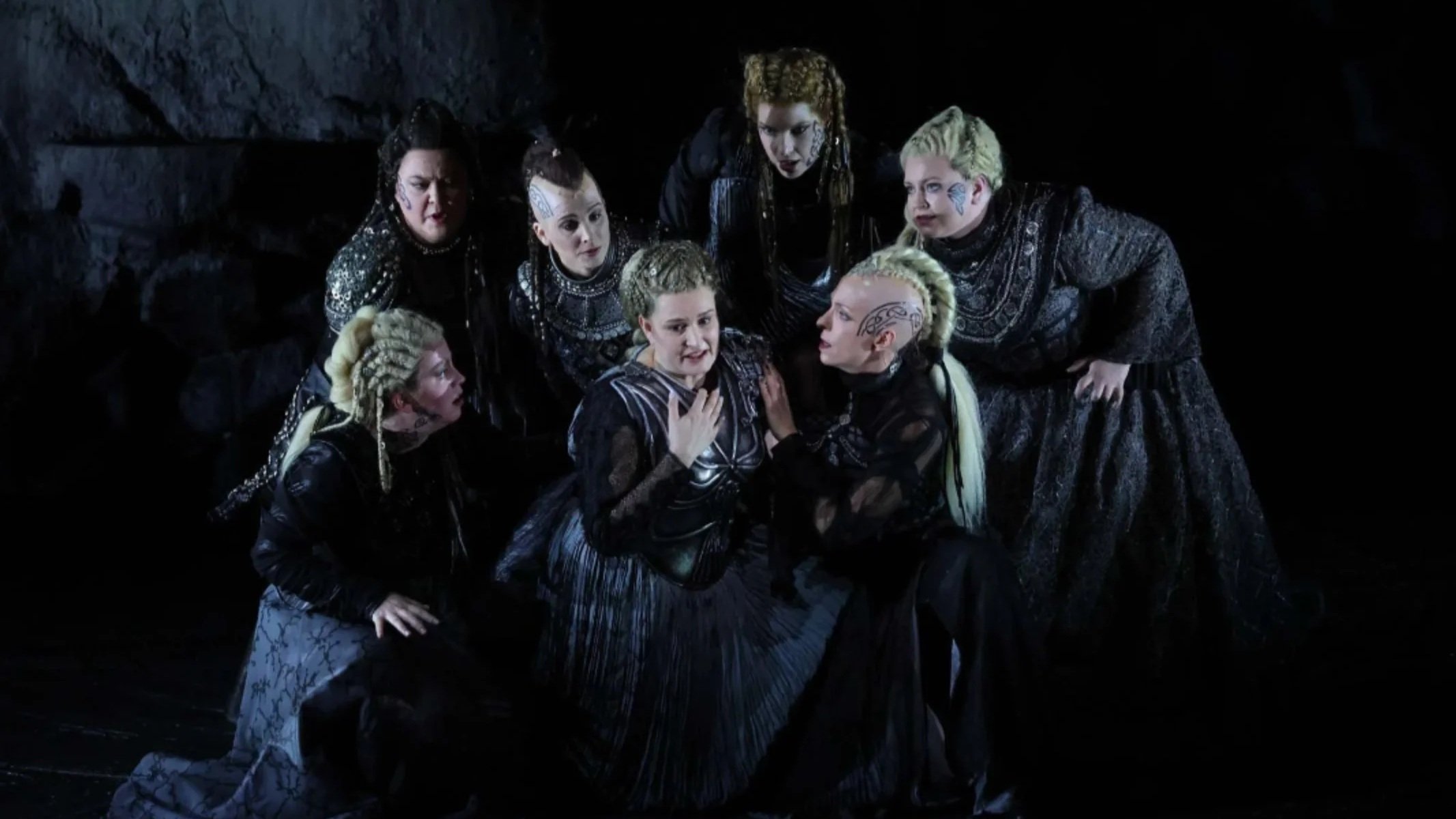
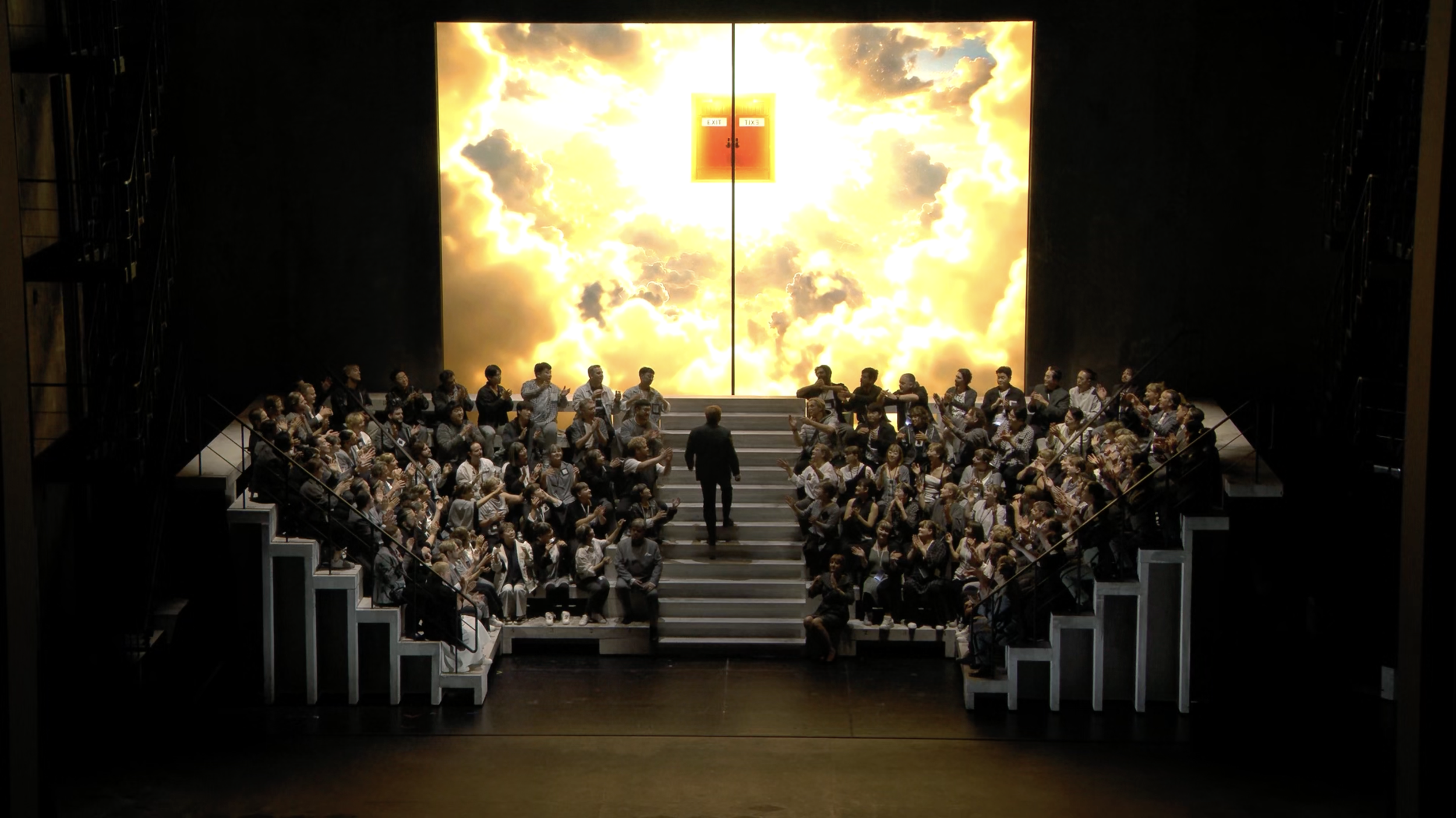
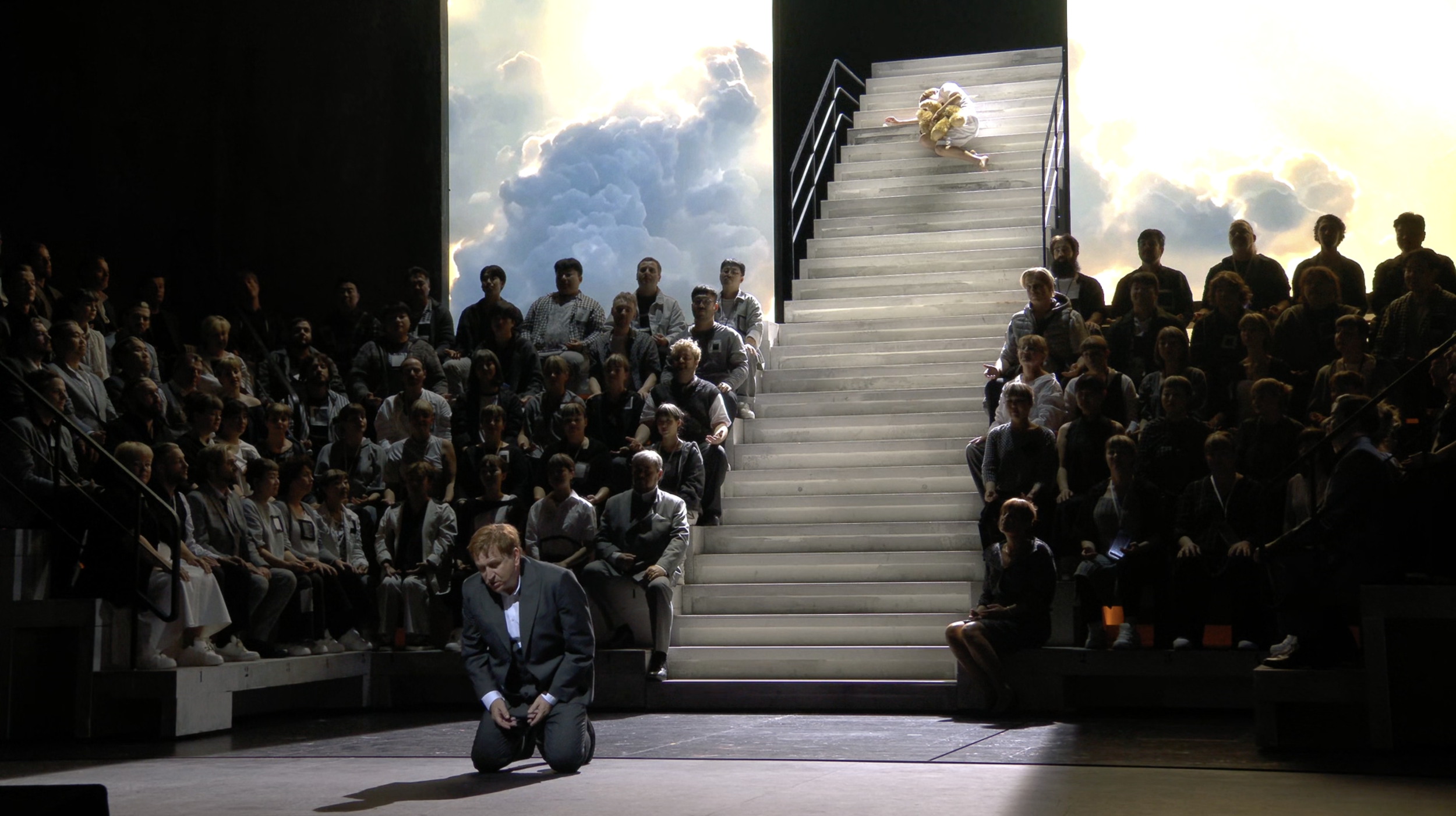
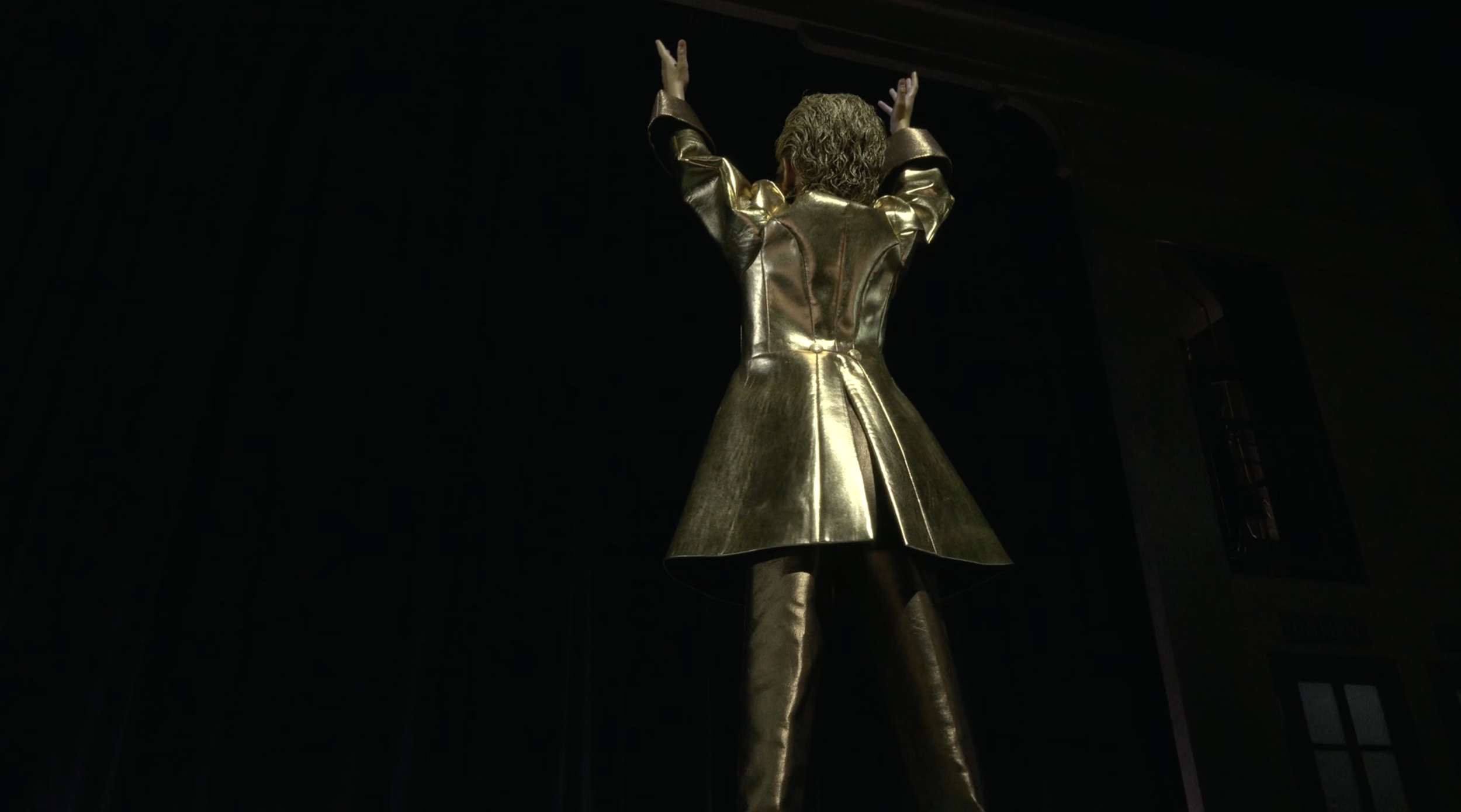
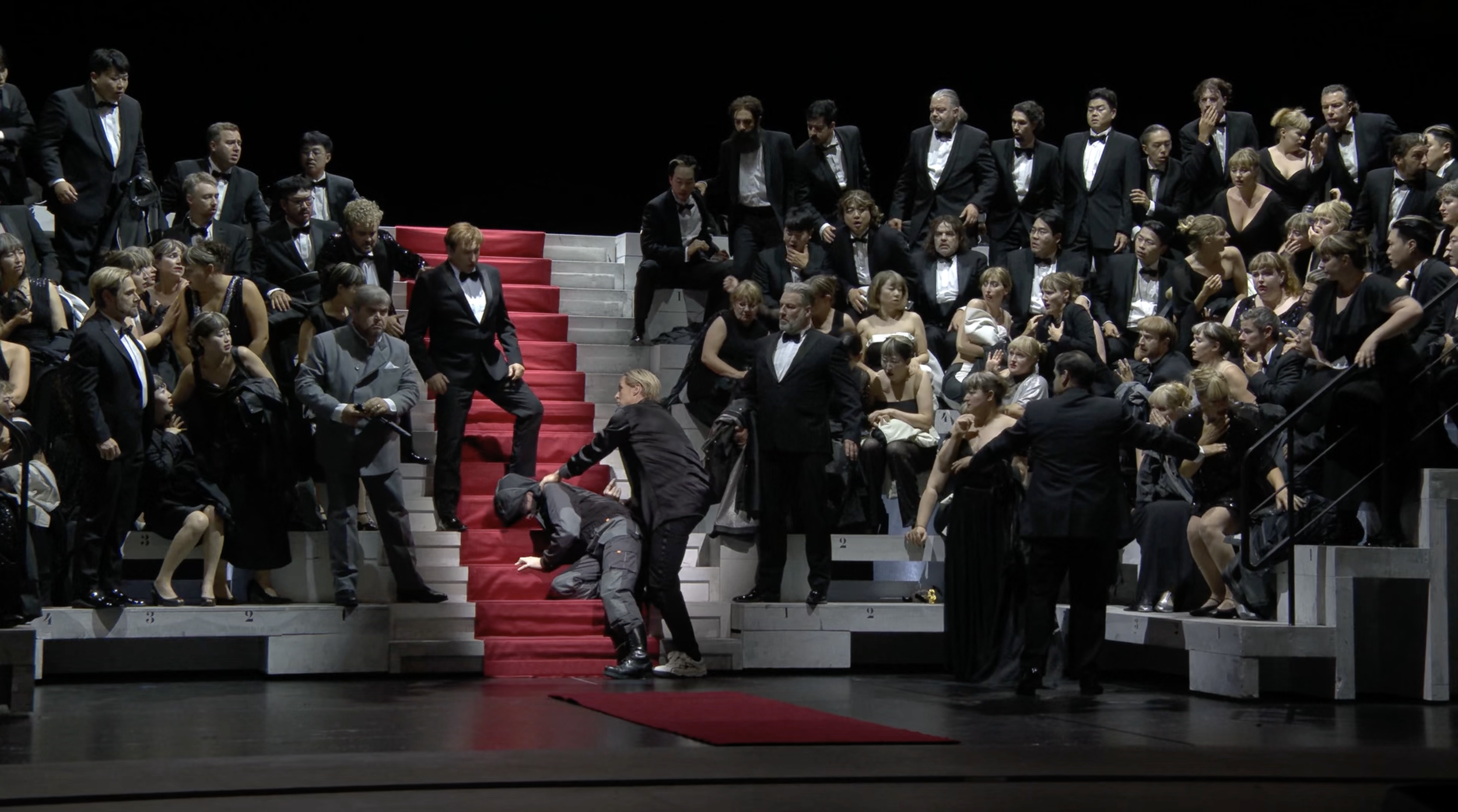
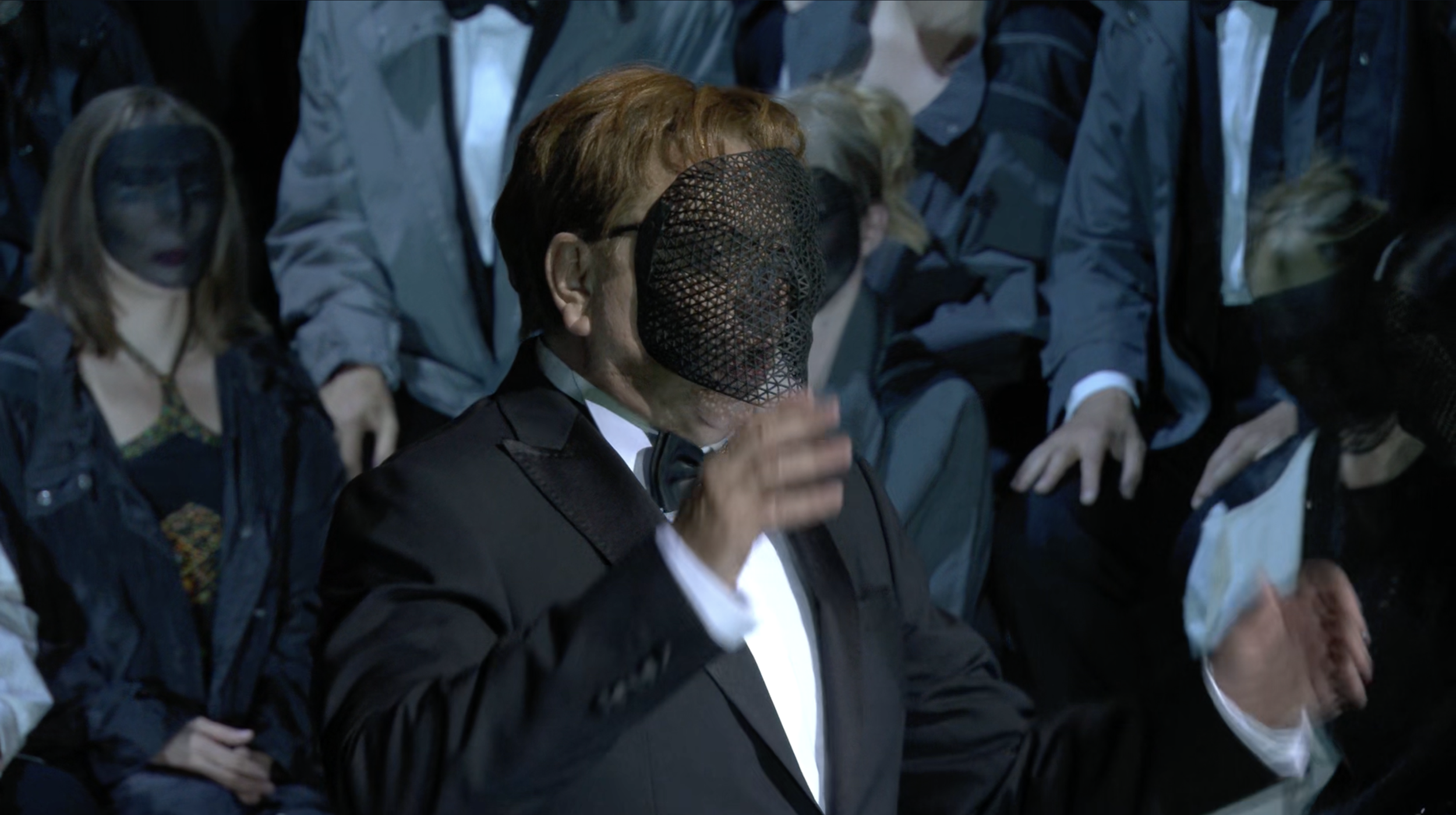
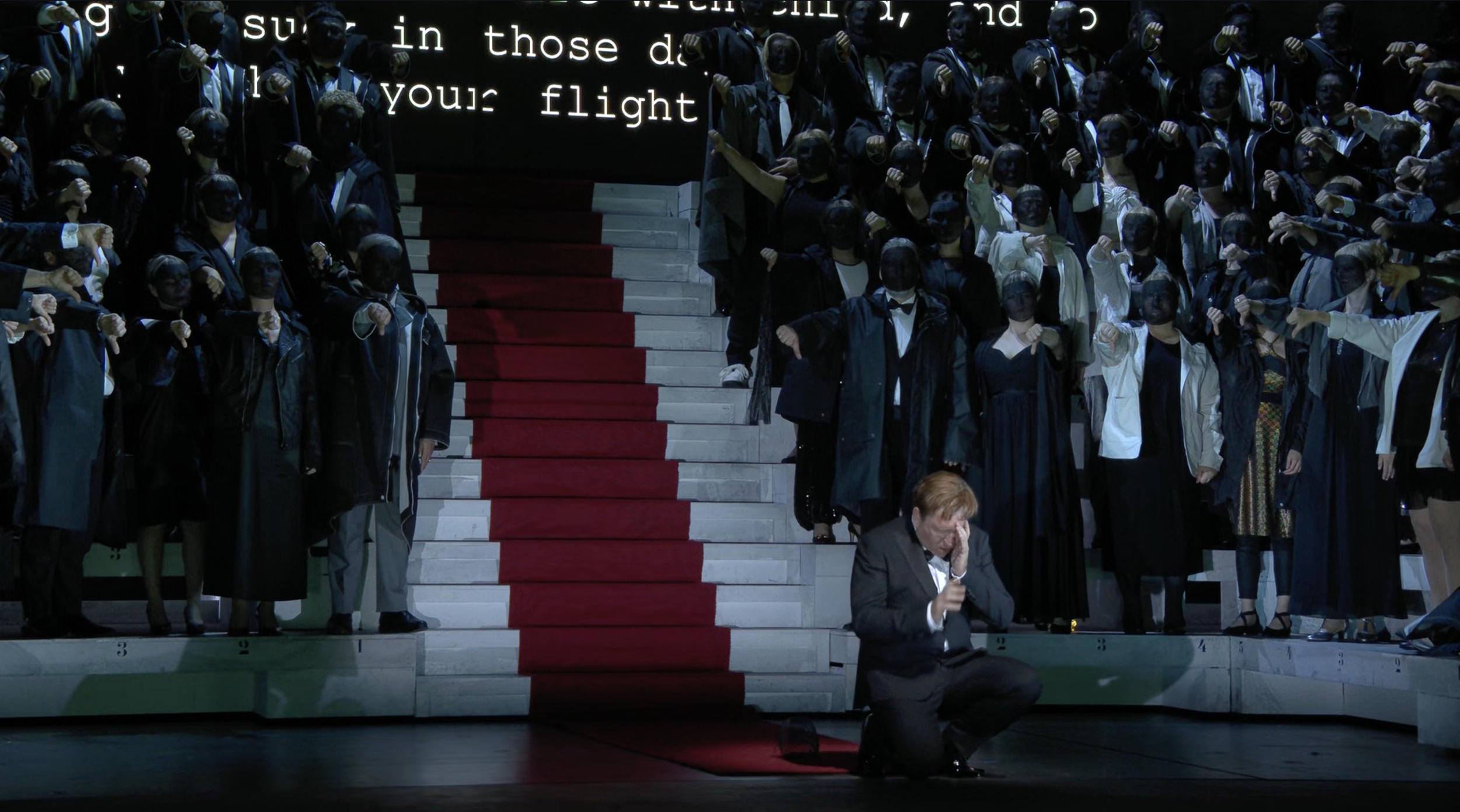
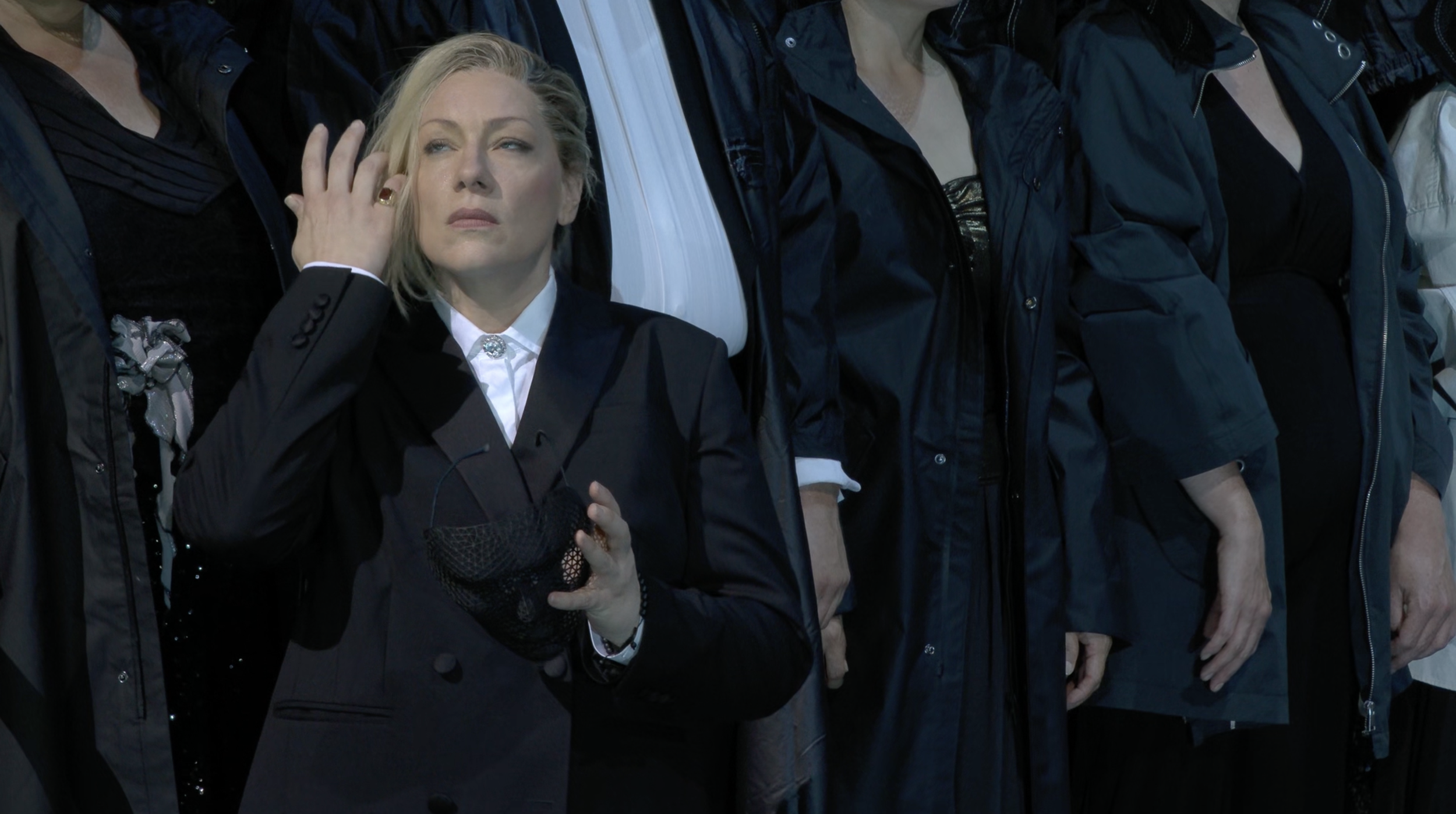
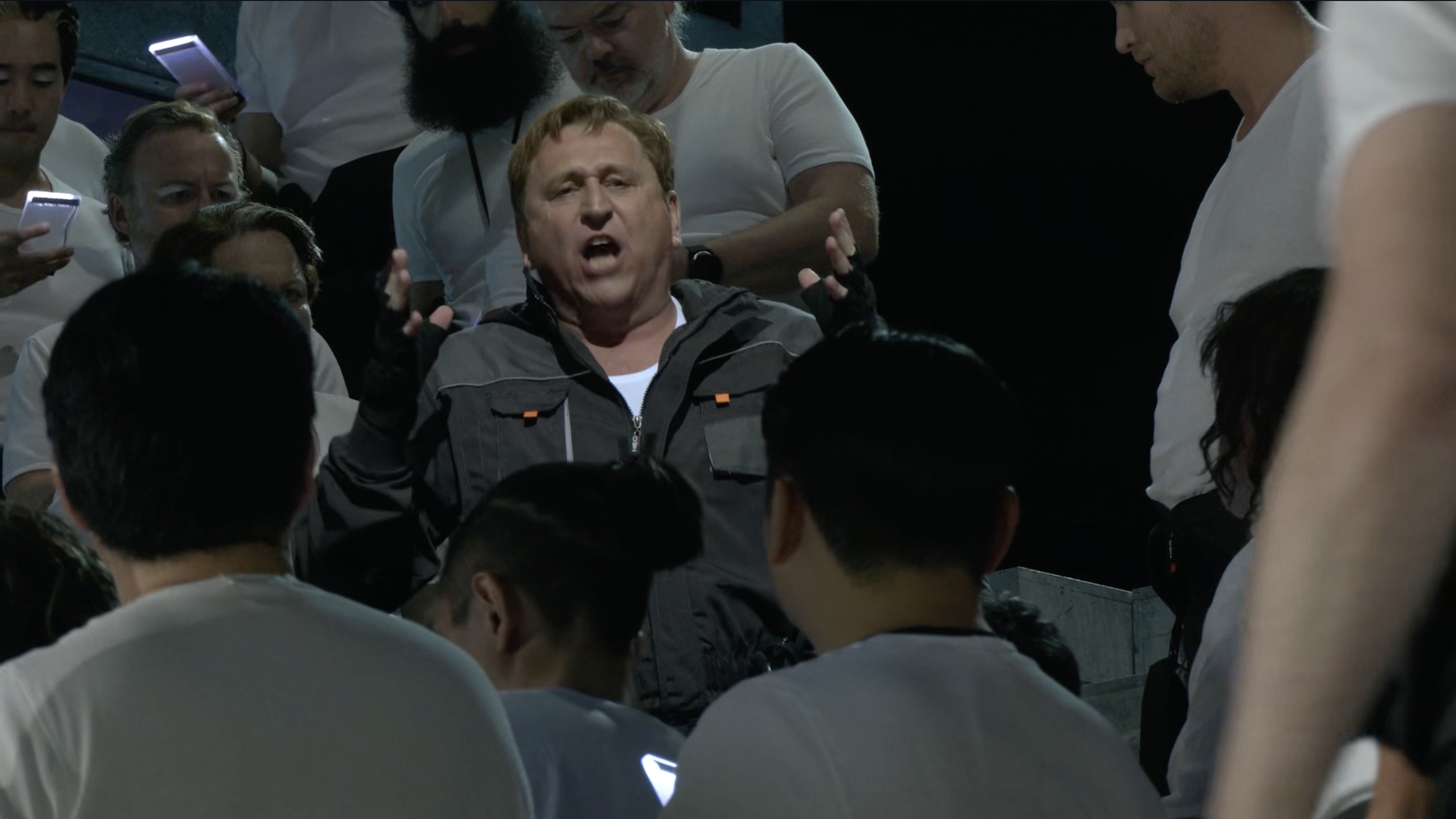
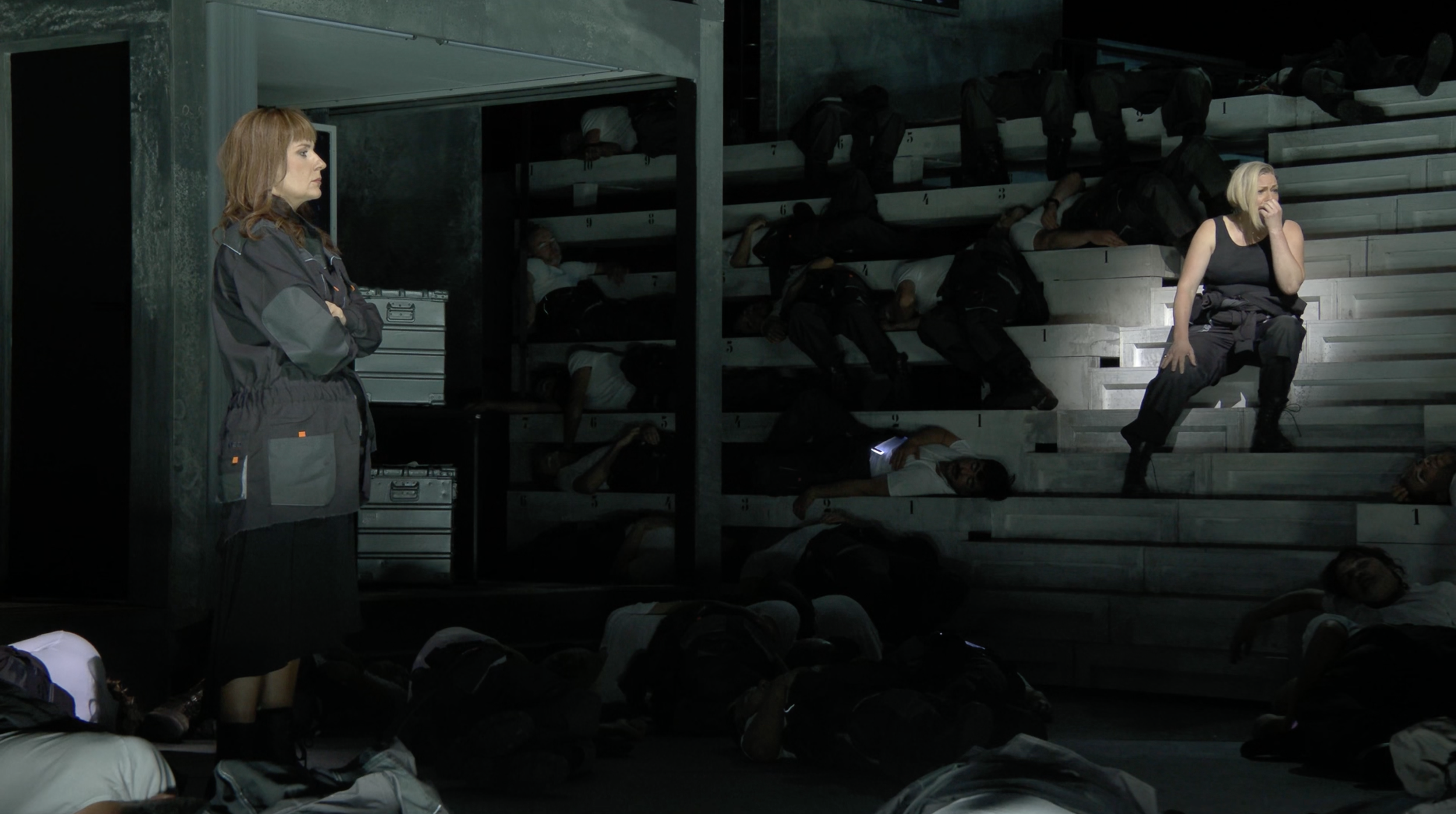
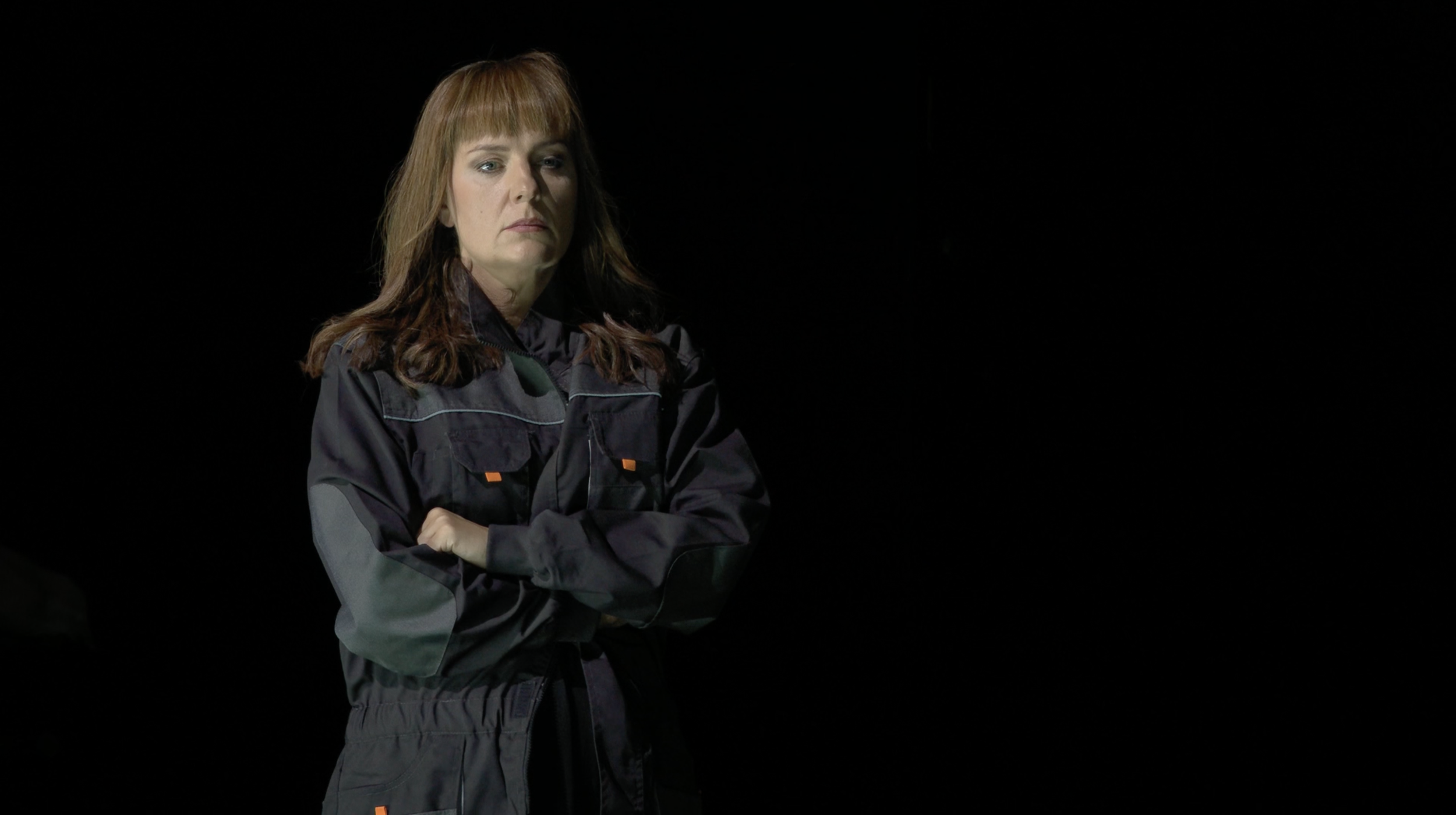
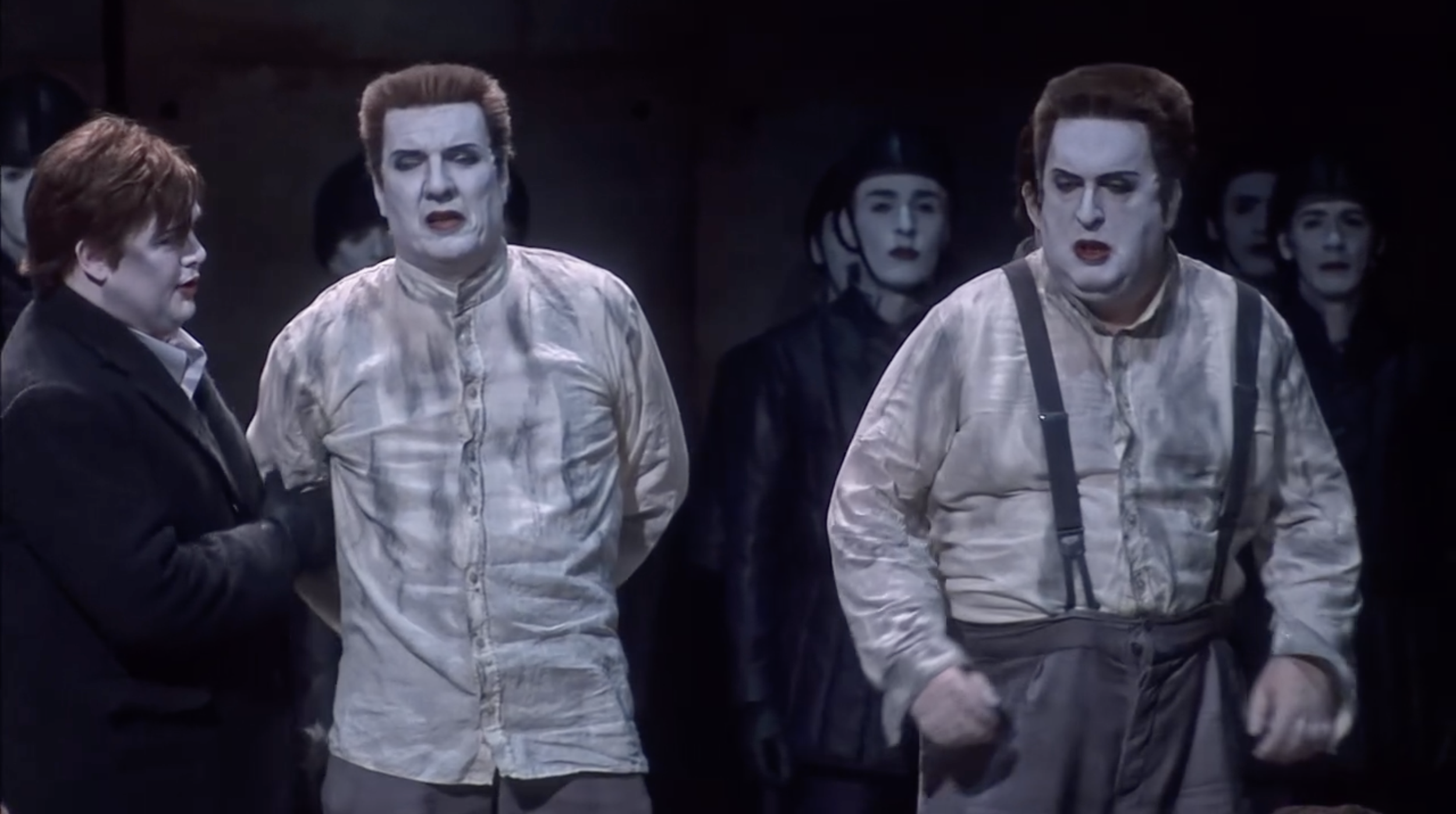
Scene from Bayreuth Festival 2026 Opening Night: Rienzi (July 2026)
Themen: Die Gunst, Rhetorik, Das Volk, Absturz
Element: Kalter Wind auf Steinstufen
This walk treats Wagner not as repertoire, but as a composed method for moving through the city.
Das Ergebnis auf einen Blick
Dauer: Late afternoon into night, four hours. The walk follows a single civic cluster north of City Hall, tightly enough that it can be walked slowly without much transit, and returns to its starting point for the close.
Distanz: 2.5–3 miles, entirely within Manhattan's Civic Center and the neighborhoods just north of it.
Beste Zeit: A cold, clear November afternoon running into early evening, ideally on a weekday when the courts and civic buildings are still active but beginning to empty. The transition from institutional daytime energy to civic emptiness after dark is part of the walk's argument.
Wetter:
Cold and exposed is correct. The plazas and steps this month were built for public assembly, and they read most honestly when there is no comfortable reason to linger in them.
Overcast light suits the courthouse architecture better than direct sun, which tends to flatten the colonnades into postcard material rather than what they actually are.
Zugänglichkeit:
All stations are outdoor public space, fully accessible, flat, and open at all hours except where noted.
The interior of the Tweed Courthouse is a working city building with limited public access; the walk stays at the exterior.
Essentieller Moment:
The steps of the New York County Courthouse at Foley Square, at the point in the walk when the People's Chorus reaches its fullest volume. A colonnade of ten Corinthian columns built explicitly to dwarf whoever stands in front of them, designed the same decade New York was still absorbing the lesson of Tammany Hall corruption, a lesson this walk does not let the architecture off the hook for.
Language Anchor (German Phrase of the Walk):
Das Volk! / The people! Rienzi's own invocation, the two words he reaches for at every turn, first as the source of his authority and, by the opera's end, as the crowd that abandons him. The same phrase, meaning something completely different depending on which direction the favor is currently moving.
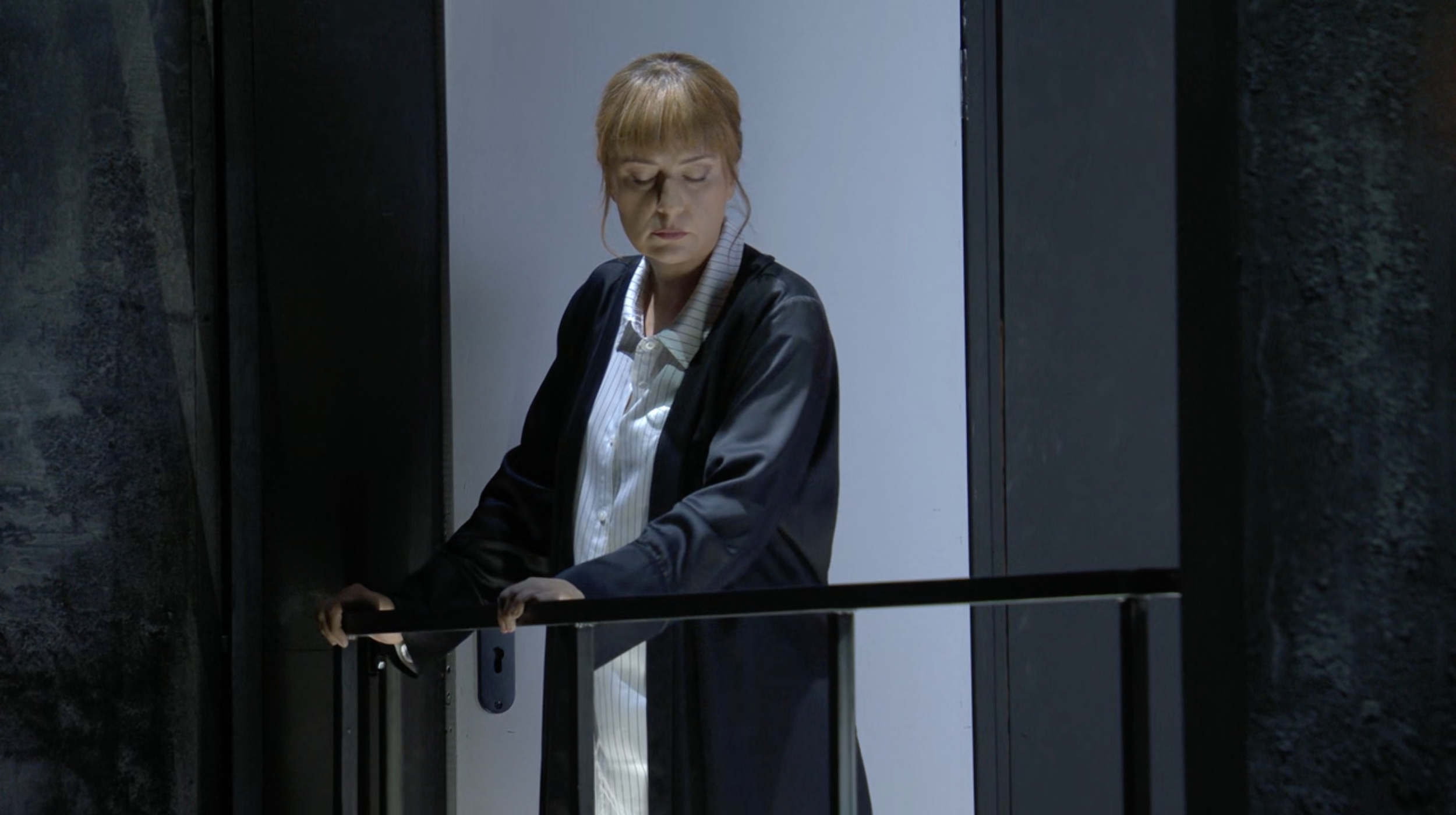
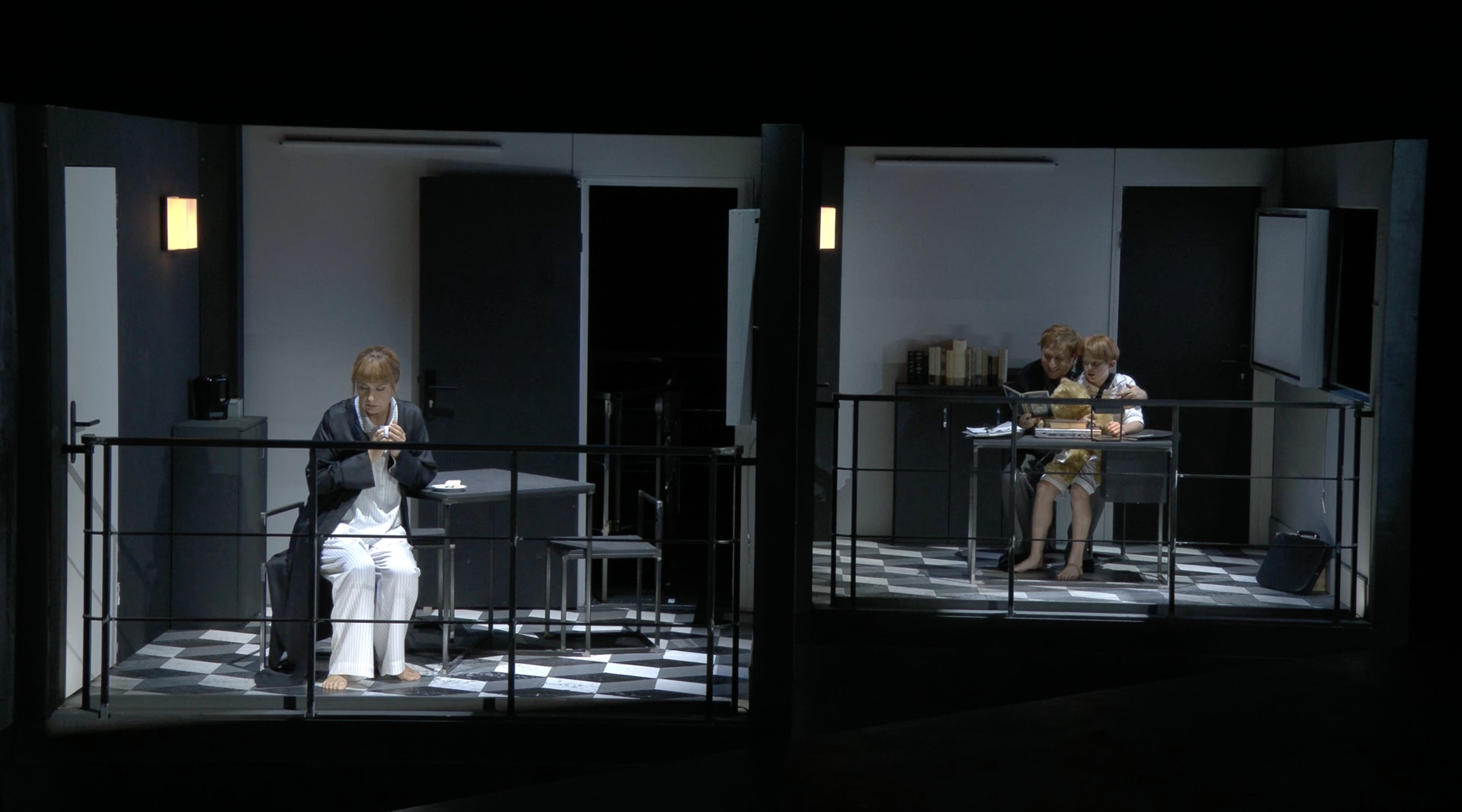
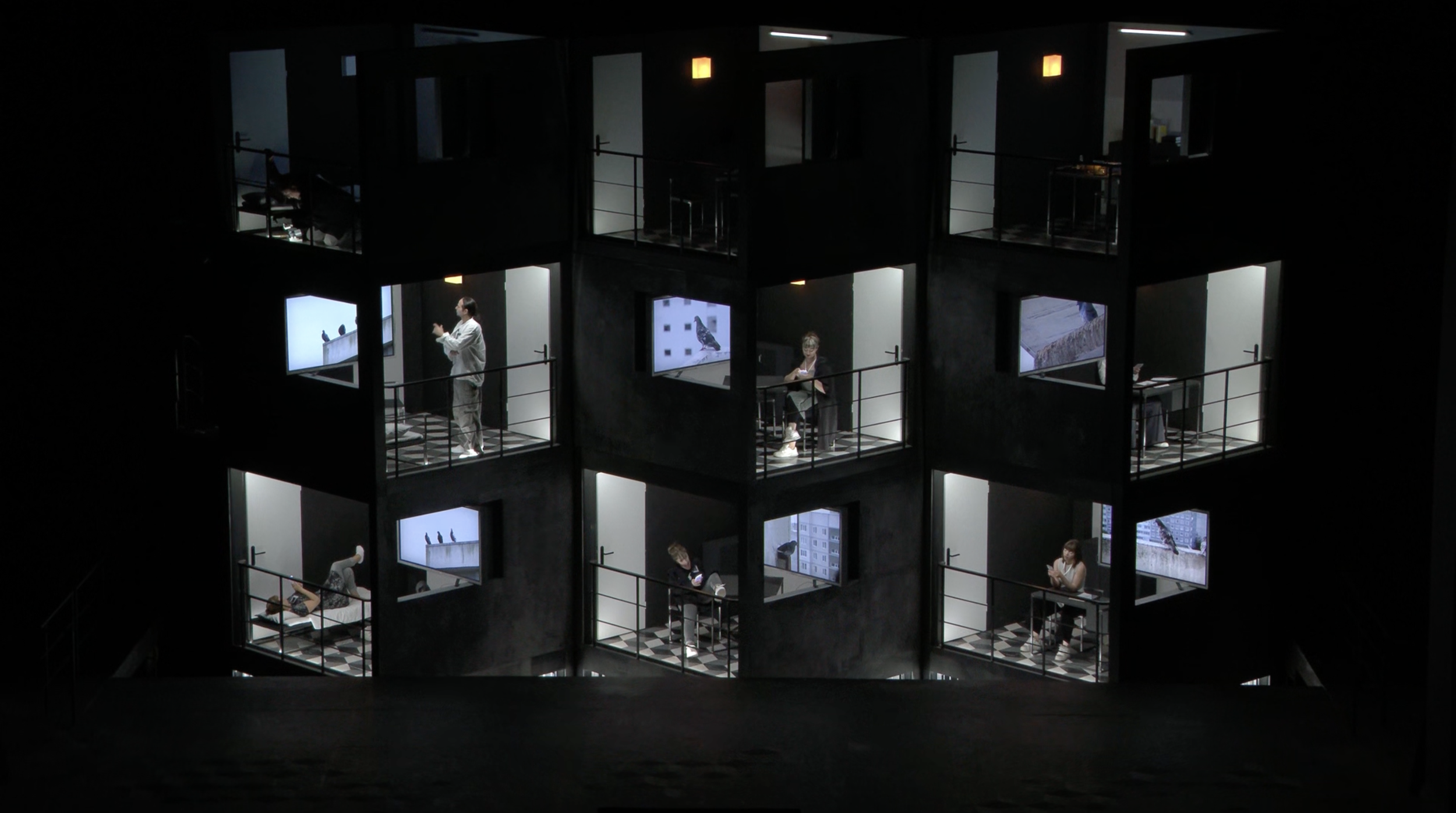
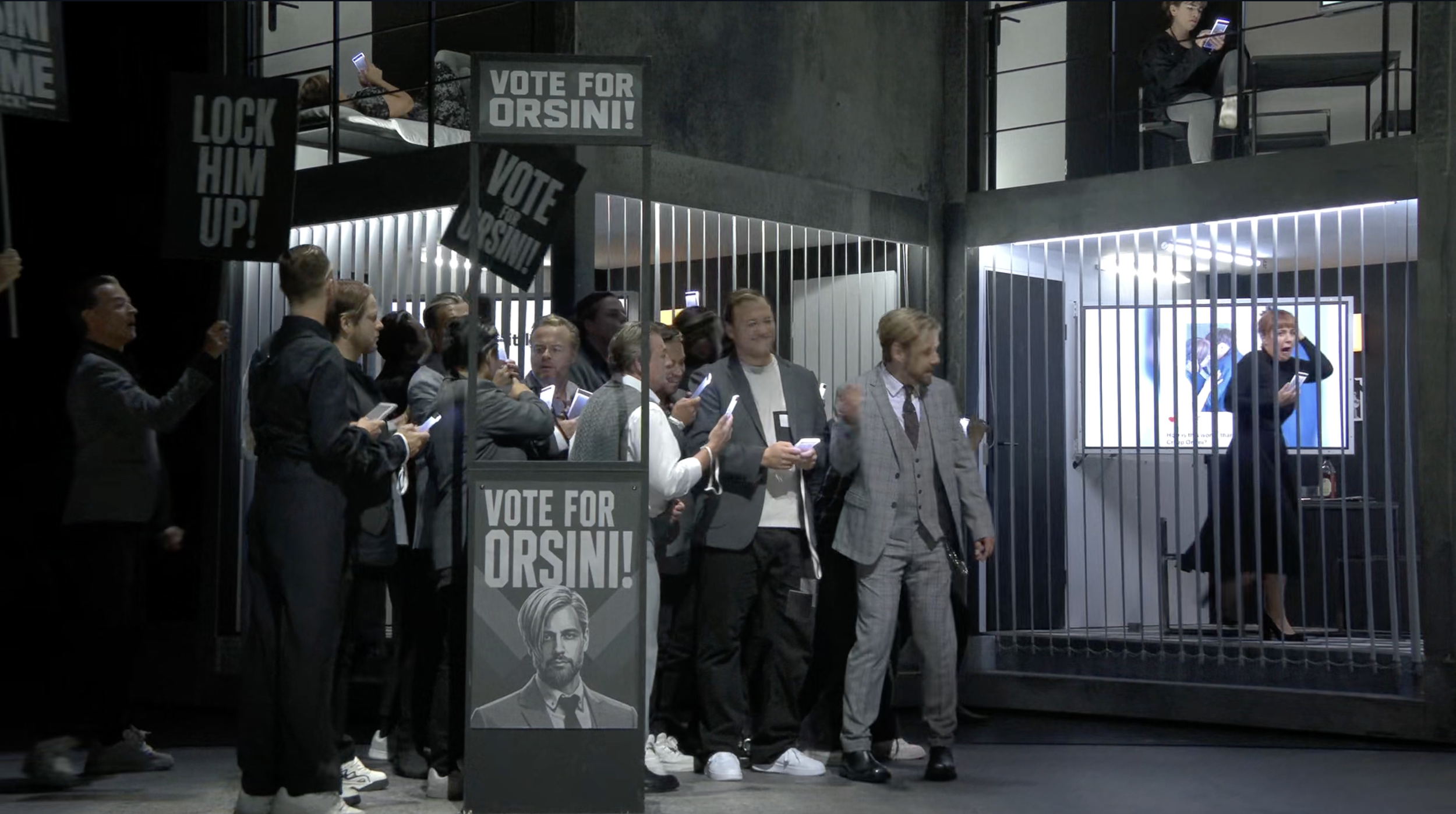
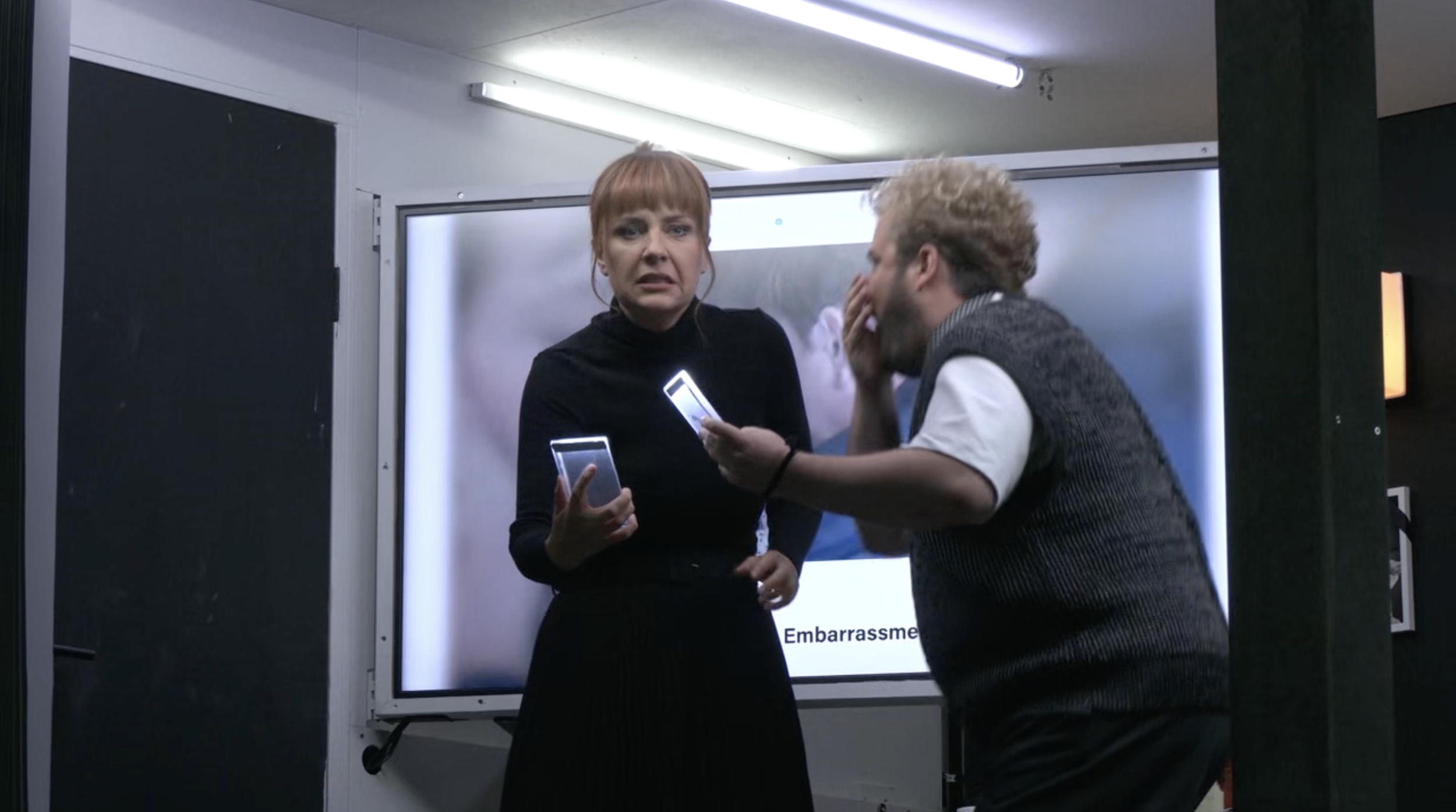
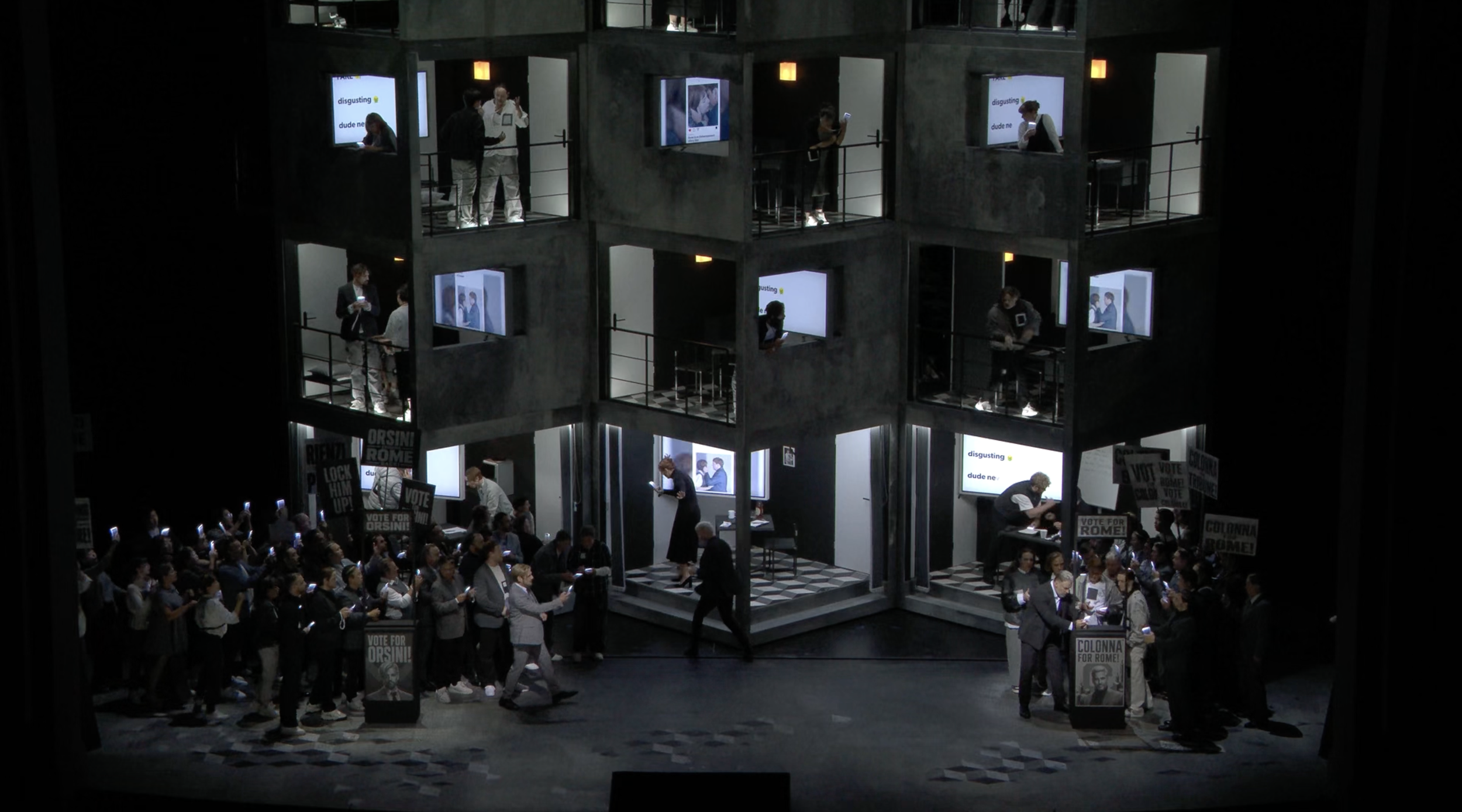
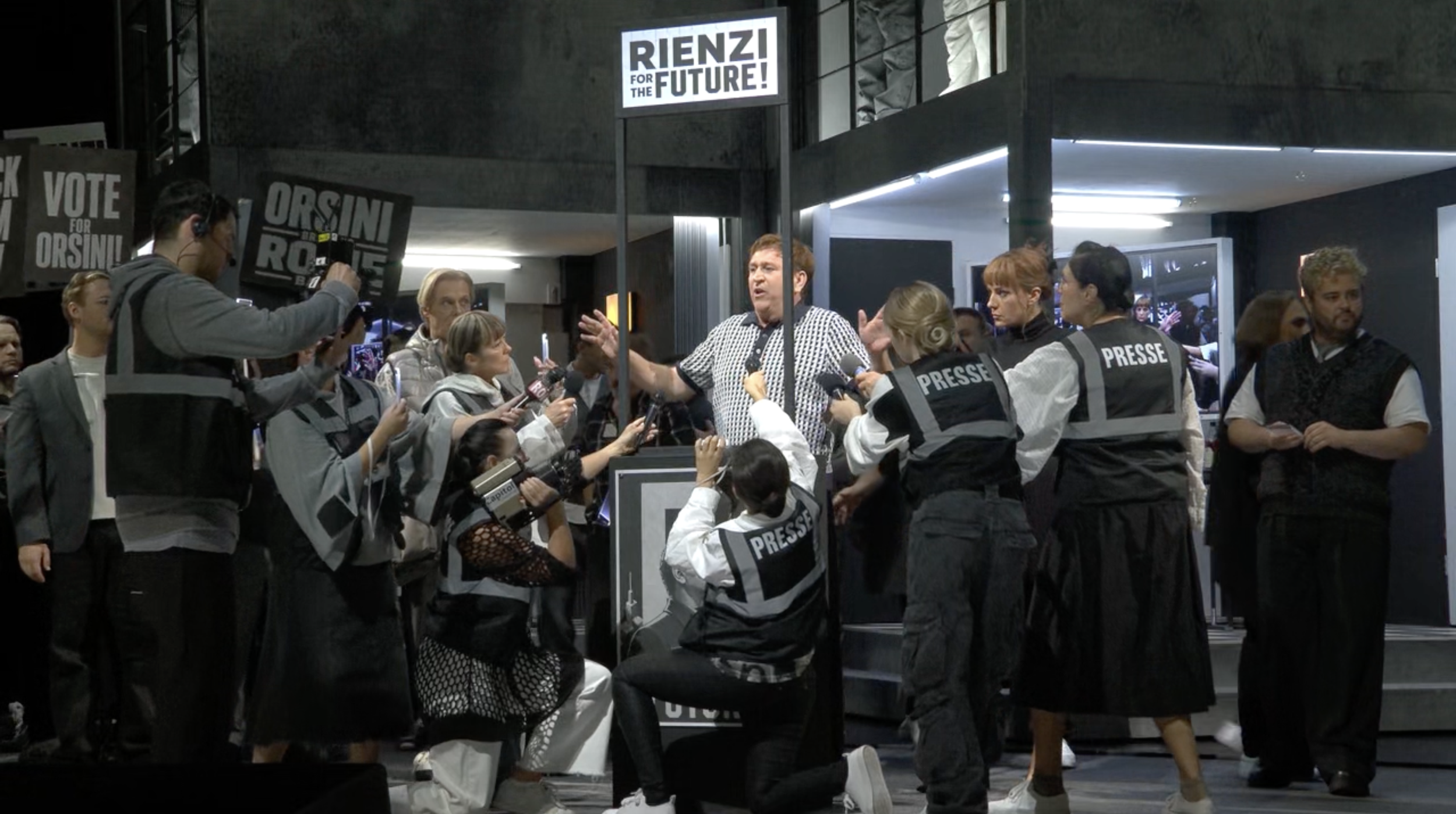
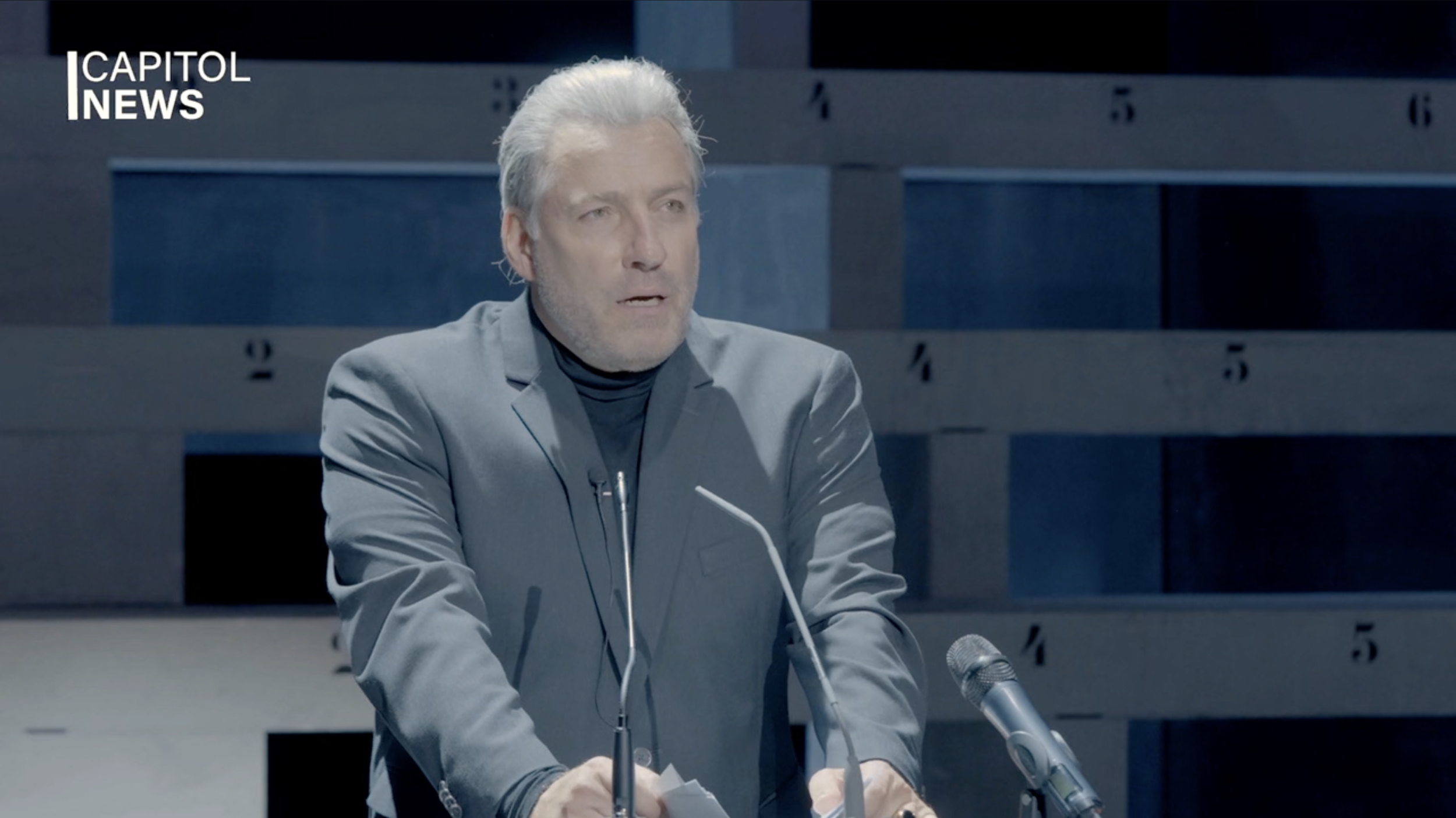
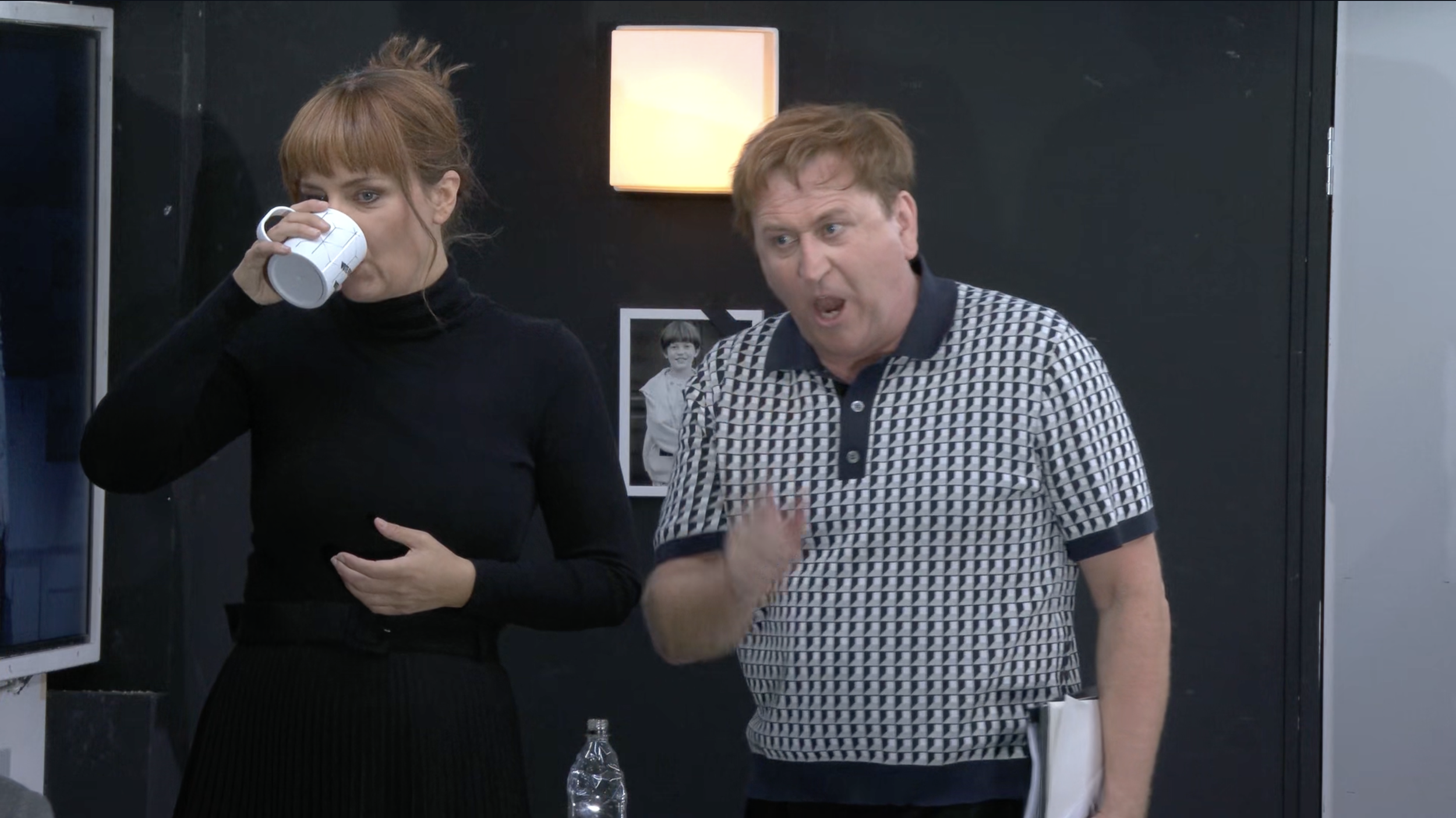
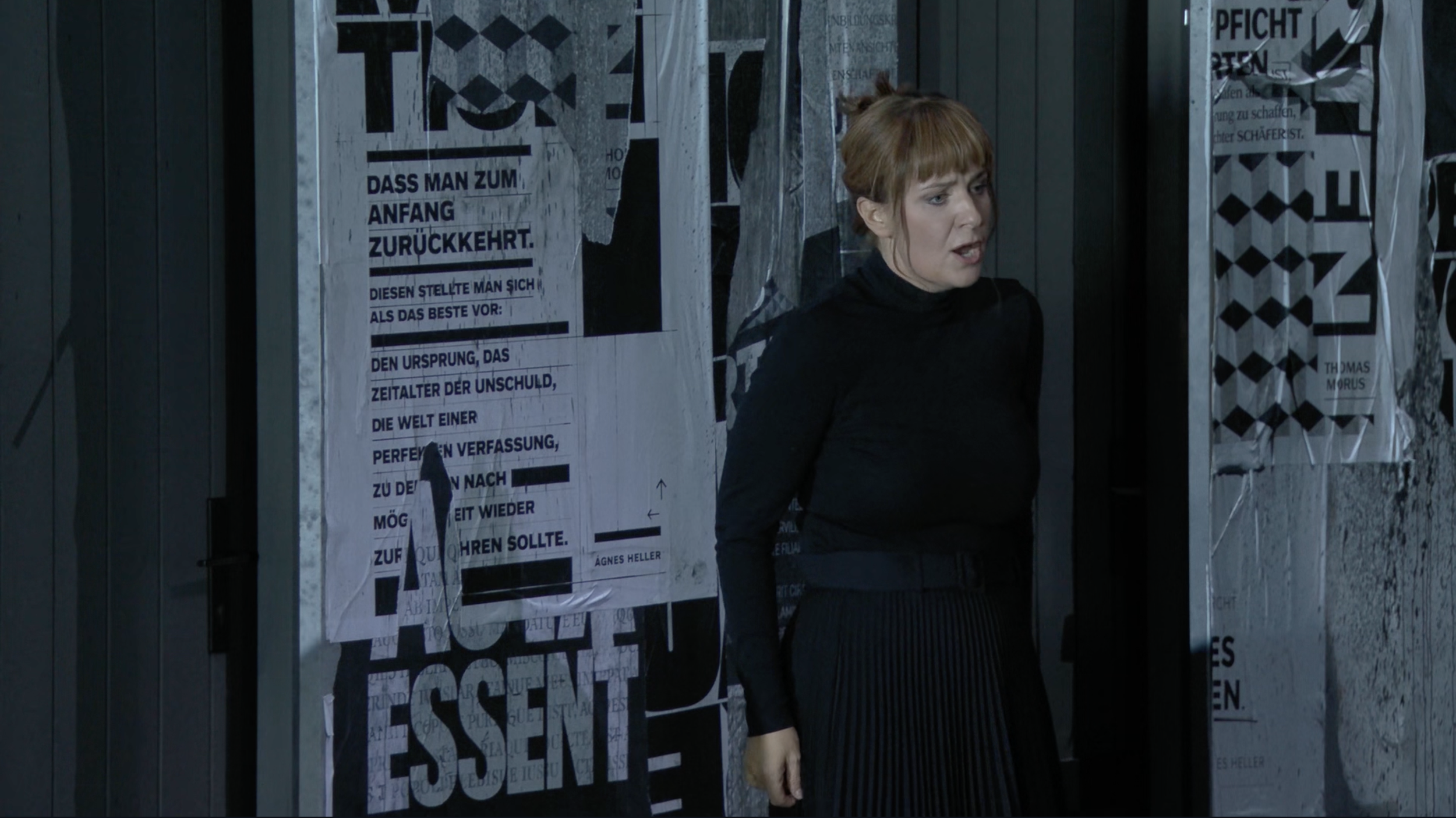
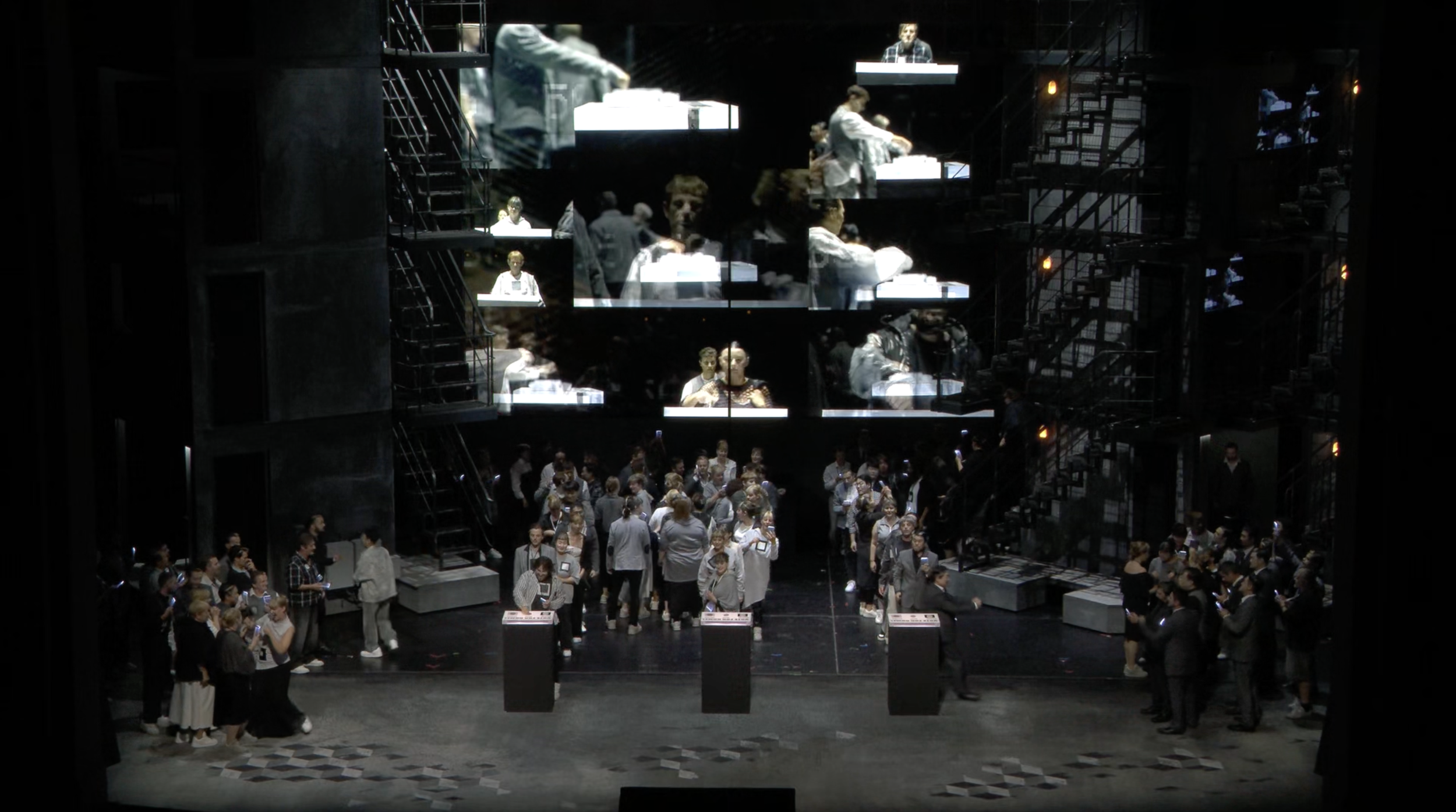
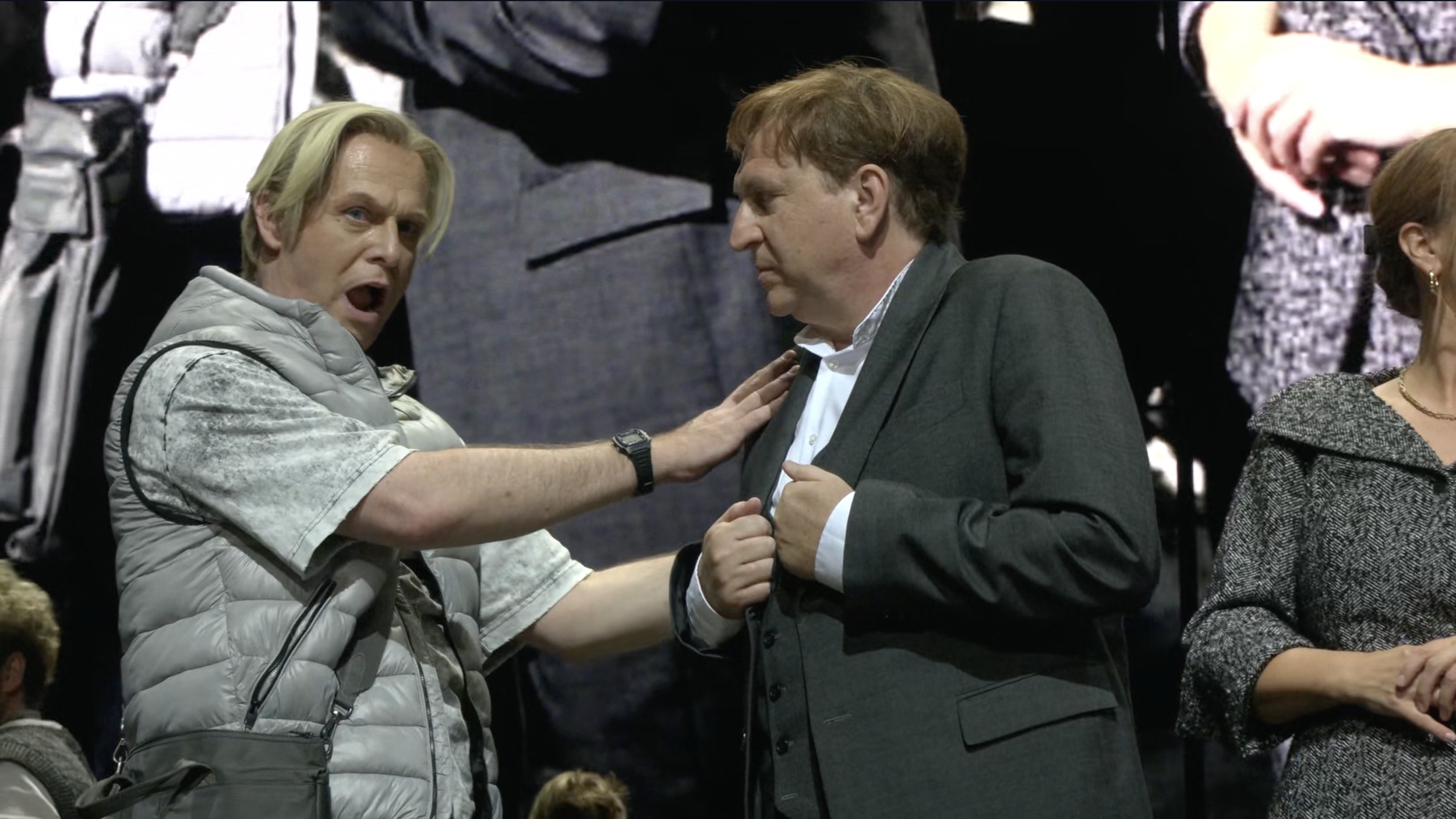
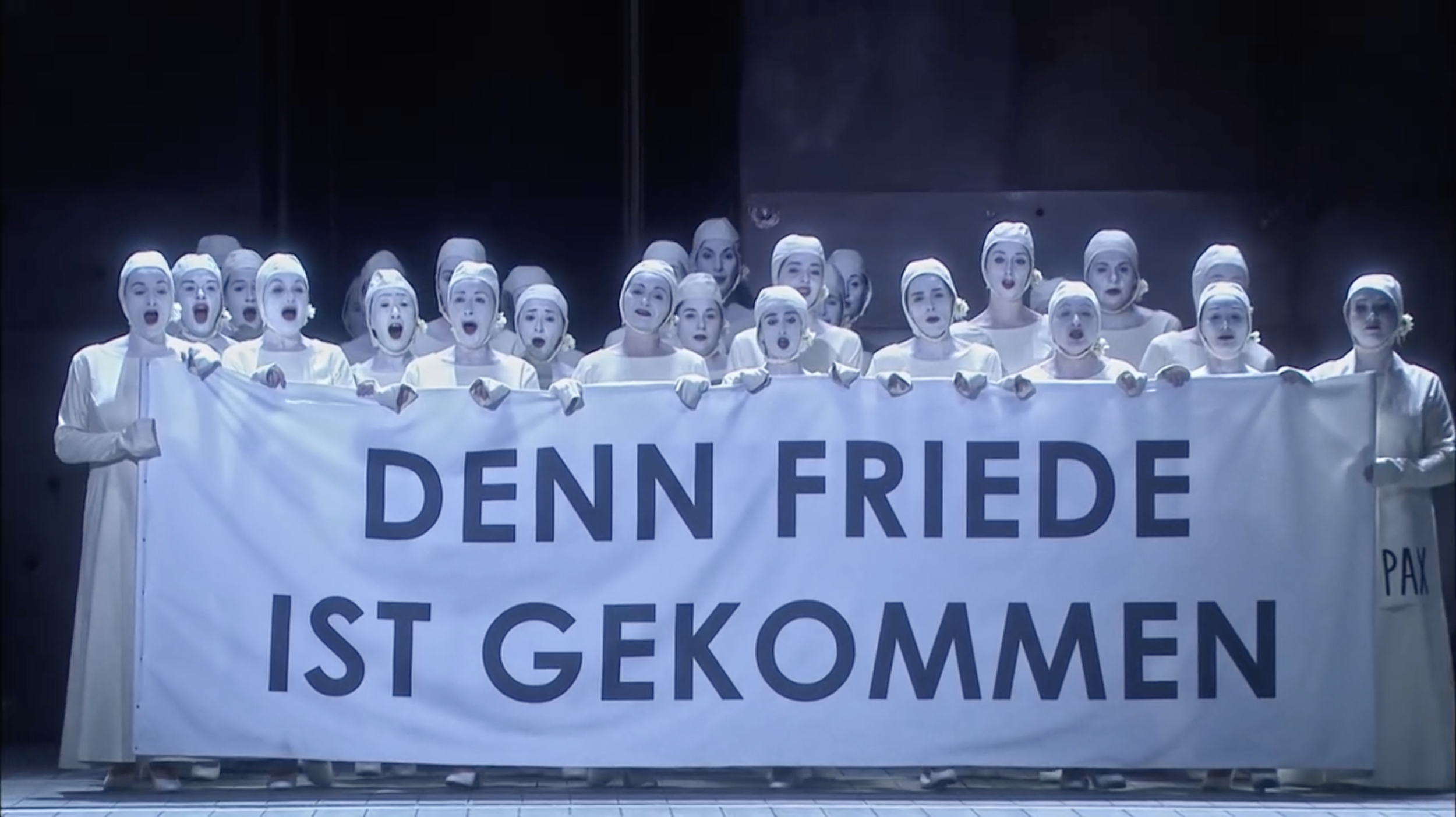
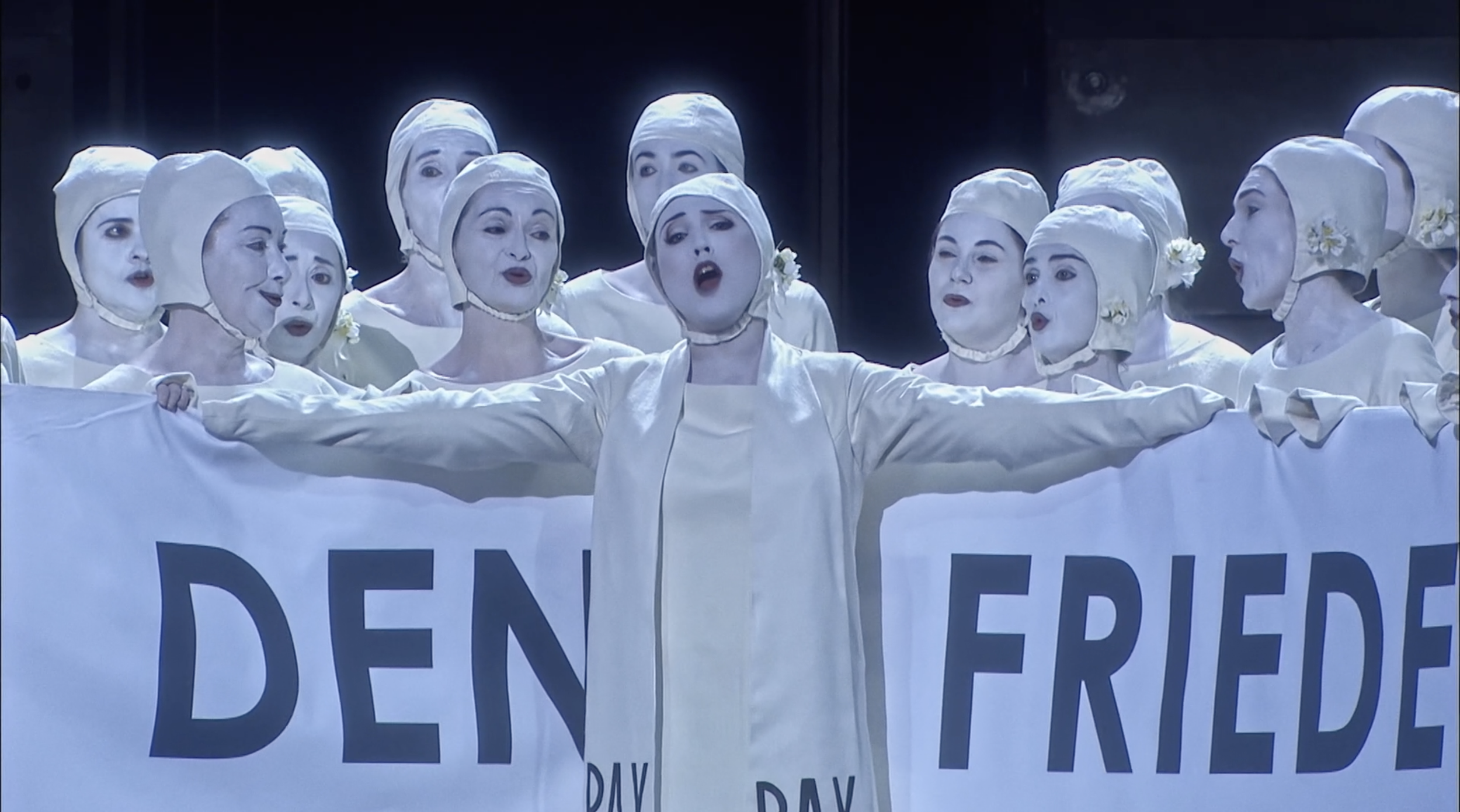
Bayreuth Festival 2026 Opening Night: Rienzi
Wort des Weges
Die Gunst (pronounced: dee GOONST): Favor, but specifically the kind that is granted rather than earned outright and can be withdrawn by the same party that granted it. German distinguishes this carefully from Beliebtheit, popularity, which describes a more measurable, durable state, something closer to a standing fact about a person, and from Gnade, grace or mercy, which implies a moral or religious dimension Gunst deliberately withholds. Gunst is transactional in a way the other two words are not. To be in jemandes Gunst stehen, to stand in someone's favor, is to occupy a position that depends entirely on the favor-holder's continued disposition, a position with no independent foundation of its own.
This is exactly Rienzi's condition from his first appearance to his last. He rises because the Roman crowd, exhausted by the nobility's casual violence and corruption, decides to grant him its favor, elevating a minor notary to Tribune on the strength of his rhetoric and his evident sincerity. Nothing in the opera suggests Rienzi is a fraud. He genuinely believes in the reforms he promises, genuinely wants to restore Rome's ancient civic dignity, genuinely thinks that moral clarity plus popular support amounts to a durable form of legitimacy. It does not, and the opera is precise about why. Gunst has no memory. The same crowd that lifted him can, and does, decide differently, and there is no accumulated credit from the good he has done that the crowd is obligated to draw on before turning.
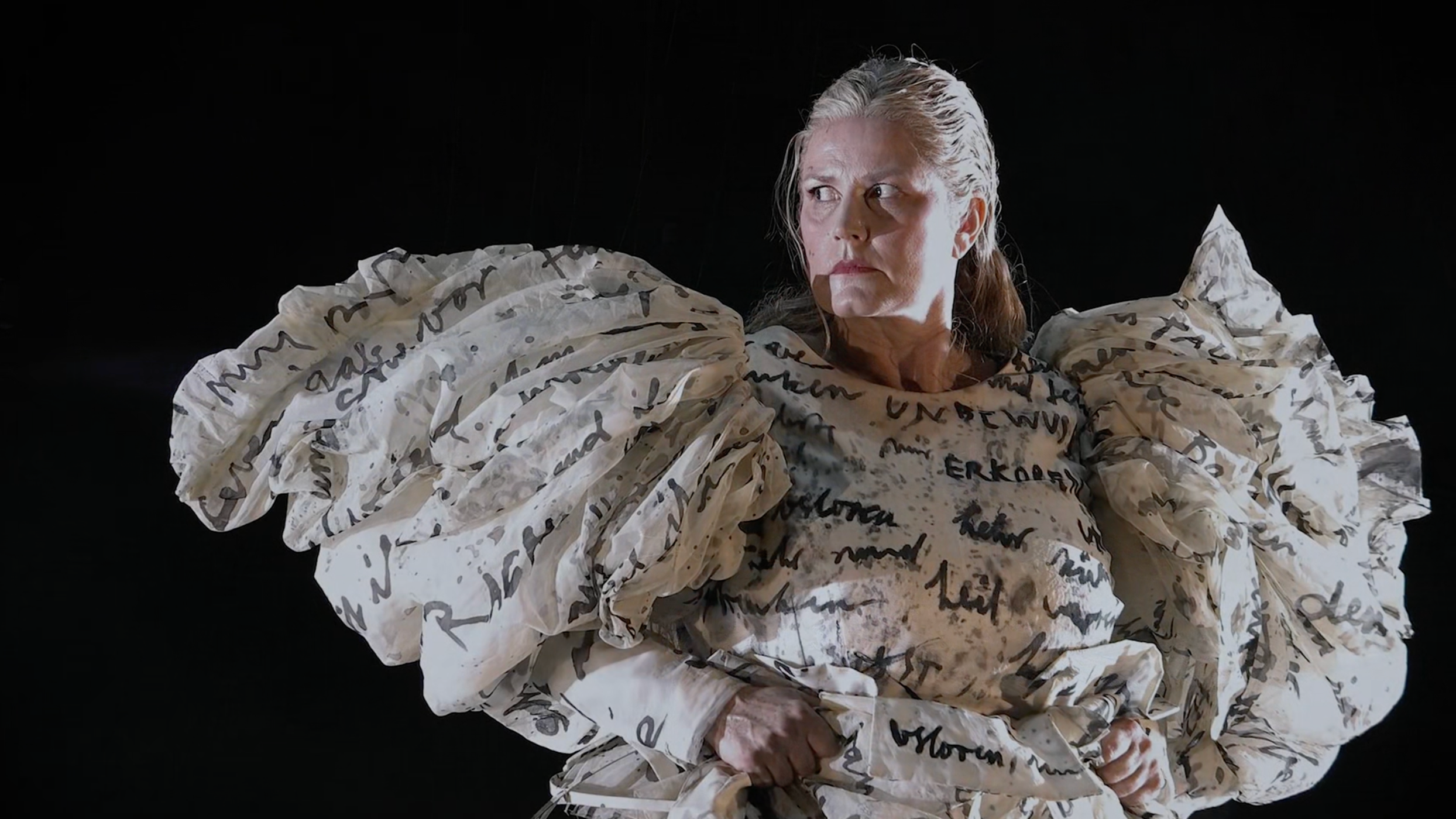
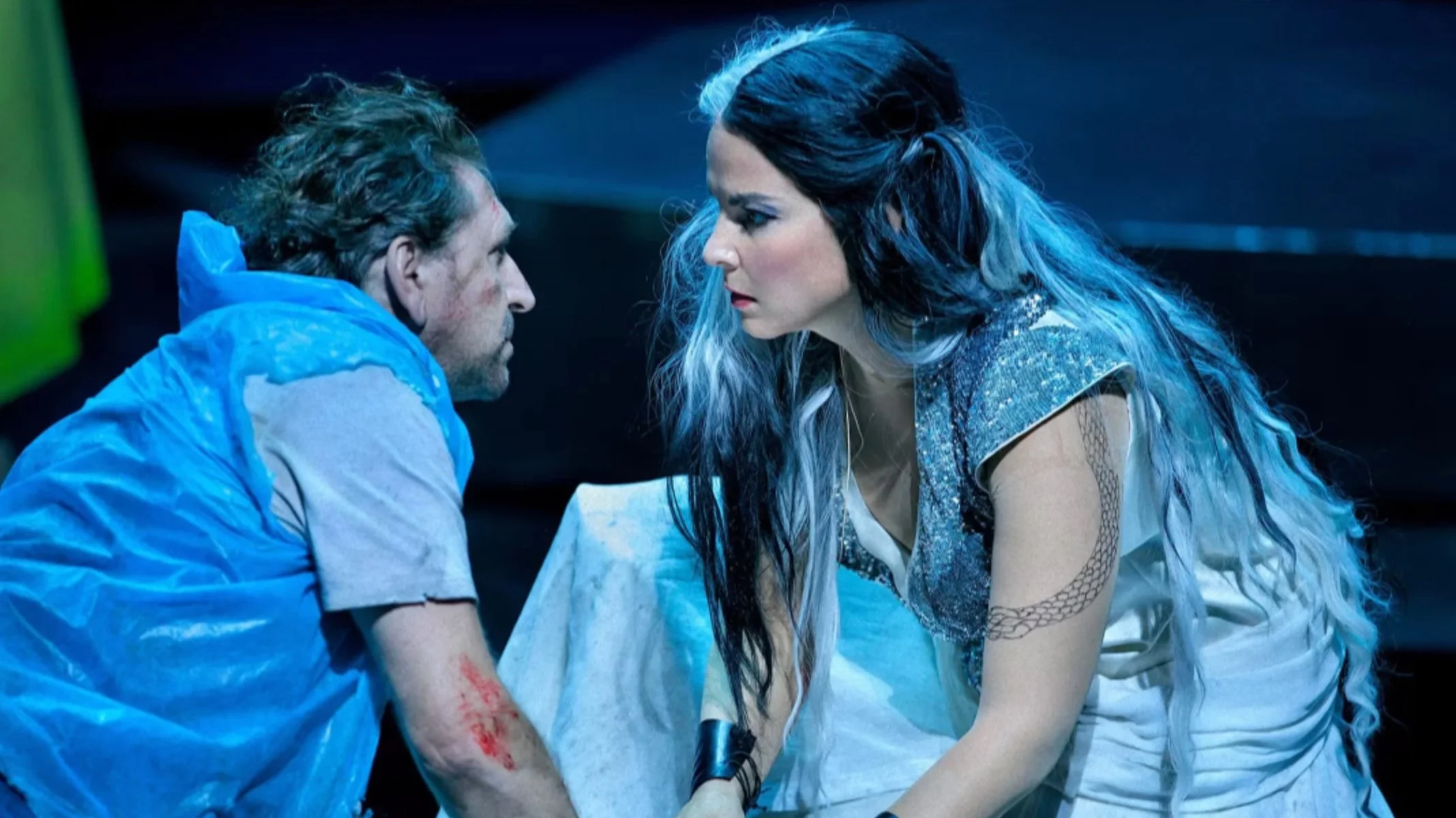
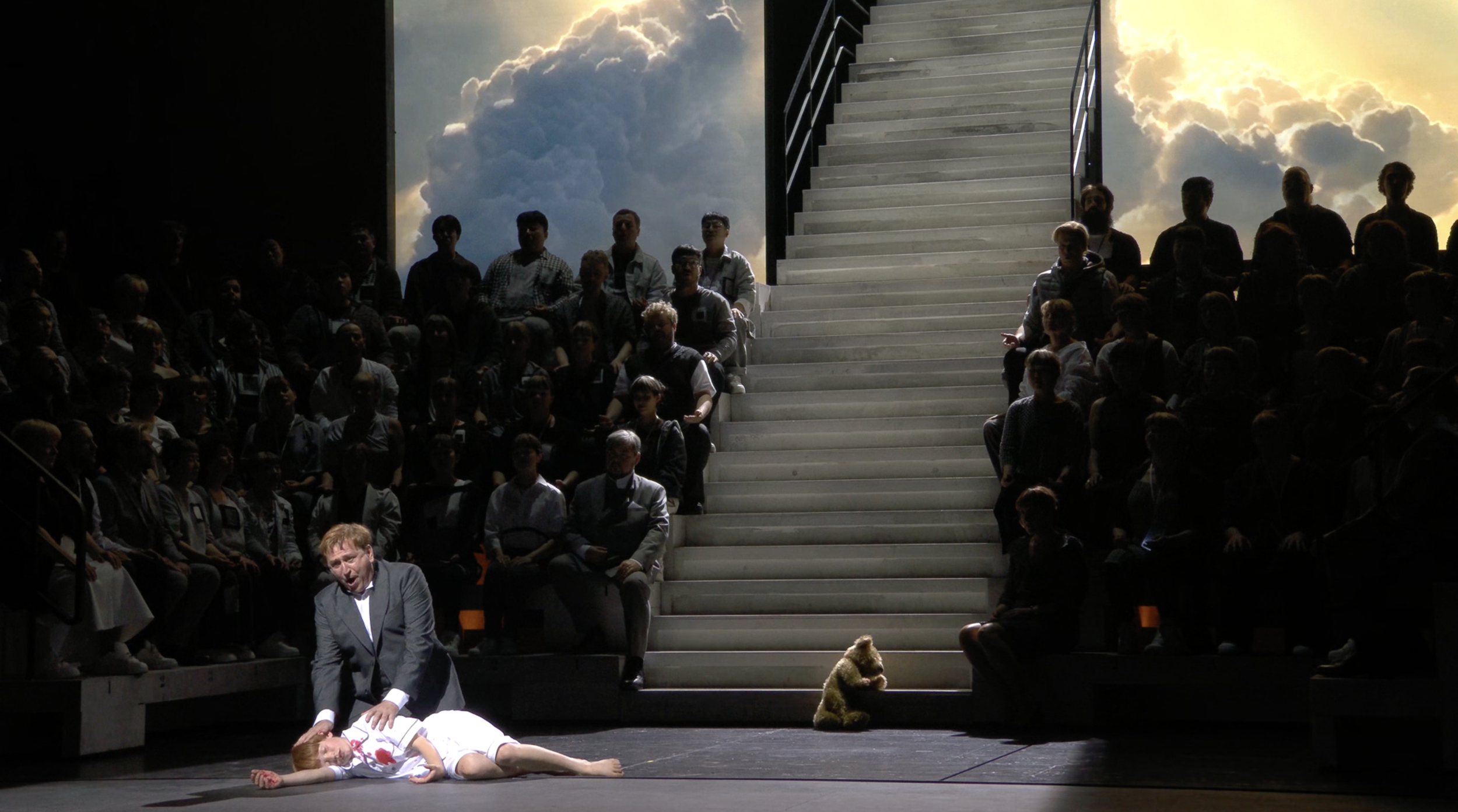
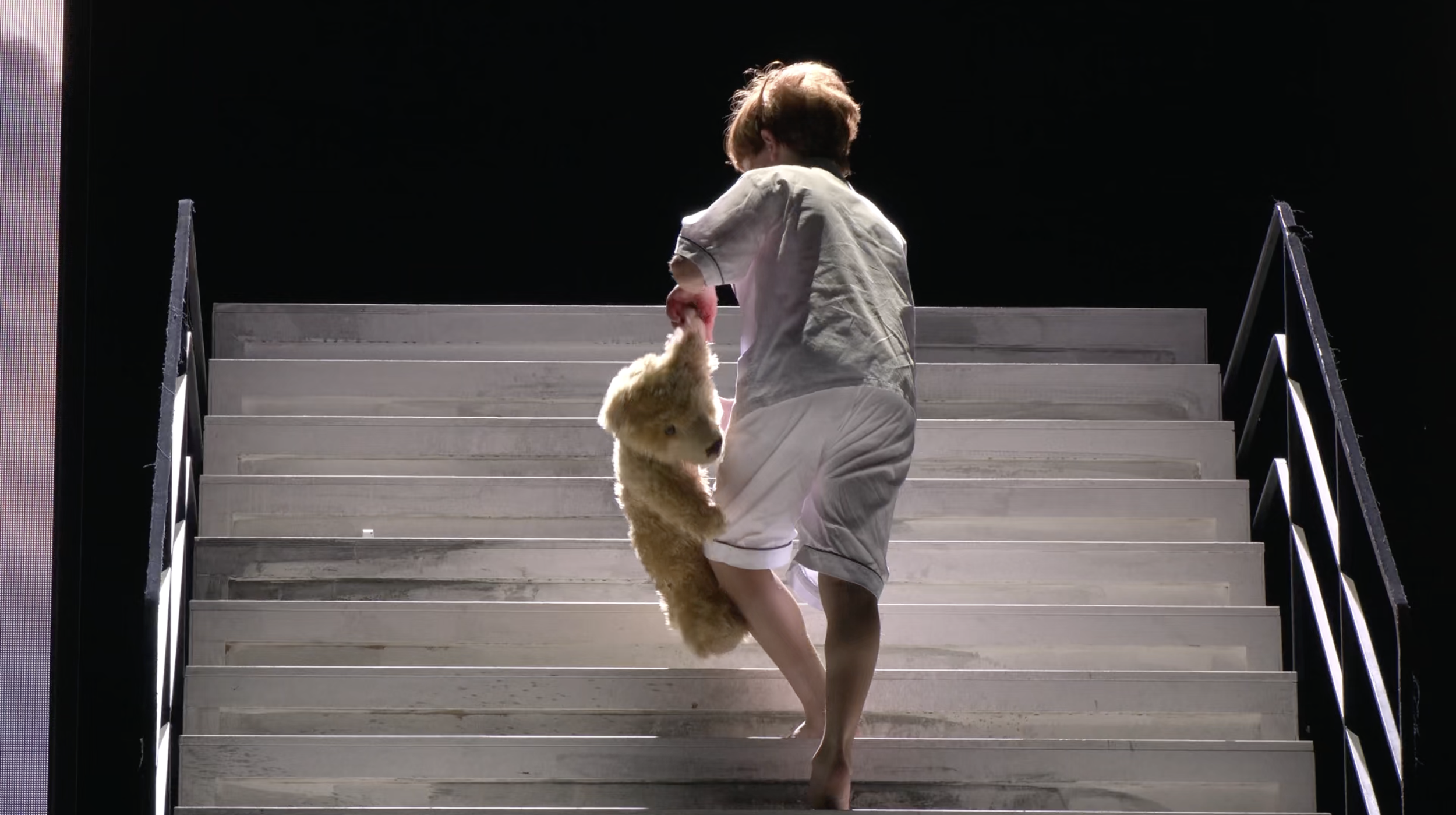
Bayreuth Festival 2026 Opening Night: Rienzi
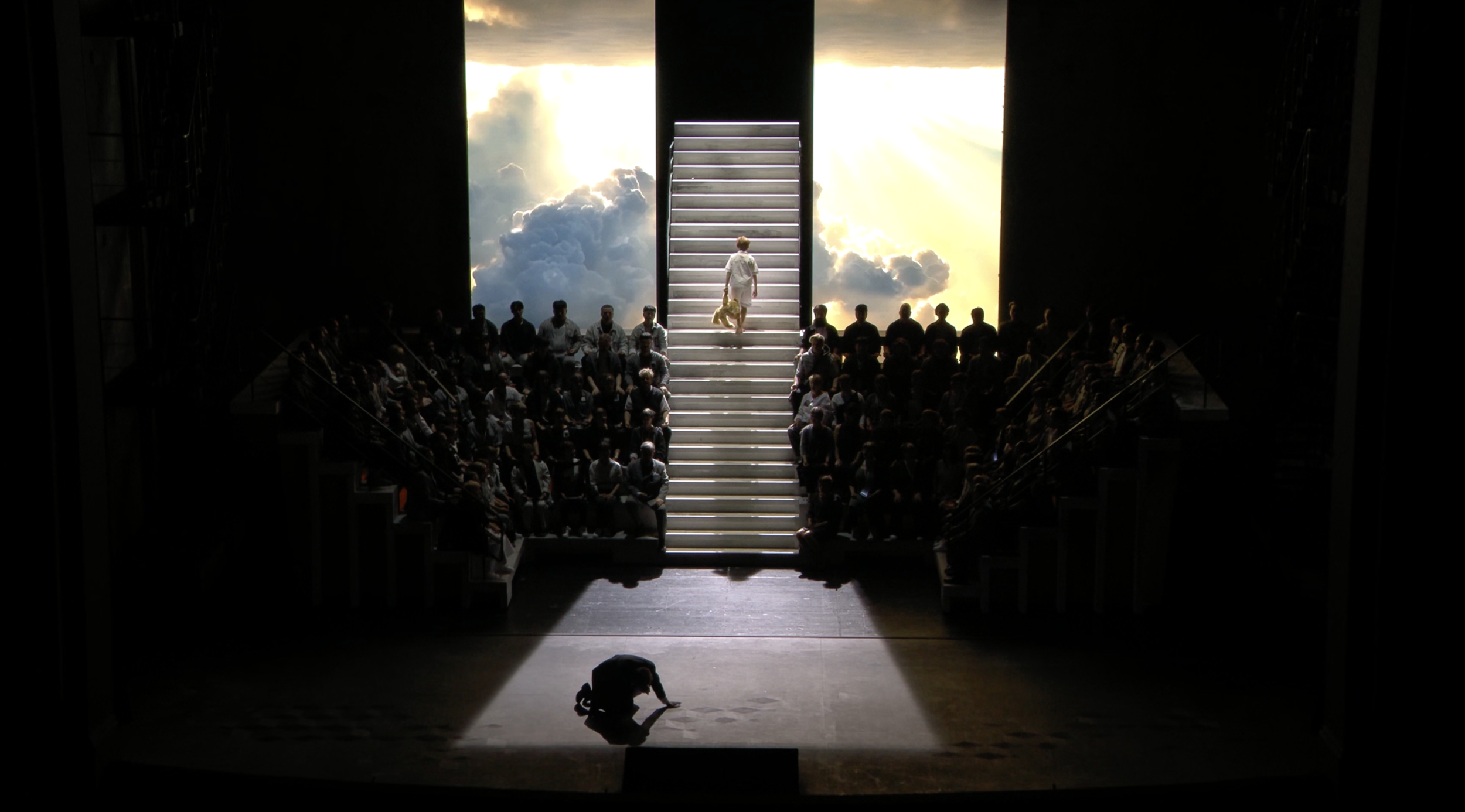
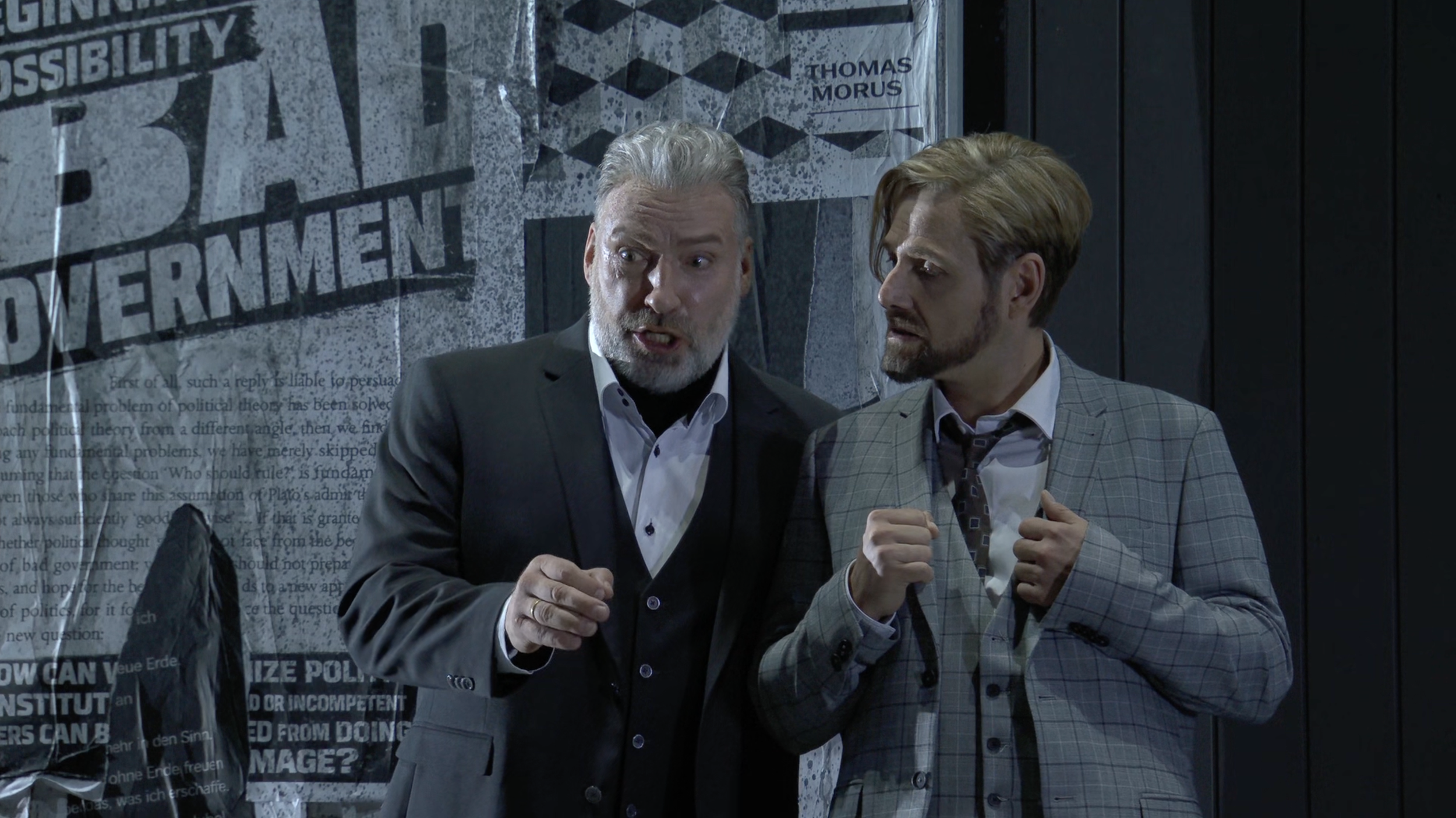
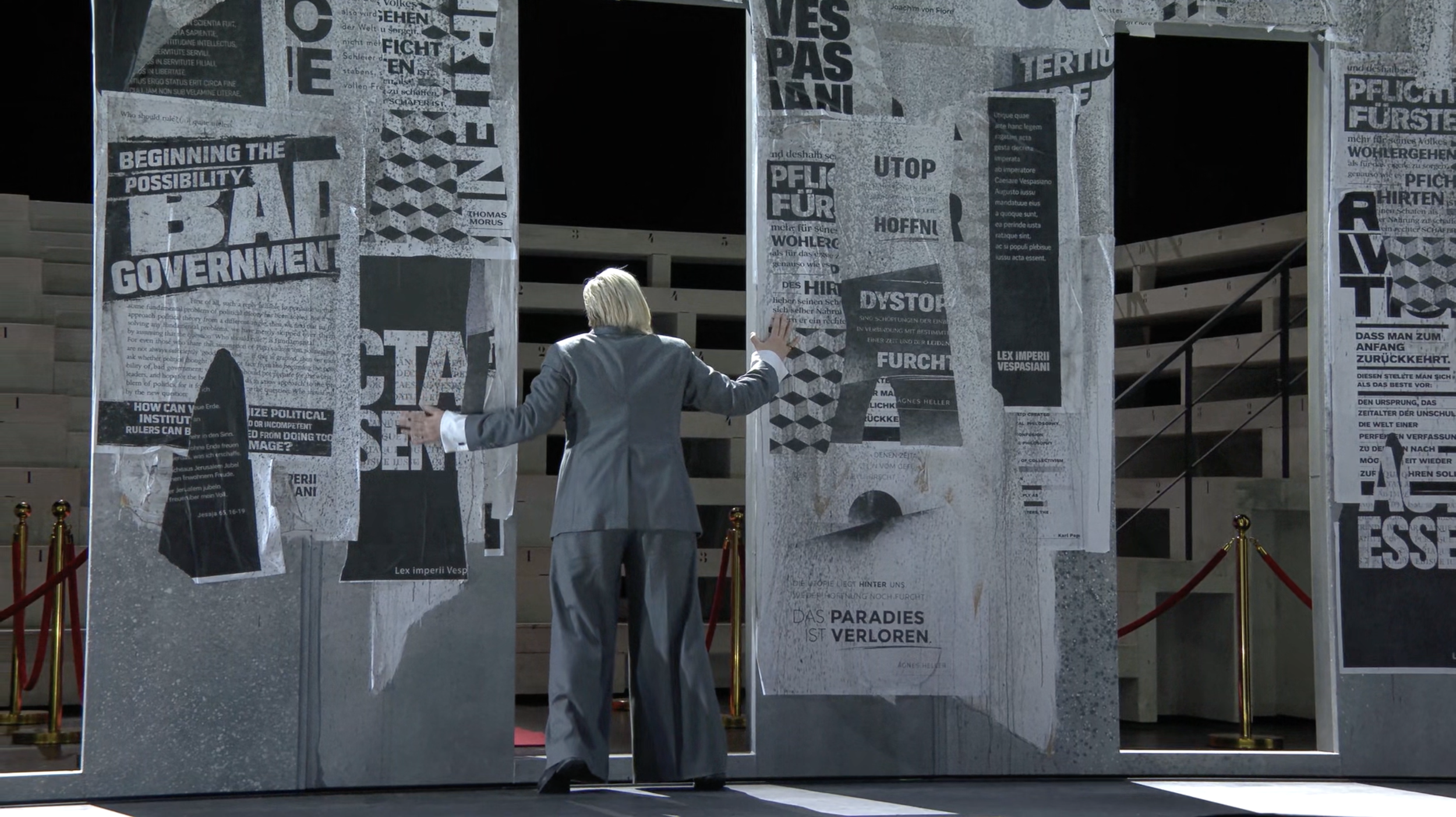
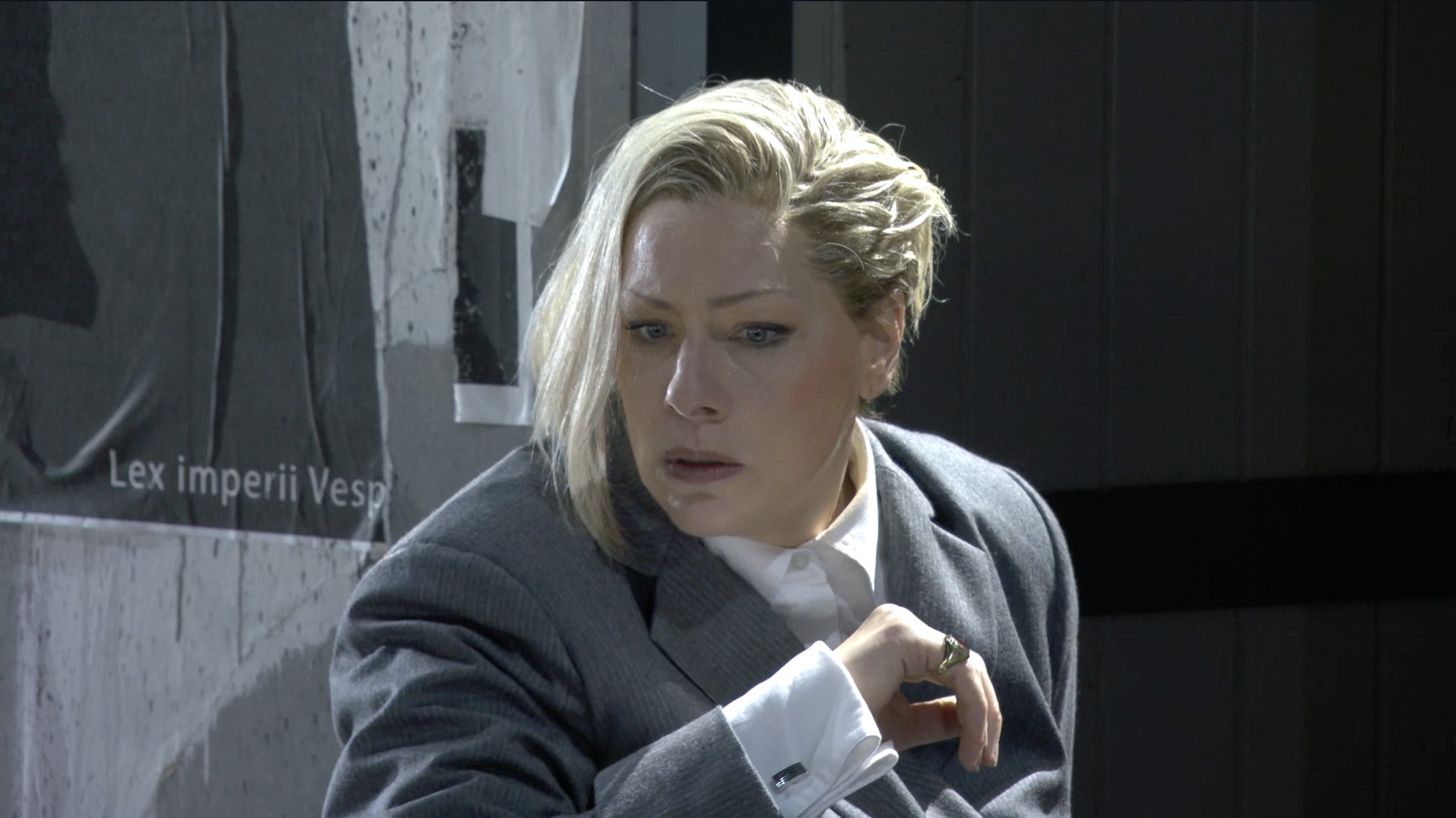
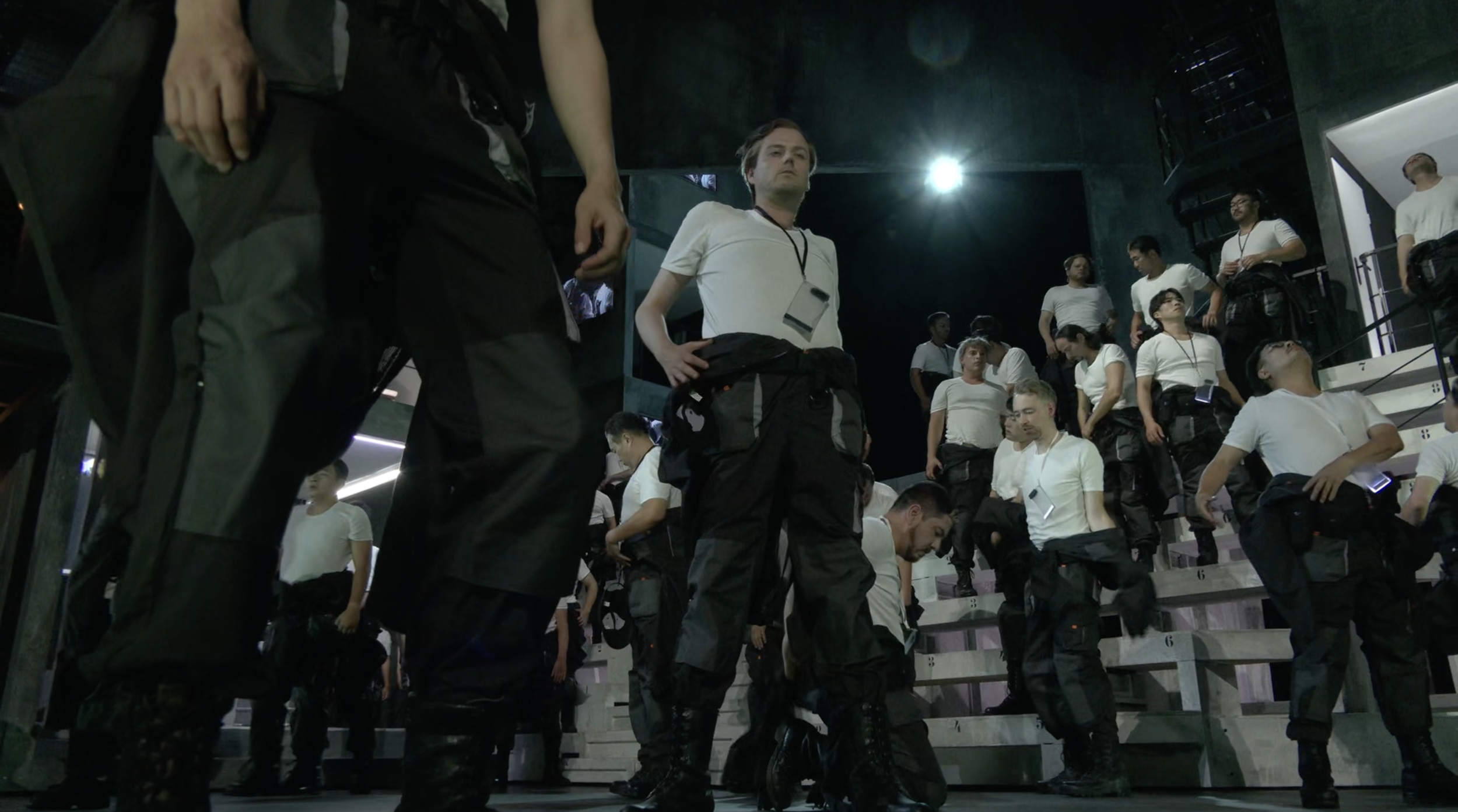
Wagner wrote Rienzi in the early 1830s and 1840s under the direct influence of the French grand opera tradition, Meyerbeer above all, and the Young German movement's confidence that reform, rightly staged, could move a public toward genuine political renewal. The opera is Wagner's most operatically conventional work and, not coincidentally, his most nakedly optimistic about the crowd's capacity for sustained civic virtue. Everything he wrote afterward, starting with the very next opera, the Holländer, retreats from that optimism into more private, more skeptical registers. Rienzi's Gunst, extended eagerly and withdrawn just as eagerly, is the young Wagner's own first serious lesson in how mass approval actually behaves, staged fourteen centuries before his own later, considerably more troubling relationship to crowds, movements, and the manufacture of belief.
November in New York, close enough to Election Day that its residue is still in the air even in years without a citywide race on the ballot, carries its own charged relationship to Gunst. Public favor courted, granted, and revised, on a civic calendar the whole city can feel even if it does not always name it directly.
Thematischer Rahmen: Der Mann, der die Menge Für Sich Hielt
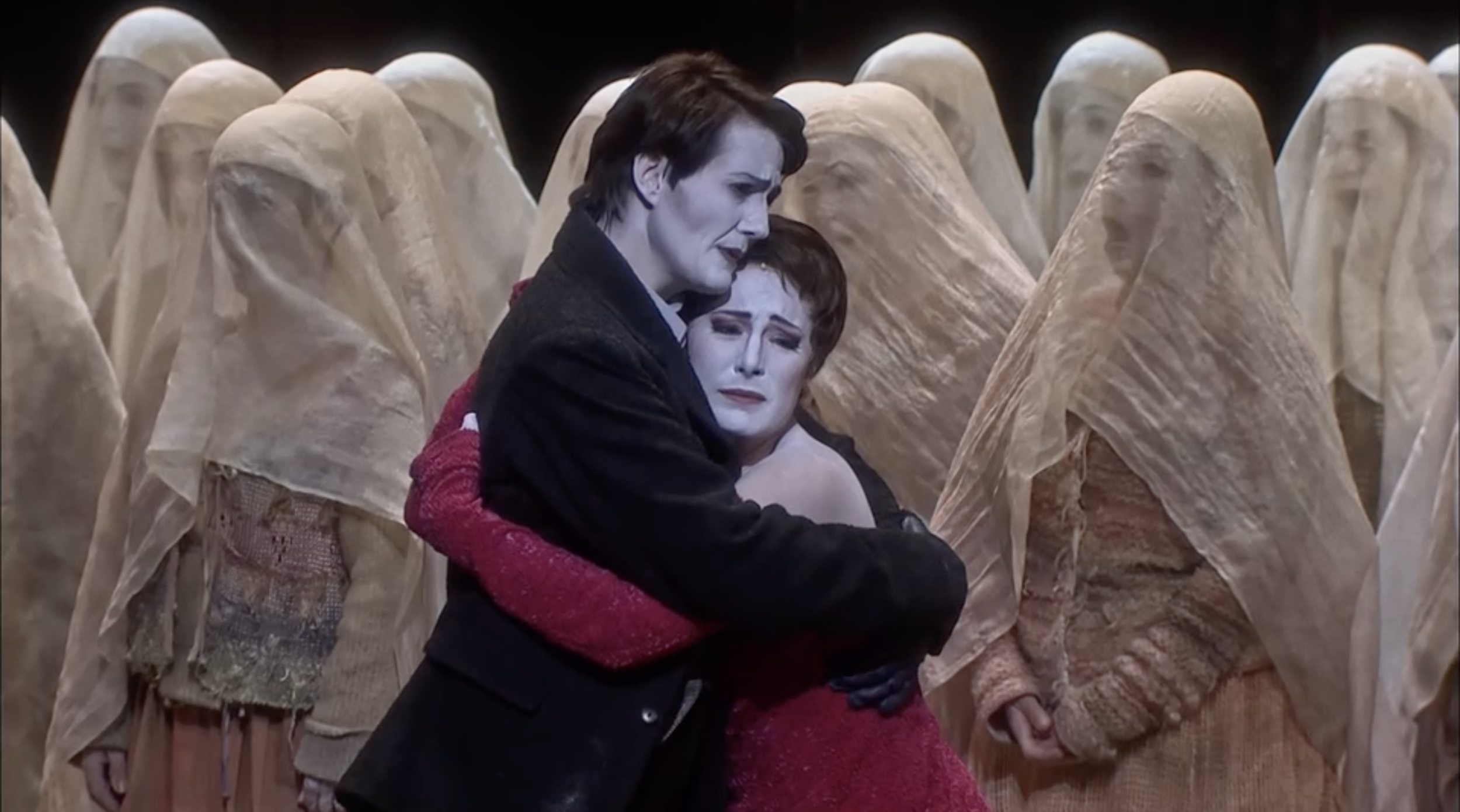
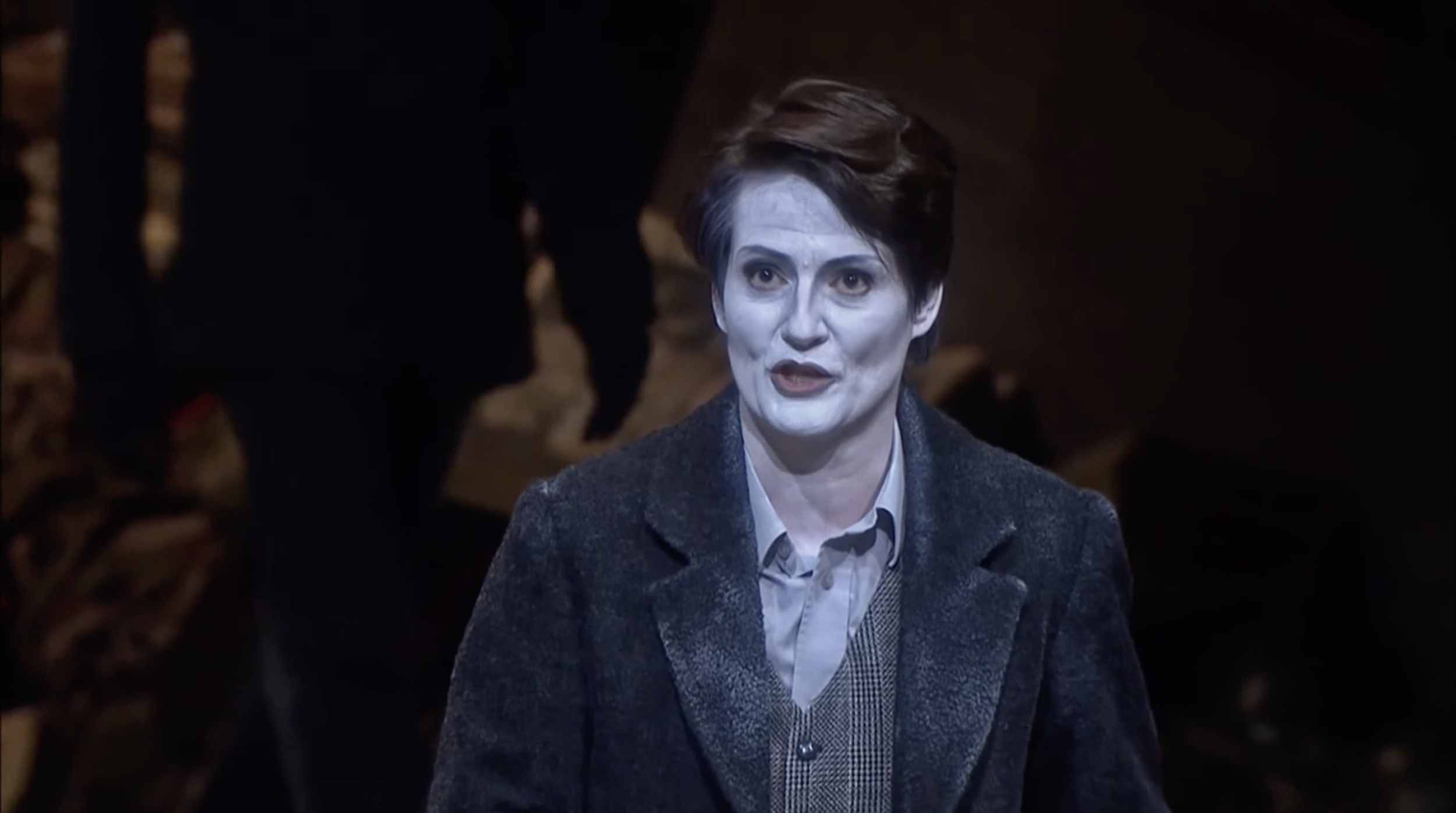
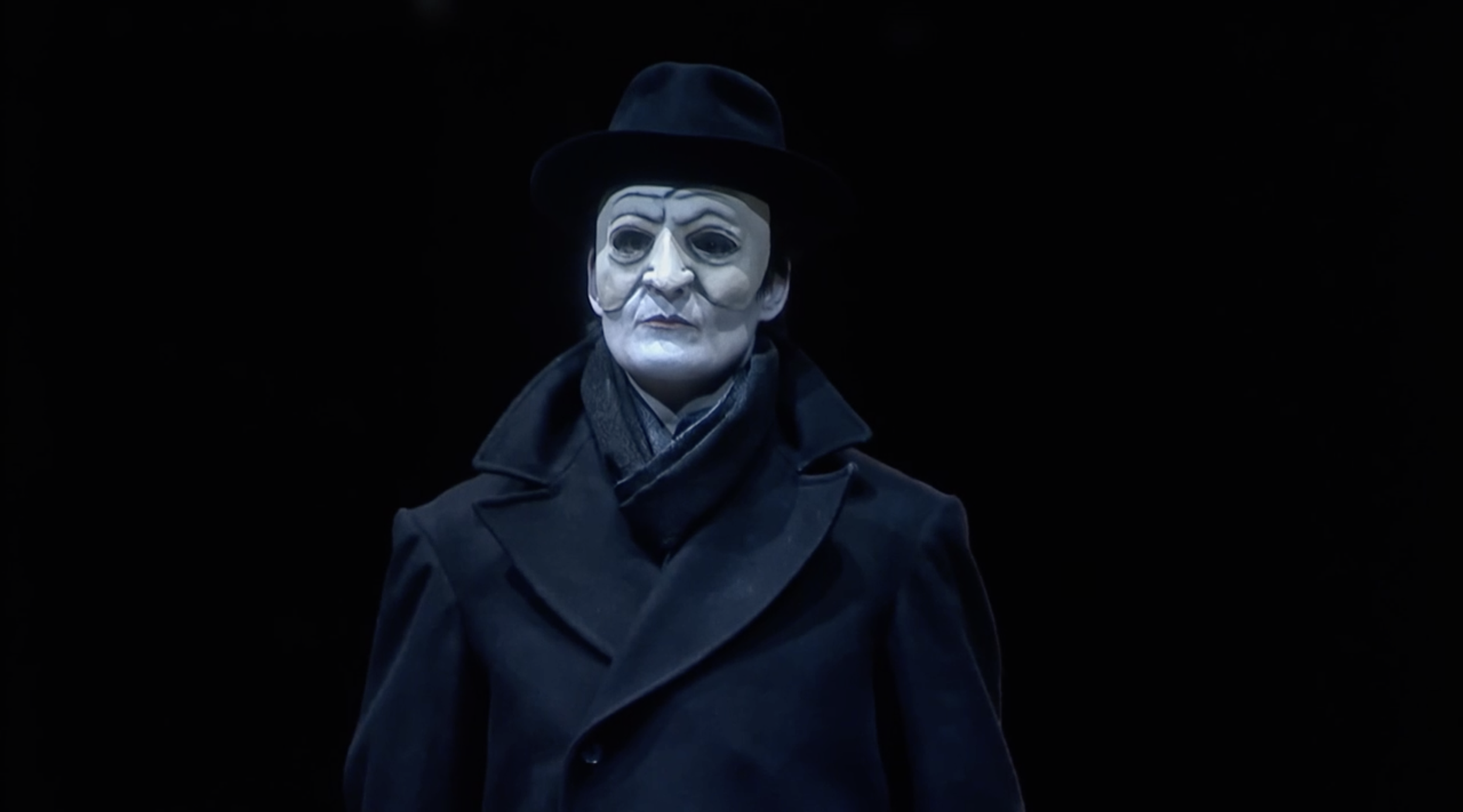
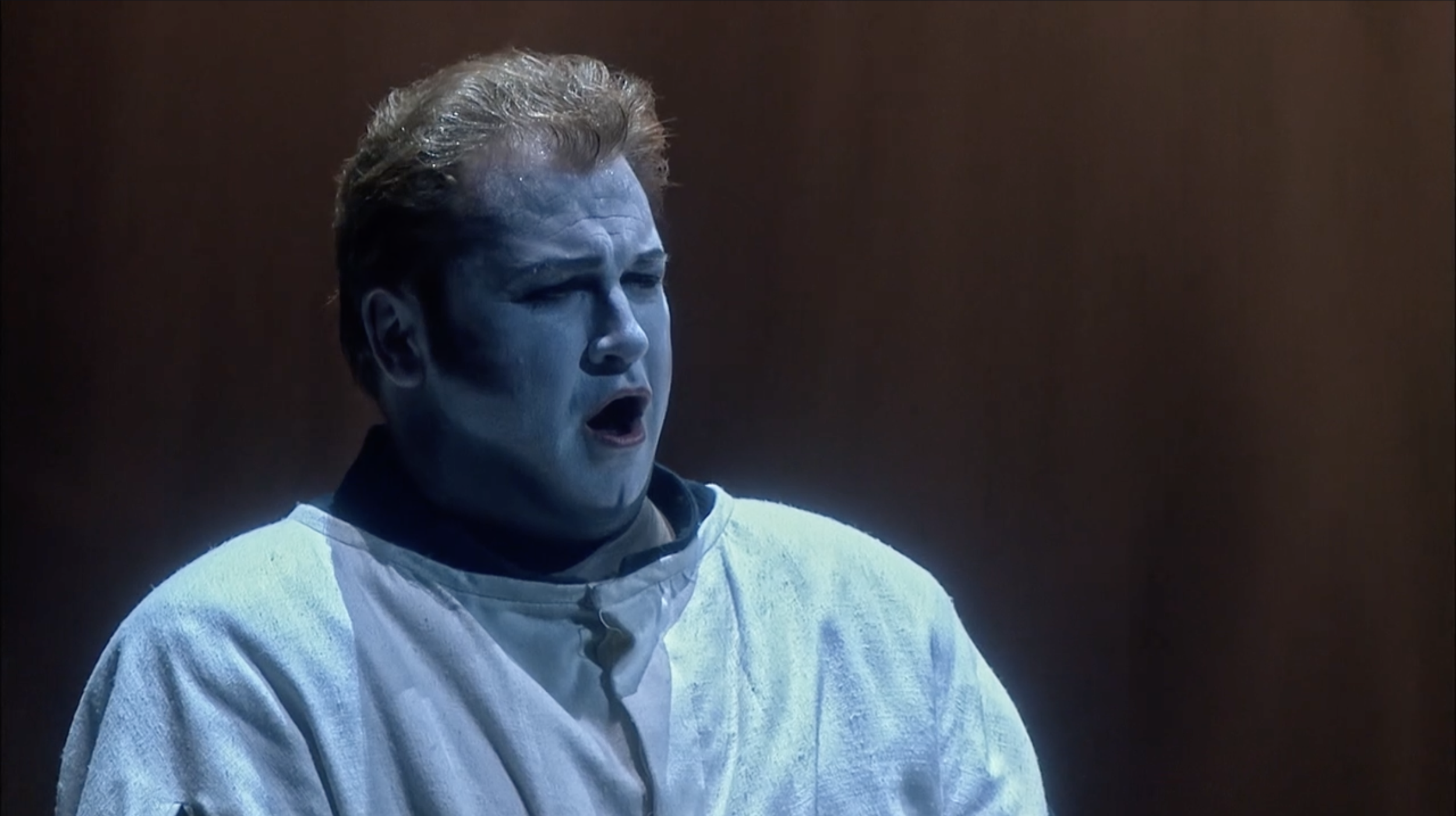
Rienzi was Wagner's third completed opera and his first unambiguous success, premiering in Dresden on October 20, 1842, to enormous acclaim, an opening night so long, five and a half hours in its original form, that Wagner himself began cutting it almost immediately. The libretto, which Wagner wrote himself, drew on Edward Bulwer-Lytton's 1835 novel about Cola di Rienzo, the real 14th-century Roman notary who briefly seized power as Tribune, promising to restore the ancient Roman republic's dignity against a corrupt and violent nobility, and who was, within a matter of months, first exiled and later killed by a mob that had once cheered him in the streets.
Bayreuth Festival 2026 Opening Night: Rienzi
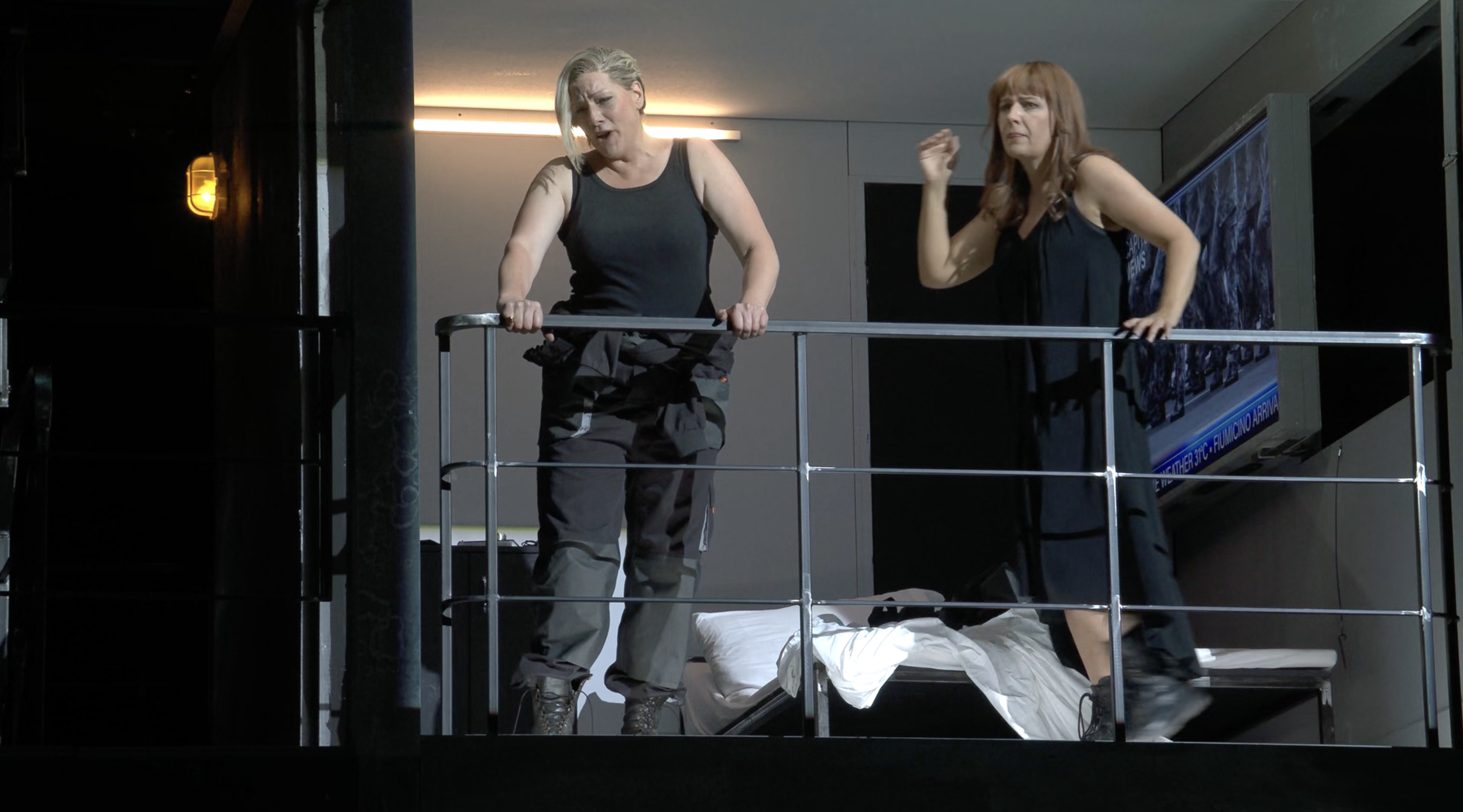
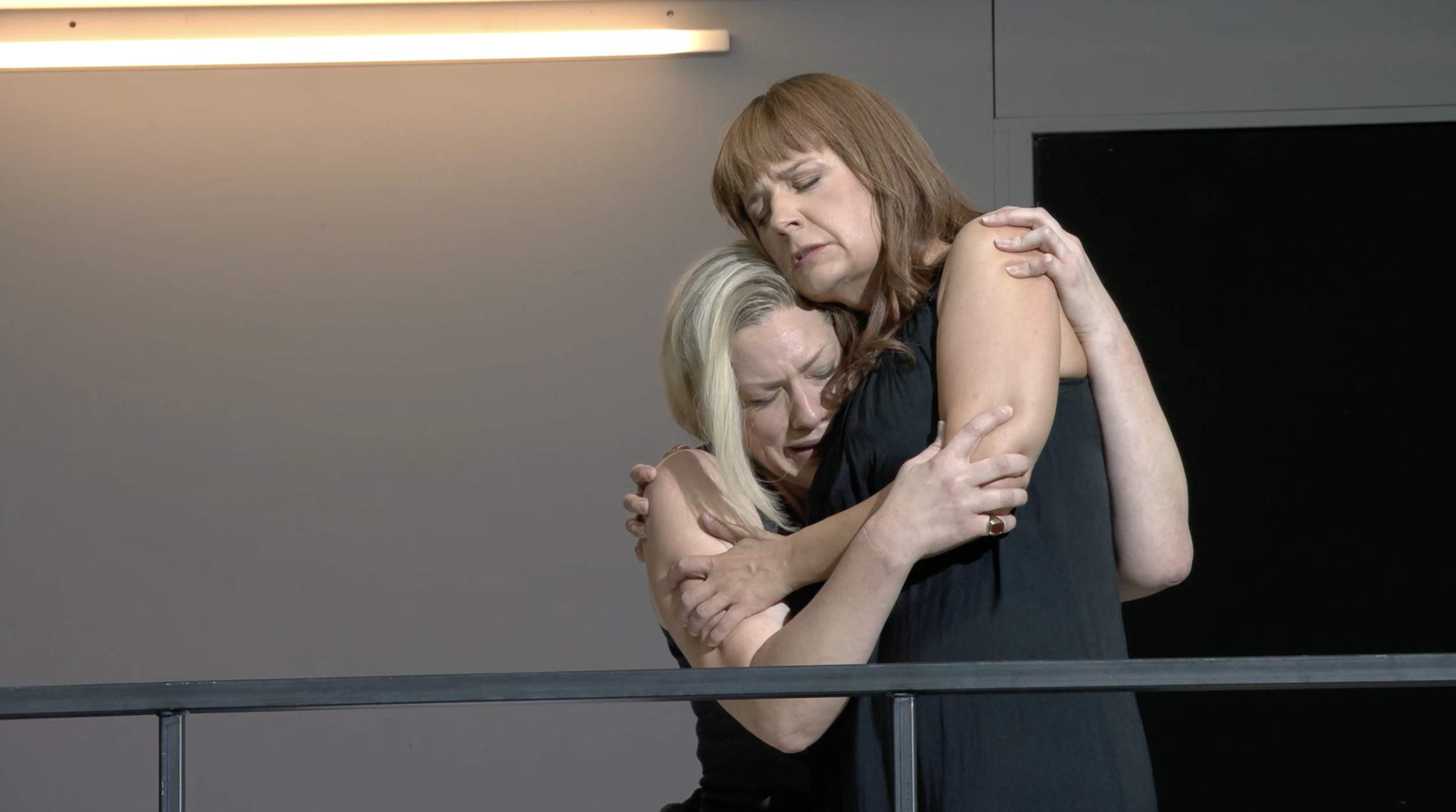
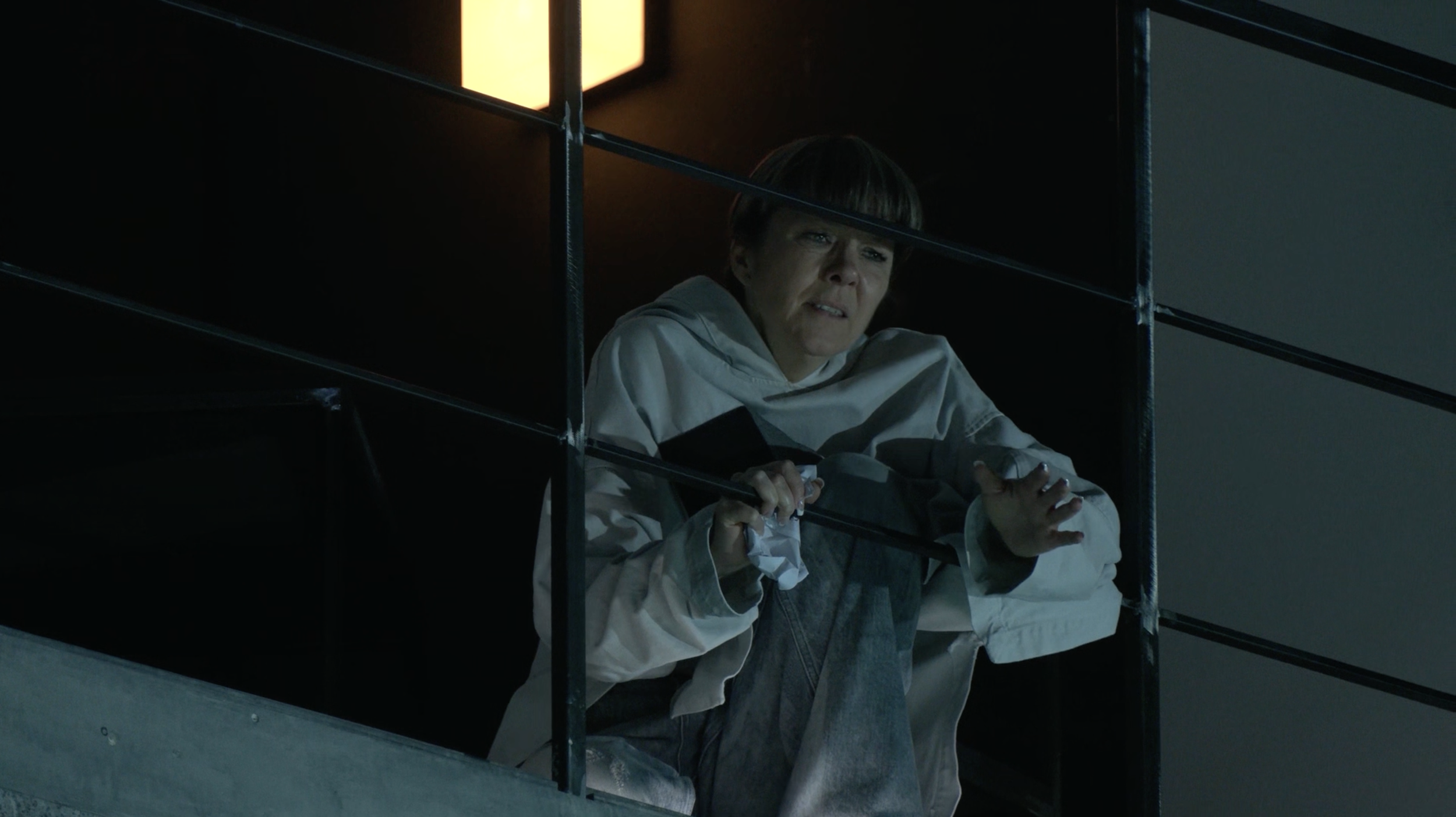
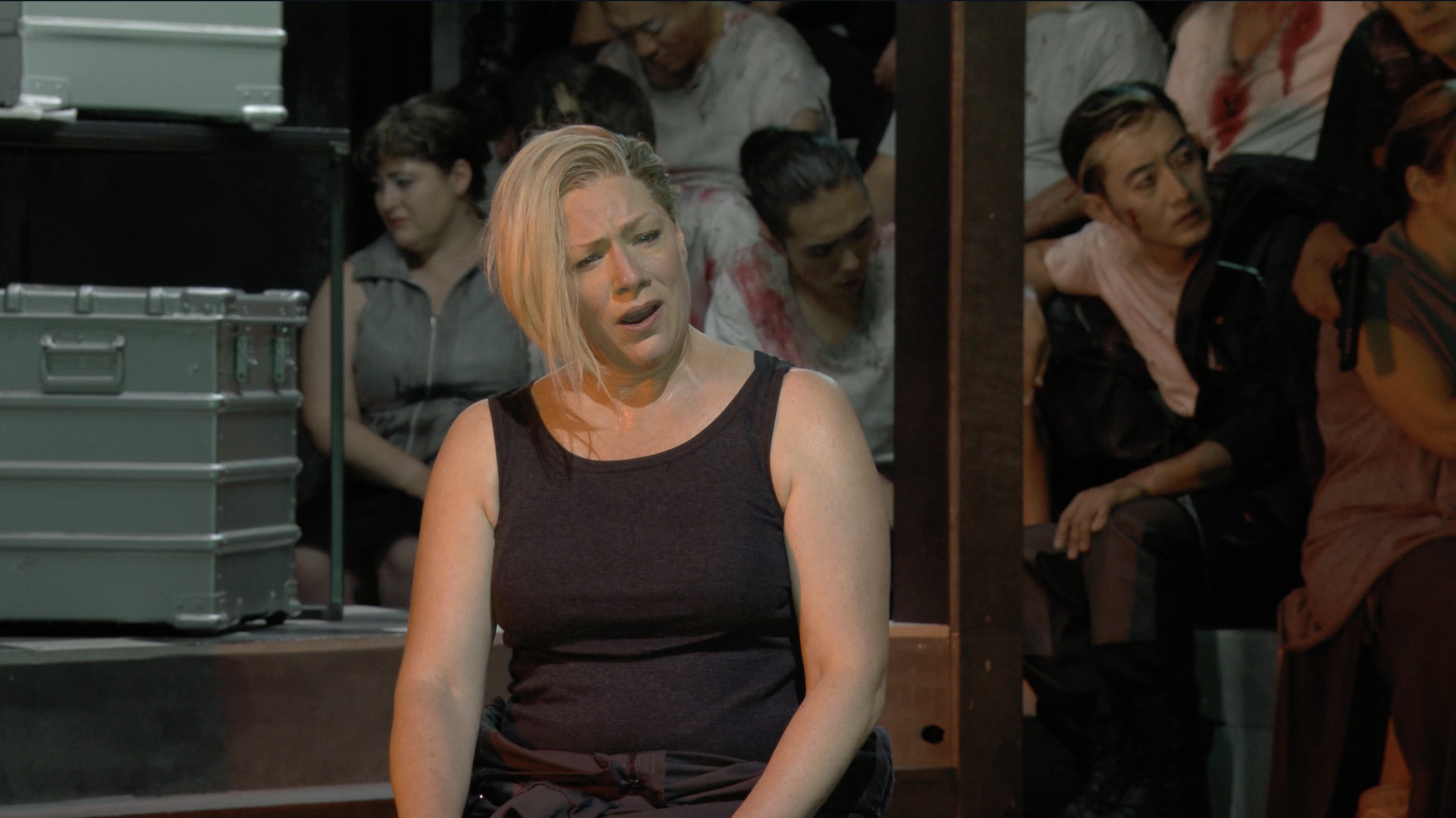
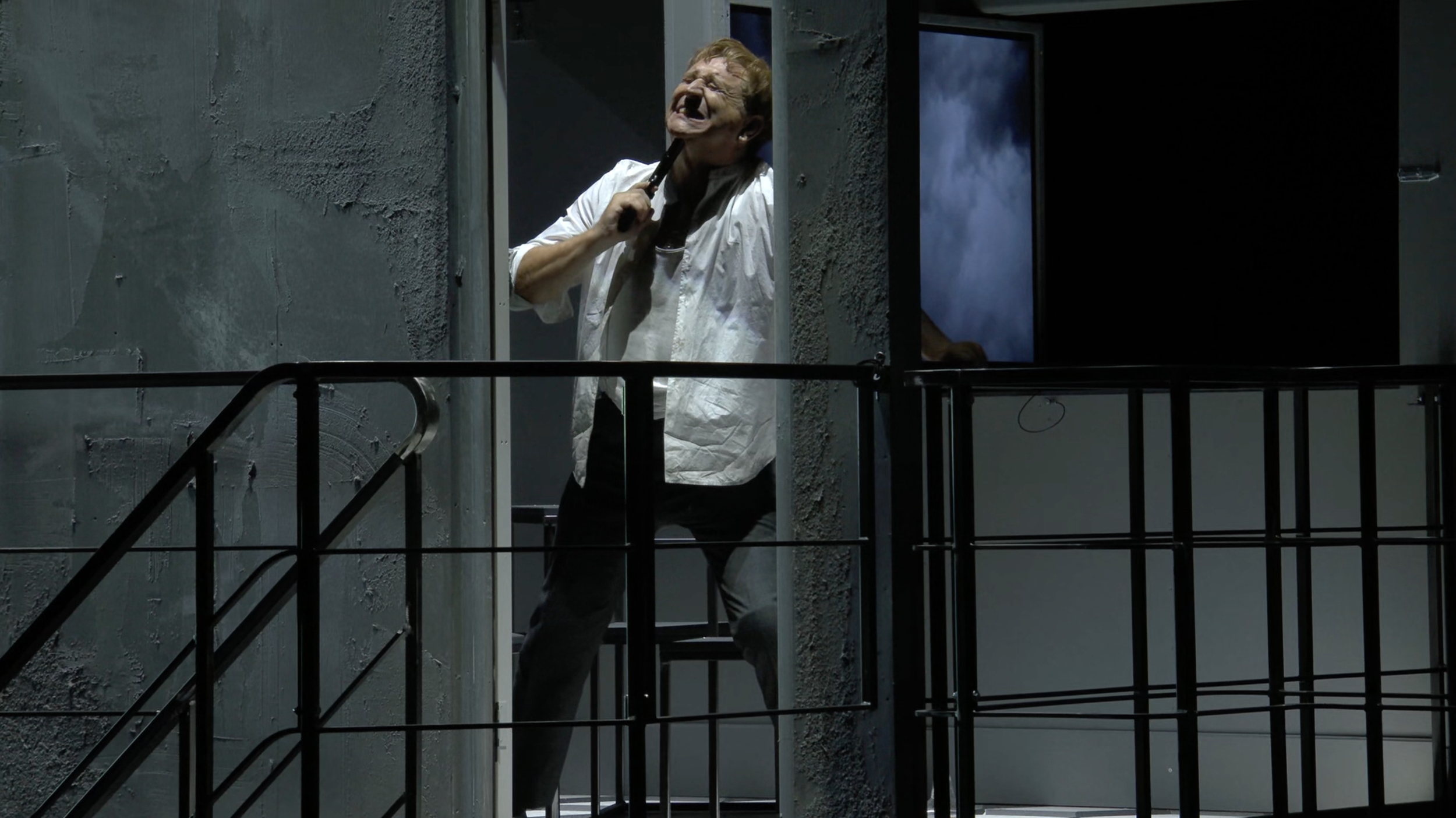
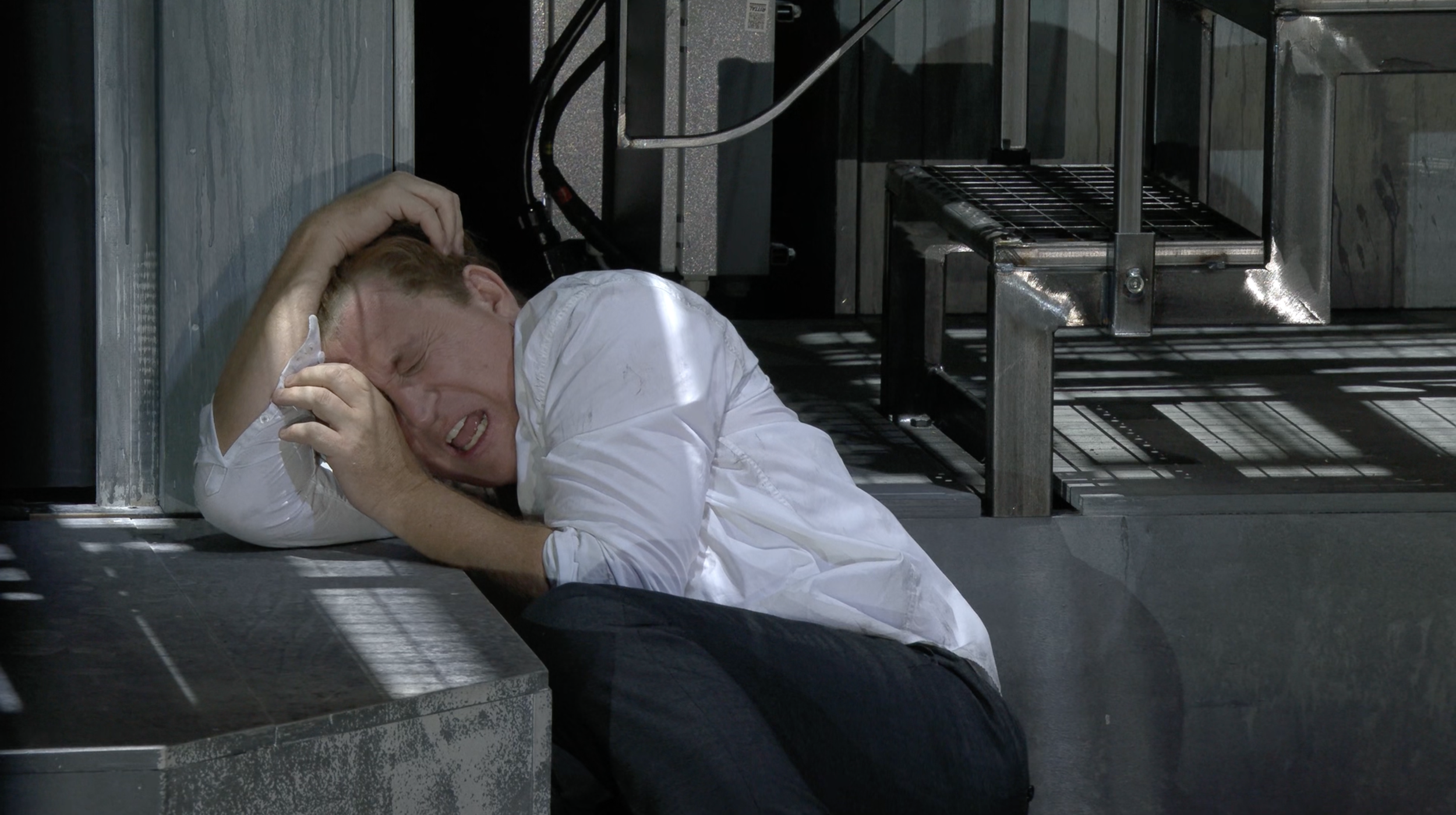
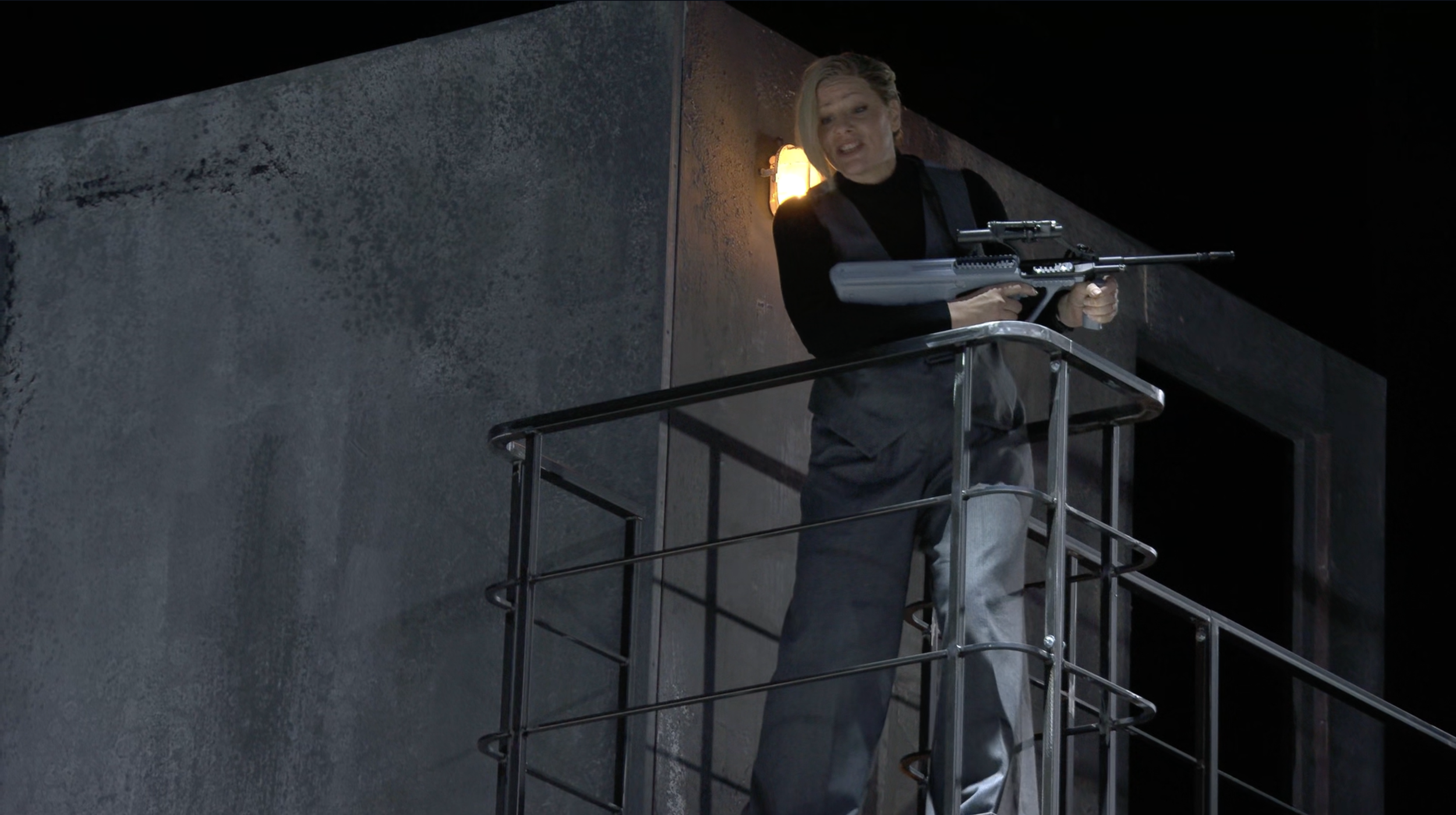
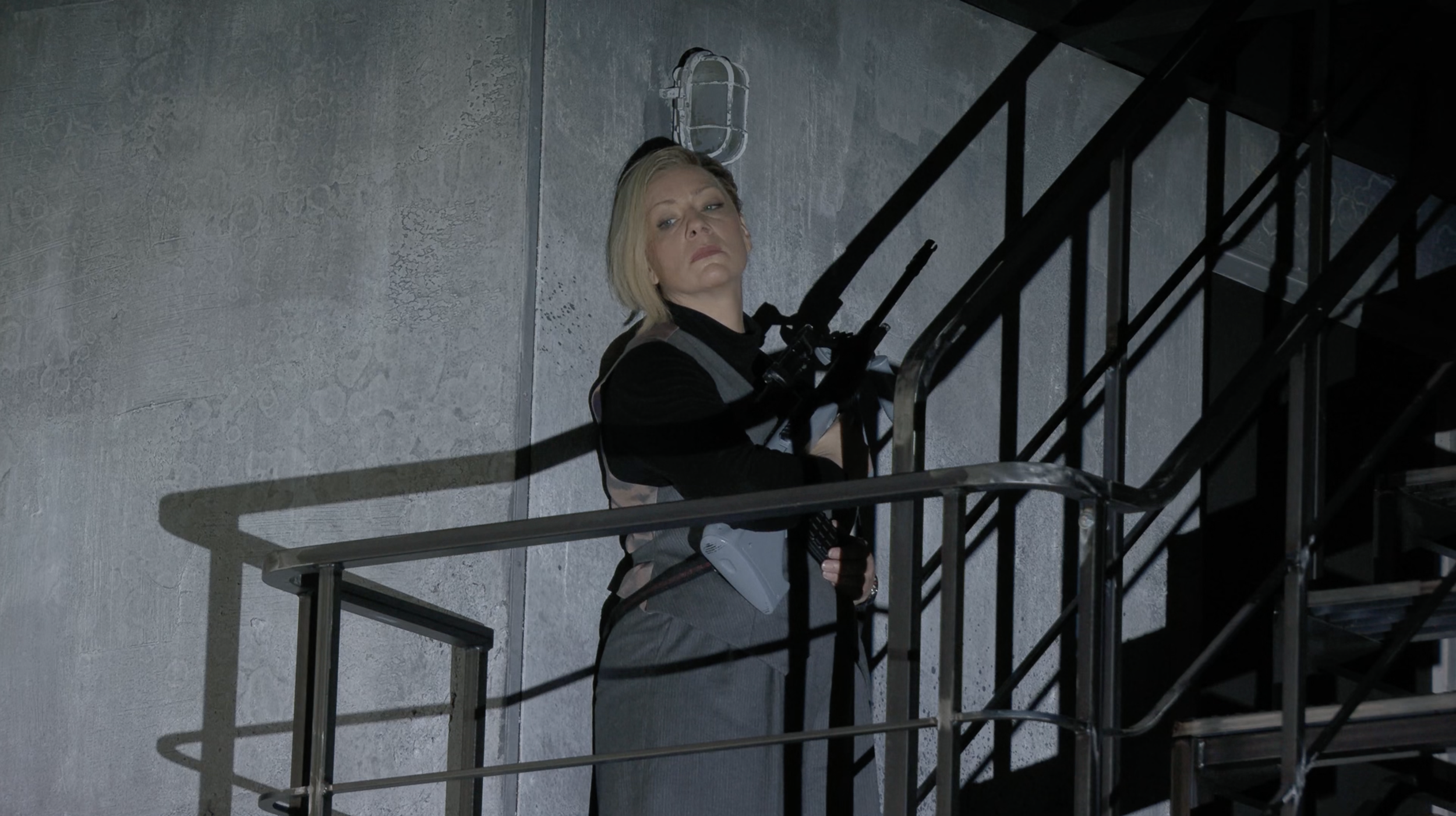
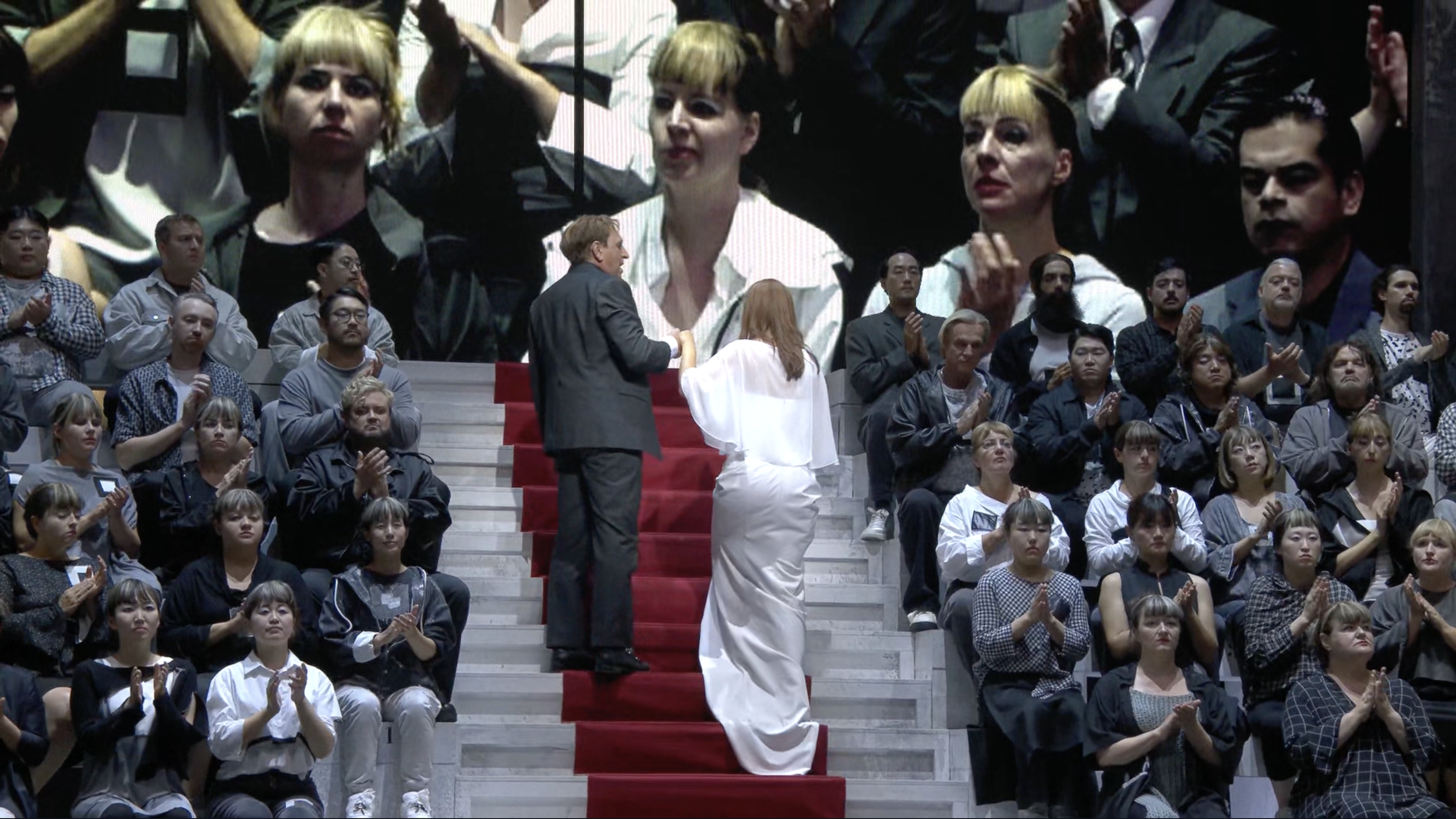
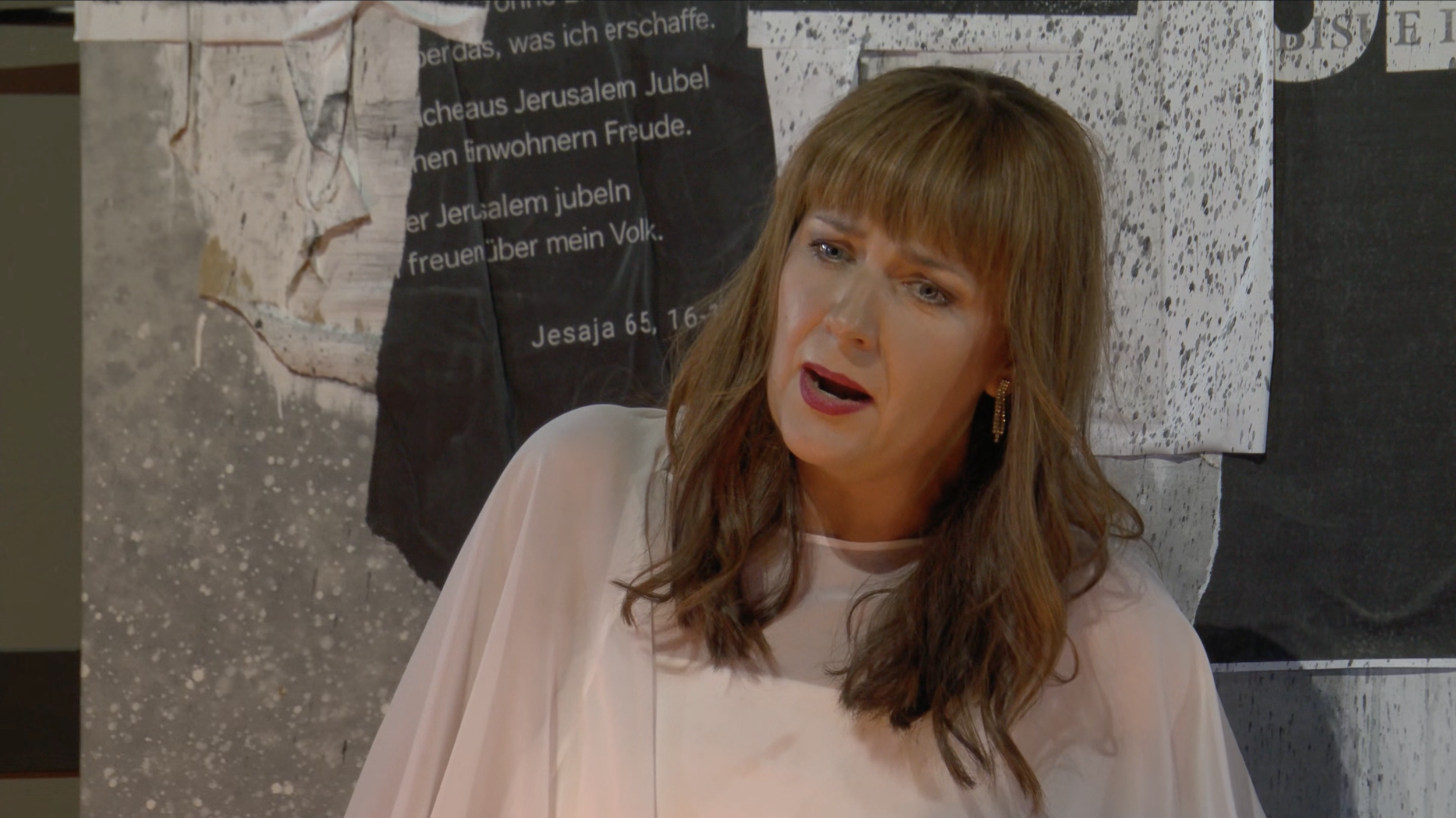
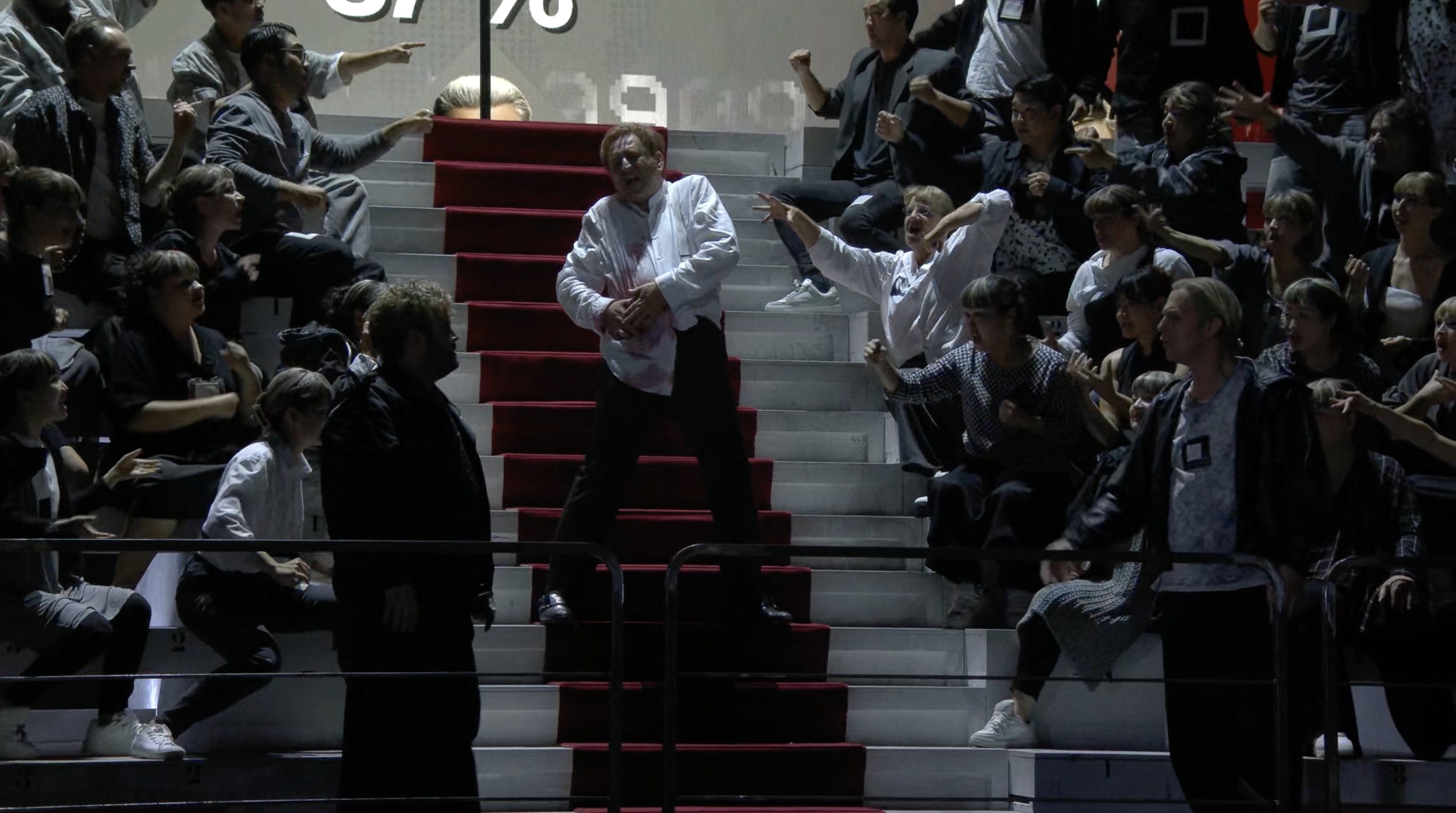
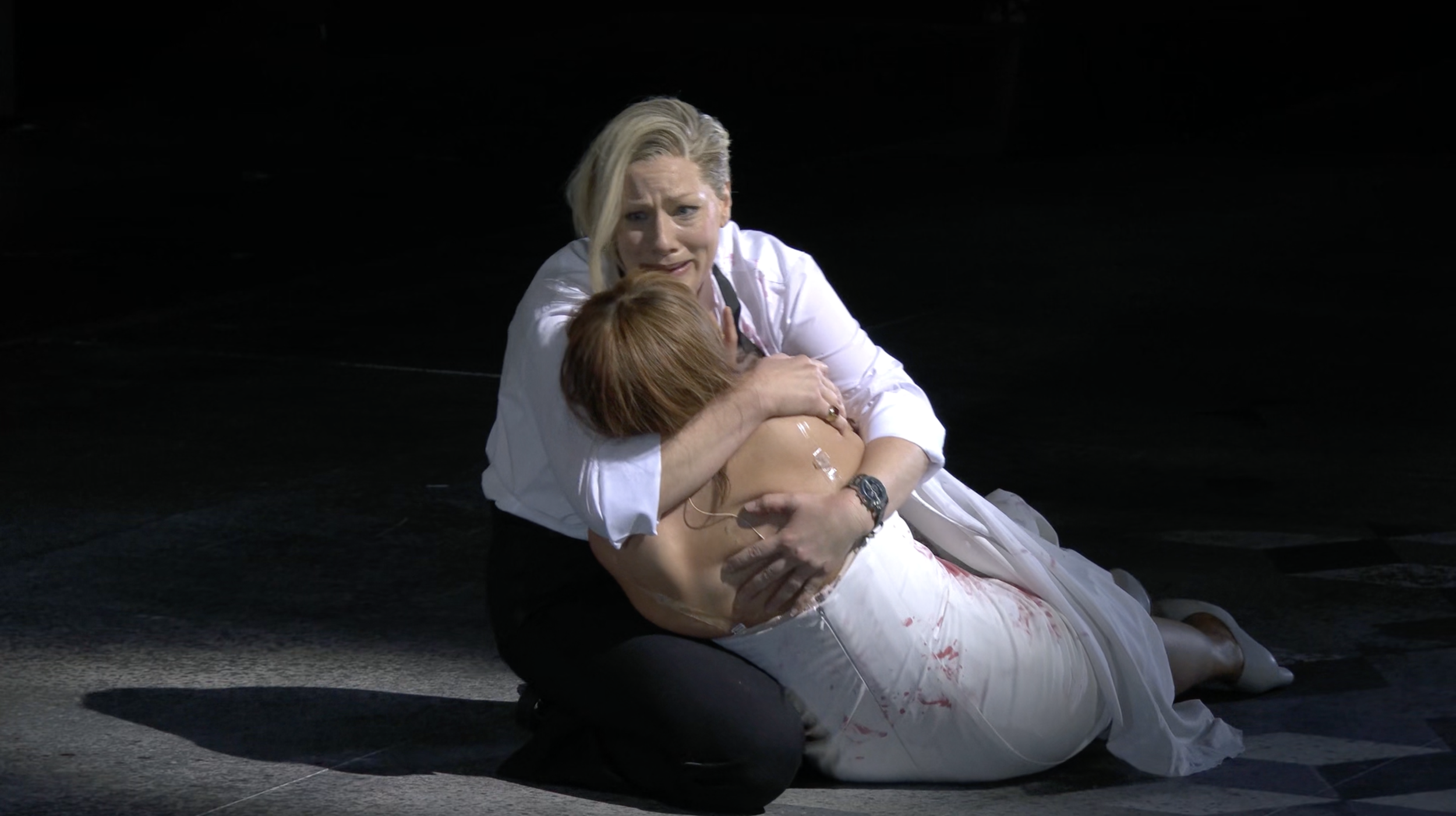
The historical Rienzo is one of European history's clearest early case studies in the specific arc this walk follows: a genuinely popular, genuinely sincere reformer, elevated by mass emotion rather than by inherited or institutional authority, whose downfall comes not from a rival faction's superior force but from the same public that made him, discovering that its own favor was never a stable foundation to begin with. Wagner's opera compresses and dramatizes this history into the grand-opera conventions of the 1840s Parisian and German stages: massed choruses, processional set pieces, a prayer aria of enormous vocal demand, a final scene of civic collapse played out in real time as the crowd that once followed Rienzi turns and burns the Capitol with him inside it.
The opera's most uncomfortable afterlife has nothing to do with its own content and everything to do with what happened to it a century after its premiere. Rienzi was reportedly Adolf Hitler's favorite Wagner opera, and Hitler is said to have kept the original manuscript of its overture, a claim historians still debate the precise facts of, in his Berlin bunker, where it was likely destroyed in 1945. Whatever the exact truth of that specific story, the opera's fascination for a 20th-century dictator obsessed with charismatic mass mobilization is not hard to understand. Rienzi stages, with real musical power and no apparent irony, the exact mechanism a demagogue needs: a crowd whose love can be summoned by rhetoric, whose emotional temperature can be raised through spectacle and choral unison, and whose devotion, while it lasts, feels indistinguishable from genuine political conviction.
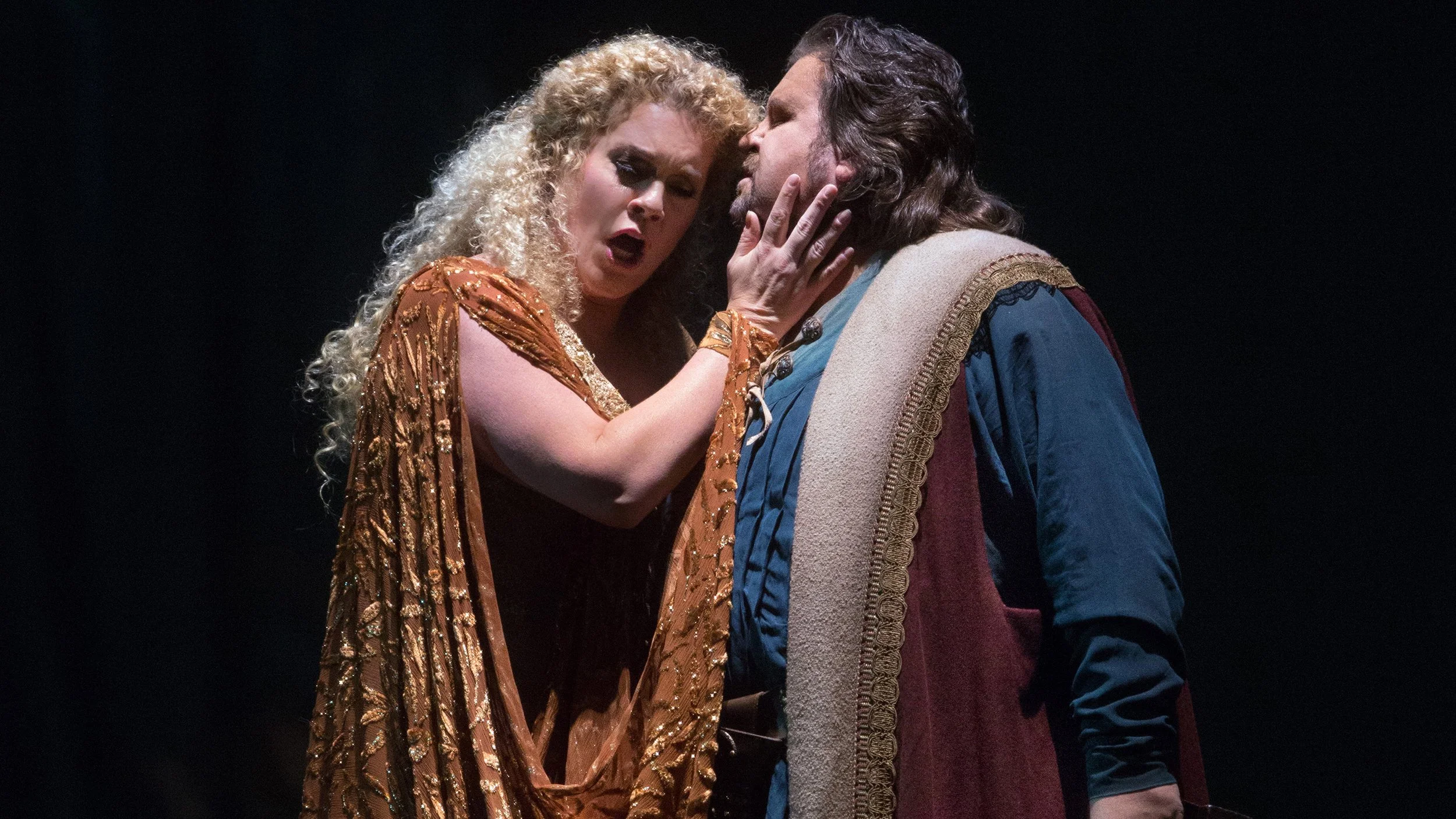
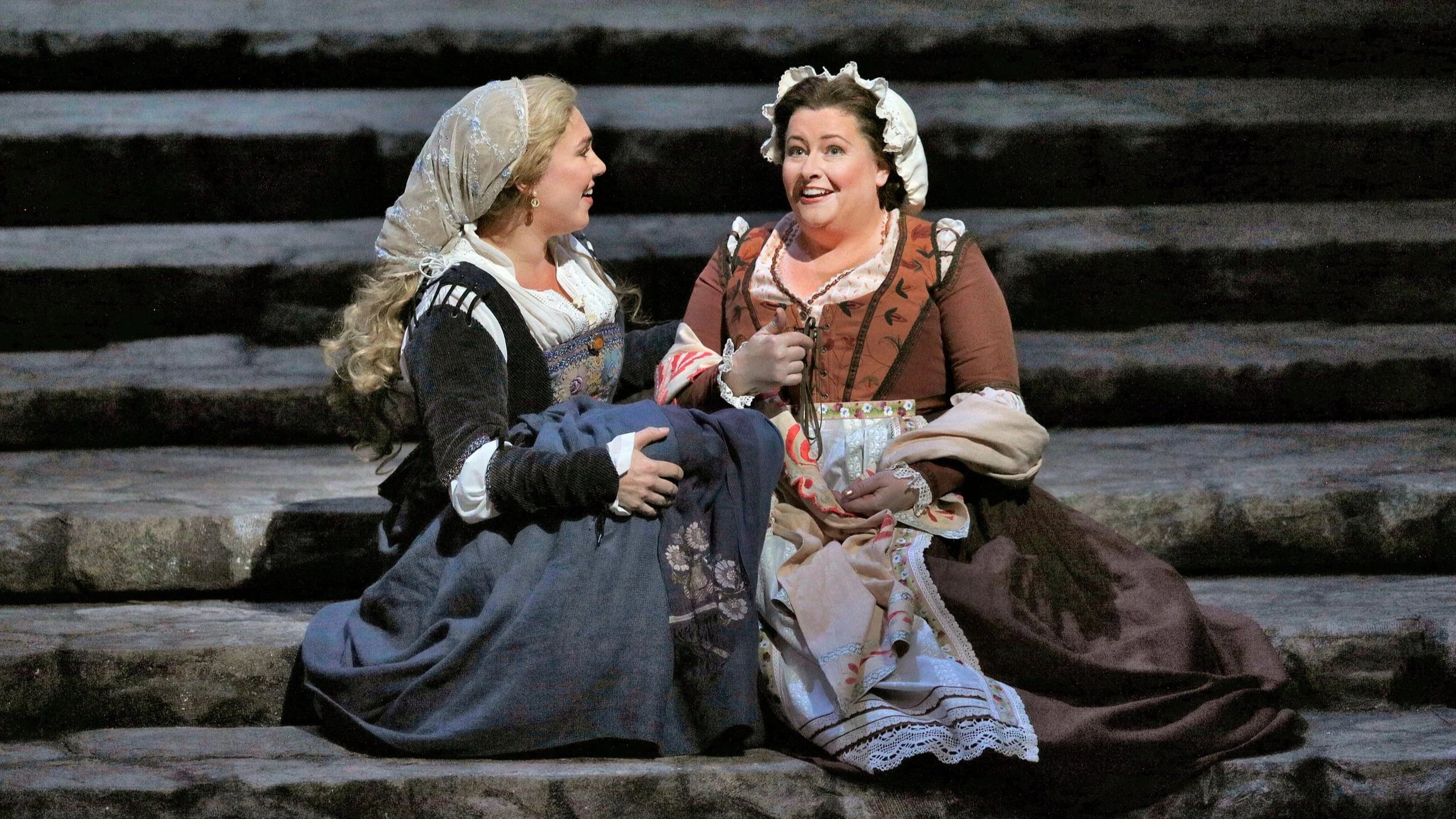
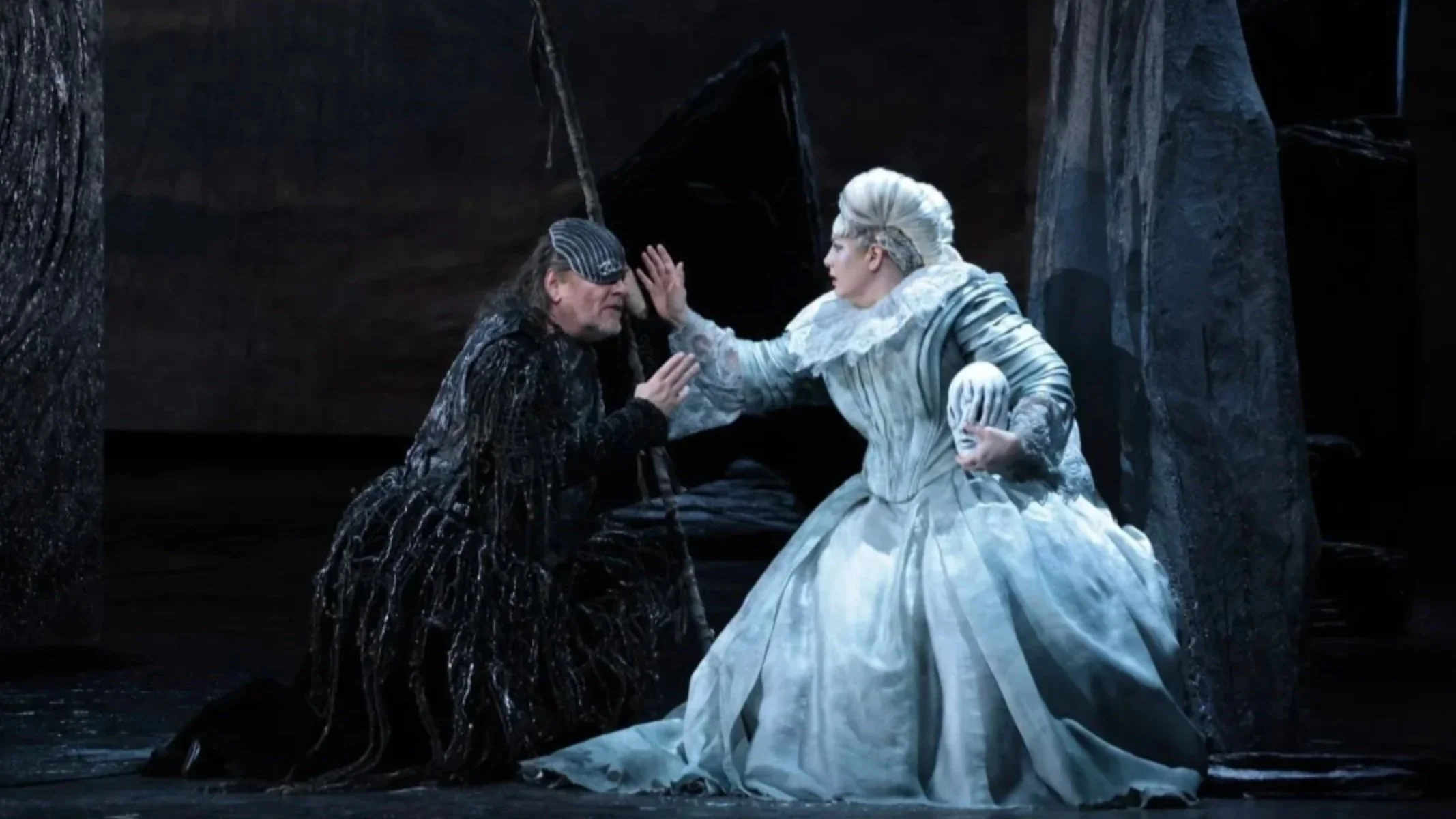
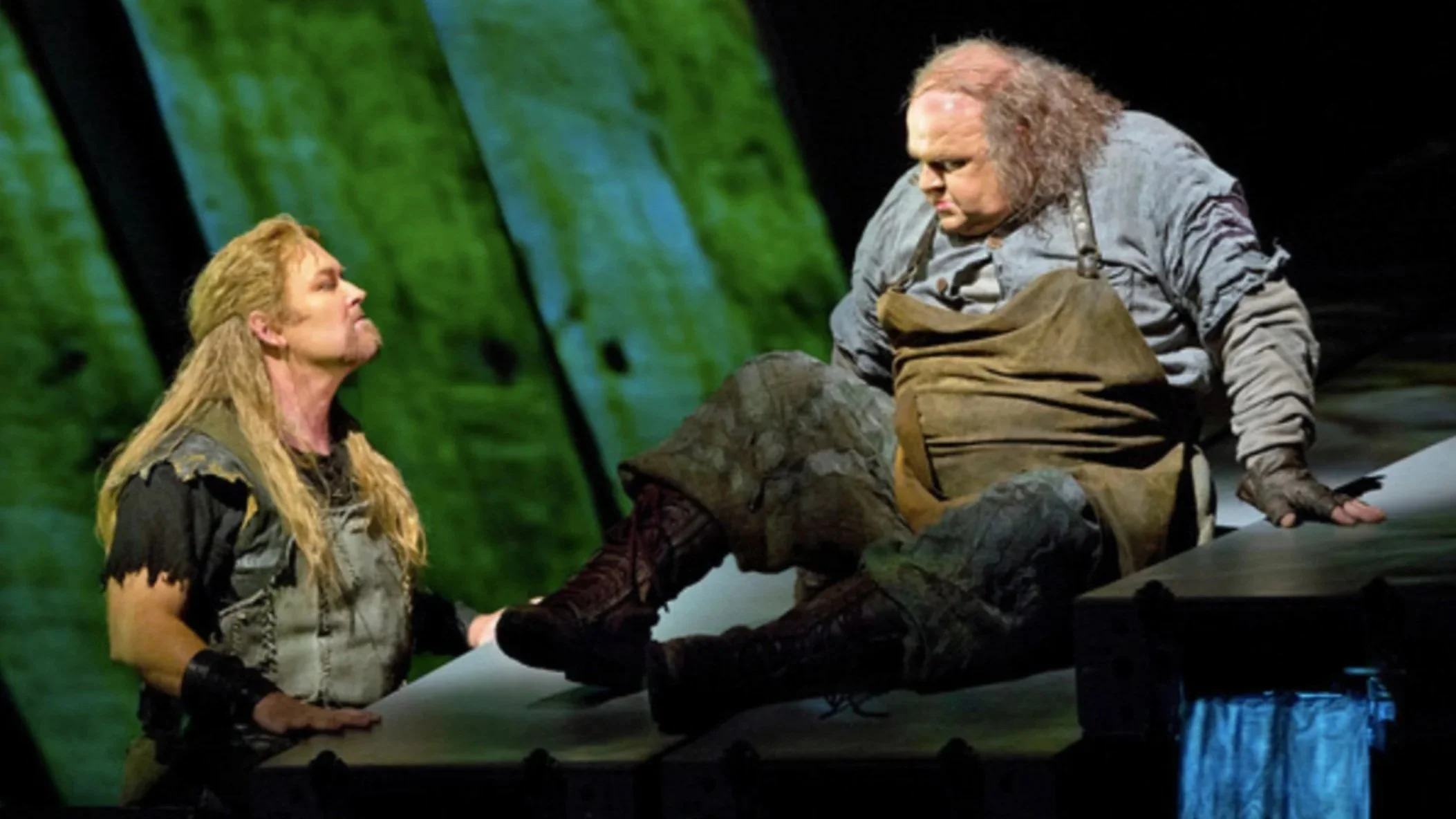
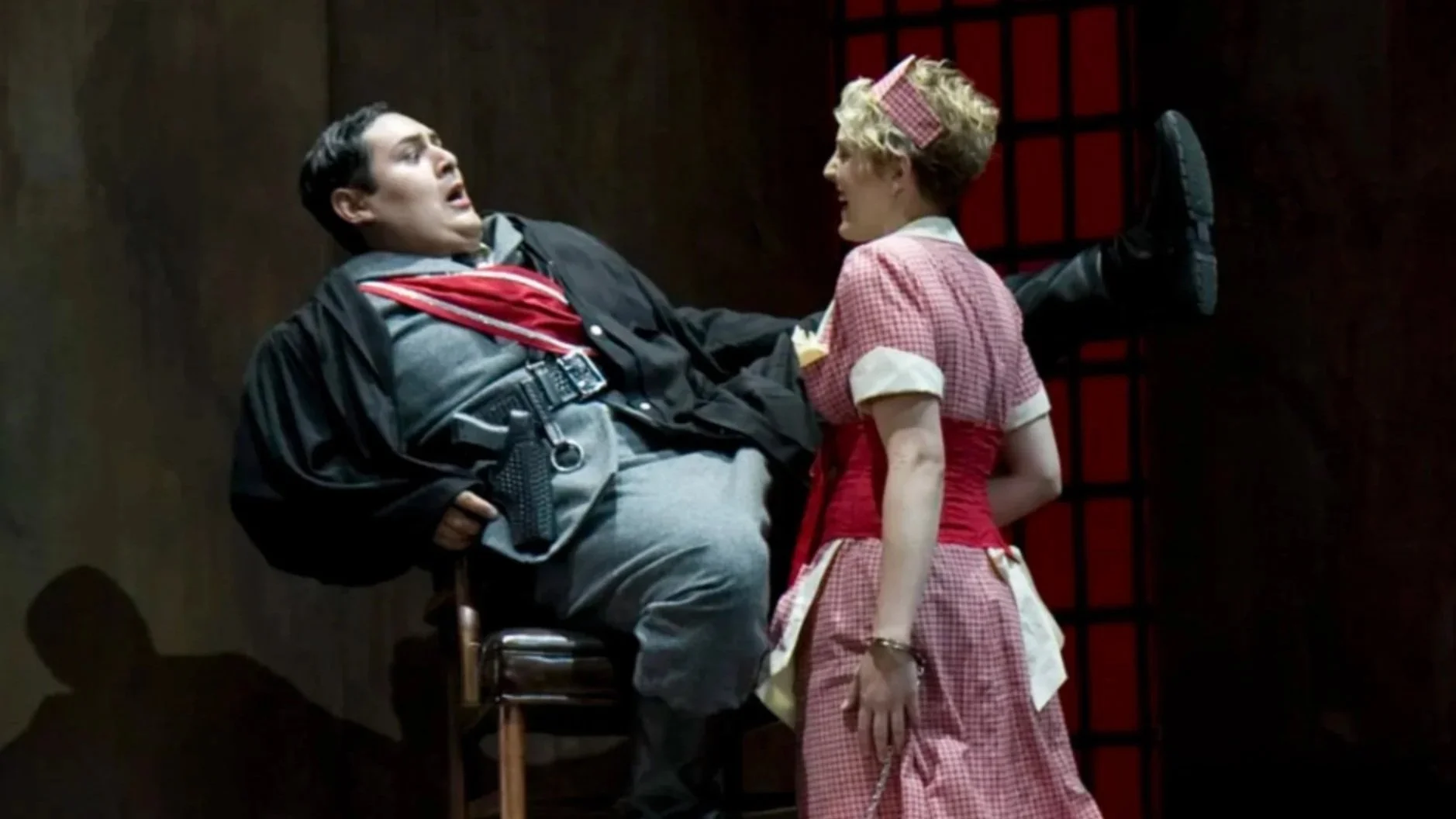
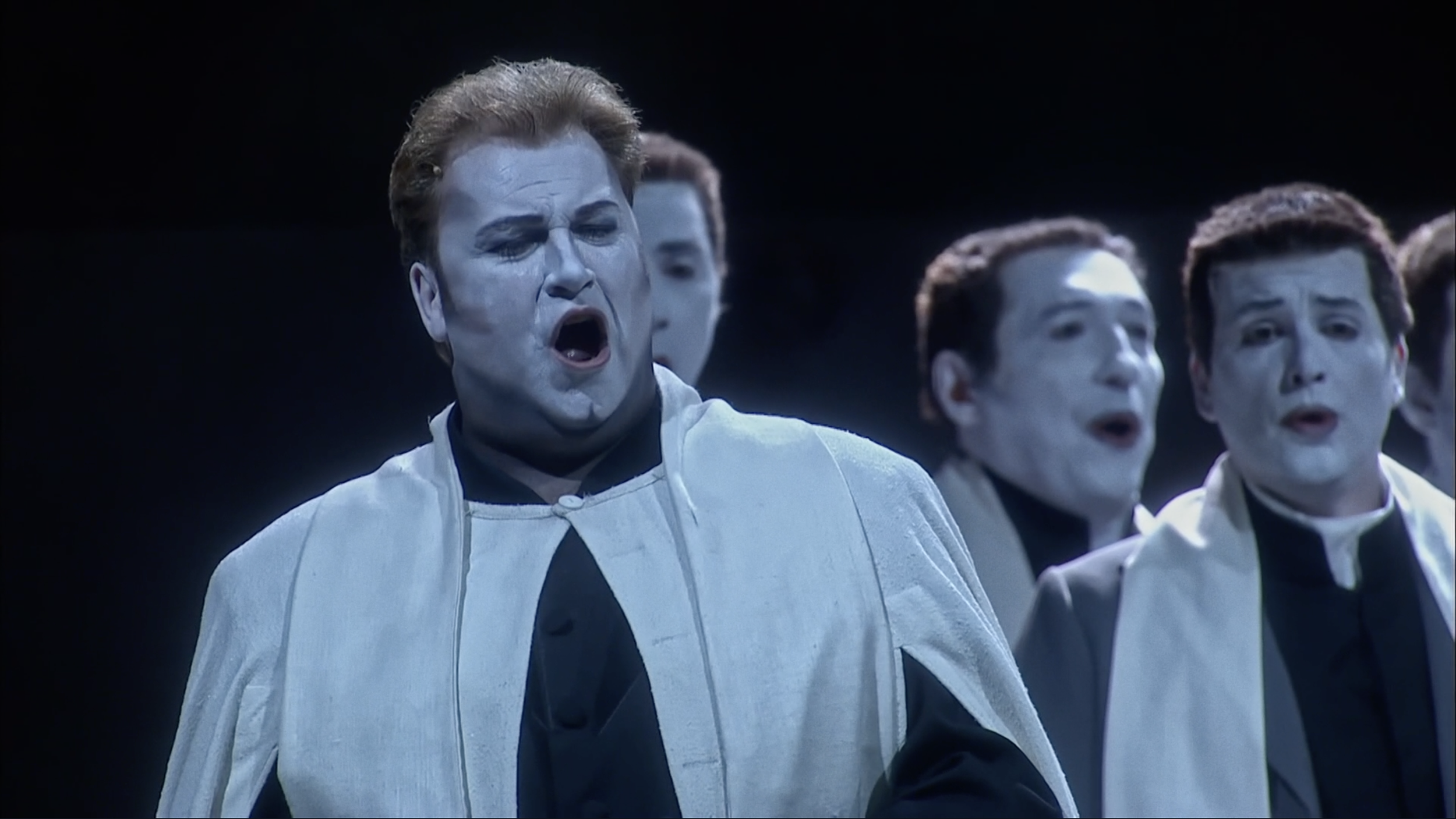
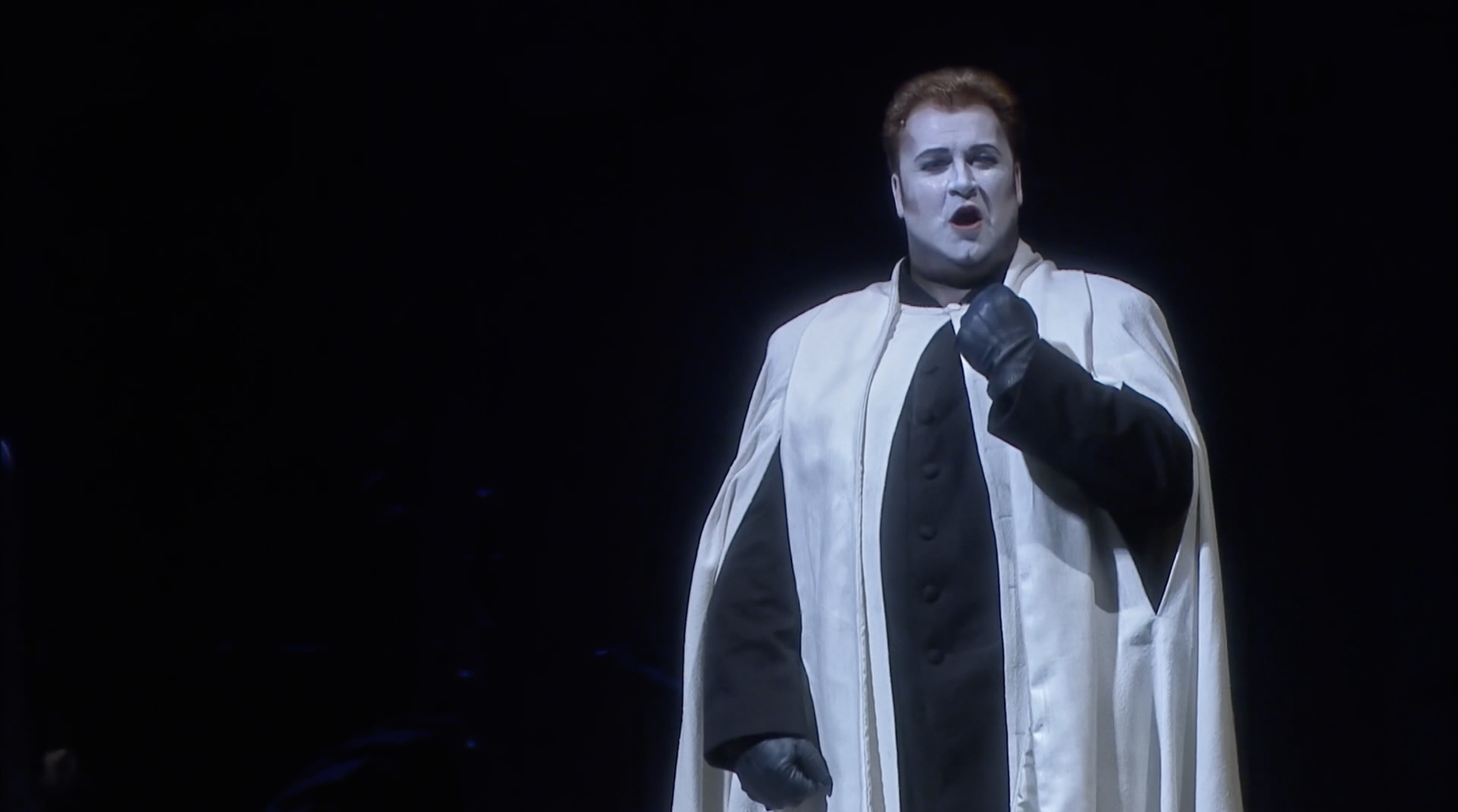
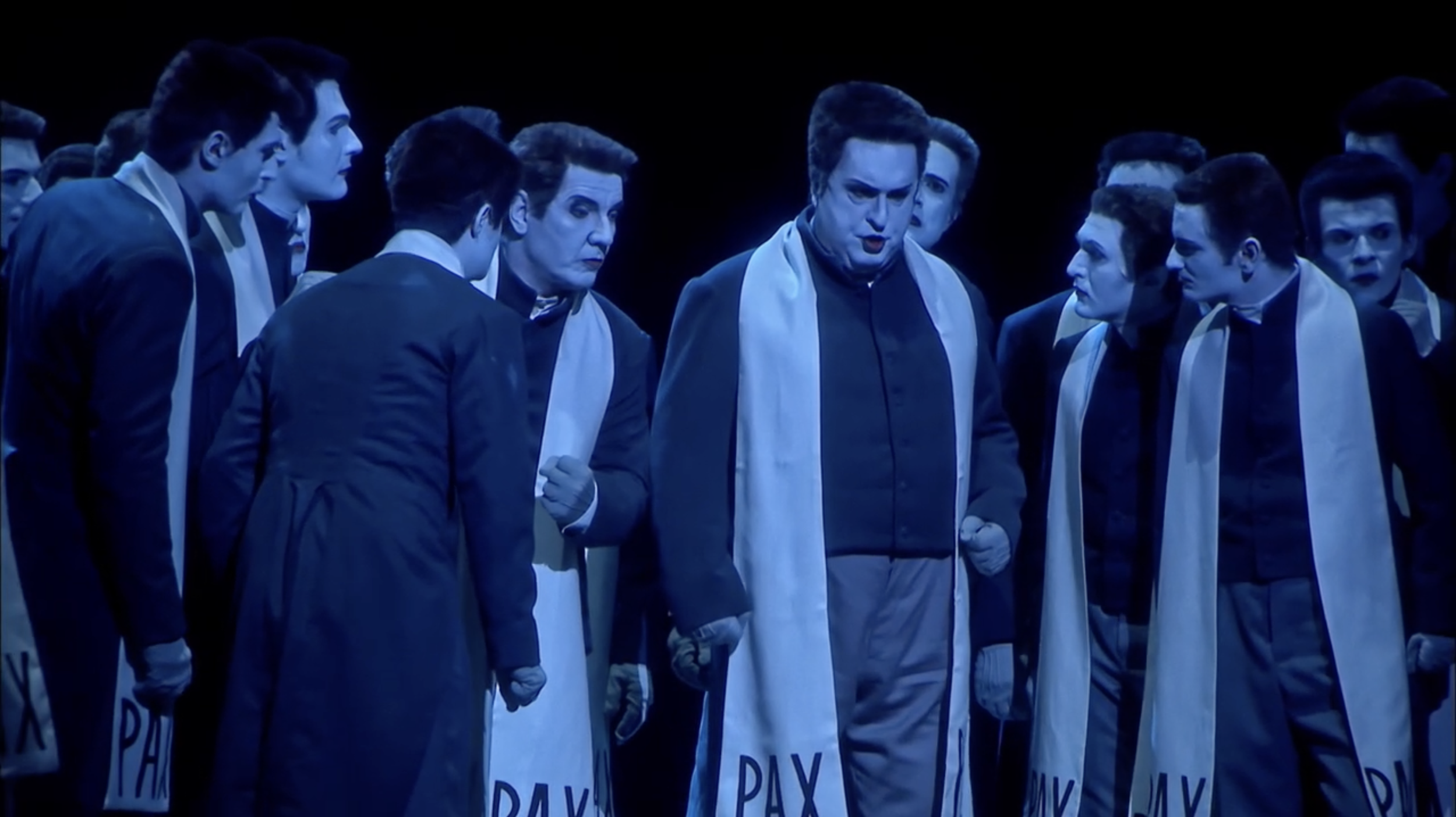
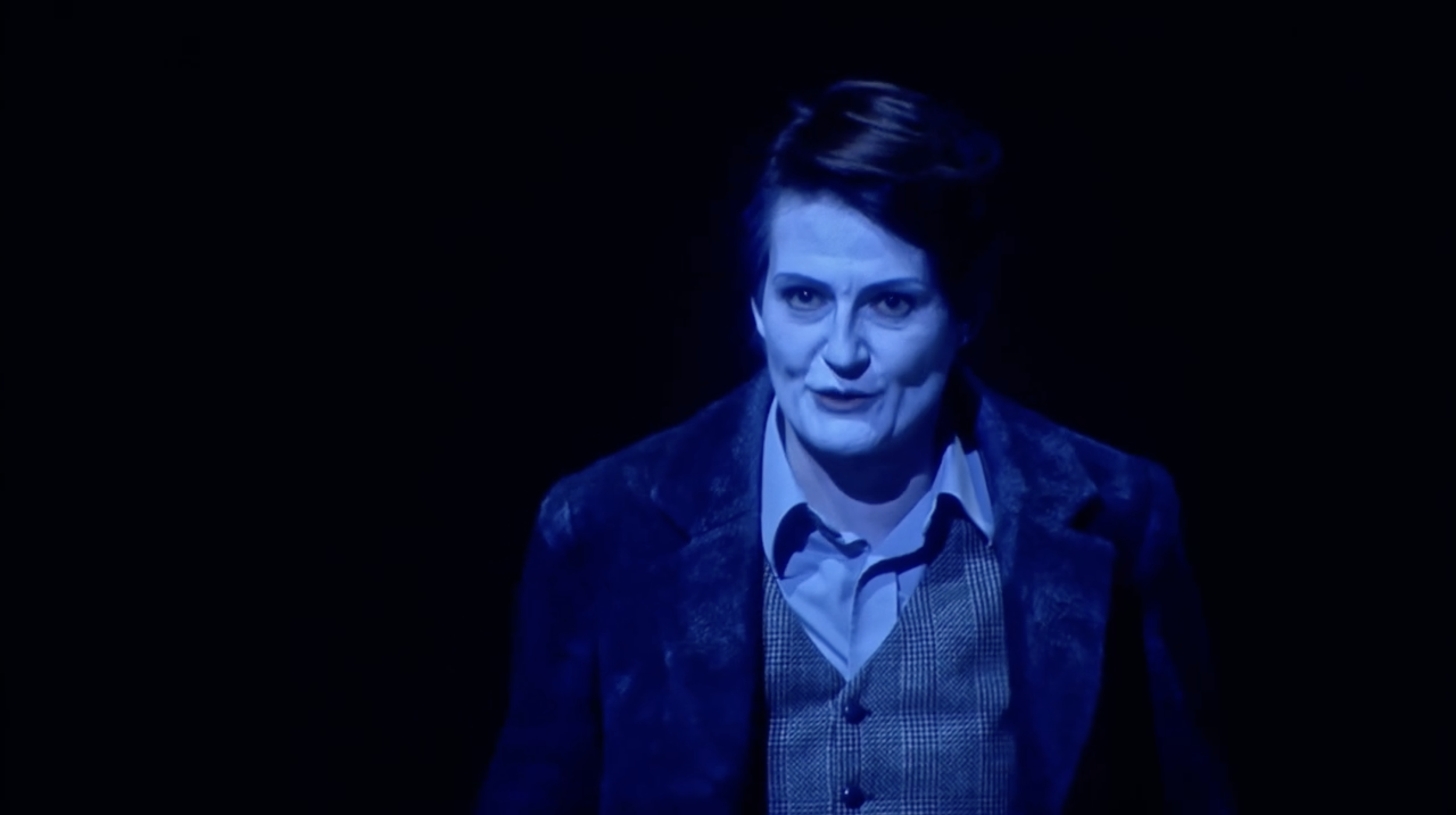
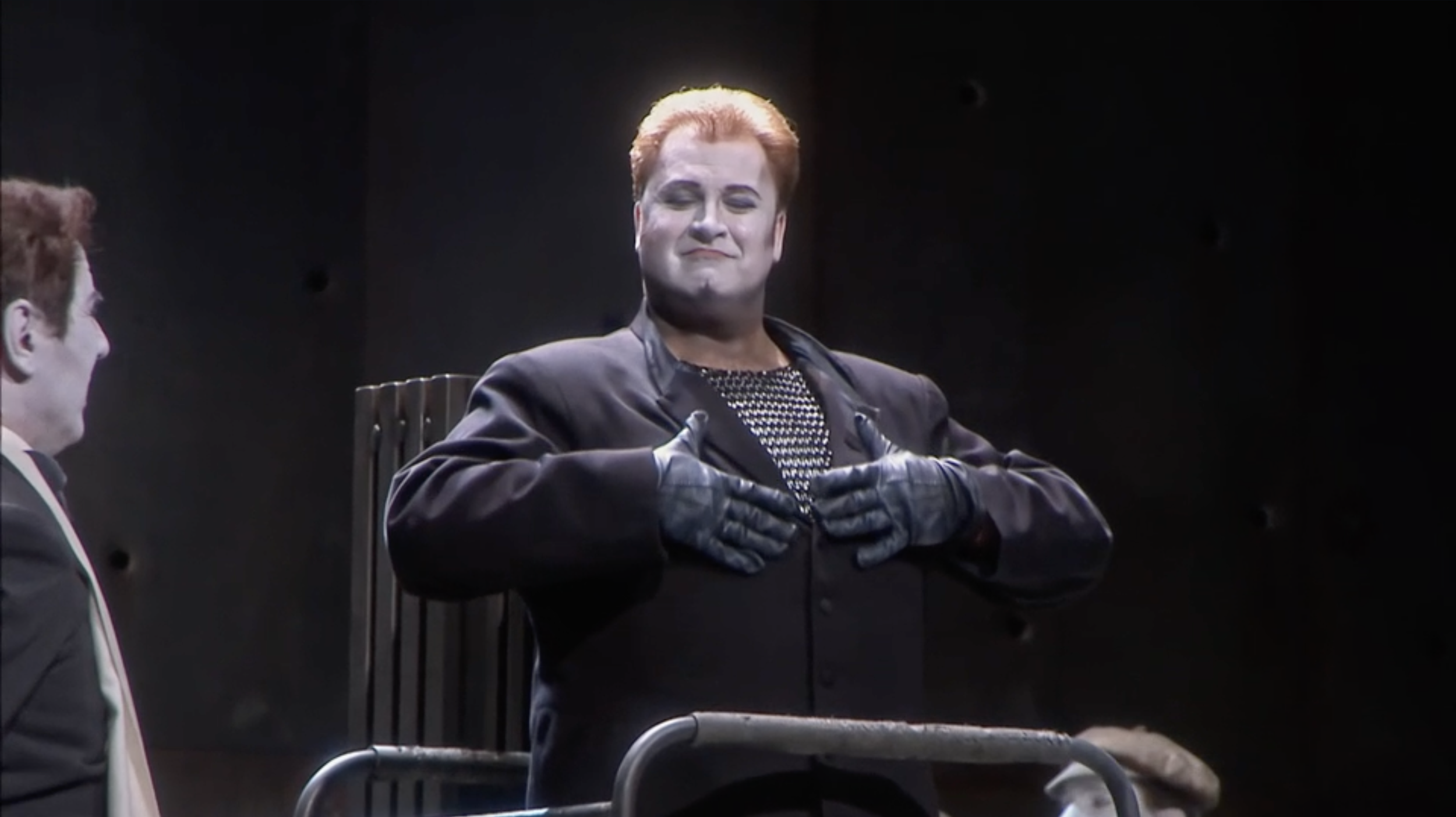
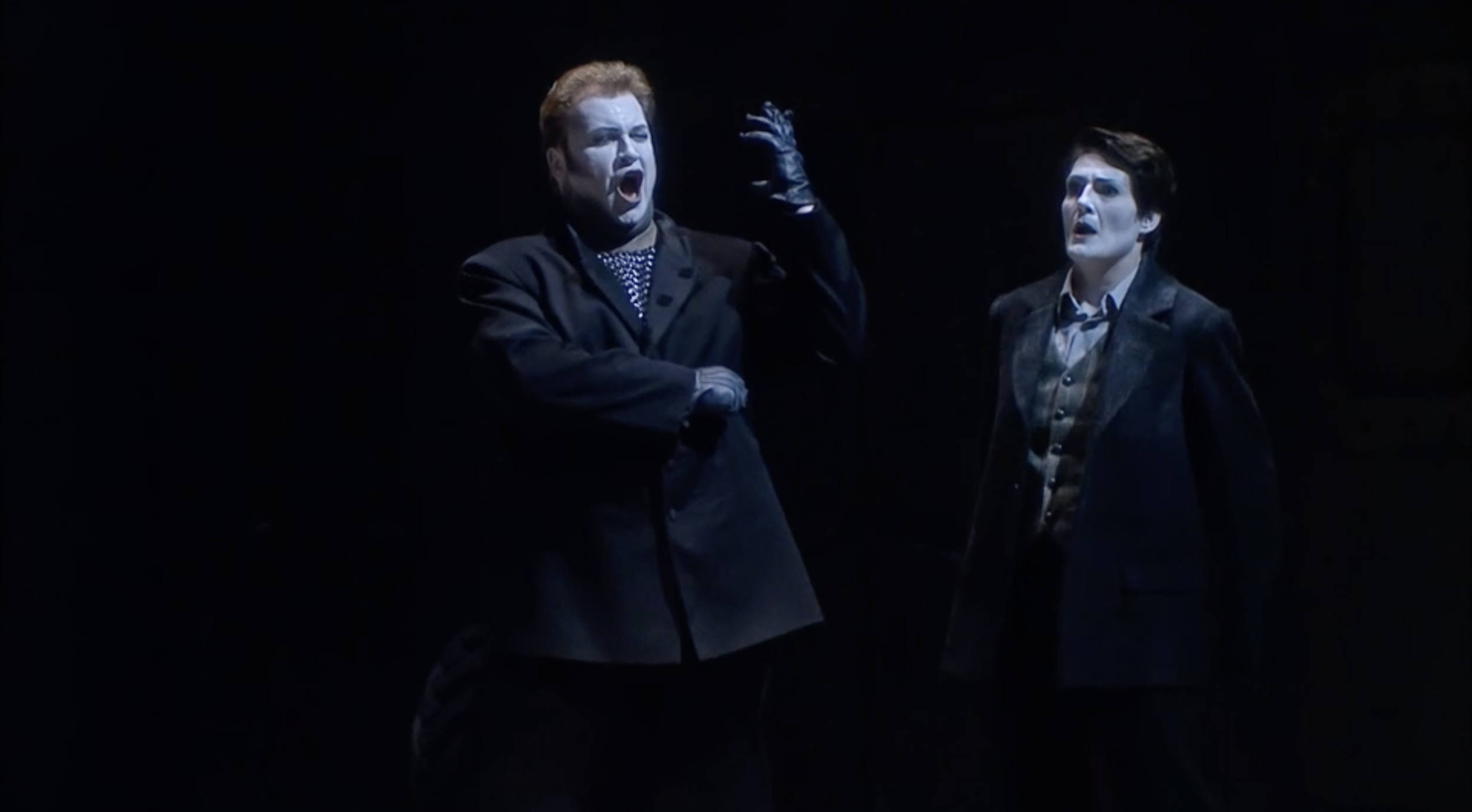
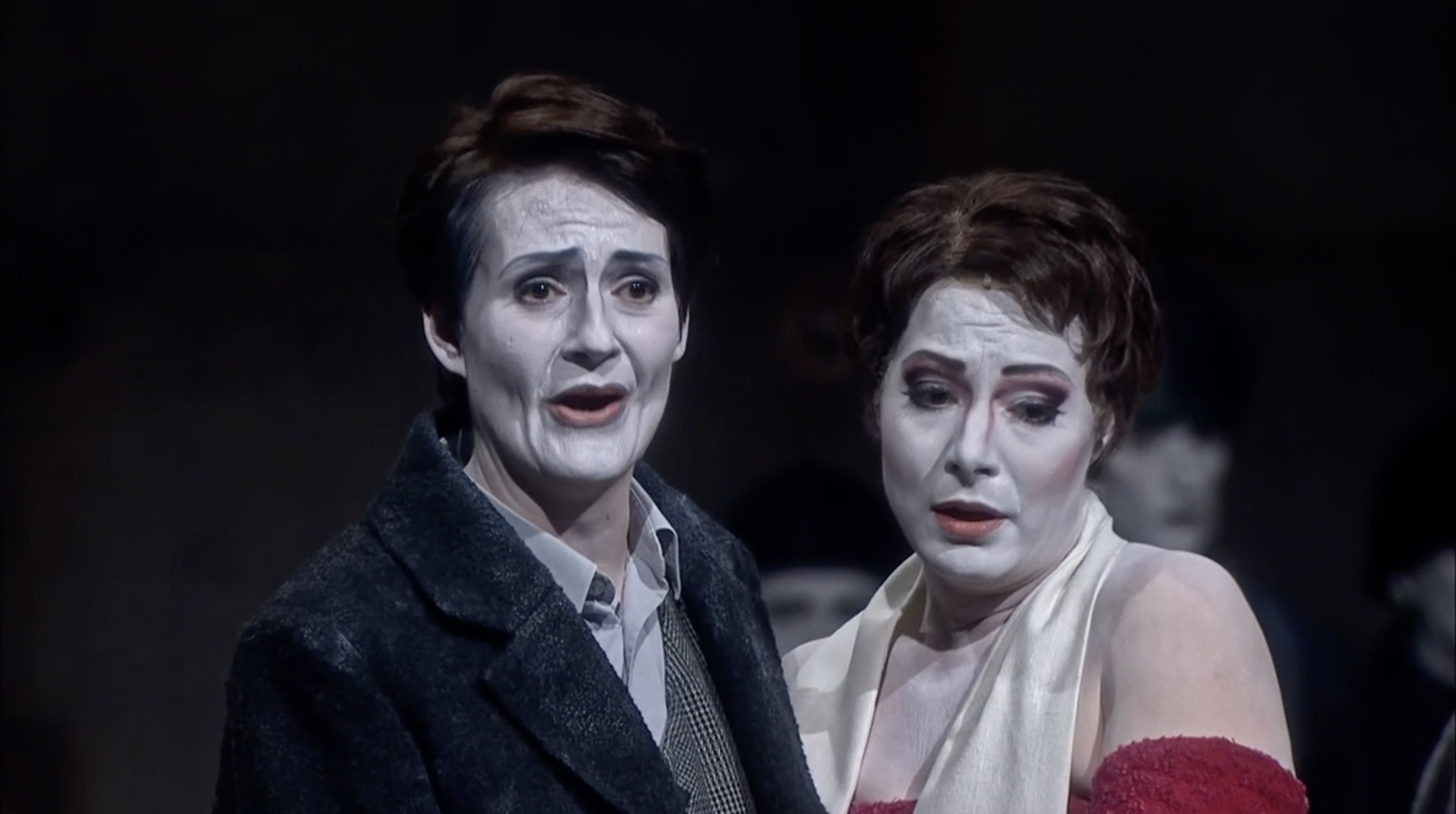
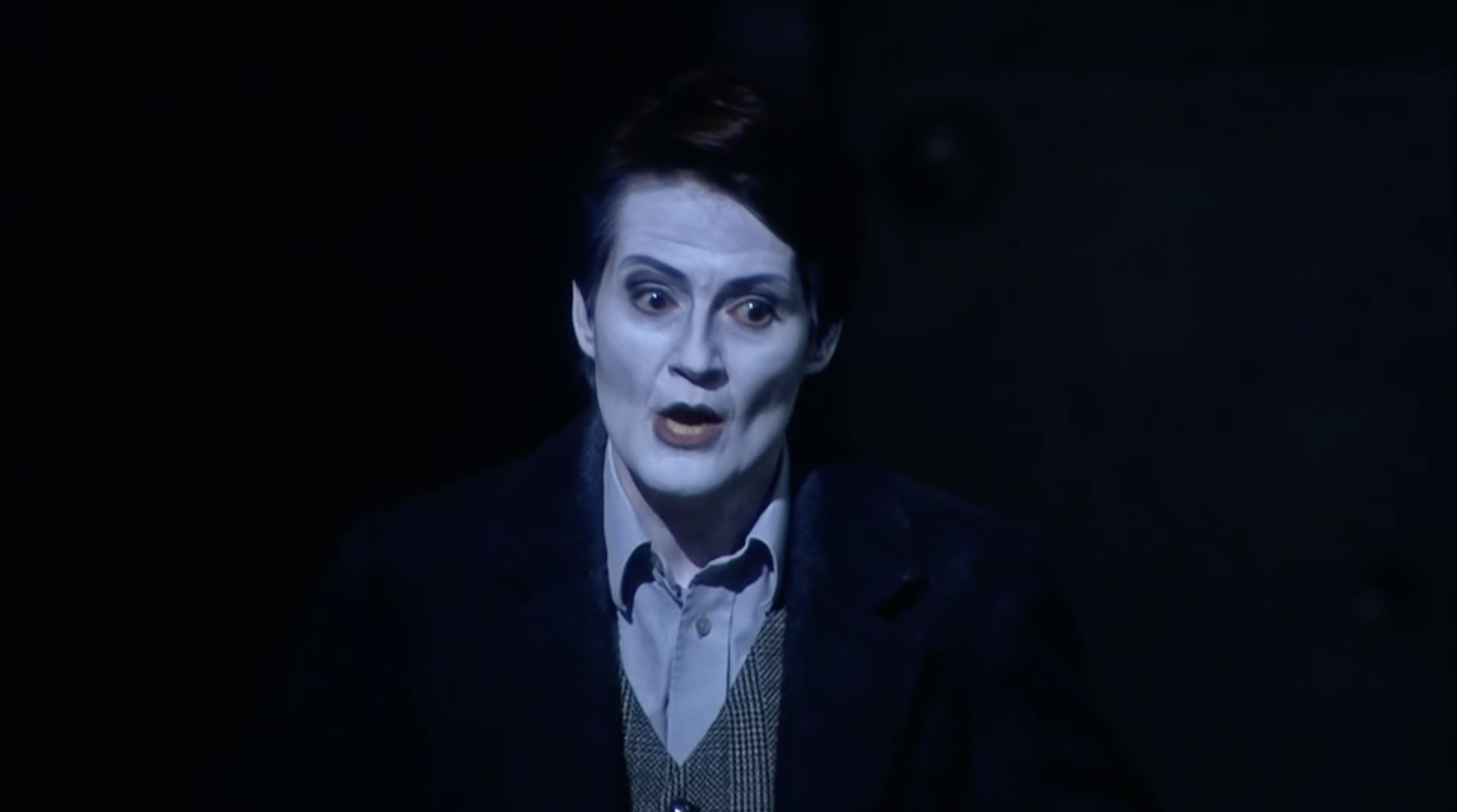
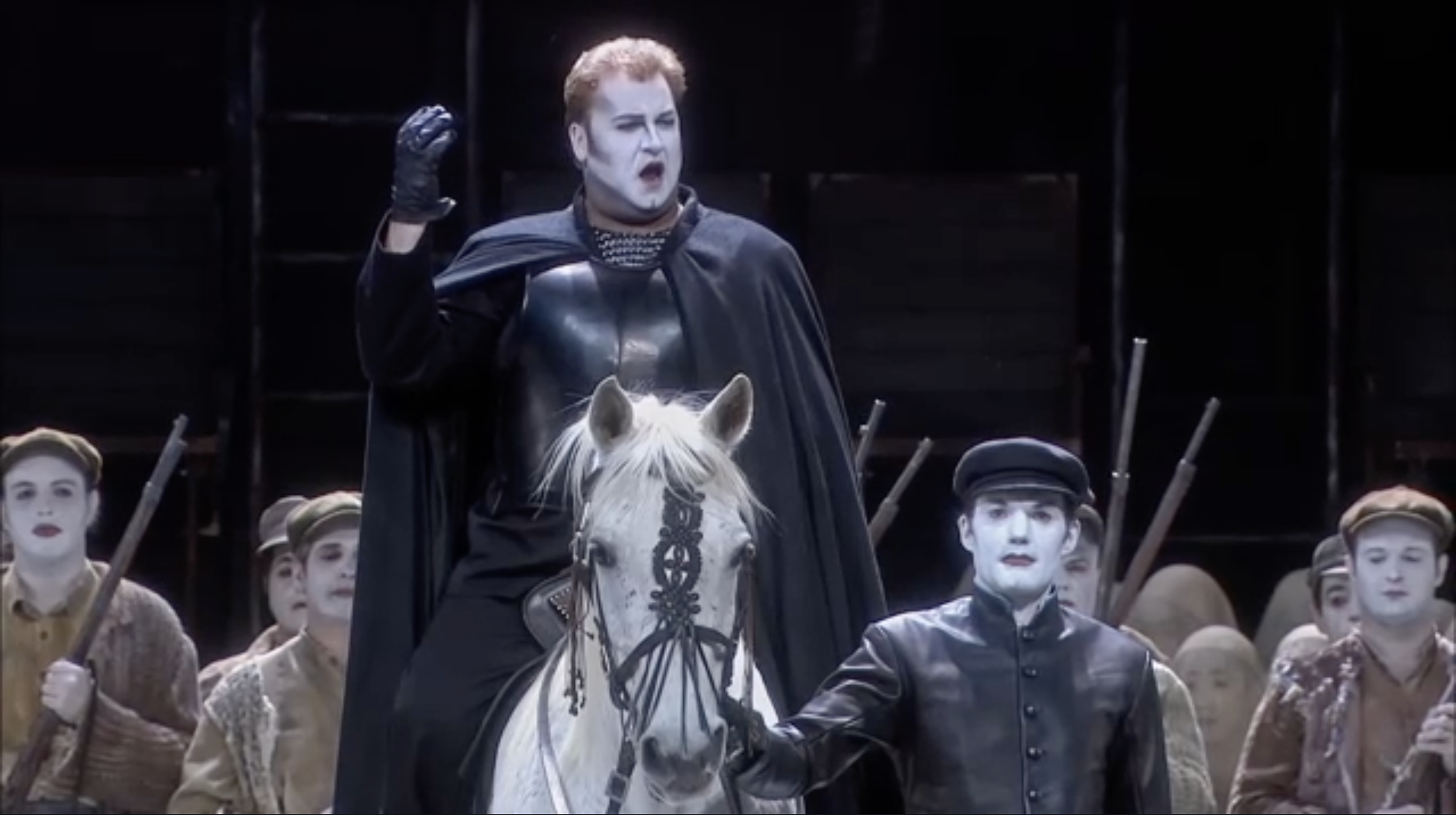
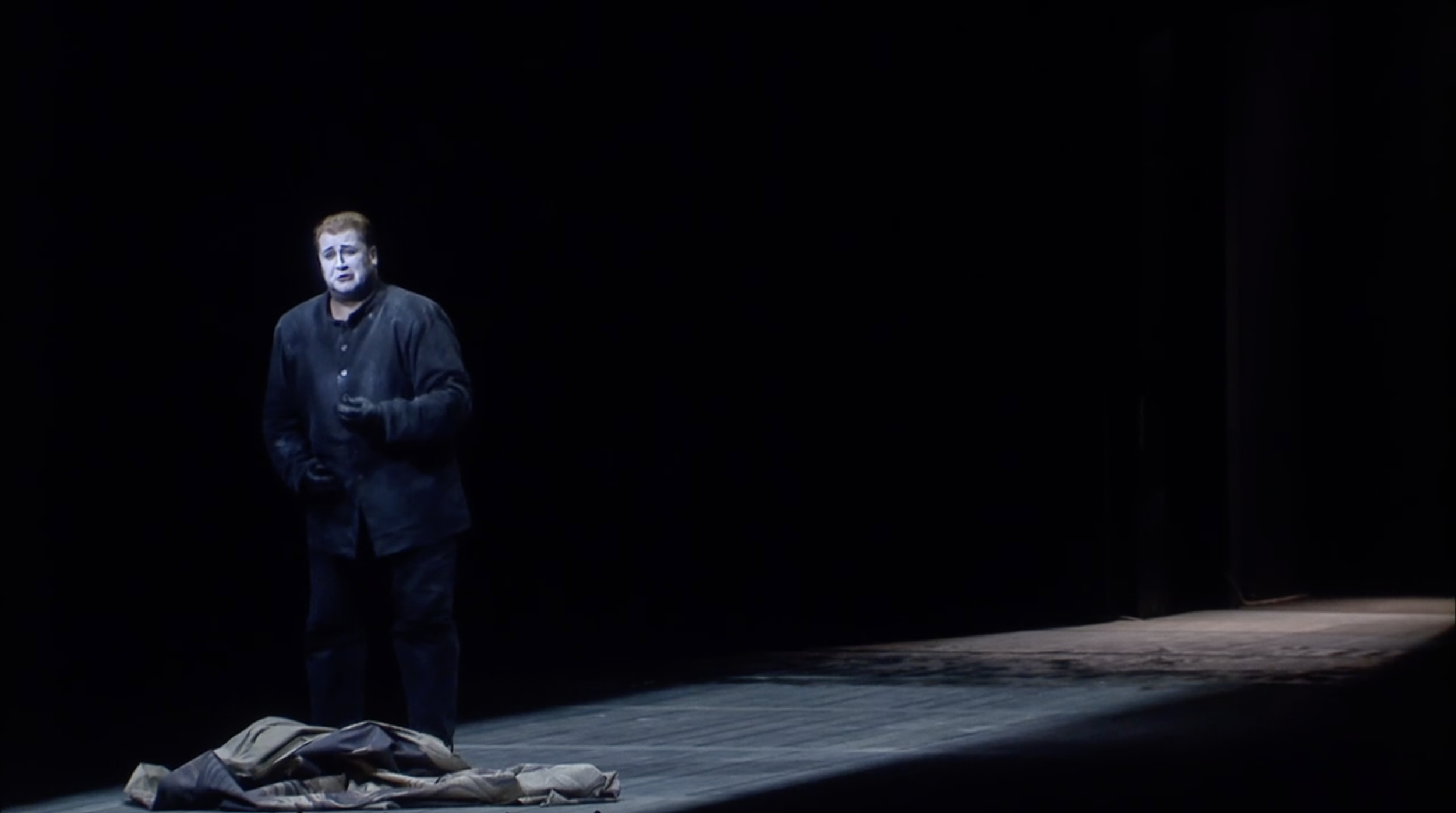
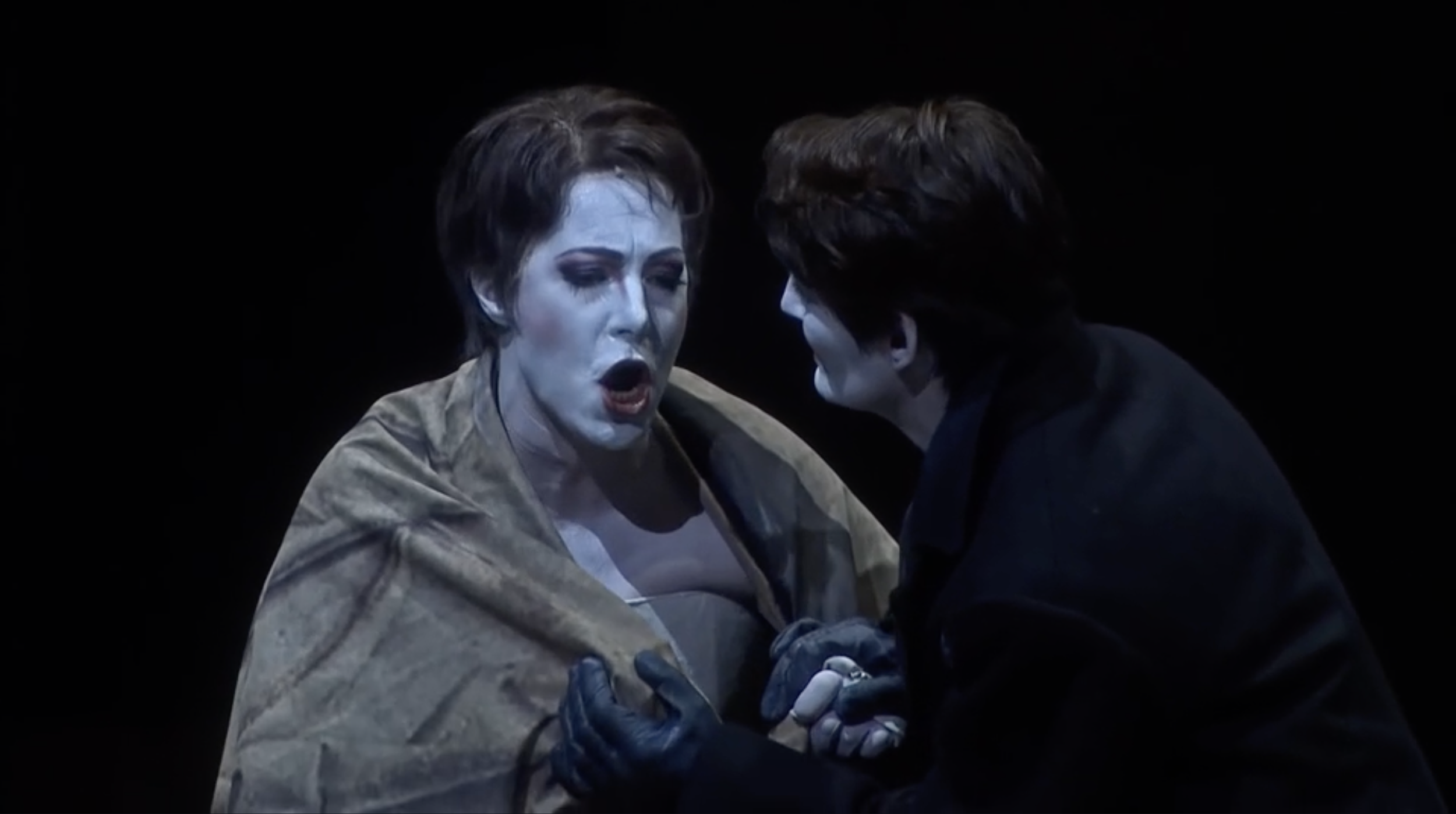
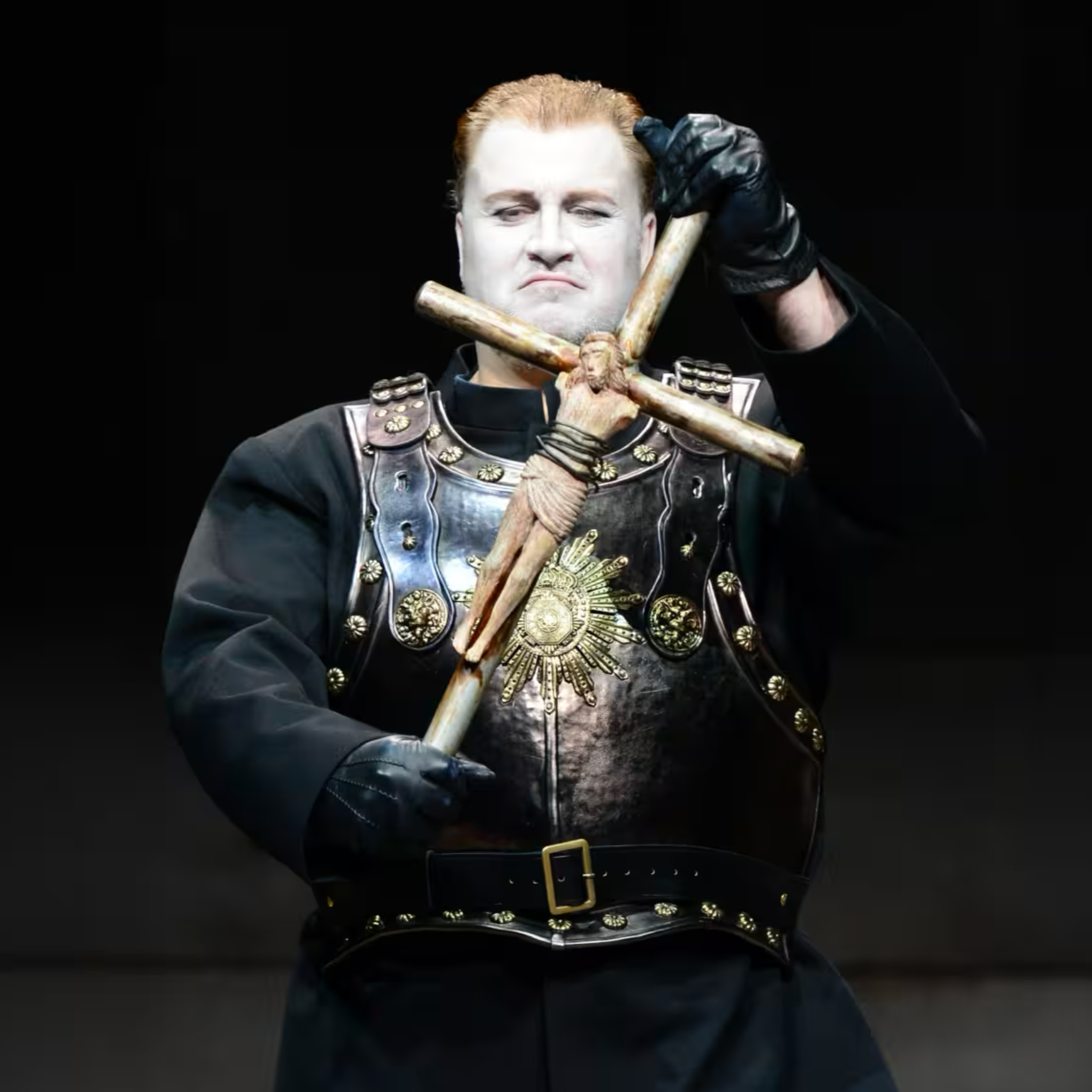
Rienzi, Théâtre du Capitole, Toulouse 2013
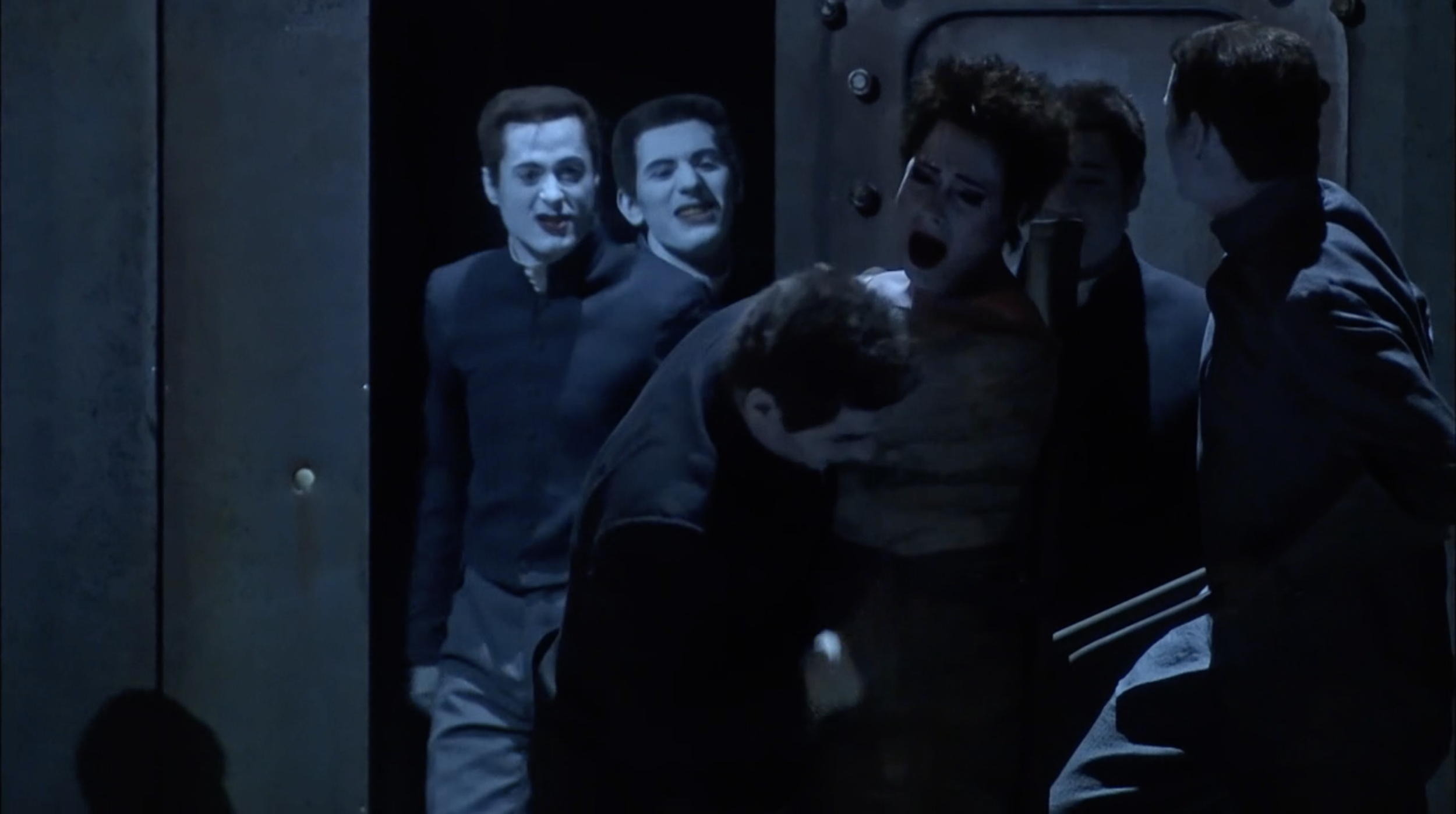
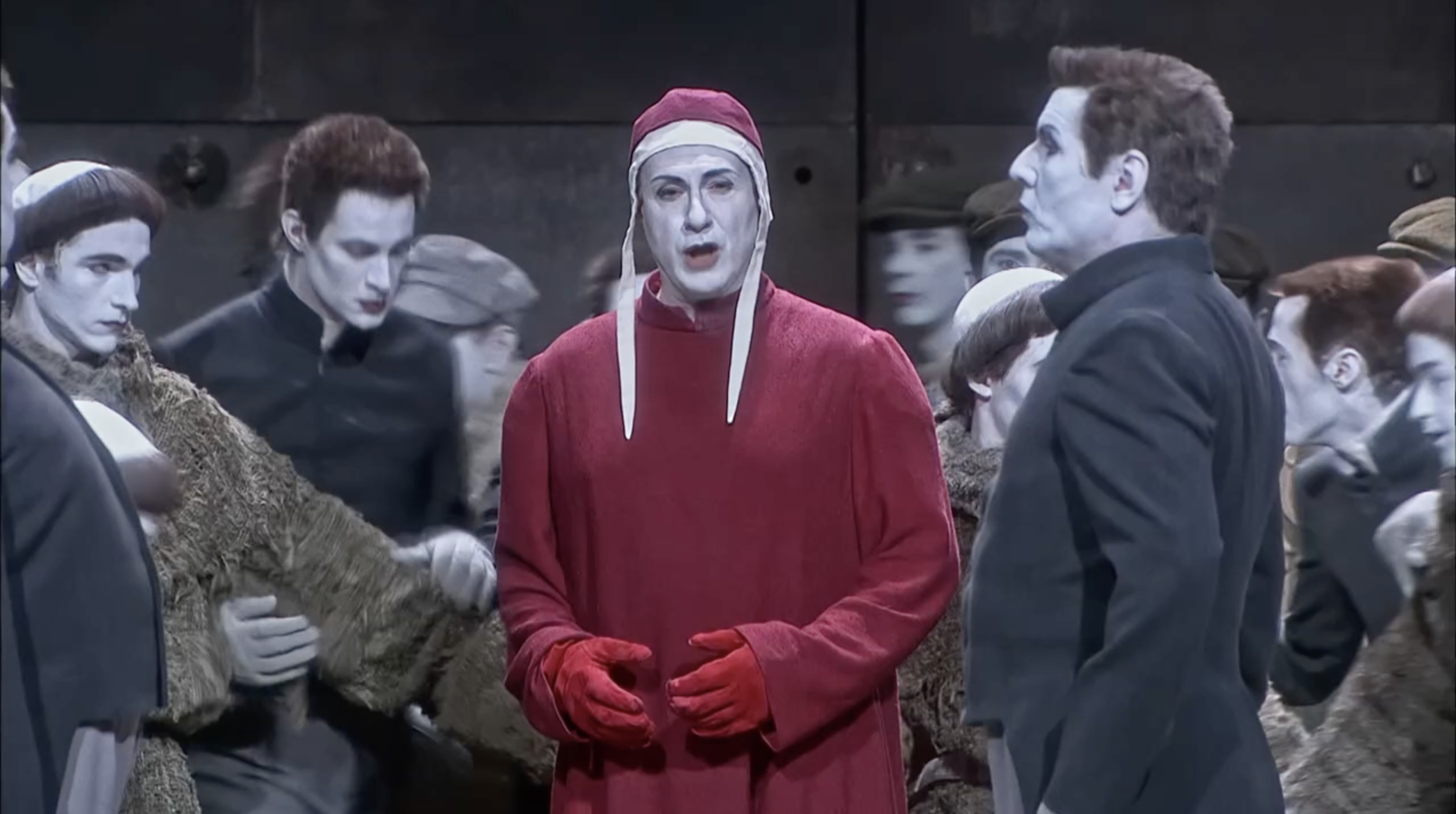
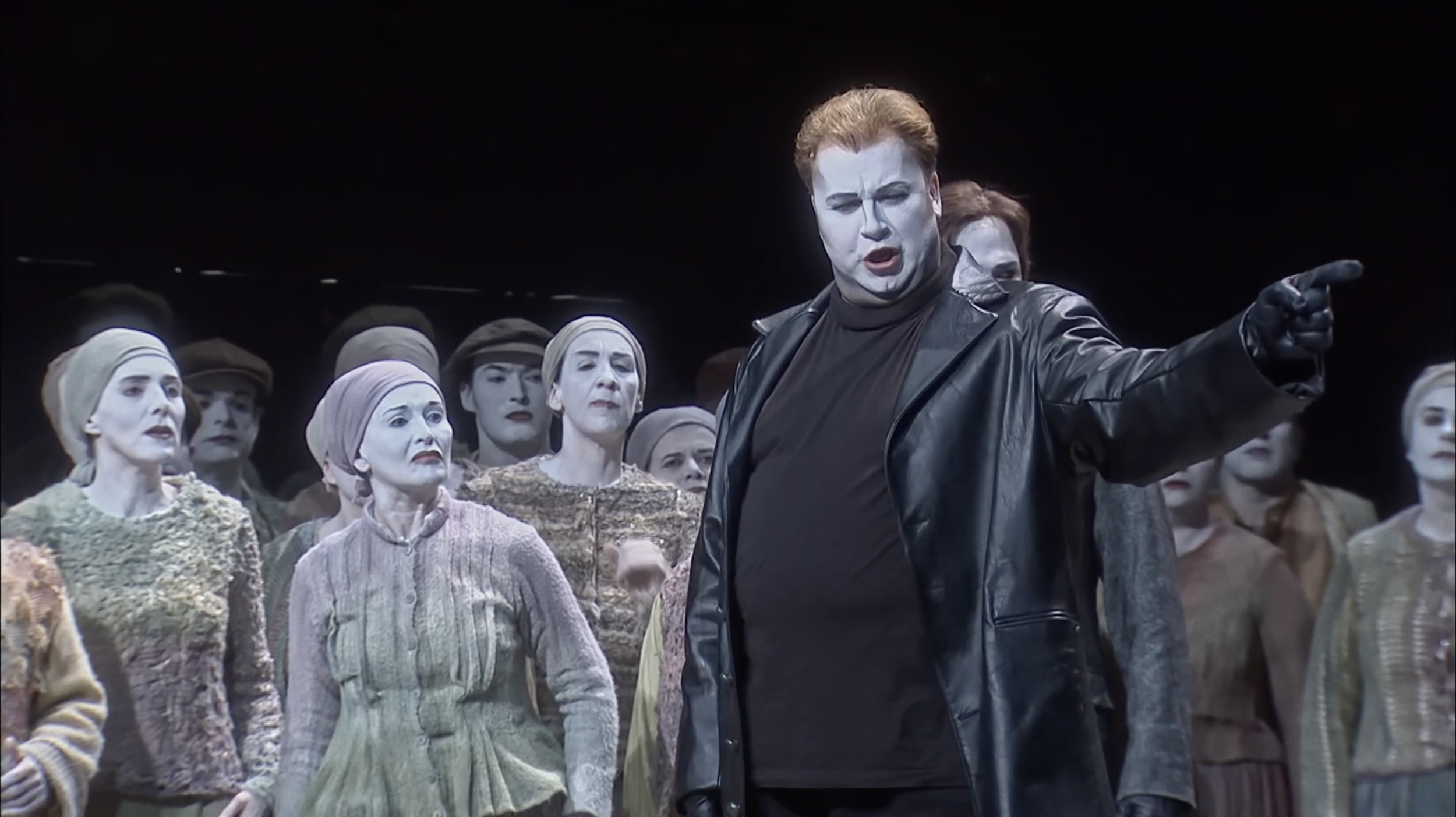
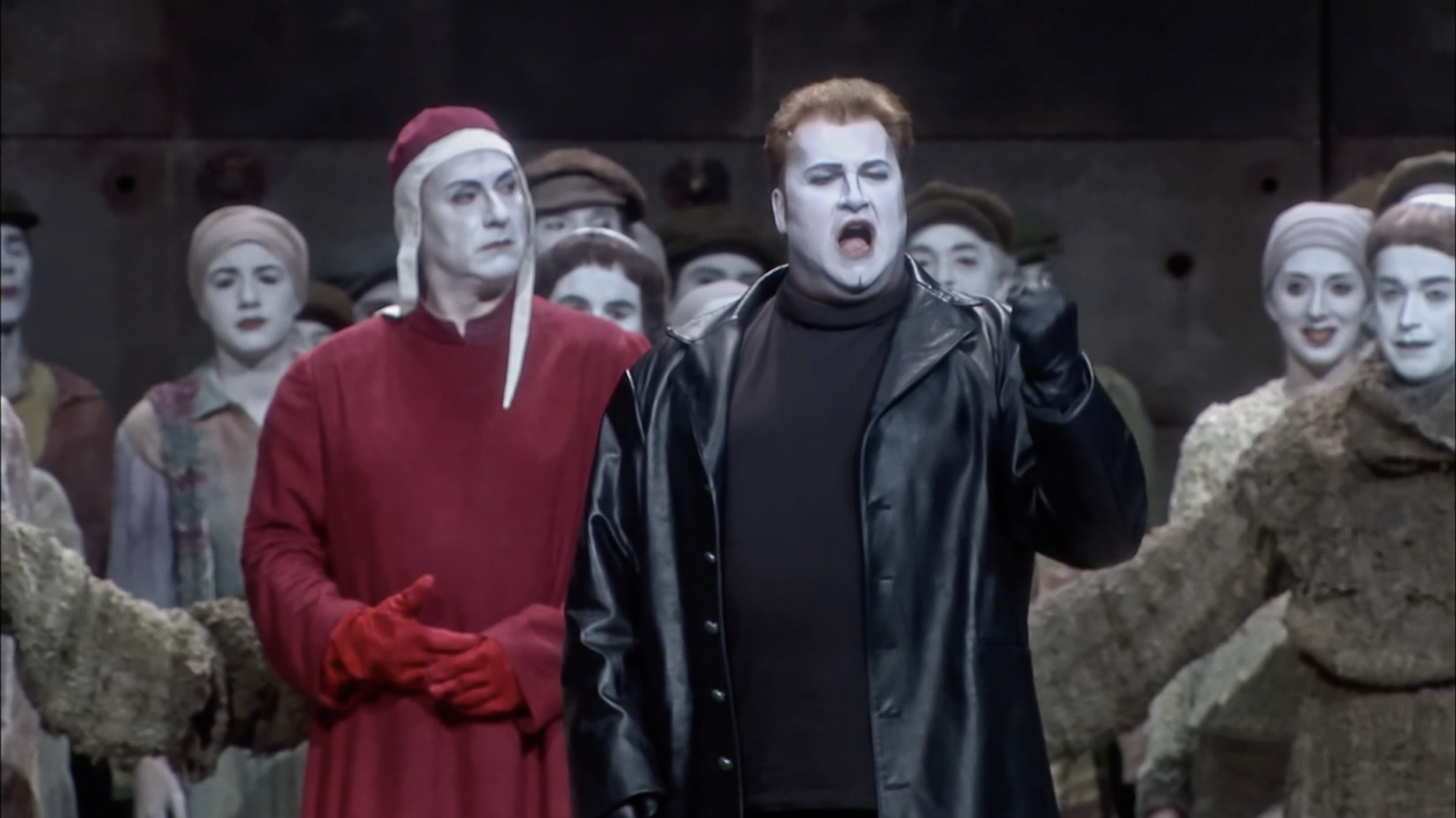
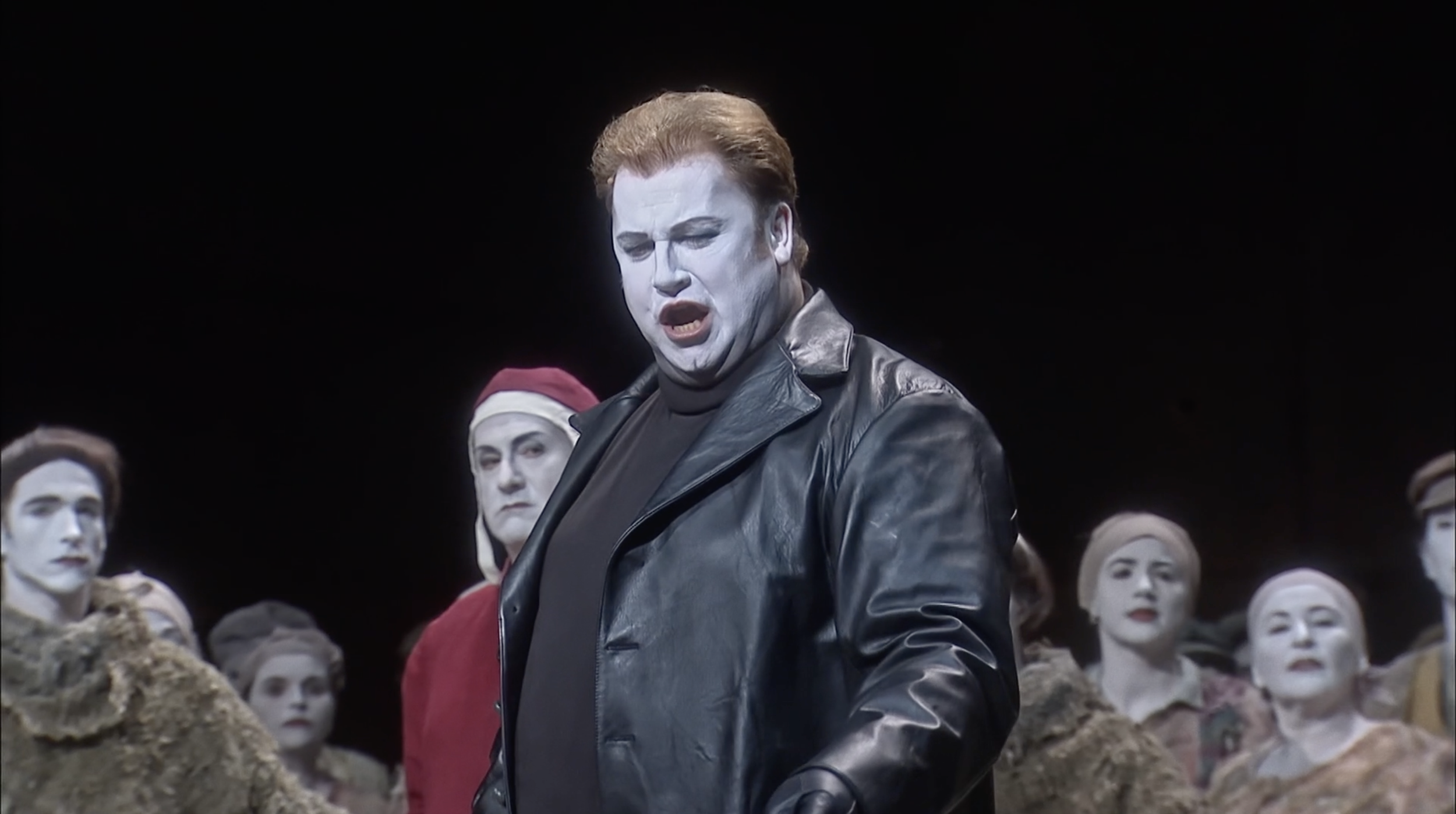
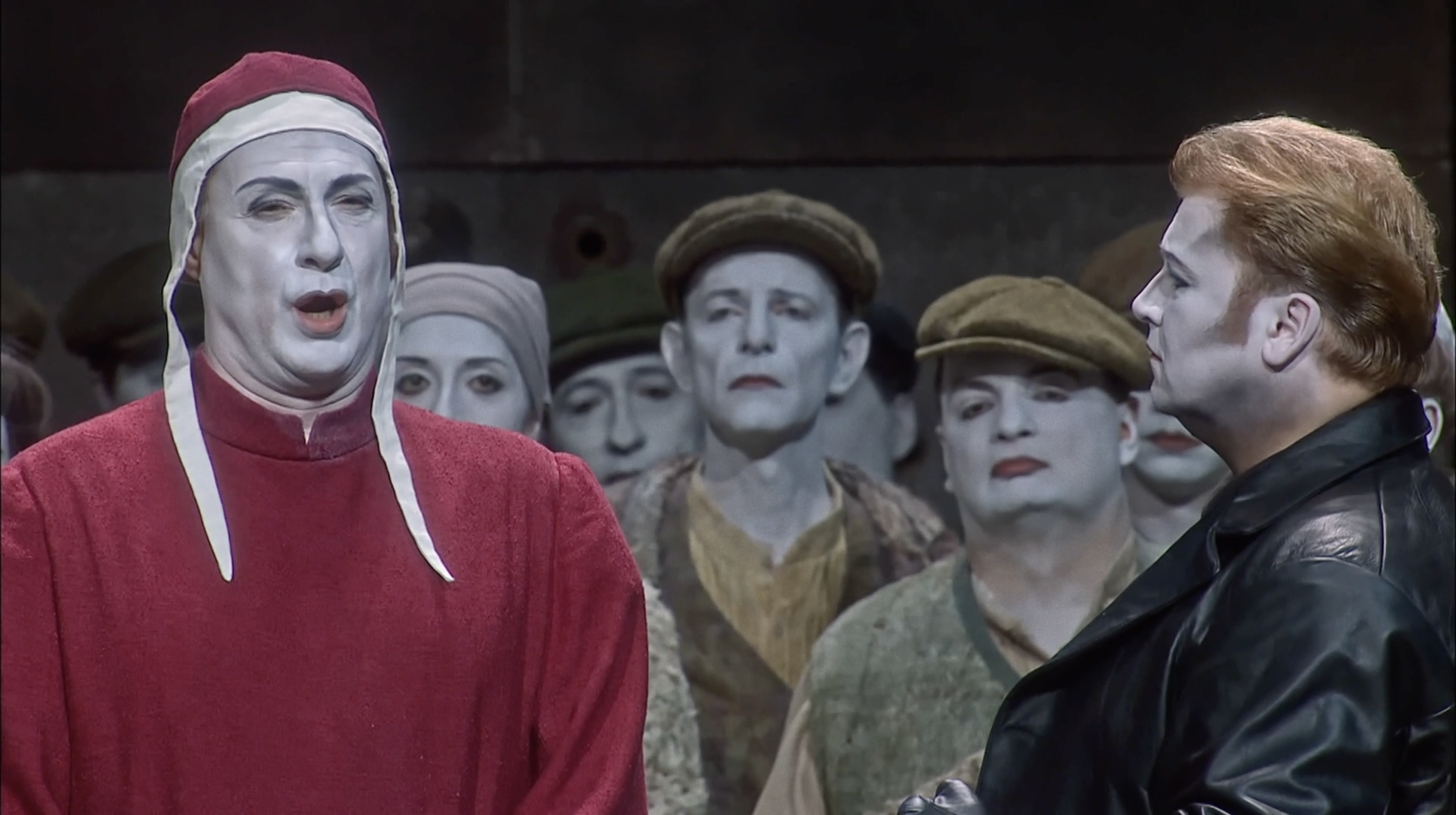
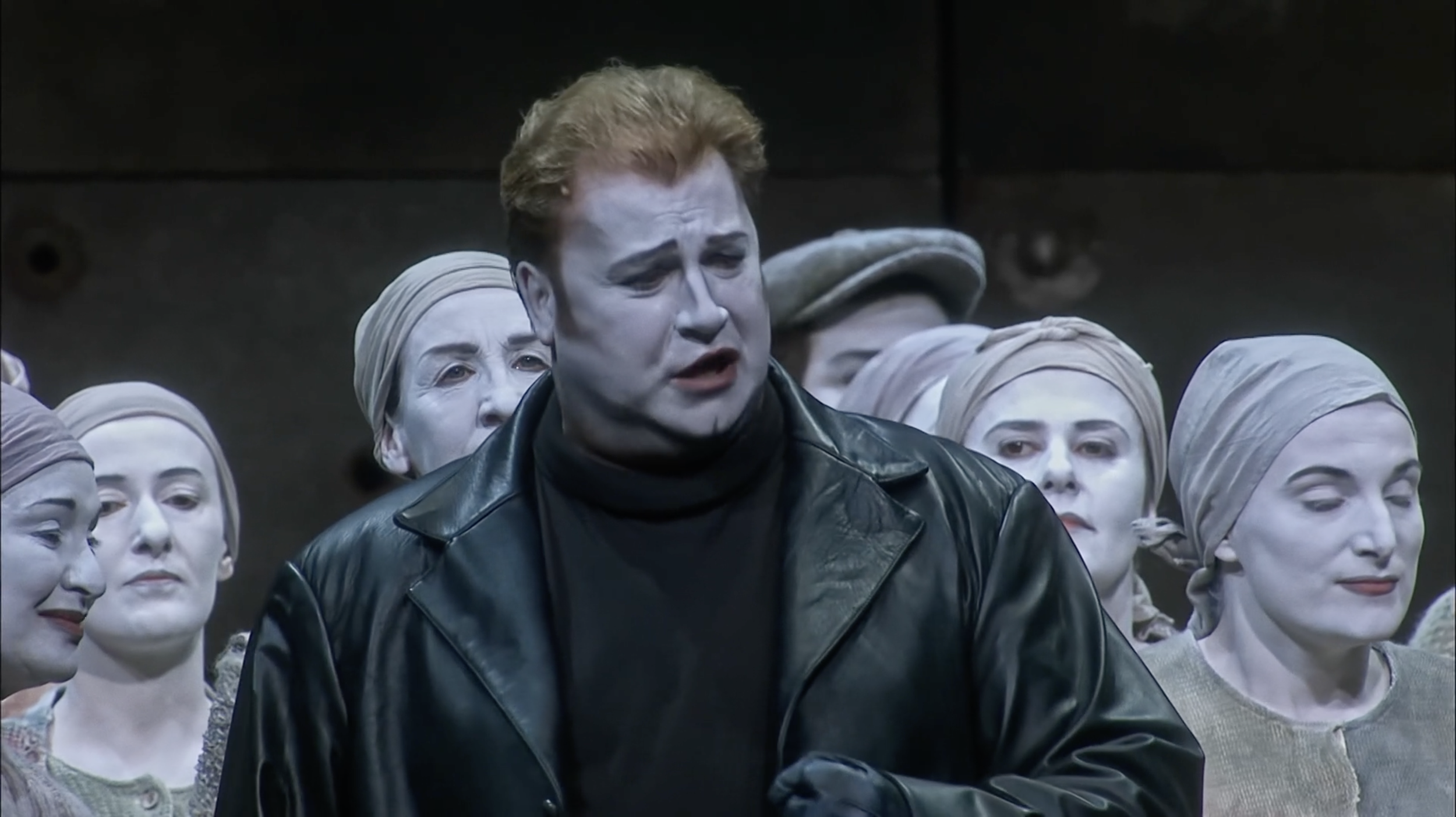
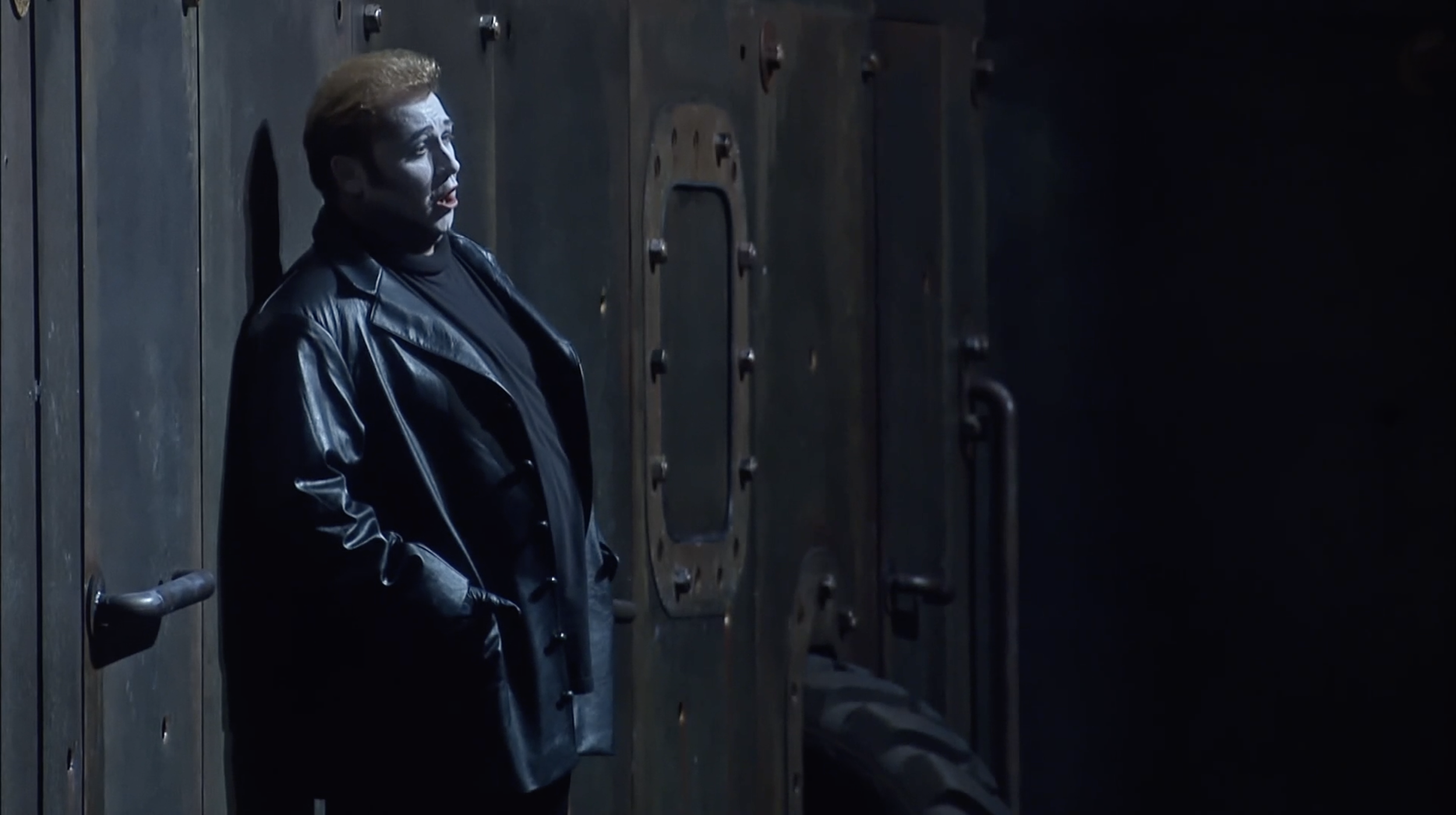
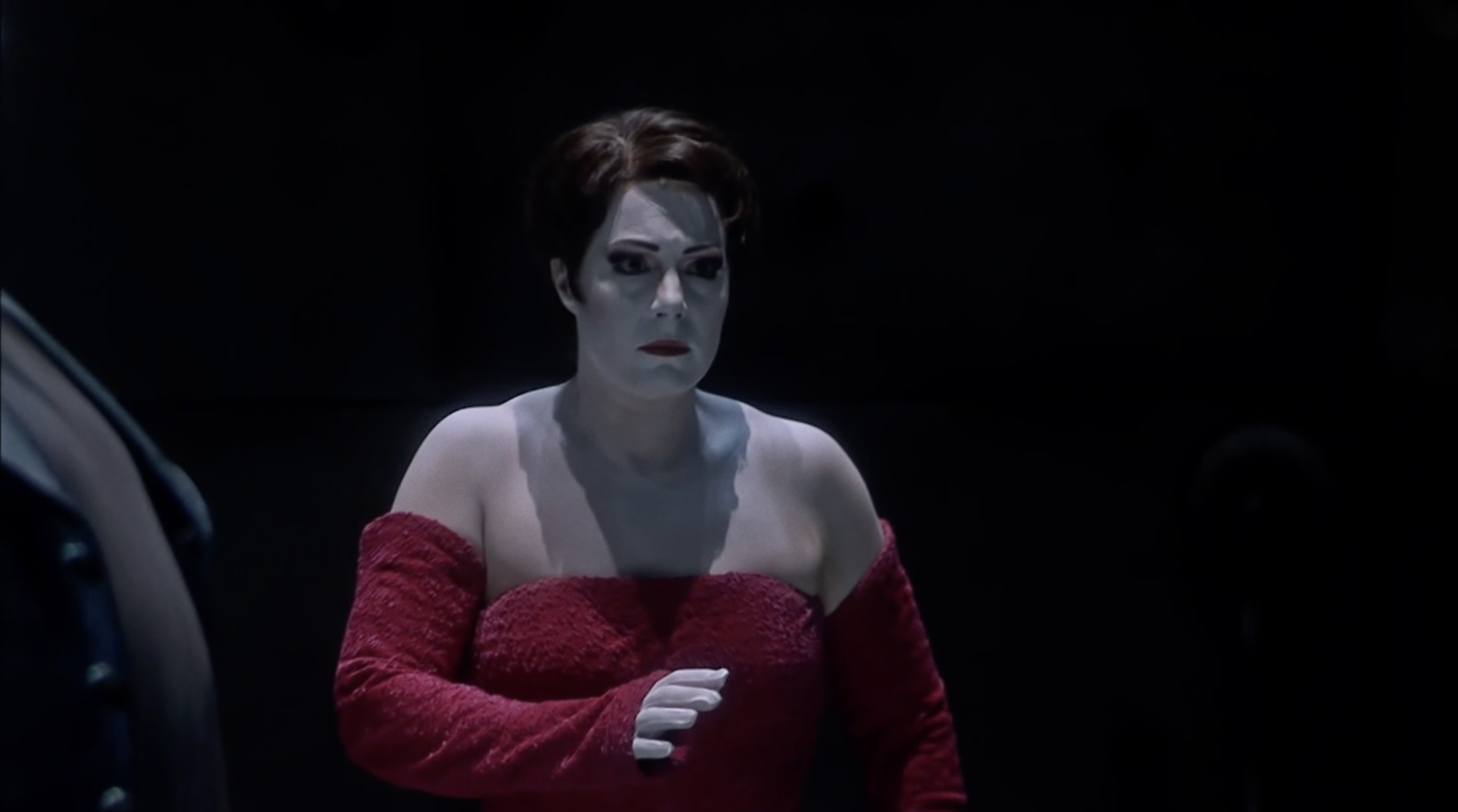
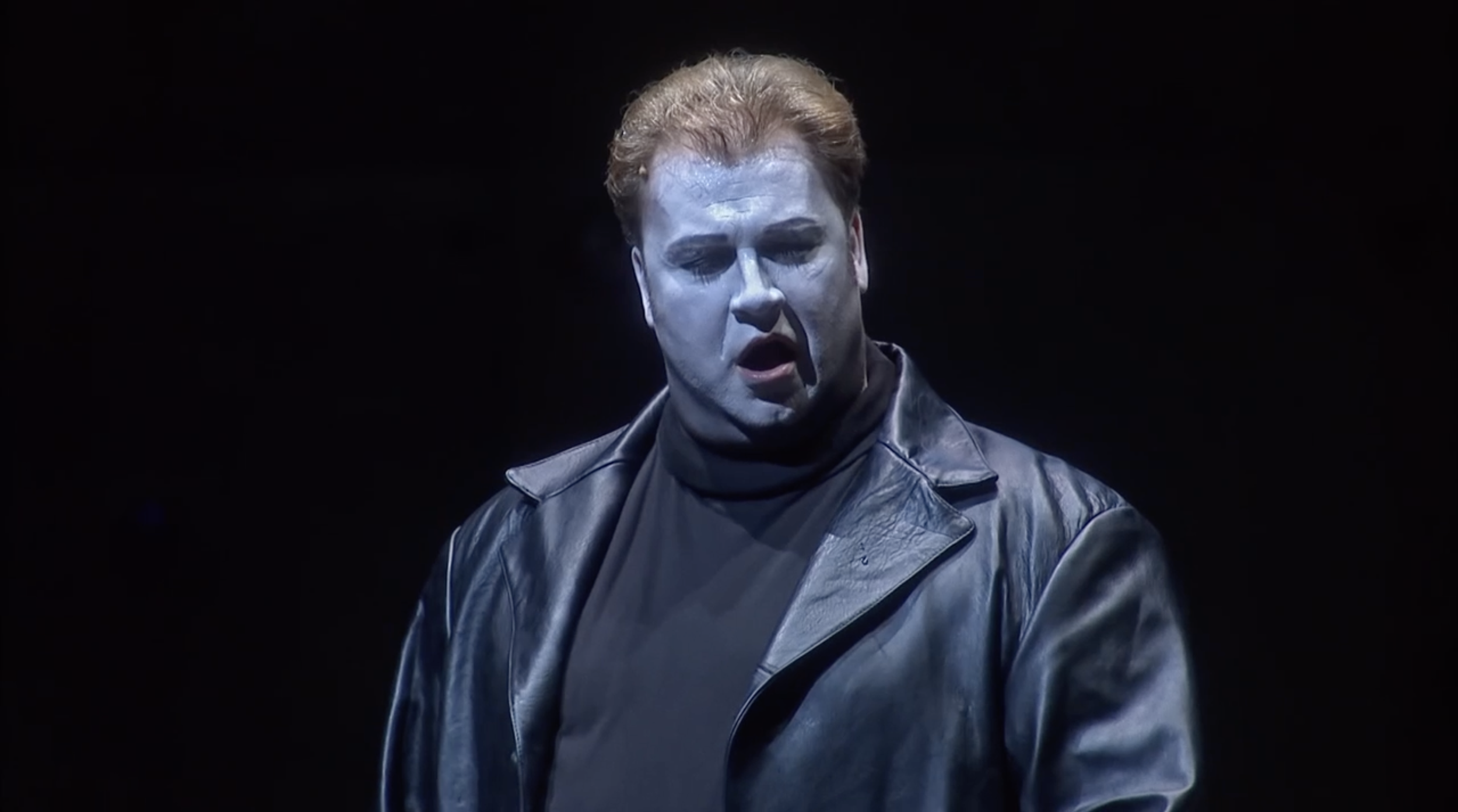
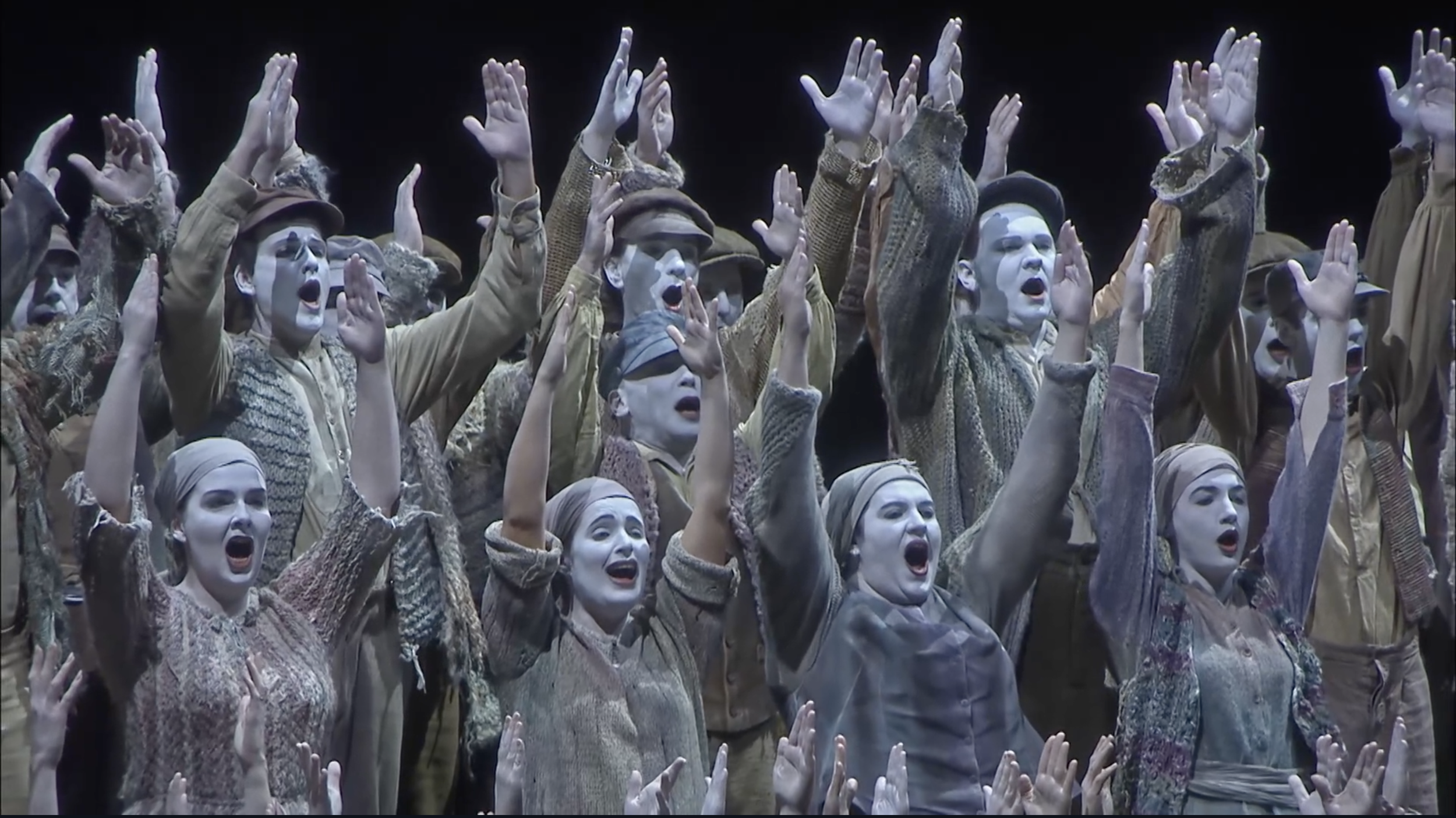
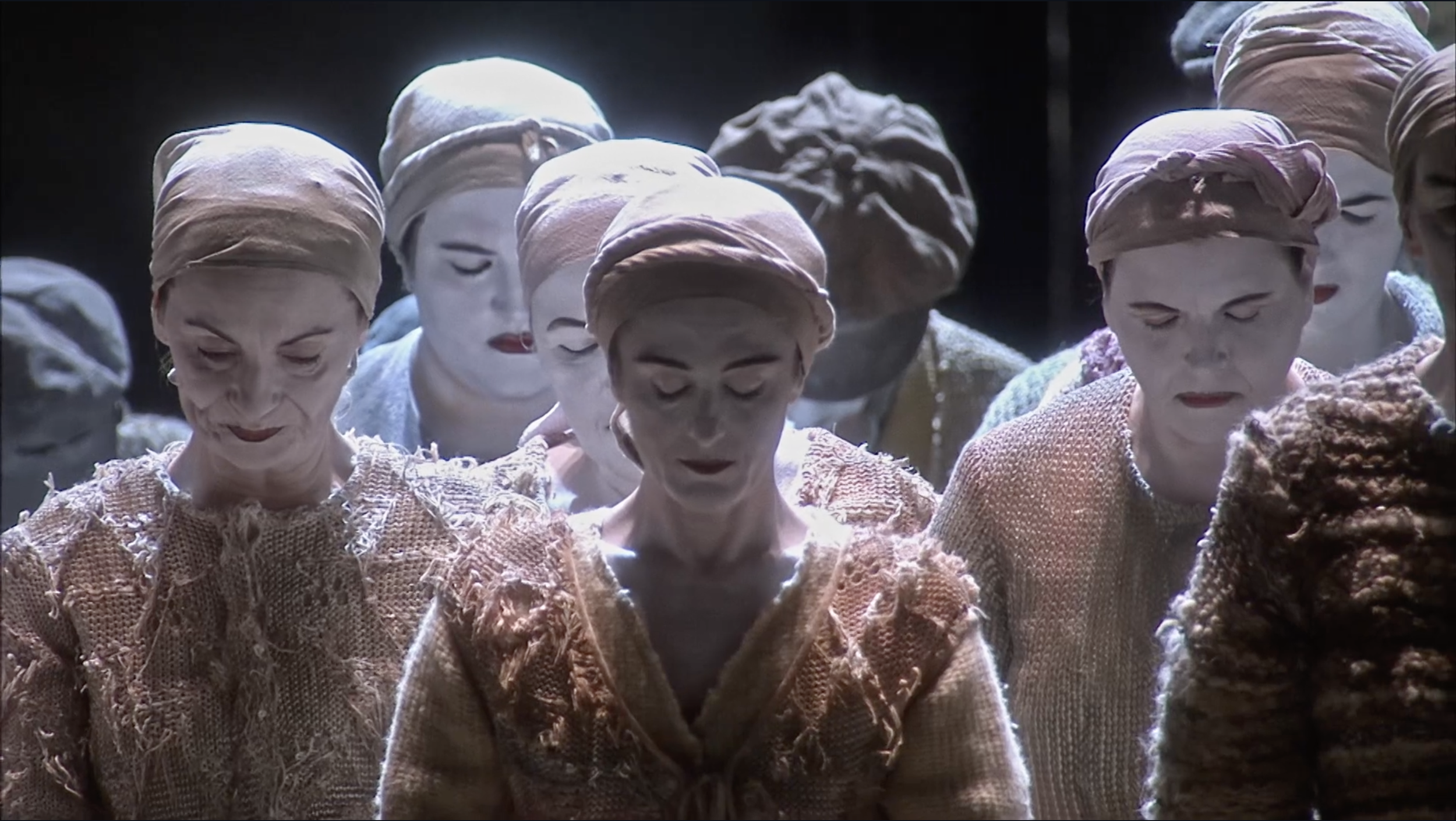
This walk does not resolve that discomfort by explaining it away. It holds Rienzi's genuine sincerity, Wagner's genuine early optimism about mass civic feeling, and the opera's later, entirely unintended usefulness to the worst political movement of the 20th century, in the same hand, because the historical record holds all three at once. New York's own Civic Center carries a comparable double history. The courthouses and municipal buildings clustered north of City Hall were built, in significant part, in the direct aftermath of the Tweed Ring, the Tammany Hall political machine that looted the city treasury through exactly the combination Rienzi dramatizes: a charismatic, popularly tolerated boss, civic spectacle used to manufacture legitimacy, and a public whose favor proved, for a startlingly long time, easy to keep bought. The buildings that now house the city's actual justice system were raised, in some cases, on the ruins of the corruption they were meant to correct. The architecture argues for civic virtue while standing, quite literally, on the site of its own city's most notorious failure of it.
Listening Index (Die Musikalische Wirbelsäule)
Overture: The whole opera's arc compressed into fifteen minutes, from solemn call to full triumphal march
Act II, Rienzi's Prayer (Allmächt'ger Vater): Sincerity requesting divine sanction it has no way of confirming
Act II, the People's Chorus and processional marches: Legitimacy performed at full volume, the sound of Gunst at its peak
Act V, the crowd's turn: The same choral forces, the same civic language, now aimed the opposite direction
Act V, Rienzi's Final Scene: Abandonment staged as spectacle even in its ending; the fire that consumes the Capitol
Listening Note: Keep this month's music in genuine competition with the city rather than isolated from it. Rienzi is public music, written for public space, and it should be heard the way the Roman crowd would have heard it: outdoors, in the cold, with other voices and other business happening nearby.
Rienzi, Théâtre du Capitole, Toulouse 2013
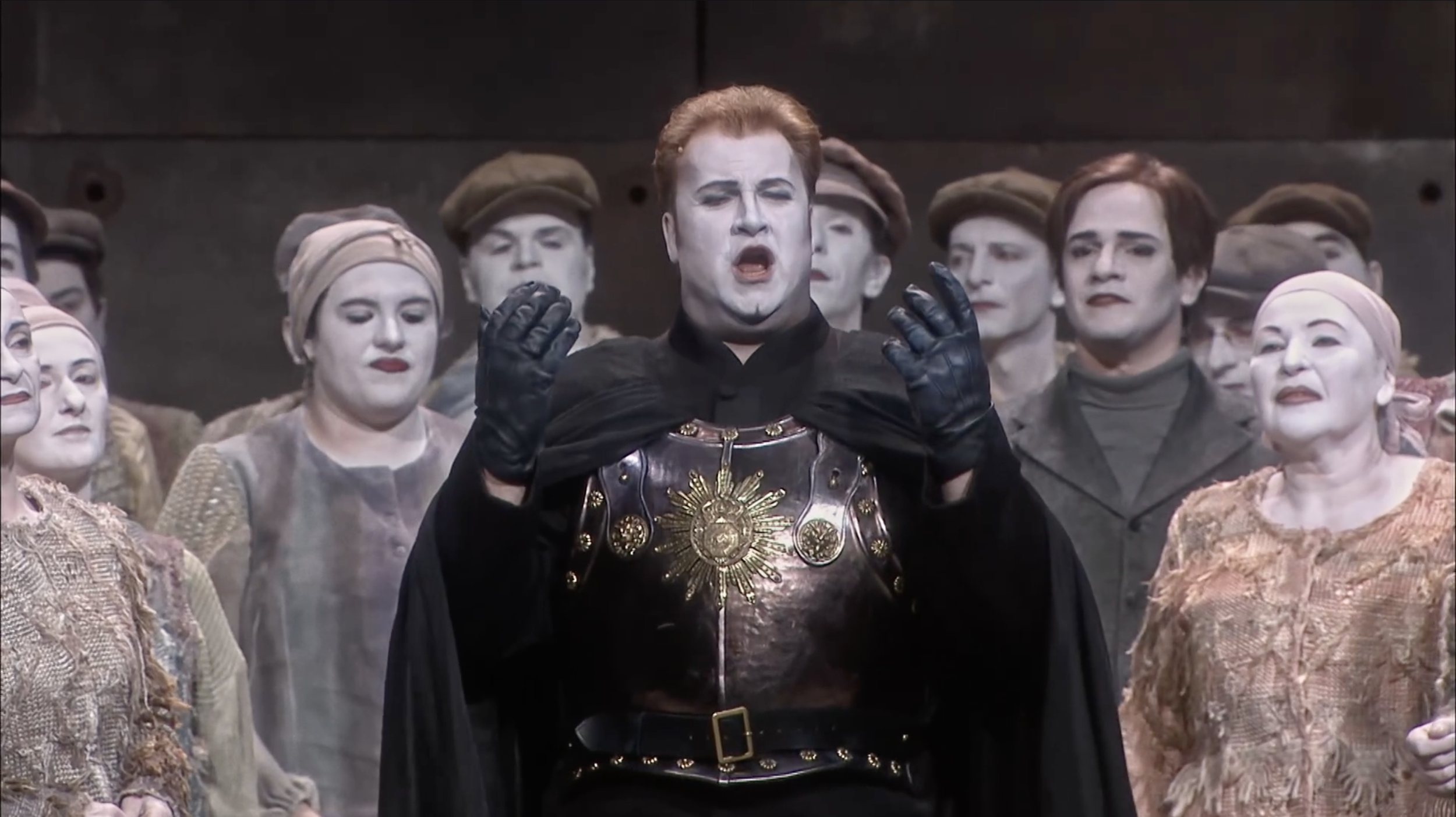
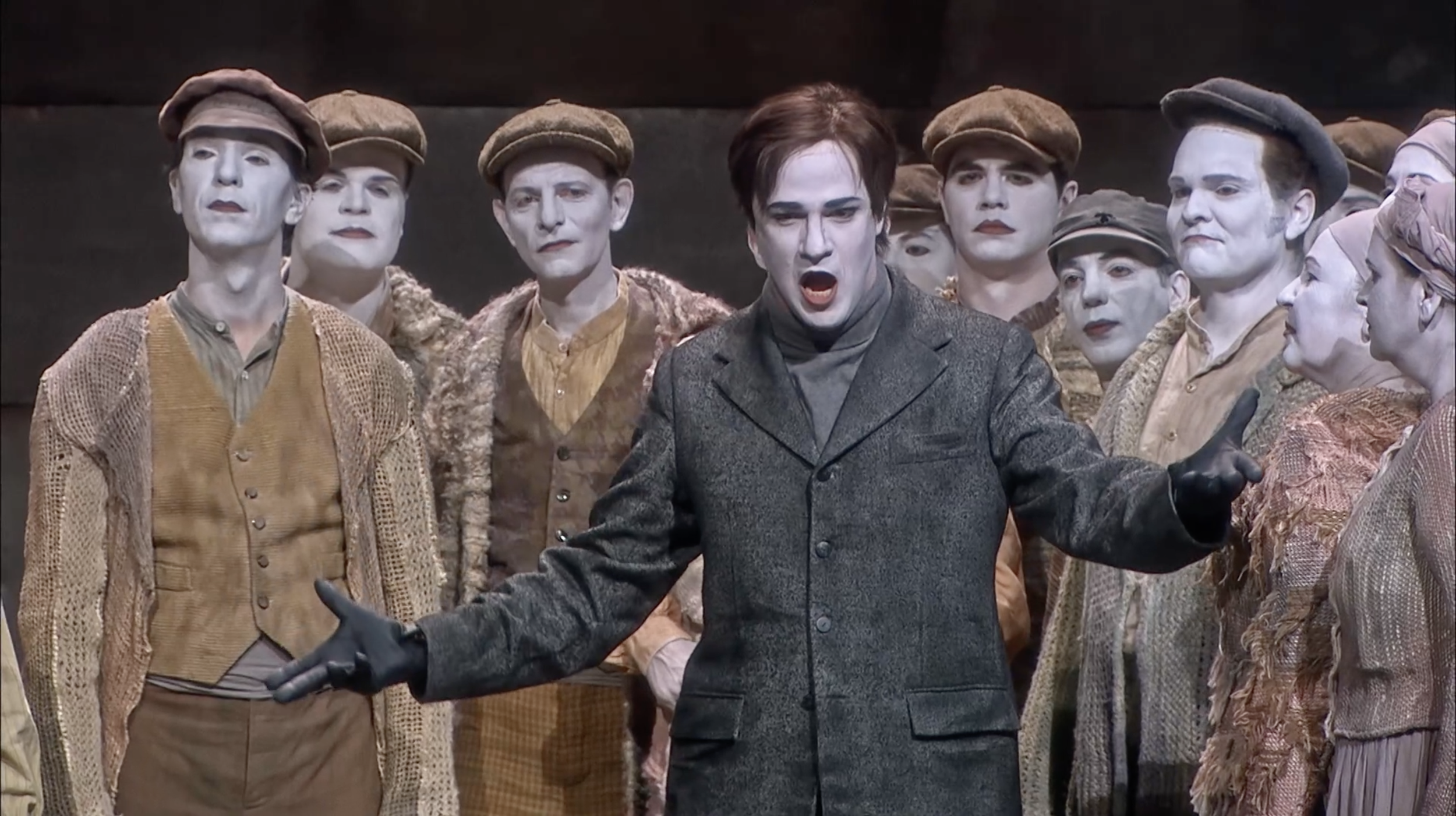
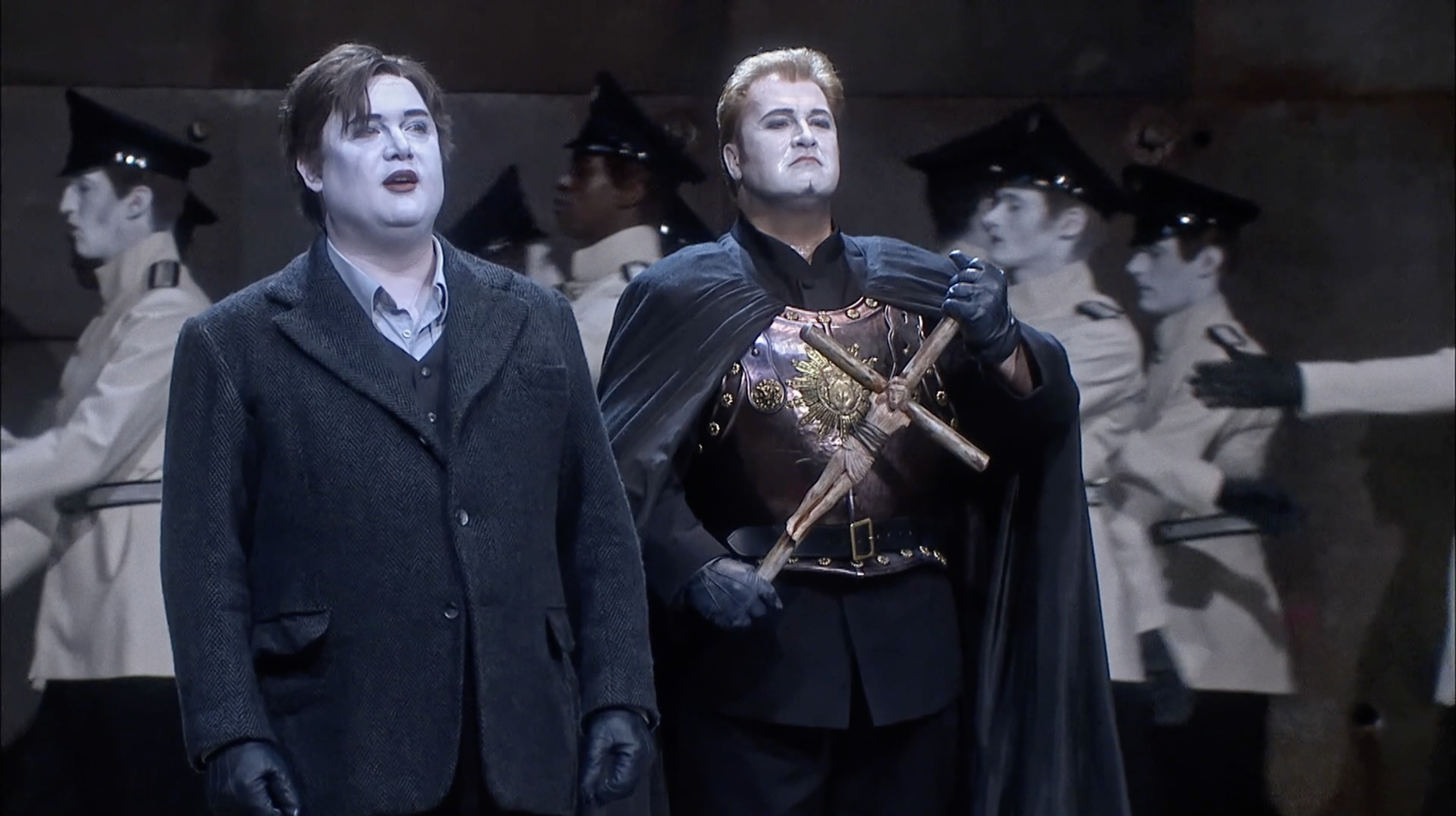
Das Versprechen: City Hall Park
Getting There
Take the 4/5/6 to Brooklyn Bridge–City Hall, or the J/Z to Chambers Street, and enter City Hall Park from the Broadway side.
Track: Rienzi, Overture
Begin the Overture as you enter the park, City Hall's steps and colonnaded portico visible ahead. This has been New York's primary civic stage since before the building itself existed on this site: readings of the Declaration of Independence, mourning ceremonies, mass meetings, and, on the day New York's own Tweed Ring finally collapsed under legal pressure in the 1870s, public celebration.
Walk the park's perimeter as the Overture builds from its solemn opening toward the full triumphal statement of its closing pages. This is the opera's whole shape compressed into a single number: modest beginning, escalating certainty, total conviction by the final bars. Notice how many people cross this park without looking up at the building at all, on their way to somewhere else entirely. The stage is always available. Whether anyone is currently using it for anything is a separate question.
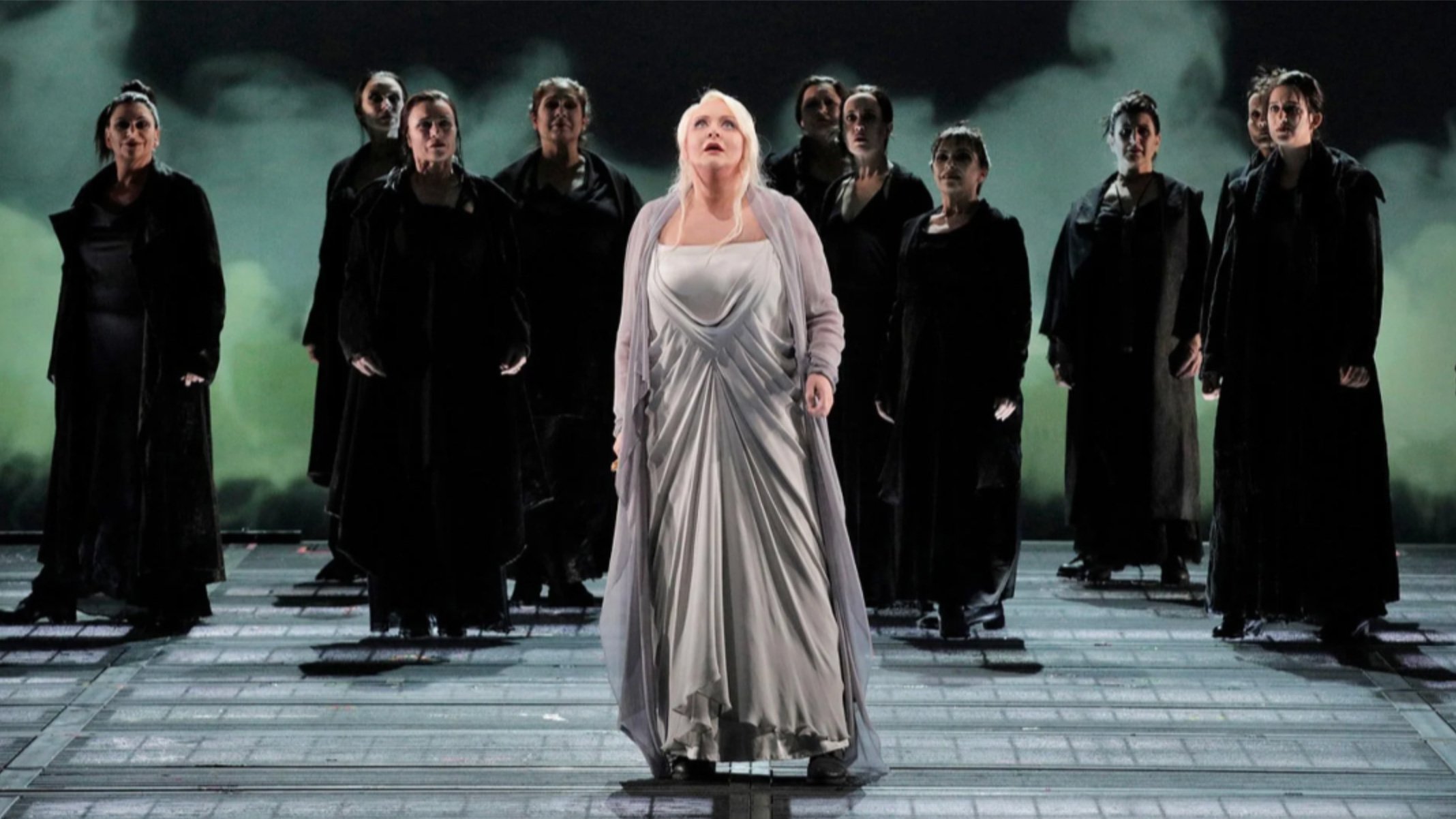
Rienzi, Théâtre du Capitole, Toulouse 2013
Das Vermächtnis der Gunst: Das Tweed Courthouse
Getting There
From City Hall Park, walk north to the Tweed Courthouse, officially the Old New York County Courthouse, directly behind City Hall at 52 Chambers Street.
What the Tweed Courthouse Is
The building is named, unofficially but permanently, after William "Boss" Tweed, the leader of the Tammany Hall machine whose control of city contracts turned this courthouse's construction into one of the most notorious graft schemes in American municipal history. Budgeted at roughly $250,000 in the 1850s, the finished building cost the city somewhere north of $12 million by the time Tweed's ring was exposed in the early 1870s, much of the overage siphoned directly into the pockets of Tweed and his associates through inflated contracts for furniture, plastering, and carpeting. Tweed himself was eventually convicted and died in prison. The building he corrupted into existence still stands, restored, now housing the city's Department of Education administration.
Track: Rienzi, Act II, Rienzi's Prayer
Stand before the building's Rotunda facade and play the Prayer. Rienzi, at the height of his power, asks God directly to sanction what he has built, a request that assumes, without apparent doubt, that popular acclaim and divine approval are the same signal read two different ways. The aria is genuinely moving, genuinely sung by a man who believes every word of it.
The building in front of you asked something similar of the public, implicitly, at its founding: that a courthouse's architecture, its columns and its scale, could stand as proof of the civic virtue it was built to house, regardless of what was actually happening in the contracts that paid for it. Sincerity and fraud occupied the same physical structure for over a decade before anyone with the authority to stop it did. Rienzi's prayer and Tweed's courthouse are not the same story, but they share the same fundamental exposure: legitimacy that has to be taken on faith cannot, by definition, defend itself against exactly the people most skilled at performing that faith convincingly.
Die Kolonnade: Foley Square
Getting There
Walk north from the Tweed Courthouse to Foley Square, the plaza fronting the New York County Courthouse (60 Centre Street), its ten-column Corinthian portico visible from the square's southern edge.
What Foley Square Is
Foley Square was assembled in the early 20th century by combining several smaller streets and lots into a single civic plaza specifically to give the surrounding courthouses room to be seen at their intended scale. The New York County Courthouse, completed in 1927, is built on a hexagonal plan with its main portico facing the square, ten Corinthian columns rising the full height of the building's base, designed explicitly to communicate the majesty and permanence of the law to anyone standing where you are now standing.
Track: Rienzi, Act II, The People's Chorus and Processional Marches
Stand at the square's center, facing the courthouse steps, and play the People's Chorus, massed voices at full volume, the closest the opera comes to depicting Gunst as a physical, audible force rather than an abstract political idea. This is the sound of a crowd that has decided, together, to believe in something. It is genuinely thrilling music, and the opera does not ask you to distrust it yet.
Look at the scale of the colonnade above you. It was built to produce exactly this feeling in anyone standing at this spot, the architecture itself functioning as a kind of frozen chorus, permanent where the crowd's enthusiasm is not. Walk slowly across the square while the marches continue, feeling how the open plaza amplifies rather than absorbs the sound. This is what civic favor sounds like while it still has somewhere to go.
Das Abebben: Columbus Park
Getting There
From Foley Square, walk west and south into Columbus Park, bordered by Mulberry, Baxter, Bayard, and Worth Streets, on the former site of the Five Points, one of 19th-century Manhattan's most notorious and most politically contested neighborhoods.
What Columbus Park Is
The Five Points was, for most of the 19th century, one of the most densely populated and, in the era's press, most sensationally described slums in the United States, home to successive waves of Irish, Italian, and Chinese immigrants and, not coincidentally, one of Tammany Hall's most reliable sources of votes, delivered through a combination of genuine neighborhood loyalty and outright, well-documented electoral manipulation. Jacob Riis and other reformers eventually succeeded in having much of the neighborhood cleared; the park now occupying the site opened in 1897, one of the first purpose-built public parks created explicitly as a slum-clearance reform.
Track: Rienzi, Act V, The Crowd's Turn
Walk the park's paths as the same choral forces from Foley Square return, but altered, the crowd's collective voice now aimed at Rienzi rather than for him. Wagner does not give the mob new music to signal its change of heart. He gives it the same musical material, subtly darkened, which is the score's most precise observation about Gunst: the crowd does not become a different crowd when it turns. It is the same instrument, played toward a different end.
This ground has its own memory of exactly that instability, a neighborhood whose votes were courted, organized, and manipulated by the same civic apparatus whose courthouses now overlook it from a few blocks away. Notice the current park's quiet, ordinary use, tai chi practitioners, chess players, families, entirely disconnected from the political history beneath it. The crowd that mattered here politically for the better part of a century has, in the most literal sense, moved on. The favor that once made this neighborhood valuable to a political machine expired along with the machine that courted it.
Das Nachher: Rückkehr zum City Hall Park
Getting There
Walk back south to City Hall Park, arriving as full darkness sets in.
Track: Rienzi, Act V, Rienzi's Final Scene
Stand at the same spot in the park where the walk began and play the opera's ending. Rienzi, abandoned by the crowd that once elevated him, retreats to the Capitol with his sister Irene, who chooses to die alongside him rather than survive without him. The mob, whipped back into fury by the same rhetorical tools Rienzi once used to build them into supporters, sets the building alight. The music does not linger on triumph or on tragedy exclusively. It moves through both registers quickly, the way an actual crowd's mood moves, and ends with the fire doing what the crowd's favor could not be trusted to do consistently: finishing the story on its own terms.
Stand at the park's edge as the last chord fades. The building behind you, City Hall, continued functioning the day after the actual Tweed Ring collapsed, the day after every mayor this park has seen off, popular and unpopular alike, has left office. The stage remains available regardless of who currently holds the crowd's favor. This is the month's least comforting and most accurate observation: civic life continues, indifferent to whichever specific figure the plaza's attention was, until recently, fixed on.
Nachklang
The November walk ends where it began, in the same cold park, with the same civic building standing over it, having watched a crowd's favor rise and completely reverse itself within a single afternoon's music. Nothing about the park itself has changed. This is the point the walk keeps returning to: the stage is permanent, built to outlast whoever is currently using it, and the crowd's Gunst is the only genuinely unstable element in the whole arrangement.
Rienzi was not a fraud. This matters and the walk has tried not to let it get lost. He believed in Roman renewal with his whole voice, and the belief was not enough, was in fact almost beside the point, because the thing that elevated him and the thing that destroyed him were the identical mechanism operating in opposite directions. Wagner, twenty-nine years old and writing his first genuine hit, had not yet learned to distrust this mechanism the way his later operas distrust almost everything. That distrust was still ahead of him. It is also, in a way this walk has tried to sit with honestly, exactly the mechanism a very different and much worse 20th-century figure found most useful in this opera a century later.
December turns away from the plaza entirely, toward something smaller, warmer, and considerably less interested in what a crowd thinks.

Further Reading