Juni: Das Rheingold
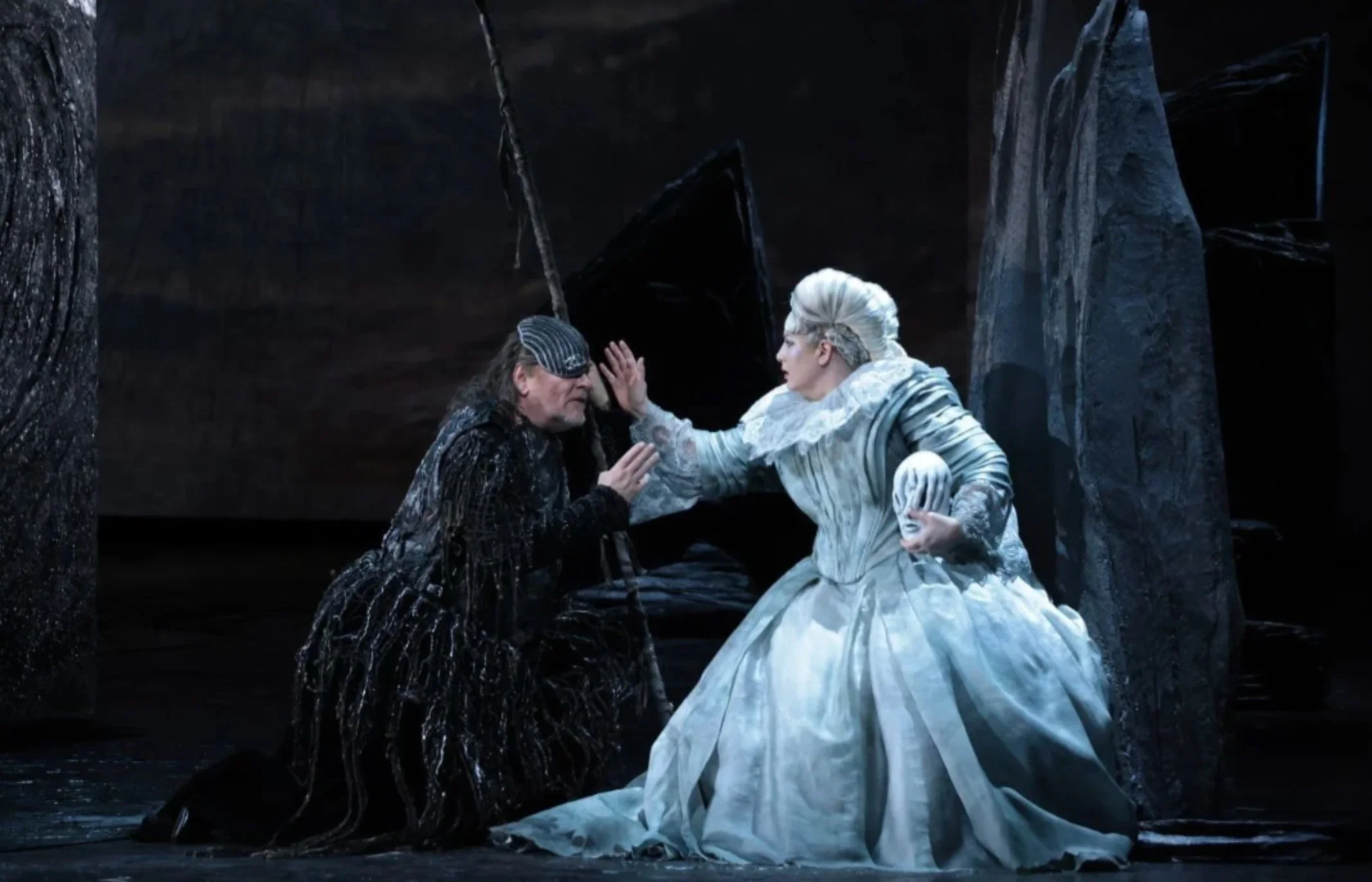
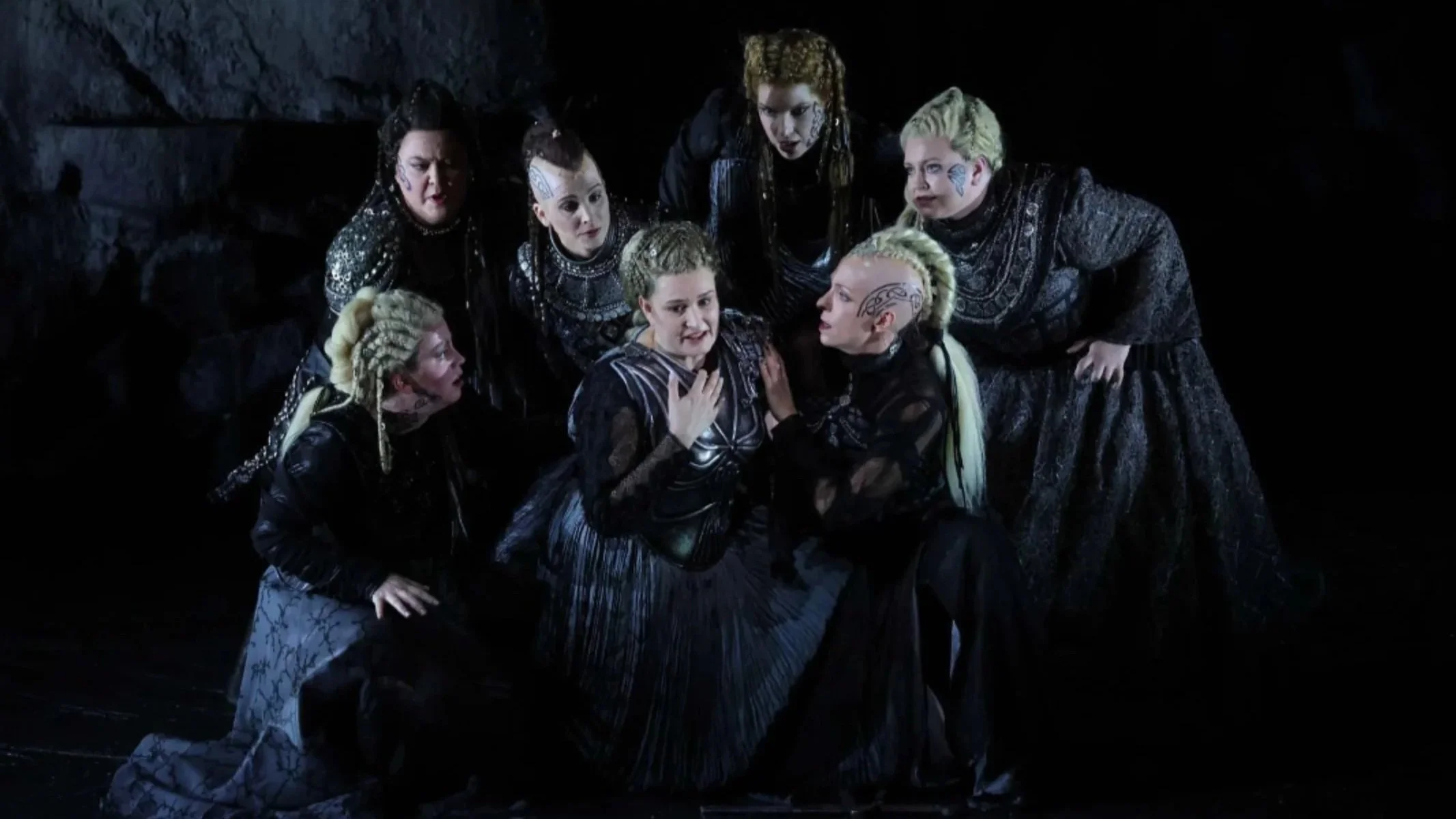
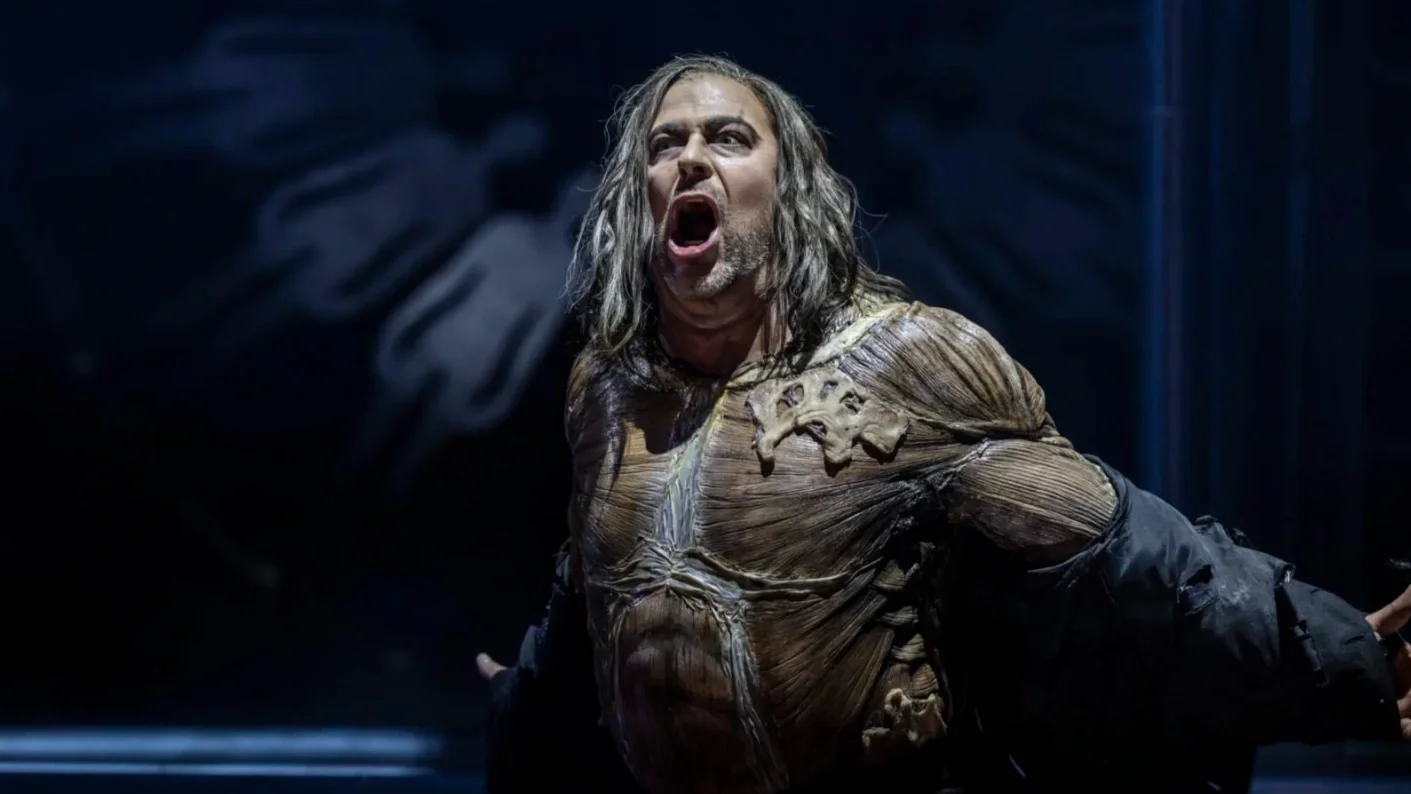
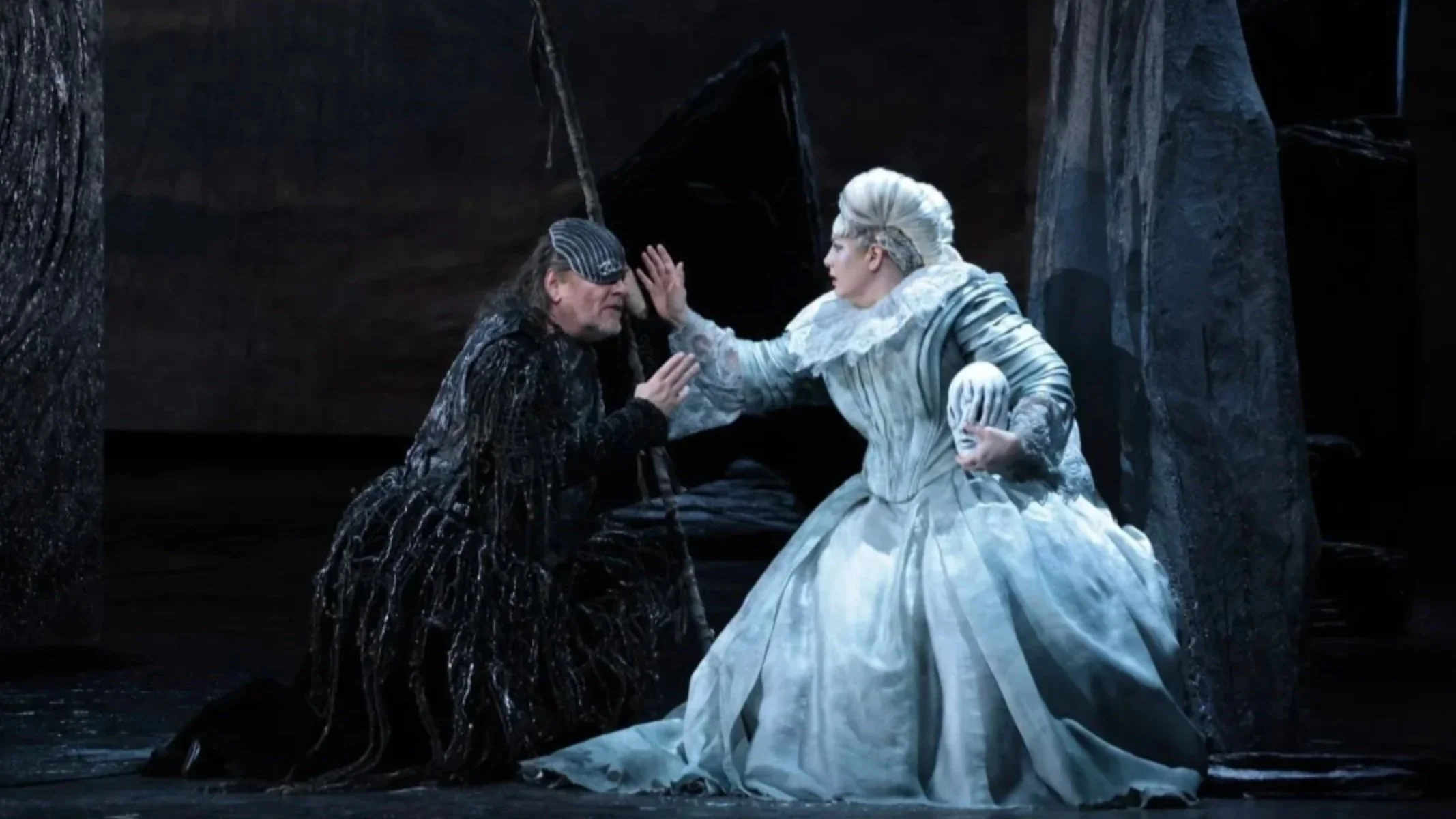
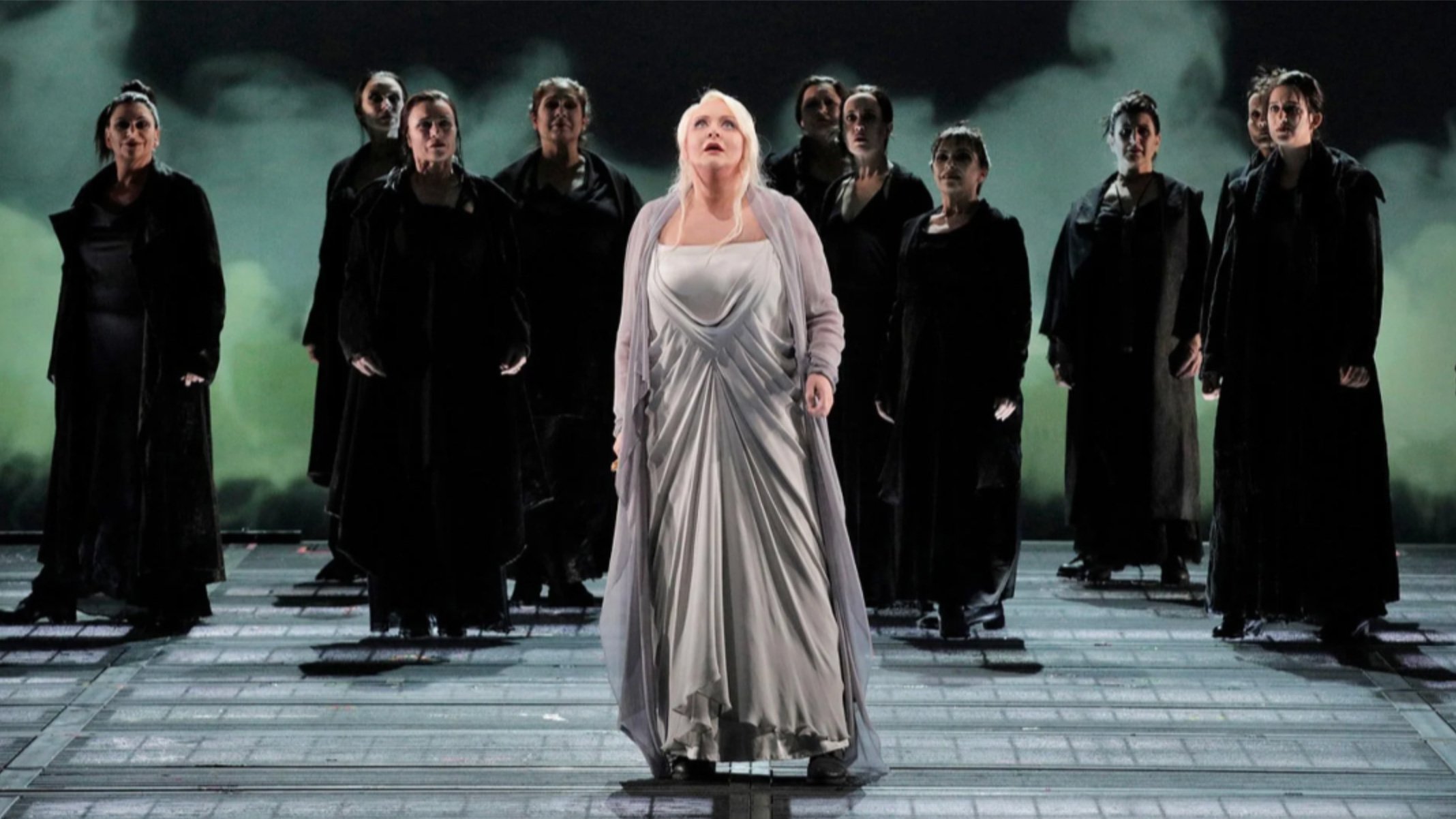
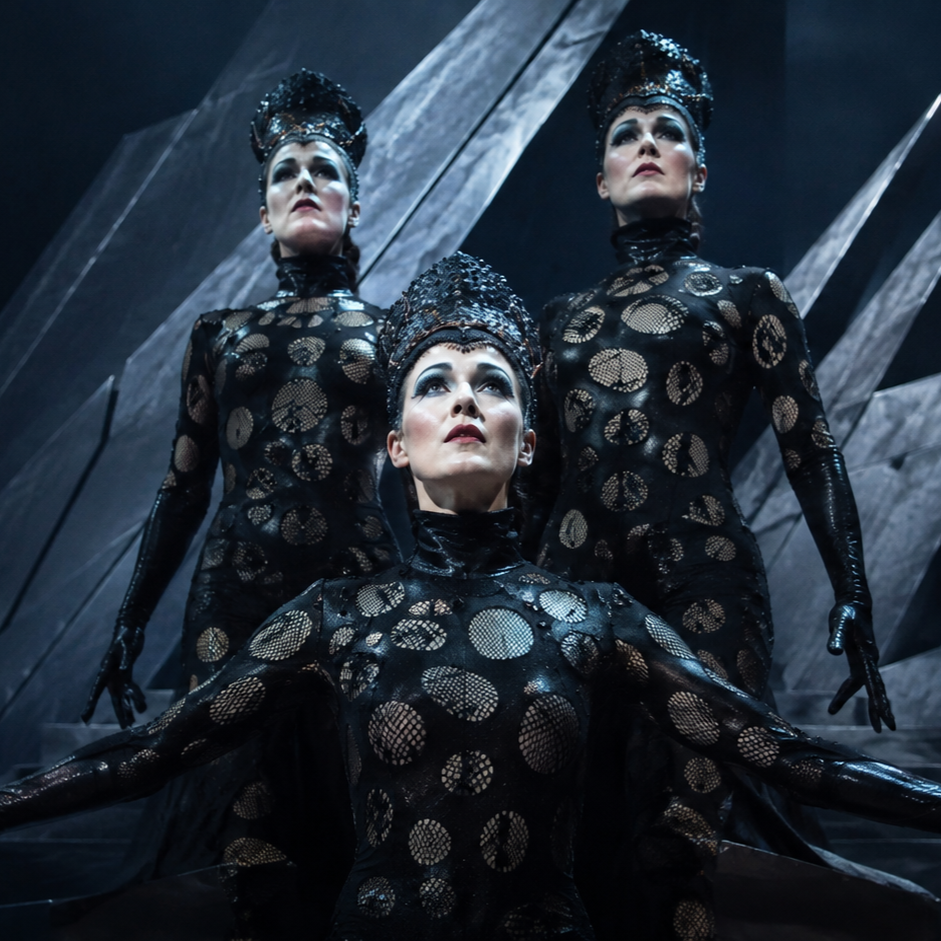
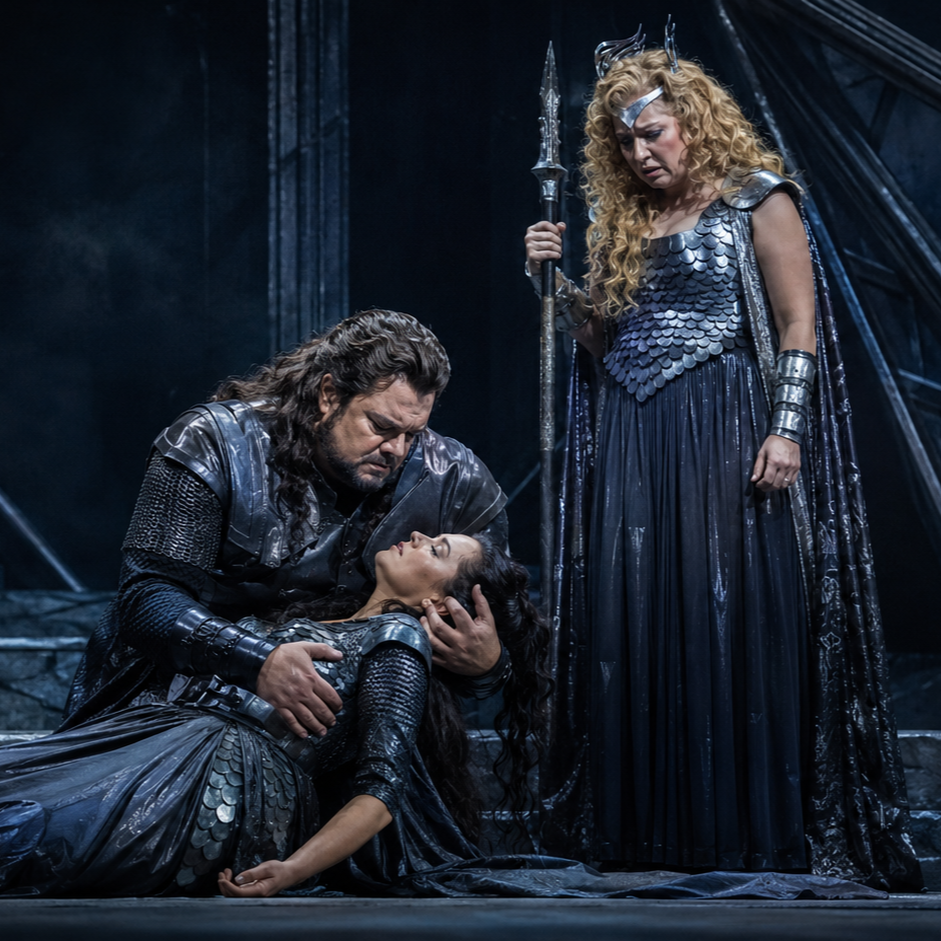
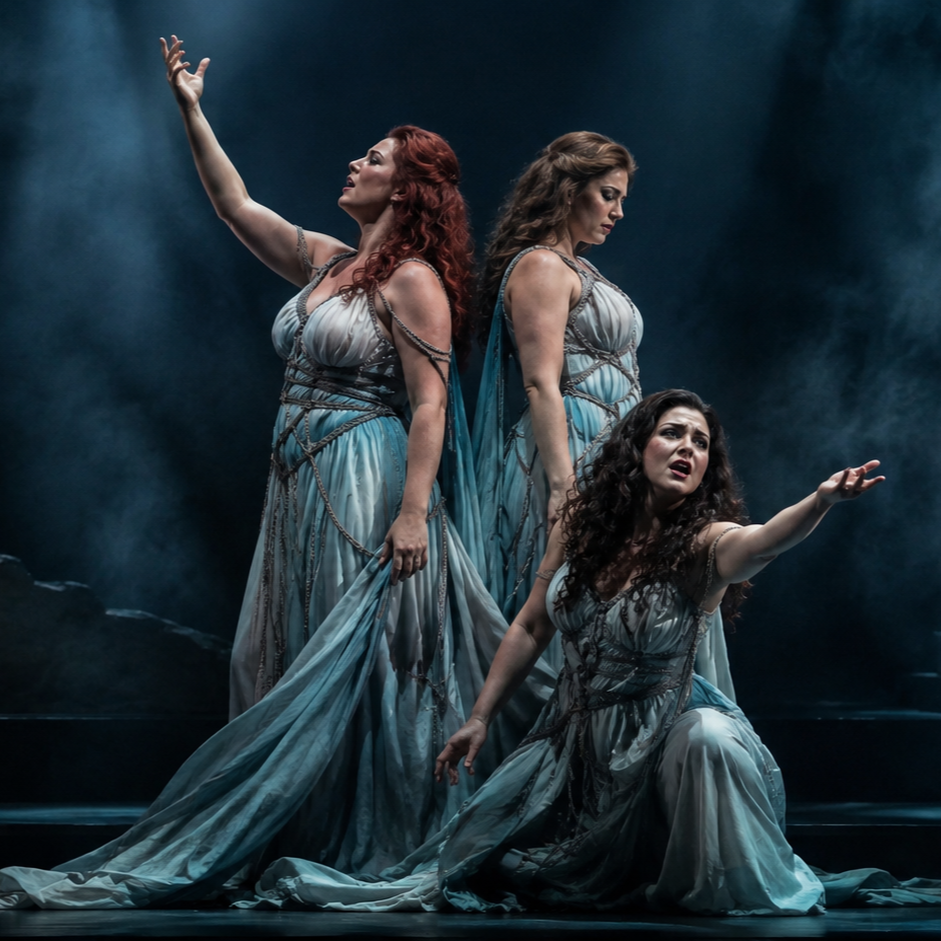
A scene from a revival of Keith Warner's production of Richard Wagner's opera Das Rheingold at the Royal Opera House.
Themen: Ursprung, Entsagung, Vertrag
Element: Sommerhitze auf altem Stein, Flussatem, Unterirdisches Licht
This walk treats Wagner not as repertoire, but as a composed method for moving through the city.
Das Ergebnis auf einen Blick
Dauer: Morning to late afternoon, or full day. Unlike Tristan, this is a daylight walk. Rheingold happens before night; it happens in the interval between innocence and consequence. Begin at the river in the early morning, before the financial district fills, and let the day's heat build as the walk moves inland and underground.
Distanz: 3–4 miles of walking in Lower Manhattan, with an optional subway descent. The geography is compact. Pier 15 to Wall Street to the World Trade complex is less than a mile on foot. The compression is the point. Everything in Rheingold happens in a small space, a Rhine bank, a construction site, a tunnel beneath the earth, a new-built palace. The world is being made and unmade within a very short distance.
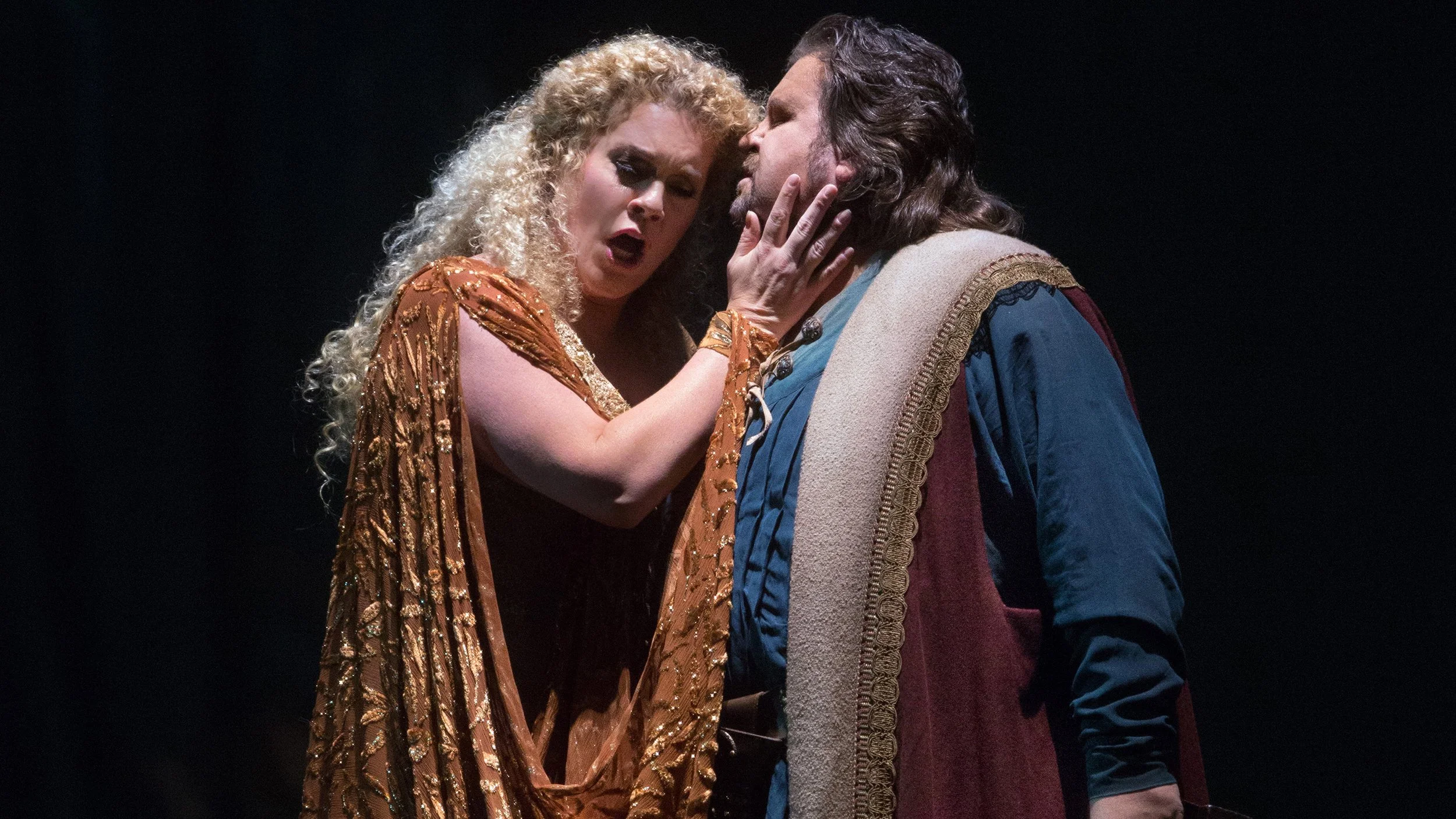
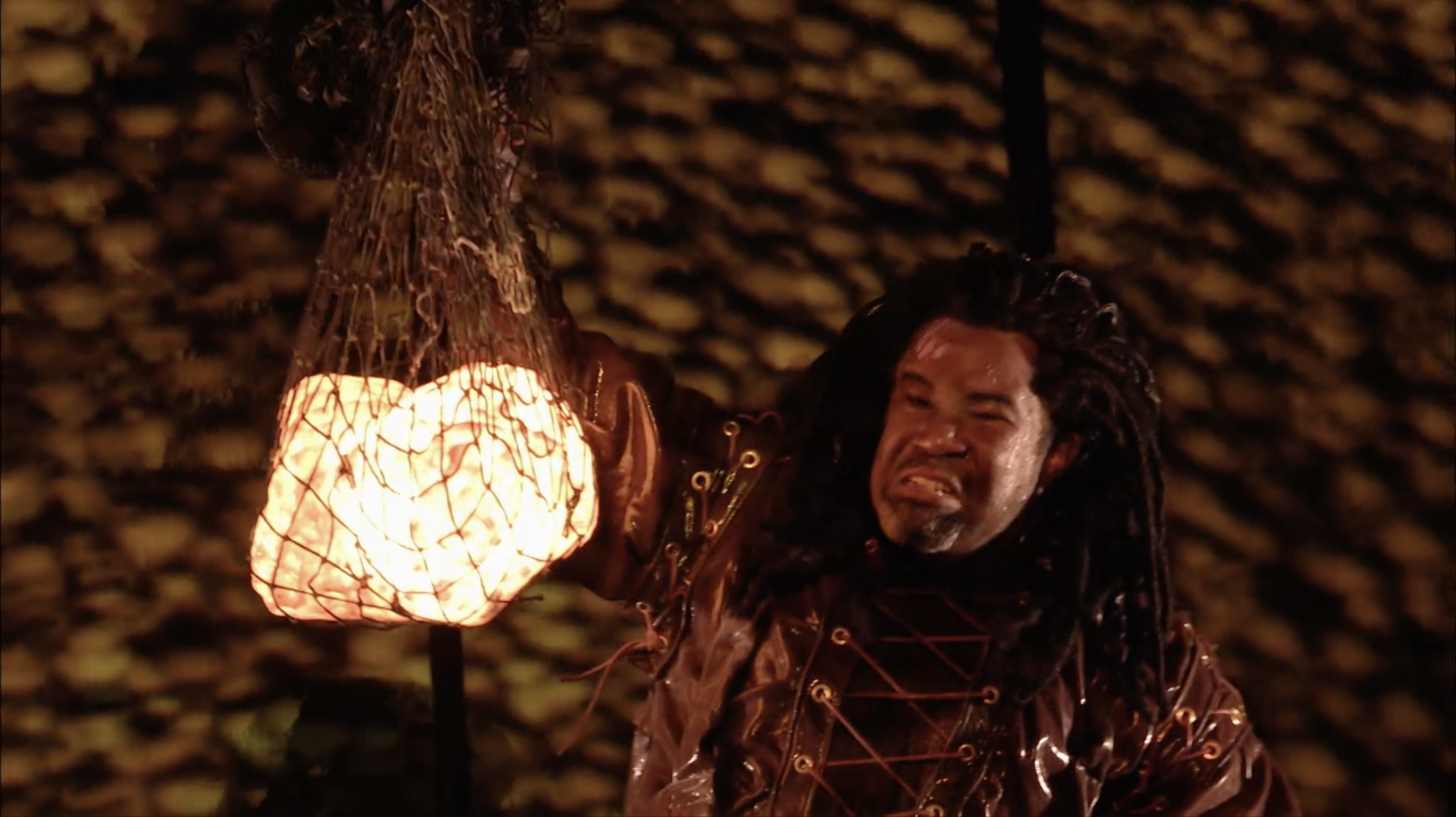
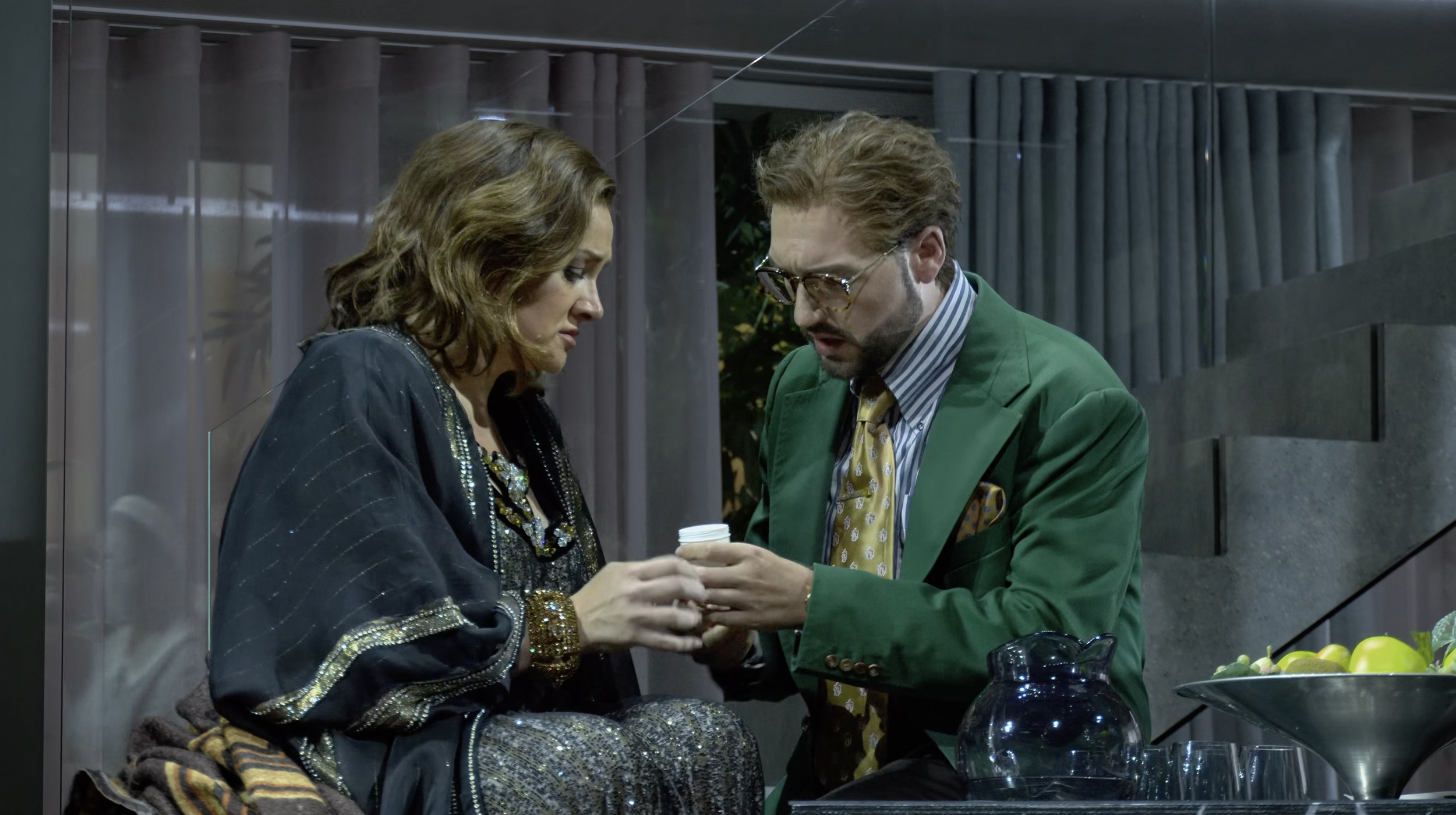
Das Rheingold, Metropolitan Opera, October 2010
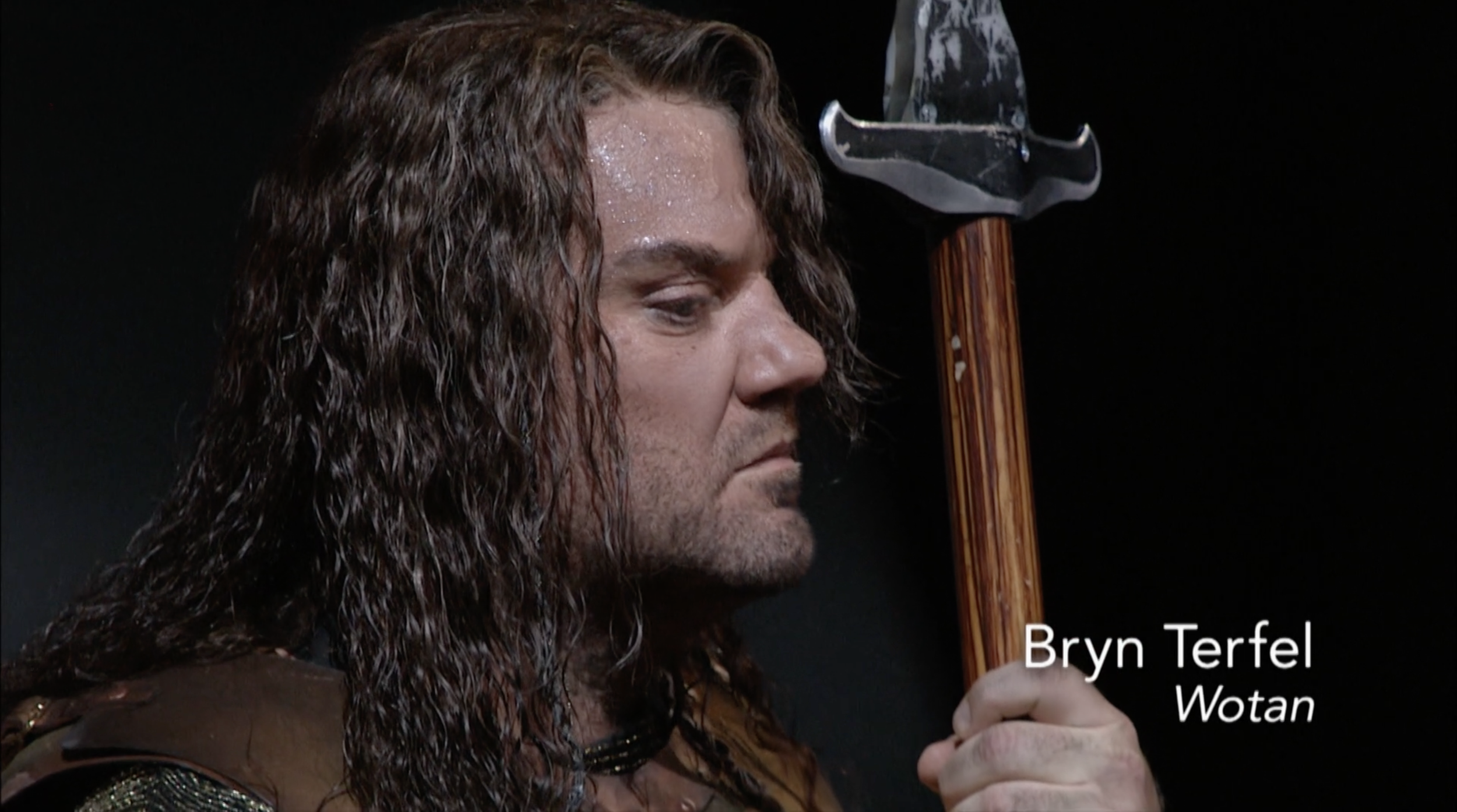
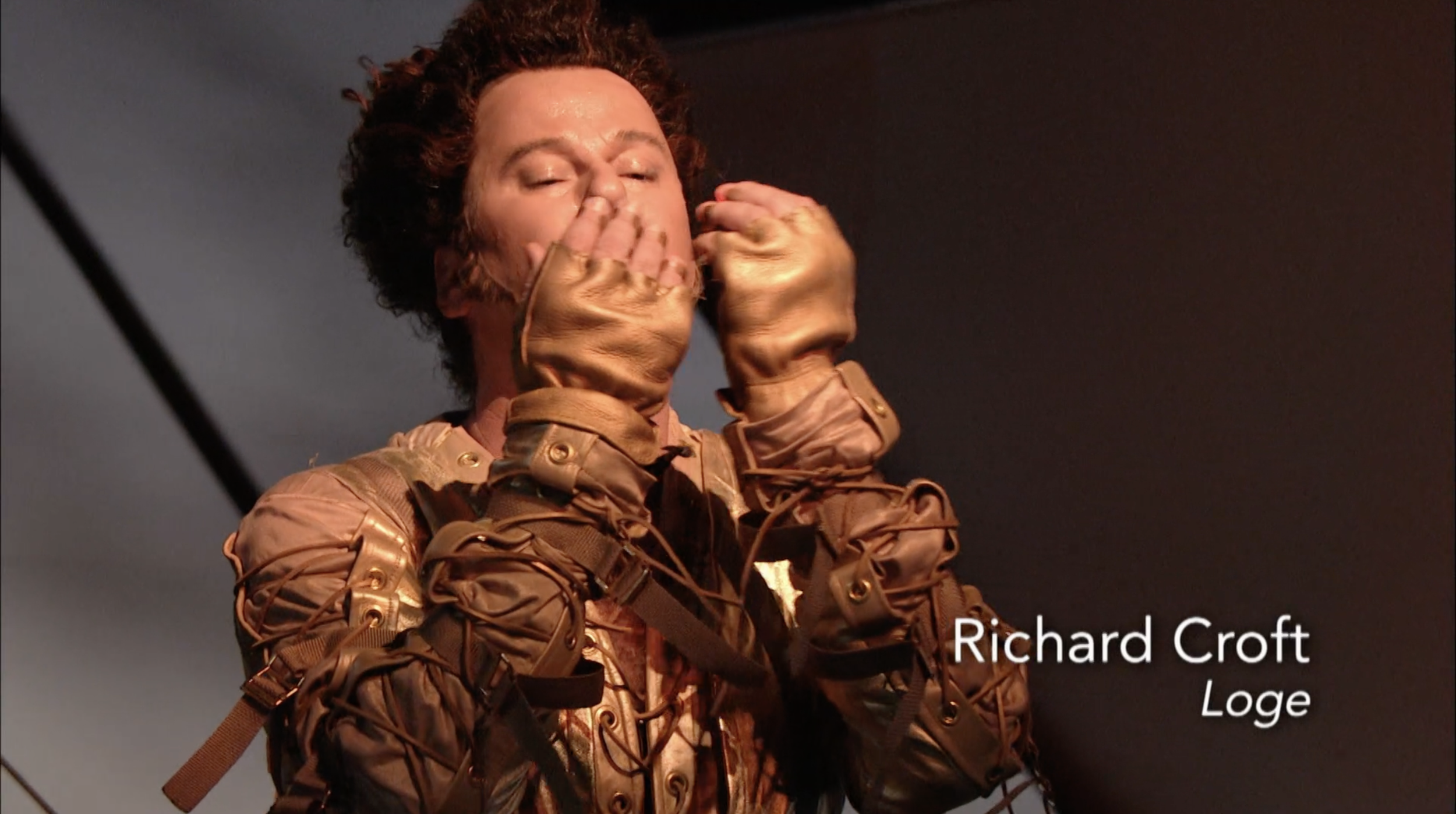
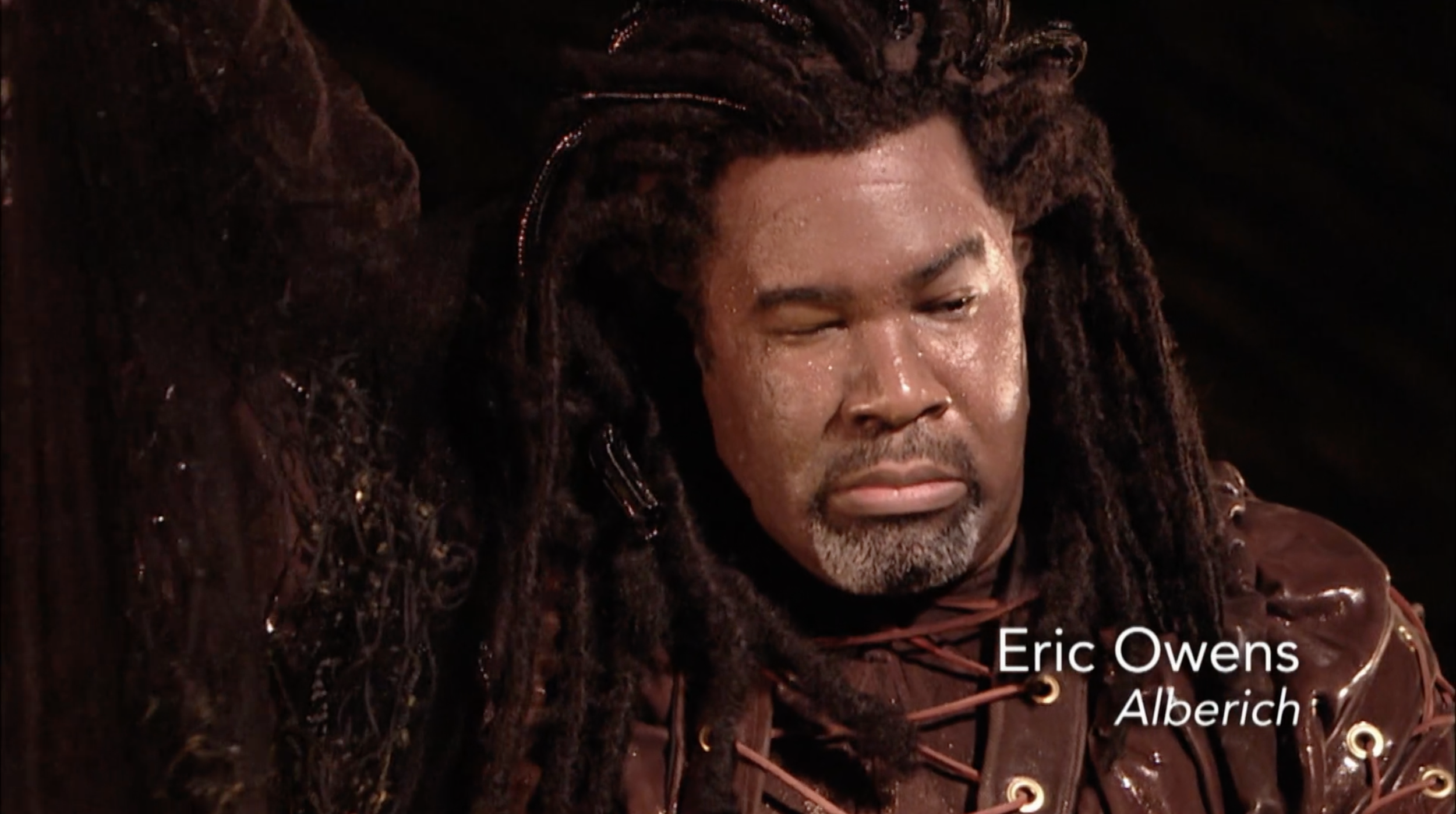
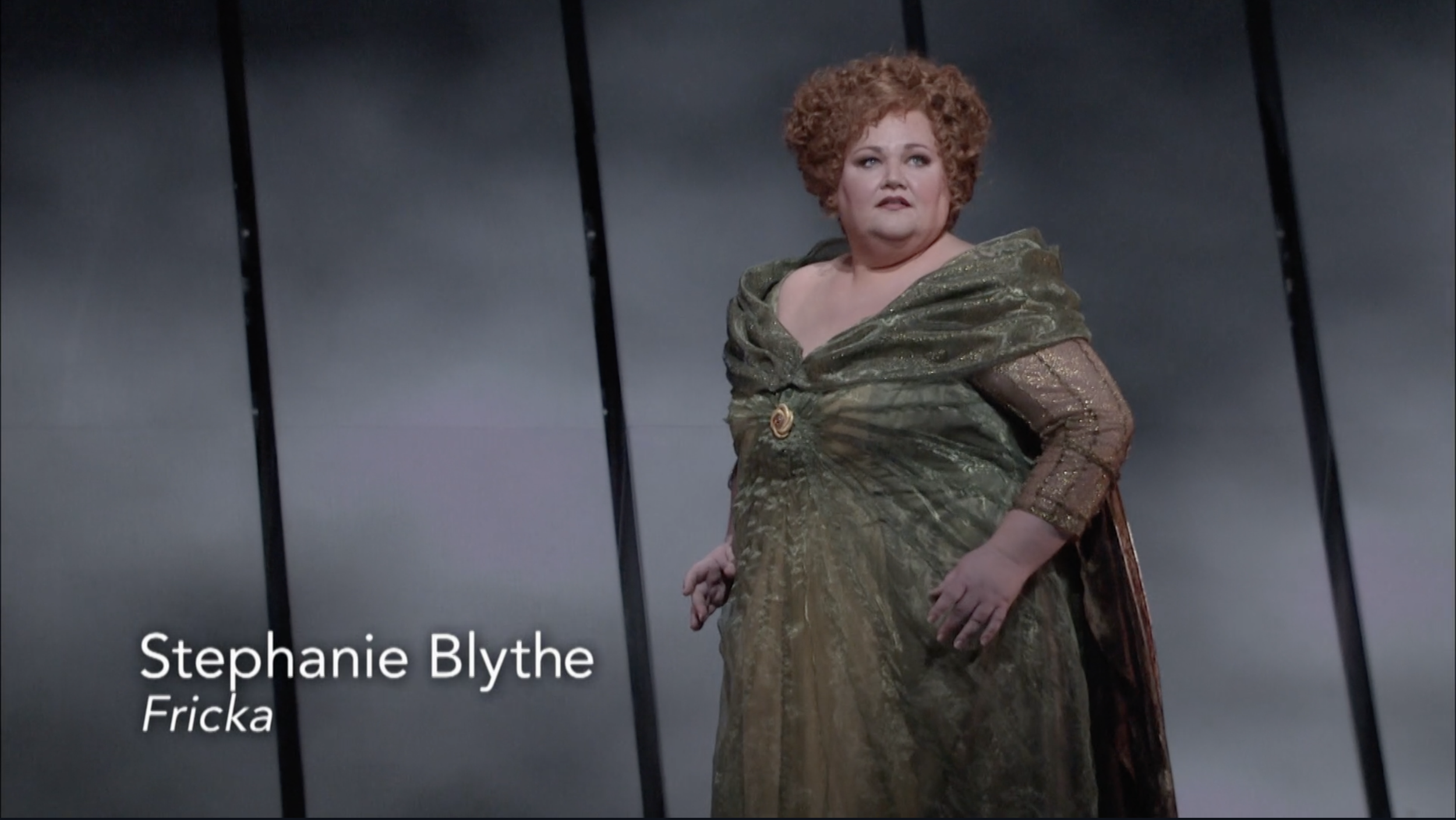
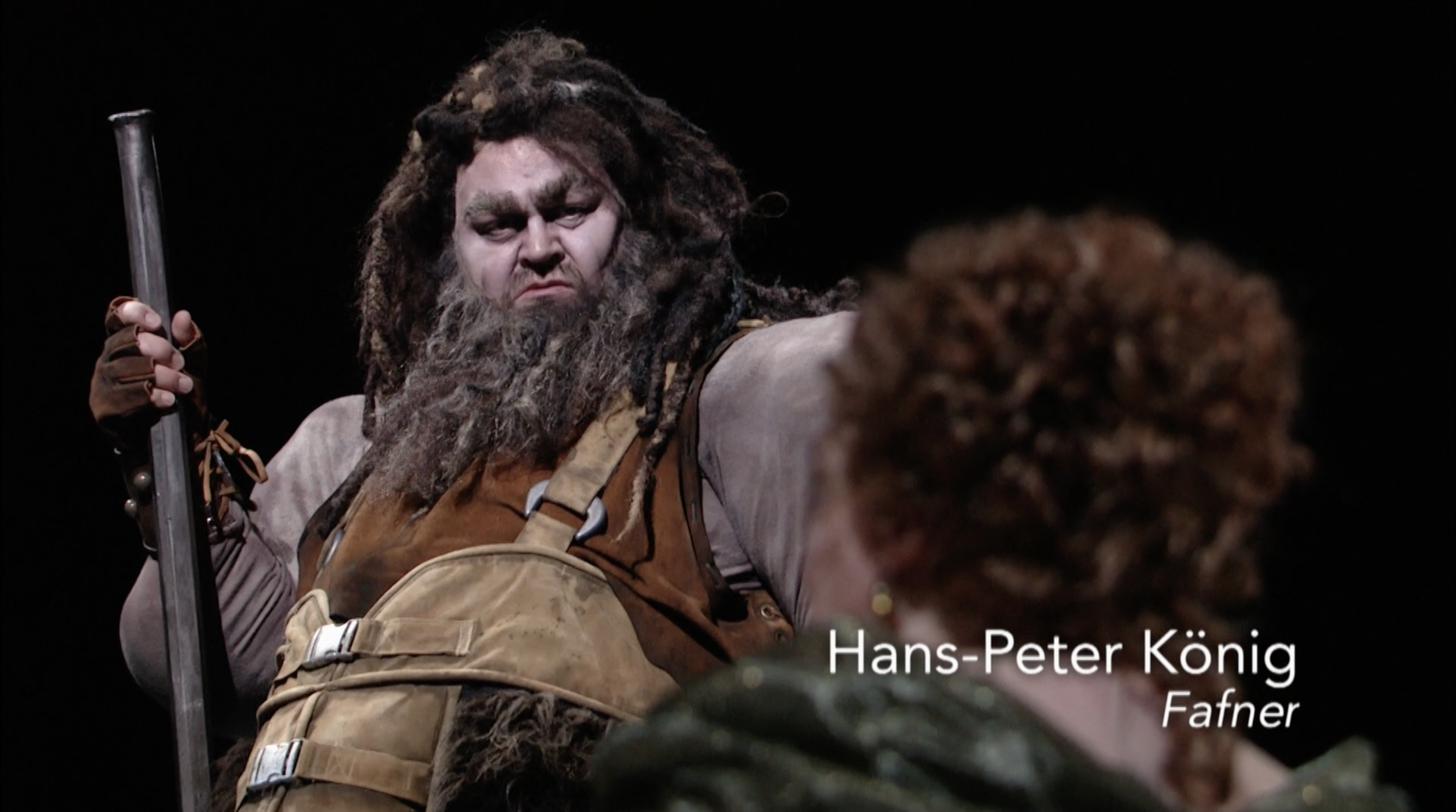
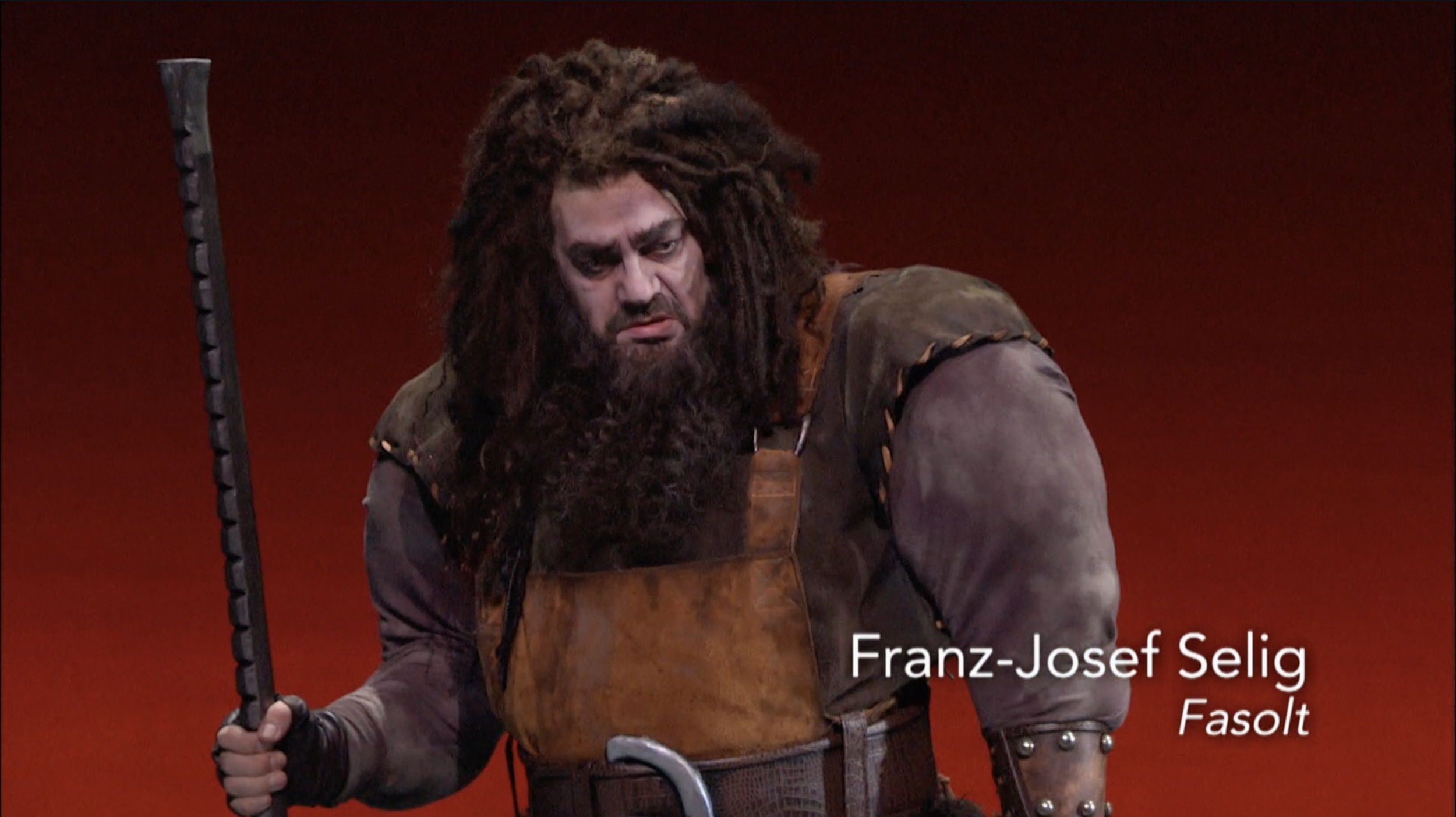
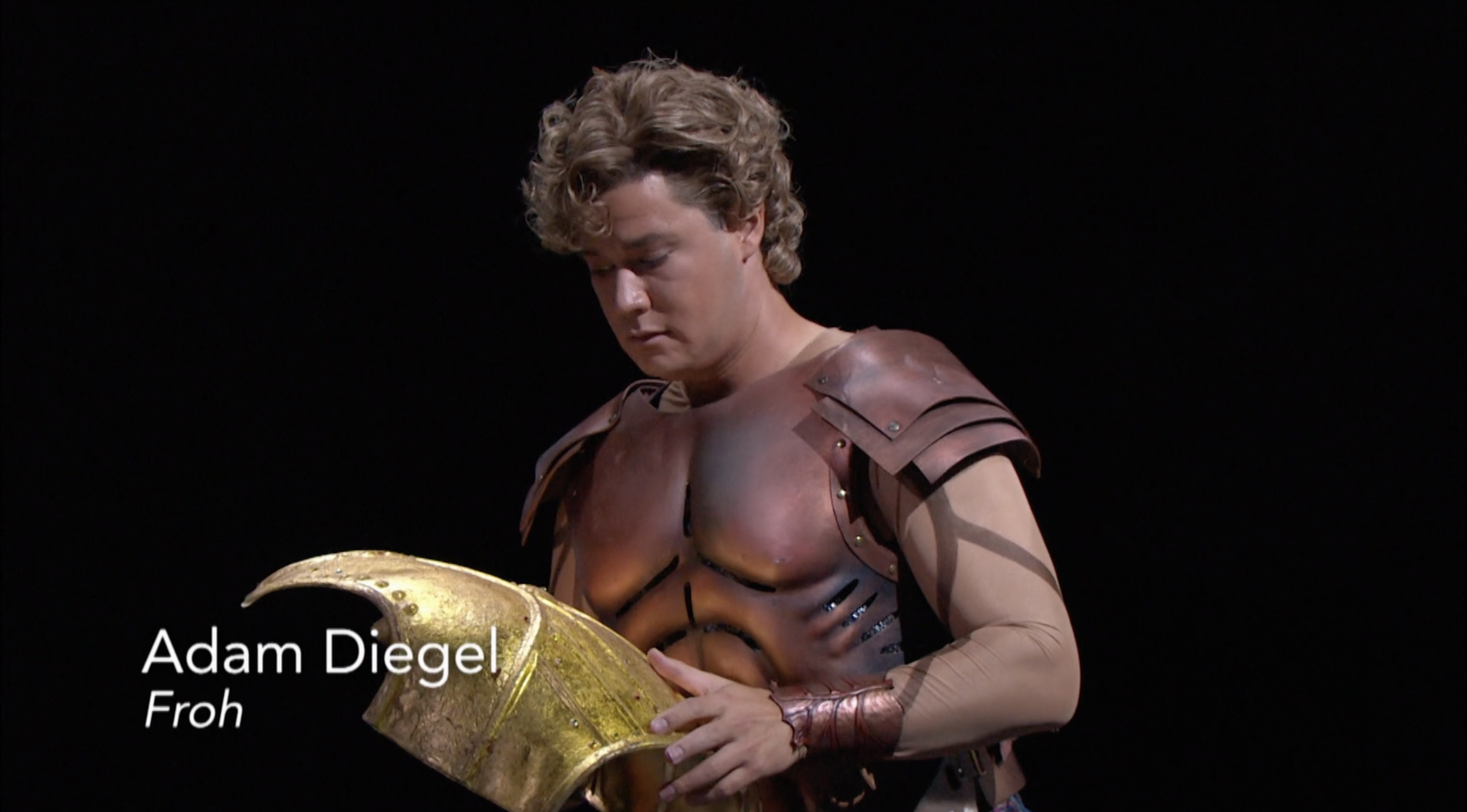
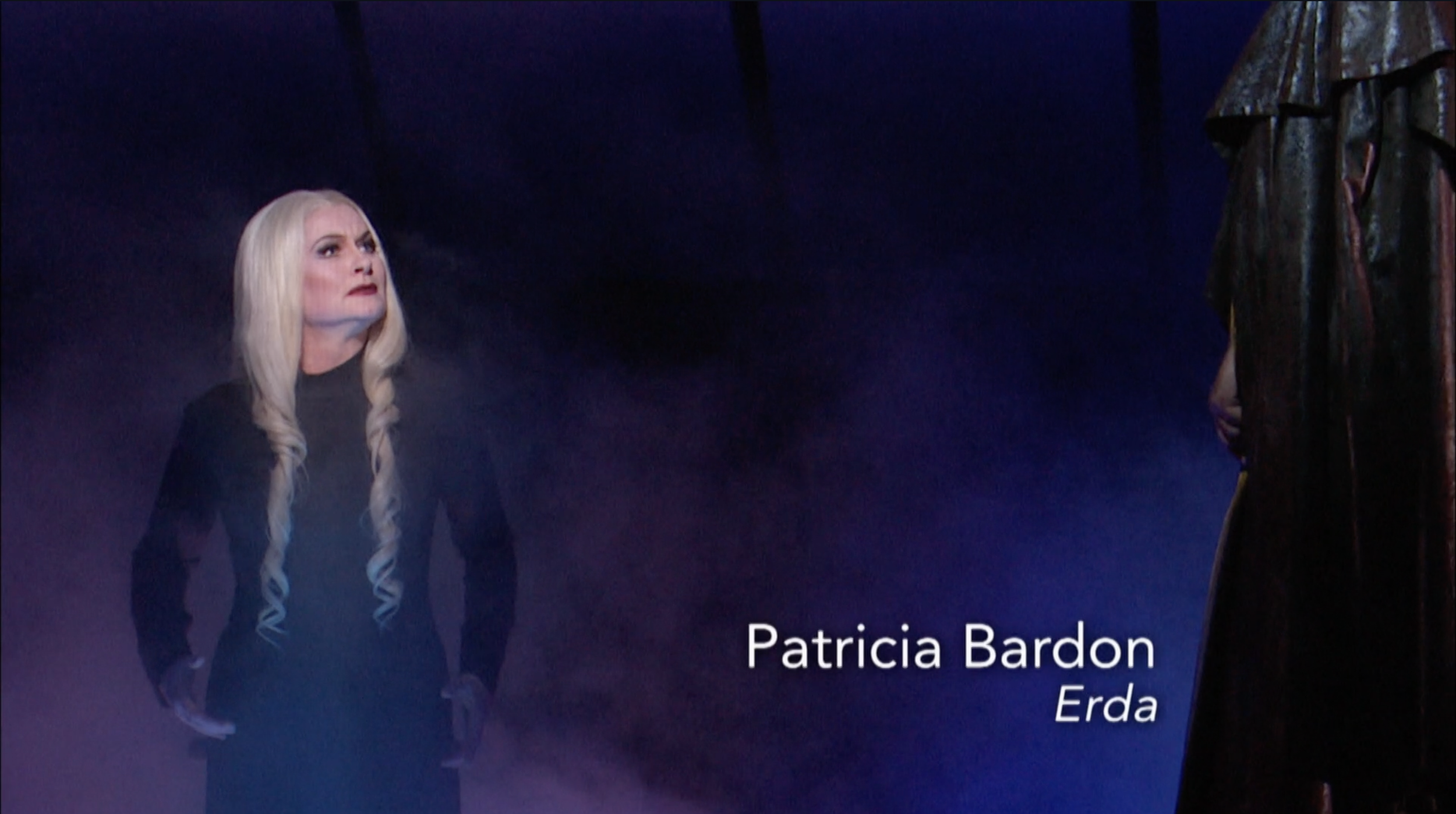
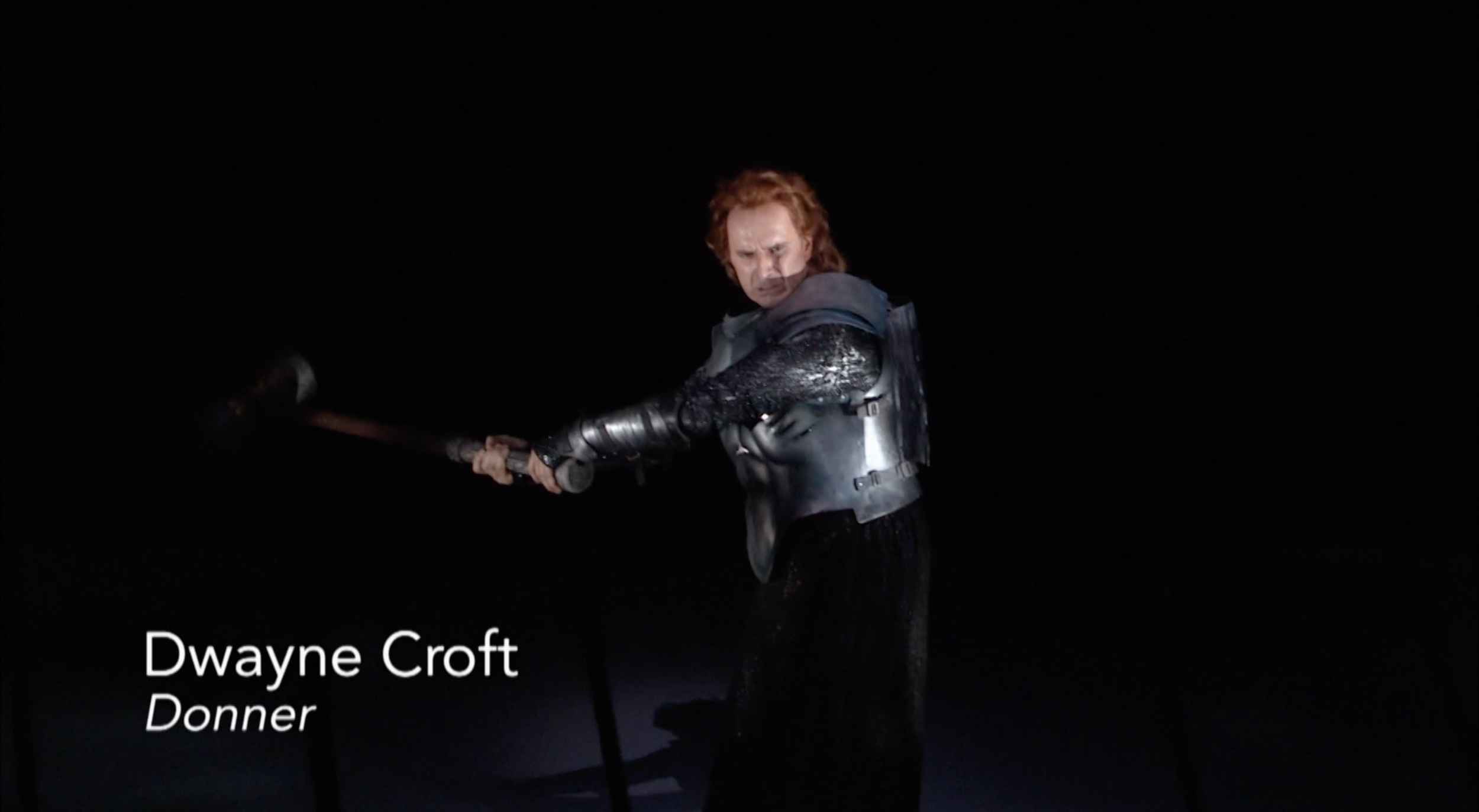
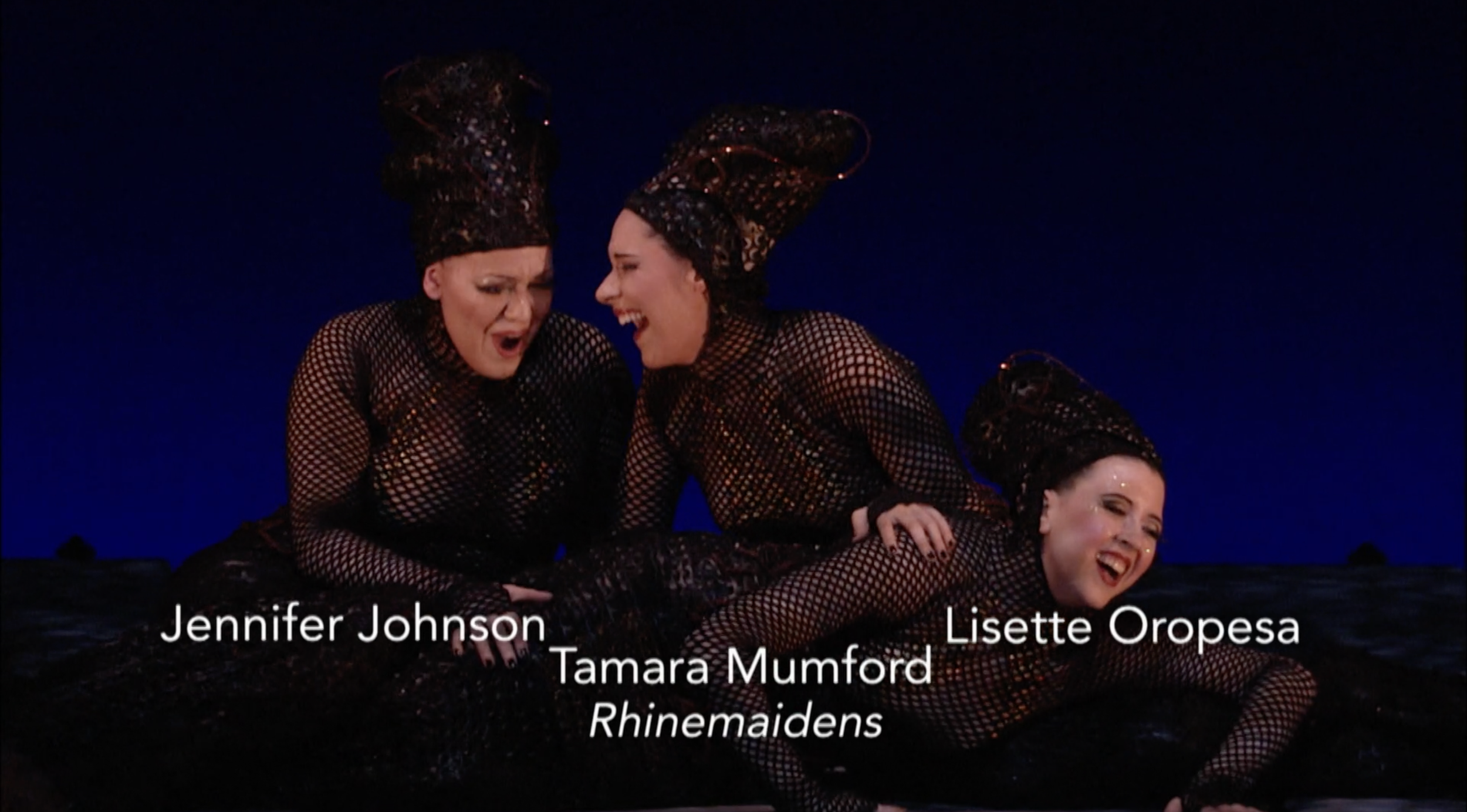
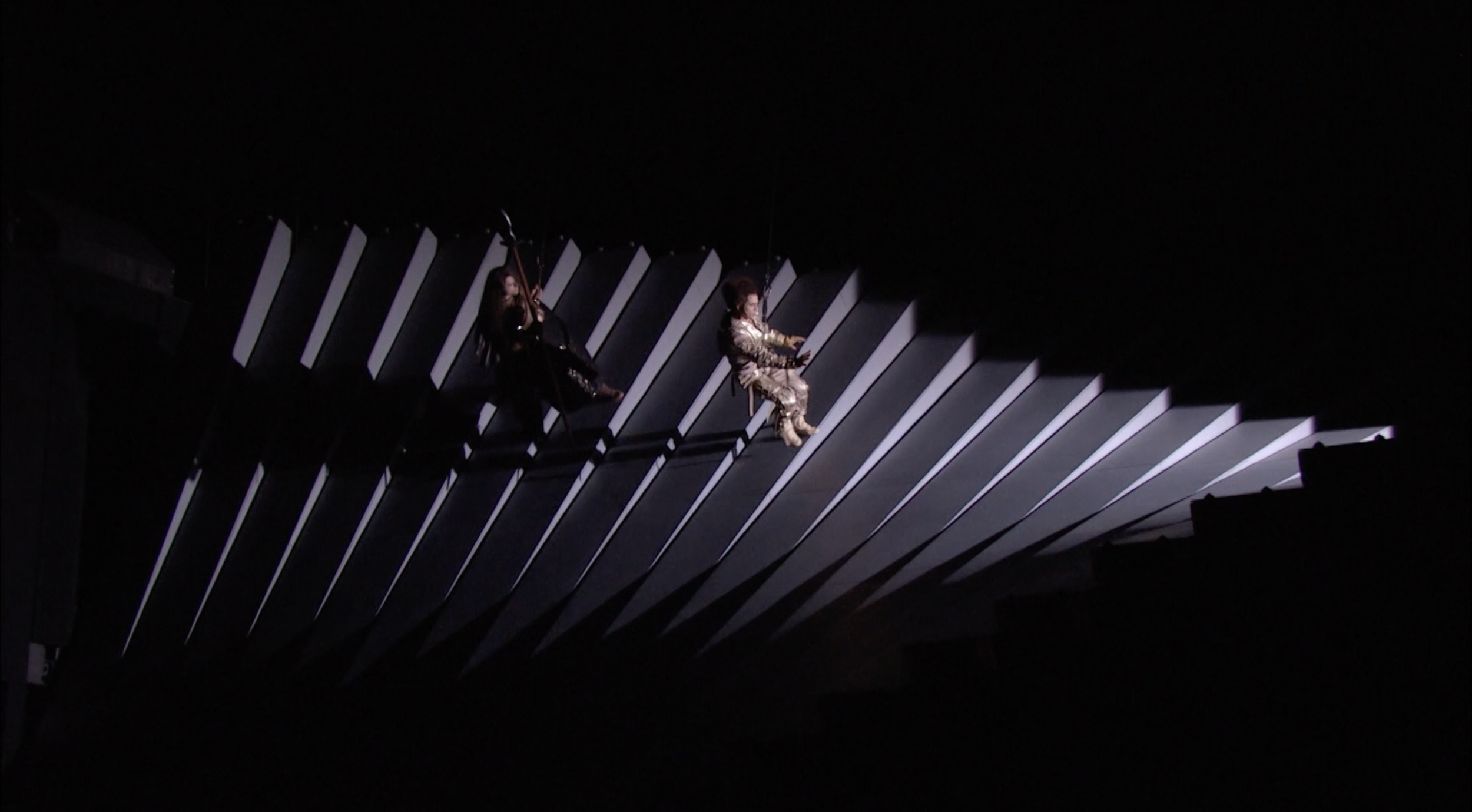
Beste Zeit: Arrive at Pier 15 between 7 and 9am, before the tourist tide. The East River light in early morning is the closest Manhattan gets to Wagner's underwater shimmer. The financial district in the first hour of the working day has a particular quality: systems coming online, the infrastructure activating, the apparatus of contract and exchange beginning its day. This is Rheingold's moment. Not the crisis, but the machinery warming up before it.
Wetter: Humid June days are correct. The opera's atmosphere is heat and pressure: the forge underground, the river-shimmer above, the gods sweating through a transaction they cannot afford. Rain complicates the river section but deepens the Wall Street stops, where wet pavement reflects the exchange's neoclassical columns and the whole block reads as a more explicitly theatrical set.
Zugänglichkeit: Pier 15 is always open. The Brooklyn Bridge anchorage area is accessible from street level. Wall Street and Federal Hall are free and always accessible. The Oculus and Fulton Center require no admission. Any of the downtown subway stations serve the Nibelheim section.
Essentieller Moment
Pier 15, East River, at the moment the Prelude's E-flat chord achieves full orchestral mass. Stand at the end of the pier. The water below the planking is tidal, not still. The string chord that opens the opera begins on a single low E-flat in the double basses, holds it for four bars, then adds the next partial of the harmonic series, and the next, building the chord from the bottom up over more than a minute of clock time before a melody appears. It is the sound of a world generating itself from a single vibration. Stand where the river moves under you, put the Prelude in your ears at the moment the full chord achieves its density, and let the tidal pulse beneath your feet become the literal referent for what Wagner was trying to score. The river does not need the music. The music needs the river.
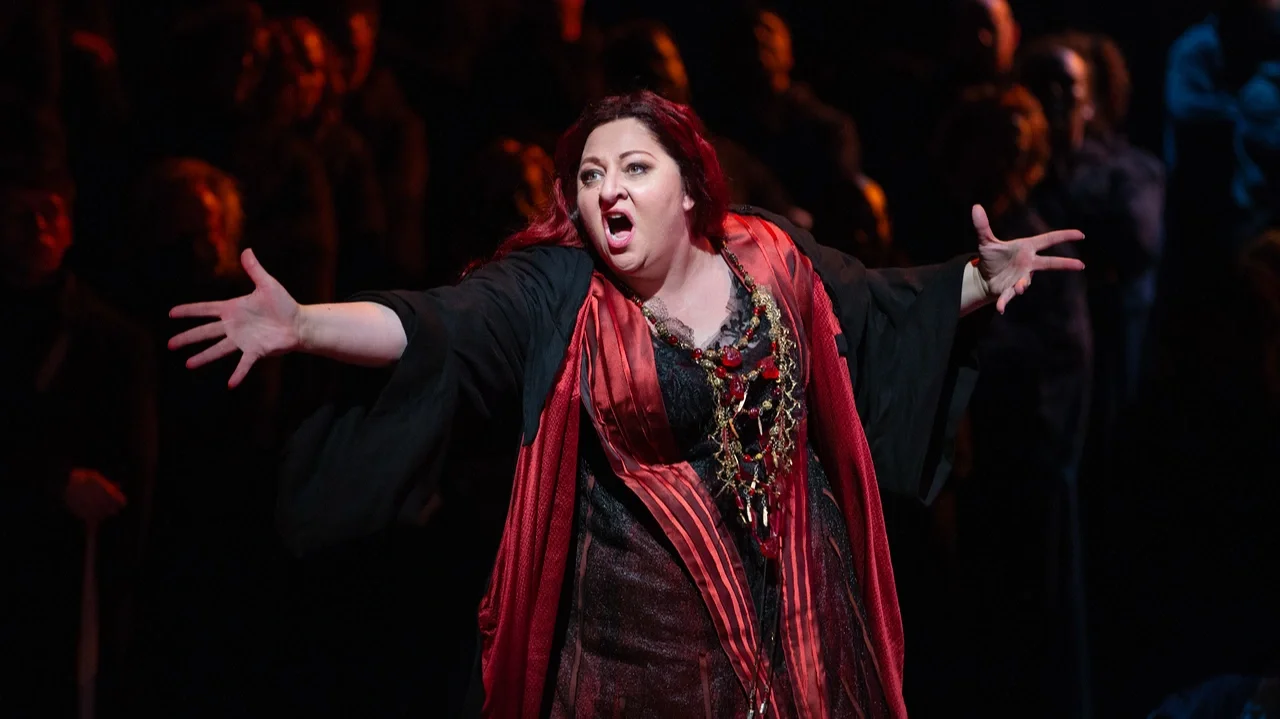
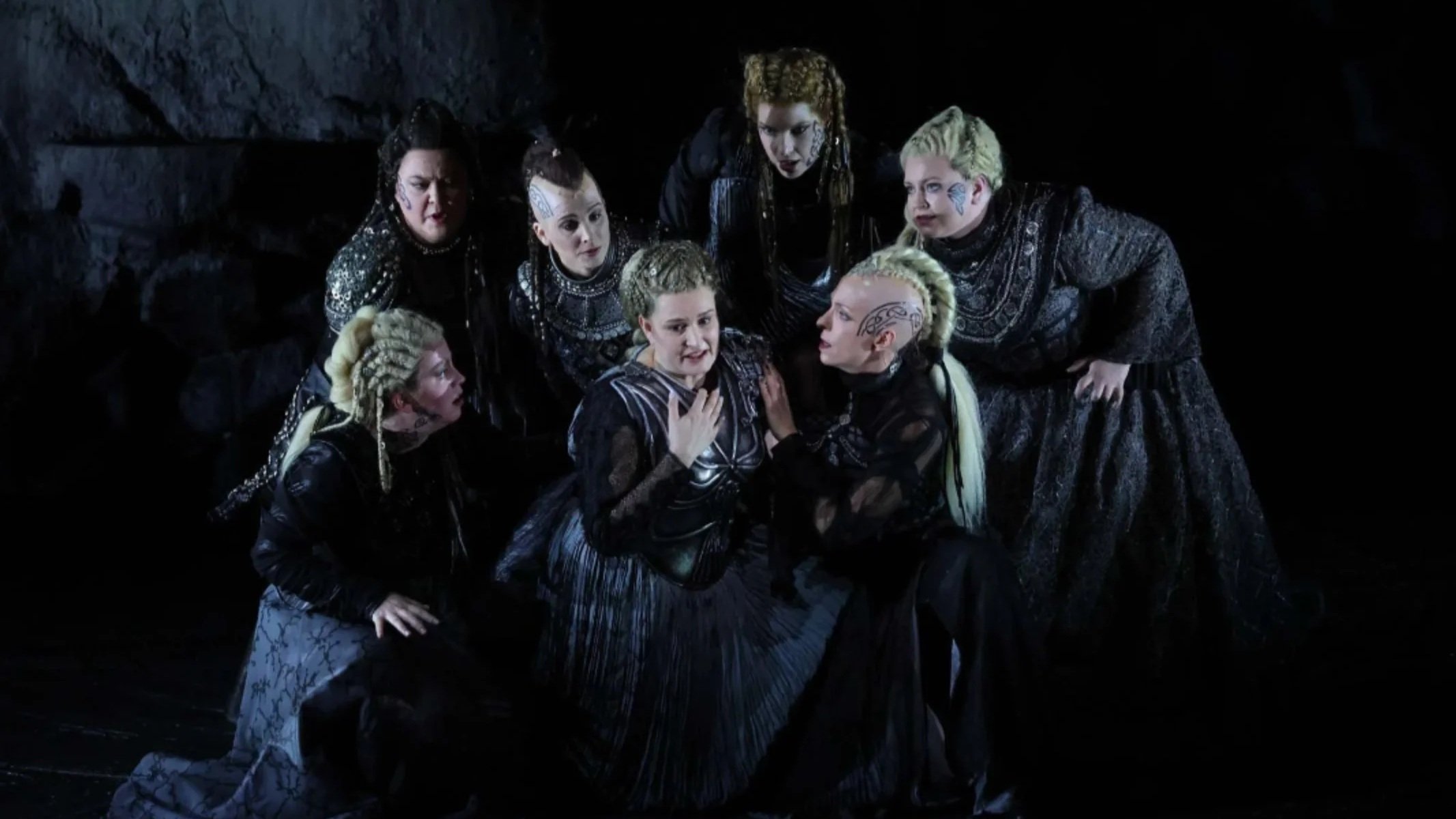
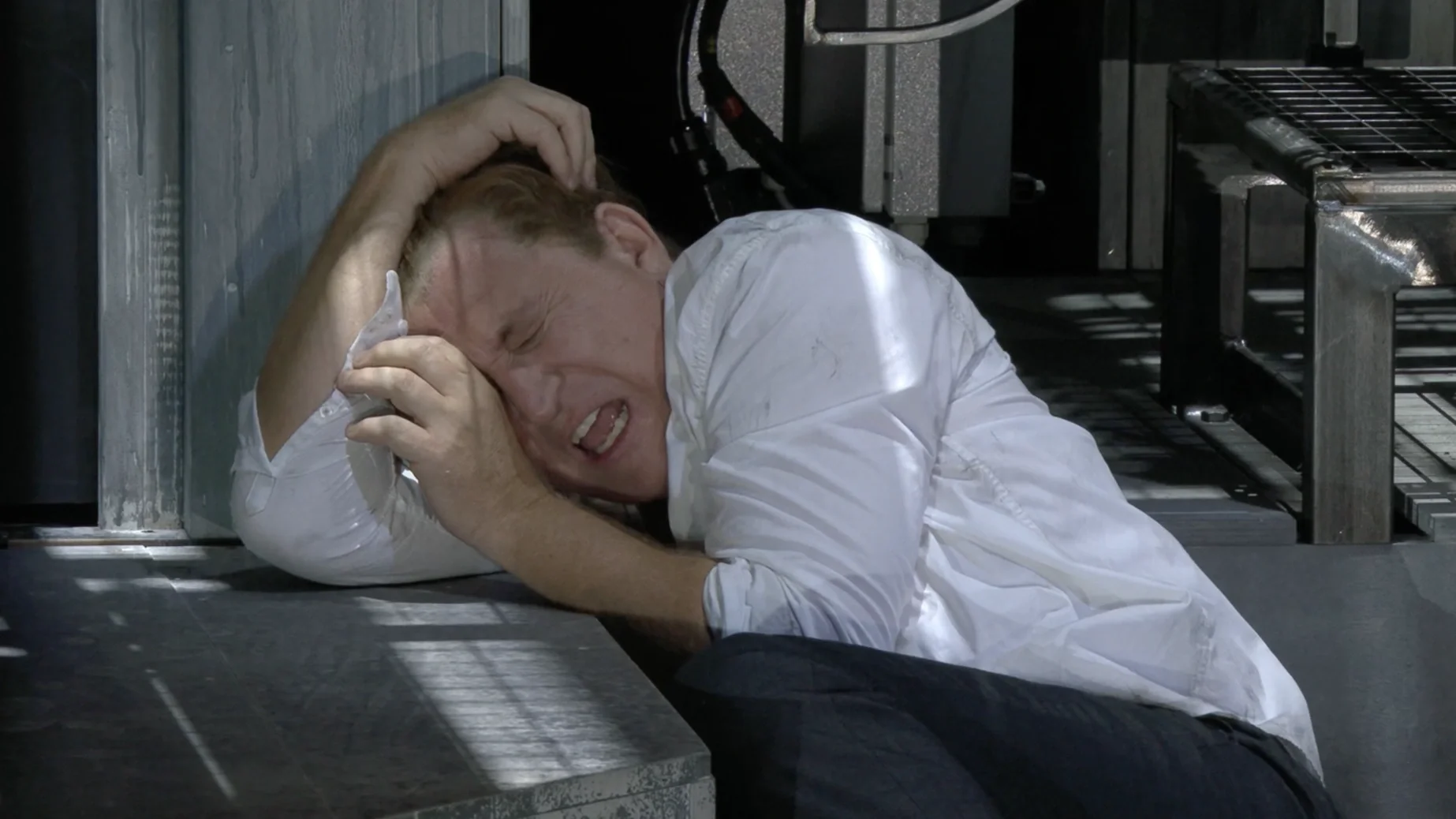
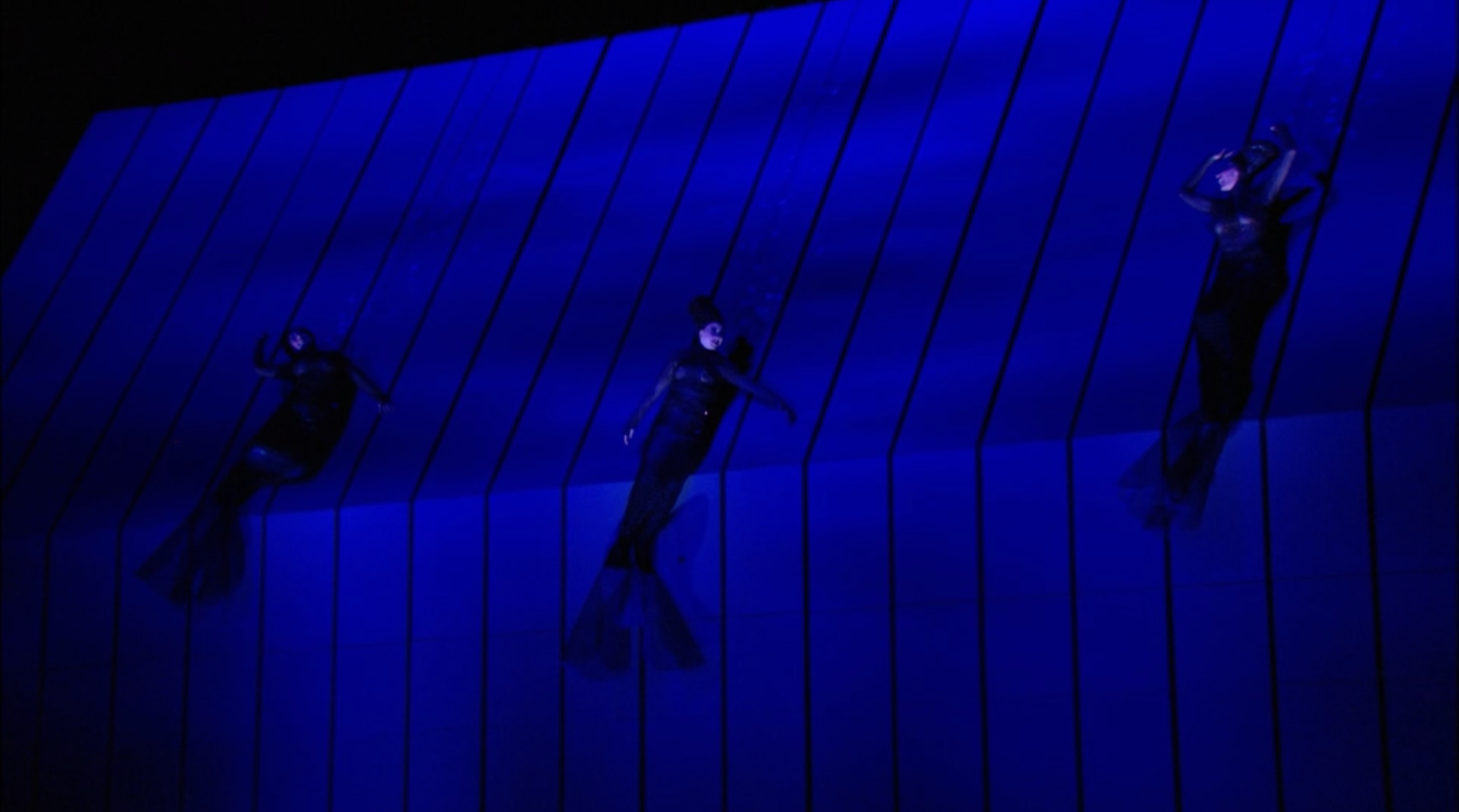
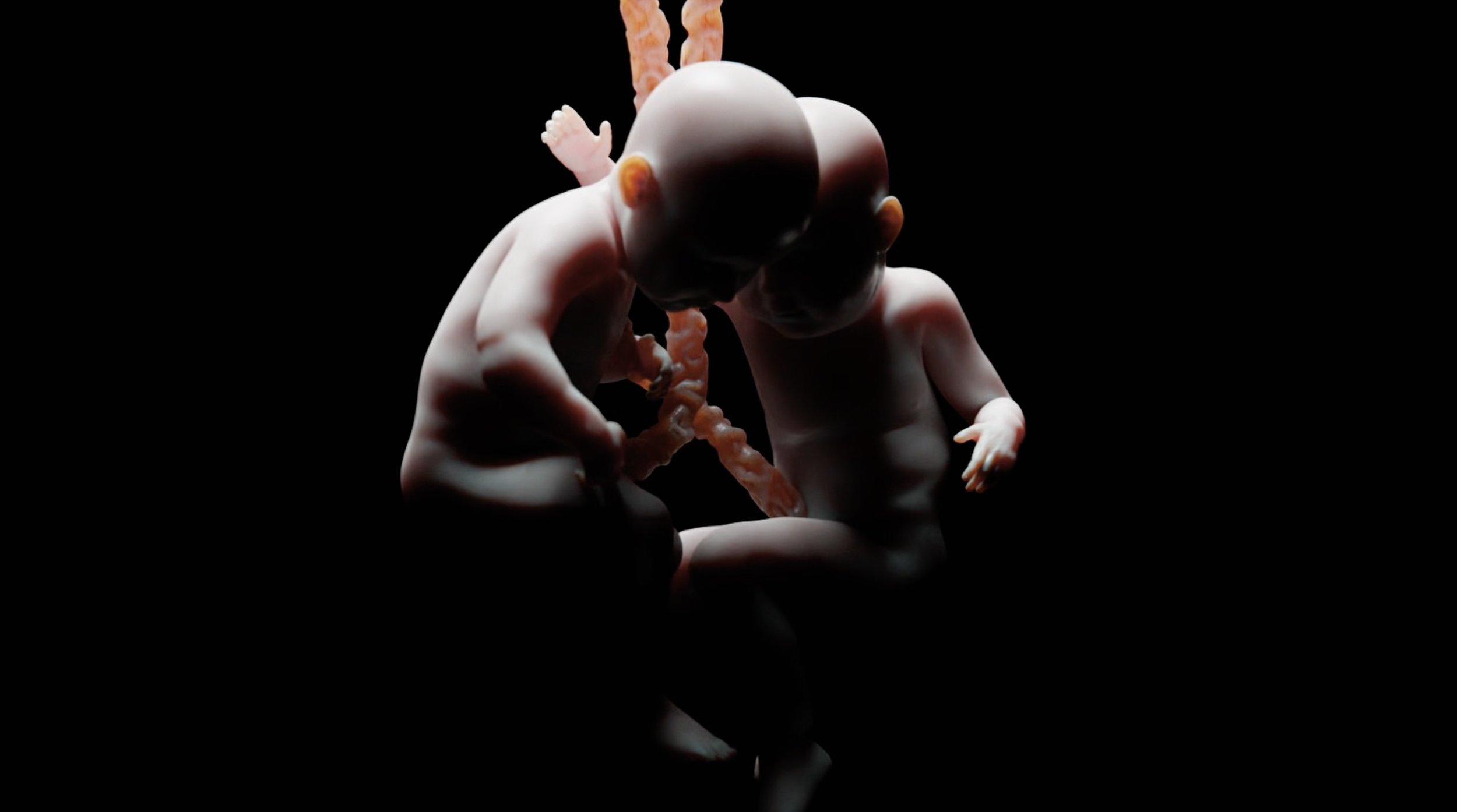
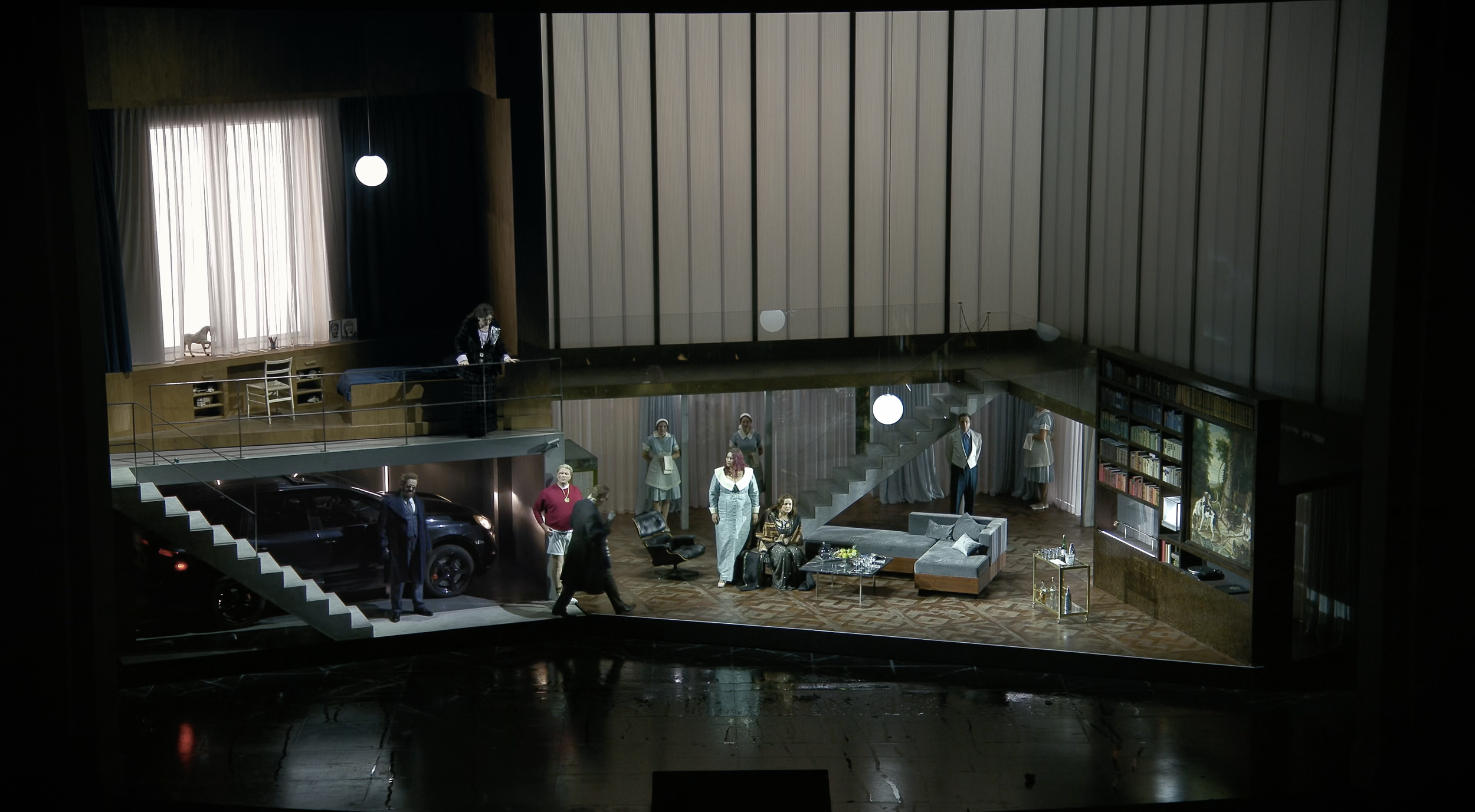
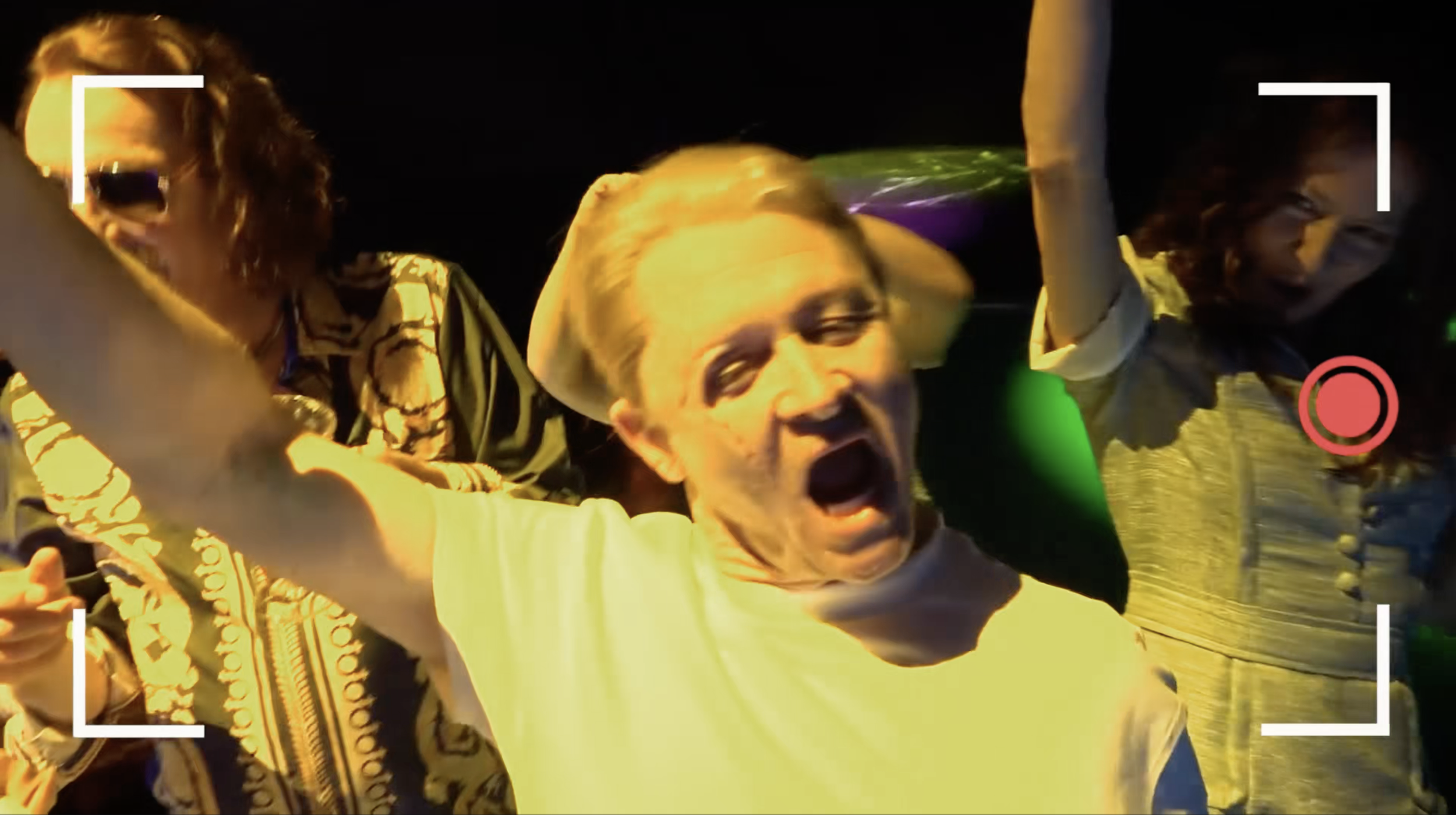
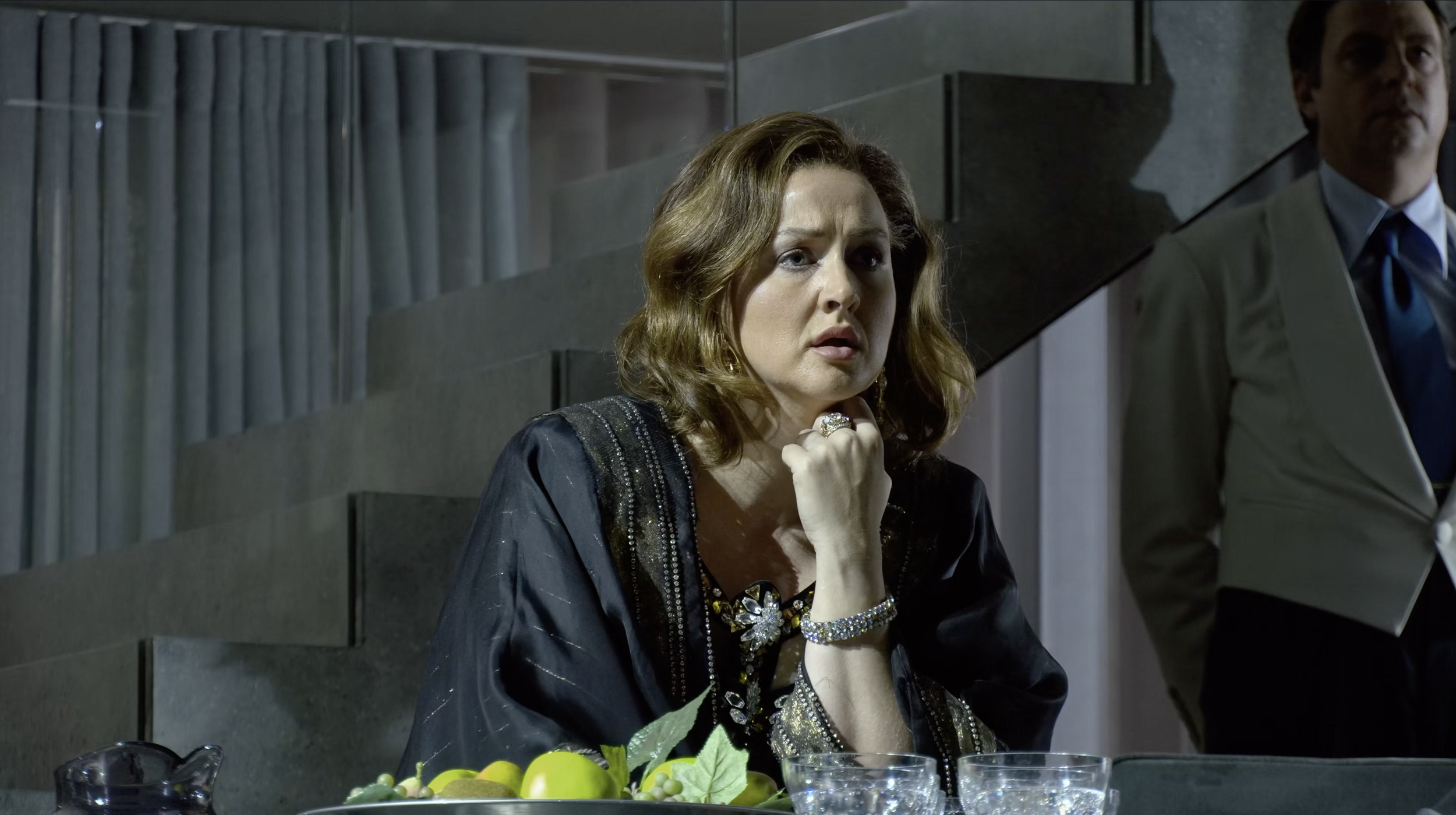
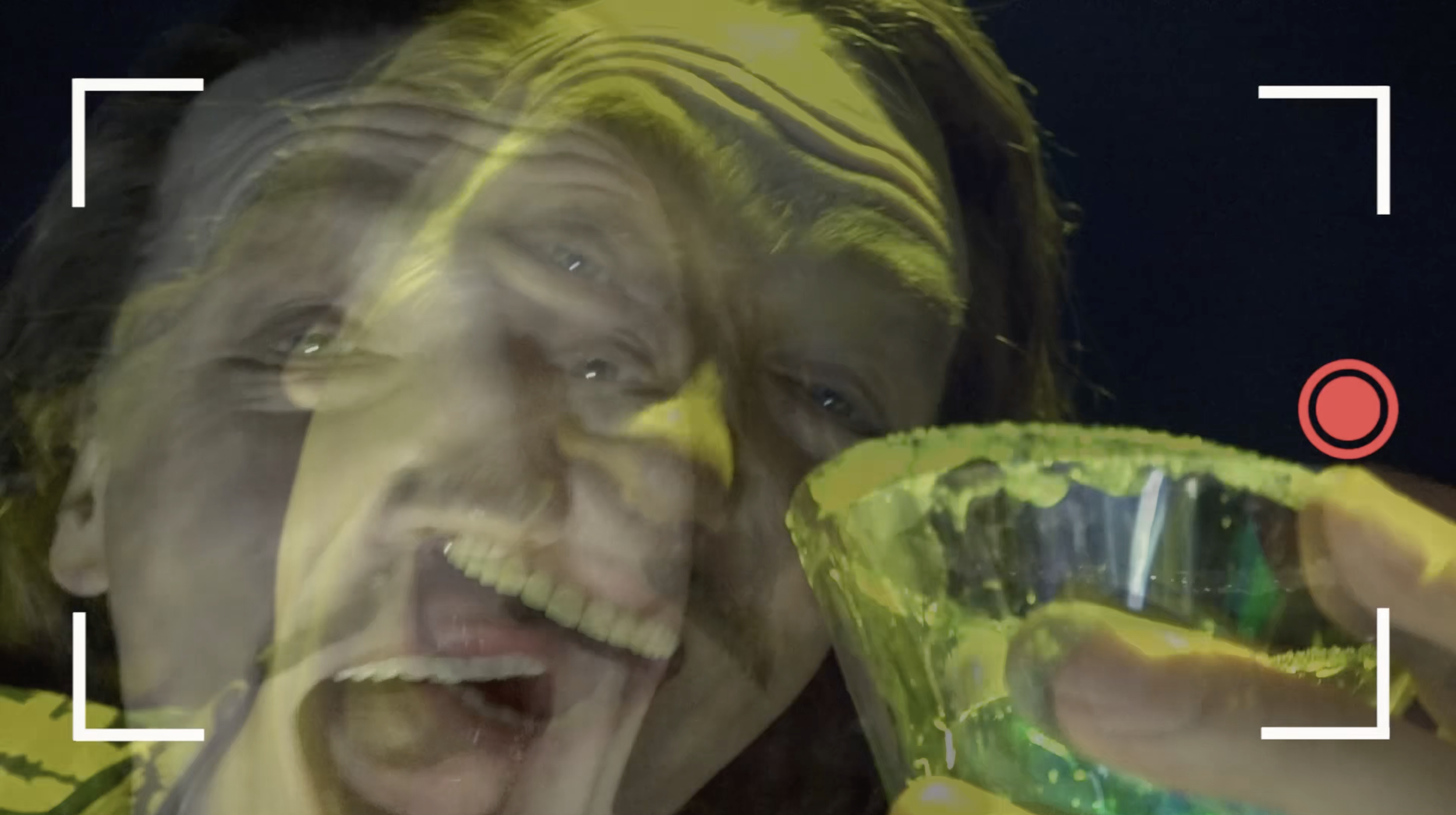
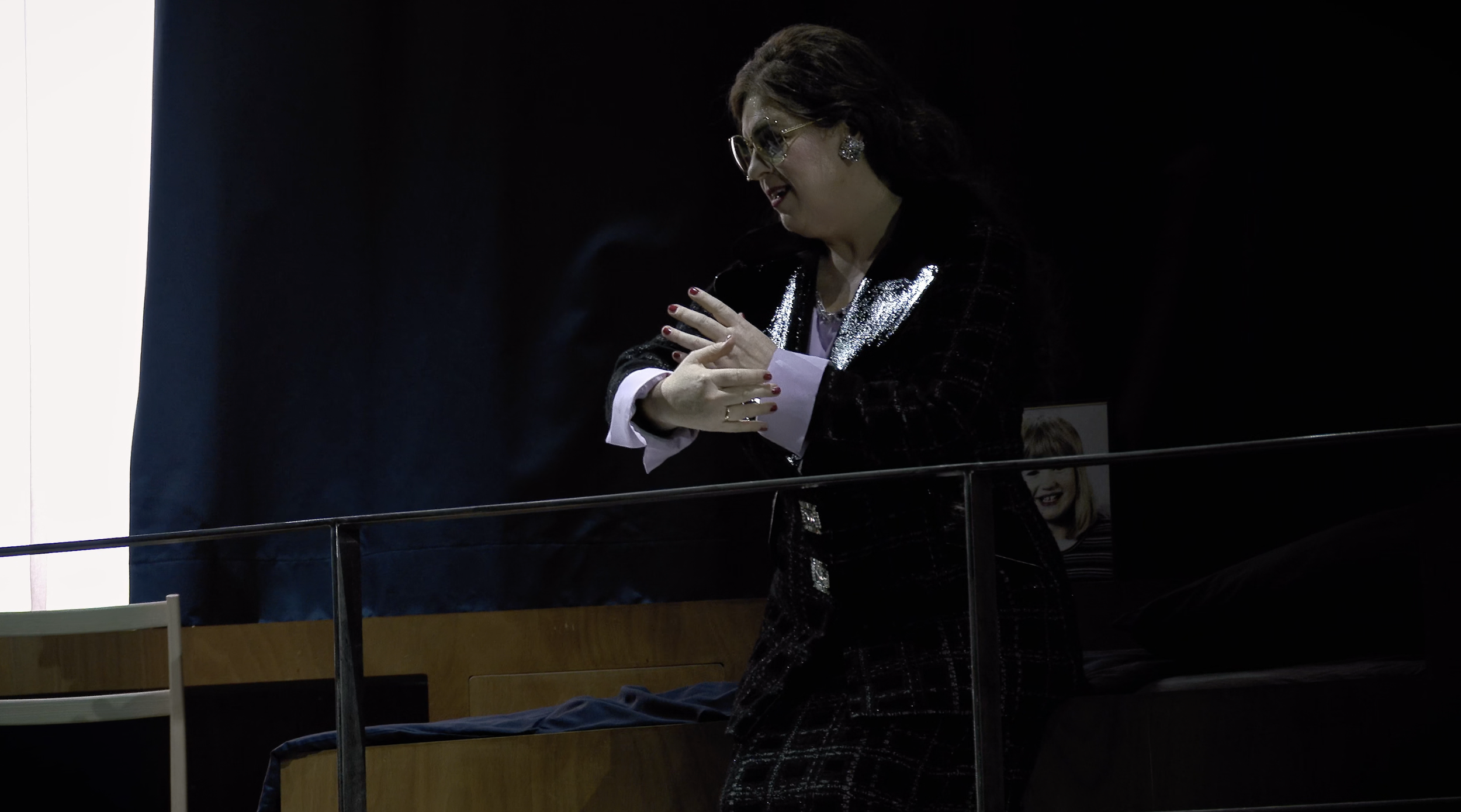
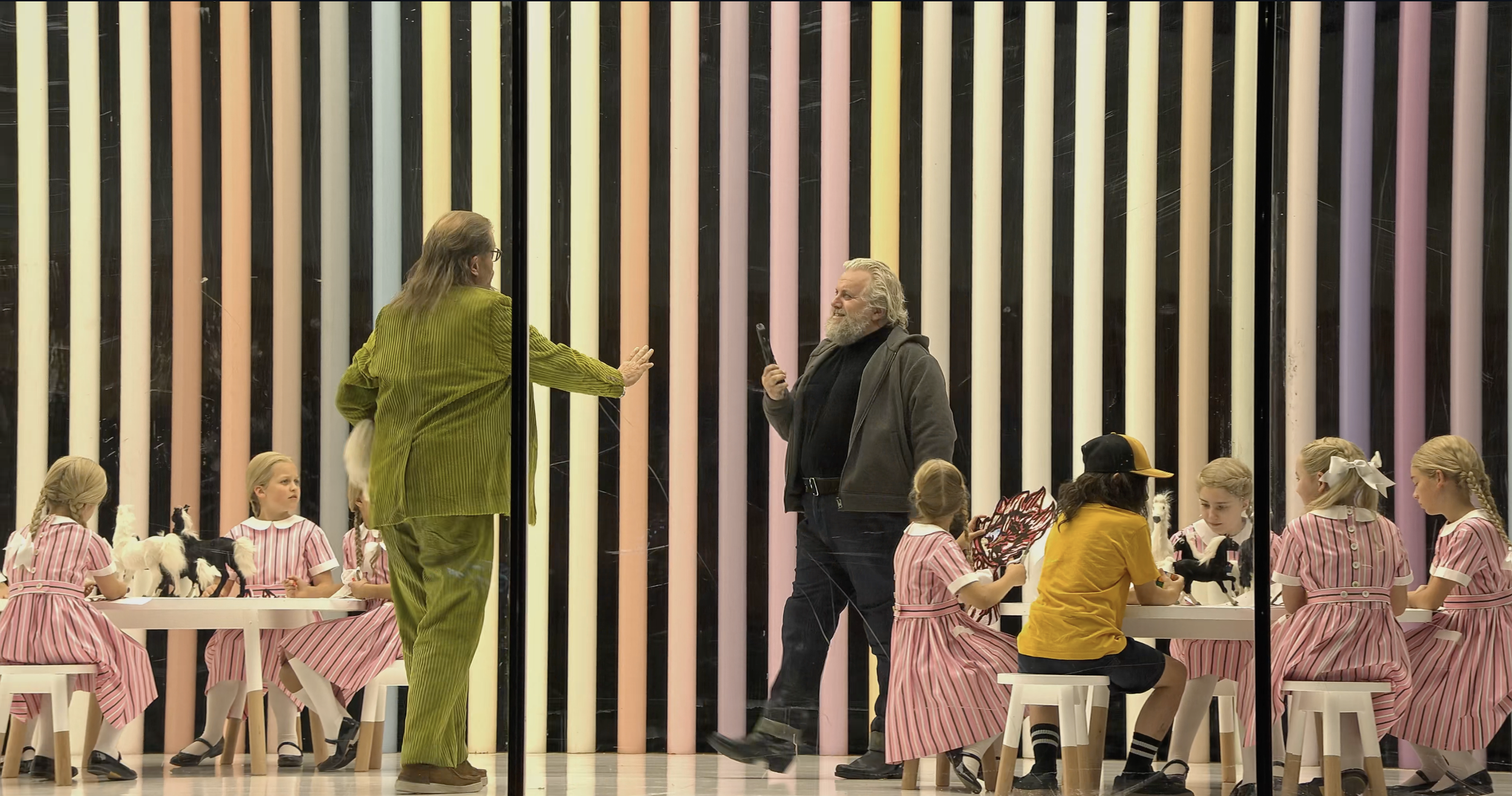
The Schwarz Ring: Das Rheingold, Bayreuth July 2022
Wort des Weges
Gold(das Gold; adjective: golden):
The word is the same in German as in English, near enough. Gold. A single syllable, hard at the start, open at the end. It does not need translation. What needs attention is what Wagner does to it.
In Das Rheingold, gold appears first as light. The Rhinemaidens circle their treasure in the river's depths; Alberich the dwarf tries to catch them and fails; and then Wellgunde points upward, where the gold is catching the sun from the world above and throwing its light down into the water. Lugt, Schwestern! Die Weckerin lacht in den Grund. Look, sisters. The waker laughs into the deep. The gold does not yet exist as an object. It exists as illumination. A quality of light before it becomes a thing that can be taken.
The etymology leads through Old High German gold, proto-Germanic gulþą, and backward into a root that meant, simply, yellow. The color before the substance. Gold was understood first as a property of light, a way that certain mornings and certain surfaces behave, and only then as a category of extractable matter. This sequence matters for the opera. Alberich does not steal a concept. He forges a ring from a physical object. But Wagner makes certain we see the light before the ore, the shimmer before the seizure.
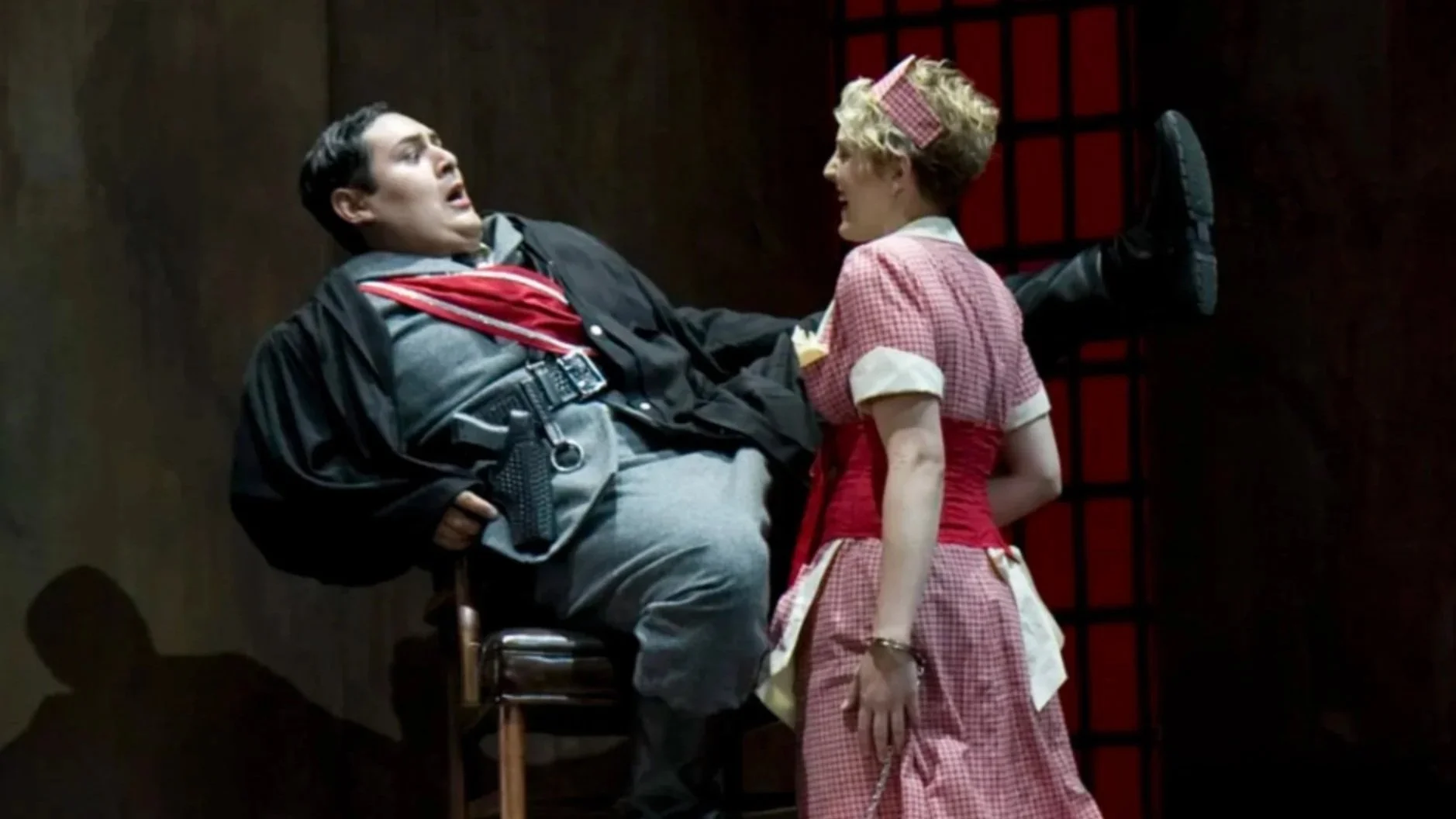
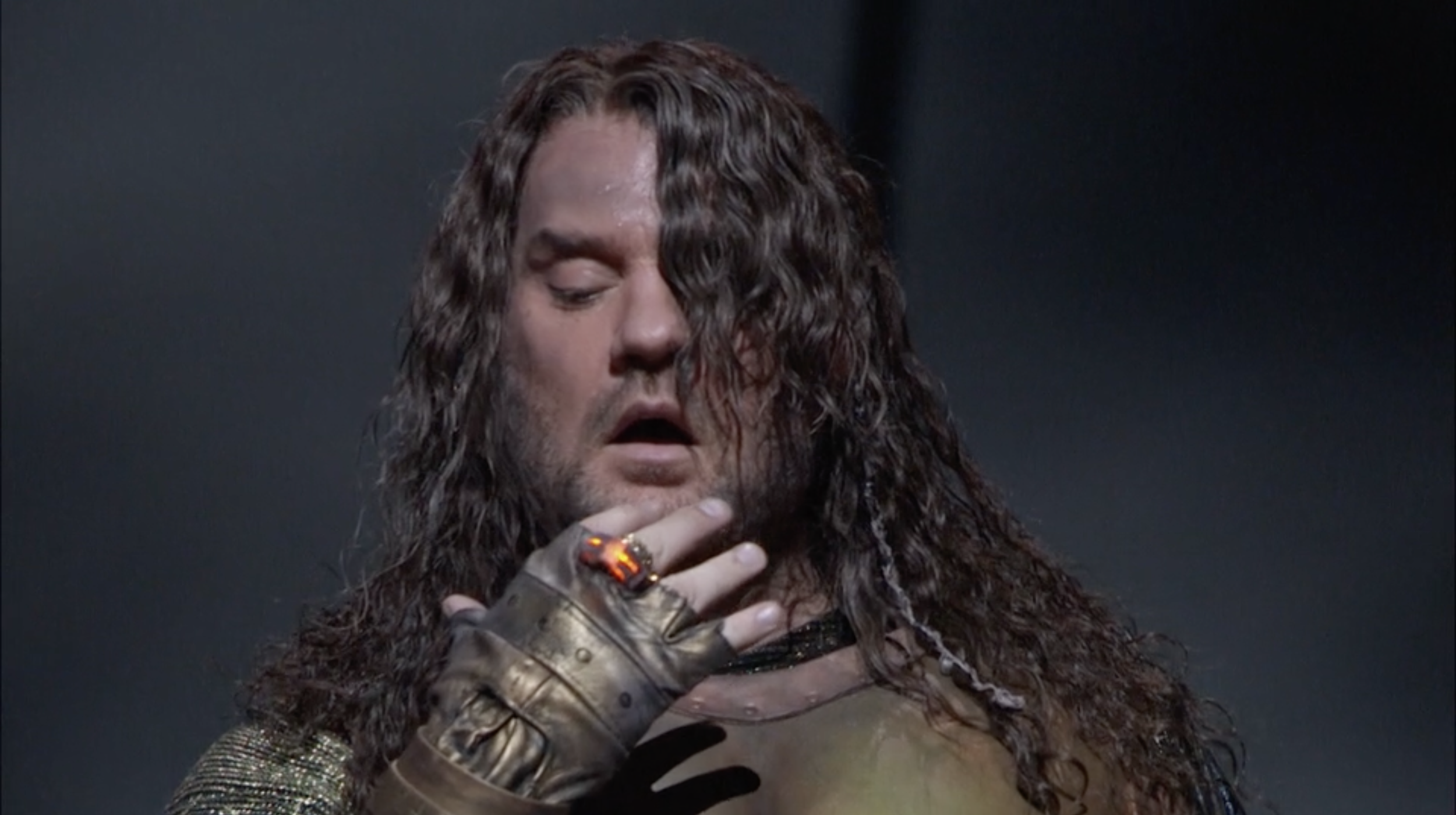
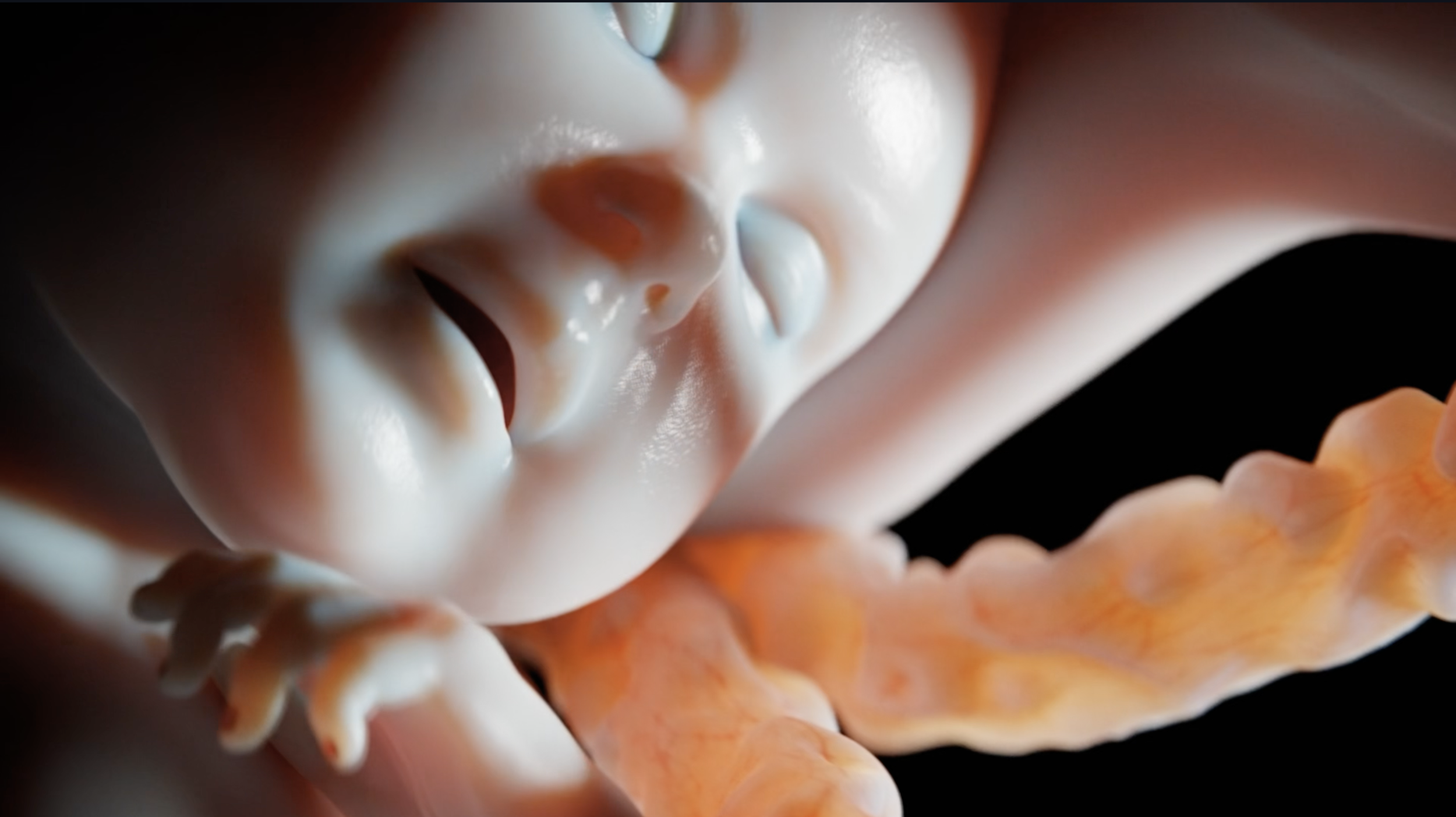
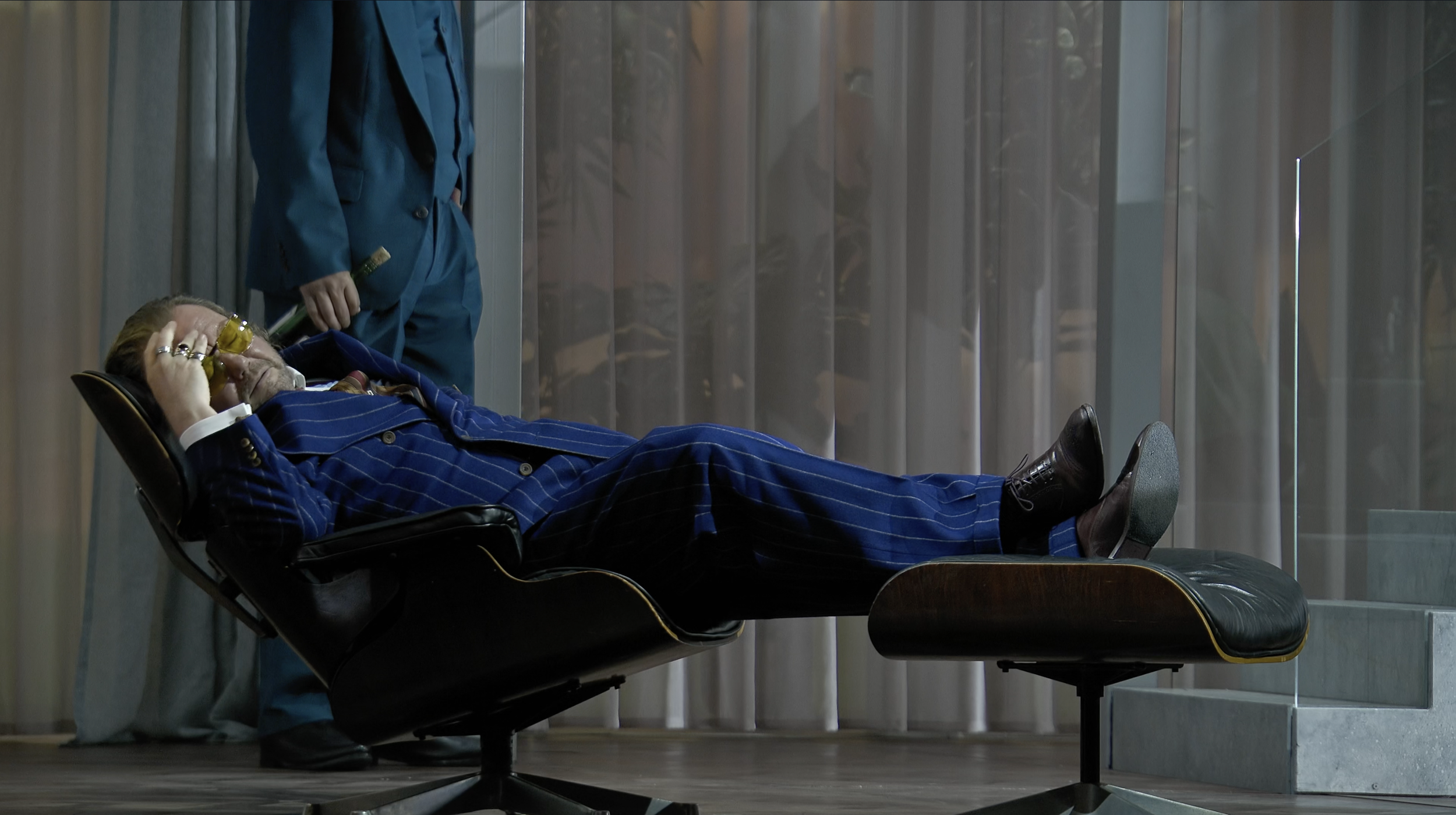
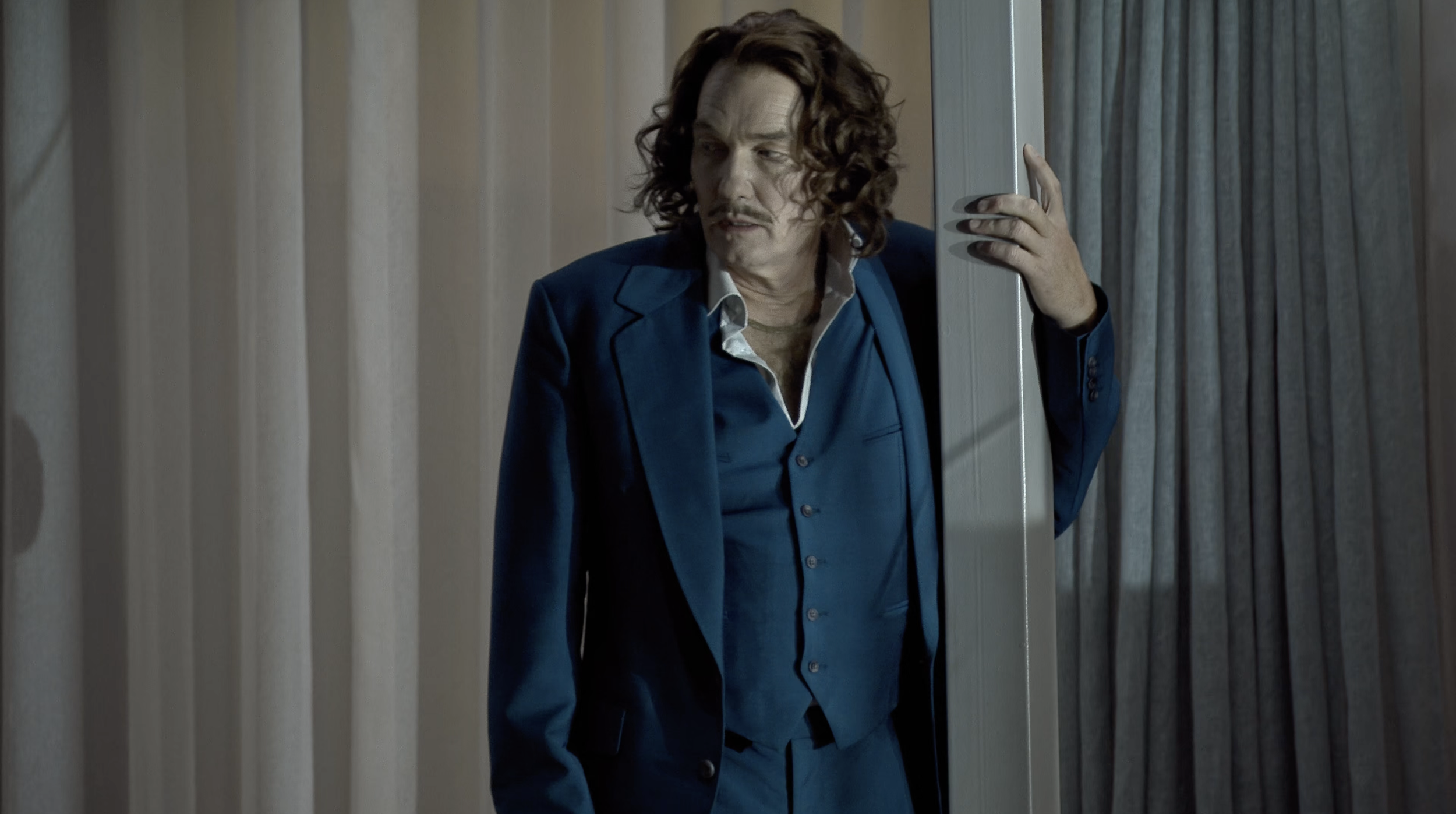
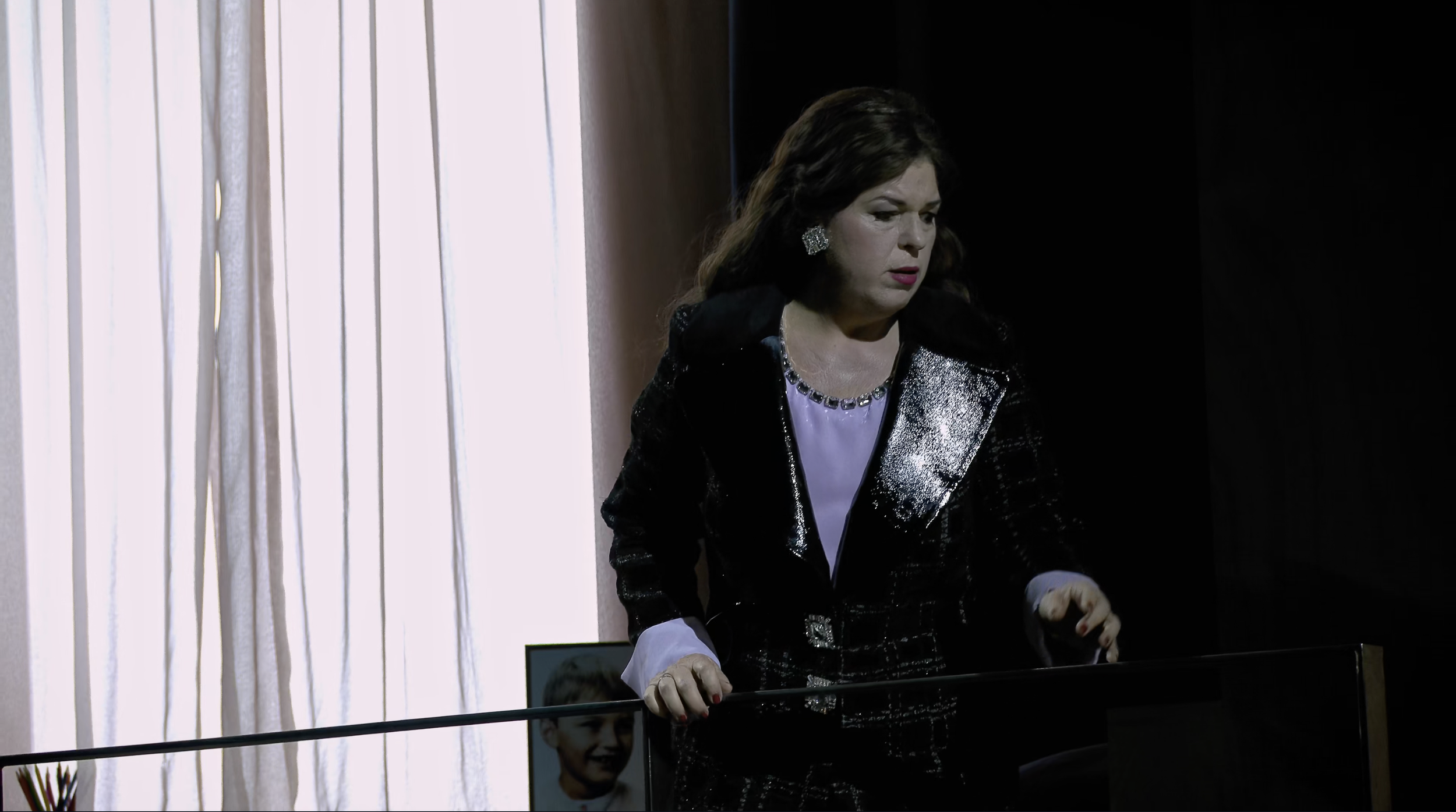
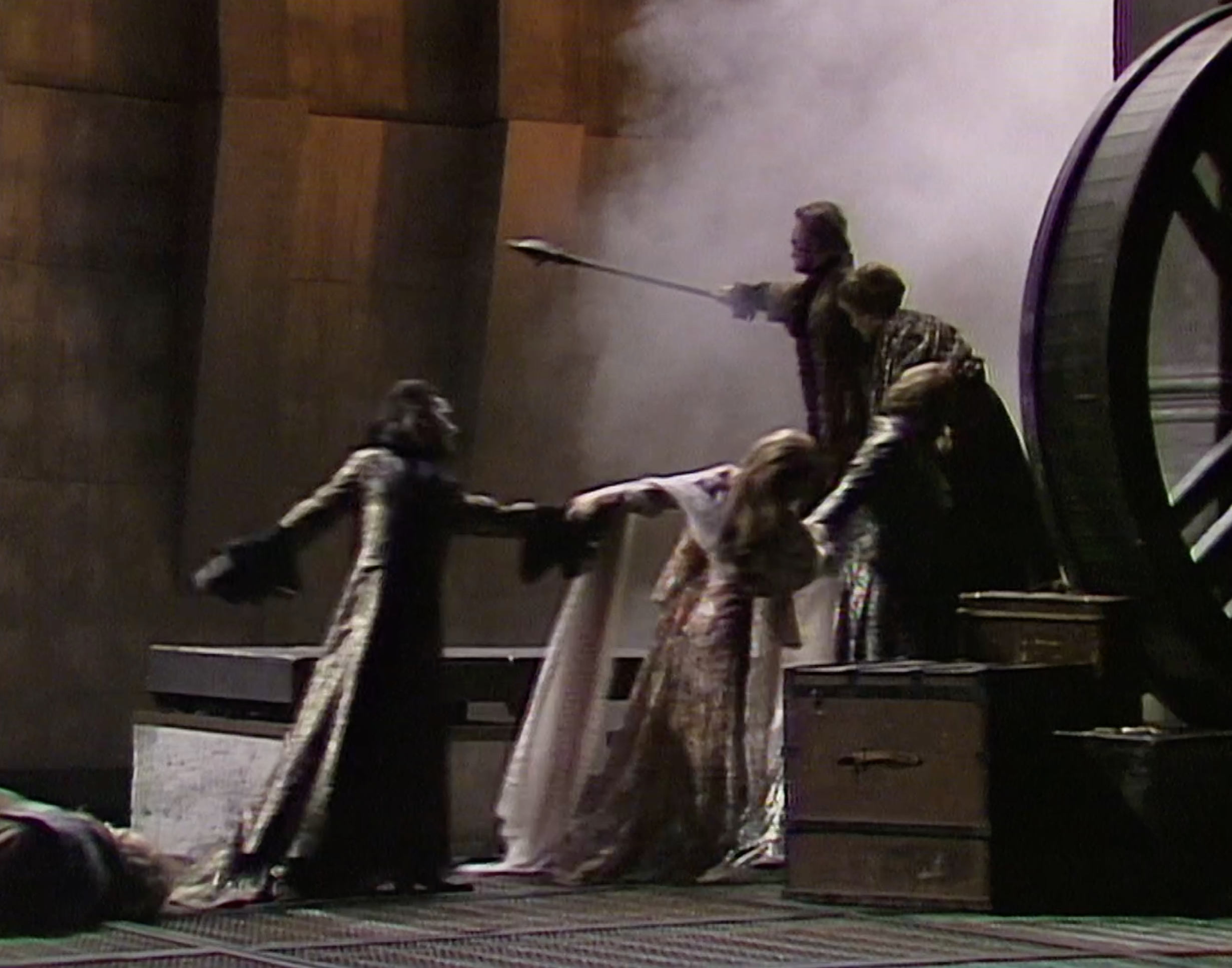
The Chéreau Ring: Das Rheingold, Bayreuth July 1980
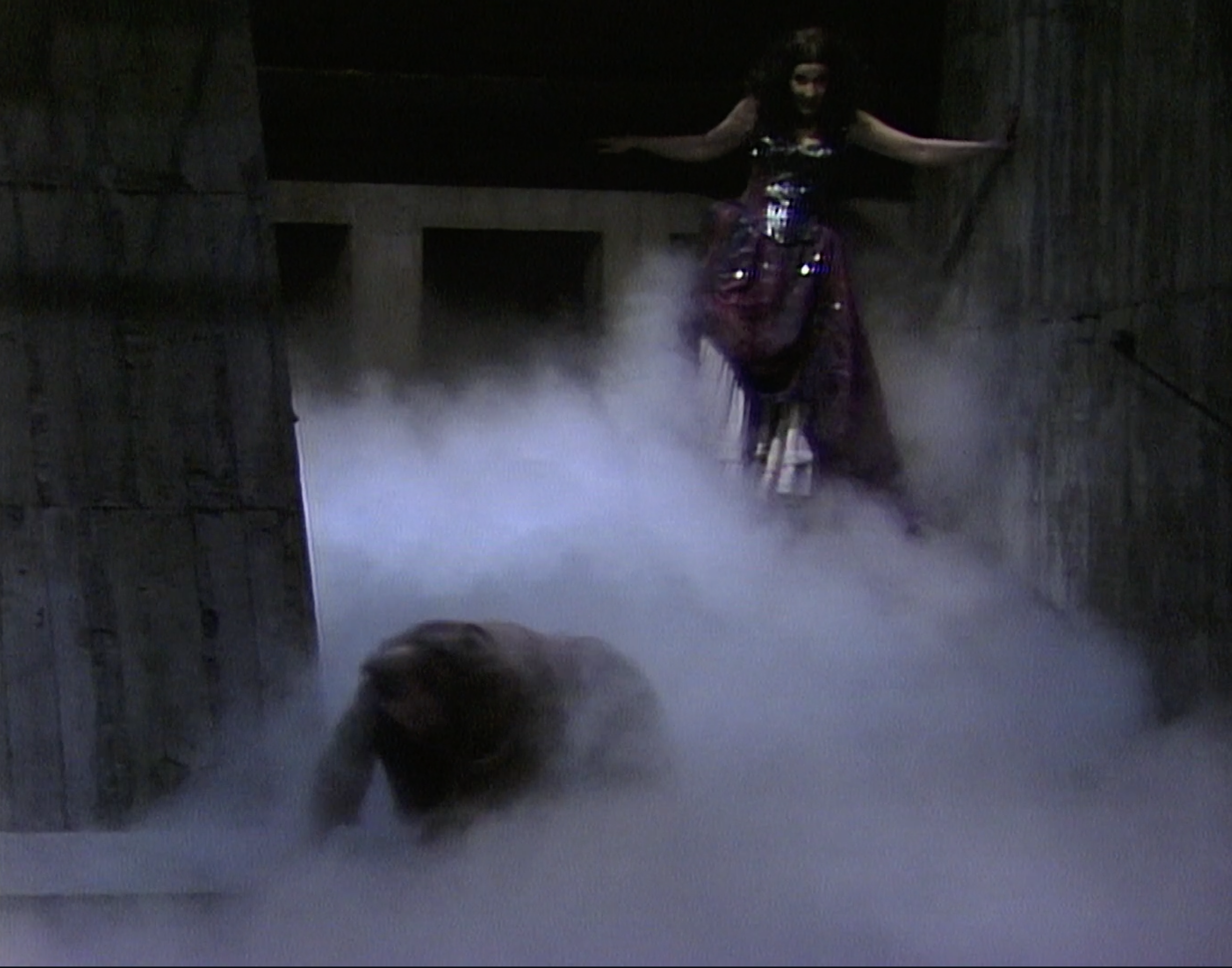
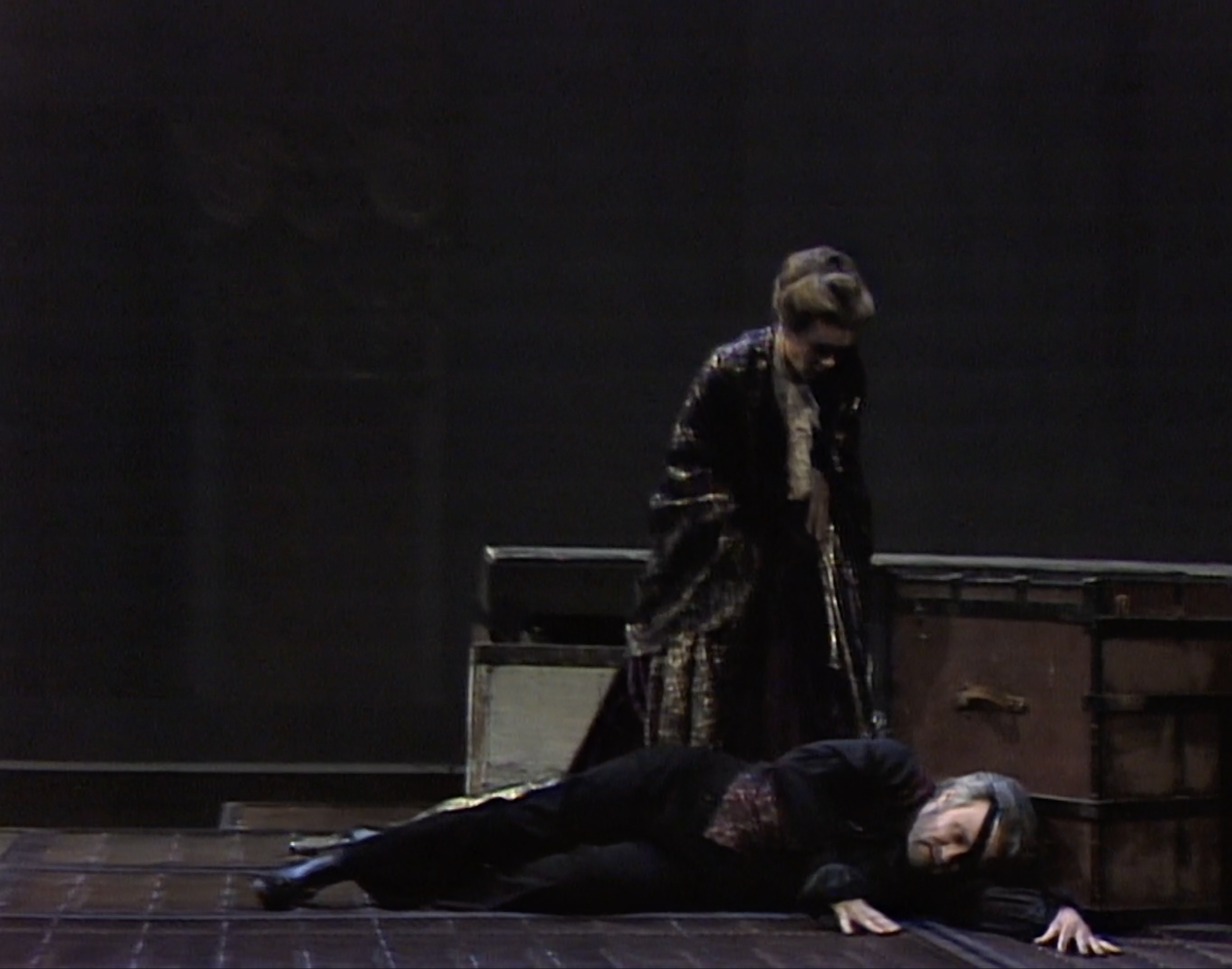
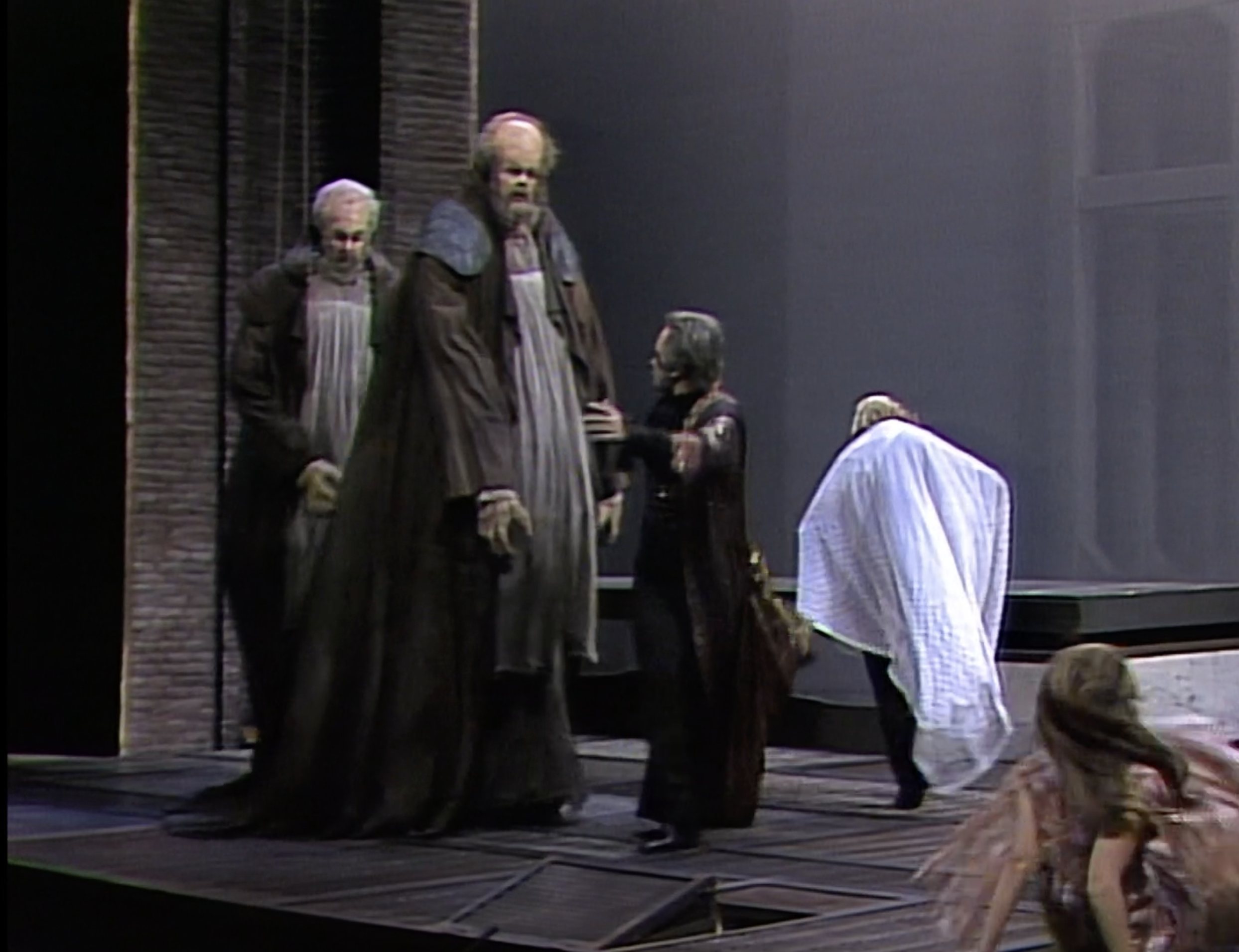
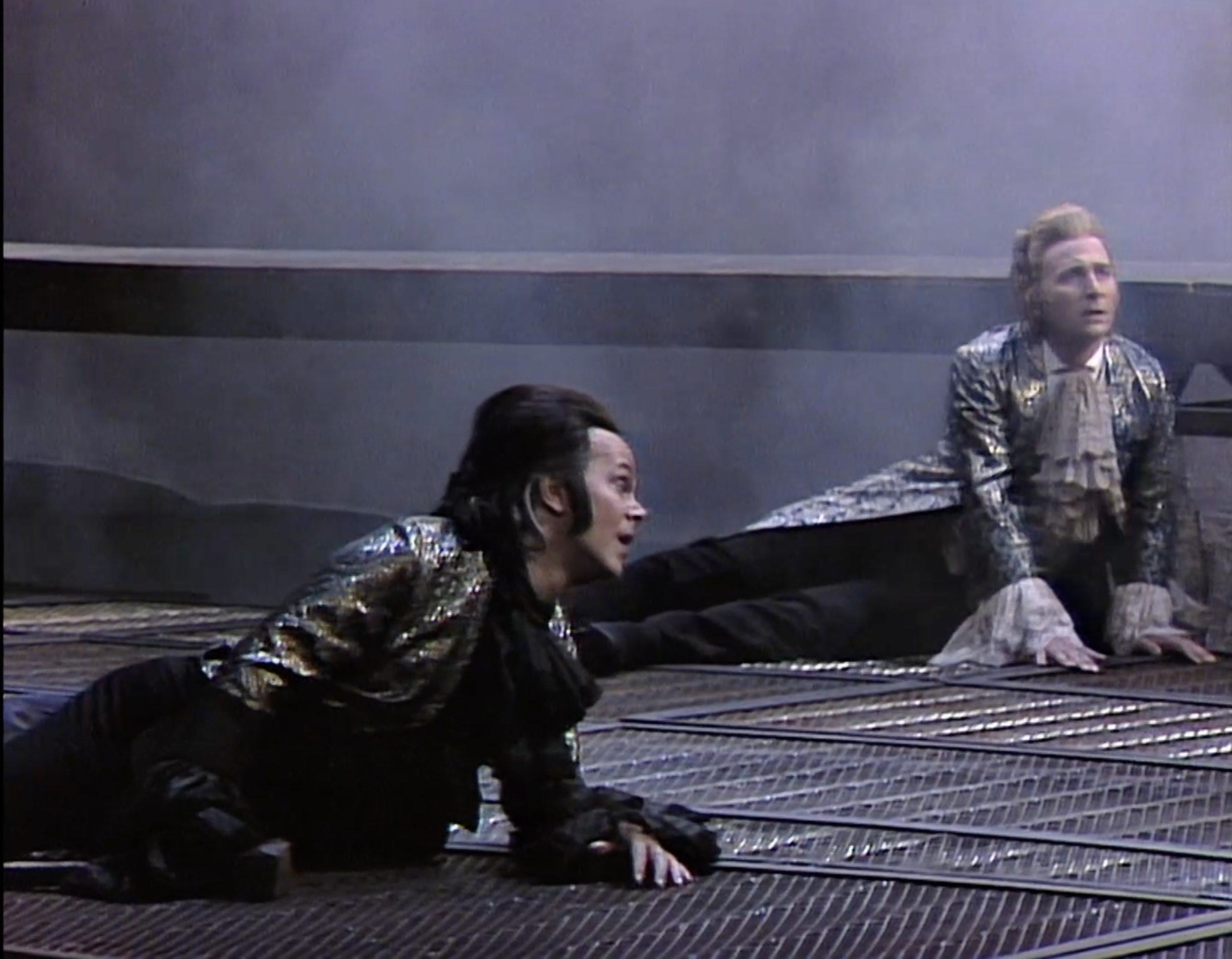
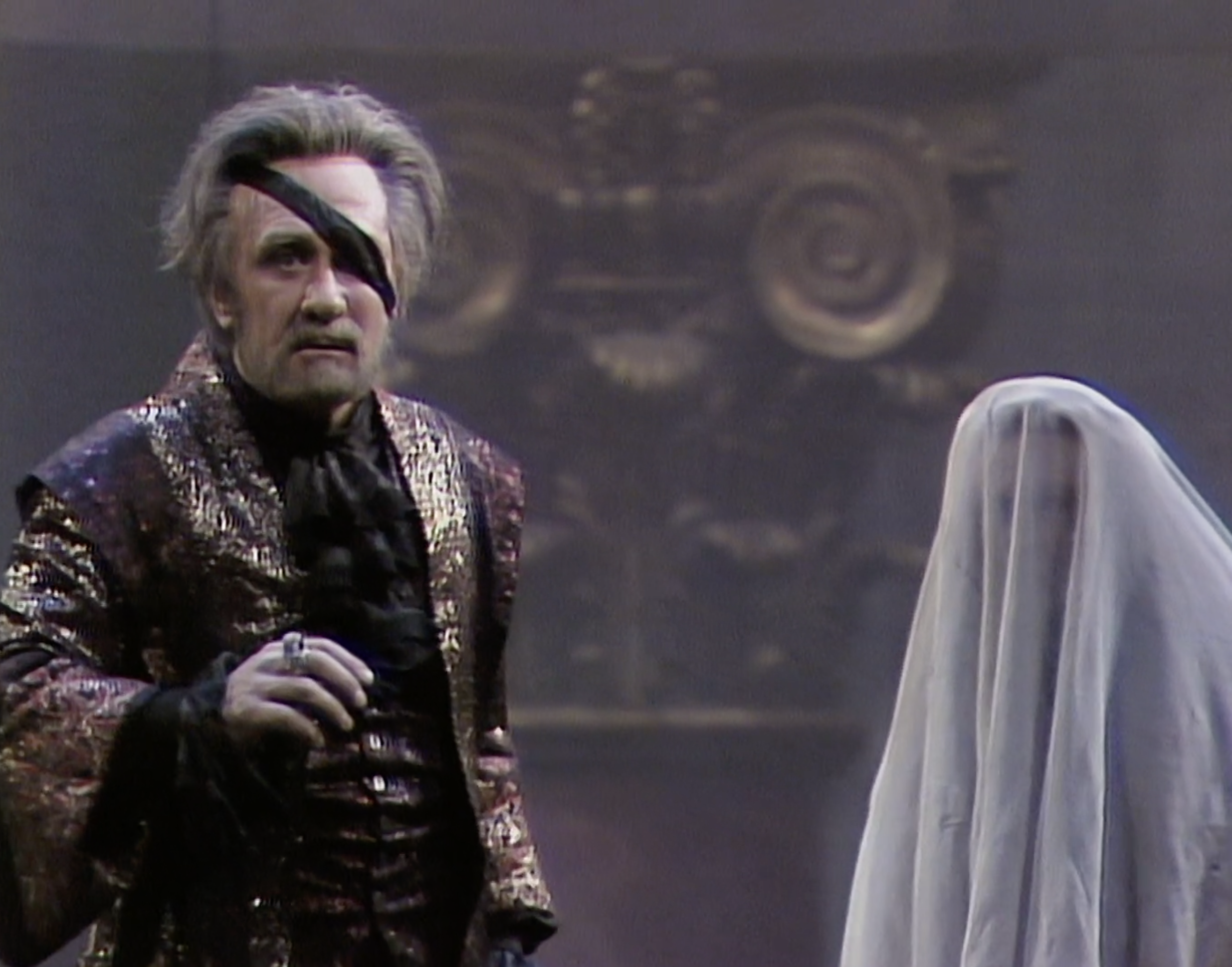
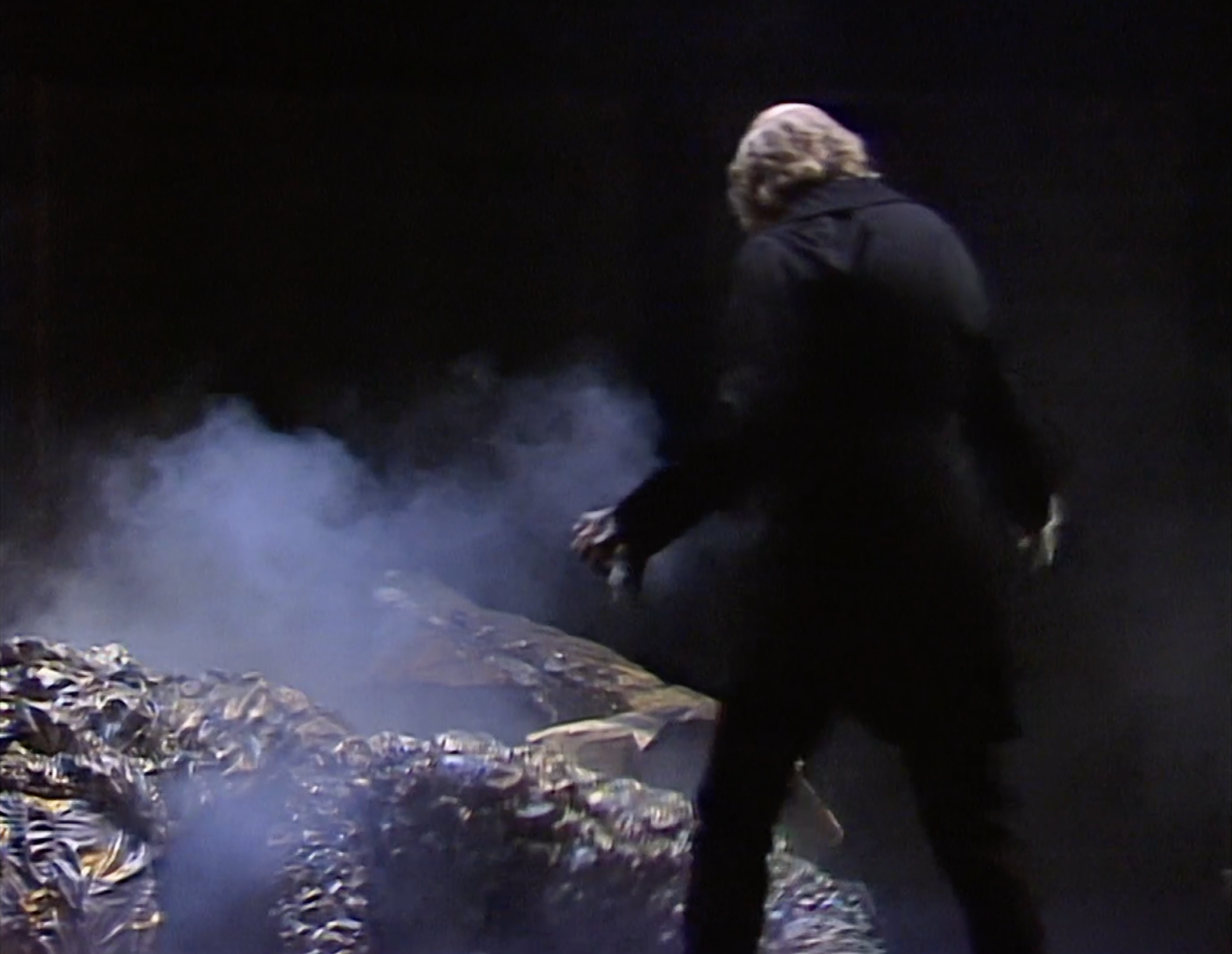
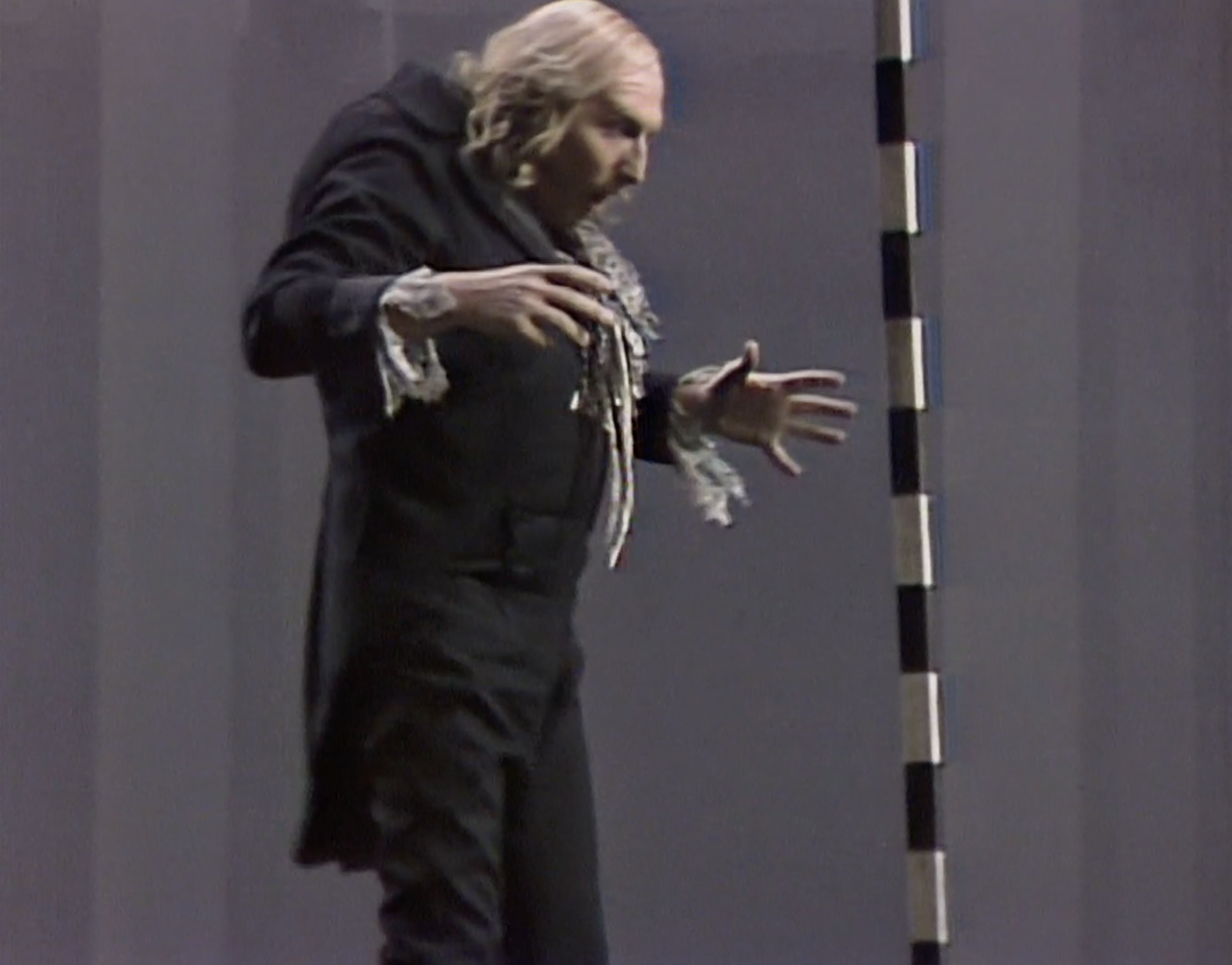
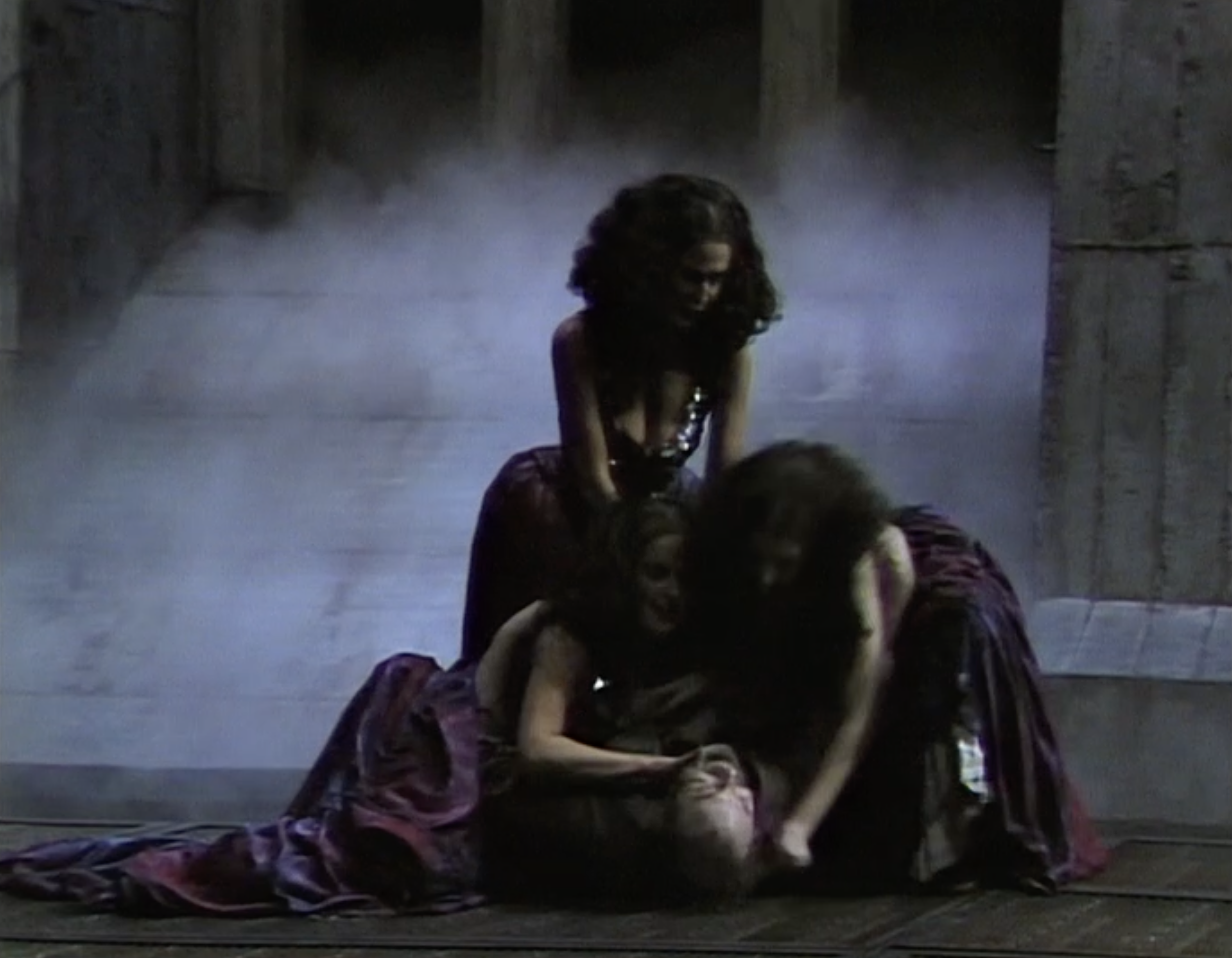
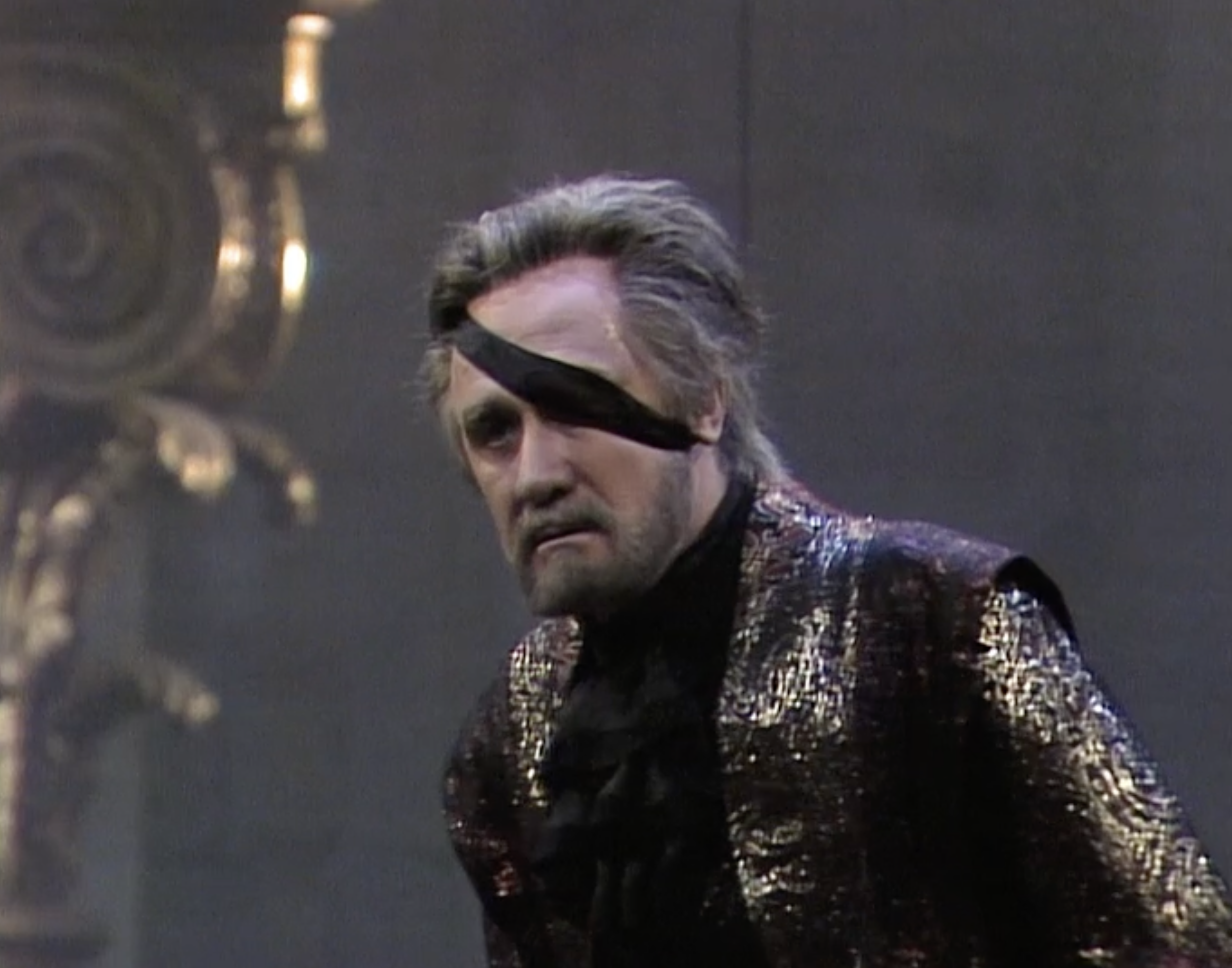
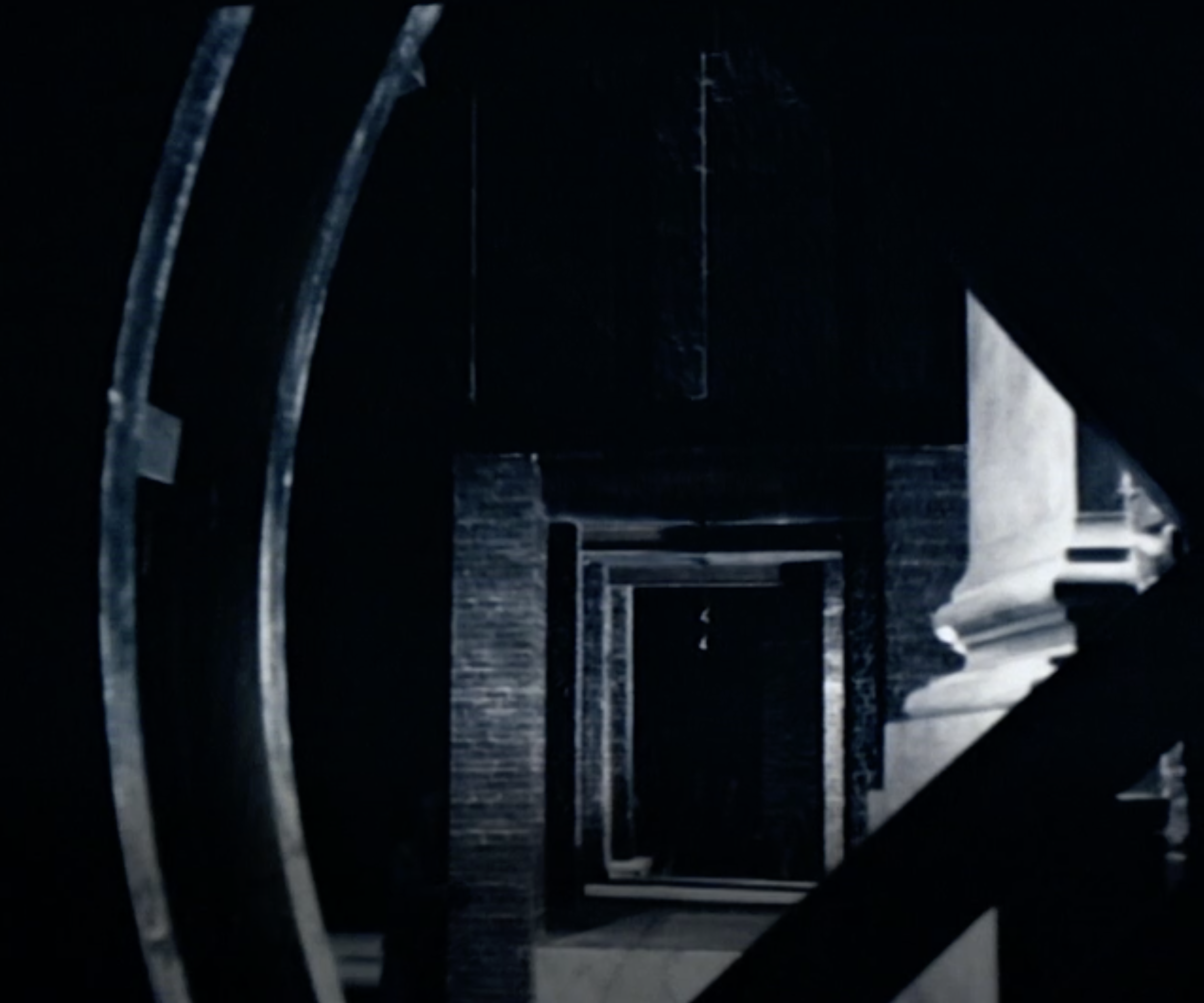
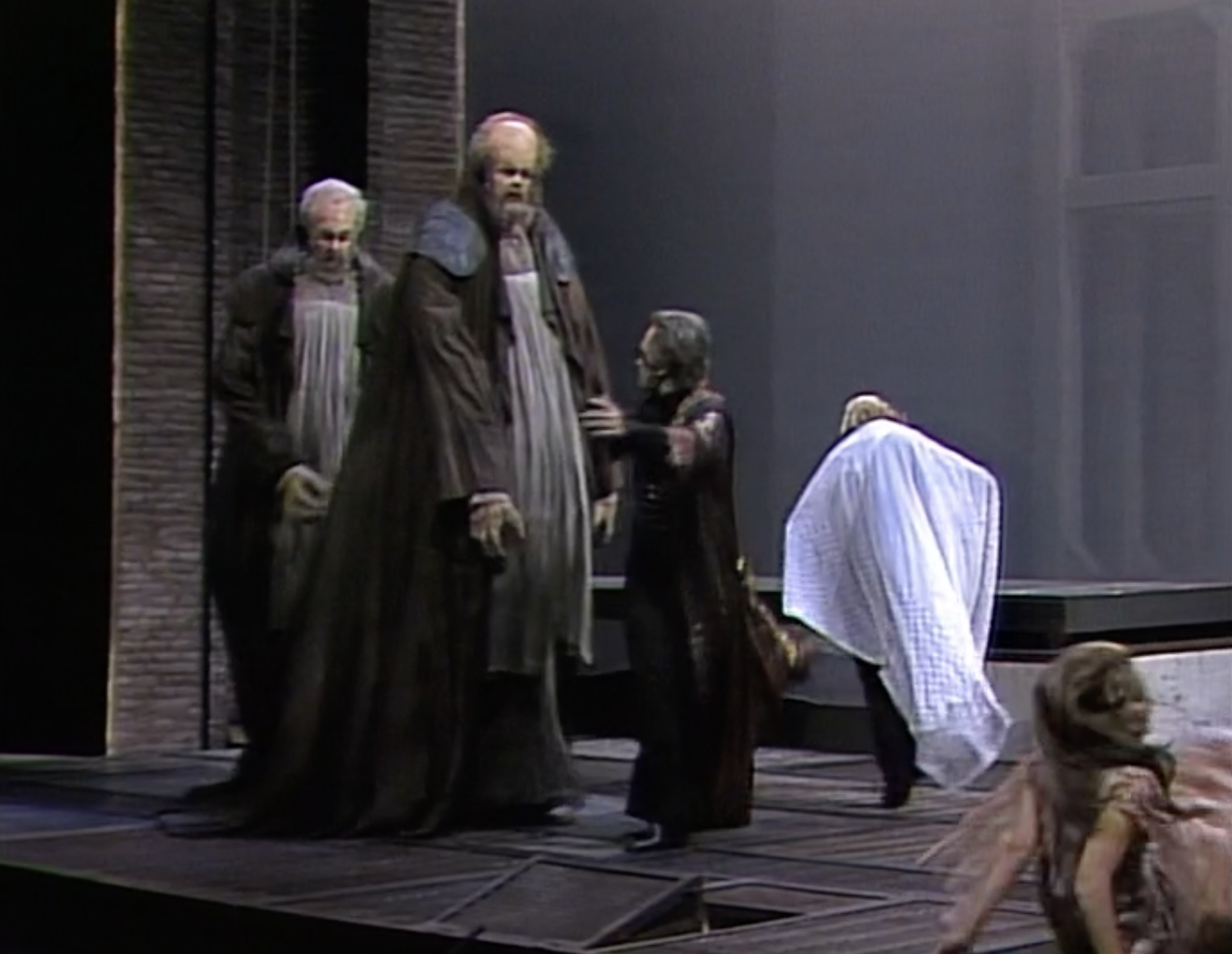
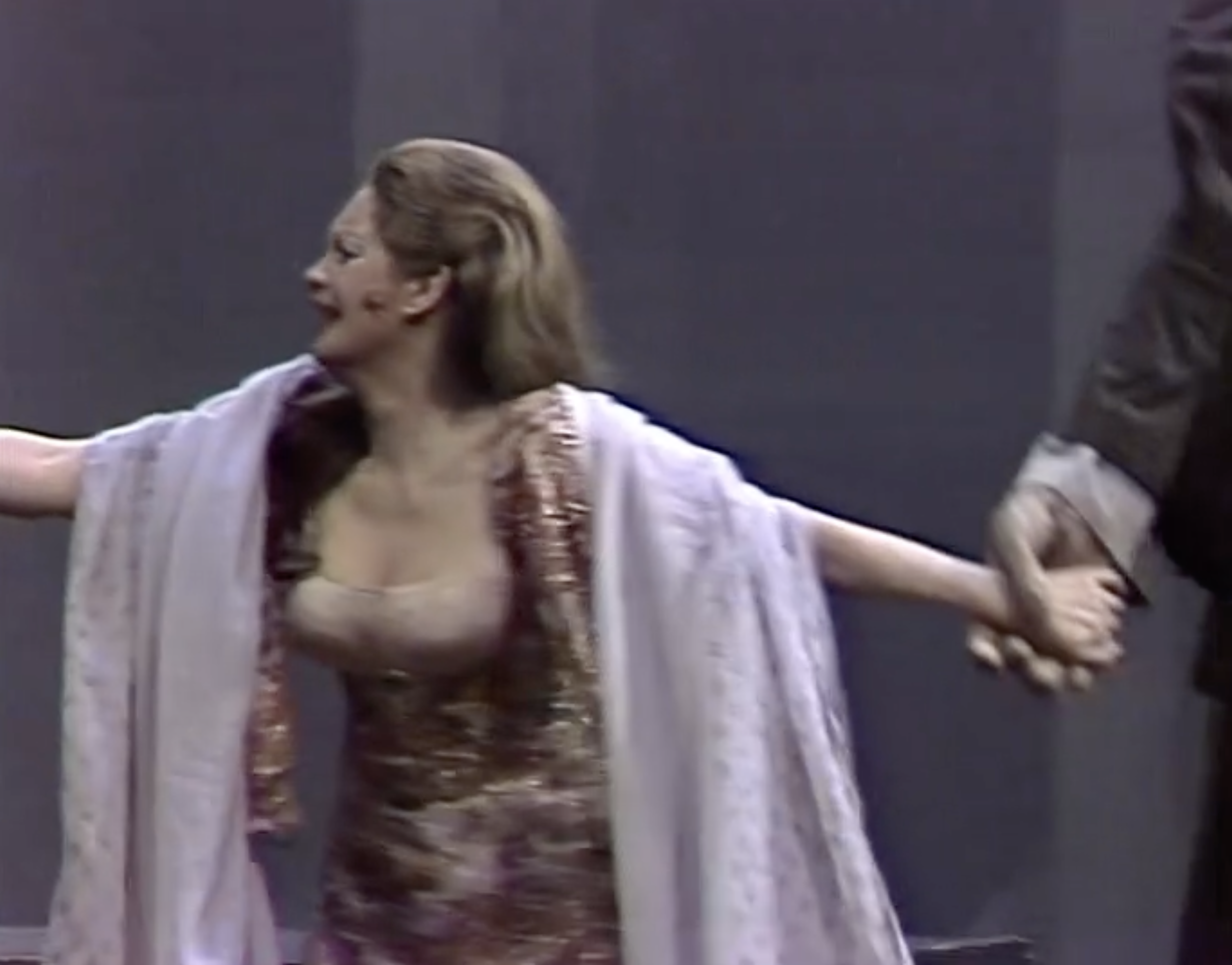
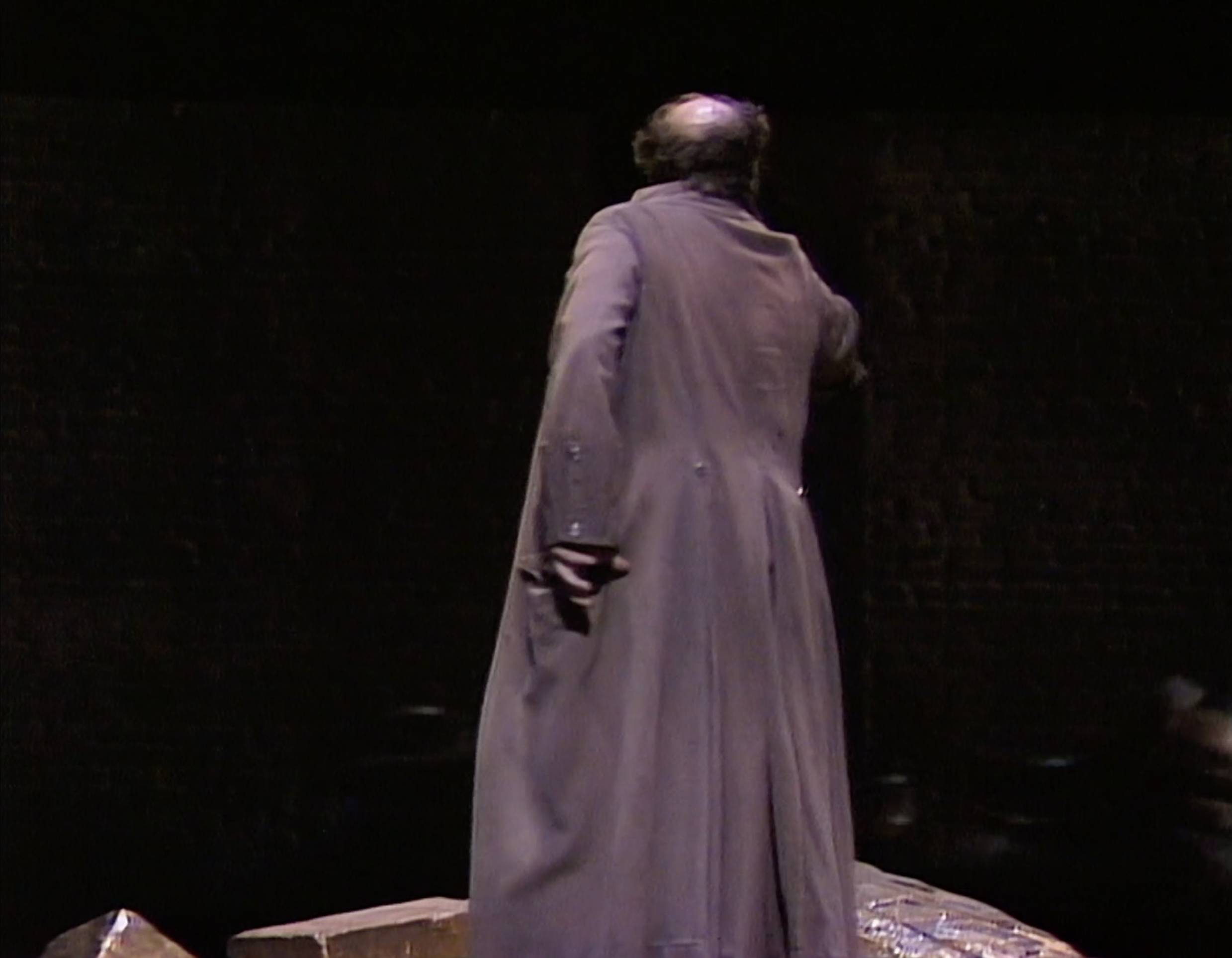
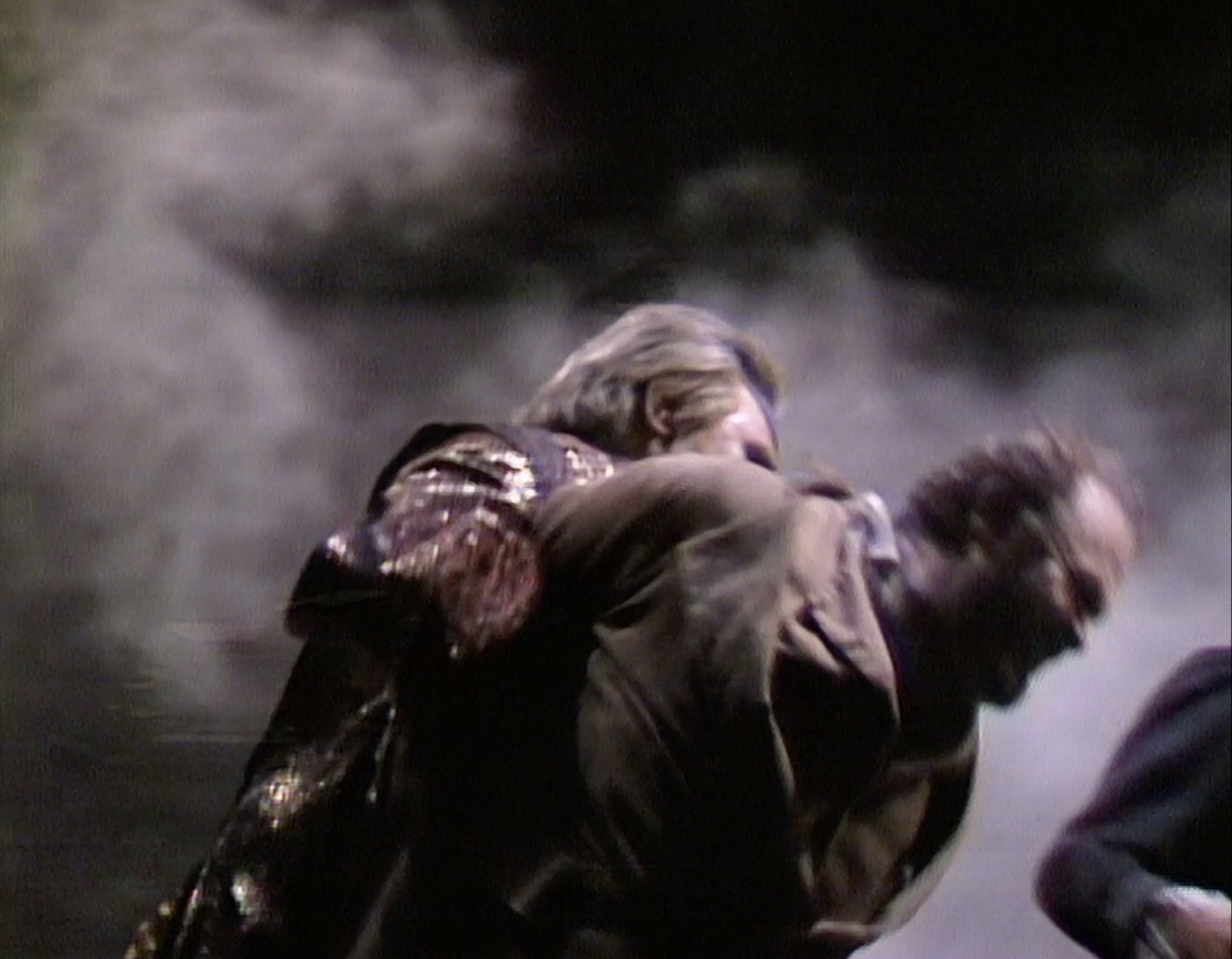
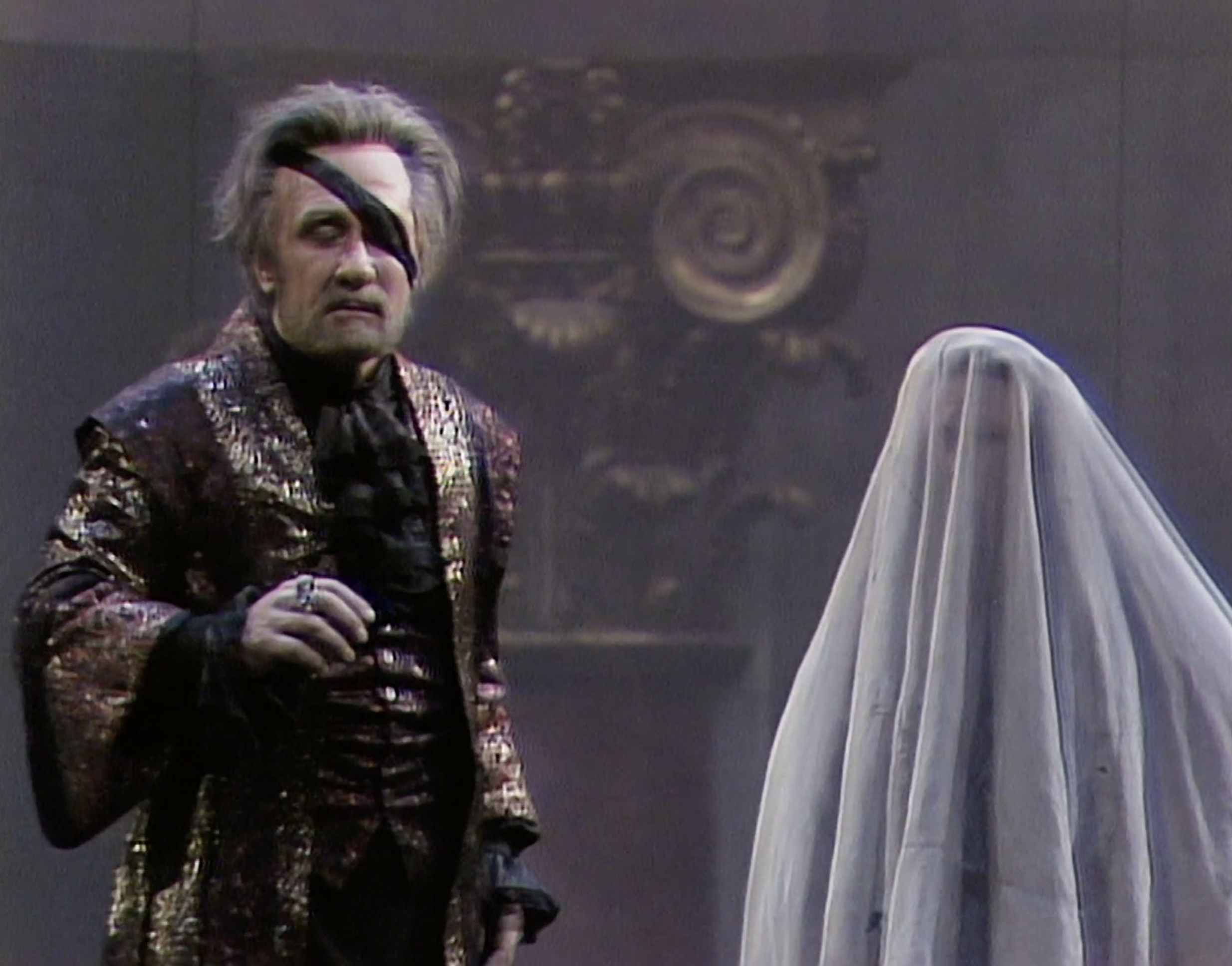
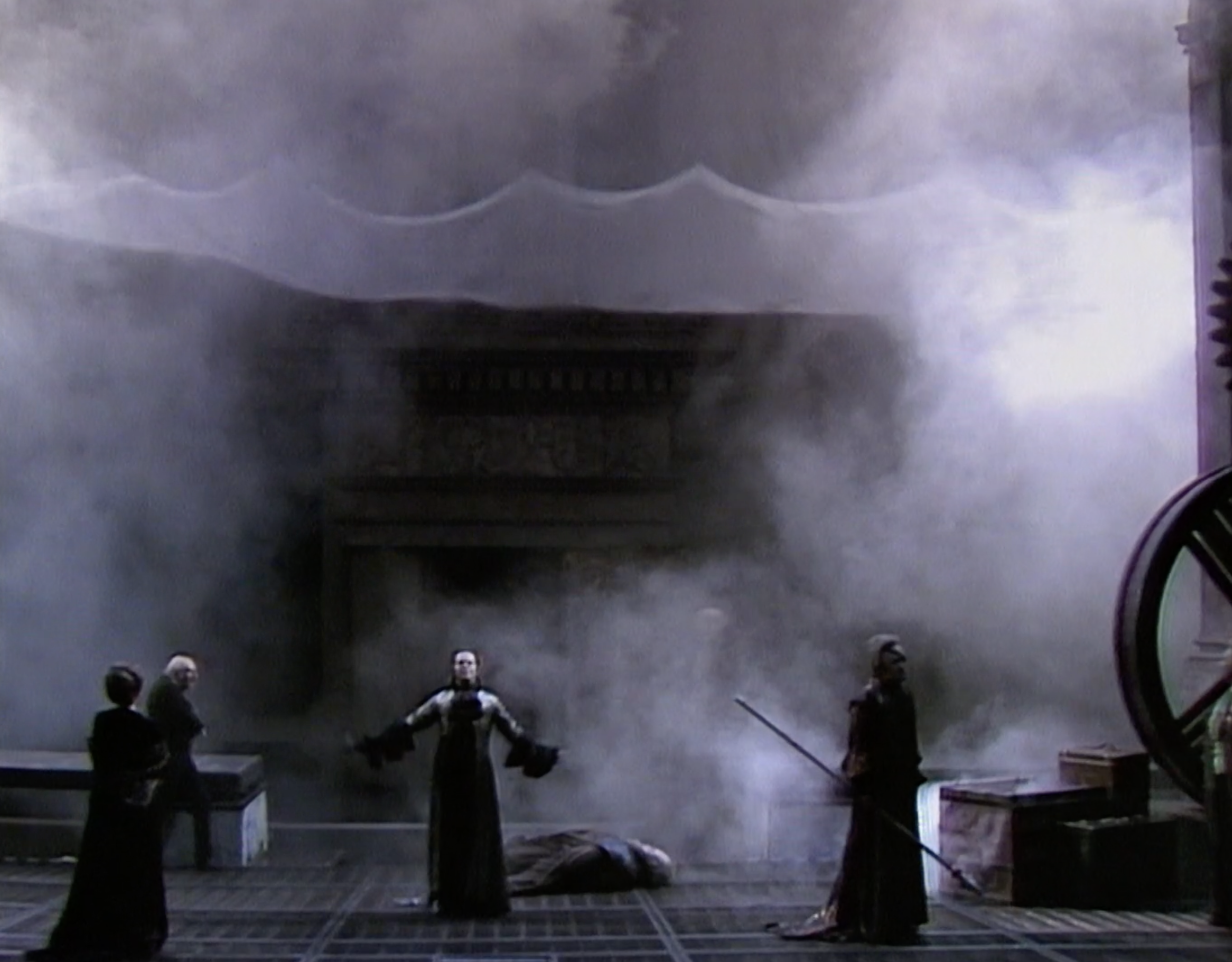
The gold's magical property, in the Rhinemaidens' telling, is this: whoever renounces love and shapes the gold into a ring can win the world's dominion. The renunciation comes first. The ring is made from the giving-up, not despite it. Love is the price of power. This is not incidental to the drama. It is the drama's entire metaphysical architecture. Every subsequent catastrophe in the Ring cycle is downstream of this single exchange: Alberich decides that the world-without-love is preferable to the world-with-love-but-without-power, and the decision, once made, cannot be unmade. The gold remembers the terms of its forging.
New York is full of this gold. Not the decorative gold of the NYSE pediment or the gilded letters on the bank facades, though those are there too. The gold that matters is the light. On clear mornings in June, the East River catches the sun from the southeast and throws it upward against the underside of the bridges. The water between the piers moves in long arcs that hold light differently from the surface chop. If you stand on Pier 15 at the right angle in the right hour, the river below you does exactly what the Rhinemaidens' realm does in the opera's first scene: it generates light from below, shimmer that seems to come from within the water rather than from a source above it.
The word for this in German is Glanz. Luster, brilliance, sheen. Das Gold glänzt. The gold gleams. The verb is intransitive; the gold does not reflect the light passively, it gleams, actively, as a property it possesses. When Alberich takes it and forges the ring, it stops gleaming. It becomes an instrument. It enters the world of contracts and collateral and concentrated force. The Glanz is what was lost when the gold was claimed. What every extraction economy gives up in exchange for the thing it extracts.
There is no German word for what remains in the river after the gold is gone. The Rhinemaidens mourn it at the opera's end: Rheingold! Rheingold! Reines Gold! Clean gold. Pure gold. The gold before it was taken. This is not a word. It is a condition. The condition of value before it has been abstracted into property.
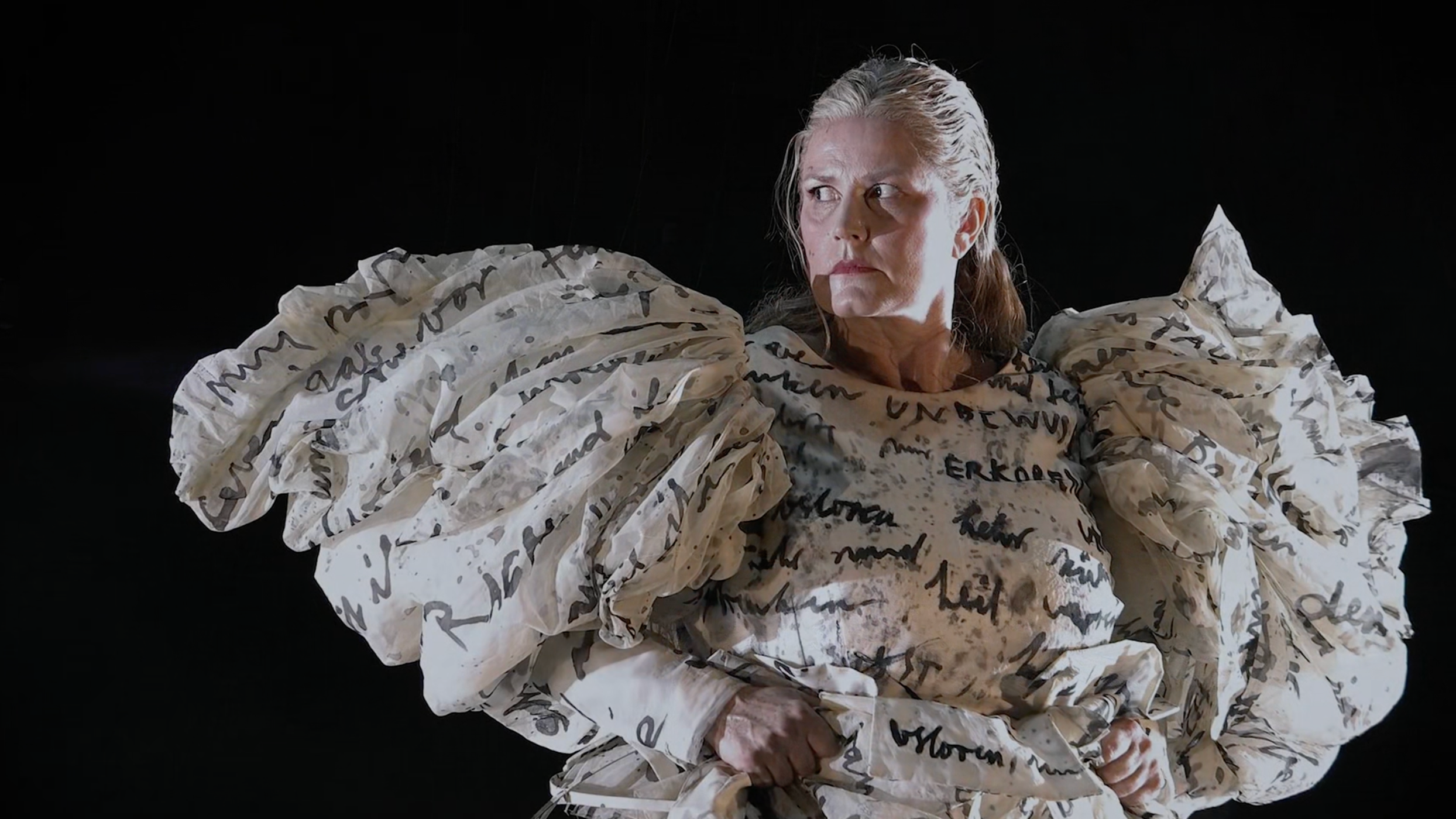
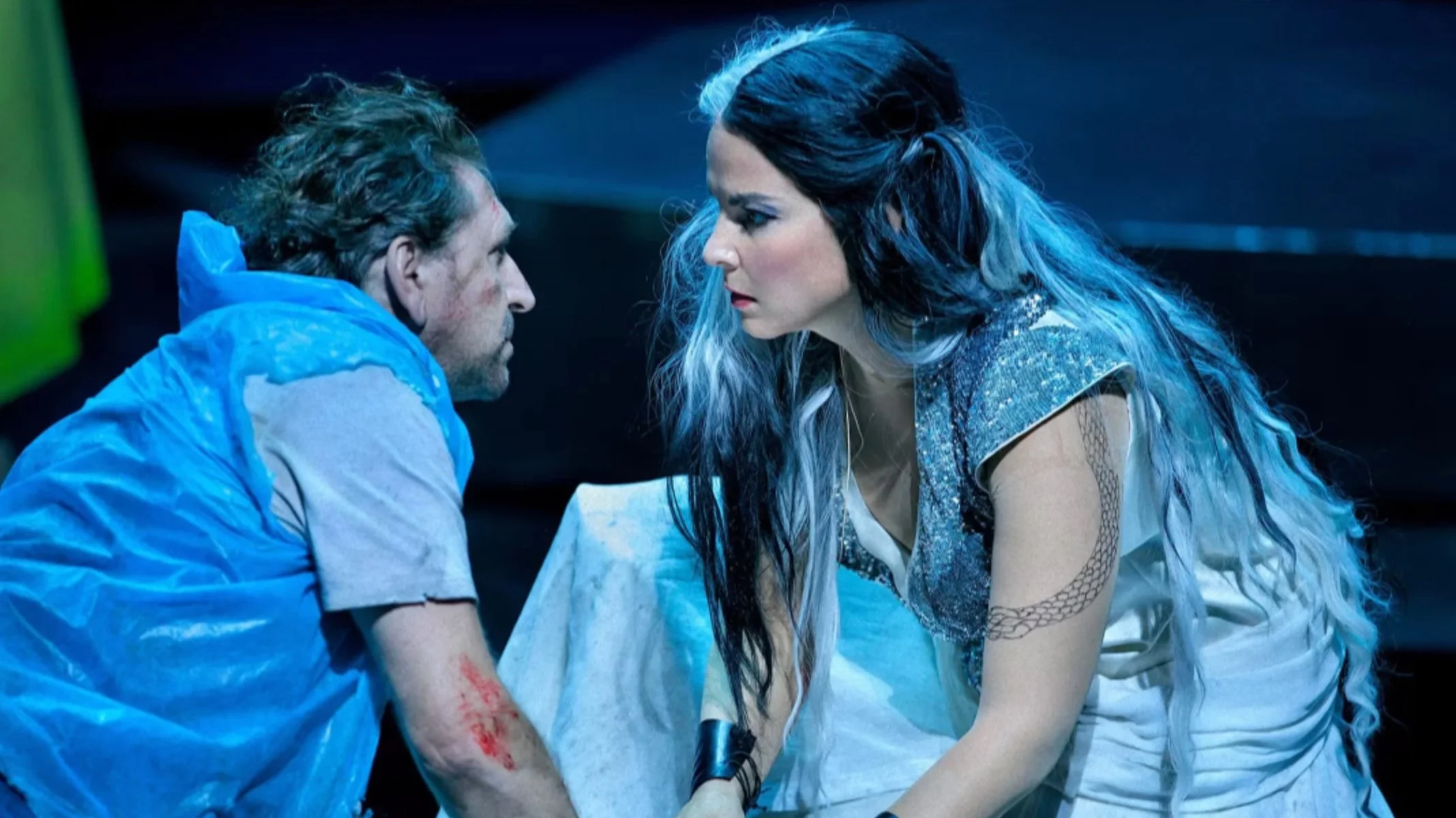
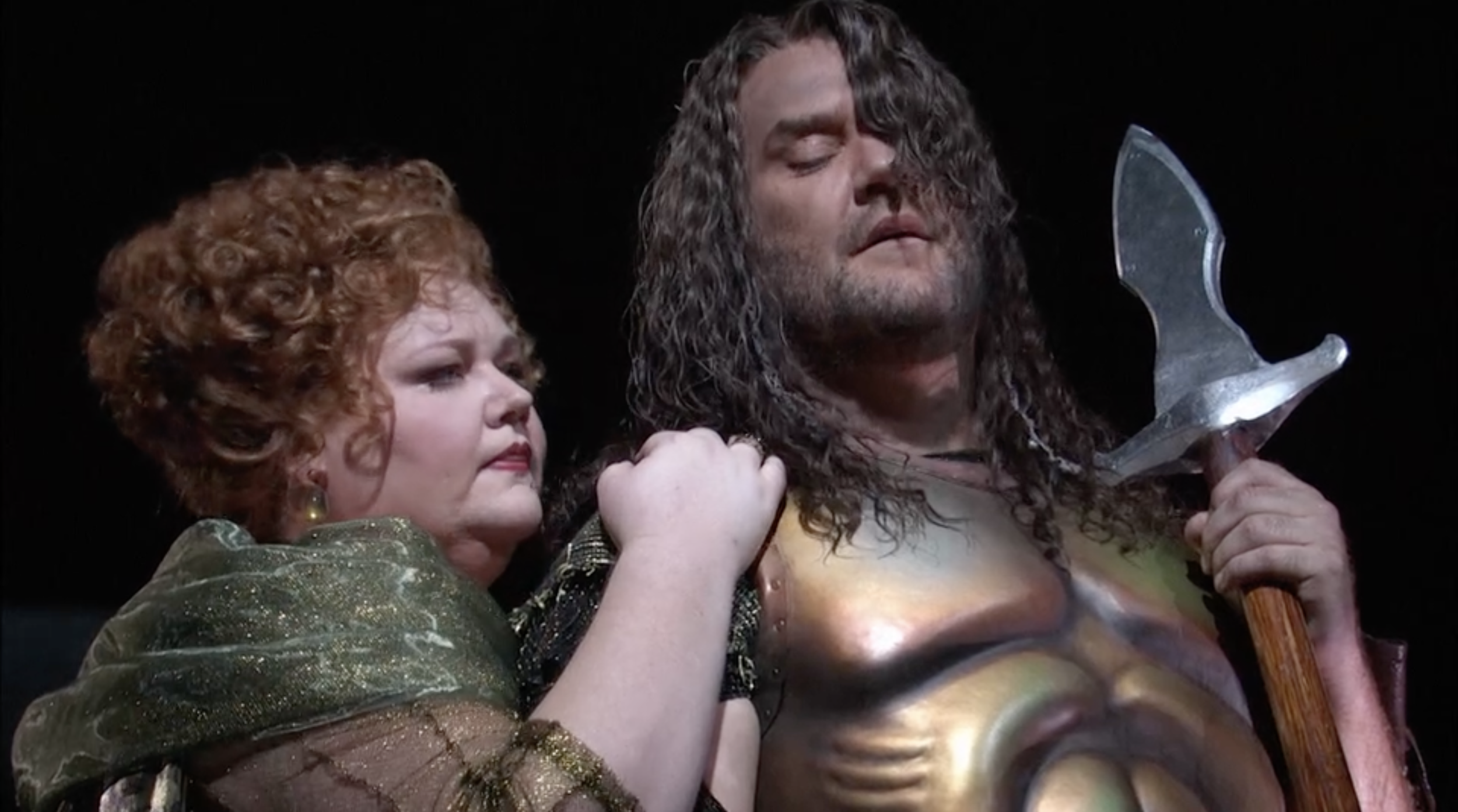
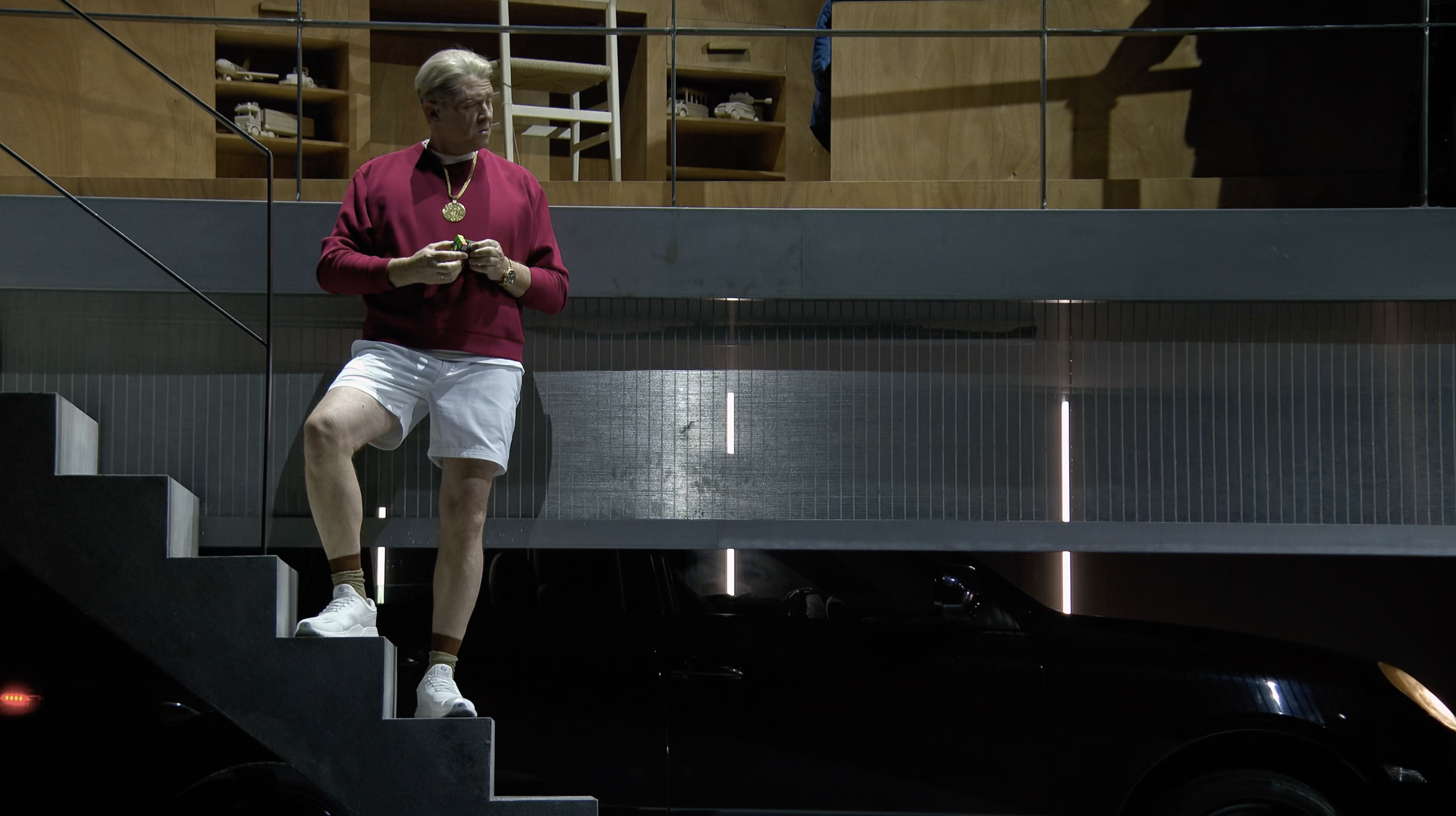
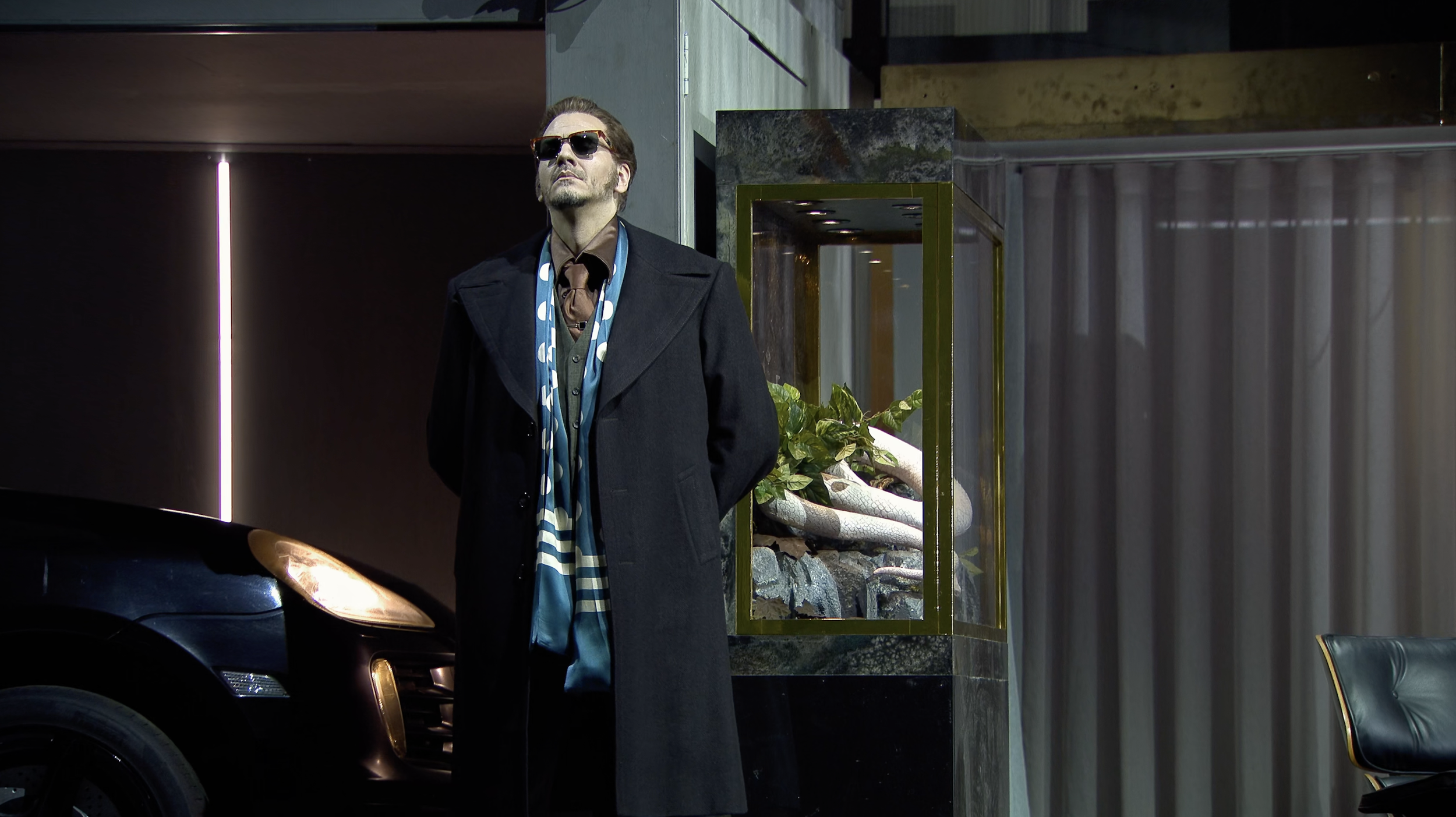
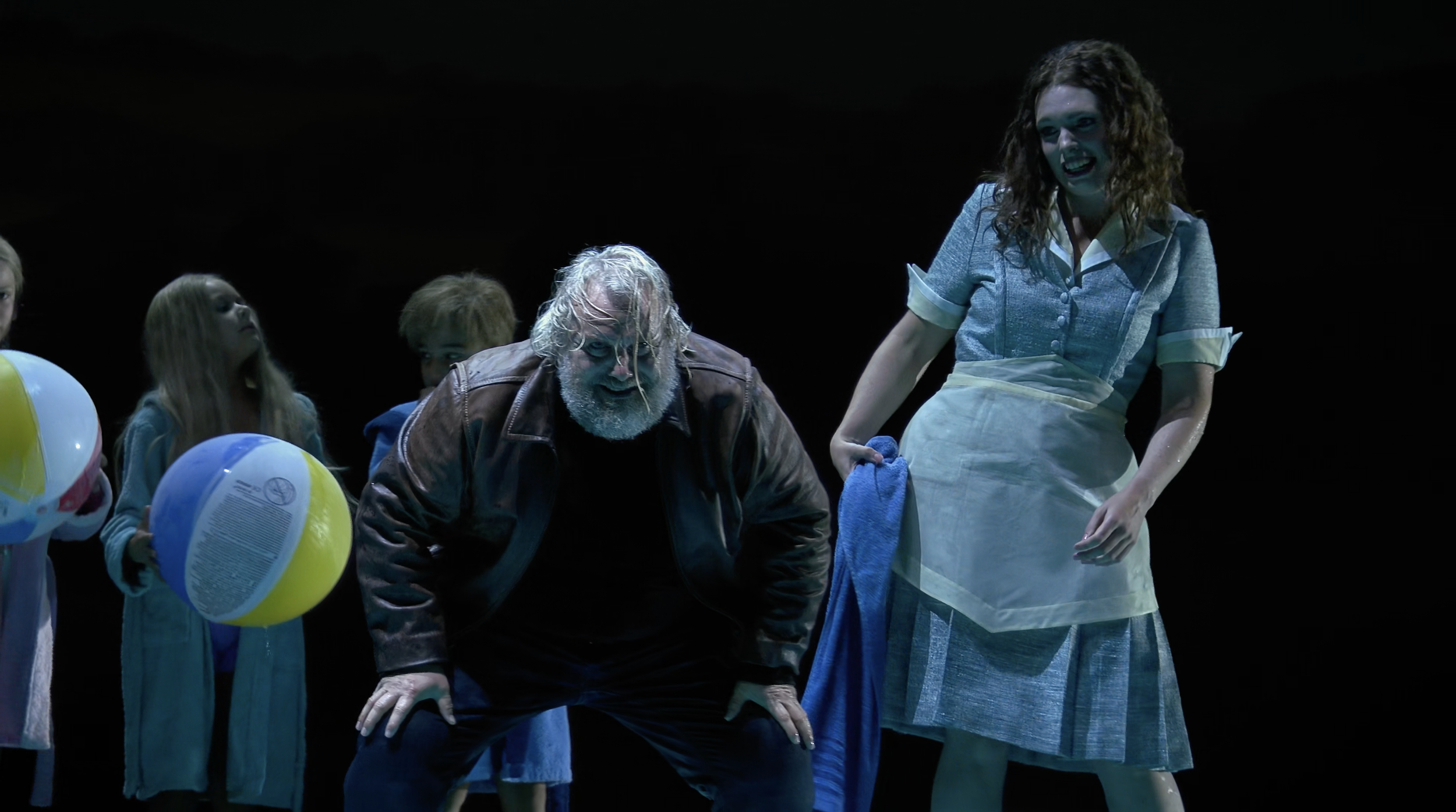
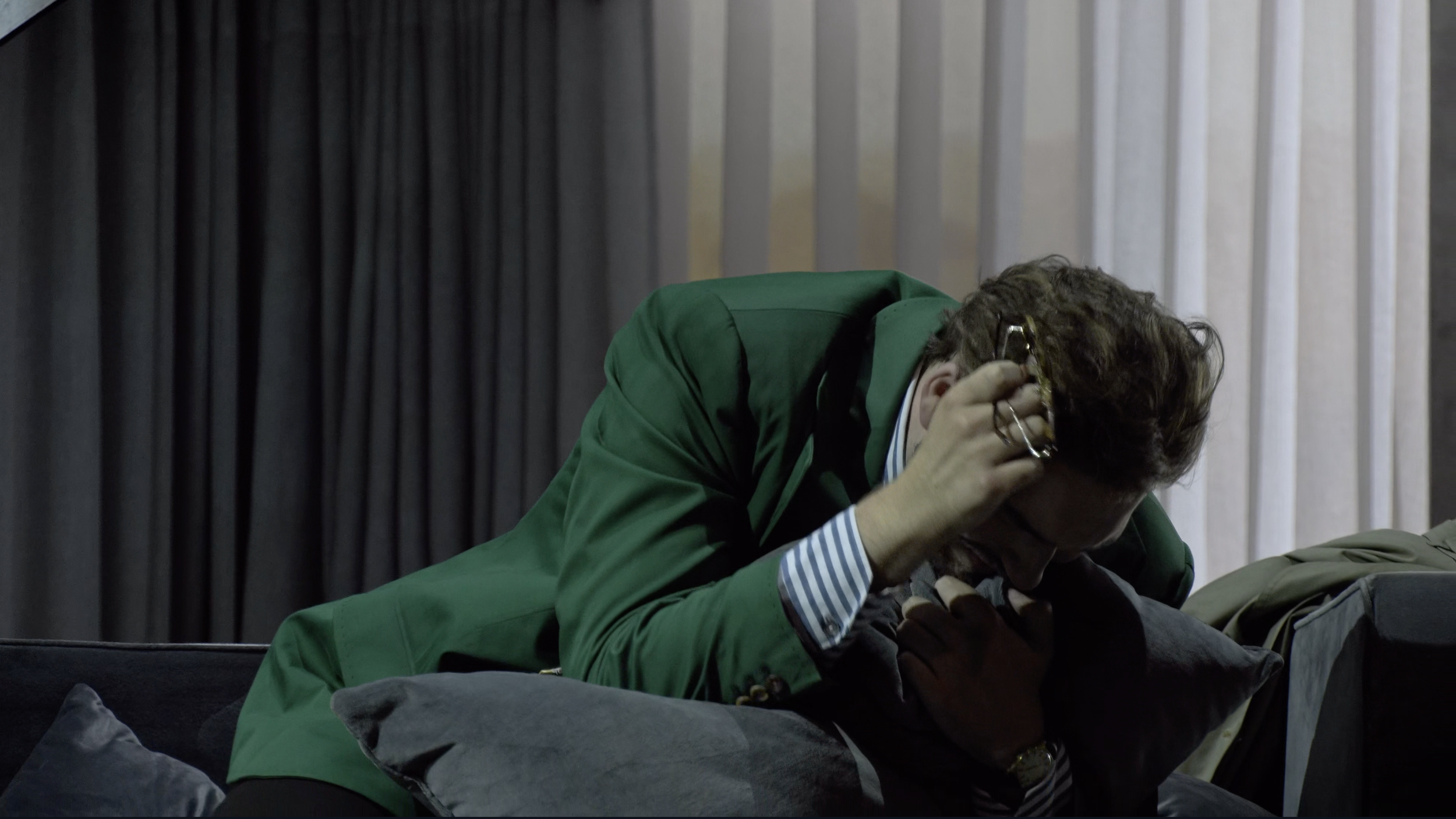
The Castorf Ring: Das Rheingold, Bayreuth July 2016
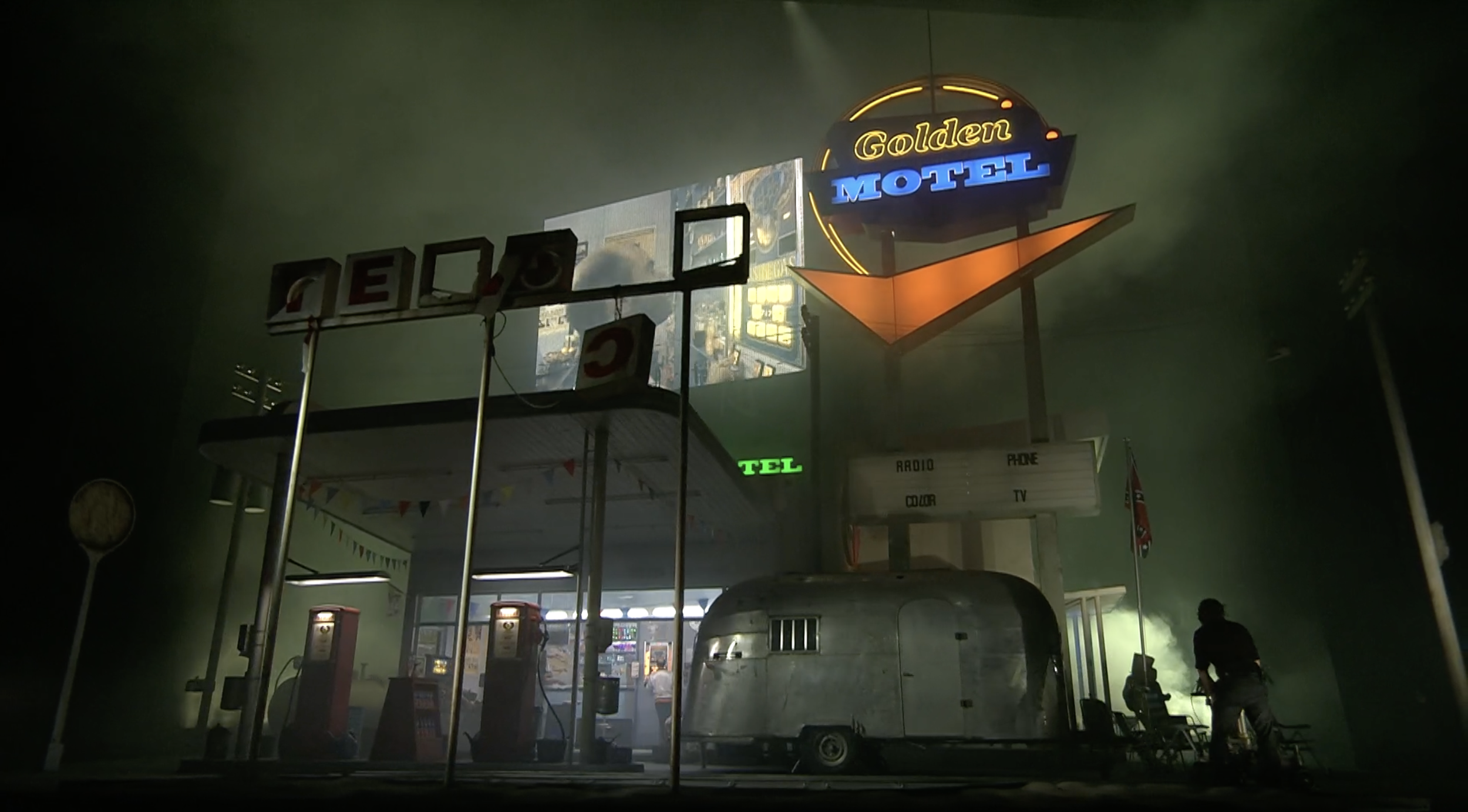
Thematischer Rahmen: Das System, Bevor Es Bricht
Das Rheingold is not a story about villains. This is the thing most productions get wrong, and it is the thing that makes the opera the correct beginning for the Ring cycle's long argument. Alberich is not a villain who disrupts an innocent world. Wotan is not a noble god brought low by an external threat. The opera is a story about systems, and what all systems require in order to exist, and what the requirement costs.
Wotan has built Valhalla. The giants Fasolt and Fafner built it for him, on a contract: Freia, the goddess of youth, as payment. Wotan had no intention of honoring the contract when he signed it. He signed it as a negotiating position, expecting Loge to find a workaround. The contract is on his spear. The spear is the symbol of Wotan's authority. His authority is therefore built on a promise he did not intend to keep. This is the structure beneath the spectacle: a system of order founded on bad faith.
Loge does find a workaround. The gold Alberich has stolen from the Rhine, and the ring forged from it, represent a power great enough to substitute for Freia. Wotan and Loge descend to Nibelheim, trick Alberich, steal the ring, and use it to pay the giants. Alberich curses the ring before surrendering it. The giants immediately quarrel over the payment; Fafner kills Fasolt. The contract is settled and the first death has already occurred. Valhalla is paid for. It is not paid for cleanly.
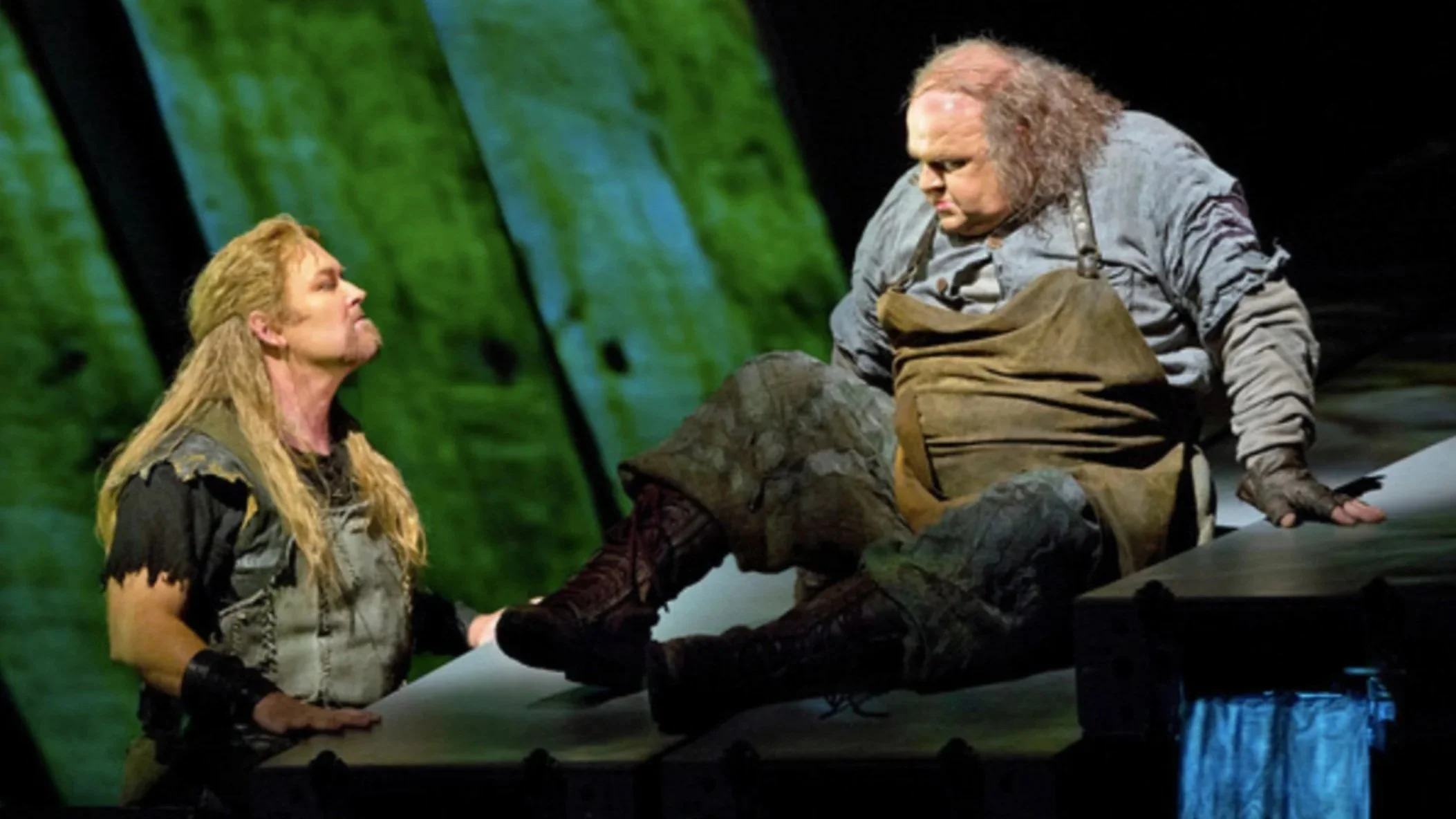
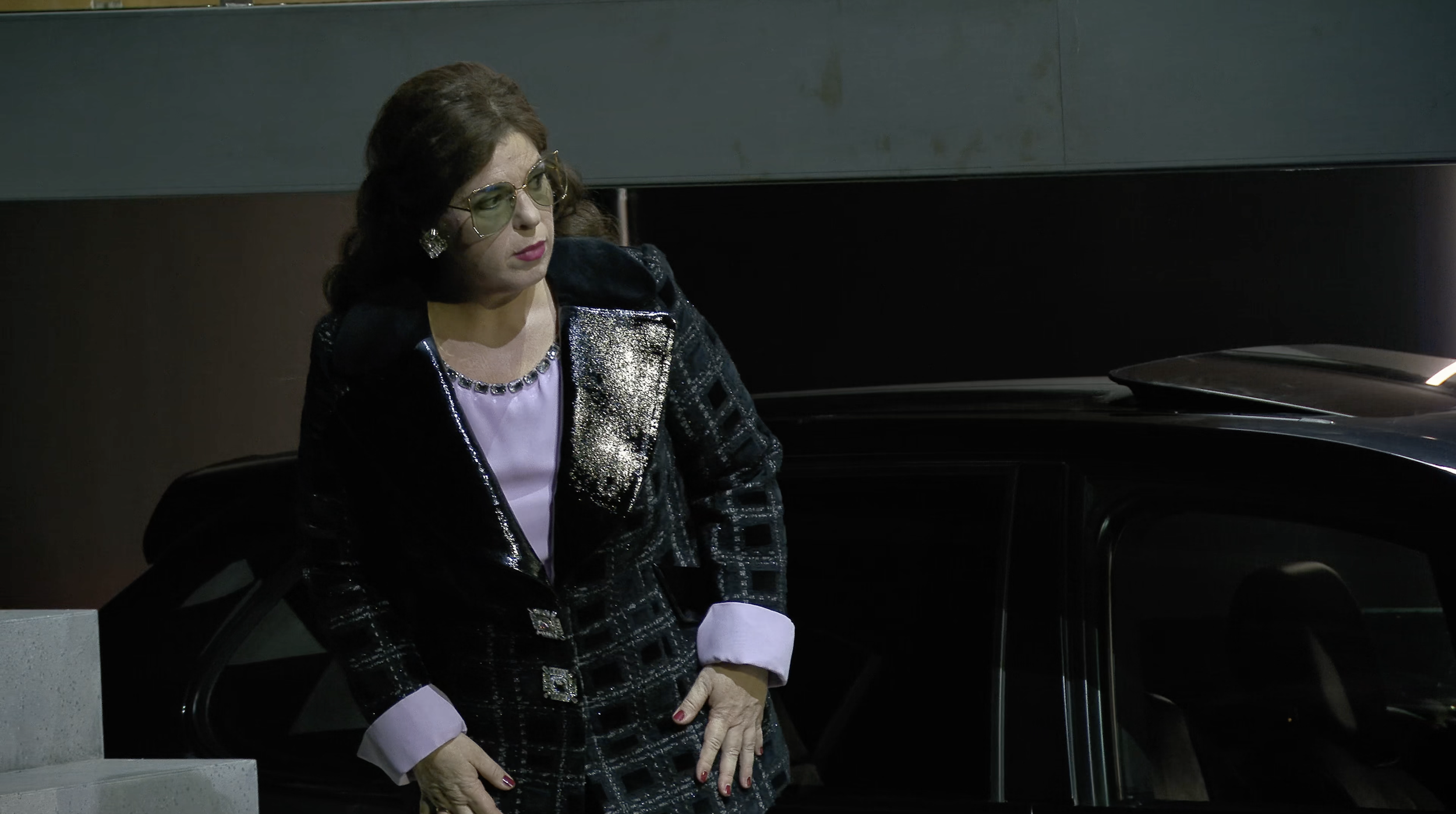
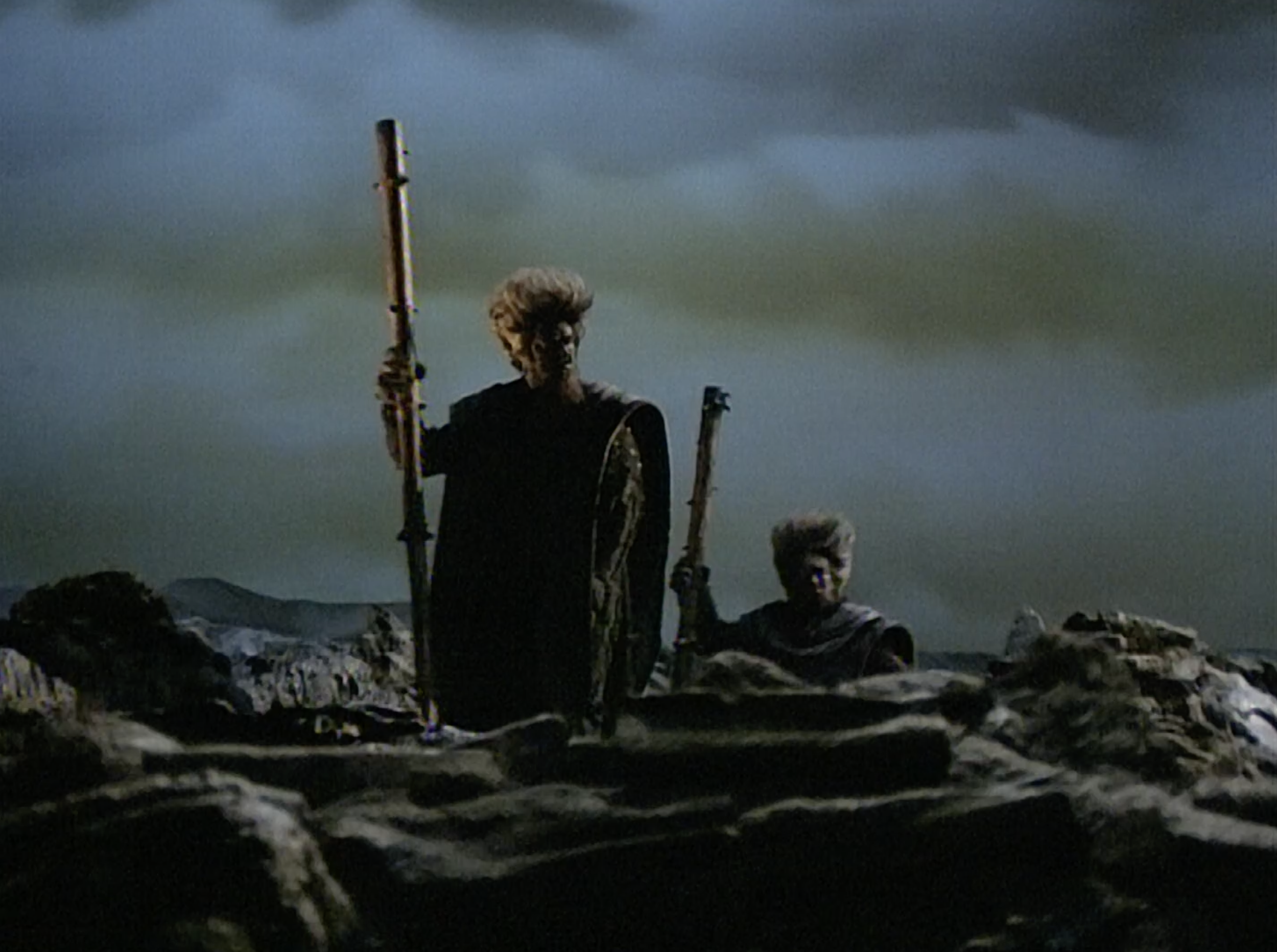
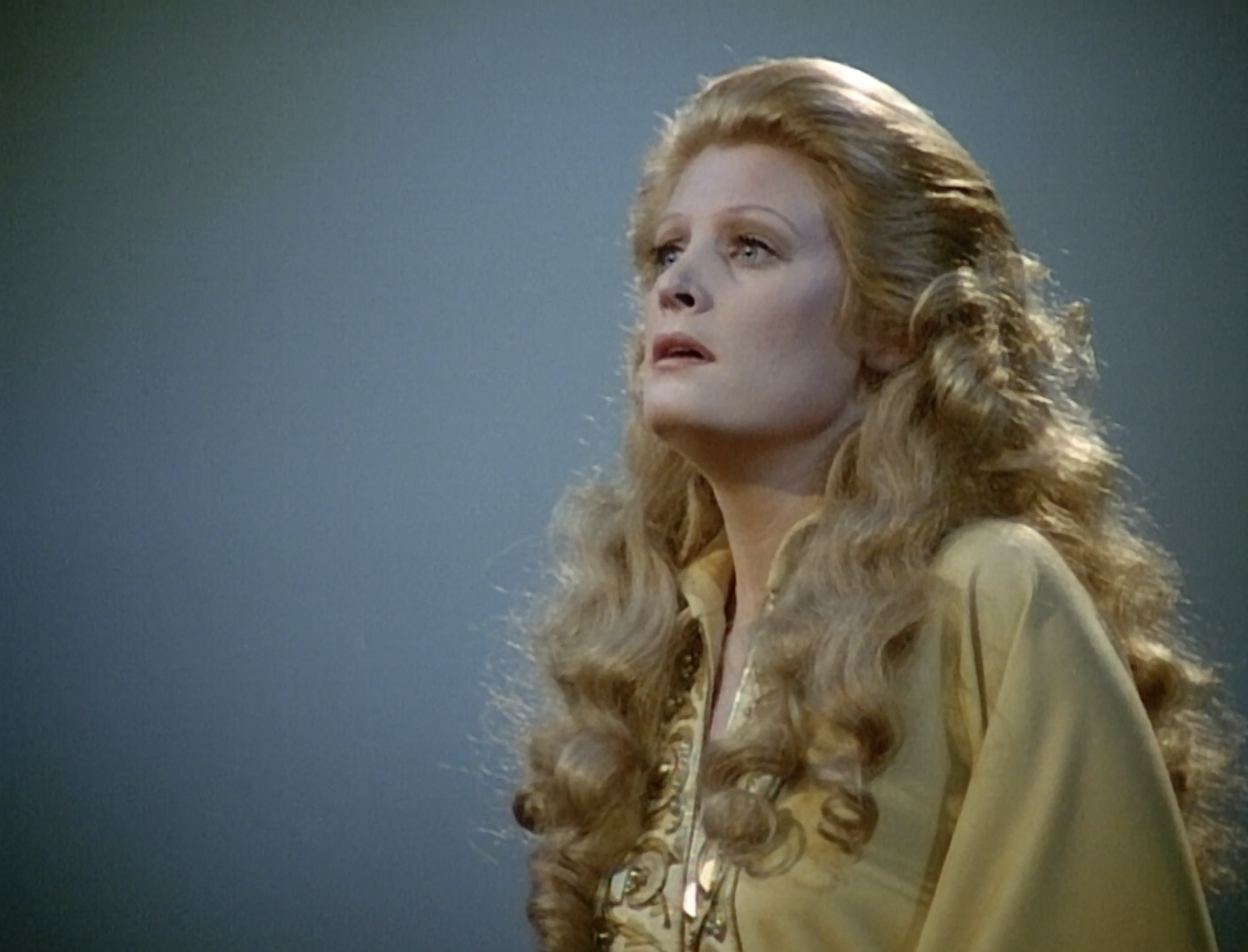
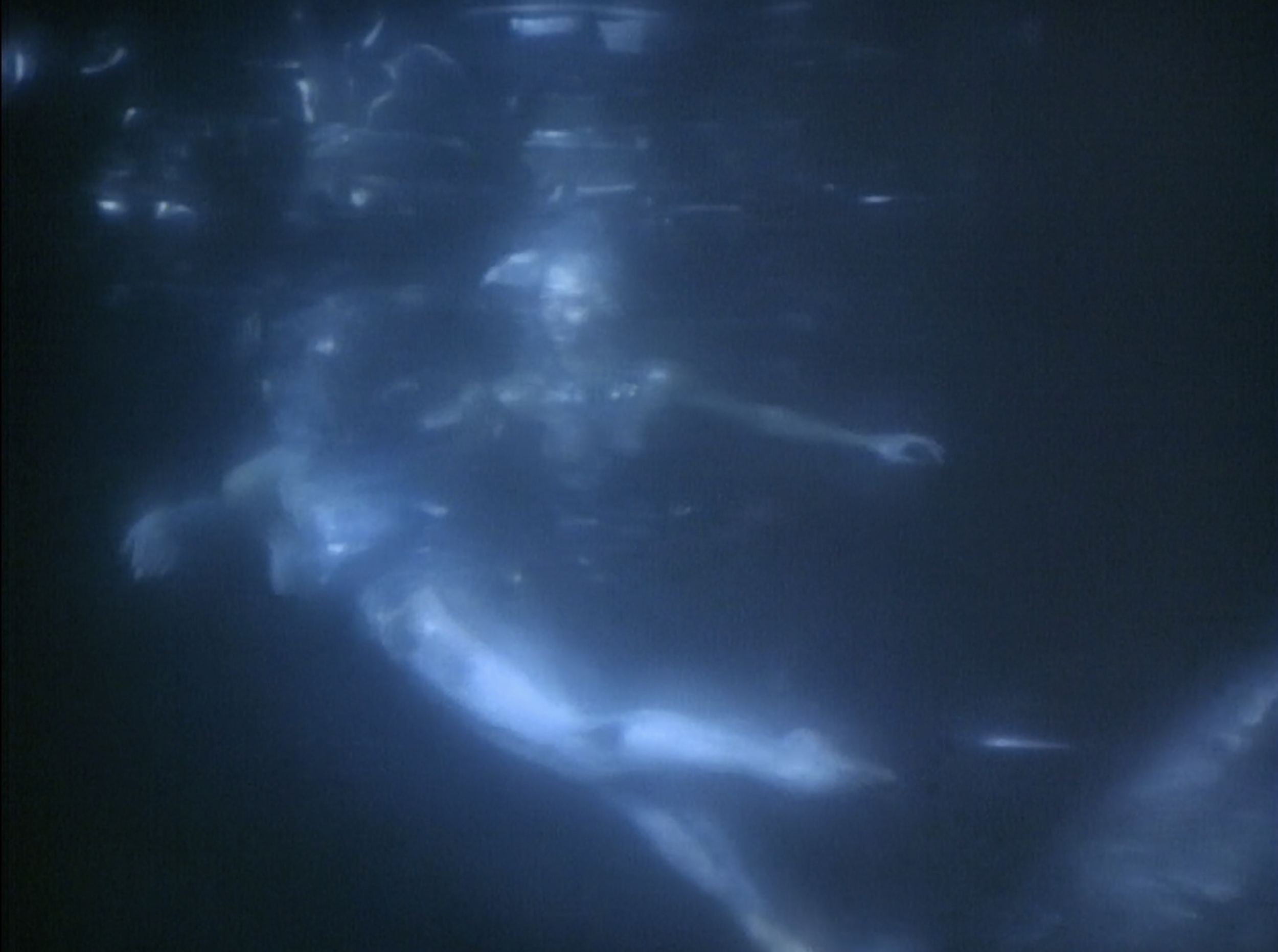
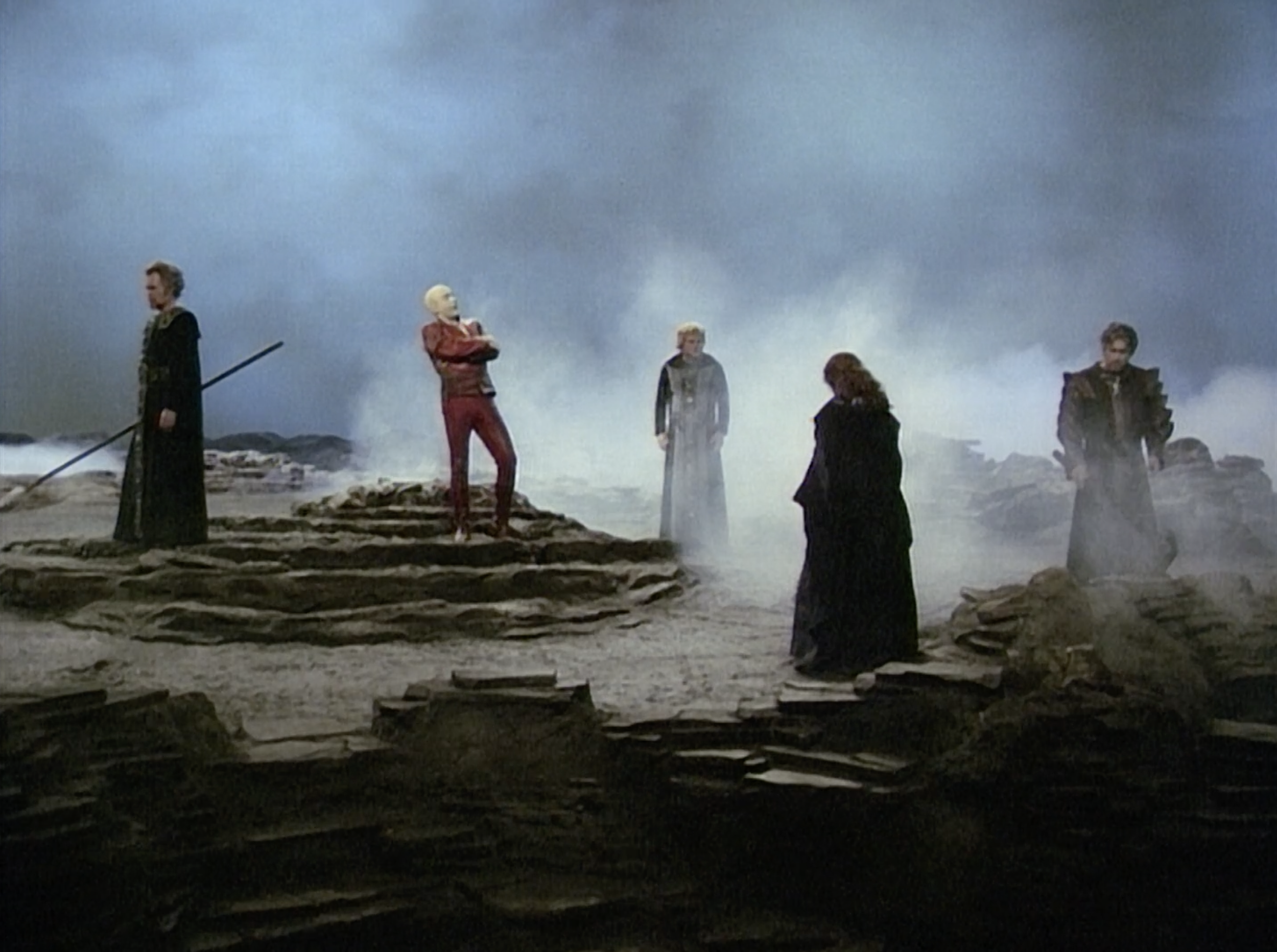
Karajan conducts Wagner: Das Rheingold, Salzburg Festival November 1978
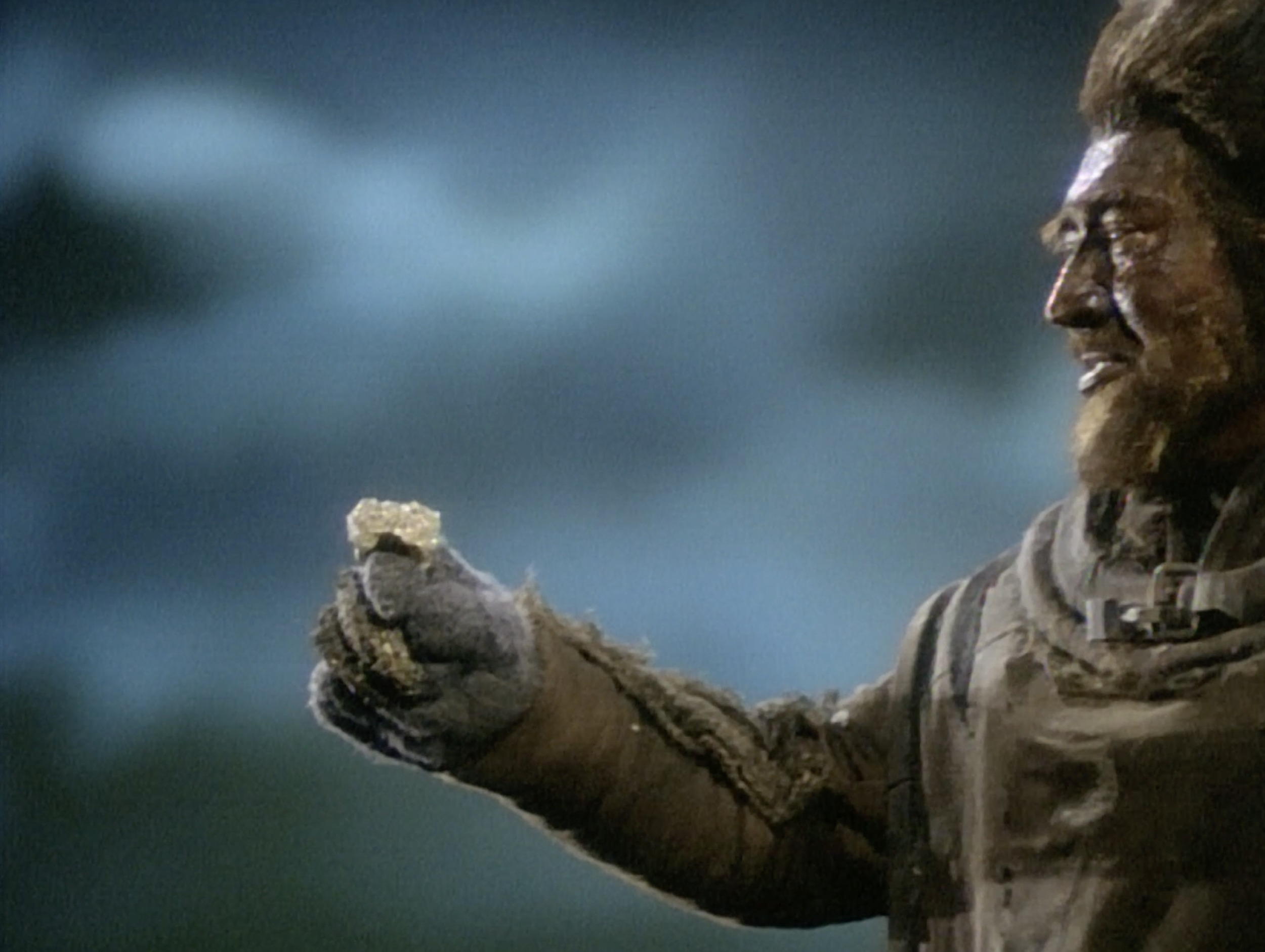
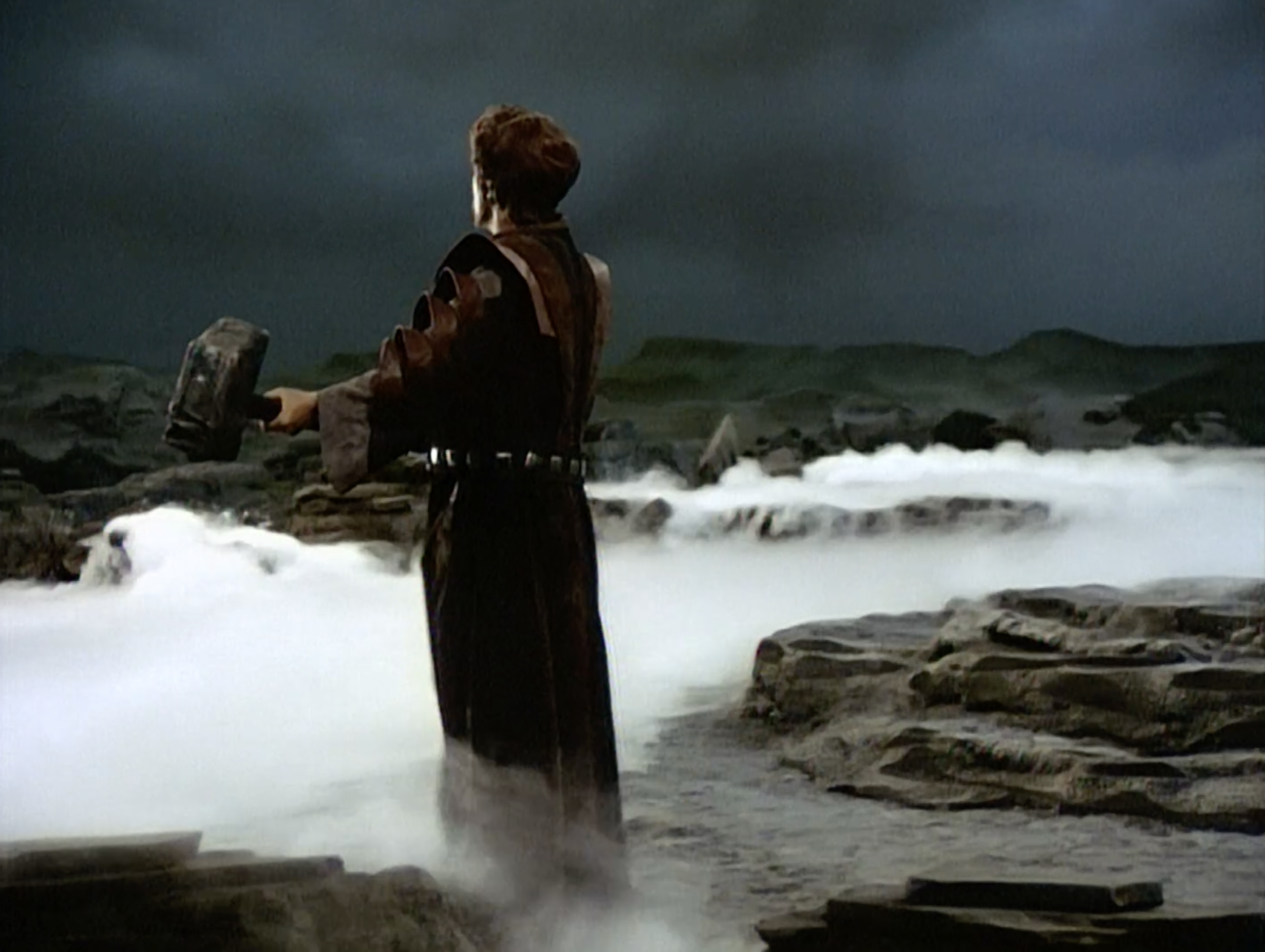
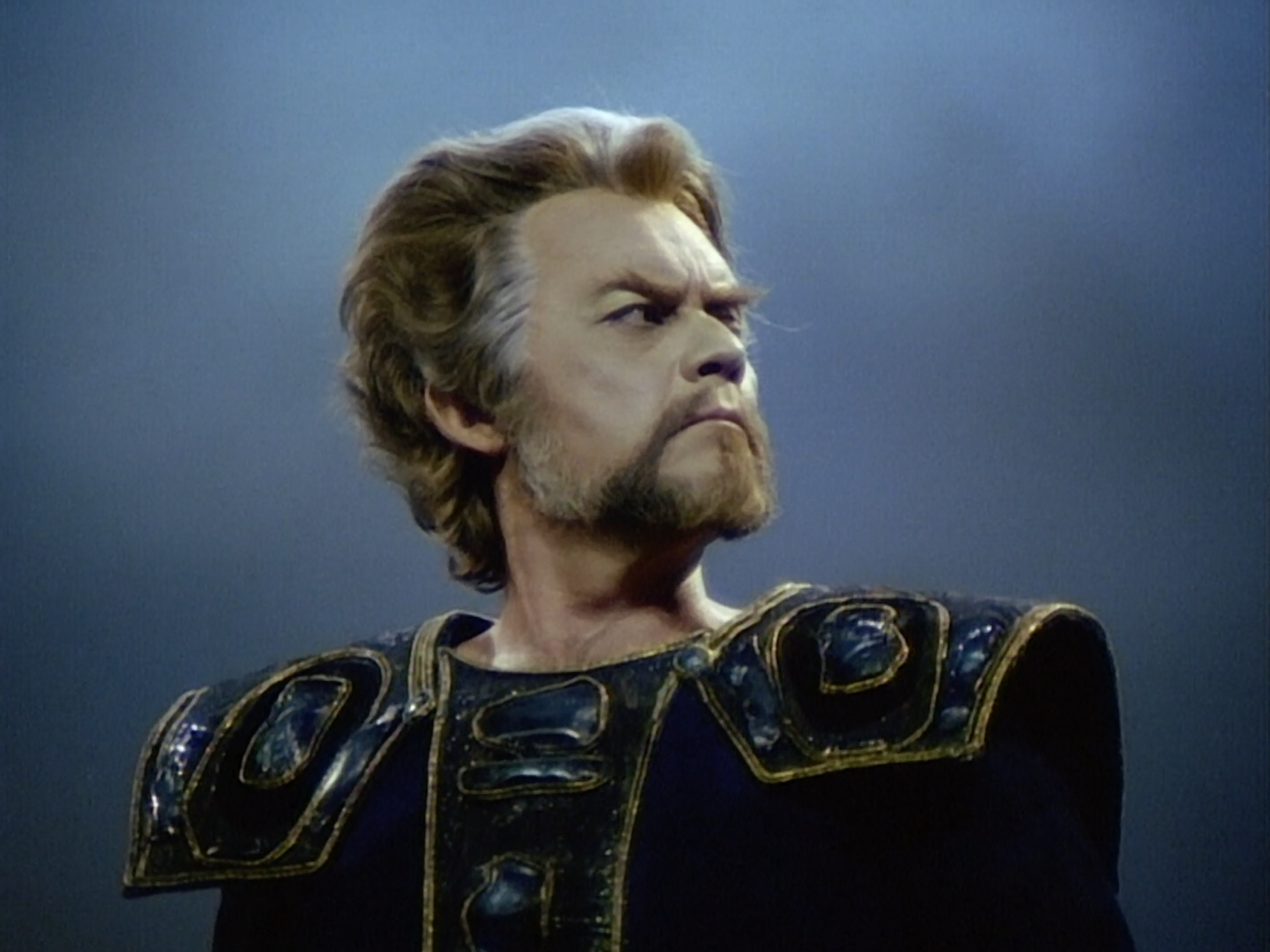
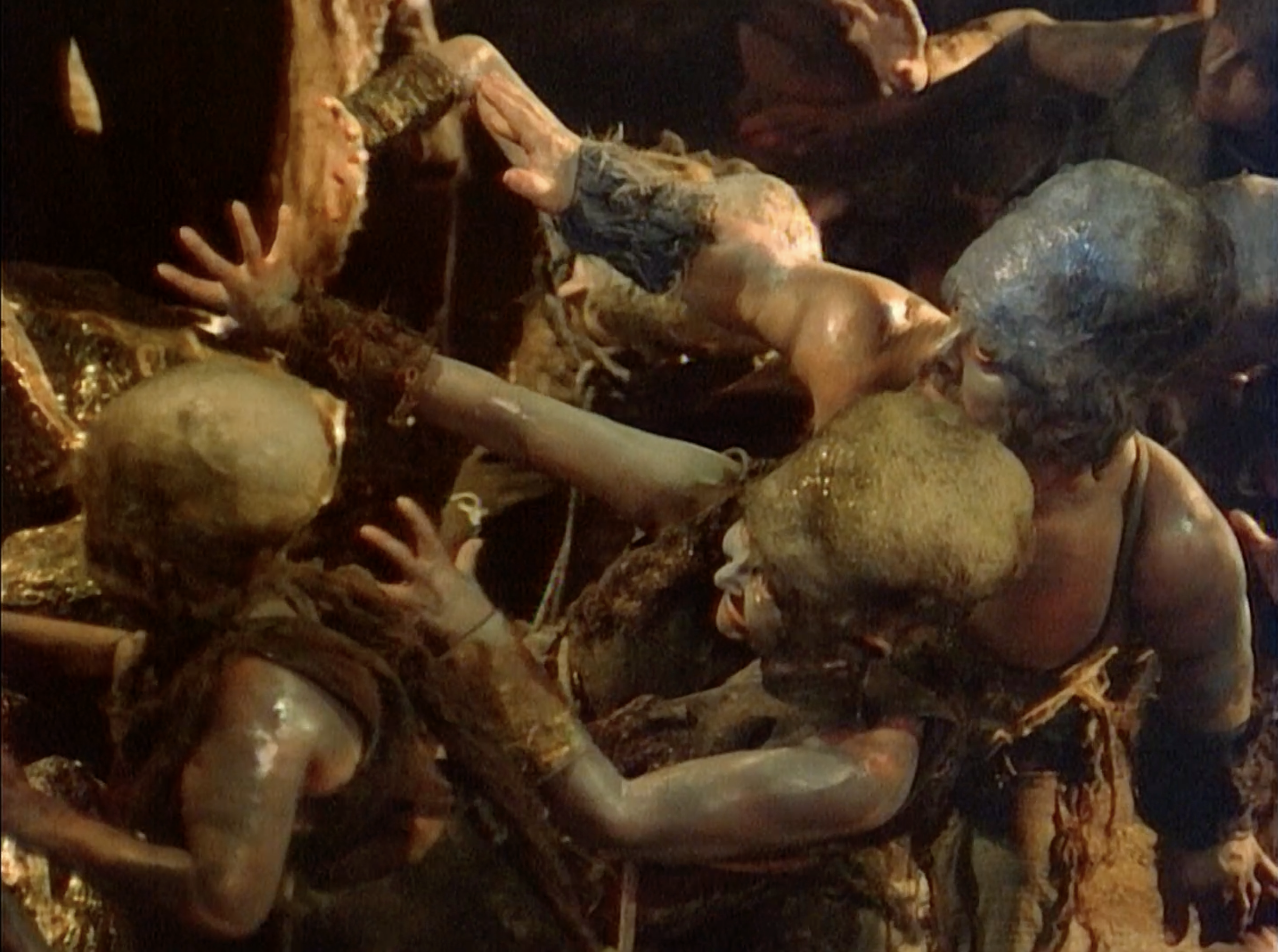
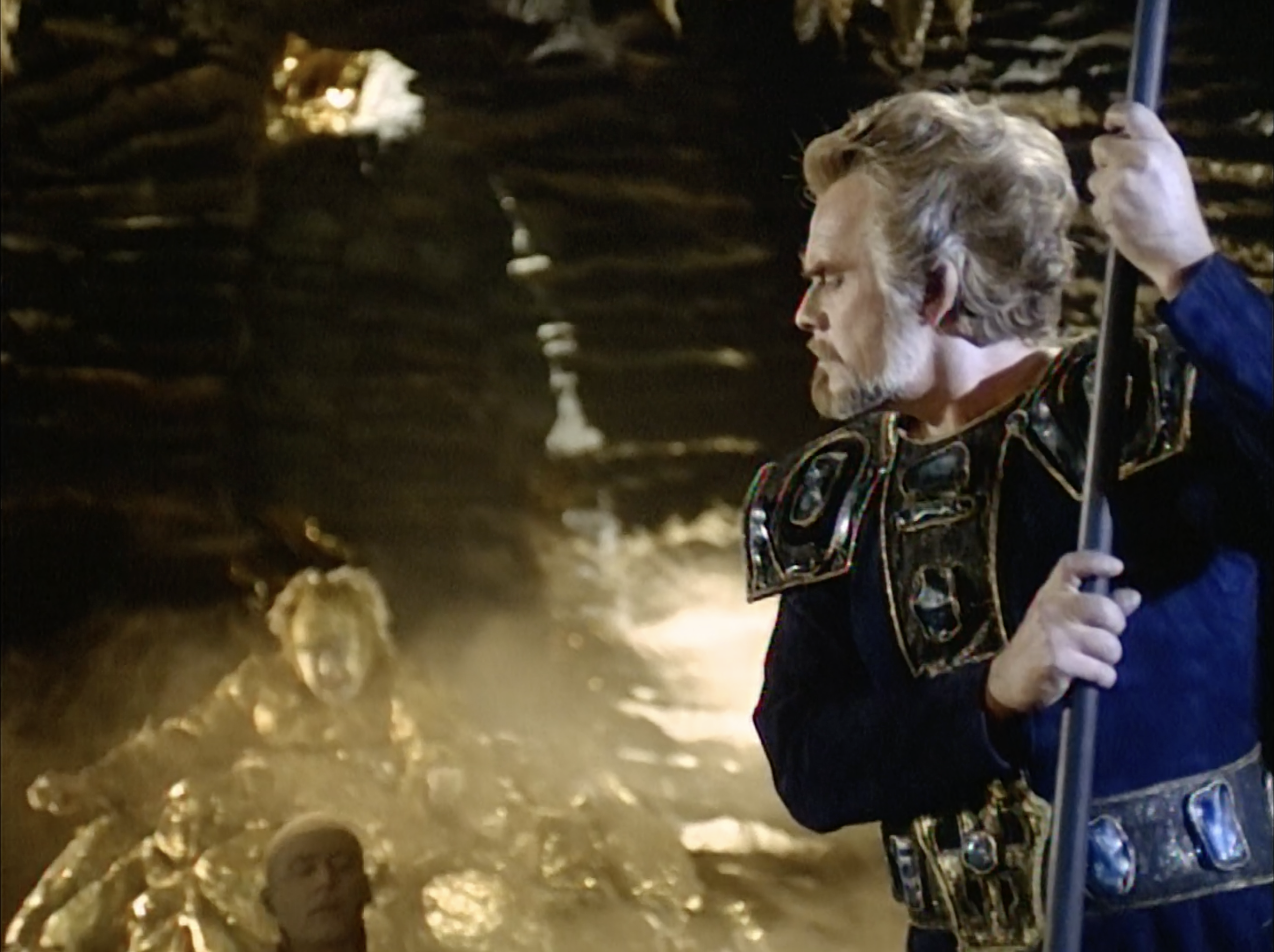
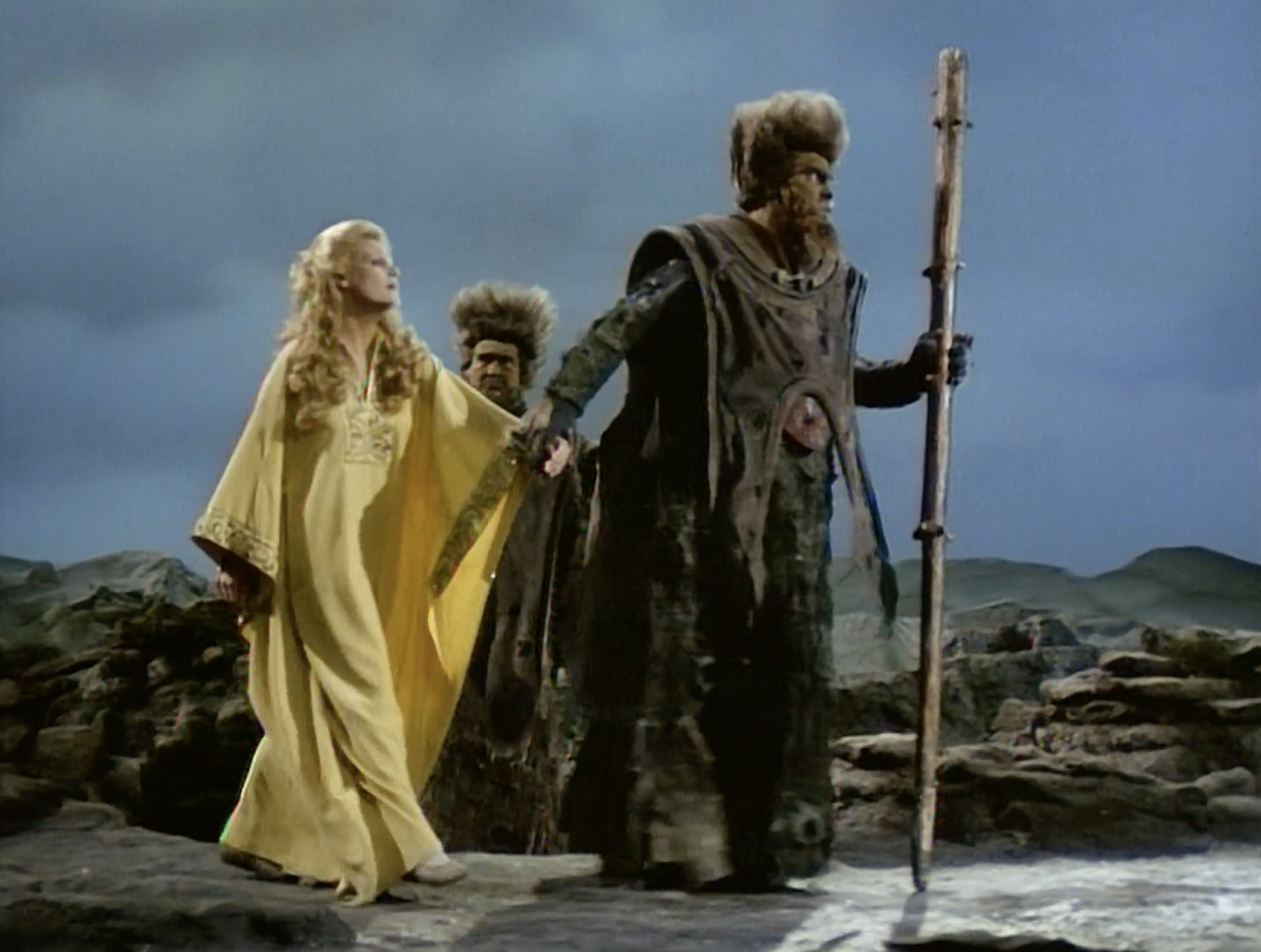
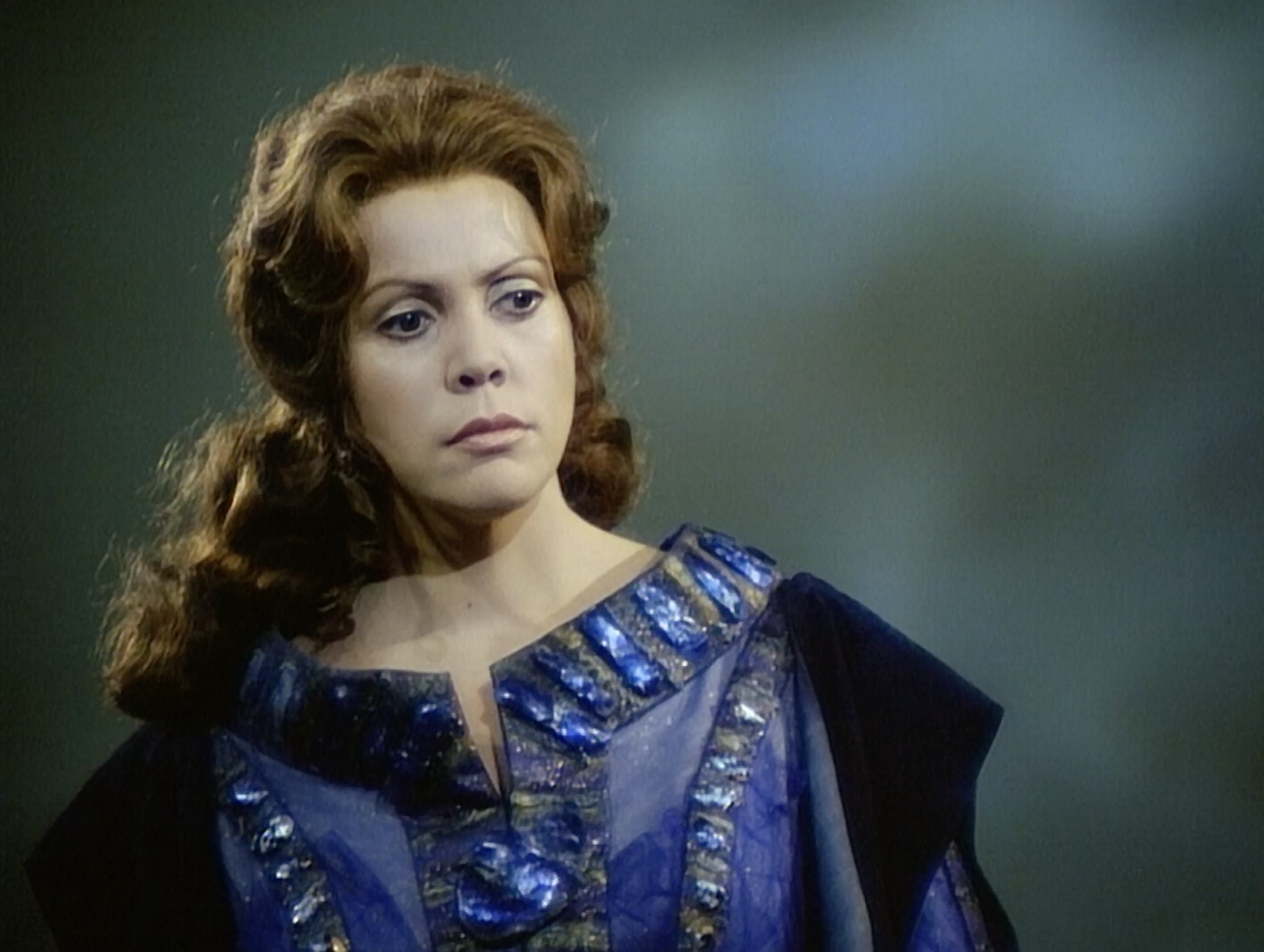
Wagner was reading Proudhon while he was writing the Ring. La propriété, c'est le vol. Property is theft. The thesis is embedded in the opera's structure at every level. The Rhinemaidens' gold is stolen by Alberich. Alberich's ring is stolen by Wotan. The giants' payment is cursed from the moment it is handed over. Nothing in this economy has clean title. Everything was taken from somewhere and someone else.
The walk through Lower Manhattan activates this reading not as metaphor but as material history. The land under the financial district was taken from the Lenape. The capital that built the first exchanges was accumulated through the Atlantic slave trade and the extraction of colonial resources. The contracts signed in those buildings were signed by people who intended to honor some of them and not others, who built systems of law to protect their own interests and called the systems universal. This is Wotan's spear. The law that binds all but its author. The order that depends on the exception.
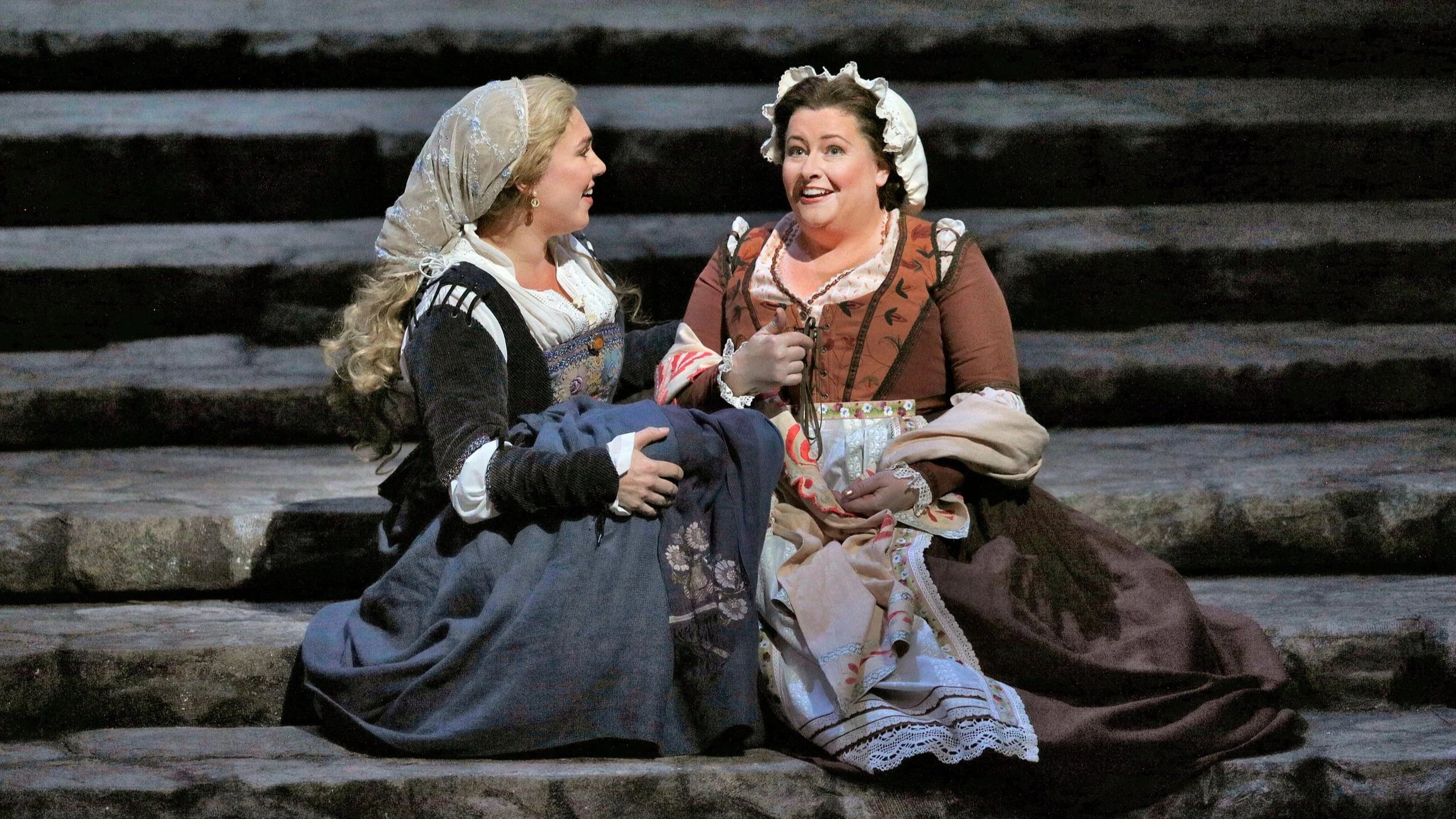
Das Rheingold, Metropolitan Opera, April 1990
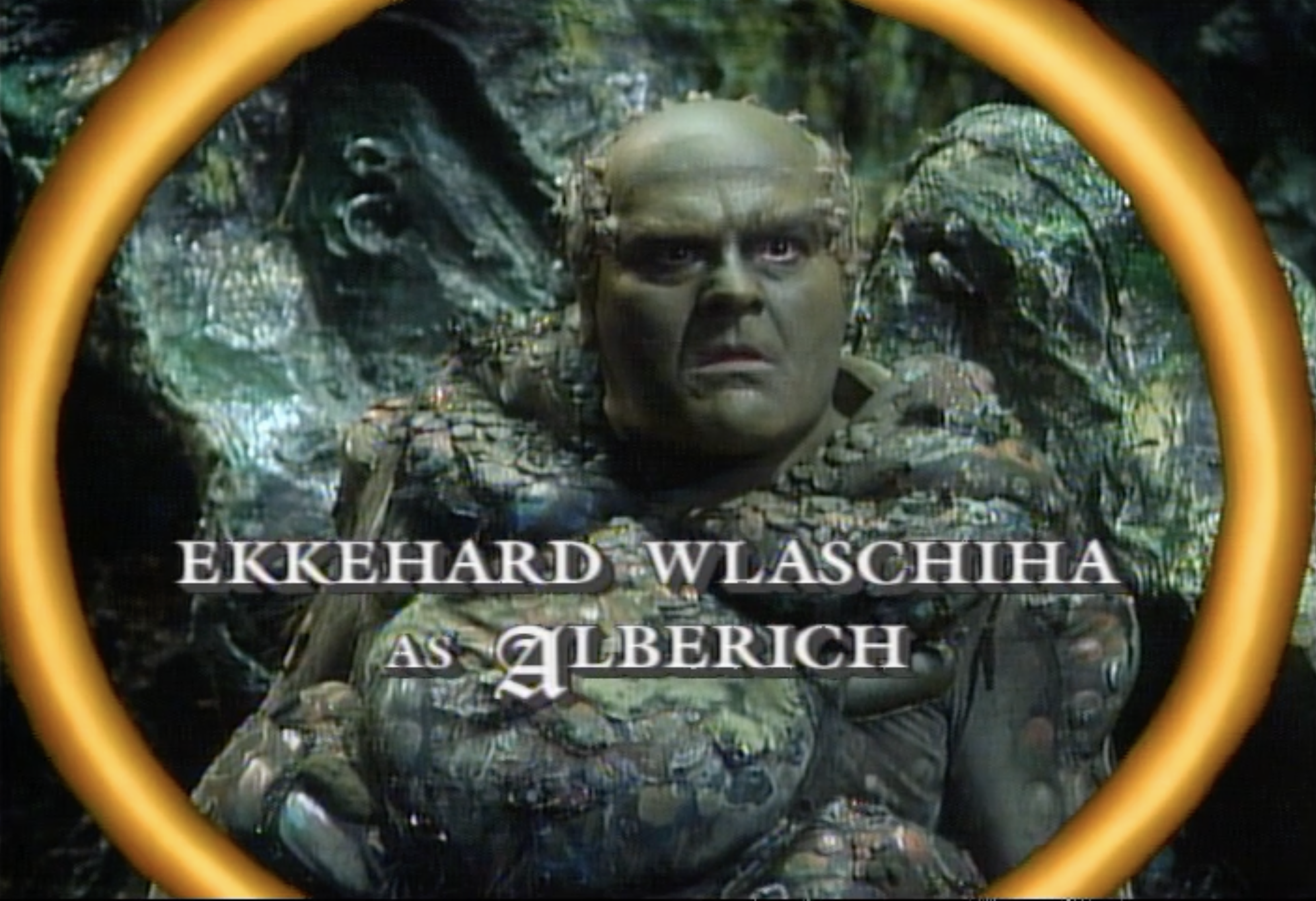
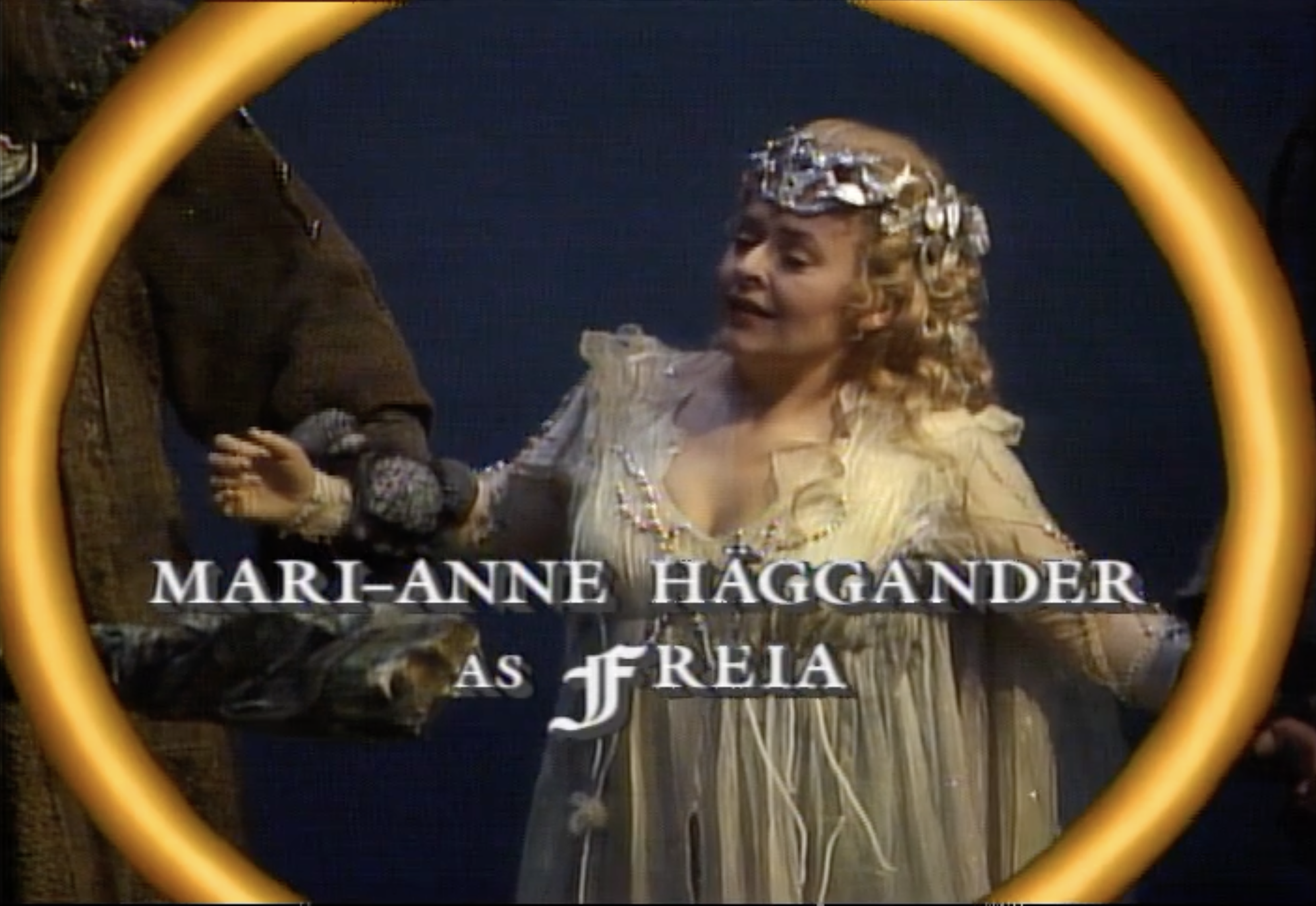
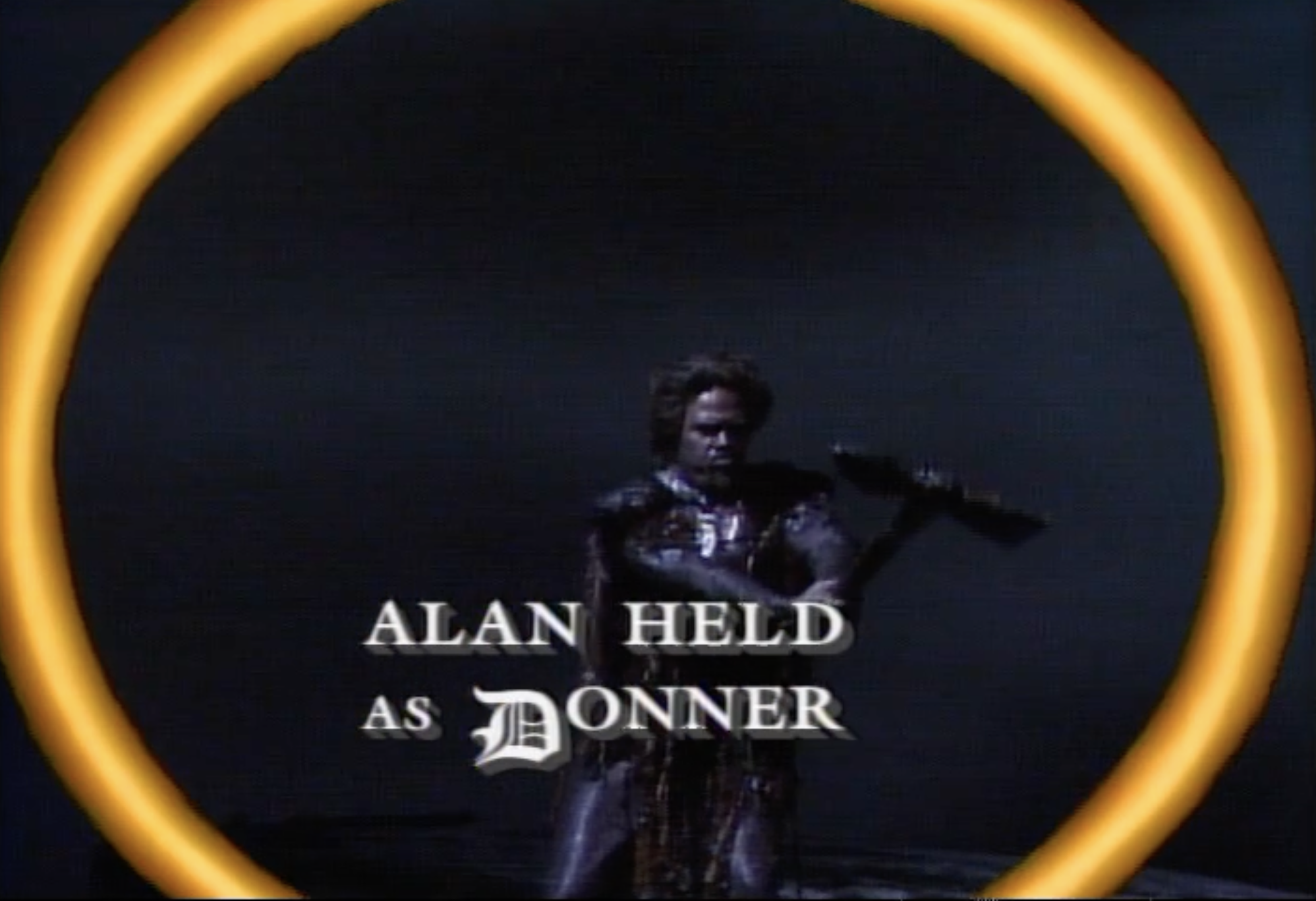
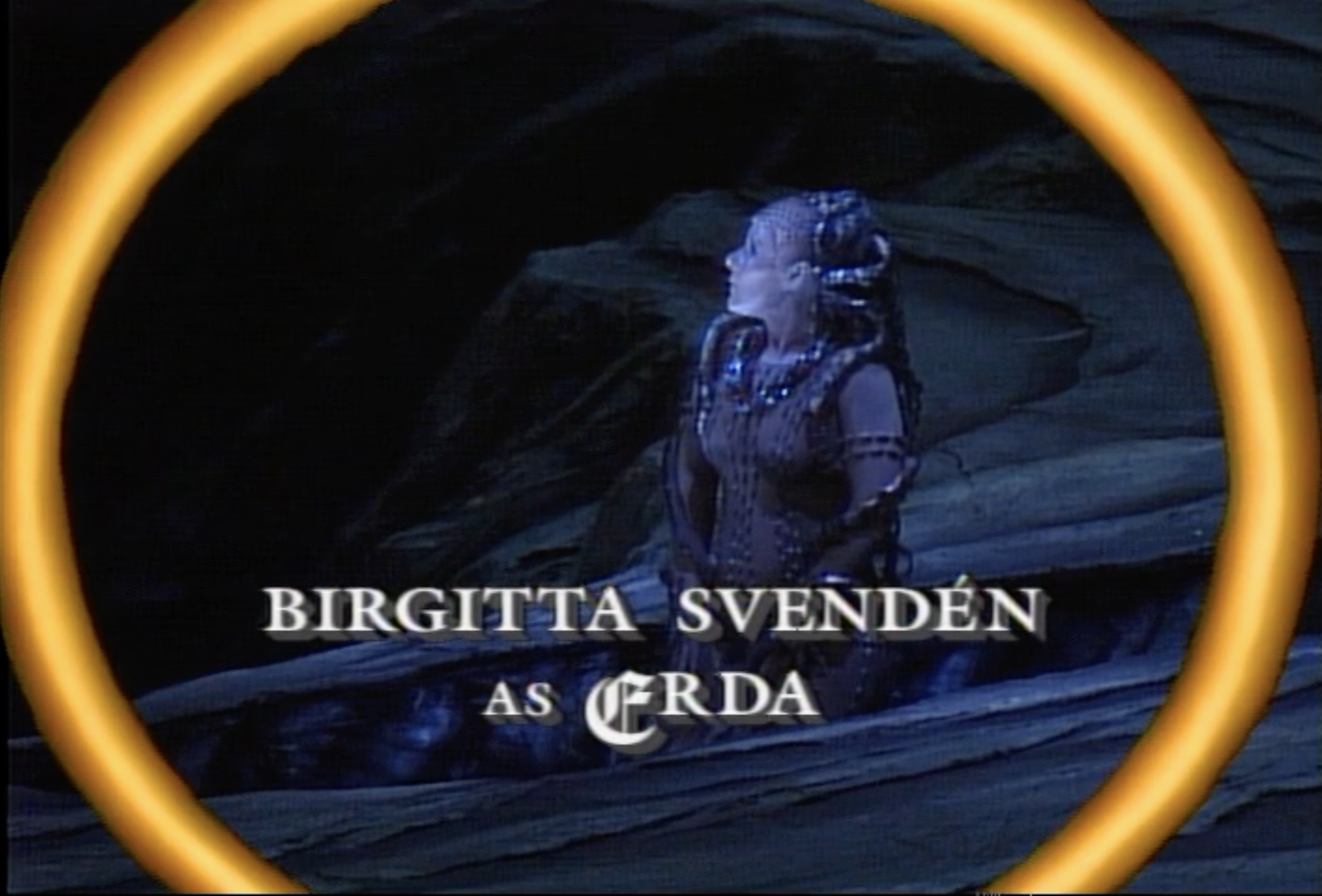
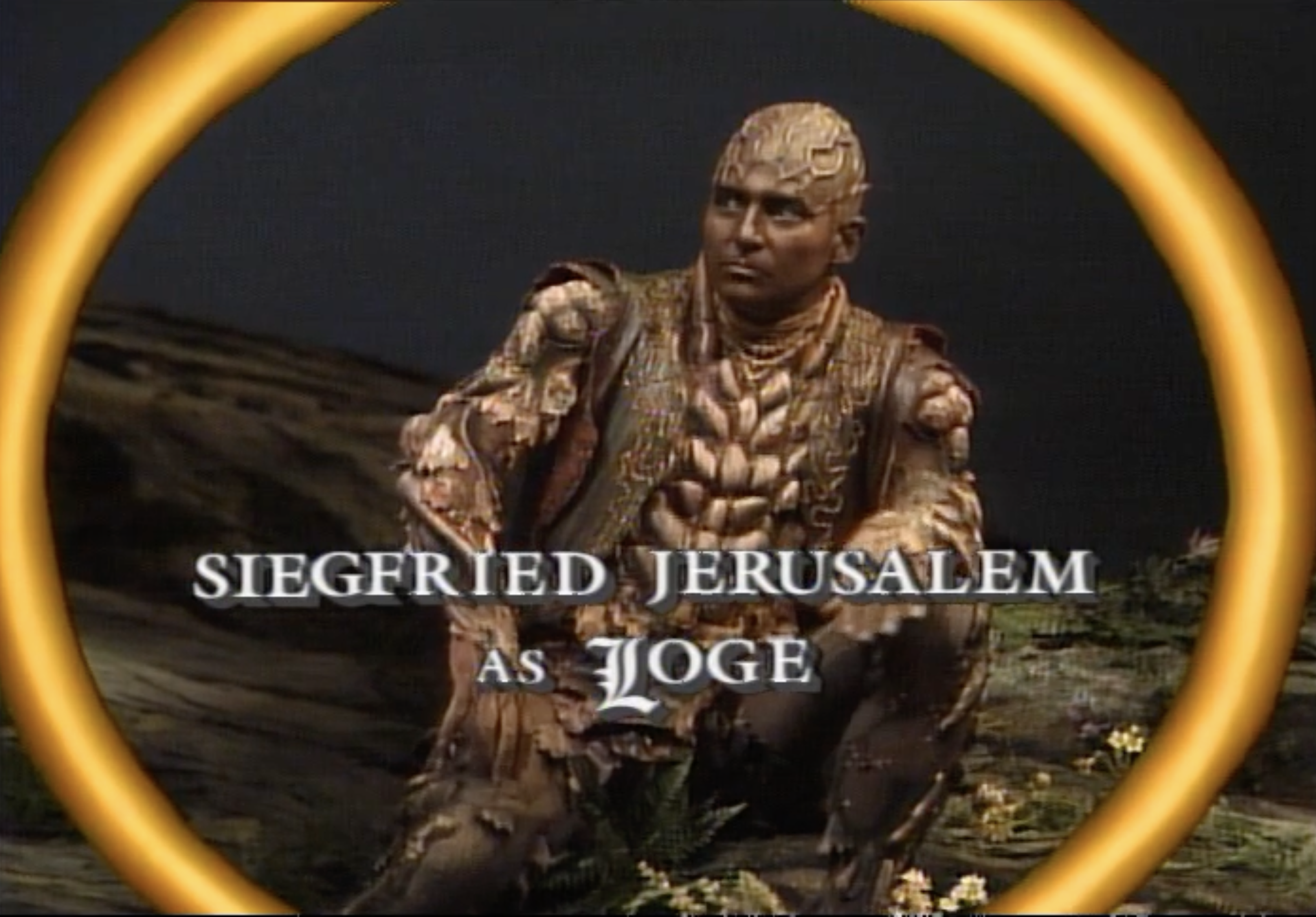
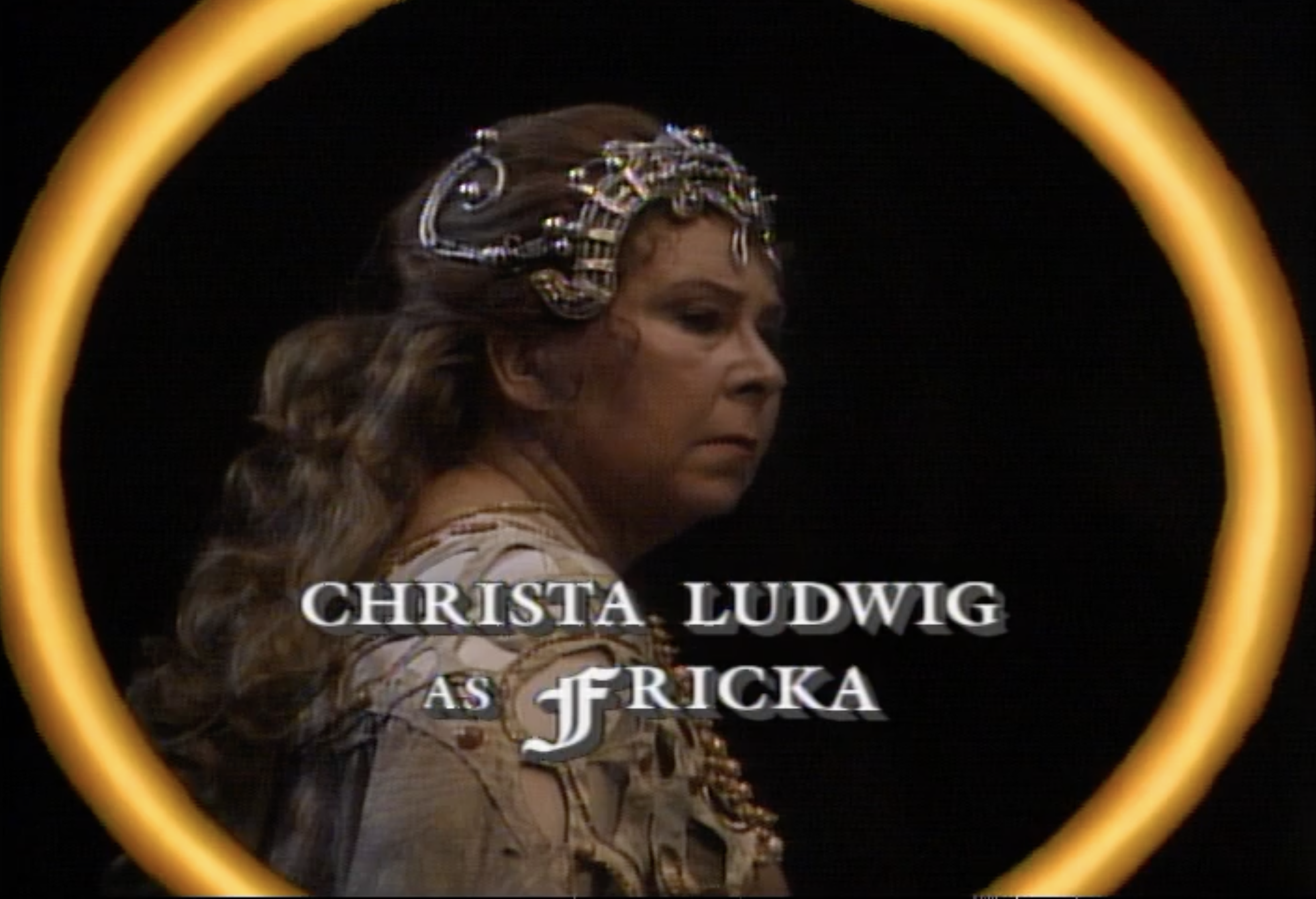
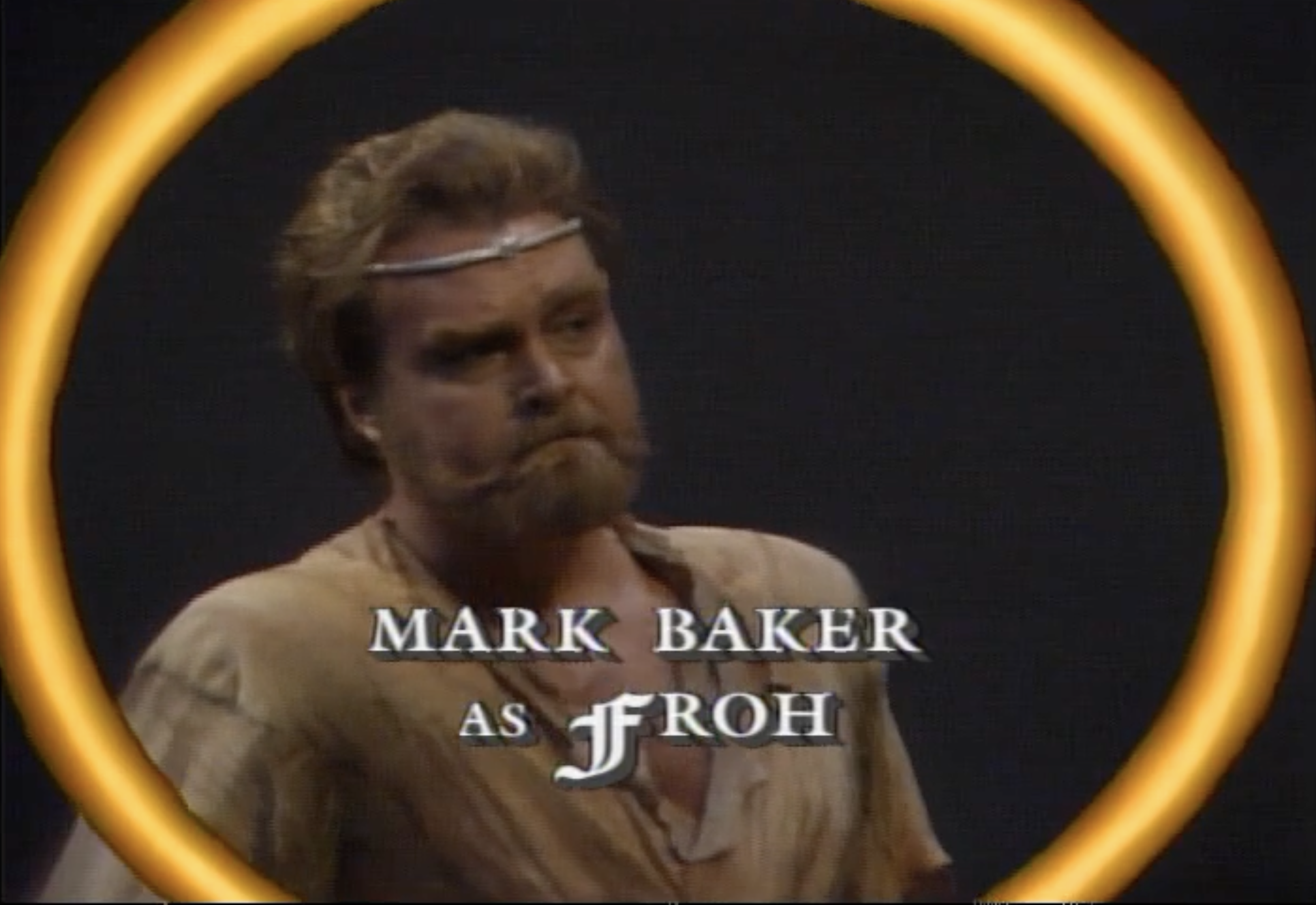
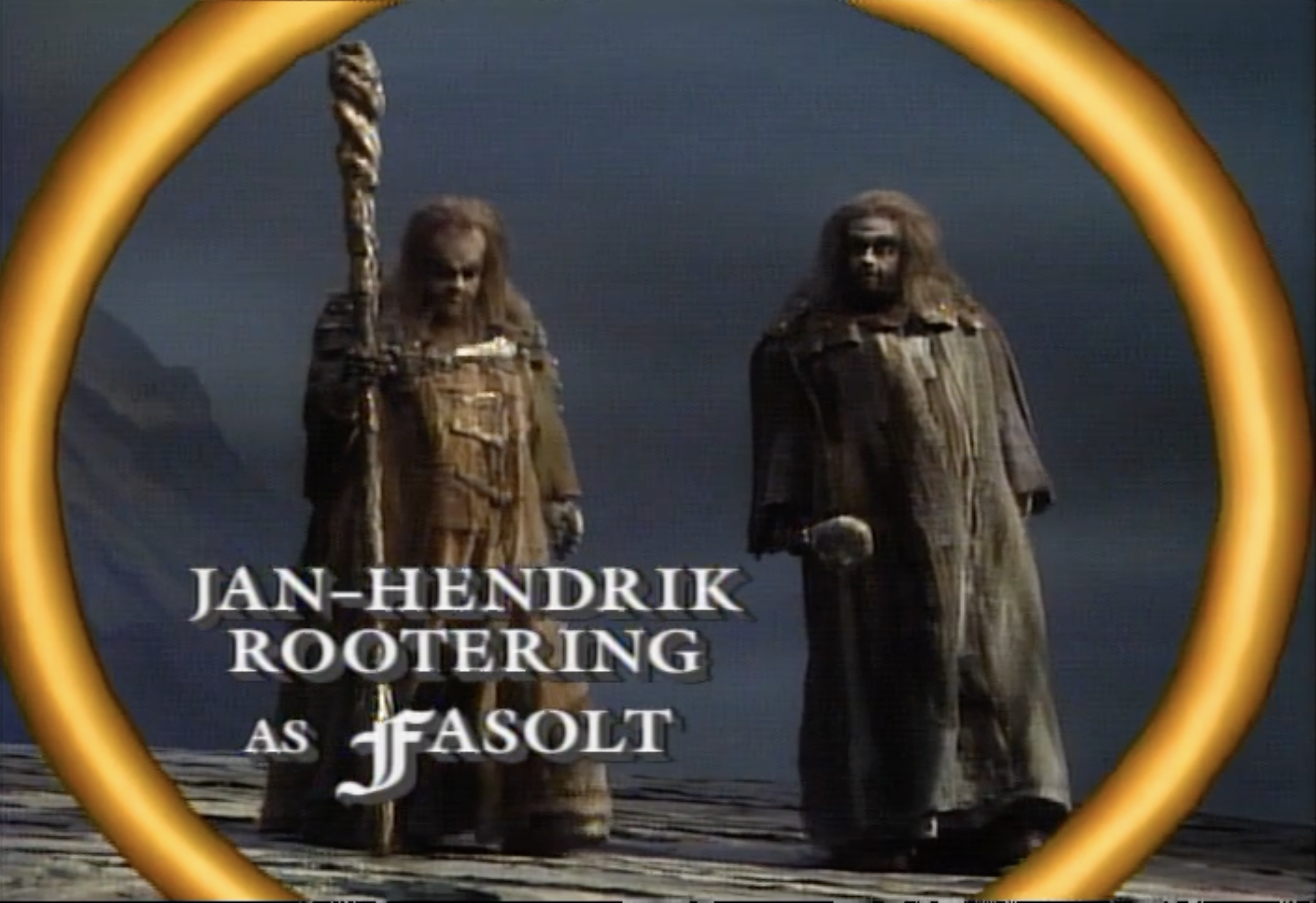
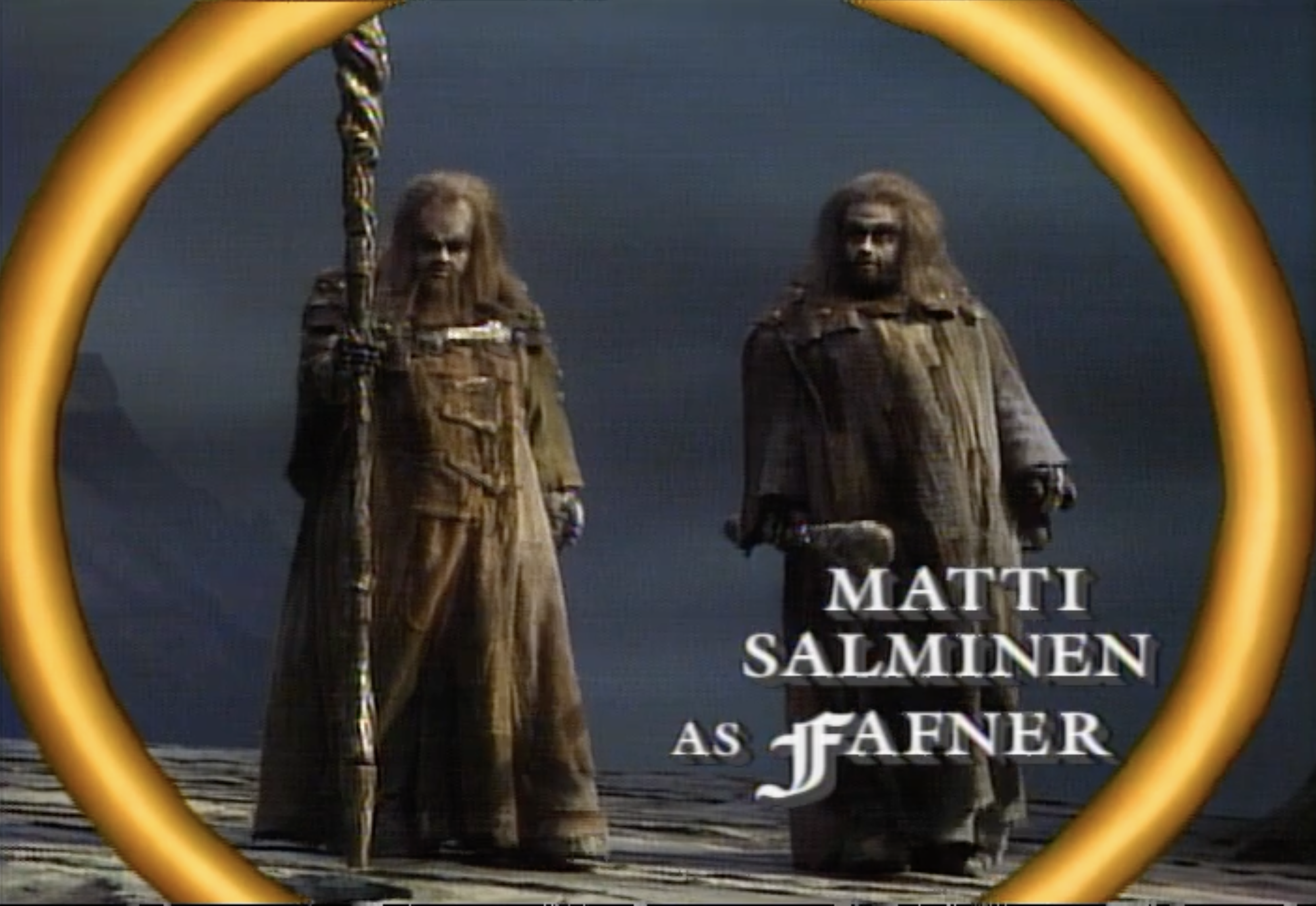
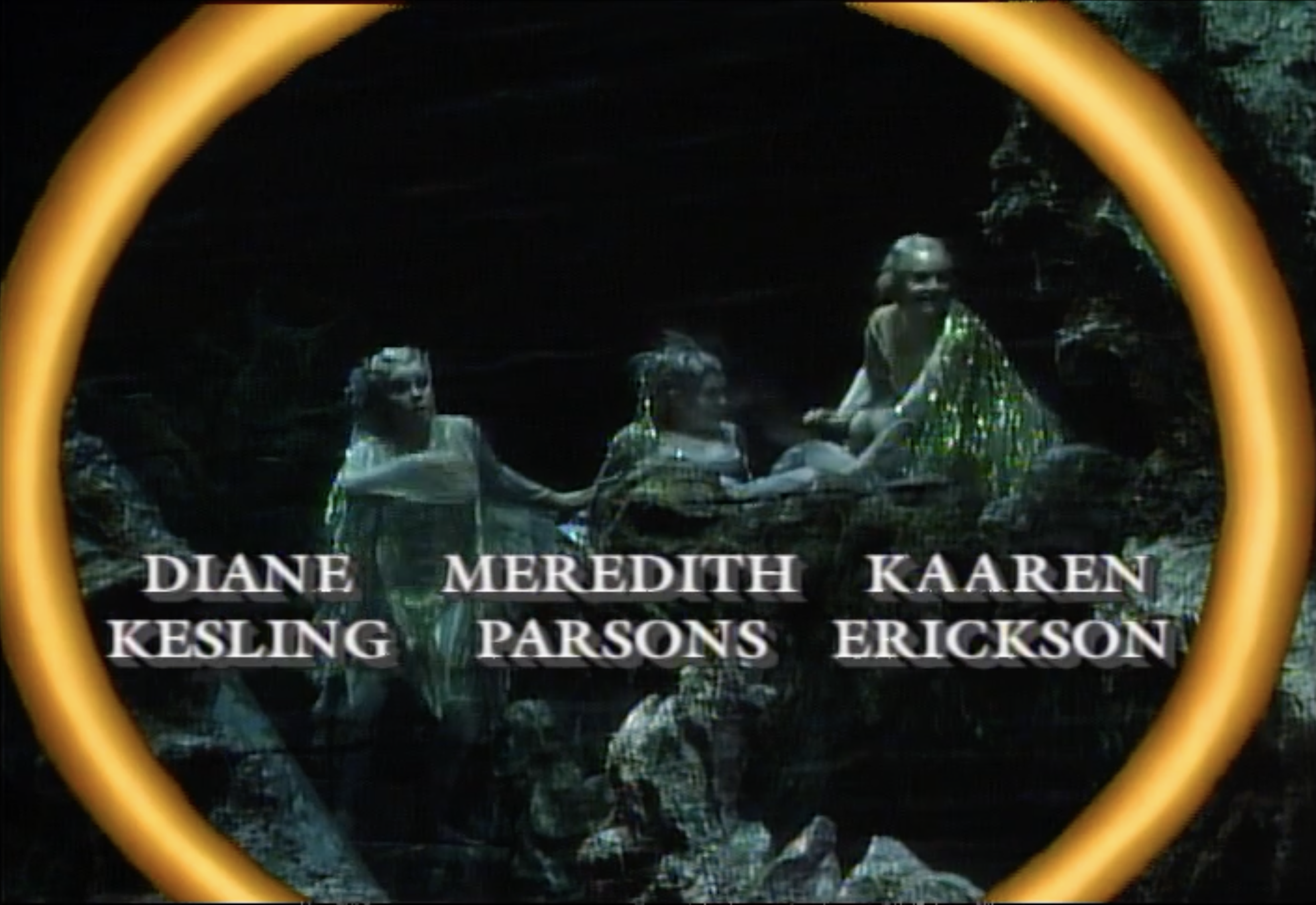
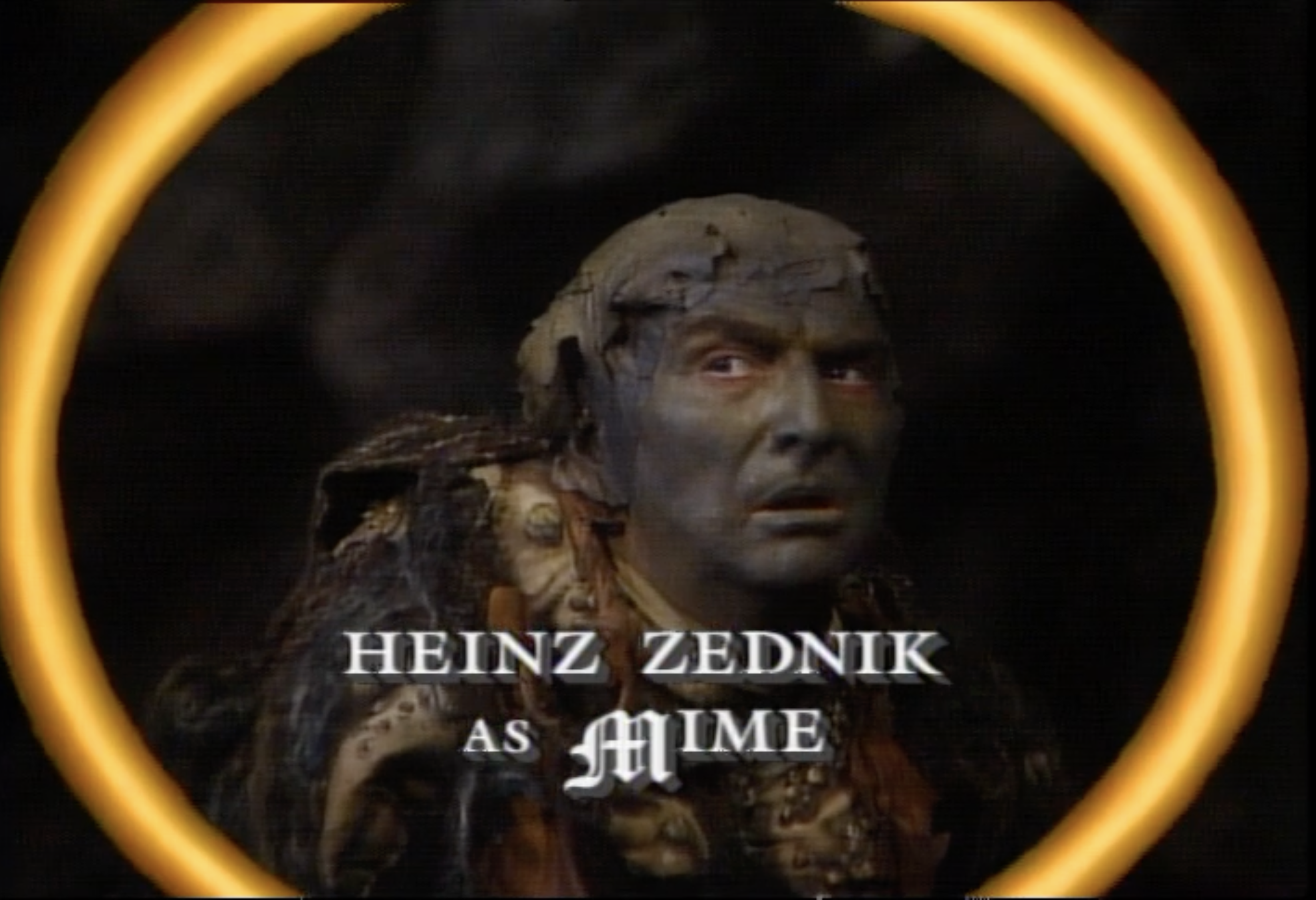
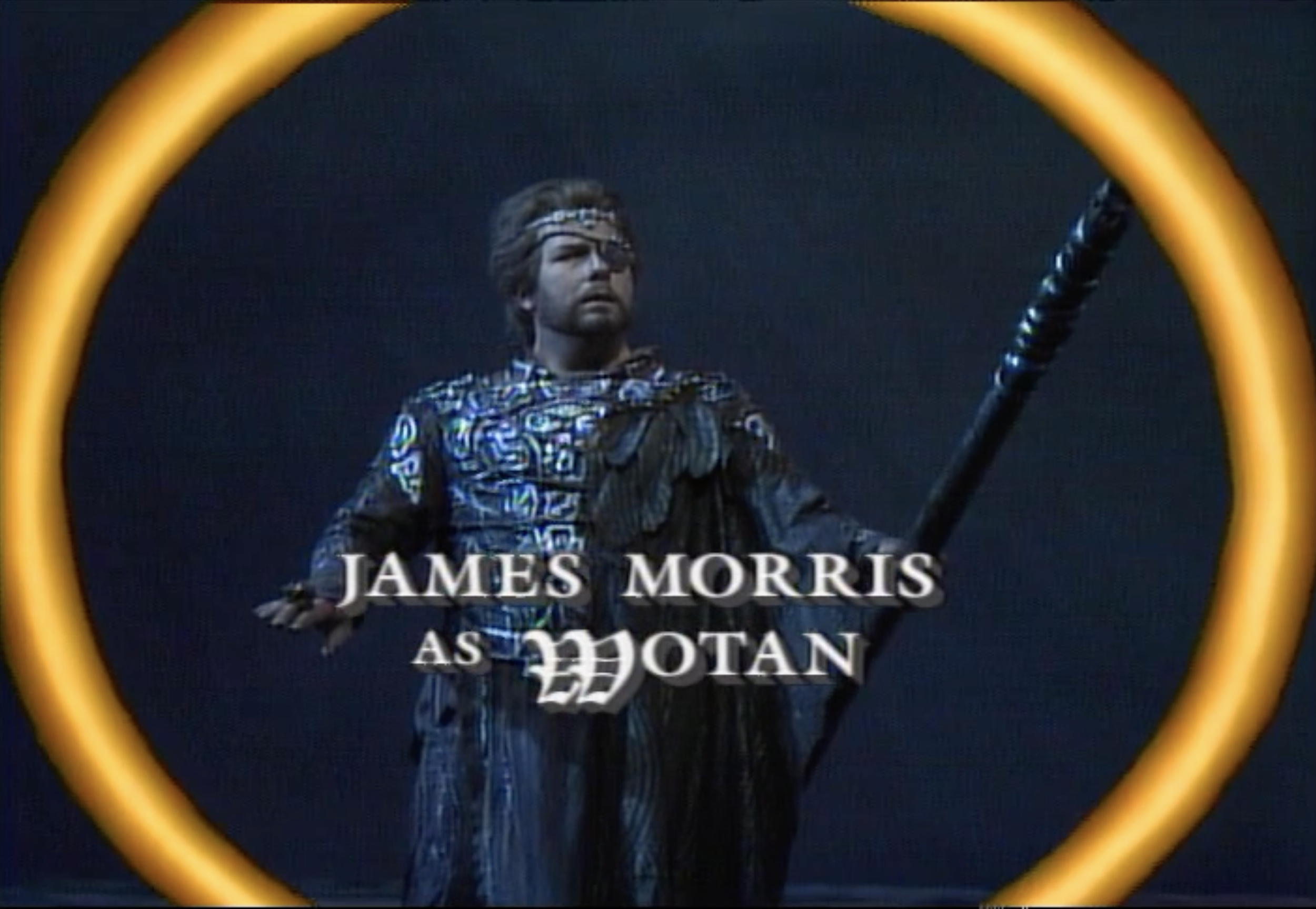
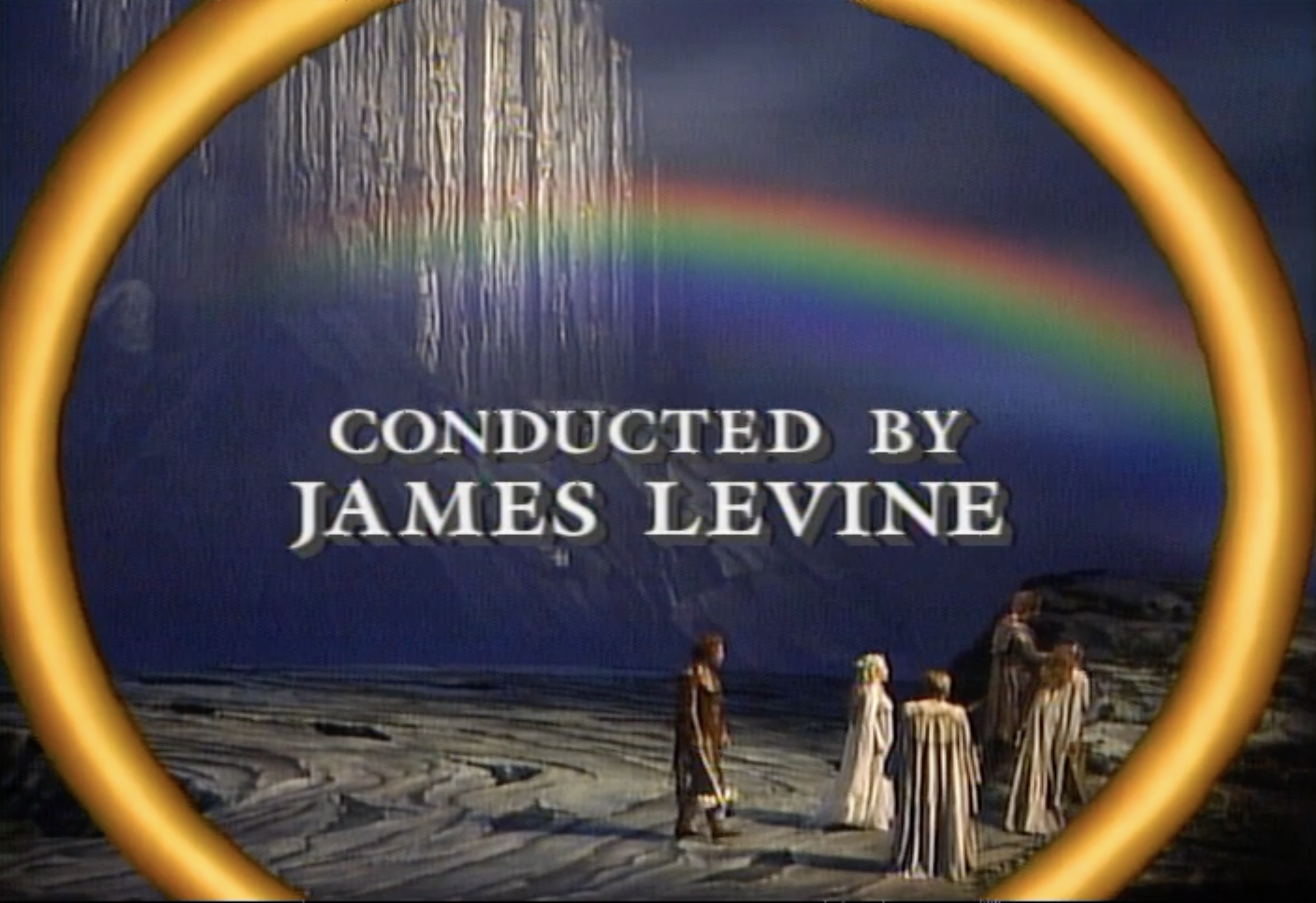
Rheingold ends with the gods entering Valhalla to the opera's most famous music. It sounds like triumph. Wagner intends it to feel uncomfortable. Wotan has what he wanted. He has paid the price that was asked. Everything was accomplished and nothing was clean. The rainbow bridge to Valhalla is built over a river full of lamenting Rhinemaidens whose gold is gone. The gods walk across it and do not look down.
June is the right month for this not because June is dark but because June is the beginning. The new season coming online. The first full heat. The long days that feel like they will continue forever. Rheingold is about how things begin: the first contract, the first theft, the first curse, the first death. The system activating. Walk into it with your eyes open.
South Street Seaport & Pier 15
Das Rheingold: Before the Taking
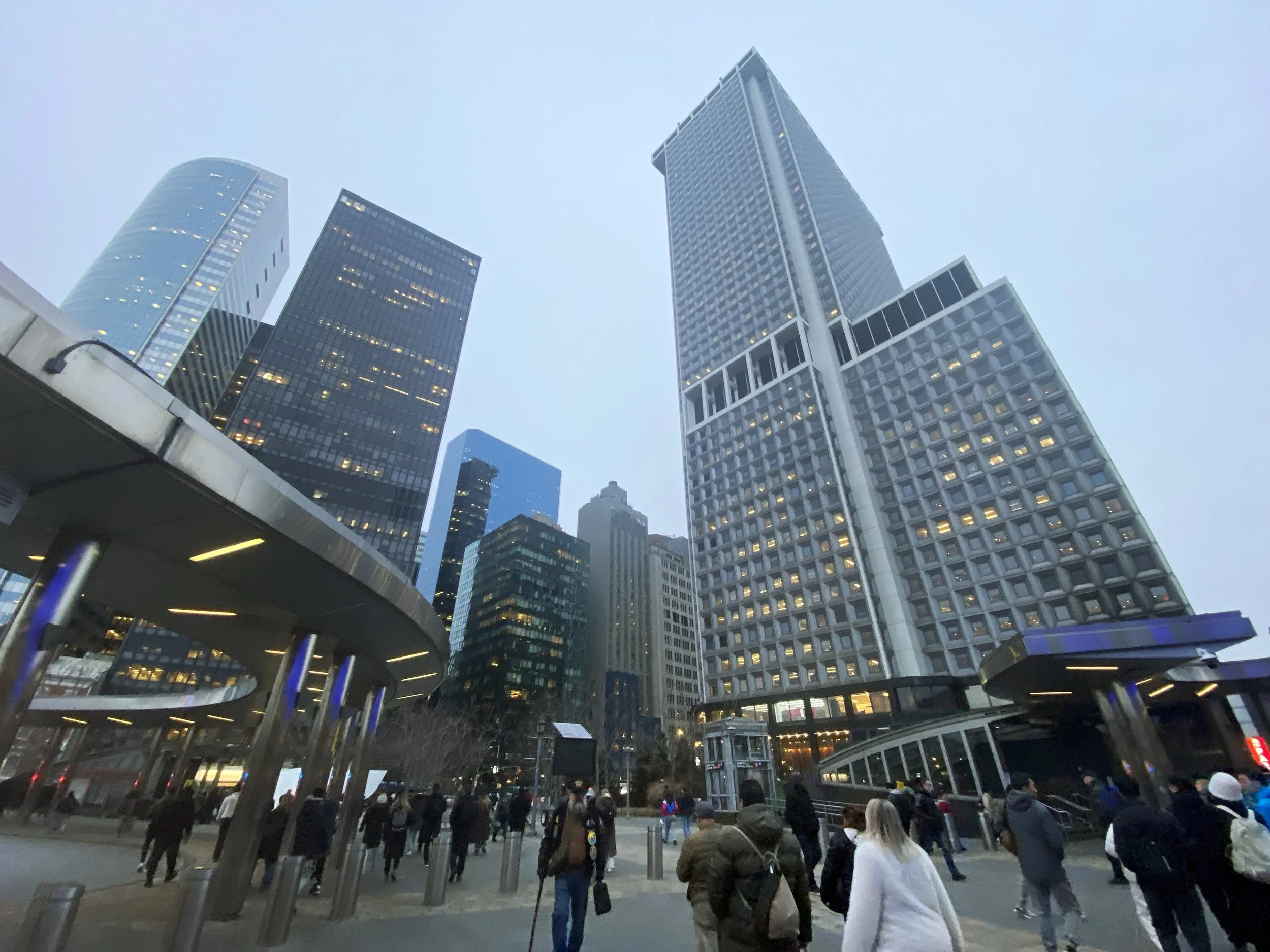
Walk east on Fulton Street from the A/C/J/Z/2/3/4/5 at Fulton Street until the river opens. The East River appears at the end of the block as a tonal shift: the sound of traffic softens, the air changes quality, the horizon opens. Turn south to Pier 15.
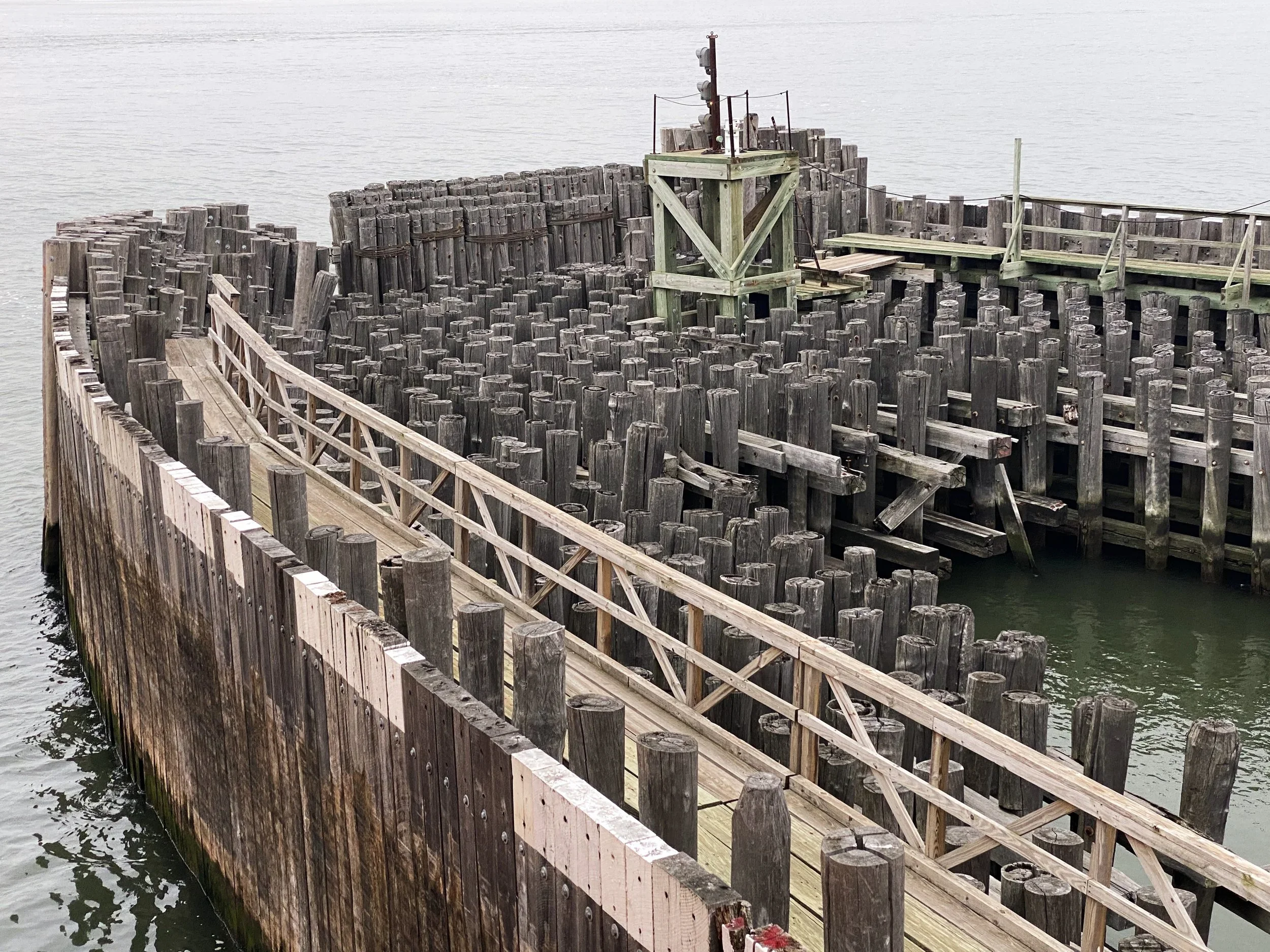
The pier extends into the river on wooden pilings. The planking has gaps through which you can see the water moving. The tidal current here runs fast; the East River is not a true river but a tidal strait, and in the morning it is frequently running against you, south to north, the water moving in long lateral sheets that catch the light differently as they pass the pier's shadow.
What to listen to:Das Rheingold, Prelude (Vorspiel). The Solti/Vienna recording (Decca) or the Karajan/Berlin recording are both appropriate. The Solti is more visceral, the string section attacking the E-flat with a physicality that the river rewards. Begin the track before you reach the pier's end, so that the chord is already building when you step out over the water.
Stand at the end of the pier. Do not walk while the Prelude runs. The point of the Prelude is that it requires nothing to happen. It simply is. A world building itself from the bottom up, one harmonic partial at a time, no melody for the first ninety seconds, only the chord thickening. The river below you is doing something analogous: currents from the harbor and the Long Island Sound meeting and differentiating and running past each other. Systems before they have been named.
The melody, when it arrives, is the Rhinemaidens. They are playing in their element. The gold is above them, catching the morning sun. Nothing has been taken yet. This is the only moment in the Ring cycle when the world is in balance. Let the prelude run to its end, three minutes and forty seconds in the Solti, and stand with the river moving under you for the whole duration. Then begin walking north.
What to look at: The tidal movement in the spaces between the planks. The way the Brooklyn Bridge cables align with the river's far bank from this angle. The ferries leaving their long wakes that persist for minutes after the boat has passed. The lower financial district skyline to your left, its towers a 21st-century Valhalla seen from the river side, which is the angle that reveals the foundations.
The Deep Gold: Under the Brooklyn Bridge
Die Rheintöchter: The Thing Before the Theft
Walk north from Pier 15 along the esplanade to the space between the Brooklyn Bridge's Manhattan towers. You are now in the zone where the bridge's stone anchorages descend into the seawall, the cables rising from them in long curves. Stand with your back to the river, looking at the anchorage.
What to listen to: Continue the Rheingold score from the Rhinemaidens' introduction through Alberich's first appearance. The Rhinemaidens are singing about what they have, not what has been taken. The music is playful, the harmonies mobile. This is the condition before consequence.
The bridge cables above you descend from the roadway in the same pattern as the Rhinemaidens' movements in a traditional staging: rising and falling in arcs, never still, always in relation to each other. This is not a forced analogy. Wagner was explicitly thinking about the physics of water when he scored the Rhinemaiden scene: the way current produces arcs and eddies and spiral paths, the way things move through a medium that is always itself in motion.
Alberich enters and tries to catch the maidens. They tease him. He fails repeatedly. His failure is not contemptible; it is the failure of someone who genuinely wants what is being offered and cannot have it. The maidens are not being kind. They are doing what they were assigned to do, guard the gold, and they are doing it by making their charge desirable and themselves inaccessible. Alberich's frustration is the frustration of someone who has correctly perceived the rules of a system that was designed to exclude him.
The renunciation, when it comes, is not a philosophical position. It is an exhaustion. He has tried every available approach. Nothing works. He will take the third option. He will give up love, which he could not get anyway, and take the gold, which he can.
Walking micro-script: Begin the track as you arrive at the anchorage area. Walk slowly along the base of the bridge structure toward the water while the Rhinemaidens sing. Turn back toward the anchorage when Alberich appears. Let his frustration and the maidens' deflections play out while you stand with the stone of the anchorage in front of you: a massive structure, beautiful in its engineering, built to hold enormous tension in equilibrium. When the renunciation happens and the gold is seized, stop walking. Stand still. The moment the theft occurs is the moment the opera's system comes online. Everything after this is downstream.
Federal Hall, Wall Street and Broad Street
Der Vertrag: The Law on the Spear
Walk south from the bridge through the Seaport district to Water Street, then west to Broad Street and into the canyon of the New York Stock Exchange. You are walking from the river into the infrastructure it funded.
Federal Hall at the corner of Wall and Nassau is a 1842 Greek Revival building on the site of the first United States Capitol, where Washington took his first presidential oath. The bronze Washington stands in front of it with one hand raised. The NYSE across the street has its own columned pediment, allegorical figures in the tympanum. These are two expressions of the same impulse: the desire to give the apparatus of governance and finance the aesthetic authority of classical permanence. To make the contingent look eternal. To make the contract look like a temple.
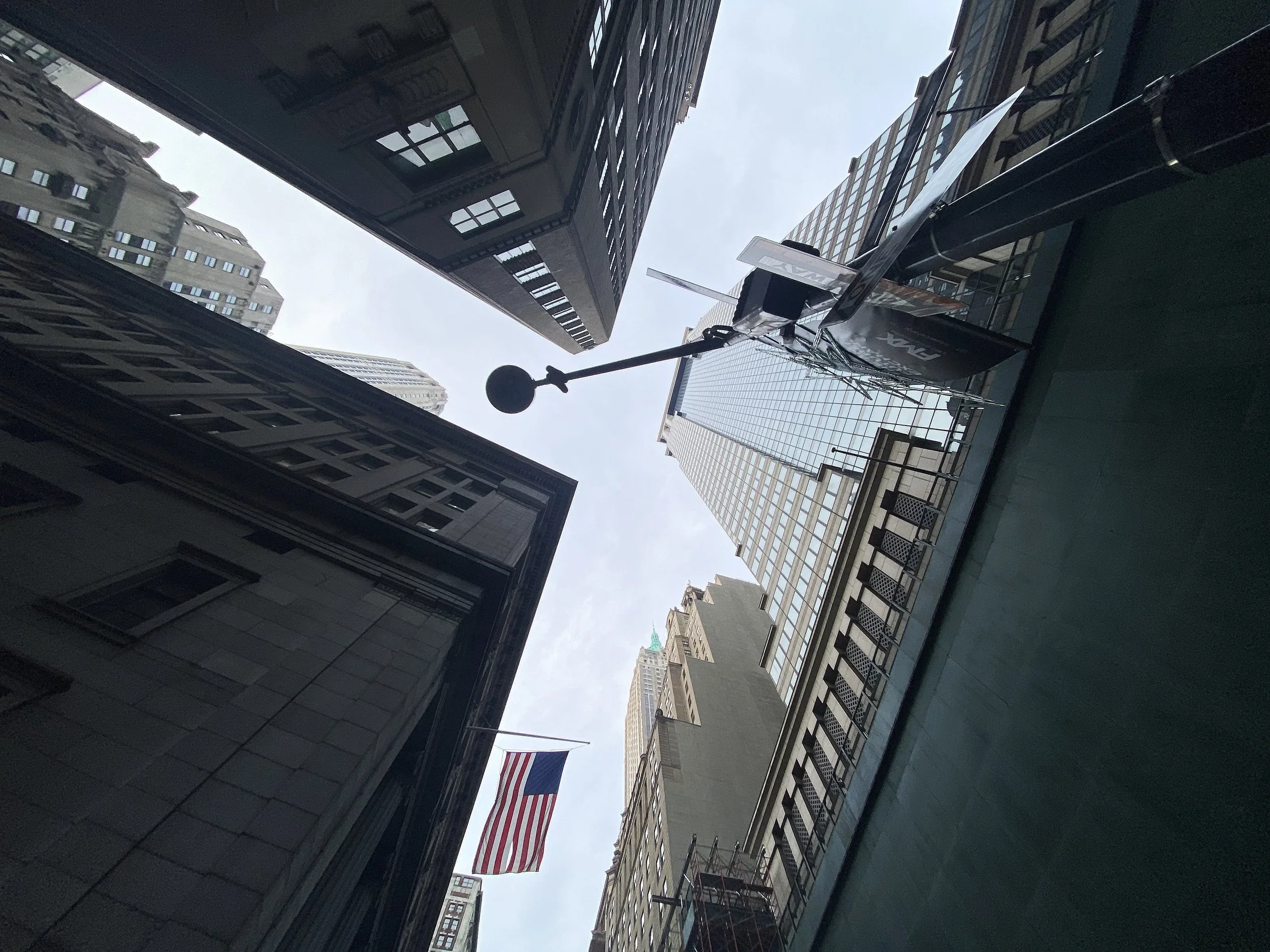
This is Valhalla.
What to listen to: The scene in which Wotan and Loge argue over the terms of the deal with the giants: Fasolt und Fafner, from approximately the 20-minute mark in the opera. Then, later in the walk, the Einzug der Götter in Walhall (Entry of the Gods into Valhalla) as a coda. But not yet. First the negotiation.
Stand in the center of Broad Street between Federal Hall and the Exchange. The pedestrian zone here, if it is before trading hours, will be nearly empty. The columns of both buildings are visible from this position. The bronze markers in the pavement indicate where the original Dutch wall stood, and where the first trading occurred along it.
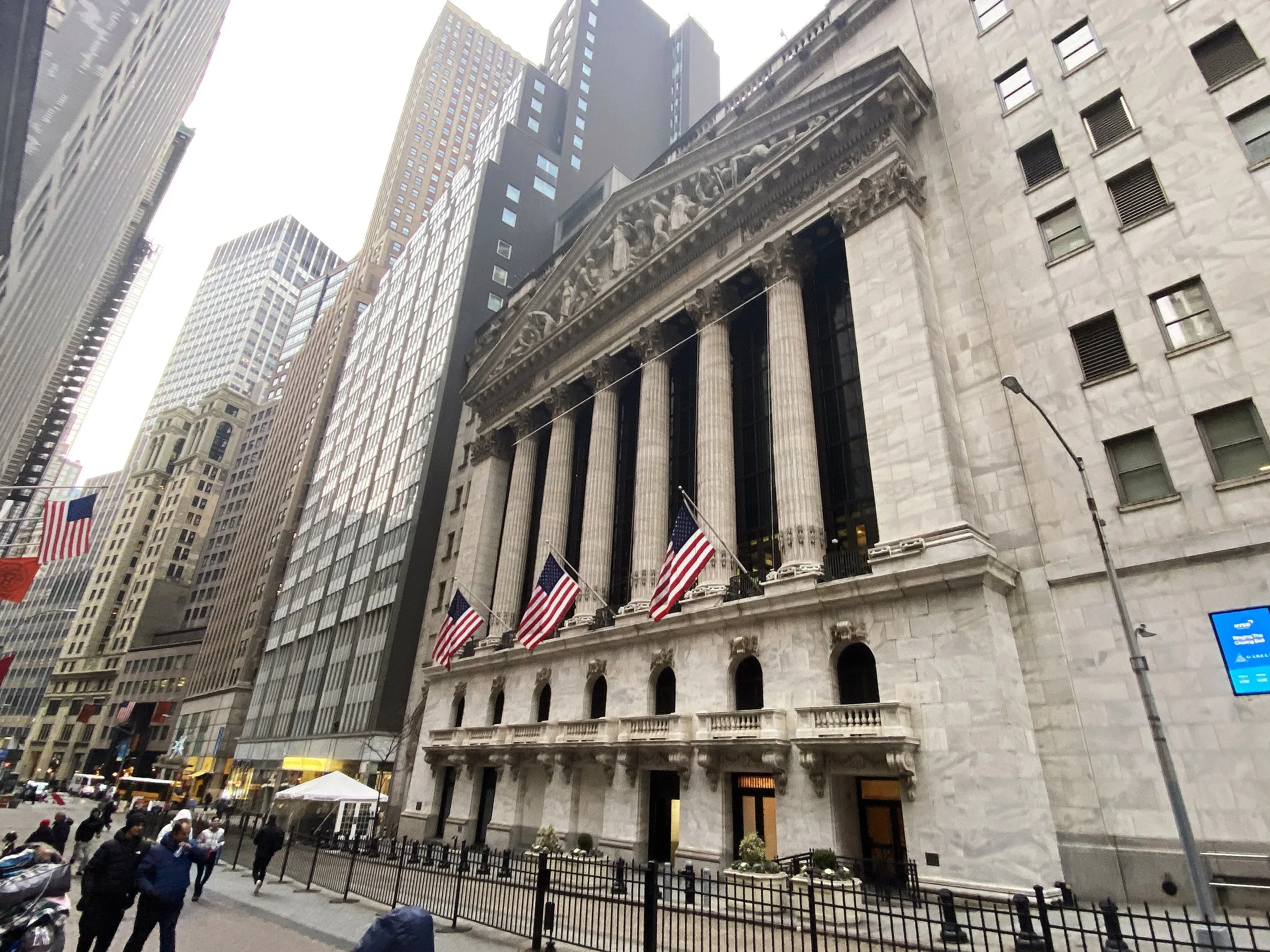
The deal between Wotan and the giants is a labor contract. Fasolt and Fafner built something they could not have built alone. They agreed to a price before the work started. The work is finished. The price is now due. Wotan does not want to pay it. He negotiates, delays, looks for exits. The giants hold firm. They built the thing. The contract is on Wotan's spear. He cannot deny it without denying the authority the spear represents. He is, in the most precise sense, trapped by his own law.
Stand here and let this play while looking at both buildings. The Exchange is the entity that sets the rules of the market and profits from the rules it sets. Federal Hall is the government whose authority underwrites those rules and whose legal framework makes them binding on everyone except, at various historical moments, those who wrote them. These are Wotan's institutions. Valhalla. Built on a promise someone else was meant to keep.
Walking micro-script: Walk the length of the pedestrian section of Broad Street, Federal Hall to Exchange Place, while the negotiation plays. Walk slowly. Turn around. Walk back. Let the music dictate your pace rather than the distance. When the giants leave with Freia, the light in the sky dims in the opera's stage directions: the gods are already aging without her golden apples. Stand in the shadow of whichever building is blocking the sun at that moment. Then prepare to go down.
The Underworld: Subway Descent (Broad Street J/Z)
Nibelheim: The Infrastructure Beneath the City
Enter any downtown subway station. Wall Street (4/5) or Broad Street (J/Z) are correct. Pay the fare and go down. Do not board a train yet. Stand on the platform.
The platform is Nibelheim. Not metaphorically: the structure, function, and atmosphere are the same. A subterranean space where work happens that makes the surface world possible, staffed by people who are not seen by the people the work serves, operating machinery that produces sounds the surface registers as ambient noise. The MTA workers who maintain the tracks at night, the signal technicians, the booth agents, the cleaners. The Nibelungs. The ones Alberich drives with his ring. Heiaho! Heiaho! Heiahohohei! Down here. Work. Faster. Do not stop.
What to listen to: The Nibelheim scene, beginning at Alberich's entrance in the underworld. The famous anvil orchestra: eighteen anvils scored precisely, each a different pitch, the whole ensemble creating an industrial texture that Wagner intended as a direct representation of forced factory labor. He had seen early industrial operations in England. He knew what he was scoring.
Stand on the platform and let the anvil orchestra run. The subway's own sounds, the rail vibrations of an approaching train, the ventilation fans cycling, the PA announcement, are not interruptions. They are reinforcement. The system you are standing inside is the descendant of the system the opera is describing. The power that drives the trains comes from somewhere. The infrastructure that makes the city function was built by labor that is not commemorated at Federal Hall.
When a train arrives, board it. Ride one stop. Stay with the Nibelheim track. The tunnel between stops is the mine. The doors opening at the next station are the transformation machine Alberich has built: the Tarnhelm, which allows him to become anything, to be invisible, to reduce himself to nothing. The platform at the next stop is just a platform. The one below it is the forge.
What to think about: Alberich's real achievement is not the ring. It is the system. He builds infrastructure. He organizes production. He extracts surplus. The ring is just the means of compulsion. What he creates is a functioning economy of extraction. Wotan does not dismantle that economy when he steals the ring. He simply takes over the controlling position within it. The Nibelungs keep working. The anvils keep ringing. The gold keeps moving upward.
Optional Add-Ons for Superfans
New York Aquarium (Old Battery Park Aquarium)
Das Wasser in Gefangenschaft: The Rhine After the Taking
Walk south from the Oculus along Greenwich Street or through the World Trade complex toward Battery Park. The park opens at the southern tip of Manhattan, the harbor visible on three sides, the Statue of Liberty in the middle distance, the ferries crossing in long arcs between the terminal and Governors Island and Staten Island. Find a bench or a standing position at the water's edge, facing the harbor.
The New York Aquarium operated from this location between 1896 and 1941, in the old circular fortress at the park's southern edge that is now called Castle Clinton. Before it was an aquarium it was a concert venue called Castle Garden, and before that a fort built to defend the harbor against the British, and before that an island, connected to the Battery by landfill in the 1820s. The layers here are compressed and contradictory: a military installation that became a performing arts space that became a place where you paid to look at fish in tanks. Each transformation kept the walls. The thing that changed was what was held inside them.
The fish tanks are long gone. The aquarium moved to Coney Island in 1957. But the logic persists. This is a place where water is framed, contained, made viewable on human terms. The harbor itself, visible through the park's trees and across its railing, is the original version: water in its proper condition, tidal, unmeasurable, running on its own schedule. What the aquarium proposed was the harbor reduced to a manageable scale. The Rhine in a tank.
What to listen to: The Rhinemaidens' final lament, Rheingold! Rheingold! Reines Gold!, from the opera's closing minutes. The three voices singing from the river below the rainbow bridge, calling for what was taken, not expecting it back, recording the loss in the only form available to them: the name of what it was before it was taken.
Stand at the park's southern edge and look at the harbor. The water out there is doing what it has always done, moving in and out with the tide, carrying whatever the ships bring into it, indifferent to what is built on the shore above it. The Rhinemaidens are not asking for the gold back. They know it is gone. They are singing the name of what it was before Alberich got to it, before the forging, before the ring, before the curse. Reines Gold. Clean gold. The gold that was just light in water.
Castle Clinton is visible from this point, its brownstone walls lower than you expect, worn by two hundred years of harbor weather. It held soldiers, then singers, then fish, and now tourists buying ferry tickets. The function keeps changing. The walls remember all of it. This is what the Rhinemaidens' singing does: it holds the memory of the prior state inside the present one, audible beneath the triumph if you are willing to stay at the water's edge long enough to hear it.
Walking micro-script: Take the lament's duration, three minutes in most recordings, to walk the arc of the Battery from the ferry terminal toward the park's western edge, keeping the harbor to your right. Do not walk fast. The point is to move at the speed the music requires, which is slower than the pace the city usually demands. When the lament ends and the Valhalla music swells back in for the final bars, stop walking. The gods are entering. The river is empty. Both things are still simultaneously true. The harbor continues in front of you regardless.
Governors Island (Ferry Loop)
Die Burg auf dem Wasser: Valhalla as Island
Take the ferry from the Battery Maritime Building at the eastern end of Battery Park. The crossing takes eight minutes. Walk to the front of the boat and face forward.
Governors Island appears as a low silhouette at first: a water tower, a cluster of Victorian buildings, the tops of trees. Then, as the ferry approaches, the fortifications become visible, the curved brick walls of Fort Jay and Castle Williams rising from the shoreline, the older construction giving way to the newer buildings of the former Coast Guard station behind them. The island is separated from Manhattan by a narrow channel of fast-moving water. It was separated from the public for most of its history. The military used it continuously from the Revolution through 1996. It is now a public park open summers only, which means June is exactly the right month: the season of access just beginning, the grass still spring-green, the harbor light at maximum June clarity.
Walk off the ferry and turn left toward Fort Jay. The path follows the island's perimeter wall, with the harbor on one side and the fort's interior on the other. The fort is an early 19th-century star-shaped earthwork, its grass slopes and brick parapets well-maintained, its function long obsolete. It held things. It kept other things out. It still looks convincingly impregnable from the water, which is the only angle that matters for a fortification of this kind.
What to listen to: The Einzug der Götter in Walhall again, here, on the island. You heard it in the Oculus, inside the city's newest version of civic magnificence. Here it plays against a different register: the genuine age of the fortification, the water on all sides, the Manhattan skyline visible across the channel at a distance that makes it readable as a single object. From here the towers look like what they are: a fortress built on a narrow island, defended by water, commanding the harbor. Valhalla is an island too. It stands above the Rhine on a rock, accessed by a bridge, visible from a distance, imposing from below.
The Einzug lasts approximately seven minutes. Walk the fort's perimeter path while it plays. The path is long enough. The harbor stays visible throughout. When the music reaches its full brass statement of the Valhalla theme, you will be somewhere on the island's western edge, with the Statue of Liberty to your south and the New Jersey shore to your west and the Manhattan towers behind you to the north. Everything built. Everything fortified. The Rhinemaidens audible, if you remember to listen for them, in the water somewhere below the bridge.
What to think about: Governors Island was transferred from the federal government to New York City and New York State in 2003 for one dollar. The price is not incidental. A dollar is a symbolic payment, the legal form of a gift that cannot be a gift for bureaucratic reasons. The transaction acknowledges that some things cannot be properly valued and settles on the minimum number that makes the paperwork work. Wotan pays the giants with the ring and the hoard. The ring was stolen. The hoard was Alberich's. The payment is formally correct and substantively wrong in ways that the contract cannot address. One dollar. A ring forged from stolen gold. The law requires a number. The number closes the deal. What the deal was built on remains.
Walking micro-script: Spend at least forty minutes on the island. Walk the perimeter path to the fort, then continue south to the newer park areas where the Manhattan skyline is most directly visible across the water. Find the angle where the towers align with the harbor. Play the Einzug from that position. Then sit down somewhere and listen to nothing for ten minutes. The ferry runs frequently. You can stay as long as you need to.
The Oculus (Fulton Center)
Das Innere von Walhall: What the Transit System Thinks of Itself
Return to Manhattan on the ferry. Walk north from the Battery Maritime Building along the waterfront to Fulton Street, then west to the Fulton Center at Broadway and Fulton, the glass and steel transit hub that opened in 2014 after years of delay and cost overruns.
Enter from the Broadway side and go all the way inside. The Fulton Center is organized around a central atrium, circular, topped by a dome of glass oculus ringed by a mirrored cone called the Sky Reflector-Net, which the architects designed to bring natural light down into the underground levels through a series of angled mirrors. Stand at the center of the atrium and look up.
The Sky Reflector-Net does work. Light does come from above in a way that is genuinely unusual for a subway station. The atrium is tall enough to produce a sense of vertical scale that the rest of the city's transit infrastructure actively suppresses. It is clean. The floors are polished. The retail around the perimeter is arranged so that the commercial transaction disappears into the architecture rather than crowding against it. This is a transit hub that has been designed to feel like an institution rather than a utility. It wants to be taken seriously as a civic space.
This is the inside of Valhalla. Not the approach, not the exterior view from across the harbor, but the actual corridors and gathering places of the divine residence. The Einzug is the procession to the gate. This is what happens after the gods have gone in. The administrative interior of an institution that has decided its own grandeur is architecturally necessary.
What to listen to: The negotiations between Wotan and the giants, replayed: Wotan's attempt to find a workaround, Loge's circling cleverness, the giants' refusal to accept substitutes until the gold exceeds the height and width of Freia completely, every last glimpse of her covered by the hoard. The scene where the ring is demanded and Wotan refuses, until Erda appears from the earth to warn him, and he releases it. The mechanics of the deal. Not the spectacle of the arrival, but the ledger.
The Fulton Center cost approximately $1.4 billion. It serves approximately 300,000 passengers per day. The business case is defensible. The building is also, at some level, not about the business case. It is about what the transit authority believes it is, which is a system deserving of a building that treats it as a civic institution rather than a utility. This belief required a billion dollars. The billion dollars required a deal. The deal had terms. The terms were argued over.
Walking micro-script: Do not rush this stop. Ride the escalators between levels at least twice, watching the atrium change proportion as you ascend and descend. Stand at the center of the ground floor and look up through the reflector net at the circle of sky. Then walk to the edge of the atrium and look back at the center from the perimeter. The space reads differently from the margin than from the middle. Most spaces do. The people who designed Valhalla were standing at the center when they designed it. The Rhinemaidens were standing in the river. The view from each position is accurate to the position. Neither is the complete picture.
When you exit the Fulton Center back onto Broadway, the street will reassert itself immediately: noise, exhaust, the human volume of midday Lower Manhattan. The atrium's managed light and polished floors will have lasted approximately as long as Valhalla's triumph in the opera: long enough to be convincing, not long enough to be permanent. The Rhinemaidens are still in the river. The summer continues. Walk north.
Walhall: Triumph That Cannot Hold
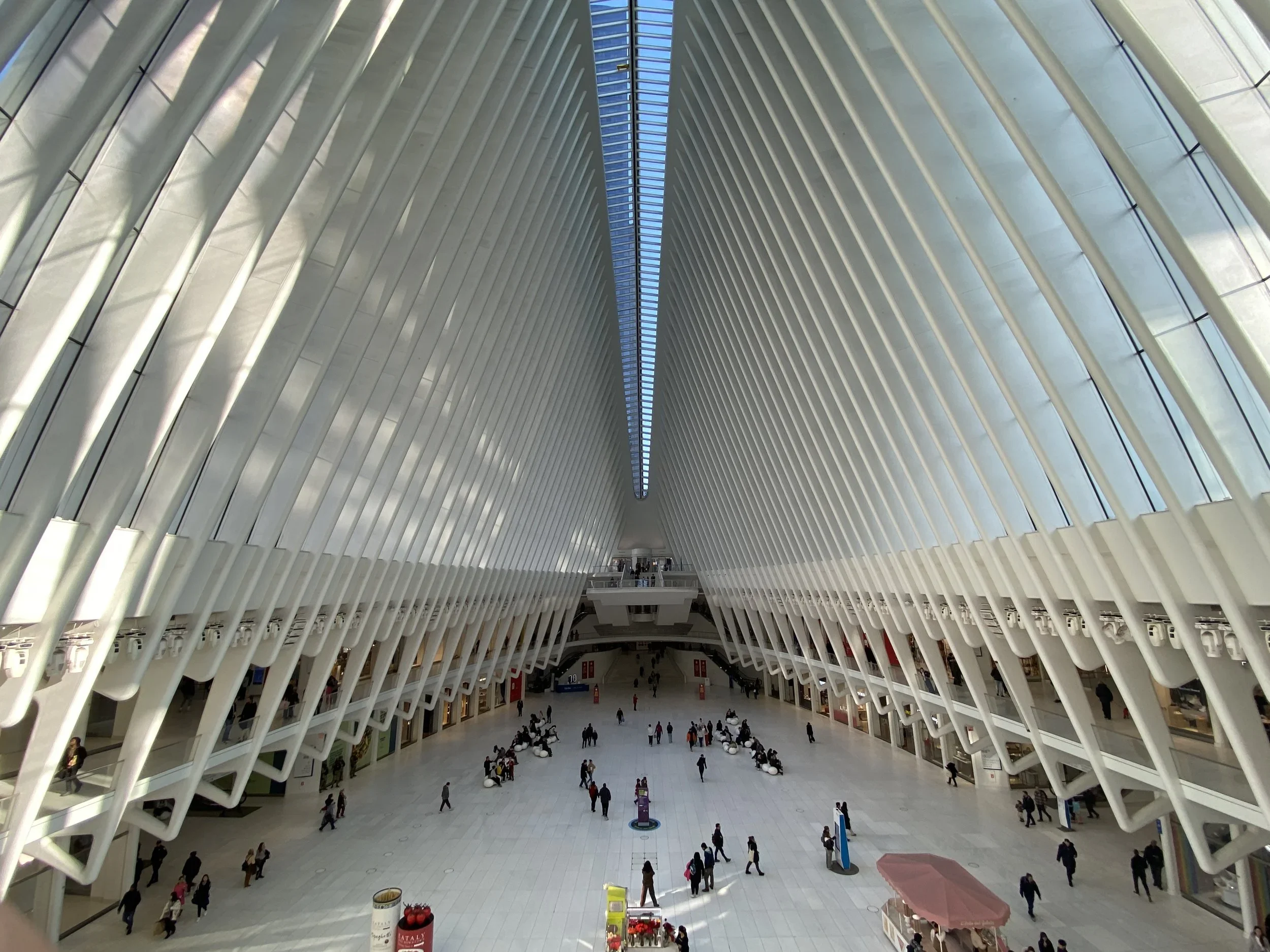
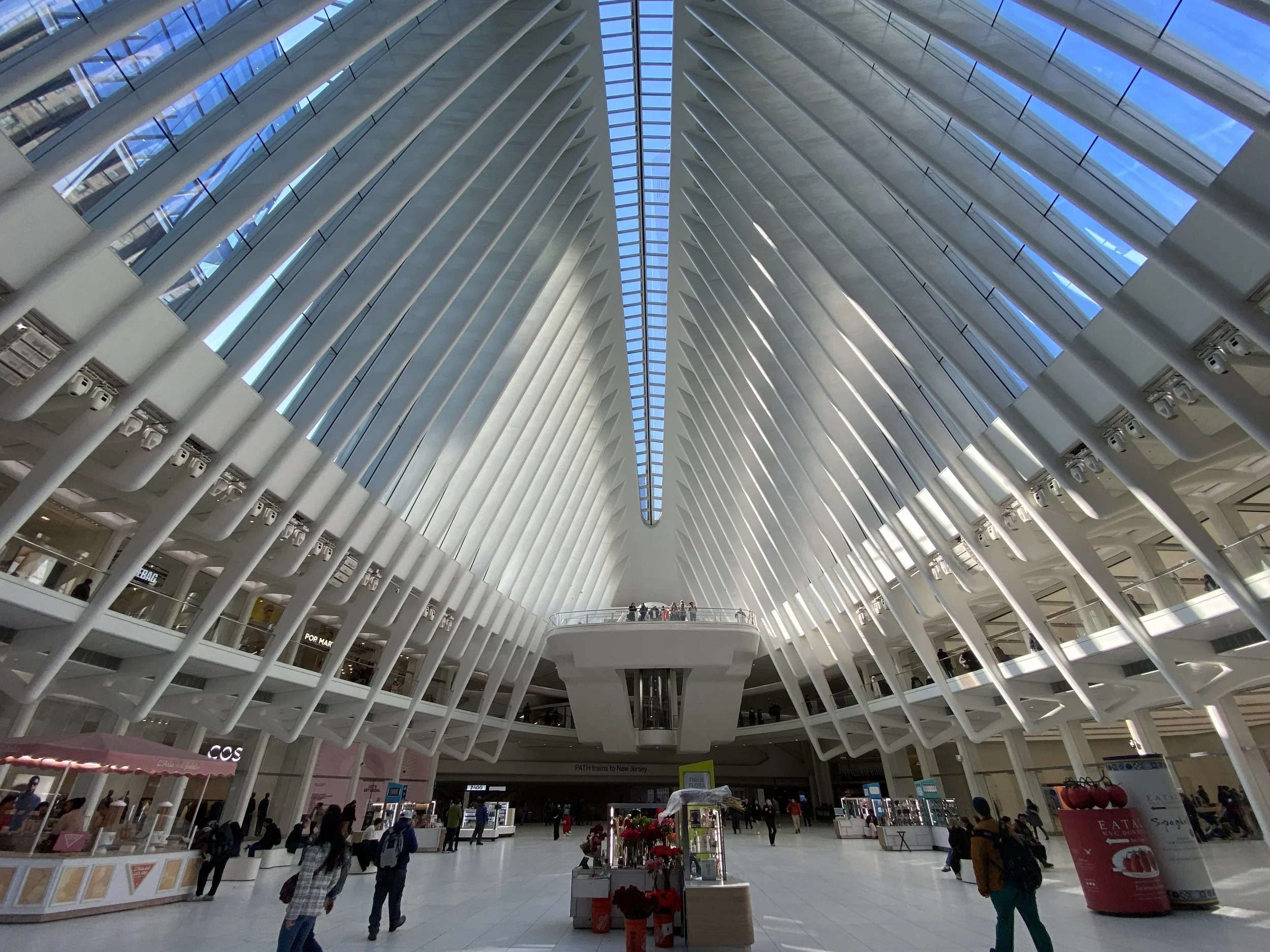
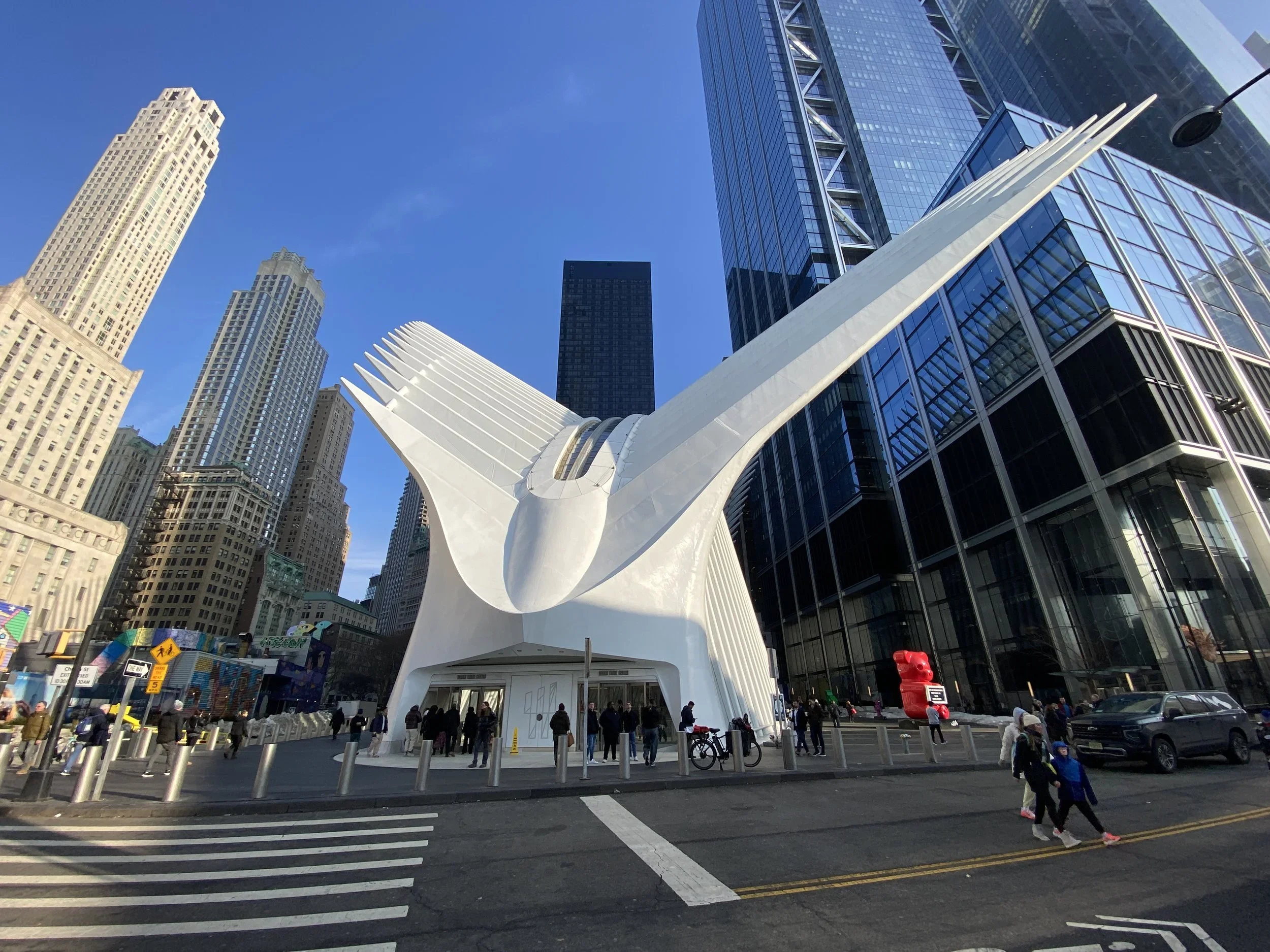
Come back above ground at the Fulton Street or Cortlandt Street stations and walk to the Oculus, Santiago Calatrava's white-winged transit hub at the World Trade Center site.
Enter from the street. The interior is a single vast space: white ribbed vaulting rising to a central skylight that runs the building's full length, the rib-bones of some enormous creature turned into a cathedral of transit. The light comes from above. The floor is white marble. It is very clean and very expensive and very empty of the kind of ordinary commercial texture that makes buildings feel inhabited.
This is Valhalla. Not a metaphor: the functional and aesthetic logic is identical. A structure of great formal beauty, built to project permanence and power, financed through loss, serving as much as a statement about the entity that built it as a space of actual use. The World Trade site cost billions. It required decades of negotiation, political compromise, and the displacement of grief into spectacle. The Oculus was over budget and over schedule. The bones are beautiful. The foundations are complicated.
What to listen to:Einzug der Götter in Walhall (Entry of the Gods into Valhalla), the opera's closing pages. The rainbow bridge theme, the brass chorale, the gods' procession. It is magnificent music. Wagner writes it as genuinely magnificent, not as ironic commentary. And then, underneath it, faintly, the Rhinemaidens in the river below, singing Rheingold! Rheingold! Reines Gold! The gods do not turn back. The music does not resolve their lament. Both things play simultaneously and neither cancels the other.
Stand in the Oculus and let the Entry play at full volume. Look up at the central skylight. The light is real. The architecture is real. The beauty is not false. The question the music is asking is not whether the beauty is false but what the beauty costs, and whether the people who built it are still in the river.
Walking micro-script: Enter the Oculus from the street level and walk its full length, south to north, as the Entry begins. The building is long enough that the walk takes approximately the same time as the entry's first statement of the Valhalla theme. Turn at the north end and walk back as the theme repeats and the Rhinemaidens begin their lament beneath it. Arrive at the central point, directly under the skylight, when both layers are playing simultaneously. Stand there. The light comes from above. The lament comes from below. This is the opera's final image.
Thematischer Nachklang: Nachklang
Rheingold ends before anything is resolved. This is the point. The Ring cycle is four operas and Rheingold is the prelude to the other three: the system installation, the establishment of the conditions that make the subsequent disasters inevitable. Nothing is lost yet in Rheingold, in the sense that the heroes who will try to redeem the situation have not yet been born. Siegfried is not yet imagined. Brünnhilde is still asleep on her rock, which has not yet been lit. The Valkyries are still riding.
What is lost is the gold. And with it, the world's original relationship to value.
The Rhinemaidens' final plea, Reines Gold, pure gold, is not a demand. It is a statement of fact about what existed before the taking. The gold was pure not because it was morally uncomplicated but because it had not yet been converted into a medium of exchange. It was value-before-abstraction, worth-before-ownership, a thing that existed in relation to the light and the river and the maidens who swam in it and had not yet been made into a token that could be transferred, accumulated, and cursed.
Every city is downstream of this moment. Manhattan Island was purchased for sixty guilders' worth of trade goods in 1626, a transaction whose status as a purchase was understood differently by each party. The Dutch understood it as an acquisition of property. The Lenape understood it as a use-agreement, a sharing of the land between peoples. The legal system that subsequently developed understood it as the Dutch understood it, because the Dutch wrote the legal system. The gold was taken and the river remembered.
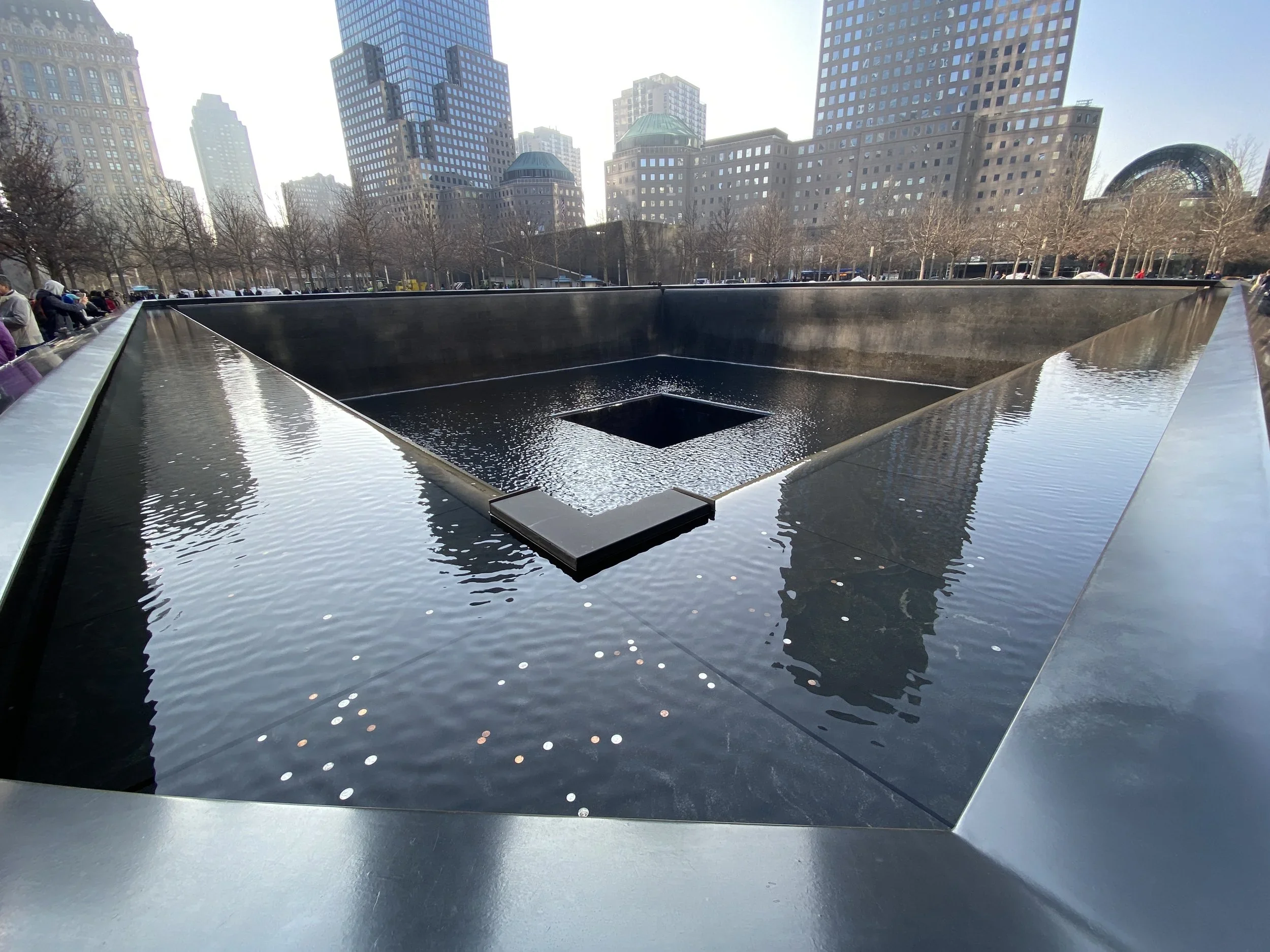
The walk ends in the Oculus, which is built over the place where the towers fell. Beauty over grief. Light over damage. The gods entering Valhalla, the rainbow bridge below their feet, the river behind them.
You are not supposed to feel resolved. The opera does not feel resolved. You are supposed to feel the simultaneity: the genuine magnificence of what human beings build, and the genuine cost of what the building required. Both of these are true at the same time. Rheingold is the only Wagner opera that ends without a death, without a redemption, without a dissolution. It ends with a procession. The system is operational. The summer is long. The gold is gone.
Toward Juli: Die Walküre
Rheingold builds the apparatus. Walküre shows what happens when a human being tries to move through it. Siegmund is not a god. He has no ring, no spear, no castle. He is a man running through a storm in a world shaped entirely by decisions made before he was born, bound by a contract he did not sign, cursed by a theft he did not commit. His love for Sieglinde is real and its expression is prohibited by every structure Wotan has built. The tragedy of Walküre is that Wotan himself understands this, and cannot act on his understanding, because the apparatus he constructed now constrains its constructor. Where Rheingold was compact and systemic, Walküre is vast and intimate.
The big architectures of the Ring become specific people in specific rooms. The storm outside the hut. The door swinging open to let in both the fugitive and the spring. The fire burning between Hunding's household and the sword in the tree. July is the right month for this: the heat at its maximum, the city at full summer density, everything exposed. The walk moves from sheltered interiors to open heights. From the small rooms where forbidden things are first named to the rock where the consequences of naming them are enacted. The question changes. Not What did we build on? but What do we do when the thing we love breaks the law we ourselves made?

Further Reading