Februar: Tannhäuser
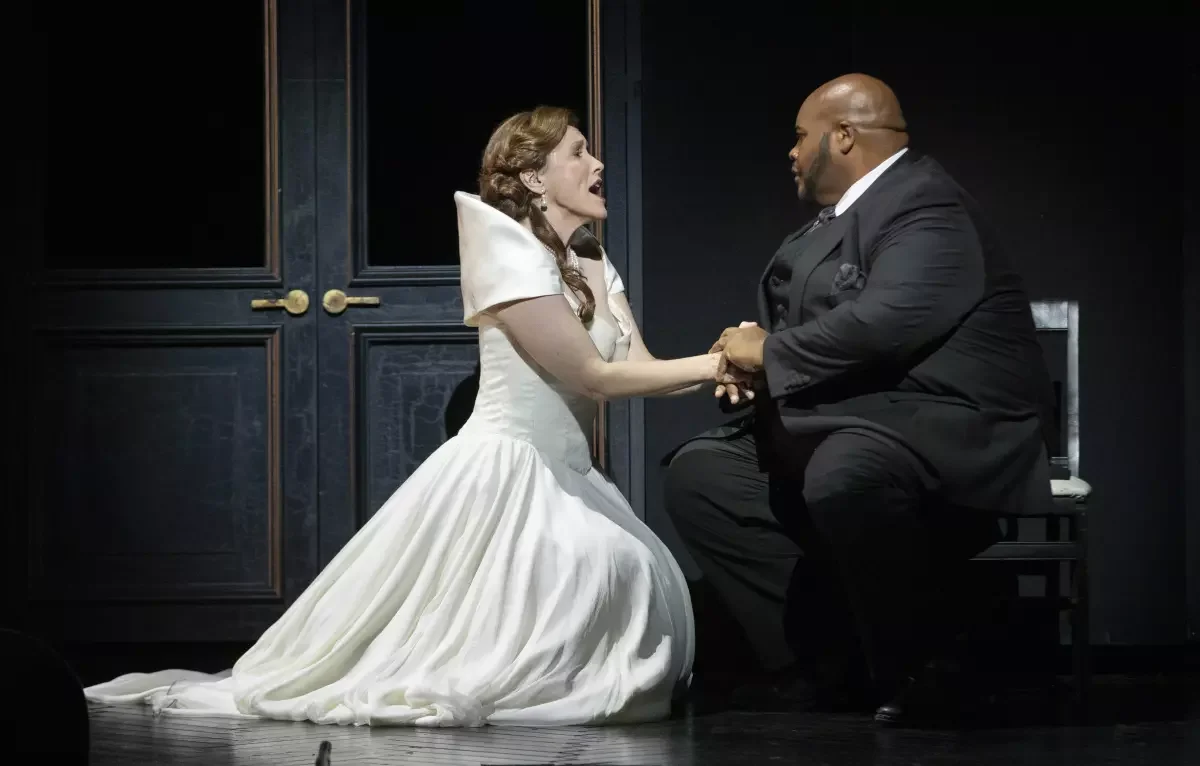
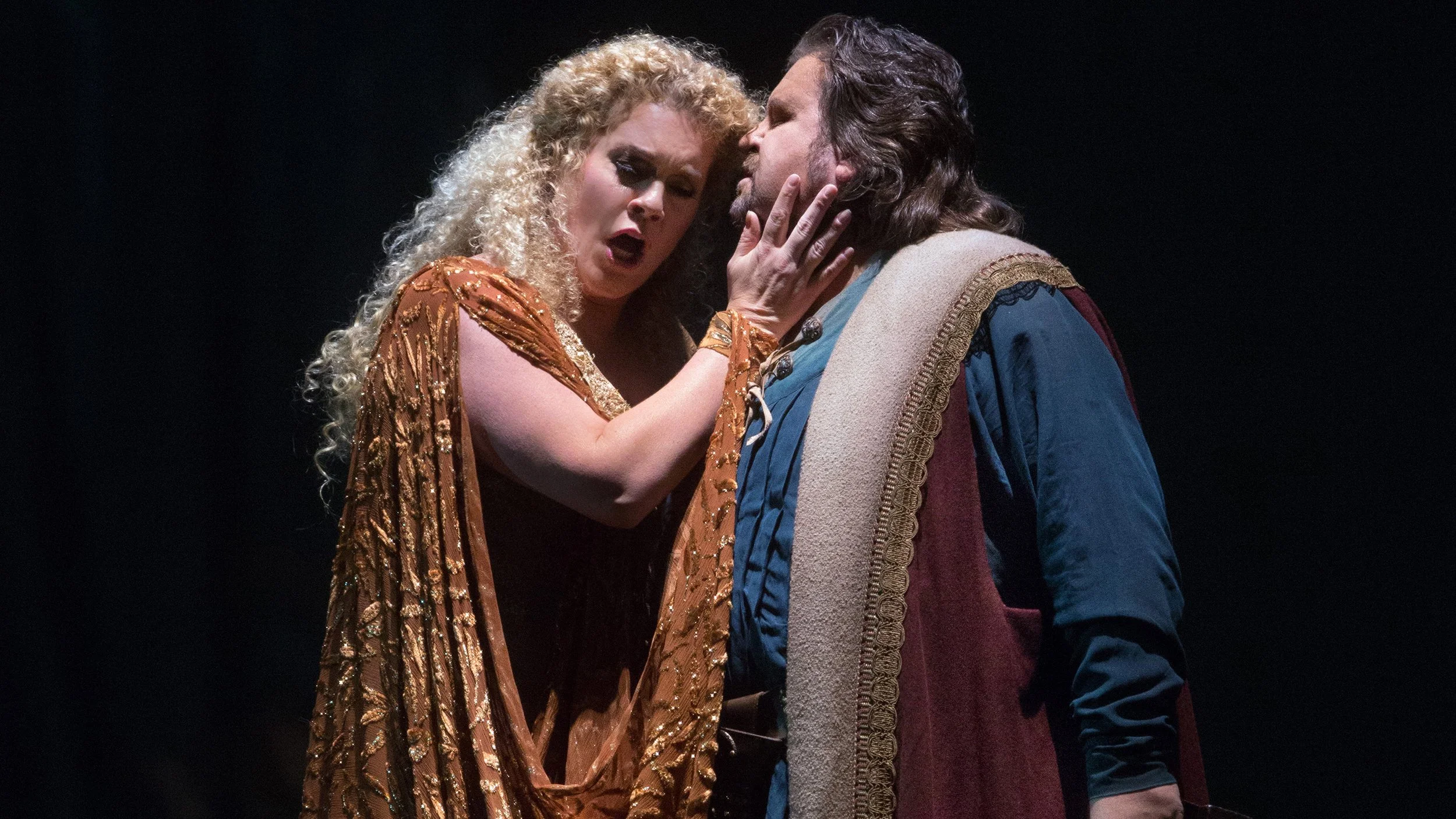
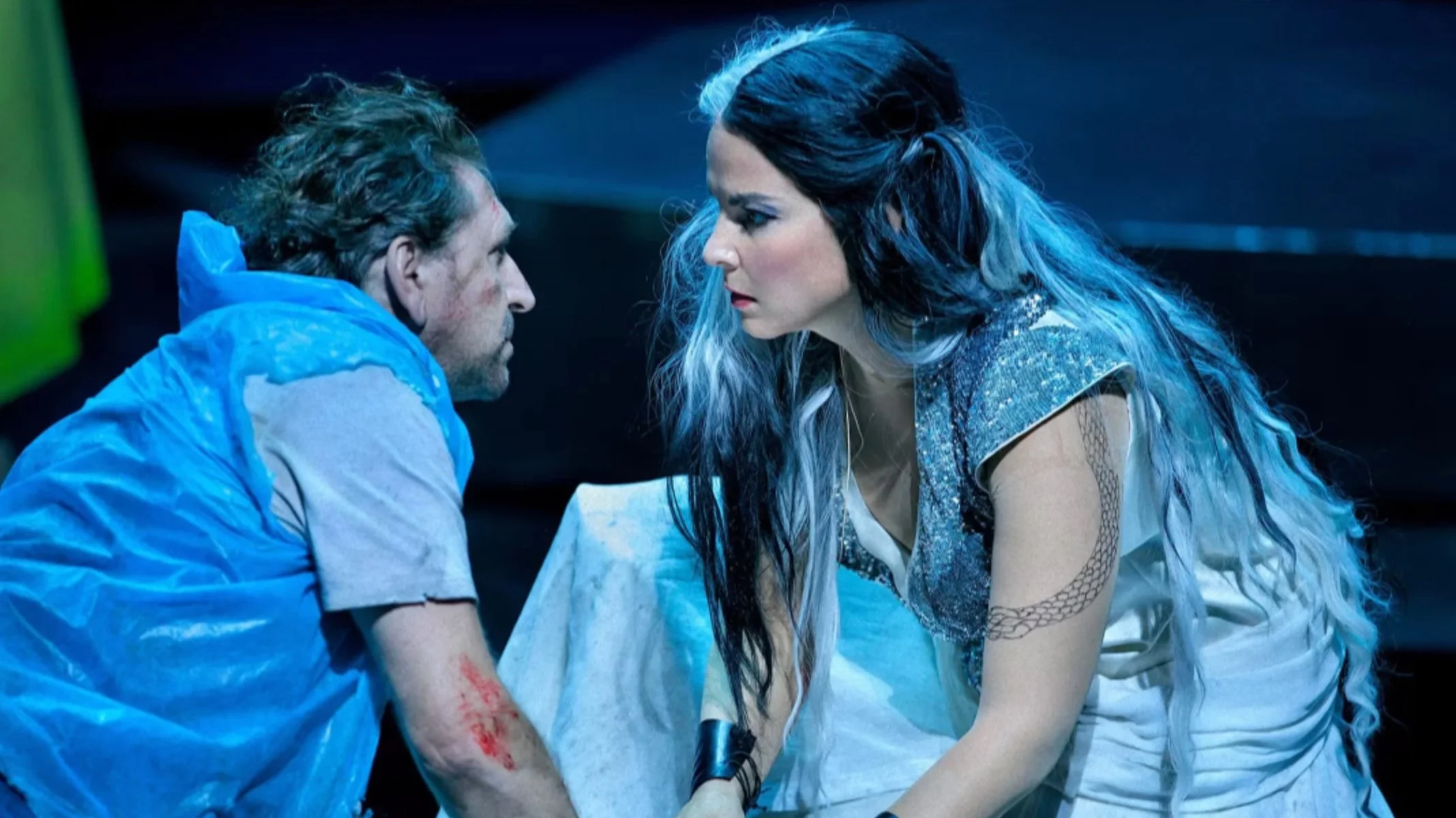
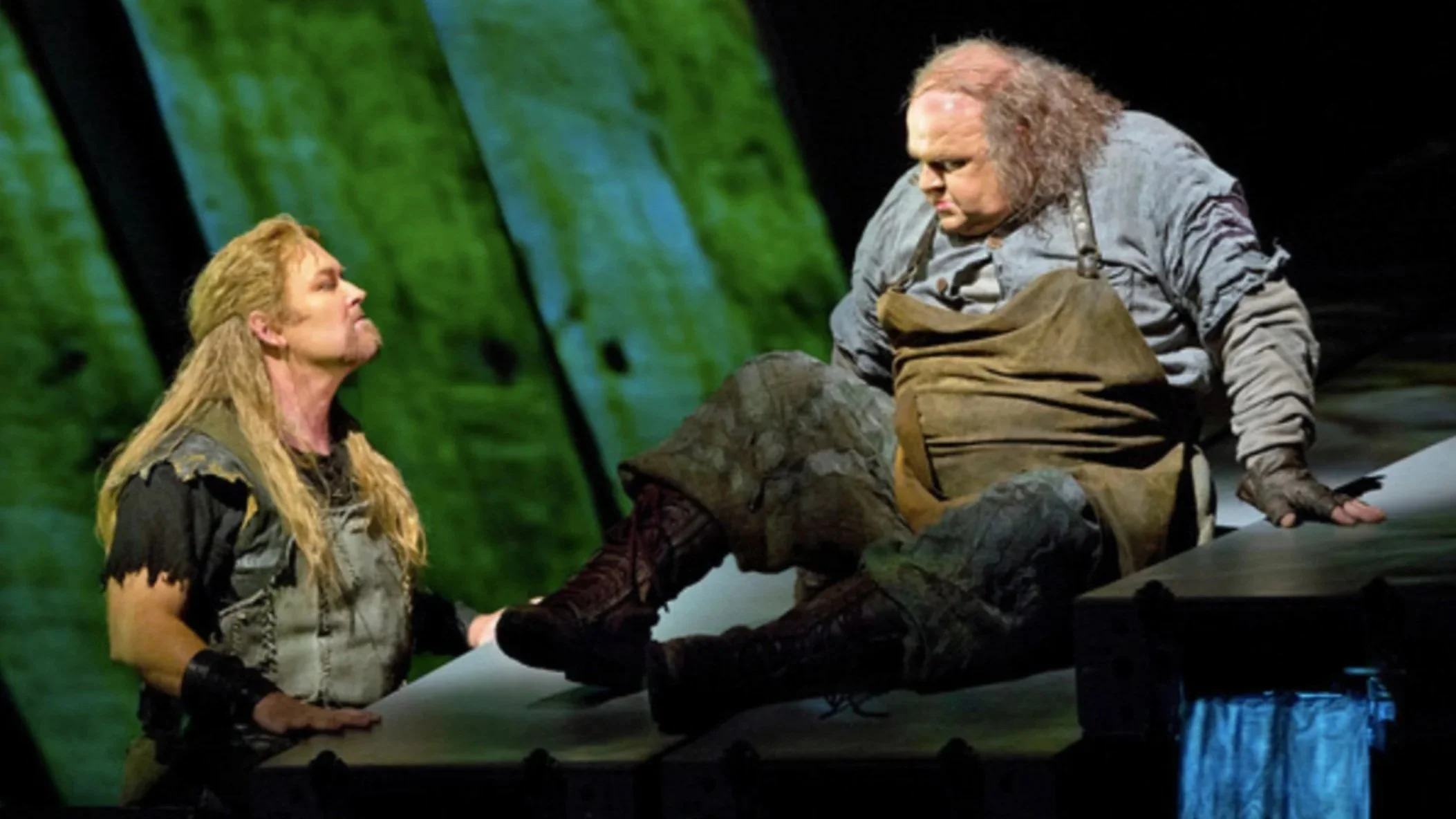
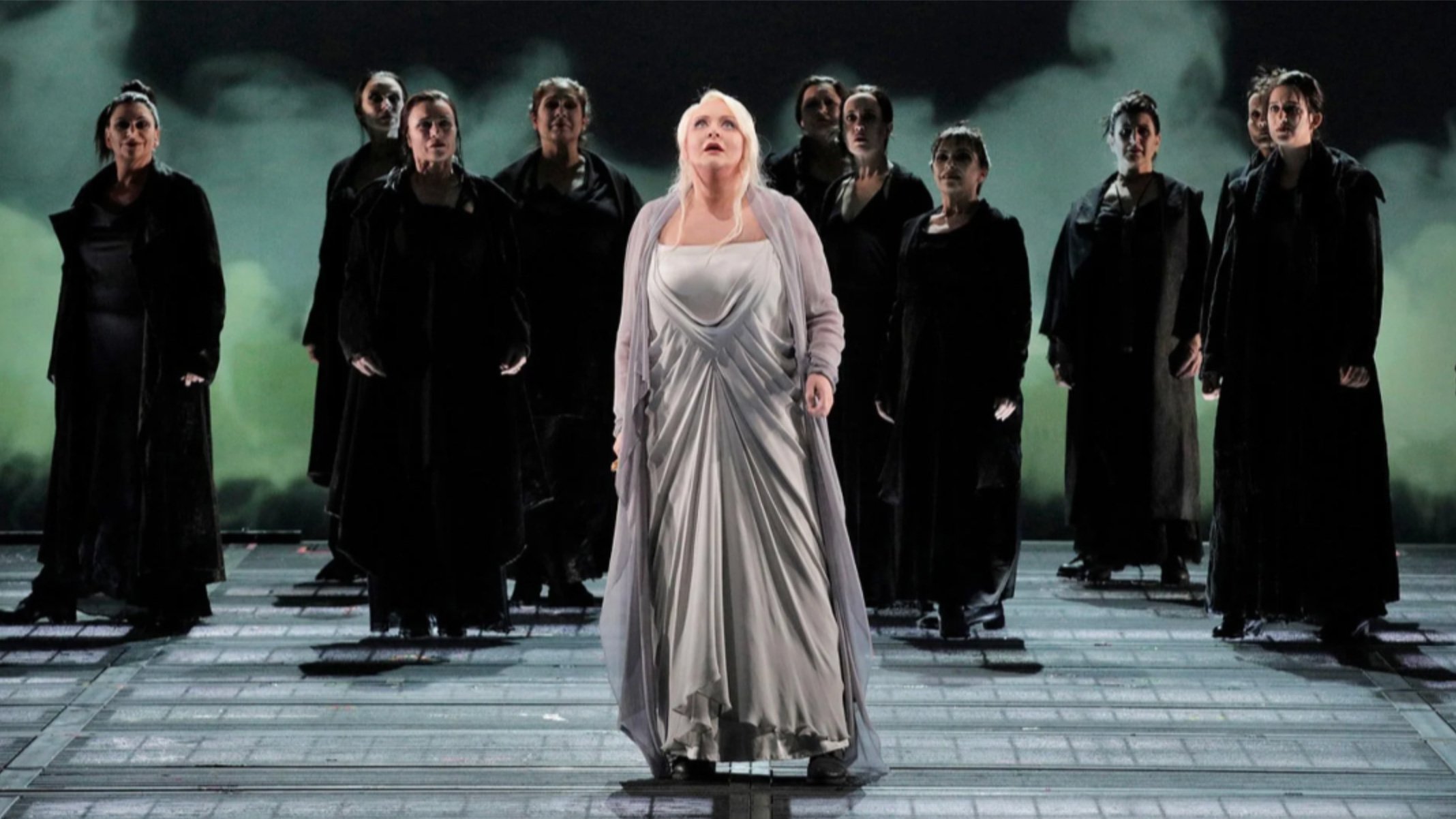
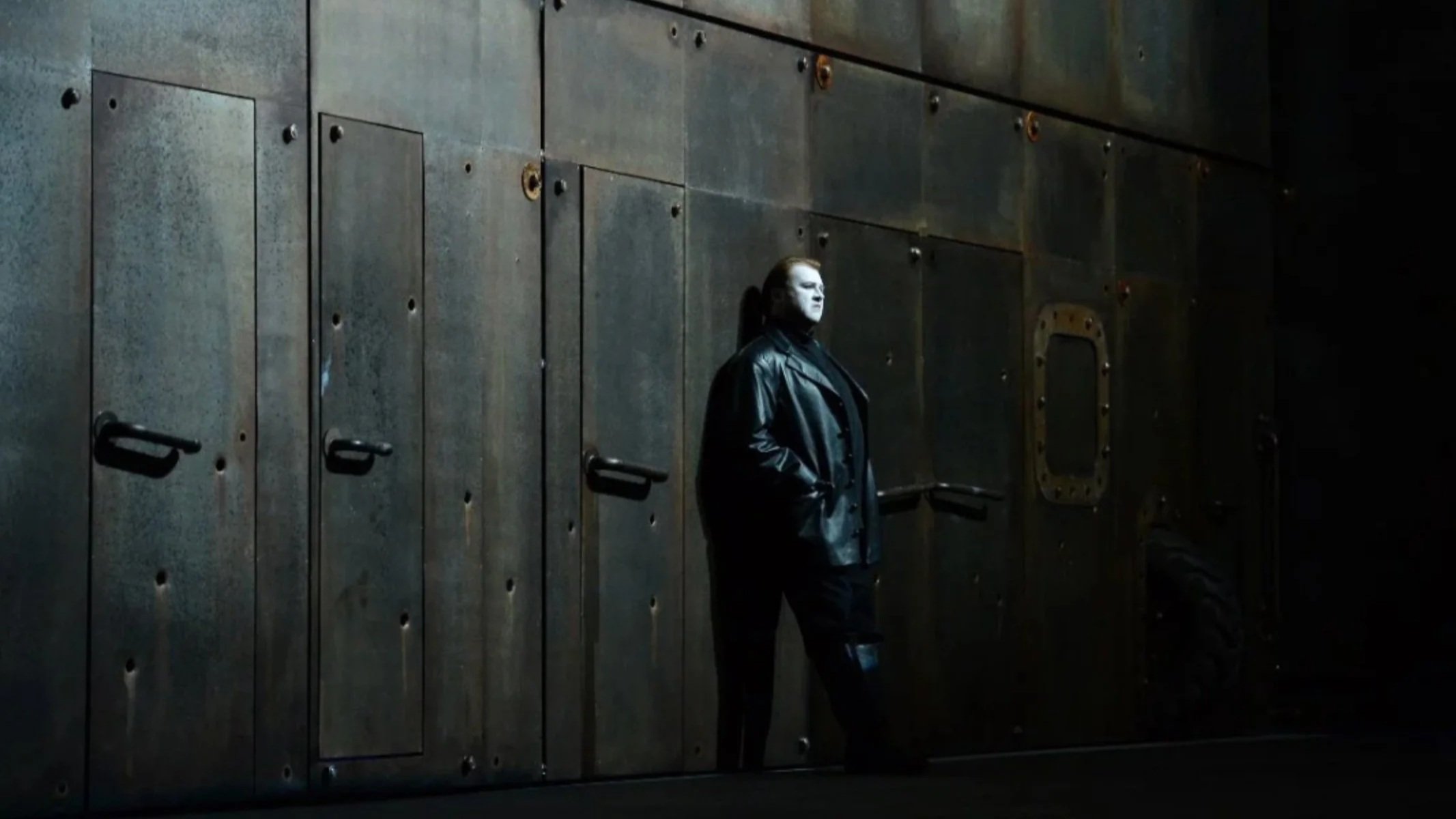
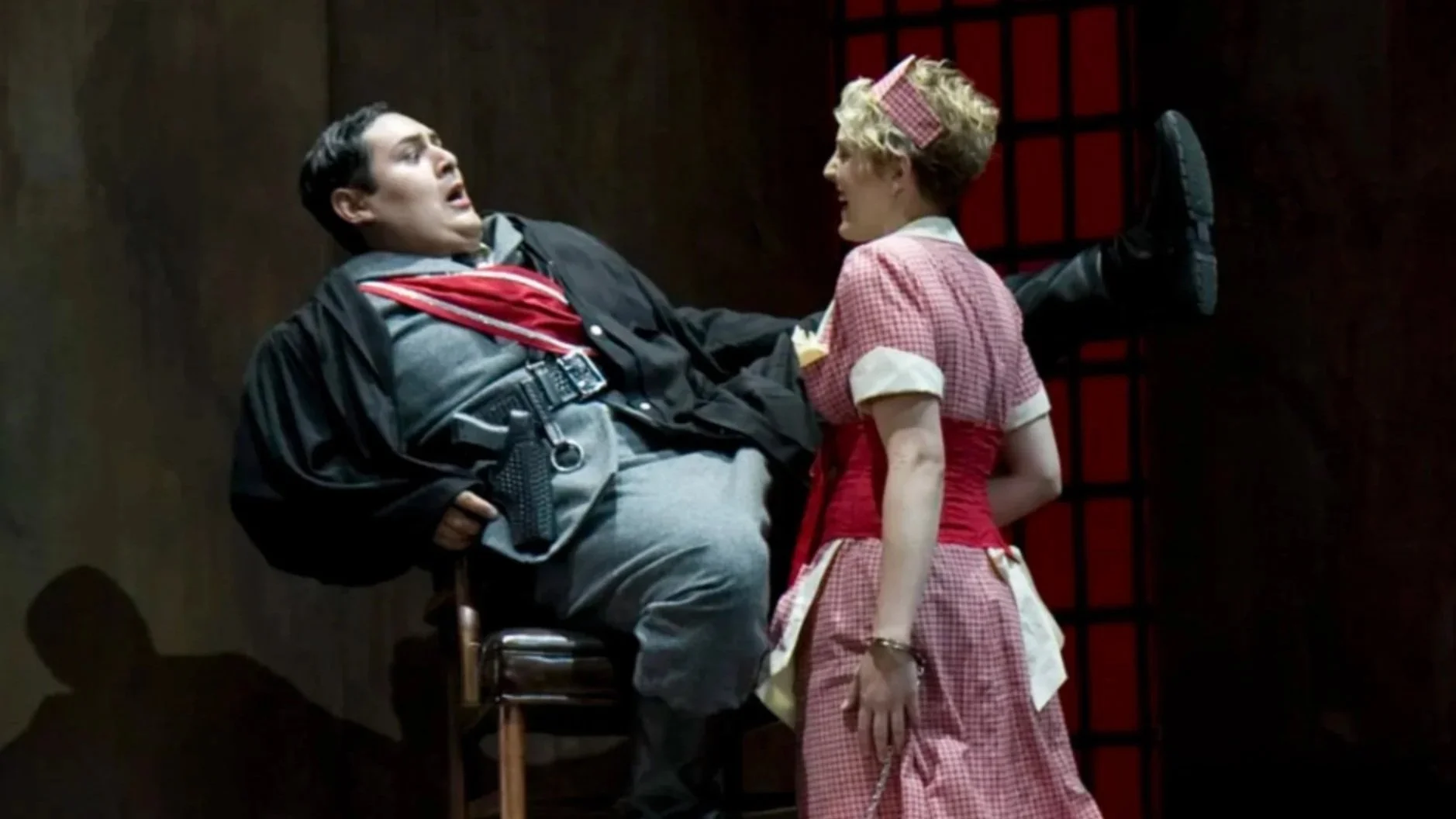
Sara Jakubiak and Issachah Savage during the Los Angeles Opera's 2021 production of Richard Wagner's opera Tannhäuser.
Themen: Verlangen, Konflikt, Gespaltenes Selbst
Element: Urbane Intensität und Künstlerische Spannung
The Score at a Glance
Dauer: 3–4 hours
Distanz: ~2–2.5 miles
Beste Zeit: Late morning → afternoon
Wetter: Neutral, clear light preferred
Zugänglichkeit: Mostly flat walking; museum interiors
Essentieller Moment: Leaving a space of pleasure and entering one of judgment while the Pilgrims’ Chorus sounds
Thematic Frame
Tannhäuser is Wagner’s opera of division. Unlike the Dutchman, who is trapped by repetition, or Tristan, who seeks to dissolve the world entirely, Tannhäuser suffers from an excess of choice. He has known pleasure. He has known transcendence. And now he must live with the consequences of having crossed between incompatible worlds.
The existential problem of Tannhäuser is not temptation itself, but return. Having tasted Venusberg, Wagner’s realm of sensual abandon, Tannhäuser discovers that re-entering the social world is not a restoration but a trial. Language fails him. The rules feel arbitrary. Judgment replaces ecstasy. Redemption, if it exists, must be negotiated publicly.
February therefore becomes a month of thresholds and crossings. Not edges like January’s harbor, and not interiors like April’s night-spaces, but zones where competing value systems collide. New York is uniquely suited to this tension: museums beside parks, monuments beside playgrounds, moral instruction beside indulgence.
This month’s walk stages the conflict between pleasure and legitimacy, between private desire and public order. German language learning here becomes charged with rule and form. Words spoken correctly or incorrectly, accepted or rejected, mirroring Tannhäuser’s own failure to reconcile what he feels with what can be said.
Tannhäuser asks the most uncomfortable question of the year: What do you do when the world you long for and the world you must live in refuse to align?
Listening Index
Overture: The collision of sacred and profane themes
Venusberg Music (Act I): Sensual saturation, excess, stasis
Pilgrims’ Chorus: Moral order, return, collective aspiration
Song Contest Scene (Act II): Public judgment, failed translation
Rome Narrative (Act III): Exhaustion, refusal, impossible absolution
Listening Note: This month alternates between movement and interruption. Let the contrasts remain sharp.
Confucius Plaza / Site of the Stadttheater
Opera focus: Overture, Sacred vs. Sensual in one span
Why this Place?
Under the concrete of Confucius Plaza (roughly 37–39 Bowery, just south of Canal) stood the Bowery Amphitheatre, later the Stadttheater, run by German managers and catering to the Kleindeutschland community. Here, in 1859, Tannhäuser was performed in German. The first staged Wagner opera in the United States, conducted by Carl Bergmann, who had led the radical ’48er-dominated Germania Musical Society in early American Wagner concerts. This is literally the ground where Wagner’s conflict between Venusberg and pilgrimage entered American cultural weather.
Closest Subway Stops
Grand St (B/D): Exit at Grand & Chrystie, we’re a few minutes’ walk away
Canal St (J/Z, 6): Stroll east along Canal, then down Bowery
These are the same tracks which now carry a different wave of newcomers through what used to be German New York.
How to Walk this Node
Start at Grand St (B/D)
Exit at Grand & Chrystie
Face east toward Sara D. Roosevelt Park (we’ll come back here later)
Walk east to Bowery, then turn right (south) and walk down toward Confucius Plaza
Put this on as we walk: Tannhäuser Overture
Recording: Claudio Abbado, Gustav Mahler Youth Orchestra (live in Salzburg)
The overture starts with the Pilgrims’ Chorus and then plunges into Venusberg. It’s the whole opera’s moral geometry in compressed form. Processional, then orgiastic, then back to procession.
What to Look at / Imagine
As the Pilgrims’ theme begins, you’re passing the small storefronts and restaurant supply shops
Think of 1850s Germans arriving here with their own liturgical and musical traditions, carrying chorales and brass-band harmonies in their heads.
As the Venusberg music crashes in, you’re under the elevated Manhattan Bridge and then at Confucius Plaza. Everything gets louder, messier, more urban. Not a grotto with naiads, but a swirl of traffic, delivery trucks, Chinatown shoppers.
Stop opposite the plaza and let yourself think. In 1859, the interior of the Stadttheater was filled with German voices singing about a man torn between sensual pleasure and religious duty, in a neighborhood built by political refugees whose own lives were split between old allegiance and new world.
Pause with the Coda
When the overture’s pilgrims’ music returns in triumphant brass, consciously flip your gaze from the ground to the sky between the towers. This is the same city that will later build the Met, the Ring machine, and the whole Wagnerian industrial apparatus. But it started here, on what was essentially an immigrant main street.
Venusberg on the Bowery
Opera focus: Venusberg music / Bacchanale, the ecstatic, messy half of the equation
Why this Place?
Walk a block or two north on Bowery and you’re near the former sites of the Bowery Theatre and the Atlantic Garden, a huge German-American beer hall and music venue at 50 Bowery. If Stadttheater was where high Wagner hit the States, the Atlantic Garden was where everyday New Yorkers experienced German music, food, and spectacle. The public, convivial version of Venusberg.
Subway
Same as before. This is a continuation, not a new entry point.
How to Walk this Node
From Confucius Plaza, keep the overture running if it’s not done.
Walk north up Bowery
When the overture ends, pause on a corner near roughly 50 Bowery
Switch to the Venusberg music / Bacchanale
Recording: Solti with the Vienna Philharmonic (Paris/Vienna version) – Overture + Bacchanale
Link: Overture & Venusberg Music Bacchanale – Solti / Wiener Philharmoniker
The Bacchanale was Wagner’s later expansion for Paris. A fully explicit orgy of sound, castanets and all, written when he’d already composed Tristan.
What to Look at / Imagine
Look at the Bowery as it is now. Hotels, lighting stores, restaurant suppliers, residual punk history.
Now mentally re-skin it as German bars, beer gardens, marching bands, and dance halls crammed with immigrants from Saxony, Bavaria, Prussia.
As the Bacchanale thickens, imagine you’re walking past open doors of 1860s beer halls where Strauss waltzes, Lieder, and eventually Wagner excerpts pour out of cheap brass bands.
This is the Venusberg of daily life. Noisy, sweaty, intoxicating, socially risky.
The opera’s Venusberg scene is orgiastic metaphor. The Bowery’s version was more beer-and-brass than naiads, but it served the same psychological role. A place where norms are loosened and people forget themselves.
Micro-Circuit
Walk a quick rectangle. Up Bowery one block, over to Mott or Elizabeth, then back down to Canal and back to Bowery.
Let the Bacchanale score that loop. When the music hits its most frenzied textures, picture Tannhäuser at the exact moment he says, essentially, thank you, I’m done, I need air and bells and sky.
We’re about to go look for those bells and that sky.
Sara D. Roosevelt Park: The Pilgrimage Corridor
Opera focus: Pilgrims’ Chorus & Wolfram’s Abendstern
Why this Place?
Sara D. Roosevelt Park is the long strip of green running between Chrystie and Forsyth from roughly Houston down to Canal. It exists because an entire band of tenements was cleared in the 1930s to create open space in one of the most overcrowded immigrant districts in the city. So this park is literally an absence. A missing swathe of buildings turned into a path. A good stand-in for pilgrimage, for spaces where communities try to make something more humane out of over-compression.
Closest Subway (if starting here instead of walking up from Bowery)
Grand St (B/D): You pop out directly at the park’s midpoint.
Delancey/Essex (F, J, M, Z): Short walk west.
How to Walk this Node
Enter at Grand St & Chrystie
Stand at the park’s edge facing north
We’re going to walk north to Houston and then south back to Canal, essentially making a slow out-and-back pilgrimage, using the path as your Wartburg valley
First pass (Northbound): Pilgrims’ Chorus
Recording: classic choral version of Beglückt darf nun dich, o Heimat, ich schauen
Start it as you step into the park and walk slowly north.
What to look for as we walk north:
The way the park is long and narrow, like a processional route.
Children playing basketball, elders on benches, tiny urban gardens. All of it sits where Old Law tenements and early-20th-century overcrowding once dominated.
As the chorus swells, imagine lines of 19th-century German pilgrims in the opera slowly approaching Wartburg, and map that onto the waves of Jewish, Italian, Chinese, Puerto Rican, and later immigrant communities who have moved through this exact ground.
When the music hits its broad, homophonic climaxes, let yourself experience this as the other half of the Bowery. This is the desire for order, meaning, and home that pulses beneath all the city’s chaos.
Second pass (Southbound): Wolfram’s Song to the Evening Star
When we reach near Houston, pause, turn around, and queue up:
Recording: Dietrich Fischer-Dieskau, O du, mein holder Abendstern.
Now walk South back toward Grand/Canal
What to look for as we walk south:
Wolfram’s aria is addressed to the Evening Star. The same planet Venus that rules the underworld grotto, but now seen as a gentle light in the sky.
Scan the sky between buildings. Even in winter light, you’ll catch that pale wash of late afternoon. That’s your Evening Star. The same celestial object, reframed from temptation into guidance.
Think about the way public space can be redeemed. Tenement clearance had its own brutal history, but this particular sliver has become a place of rest, play, and gathering in a neighborhood that still holds dense, multi-ethnic life.
By the time the aria ends, we should be roughly back at Grand St, with the Bowery just a block or two away to our east.
St. Patrick’s Old Cathedral: Rome, Refusal, and Grace
Opera focus: Rome Narrative (excerpt) and mental reprise of Pilgrims’ Chorus
Why this Place?
Walk west now into Nolita. St. Patrick’s Old Cathedral at Mott & Prince is the original seat of New York’s Catholic archdiocese, built 1809–1815 to serve a growing immigrant population, especially impoverished Irish Catholics. Where Tannhäuser imagines a man refused by the Pope in Rome and then redeemed through a woman’s intercession, this building is a local Rome-proxy. A place where actual 19th-century immigrants came seeking absolution, legitimacy, and protection in a hostile city.
How to get here from Sara D. Roosevelt Park
Exit the park at Grand & Forsyth or Grand & Chrystie
Walk west along Grand until you hit Mott St
Turn right (north) on Mott and continue to Prince St, the cathedral complex is on your left, with its cemetery and brick wall
Closest Subway if Starting Here
Spring St (6): Walk east to Mott
Prince St (R/W): Walk east to Mott
Broadway–Lafayette (B/D/F/M) / Bleecker (6): Short walk east/southeast
How to Walk this Node
Approach in Silence
As we come up Mott St and see the brick wall and gates, don’t start the music yet. Let the shift in architecture do some of the work. From glass storefronts to Gothic Revival stone and iron, from street vendors to a graveyard.
Play an excerpt of the Rome Narrative, Inbrunst im Herzen
Recording: Plácido Domingo or any favorite heldentenor
Stand outside the gates, looking in at the church and the burial ground, as the narrative unfolds:
Tannhäuser has trudged to Rome in extremis, refusing comfort, desperate for absolution.
He’s witnessed thousands of pilgrims forgiven, then been told he’s eternally damned.
His pardon deemed as impossible as a dead staff sprouting leaves.
What to Look at / Imagine while Listening
The cemetery inside the walls. Graves of early New Yorkers, many of them immigrants whose claims to belonging were contested or violently opposed. Old St. Pat’s was literally fortified against anti-Catholic mobs in the 1830s.
The church’s status as former cathedral, now parish. Once the center of ecclesiastical power, now humbler but still functioning, mirroring the opera’s movement from lofty court ritual to the raw inner crisis of a single penitent.
Imagine the Pilgrims’ Chorus from earlier drifting over the tombstones. Your own internal reprise. The whole opera ends with the staff blooming and a final eruption of that chorus as a sign that grace has arrived anyway, against the Pope’s verdict.
Optional: Walk the Perimeter
Let the Rome Narrative finish while you walk slowly around the block. Mott to Prince to Mulberry to Houston and back down Mott.
On the Mott St side, you’re with the official façade: The Rome face.
On Mulberry, you’re with the cemetery and the sense of history layered under the surface.
On Houston, you feel the friction of modern traffic cutting across this old axis of devotion.
That loop is our personal reconciliation pass. Tannhäuser’s wildest contradictions. Eros and piety, shame and longing, refusal and undeserved grace. Mapped onto a building whose entire history is about contested legitimacy.
Towards March: Lohengrin
If Tannhäuser is the agony of return, the moment when private experience is dragged into public judgment and found wanting, then Lohengrin begins with a more seductive solution: mystery as authority. March asks what happens when belonging no longer depends on confession, translation, or moral accounting, but on silence. Where Tannhäuser fails because he speaks too much, Lohengrin succeeds because he withholds. He arrives already legitimized, already armored in anonymity, protected by a single condition. Do not ask.
This shift matters. After February’s exposure and refusal, Lohengrin offers relief. Not through desire, but through distance. The world’s demand for explanation is suspended. Identity becomes something performed rather than proven. Faith replaces scrutiny. Order is restored not by understanding, but by agreement not to inquire too closely.
But this bargain is unstable. What Tannhäuser exposed through conflict, Lohengrin conceals through silence. The walk that follows explores spaces where authority operates without transparency, where trust is conditional, and where the refusal to explain becomes a form of power. March does not resolve February’s problem. It rearranges it. Trading confession for secrecy, judgment for belief.
The question shifts again. Not What can I admit? but What must remain unasked for the world to hold?
March begins there.