Folge 30: Furtwängler and the Unresolved Cadence of History
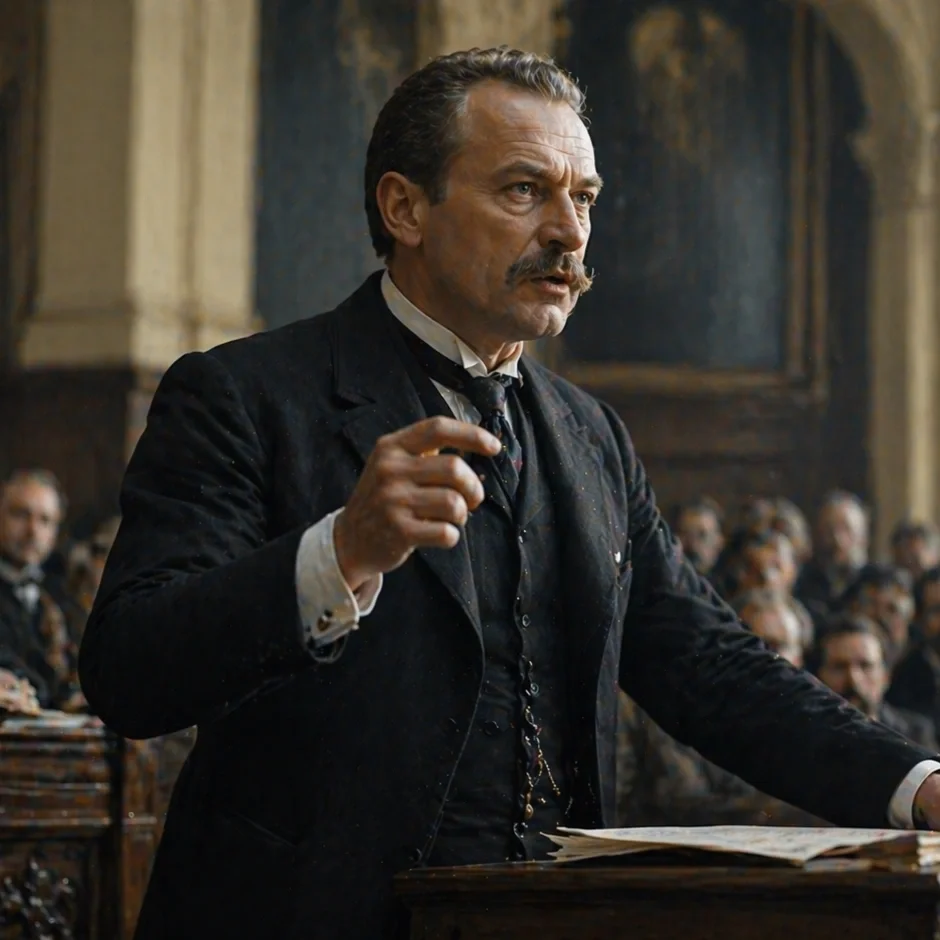
Our discussion explores the moral and artistic complexities of Wilhelm Furtwängler’s life as a conductor during the Third Reich. He defends his choice to remain in Germany, arguing that he stayed to protect the sanctity of music from political corruption rather than to support the regime. The discussion highlights his subjective conducting philosophy, which prioritizes the breathing nature of a performance over the rigid literalism of a musical score.
Furtwängler also addresses his interpretation of Wagner, viewing the composer’s works as tragic warnings about the failures of power rather than triumphs of nationalism. Ultimately, the text presents a man who believes that great art requires personal suffering and a willingness to exist within unresolved historical tensions. Through this dialogue, he emphasizes that a musician can be simultaneously courageous and complicit in an impossible political landscape.