The Consecration That Never Finishes: On Weihe
das Wort / the word: die Weihe (f.), pl. die Weihen
Aussprache / pronunciation: VY-uh
Wortart / part of speech: Noun, feminine
Register: Formal and liturgical. Used for ordination ceremonies and formal dedications, rare outside those contexts.
Nicht Zustand, Sondern Handlung / Not a State, But an Act
Last essay's word, die Heiligkeit, named a condition, the quality of being set apart, untouchable, categorically different. Die Weihe names the act that produces that condition. You do not simply declare a space heilig. You weihen it, consecrate it, through a specific ritual act that transfers it from ordinary use into sacred use. The state and the act that creates the state are two different words in German, and keeping them separate clarifies something the English word "holy" tends to blur together.
Wagner understood this distinction well enough to build it into his own subtitle for the work. Parsifal is billed not as an opera but as Ein Bühnenweihfestspiel, a stage-consecration-festival-play. The compound insists that the performance itself is meant to function as a Weihe, an act of consecration rather than mere entertainment. Wagner was not asking audiences to watch a sacred story from a comfortable distance. He was asking the performance itself to do consecrating work, on the theater, and by extension on whoever sat inside it.
Die Priesterweihe Und Ihre Verwandten / Ordination and Its Relatives
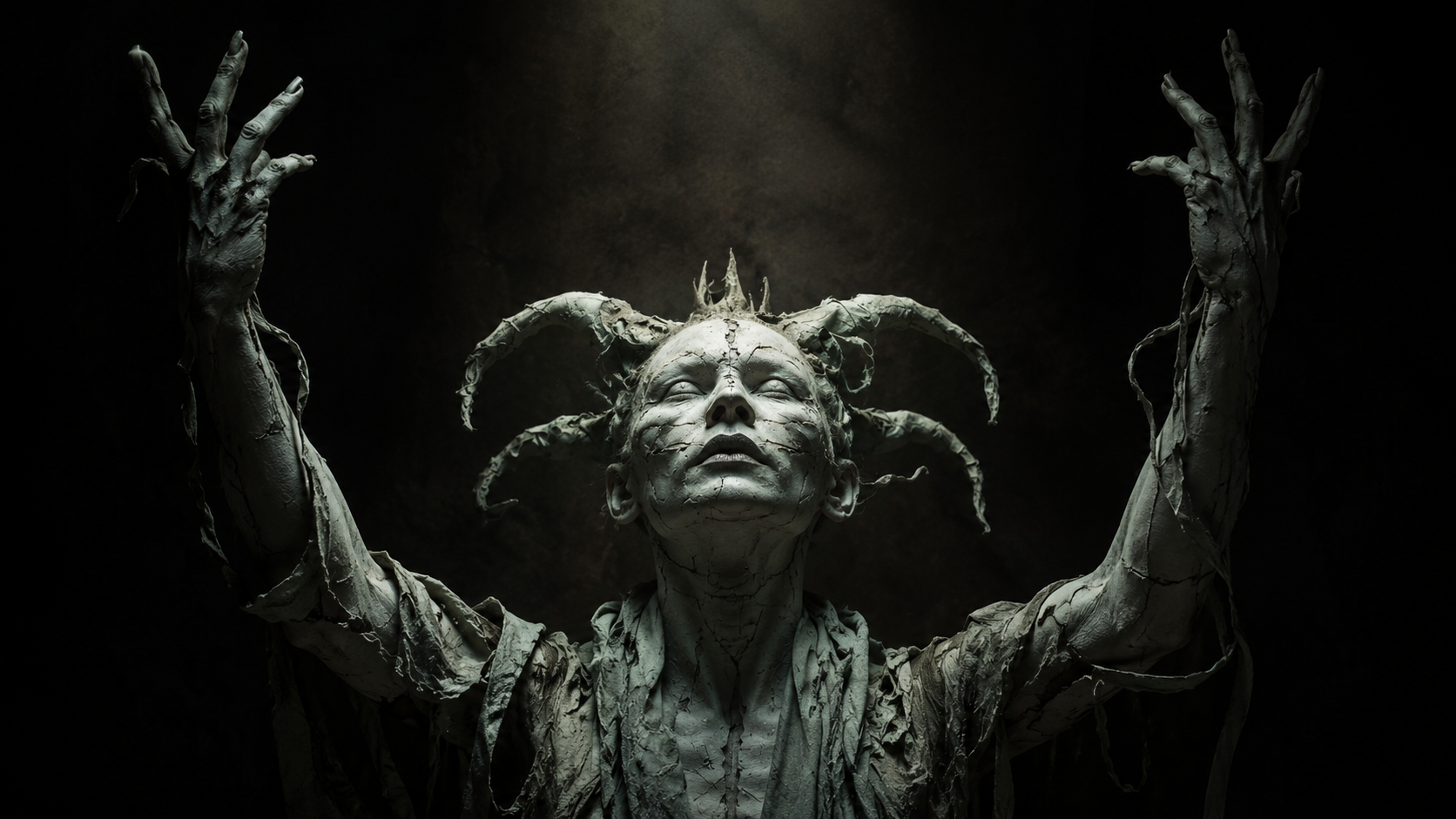
The word survives in modern German almost entirely in specific, formal compounds. Die Priesterweihe is ordination to the priesthood. Die Bischofsweihe is consecration to the office of bishop. Both name a single, non-repeatable ceremony that changes what a person is permitted to do and be, permanently, in the eyes of the institution performing it. This is different from earning a promotion. A Weihe does not reward accumulated merit. It transfers status through ritual action, all at once, in a single ceremony that cannot be partially completed.
Older usage extended the word further, to die Waffenweihe, the historical practice of blessing weapons before battle, a use worth noting factually as part of the word's full range even though it sits uneasily beside the opera's own use of a spear. Parsifal's arc runs the ritual in reverse: rather than consecrating a weapon for violence, he ultimately uses the Holy Spear to close the very wound its earlier misuse created. The word's oldest applications and Wagner's use of it in this opera pull in genuinely opposite directions, and both are true of the language at once.
Der Glockenschlag, Der Sich Täglich Wiederholt / The Bell-Stroke That Repeats Daily

Most consecrations happen once. What makes Riverside Church's carillon unusual is that it turns a single moment of Weihe into something recurring. For decades, the tower's quarter-hour chimes were built on the four-note Grail bell figure from Parsifal, the motif that sounds as the knights approach the Grail shrine in Act I. Frederick C. Mayer, the bell adviser who designed the sequence, gave it a name of its own: the Parsifal Quarters.
This is a genuinely strange fact once you sit with it. An ordinary Manhattan tower, marking ordinary civic time, chimes every fifteen minutes with a phrase written for a ritual meant to suspend time altogether. The Weihe Wagner staged as a singular, sacred event has been quietly repeating itself in secular New York, every quarter hour, for decades, whether or not anyone below the tower notices. A consecration, it turns out, does not have to stay rare to remain real. It can also become a habit built into a city's clockwork.
Segen, Gebot, Und Weihe / Blessing, Commandment, and Consecration
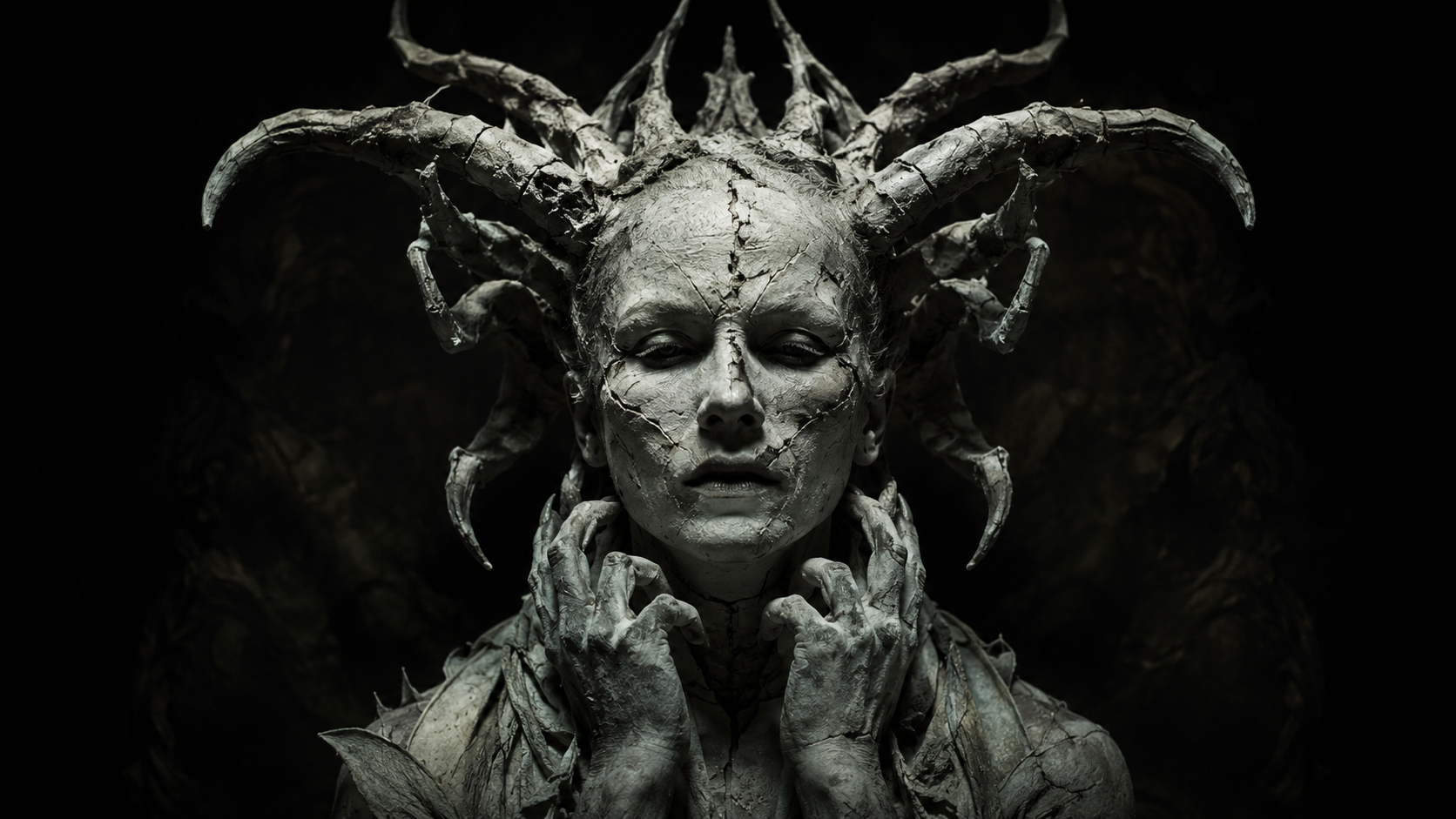
The Rheingold essay on der Fluch, back in June, noted its pairing with der Segen, blessing, the opposite gesture aimed at the same kind of finality. A Segen and a Weihe are close cousins, both acts of setting something apart through ritual speech or gesture, but a Segen is usually bestowed on a person or an undertaking, while a Weihe more often marks an office, a building, or a role. Both stand at some distance from July's Gebot, a commandment that binds through authority and threatened consequence rather than through ritual transformation.
Three months into this project's own accumulating vocabulary, three distinct ways of establishing an unbreakable bond have now surfaced: blood, given without negotiation; command, imposed through authority; and consecration, conferred through ritual act. Die Weihe is the gentlest of the three and, in its own way, the most total. It does not ask you to obey. It simply changes, permanently, what a thing or a person now is.
Grammatik / Grammar
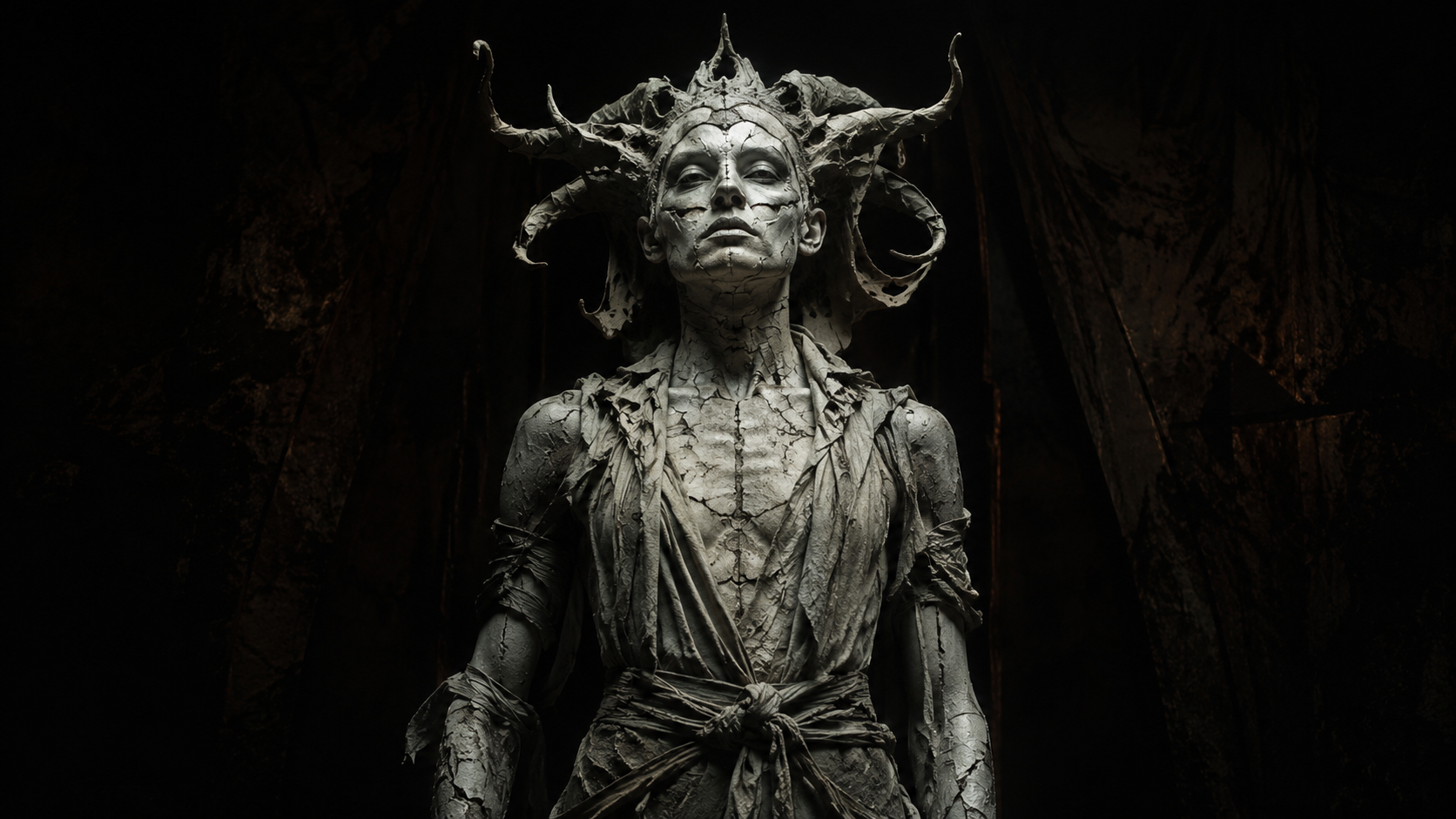
Die Weihe is feminine, plural die Weihen.
Key constructions:
weihen (v.), to consecrate, to dedicate
die Priesterweihe, ordination to the priesthood
die Bischofsweihe, episcopal consecration
die Einweihung, an inauguration or dedication ceremony (the broader, more secular modern usage, used for opening a building or a new facility)
geweiht (adj./past participle), consecrated
die Waffenweihe, the historical blessing of weapons
Note the difference between die Weihe, reserved for formal or religious consecration, and die Einweihung, which has broadened into ordinary modern use for any kind of grand opening, a stadium, a bridge, a new office building.
Verwandte Wörter / Related Words
heilig (adj.), holy, sacred
die Heiligkeit (f.), sacredness (last essay's word: the state this act produces)
weihen (v.), to consecrate
die Einweihung (f.), inauguration, dedication
der Segen (m.), blessing
das Gebot (n.), commandment (last month's word: a different, non-ritual mode of establishing a binding claim)
das Ritual (n.), ritual
die Zeremonie (f.), ceremony
Die Verbindung zum Weg / Connection to the Walk
Cross the street toward Riverside Church as the Knights' Procession moves forward, imagining the knights climbing interior staircases somewhere above you, the Grail ceremony assembling out of reach. If the tower is open and you go up, time your ascent so the bell motif or the slower passages of the Procession are still sounding as you step into the viewing room. From there you can look down on Grant's Tomb across the way, the carillon's low C rolling out over the Hudson beneath you.
This is Weihe turned into infrastructure, a single act of consecration repeated automatically, every quarter hour, whether the city below is listening or not. You do not need to believe anything in particular for the bells to keep marking sacred time inside an ordinary Manhattan clock. The ritual continues either way, patient, mechanical, and somehow no less real for being so quietly persistent.