The Doom Felt Before It Arrives: On Ahnung
das Wort / the word: die Ahnung (f.), pl. die Ahnungen
Aussprache / pronunciation: AH-noong
Wortart / part of speech: Noun, feminine
Register: Everyday and literary. Common in casual speech ("keine Ahnung," no idea) and heavy with fate in its older, more literary use.
Nicht Furcht, Sondern Ahnung / Not Fear, But Foreboding

Last month's essay examined die Furcht, fear directed at a specific, present danger, something you can name and stand in front of. Die Ahnung is different in kind. It is not fear of a thing but a sense that something is coming, vague, unconfirmed, often correct despite having no evidence behind it yet. You cannot point to what an Ahnung fears. You can only say that something feels wrong, or inevitable, before any facts have arrived to justify the feeling.
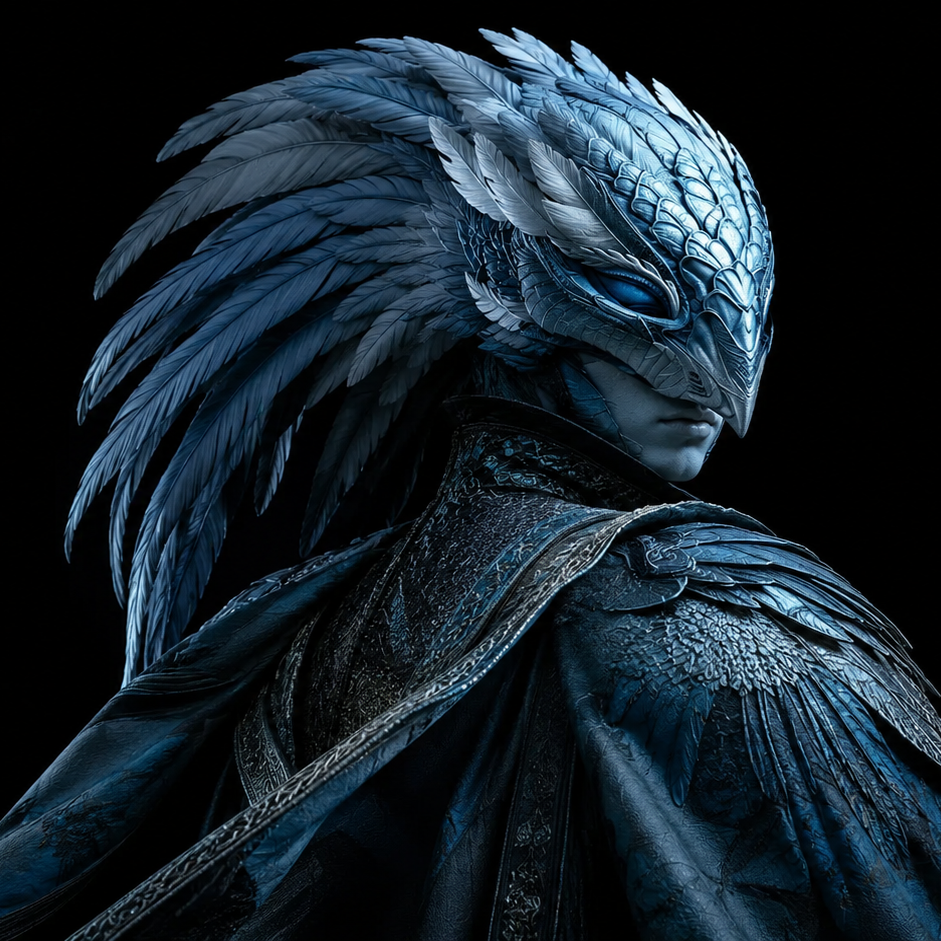
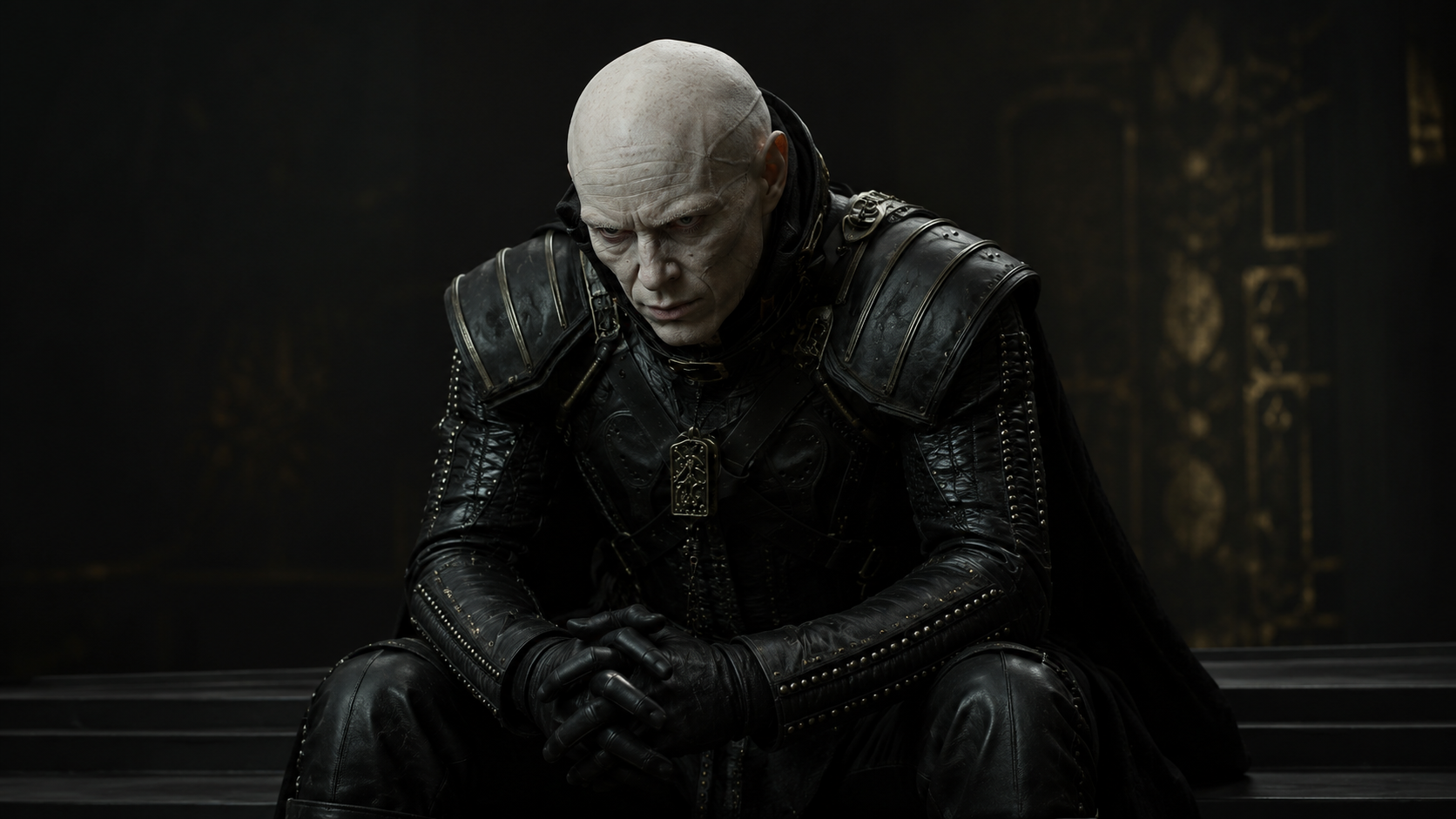
This is precisely the register the Norns occupy at the opening of Götterdämmerung. They do not cause what follows. They do not even fully understand it. They weave a golden rope of fate between them, reciting what has happened and gesturing at what is still to come, and their Ahnung of catastrophe arrives well before catastrophe's actual mechanism, the ring, the curse, Hagen's scheming, has fully assembled itself. When the rope finally snaps, severing their thread of knowledge, they withdraw from the story entirely. Even the figures whose entire function is foreboding cannot outlast the collapse they sensed coming.
Ein Wissen, Das Sich Nicht Beweisen Lässt / A Knowledge That Cannot Prove Itself

German's everyday idiom, keine Ahnung, no idea, no clue, has flattened the word in casual speech into something almost comic, a shrug rather than a portent. But the older, heavier sense survives right alongside it, especially in literary and operatic contexts, where an Ahnung is not ignorance but a kind of pre-cognitive knowing, arriving through intuition rather than evidence. The two senses sit at opposite poles of the same word: total absence of knowledge on one end, a knowledge too early and too formless to prove on the other.
This double life matters for how the Norns' scene actually works dramatically. Their Ahnung of the world's ending is not a guess assembled from clues. It is closer to a felt certainty, arriving whole, resistant to the kind of verification the audience might want. Wagner asks you to trust their foreboding precisely because it cannot be argued with, only witnessed, the way you witness weather changing before you can name which specific front is moving in.
Die Stadt, Die Es Auch Spürt / The City That Feels It Too

This project's own October frame borrows the same vocabulary for the city itself. New York does not announce its autumn collapse of illusion with a single dramatic event. The light hardens, the air thins, the shadows lengthen, and something registers as different before any specific cause presents itself. This is Ahnung operating at civic scale, a felt shift in the texture of things that precedes, by weeks, whatever eventually gets named as the season's actual turning point.
Standing at a railing watching a skyline light up before the streets below do, as this month's walk begins, is itself an exercise in cultivating Ahnung deliberately. You are not yet implicated in anything. You are simply watching, the way the Norns watch, sensing an irreversibility that has not yet produced its evidence. This is a harder discipline than it sounds. Most people wait for confirmation before feeling dread. This month asks you to feel it first, honestly, and let the confirmation catch up later.
Erweckung Und Ahnung / Awakening and Foreboding
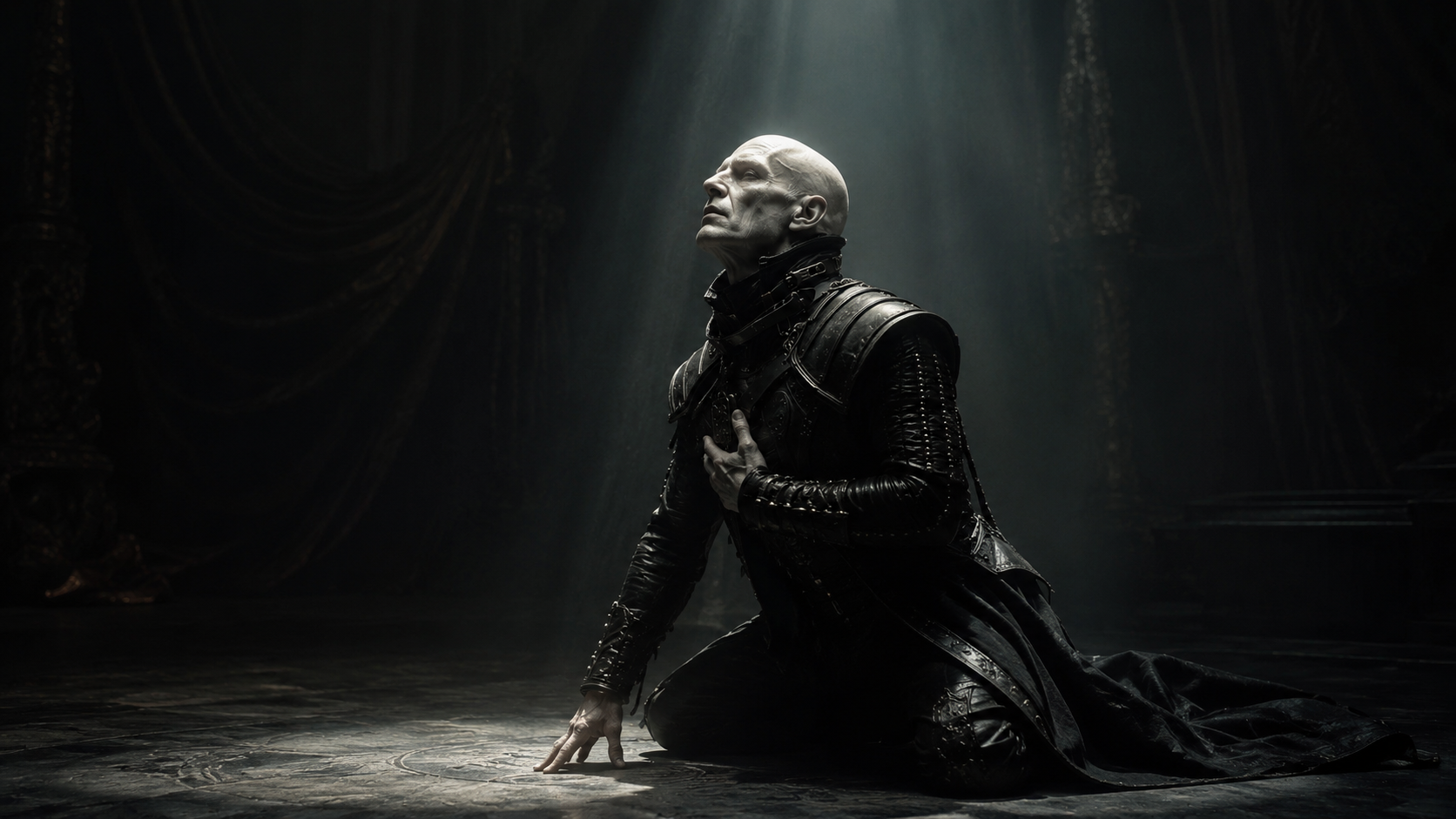
Last month closed with die Erweckung, Brünnhilde's awakening into love and mortality, staged as an arrival, a threshold finally crossed after months of protection and waiting. This month opens with its shadow. An Ahnung is what a story feels like just before an awakening's gains start to come undone. The two words are almost mirror images: one names a threshold crossed into something gained, the other names the felt approach of a threshold about to take something back.
Nothing in the Norns' scene explains exactly how Siegfried's forgetting will happen, or through what mechanism Hagen's scheme will unfold. The Ahnung arrives first, formless, correct, entirely unproven. This is worth carrying forward into everything that follows this month. The story does not need its ending explained before the dread of it becomes real. The dread, in fact, usually arrives first.
Grammatik / Grammar
Die Ahnung is feminine, plural die Ahnungen.
Key constructions:
keine Ahnung haben, to have no idea (the flattened, everyday sense)
eine böse Ahnung, a bad feeling, a sense of foreboding
ahnen (v.), to sense, to have a premonition of
ahnungsvoll (adj.), foreboding, full of premonition
nichts ahnend, unsuspecting, having no inkling
Note the range between the verb's two common uses: ich ahne, dass etwas passiert, I sense that something is happening, carries real weight, while the noun in casual speech, keine Ahnung!, has been worn down to something closer to a verbal shrug. Context always disambiguates, but the gap between the two registers is wide.
Verwandte Wörter / Related Words

die Furcht (f.), fear (last month's word: fear of a specific, present thing, distinct from this month's formless dread)
ahnen (v.), to sense, to have a premonition
die Vorahnung (f.), a premonition, a foreboding sense (an intensified compound of this month's word)
das Schicksal (n.), fate
die Intuition (f.), intuition
unheilvoll (adj.), ominous, ill-boding
die Erweckung (f.), awakening (last month's closing word, this month's inverse)
das Vorgefühl (n.), a premonitory feeling, an anticipatory sense
Die Verbindung zum Weg / Connection to the Walk

Start at the Brooklyn Heights Promenade, reachable by the A or C train to High Street, arriving before sunset. Walk to the railing facing Manhattan and stand still. Watch the skyline light before the streets below do. Begin the Norns' scene only once you are genuinely still, not performing stillness but actually settled into it.
This month begins outside history, looking back at it, elevated and detached, not yet implicated in what is about to unfold. Notice the bridges stretched taut across the water and the sense, even standing perfectly still, that motion somewhere is already irreversible. The Norns do not cause the ending they sense coming. They only watch it approach, correctly, long before anyone below them on the street has any reason yet to suspect the same thing.