What Fire Leaves Behind When It Refuses to Redeem: On Asche
das Wort / the word: die Asche (f.), no common plural
Aussprache / pronunciation: ASH-uh
Wortart / part of speech: Noun, feminine
Register: Everyday and literary. Ordinary in domestic use (fireplace ash, cigarette ash), heavy with finality in its figurative and religious uses.
Nicht Feuer, Sondern Asche / Not Fire, But Ash
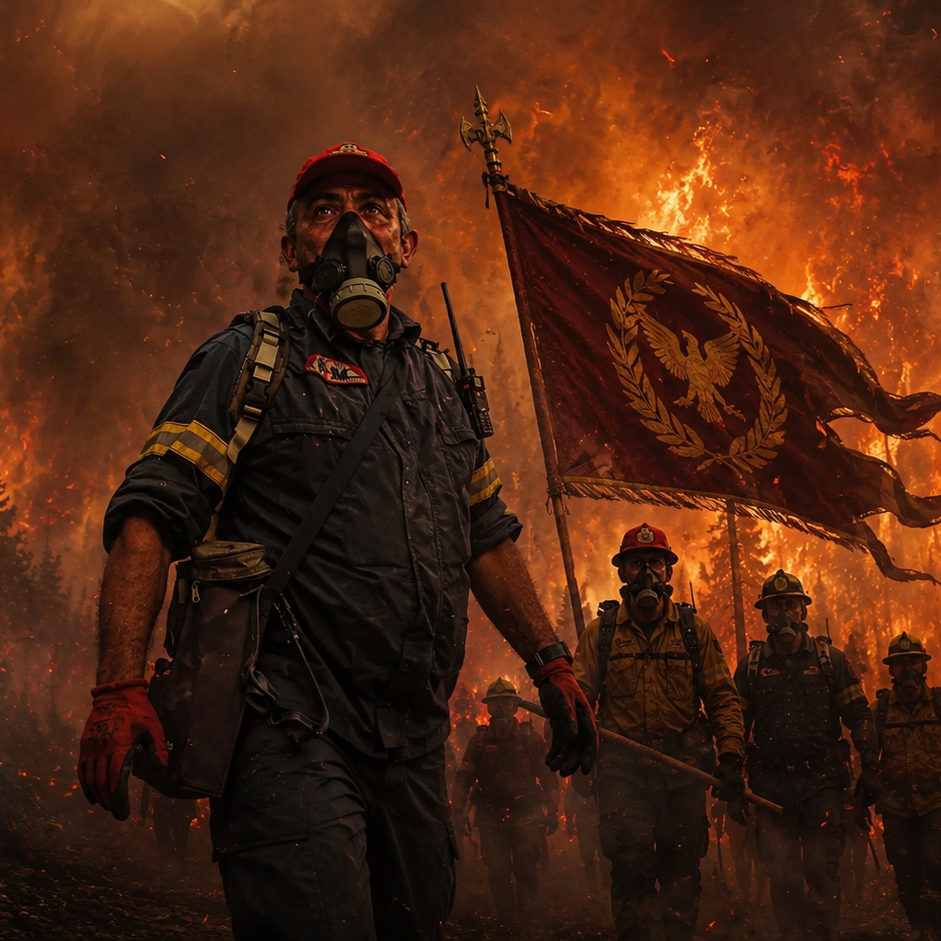
Every month this project has spent examining fire has examined the fire itself: July's der Schutz, protective flame raised around a sleeping goddess; August's transformative Good Friday Music and the flame that guards rather than consumes. Die Asche is what none of those essays needed to address, because none of those fires finished burning inside the story. This month's fire does finish, completely, and Asche is the word for what a fire leaves behind once it has stopped being fire and become only residue.
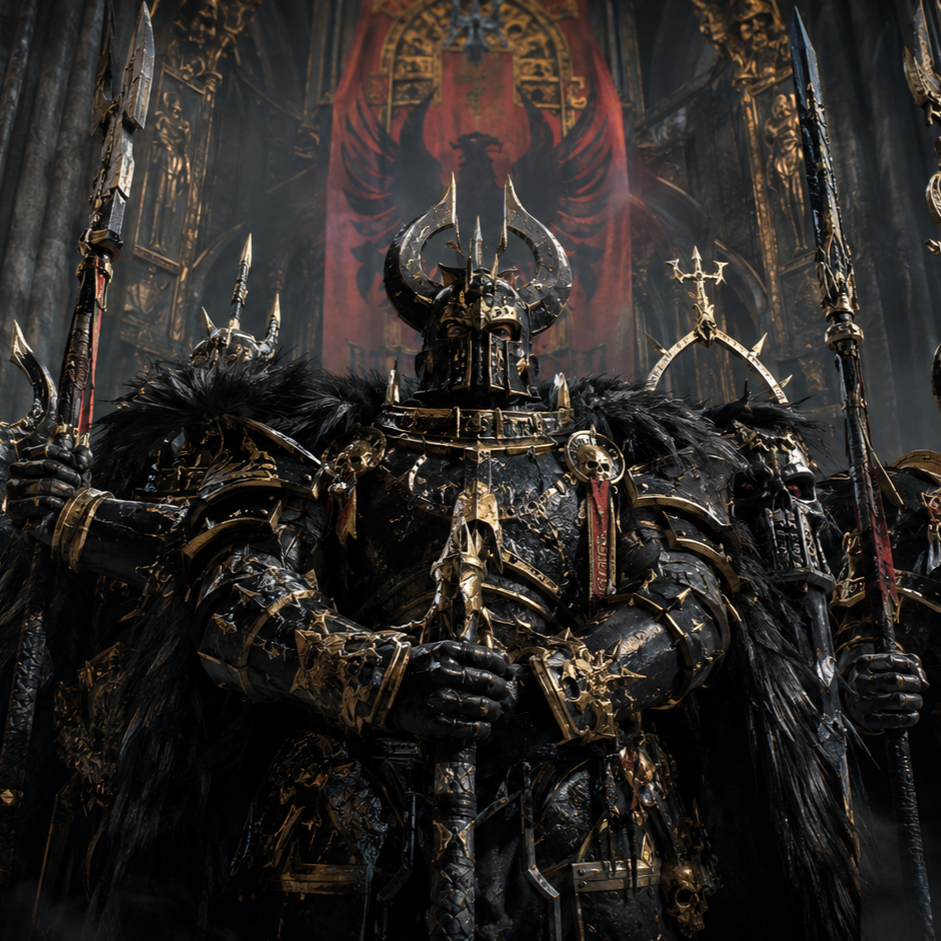
This distinction carries real weight. A flame is active, ongoing, still capable of doing something, protecting, transforming, threatening. Ash is finished. It cannot un-burn what produced it, and it cannot, by itself, become anything else without an outside hand shaping it into new use. Brünnhilde's Immolation Scene ends the entire Ring cycle in exactly this register. Valhalla burns. The gods burn with it. What remains afterward is not a smoldering fire still doing work. It is Asche, inert, finished, waiting for whatever comes next to decide what, if anything, gets built from it.
Reinigung, Nicht Erlösung / Cleansing, Not Redemption
This project's own frame for the month insists on a specific, deliberately withheld meaning: Brünnhilde does not save the world. She cleanses it. This is worth taking seriously as a real distinction rather than a poetic flourish. Redemption implies something is restored, elevated, made whole again in a form recognizable from before. Cleansing implies only that something contaminated has been removed, with no promise attached about what, if anything, will grow in the cleared space afterward.
Fire in this final scene destroys contracts, memory, power, and the gods themselves, exactly as this project's October frame lists them. It does not redeem any of these things. It ends them. Asche is the correct word for what a fire like this produces precisely because ash carries no implicit promise of renewal. Compare this to the common English metaphor of rising from the ashes, which smuggles resurrection into the image almost automatically. German Asche, used carefully, makes no such guarantee. Ash is simply what is left. Whether anything rises from it is a separate question the word itself refuses to answer.
Asche Zu Asche / Ashes to Ashes
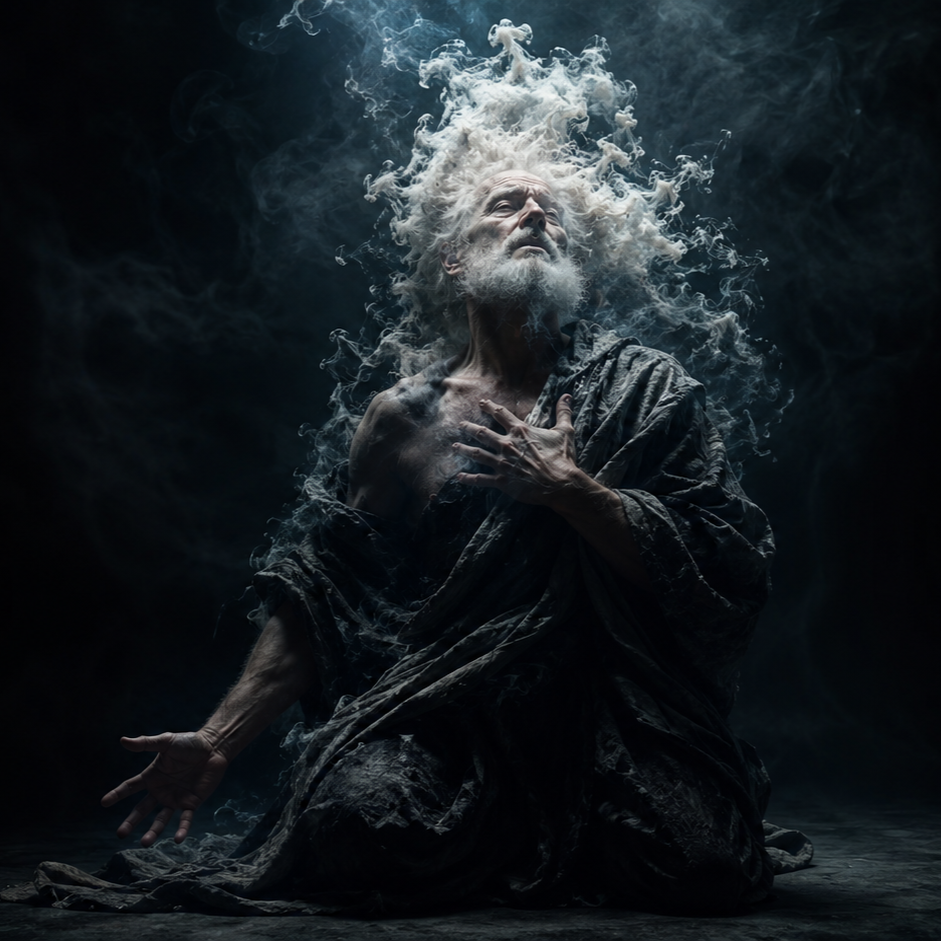
German liturgical and funeral vocabulary preserves Asche in exactly the register this scene calls for: Asche zu Asche, Staub zu Staub, ashes to ashes, dust to dust, the formula spoken over the dead, acknowledging finality without claiming to know what, if anything, follows it. This is notably different from a phoenix myth's confident cycle of destruction and rebirth. The funeral formula simply marks an ending. It does not promise a sequel.
This is the correct frame for reading the Ring's own conclusion. Wagner does not stage the gods' end as a setup for their eventual return. The fire that consumes Valhalla is final in the way a funeral is final, not final in the way a phoenix's pyre is final. What remains is ash in the plainest, least mythologized sense: the physical residue of something that is genuinely, permanently over, with no encoded promise about whatever comes to occupy the space it leaves behind.
Was Übrig Bleibt, Ist Nicht Auflösung, Sondern Möglichkeit / What Remains Is Not Resolution, But Possibility
This project's own October frame ends on a phrase worth sitting with directly: what remains is not resolution, but possibility. This is the precise, careful claim Asche is built to support. Ash resolves nothing on its own. It does not answer the questions the fire's contracts, memories, and powers once organized. It simply clears the ground those questions used to stand on, leaving an empty, unclaimed space that could, in principle, become almost anything.
This is why November's turn toward Rienzi, examined in this project's own bridging paragraph, follows so naturally from this month's ending. A world reduced to Asche is not a world at peace. It is a vacuum, and vacuums, as this project's own framing for next month observes, do not stay empty. Something always rushes in to fill them, for better or for worse, and ash itself has no say in what that something turns out to be.
Grammatik / Grammar
Die Asche is feminine and has no common plural in its ordinary sense, since it names an uncountable mass rather than discrete objects. A technical plural, die Aschen, exists in specialized geological or industrial contexts (types of volcanic ash, for instance) but is rare in everyday or literary use.
Key constructions:
Asche zu Asche, Staub zu Staub, ashes to ashes, dust to dust (the funeral formula)
in Schutt und Asche legen, to reduce to rubble and ash, to utterly destroy
aus der Asche steigen, to rise from the ashes (a borrowed, more modern phoenix-image, worth distinguishing from the plainer funeral sense above)
die Asche verstreuen, to scatter ashes (used both literally, for cremation, and figuratively)
aschfahl (adj.), ashen, deathly pale (describing a face drained of color)
Note the deliberate distinction this essay draws between the plain funeral use of Asche, which promises nothing, and the newer, more optimistic "rising from the ashes" idiom, which does. Both exist in the language. Only the first belongs to the ending this month's opera actually stages.
Verwandte Wörter / Related Words
das Feuer (n.), fire
der Schutz (m.), protection (an earlier month's word: a fire that guarded rather than consumed)
die Reinigung (f.), cleansing, purification
der Untergang (m.), downfall, doom, sinking (the word the opera's own title half-translates as)
die Erlösung (f.), redemption (the outcome this month's fire deliberately withholds)
der Staub (m.), dust
die Möglichkeit (f.), possibility (what remains, according to this project's own framing, once the ash has settled)
verbrennen (v.), to burn up, to be consumed by fire
Die Verbindung zum Weg / Connection to the Walk
Return, at the very end of the night, to a river overlook, Brooklyn Heights or the East River waterfront, and begin the Immolation Scene only once night is fully complete. Watch red and white lights breaking apart in black water. Notice smoke from sources you cannot identify. The bridges that structured the whole month's crossings now read as relics rather than promises, their usefulness for tonight already spent.
Nothing about this final stop offers comfort in any conventional sense, and nothing about it should. The fire you are listening to does not save what came before it. It clears the ground. Standing still at the railing as the music ends, the honest thing to notice is not relief, and not despair either, but simply the plain, unresolved fact of ash: something has ended completely, the space it leaves behind is genuinely empty, and what fills it next has not yet been decided by anyone standing here tonight.