The Cry Grief Makes When Understanding Fails: On Klage
das Wort / the word: die Klage (f.), pl. die Klagen
Aussprache / pronunciation: KLAH-guh
Wortart / part of speech: Noun, feminine
Register: Everyday, legal, and musical. Used for a formal lawsuit, an ordinary complaint, and a ritual lament, three senses that rarely overlap in a single conversation but share the same root.
Nicht Trauer, Sondern Klage / Not Grief, But Lament
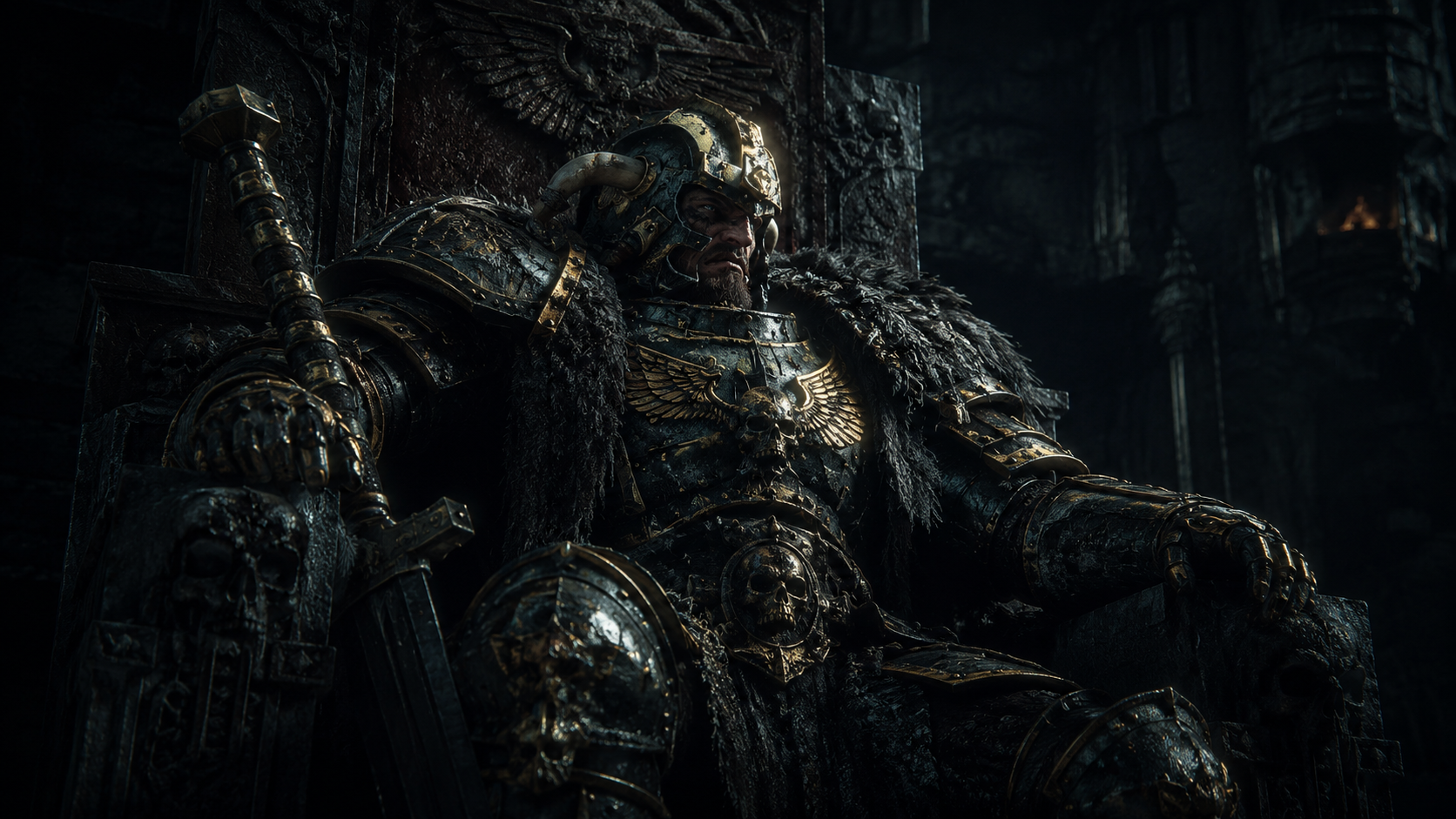
Trauer is the general German word for grief, an inner state, private, ongoing, not necessarily expressed at all. Die Klage is different. It is grief given voice, shaped into sound or speech, directed outward rather than held inward. You can experience Trauer silently, for years, without anyone else knowing. A Klage, by definition, is heard. It is the cry, the formal complaint, the musical lament, always addressed to someone or something, even when that something is only the indifferent air.
This distinction is exactly what Siegfried's Funeral March stages, without a single word of libretto attached to it. The orchestra performs a Klage on behalf of a community that does not yet understand what it is mourning. Siegfried's death is announced to characters who cannot process its meaning, betrayed as they were by the same forgetting examined earlier this month, and so the grief that should belong to them personally, understood and specific, is instead carried entirely by the music, which mourns on their behalf before their own comprehension can catch up.
Klage Ohne Verstehen / Lament Without Understanding

This is the peculiar cruelty of the scene. A Klage ordinarily follows understanding: you grieve because you know what you have lost. Here, the order is reversed. The lament arrives first, magnificent, overwhelming, entirely disproportionate to what the onstage characters currently comprehend, because they have been manipulated out of the very knowledge that would make their grief legible even to themselves. The music performs the mourning that the plot has not yet permitted the characters to feel honestly.
This project's own thematic frame for the month calls this directly: Siegfried dies misunderstood, and the march is grief after comprehension fails, not before it. This is worth sitting with as a genuinely strange structure. Ordinary mourning moves from loss, to understanding, to lament. This scene moves from loss straight to lament, with understanding arriving only afterward, if it arrives at all, for a community that has been actively prevented from grasping what it just lost.
Die Klageform Als Ritual / Lament as Ritual Form
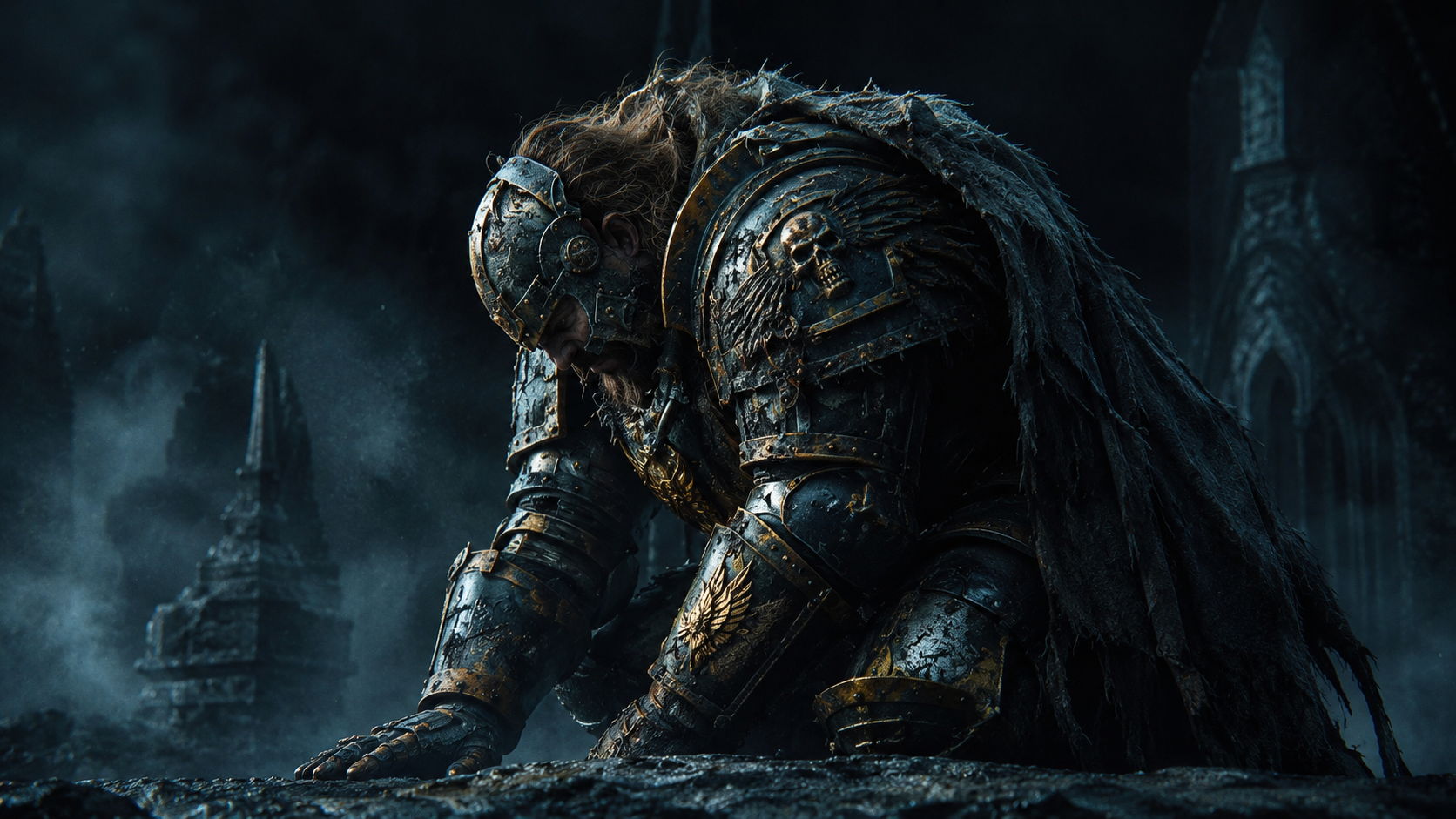
German and many older European traditions preserve Klage as a formal genre, not merely a spontaneous outburst but a shaped, ritualized expression with its own conventions, the Totenklage, the funeral lament, with recognizable musical and rhetorical structures going back centuries. A Klage, in this sense, is not raw emotion. It is emotion given a form capable of being performed, witnessed, and repeated, which is exactly what allows a community to grieve collectively even when individual members are not yet capable of grieving accurately on their own.
Wagner's Funeral March draws on this older tradition directly, assembling motifs associated with Siegfried's whole life, his parents, his forging, his fearlessness, into a single processional lament that does the community's mourning work for it. This is not manipulation in the same register as Hagen's potion. It is closer to a gift, a form sturdy enough to hold grief that individual understanding has not yet earned the right to feel precisely.
Wunde Und Klage / Wound and Lament

August's essay on die Wunde described injury as something that persists, unresolved, until someone capable of understanding its true cause arrives to close it. Siegfried's death creates exactly this kind of wound in the Gibichung community, and unlike Amfortas's wound, which eventually found its healer, this one is denied even the basic dignity of accurate mourning. The Klage that follows is real, and moving, and entirely disconnected from true comprehension of what actually happened and why.
This is the shape grief takes in a world where Vergessen, forgetting, and Schein, appearance without substance, have already done their damage before the mourning even begins. A Klage performed under these conditions is not false, exactly. The music is not lying. But it is grieving on behalf of people who do not yet, and may never, understand what they are grieving for, which is a considerably sadder condition than straightforward loss honestly comprehended.
Grammatik / Grammar

Die Klage is feminine, plural die Klagen.
Key constructions:
Klage führen, to file a legal complaint or lawsuit
eine Klage anstimmen, to strike up a lament (used musically and poetically)
klagen (v.), to lament, to complain, or to sue, depending on context
die Totenklage, the funeral lament, a formal ritual genre
jammern und klagen, to moan and lament (a common paired idiom, slightly dismissive in tone)
Note the word's unusual range across legal, everyday, and musical registers. A German speaker filing a Klage in civil court and a mourner intoning a Klage at a funeral are using grammatically identical vocabulary for what feel, on the surface, like entirely unrelated acts. Both, at root, are formal expressions of grievance given outward shape.
Verwandte Wörter / Related Words

die Trauer (f.), grief, mourning (the private, inner state this word gives outward voice to)
klagen (v.), to lament, to complain, to sue
die Totenklage (f.), the funeral lament
der Trauermarsch (m.), funeral march
die Wunde (f.), wound (last season's word: what remains unaddressed beneath this month's lament)
das Vergessen (n.), forgetting (this month's earlier word: the condition that makes true comprehension of the loss impossible)
beklagen (v.), to lament, to deplore, reflexive and slightly more formal
der Schmerz (m.), pain
Die Verbindung zum Weg / Connection to the Walk

Walk the East River waterfront, in the Lower East Side or Williamsburg, beginning with the quiet lead-in to Siegfried's murder and moving into the Funeral March itself as it swells. Watch the reflections on the water break apart with each passing wave, the city continuing around you, unmoved, indifferent to whatever has just happened. Nothing on the skyline pauses. The lights keep their ordinary rhythm.
This is the loneliest register the whole month reaches. A magnificent lament, played for a death nobody onstage yet understands, in a city that has no reason to understand it either. Let the march carry you the length of the waterfront without trying to resolve what you are feeling into anything tidier than it actually is. Some grief, honestly, arrives before the understanding that would make it make sense, and there is no shortcut around waiting for the two to eventually meet.