The Drink That Erases What Love Just Learned: On Vergessen
das Wort / the word: das Vergessen (n.), no common plural
Aussprache / pronunciation: fair-GESS-en
Wortart / part of speech: Noun, neuter (nominalized infinitive)
Register: Everyday. The plain word for forgetting, made ominous here by what, specifically, gets forgotten.
Nicht Erinnerungslücke, Sondern Vergessen / Not a Gap, But an Erasure

German has clinical vocabulary for memory failure, die Erinnerungslücke, a gap in memory, used for ordinary lapses, a name you can't quite recall, a detail lost to time. Das Vergessen is the plainer, more total word underneath it, the nominalized infinitive of vergessen, to forget, naming the act itself rather than its clinical symptom. A Lücke implies the memory is still there somewhere, merely inaccessible. Vergessen, used absolutely, implies something closer to genuine erasure, the thing simply no longer present to be recovered.
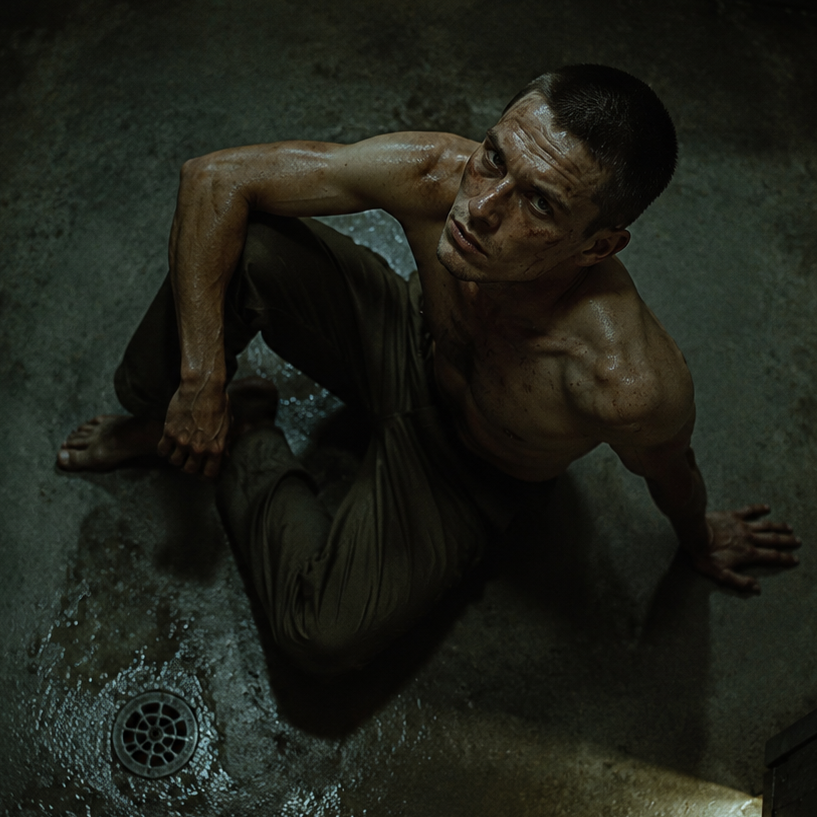
This distinction matters enormously for what happens to Siegfried in Act I of Götterdämmerung. He does not suffer a gap. He drinks Hagen's potion and the entire structure of who he has become, everything September's walk traced through fear, wonder, and awakening, is not misplaced but overwritten. He does not struggle to recall Brünnhilde. He simply no longer has any reason to look for the memory at all, because as far as he can tell, there is nothing missing.
Was Die Erweckung Gab, Nimmt Das Vergessen / What the Awakening Gave, Forgetting Takes

Last month's essay on die Erweckung ended by calling Brünnhilde's awakening the moment the whole Ring's machinery of protection and fear finally resolved into recognition between equals. This month begins by undoing exactly that. Hagen's potion does not merely make Siegfried forgetful in some general sense. It targets precisely the one thing last month's word described: it erases his memory of Brünnhilde, the awakening, the love that arrived without any of his usual fearlessness needing to apply.
This is the opera's central cruelty, and it is worth stating plainly rather than softening it. Vergessen here is not decay, not the ordinary erosion that time brings to any memory. It is engineered, deliberate, administered by people who understand exactly what they are removing and why. Siegfried's Unbefangenheit, his ease in the world, examined at the start of last month, made him uniquely unable to detect the manipulation. He has never had the habit of double-checking his own certainty, and so the potion's forgetting slides in without resistance, mistaken by Siegfried himself for simple, honest feeling.
Vergessen Als Waffe / Forgetting as a Weapon

Ordinary German usage treats Vergessen as something that happens to you, passive, regrettable, rarely anyone's fault. Ich habe es vergessen, I forgot it, is an apology, not an accusation. Götterdämmerung stages something considerably darker: forgetting deployed deliberately, as an instrument of control, by people who understand memory well enough to know exactly which piece of it needs removing to make a person controllable. This is Vergessen turned from an unfortunate lapse into a weapon.
This project's own thematic frame for October names this directly: the existential problem of the opera is forgetting, not weakness, not cowardice, not moral failure in any ordinary sense. Siegfried does not fall because he lacks courage. He falls because the specific memory that would have anchored his loyalty has been surgically removed, and nothing in his character, built entirely around trust and directness, gives him any tool for suspecting that the ground under his own certainty has shifted.
Erinnerung Als Widerstand / Memory as Resistance

The counterpart to this month's word, die Erinnerung, memory, becomes in this light not simply the passive storage of the past but something closer to a form of resistance, the one thing capable of holding a story together against deliberate erasure. Brünnhilde, betrayed and unable to understand Siegfried's sudden coldness, is the only character left who still carries the true memory intact. Her grief, in the opera's later scenes, is not only personal loss. It is the last surviving record of an event everyone else has been made, one way or another, to misremember or dismiss.
This is worth holding onto as the month proceeds. A community that can be made to forget collectively, cheering rituals emptied of their original meaning, mistaking spectacle for substance, is not so different from a single hero who forgets one specific truth under one specific potion. Both failures run on the same mechanism: not stupidity, not malice from the forgetter, but the successful removal of the one memory that would have made continued trust impossible.
Grammatik / Grammar

Das Vergessen is a nominalized infinitive, neuter, with no natural plural, since it names an ongoing act or state rather than a countable thing.
Key constructions:
vergessen (v.), to forget (irregular: vergisst, vergaß, hat vergessen)
in Vergessenheit geraten, to fall into oblivion, to be forgotten over time
das Vergessen (n.), forgetting, as an abstract, ongoing act
unvergessen (adj.), unforgotten, still remembered
vergesslich (adj.), forgetful, absent-minded (describing a tendency, not a single act)
Note the irregular conjugation of vergessen, easily confused by learners with the regular pattern of vergessen's near-homonym cousins. The past participle, vergessen, is identical to the infinitive, a quirk worth flagging directly.
Verwandte Wörter / Related Words

die Erinnerung (f.), memory, remembrance (the direct counterpart, and the mechanism this month's forgetting attacks)
vergessen (v.), to forget
die Erinnerungslücke (f.), a memory gap (the milder, more ordinary cousin)
unvergessen (adj.), unforgotten
der Trank (m.), the drink, the potion (the literal vehicle of this month's forgetting)
die Erweckung (f.), awakening (last month's word: what this month's forgetting specifically erases)
die Täuschung (f.), deception
die Manipulation (f.), manipulation
Die Verbindung zum Weg / Connection to the Walk

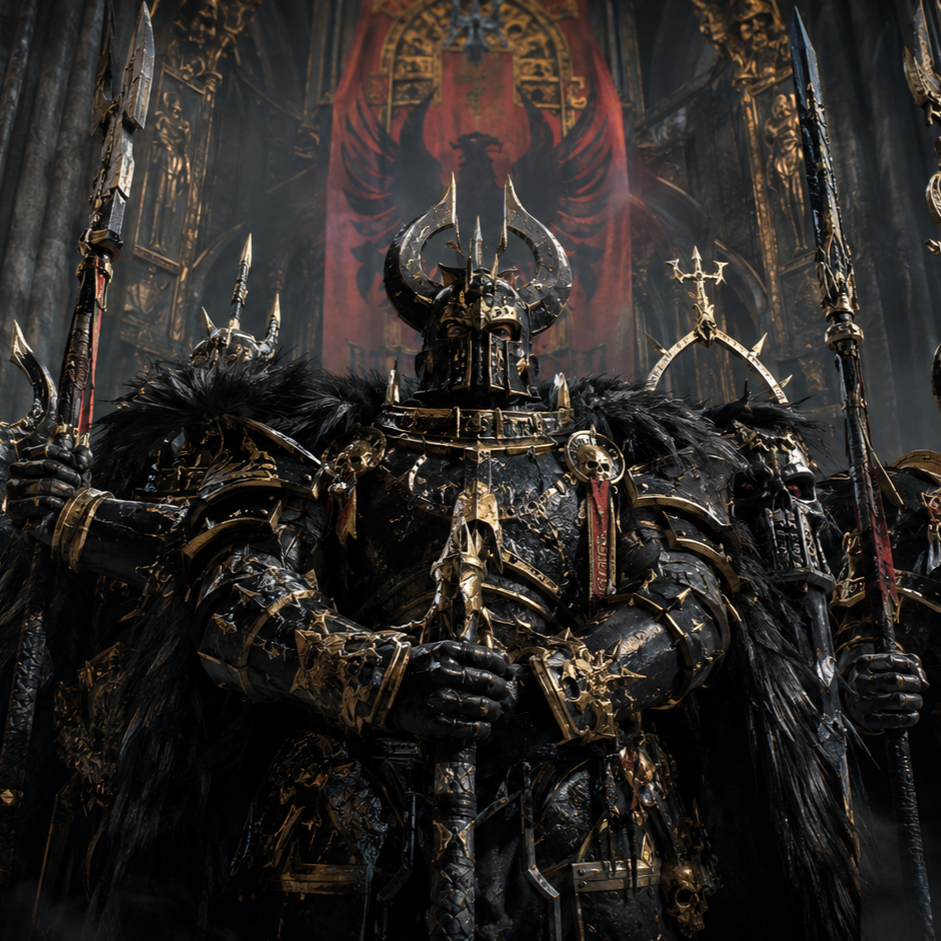
Enter the Manhattan Bridge pedestrian path from DUMBO and walk toward Manhattan as Siegfried's Rhine Journey plays. Trains roar past overhead like fate arriving on schedule. The river darkens beneath you as you cross. This is Siegfried moving willingly into deception, and the bridge itself, ordinarily a promise of connection, becomes on this walk a false one, carrying him toward a court that will erase the one memory that mattered.
Notice, walking this particular crossing, that nothing about the bridge itself looks any different from an honest one. That is the entire point of this month's word. Vergessen, administered well, does not announce itself as erasure. It feels, from the inside, exactly like ordinary, unremarkable certainty, which is precisely why the man walking across this bridge has no reason yet to doubt anything at all.