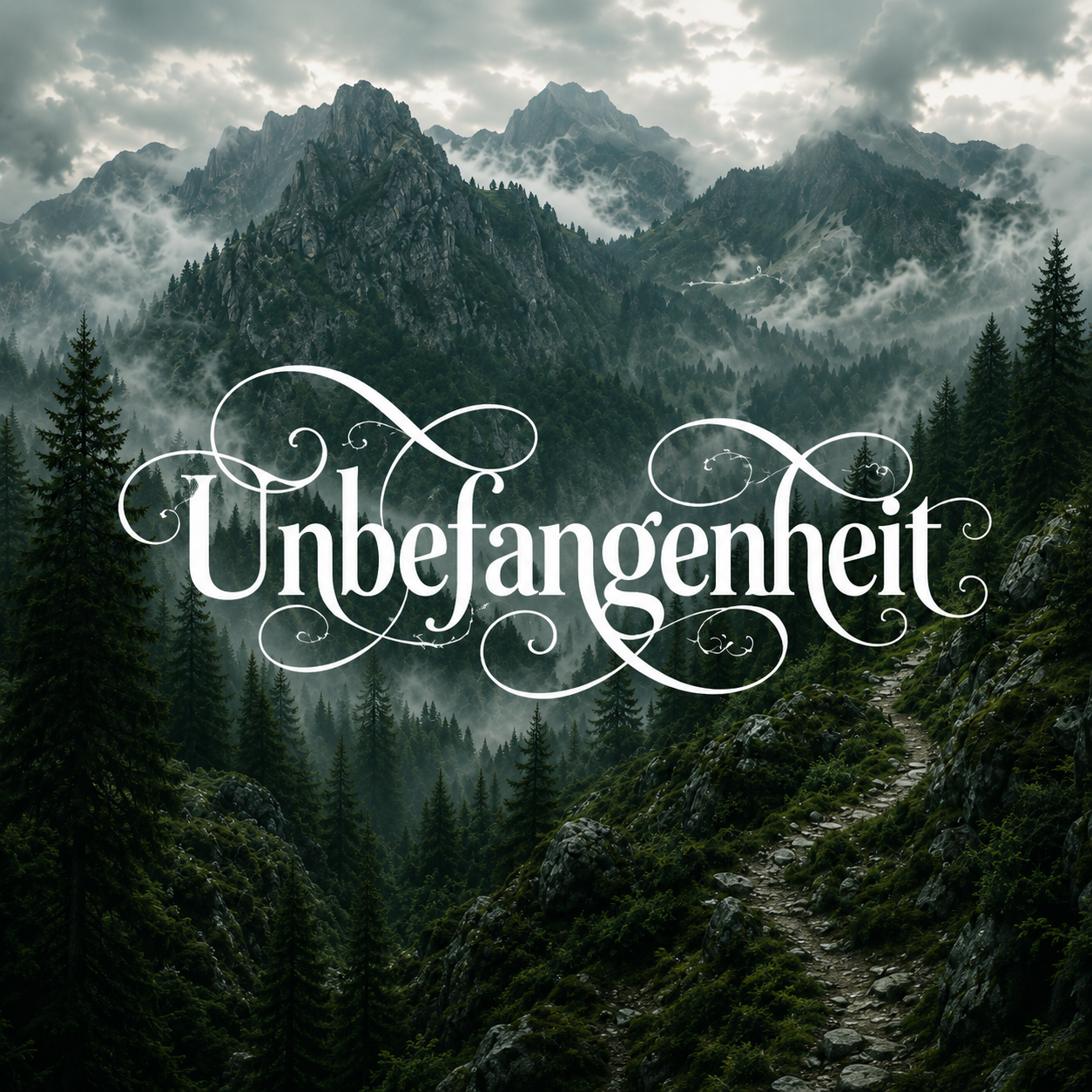
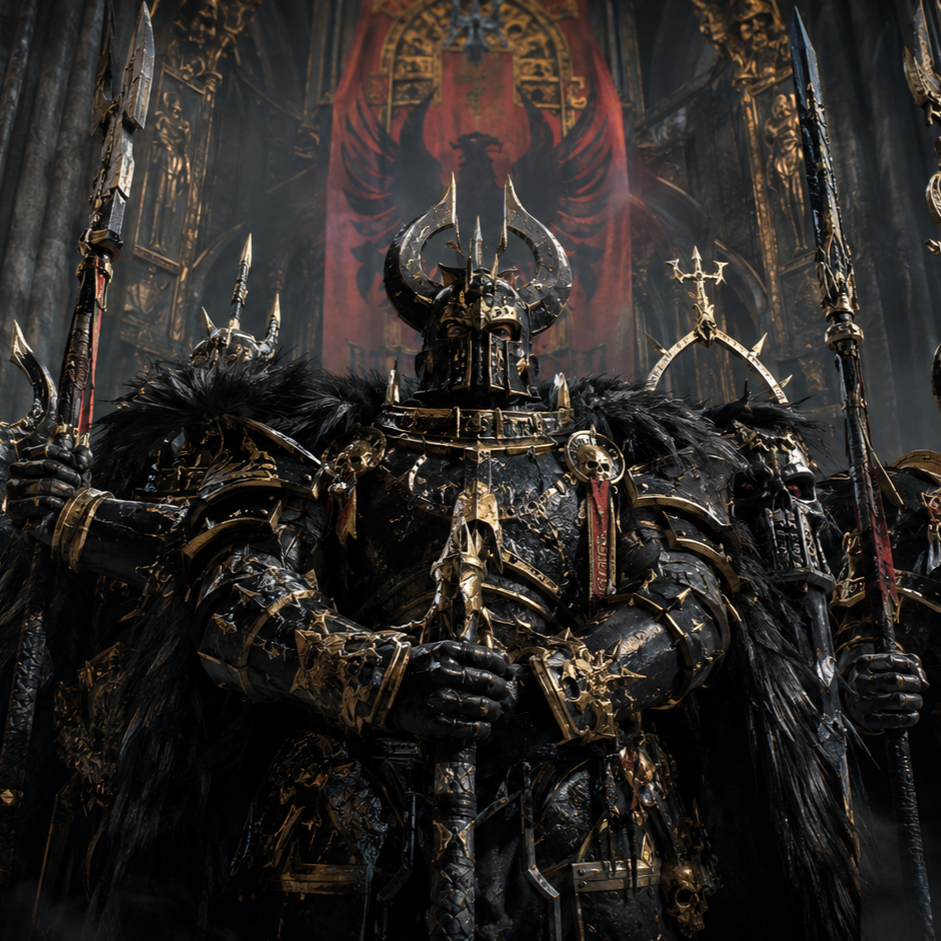
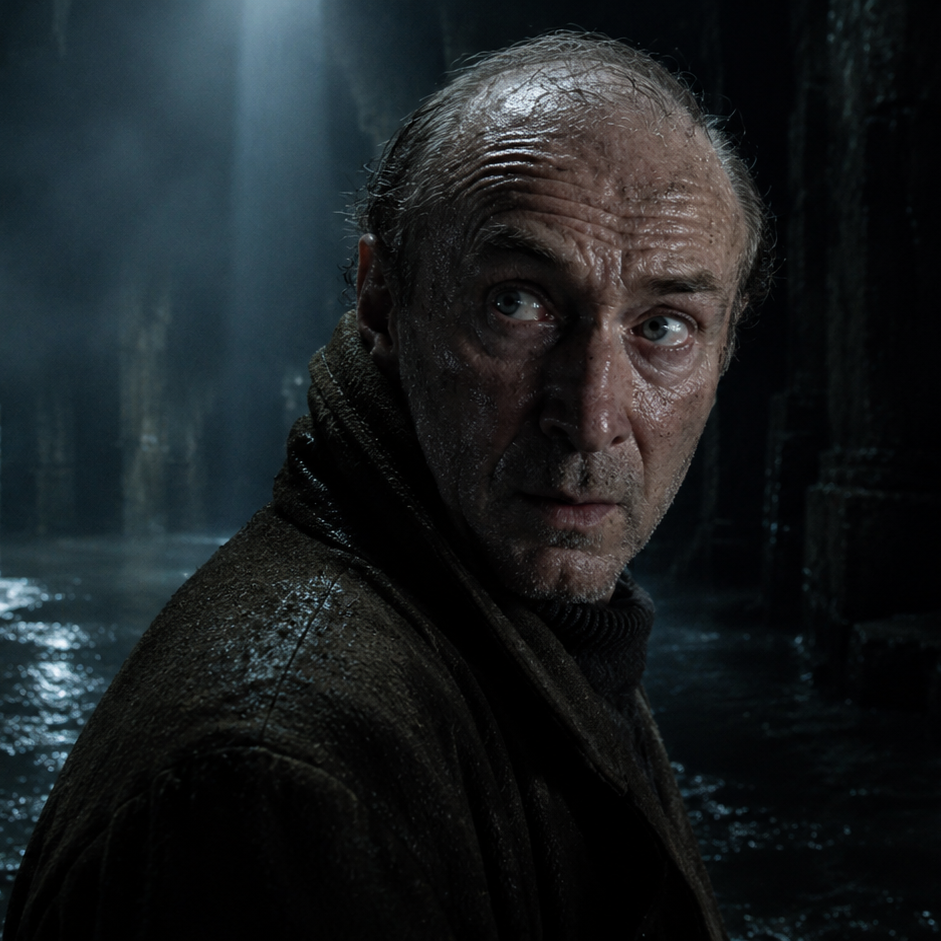
The Ease That Has Not Yet Been Watched: On Unbefangenheit
das Wort / the word: die Unbefangenheit (f.), no common plural
Aussprache / pronunciation: oon-buh-FANG-en-hite
Wortart / part of speech: Noun, feminine
Register: Formal and slightly literary. Common in psychology and art criticism, rare in casual speech.
Nicht Unschuld, Sondern Unbefangenheit / Not Innocence, But Ease

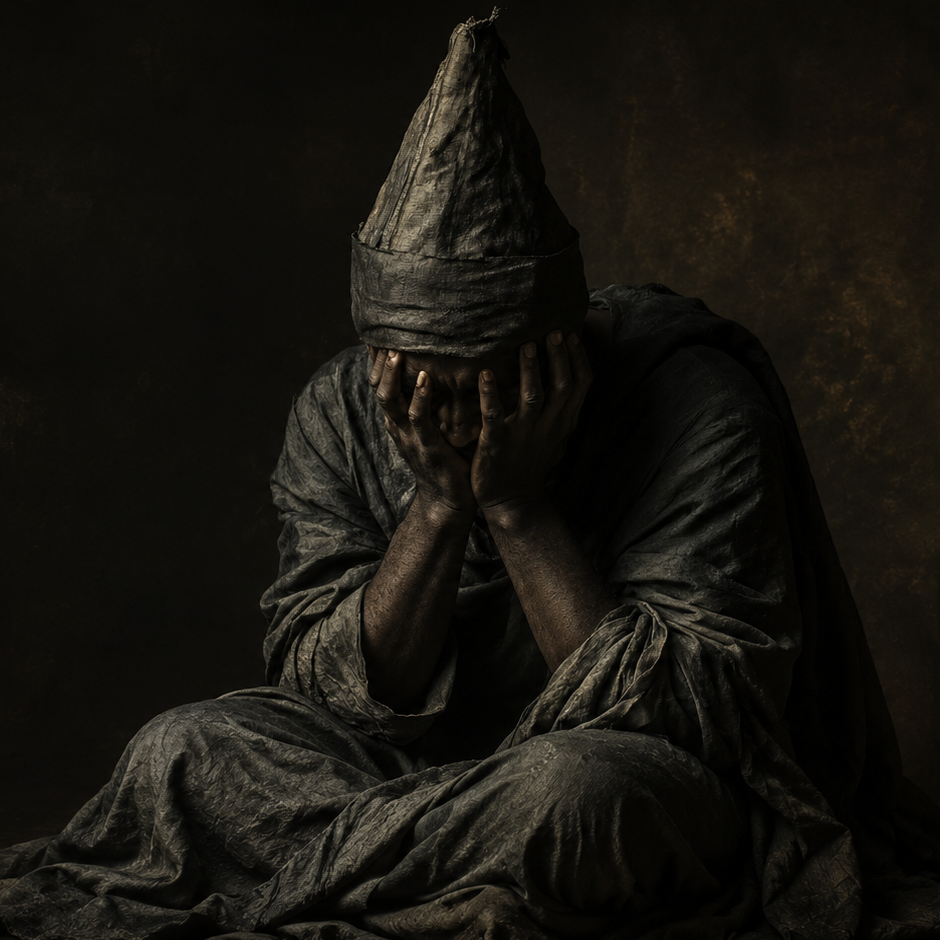
Unschuld is innocence in the moral sense, the state of not yet having done wrong, of standing clear of guilt. Unbefangenheit is a different quality entirely, and the difference matters for Siegfried, who is not really innocent in the moral sense at all. He kills a dragon and a dwarf without a flicker of remorse. What he has, instead of moral innocence, is Unbefangenheit: an absence of self-consciousness, a way of moving through the world without the inner observer that watches itself being watched.
The word is built from befangen, self-conscious, awkward, inhibited by the awareness of being seen or judged, with the negating prefix un- stripping that awareness away entirely. To be befangen is to hesitate because you are picturing how you appear. To be unbefangen is not to have that picture form in the first place. This is not innocence as a moral condition. It is ease as a psychological one, and it is considerably rarer, and considerably more fragile, once a person has ever had it and lost it.
Der Junge, Der Sich Nie Beobachtet / The Boy Who Never Watches Himself

Siegfried grows up in Mime's forest hovel with no mother, no history he trusts, no god's authority weighing on him the way it weighs on every other major character in the Ring. He does not know fear, and this September's walk pairs that gap with a second, quieter gap worth naming on its own: he does not know self-consciousness either. He breaks things, forges things, laughs at Mime, walks into the forest and talks to a bird, all without the interior hesitation that comes from imagining how any of it looks from outside.
This is what makes him so different from every character examined so far this year. Wotan is constantly performing his own authority, aware of how his commands will be read. Brünnhilde, in July, had to reckon with how her disobedience would appear before she could act on it at all. Siegfried has no such internal audience. His Unbefangenheit is not bravery. Bravery requires recognizing a risk and proceeding anyway. Siegfried simply has not yet developed the machinery that would let him picture himself as a character in his own story, which is precisely why he can walk directly into a dragon's lair without the hesitation that would stop almost anyone else.
Ein Zustand, Der Sich Nicht Halten Lässt / A State That Cannot Be Held Onto

German uses unbefangen in art criticism for a painter's early, unschooled period, before technique calcifies into self-awareness, and in psychology for a patient who speaks about themselves without performing for the therapist. In both cases, the word names something valuable precisely because it cannot be manufactured on purpose. The moment you try to be unbefangen, deliberately, you have already become befangen, because trying requires the very self-observation the word describes the absence of.
This is the quiet tragedy embedded in Siegfried's own story, though the opera that carries his name does not dwell on it. Unbefangenheit is not a skill he can keep by choice. It is a condition of not yet knowing certain things, and the moment he learns fear, learns his own history, learns what Brünnhilde's awakening will ask of him, the ease will not simply persist alongside the new knowledge. It will be replaced by something else, which future months of this project will have to name in turn.
Trotz Und Unbefangenheit / Defiance and Ease
Last month closed the Ring's Act III arc with der Trotz, Brünnhilde's defiance, examined back in July: a loyalty that looks like disobedience, chosen deliberately, against real consequence she understood and accepted anyway. Unbefangenheit is almost the photographic negative of that word. Brünnhilde's Trotz required exactly the self-awareness Siegfried lacks: an understanding of what she was risking, a picture of how her father would receive her choice, a decision made in full view of its cost.
Siegfried cannot yet manage Trotz in this sense, because defiance requires imagining an authority whose judgment matters to you. He has never had to. This is why September, in this project's own calendar, reads as lighter than July even though both months deal in disobedience of a kind. Brünnhilde disobeyed with her eyes open. Siegfried simply has not yet discovered that anyone's eyes are on him at all.
Grammatik / Grammar

Die Unbefangenheit is feminine and has no natural plural, since it names a quality rather than a countable thing.
Key constructions:
unbefangen (adj.), unselfconscious, natural, at ease
befangen (adj.), self-conscious, inhibited (the word this month's builds from, negated)
mit kindlicher Unbefangenheit, with childlike ease
die Befangenheit, self-consciousness, inhibition (also used in a specific legal sense: a judge's bias or conflict of interest)
unbefangen wirken, to come across as natural, unaffected
Note that Befangenheit has a second, entirely separate legal meaning, a judge or juror's disqualifying bias. Context makes the two senses easy to distinguish, but learners should know both exist.
Verwandte Wörter / Related Words

befangen (adj.), self-conscious, inhibited
die Unschuld (f.), innocence (the moral cousin, distinct from this word's psychological sense)
natürlich (adj.), natural
arglos (adj.), guileless, without ulterior motive
ahnungslos (adj.), unsuspecting, oblivious
der Trotz (m.), defiance (last month's word: the self-aware opposite of this month's ease)
die Selbstbeobachtung (f.), self-observation (the internal machinery this word names the absence of)
Die Verbindung zum Weg / Connection to the Walk
Enter Inwood Hill Park from Dyckman Street and take the dirt paths rather than the paved ones. This is Manhattan's only surviving old-growth forest, no grid, no vistas, just roots and birds and uneven ground. Start Forest Murmurs as you cross in. Watch how close the birds hop without startling. There is no other place in the city where the ground itself seems to have skipped a few centuries of self-consciousness about being observed.
This is the only setting in the whole walk where Unbefangenheit is not a metaphor you have to reach for. It is simply what the forest floor does, roots pushing through soil without apology, birds moving without calculation. Walk slowly. You are entering the one part of Siegfried's story, and the one part of this month's route, where nothing yet knows it is being watched.