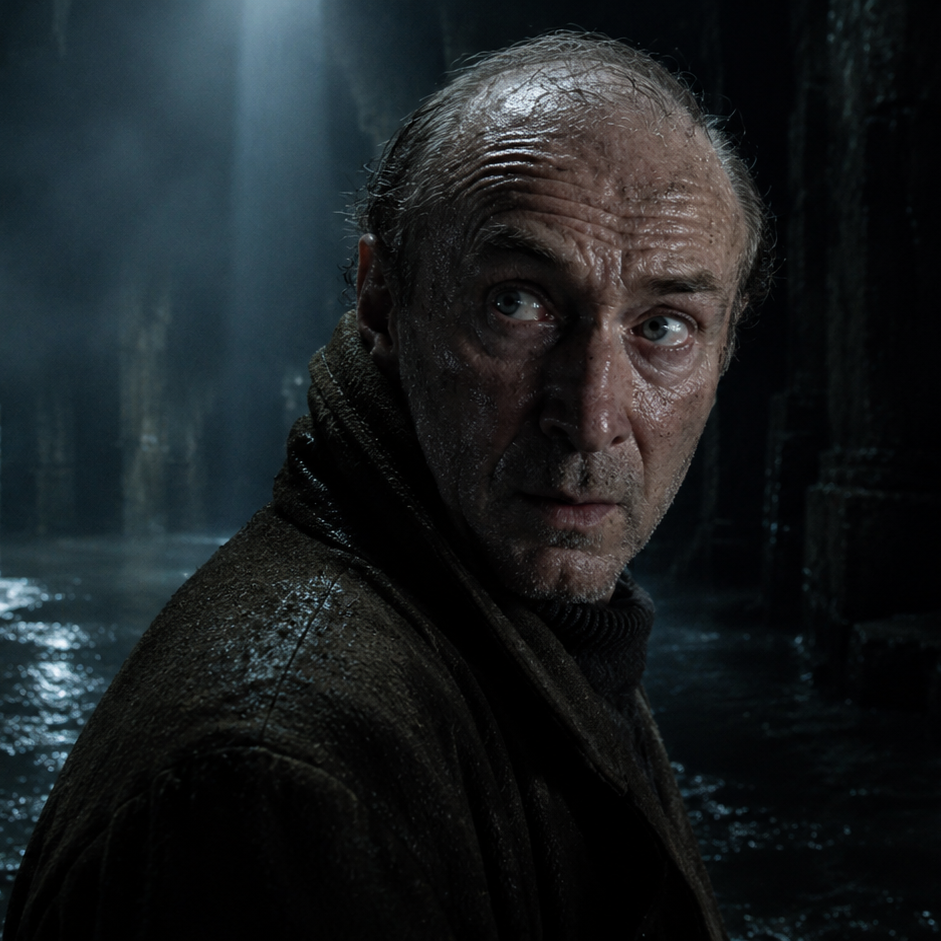
The Fear He Was Sent to Learn: On Furcht
das Wort / the word: die Furcht (f.), no common plural
Aussprache / pronunciation: FOORKHT
Wortart / part of speech: Noun, feminine
Register: Everyday and literary. More specific and object-directed than its more diffuse cousin, Angst.
Nicht Angst, Sondern Furcht / Not Dread, But Fear
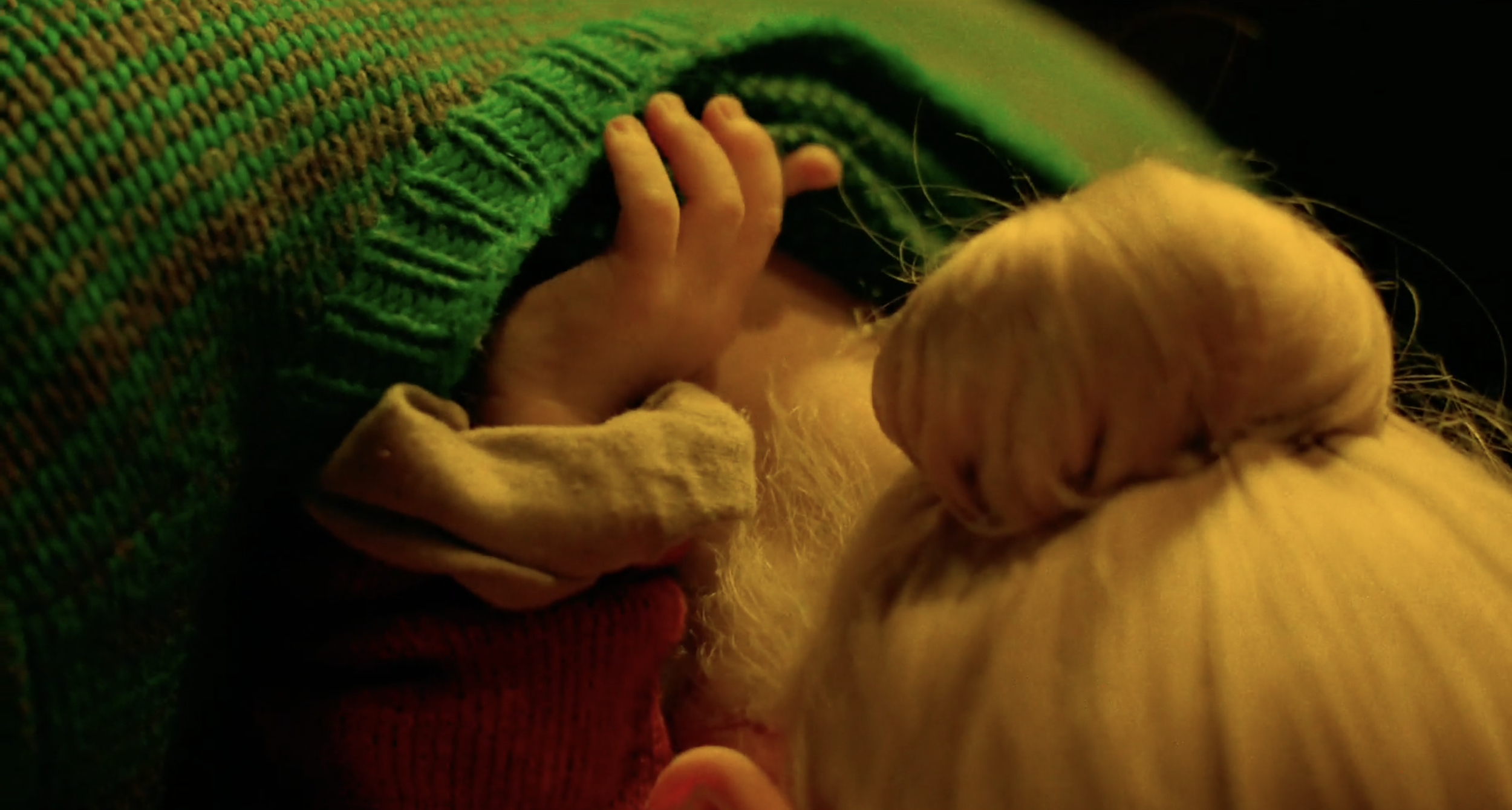
German keeps a distinction English tends to blur. Angst is diffuse, objectless, a dread that has no single named cause, the kind of anxiety that can settle over a person for no reason they can point to. Furcht is different. It is fear of something specific, something you can name, a dragon, a height, a particular threat standing in front of you. You can have Angst about nothing in particular. You cannot, properly, have Furcht about nothing. The word requires an object.
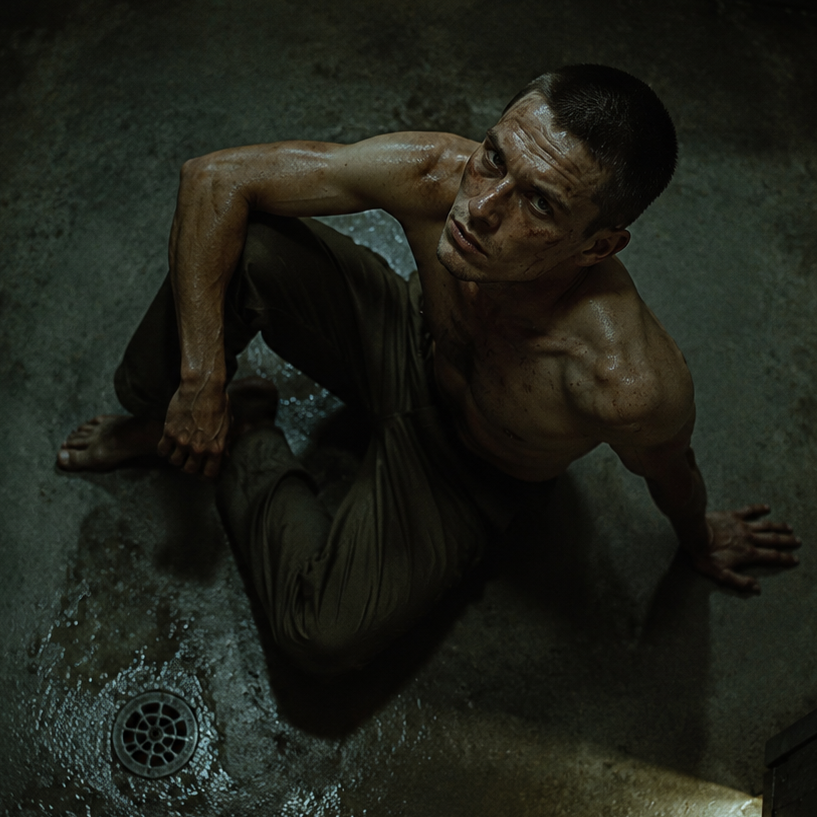
This distinction is the entire premise of the opera this month walks through. Siegfried does not suffer from generalized dread, and the opera never suggests he should. What he lacks is the much narrower thing: the capacity to feel Furcht in front of something genuinely dangerous. Mime tries repeatedly to teach it to him, hoping fear of Fafner will make Siegfried more manageable, more cautious, more controllable. The lessons fail completely, not because Siegfried is unusually brave, but because he simply has no template inside him for what fear of a specific, present threat would feel like.
Das Fürchten Lernen / Learning to Fear
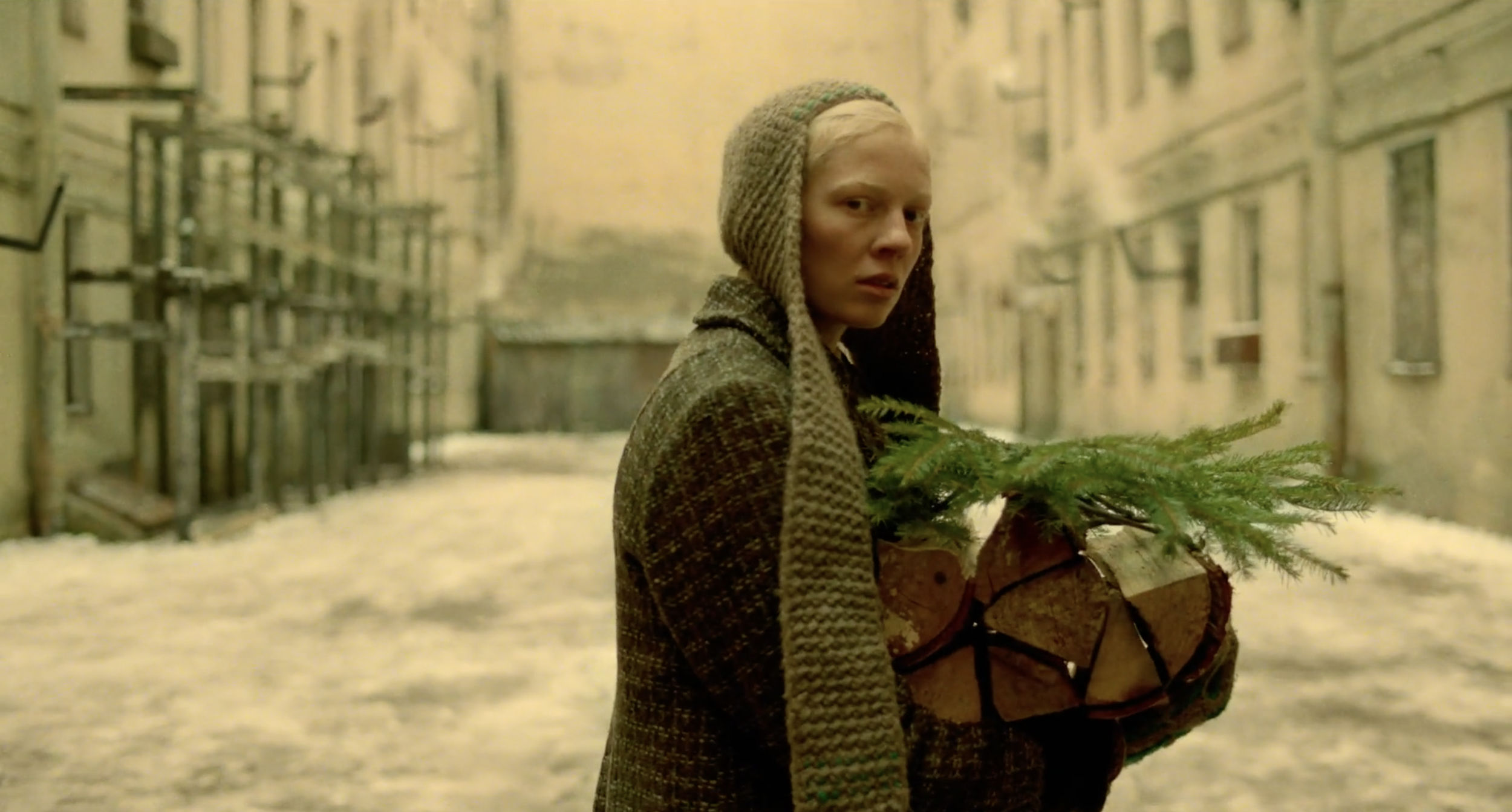
The opera's premise, largely inherited from the older folk tale Wagner drew on, is that Siegfried sets out specifically das Fürchten zu lernen, to learn fear, as though fear were a skill missing from an otherwise complete education. This framing is worth sitting with, because it inverts the ordinary moral logic around the emotion. Fear is usually treated as something to overcome, a weakness to be managed. Here it is treated as an absence, a piece of knowledge Siegfried has simply never acquired, standing between him and full adult understanding of the world.
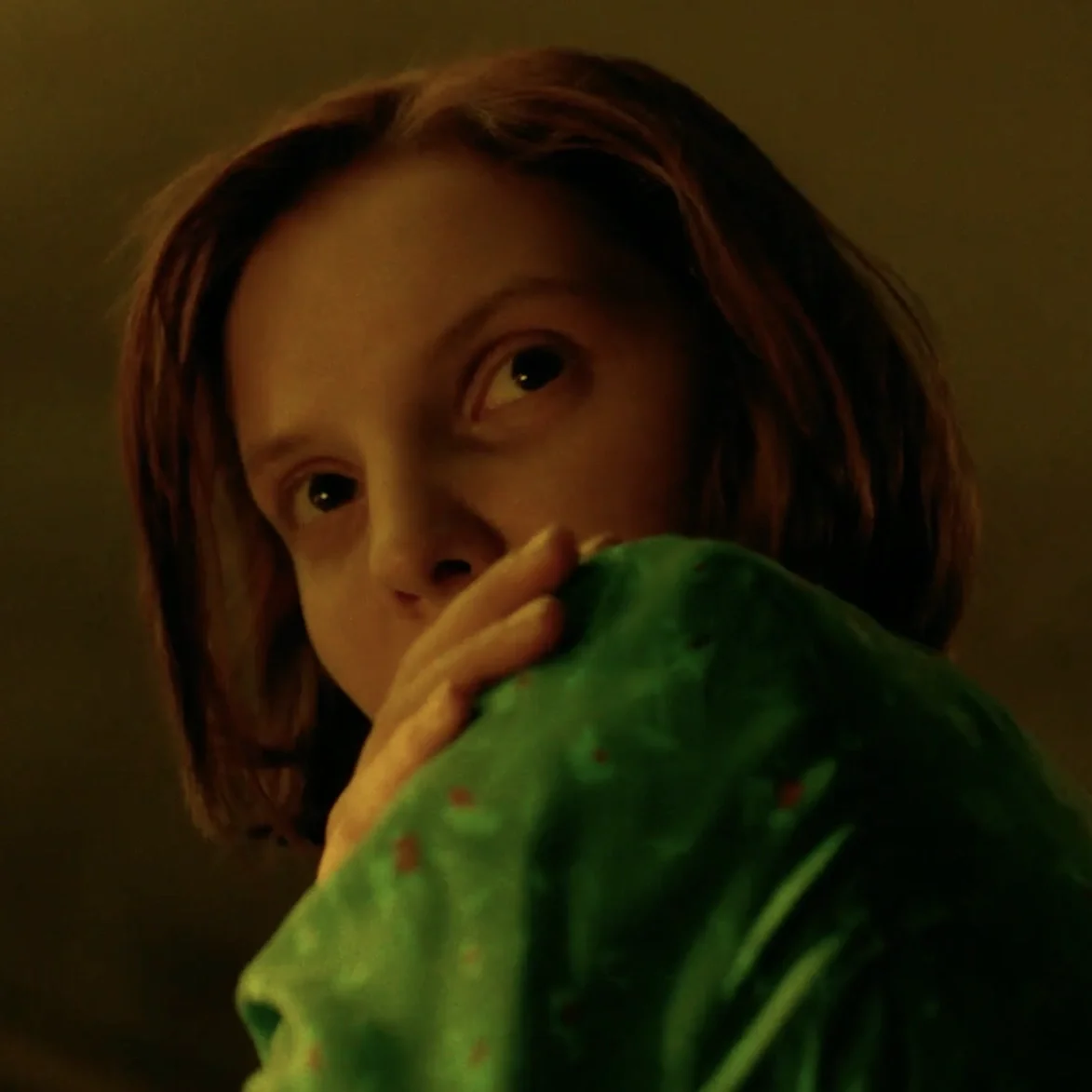
Facing Fafner in the cave does not teach him fear either. He watches the dragon rear up, enormous and lethal, and he simply proceeds, curious rather than afraid, killing Fafner with something closer to the same unbothered directness he used earlier to reforge his sword. Fear only actually arrives for Siegfried much later, in the presence of the sleeping Brünnhilde, when he encounters, for the first time, something that unsettles him not through danger but through an intimacy he has no framework for. It is worth noting precisely what this means: Wagner does not have his hero learn Furcht from mortal danger at all. He learns it from love.
Furcht Und Ehrfurcht / Fear and Reverence
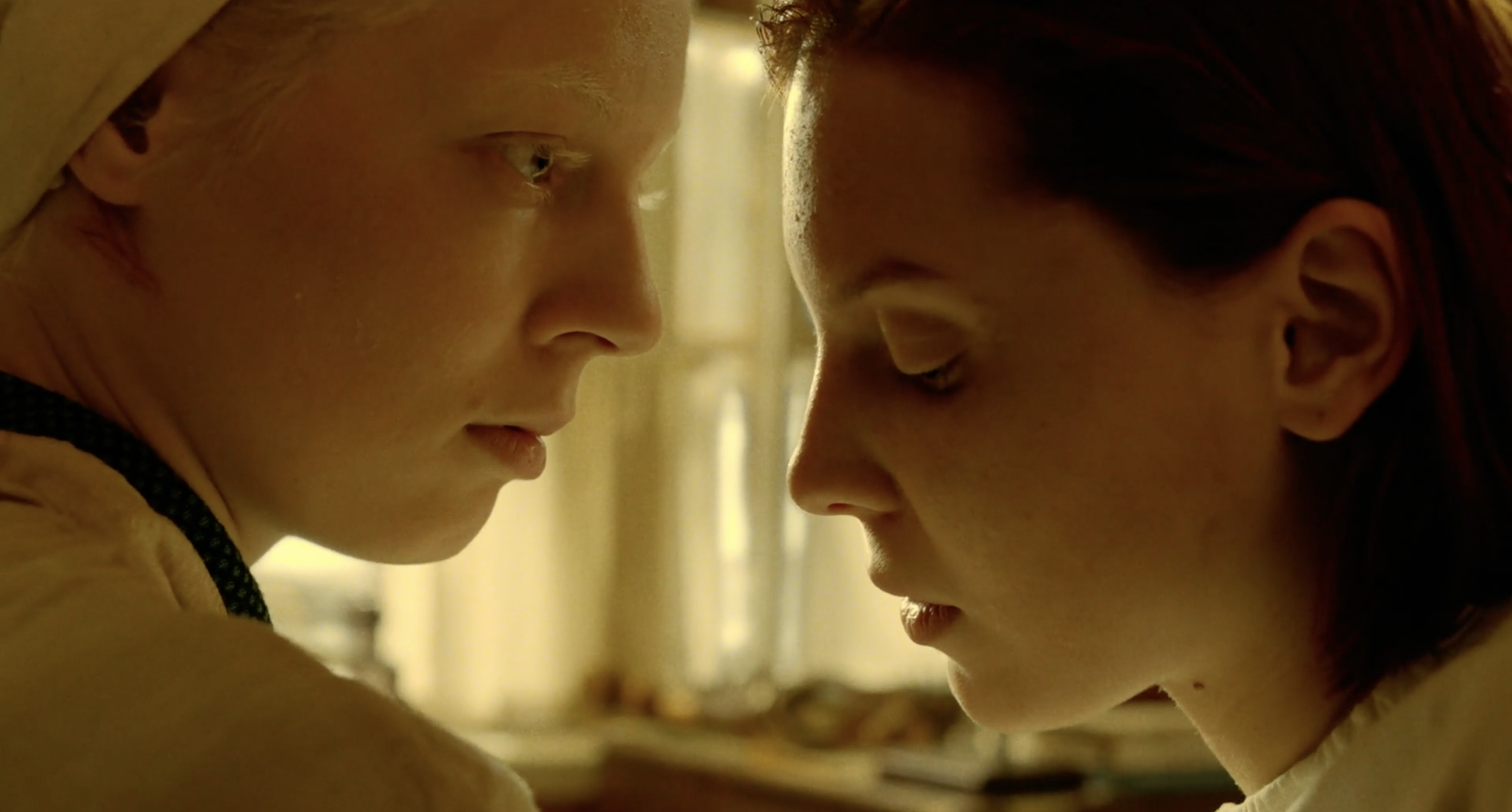
German preserves an old, illuminating compound here: die Ehrfurcht, reverence, built from Ehre, honor, and Furcht itself. Reverence, in this etymology, is fear that has been redirected toward something worthy of it rather than something merely dangerous. This is closer to what actually happens to Siegfried at Brünnhilde's side than the dragon-fear the plot spends an entire act setting up as a decoy. He does not tremble because she threatens him. He trembles because he has encountered, for the first time, something too significant to approach with his usual unbefangen ease.
This reframes the whole quest structure of the opera. Siegfried is sent to learn Furcht as though it were a single, simple lesson, teachable through danger. What he actually learns, once the dragon has failed to provide it, is something closer to Ehrfurcht, and the distinction matters. Furcht alone would have made him more cautious. What he gains instead makes him capable, for the first time, of caring about the consequences of his own actions toward another person, which is a considerably larger and more permanent change than simple caution would have been.
Schutz, Trotz, Und Furcht / Protection, Defiance, and Fear
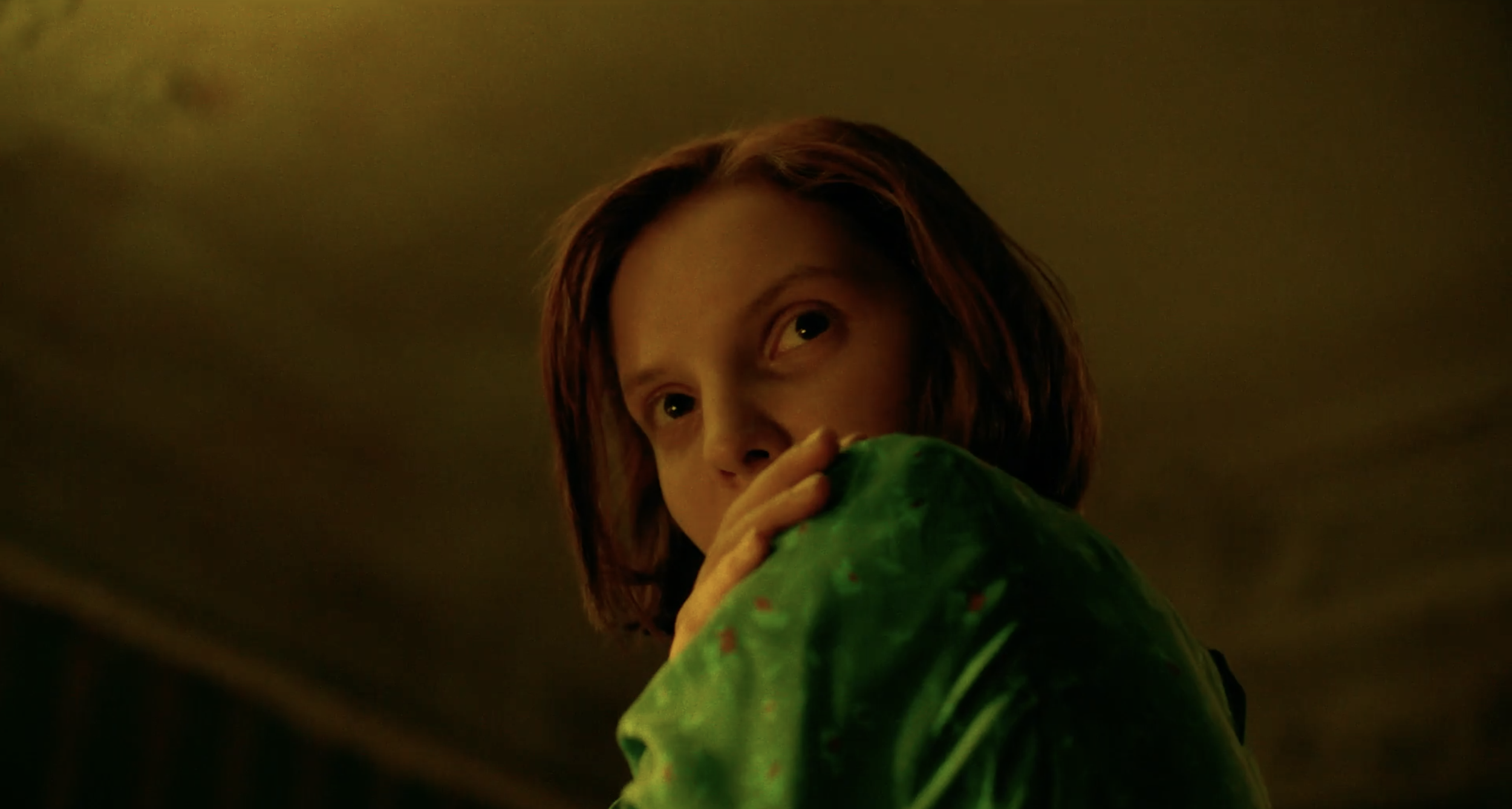
The ring of fire Wotan raised around Brünnhilde in July, examined then as der Schutz, was built explicitly to keep out anyone who still knows Furcht. Only a hero incapable of fear can cross it. This makes Siegfried's entire lack of the emotion, treated everywhere else in the opera as an oddity or a comic failing, suddenly load-bearing. The one person capable of reaching Brünnhilde is, by mechanical necessity, the one person who has never needed Trotz either, since defiance requires fearing a consequence enough to have to choose against it.
Three consecutive words across three consecutive months, examined now together, describe a single mechanism working exactly as designed. Schutz built a boundary keyed to Furcht. Trotz was the cost paid by someone who felt fear and acted anyway. Siegfried simply walks through, having paid no cost at all, because the boundary was never built with him in mind. What waits for him on the other side, as it turns out, is not a test he could have failed. It is a feeling he had no name for until he was standing directly in front of it.
Grammatik / Grammar
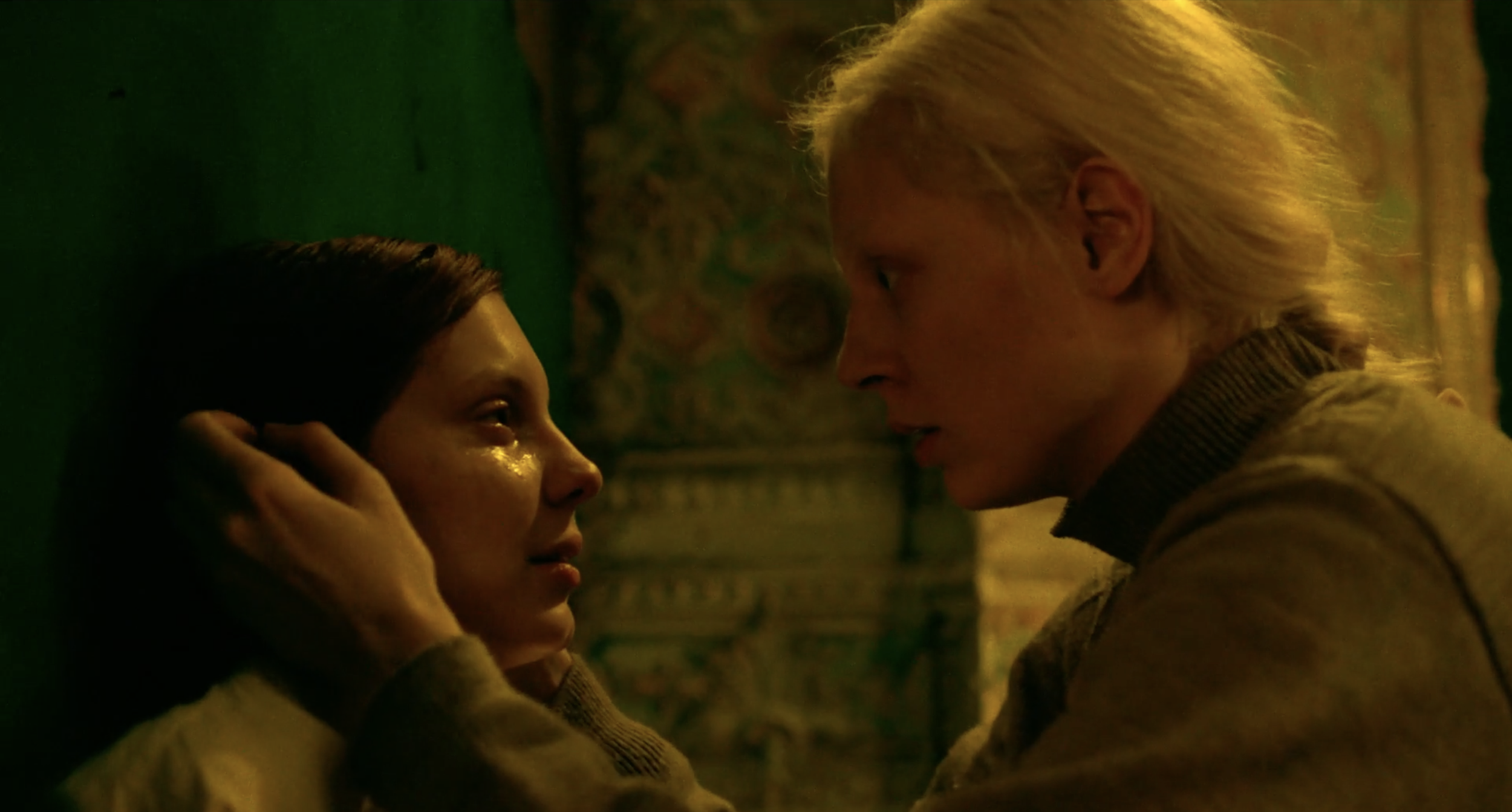
Die Furcht is feminine and has no common plural, since it names a state rather than a countable thing.
Key constructions:
Furcht haben vor, to be afraid of (governs the dative)
das Fürchten lernen, to learn to fear
furchtlos (adj.), fearless
fürchten (v.), to fear
sich fürchten vor, to be afraid of, reflexive form
die Ehrfurcht, reverence, awe (literally, honor-fear)
Note that furchtbar, terrible, dreadful, and furchtsam, fearful, timid, both derive from this root but describe opposite positions: furchtbar describes what inspires fear, furchtsam describes someone prone to feeling it.
Verwandte Wörter / Related Words
die Angst (f.), dread, anxiety (the more diffuse, objectless cousin)
furchtlos (adj.), fearless
die Ehrfurcht (f.), reverence, awe
fürchten (v.), to fear
der Mut (m.), courage (distinct from fearlessness: courage requires feeling fear and acting anyway)
die Gefahr (f.), danger
der Schutz (m.), protection (last season's word: a boundary built specifically to exclude anyone who still feels this one)
der Trotz (m.), defiance (the act of someone who felt fear and chose against it anyway)
Die Verbindung zum Weg / Connection to the Walk
Exit Inwood Hill Park south through Fort Washington Park and head under the George Washington Bridge to the Little Red Lighthouse, a small structure dwarfed by an immense steel span overhead. Stand directly beneath the bridge and start the Fafner music. Let the traffic thunder above like timpani. This is the dragon's lair reimagined as infrastructure, stagnant power hoarding a space rather than living in it.
Fafner is not cruelty. He is what happens when power stops moving and simply accumulates, guarding something it no longer even uses. Siegfried does not kill him out of hatred or fear overcome. He kills him because the dragon is in the way, with the same unbothered directness he brings to everything else so far this month. Nothing about this stop asks you to feel fear either. It asks you to notice its complete absence, and to keep that absence in mind for what waits later in the walk, where something considerably harder to name will finally arrive.