The Wound Only Its Cause Can Close: On Wunde
das Wort / the word: die Wunde (f.), pl. die Wunden
Aussprache / pronunciation: VOON-duh
Wortart / part of speech: Noun, feminine
Register: Everyday and medical, but also literary and spiritual. Used for a cut on the skin and for a nation's grief with equal ease.
Nicht Verletzung, Sondern Wunde / Not Injury, But Wound
German has a clinical word for injury, die Verletzung, used in accident reports, insurance forms, sports commentary. It names damage as a fact, closed off, categorized, processed. Die Wunde is not that word. It names the open thing itself, the break in the skin or in the world that has not yet decided whether it will close. A Verletzung is documented. A Wunde is tended, or it festers.
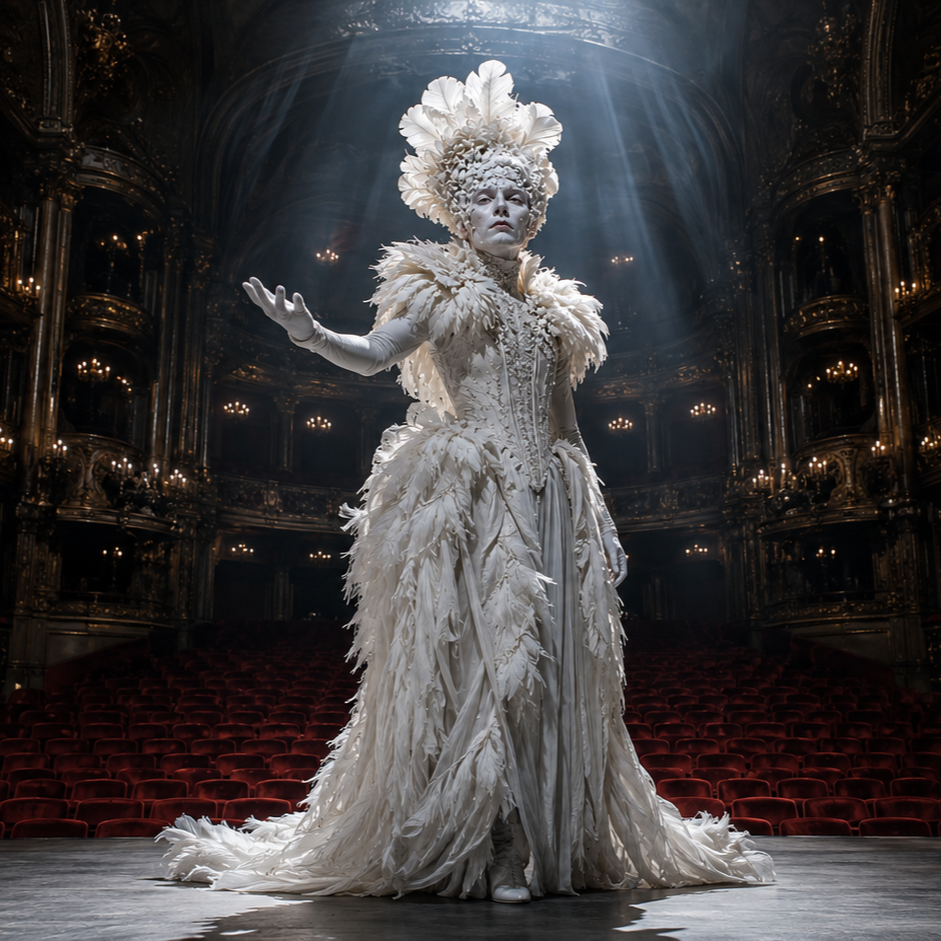
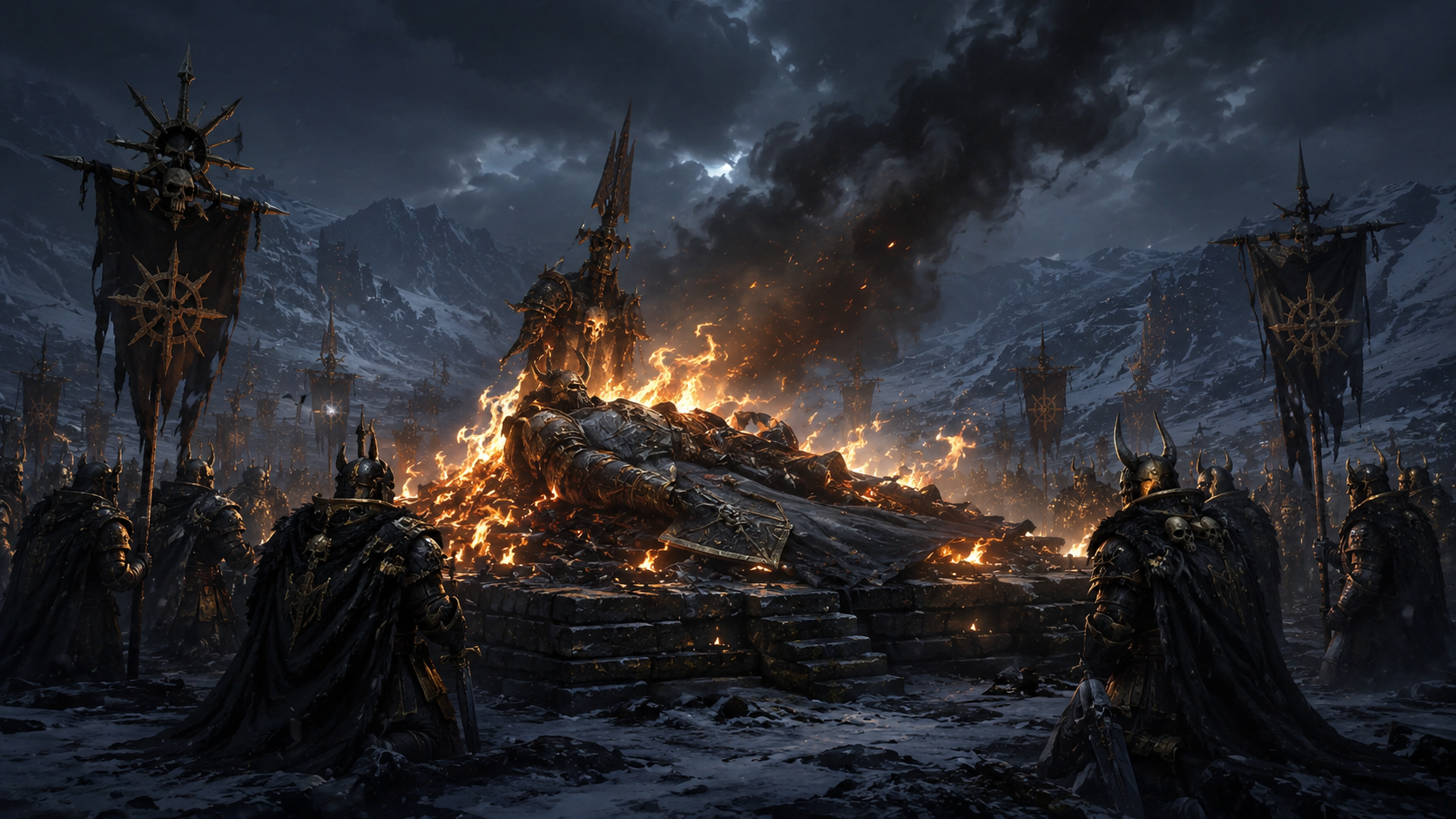
This is why German literature reaches for Wunde whenever damage needs to feel unresolved. A Verletzung is something that happened. A Wunde is something that is still happening, still demanding attention, still capable of getting worse. Amfortas does not suffer a Verletzung. He carries a Wunde, and the entire opera is organized around the fact that it will not close by any ordinary means.
Die Wunde, Die Nur Ihr Urheber Schließen Kann / The Wound Only Its Cause Can Close

Amfortas was struck by the Holy Spear while in Kundry's arms, seduced away from his guard, and the wound has refused to heal ever since. Every attempt at ordinary treatment fails. The prophecy that governs the entire opera states the paradox plainly: only the weapon that made the wound can close it, nur die Waffe, die die Wunde schlug. This is not a riddle solved by force or by medicine. It requires that the very instrument of the injury return, transformed, in different hands, wielded with a different intention.
This is the structural heart of Parsifal. The wound is not merely physical. It is the visible symptom of a deeper failure, desire unguarded, duty abandoned in a moment of weakness, and it will not close until the community that produced the failure produces, in turn, someone capable of understanding it rather than merely punishing or ignoring it. A Wunde, in this reading, is never only a body's problem. It is a community's unfinished business, worn on one member's flesh until someone else is ready to answer it.
Alte Wunden Aufreißen / Reopening Old Wounds
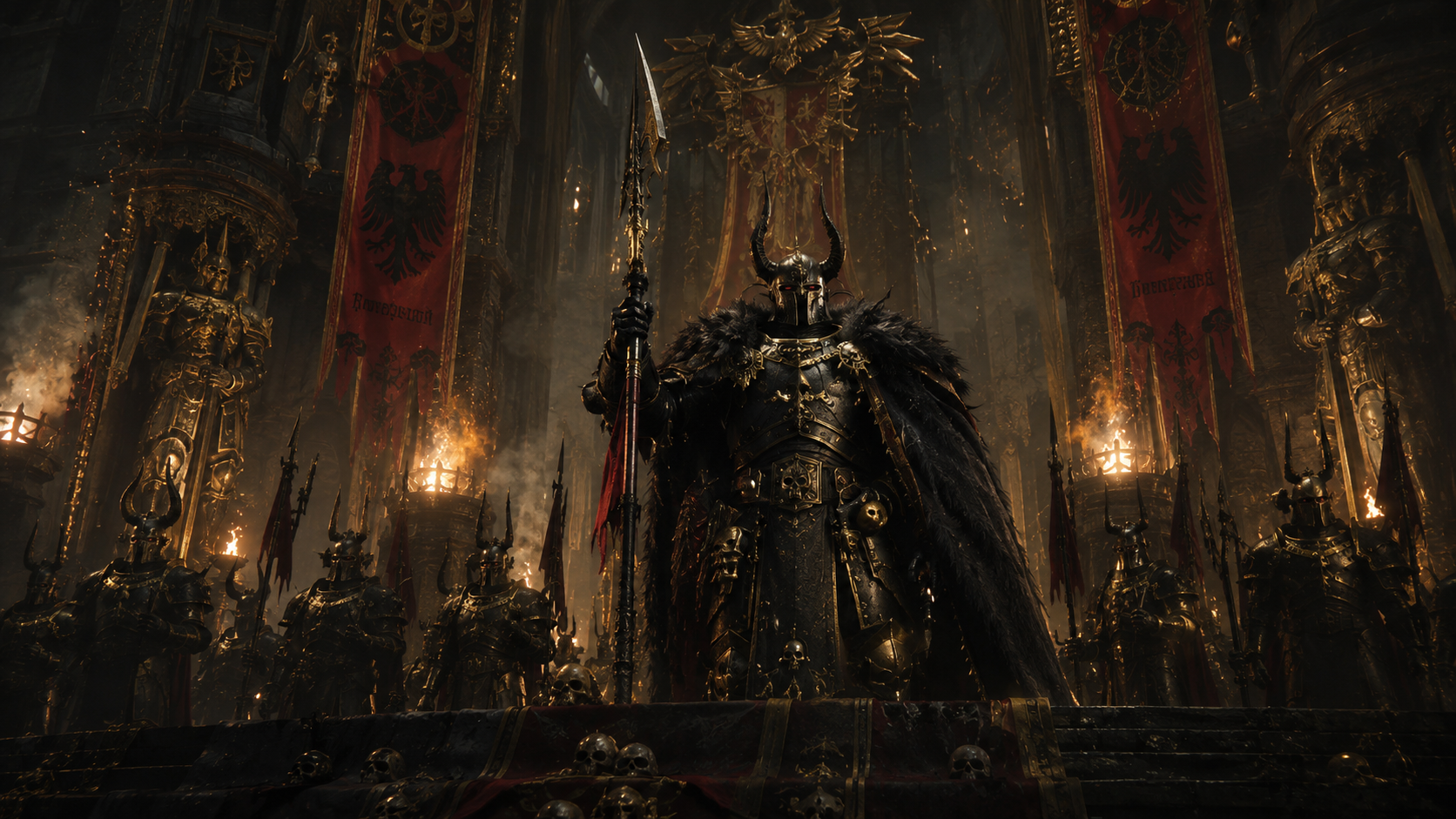
German keeps this physical vocabulary alive in ordinary speech long after any blood has dried. Alte Wunden aufreißen, to reopen old wounds, describes bringing up a grievance someone thought was settled. In einer Wunde wühlen, to poke around in a wound, describes cruelty disguised as honesty, needling at something still sore. Neither idiom would work with Verletzung. The clinical word does not carry the sense of a thing that can be reopened, because a Verletzung is understood to be finished. A Wunde is understood to still be alive.
The land itself in Parsifal is described this way. Amfortas's injury is mirrored by a blight across the whole kingdom, crops failing, the community slowly starving alongside its wounded king. A Wunde in one body becomes, in this telling, a Wunde across an entire order of things. This is why the healing, when it comes, cannot be private. It has to restore something shared.
Fluch Und Wunde / Curse and Wound
Two months ago, this series examined der Fluch, the curse Alberich pronounces after his dispossession in Das Rheingold, a piece of language that becomes an active force in the world, driving the entire Ring cycle toward ruin. A curse and a wound are close cousins. Both are injuries that outlast the moment that caused them. Both refuse to simply fade with time. But a curse is inflicted through speech, aimed outward at a target, and it operates through intention and consequence working themselves out across generations.
A wound, in the Parsifal sense, sits differently. It is not spoken into being. It happens in a moment of failure and then simply persists, waiting not for a counter-curse or a clever bargain but for someone capable of feeling it as their own. Where the Ring's curse asks to be outlived or outmaneuvered, Amfortas's wound asks only to be understood. This is the quieter, slower logic August introduces after five months of contracts, commandments, and consequence.
Grammatik / Grammar
Die Wunde is feminine, plural die Wunden.
Key constructions:
eine Wunde heilen, to heal a wound
alte Wunden aufreißen, to reopen old wounds
in einer Wunde wühlen, to pick at a wound (figuratively, to needle at someone's pain)
verwundet (adj./past participle), wounded
die Wundmale (pl.), stigmata, wound-marks (used specifically for religious iconography)
sich wund liegen, to develop bedsores (a specific medical idiom worth knowing, distinct from the figurative senses above)
Note the verb verwunden, to wound, which is regular but easily confused with verwandeln, to transform. The two verbs share no root, but their similar shape trips up learners often enough to be worth flagging directly.
Verwandte Wörter / Related Words
die Verletzung (f.), injury (the clinical, closed-off cousin)
heilen (v.), to heal
verwunden (v.), to wound
die Narbe (f.), scar
der Schmerz (m.), pain
das Leid (n.), suffering
die Heilung (f.), healing (this month's closing word)
unheilbar (adj.), incurable
Die Verbindung zum Weg / Connection to the Walk

The August walk begins in Riverside Park, somewhere near 107th Street, under the first real canopy of trees. Start the Good Friday Music here. As the strings begin their slow, luminous unfolding, the ordinary park scene around you, joggers, dogs, children, is meant to reveal itself as something Gurnemanz insists it already is: the world appearing transfigured, not because anything has changed, but because something in the way of seeing has.
This only works if the wound comes first. Before transfiguration, before healing, before any of the sacred vocabulary this month will accumulate, there has to be a Wunde, a specific, unresolved damage that the rest of the walk is quietly organized around closing. Walk north with that unresolved thing in mind. You are not simply strolling beside the Hudson. You are walking toward the one place in the city built, deliberately, to answer it.