The Healing That Cannot Be Rushed: On Heilung
das Wort / the word: die Heilung (f.), pl. die Heilungen
Aussprache / pronunciation: HY-loong
Wortart / part of speech: Noun, feminine
Register: Everyday and medical, also spiritual. The ordinary word for recovery from illness or injury, without the theological finality of Erlösung.
Nicht Erlösung, Sondern Heilung / Not Redemption, But Healing

German keeps a clear distance between die Heilung, healing, and die Erlösung, redemption or salvation. Erlösung is total and final, a complete release from suffering, the word reserved for the largest religious claims a story can make. Heilung is smaller and more provisional. It describes a process, something that happens in stages, something that can be partial, that can be undone by a relapse, that takes time whether anyone wants it to or not. A patient experiences Heilung. A soul, in the biggest theological sense, experiences Erlösung.
Parsifal's own arc respects this distinction more carefully than a casual synopsis suggests. The opera does not open with a wound and close with abstract salvation. It moves through the much more concrete, much slower category first. Amfortas is healed, specifically, physically, his wound closed by the spear that made it. Whatever larger redemption the opera gestures toward beyond that point is built on top of this prior, humbler event. You cannot skip to Erlösung. You have to pass through Heilung first.
Sei Heil, Entsündigt Und Gesühnt / Be Whole, Absolved and Atoned
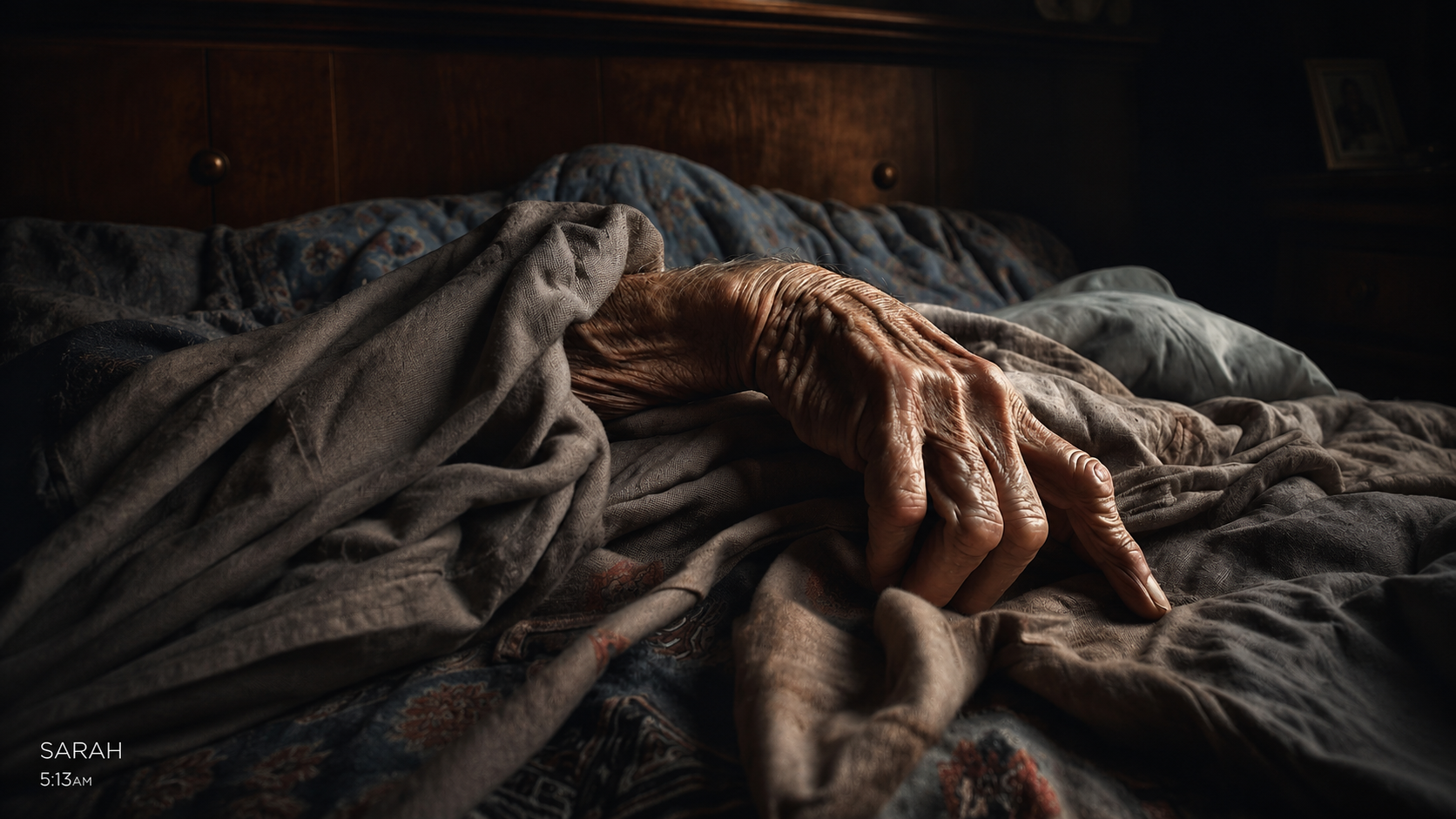
At the climax of Act III, Parsifal touches Amfortas's wound with the recovered spear and speaks the words that finally close it: sei heil, entsündigt und gesühnt, be whole, absolved and atoned. Notice what the line does not do. It does not simply erase the wound as though it had never happened. It names wholeness, absolution, and atonement together, three separate conditions arriving at once, after years of suffering that were not, in any sense, shortened by force or by cleverness.
This is the deeper argument the word makes across the whole opera. Healing that arrives too quickly, or through the wrong motive, is not healing at all. Amfortas's wound resisted every ordinary remedy precisely because ordinary remedies treat symptoms rather than causes. What finally closes it is not medicine but recognition, correctly timed, correctly motivated, arriving only once someone capable of understanding the wound's true origin was ready to answer it. Heilung, in this telling, cannot be rushed without becoming something false.
Zeit Heilt Wunden, Aber Nicht Von Selbst / Time Heals Wounds, But Not By Itself

The German idiom Zeit heilt Wunden, time heals wounds, sounds at first like a passive claim, healing as something that simply accrues if you wait long enough. But Parsifal's own plot argues against the passive reading. Time alone does not heal Amfortas. Years pass and the wound only worsens. What Heilung actually requires here is not mere duration but a specific kind of readiness arriving inside that duration, a person capable of Mitgefühl reaching the wound at exactly the moment his understanding is complete enough to matter.
This distinction has practical weight beyond the opera house. Die Selbstheilung, self-healing, describes the body's own capacity to recover, a real biological process, but even this ordinary usage assumes conditions, rest, proper care, time uninterrupted by further injury. Nothing about Heilung in German implies healing happens automatically simply because enough clock time has elapsed. It implies a process that requires the right conditions to complete itself, which is a considerably more demanding claim than the English idiom's breezier version of the same saying.
Schutz Und Heilung / Protection and Healing

Last month closed on der Schutz, the fire Wotan raises around the sleeping Brünnhilde, a boundary meant to keep unworthy intruders out until a worthy one arrives. Schutz is defensive. It holds a line. It does not, by itself, repair anything underneath the line it holds. Brünnhilde sleeps protected but unhealed, her fate suspended rather than resolved, waiting for events well beyond the opera that contains her.
Parsifal, arriving in this project's own calendar five months after Walküre's conclusion though composed decades later in Wagner's life, finally supplies what mere protection could never provide on its own. A boundary can keep a wound from getting worse. It cannot close the wound itself. That requires the slower, more demanding work this month's whole sequence of words has been building toward: the wound acknowledged, the compassion that lets someone feel it as their own, the sacred space that suspends ordinary time long enough for recognition to occur, the consecration that marks the moment as real, and only then, finally, Heilung itself.
Grammatik / Grammar

Die Heilung is feminine, plural die Heilungen.
Key constructions:
eine Heilung erfahren, to experience a healing
die Selbstheilung, self-healing (the body's own recuperative capacity)
heilen (v.), to heal, both transitive (to heal someone) and intransitive (a wound heals)
heilbar / unheilbar (adj.), curable / incurable
Zeit heilt Wunden, time heals wounds (the common idiom, best understood with the conditions this essay describes attached)
die Genesung (f.), recovery, convalescence (a related but more medical, less symbolic term)
Note the shared root with heilig, holy, and das Heil, salvation or well-being. All three words descend from the same old idea of wholeness, which is why German hears a faint theological undertone in even the most ordinary medical use of Heilung that English speakers, reaching only for "healing," rarely notice.
Verwandte Wörter / Related Words

heilen (v.), to heal
die Wunde (f.), wound (this month's opening word: what Heilung closes)
die Erlösung (f.), redemption, salvation (the larger, final category Heilung precedes)
die Genesung (f.), recovery, convalescence
unheilbar (adj.), incurable
die Geduld (f.), patience
der Trost (m.), comfort, consolation
der Schutz (m.), protection (last month's closing word: what precedes, but cannot substitute for, this month's)
Die Verbindung zum Weg / Connection to the Walk

The walk's final stop is Grant's Tomb, a few blocks north along Riverside Drive from the church. Climb the broad staircase slowly, pacing yourself against the rising orchestration of the Grail unveiling or the Good Friday Music, whichever you have chosen to carry with you this far. Inside the rotunda, stand beneath the dome and look down at the sarcophagi.
Grant is not Amfortas by any exact correspondence, but the parallel holds loosely enough to matter: a leader whose burden was also a nation's burden, whose recovery from war was never simply personal. Let the final chords land as you step back outside into the park air. Nothing about this walk has offered a shortcut. Five stops, five words, and only now, at the last one, does the wound this month opened with finally have somewhere to close.