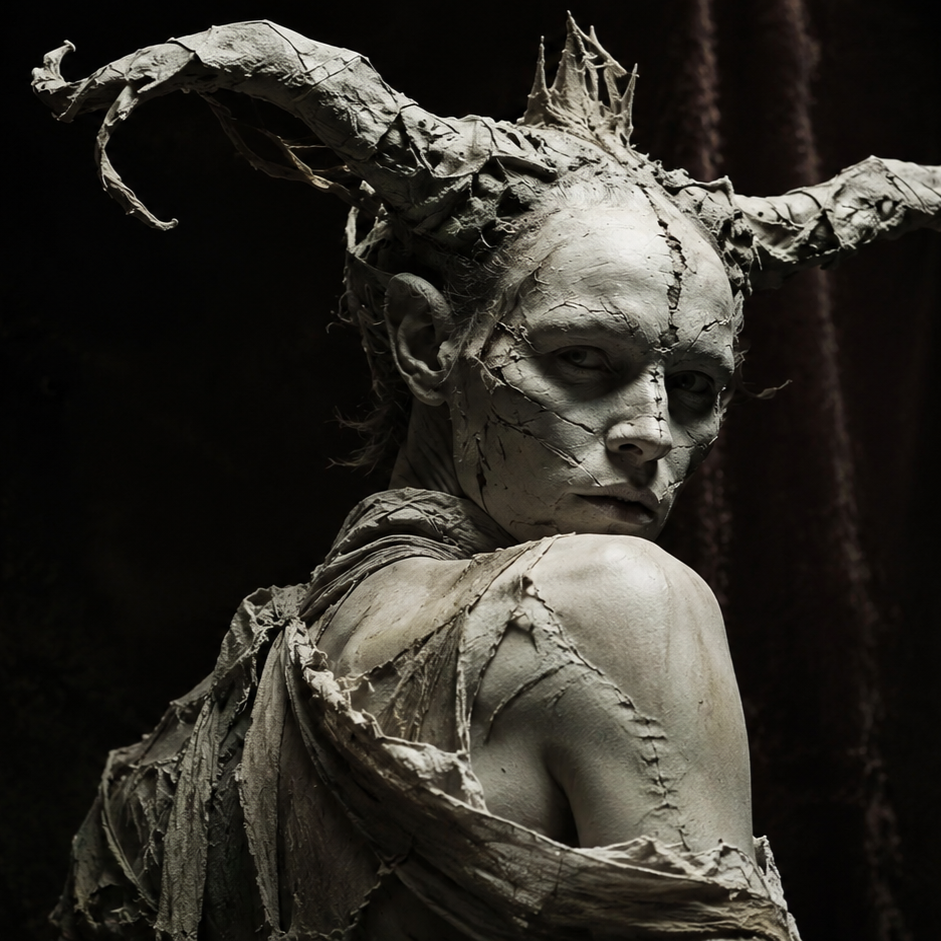
Libretto: Der Wanderer und das Firmament, The Year Has Not Finished Arguing With Itself

Vorbemerkung
Not a Wagner sketch. This is the one libretto in the series with no manuscript to complete, because its unfinished text is still being written, one walk and one word at a time, by the man walking it. Every other libretto in this collection finishes something Wagner started and abandoned. This one does the opposite: it takes something still in progress and asks what it would sound like if it had an overture, a chorus, and a curtain, months before it actually has an ending.
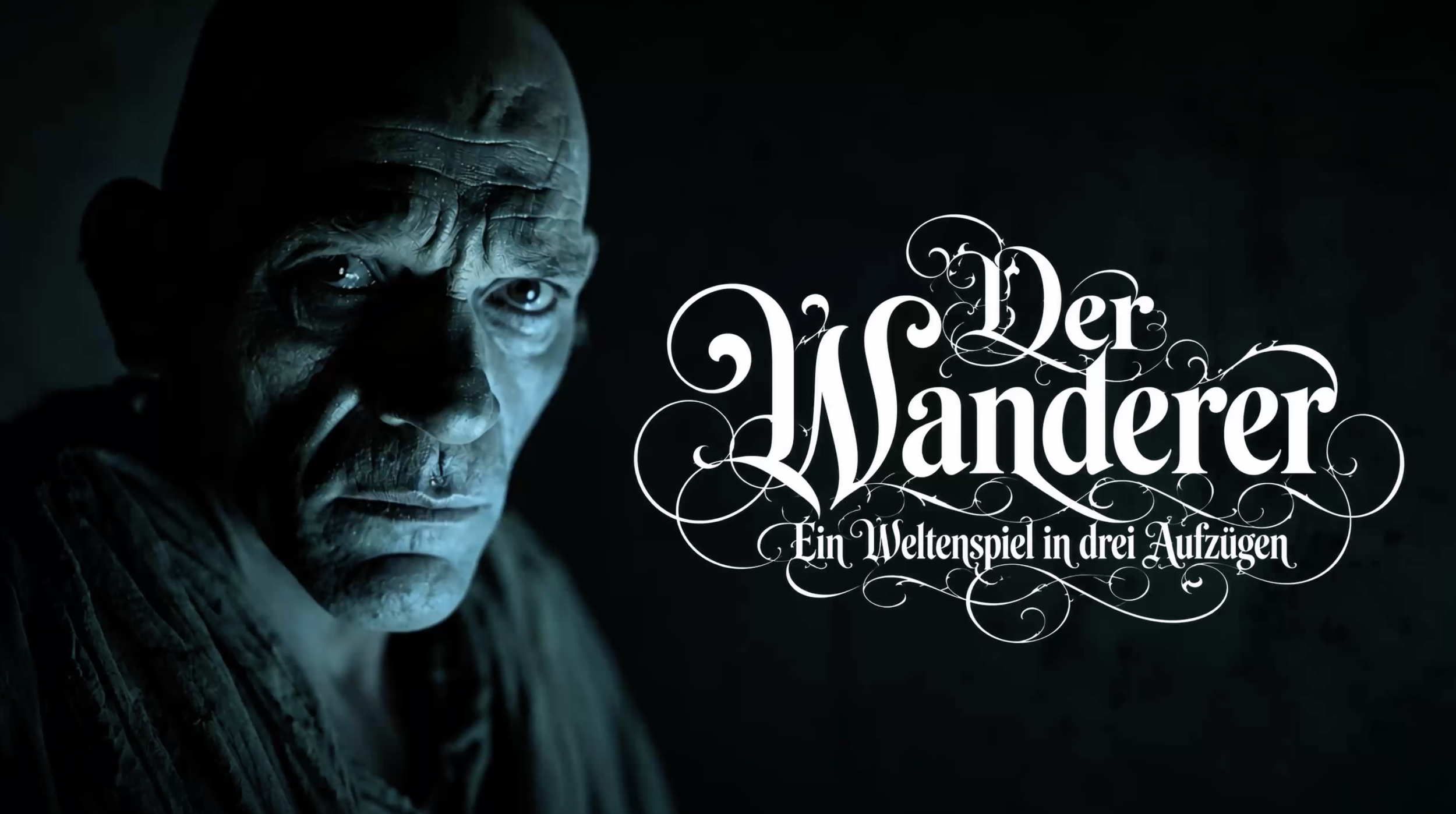
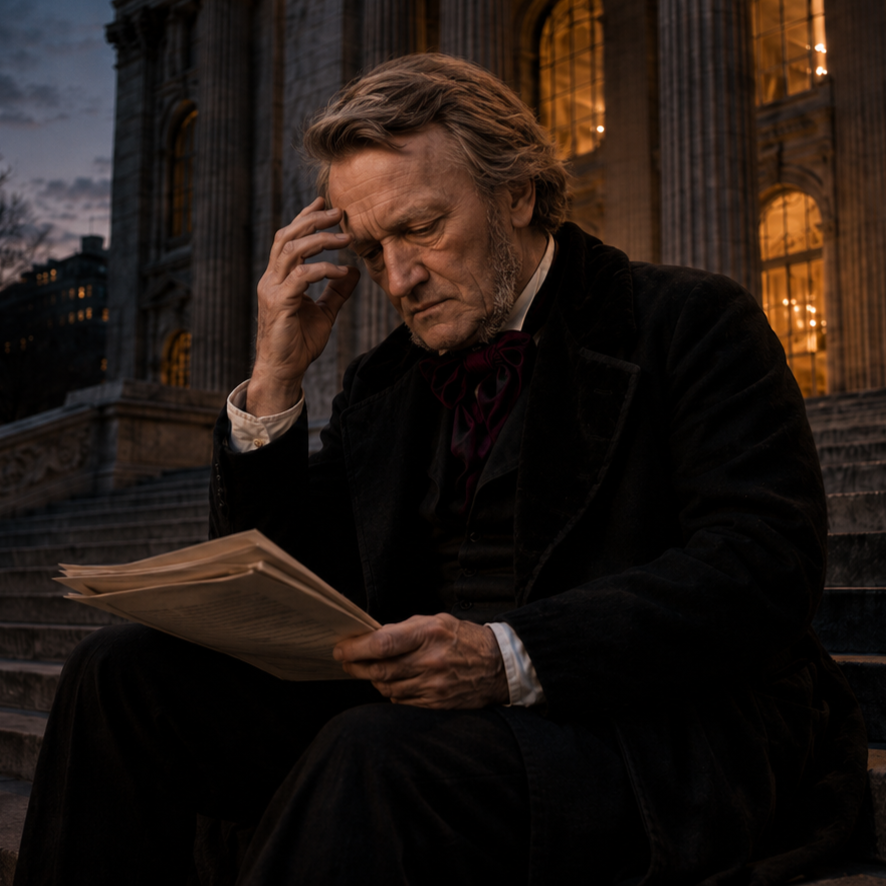
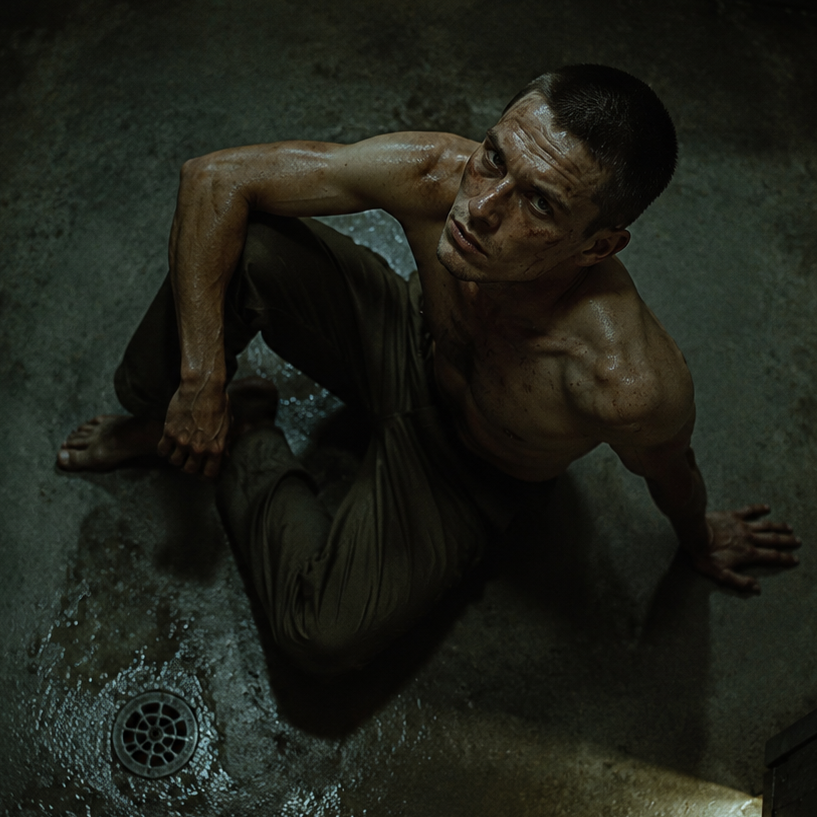
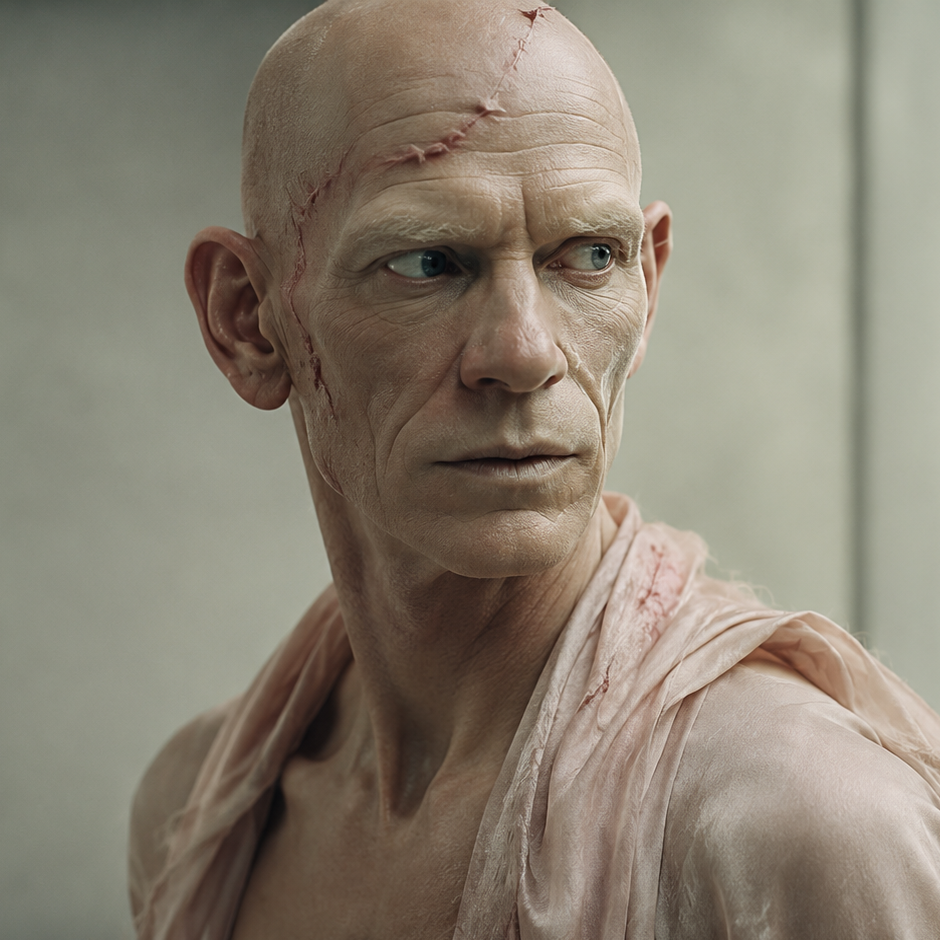
The protagonist is not named Matt. He is called der Wanderer, the same title Wotan takes in disguise for two full acts of Siegfried, when a god stops being able to command his own story and starts merely walking through it. The chorus is not a crowd. It is das Firmament, the accumulating body of essays, words, recordings, and interviews the year keeps producing, sung as a single distributed voice that remembers everything the Wanderer has already said and occasionally quotes it back to him before he has said it again.
The governing device, named below as das Firmament und der Zweifel, is the same two-register system as the rest of this catalogue, applied here to the project's own condition: what accumulates and holds, against what questions whether the accumulation was ever heard by anyone at all. They sound together exactly once, alongside a third, entirely indifferent voice — die Stadt — in three keys that share no tonic, because the argument was never going to resolve. This libretto is written from inside June, the month the project currently stands in, and it ends there, on a threshold, because that is where the year currently is.
Personen
DER WANDERER, geht zwölf Kreise, versteht die Form erst im Rückblick (Bariton)
Tracht: Straßenkleidung, unverändert über alle zwölf Monate — kein Kostüm, kein Zeichen des Fortschritts außer der Abnutzung der Schuhe.
DAS FIRMAMENT, nie ganz sichtbar, die akkumulierte Aufzeichnung (Chor, verteilt und hinter der Bühne)
STIMME EINES WORTES, tritt in Abständen aus dem Firmament-Chor hervor, singt stets ein einziges deutsches Wort und kehrt dann zurück (Solostimme aus dem Chor)
DIE STADT, New York, der Frage völlig gleichgültig, ob sie als Antagonistin gelesen wird (Sopran)
DER ZWEIFEL, aus den Kulissen, nie ganz auf der Bühne bis zum zweiten Aufzug (Bass)
Vom Orchester
Das Firmament-Motiv — a single low string figure in the Vorspiel, gathering. By April it is scored for full divided strings, twelve independent lines that never resolve into unison, and this scoring does not change for the rest of the opera.
Der Zweifel-Motiv — a descending chromatic line, confined to the wings until June, when it steps fully onstage for the first time.
Das Gehmotiv — the walking motif, footsteps as ostinato, present in the orchestra whenever der Wanderer is in motion, absent whenever he stops to argue.
Von der Bühne — Ein verteilter Chor
Das Firmament should never be staged as a single visible chorus. It should be distributed physically around the audience, some voices close, some far, some barely audible, so that no listener ever hears the same balance of it twice. This is not a production choice made for effect. It is the argument of the piece staged directly: the accumulation is real, but no one, including der Wanderer, ever gets to hear all of it from the same seat at the same time.
Vorspiel
DER WANDERER allein, gerade erst beginnend. Noch kein Firmament-Chor; es gibt nichts, das sich sammeln könnte. Nur Wasser, und die tiefe Streicherfigur, die zum Firmament-Motiv wird, sobald genug Material vorhanden ist.
Ich weiß noch nicht, ob ich sie lese
oder ob die Stadt mich liest,
Wort für Wort, Schritt für Schritt.
I do not yet know whether I am reading it
or whether the city is reading me,
word by word, step by step.
Der Vorhang. — Erste Pause.
Erster Aufzug
Bis April hat sich genug angesammelt, dass der Firmament-Chor zum ersten Mal als Körper singen kann.
Sehnsucht, Zerrissenheit, Nacht, Buße.
Wir warten nicht, dass du uns brauchst.
Wir sind schon da, bevor du fragst.
longing, being-torn, night, penance.
We do not wait for you to need us.
We are already here before you ask.
Jetzt höre ich, dass ihr mich zurückschreibt,
jeden Monat ein wenig genauer,
bis ich die Stadt nicht mehr von euch trennen kann.
Now I hear that you are writing me back,
a little more precisely each month,
until I can no longer separate the city from you.
Das Firmament-Motiv, zuerst als einzelne Streicherfigur im Vorspiel gehört, wird hier für geteilte Streicher voll besetzt, zwölf unabhängige Linien, die sich nie in Unisono auflösen. Diese Besetzung ändert sich für den Rest der Oper nicht.
Der Vorhang. — Zweite Pause.
Zweiter Aufzug
Der Monat, in dem sich das Projekt befindet, während dieses Libretto geschrieben wird. DER ZWEIFEL tritt zum ersten Mal vollständig auf die Bühne.
zwölfmal gelaufen, hundertmal benannt.
Wer außer dir wird je die Karte lesen?
Eine Praxis ohne Publikum ist eine Praxis ohne Zeugen.
walked twelve times, named a hundred times.
Who besides you will ever read the map?
A practice without an audience is a practice without witnesses.
Ich gehe nicht, damit man mich sieht gehen.
Ich gehe, weil das Gehen selbst
das einzige ist, das nicht auf ein Publikum wartet.
I do not walk so that I am seen walking.
I walk because the walking itself
is the one thing that does not wait for an audience.
Ich baue weiter, Vertrag um Vertrag,
gleichgültig, ob jemand die Verträge liest,
gleichgültig, ob jemand überhaupt zuhört.
I go on building, contract by contract,
indifferent to whether anyone reads the contracts,
indifferent to whether anyone is listening at all.
Dies ist die einzige Passage, in der Firmament, Zweifel und Stadt gleichzeitig singen, in drei Tonarten ohne gemeinsame Tonika. Sie ist nicht geschrieben, um sich aufzulösen. Sie ist geschrieben, um zu zeigen, dass sie es nie musste.
Der Vorhang. — Dritte Pause.
Dritter Aufzug
Der Vorhang hebt sich über die Schwelle des nächsten Monats, noch ungegangen, der nächsten Oper, noch nicht vertont.
und sechs bleiben ungelesen.
Ich kenne die Antwort auf den Zweifel nicht.
Ich kenne nur den nächsten Schritt.
and six remain unread.
I do not know the answer to doubt.
I know only the next step.
wenn du im Dezember stehst
und fragst, ob das Jahr etwas bedeutet hat.
Wir werden es nicht beantworten. Wir werden es nur wiederholen.
when you stand in December
and ask whether the year meant anything.
We will not answer it. We will only repeat it.
DER WANDERER geht ab, Richtung Juli, nicht erlöst, nicht besiegt, einfach fortfahrend. Das Firmament-Motiv erreicht seine Tonika nicht.