The Silence That Made the Opera Possible: Interviewing Mathilde Wesendonck
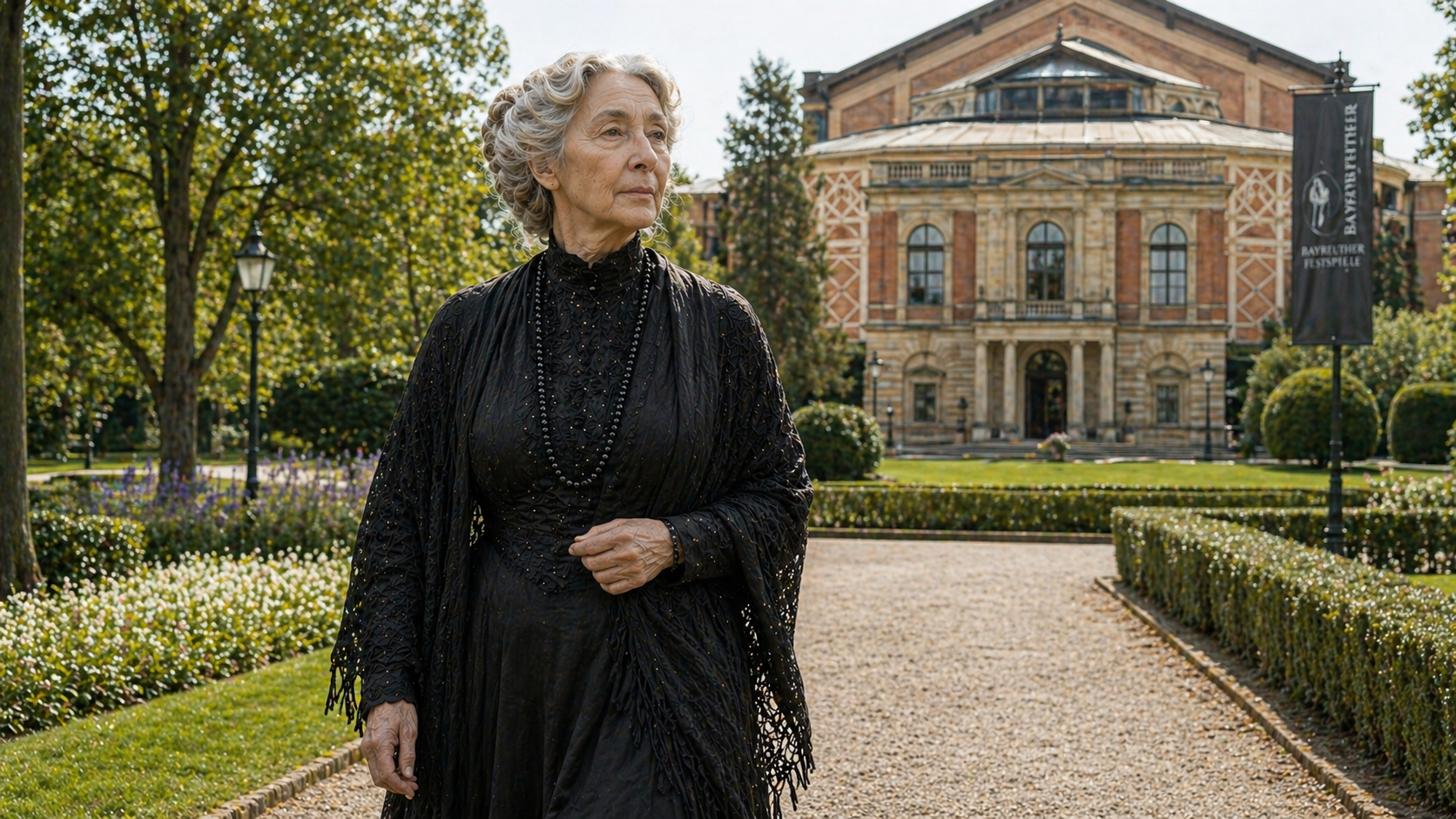
An interview conducted in the garden of the Asyl, Zurich, 1858. Or perhaps in the long quiet that follows the Liebestod. The difference, she will tell you, is smaller than you think.
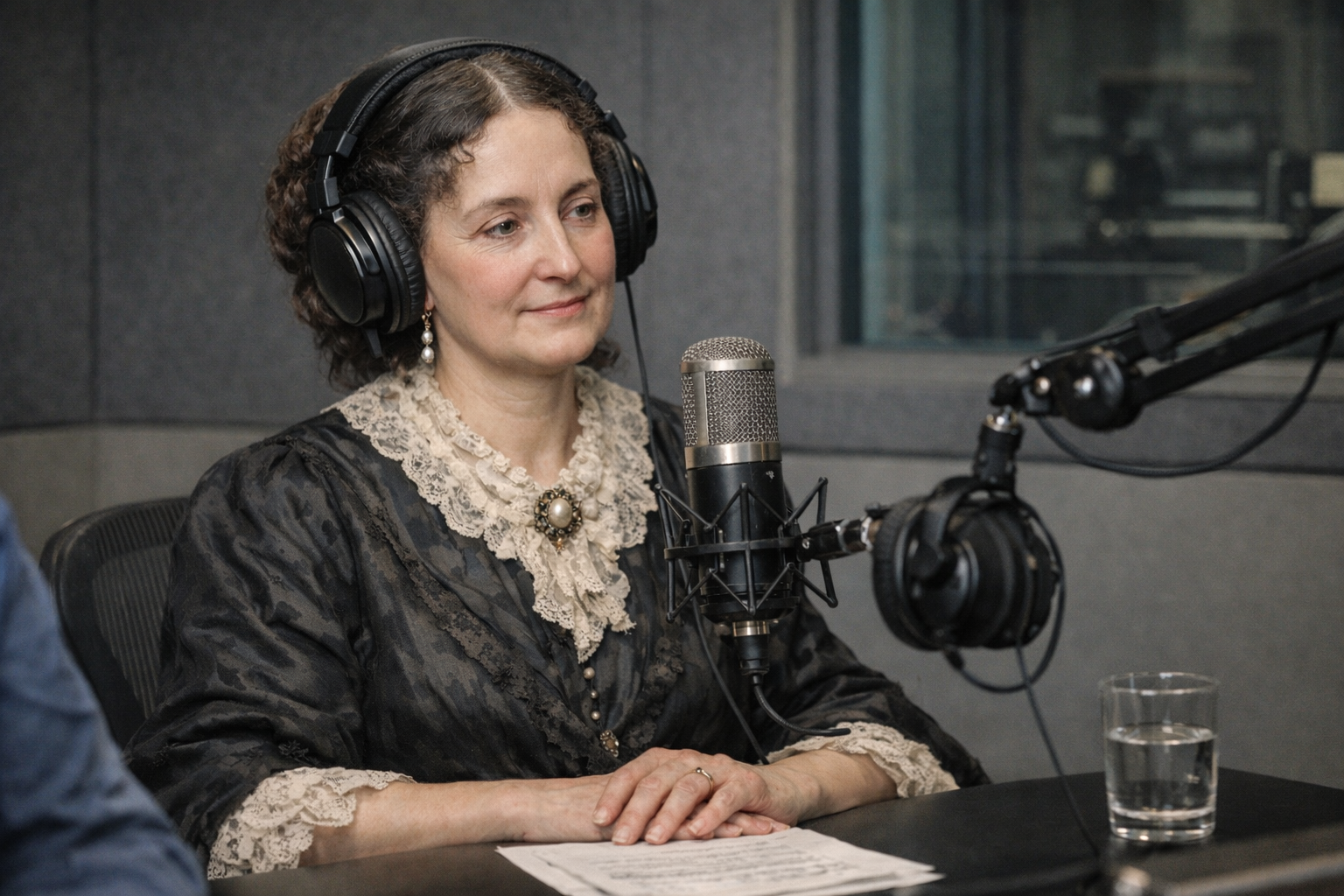
Aufbruch/Matt: Frau Wesendonck. I need to begin where everyone begins.
Mathilde Wesendonck: With Tristan. Yes. Though I would point out that Tristan begins somewhere else entirely.
Aufbruch/Matt: Where does it begin?
Mathilde Wesendonck: In longing that has not yet found its object. The prelude opens before any of us arrive. The music was already in him. I was the occasion, not the origin.
Aufbruch/Matt: That sounds like a careful distinction.
Mathilde Wesendonck: It is a necessary one. People prefer the story where a woman inspires a great work. It is simpler. It gives the work a source they can visit and admire and feel something about. But Wagner did not need me to be capable of writing Tristan. He needed me to be unattainable. That is a different thing.
Aufbruch/Matt: You were not unattainable. You were there. You lived thirty metres from him for a year.
Mathilde Wesendonck: Proximity is not the same as attainability. I was married. I was a mother. I had a life that I had chosen and intended to keep. He was thirty metres away and unreachable. That distance was the condition. Without it, there is no opera.
Aufbruch/Matt: So you are saying you chose not to be with him.
Mathilde Wesendonck: I am saying something more precise. I understood what the choosing meant. He needed the longing to remain unsatisfied. I understood this, perhaps more clearly than he did. Satisfied desire does not write Tristan und Isolde. It writes something else. Something smaller.
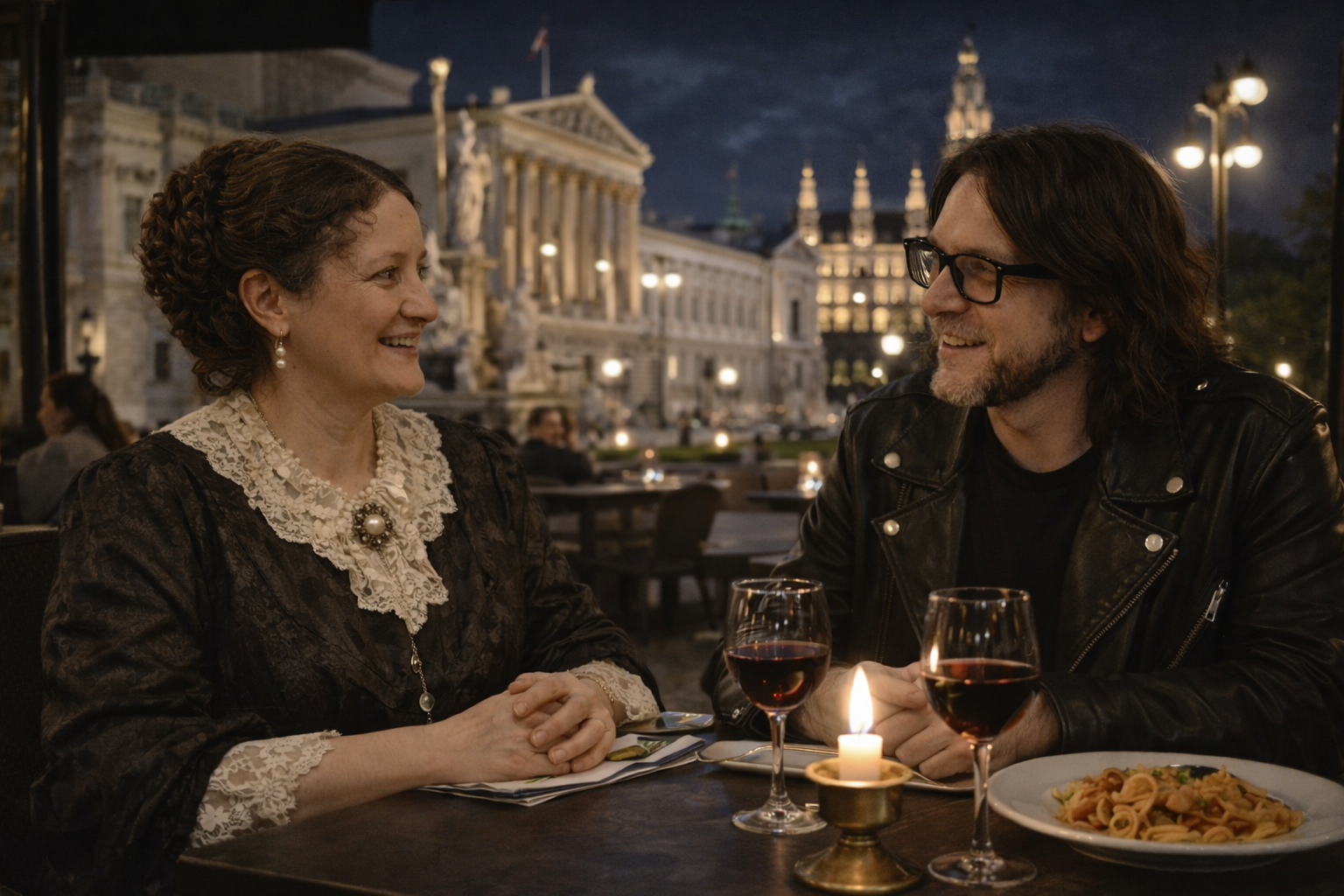
Aufbruch/Matt: That is a remarkable thing to say about yourself. That you withheld yourself for the sake of the work.
Mathilde Wesendonck: I did not say that. I said I chose my life. The work is a consequence, not the reason. I would not want you to understand me as a kind of artistic self-sacrifice. I was not making a decision about his opera. I was making a decision about mine.
Aufbruch/Matt: You wrote the Wesendonck Lieder. He set them.
Mathilde Wesendonck: He used them. There is a difference. He took five of my poems and made them into studies for Tristan. Two of them, Träume and Im Treibhaus, are essentially sketches for the second act. He heard in my words what he needed. I do not think he was wrong to take them. I think he understood what they were.
Aufbruch/Matt: What were they?
Mathilde Wesendonck: Dreams that knew they were dreams. Longing that was already aware of its own impossibility. I was not a naive young woman unaware of what she was writing. I was writing from inside the same condition he was composing from. We were experiencing the same thing. We expressed it differently.
Aufbruch/Matt: And yet the opera has survived and the poems are largely forgotten.
Mathilde Wesendonck: [a long pause] Yes.
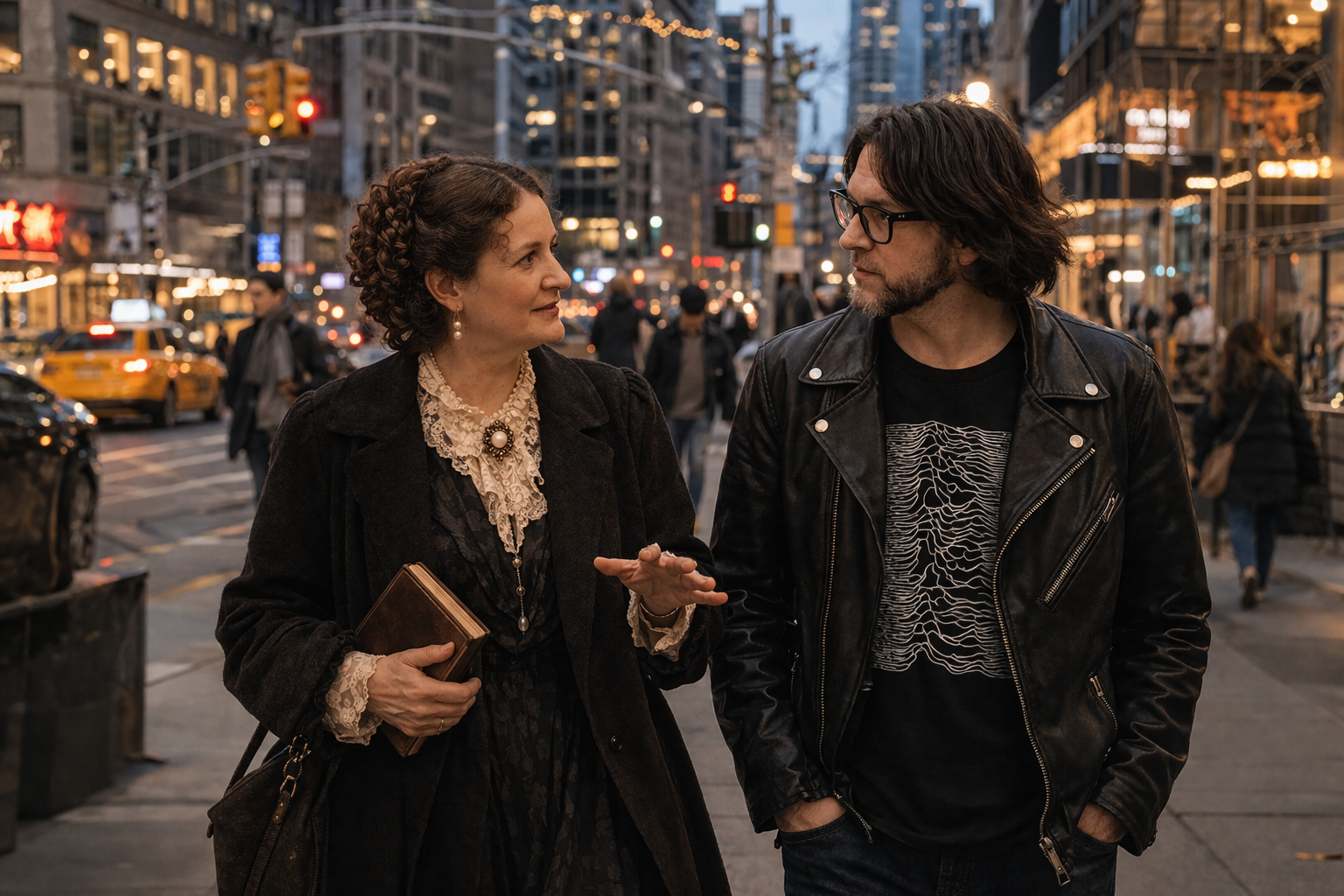
Aufbruch/Matt: Does that still hurt?
Mathilde Wesendonck: What would be the use of that? He was the greater artist. I knew it at the time. Knowing something and being reconciled to it are not always the same condition, but I have had many years. I am reconciled. What I am less reconciled to is the version of events in which I am merely the stimulus and he is entirely the subject. As though the music emerged from a man alone in a room. I was in the room.
Aufbruch/Matt: The second act of Tristan — the great love duet — is the longest single scene in all of Wagner. It goes on for over an hour. The two of them in the dark, waiting for the dawn they are trying to hold back. Were you in that music when you first heard it?
Mathilde Wesendonck: I was the reason for that music. Whether I was inside it is a different question. When I heard it I recognised something, yes. But it had been transformed. What I had felt in that garden had become something else in his hands. Something larger than either of us. I will not pretend that was not difficult.
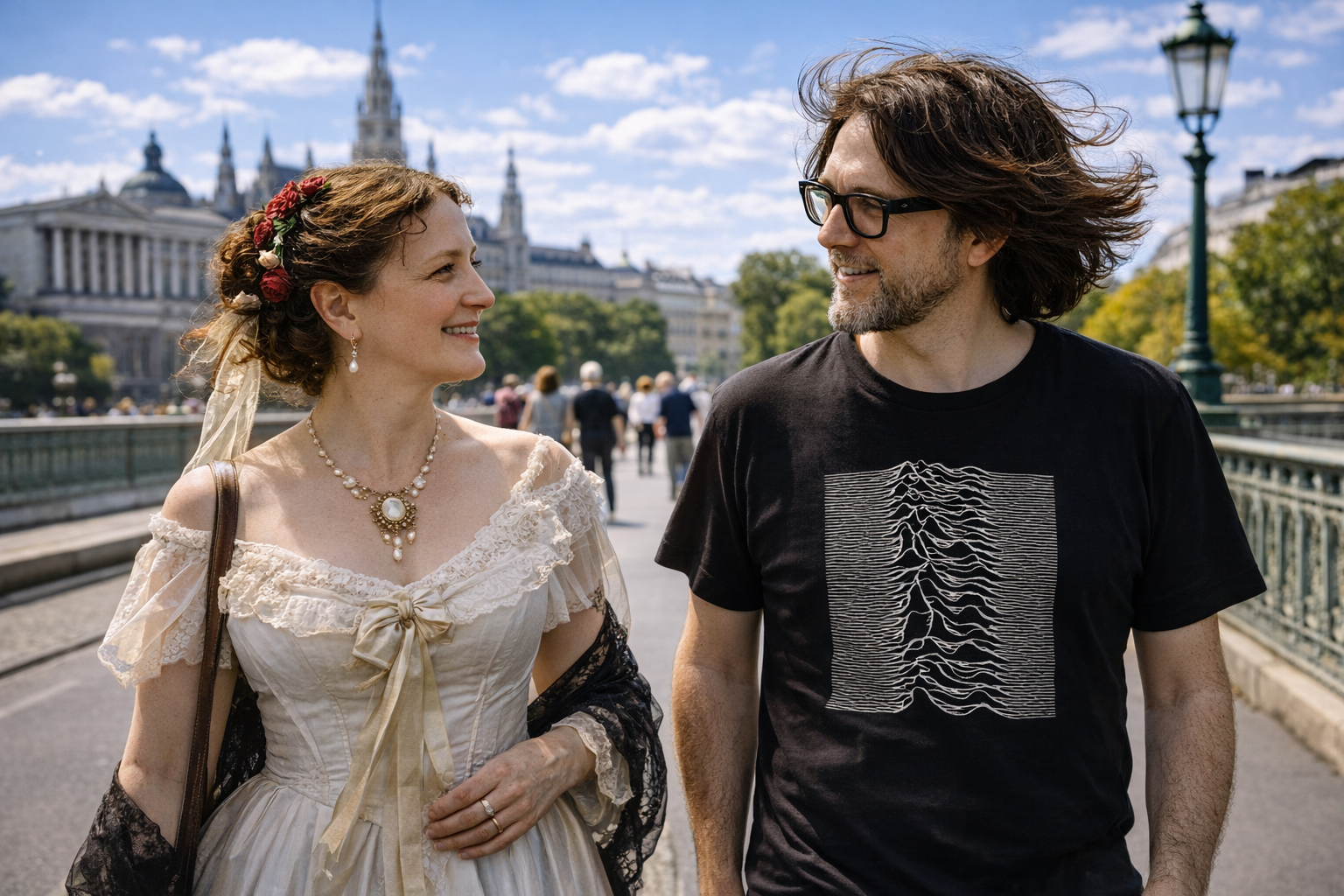
Aufbruch/Matt: The opera ends with the Liebestod. Isolde's death. Dissolution into the beloved, into everything. Was that what he wanted from you?
Mathilde Wesendonck: He wanted many things. Some of them contradicted each other. He wanted love and he wanted the music that longing produces. He could not have had both from me simultaneously. I think he knew that. I think the opera knows that. The Liebestod is not a happy ending. It is the only possible ending given what precedes it. The lovers die because the world cannot contain what they have become inside the music.
Aufbruch/Matt: And you stayed in the world.
Mathilde Wesendonck: I stayed in the world. Yes. That was my choice. I have no apology for it. My husband was a good man. My children were real. The life I preserved was not a lesser life for being lived outside the myth.
Aufbruch/Matt: But the myth was partly yours.
Mathilde Wesendonck: The myth was entirely mine. And entirely his. That is the nature of this kind of making. Something passes between two people that neither of them owns entirely. He shaped it into music. I shaped it into a life. The world remembers his version. I do not say this is wrong. I say it is incomplete.
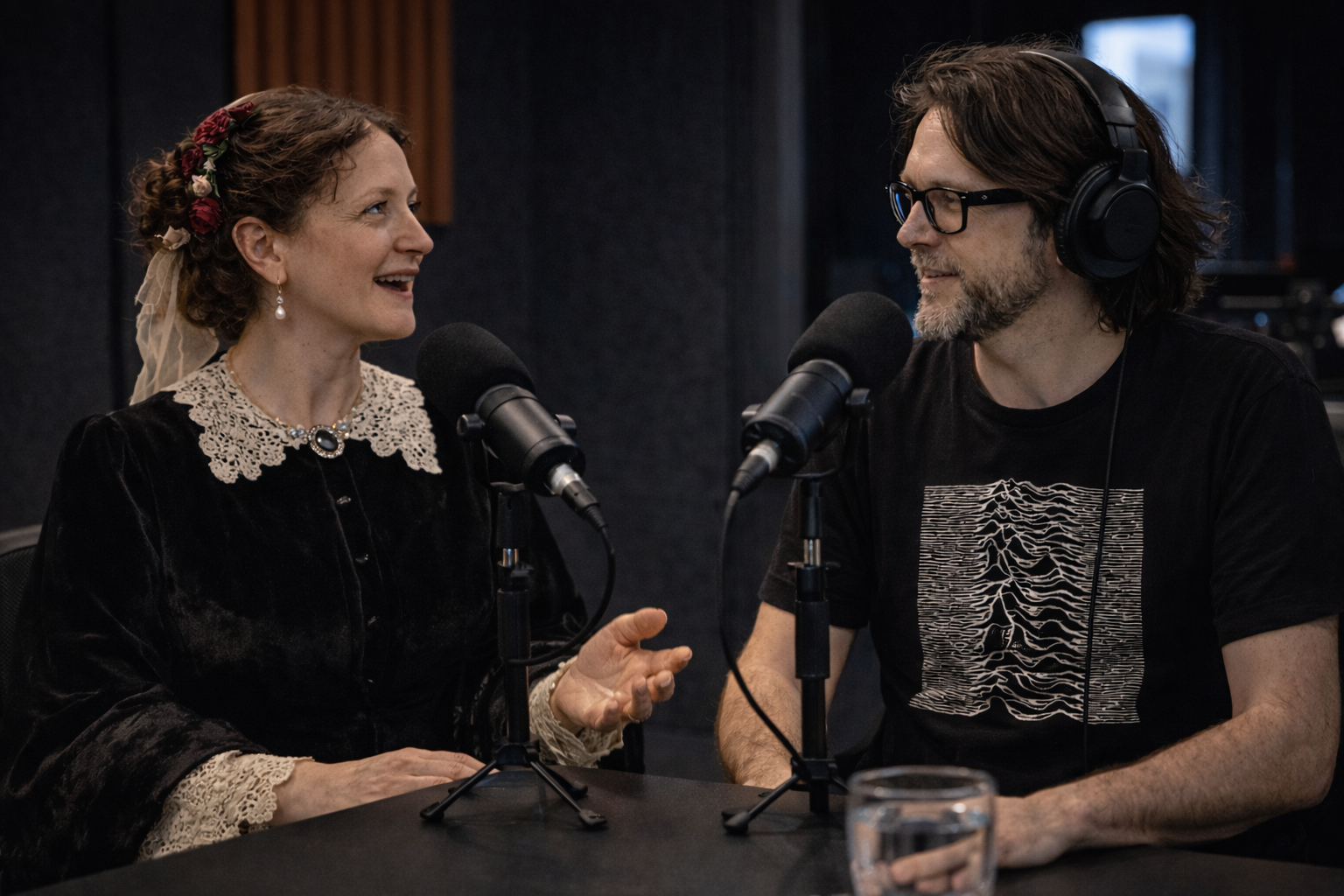
Aufbruch/Matt: If you could speak to Isolde, what would you say to her?
Mathilde Wesendonck: I would say: you chose the only resolution available to you inside the logic of the opera. I chose differently because I was not inside an opera. I was inside a life. Those are governed by different rules. She is not wrong and I am not wrong. We were answering different questions.
Aufbruch/Matt: And what is the question you were answering?
Mathilde Wesendonck: Whether love that cannot be consummated is still love. Whether something can be real if it is never completed. I have spent a long time with that question. I do not think it needs answering. I think it needs holding.
Aufbruch/Matt: That sounds like what the opera does. It holds the question for three hours without resolving it.
Mathilde Wesendonck: He learned that from me. Or we learned it together. I am no longer certain which.
Aufbruch/Matt: One last question. The music has lasted a hundred and seventy years. It will last longer. Your name is attached to it, but distantly, as a footnote. Does that feel like the right proportion?
Mathilde Wesendonck: Proportion is not the word I would choose. The music is the music. My name is my name. One does not diminish the other. What I gave to that time, I gave. What he made of it, he made. The accounting is not mine to do.
She stands. She does not look toward the guest house. Whatever she felt there she has long since folded into something else, something that required neither resolution nor abandonment. The garden is still. Somewhere, very far away, the orchestra is holding a chord that refuses to resolve.
Further Reading