What the Musician Owes the Music: Interviewing Hans von Bülow
An interview conducted between a rehearsal that went too long and a marriage that ended too soon. Munich, 1865. Or perhaps in the silence after the final curtain of Tristan, when the audience rose and the conductor did not turn around.
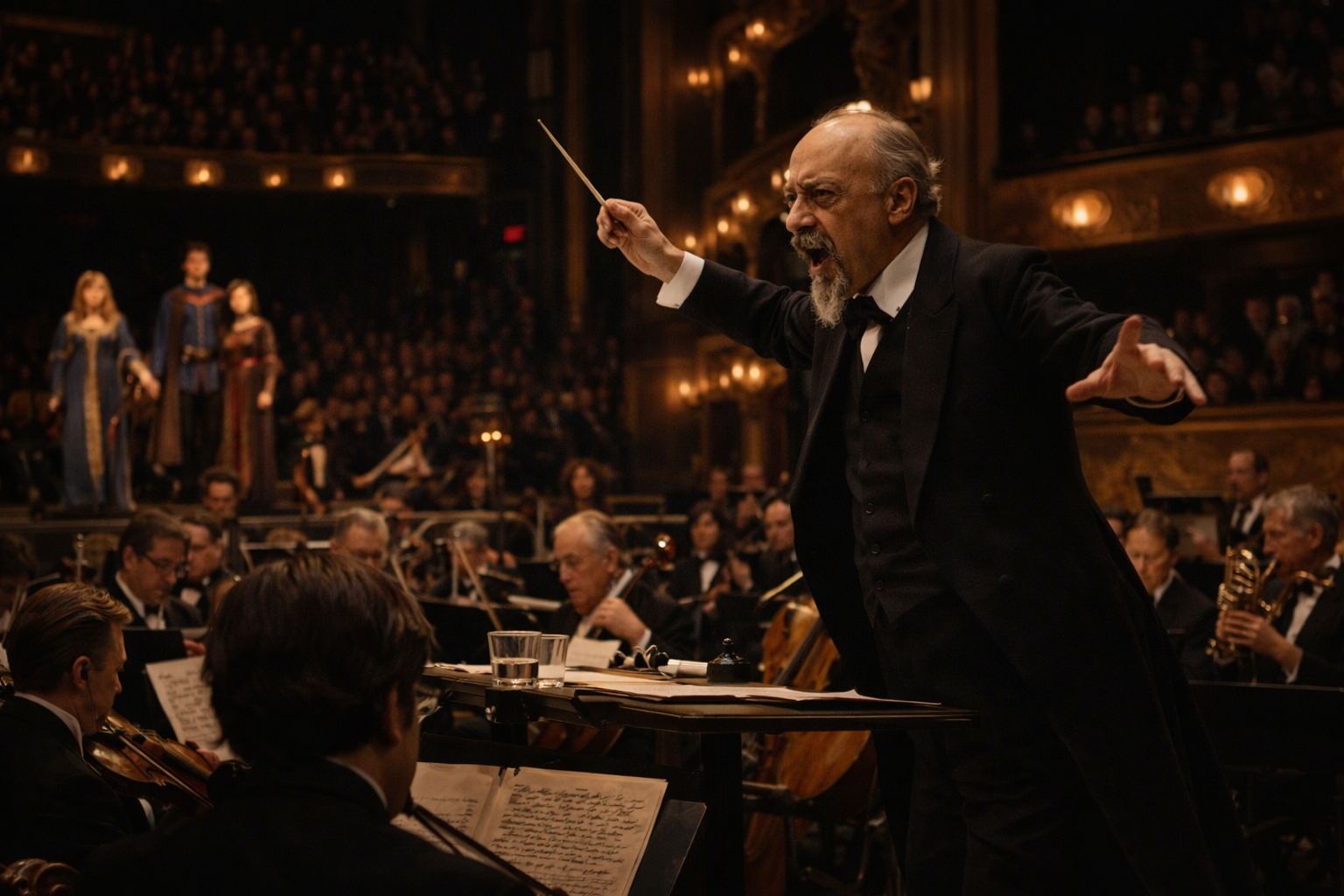
Aufbruch/Matt: Herr von Bülow. You conducted the world premiere of Tristan und Isolde. In the year your wife left you for the man who wrote it.
Hans von Bülow: You waste no time.
Aufbruch/Matt: Neither did you. You could have refused.
Hans von Bülow: Refused what, exactly? The music? You do not refuse Tristan und Isolde because the composer has behaved badly. That would be like refusing to breathe because the air has been unpleasant.
Aufbruch/Matt: Most men would have refused.
Hans von Bülow: Most men are not conductors. Most men have the luxury of letting their feelings govern their professional decisions. I did not have that luxury and I did not want it. The score was in front of me. It required everything I had. What was happening in my personal life was not the score's concern.
Aufbruch/Matt: But it was your concern.
Hans von Bülow: Obviously. I am not made of marble. But there is a discipline that conducting requires, and it is not merely technical. It is the discipline of making yourself transparent to the work. Your grief, your humiliation, your entirely legitimate fury — these are yours. They are not the orchestra's problem. They are not Tristan's problem.
Aufbruch/Matt: And yet Tristan is an opera about longing for someone you cannot have. About a love that destroys everything around it. You were conducting that.
Hans von Bülow: Yes. I noticed.
Aufbruch/Matt: How did you hold that?
Hans von Bülow: With great difficulty and no visible sign of it. That is the job.
Aufbruch/Matt: You have been quoted as saying there is Wagner the man and Wagner the artist. That you despise the one and worship the other.
Hans von Bülow: I said something like that. It is a convenient formulation. It makes the situation sound more resolved than it was. The truth is less elegant. The truth is that the music existed independently of him and I had given my life to understanding it and I was not going to hand that understanding back because he had proved himself to be what most of us suspected he always was.
Aufbruch/Matt: What was he?
Hans von Bülow: Enormous. In every direction. His gifts, his appetites, his cruelty, his self-justification. He could not be small about anything. He wanted Cosima and so he took her, and the scale of what he was meant that the taking was done at scale. He did not sneak. He consumed.
Aufbruch/Matt: And Cosima chose to go.
Hans von Bülow: Cosima made her choice. Yes. I have had a long time to consider what that choice meant and why she made it. I understand it. I do not forgive it, but I understand it. She was Liszt's daughter. She had grown up inside greatness and she knew what it looked like and she chose it again. I was very good. He was singular. That is a distinction people make.
Aufbruch/Matt: That is a generous reading.
Hans von Bülow: It is an accurate reading. Generosity has nothing to do with it.
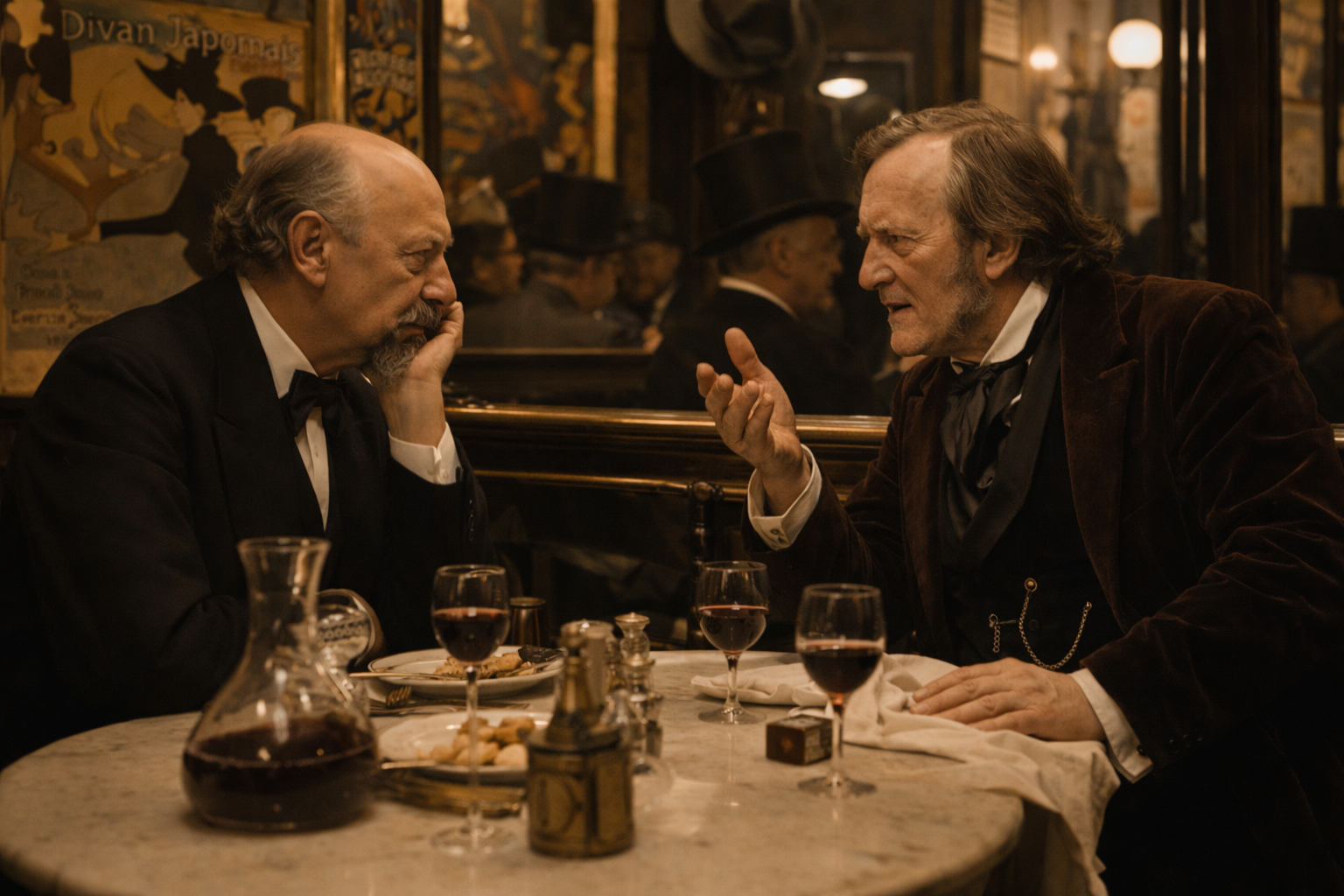
Aufbruch/Matt: Three of the children Cosima bore during your marriage were Wagner's.
Hans von Bülow: [a long pause] I am aware of the arithmetic.
Aufbruch/Matt: One of them was named Isolde.
Hans von Bülow: Wagner's sense of occasion was never in doubt.
Aufbruch/Matt: And still you conducted.
Hans von Bülow: And still I conducted. You keep returning to this as though it requires explanation. Let me offer you a different framing. What was the alternative? Abandon the music? Give it to a lesser conductor so that the premiere of the most harmonically radical work of the century could be adequately discharged by someone with a clean personal life? The music did not deserve that. Wagner did not deserve that, but the music did. Those are separate claims.
Aufbruch/Matt: You prepared the premiere for months. Sixty-something rehearsals.
Hans von Bülow: Seventy-seven. The orchestra had never encountered anything like it. The harmony refuses resolution for three hours. The musicians kept waiting for the music to arrive somewhere it was never going to arrive. I had to teach them to live inside the suspension. To stop waiting for the cadence that does not come.
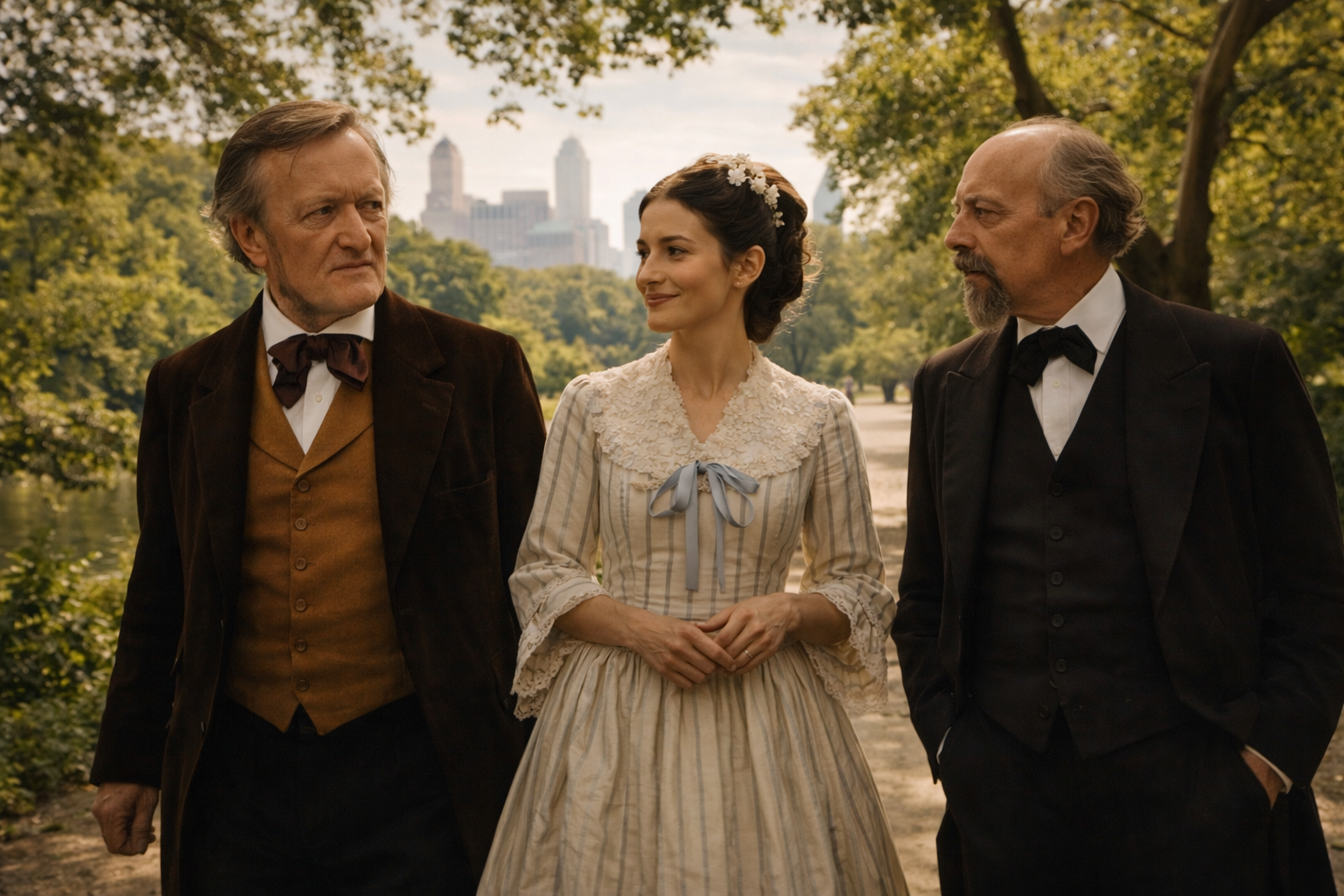
Aufbruch/Matt: That sounds uncomfortably biographical.
Hans von Bülow: Everything about that year was uncomfortably biographical. I worked harder than I have ever worked and I conducted the premiere and the audience rose and I walked offstage and I did not turn around. That is all I will say about that evening.
Aufbruch/Matt: You went on to conduct the premiere of Die Meistersinger three years later. Also for him.
Hans von Bülow: Die Meistersinger is a different matter. It is the work in which Wagner places his critics on stage and mocks them. Beckmesser is not subtle. And yet it is also the warmest music he ever wrote. The most human. Sachs at the end, giving up the woman he loves because the world is what it is. There is more honesty in that finale than in anything else he composed.
Aufbruch/Matt: Sachs renounces. You conducted.
Hans von Bülow: Sachs understood that love is not always the point. That service to something larger than personal desire is not defeat. It is a different kind of victory. Not the one you wanted. But real.
Aufbruch/Matt: Is that how you came to understand your own situation?
Hans von Bülow: It is one way of understanding it. There are others that are less flattering to everyone including me. I prefer not to dwell in those.
Aufbruch/Matt: What do you want history to understand about you that it has not?
Hans von Bülow: That I was not a victim. The role of wronged husband is too small for what my life actually was. I was one of the greatest conductors of my century. I gave Wagner's music to the world at the highest possible standard at the moment it needed that most. What happened in my marriage was real and it cost me greatly. It is not the whole of what I was.
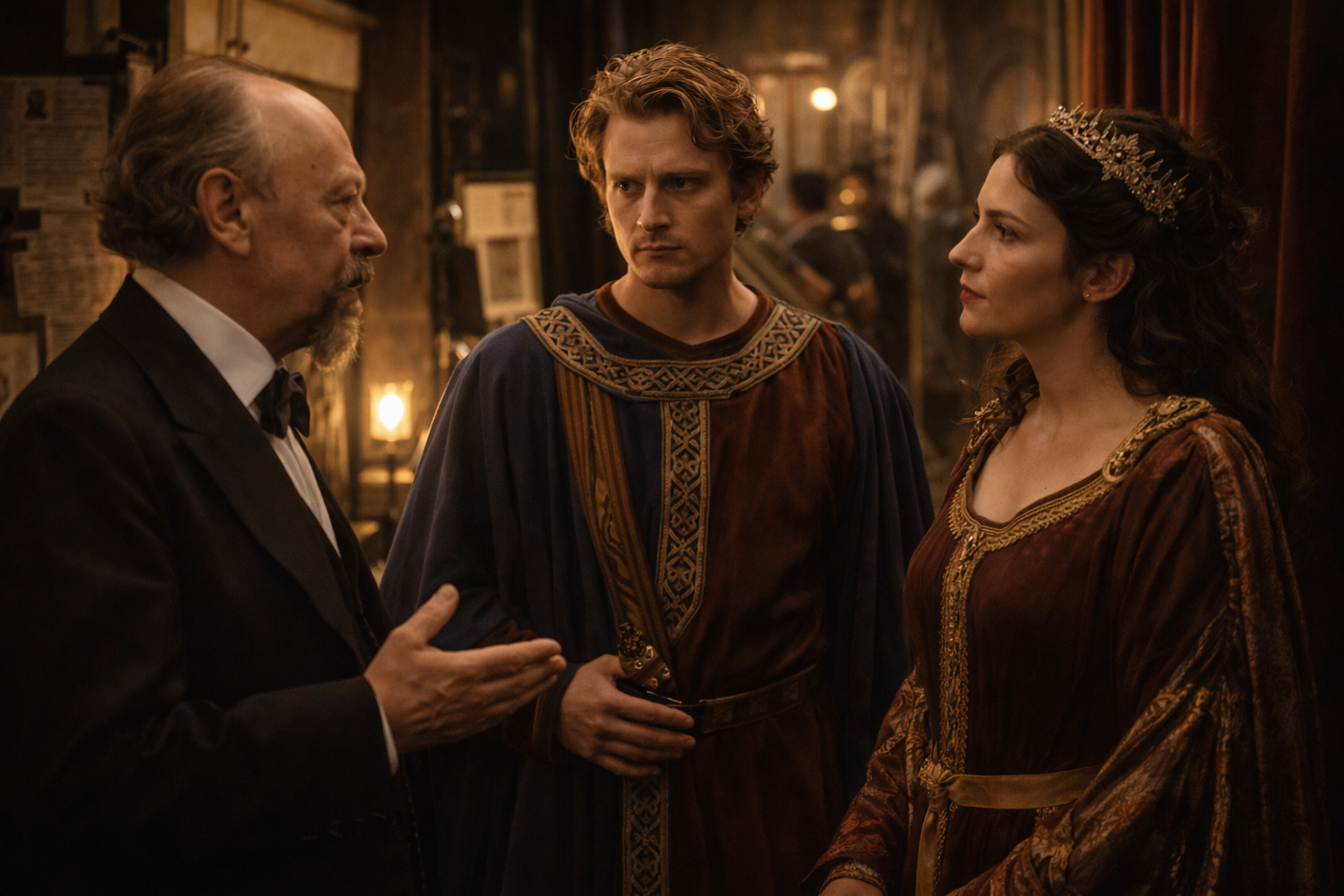
Aufbruch/Matt: And Wagner? Do you have a final account of him?
Hans von Bülow: He was the most gifted and most monstrous person I ever knew, and I knew Liszt. He operated as though the ordinary rules of human obligation did not apply to him, and the maddening thing is that he was not entirely wrong. The music justifies nothing. But the music exists. Those are two facts that will not resolve into a single verdict. I learned to live between them. I had no choice. Neither does anyone else who loves the work.
Aufbruch/Matt: And you loved it.
Hans von Bülow: I conducted seventy-seven rehearsals of Tristan und Isolde in the year my wife was carrying another man's child and named her after the soprano role. What do you think?
He does not wait for an answer. He picks up the baton. It is not a gesture of closure but of continuation. The work remains. The work has always remained. Whatever else was taken from him, no one could take that.
Further Reading