The Storm Was Always the Point: What March Made Possible
Some months are for making. Others are for becoming. März was the second kind. It did not announce itself that way. The Lohengrin walk was developed, expanded, filmed. Articles were written. German vocabulary was acquired and practiced. These were the familiar rhythms of the project. But something else was happening underneath. A set of conditions had been accumulating for months, and in March they arrived at the same moment.
The GoPro came first. Filming the walks changed how the walks were experienced. When you know that the movement is being recorded, you attend to it differently. The threshold matters. The pause matters. The direction you face when a piece of music reaches its resolution matters. What had been a private practice became something slightly more deliberate, without losing its privacy. The camera does not perform. It clarifies.
Then there was the shift in how the articles were being made. Working with a different AI collaborator changed the texture of the writing sessions. The arguments went deeper. The historical material was handled with more care. The structural logic of each walk was interrogated rather than assumed. The articles that came out of this period are stronger and more honest than what came before.
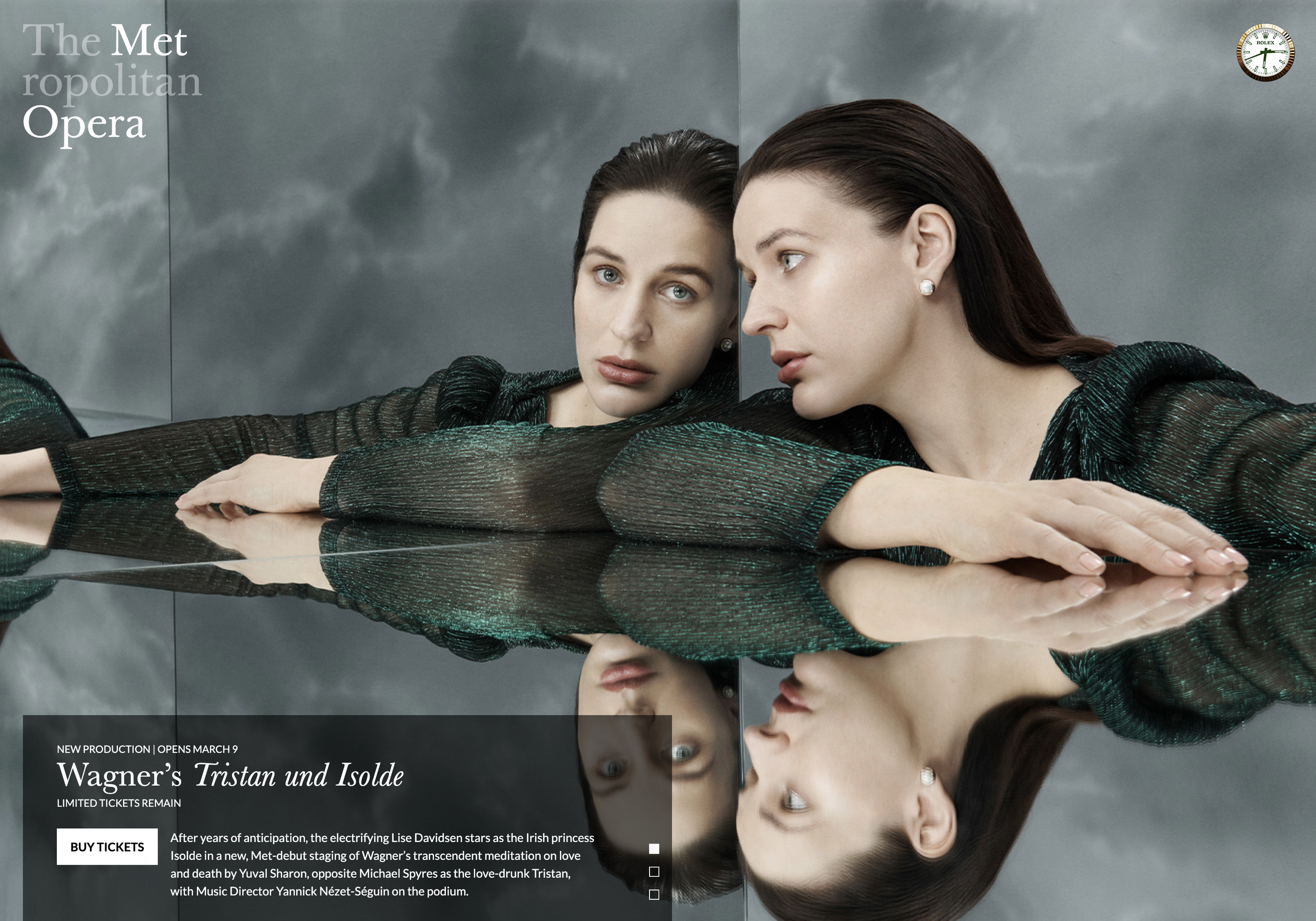
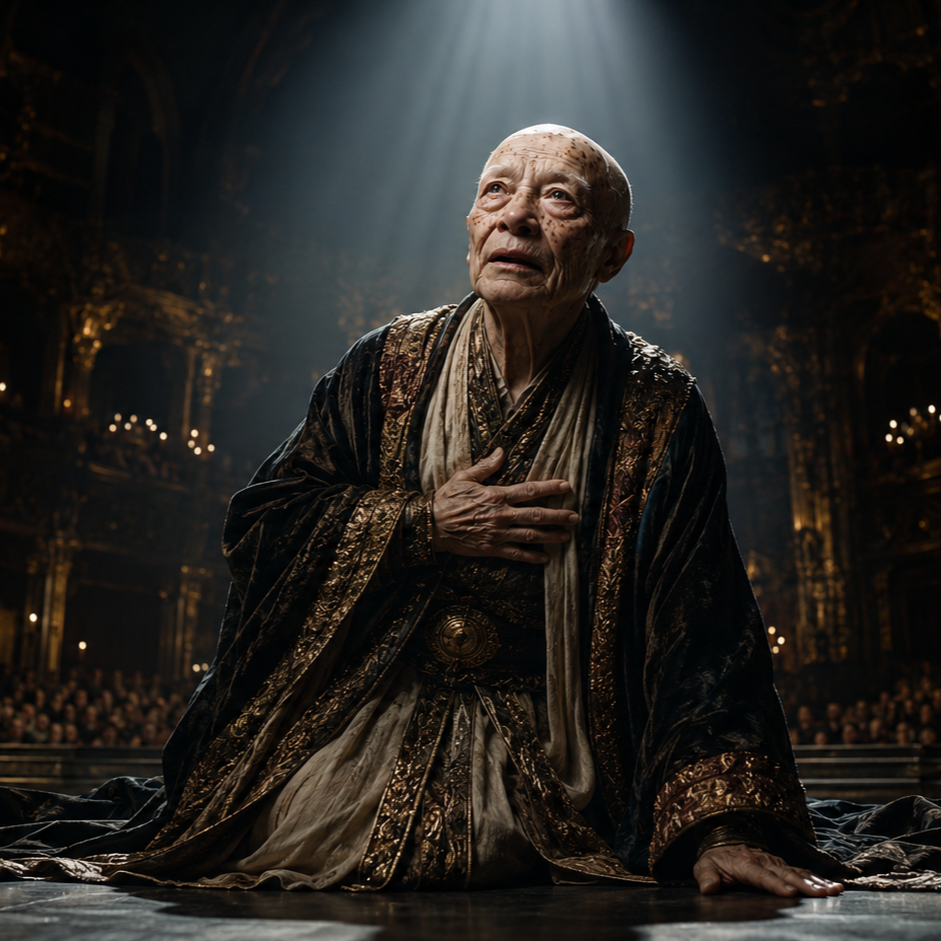
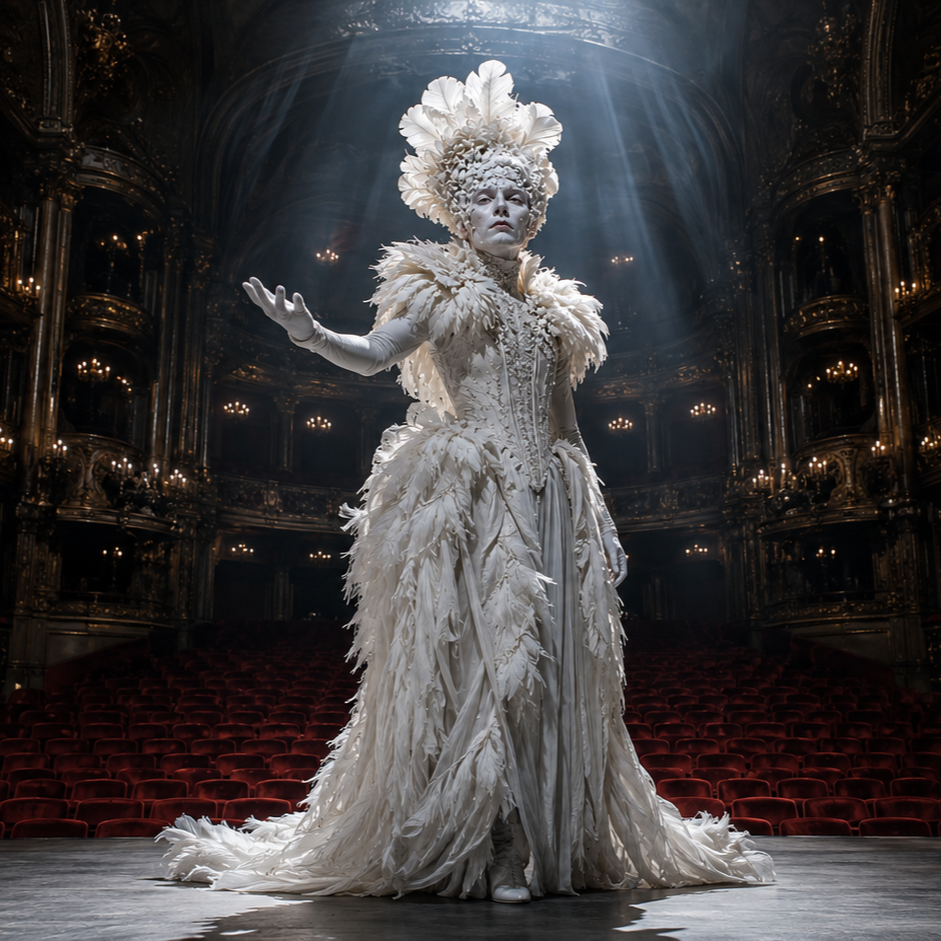
Then Tristan und Isolde. Opening night at the Met. The first time Wagner had been experienced live. There is a fear that attaches itself to Tristan before the curtain rises. Four hours of unresolved longing is either transcendent or exhausting, and there is no way to know which until you are inside it. The fear in this case was surviving it rather than experiencing it. That fear did not survive the first act. Lise Davison as Isolde made sure of that. The sets held. The room held. The particular charge of an opening night, the collective alertness of an audience that knows where it is, made itself felt. To have done all the preparatory work, to have already written and walked and thought through the opera's structural logic, and then to sit in that seat when the Liebestod happened, was to learn something that no amount of listening at home could have taught.
Alongside all of this, the German language articles were deepening. The language was no longer running parallel to the project. It was inside it. And the maps and data visualizations were arriving, making visible the scored walks in a new way, translating the structural logic of a circuit into something that could be read at a glance as well as walked over several hours.
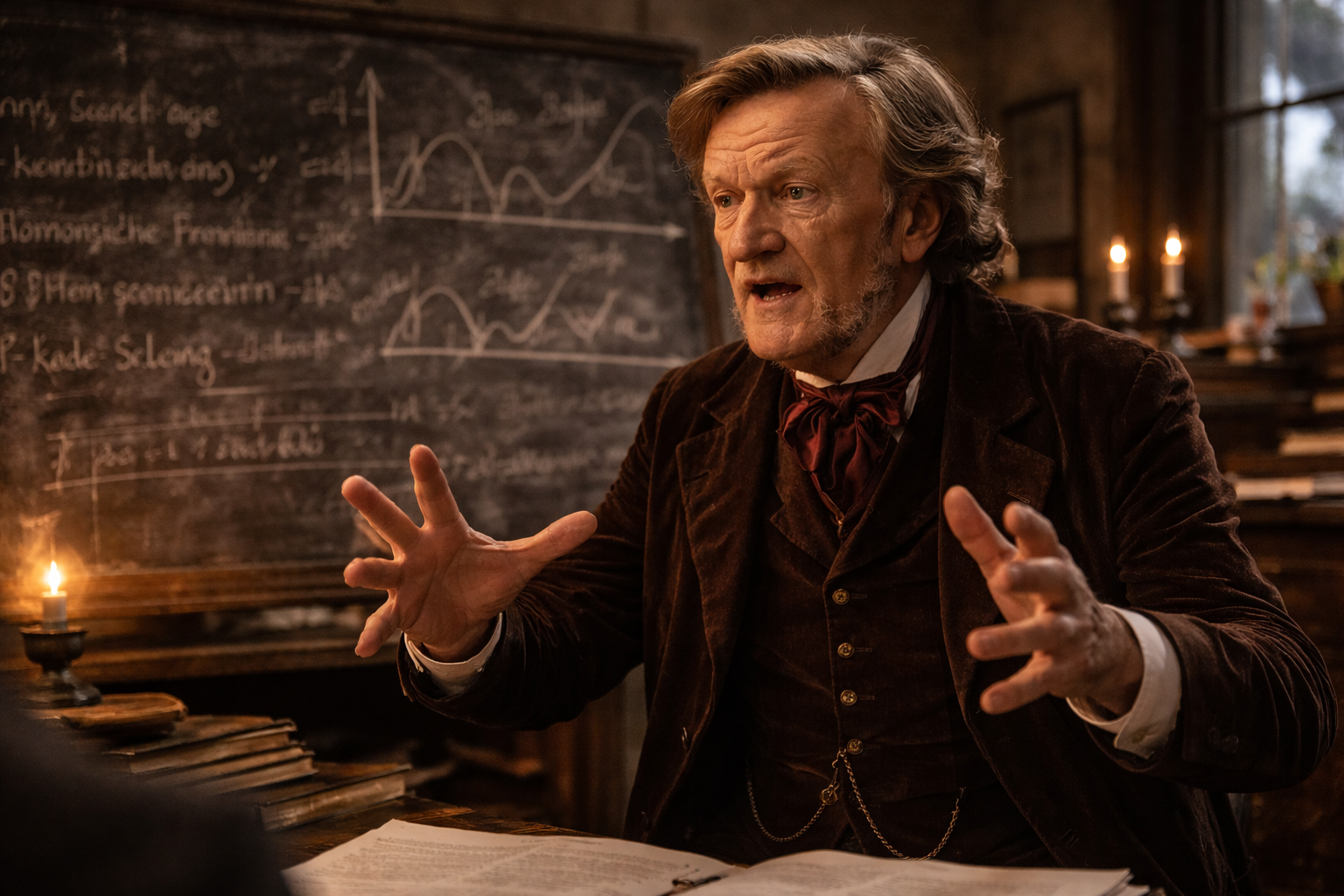
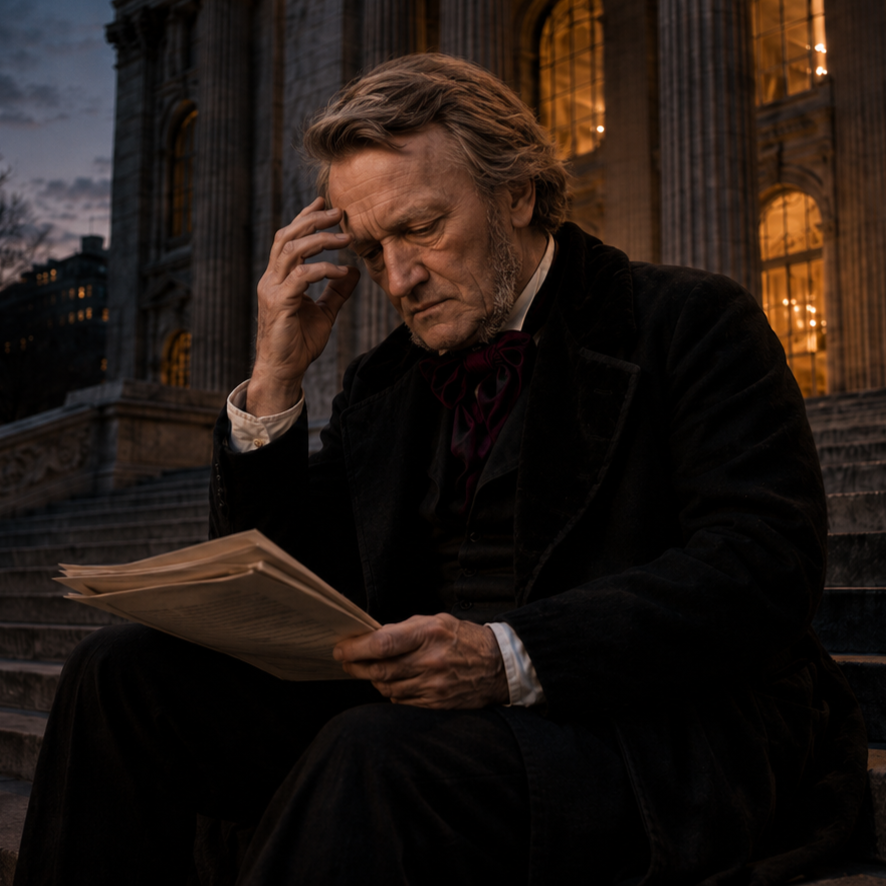
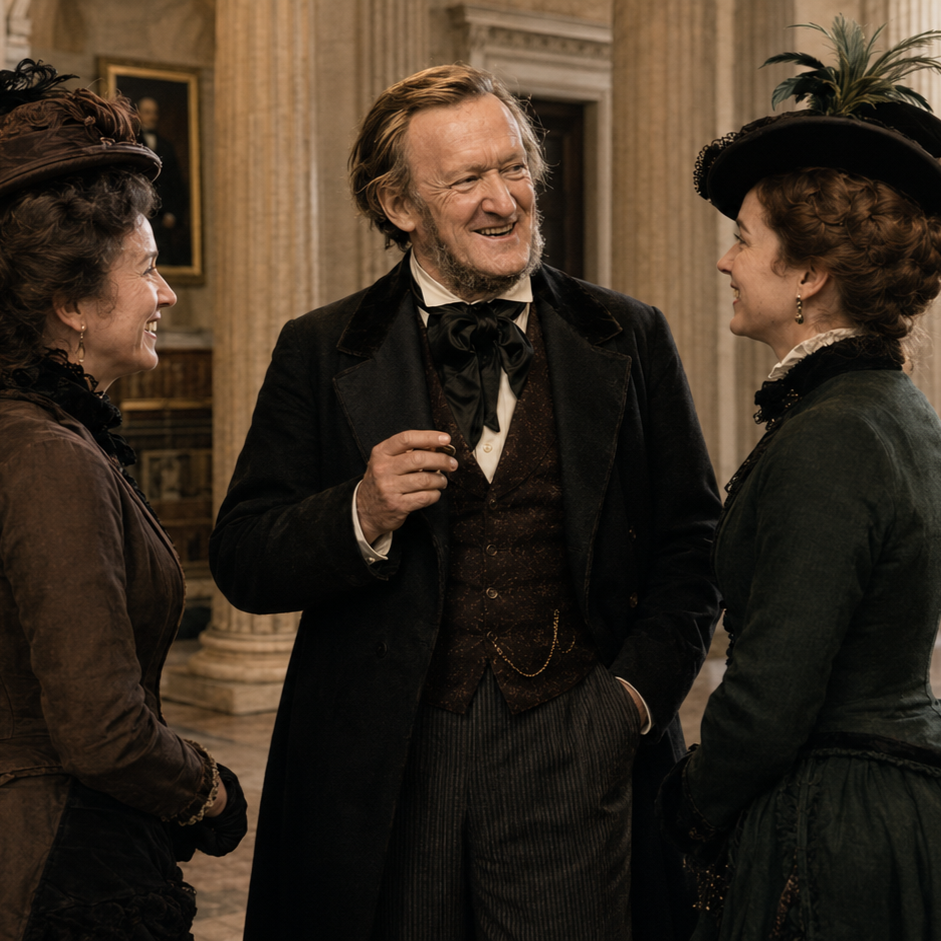
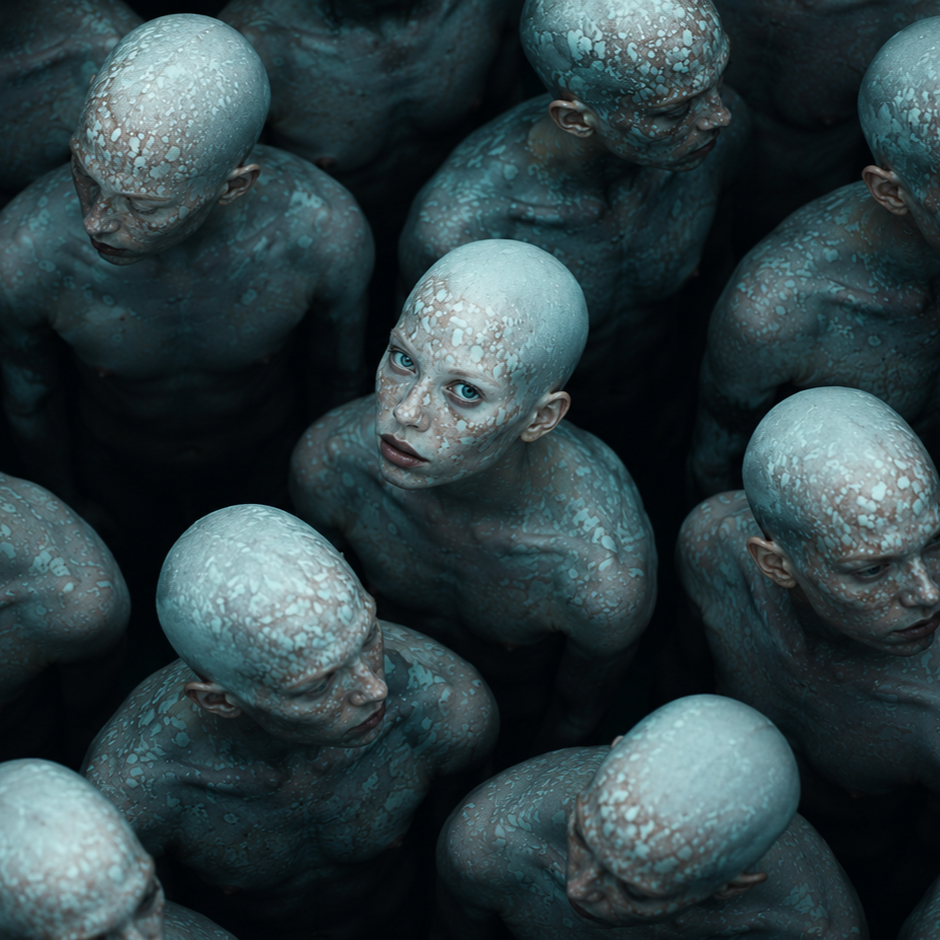
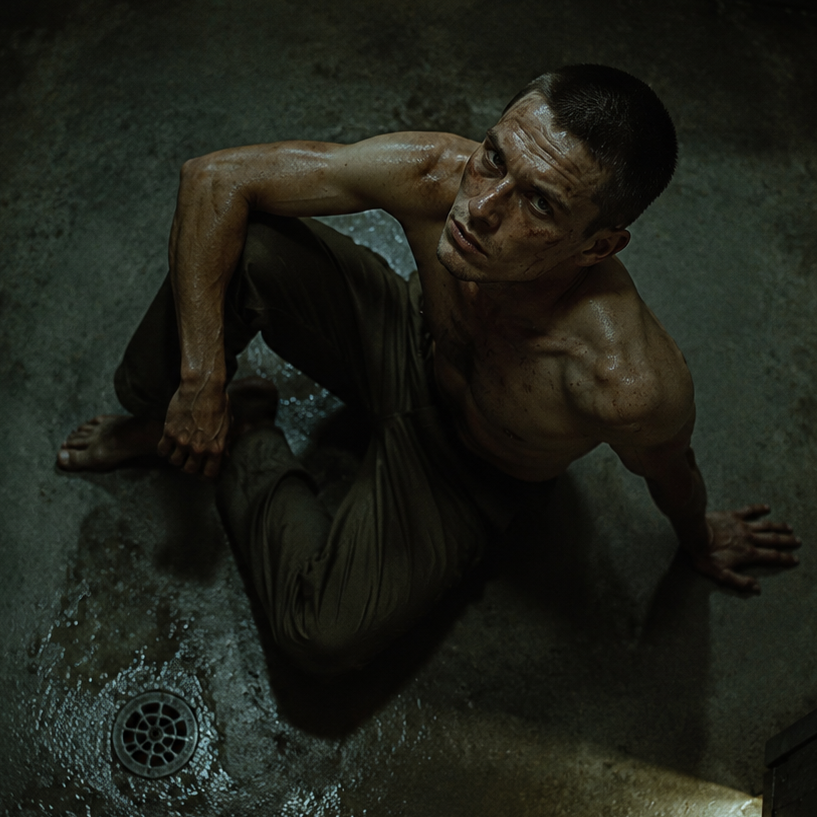
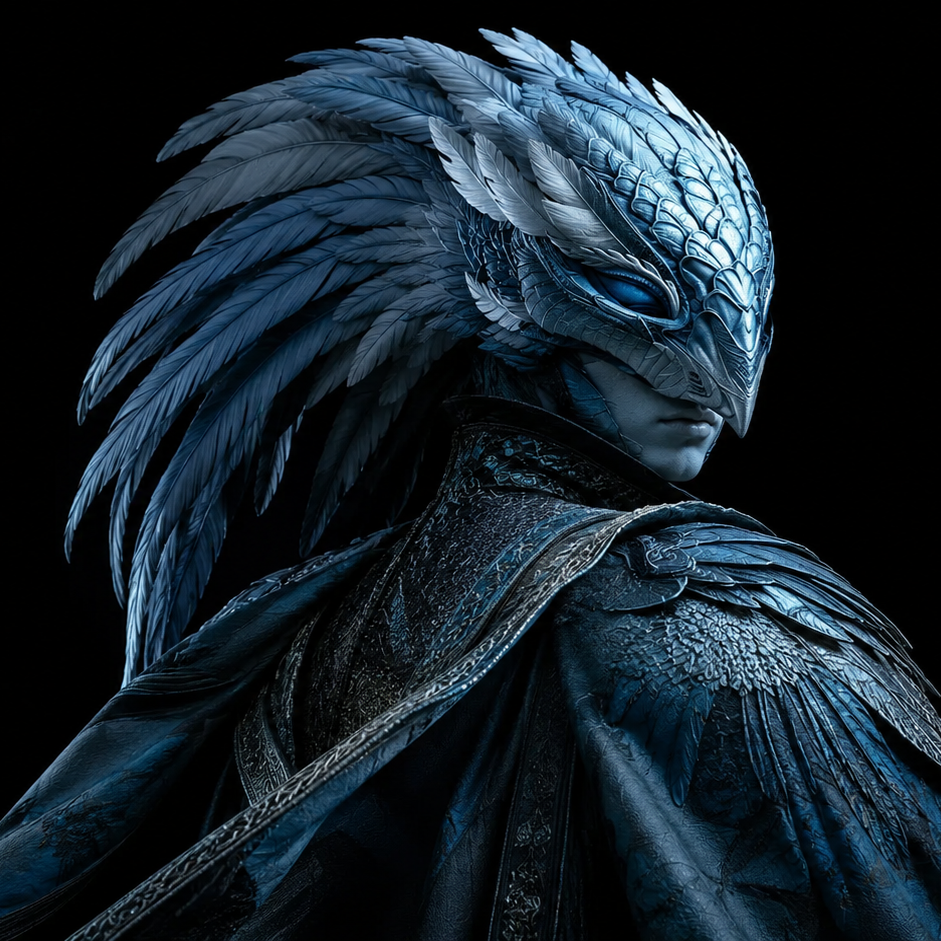
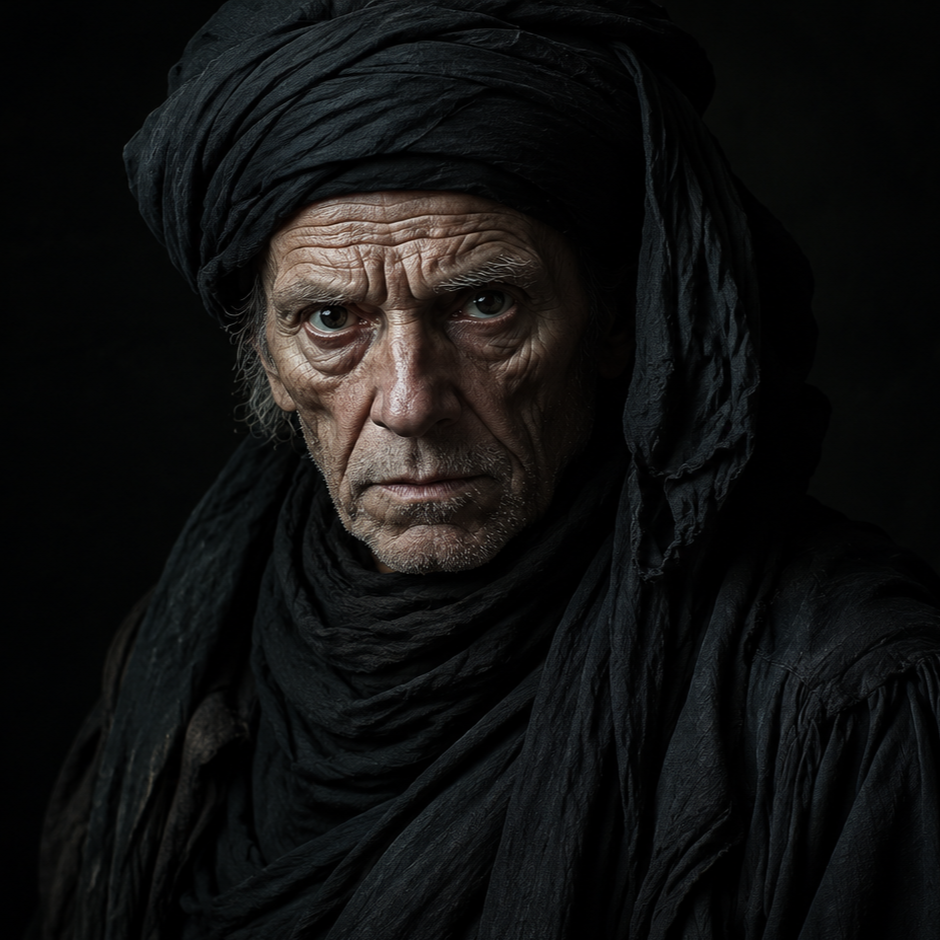
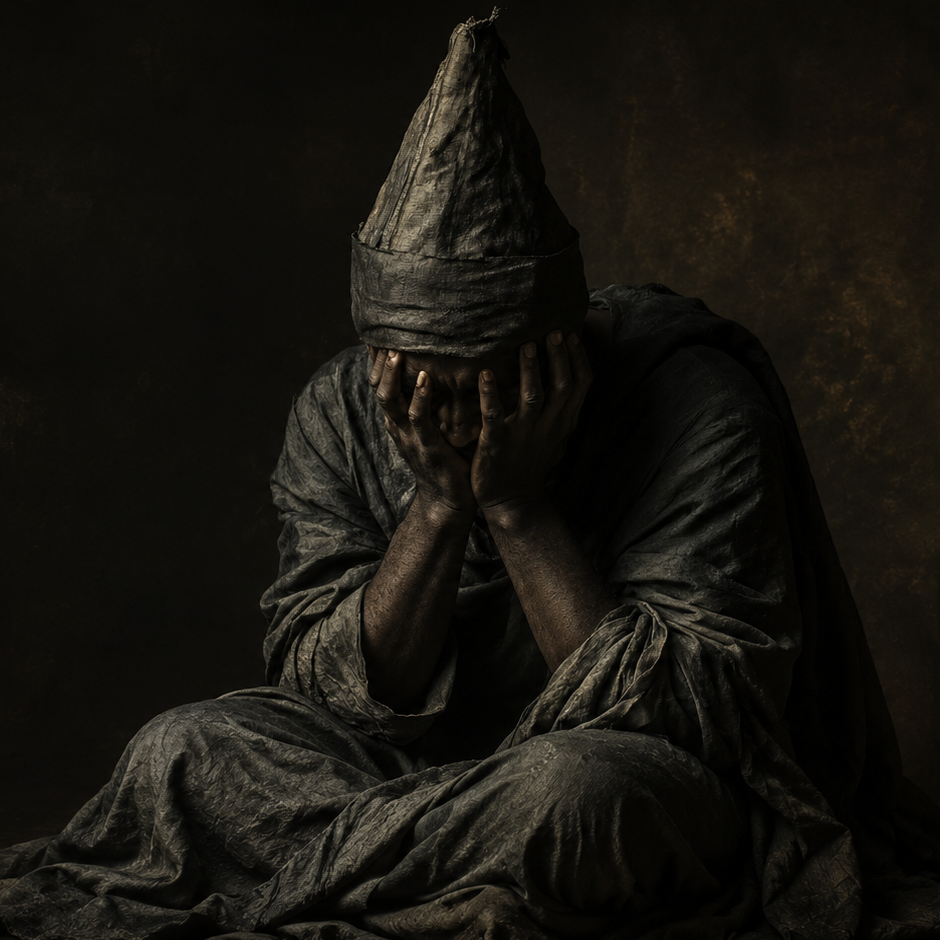
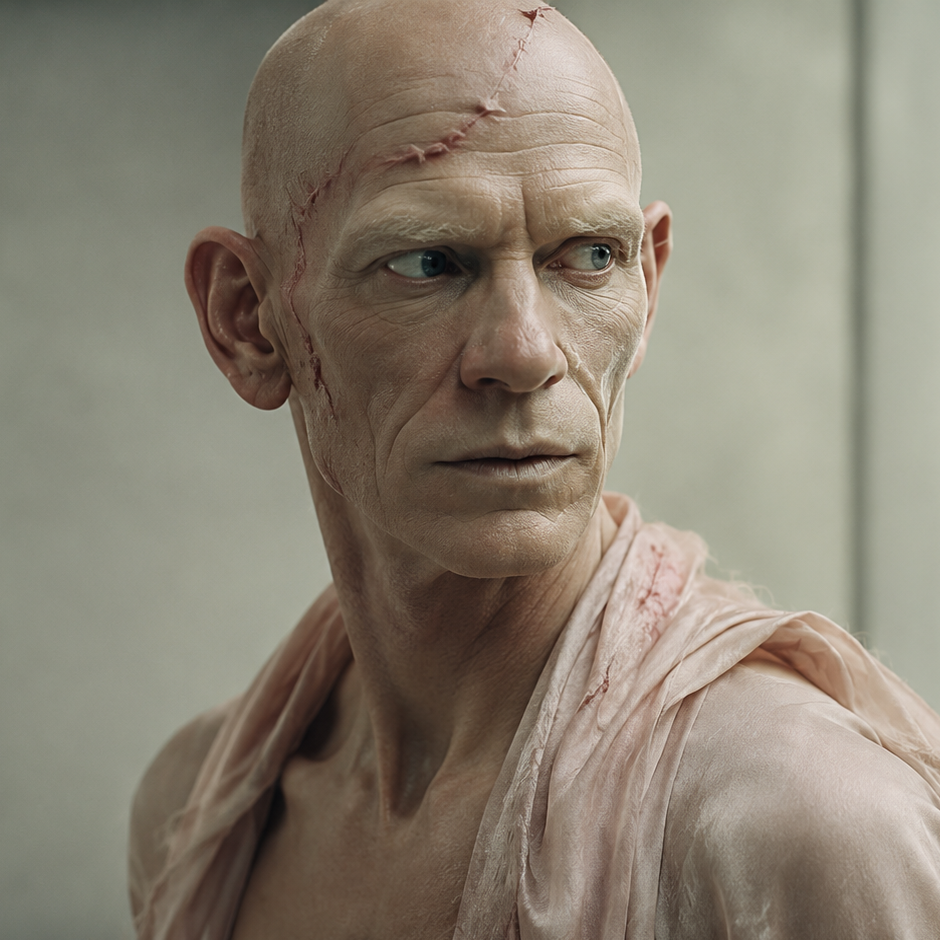
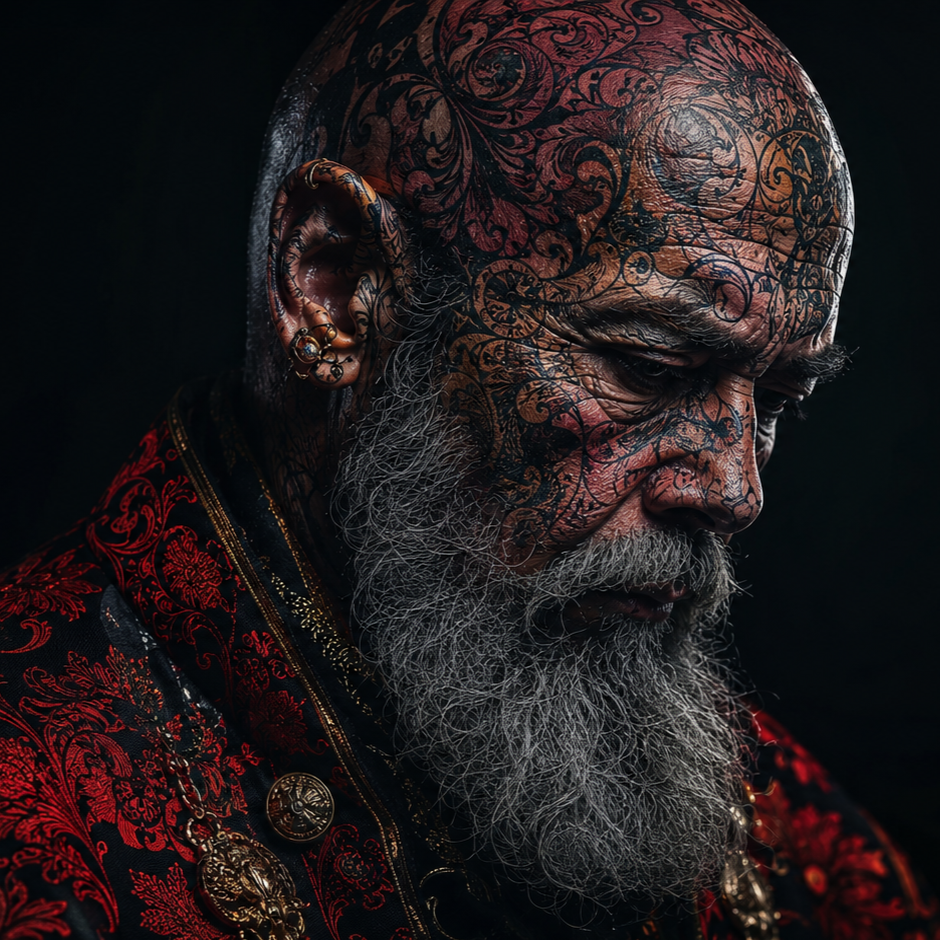
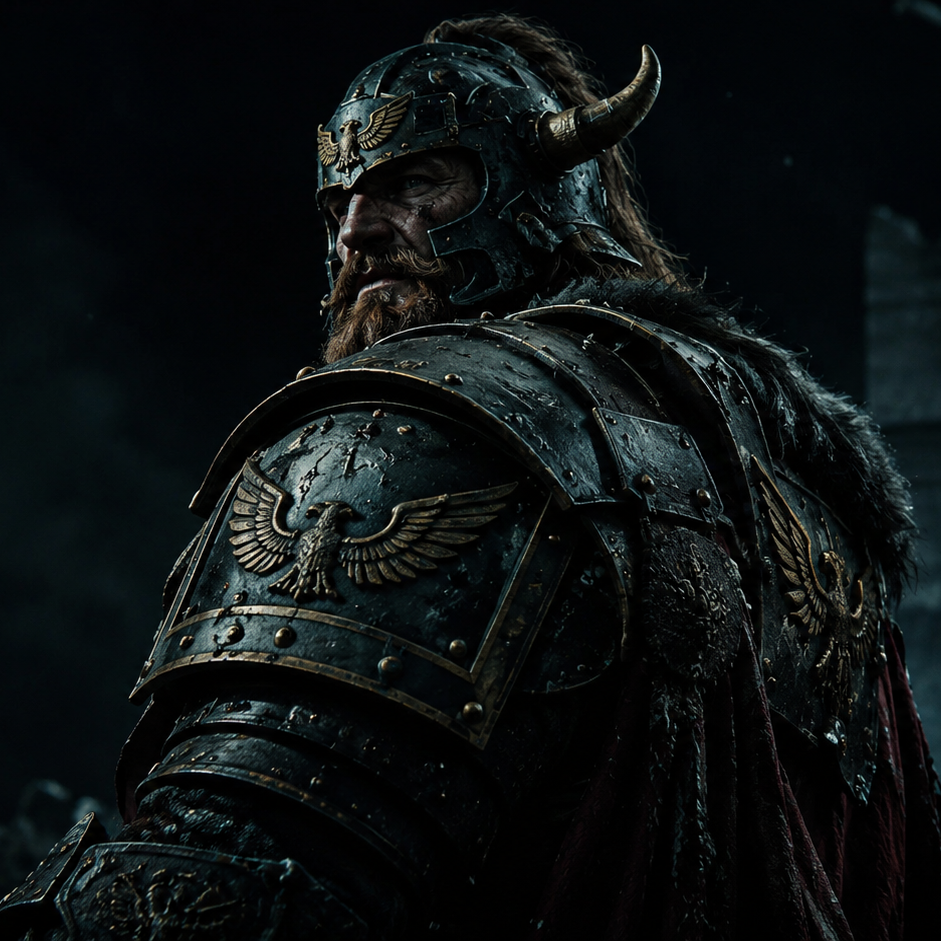
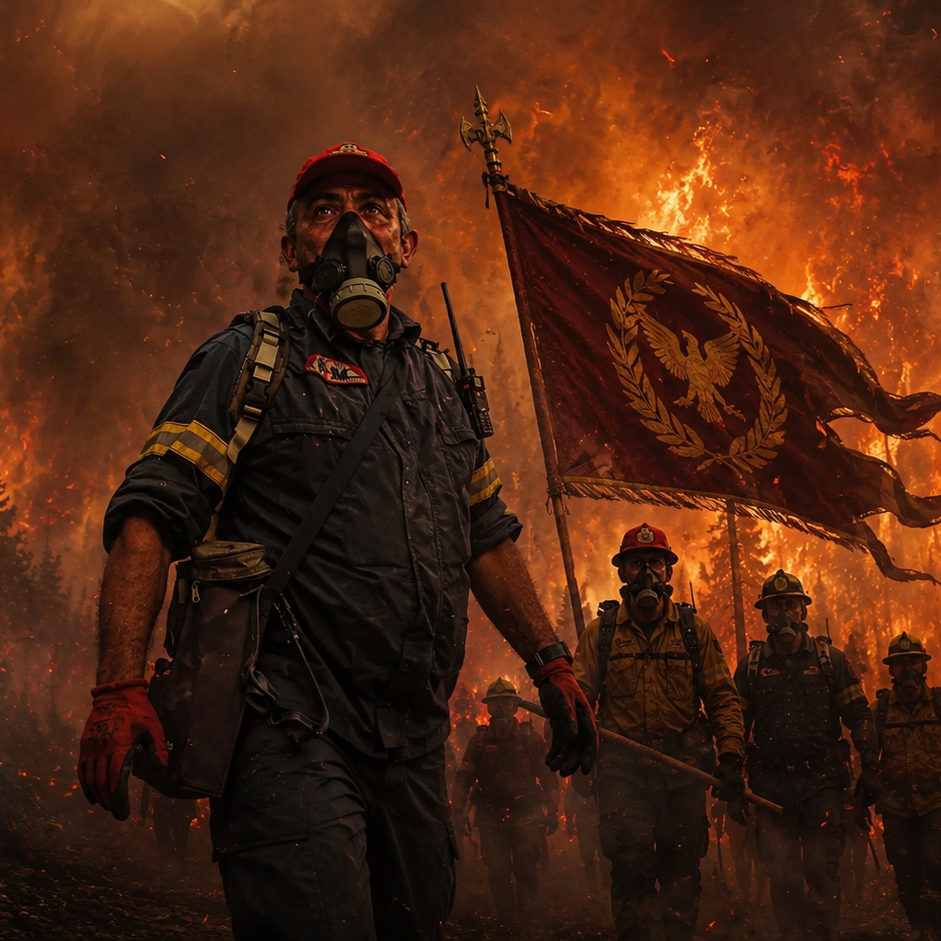
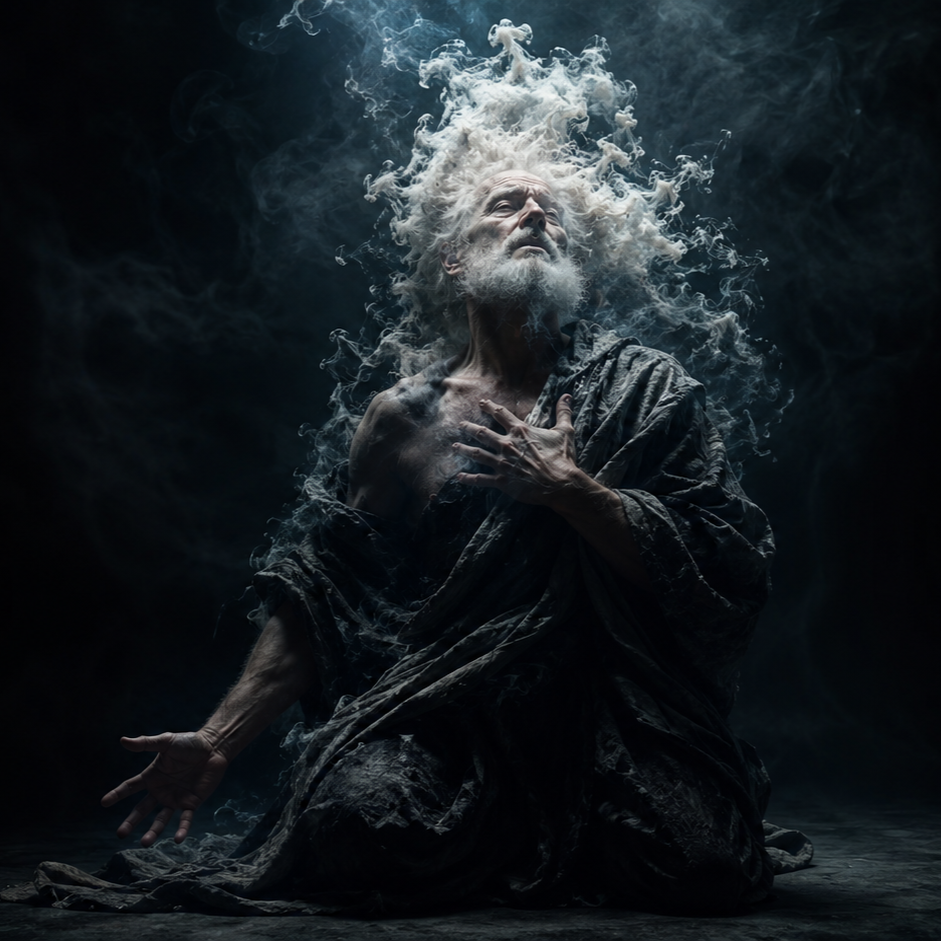
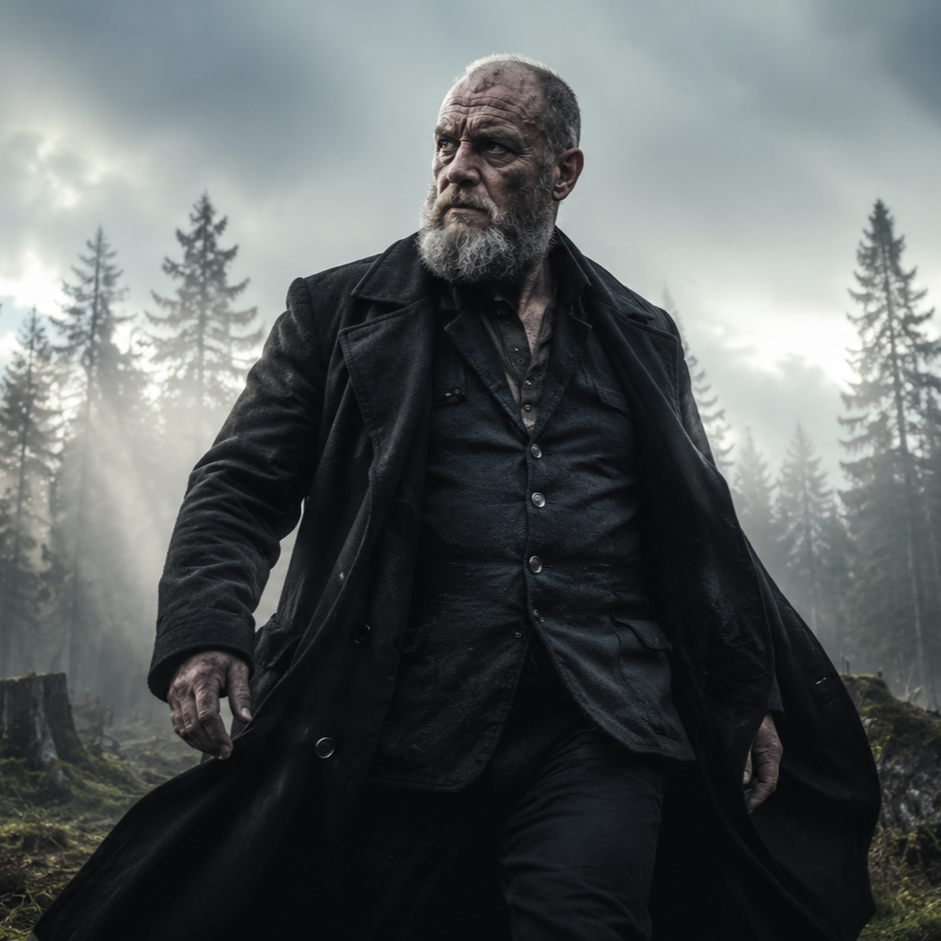
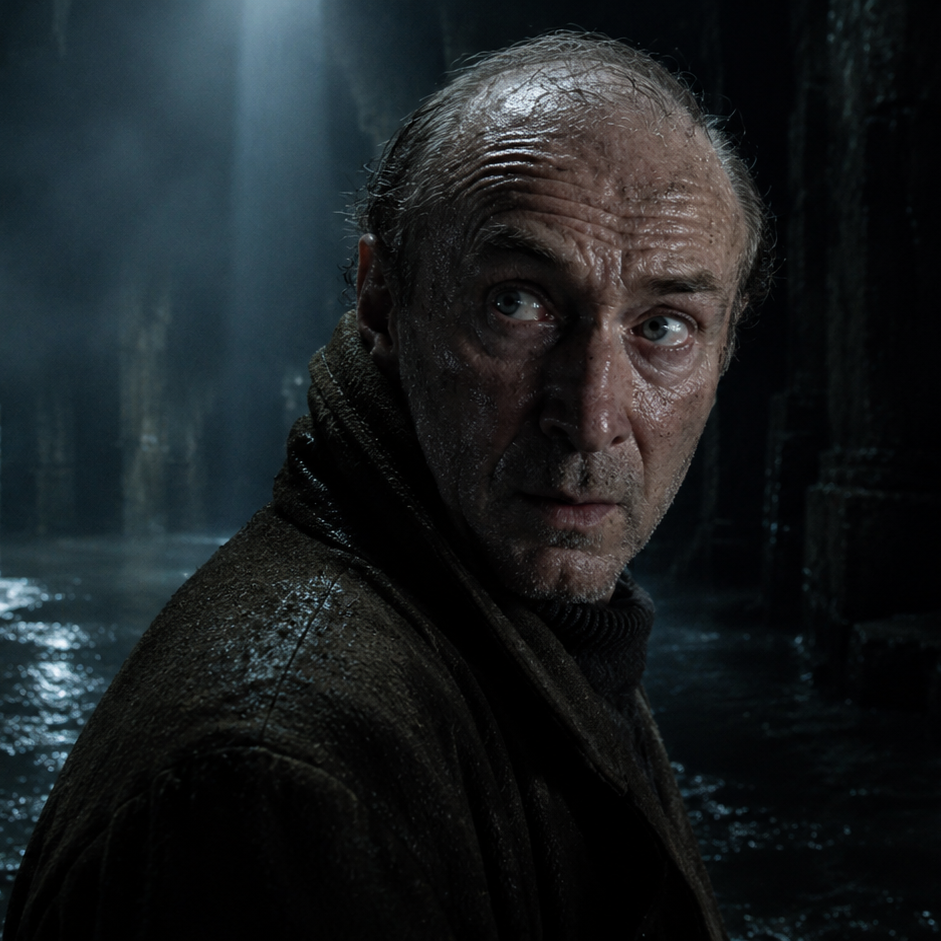
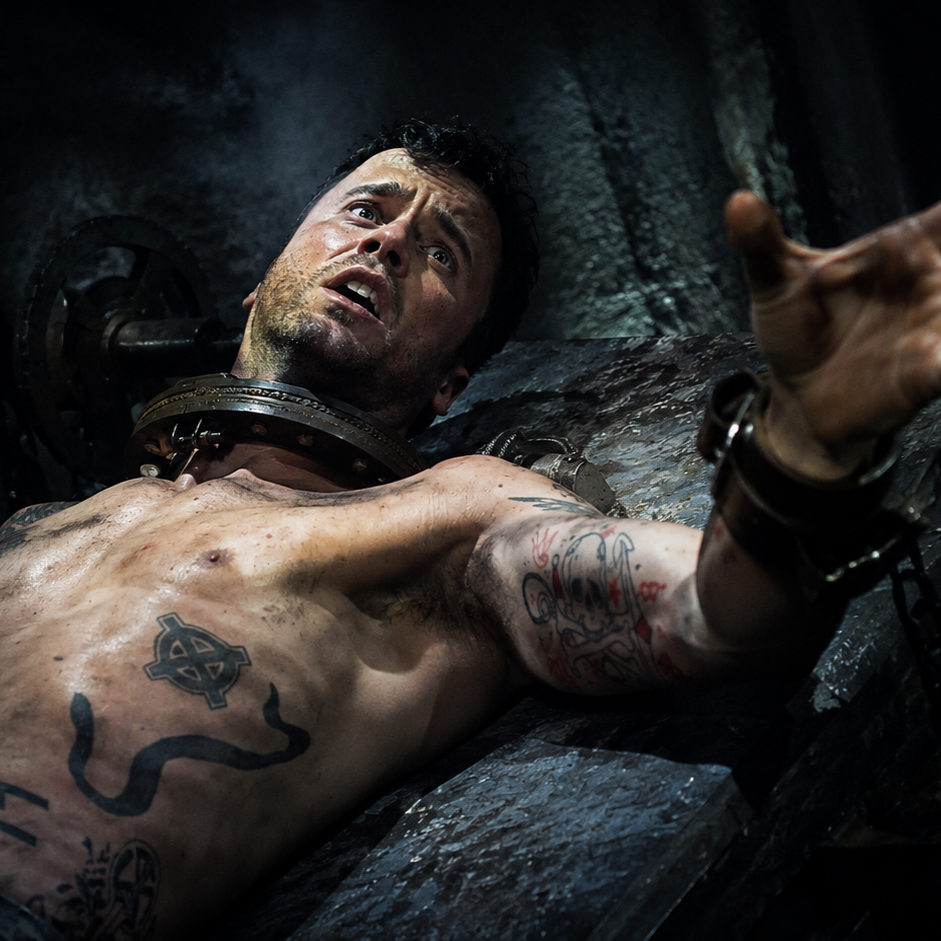
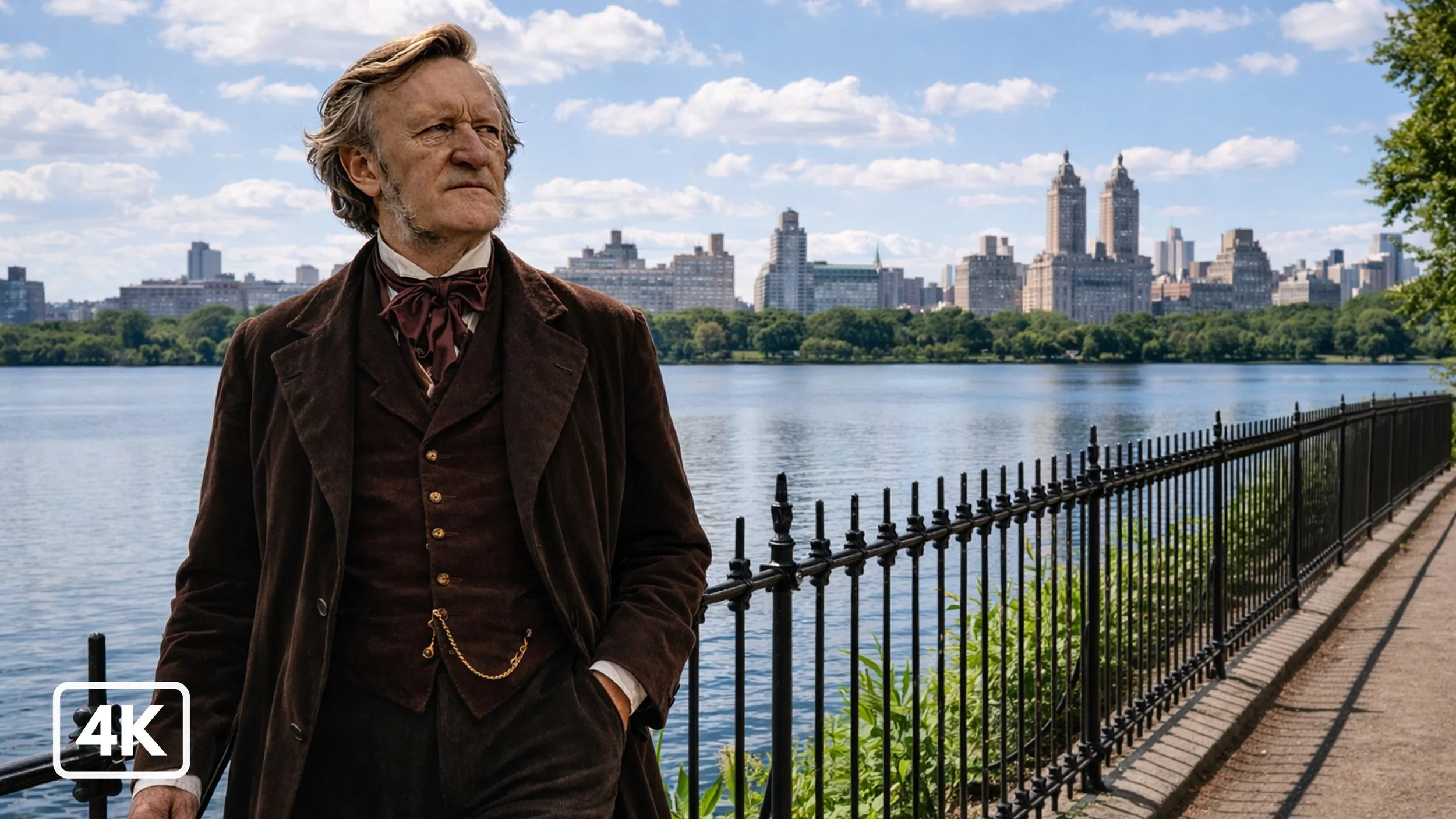
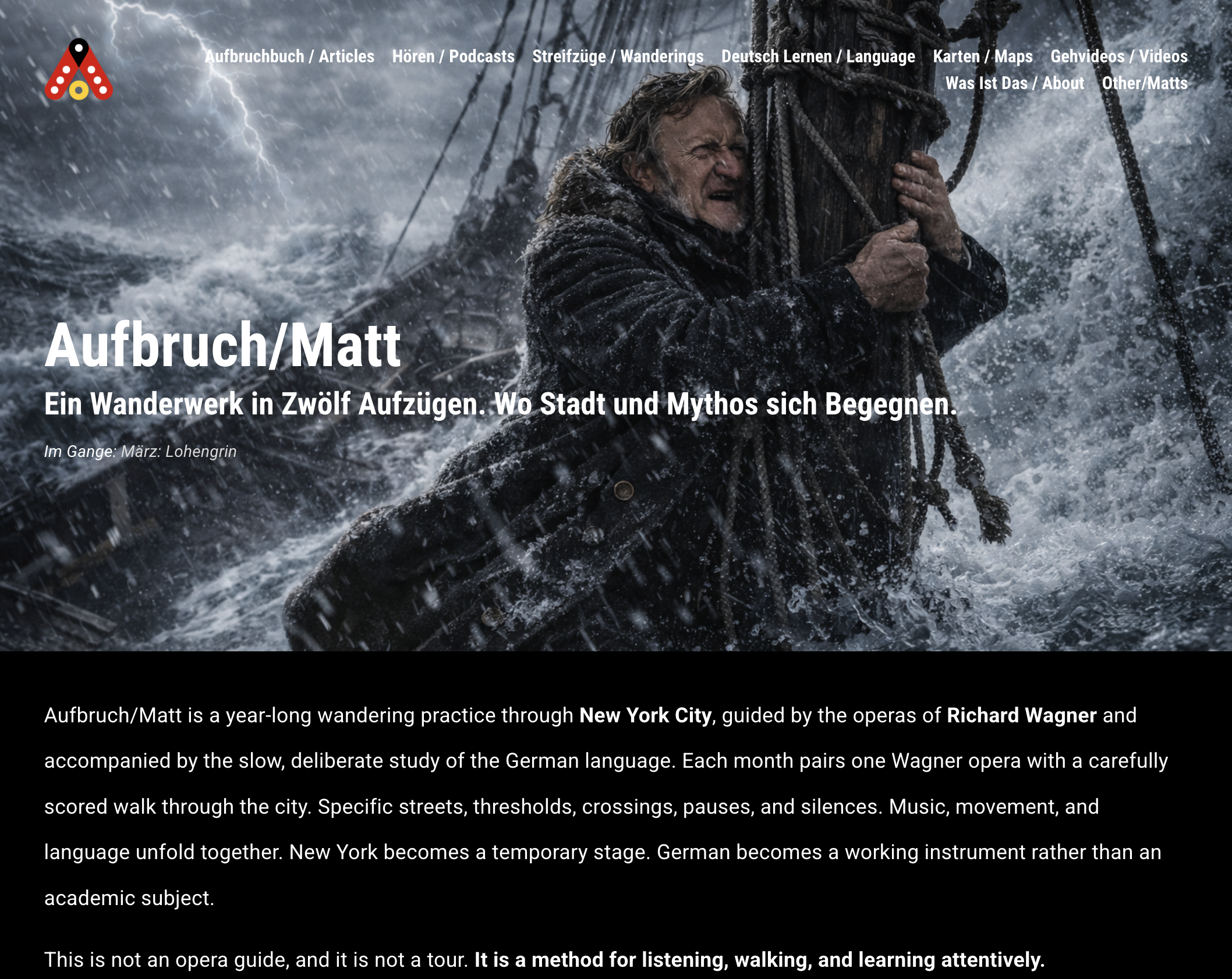
And then there were the images. It began as a simple experiment. Historical photographs of Wagner, colorized, sharpened, made present. But the experiment wanted to go further. Wagner was placed in a podcast recording booth. Wagner was placed in Central Park with a GoPro strapped to his chest. Wagner was placed clinging to a mast during the storm that nearly killed him in the Riga crossing of 1839, the crossing that gave him the Dutchman. The biographical anecdote, which had always risked remaining safely in the footnotes, became an image that could not be unfelt.
The logic was the same logic the project had always been running. The operas are placed inside contemporary New York not to illustrate them but to find where they live now. The images place Wagner himself inside contemporary life for the same reason. He is not a museum piece. He is someone doing the work, walking the city, surviving the storm. None of this has been made for an audience. The project is primarily for the person making it. The readership question does not press. What presses is the quality of the attention, the accuracy of the historical claims, the honesty of the structural arguments, the photographs taken on the walks, the German sentences slowly becoming available.
There may be a moment later in the year when this changes. When the project is ready to be shared more widely. The methodology will be documented by then. The arc of the year will be visible. A reader arriving in the autumn will have twelve months of material to move through, and will be able to see how one month led to the next, and how March, in particular, was where things became something more than they had been. That moment is not yet. For now the work continues. April is Tristan.