The Sound That Named the Condition: Interviewing Charles Baudelaire
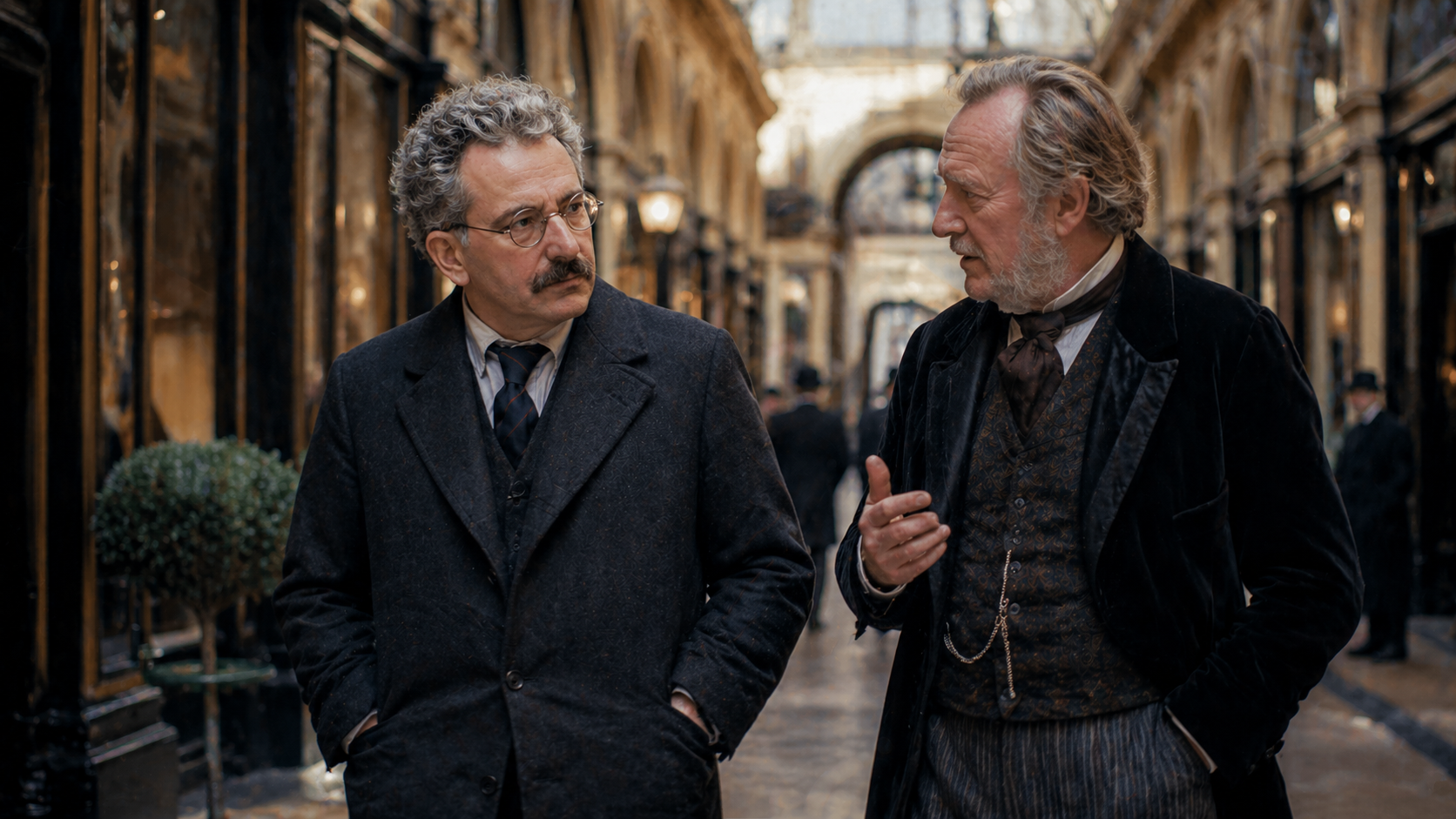
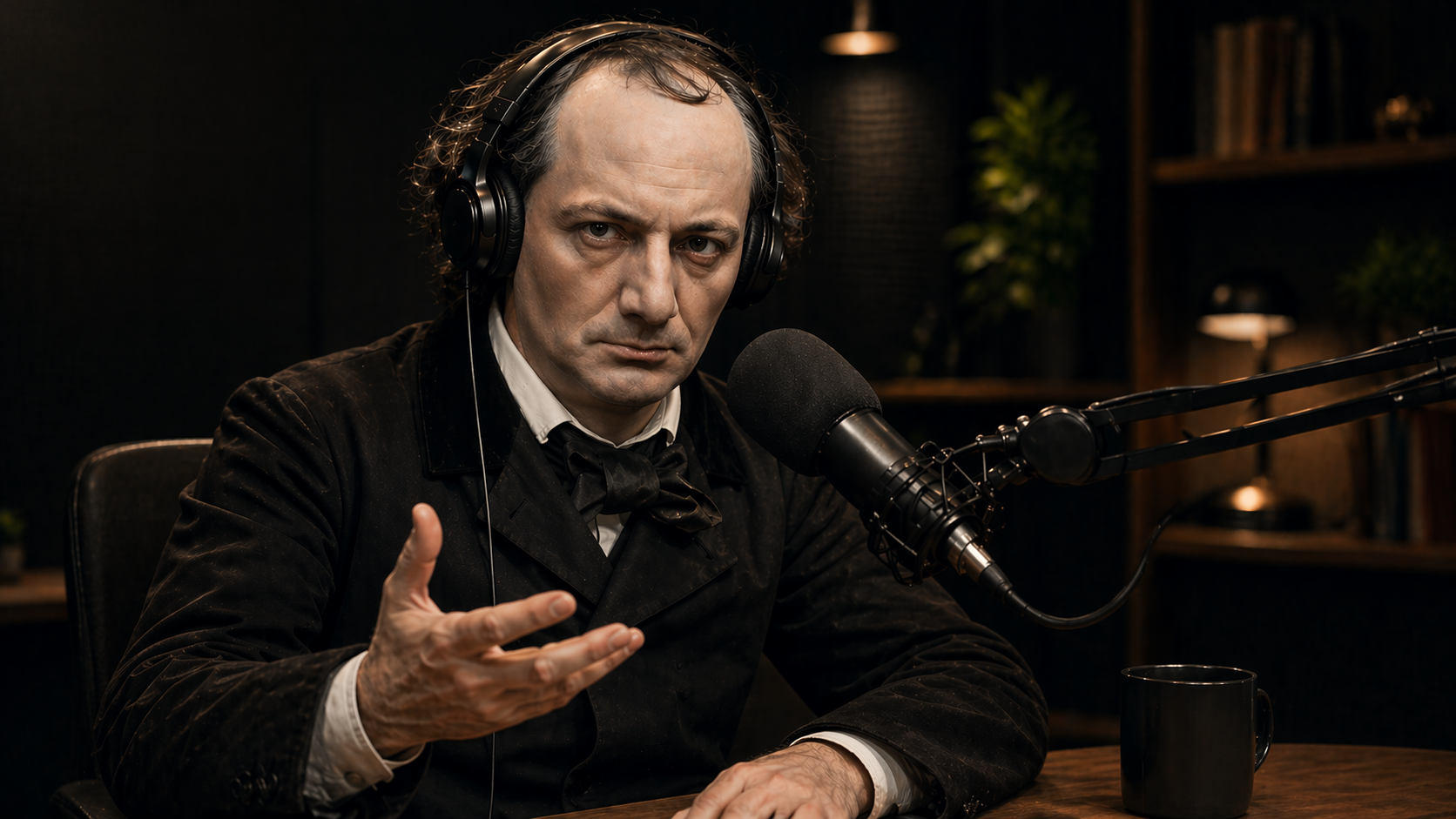
An interview conducted in Paris in 1861, three days after the second disastrous performance of Tannhäuser at the Opéra, which the audience destroyed with whistles and laughter and which Baudelaire found magnificent. He has not slept. He does not appear to require it.
Aufbruch/Matt: Monsieur Baudelaire. You heard Wagner when almost no one in Paris was willing to listen.
Charles Baudelaire: I was willing to listen because the music described something I had been living with for years without a name for it. The first concert, in January, three pieces from the operas, the Tannhäuser overture, the Lohengrin Prelude, I sat in the dark and I heard my own interior condition played back to me at orchestral scale. This does not happen often. When it happens one pays attention.
Aufbruch/Matt: What was the interior condition?
Charles Baudelaire: The one I have spent my life writing about. The simultaneous desire for transcendence and certainty of its impossibility. The upward pull and the downward weight. In Tannhäuser these are externalized as the Venusberg and the Wartburg, as carnal pleasure and spiritual redemption, as the body and the soul refusing reconciliation. But Wagner understood that this is not a medieval allegory. It is the permanent condition of a certain kind of consciousness. It was my condition. It is the condition of modernity.
Aufbruch/Matt: Les Fleurs du Mal was published four years before you heard Wagner. You had already found your own language for it.
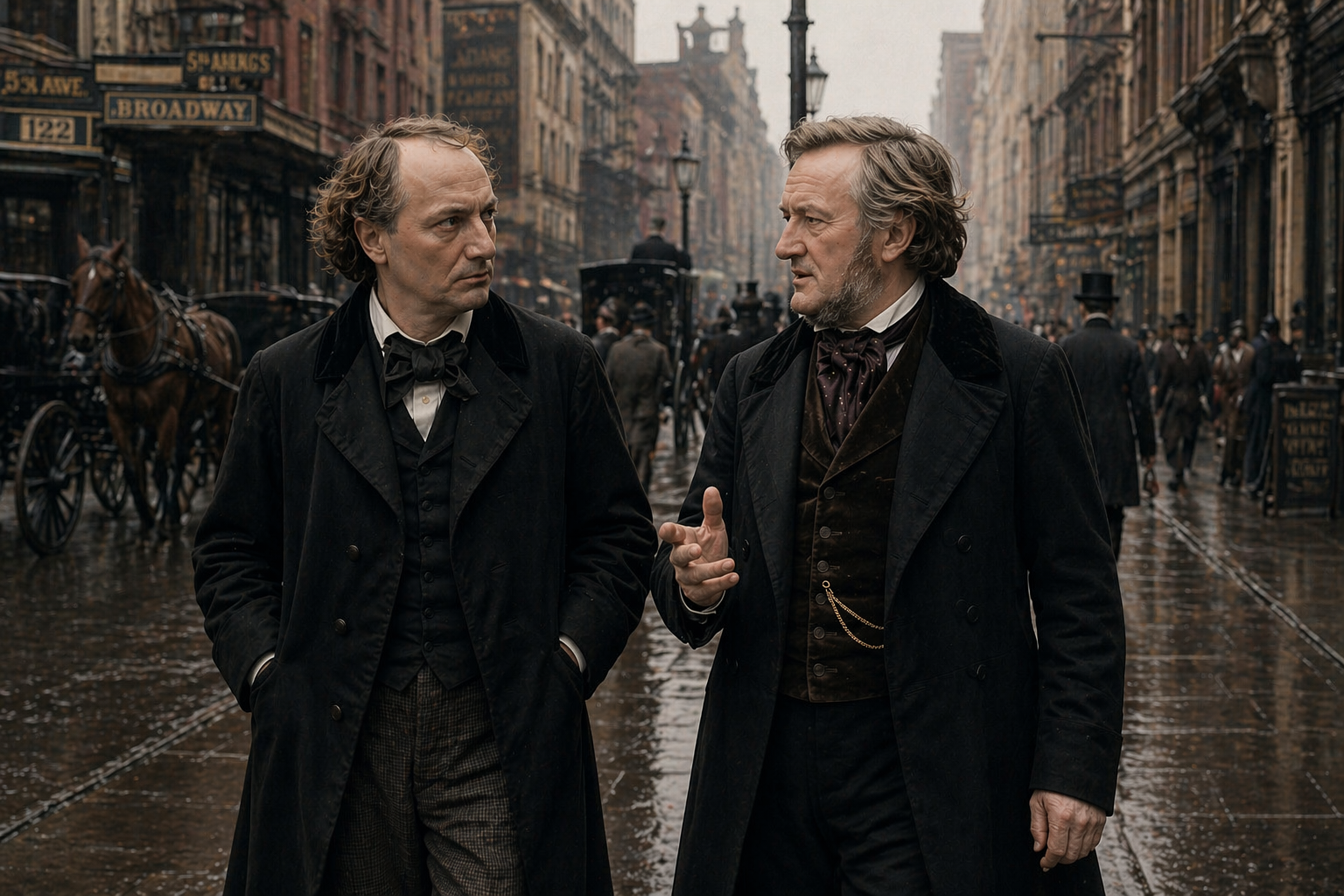
Charles Baudelaire: I had found the poetry for it. Wagner found the music for it. When I heard his music I recognized that we had been working on the same problem from different directions and that his solution was not the same as mine but was true. This is one of the rarest experiences available. To encounter someone who has understood the same thing you have understood through entirely different means. It produces a vertiginous sensation. Like looking at your own face in a mirror that is not a mirror.
Aufbruch/Matt: You wrote about the experience of hearing Wagner, an essay that is still considered among the finest music criticism ever written. What were you trying to explain?
Charles Baudelaire: I was trying to explain the experience of synesthesia, of sounds producing colors, of music producing spatial sensations, of the dissolving of the boundaries between the senses. When I heard the Lohengrin Prelude I experienced a sensation of being lifted into a vast luminous space, of the senses exchanging their functions, of music becoming light becoming space becoming something I had no name for. I had experienced this before, in certain states, with certain chemical assistance. Wagner produced it without any such assistance, which was alarming.
Aufbruch/Matt: The project I've been building does something similar. Walking through a city with Wagner in the ears, the music charging the visual field, the streets becoming something else.
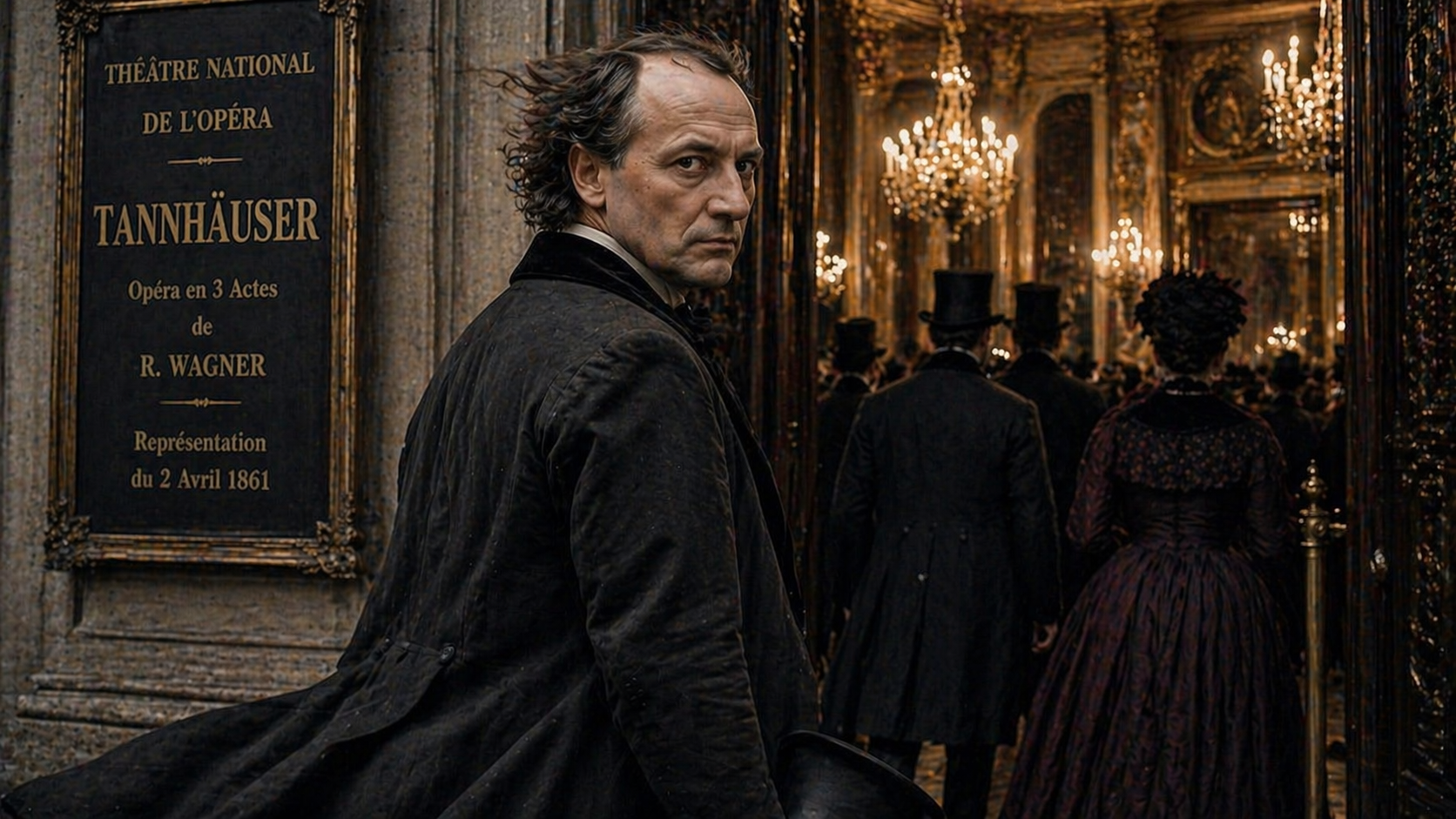
Charles Baudelaire: You are a flâneur with an additional sense. The city flâneur reads the crowd, the facades, the surfaces. You read all of this through an additional register, the musical one, which transforms what the other senses receive. This is a kind of artificial synesthesia, deliberately constructed rather than spontaneously occurring. I find this more interesting than the spontaneous kind. The deliberate construction of unusual states of perception is the artist's fundamental act. You have built a machine for producing a specific quality of attention.
Aufbruch/Matt: Does the deliberate construction reduce the intensity?
Charles Baudelaire: Only if the construction is imperfect. A well-built machine produces the effect reliably. The problem is that intensity habituates, what produces sensation the first time requires more the second. This is the principle of all intoxication and all art. You risk, over twelve months, the dulling of the response. The walks of November may not produce what the walks of January produced. Unless the music deepens as the year does.
Aufbruch/Matt: The operas do deepen. The Ring cycle begins in June, which is structurally more complex than the earlier works.
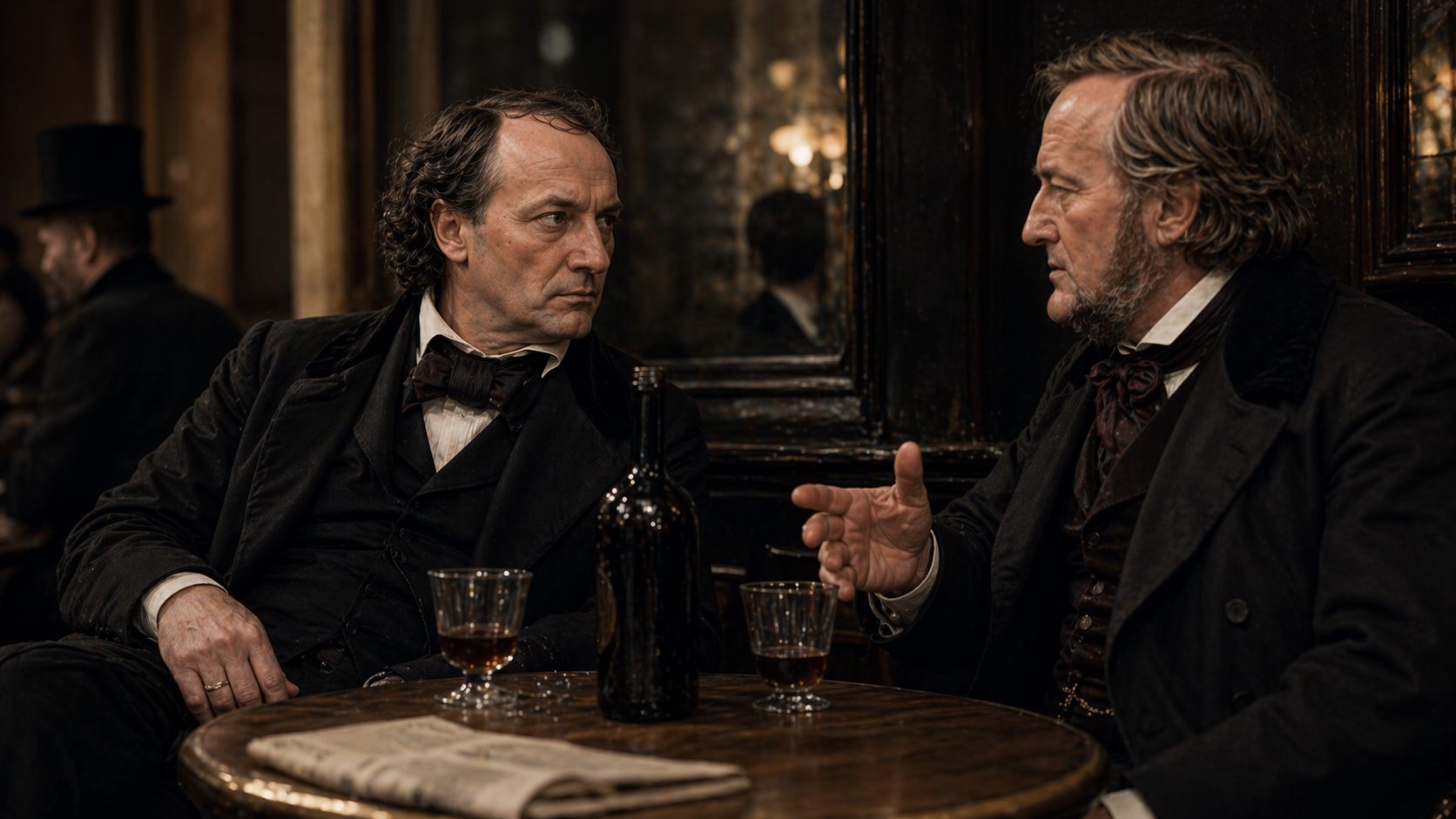
Charles Baudelaire: Then you have built the escalation into the structure. Each month the music requires more of the listener and the listener has been prepared by the preceding months to give more. This is intelligent architecture. Wagner did the same thing, each opera assuming an audience that has been educated by the previous ones.
Aufbruch/Matt: You also wrote about spleen. The condition of paralysis, of being crushed by time and ennui and the weight of modern life.
Charles Baudelaire: Spleen is the enemy of the walk. Spleen makes the body heavy and the street meaningless and the music merely noise. I have spent whole seasons in it. What pulls one out is not optimism, I have no use for optimism, but intensity. An intense experience of beauty or suffering or both simultaneously is the antidote to spleen. Wagner is an antidote to spleen. Not because he is cheerful, he is almost never cheerful, but because he is intense. The music insists on mattering. When you are walking with the Tristan Prelude in your ears the city cannot be indifferent. It is charged whether it consents or not.
Aufbruch/Matt: The Tannhäuser premiere, the audience destroyed it. They laughed and whistled through the second act. How did that feel?
Charles Baudelaire: Like confirmation. What the Jockey Club was whistling at, they had arranged it, brought their little instruments for the purpose, was precisely the thing that made the opera significant. They heard something that threatened their complacency and they destroyed it in the way the comfortable always destroy what threatens them. With noise, with ridicule, with the social weapon of collective contempt. I sat and listened through the noise and I could still hear the music and I thought: this is what it always is. The important work arrives in conditions of hostility and the hostility is the proof of its importance.
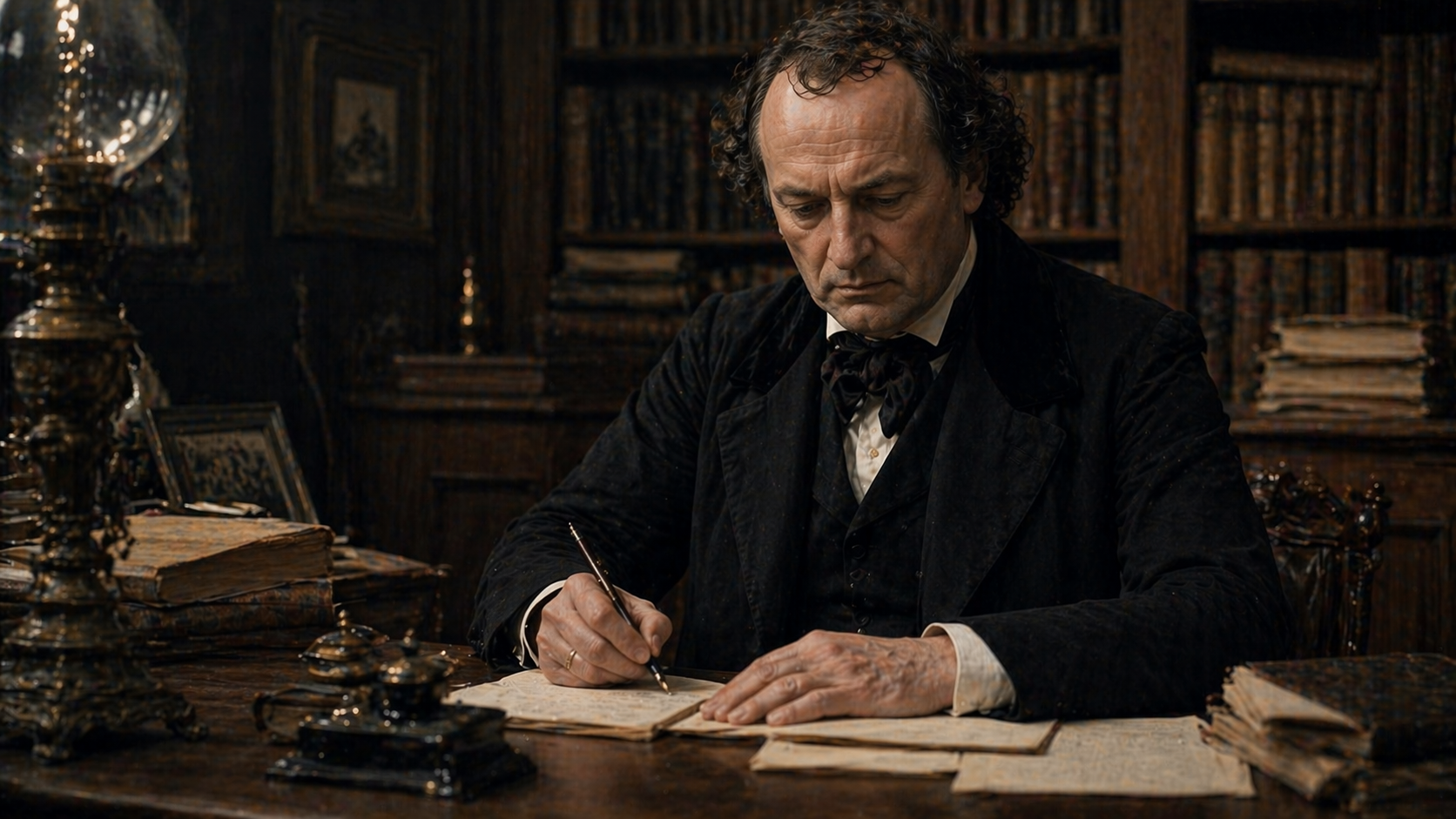
Aufbruch/Matt: Your project and Wagner's shared an essential quality. Both of you were working at the edge of what your form could bear.
Charles Baudelaire: At the edge and past it. That is the only interesting place to work. The form that stays within its limits produces competence. The form that exceeds its limits produces either failure or something new. Wagner exceeded every limit of opera and produced something new. I exceeded every limit of the lyric poem and produced something new and also, by the judgment of the state, something criminal. My book was prosecuted. Six poems were suppressed. This seems correct to me. Work that has not disturbed someone has not gone far enough.
Aufbruch/Matt: The project I've built disturbs me regularly.
Charles Baudelaire: Then it is going far enough. Continue disturbing yourself. The walk that confirms everything you already knew is a pleasant walk. The walk that returns you to something you cannot yet articulate, that leaves a residue of unease that will not resolve into understanding — that is the walk that justifies the practice.
He lights something. The smoke in the room has the quality of the Tannhäuser overture — thick and voluptuous and slightly threatening. He has no interest in comfort. He has considerable interest in what happens at the far edge of sensation, where the beautiful and the terrible are no longer separable. He is still there. He has always been there. He will not be moving on.
Further Reading