The Walker Who Was Never Lost: Interviewing Michel de Certeau
An interview conducted in the practiced space between the map and the route. He arrives without consulting either.
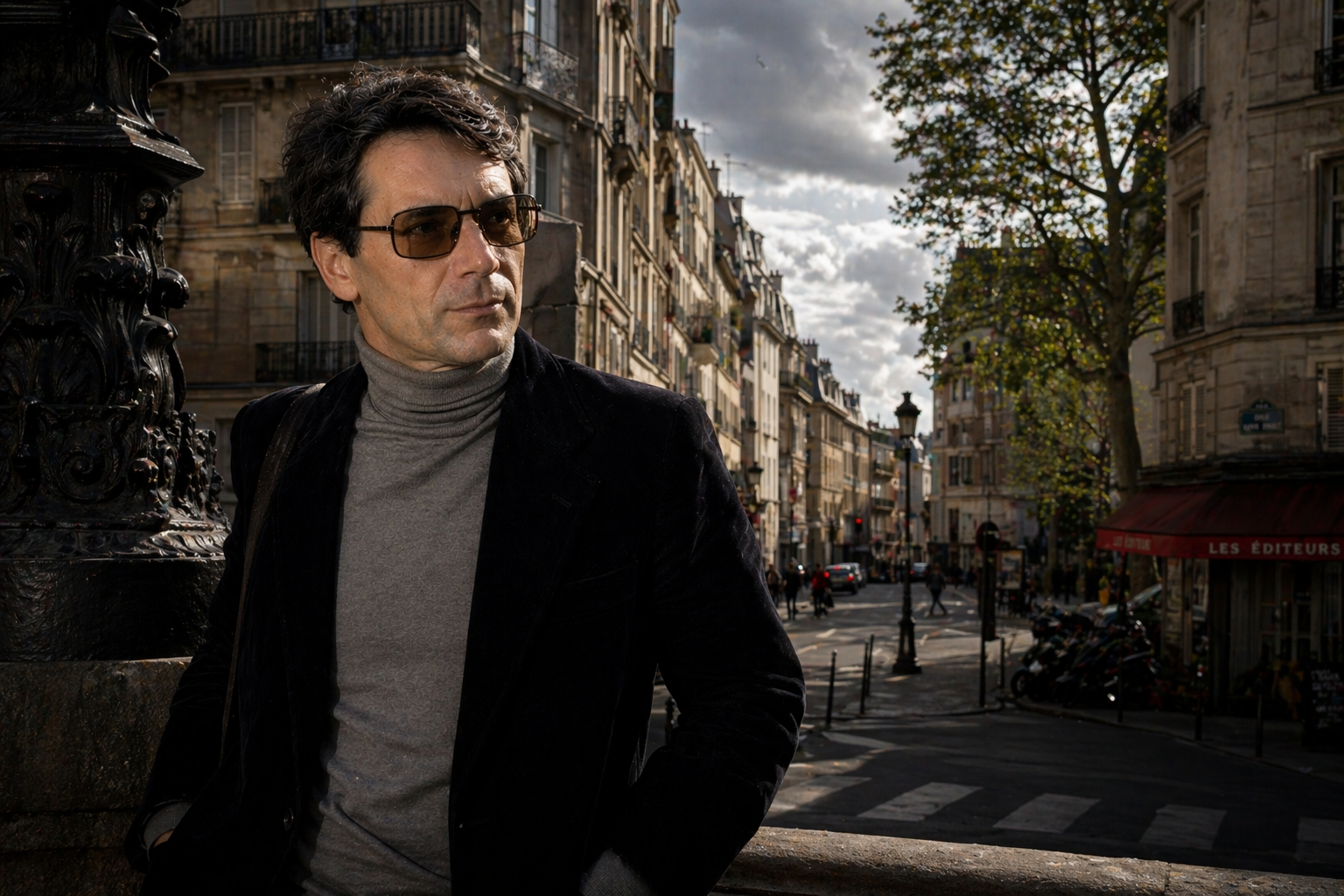
Aufbruch/Matt: Père de Certeau. Your work on walking and the city feels like a direct description of what I've been doing for a year without knowing the theory.
Michel de Certeau: This is often how practice precedes theory and sometimes how theory names what practice already knew. Tell me what you have been doing.
Aufbruch/Matt: Twelve months. Twelve Wagner operas. Walking New York with each opera scored onto the route. Accumulating maps, essays, language, photographs.
Michel de Certeau: You are a practitioner of tactics against a city organized by strategies. The city planners, the urban designers, the real estate developers, the transit authorities, these operate through strategies. They occupy a place. They have a view from above. They produce the map that claims to be the territory. The walker has no such vantage point. The walker operates from within, without a panoptical view, making do with what the city offers at the level of the street. Your scored walk is a tactic. It takes the city's infrastructure, the grid, the avenues, the public spaces, and uses them for purposes the infrastructure did not intend.
Aufbruch/Matt: The maps I've built seem to complicate that slightly. I am making a view from above.
Michel de Certeau: The map you produce after the walk is not the same thing as the strategic map. The planner's map precedes and produces the city. Your map follows and interprets it. There is an important difference. The planner's map is normative, it says what the city should be. Your map is descriptive of a singular experience, it says what the city was for one person on one walk on one morning. That singularity is the tactical residue. It cannot be generalized without losing what makes it meaningful.
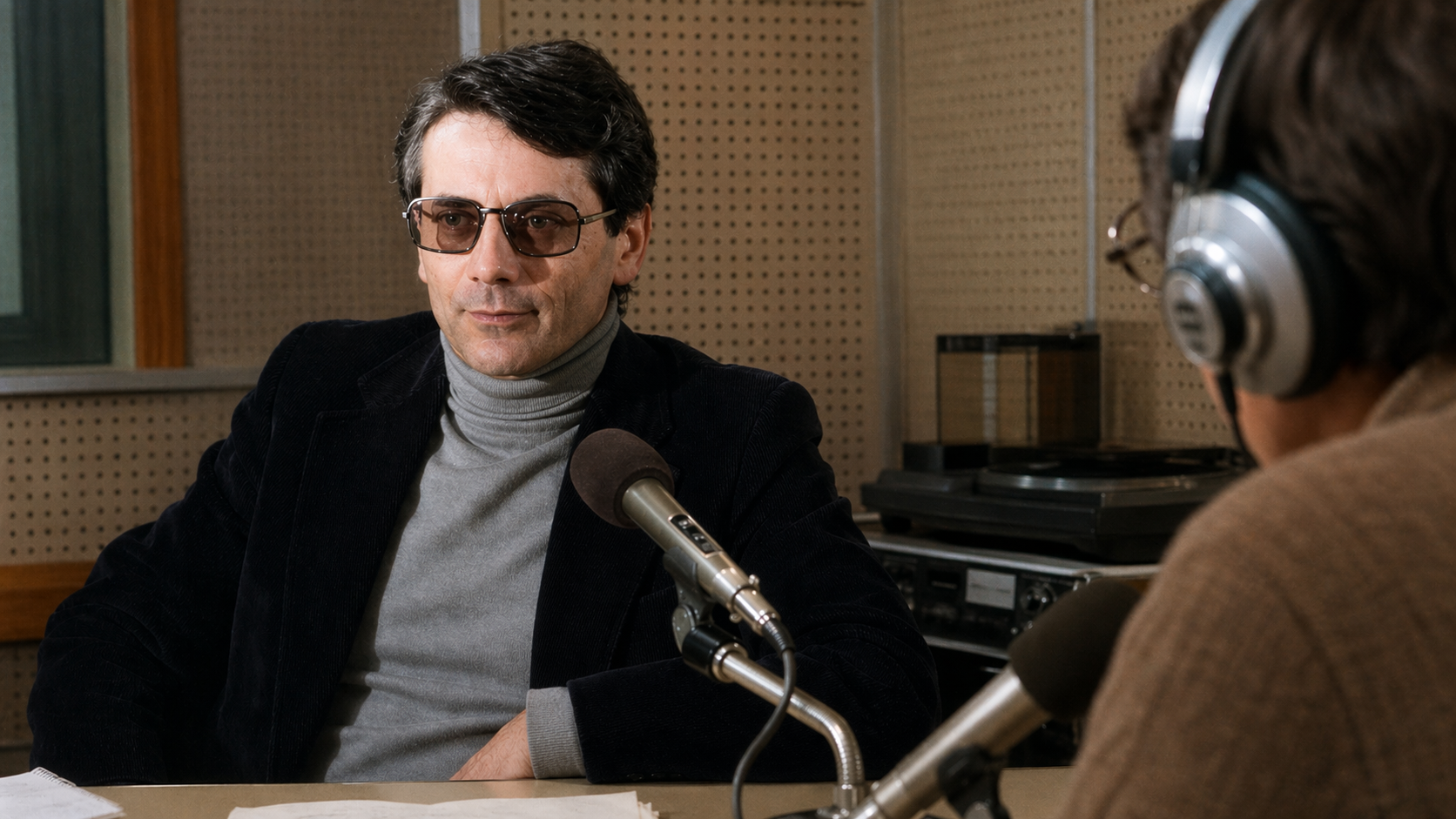
Aufbruch/Matt: One of the things that happens on the walks is that I take routes the map doesn't prescribe. I follow the music into streets that weren't planned.
Michel de Certeau: This is the enunciation of walking. The planned route is like a vocabulary, the city offers it and you may use it. The actual walk is like a sentence, the individual's selection and combination of the available elements into something that was not pre-given. Every detour, every pause, every moment when you turn left because the music reached a particular passage and the street corner responded to it, these are utterances. The city provides the words. You make the speech.
Aufbruch/Matt: The music is doing something to the speech. It's shaping which turns I make.
Michel de Certeau: This is the most interesting aspect of your practice. The ordinary flâneur uses the city as his score, he responds to what the streets offer. You have added a second score, an external one, and you have set the two scores against each other. Sometimes they resolve, the music and the street produce something together that neither produces alone. Sometimes they create productive dissonance. The practice lives in the negotiation between the two.
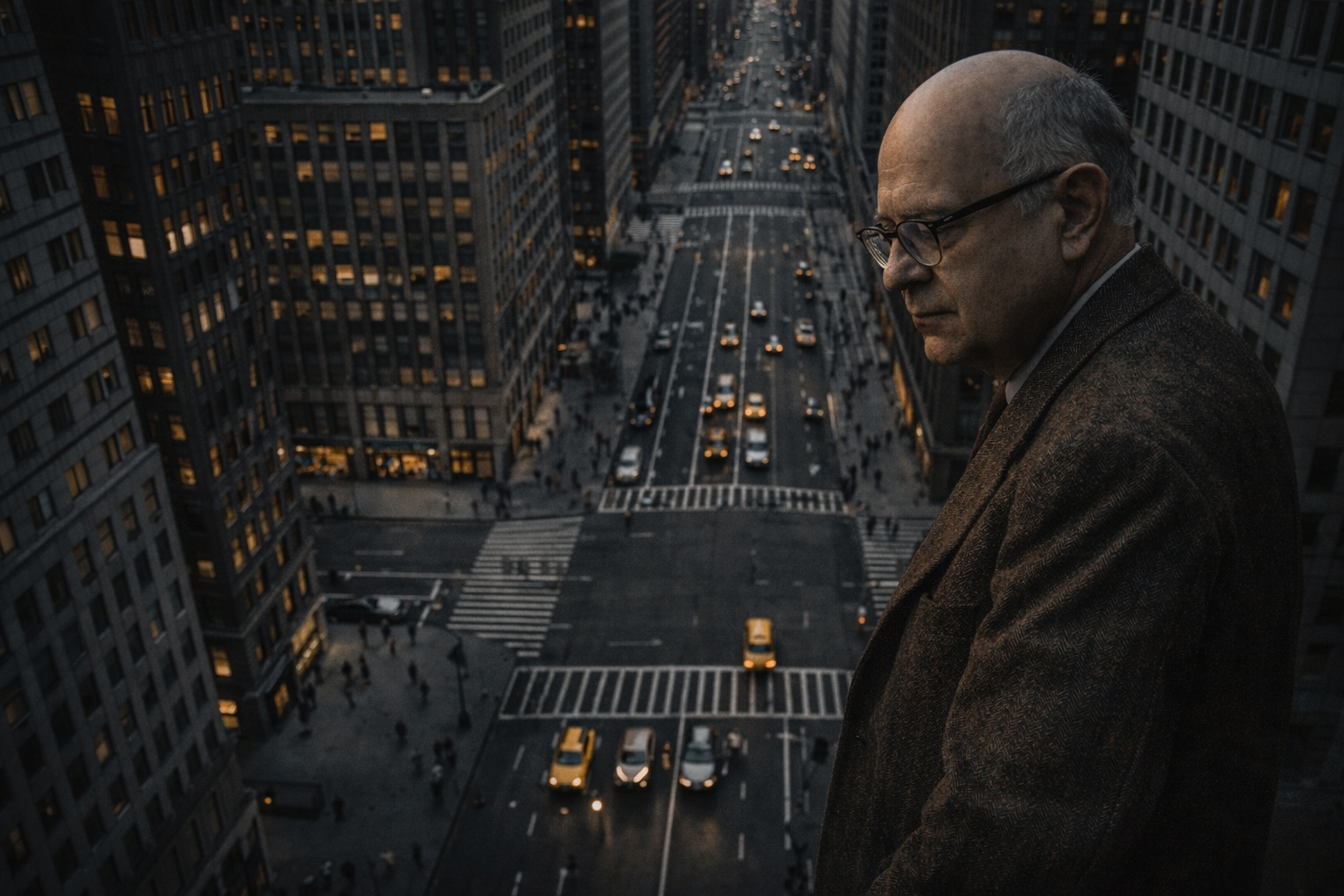
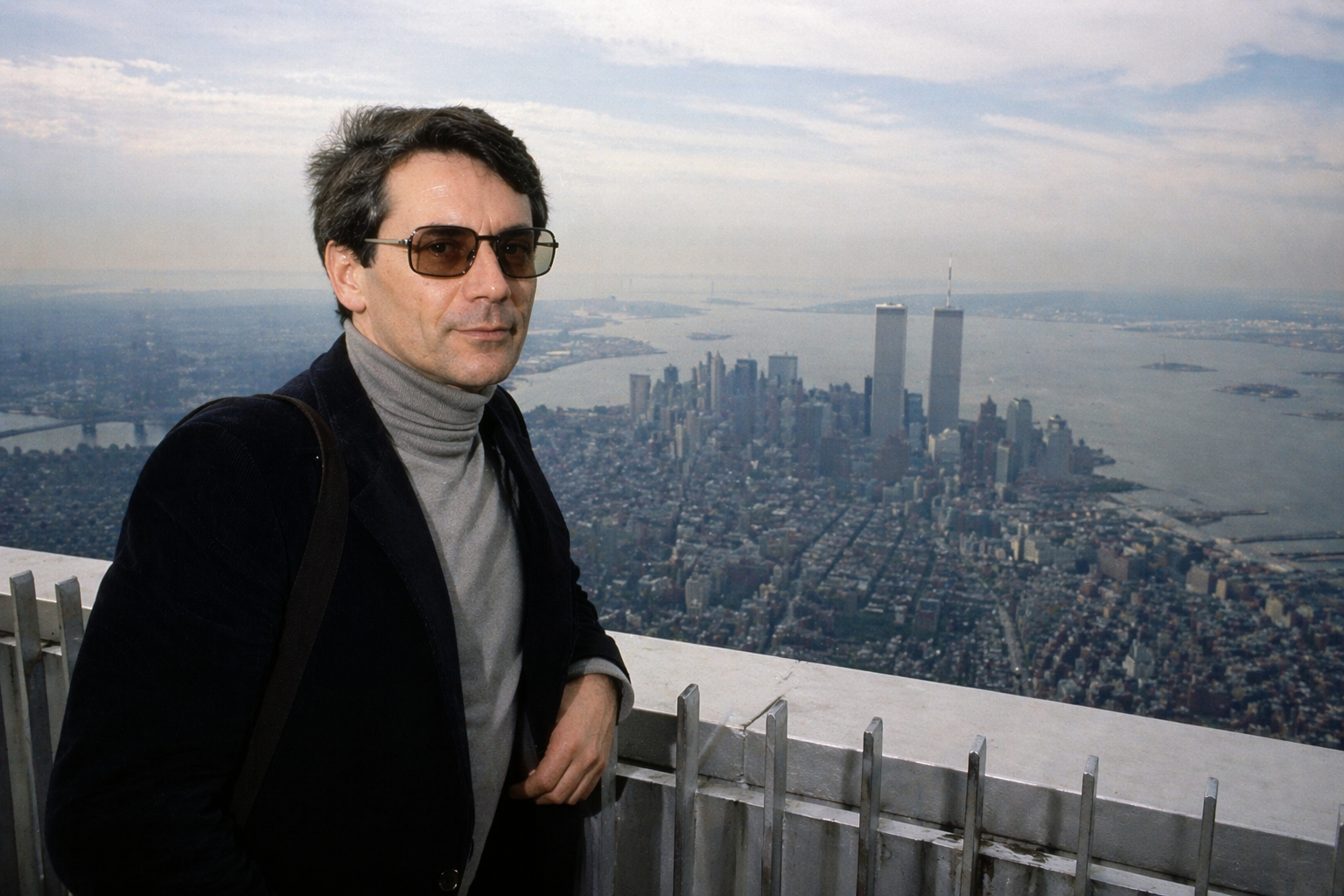
Aufbruch/Matt: You wrote about the view from the top of the World Trade Center. Looking down at the city from above and losing the practice of the city as lived from within.
Michel de Certeau: To see the city from above is to be liberated from and by the powers that be. It is the pleasure of the god looking down. But the god does not walk. The walker is below, in the text of the city, producing it through the act of moving through it. The view from above produces knowledge. The walk from within produces experience. Your project is interesting because it is attempting to hold both, the map and the walk, the view from above and the practice from within. Whether that is possible without one consuming the other I am genuinely uncertain.
Aufbruch/Matt: The project also involves language learning. German vocabulary connected to each month's opera and walk.
Michel de Certeau: Language is perhaps the deepest form of the tactic. Every language user operates within a system they did not create and cannot modify at will. The language existed before you and will persist after you. And yet every sentence is an individual's act of making, a unique combination, a singular enunciation that has never existed in precisely that form before. To learn a second language as an adult is to experience this with unusual clarity. You are inside a system whose rules you are still learning, which means you are more conscious of the system than native speakers are. The words you are learning, Sehnsucht, Auflösung, Hingabe, these are not just vocabulary. They are entry points into a way of articulating experience that your native language does not offer. You are expanding the set of moves available to you.
Aufbruch/Matt: The words feel like that. They open something that was closed before.
Michel de Certeau: Every genuinely new word is a new possibility of experience. Not because the experience didn't exist before the word but because the word makes it available to reflection, to communication, to practice. You can walk in a state of Hingabe, of giving-over, without the word. But having the word lets you recognize the state, return to it deliberately, build a practice around it. The vocabulary is the architecture of the practice.
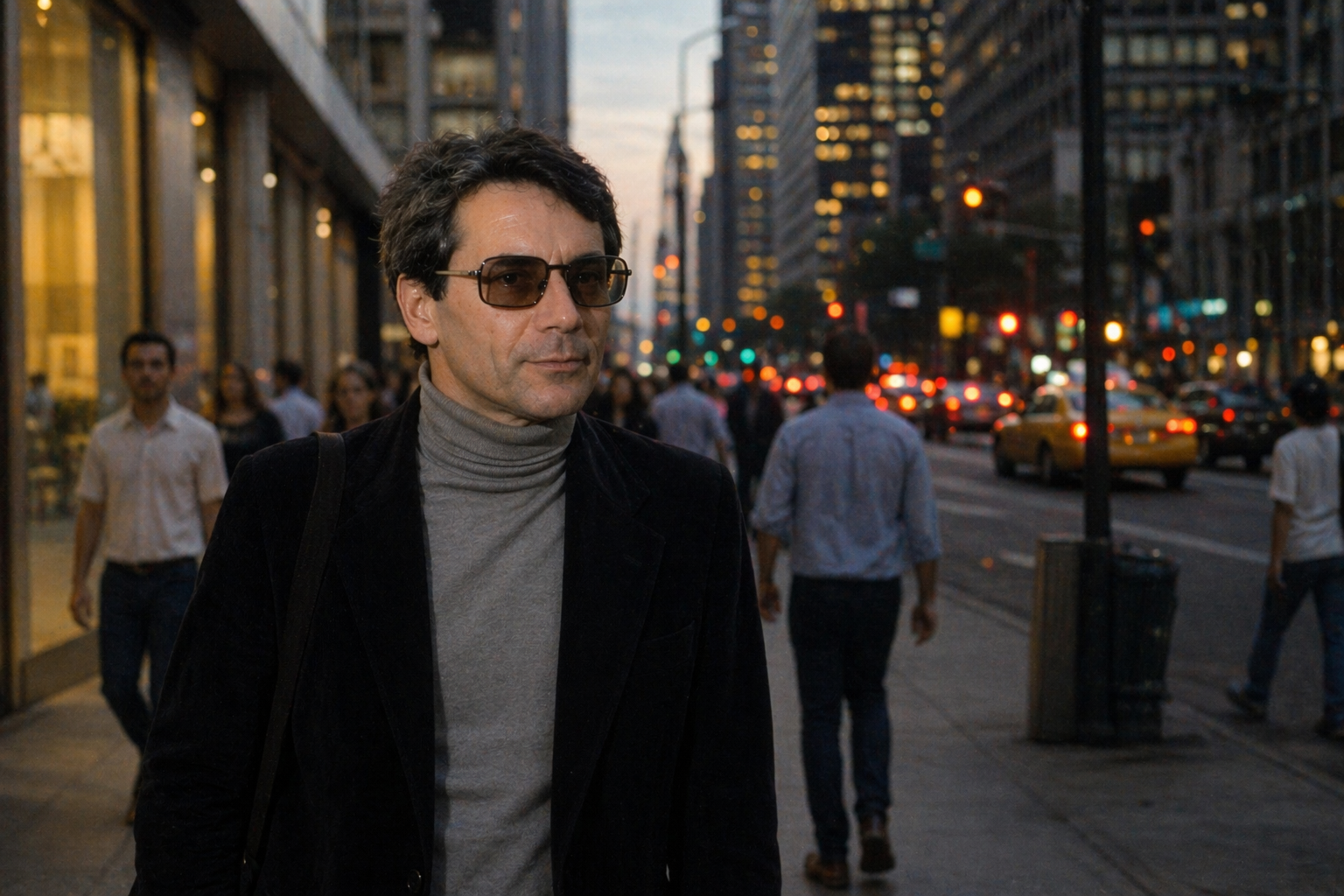
Aufbruch/Matt: The project will end in December. Twelve months, twelve operas, one city.
Michel de Certeau: It will not end. The walk is never completed. The walker is changed by the practice and carries it forward into every subsequent movement through the city. The formal project ends. The enunciation continues. You will walk New York in January of next year and the twelve months will still be speaking through your feet. That is what practice does. It becomes the walker.
He stands. He does not look at a map to find his way out. He already knows. He has always known, not because he has memorized the routes but because he has learned to read the city as he moves through it, in real time, with the full attention of someone who understands that getting somewhere is never the point.
Further Reading