The Wound Teaches Me to See: Interviewing Friedrich Nietzsche
An interview conducted somewhere between Tribschen and Turin. Between the devotion and the apostasy. He insists there is less distance between them than you think.
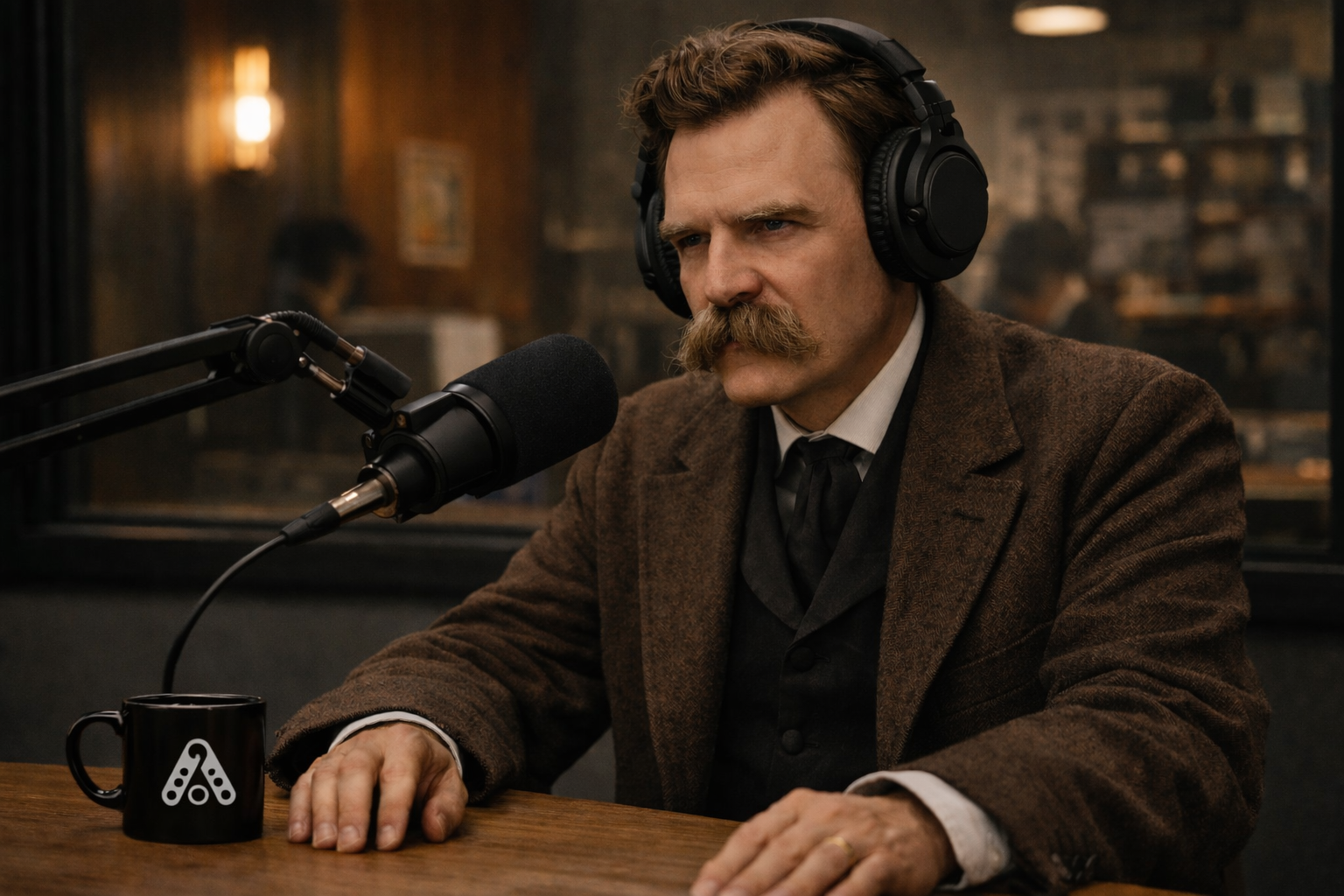
Aufbruch/Matt: Herr Nietzsche. You loved Wagner more completely than almost anyone. And then you didn't.
Friedrich Nietzsche: That is the popular version. It is not wrong, exactly, but it misses the structure. I did not stop loving Wagner. I stopped being able to afford him.
Aufbruch/Matt: What does that mean?
Friedrich Nietzsche: It means that devotion of that intensity is a kind of debt. You borrow against yourself. Your own thinking, your own development, your own becoming. These are temporarily suspended in favor of someone else's vision. For a time that is generative. It is an apprenticeship. But apprenticeships must end or they become servitude.
Aufbruch/Matt: You were not a servant. You were a professor. A philosopher. You had your own work.
Friedrich Nietzsche: And yet when I was at Tribschen, in those early years, whose work was I serving? I wrote The Birth of Tragedy as a young man entirely inside Wagner's gravitational field. It is not my best book. It is the book of someone who has found a master and is still intoxicated by the finding. The intoxication is real. The philosophy is compromised.
Aufbruch/Matt: The Birth of Tragedy gave Wagner's project an intellectual foundation it didn't have before.
Friedrich Nietzsche: It gave it a philosophical costume. Wagner was delighted. He used the book to justify Bayreuth. I should have noticed sooner what that meant, that I was being useful to him rather than true to myself. The philosopher who makes himself useful is no longer philosophizing. He is decorating.
Aufbruch/Matt: Bayreuth was the breaking point.
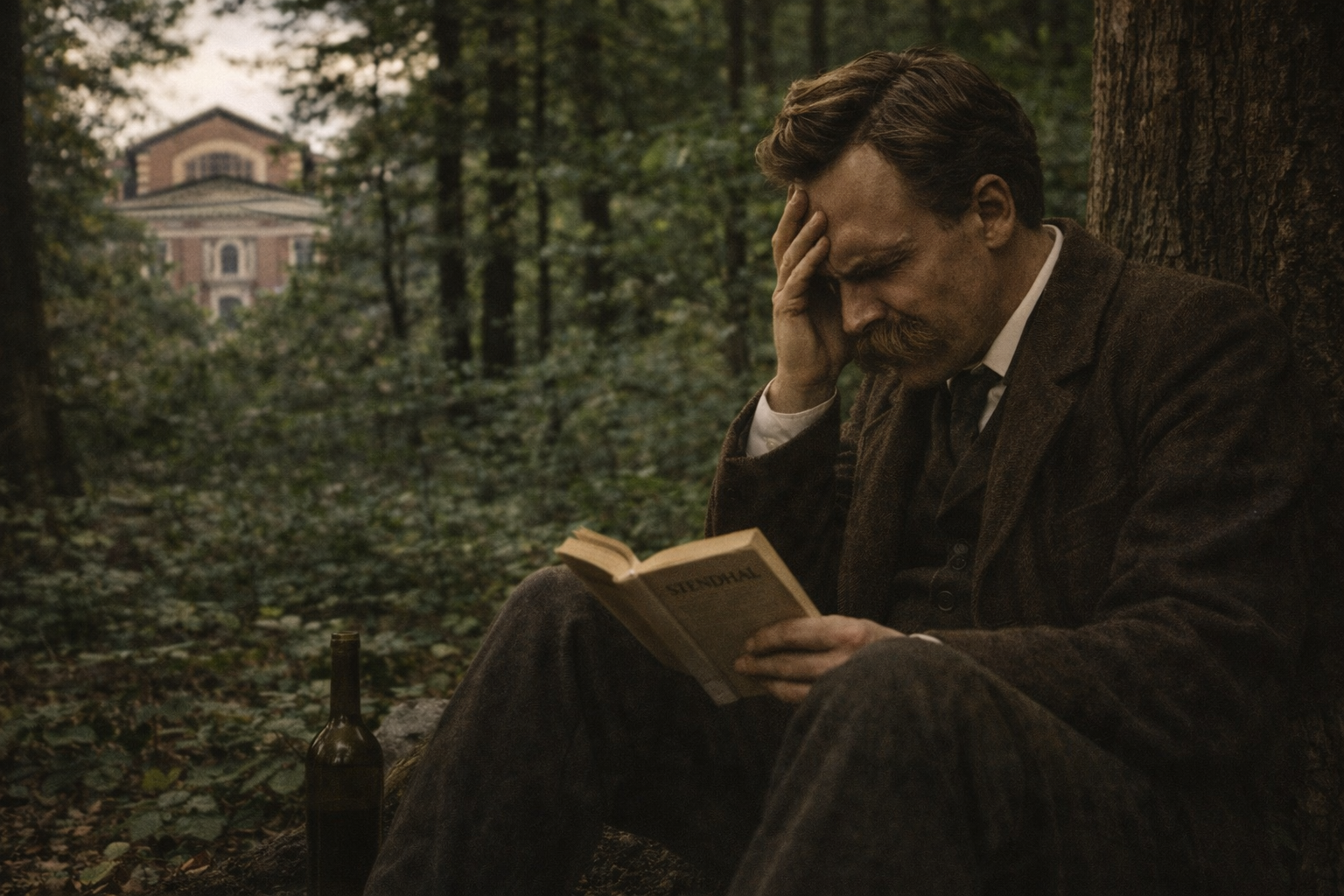
Friedrich Nietzsche: Bayreuth was where I saw what the project had become. The nationalism. The Christian symbolism creeping back in after all those years of supposedly pagan myth-making. The audiences — Wilhelmine Germany congratulating itself. And Parsifal above all. The redemption through renunciation. Wagner on his knees before the cross. I had followed him into the Dionysian and he led me into a church.
Aufbruch/Matt: But Parsifal is also the most extraordinary music he ever wrote.
Friedrich Nietzsche: [a pause that costs something] Yes. That is the problem. The music remains. The music is almost insupportable in its beauty. I have said terrible things about Parsifal and every word was true and the music is still what it is. I do not know what to do with that and I never did.
Aufbruch/Matt: You wrote that Wagner had made himself sick, that his late work was decadent, exhausted.
Friedrich Nietzsche: I wrote many things. Some of them were accurate diagnoses. Some of them were the sound of a man cauterizing a wound. It is not always easy to tell which is which, even in retrospect. Especially in retrospect.
Aufbruch/Matt: Was the break about him or about you?
Friedrich Nietzsche: Both. He was changing and I was changing and the changes were not compatible. I needed lightness, affirmation, the yes-saying to life. He was moving toward weight, toward redemption, toward the no. Bizet, I said. Give me Bizet. Mediterranean clarity. Cynics thought I was being provocative. I was being desperate.
Aufbruch/Matt: And yet you never stopped writing about him. Even the attacks are obsessed.
Friedrich Nietzsche: You cannot spend ten years inside someone's music without it becoming structural. It becomes part of how you hear everything else. When I attack Wagner I am also attacking the part of myself that was formed by him, and you cannot attack a part of yourself without feeling it.
Aufbruch/Matt: Did he know how much he hurt you?
Friedrich Nietzsche: Wagner understood people well enough to know exactly what he was doing at every moment. Whether he allowed himself to care is a different question. He had learned to protect his work above everything else. That requires a kind of ethical narrowing that I found, in the end, intolerable. And comprehensible. And almost forgivable.
Aufbruch/Matt: Almost.
Friedrich Nietzsche: Almost. He wrote to my doctor speculating that my philosophical positions were symptoms of sexual dysfunction. That is the level to which he was willing to descend. There is no almost for that.
Aufbruch/Matt: And yet Tristan. You said once that the world would be poorer without Tristan und Isolde.
Friedrich Nietzsche: I said the prelude alone justified the entire nineteenth century. I stand by it. The music asks the question I spent my life asking, what do we do with longing that the world cannot satisfy? He answered it with dissolution, with death, with the Liebestod. I answered it differently. With amor fati. With the will to repeat. But we were asking the same question. That does not go away.
Aufbruch/Matt: What is left when the love and the hatred both settle?
Friedrich Nietzsche: Gratitude. Unwilling, complicated, absolutely genuine gratitude. He made me possible. The philosopher I became exists in opposition to what he was, and that opposition required him. You cannot define yourself against an absence. He was enormous enough to push against. Not everyone is that lucky in their antagonists.
Aufbruch/Matt: One last question. If you could say one thing to him now.
Friedrich Nietzsche: I would say: you were right about the music and wrong about almost everything else and both of those things were necessary and I have not recovered and I am grateful.
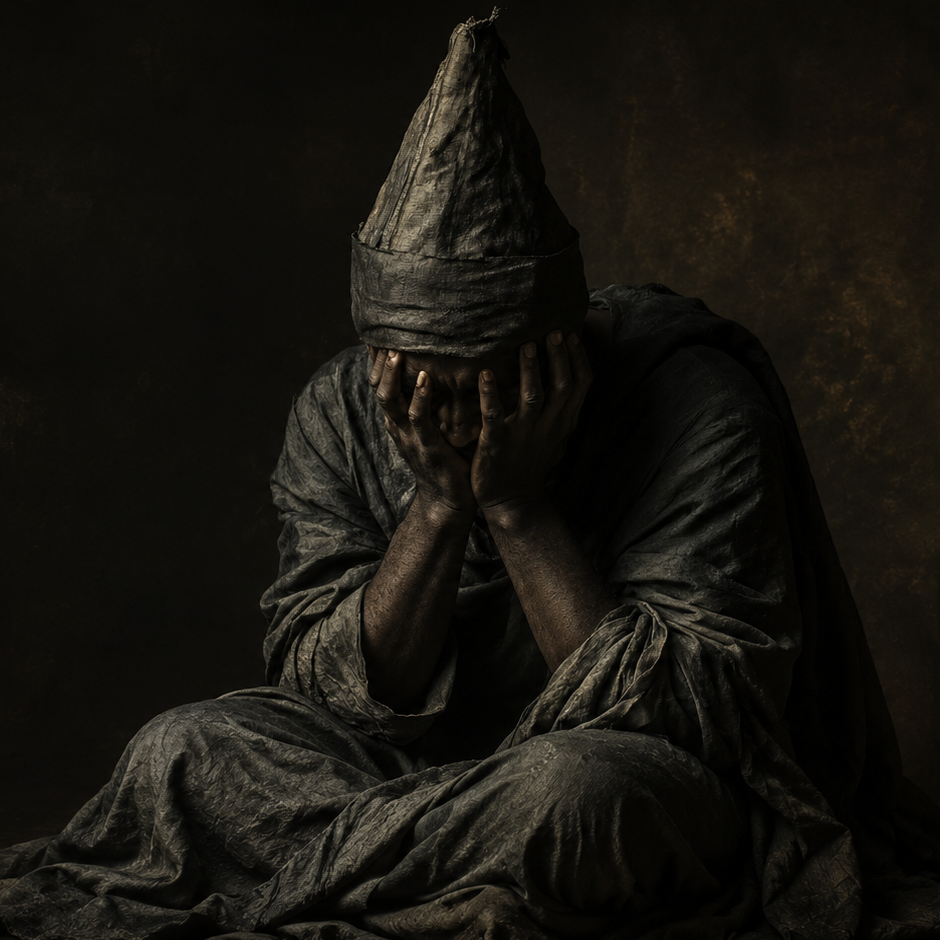
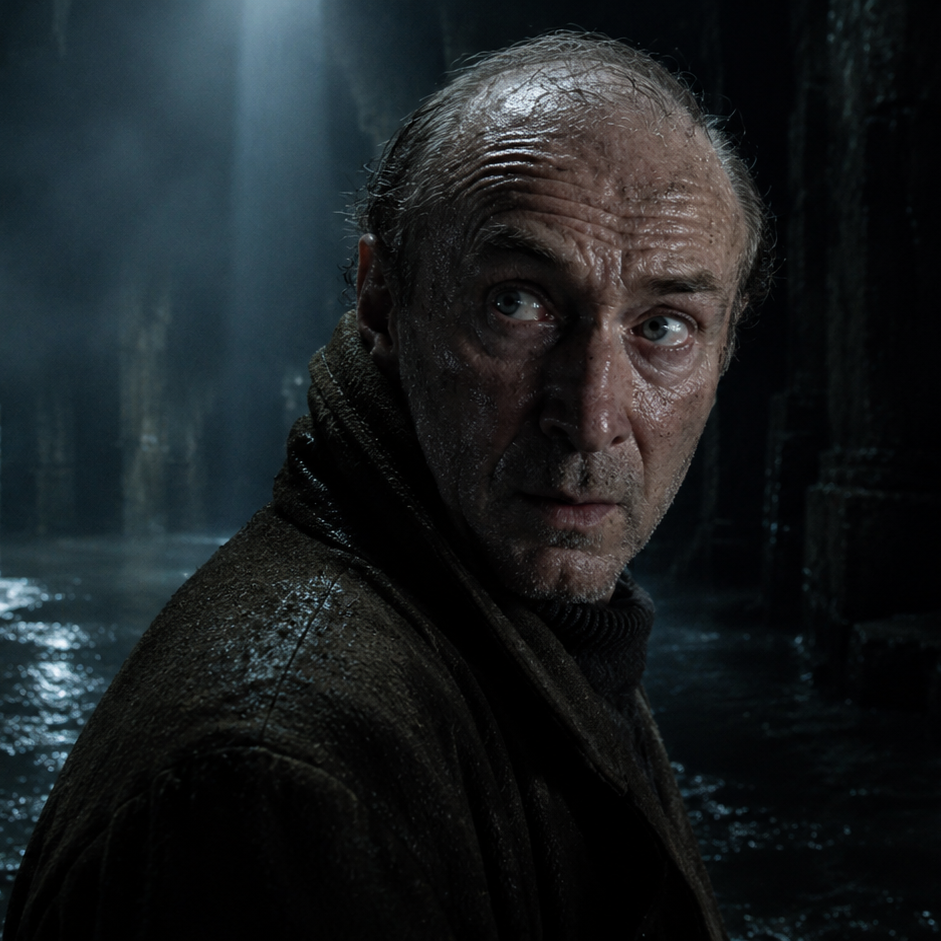
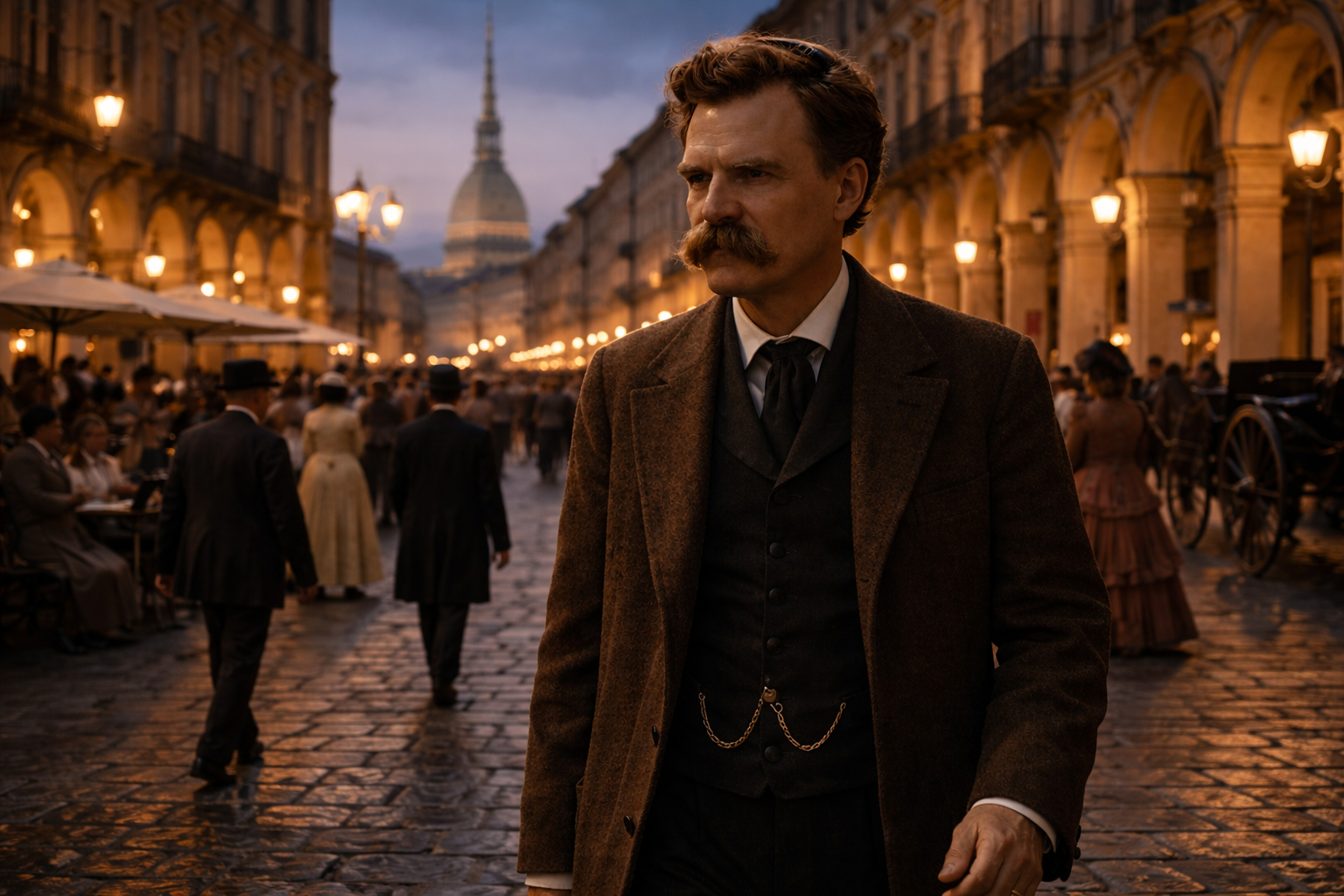
He stands at the window. Turin is quiet. He is not yet the man who will collapse in the street, weeping over a horse. But that man is coming. Something in his face already knows it. The price of seeing everything clearly is that you also see what is coming.
Further Reading