Against Aesthetic Substitution: Wagner, Modernity, and the Limits of Artistic Transcendence
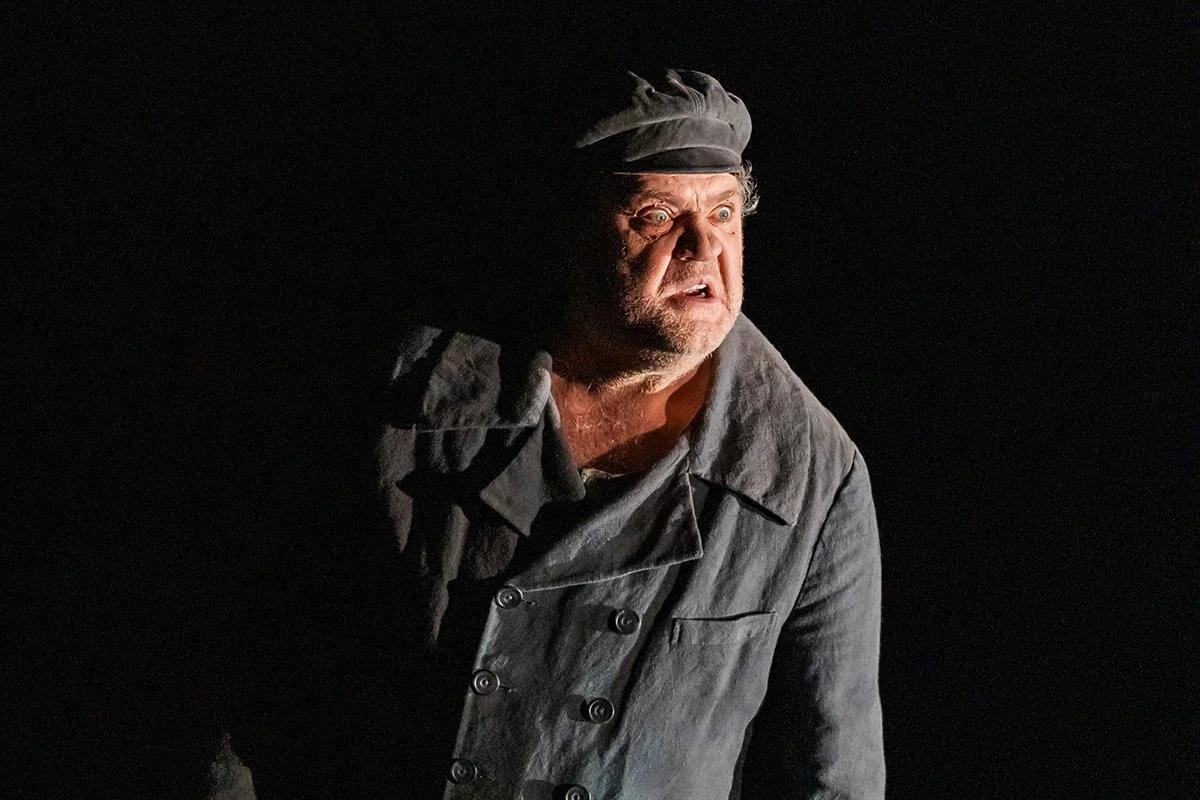
Richard Wagner once wrote: “Where religion becomes artificial, it is reserved for art to save the spirit of religion.”
At first glance, this feels like a defense of art’s highest calling. When institutions hollow out belief, when ritual hardens into habit, art steps in to preserve what still matters. Music becomes sanctuary. Myth becomes meaning. Beauty becomes a form of moral rescue.
It is an idea which has seduced generations of artists and audiences alike. And yet Wagner was wrong. Not because art lacks power, but because this formulation asks art to do something it cannot do without distorting itself. More provocatively, Wagner’s operas do not save the spirit of religion. They replace it with something far more fragile, far more human, and far less redemptive than he was willing to admit.
This matters to Aufbruch/Matt because the project has never treated Wagner as a substitute faith. It has treated him as a companion. One voice among many encountered while walking, listening, thinking. Wagner becomes not a savior of meaning, but a provocation. An encounter which deepens questions rather than resolving them.
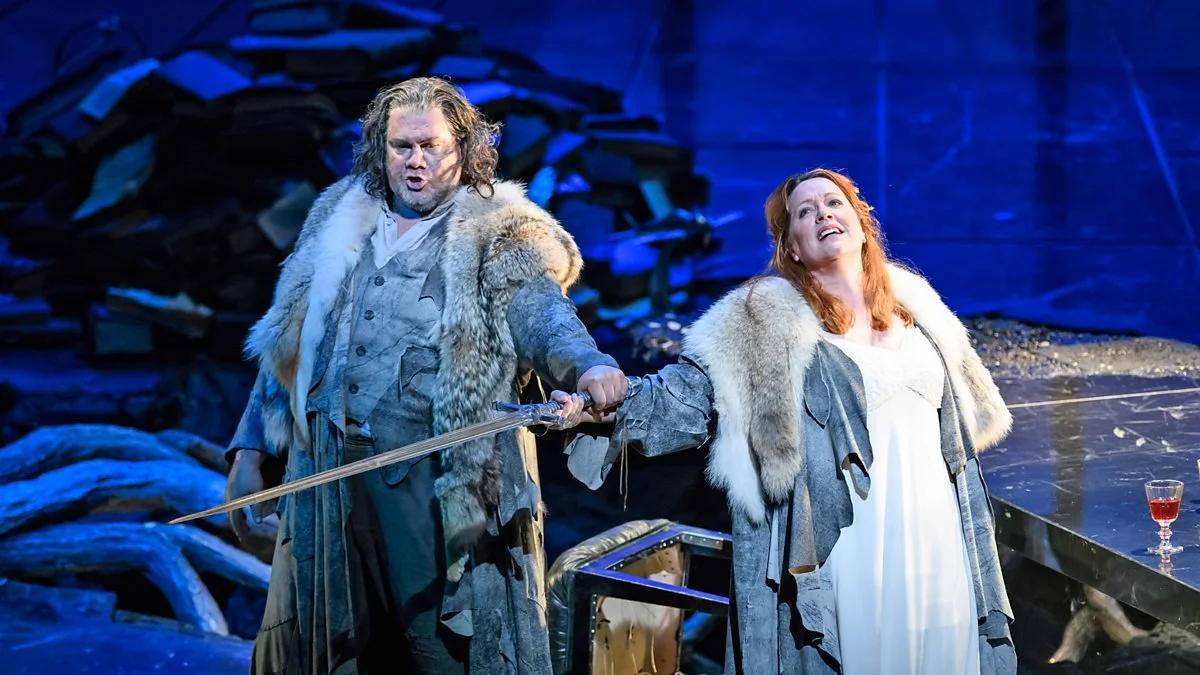
Wagner’s claim rests on a familiar anxiety. That modernity empties the world of transcendence. That organized religion calcifies. That belief becomes procedural rather than lived. Art, in this view, inherits religion’s abandoned role. It gathers the community. It offers ritual. It gestures toward the infinite. But Wagner’s own operas do not behave like religion rescued. They behave like religion unmade.
Religion, even in its most mystical forms, promises continuity. It binds suffering to purpose. It assures us that renunciation leads somewhere. That sacrifice is redeemed, that loss is accounted for. Wagner wanted his art to carry this weight. He wanted music drama to restore metaphysical seriousness to a disenchanted world. Yet what his operas actually stage, again and again, is the collapse of salvific logic.
Take Tristan und Isolde. There is no salvation here, only intensification. Love does not redeem the world. It annihilates the terms by which the world makes sense. The longing does not lead upward. It leads inward, then downward, then beyond language entirely. If there is transcendence, it is not moral or communal. It is private, erotic, terminal. This is not religion by other means. This is religion’s opposite. A refusal of justification.
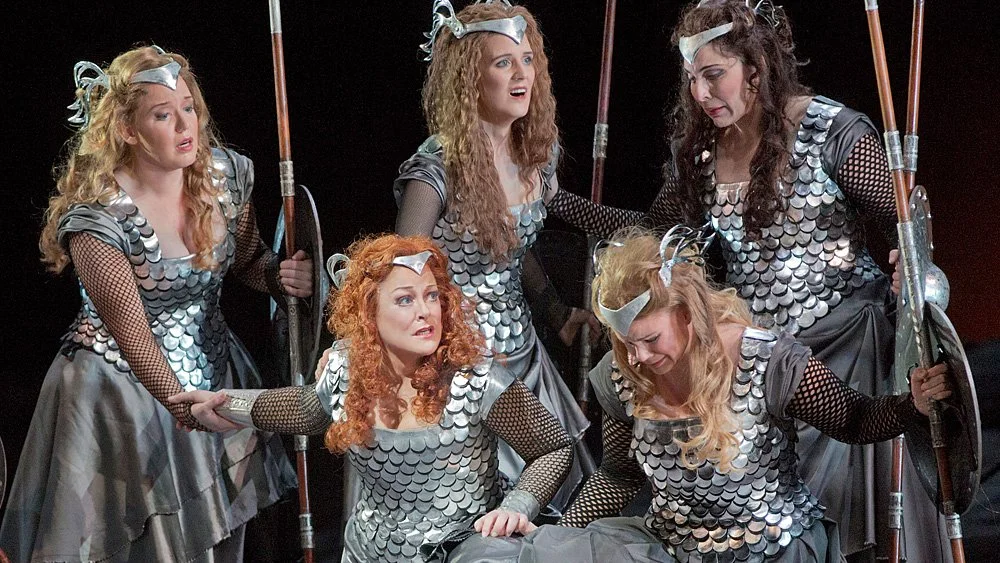
Or consider the Ring. Wagner asked it to function as a mythic critique of power, greed, and corruption. A secular scripture for the modern age. And yet the cycle ends not with renewal, but with exhaustion. The gods do not redeem the world. They relinquish it. The fire does not purify so much as erase. What remains is not a saved order, but an open question.
If art were truly preserving religion’s spirit, it would have to preserve religion’s confidence. Its claim that meaning ultimately holds. Wagner’s works do not do this. They dramatize meaning’s failure to stabilize. Even Parsifal, often treated as Wagner’s most explicitly religious work, resists easy sanctification. Compassion does not heal the world. It merely allows it to endure itself a little longer. The Grail does not usher in a new era. It sustains a wounded one. Redemption here is not triumphal. It is maintenance.
This is where Wagner’s sentence falters. Art does not save religion’s spirit. It exposes how precarious that spirit always was. Wagner wanted art to function as a vessel for transcendence. But his genius lay elsewhere: in showing what happens when transcendence can no longer be trusted to arrive. His operas are not answers to disenchantment. They are its most eloquent symptoms. And that is precisely why they remain alive.
Aufbruch/Matt does not treat Wagner as a liturgy to be believed in. It treats him as a landscape to be crossed repeatedly, under different conditions. Listening on a ferry, in a park, on a train, the music does not feel like a substitute religion. It feels like a companion to thought. Sometimes overwhelming, sometimes clarifying, often unresolved. Which is closer to life than salvation ever is.
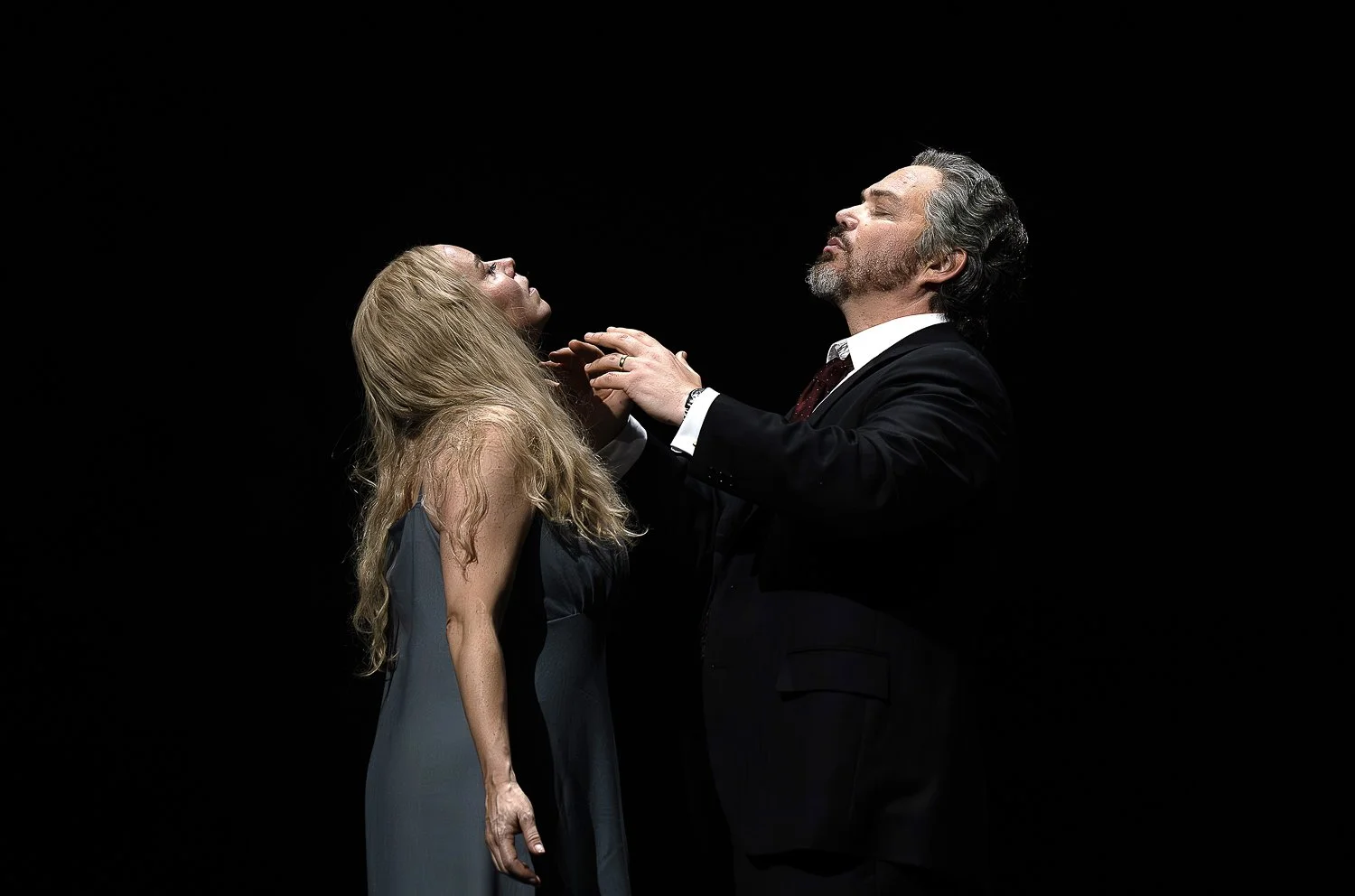
Wagner believed art could rescue what religion had lost. What his operas actually do is teach us how to live without rescue. They train us to sit with longing that is not fulfilled, with justice that is not completed, with love that does not redeem the world. This is not failure. It is honesty.
Art does not save the spirit of religion. It tells the truth religion cannot afford to tell: that meaning is provisional, that consolation is temporary, that transcendence is an experience, not a guarantee. Wagner could not quite accept this. He wanted his works to stand in for belief. But they endure because they do something braver. They allow belief to fracture, and then ask what kind of attention, care, and compassion are still possible when it does. That is the Wagner worth walking with today. Not as a savior of lost faith, but as a composer who understood, despite himself, that art’s power lies not in replacing religion, but in surviving its absence.
Further Reading