The Angel Was Already Walking: Interviewing Walter Benjamin
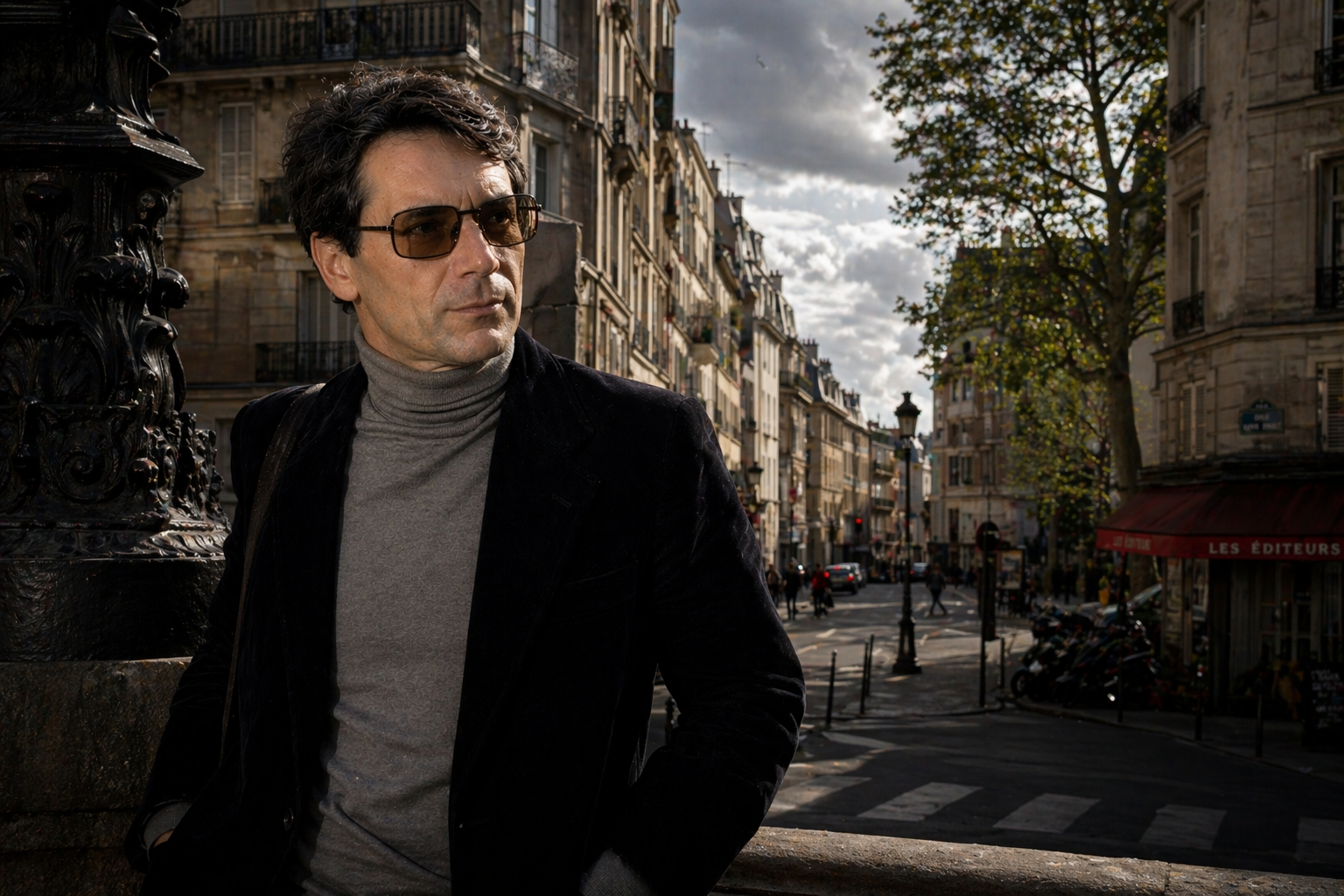
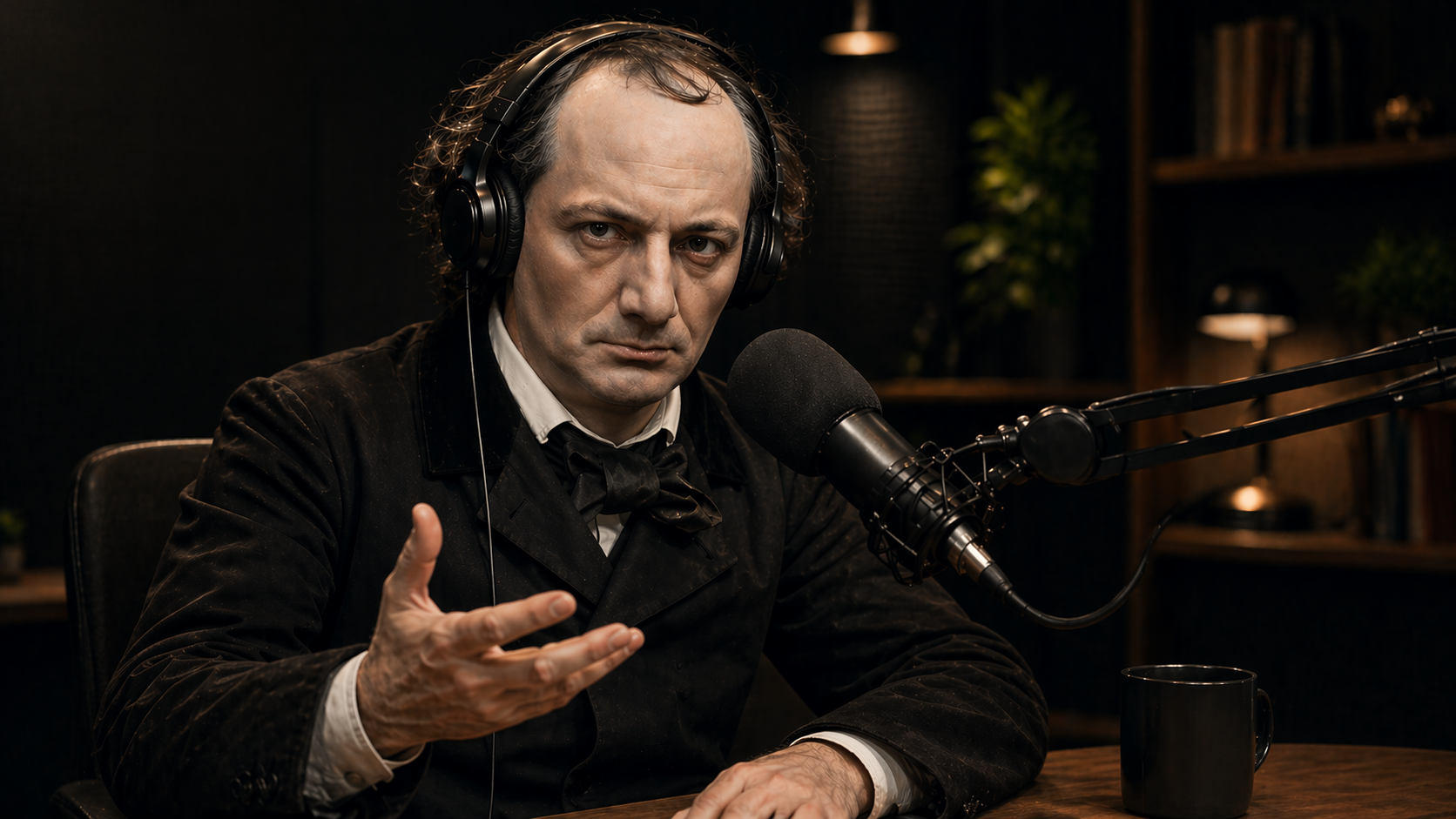
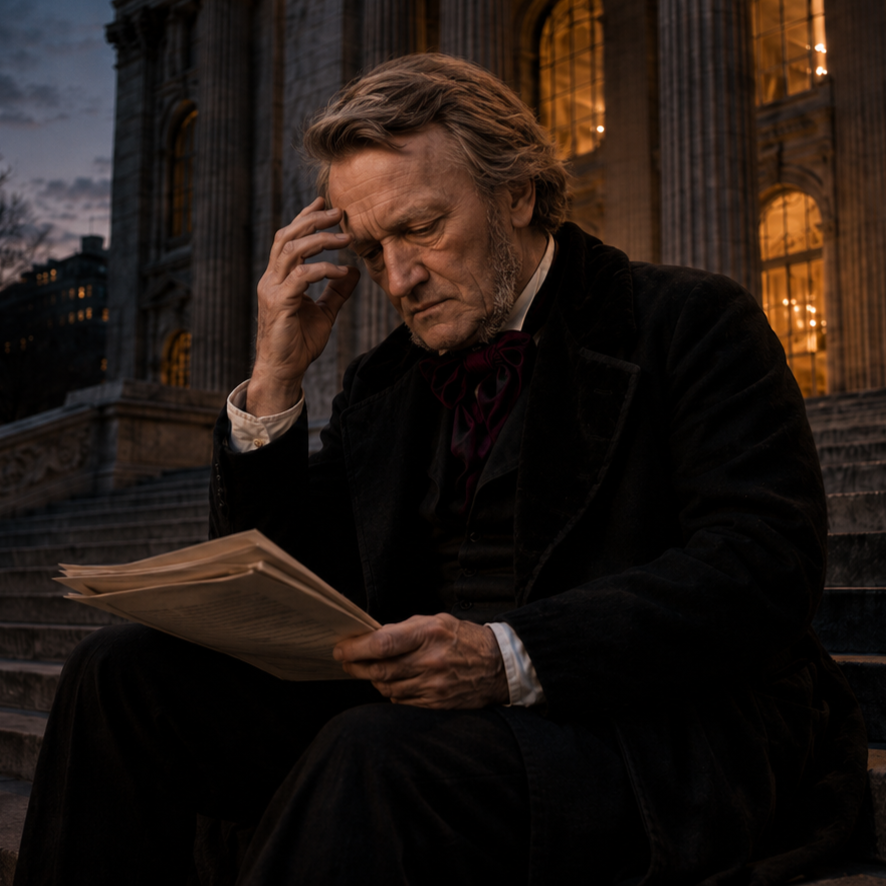
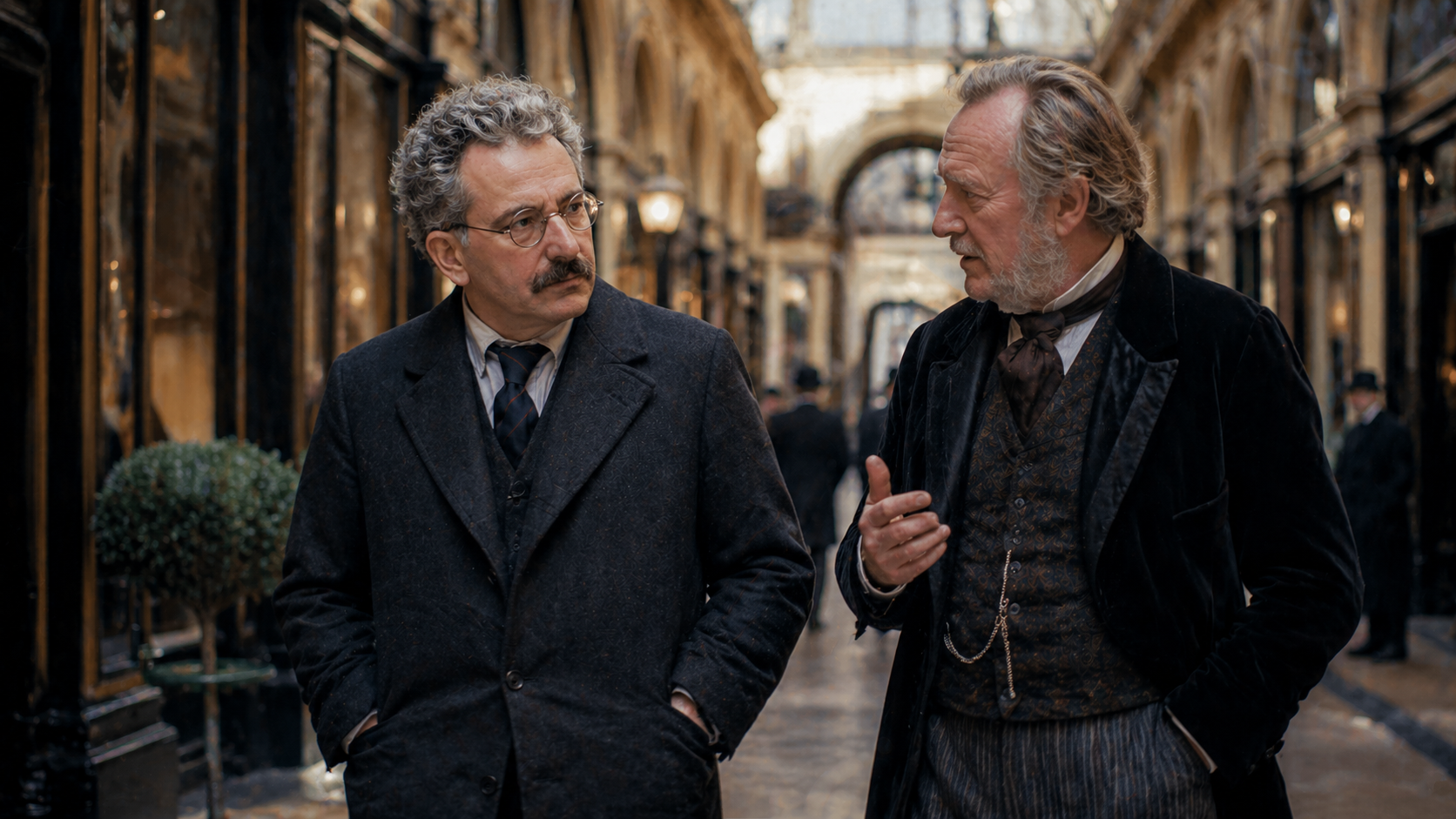
An interview conducted in the arcade. Not a specific one. The one that contains all the others. He has his notebook. He is always about to leave.
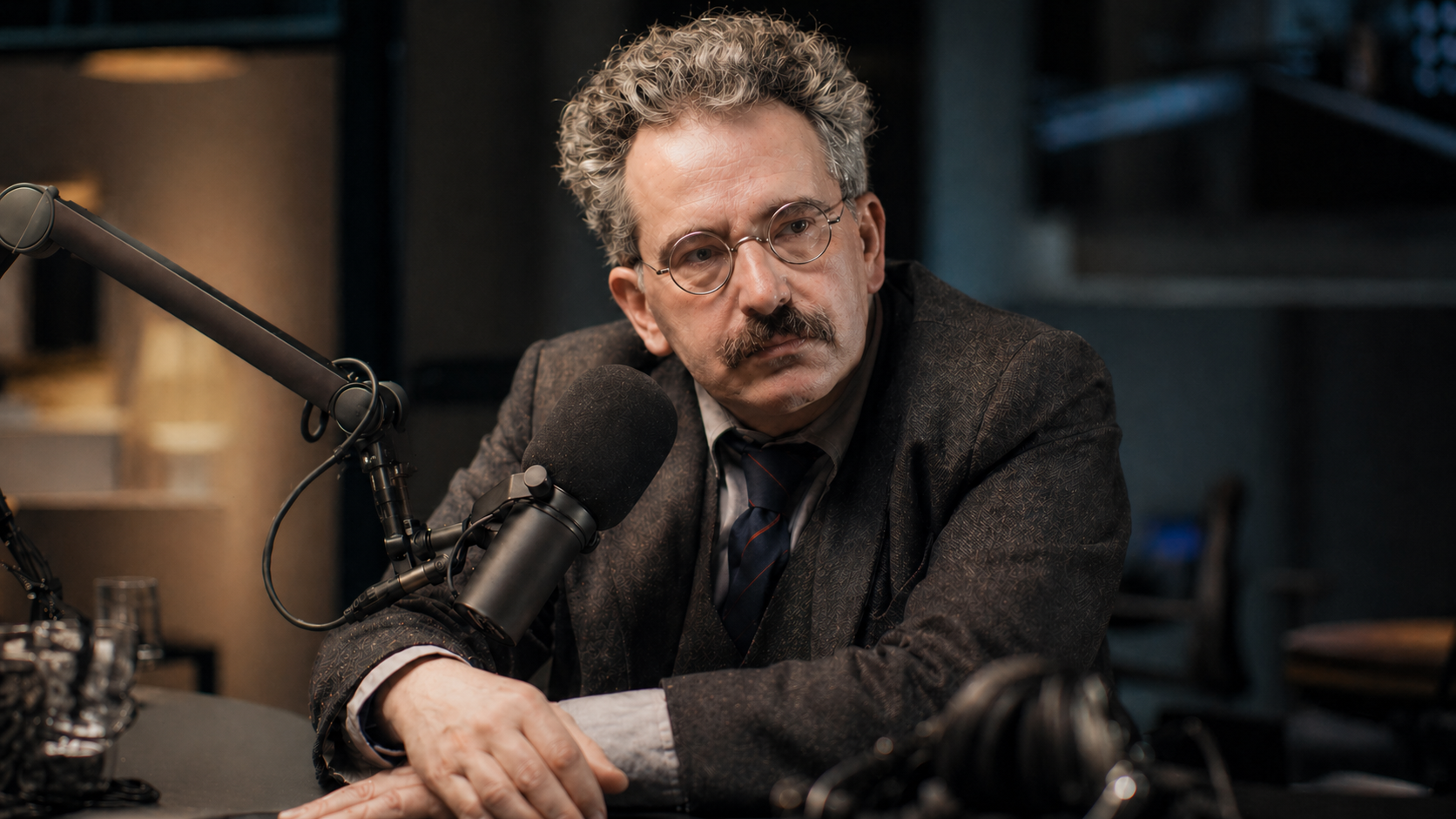
Aufbruch/Matt: Herr Benjamin. I want to ask you about walking as a practice of reading.
Walter Benjamin: The city is a text that resists reading. That is its essential quality. Not because it is illegible but because its legibility is always partial, always from a single angle, always at the cost of every other angle simultaneously available. The flâneur is not someone who reads the city successfully. He is someone who has accepted the terms of the failure and walks anyway.
Aufbruch/Matt: The project I've built adds a musical score to the walk. Wagner's operas, one per month, played through headphones as I move through New York.
Walter Benjamin: This is interesting and alarming in equal measure. The score adds a second text to the already unreadable first one. Now you are reading two things that resist reading simultaneously. The city and the music. Each one modifying the other's resistance. The result is not double the meaning but something more like a palimpsest, meanings visible through other meanings, none of them fully present.
Aufbruch/Matt: That is exactly the experience. The streets become readable in a way they aren't without the music.
Walter Benjamin: Be careful with the word readable. What the music does is not make the city legible. It makes it charged. There is a difference. Legibility implies a stable meaning that can be decoded. What you are describing is more like the dialectical image, a moment when the past and the present flash together, when a street corner suddenly contains more than its current use, when something buried in the city's layers becomes briefly visible. The music is not decoding the city. It is creating the conditions for those flashes.
Aufbruch/Matt: You wrote about the Passagen, the arcades of Paris, as repositories of the recent past. Dream-spaces of capitalism. Do you see New York that way?
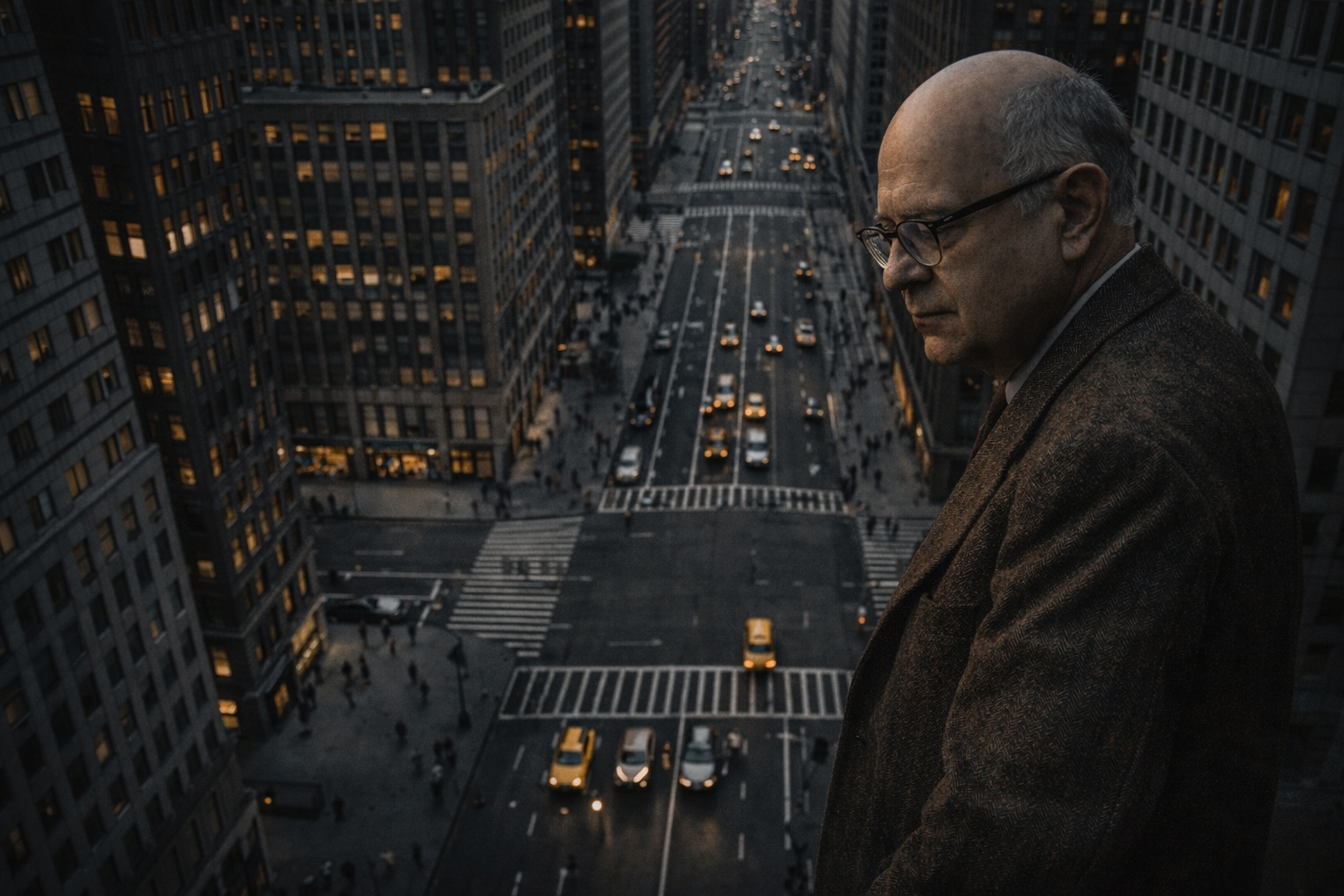
Walter Benjamin: New York is a different kind of ruin. Paris accumulated slowly enough that its layers are still visible. The arcade sits next to the department store that replaced it, the ghost of the older city still present in the newer one. New York destroys more completely. It builds on erasure rather than accumulation. The ruin is not visible because it has been paved over. But it is there. The scored walk, if it is doing what you say, is a way of making contact with the erased city. The music carries historical time. Wagner was writing about myth, about the deep past, about forces that predate the modern city, and when that music enters the present-day streets it creates a temporal collision. The Norse gods walking through Midtown. Tristan's longing moving along the Hudson. That collision is where meaning happens.
Aufbruch/Matt: The project involves maps. I've been building interactive visualizations of the routes.
Walter Benjamin: Maps are always ideological. The map that presents itself as neutral is the most ideological of all. Your maps are interesting precisely because they are not pretending to be neutral. They are scored maps with a declared perspective, a declared score. The city as experienced by a specific person listening to a specific opera on a specific day in a specific light. That specificity is honest. It is also irreproducible. The map can be shared but the walk cannot. There is something melancholic about that.
Aufbruch/Matt: Why melancholic?
Walter Benjamin: Because the thing you are trying to preserve is precisely what cannot be preserved. The moment when the Prelude to Tristan and the light on the river and a particular German word arrived simultaneously in your consciousness. That moment is unrepeatable. The map and the essay are the trace of the moment, not the moment. The project is an archive of experiences that the archive cannot contain. This is not a failure. This is what all serious archiving is. The angel of history faces the past and sees only wreckage, even the wreckage of beautiful things.
Aufbruch/Matt: That image, the angel of history blown into the future while facing the past, feels very present in this project. Moving through the city forward in time while listening to music that reaches backward into myth.
Walter Benjamin: You are describing a particular kind of historical consciousness. Not nostalgia, which wants to go back. Not progress, which wants to go forward. Something that refuses both movements. That insists on staying in the tension between the accumulated past and the arriving present. Wagner understood this structurally. The Ring cycle is not about the past. It is about the way the past will not release its claim on the present. Every step Wotan takes is constrained by agreements he made before the opera began. Every step you take in New York is constrained by everything the city has been. The walk makes that constraint felt, which is a form of political consciousness even when it looks like aesthetics.
Aufbruch/Matt: Is it enough? Walking and listening and writing?
Walter Benjamin: It is never enough. That is not a criticism. Nothing is enough. The question is whether it is something, and I think it is something. The refusal of acceleration, the insistence on duration, the attention to what the city erases. These are not merely private gestures. They are a practice of resistance to the logic of permanent novelty that capitalism requires. Slow walking in a fast city is a political act, even when the walker is thinking about Tristan.
Aufbruch/Matt: You were trying to flee Paris in 1940. You had the manuscript of the Arcades Project with you.
Walter Benjamin: [a long silence]
Aufbruch/Matt: I'm sorry. I shouldn't have…
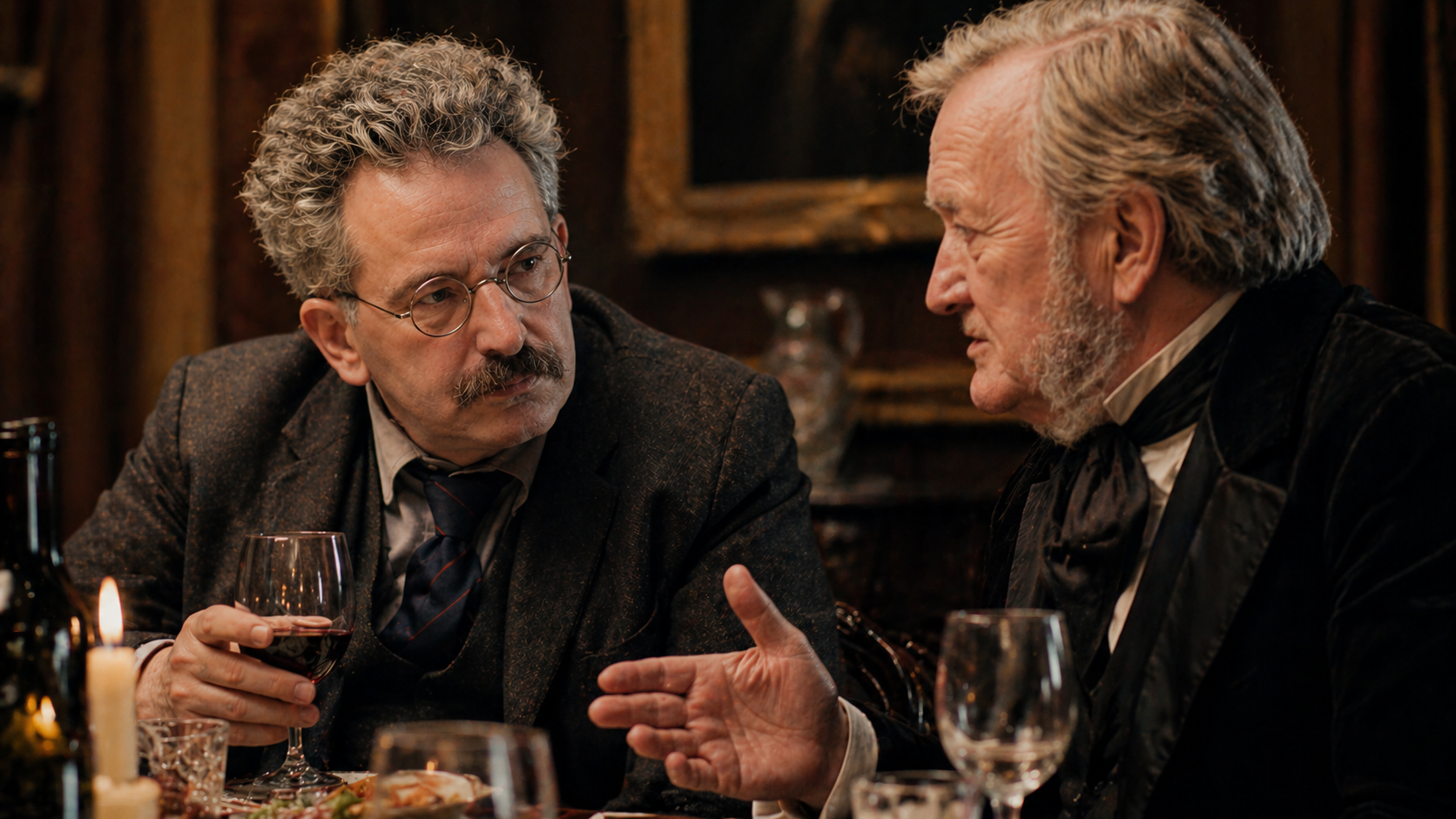
Walter Benjamin: No. You should ask it. The Arcades Project is an unfinished walk through a city I could not stay in. The manuscript survived. I did not. This is one version of what it means to build something larger than yourself. The building outlasts the builder and cannot be completed by anyone else because it was not that kind of building. It was a walk. My walk. Interrupted. What you are doing in New York is a walk that can be completed because you are still walking. Do not interrupt it. Finish it. Whatever the archive cannot preserve, finish it anyway and let the finishing be the meaning.
He closes the notebook. It is not a gesture of ending but of continuation elsewhere. The arcade extends in both directions. Somewhere in its length, the text of the city is briefly, imperfectly, urgently legible. He is already walking toward it.
Further Reading