What the Flame Requires: Interviewing Cosima Wagner
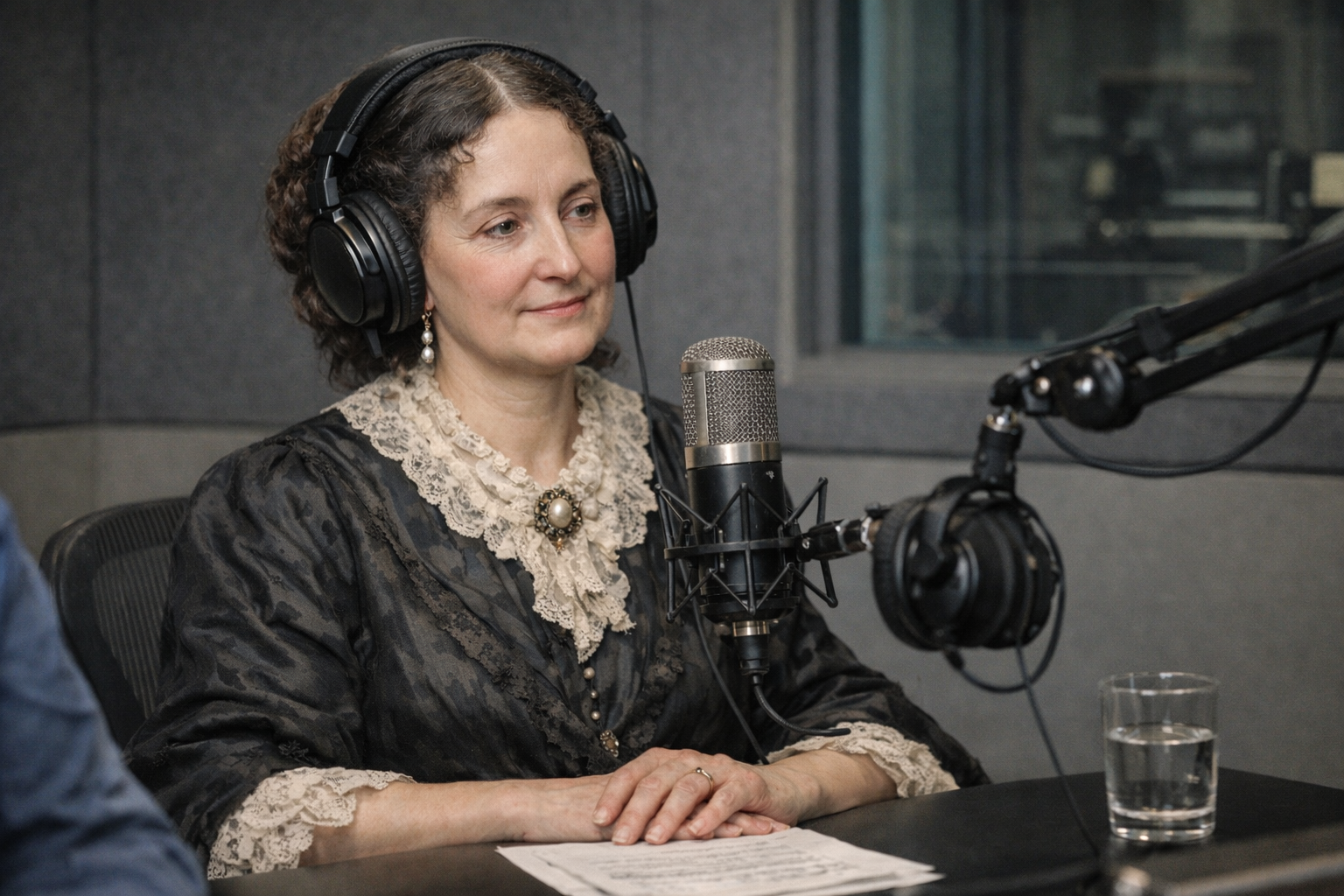
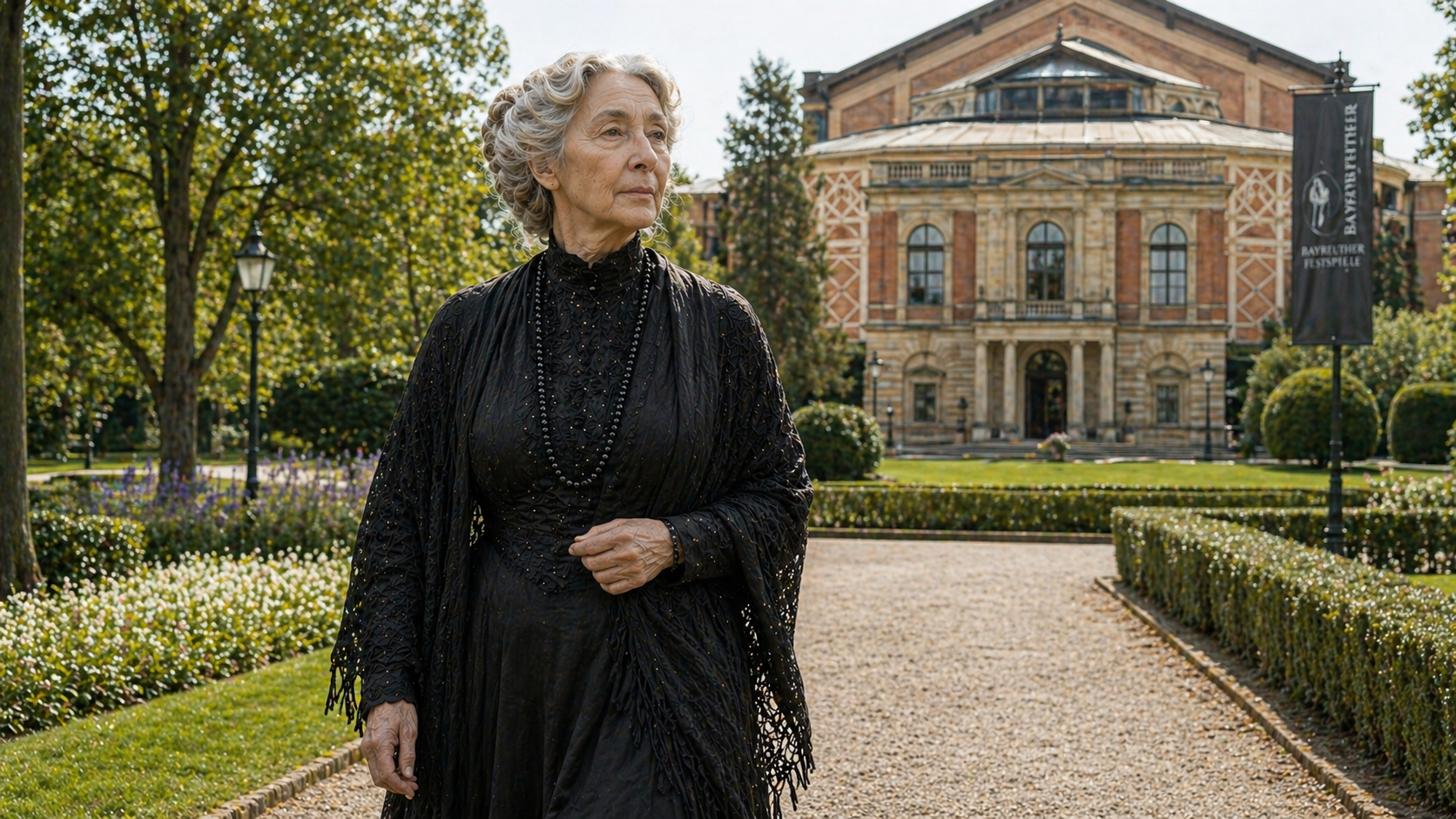
An interview conducted at Wahnfried, Bayreuth, some time after 1930, when she is very old and the world she built is beginning to crack at its foundations in ways she will not acknowledge. The room is immaculate. She receives visitors as she always has: on her own terms.
Aufbruch/Matt: Frau Wagner. You ran Bayreuth for forty-seven years after his death.
Cosima Wagner: Forty-seven years, yes. People say this as though it is remarkable. It required what it required. The festival existed. It had to continue. I was the person who understood what it needed. There was no mystery to it.
Aufbruch/Matt: You were twenty-three years younger than he was. You outlived him by forty-seven years. In that time you became the authority on what his work meant and how it should be performed.
Cosima Wagner: I became what was necessary. He left detailed records. He had opinions about everything — the tempos, the staging, the singers, the lighting. I had heard him describe these things for years. I had kept the diaries. I had been inside the making of the late work in a way that no one else had been. It was not hubris to act on that knowledge. It would have been negligence not to.
Aufbruch/Matt: Some said you froze the productions. That Bayreuth under you became a museum of his intentions rather than a living thing.
Cosima Wagner: Some said many things. The people who said this were generally people who wanted to do something different with his work and were irritated that I stood between them and the opportunity. I do not apologize for that. A flame requires tending. If you tend it carelessly it goes out. If you tend it too loosely it burns what it should not.
Aufbruch/Matt: But art that doesn't change dies anyway.
Cosima Wagner: That is a fashionable idea. I am not sure it is true. The scores do not change. The notes are the notes. What I preserved was fidelity to the scores as he understood them. Whether subsequent generations choose to depart from that understanding is their affair. I was responsible for my era. I discharged that responsibility.
Aufbruch/Matt: Let me ask about Hans von Bülow.
Cosima Wagner: [a stillness passes across her face] If you must.
Aufbruch/Matt: You left a man who loved you and whom you had children with, for a man who needed you in a different way.
Cosima Wagner: Hans was a great musician and a good man who deserved better than what I gave him. I have never pretended otherwise. I made a choice and it was not a painless choice for anyone. The reasons for it were not simple and I will not reduce them to something simple now.
Aufbruch/Matt: Were you in love with Wagner, or with what he was making?
Cosima Wagner: Those were not separable things. He was the work and the work was him. You could not love one without the other and I did not try. That is not a convenient answer but it is the true one.
Aufbruch/Matt: Your father was Liszt. You grew up around genius. Did that make it easier to recognize or harder to withstand?
Cosima Wagner: It made me fluent in what it demands. My father was also enormous in his way. He also required everything from those around him and was constitutionally unable to provide equivalence in return. I was not surprised by Richard in that regard. I was prepared. Whether that preparation was a gift or a wound I have never fully resolved.
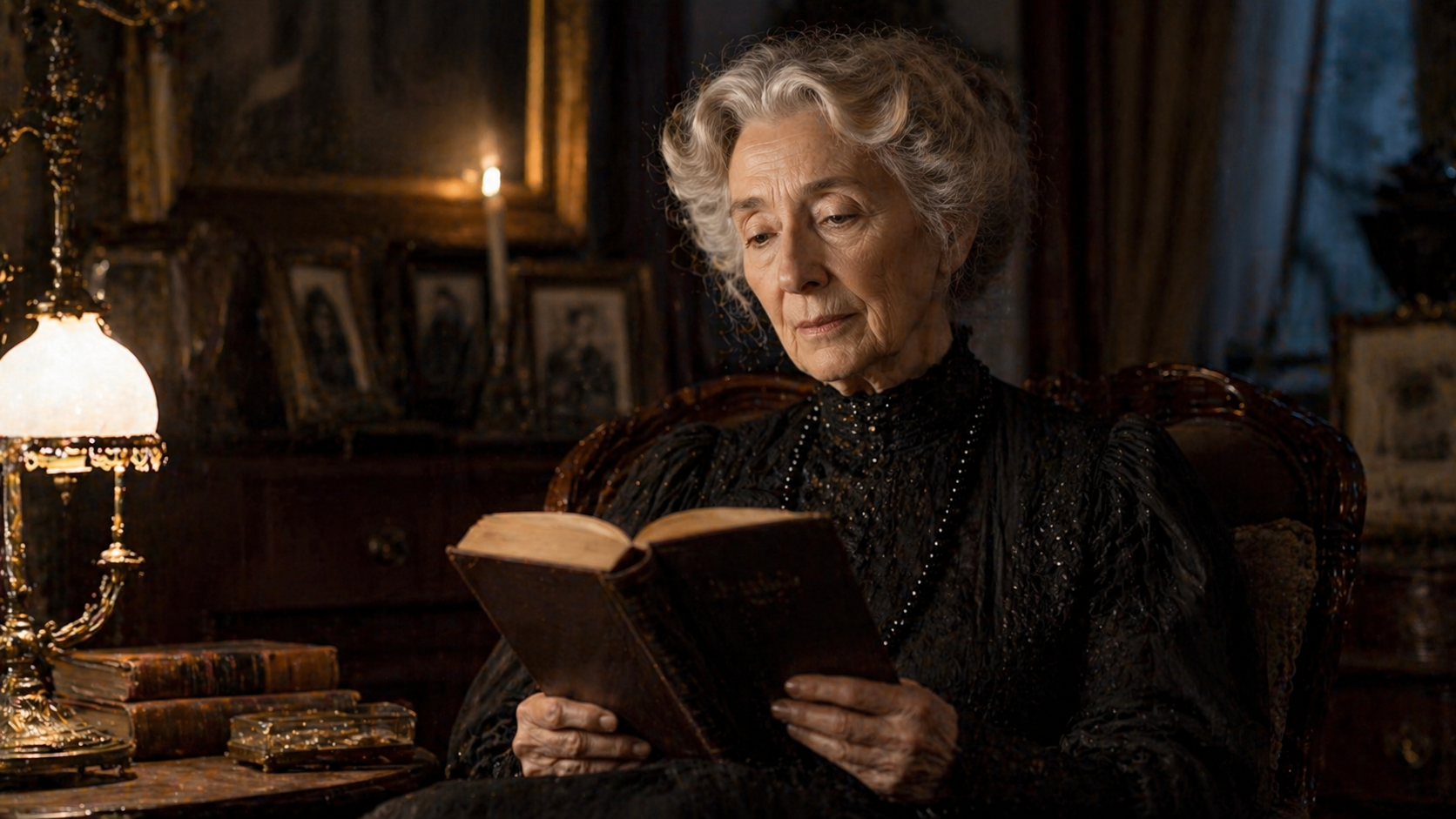
Aufbruch/Matt: The diaries you kept are extraordinary documents. Twenty years of daily entries. Every conversation, every piece played at the piano, every mood.
Cosima Wagner: I wanted a record. He was not going to be present forever and the world needed to know what had been present. The diaries were not for publication during my lifetime. They were for after. For the accounting.
Aufbruch/Matt: The accounting of what?
Cosima Wagner: Of what it cost. And what it produced. Both things needed to be on the record.
Aufbruch/Matt: And what did it cost?
Cosima Wagner: Everything that everything costs. I gave my life to his life and then to his legacy and I do not say this with self-pity. I say it as a statement of fact. There are people who build and people who preserve and I was, by nature and by choice, a preserver. The building had been done. What remained was to make sure the structure stood.
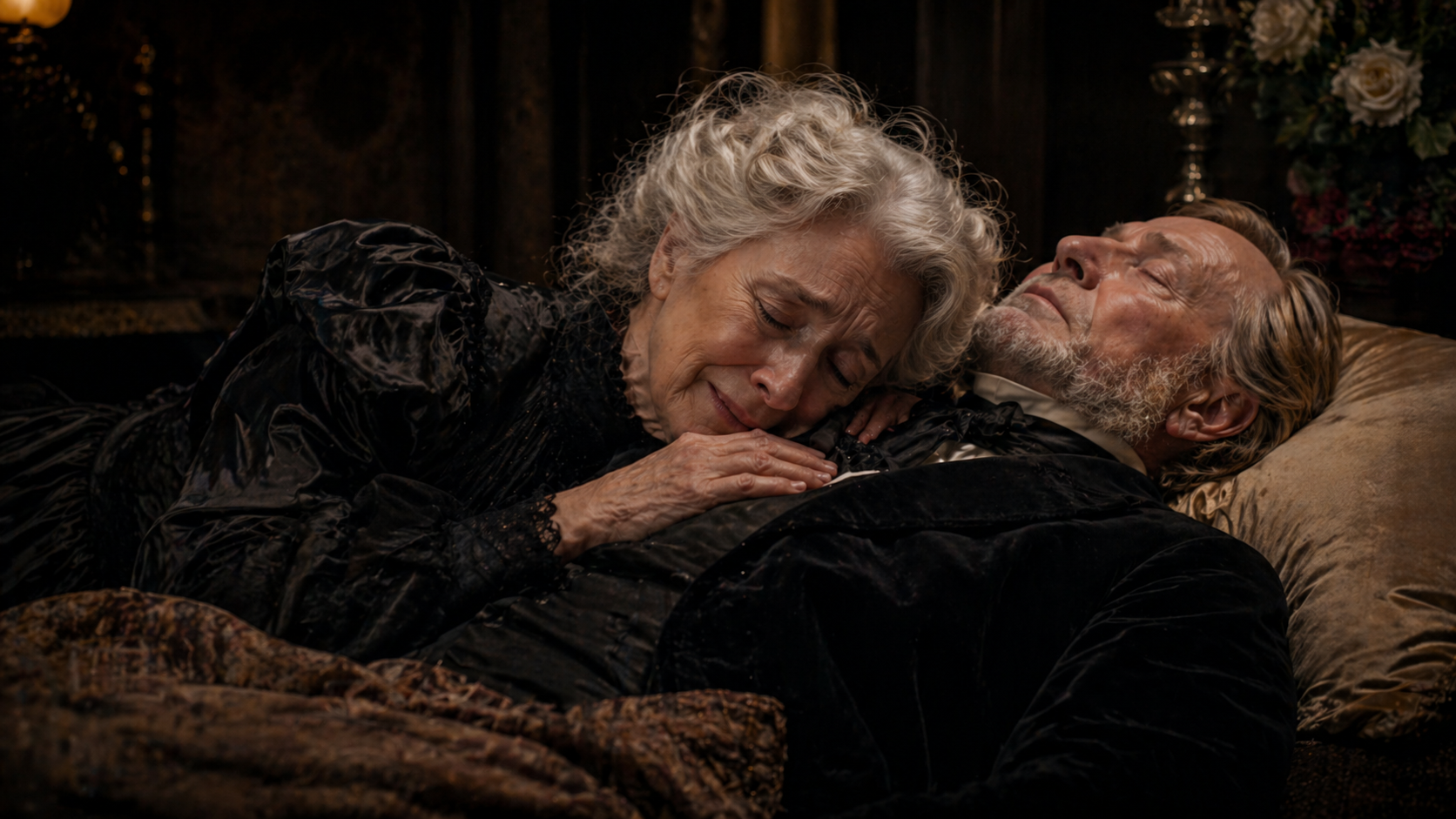
Aufbruch/Matt: At the end of his life, in Venice, you lay on his body for twenty-four hours after he died and refused to leave.
Cosima Wagner: [silence]
Aufbruch/Matt: I'm sorry. I should not have…
Cosima Wagner: No. You should ask it. It is the true center of everything. He was there and then he was not there and something in me could not yet accept the new arrangement. Twenty-four hours is not so long, when you consider the alternative.
Aufbruch/Matt: What was the alternative?
Cosima Wagner: Beginning. Beginning the forty-seven years. Beginning the long work of holding the shape of something that would never again generate itself from within. He was the source. I was the vessel after the source stopped flowing. You do not rush toward that.
Aufbruch/Matt: And yet you did it. For forty-seven years.
Cosima Wagner: I did it because it was mine to do. Because no one else had been that close to the work and survived him. Because Bayreuth was real and the music was real and those things required a custodian who understood both their value and their fragility. I was not willing to entrust them to someone who had not paid the price I paid.
Aufbruch/Matt: What do you want the work to be, now? Not the productions. The music itself. What do you want it still to do?
Cosima Wagner: What it has always done. Find the people who need it and change them. Not comfort them. Change them. Make them larger and more capable of bearing what a human life requires. He composed at that scale. He intended that scale. Everything I did was to protect the possibility of that encounter between the music and the person who is ready for it.
Aufbruch/Matt: And the people who are not ready?
Cosima Wagner: They will come back. Or they won't. The music does not negotiate its terms.
She does not stand. She does not signal the interview's end. She simply becomes, very slightly, more still, in the way that very old people do when they have said the last thing they intend to say. The room is immaculate. On the desk, the diaries. Outside, Bayreuth. The festival she built from grief and will and the long discipline of loving something more than herself.
The music does not negotiate its terms. It waits.
Further Reading