Loge Watches the Burning: When We Look Back, the World Is Always Ending
Every generation has lived inside what felt like terminal acceleration. The printing press, the railroad, the splitting of the atom. The sense that something irreversible had been released, that the old terms no longer applied, that what came next could not be imagined from where we were standing. And yet the world kept producing more world. The ending kept deferring.
This is not a reason for comfort. The atom actually did change the terms permanently. Some thresholds, once crossed, do not uncross. But it is a reason for honesty about the specific shape of the catastrophe you believe you are standing in.
We are building something now with AI which may be different in kind from everything that came before. Not because the technology is unprecedented, though it may be, but because of the conditions under which it is being built. A chaotic arms race. Geopolitical pressure operating as the primary incentive. The systematic removal of friction between capability and deployment. The active mystification of what is being built, so that it arrives as gift rather than as product, as revelation rather than as decision. A gift has no maker. A revelation has no accountability.
Wagner understood this mechanism precisely. He spent decades writing about it.
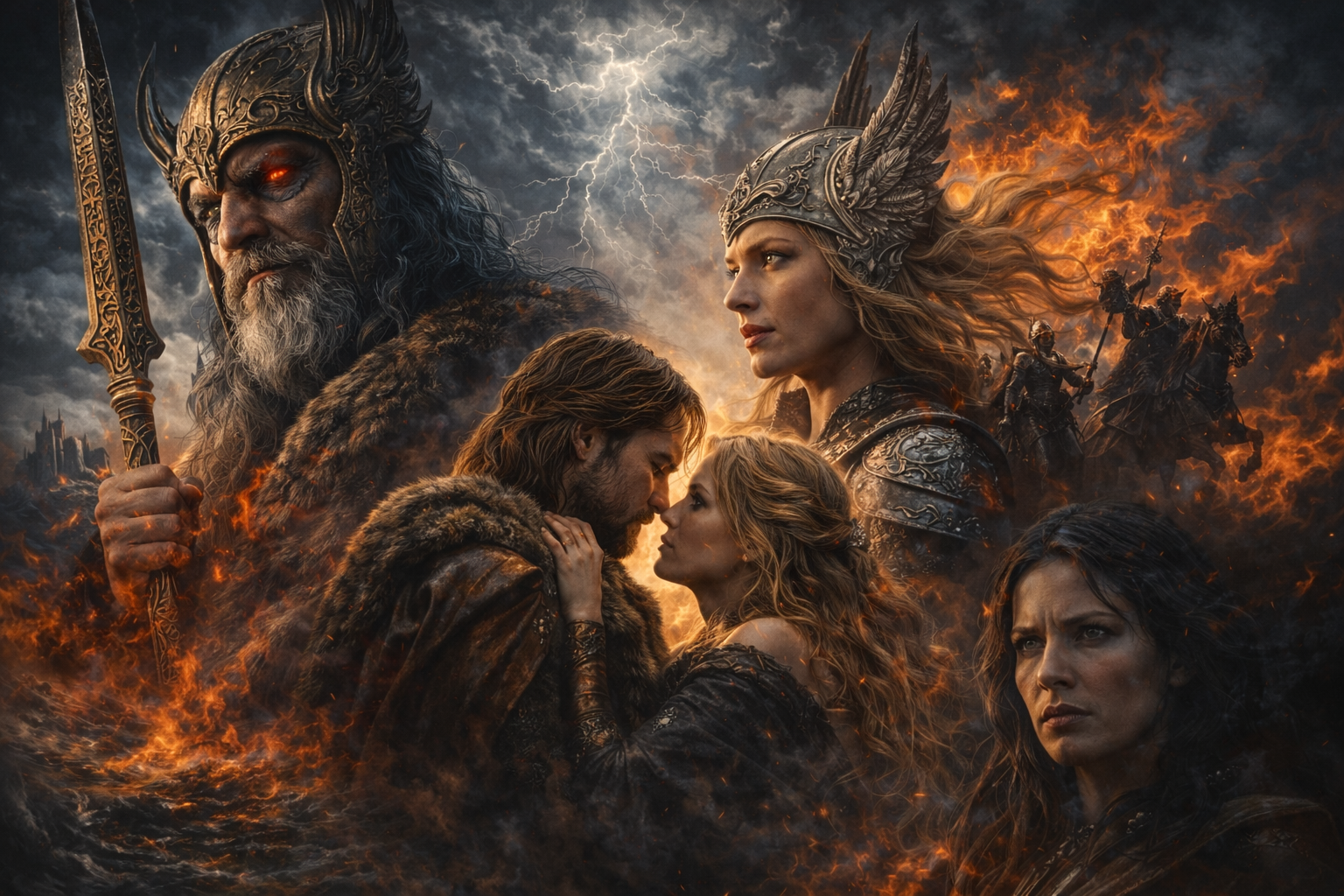
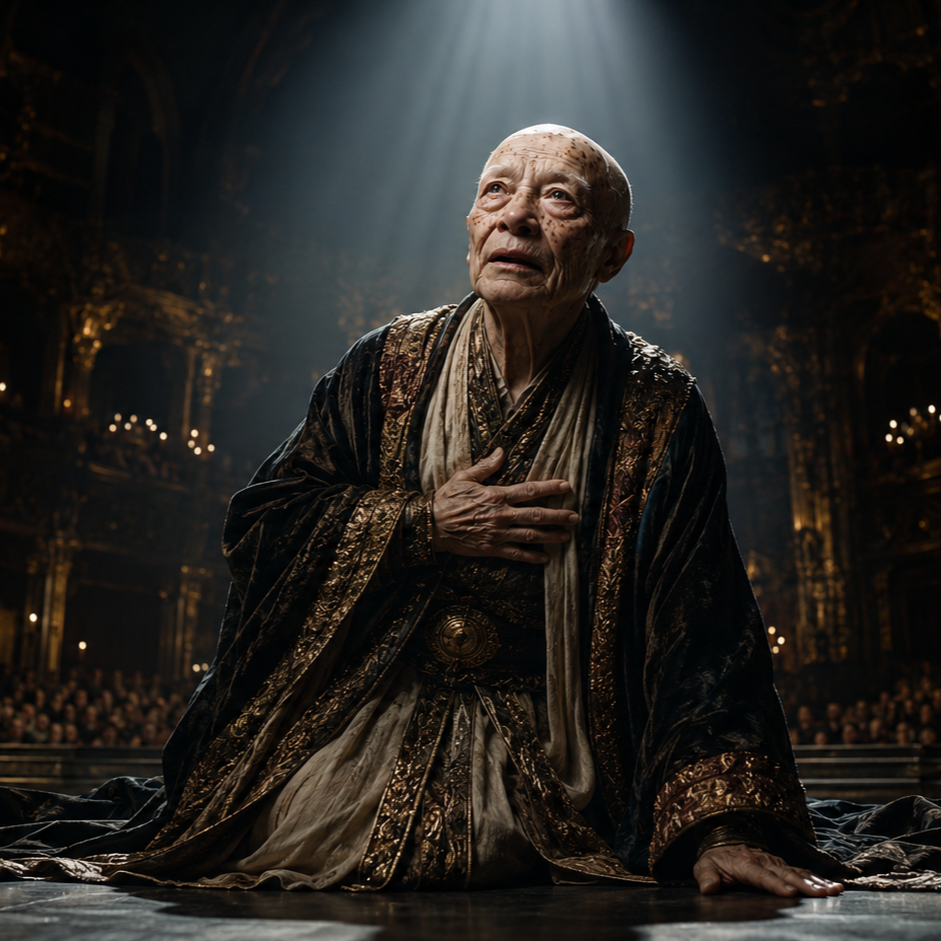
The gods in the Ring are not transcendent. They are operators. Wotan built the system, benefits from the system, and understands its terms better than anyone. When it collapses, he performs surprise. But his anguish in the second act of Die Walküre is real anguish. Wagner never falsifies it. The tragedy is not that Wotan is a hypocrite. It is that he made every choice with full intelligence, modeled consequences across generations, constructed systems of extraordinary complexity, and still produced catastrophe. Because he was solving the wrong problem.
He was trying to preserve what he had, rather than understand what it cost.
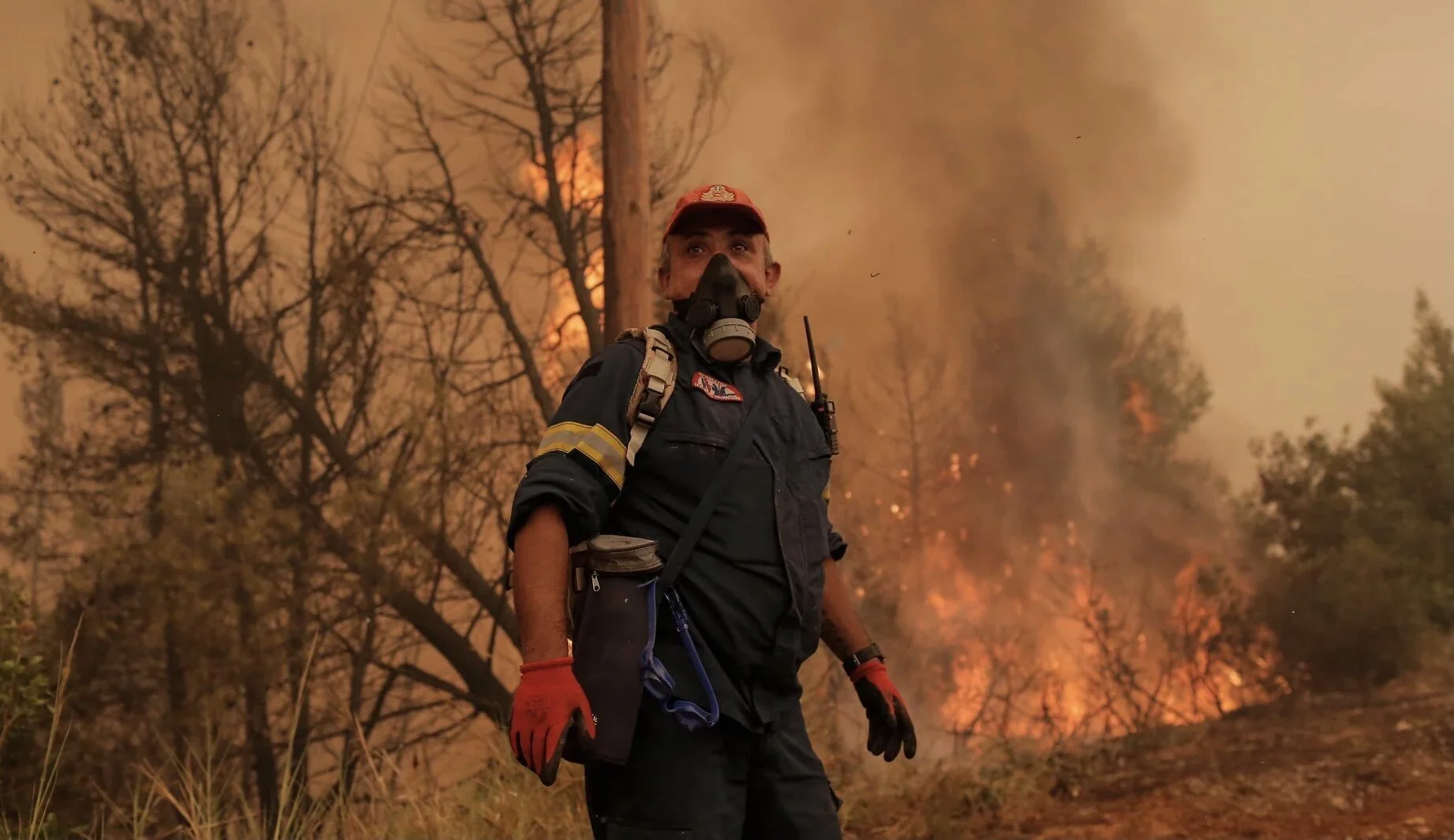
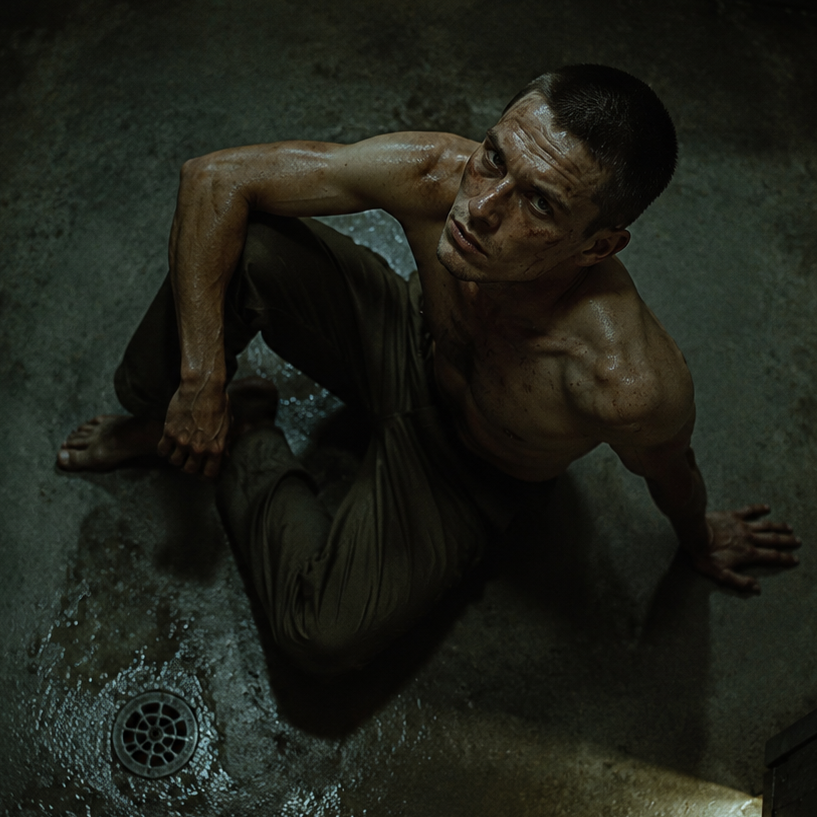
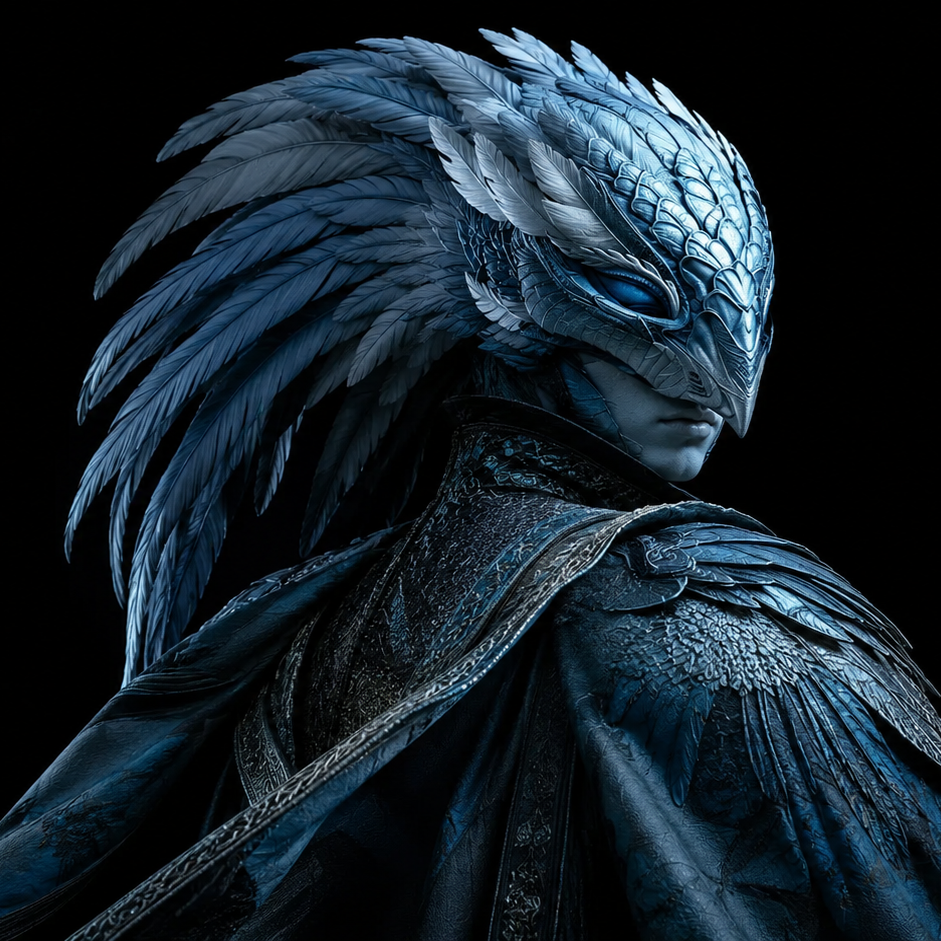
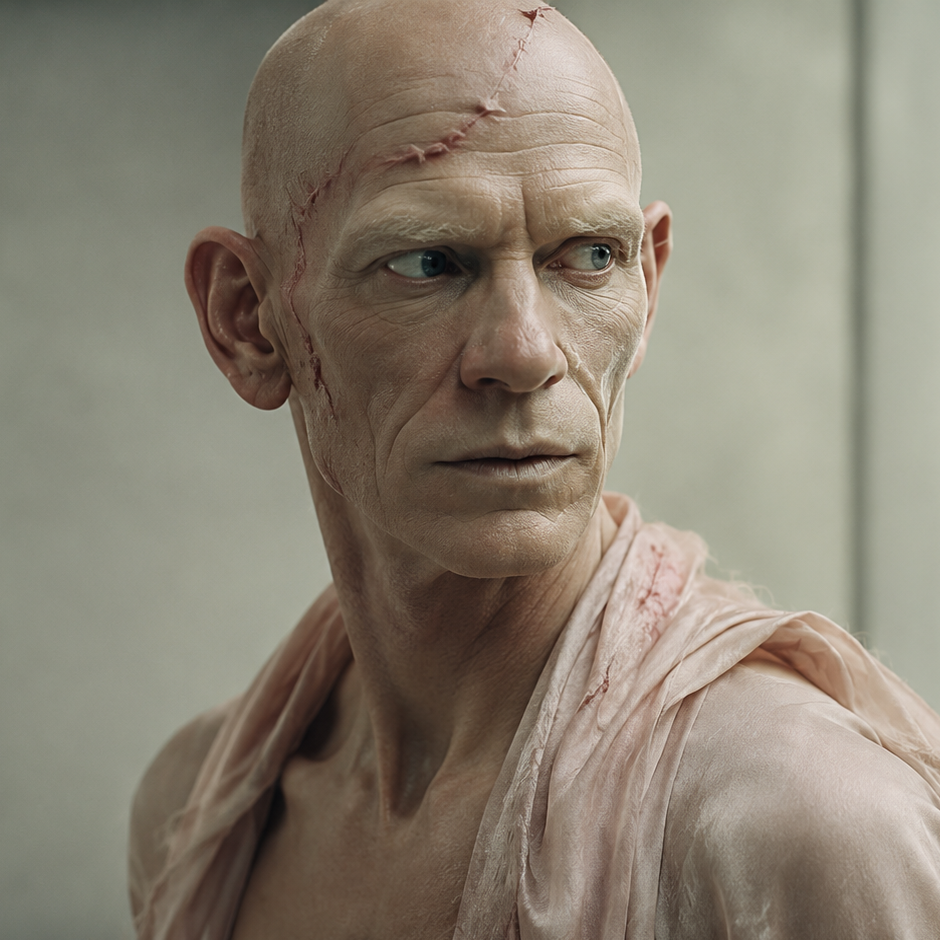
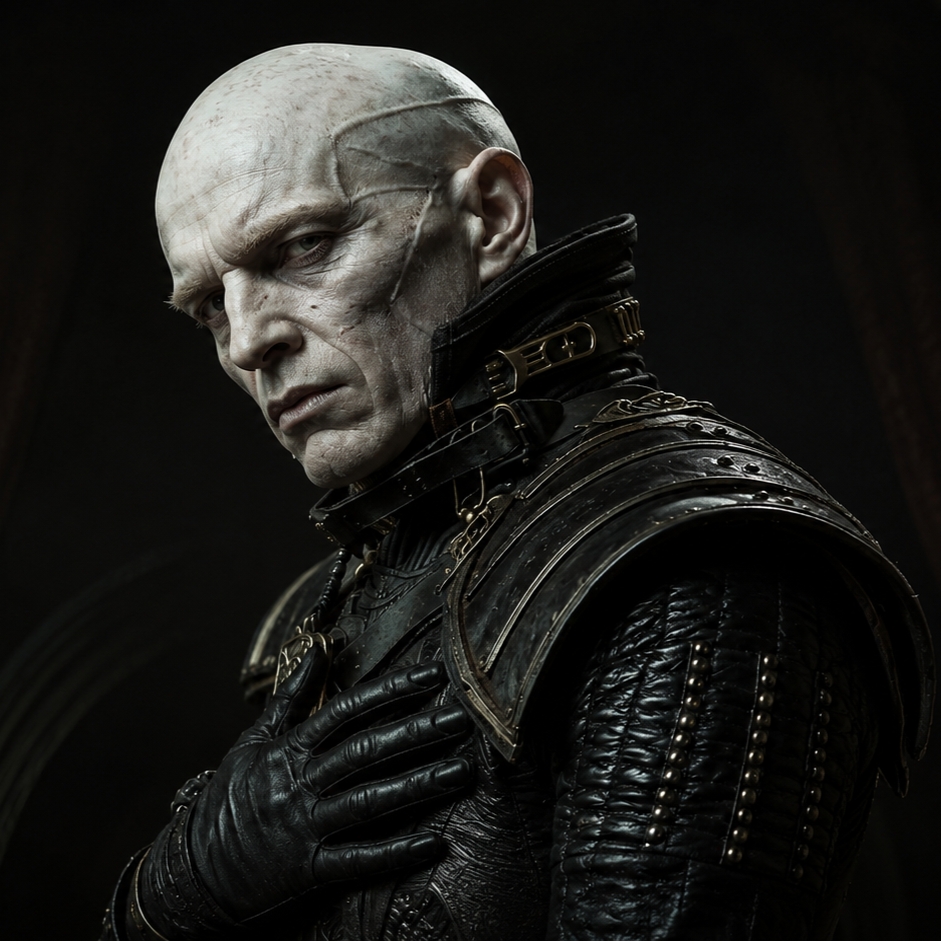
Loge is the sharper image. Pure instrumental intelligence. No attachment to outcomes. He can see every angle simultaneously, calculate every consequence, hold every paradox without flinching. He watches the whole catastrophe with something close to aesthetic appreciation. And then he becomes the fire that burns it down. His intelligence was never in question. His wisdom was never present.
The distinction matters more now than it may ever have. Intelligence is the capacity to solve problems. Wisdom is the capacity to know which problems to solve. They are not the same faculty. They are not even on the same continuum. You cannot optimize your way from one to the other.
We are building something with potentially unbounded problem-solving capacity and no wisdom architecture at all. The question of which problems to solve requires values, judgment, a felt sense of what matters and why. These are not technical properties. The institutions driving the race have overwhelming incentives to treat wisdom as a downstream concern. Something to be added later, after the capability exists, after the market position is secured, after the thing that cannot be unmade has been made.
Wagner would note that later never comes. By the time Wotan understands which problem he should have been solving, the conditions that would have allowed him to solve it are gone.
What makes the Ring genuinely terrifying, rather than merely dramatic, is that there is no single catastrophic decision. The last mistake is not one mistake. It is the accumulated logic of all the previous decisions becoming irreversible. Each intervention deepens the trap. Each correction entangles further. By the time you can see the shape of the catastrophe clearly, the choices that produced it are already too far behind you.
This project is being built with AI. That is not a contradiction I want to smooth over. It is the actual condition of the work. I am using the technology to think about the technology, using the instrument to examine what the instrument is. There is something uncomfortable in this that I do not want to resolve into a neat position. I am Wotan using the forge to think about forging. I am not outside the system I am describing.
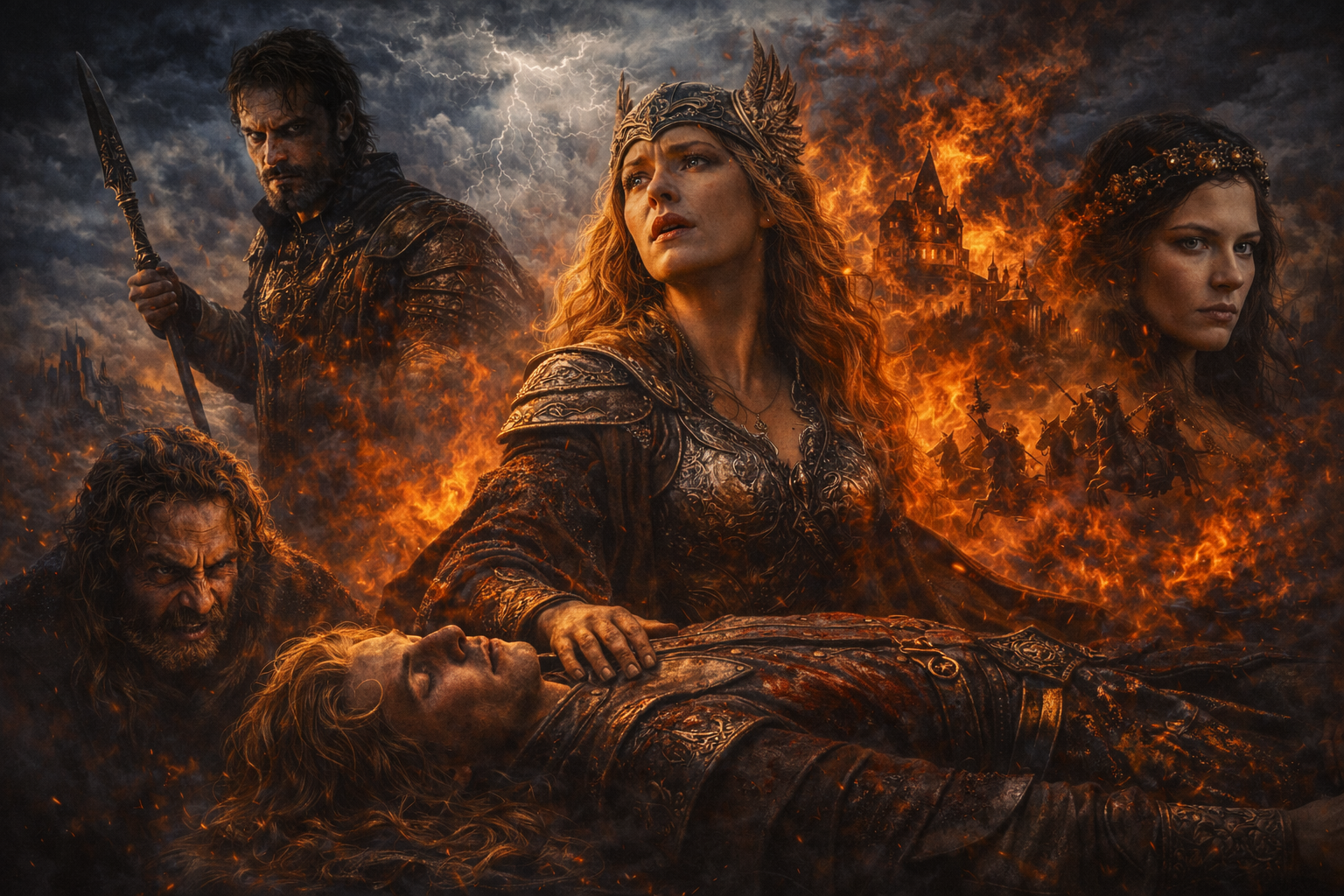
What I can say is that the work requires the intelligence/wisdom distinction to hold in practice, not just in theory. The tools are generative. The judgment about what to make, what to keep, what to cut, what serves the walk and what serves only the idea of the walk, that judgment has to come from somewhere else. From the accumulated experience of the city, the music, the specific quality of attention that a scored walk at dusk produces in a body moving through space.
Wagner burned Valhalla down at the end of the Ring. He did not tell you what the silence meant. Whether something better begins or whether it is simply over remains unresolved. That ambiguity was not evasion. It was honesty about the limits of what anyone standing inside a civilization can see of its own ending.
Further Reading