You Have to Walk Long Enough to Stop Being the Person Who Started Walking
There is a version of this project that produces things constantly. An essay every few days. A vocabulary piece, a scored walk, a photograph, a note. The output accumulates and the project looks healthy by the metrics that usually apply. Something is always happening. That version produces worse work.
What I have noticed, slowly and reluctantly, is that the pieces that land with the most weight are the ones that arrived after a silence. Not a planned silence. Not a deliberate creative strategy. Just the days when nothing came, and I stopped trying to force something into existence, and then something appeared on its own terms, at its own speed, fully formed in a way that the pushed pieces never quite are.
The Athens trip was the clearest example. I was away for several days. I did not write. I walked the Acropolis and the Agora and ate dinner watching the light change on the Parthenon and thought about the Ring cycle and about what it means to build something permanent on high ground. I was inside the project the whole time, thinking in its key, but nothing was being produced. No words were going down.
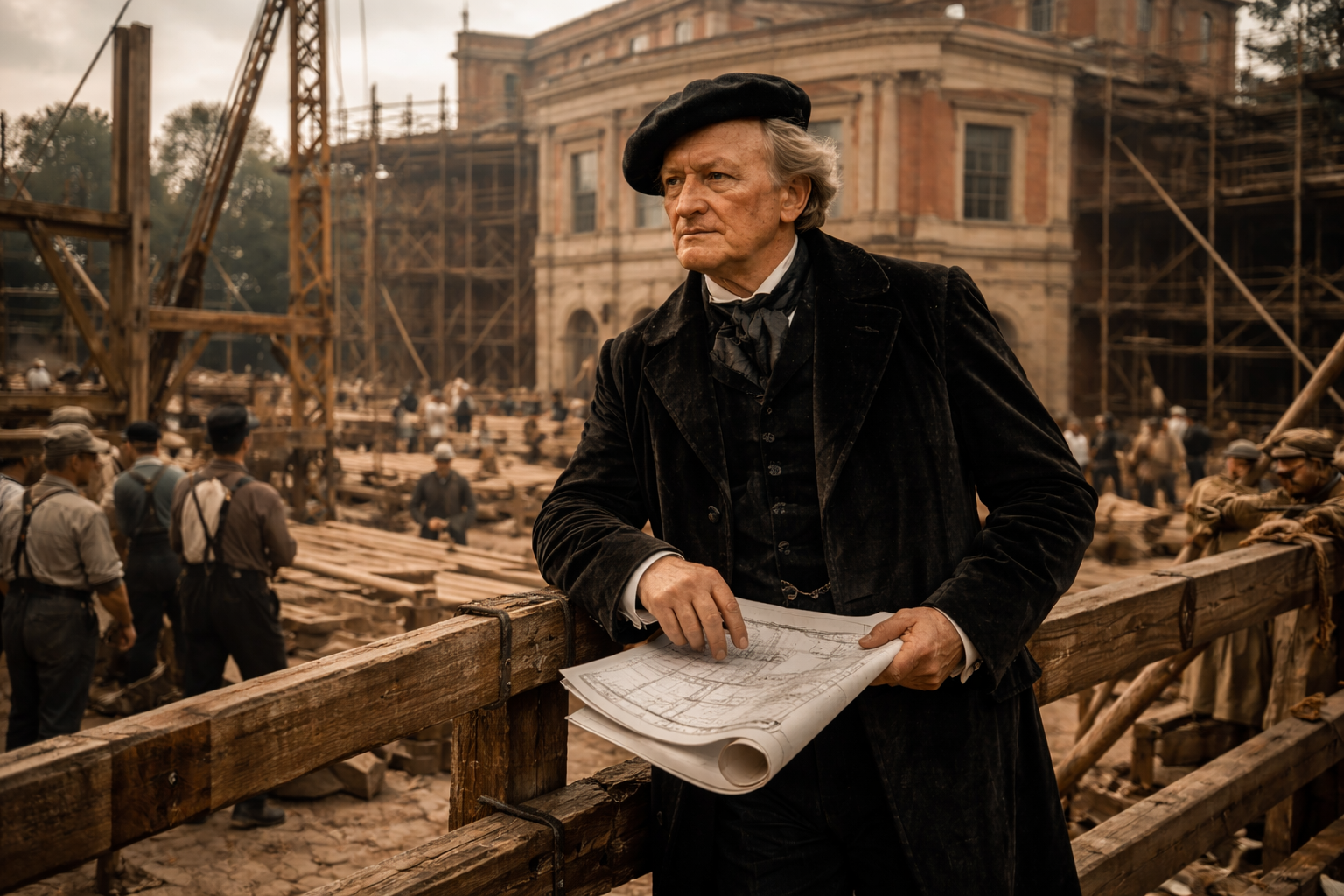
When I came back, the idea to build the maps arrived. Not as a vague impulse but as a complete intention. The vibe-coded Leaflet maps that now exist across the project, the April Tristan circuit, the scored walk infrastructure, those didn't come from a productive day at the desk. They came from a week of not producing anything. The project had continued. It just continued underground.
I work in a newsroom. The logic there is the opposite of this. Speed is the value. Output is the metric. The gap between event and story is the enemy. You develop an instinct for compression, for getting something out before it loses its moment. That instinct is genuinely useful in that context. It has also taken years to learn not to apply it here.
Aufbruchmatt does not have a news cycle. There is no lateness. There is only the work arriving when it arrives, or the work not arriving because it is not ready yet. Those are different conditions and they require different postures. The newsroom produces the same person, faster. This project produces a different person, slower. I am still learning what that means. The walks taught me before the writing did.
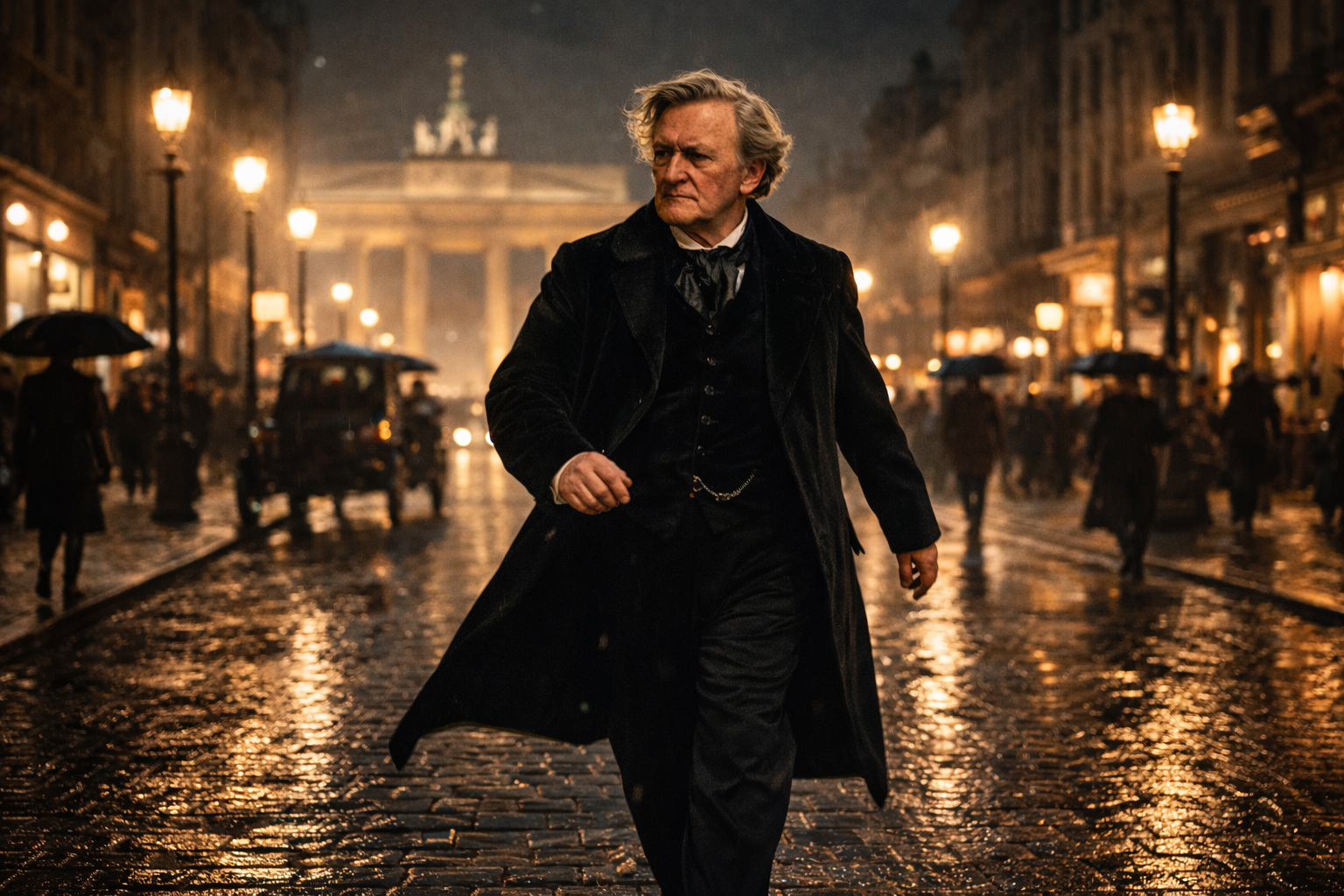
The early Holländer walks in January were short. An hour. Maybe ninety minutes. I was still myself throughout. I could feel my pace, my route choices, my opinions about what I was seeing. The walker was present and managing the experience.
Then in February, the Tannhäuser circuit got longer. And then the Lohengrin walks stretched further. And at some point on the walk up to Grant's Tomb along the Hudson, the longest circuit I have done in this project, something changed. I stopped being the person who left the apartment that morning. I cannot tell you exactly where it happened. I do not think it happens at a specific block or a specific minute. It is cumulative. The self that monitors and narrates and makes decisions about where to look begins to run out of energy. It loosens its grip. What remains is just movement and sound and the river going by.
That is the state the scored walk is designed to reach. Not as an instruction but as a possibility made available by duration. Wagner understood this. The operas are long because the length is the point. You have to sit in the dark long enough that the music stops being something you are listening to and becomes something you are inside.
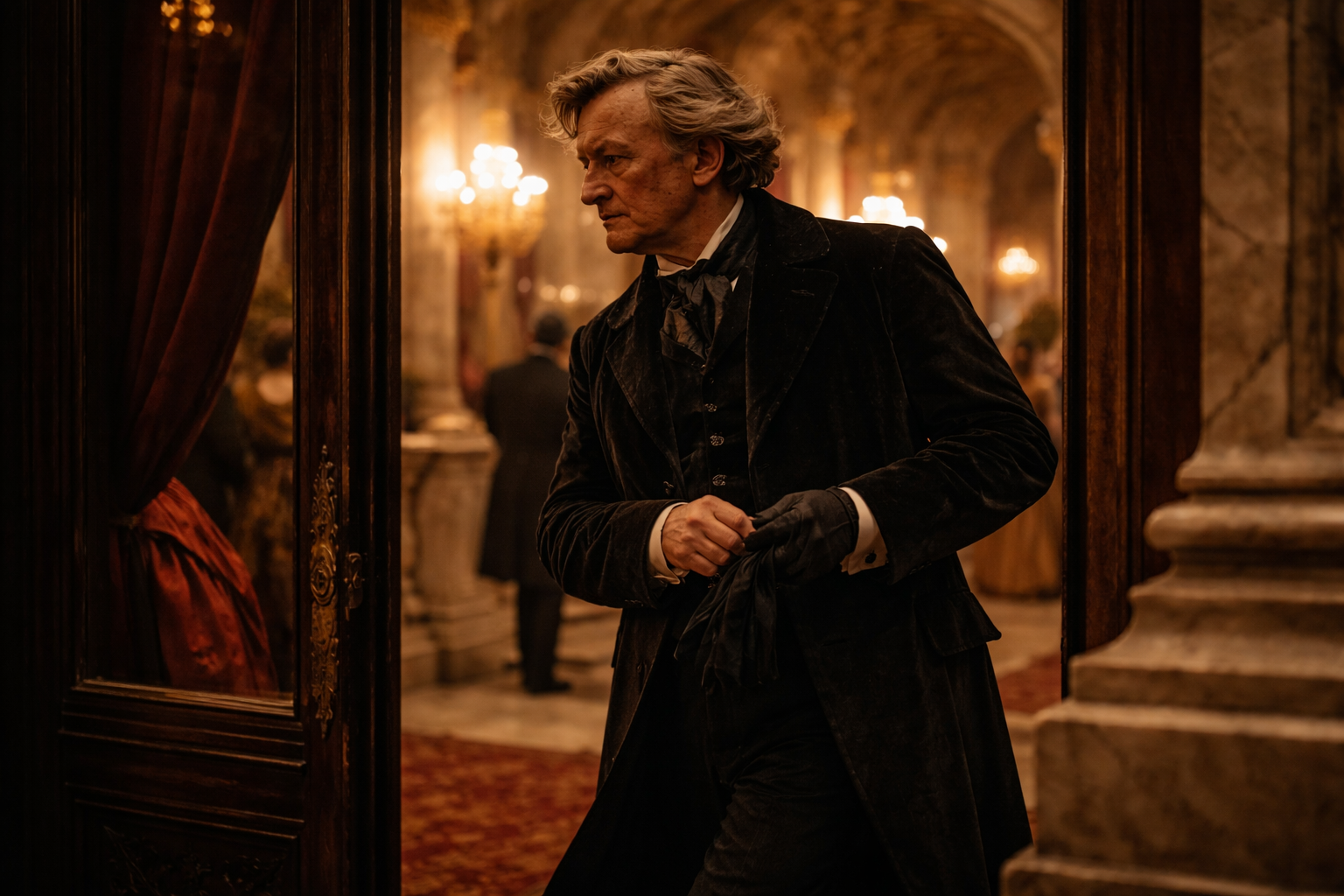
Tristan und Isolde defers its resolution through every act. The love duet in the second act goes on and on, and what it is doing is not repetition. It is deepening. The two of them are disappearing into each other and into the music and by the time the third act arrives they are not the people from the first act. The opera has done something irreversible to them. That irreversibility required time. There was no shortcut available. The walk works the same way.
I am thinking about summer. The heat is coming and I am not looking forward to what it will do to the practice. An hour in Manhattan in July heat is not a contemplative experience. It is a physical endurance test. You do not lose yourself in high humidity. You are aware of every degree. The body reasserts itself constantly. Sweat, discomfort, the need for water, the desire to stop. The self that monitoring loosens in the long winter walk holds on tight in the summer because the body keeps demanding attention.
This is worth naming honestly. The project has a physical reality. I am the instrument. The instrument has limits that change with conditions. The dissolution that is available to me in a cold March evening along the Hudson may not be available in the same form in June. The practice may need to change its shape. Earlier mornings. Shorter circuits that compensate through density rather than duration. Different kinds of surrender. Or I may find that summer has its own version of the giving-over. That the heat eventually exhausts the monitoring self in a different way. I do not know yet.
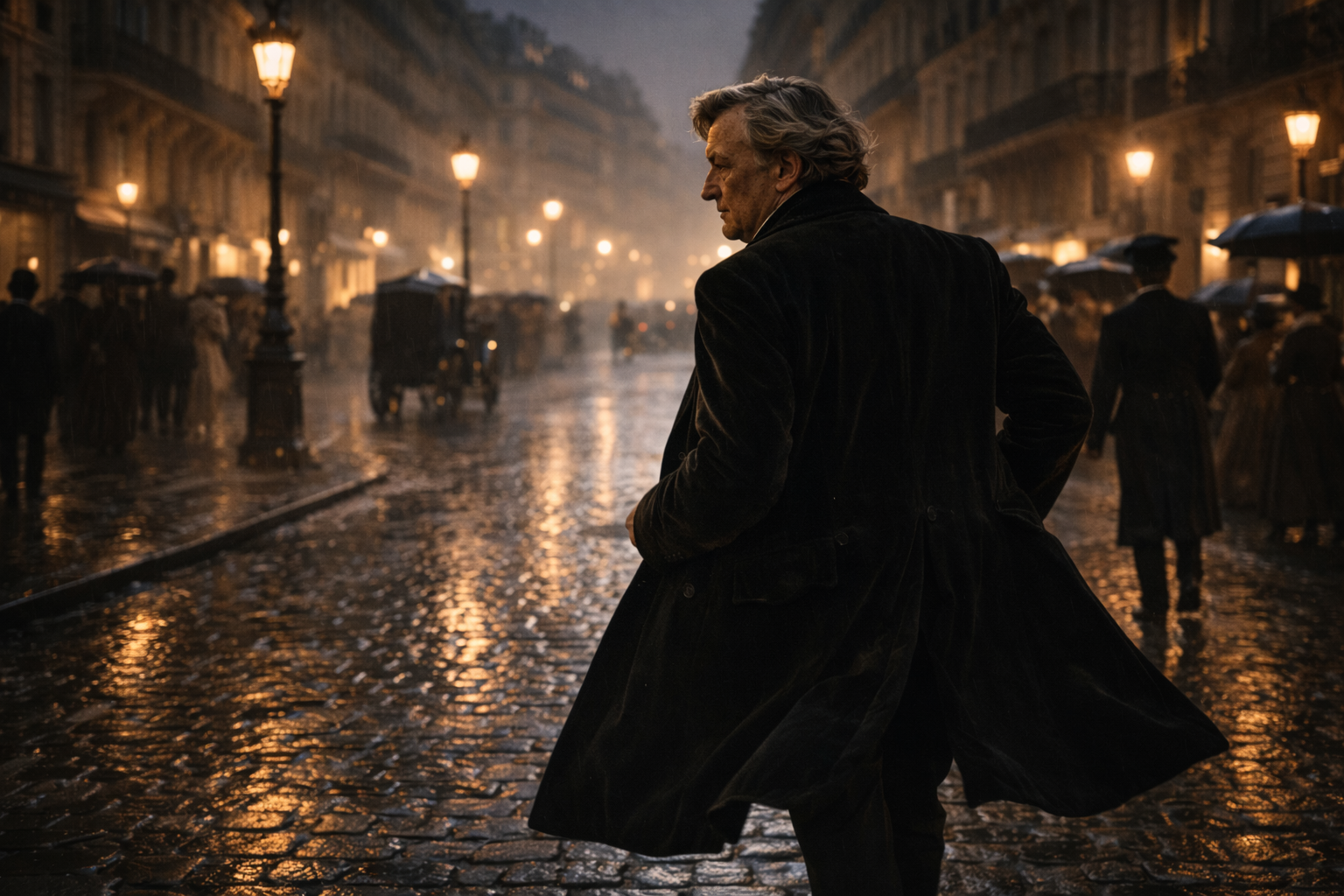
The German word I keep returning to is Hingabe. It means devotion, but the literal construction is giving-over. Hin means toward or away, geben means to give. To give oneself over toward something. It is not passive. It is an active relinquishing. You are giving something up deliberately, and what you are giving up is the insistence on your own pace, your own schedule, your own idea of when the work should arrive.
The project asks for Hingabe at every level. The year-long structure asks you to trust that January's walk is still present in December's essay. The monthly operas ask you to live inside a single enormous piece of music long enough that it changes how you hear the city. The walks ask you to keep going past the point where you are still confidently yourself.
And the writing asks you to wait. Not indefinitely. Not passively. But with the understanding that the piece exists before you write it. Your job is to be available when it finds you. I walked to Grant's Tomb and back and stopped being myself somewhere in the middle and found my way home anyway. I went to Athens and didn't write and came back with something better than I would have produced. I let a few days go and the next essay arrived knowing where it was going.
Further Reading