The Fifth Act of the Ring: Parsifal as Wagner’s Final Reckoning
I want to make a single, slightly heretical claim and then sit with it carefully, the way one sits with a piece of music that refuses to resolve when you expect it to. Parsifal is not Wagner’s farewell. It is his reckoning. And more than that. It is the fifth act of the Ring, displaced in time, stripped of spectacle, and relocated from the world of gods and heroes into the interior life of the listener.
Parsifal does not follow the Ring chronologically. It follows it psychologically.
This matters, especially if you’ve come to Wagner the way I did. Late, deliberately, not through inherited tradition but through chosen immersion. Aufbruch/Matt was never about completing a syllabus. It was about building a ritual that could metabolize a life lived at full velocity. Wagner entered not as canon, but as counterweight. And once you approach the Ring as a lived system rather than a closed artwork, Parsifal begins to glow with an odd, unsettling familiarity. It feels less like a new opera and more like the echo you hear after a long confession.
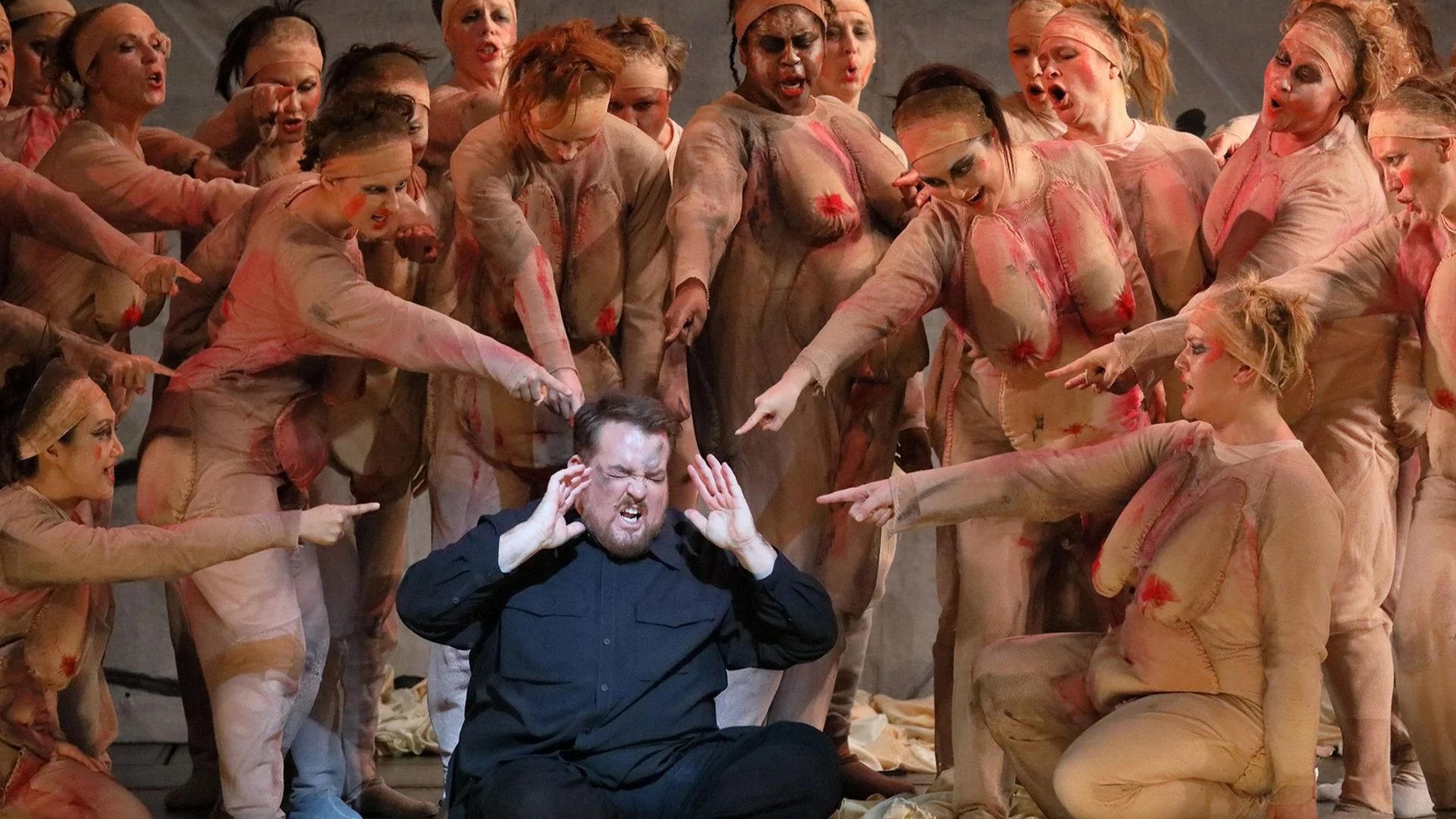
The Ring ends in fire and water, in the annihilation of a corrupt metaphysical order. Gods perish. Valhalla burns. The world is released from a system built on contracts, power, and theft. This is often read as Wagner’s revolutionary gesture: the old order must be destroyed for something new to arise. But that reading stops too early. It assumes that destruction is transformation. Parsifal quietly insists that it is not.
The Ring solves a political problem. Parsifal confronts a moral one.
After Götterdämmerung, the world is free. But free for what? Wagner, older and far more suspicious of grand solutions, seems to have realized that removing the gods does not remove the wound. Power structures collapse, but suffering persists. Desire remains uneducated. Compassion remains rare. In this sense, Parsifal is not post-Ring in the way a sequel is post-credits. It is post-Ring in the way grief is post-funeral.
The key insight, and the one I don’t think we talk about enough is this. Parsifal asks what happens after myth stops working.
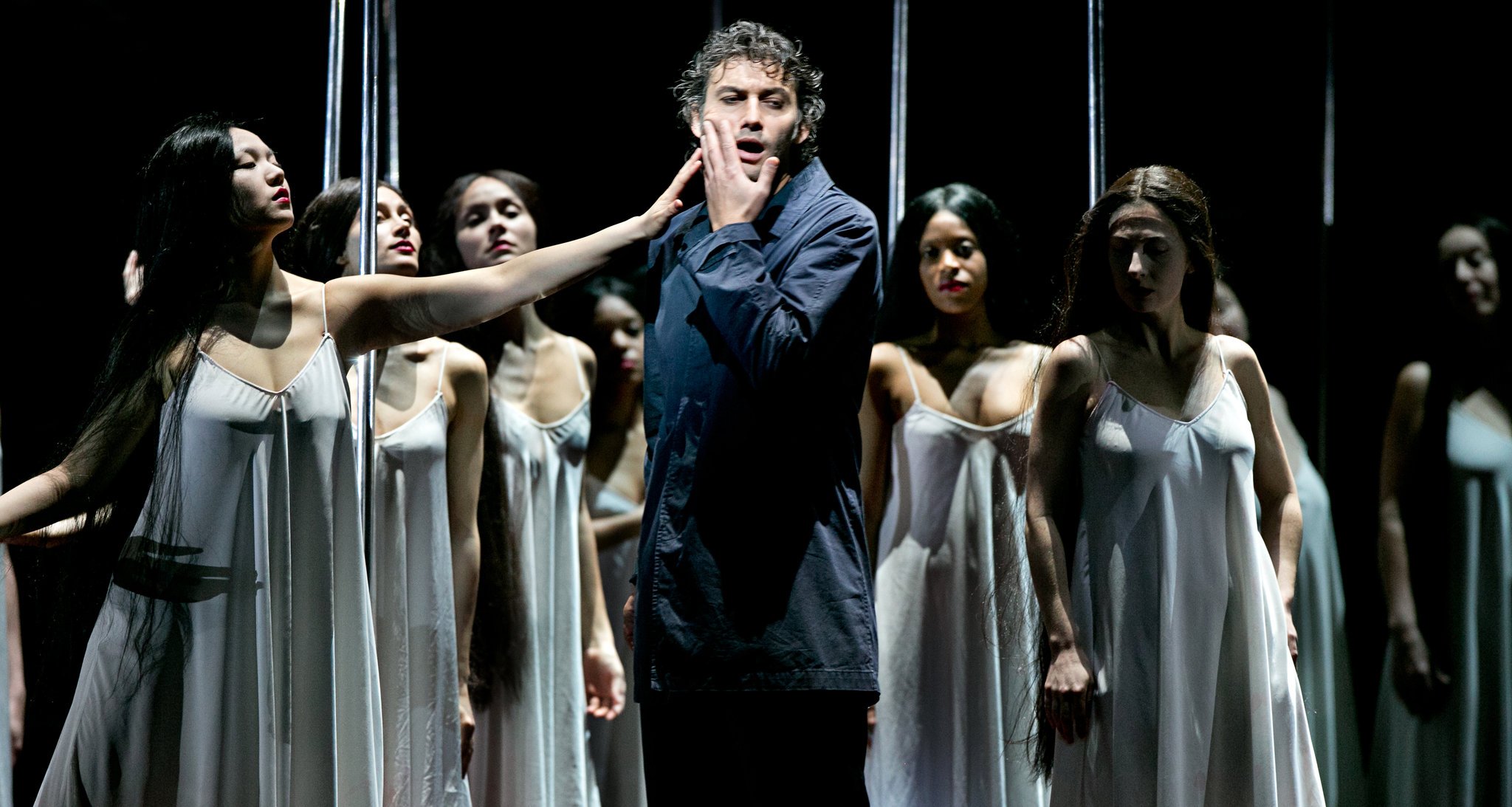
The Ring is Wagner’s great myth-engine. It gives us archetypes large enough to hold civilizational anxieties. Greed, power, inheritance, betrayal, sacrifice. But Parsifal unfolds in a world where myth has lost its traction. There are relics, rituals, and symbols, the Grail, the spear, but they no longer automatically confer meaning. They are exhausted objects, kept alive by habit rather than belief. The Grail community is not triumphant. It is sick, stalled, spiritually anemic. This is the world after Valhalla.
Amfortas is what remains when a system built on transcendence loses its ethical center. His wound never heals because it is not physical. It is the consequence of having participated in a sacred order without understanding its cost. That is a profoundly post-Ring condition. In the Ring, wounds are heroic. They mark sacrifice. In Parsifal, the wound is unresolved trauma. Unintegrated experience that cannot be redeemed by narrative alone.
Enter Parsifal himself, often dismissed as a holy fool. But if we read Parsifal as the Ring’s fifth movement, he becomes something more unsettling. The first human being in Wagner who is not trying to master the world.
The Ring is obsessed with control. Of nature, of others, of fate. Even its noblest characters are trapped in systems of obligation and power. Parsifal arrives without strategy. Without ambition. Without even curiosity in the conventional sense. What he acquires, slowly and painfully, is not knowledge but attunement. He learns to feel another’s wound as his own.
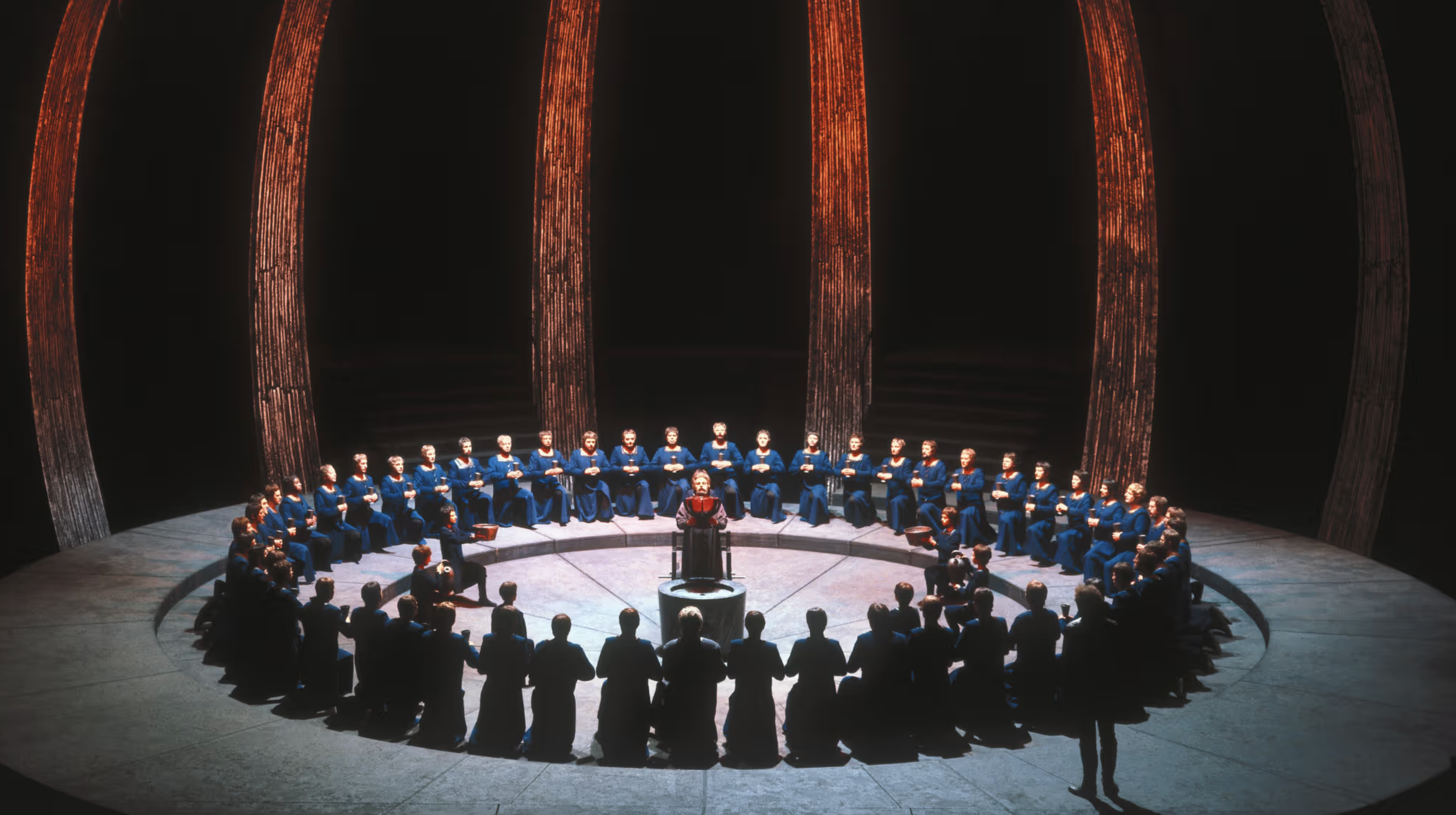
That capacity, Mitgefühl, is the true inheritance of the Ring. Not the gold. Not the sword. Not the fire. Compassion is the only thing that survives the collapse of myth.
This is where Wagner’s worldview, late and chastened, quietly reveals itself. Parsifal is often framed as Wagner’s turn toward religion, or Schopenhauer, or renunciation. That misses the point. Parsifal is Wagner’s admission that systems do not save us, perception does. The redemption offered is not metaphysical. It is phenomenological. See clearly. Feel fully. Refuse domination.
This aligns uncannily with the impulse behind Aufbruch/Matt. Walking the city, listening deeply, letting places and music reconfigure perception rather than extract meaning from them. Parsifal is not an opera to be consumed. It is an environment to be entered. A slow recalibration of attention.
And crucially, Parsifal does not negate the Ring. It completes it by asking the one question the Ring cannot ask from inside its own machinery. What does a human do with freedom once the gods are gone?
Wagner’s answer is not comforting. Freedom without compassion leads to sterility. Knowledge without empathy produces wounds that do not heal. Liberation without inner transformation simply recreates the old order in quieter forms.
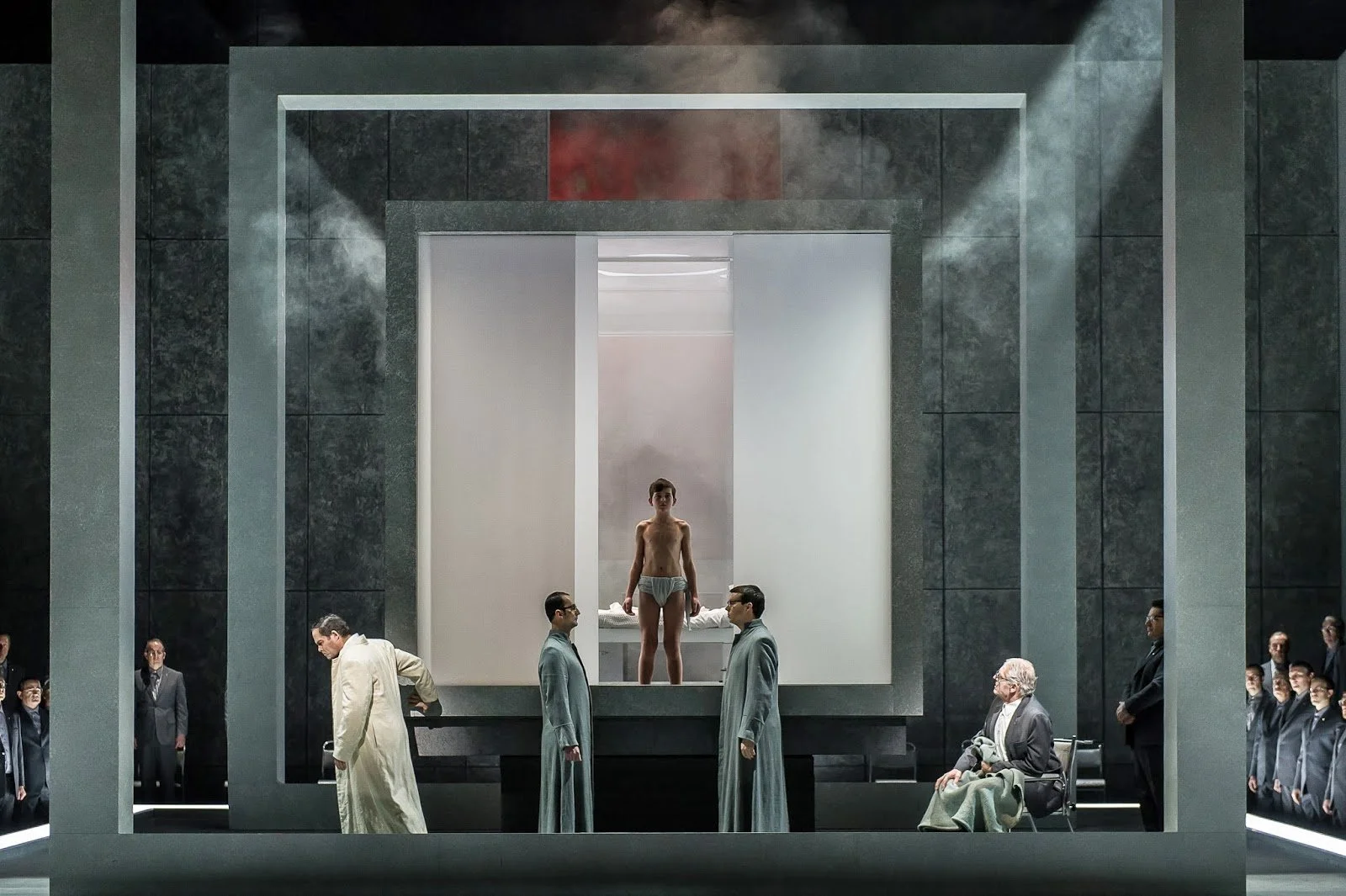
Parsifal is therefore not Wagner retreating from revolution, but Wagner finishing the thought. The revolution must continue inward. If the Ring is about the catastrophic failure of inherited systems, political, divine, familial, Parsifal is about the terrifying responsibility that follows their collapse. No contracts remain. No gods intervene. Only attention, care, and the willingness to stay with suffering long enough for it to speak.
Seen this way, Parsifal is not Wagner’s coda. It is his ethical afterword. The Ring clears the ground. Parsifal asks what kind of person can live there.
That is why Parsifal feels so strange, so suspended, so resistant to applause. It does not end with triumph. It ends with a possibility. A fragile, hard-won orientation toward the world that must be practiced, not proclaimed. The Ring tells us how worlds end. Parsifal tells us how lives continue.
Further Reading