How New York Transforms Cultures: Kleindeutschland and the Music That Preceded It
In 1848, Richard Wagner joined the failed Dresden uprising, was wanted for arrest by the Saxon authorities, and fled Germany on a forged passport. He crossed Lake Constance into Switzerland and made his way toward Zurich, where he would spend the next nine years in exile.
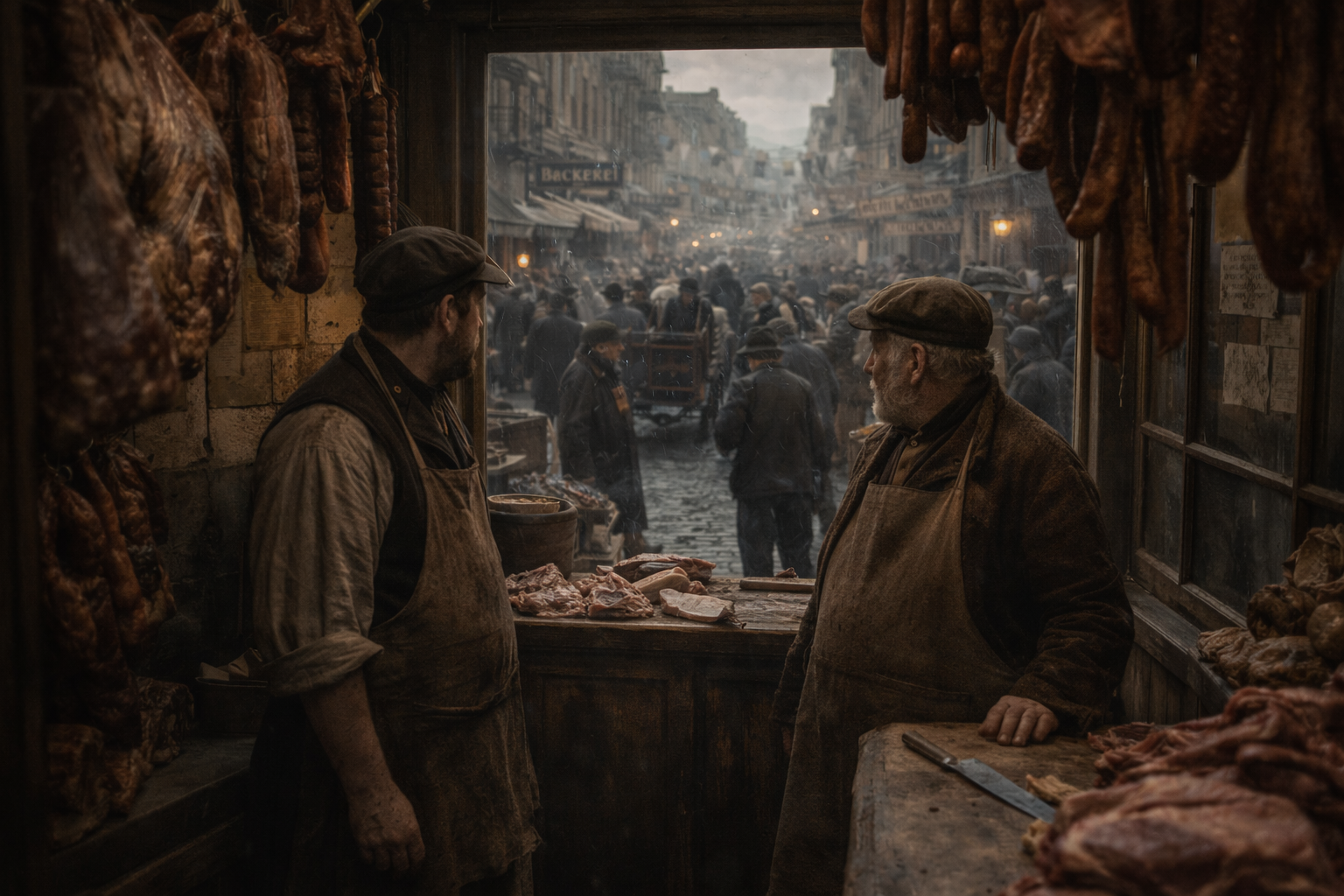
In 1848, a wave of German political refugees did something different. They left. Not into neighboring Switzerland but across the Atlantic, through the port of New York, and into the neighborhood on the Lower East Side which would become known as Kleindeutschland. By 1855, New York had the third largest German-speaking population in the world, outside of Vienna and Berlin. Avenue B was called German Broadway. The Bowery was its western boundary, and the Bowery was lined with theatres.
These are the same people. The same political moment, the same collapsed revolution, the same impulse to escape a Germany which had failed them. Wagner went into Zurich exile. The Forty-Eighters, as they were known, went to New York. One group built an imaginary world in the absence of a real one. The other built a real world in the absence of any familiar one.
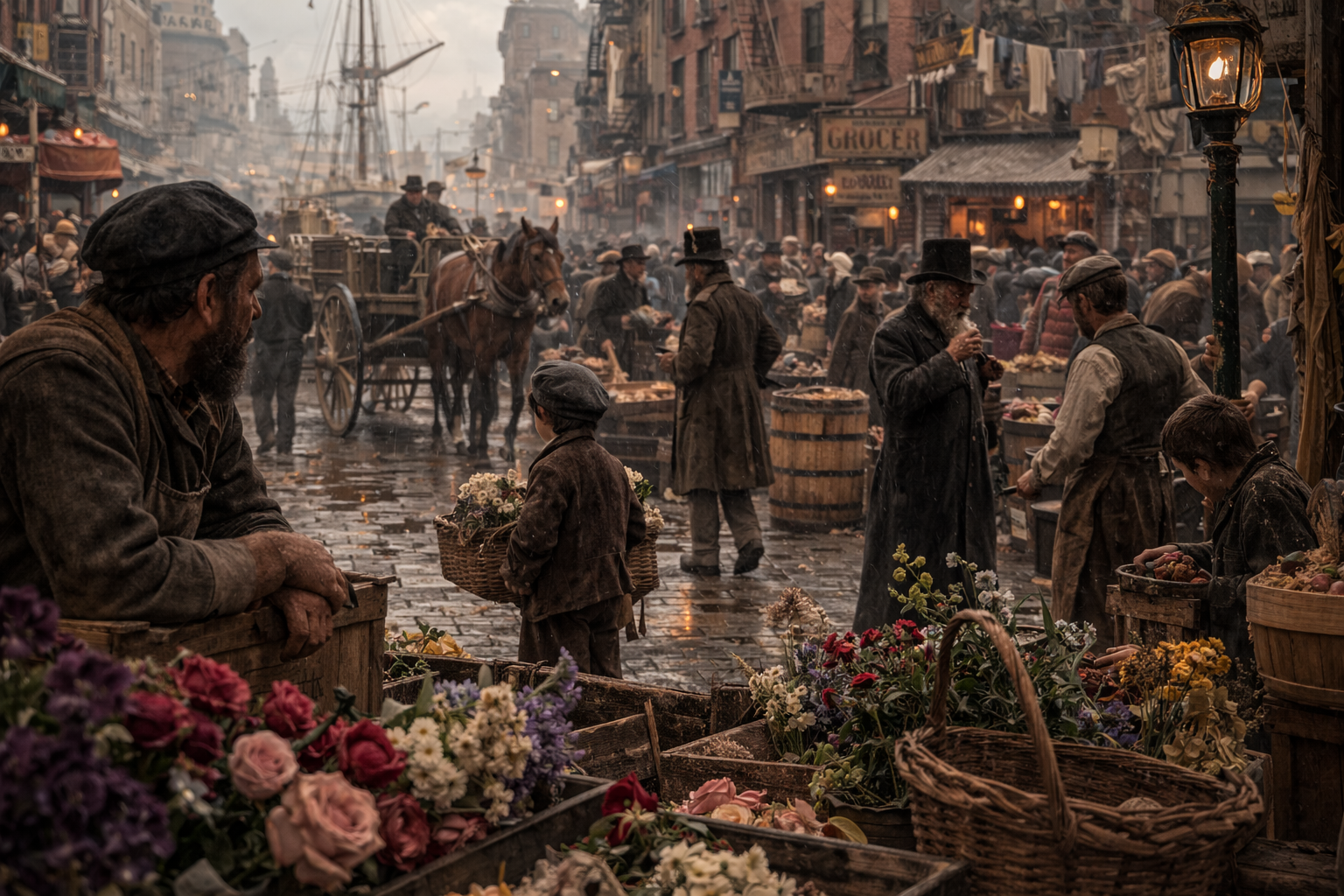
In 1859, eleven years after both groups left Germany, the Stadttheater at 37-39 Bowery gave the first American performance of a Wagner opera. Tannhäuser. The audience was built from the same people, and the children of the same people, who had fled for the same reasons Wagner had, and arrived in the city he had not. He wrote for them before he knew they existed.
I crossed a different border at a different time and for different reasons. The departure gate at Heathrow was not a forged passport over Lake Constance. There was no revolution, no warrant, no particular necessity beyond the fact that a phone rang and someone offered me a job in America, and I thought about it for approximately twenty minutes before saying yes. I had tears in my eyes when I waved goodbye to my best friend. I had my Doctor Martens on my feet. I was twenty-eight years old and had been in love with American culture since childhood in a way that was somewhat inexplicable and, in retrospect, probably always going to end this way.
That was twenty five years ago. Which means I have now lived in America for nearly half my life. The England I came from is somewhere I visit rather than somewhere I am from, increasingly so with each passing year. The distance between those two things is not geography. It is something else, something which accumulates gradually and which I notice most in moments when I try to explain to someone who has not done it what it actually is.
New York does not simplify this. New York is a city which has been doing exactly this calculation, what you are from versus what you are now, for longer than any other city in the hemisphere, and has never arrived at a clean answer. This is not a failure of the city. It is the city's fundamental mode of operation.
The Forty-Eighters were not a homogenous group. They were democrats, socialists, liberals, and radicals. Carl Schurz, one of the most prominent among them, had actually met Wagner's acquaintance in Zurich during his own flight and found him an excessively presumptuous, haughty, dogmatic, repellent person. He steered clear. Years later, Schurz would support Lincoln, be elected a senator from Missouri, and serve as Secretary of the Interior under Hayes. He heard Parsifal at Bayreuth late in life and wrote that he beheld something like what he had imagined Heaven to be as a child.
The musicians of the Germania Musical Society, who came to America in the same 1848 wave, many of them having participated in the same revolutionary activity, gave what Wagner himself would learn about with delight. A Grand Wagner Night in Boston in December of 1853. He heard about it while in Swiss exile and wrote to Liszt that he was told of Wagner nights taking place in America. The performers who had fled in the same year he had were keeping his music alive in a country he had never seen, for an audience which had created itself from the same circumstances that created him.
The first American Tannhäuser, on the Bowery in 1859, was conducted by Carl Bergmann, who had led the Germania Musical Society for most of its existence. The theatre has been gone for more than a century. Confucius Plaza stands on the spot now. I walk that street in February, for the Tannhäuser month. I did not know, when I planned the walk, that it was the street where Tannhäuser was first performed in America. The geography found me rather than the other way around.
There is a version of the immigrant story which is entirely about arrival. The gate, the harbor, the new language, the new money, the first American apartment. This version has its uses. It is the version that commemorates, that marks, that says, here is where one life ended and another began.
There is another version which is about what you carry. Not luggage. The other thing. The version of yourself which formed before the departure and which does not disappear at the gate. The music you still listen to. The sports team you still follow despite it making no geographical sense. The way certain light in certain cities still reminds you of a country you are increasingly unable to return to in any meaningful sense.
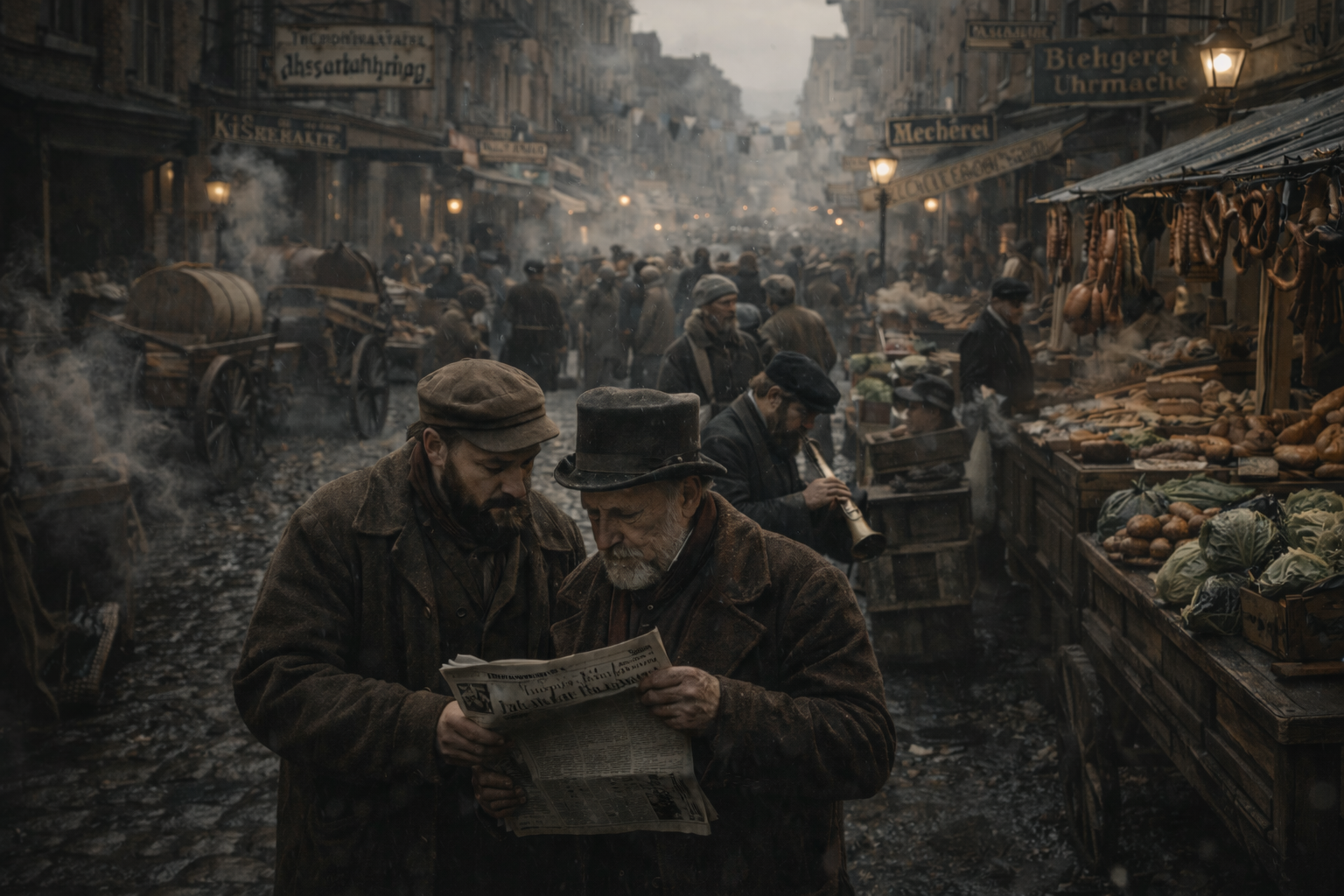
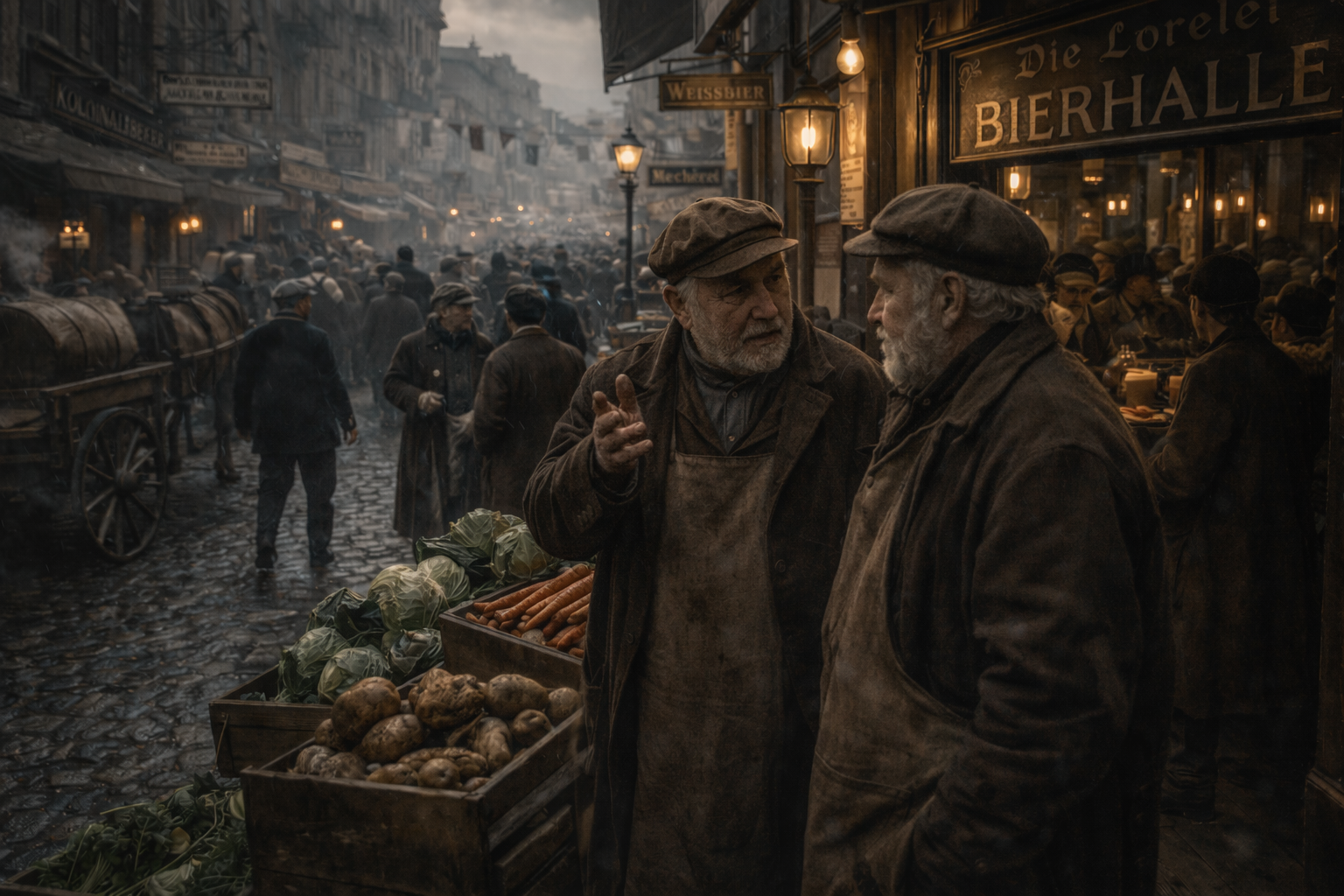
The Forty-Eighters carried German culture to New York not as a museum exhibit but as a living practice. Kleindeutschland was not a recreation of Germany. It was a working version of what Germany might have become if 1848 had gone differently. Beer halls and singing societies and libraries and German-language newspapers and theatres performing Tannhäuser, all of it organized around the question of what you do with a culture when the country that produced it has rejected you.
Wagner, in Zurich, was asking the same question from the other direction. What do you do with a country's mythology when the country will not let you stay in it? The Ring is an answer. It takes the Norse-Germanic mythological inheritance and builds it into something which belongs to no particular state, which requires an audience that has not yet been assembled, which imagines a theatre that does not yet exist.
He built a Germany in exile that was more German, in some sense, than the one he had left. The Forty-Eighters built a Kleindeutschland in New York that was the same kind of thing. Not nostalgia but transformation. Not the thing you came from but the thing the thing you came from might have been.
In his last years Wagner spoke repeatedly of immigrating to America. Cosima recorded in her diary in 1880 that he kept returning to it, saying it was the only place on the map he could look at with any pleasure. He drew up an actual plan. American supporters would raise one million dollars to resettle the composer and his family in a favorable climate. In return, America would receive all proceeds from Parsifal and all future work. The favorable climate he had in mind was Minnesota. He died in Venice in February 1883 without having come.
What he did not know was that his music had been living in New York for decades by the time he was contemplating the move. The first complete Ring cycle in the Western Hemisphere was performed at the Metropolitan Opera in 1889, six years after his death. The conductor was Anton Seidl, who had worked directly with Wagner on the first Bayreuth Festival. The audience which received it was shaped, culturally and demographically, by the people who had fled Germany in 1848. The city had been waiting for him longer than he knew. He had been writing for it longer than he knew.
I think about what I carried. The Stone Roses album I was listening to when I started writing one of the immigrant essays, and which still sounds exactly the same as the first time I heard it on cassette at my grandparents' house. The Cleveland Browns, which make no geographical sense and never will. The way I stack books. The Doctor Martens.
And something harder to name. The sense that the culture you came from is not only behind you but also inside the city you came to, transformed into something which no longer belongs to the country of origin. There are more Irish in New York than in Dublin. More Jews than in Jerusalem. More German speakers per square mile, at the height of Kleindeutschland, than anywhere outside Vienna and Berlin.
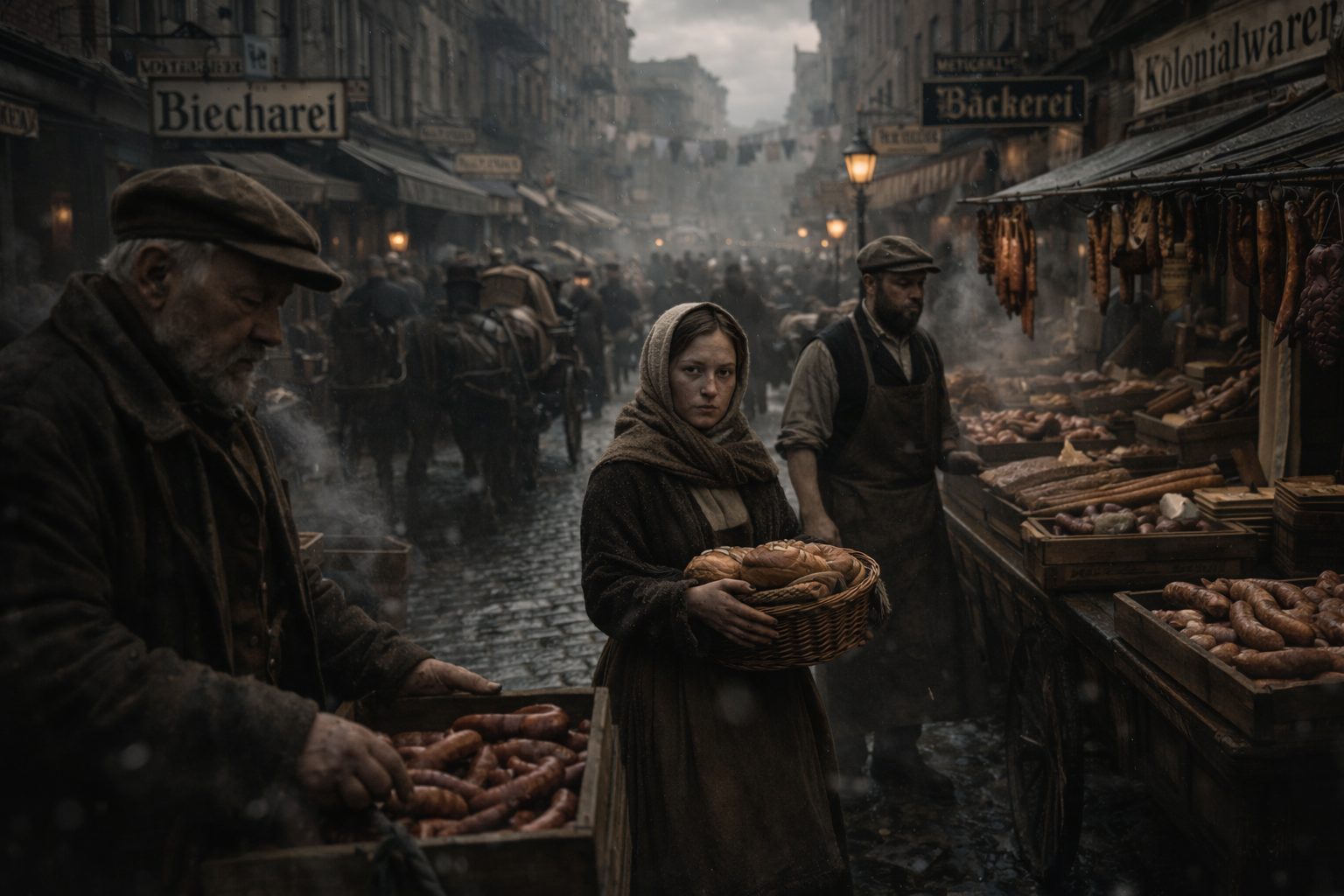
New York does not absorb cultures. It transforms them into something which could only exist here. This is different from assimilation, which implies the losing of something. It is more like what happens when a musical theme passes through Wagner's harmonic language. It returns changed, but it is still recognizably itself, and the change is the point.
I am learning German in the city that was once its largest diaspora. I walk streets with a dead composer's music in my ears, through a neighborhood which was built by the people who fled at the same moment he did, for the same reasons, toward the city he spent the last decade of his life dreaming of moving to. He never came. I did.
The calculation is not symmetrical and I am not claiming it is. His exile was involuntary. Mine was a phone call I answered in twenty minutes. His music was the product of the most extreme artistic ambition in the history of the form. This project is a year of walks and essays and Duolingo streaks and mornings with headphones on by a reservoir.
But the city receives all of us according to the same logic. What did you carry. What were you willing to transform. What did you build in the absence of the thing you came from, and does the thing you built still contain, somewhere inside it, the thing you left.
I think it does. I think that is what the Forty-Eighters were doing on the Bowery, in the beer halls, in the singing societies, in the theatre where Carl Bergmann conducted Tannhäuser for the first time on American soil in 1859. Keeping something alive in transformed conditions. Making it into something the original country could not have produced. Wagner never saw the city. But it was already full of him before he thought to come.
Further Reading