The Practice Does Not Guarantee the Outcome: The Years When Nothing Was Performed
In 1836 Wagner's second opera received its premiere in Magdeburg and was never performed again. Das Liebesverbot. The Ban on Love. A comic opera based on Measure for Measure, written by a twenty-two year old who was already certain he was going to change the history of music. The second performance was cancelled when two members of the cast got into a fistfight backstage and the theatre company subsequently collapsed. The opera disappeared. Wagner moved on, fled his creditors, and spent the next several years in a condition of mounting debt, professional instability, and absolute conviction that the work he was building toward was worth continuing.
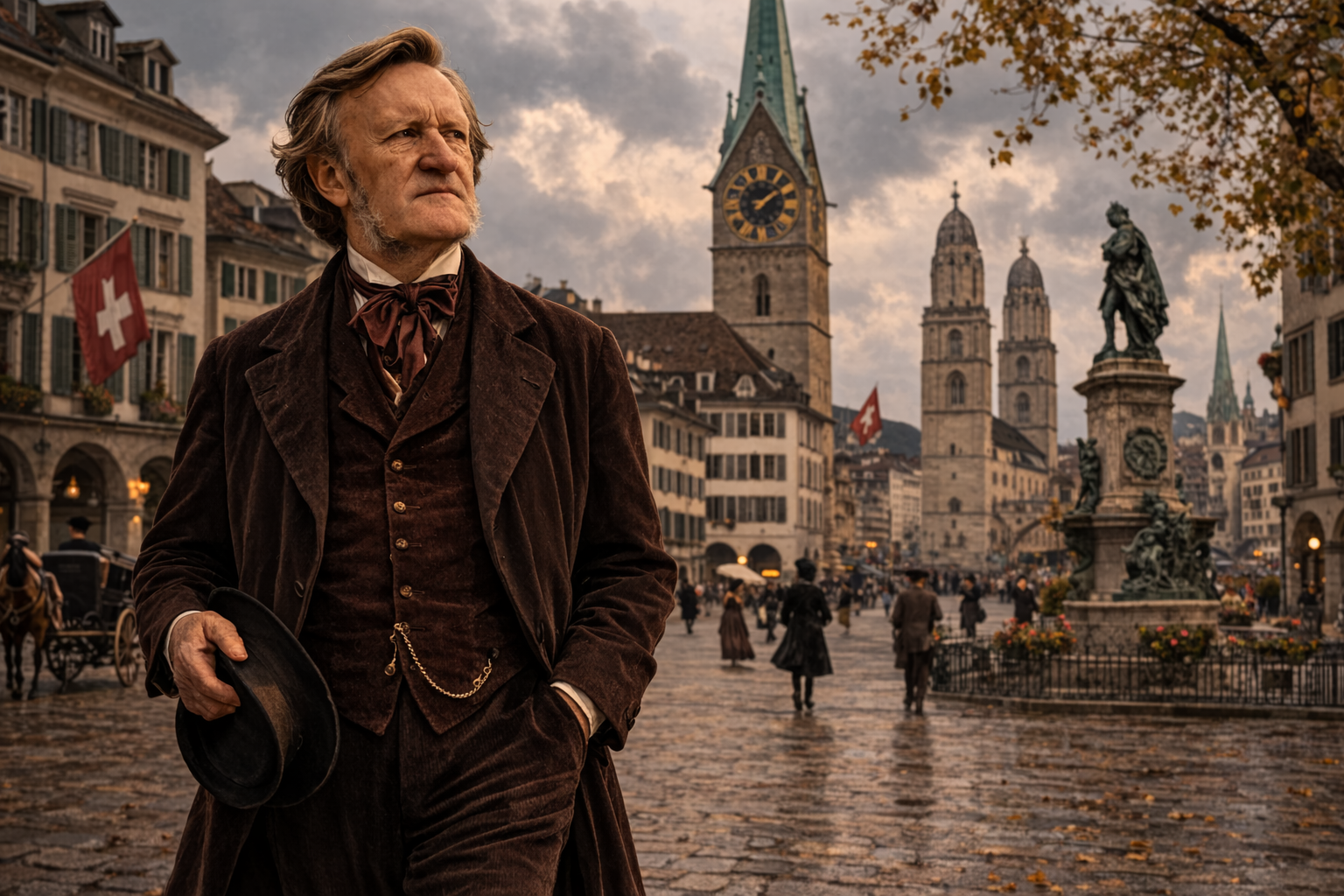
He was not wrong about the work. He was spectacularly wrong about the timeline. The exile began in 1849. Wagner had participated in the failed Dresden uprising, a revolutionary moment which collapsed quickly and thoroughly, and he was now wanted for arrest by the Saxon authorities. He fled to Zurich. He was thirty-six years old, without permanent income, without a theatre, and without any prospect of hearing his new music performed. He would remain in exile for eleven years.
During those eleven years he wrote Opera and Drama, A Communication to My Friends, The Artwork of the Future. Theoretical works, mostly. Attempts to articulate what he was building toward before he had any means of building it. He wrote the complete libretto for the Ring cycle, all four texts, the entire mythological architecture of the work which would eventually become his life's central achievement. He began the music of Das Rheingold. He wrote Tristan und Isolde out of the wreckage of his love for Mathilde Wesendonck, the wife of a patron who had housed him and whom he had subsequently been asked to leave.
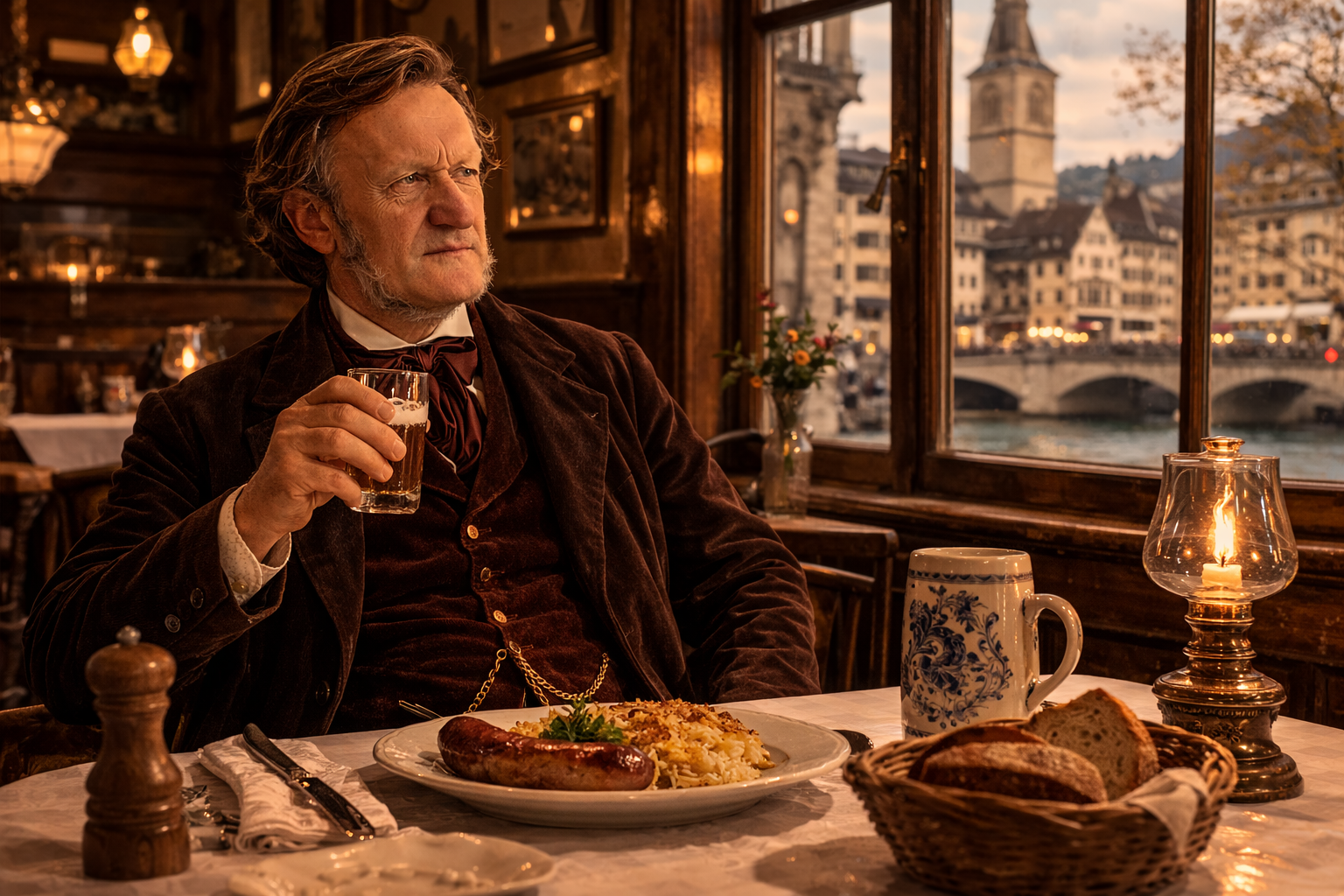
He heard almost none of his own music during this period. The work continued in the absence of performance, in the absence of audience, in the absence of any rational basis for believing it would ever be heard. This is the part of the story which the monuments leave out.
The monument version of Wagner moves from success to success with the failures serving as dramatic obstacles which the hero overcomes through will and genius. Rienzi succeeds in Dresden in 1842. The Dutchman, Tannhäuser, Lohengrin follow. Exile. Theoretical work. Return. Tristan. Meistersinger. The Ring. Bayreuth.
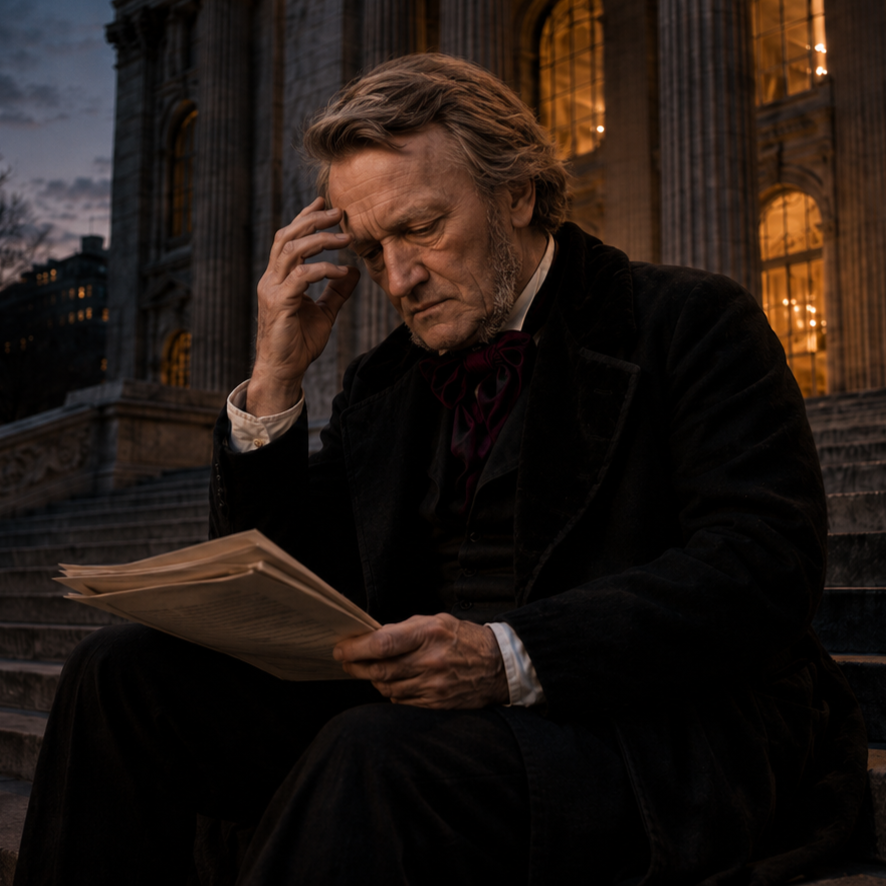
It reads as inevitable in retrospect. It did not feel inevitable from the inside of the Zurich years. From the inside it felt like a man writing music for an orchestra he had no access to, for singers who did not yet exist, for a theatre he had not yet built, for an audience he had not yet invented. The Ring libretto was complete before there was any possibility of performing it. Tristan und Isolde was declared unperformable after fifty-four rehearsals in Vienna in 1864 and abandoned. Wagner was fifty years old. He had no permanent home. His debts were by then genuinely unpayable. There was no rational basis for continuing. He continued.
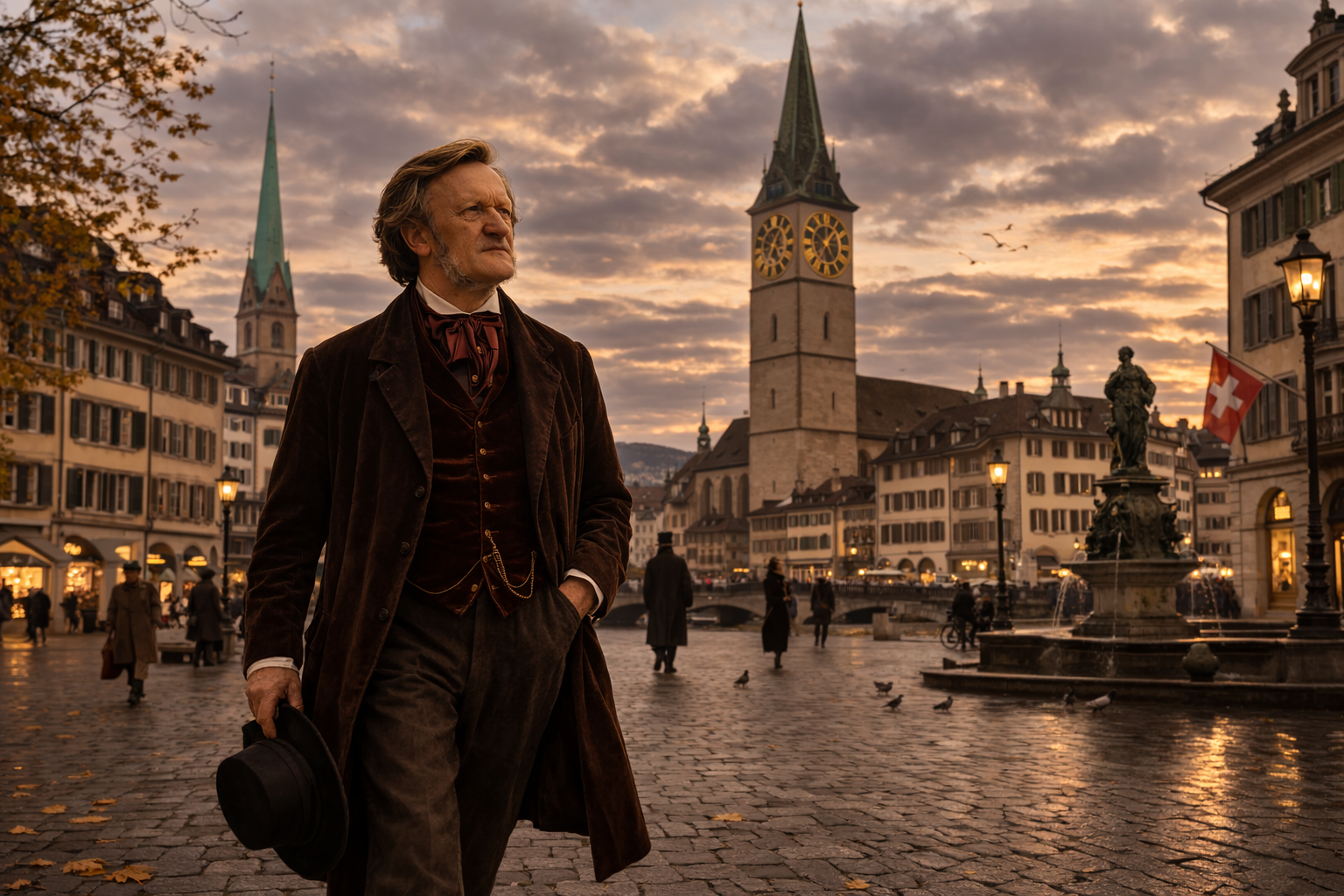
Not because he could see the outcome. He could not see the outcome. He continued because the work required continuation and because stopping was not a condition he was willing to entertain, and because the alternative to continuing was becoming someone who had stopped, and that was worse than the debt and the exile and the silence. The rescue, when it came, was total and completely unpredictable.
Ludwig II became King of Bavaria in March 1864 at the age of eighteen. He had grown up obsessed with Wagner's operas. Within weeks of his accession he summoned Wagner to Munich, paid his debts in their entirety, provided him with a house and an income, and commissioned the completion of the Ring. Wagner was fifty years old. He had been working toward this for twenty-six years. Nothing in the preceding twenty-six years had given him any grounds for expecting it.
This is not a story about faith rewarded. It is not a story about perseverance producing its deserved outcome. It is a story about a man who continued working in conditions which gave him no rational basis for continuing, and who happened to still be working when an eighteen-year-old king who had memorized his libretti came to power in Bavaria. The rescue was real. It was also arbitrary. It could easily not have happened. What would have happened to the Ring if Ludwig had not become king, or had become king ten years later, or had different obsessions? The question has no answer. What it has is a lesson about the relationship between sustained practice and outcome which is considerably less comfortable than the monument version provides.
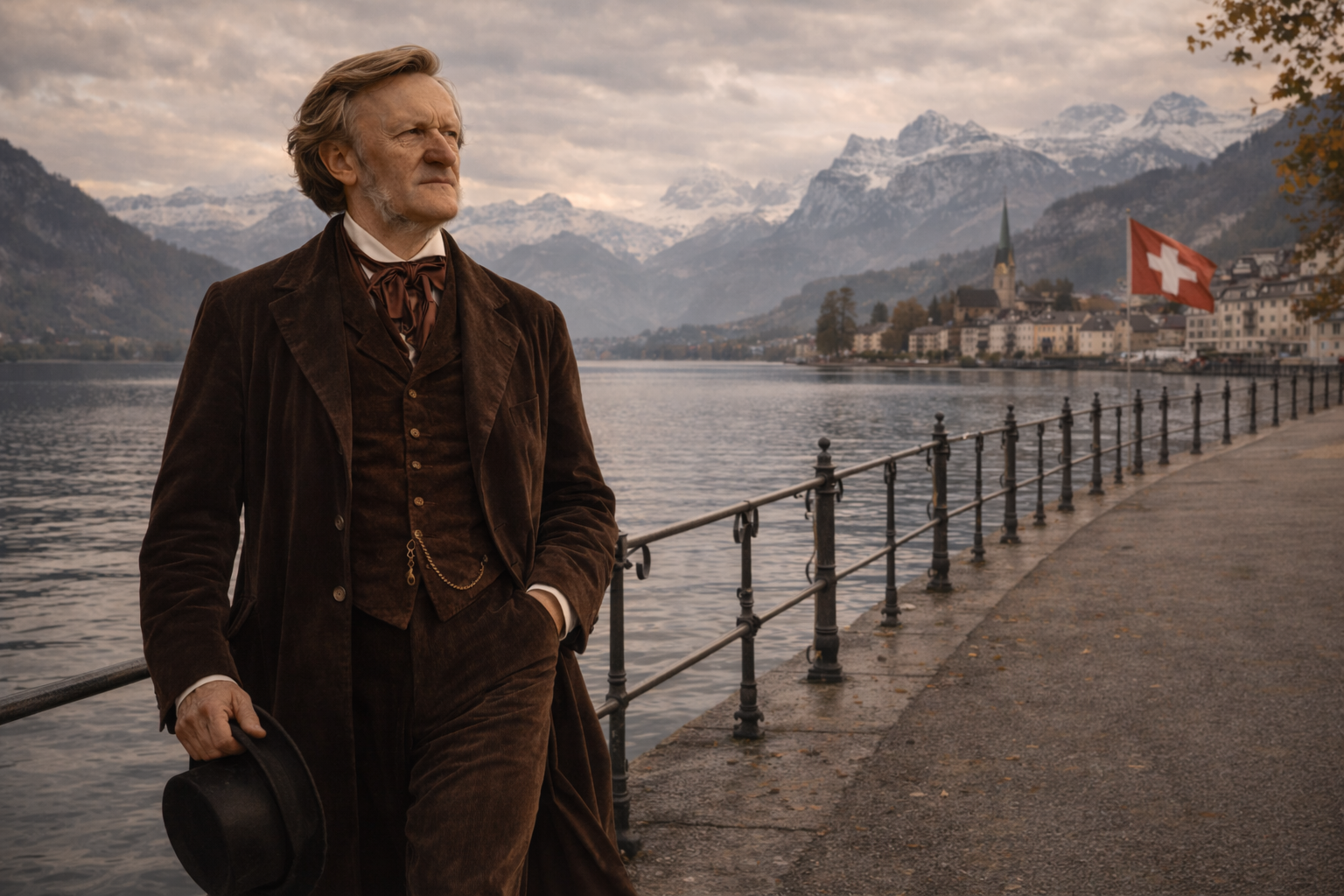
The practice does not guarantee the outcome. It only keeps the outcome possible. I think about this in the months when Aufbruch/Matt feels uncertain. Not failing, exactly. The project is not failing. But there are months in any year-long practice when the connection between the work and any discernible effect feels theoretical. When the essays accumulate and the walks continue and the German builds word by word in the early mornings and you cannot tell whether any of it is landing anywhere or doing anything beyond the private discipline of the doing itself.
Wagner in Zurich had this feeling for eleven years. Not months. Years. Writing theoretical works which nobody read, for a theatre which did not exist, toward an audience which had not been assembled. The Ring libretto sitting in a drawer, complete, unperformable, waiting for conditions which showed no sign of arriving.
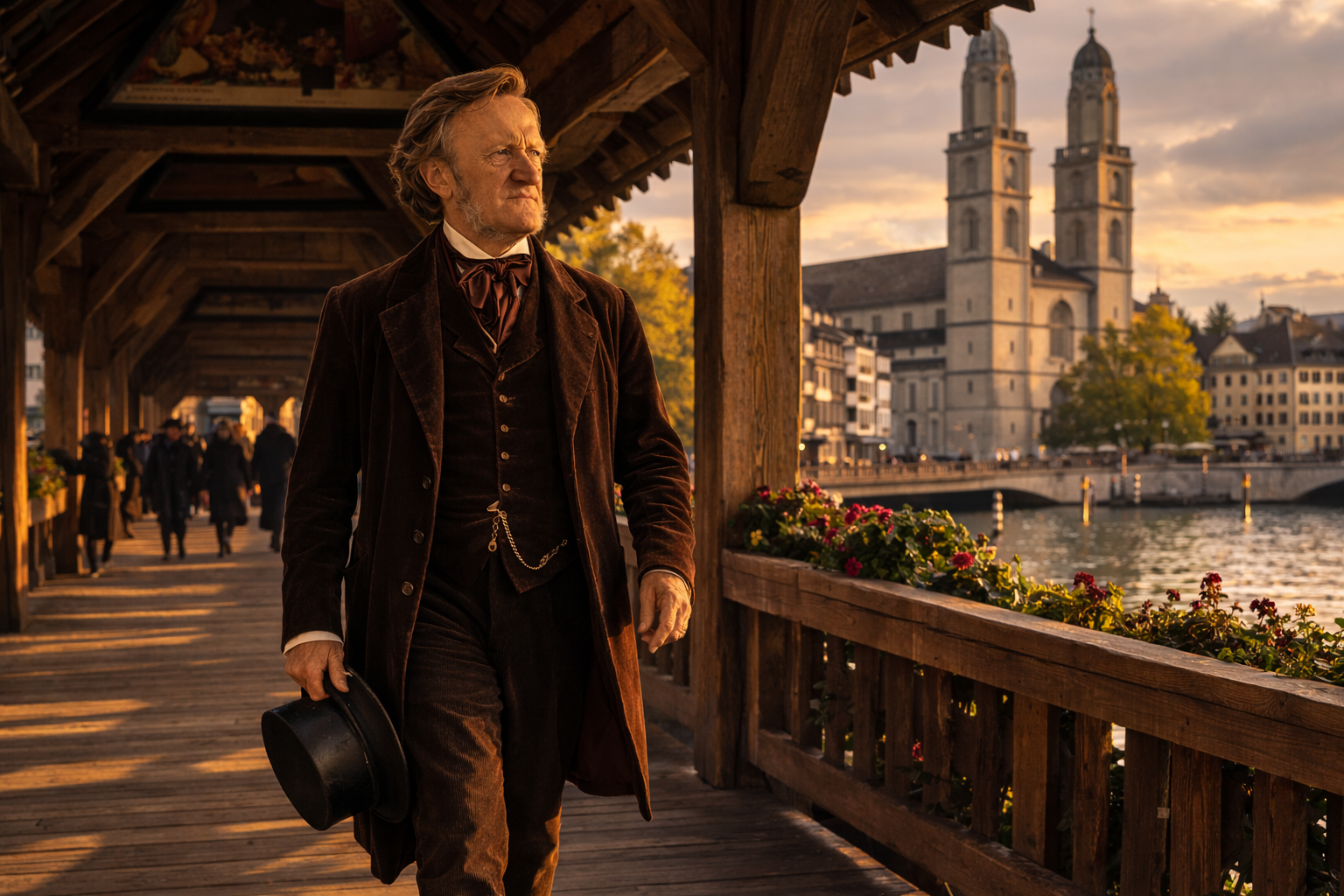
What did he do in those years? He worked. He wrote letters. He read. He walked. He argued with people about ideas. He fell in love badly and was asked to leave. He borrowed money he couldn't repay from people he would later alienate. He continued, in other words, to be a person with a practice and a life, and the practice and the life were not separate things. The exile years are not a gap in the Wagner story. They are the Wagner story. The Bayreuth years are the outcome of the Zurich years. You cannot have one without the other.
The early operas nobody performs. Das Liebesverbot.Die Feen, the fairy opera written before it, which Wagner never heard performed in his lifetime. Rienzi, which Wagner later disowned and refused to have staged at Bayreuth, calling it a young man's mistake even though it was the work which first made his name in Dresden. These are not embarrassments to be quietly omitted from the story. They are the years of formation. The work which had to be done badly before the good work became possible.
Every sustained creative practice contains these years. The work which goes nowhere. The projects abandoned mid-draft. The essays which don't land. The walks which yield nothing except the experience of having walked. The German words which refuse to settle into comprehension no matter how many times you encounter them.
The monument version of a creative life removes these years because monuments are built after the outcome is known and the outcome retrospectively justifies everything which preceded it. The diary version keeps them because the diary does not know the outcome yet and has to record Wednesday whether or not Wednesday produced anything worth recording. This project is a diary. It is March. There are nine months remaining. Ludwig has not yet appeared.
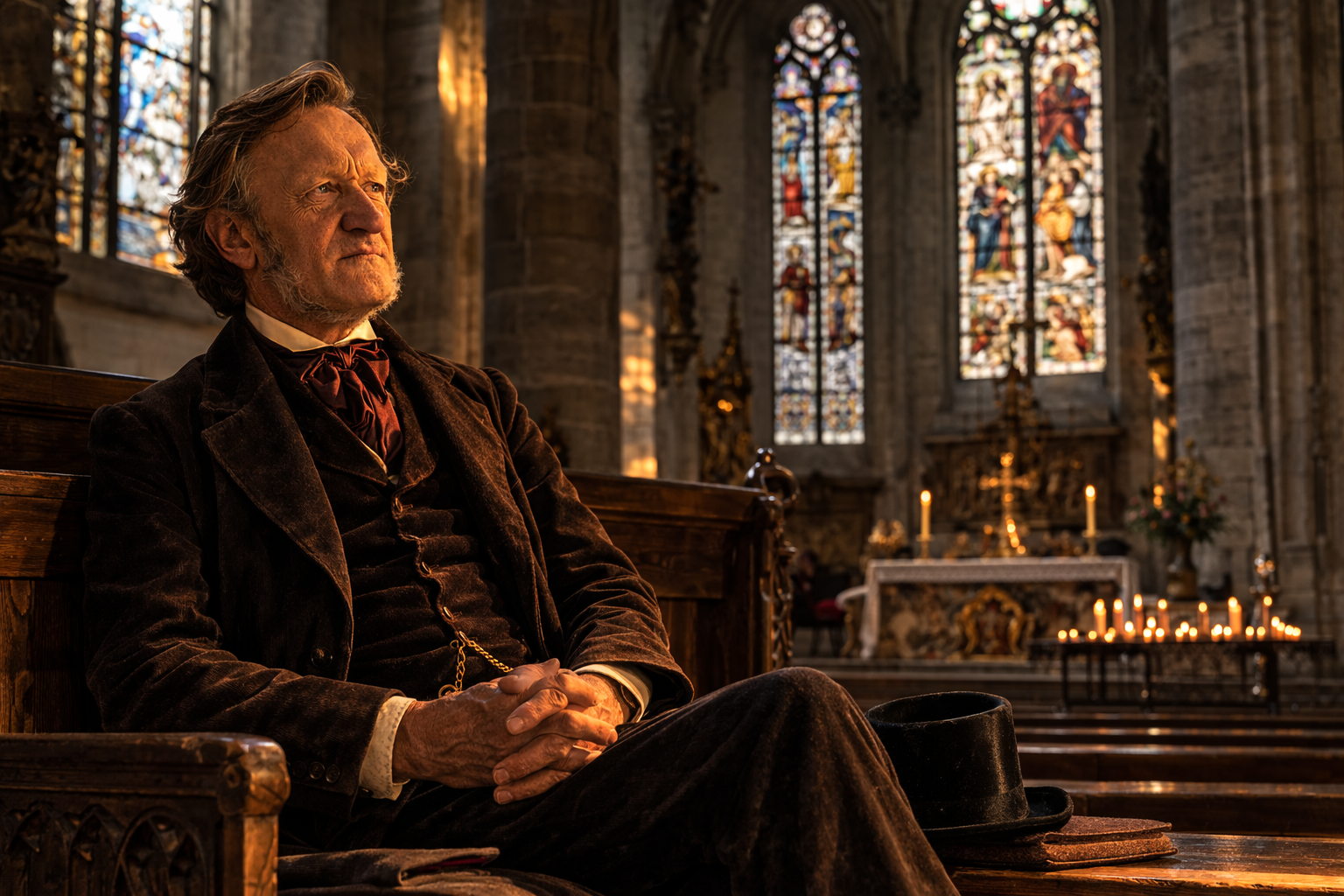
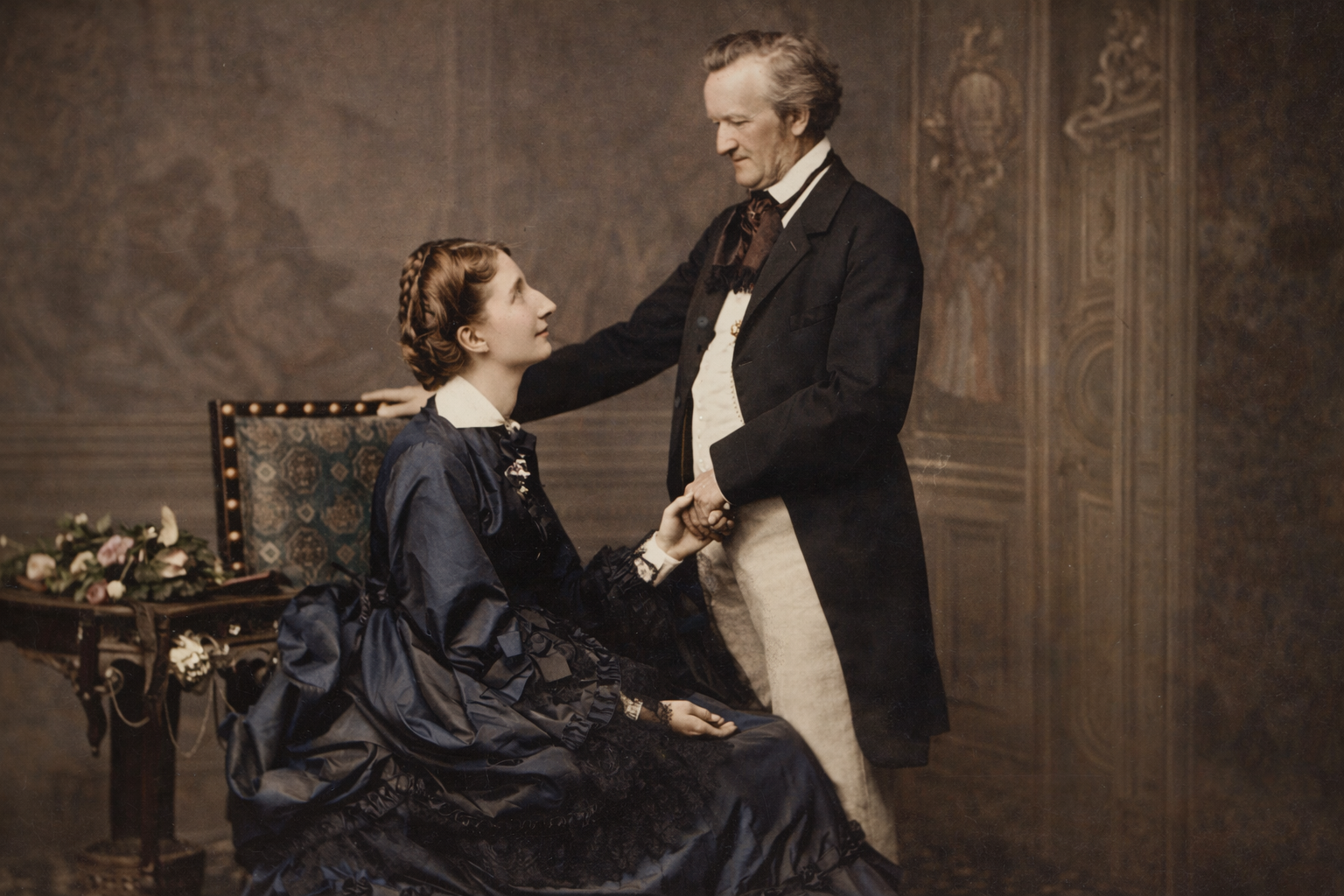
Wagner completed the music of Götterdämmerung in November 1874. He had begun the Ring libretto in 1848. Twenty-six years. He was sixty-one years old. He sat at his desk after writing the final bars and noted in Cosima's diary that he felt not triumph but a kind of exhausted bewilderment. The thing was done. He had been living inside it for so long that its completion felt less like an achievement than like a disappearance. The work which had organized his life for twenty-six years was finished and he did not yet know what he was without it.
Bayreuth opened in 1876. The first complete Ring cycle was performed. It was not the triumph Wagner had imagined. The theatre had acoustical problems. The staging went wrong in several places. The critics were divided. Wagner himself left before the final cycle was complete, too exhausted and too disappointed to stay. He spent the following years writing Parsifal. He died in Venice in February 1883, still working.
The work does not end when the outcome arrives. The outcome is just another Wednesday. The practice continues because it is the practice, not because it is moving toward something which will finally justify it. This is not a comforting thought. It is, I think, a true one. And on the good days, which are not all the days but are enough of them, it is also sufficient.
Further Reading