Neither Here Nor There: On Schwelle
Das Wort / the word: die Schwelle (f.), pl. die Schwellen
Aussprache / pronunciation: SHVEL-eh
Wortart / part of speech: Noun, feminine
Register: Primarily physical (architectural), but extensively metaphorical in literary, philosophical, and psychological usage. One of the most conceptually productive words in the German intellectual tradition.
Was das Wort wirklich bedeutet / What the word actually means
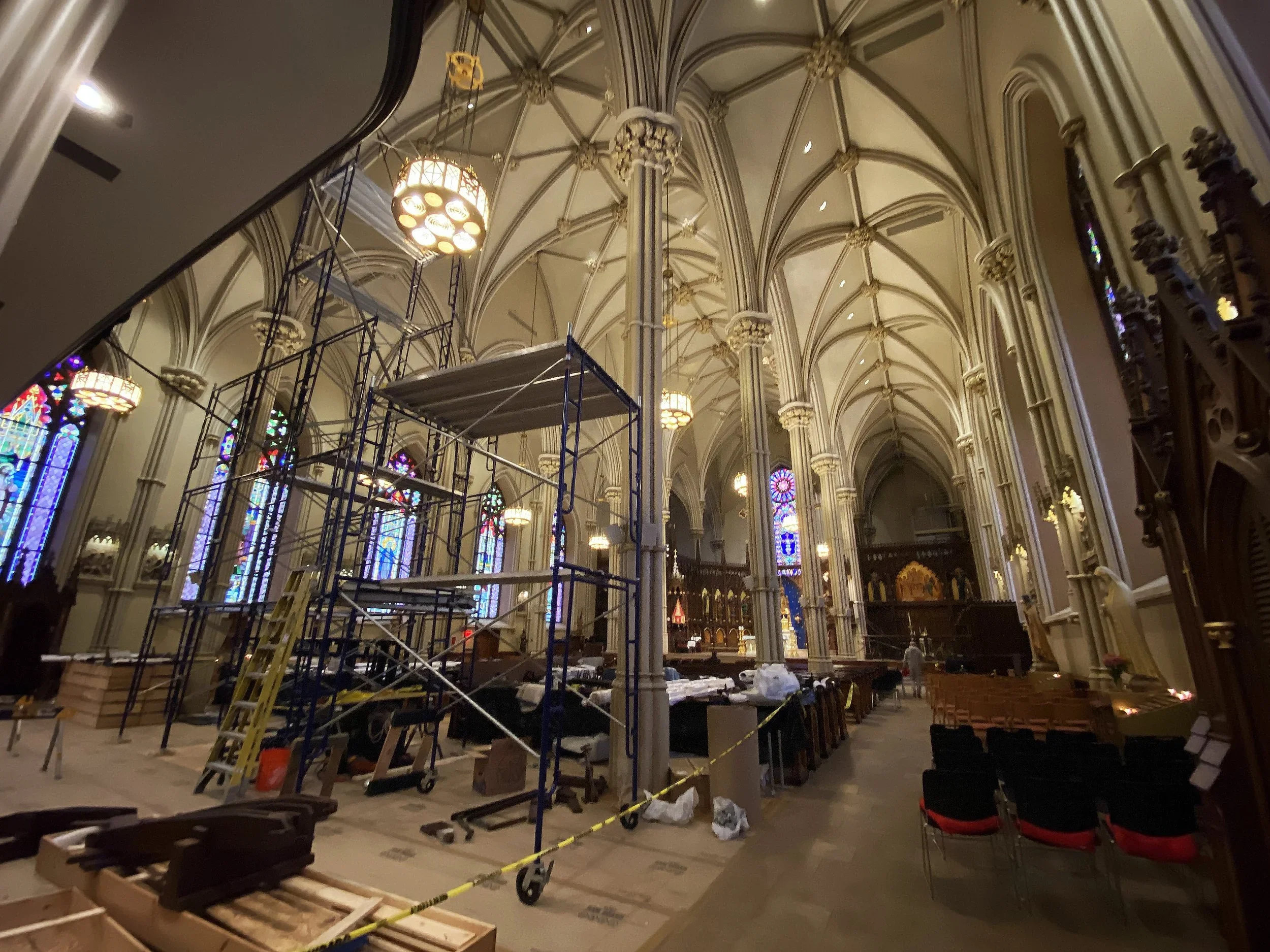
Schwelle is the threshold, the physical strip of wood or stone at the base of a doorframe that you step over to move from one space to another. It is among the most concrete nouns in German. Something you can touch, trip over, look at, replace when it rots. The Türschwelle (door-threshold) is an object in the physical world, a structural element of every building.
But Schwelle is also one of the most philosophically freighted words in the language, because the threshold is not merely an object but a condition. To be at the Schwelle is to be neither inside nor outside, neither in one world nor the other, neither fully one thing nor fully another. The threshold is the zone of transition, the space of crossing, the moment of irreversibility. What distinguishes the Schwelle from other spatial concepts is that it is definitionally between: it exists only in relation to the two spaces it separates and connects.
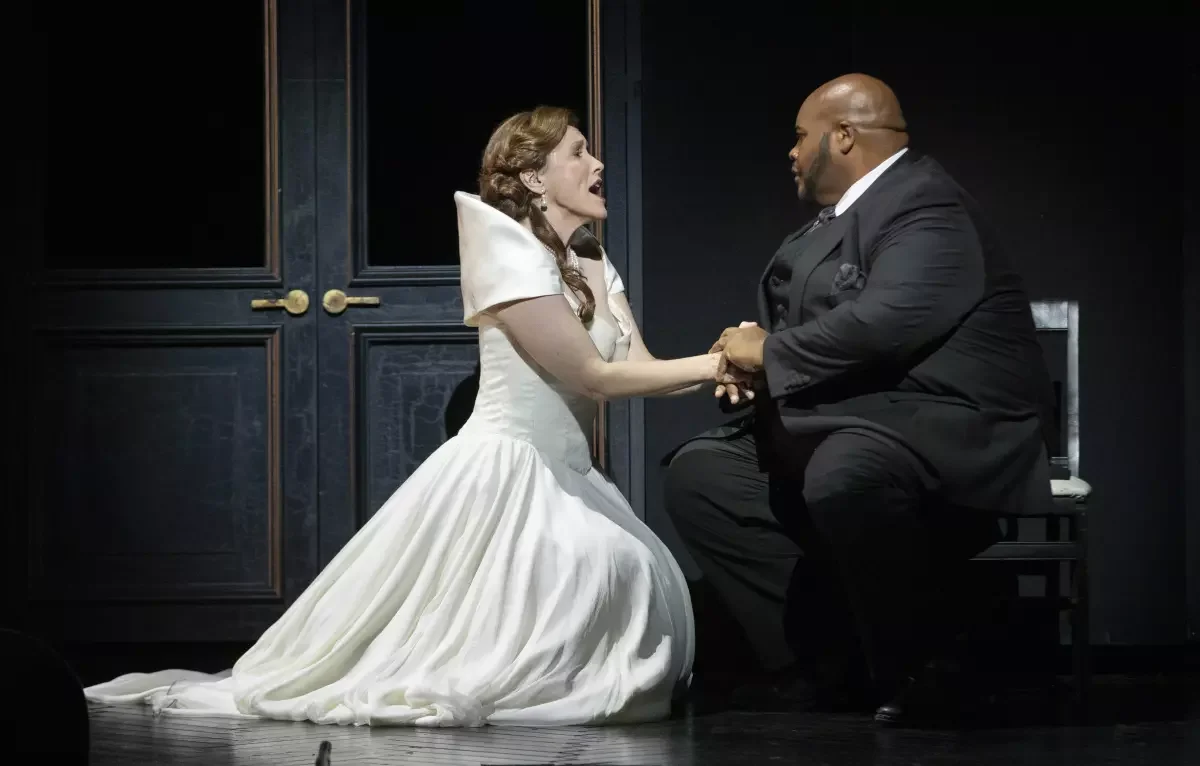
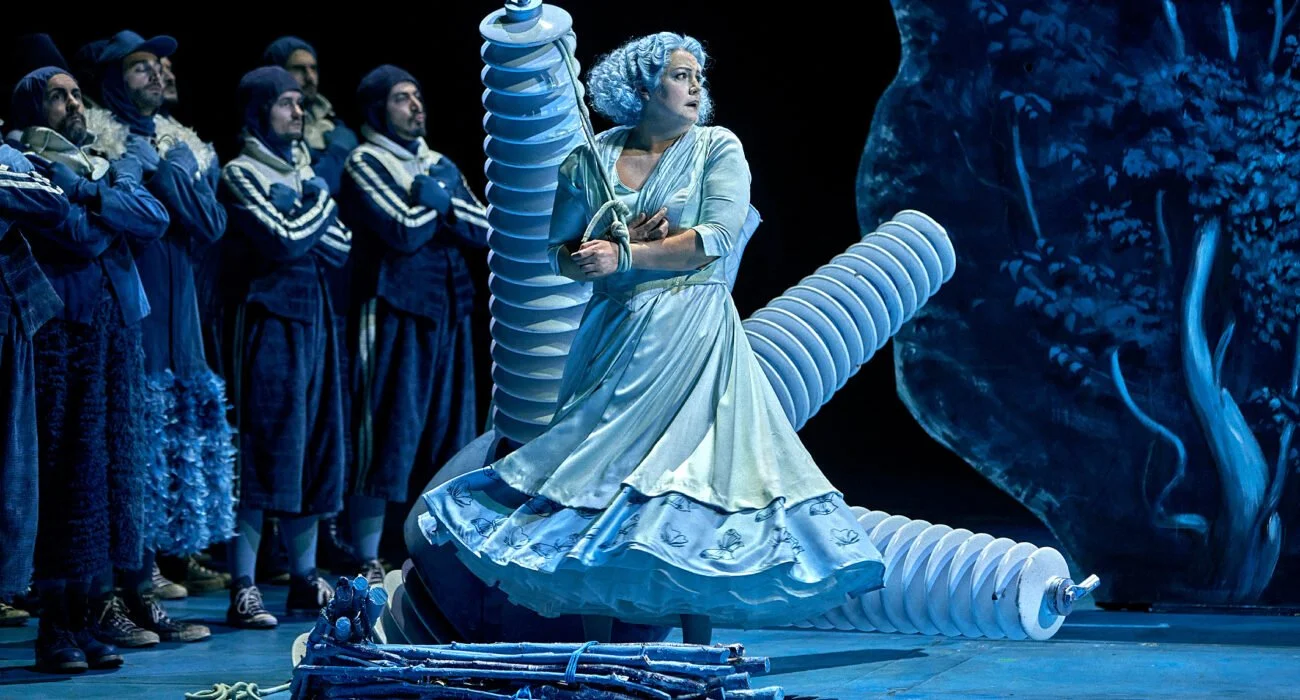
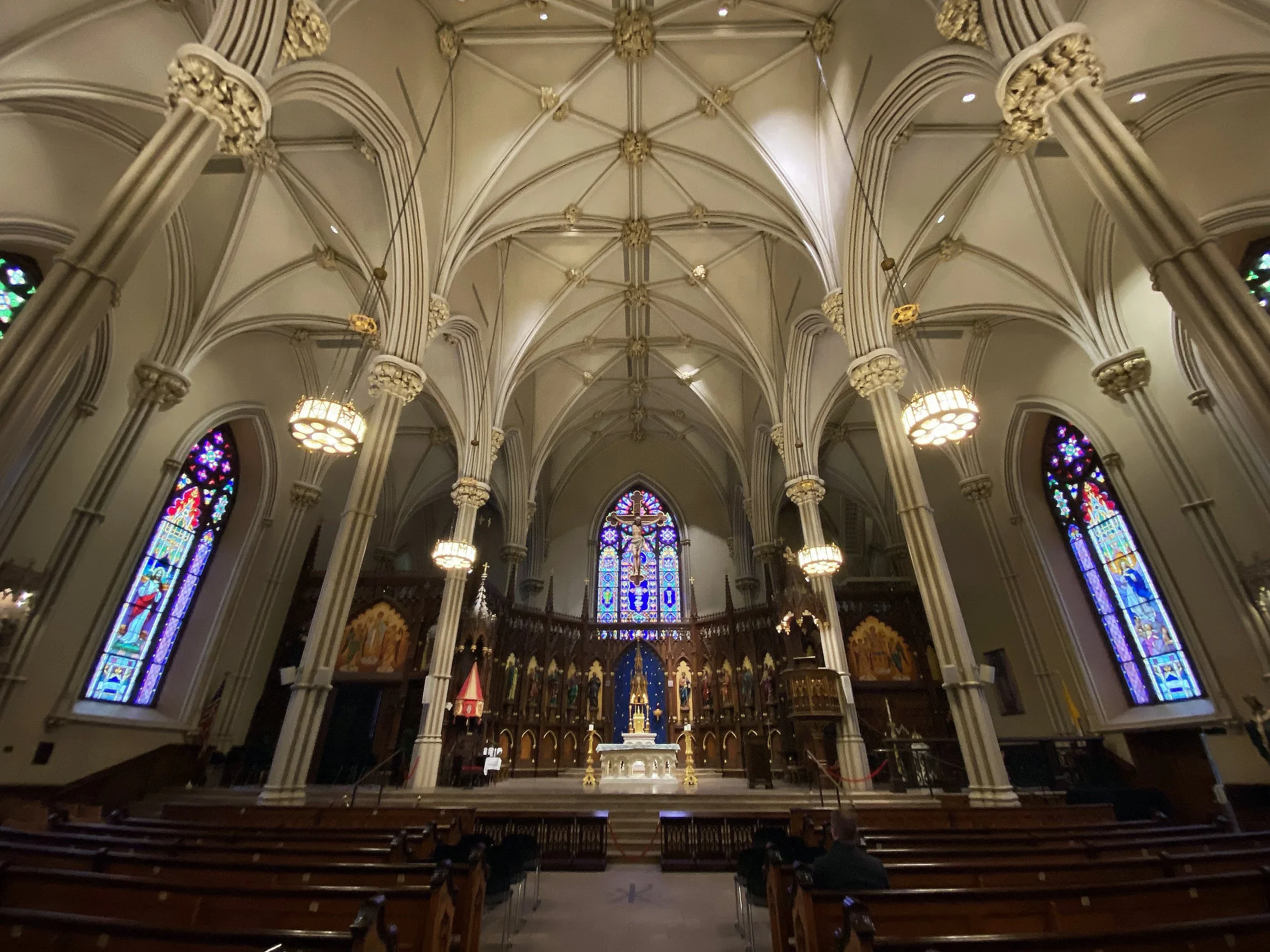
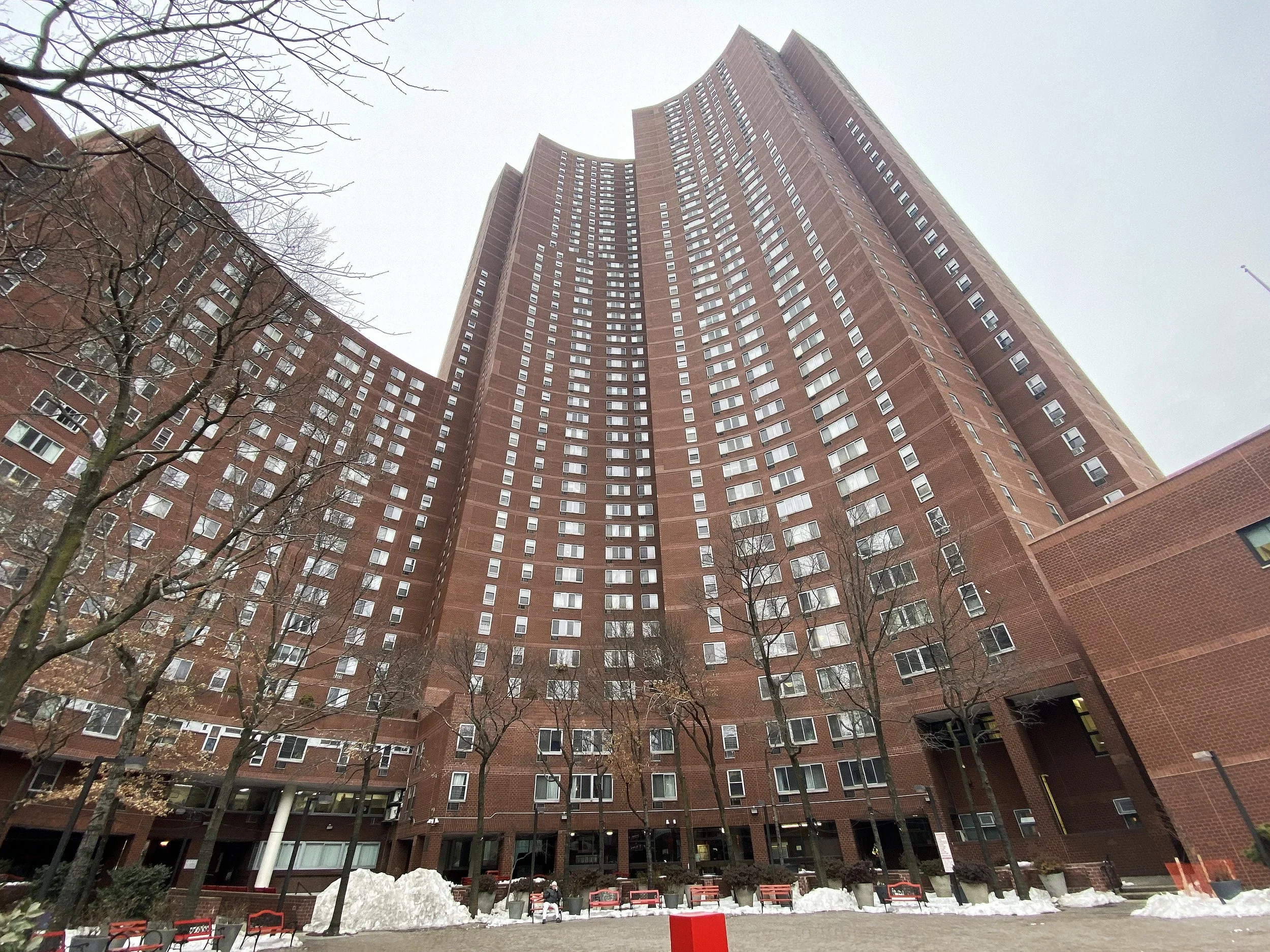
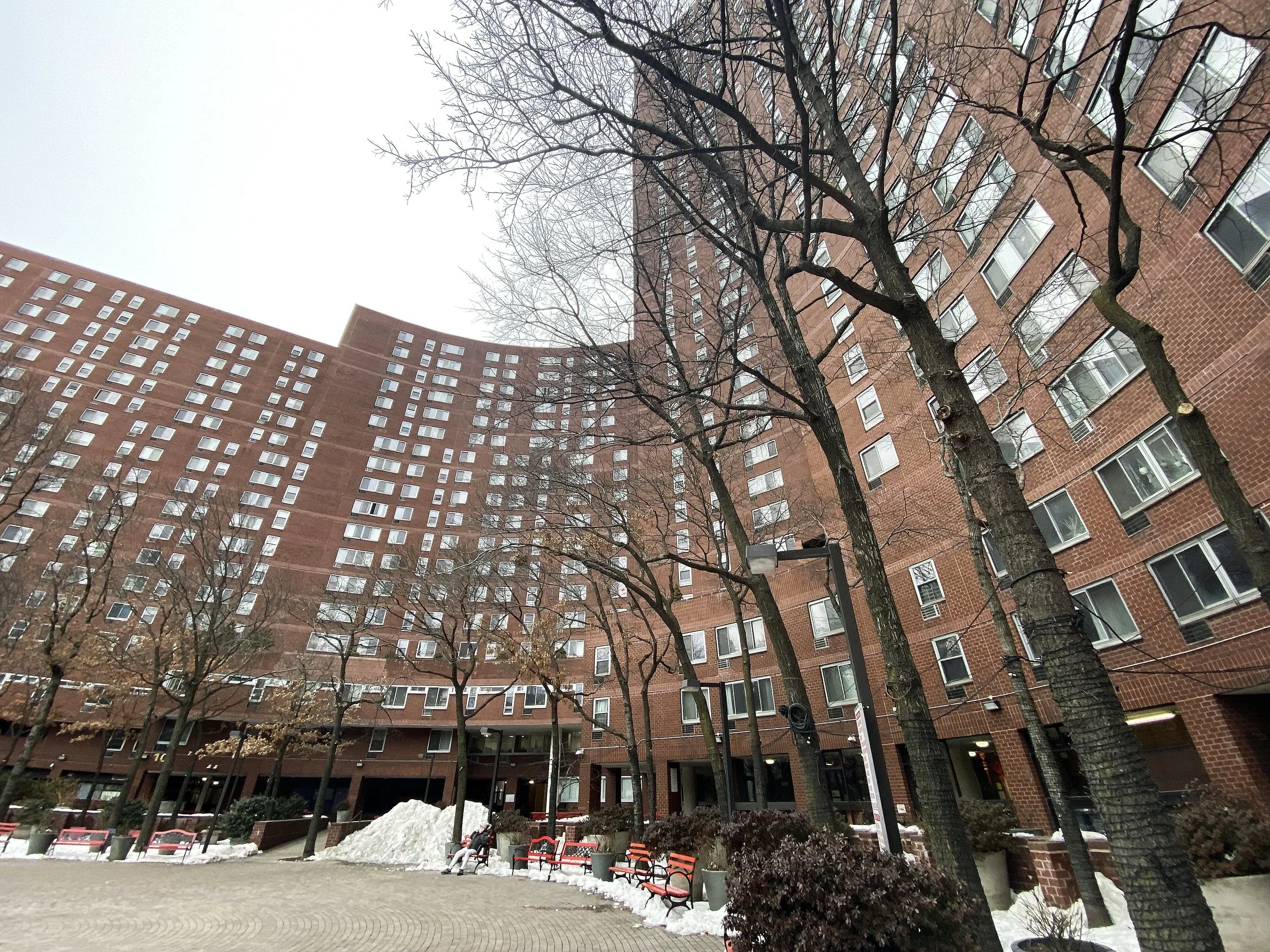
The February walk is, according to its own framing, a walk of thresholds. The month's distinctive spatial logic, zones where competing value systems collide, is a spatial enactment of Schwelle. Everywhere in the February route, two incompatible worlds are in contact. The Venusberg and Wartburg, pleasure and order, immigrant community and hostile city, the profane Bowery beer hall and the pilgrims' processional park, Old St. Patrick's consecrated ground and the traffic noise of Houston Street cutting across its axis of devotion.
Each of these is a Schwelle in the architectural sense transposed to the cultural and moral register. And Tannhäuser is a man who cannot get off the threshold. He has crossed too many times in too many directions. Neither world fully accepts him. He lives in the state the Schwelle describes, perpetually between.
Die Etymologie / Etymology
Schwelle comes from Old High German swella, related to schwellen (to swell, to rise). The etymological connection is to the slightly raised piece of wood or stone that forms the base of a doorframe. It swells slightly above the floor level on either side, creating a perceptible physical distinction between the space you are leaving and the space you are entering.
This swelling, raising dimension of the etymology is significant. The threshold is not just a line on the floor. It is a barrier, however slight, something that has to be stepped over, not merely through. The physical act of crossing a threshold involves a small but real bodily effort, a moment of being momentarily above the normal floor level. This is not incidental. The elevation at the crossing point encodes the transition. You are, for a fraction of a second, above both the space you're leaving and the space you're entering.
In railway engineering, Schwelle is the technical term for the rail tie or railway sleeper. The transverse beam on which the rails rest. These are thresholds in a different sense. Structural elements that hold the tracks in alignment, that bear the weight of the system, that are invisible to the traveller but essential to their movement. The word's span from architectural threshold to railway engineering encodes a consistent logic. The Schwelle is the foundational element that makes crossing possible.
German compound nouns built on Schwelle extend its meaning productively:
Die Türschwelle, door threshold, doorstep
Die Hörschwelle, hearing threshold (the minimum audible sound level)
Die Schmerzschwelle, pain threshold
Die Reizschwelle, stimulus threshold (in psychology, the minimum stimulus required to produce a response)
Die Gewaltschwelle, threshold of violence (the point at which conflict tips into physical force)
Die Bewusstseinsschwelle, threshold of consciousness
This cluster reveals something important. Schwelle in German is not only an architectural concept but a scientific and psychological one. Every system has a threshold, the point at which it changes state, responds to a stimulus, tips from one mode into another. Physics, psychology, and architecture share the same word for this concept because they share the underlying logic.
Schwellenangst: Threshold Anxiety
One of the richest compound concepts built on Schwelle is Schwellenangst. Literally threshold-anxiety, the fear of crossing a threshold. It has both a literal and metaphorical dimension.
In its literal dimension, Schwellenangst is a recognized psychological phenomenon. The anxiety that prevents people from entering certain spaces, particularly culturally intimidating ones. Museums, opera houses, galleries, universities. Spaces whose implicit social codes signal that only certain people belong inside, generate Schwellenangst in those who feel their membership in the invited group is uncertain. The threshold is not just a physical strip of wood. It is a boundary that communicates inclusion and exclusion, and the anxiety of crossing it is the anxiety of testing one's own belonging.
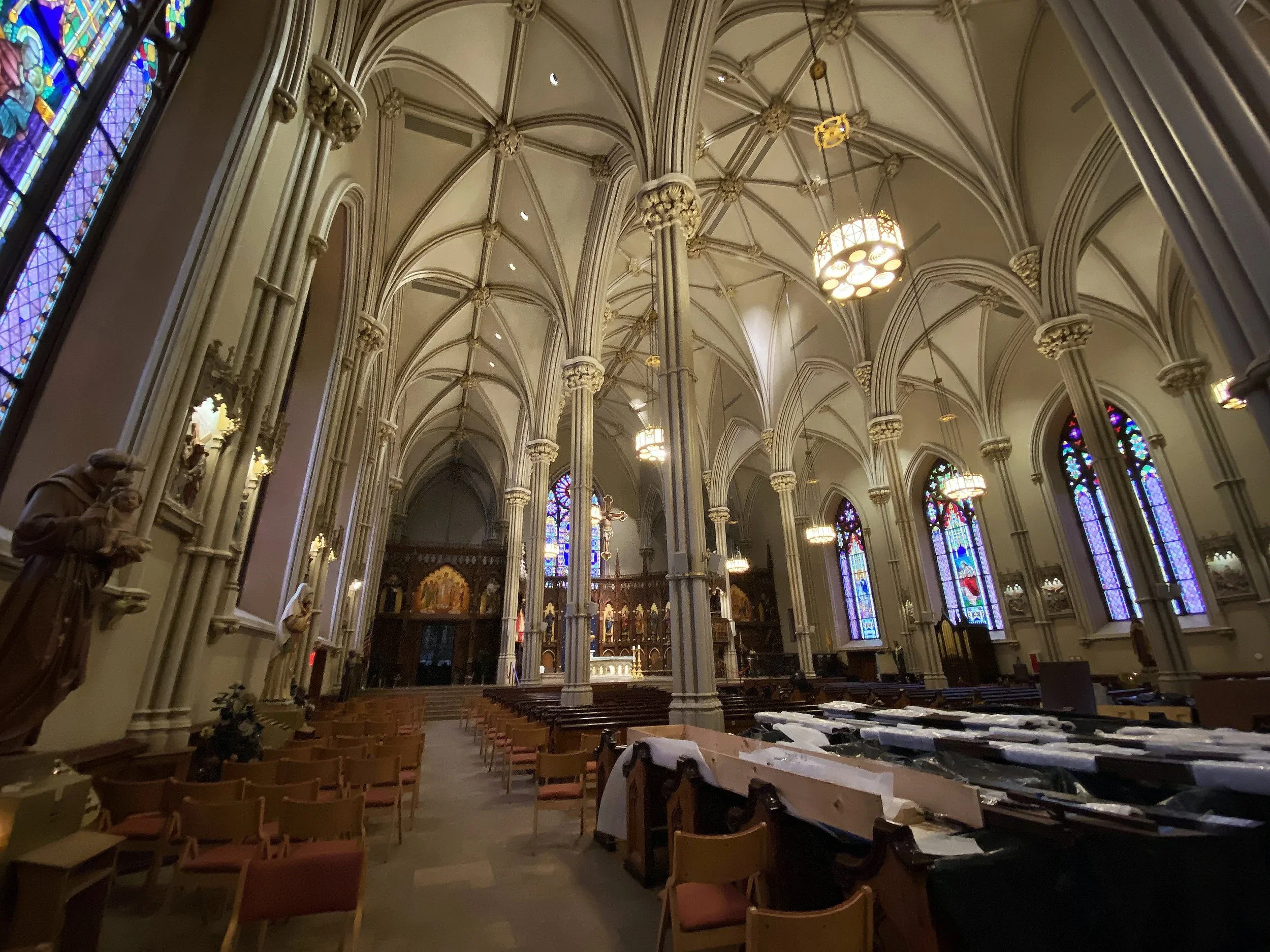
This is directly relevant to the Stadttheater and the Atlantic Garden, two of the February walk's key sites. The Stadttheater on the Bowery was a threshold in precisely this sense for New York's German immigrant community. A space where German-language culture could be practiced and attended, but also a space that required membership in a cultural community (German-speaking, artistically inclined, able to afford tickets, familiar with opera as a form) not everyone could claim. The Atlantic Garden, by contrast, lowered the threshold. A beer hall where German music was heard informally, without the demanding formality of the opera house. The two venues encode different thresholds, different Schwellenangst conditions.
In its metaphorical dimension, Schwellenangst describes the resistance to any major life transition. The anxiety of the irreversible crossing. Tannhäuser suffers from Schwellenangst in this sense at every key moment of the opera. He hesitates to leave the Venusberg. He hesitates to commit fully to Elisabeth. He breaks catastrophically at the Song Contest rather than navigating the threshold between his inner experience and its public expression. He is, in a precise psychological sense, paralyzed by the thresholds the opera places before him.
Walter Benjamin und die Schwelle / Walter Benjamin and the Threshold
The most sustained philosophical engagement with Schwelle in the German tradition is in the work of Walter Benjamin, the early 20th-century cultural theorist whose Arcades Project, an unfinished encyclopaedic study of 19th-century Paris, devoted substantial attention to threshold spaces.
For Benjamin, the Schwelle was conceptually distinct from the Grenze (boundary, border). A Grenze is a demarcation, a line that marks where one territory ends and another begins. It is static and administrative. A Schwelle is dynamic and experiential: it is the zone of transition, the moment of crossing, the place where change happens. Benjamin argued that the great threshold spaces of modernity, the arcades (covered shopping galleries), the train station, the doorway, the edge of sleep and waking, were philosophically significant because they held in suspension the categories that the modern world preferred to keep cleanly separate.
Benjamin's concept of Schwellenerfahrung, threshold experience, named the particular mode of attention that threshold spaces invite. A heightened, liminal awareness, a sense of being between categories, an openness to what cannot be fully anticipated because you are in the process of crossing from one state to another. This is the opposite of the settled, categorized, administered attention of modernity. Schwellenerfahrung is experience in the process of becoming, not yet fixed into the form it will take.
The Aufbruch/Matt walking practice is deeply allied with this concept. To walk a scored route with music is to put yourself in a state of Schwellenerfahrung. You are between the ordinary city (which you know) and the city-as-score (which the walk is creating), between your everyday self (who walks to get places) and the attentive walker (who walks to perceive and be changed). The Schwelle of the walk is not at a specific geographical point. It is the entire duration of the walk, held open as a threshold experience.
Grammatik und Gebrauch / Grammar and Usage
Schwelle is a regular feminine noun.
Key preposition constructions:
An der Schwelle stehen, to stand at the threshold (to be on the verge of something, about to cross)
über die Schwelle treten, to step over the threshold (to cross it, to make the transition)
An der Schwelle des Todes, at the threshold of death
An der Schwelle einer neuen Ära, on the threshold of a new era
The preposition an (at) with the dative positions you beside the threshold without crossing it. The preposition über (over) with the accusative marks the act of crossing. This grammatical distinction between proximity and crossing is one of the finer pleasures of threshold vocabulary in German. The language makes you choose whether you are standing at the edge or going over it.
The verb: überschreiten, to cross over, to overstep, to exceed a limit. Die Schwelle überschreiten, to cross the threshold. Die Schmerzgrenze überschreiten, to exceed the pain threshold. Grenzen überschreiten, to cross borders / to push limits. The same verb applies to physical crossing and to the transgression of norms.
Im heutigen Deutsch / In Contemporary German
Schwelle is fully active in contemporary German across all its registers. In everyday speech, Türschwelle (doorstep), Schmerzschwelle (pain threshold), and Hörschwelle (hearing threshold) appear routinely. In political and sociological discourse, Eintrittsschwelle (entry barrier) and Hemmschwelle (inhibition threshold. The internal barrier against doing something) are common analytical terms. Hemmschwelle in particular is extremely useful and culturally revealing. It names the internal resistance that prevents people from acting on an impulse or crossing a social boundary. Die Hemmschwelle senken (to lower the inhibition threshold) is used both positively (removing unnecessary barriers) and negatively (reducing the resistance to harmful behaviour).
Schwellenland, threshold country, transitional country, is used in developmental economics for nations transitioning from developing to developed status, nations auf der Schwelle between economic categories.
Verwandte Wörter / Related Words
überschreiten (v.), to cross over, to exceed, to transgress
die Grenze, border, boundary (static, contrasted with the dynamic Schwelle)
die Hemmschwelle, inhibition threshold, the internal barrier against action
die Schwellenangst, threshold anxiety, the fear of entering culturally intimidating spaces
das Schwellenland, threshold country (economics)
die Schwellenerfahrung, threshold experience (Benjamin's concept)
liminaler Zustand, liminal state (borrowed from anthropology, van Gennep's rites de passage)
der Übergang, transition, crossing (more general than Schwelle)
der Eintritt, entry, entrance (the act of crossing a threshold to enter)
der Austritt, exit, withdrawal (the act of crossing a threshold to leave)
Die Verbindung zum Weg / Connection to the Walk
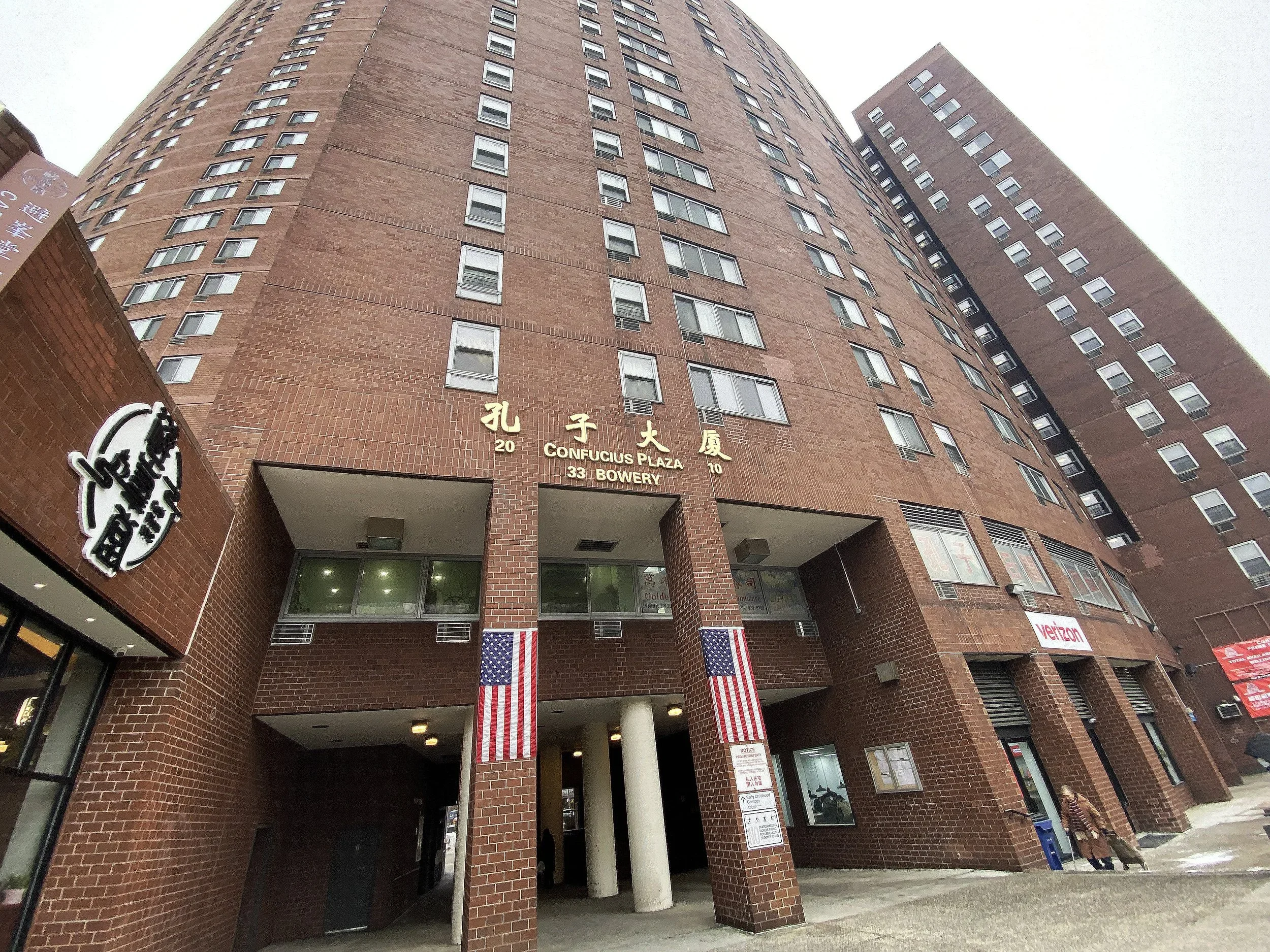
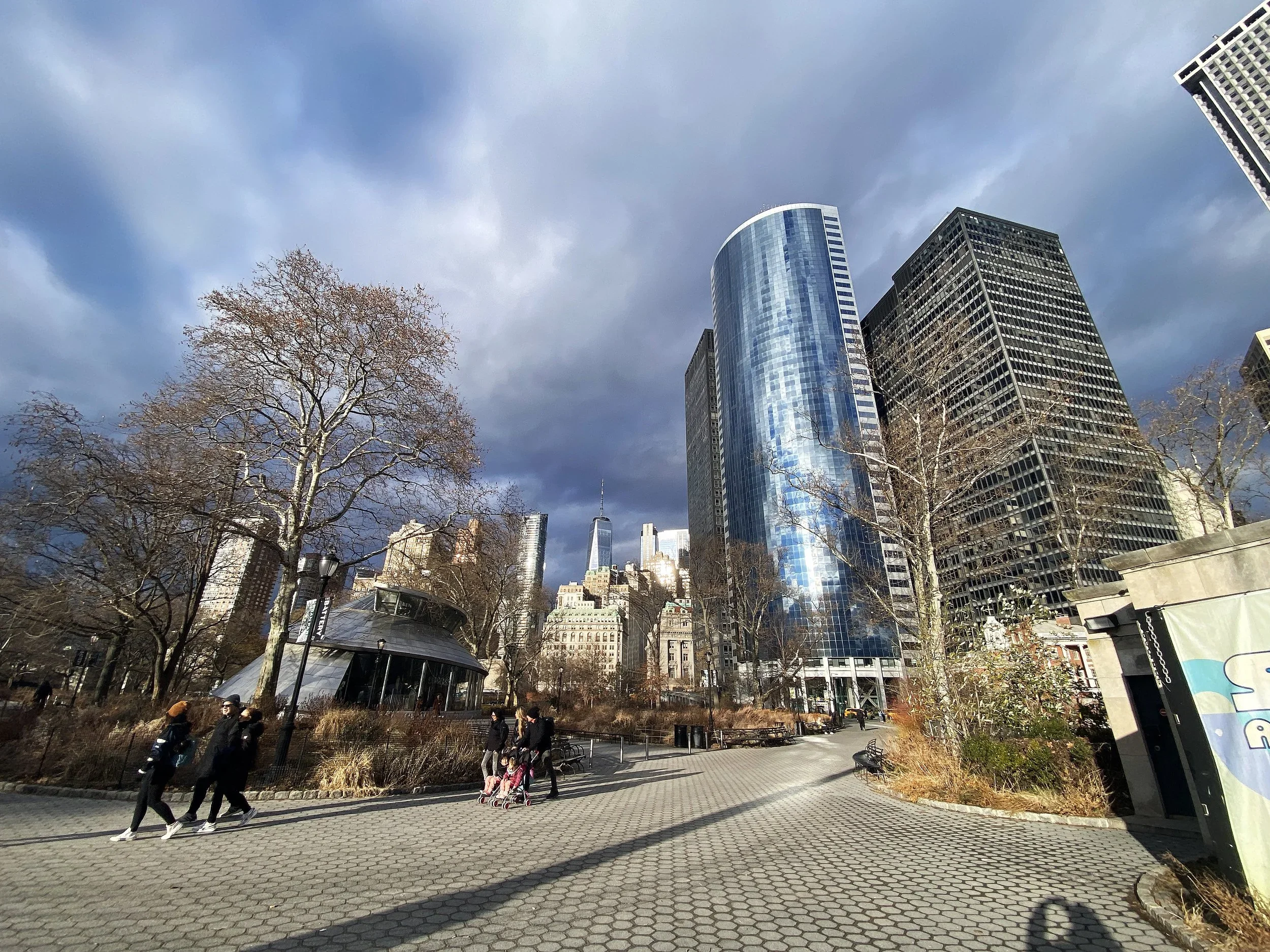
The February walk crosses thresholds constantly. Entering the park from the street. Stepping into the sound-world of the Bacchanale from the street noise of the Bowery. Moving from the Bowery's dense commercial energy into the long quiet corridor of Sara D. Roosevelt Park. Approaching Old St. Patrick's brick wall and iron gate from the surrounding Nolita street life.
Each of these is a Schwelle in the architectural sense, and each invites a Schwellenerfahrung in Benjamin's sense. A moment of heightened liminal attention, of being genuinely between two different registers of experience. The walk's instruction to approach Old St. Patrick's first in silence. To let the shift in architecture work before the music begins, is an instruction in how to inhabit a threshold properly. You pause at the Schwelle. You let it do its work. You do not rush through it.
Tannhäuser cannot do this. He crosses thresholds explosively and catastrophically. He leaves the Venusberg with an involuntary cry for the Virgin Mary. He breaks open at the Song Contest without controlling the crossing, without managing the transition between his inner world and its public expression. His Schwellenangst is not the paralysis of fear but the catastrophe of failed management: he crashes through thresholds rather than crossing them.
The walk invites the opposite. Deliberate, attentive, unhurried threshold crossings. You arrive at the park's edge and pause. You stand at the cathedral gate before pressing play. You let the Schwelle be a Schwelle. A real transition, a real moment of between-ness, rather than blurring it with distraction or speed.
Wer die Schwelle achtet, achtet den Übergang. Who honours the threshold honors the transition. The sentence could be a principle of the walking practice. It could also be the lesson Tannhäuser never manages to learn.
Further Reading