What the Grotto Offers: On Versuchung
Das Wort / the word: die Versuchung (f.), pl. die Versuchungen
Aussprache / pronunciation, fer-ZOOKH-oong
Wortart / part of speech, Noun, feminine, abstract noun derived from the verb versuchen
Register, Primarily theological and moral, but also everyday, one of the rare German words that moves with full weight between religious discourse and ordinary speech.
Was das Wort wirklich bedeutet / What the word actually means

Versuchung is temptation. And yet this is one of those cases where the translation, while accurate, immediately conceals more than it reveals. Temptation in English has become somewhat faded through overuse. We speak of the temptation of a second slice of cake, the temptation to sleep in, the temptation to skip the gym. The word has been domesticated into the territory of minor desires and small moral failures.
Versuchung retains more of its original charge. It still carries the theological weight of its Biblical context. The temptation of Christ in the wilderness, the Lord's Prayer's und führe uns nicht in Versuchung (and lead us not into temptation), while also functioning in ordinary speech. But even in ordinary speech, Versuchung implies something more serious than casual wanting. It implies a pull that has moral stakes, a desire that tests the will, an offer that has to be actively refused or actively accepted because it cannot be simply ignored.
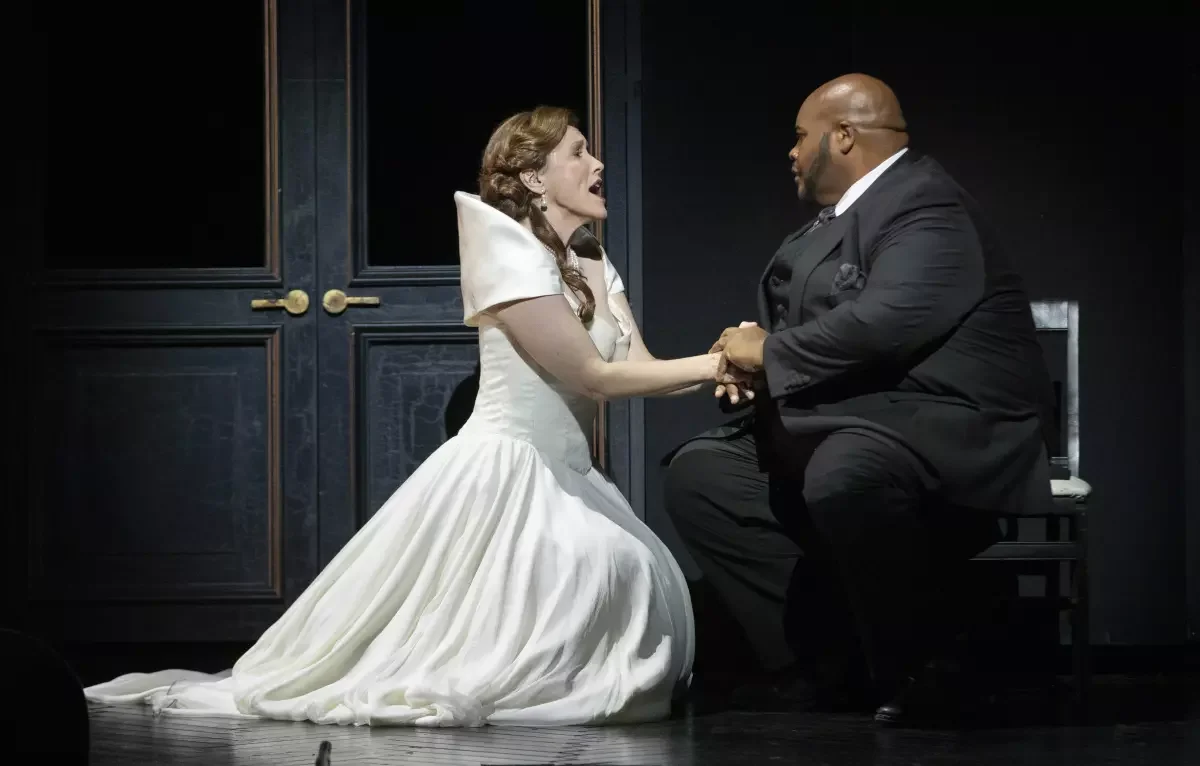
The Venusberg is Versuchung in its operatic extreme. It is not simply pleasure on offer. It is pleasure structured as a test of identity. What kind of person are you, when the full force of sensual completeness is laid before you? What do you value more than this? What, if anything, is stronger than this pull? The Venusberg is the proposition. Tannhäuser's response, his years of immersion and his eventual departure, is the answer. An answer, as the opera makes clear, that neither Venus nor the Wartburg community can fully accept.
Die Etymologie: Der Versuch / The Experiment
Versuchung is an abstract noun derived from versuchen, a verb with a fascinatingly wide semantic range. To understand Versuchung fully requires understanding what versuchen does and why the same verb covers what look like entirely different activities.
versuchen has four distinct meanings in contemporary German:
To try, to attempt. Ich versuche es., I'll try it. / I'll give it a go. This is the most everyday usage, cognitively and connotatively neutral. Versuchen as attempt.
To taste, to try food. Darf ich mal versuchen? Can I have a taste? Hast du das schon versucht? Have you tried it (food/drink) yet? This is the sensory usage, versuchen as exploring what something offers by direct experience.
To tempt. Er wurde versucht. He was tempted. Die Schlange versuchte Eva. The serpent tempted Eve. This is the theological usage, versuchen as presenting an attractive offer that constitutes a moral test.
To experiment, to test. einen Versuch machen, to conduct an experiment, to make an attempt. der Versuch, the attempt, the experiment, the essay (Montaigne's term essai is directly parallel, both mean attempt or trial).
The underlying logic that holds all four together is the same. Versuchen is to test, to probe, to find out what something offers by exposing yourself to it. Whether you are testing a recipe by tasting it, testing your own resolve by facing a temptation, testing a hypothesis by conducting an experiment, or testing your limits by making an attempt, the structure is identical. You put yourself into contact with something and observe what happens.
This unified etymology is philosophically significant for understanding the Venusberg. Tannhäuser's time in the grotto is not merely a surrender to desire. It is, in the word's deepest sense, a Versuch, an experiment, an attempt, a testing of what the world of pure sensual fulfilment actually offers. He does not stay forever. He leaves. This suggests that the Venusberg, for Tannhäuser, functions as an experiment whose result is eventually obtained. He has tested what it offers. He now knows. The knowledge costs him everything.
Die Bibel und die Versuchung / Scripture and Temptation
Versuchung appears in the Lord's Prayer in the Lutheran Bible in the phrase und führe uns nicht in Versuchung, and lead us not into temptation. This is one of the most frequently heard German sentences in the language's cultural history, repeated in church services for five centuries. The phrase has shaped how German speakers understand the word. Versuchung is something one can be led into, implying that it is a territory rather than a momentary pull. A condition you can enter and in which you can become situated.
The Venusberg is exactly this. A territory of Versuchung, a space you enter and in which time passes differently. Tannhäuser is not tempted in a moment and yields. He enters the Venusberg and stays for what is implied to be an extended period, months or years. The Versuchung is not an event but an environment.
The prayer's request is notable for its passivity. The petitioner is not asking for strength to resist temptation but asking God not to lead them into it in the first place. This reflects a Augustinian understanding of human will as fundamentally weak. The assumption is that if you enter the territory of temptation, you will likely fail to resist it. Prevention is more reliable than resistance. Stay away from the grotto.
Tannhäuser's dramatic problem is that he has already been inside. He cannot pray not to be led in. He has been there, and the experience has altered him. He must now manage the consequences of having entered the territory, not the prospect of entering it.
Versuchung und Versuch: The Experimental Self
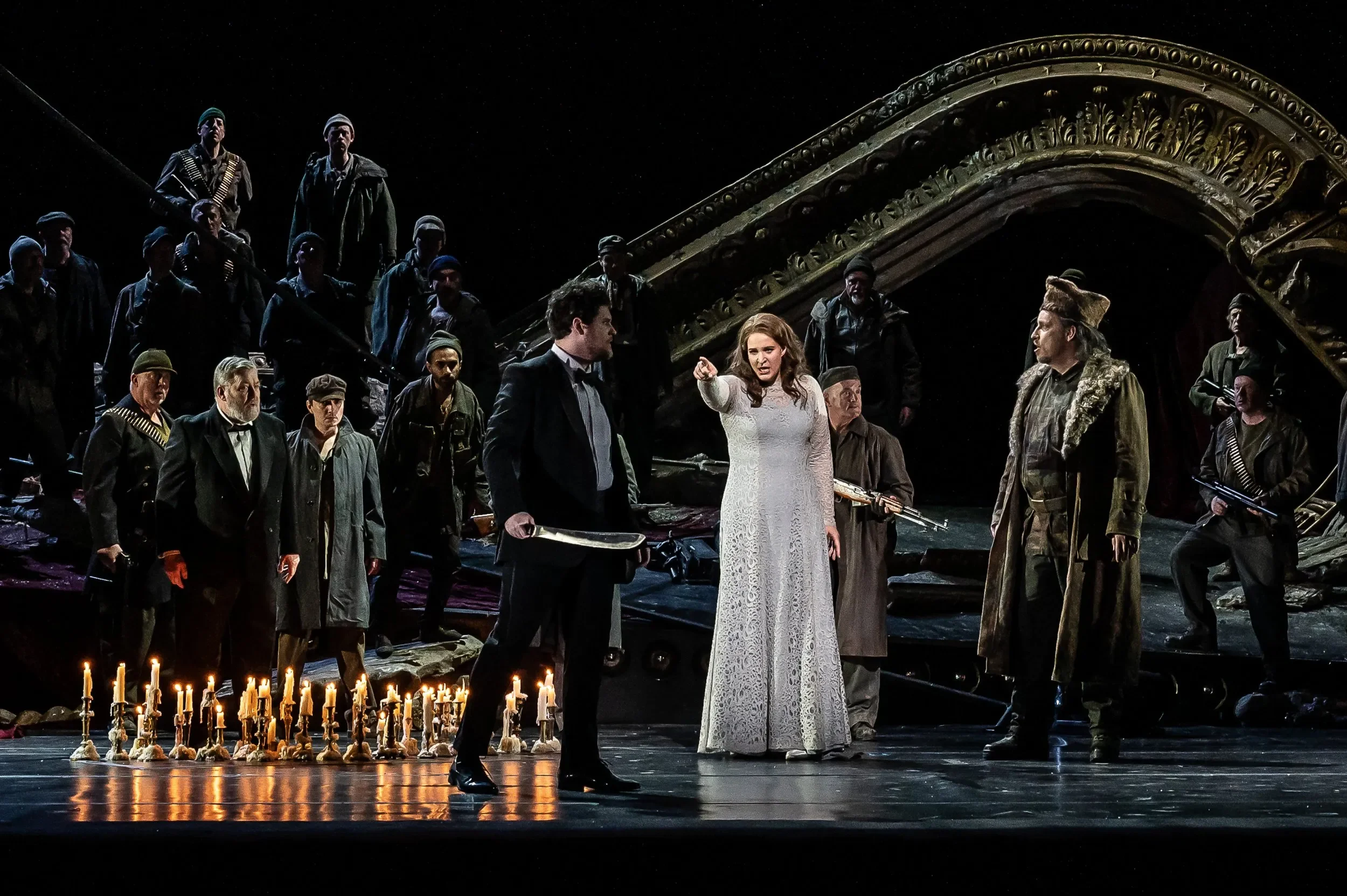
The shared root of Versuchung (temptation) and Versuch (experiment, attempt, essay) opens a perspective on the moral philosophy embedded in the opera that the theatrical drama can obscure.
In the essay tradition, Versuch is an intellectual form. Montaigne's essais, Bacon's essays, the German Versuch as a genre of tentative, exploratory writing that does not claim definitive conclusions but marks out the territory of a problem. The essay is an experiment on paper. You try an idea, test its limits, see what it yields.
Tannhäuser's Venusberg sojourn can be read, in this light, as an Versuch on experience itself. An experimental investigation of what complete sensual fulfilment offers to a consciousness that is also artistic, moral, and social. The result of the experiment, his departure, suggests that complete sensual fulfilment, sustained indefinitely, is not the answer to the questions a consciousness like Tannhäuser's is asking. Not because it is wrong but because it is, over time, insufficient. The experiment yields a result. The Venusberg answers one question (can I be completely satisfied?) while generating others that it cannot address (but what does this satisfaction mean? how does it relate to the world outside?).
This reading does not exonerate Tannhäuser. But it provides a framework for understanding his experience as something more than simple moral failure, as a genuine, costly experiment in the limits of what Versuchung, fully embraced, can offer.
Versuchung und Wille / Temptation and Will
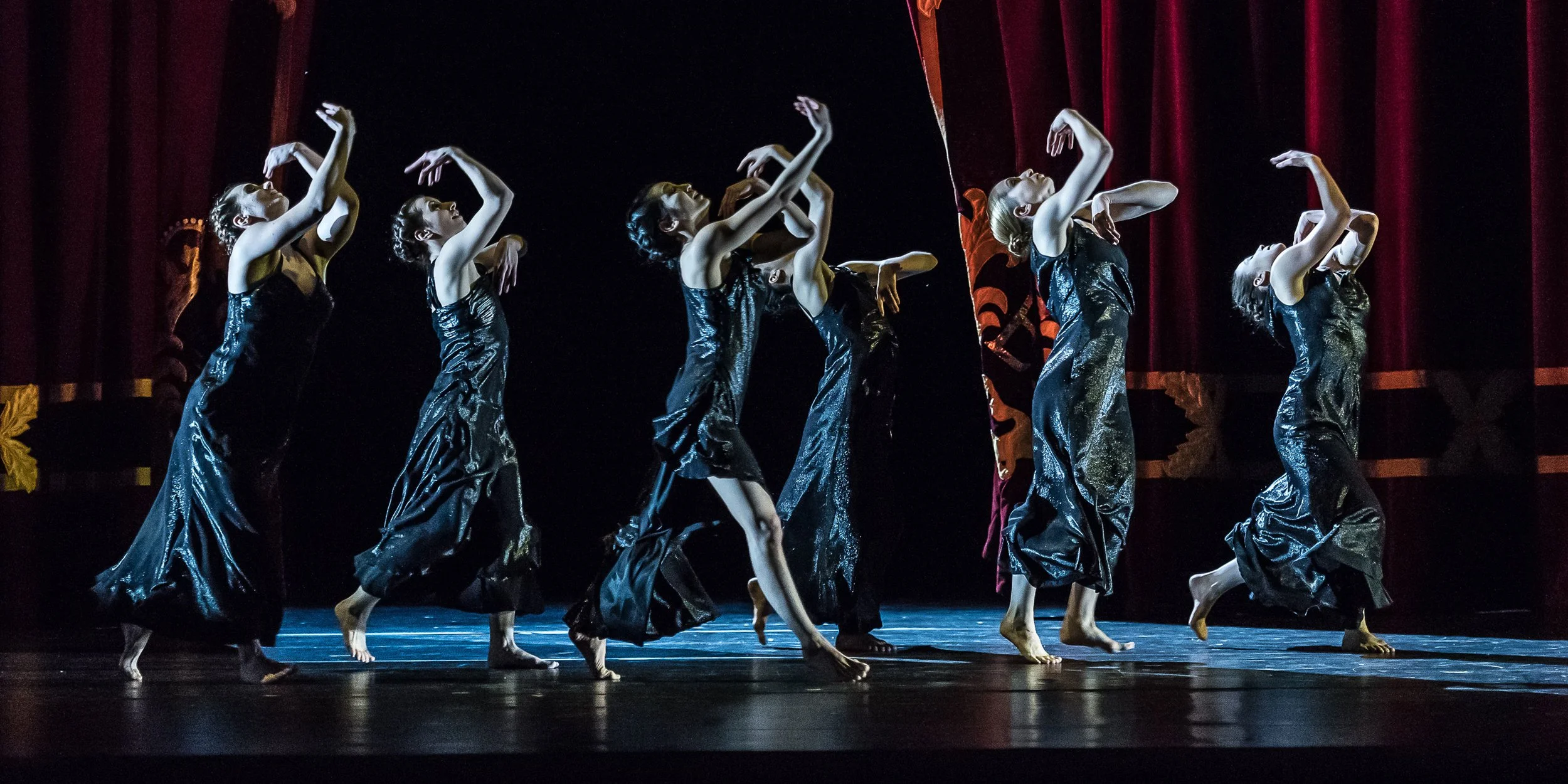
The concept of Versuchung is structurally linked to the concept of will (der Wille), because temptation only makes sense as temptation if the will has some purchase on behaviour. Pure mechanical determinism, the view that every action is the necessary consequence of prior causes, with no room for genuine choice, makes temptation incoherent. If you were always going to do what you did, you were never really tempted. Temptation requires that the outcome was genuinely uncertain, that the will could have gone either way.
Wagner was composing in the wake of Schopenhauer, whose philosophy of the will was one of the dominant intellectual influences of his middle period. Schopenhauer held that the fundamental reality underlying all experience was der Wille. Not a rational, deliberative faculty but a blind, insatiable striving force that manifested in everything from the smallest organism's drive to survive to the grandest human longing for significance. For Schopenhauer, this Will was not something you had. It was something you were, and it could not be satisfied, only temporarily quieted by art or permanently escaped through ascetic renunciation.
Versuchung in a Schopenhauerian frame is simply the will's nature made visible. You are drawn toward something because the will that constitutes you strains toward it. Resistance is possible but costly. It requires denying what you fundamentally are. This is Tannhäuser's problem at the Song Contest. He is not choosing between two options while standing free of both. He is choosing while the will of the Venusberg is still fully operational in him. His famous outburst, praising Venus's love at the court of the minnesingers, is not a rhetorical misjudgment. It is the will breaking the surface of the social performance.
Grammatik und Gebrauch / Grammar and Usage
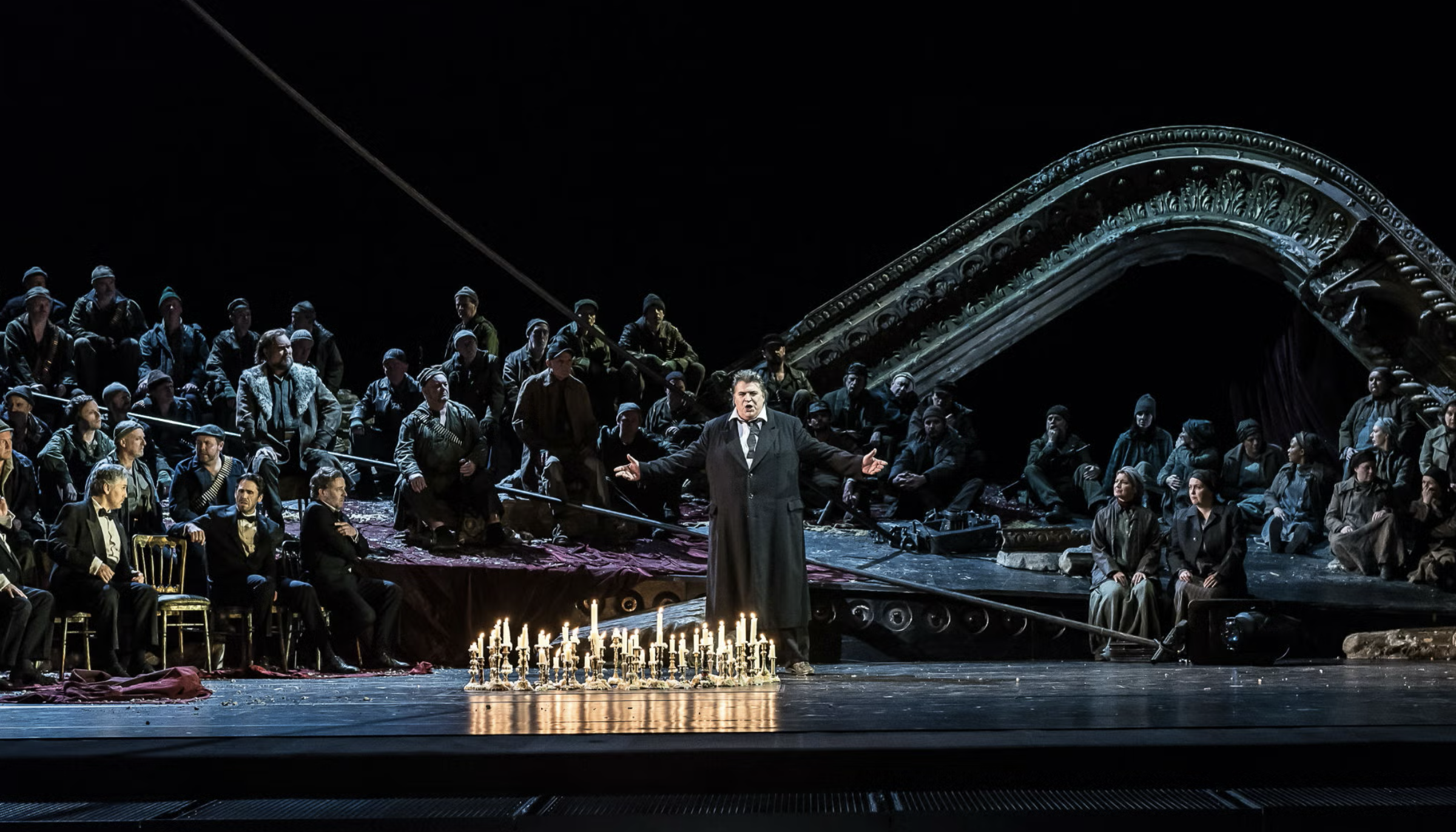
Versuchung is a regular feminine noun.
Key constructions:
Einer Versuchung widerstehen, to resist a temptation
Einer Versuchung nachgeben, to give in to a temptation
In Versuchung geraten, to fall into temptation, to find oneself tempted
Jemanden in Versuchung führen, to lead someone into temptation (the Lord's Prayer construction)
Der Versuchung erliegen, to succumb to temptation (more literary)
The verb: versuchen, to try, to attempt, to tempt, to taste. Context determines which meaning is active. In moral contexts, the passive construction is common. Er wurde versucht (He was tempted). In everyday contexts, the active is more common. Ich versuche es (I'll try it).
The noun: der Versuch, the attempt, the experiment, the essay. Einen Versuch machen, to make an attempt. Auf den ersten Versuch, on the first try. Versuch und Irrtum, trial and error (the German calque of the English phrase, with Irrtum = error/mistake).
Im heutigen Deutsch / In Contemporary German
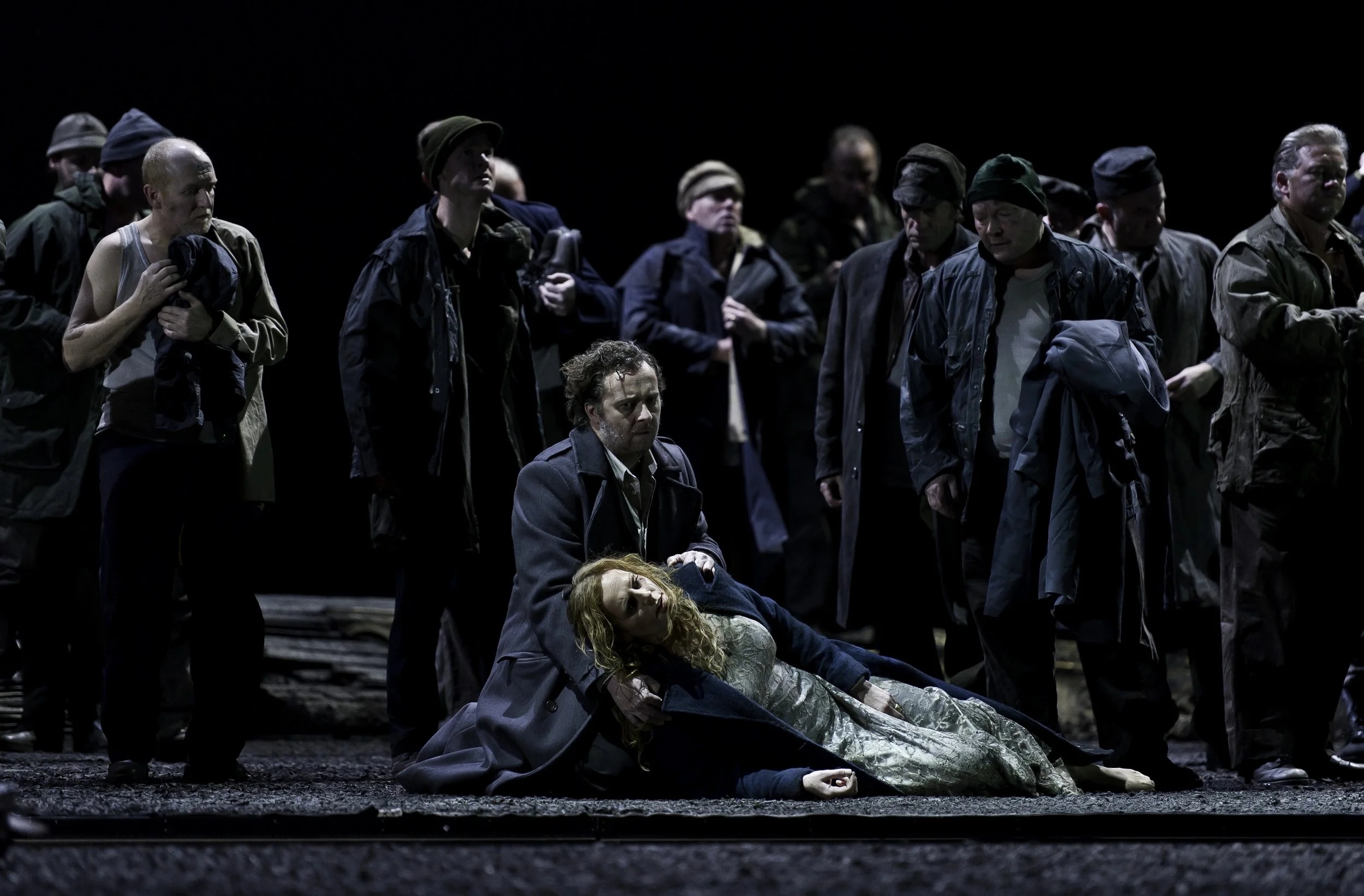
Versuchung is fully active in contemporary German at all levels of register. In religious contexts, it retains its full theological weight. The Versuchung Christi (the temptation of Christ) is a standard art-historical and theological topic. The phrase das ist eine Versuchung (that's a temptation / that's tempting) is entirely ordinary in daily speech.
Der Versuch in its sense of experiment or attempt is ubiquitous in scientific, academic, and everyday language. Das ist ein Versuch wert, That's worth a try. Ein Versuch schadet nicht, An attempt can't hurt. The phrase Versuch macht klug, attempting makes one wiser (try it and see), is a common proverb that reveals the culture's broadly empirical attitude: experience is more instructive than theory.
Versuchen as a culinary term, to taste, to try food, is common in both informal and formal food contexts. A chef inviting you to taste a dish uses versuchen as naturally as any of its other meanings.
Verwandte Wörter / Related Words

Versuchen (v.), to try, to attempt, to tempt, to taste
Der Versuch, the attempt, the experiment, the essay
Die Erprobung, testing, trial (more technical, scientific register)
Die Probe, the rehearsal, the test, the trial (shares the experimental logic)
Auf die Probe stellen, to put to the test
Widerstehen (v.), to resist, to withstand
Erliegen (v.), to succumb to (literary; der Versuchung erliegen)
Die Verlockung, allure, enticement (a softer, more aestheticized form of temptation — the lure rather than the moral test)
Locken (v.), to lure, to attract, to entice
Die Sünde, sin (the moral category that Versuchung endangers)
Die Sündenfall, the Fall (the original temptation, Adam and Eve)
Die Verbindung zum Weg / Connection to the Walk

The Bacchanale sequence in the February walk, walked along the Bowery near where the Atlantic Garden once poured German music into the street, is Versuchung as sonic environment. The music is designed to work as the Venusberg works. Not to describe temptation but to produce it, to place you inside a sound-world that makes resistance seem effortful and unnecessary, that offers itself completely and asks only that you stay.
The walk's instruction to imagine the Bowery's former beer halls and dance venues, their open doors, their noise, the social world they offered, is an instruction in how Versuchung operates as landscape rather than as moment. The Venusberg is not a flash of desire quickly suppressed. It is an environment sustained over time, an alternative world that has its own complete logic and internal coherence. To understand Tannhäuser, you have to understand why you might stay.
The move from the Bowery to Sara D. Roosevelt Park, from the Bacchanale to the Pilgrims' Chorus, is the walk enacting Tannhäuser's departure from the Venusberg. A crossing from the territory of Versuchung into the territory of moral aspiration and community belonging. This transition is not presented as triumphant. It is a crossing, and crossing involves loss as well as gain. What you leave behind in the Venusberg was real.
The walk ends at Old St. Patrick's, at the consequences of the crossing, at the point where the experiment's results must be reckoned with. What did Tannhäuser learn in the Venusberg? That Versuchung, fully embraced, eventually reveals its own limits. That the grotto, for all its completeness, cannot answer all of a human being's questions. That knowledge has a cost. And that the world you return to may not be waiting with open arms.
Und führe uns nicht in Versuchung. And lead us not into temptation. The prayer assumes you know what temptation is. That you have tasted enough of it to know what you are asking to be spared. Tannhäuser has tasted it completely. He knows exactly what he is asking to be redeemed from. And he knows what he is giving up. That knowledge, complete, costly, irrevocable, is what the walk is trying to approach through its itinerary of thresholds and soundscapes and January-cold street corners. You cannot enter the Venusberg. But you can walk close enough to its boundary to feel what the pull might have been.
Further Reading