What the Record Knows: Cosima's Diaries and the Diary This Project Is Becoming
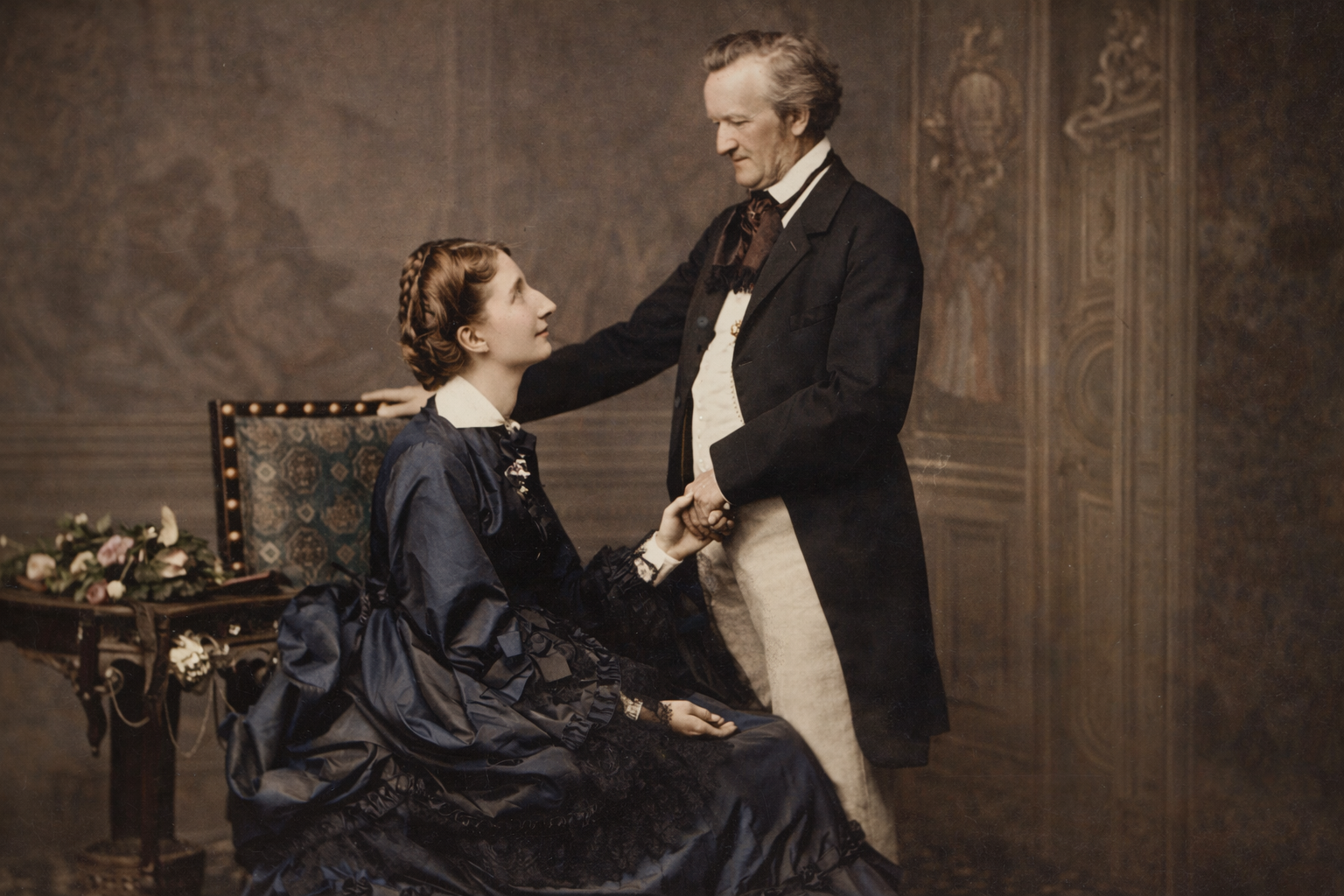
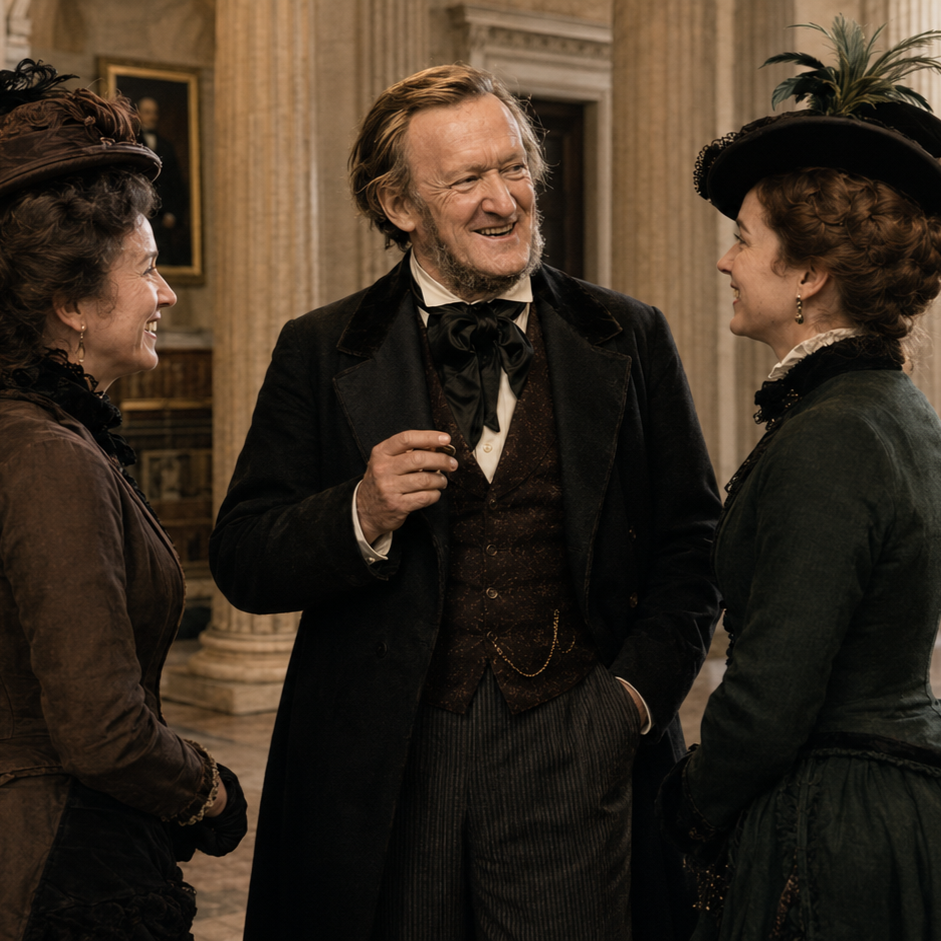
Cosima Wagner kept her diary for twenty-one years. She began in January 1869 and continued until the day Richard died in Venice in February 1883. Then kept writing for a few weeks after that, because she didn't know what else to do. The diaries run to more than a million words. They record everything. What he said at breakfast. What music he played through in his head while walking. What made him laugh. What frightened him. The arguments, the moods, the weather, the visitors, the moments of doubt between the large moments of certainty. What they do not read like is a biography.
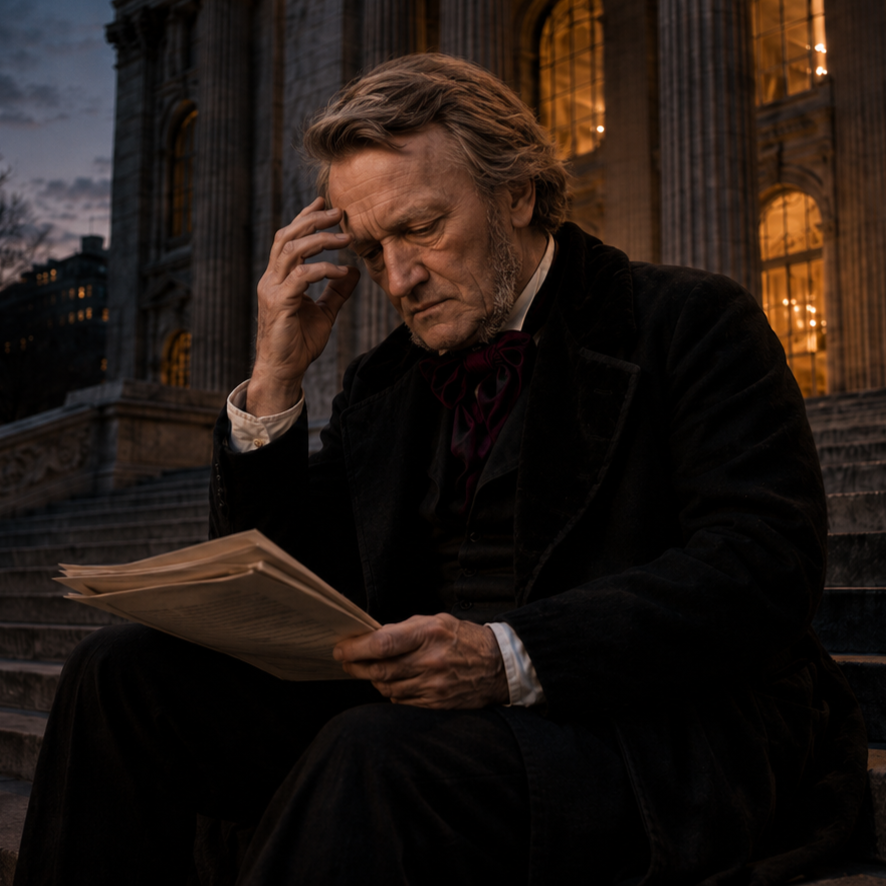
A biography of Wagner presents conclusions. It organizes the life into causes and effects, periods and turning points, works and their meanings. It knows how the story ends and it shapes everything accordingly. The diary does not know how the story ends. It records the 14th of March and does not yet know what the 15th will bring. This is not a limitation. It is the diary's specific and irreplaceable power. Cosima has been read, for most of her afterlife, as a document about Richard. A source. A record of his words and working methods and opinions, mined for biographical detail. What she thought and felt on those same days is present in the text, but has been treated as incidental. She is the instrument of transmission. He is the transmitted.
This is partly her own doing. She organized the diaries around him consciously, deliberately. But the texture of daily life does not cooperate with intention. You write down what he said, and then you write down that it was raining, and that the children were difficult, and that you were tired, and that you played through the Siegfried Idyll together after dinner and felt, briefly, that everything was right. And in that sequence, what you were feeling is recorded whether you meant to record it or not. The diary is a leaky container. It cannot hold only what you want it to hold.
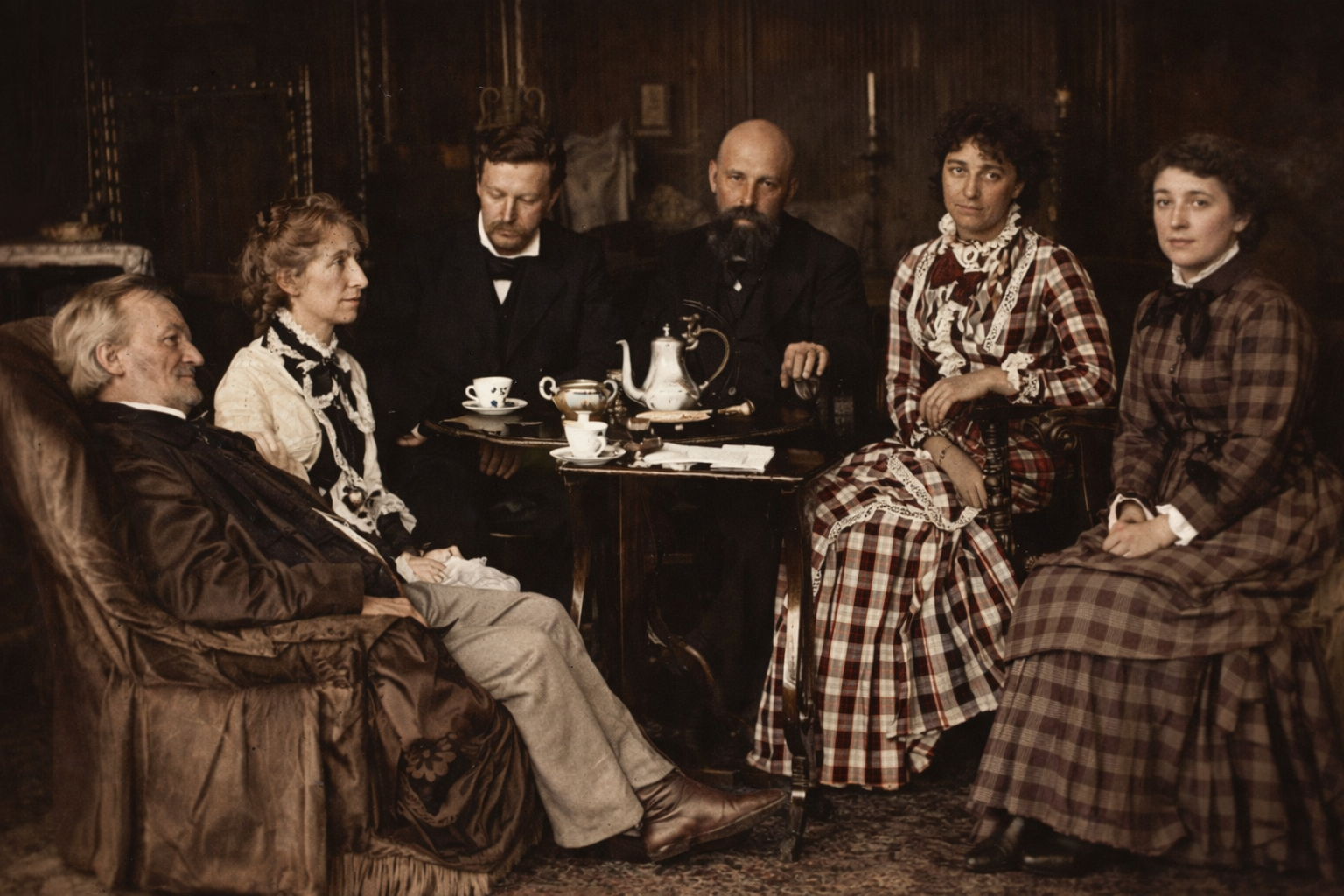
What survives in Cosima's diaries, alongside everything about Wagner, is the texture of a life organized around a practice. The daily work of attention. What it cost. What it returned. What it looked like from the inside, on an ordinary Tuesday, when nothing decisive was happening and the work was simply continuing, as it had to continue, because stopping was not a condition either of them were willing to entertain. This project is a diary.
Not only the essays and the podcast episodes, which have the shape of finished things even when they are still becoming. The Streifzüge are a diary. A windy walk around the Battery. Castle Clinton's ghost ships. Brunch at Café Sabarsky with Catherina on 86th Street. These are not outputs. They are field notes. Records of a practice in motion, taken in motion, at the time of the motion. The photograph of the harbor at dusk is not an illustration of an idea about the Dutchman. It is what was there. What the light was doing. What the city looked like on that specific afternoon when the project was in its second month and the cold had not lifted yet.
The Deutsch Lernen page is even more explicitly diaristic. A Duolingo screenshot taken at 7:16 in the morning. German film posters accumulated across the weeks. These are not arguments about language learning. They are evidence of it happening. Day by day, before the rest of the day begins, in the small dailiness of a practice that has no audience in that moment and is happening anyway.
This is what Cosima understood about documentation and what the essay, by itself, cannot do. The essay knows its argument before it begins. It moves toward conclusion with deliberate intent. It is a made thing, shaped in retrospect, organized around what turned out to matter. It is indispensable. It is also insufficient.
The diary records what the essay cannot. The 7am screenshot. The walk taken in rain which yielded nothing except the experience of walking in rain. The podcast episode recorded on a day when the ideas were not quite settled and you can hear it in the pauses. The Streifzug that is just a photograph of a park bench with a specific quality of winter light, captioned with the street name, not explained.
There is a German word for what the diary preserves that argument destroys. Stimmung. It is usually translated as mood or atmosphere, but neither captures it. Stimmung is the tuning of a space or moment. The particular quality of how things are, not what they mean. It is the feeling of a room before anything has happened in it. The weather of an afternoon that will not be reduced to weather data. Heidegger wrote about Stimmung as the way the world discloses itself to us before we have organized it into concepts. We do not first perceive and then feel. We feel first and perceive through the feeling.
The diary preserves Stimmung. The essay consumes it in the production of argument. Cosima's diaries survive not because they tell us what Wagner thought about Beethoven, though they do. They survive because they preserve the Stimmung of a creative life. What it actually felt like to be inside it. The mornings when everything was working. The evenings when nothing was. The unremarkable Wednesdays which turn out, in retrospect, to have been the days when the most important decisions were quietly being made, not announced, not argued, just accumulated.
The risk of a project like this one, a year-long practice with a method and a structure and a set of explicit intentions, is that it resolves too quickly into its own account of itself. That the essay about what walking does replaces the record of walking. That the argument about attention substitutes for the evidence of attention being practiced. That the finished thing crowds out the field note.
Cosima's diaries are useful here not as a model to imitate but as a reminder of what the record knows that the monument does not. The record knows the weather. The record knows the 7am screenshot. The record knows the walk that went nowhere and was recorded anyway because the practice had to be recorded whether or not it produced anything worth recording.
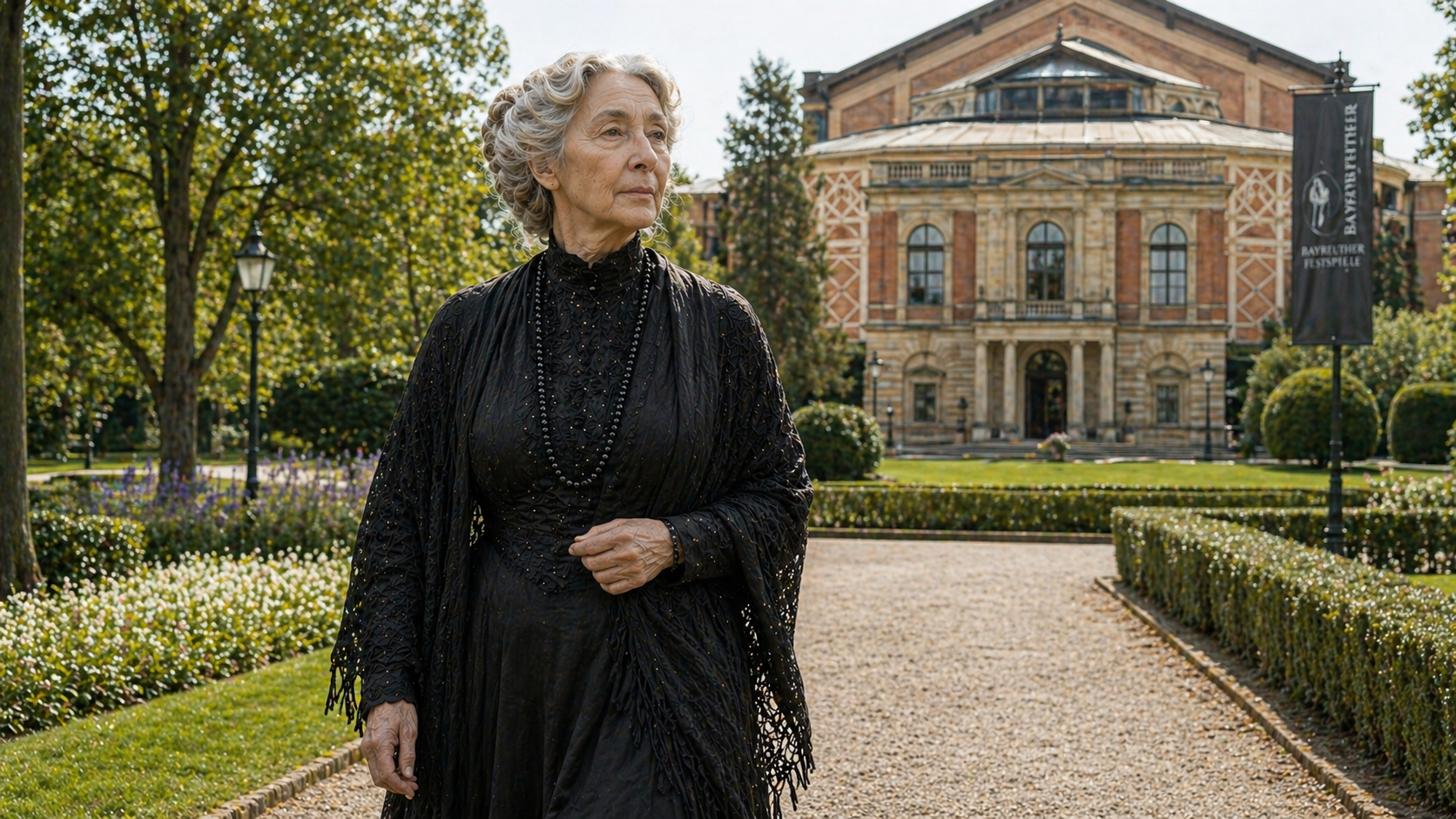
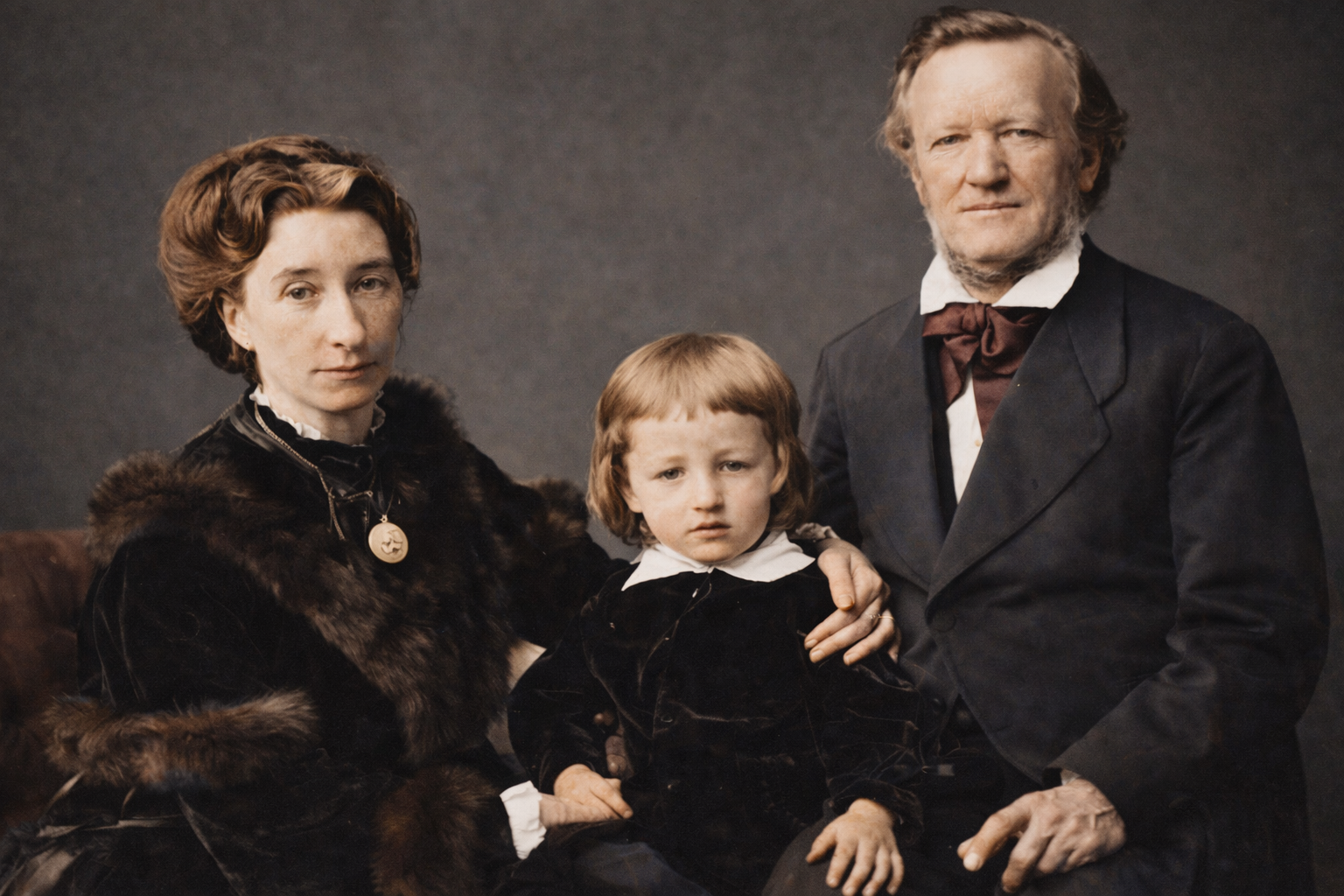
Wagner knew this too, which is part of what he was doing at Bayreuth. Not just producing operas. Producing a record of what it meant to build something over decades, in public, while still becoming what you were building toward. The unfinished sketches, the theoretical writings that contradict the completed works, the revisions that went on past the point of reasonable stopping. These are not failures of resolution. They are evidence of a practice that could not be concluded because it was identical with a life. The diaries end on the 12th of February 1883. The last entry is about him. Of course. But it also records that she sat with him for a long time in silence after he was gone, and that she cut off her hair and placed it in his coffin, and that she could not write any more that day.
What she was feeling on that day is in the entry whether she meant to put it there or not. This project will end in December. The last Streifzug will be taken. The last Duolingo lesson will be logged. The last podcast episode will be recorded. The last scored walk will be walked. What will remain is not only the essays. It will be the whole record. The field notes and the screenshots and the photographs taken in motion. The evidence of a year lived inside a practice. Not the monument. The texture of the thing. That is what the diary knows.
Further Reading