After the Gods Fall Silent: Wagner, Valhalla, and the Ethics of Inheritance
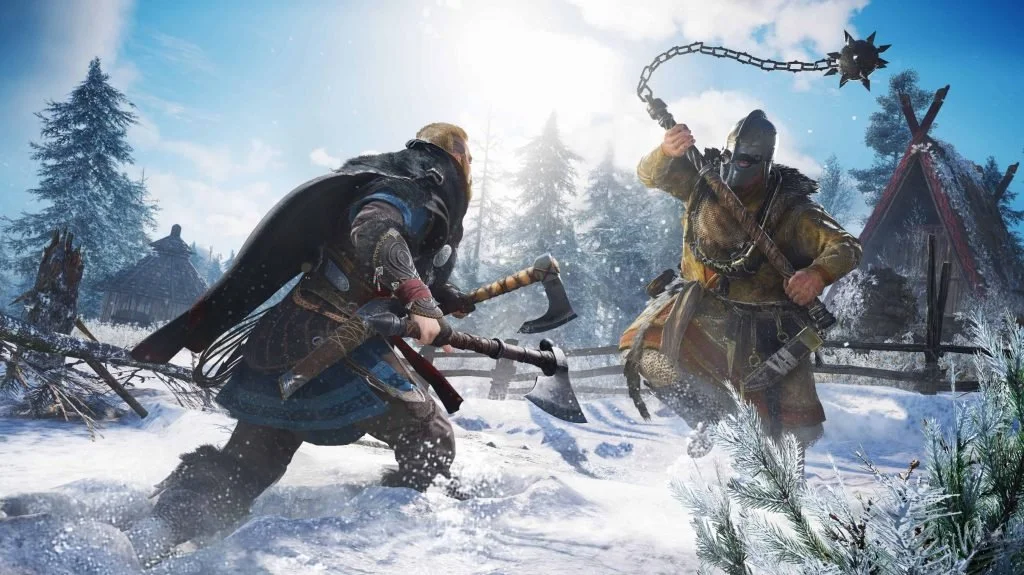
At first glance, Der Ring des Nibelungen and Assassin’s Creed Valhalla appear to live in different imaginative centuries. One is a 19th-century operatic edifice, built from myth, philosophy, and an obsession with totality. The other is a 21st-century open-world video game, assembled from procedural systems, historical pastiche, and player agency. Yet the deeper you sit with them, walk their worlds, listen carefully to what they demand of you, the more they begin to rhyme in a way that reveals something neither quite says outright on its own.
The shared argument, the one hiding in plain sight, is not about gods or Vikings or destiny. It is about what happens when a culture realizes inheritance itself has become morally compromised and must be lived through, not escaped.
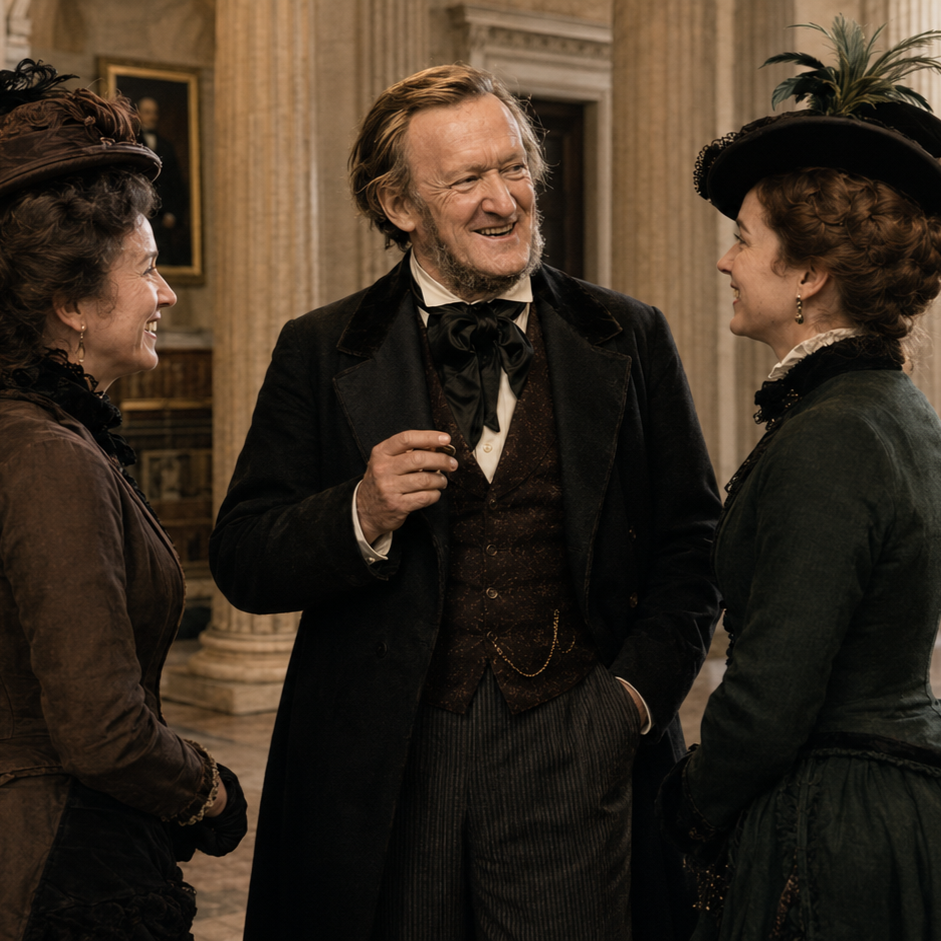
Wagner’s Ring is not, at heart, a story about heroic ascent. It is a story about poisoned legacies. The original sin is not murder or betrayal, but abstraction. Alberich’s renunciation of love in exchange for the Ring. From that moment on, value is no longer relational. It becomes extractive. Power is portable. Authority detaches from responsibility. Every character thereafter, Wotan above all, is caught trying to administer a world whose moral foundations have already collapsed.
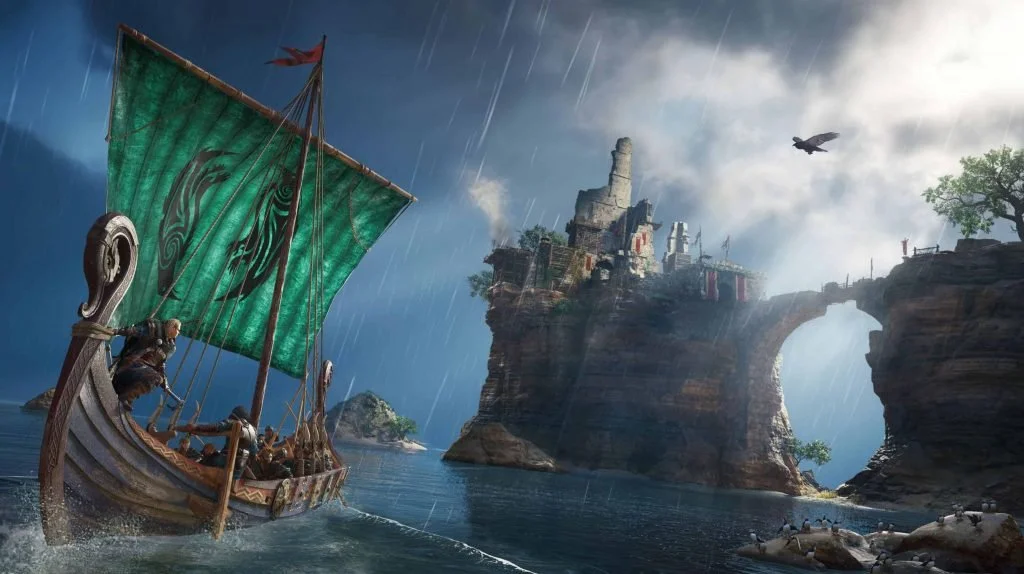
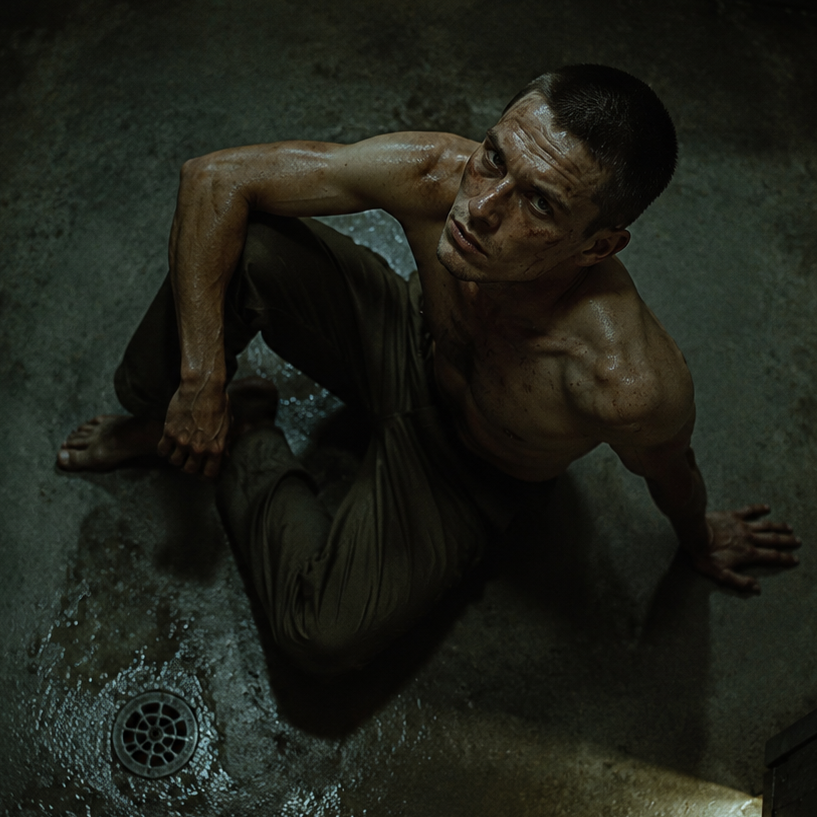
Assassin’s Creed Valhalla stages the same crisis, but in a language native to our time. Eivor is not a chosen savior. They are an inheritor of violence, of myth, of memory. The game’s most revealing moments are not its raids or boss fights, but its quiet structural revelations. That Eivor is both themselves and Odin. That the gods are not transcendent beings but recurring consciousness patterns. That Valhalla is not a promised afterlife but a memory loop engineered by the Isu to preserve control beyond death.
This is the crucial connective tissue. Both works argue that myth, once it hardens into legacy, becomes a trap rather than a guide.
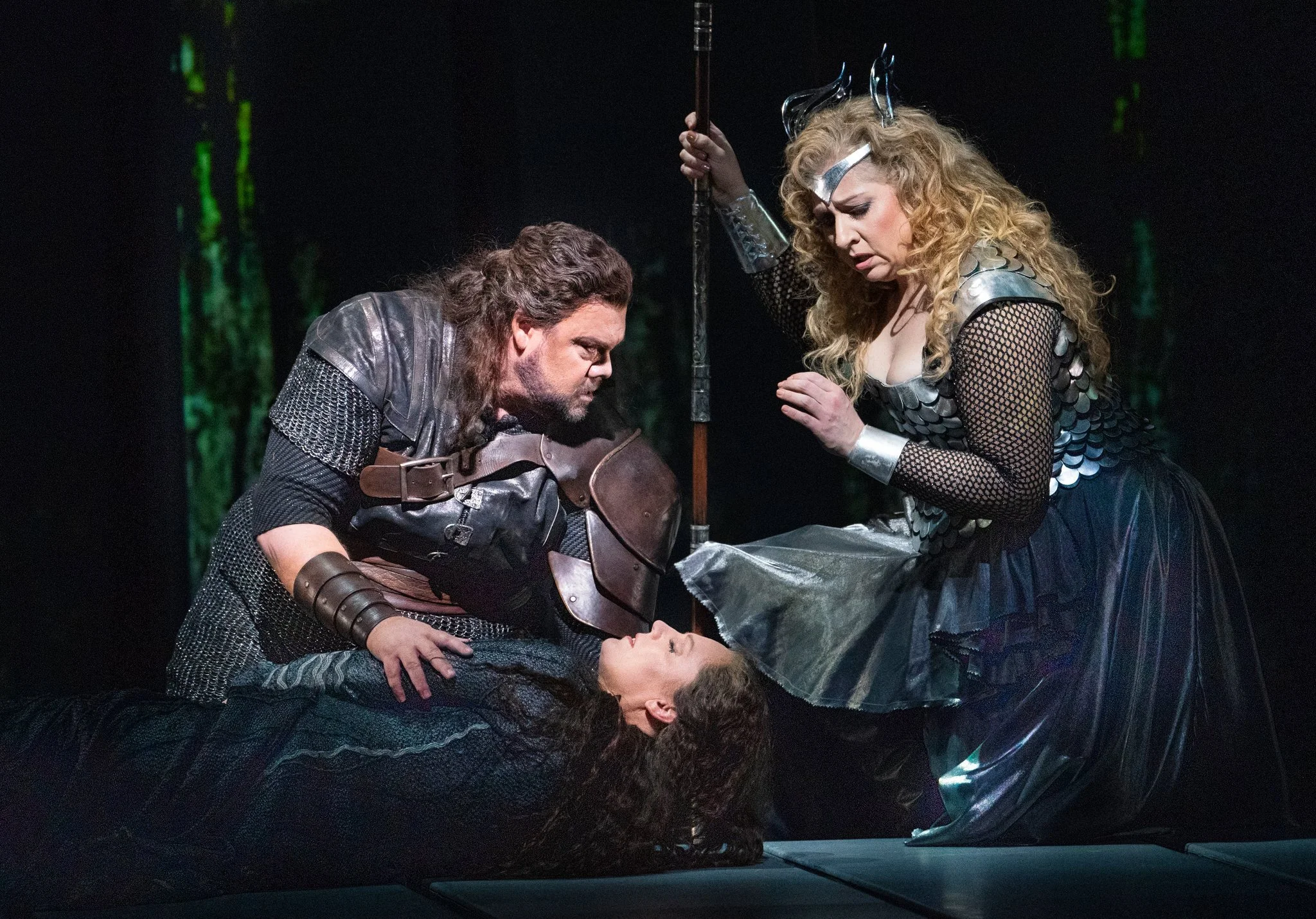
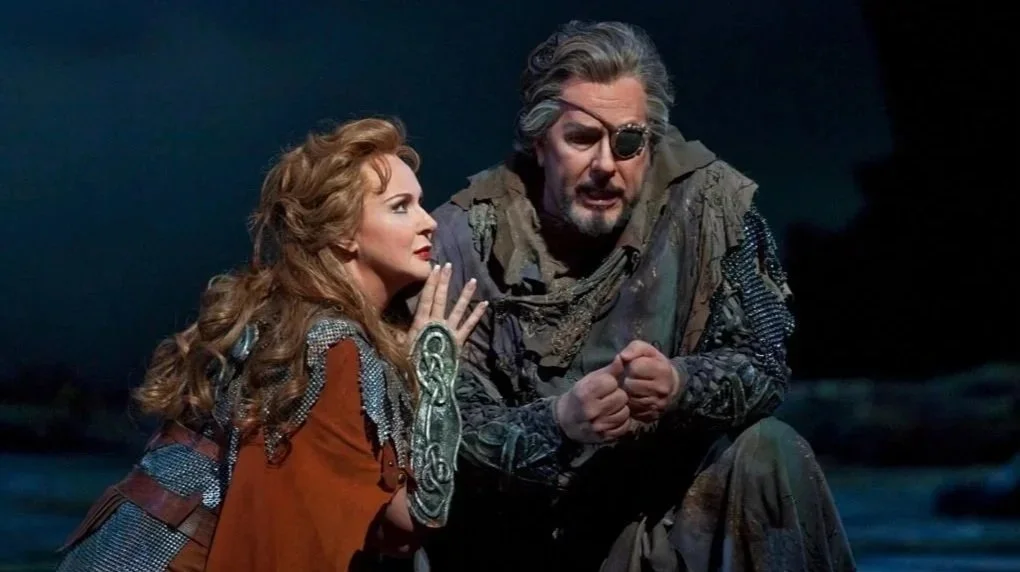
Consider Wotan’s predicament across Das Rheingold and Die Walküre. He creates laws to stabilize power, then discovers those laws bind him more tightly than anyone else. He sires Siegmund not out of love, but as a workaround. A loophole in a system he himself designed. When that loophole fails, he punishes Brünnhilde not because she disobeyed him, but because she exposed the moral bankruptcy of his authority. His tragedy is not that he cannot control fate; it is that he can see too clearly the cost of continuing to do so.
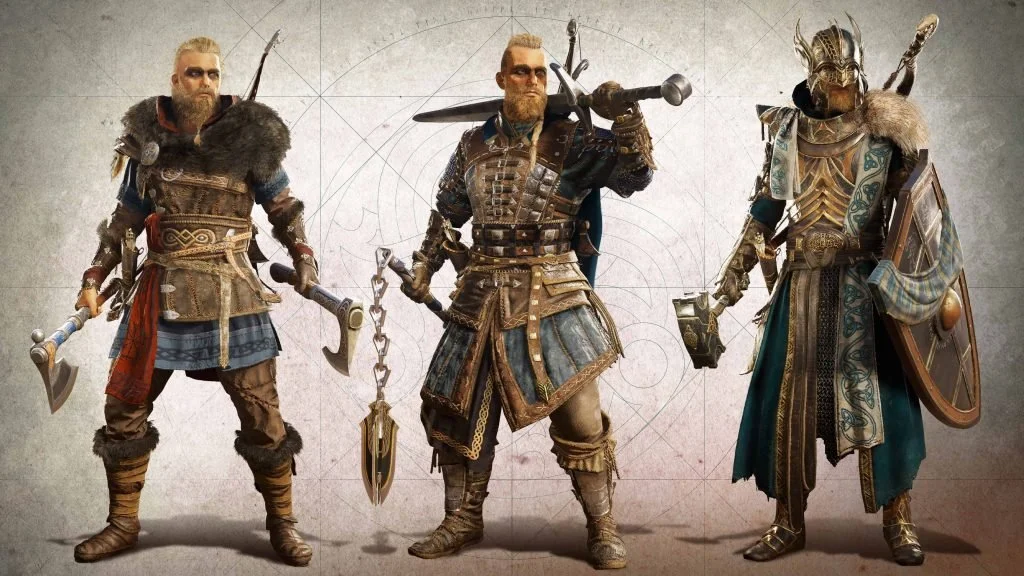
Valhalla externalizes this same dilemma through gameplay rather than aria. As Eivor, you build alliances, found a settlement, absorb local myths, and are rewarded for stabilizing a violent frontier. Yet the game persistently undercuts the fantasy of righteous conquest. Every region you complete is less a triumph than a negotiation with limits. The Hidden Ones do not offer enlightenment, they offer trade-offs. Even the Order of the Ancients is not vanquished so much as replaced by a slightly altered configuration of power.
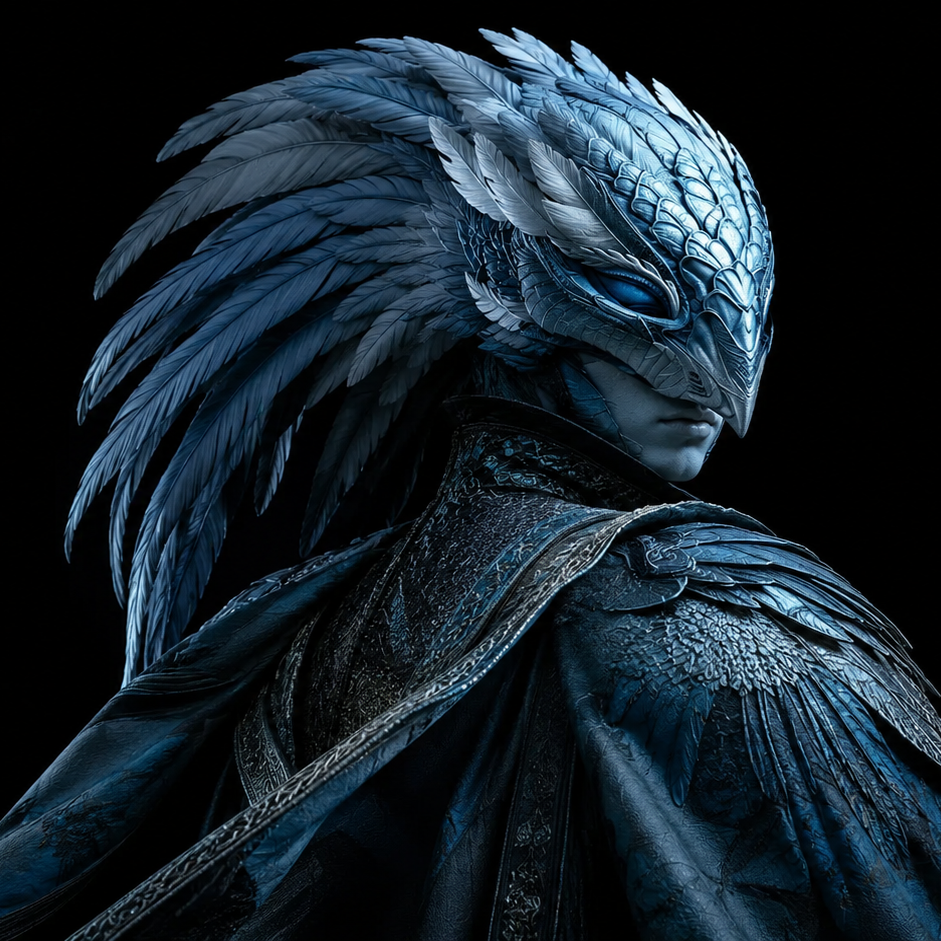
The most Wagnerian moment in Assassin’s Creed Valhalla arrives not in England, but in the Asgard and Jotunheim arcs. Dreamlike sequences where myth reveals itself as simulation. Odin’s obsession with preventing Ragnarök mirrors Wotan’s desperate treaties and bargains. Both figures sacrifice intimacy for continuity. Both believe memory can be engineered. Both are wrong.
What Wagner and Valhalla share, and what neither states explicitly, is this. The real catastrophe is not the end of the gods, but the refusal to let inherited systems die when their moral logic has expired.
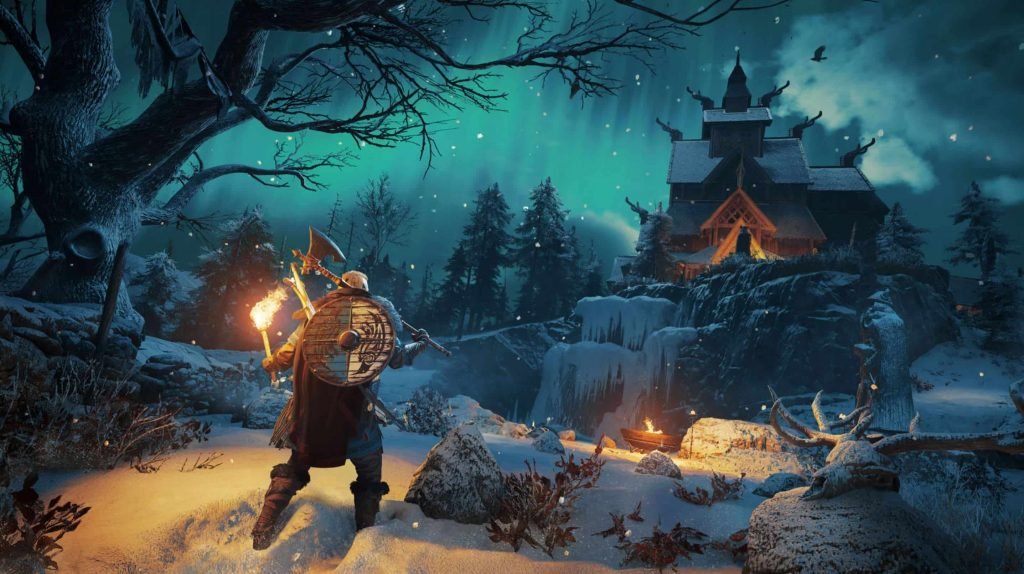
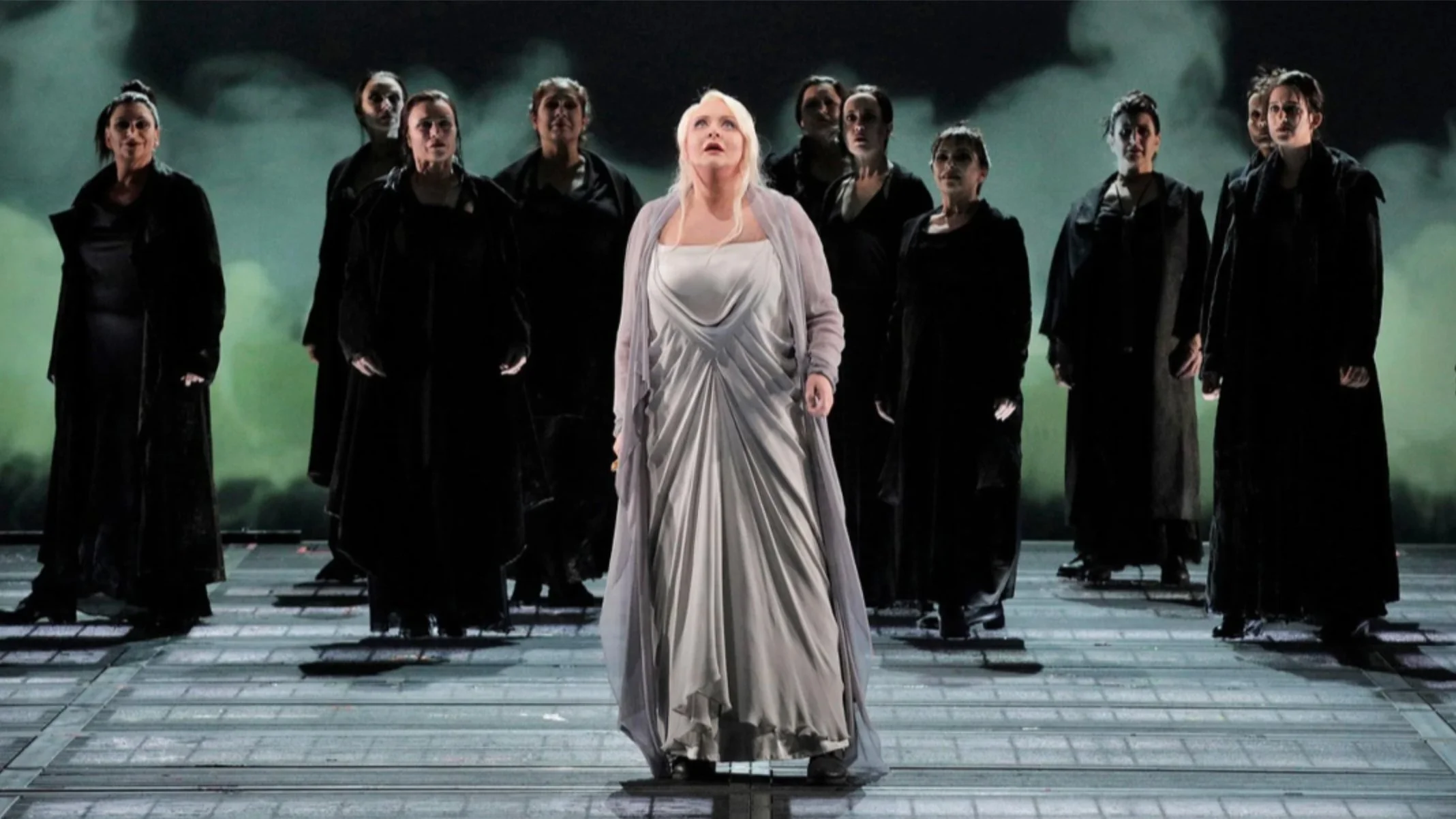
In Götterdämmerung, the world does not end because Brünnhilde seeks revenge. It ends because she finally refuses to play her assigned role inside a corrupted narrative. Her immolation is not destruction. It is release. The Ring returns to the Rhine. The music does not resolve triumphantly, it exhales. Wagner’s most radical idea is not the fall of Valhalla, but the possibility that meaning might exist after myth relinquishes control.
Valhalla gestures toward the same release, but leaves it unresolved. Eivor ultimately rejects Odin’s voice. Not by killing him, but by refusing identification. This is not a boss fight. It is an ethical decision. You choose not to inherit the godhood offered to you. You choose finitude. The game does not reward this choice with transcendence. It rewards it with quiet persistence. Ravensthorpe endures, imperfectly, without divine sanction.
Here is the argument that emerges when these works are read together. Both suggest that the future belongs not to those who overthrow gods, but to those who decline to become them.
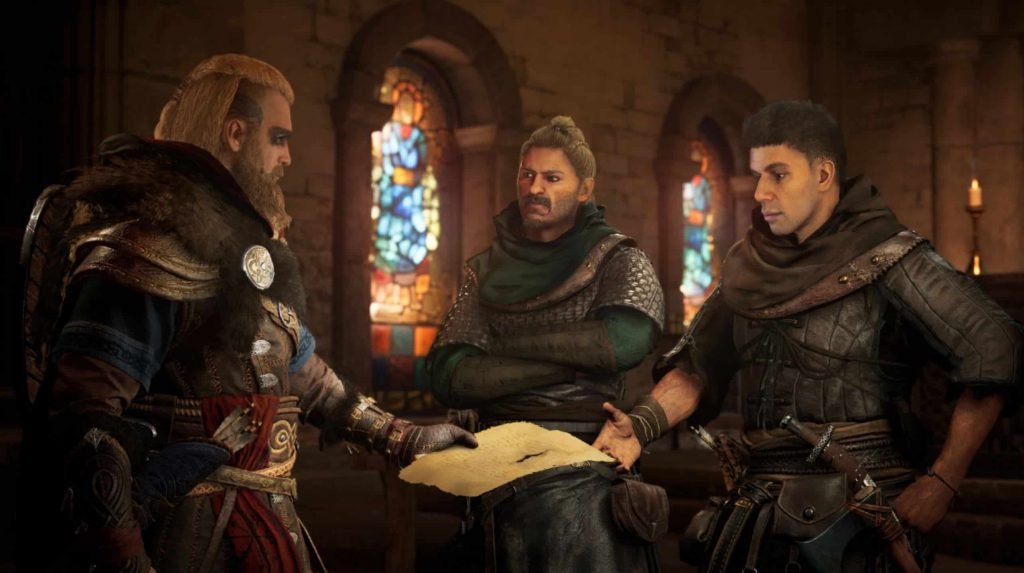
This is why both works feel uncannily contemporary. Wagner was writing at the moment when inherited authority, monarchy, divine right, fixed social order, was beginning to fracture under industrial modernity. Valhalla arrives in an era similarly exhausted by legacy systems. Political ideologies which no longer persuade, technological myths that no longer liberate, cultural narratives that promise belonging but deliver repetition.
Aufbruch, in this light, is not a call to begin anew in the heroic sense. It is a call to step out of recursion.
Both Wagner and Valhalla understand that you cannot simply abandon the past. The Ring must pass through fire. The memories must be lived, confronted, and released. There is no clean break. Only a conscious refusal to let inheritance dictate identity.
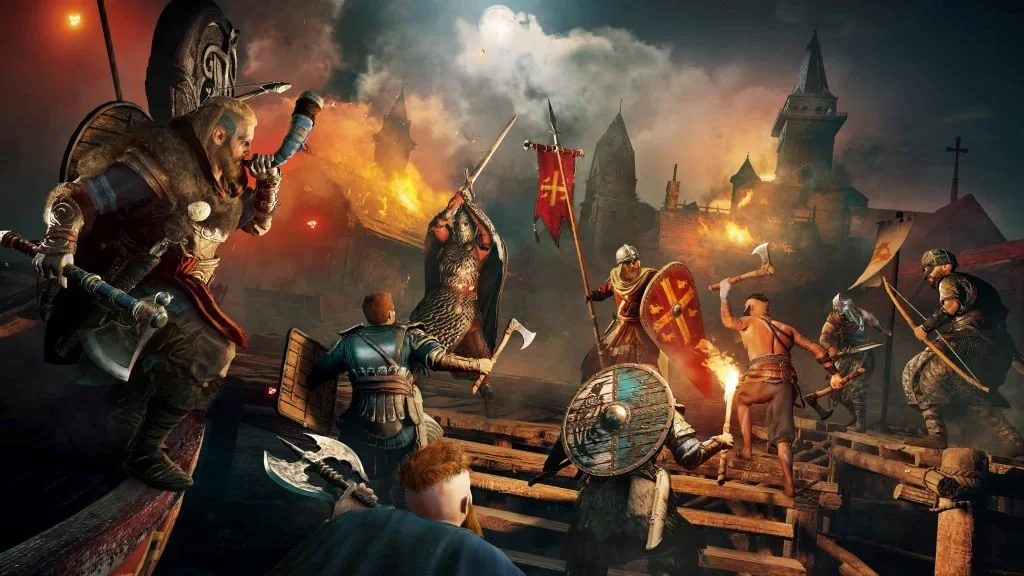
This is what makes both works unexpectedly humane. They are not power fantasies. They are exhaustion narratives. They ask what it means to remain ethical inside systems that reward domination. They ask whether love, real love, not symbolic allegiance, can survive the collapse of myth.
Wagner never fully answered that question. Valhalla doesn’t either. But together, they sketch a way of living with it. Not as conquerors of history, but as custodians of what comes after its gods fall silent.
And perhaps that is the deepest resonance with the origin of Aufbruchmatt itself. Not as reinvention for reinvention’s sake, but as a disciplined, reflective act of stepping forward without carrying forward what no longer deserves to be preserved.
Further Reading