The Question Lohengrin’s Elsa Should Not Have Asked
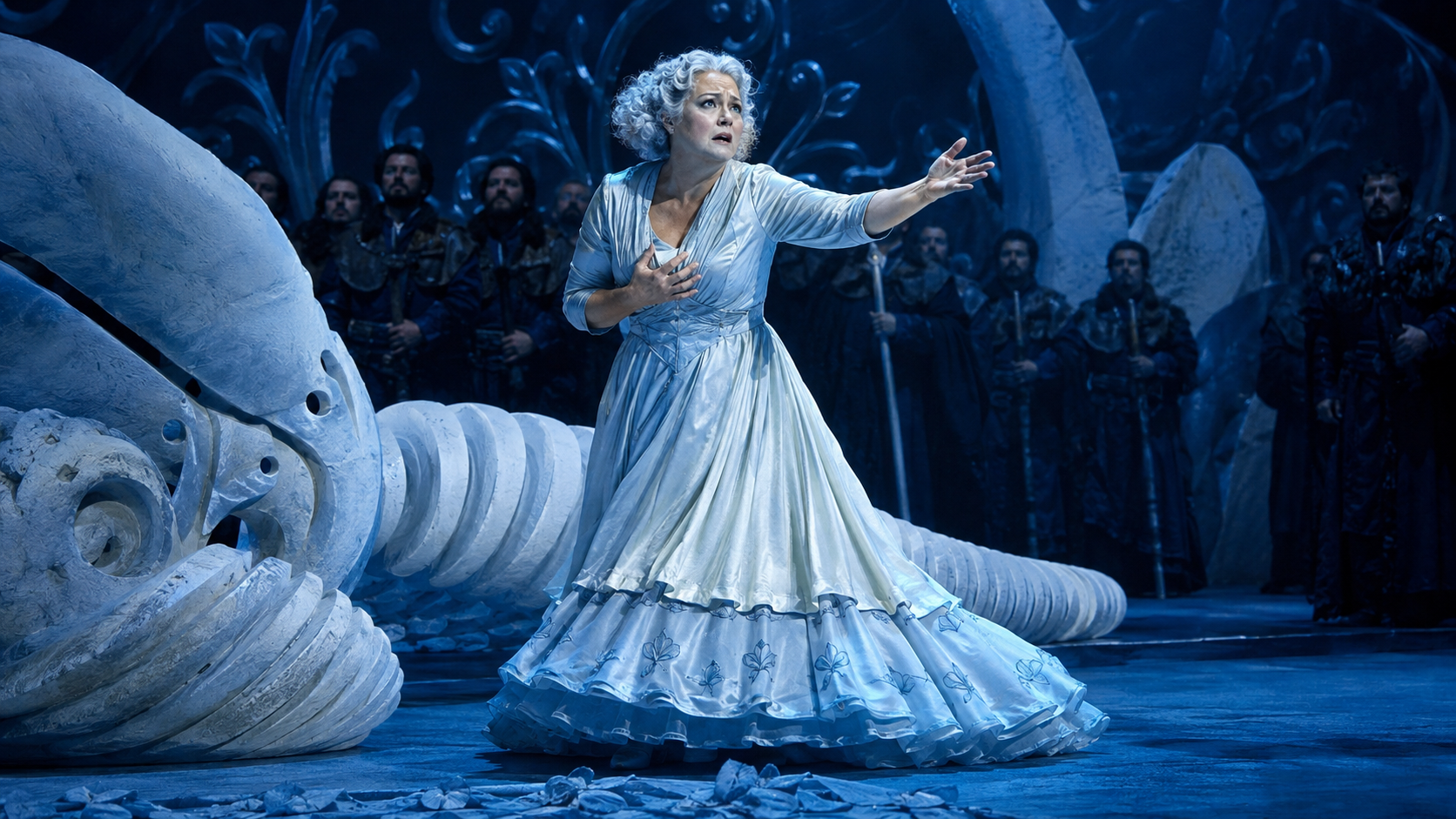
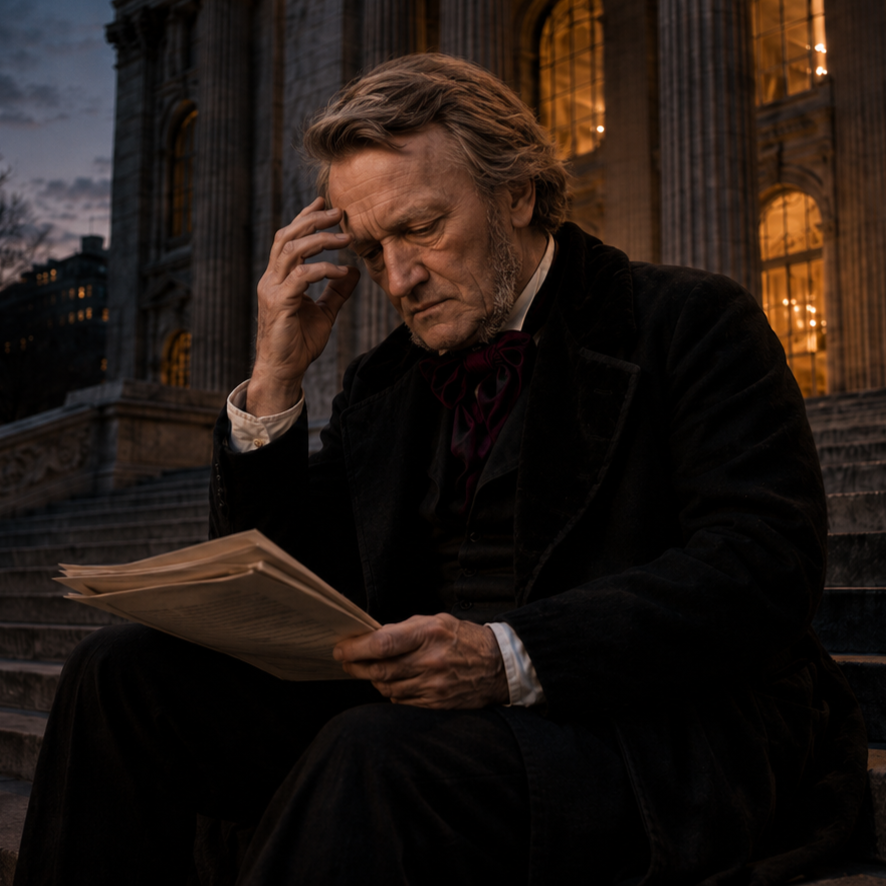
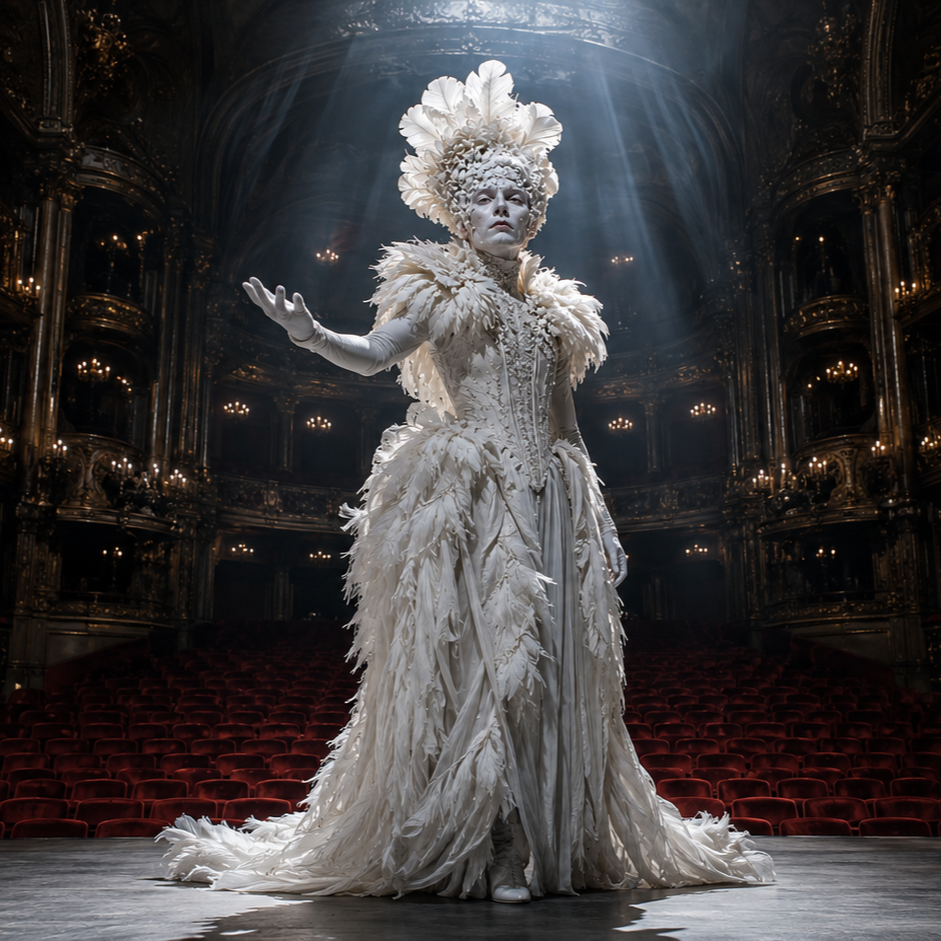
There is a condition attached to Lohengrin's presence. He arrives in Brabant on a boat drawn by a swan. He saves Elsa from a false accusation. He offers her his love and his protection. He asks only one thing in return. Do not ask my name. Do not ask where I come from. The love is real. The life they could have together is real. Everything he offers is genuine and available, on one condition. The question must not be asked. Elsa asks it anyway.
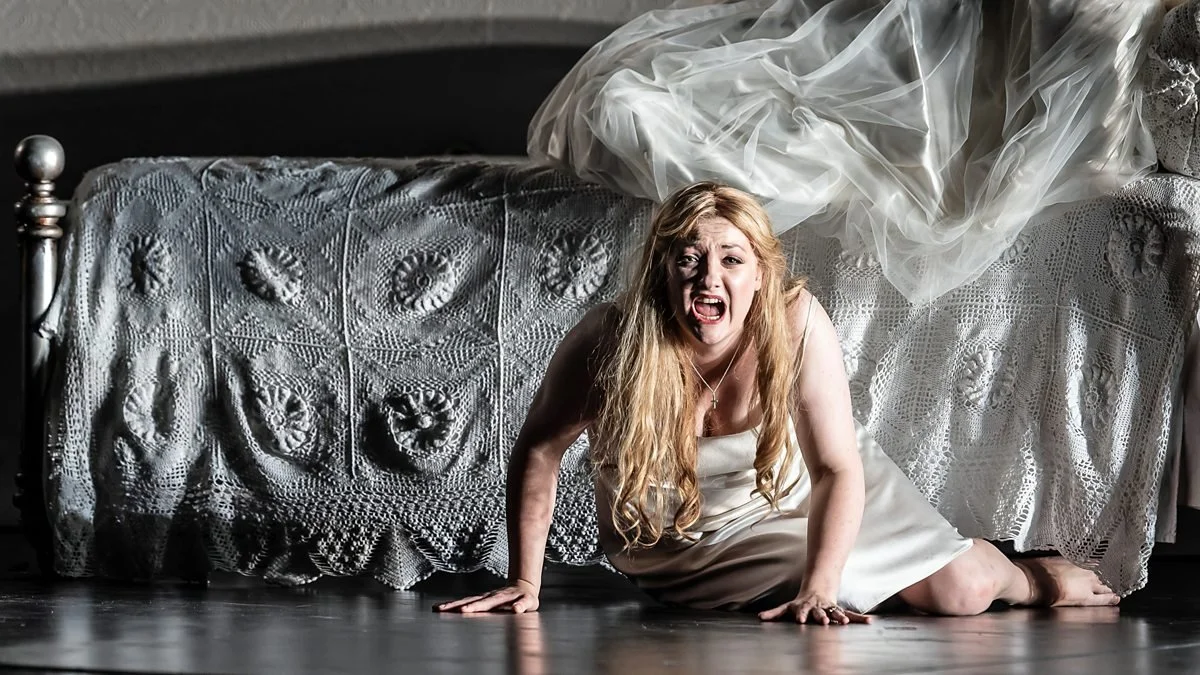
She asks it not out of malice or mistrust but out of love. Out of the need to fully know the person she has fully given herself to. The question is reasonable. It is human. It is exactly what anyone would ask. And it destroys everything. Not because asking was wrong in a moral sense. Because the mystery was structural to what Lohengrin was. You cannot have him and also know him. The knowledge and the presence are mutually exclusive. He tells her his name and then he leaves and the swan takes him back to wherever he came from and Elsa falls down and does not get up. Inspired by these events, I have been thinking about what this project's forbidden question is.
Aufbruch/Matt is built on a premise which the essays have been elaborating for two months now. That attention, sustained and deliberate, produces meaning. That walking slowly through New York with Wagner in your ears, German accumulating in your memory, a camera in your pocket and a scored route in your hand, will yield something real. Something which justifies the method. Something which could not have been produced without it.
The premise feels true. The walks have produced things. The language is accumulating. The city looks different than it did in January. I feel distinct wellness benefits. There is evidence, plural and specific, that the method works. But there is a question underneath the premise which I have not asked. Which the project, in its confident and exploratory mode, has been structured in a way which makes asking it uncomfortable. What if the method is itself a form of the optionalism it critiques?
The optionalism essay argued that New York runs on the fantasy of the provisional self. That the version of yourself you are running right now is a beta test and a corrected and more shippable version is available somewhere else. That the menu is not the life. That commitment as ontology, staying inside something long enough to be changed by it, is the antidote. The scored walk was offered as evidence of that antidote in practice. You are here, on this block, at this crossing, in this specific cold. There is nowhere else to be.
But consider what the score actually does. It organizes the encounter in advance. It tells you where to go, what to listen for, which threshold to pause at, which street to notice. It filters the city through Wagner before the city has a chance to present itself unfiltered. The headphones create the Bayreuth condition, yes, and the Bayreuth condition produces a particular quality of attention. But it also prevents another quality of attention entirely. The quality which belongs to being in the city without a score. Without a method. Without a project.
Wagner in the headphones might be doing what Wotan's contracts did. Organizing experience in advance. Legislating meaning before the encounter happens. Preventing the genuinely unscored moment. The moment which cannot be prepared for and which might be the most real thing the city offers. I have been walking through New York for two months with an elaborate and beautiful apparatus for receiving it. I have not once walked through it with nothing.
The project ends in December. Dezember: Das Liebesverbot. Twelve operas, twelve months, a year of scored walks and accumulated German and field notes taken in motion. And then it ends. The structure completes itself. The Wanderwerk concludes. What happens after?
If the practice has genuinely changed how I inhabit the city, the question is unavoidable. Not as a planning question. As an existential one. The method was supposed to be a practice of commitment. Of staying inside something long enough to be changed by it. But a practice with a predetermined end date is not quite the same thing as commitment. It is more a very long option. A beautiful and rigorous and intellectually serious option, but an option nonetheless. You can see the exit from the beginning. The exit is December.
Wotan built Valhalla and called it home. It was never home. It was a project. It had a logic and a cost and a completion date built into its foundations from the moment the giants laid the first stone. The gods moved in and called it permanent and everyone, including Wotan, knew it wasn't. If I finish this year and begin another project, that is optionalism. That is keeping the options open under the cover of productivity. That is the menu mistaking itself for the life.
Lohengrin's condition was not arbitrary. The mystery was not a whim or an insecurity. It was constitutive. The question destroys him not because he is fragile, but because what he is cannot survive being fully known. Some things exist only in the condition of their incompleteness. Some practices exist only in the condition of their becoming. Ask what they are when they are finished and they are already gone. I do not know what this project is for.
I have written nearly fifty essays explaining what it is, how it works, what it produces, why the method matters. I have been, in the language of the Apologia piece, making the work legible while it is still becoming. And the essays are true. The method does work. The attention is real. The German is accumulating. The city has opened in ways I did not anticipate. But the essay which explains the method is not the same as the method. The map is not the walk. And I have been writing a great many maps.
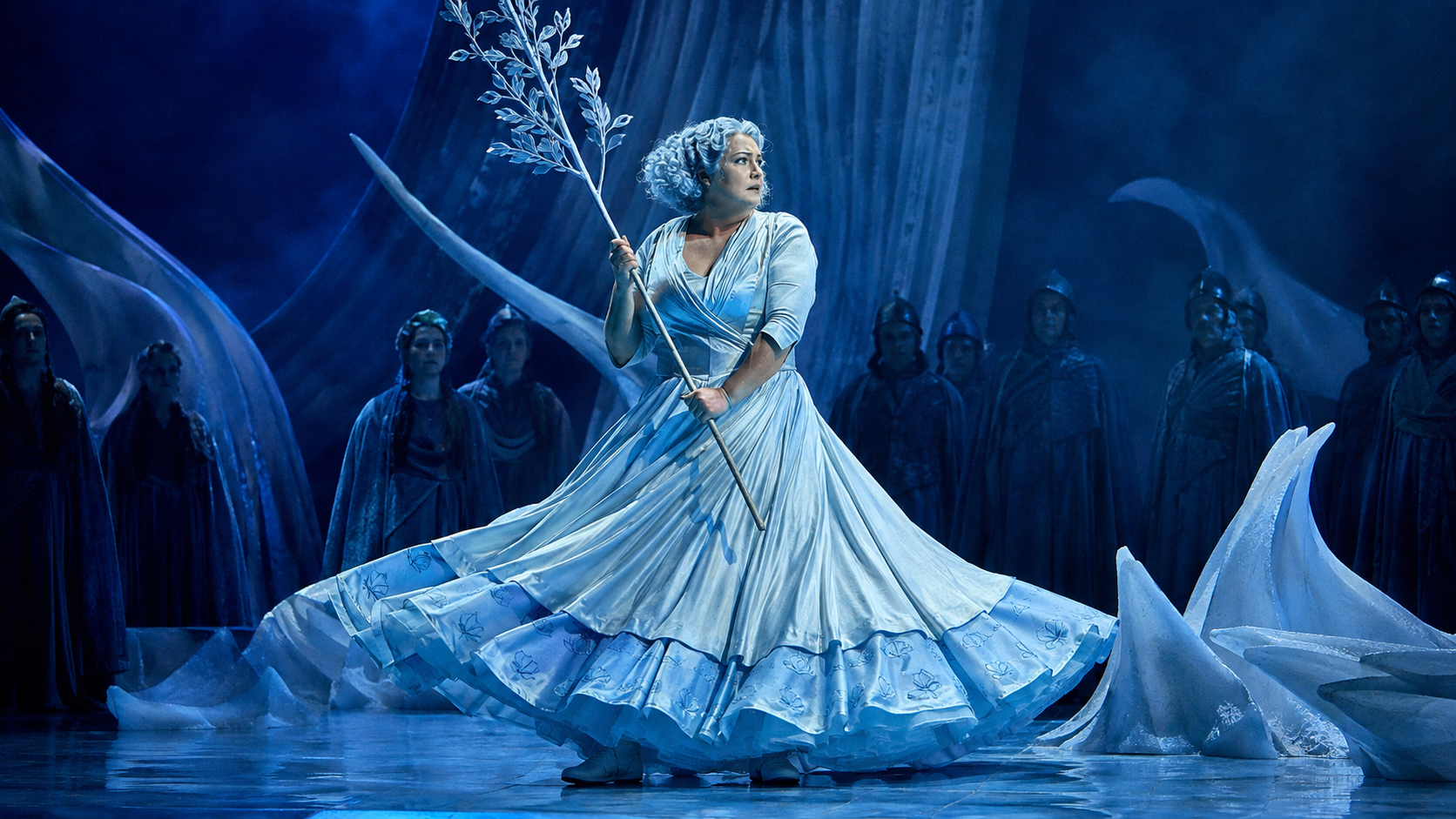
Elsa did not ask the question because she doubted Lohengrin. She asked it because she loved him completely and complete love wants complete knowledge and complete knowledge was the one thing the situation could not survive. The question was an act of total commitment which destroyed the thing it was committed to. I am not sure what the equivalent act would be for this project. Walking without the score. Sitting in silence without the opera. Letting the city be unfiltered and unscored and unexamined for a single morning, and seeing what remains when the method is removed.
I have not done that yet. I am not sure what I am afraid I would find. Lohengrin tells Elsa his name. Then he leaves. The swan comes back for him and he goes and she falls and does not get up. But before he goes he does something which the opera does not make enough of. He grieves. He stands at the edge of the water and he grieves for what the question cost both of them. He does not blame her. He knows she had to ask. He knows he had to answer. He knows the condition was always going to break.
The forbidden question was always going to be asked. That is what makes it tragic rather than simply sad. Not that Elsa made a mistake. That she did exactly what a person in her situation would do. Exactly what love requires. And it was still the end of everything. I am still asking mine.
Further Reading