What the City Keeps Not Showing You: Ghosts, Compounds, and the German Art of Appearing
Das Wort / the word: die Geistererscheinung (f.): pl. die Geistererscheinungen
Aussprache / pronunciation: GYE-ster-er-SHYE-nung
Wortart / part of speech: Noun, feminine, a compound noun
Register: Elevated and somewhat literary; less common in everyday speech but entirely legible to native speakers, frequent in opera, folklore, Gothic literature, and discussions of the uncanny.
Was das Wort wirklich bedeutet / What the word actually means
Geistererscheinung means ghost appearance, or apparition. Literally the appearing of a ghost or the manifestation of a spirit. It is a compound noun assembled from two elements, Geist and Erscheinung, each of which has a far wider semantic range than the compound's ghostly referent suggests. To understand Geistererscheinung properly requires understanding what Geist and Erscheinung each carry separately, because both bring their full weight to the compound.
The word matters to the January walk not only because the Dutchman's ship is a ghost ship, or because Castle Clinton was a gateway through which millions of partially-formed ghosts passed (immigrants arriving as one kind of person and leaving, after registration, as something beginning to be different), or because Old Slip is now land where there was once water, and the slips themselves are apparitions in the street plan. Traces of shapes which no longer exist. It matters because Geistererscheinung raises the question of what it means for something to appear. To manifest, to become visible, to present itself to consciousness. And that is a question that runs through all of Wagner, and through the act of walking as a practice of attention.
Der Geist: Ein unmögliches Wort / Geist: An impossible word
Geist is one of the most untranslatable words in German. It surfaces in at least three distinct registers, none of which maps cleanly onto a single English word:
Ghost. Der Geist can simply mean ghost, spectre, spirit of the dead. Der Heilige Geist is the Holy Ghost. Den Geist aufgeben, to give up the ghost, to die. Das Schloss ist von Geistern bewohnt, the castle is inhabited by ghosts.
Mind / Intellect. Geist is also the standard philosophical term for mind, for the rational or intellectual faculty, for spirit in the abstract, non-supernatural sense. Geistesblitz, a flash of intellectual brilliance (literally spirit-lightning). Geisteswissenschaften, the humanities (literally sciences of the spirit/mind, as opposed to Naturwissenschaften, natural sciences). Geisteskrank, mentally ill (literally spirit-sick). Ein großer Geist, a great mind, a great intellect.
Spirit / Essence. Geist also refers to the essential character or animating principle of something. Der Geist der Epoche, the spirit of the era. Im Geiste der Aufklärung, in the spirit of the Enlightenment. Hegel's concept of Weltgeist, world-spirit, takes this meaning into its most ambitious philosophical form. The idea that history is the self-unfolding of a universal spirit through particular events and cultures.
This triple range, ghost, mind, spirit, is not an accident of linguistic evolution that German speakers have learned to live with. It reflects a genuinely integrated understanding. The ghost and the mind and the animating spirit are related entities in the German philosophical and cultural tradition. The ghost is a mind that has lost its body. The spirit of an era is, in a sense, the collective mind that haunts it. Hegel's Geist moves through history like a very large, slow ghost that doesn't know it's haunting anything.
Die Erscheinung: Phenomenology of Appearing / Die Erscheinung: Phänomenologie des Erscheinens
Erscheinung is equally rich, and in a different direction. The word comes from erscheinen, to appear, to become visible, to manifest. The prefix er- marks the achievement of a result. Where scheinen means to seem or to shine (light shines: die Sonne scheint), erscheinen means to have come into appearance, to have crossed the threshold from invisibility to visibility. Erscheinung has several meanings in contemporary German:
Appearance in the phenomenal sense. Das äußere Erscheinungsbild, the outward appearance, how something presents itself to perception.
A figure, a manifestation. Eine imposante Erscheinung, an imposing figure, someone whose presence is striking. This usage allows Erscheinung to be applied to living people: a person of commanding physical presence is eine beeindruckende Erscheinung.
A phenomenon, an occurrence. Eine seltene Erscheinung, a rare phenomenon or occurrence. Naturerscheinungen, natural phenomena.
An apparition, a vision. Eine Erscheinung haben, to have a vision, to see an apparition. In religious contexts, the apparition of the Virgin Mary is eine marianische Erscheinung.
In philosophy, Erscheinung has a technical sense deriving from Kant's distinction between Erscheinung (appearance, phenomenon, the world as it presents itself to experience) and Ding an sich (thing-in-itself, what the thing is beyond all possible experience of it). In Kant's framework, we only ever have access to Erscheinungen. The Ding an sich remains permanently beyond reach. This is, as we will see, relevant to Wagner in interesting ways.
Die Etymologie / Etymology
Geist: From Old High German geist, from Proto-Germanic gaistaz. Cognate with Gothic usgaisjan (to terrify), Old Norse geisa (to rage), and distantly with English ghost. The original sense was related to agitation, excitement, and the uncanny, a spirit was a stirring force, something that moved and disturbed.
Erscheinung: From erscheinen, which combines the prefix er- (marking completion or achievement) with scheinen (to shine, to seem, to appear). Scheinen has a dual meaning in German that is philosophically significant: it means both to shine (physical light emission) and to seem, to appear (the way things present themselves to perception). The connection between light and appearance, between shining and seeming, is embedded in the etymology. To appear is, in some sense, to emit or reflect a kind of light. To make oneself visible, to come into the domain of perceptual possibility.
Geistererscheinung as a compound: German compound nouns stack their constituents in order from modifier to modified. Geister- modifies Erscheinung: it is not just any appearance, but specifically a ghost-appearance, the particular manifestation that belongs to the ghostly order. The genitive form Geister- (note the -er ending, functioning as a linking element in the compound) is standard for this type of construction.
Das Kompositum: Wie Deutsch Bedeutung baut / Compounds: How German Builds Meaning
Geistererscheinung offers a useful opportunity to think about German's most distinctive grammatical feature: the unlimited compound noun. German builds new words by fusing existing ones, without limit, into single orthographic units. The meaning is always compositional. You can decode it if you know the parts, but the effect is to create words of extraordinary precision and density. English borrows the same logic but tends to keep words separate or hyphenated (ghost appearance, haunting, spectral manifestation), which disperses the components rather than fusing them.
The compound noun in German is not merely a stylistic preference. It is an epistemology. By fusing the words, German asserts that the compound entity is a thing in the world. Not a loose description but a category, a recognized type of phenomenon. Geistererscheinung is not just any ghost-related appearance. It is a specific class of event that has its own characteristics, its own cultural context, its own phenomenology.
Some famous German compounds to illustrate the logic:
Weltanschauung: World-view (literally world-gazing, the way you see and interpret reality as a whole)
Verschlimmbessern: To make something worse while trying to improve it (verschlimmern + verbessern)
Fingerspitzengefühl: Fingertip-feeling, the fine sensitivity required for delicate tasks
Verschleiß: Wear and tear
Zeitgeist: The spirit of the time (a compound of Zeit and Geist, both of which we've now met)
Geistererscheinung follows the same logic. It names a recognized cultural and experiential category, gives it a single compound word, and by doing so asserts that this type of thing is stable enough to have a name.
Grammatik und Gebrauch / Grammar and Usage
Geistererscheinung is feminine (inheriting the gender of its head noun Erscheinung, which is feminine). Standard feminine declension applies. The plural Geistererscheinungen is fully in use. Multiple ghost-sightings, multiple apparitions. Historical chronicles of haunted houses will often describe a series of Geistererscheinungen.
Key verb: erscheinen, to appear, to manifest. Der Geist erscheint um Mitternacht, the ghost appears at midnight. Sie ist als stille Erscheinung erschienen, she appeared as a silent apparition. (Note the elegant tautology possible in German: Erscheinung and erscheinen from the same root.)
Adjective field: geisterhaft, ghostly, spectral. Geisterhaft still, ghostly quiet. Ein geisterhaftes Schiff, a ghostly ship. Gespenstisch, ghastly, eerie (a near-synonym for geisterhaft in Gothic registers). Unheimlich, uncanny, unsettling, literally un-homely (Freud's essay Das Unheimliche made this the central concept of his theory of the uncanny).
Geist, Erscheinung, und Wagner / Geist, Erscheinung, and Wagner
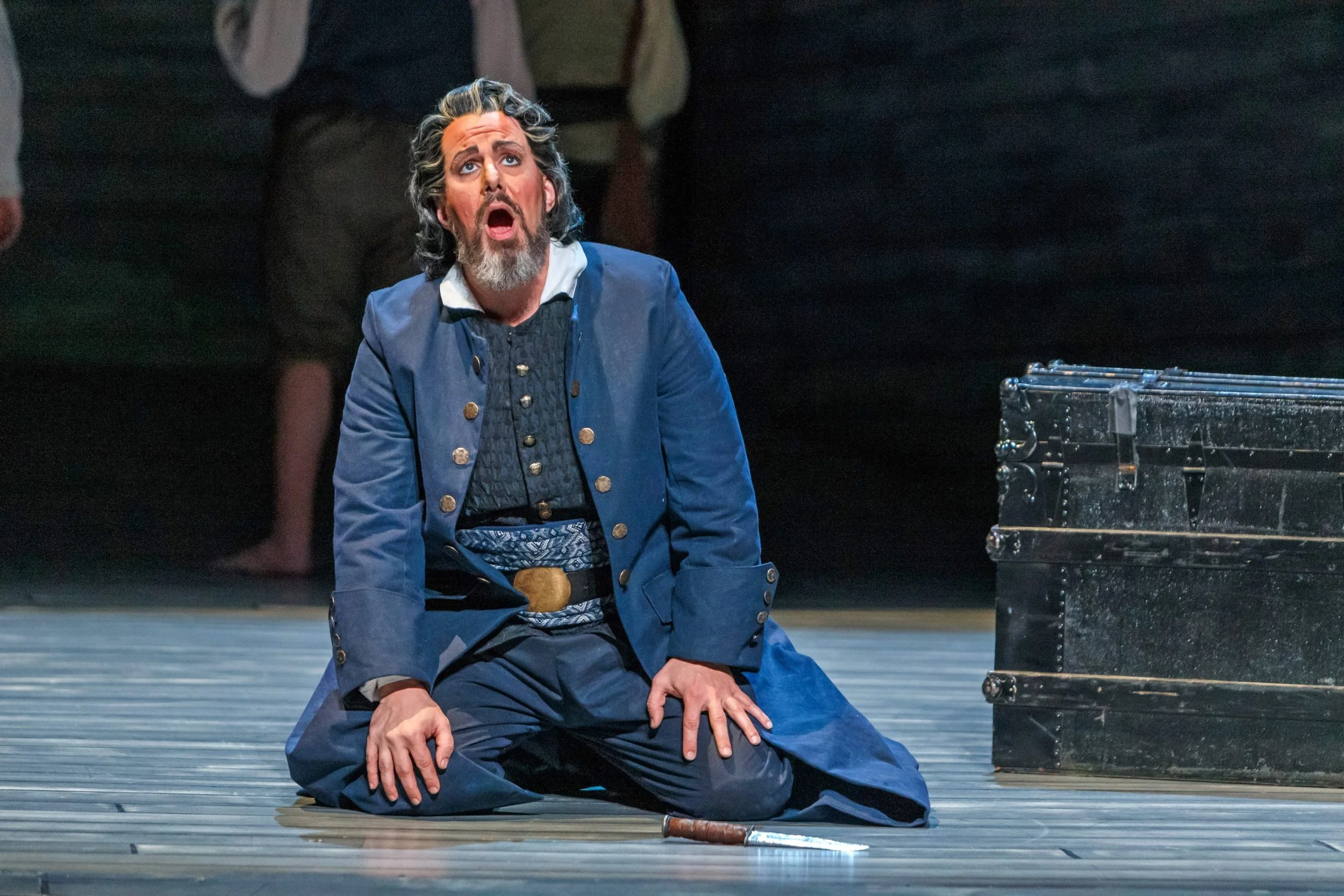
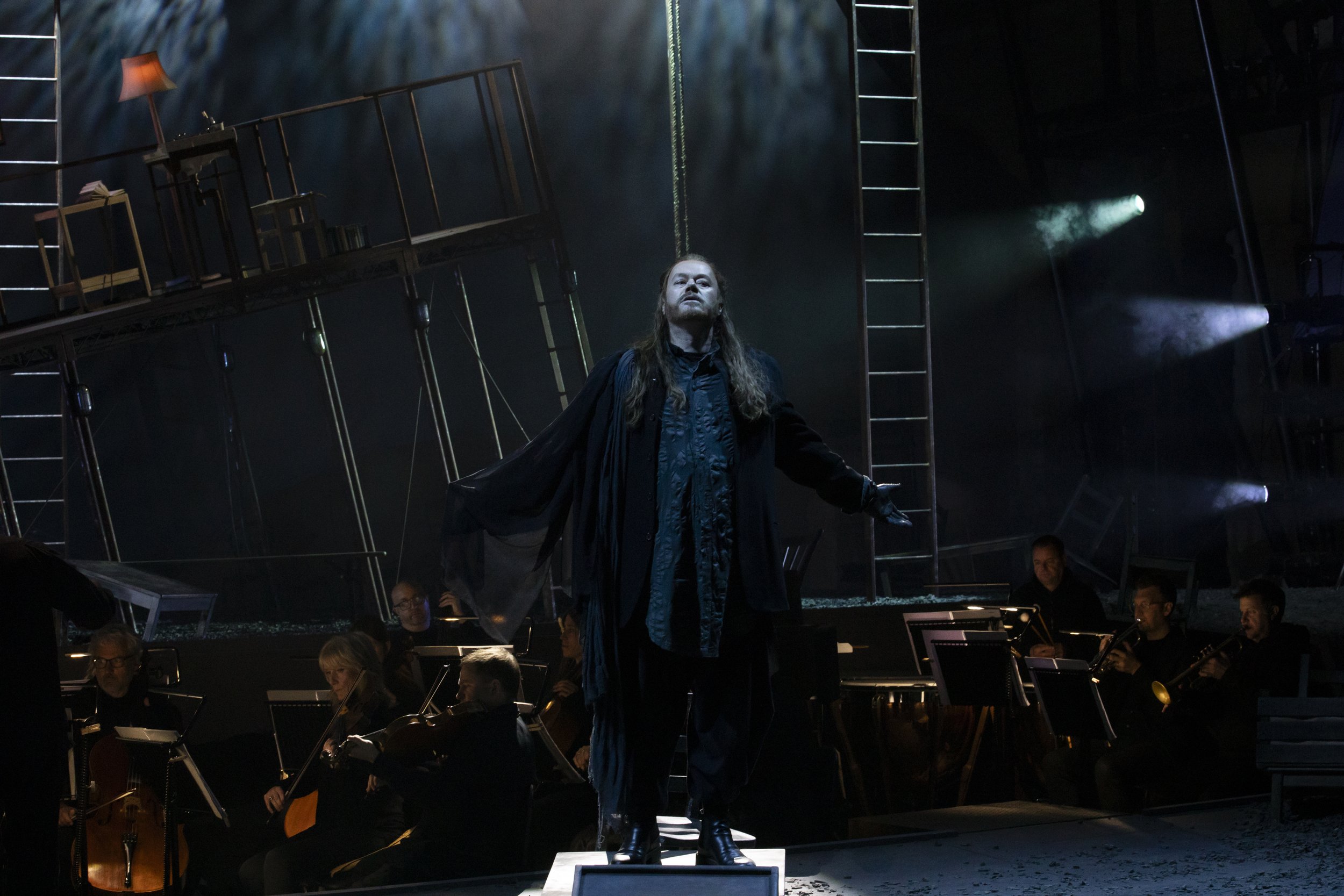
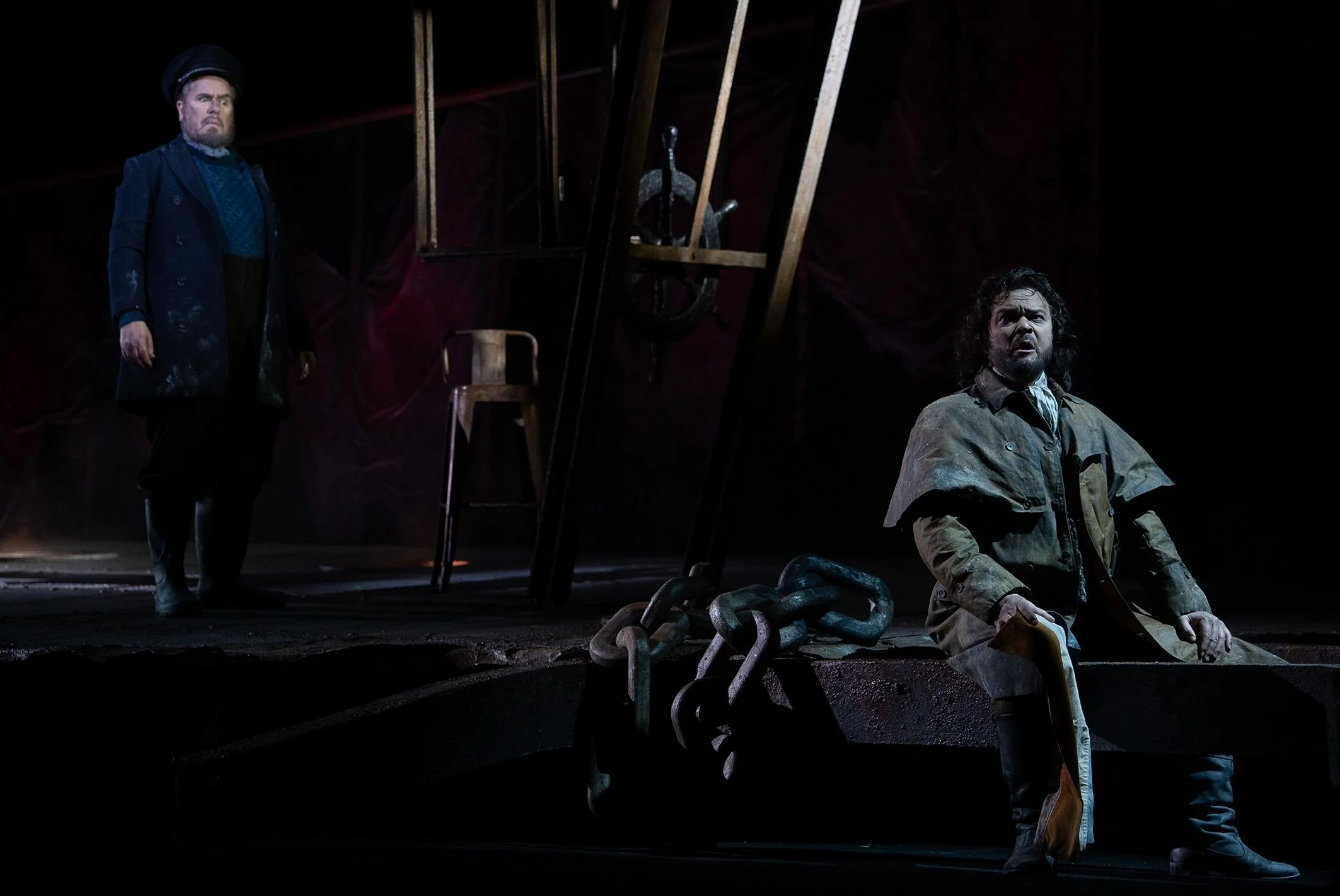
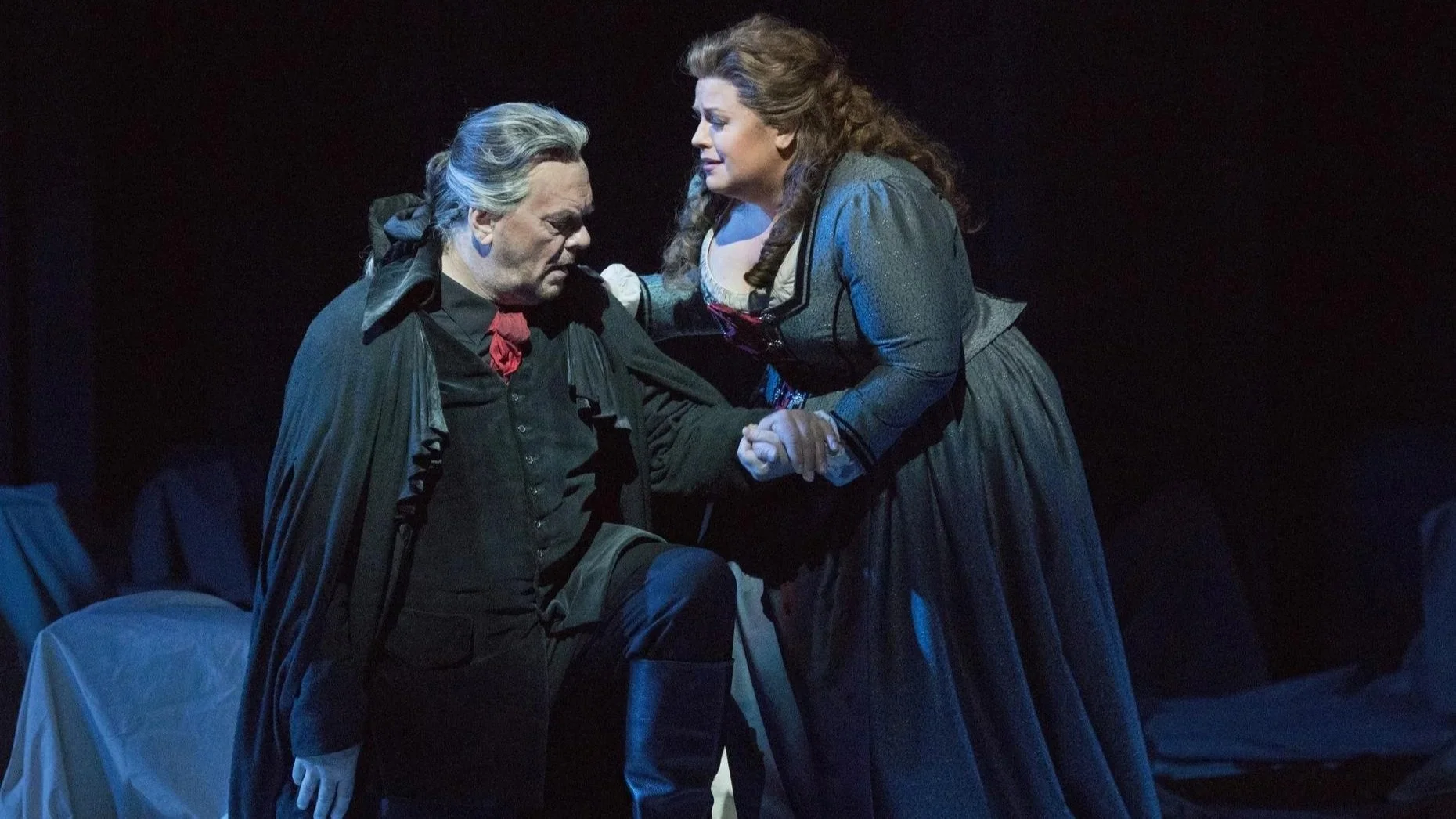
The Dutchman's ship is a Geistererscheinung in the most literal sense. It appears on the sea as a ghostly manifestation, visible to those onshore, terrifying precisely because it crosses the threshold from the invisible world (the world of the dead, the world of myth) into the visible world of the harbor. Its black sails and red lights are the visual signature of something that should not be visible at all.
But there is a deeper layer. Wagner's ghosts are always also phenomenological problems. They ask, what does it mean for something to appear? Is the Dutchman's ship real or hallucinatory? Is Senta's obsession with the portrait a form of perception, or a form of pathology that creates the appearance of something real where nothing is? Wagner does not resolve these questions. He performs them. The opera is structured so that the boundary between real events and hallucinated ones is systematically unclear.
This is precisely Kant's problem, applied to drama. We only have access to Erscheinungen, to appearances, to the way things present themselves. We cannot get behind the appearance to the thing itself. The Dutchman, as a figure, is always an Erscheinung. Appearing to Senta before she has met him, appearing to the sailors before they understand what they're seeing. Whether he is real in any stable sense is the question the opera poses and declines to answer.
Das Unheimliche / The Uncanny
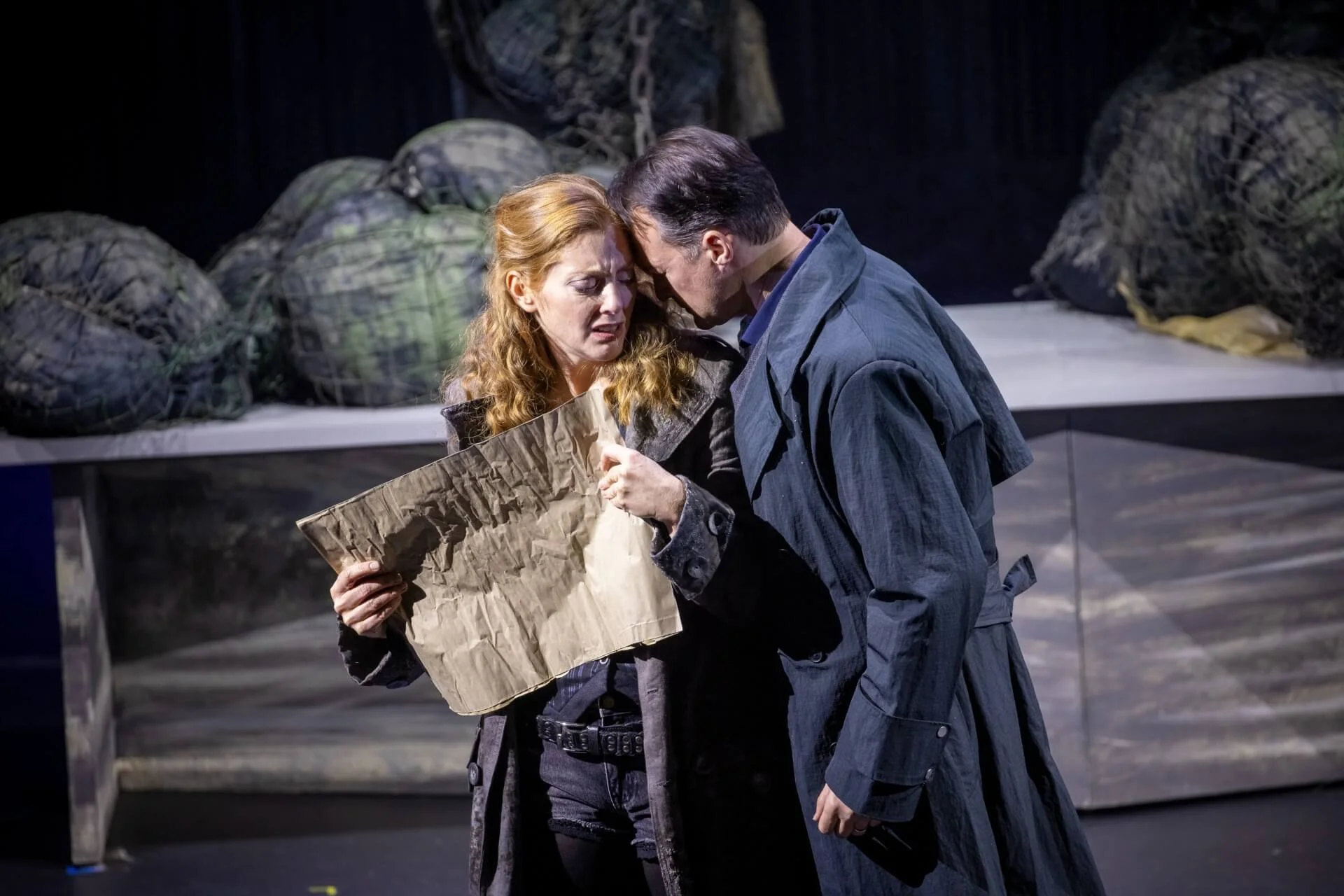
Freud's 1919 essay Das Unheimliche (The Uncanny) is one of the primary theoretical texts for understanding what Geistererscheinung does and why it matters aesthetically. The Unheimliche, literally the un-home-like, the unhomely, is the feeling produced when something familiar becomes strange, or when something that should have remained hidden makes itself visible. The uncanny is not simply horror or fear. It is the particular discomfort produced by the return of what has been repressed or forgotten. The corpse that should stay dead, the automaton that moves too much like a person, the doppelgänger that is both self and not-self.
The Flying Dutchman is a textbook case of das Unheimliche. A figure who should be dead but is not, who has been repressed from the harbor's ordinary life (ships don't come back from the dead) but who keeps returning, who is simultaneously recognisable (he is human, he speaks German, he wants what any person might want) and radically alien (he is cursed, he cannot age, he cannot die, he cannot stay).
Castle Clinton generates its own uncanny quality, for the same reasons. It has been a fort, an opera house, and an immigrant processing station. None of these uses has been fully erased by the subsequent ones. The fort haunts the entertainment venue; the entertainment venue haunts the bureaucratic machine. Walking through it, you are moving through layers of superimposed function, through the Erscheinungen of uses that are no longer active but not entirely gone.
Im heutigen Deutsch / In Contemporary German
Geistererscheinung is not an everyday word. You will not hear it in conversation about ordinary life. But it is immediately intelligible to any German speaker, and it appears regularly in:
Gothic fiction, horror writing, paranormal discourse
Historical accounts of haunted places
Opera criticism and musicology
Philosophical and psychoanalytic discussions of the uncanny
Discussions of Geisterstädte (ghost towns) and urban decay
The related word Geisterschiff, ghost ship, is more common and occurs in news reports of ships found adrift with no crew, in children's literature, and in historical discussions of maritime disasters. The Fliegende Holländer is the Geisterschiff par excellence: the ghost ship as archetype.
Verwandte Wörter / Related Words
Der Geist (m.): ghost, mind, spirit
Die Erscheinung (f.) appearance, figure, apparition, phenomenon
Erscheinen (v.) to appear, to manifest
Geisterhaft (adj.) ghostly, spectral
Gespenstisch (adj.) ghastly, eerie, phantom-like
Der Geisterfahrer, wrong-way driver (someone driving against traffic — Geist here in the sense of someone defying normal order)
Das Geisterschiff, ghost ship
Das Gespenst, ghost, spectre (more colloquial than Geist)
Unheimlich (adj.), uncanny, eerie (Freud's key term)
Die Vision, vision, apparition (borrowed, slightly more positive in register than Erscheinung)
Der Zeitgeist, spirit of the times (compound of Zeit + Geist)
Die Geisterwelt, the spirit world, the world of ghosts
Die Verbindung zum Weg / Connection to the Walk
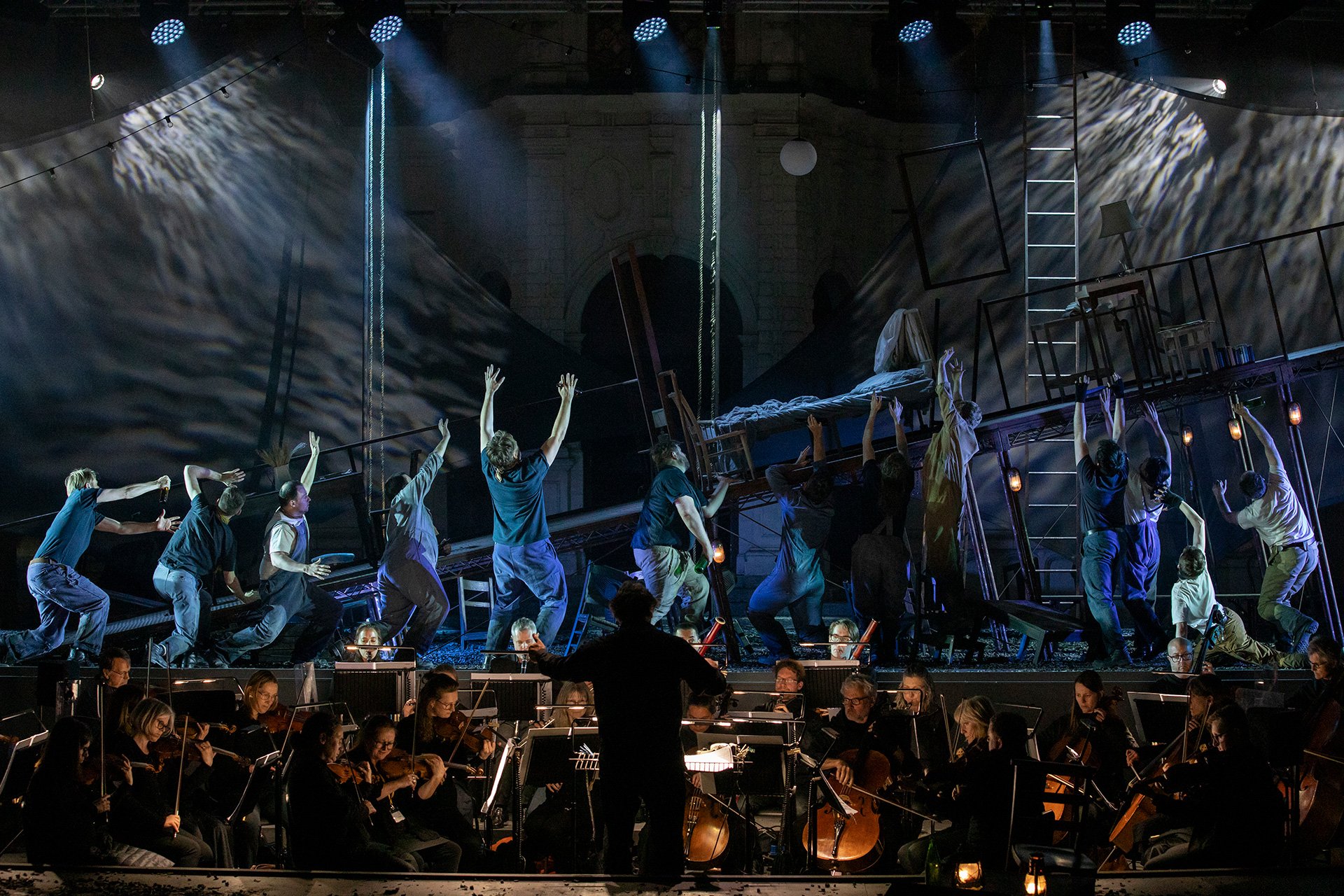
The January walk moves through a landscape of layered Geistererscheinungen. Castle Clinton is a Geistererscheinung of itself. The fort is still visible under the concert hall, the concert hall still visible under the immigration depot. The Wesendoncks' silk import firm at Old Slip is a Geistererscheinung in the street plan. The slip is filled in, the building is gone, but the relationship between that address and the genesis of Tristan und Isolde makes the site vibrate with a significance that has no physical correlate. You are walking over the funding mechanism of one of the greatest operas ever written, and there is nothing to see.
This is the paradox of Erscheinung. It requires something to appear, and yet the most significant appearances in the January walk are of things that are no longer there. The slips. The trading houses. The immigrants streaming through Castle Garden. The young Wagner, seasick and terrified, hearing Norwegian sailors call out to each other in a fjord and composing an opera from the sound.
To walk these streets with the opera in your ears is to produce Geistererscheinungen yourself. To make the invisible past visible, briefly, as an overlay on the present. The music is the mechanism. It activates the landscape's history, causes the ghosts to appear in the interstices of the visible city.
Geistererscheinung is, finally, a word about attention. Ghosts do not appear to everyone. They appear to those who are paying a particular kind of attention. Not the ordinary functional attention of navigation and purpose, but the open, receptive, slightly destabilized attention that the January walk is designed to produce. The walk does not promise you will see ghosts. It promises that if you attend carefully enough, the city will begin to reveal the shapes of what has been.
Der Geist erscheint. Die Erscheinung geistert. The spirit appears. The appearance haunts. Both sentences, in German, use forms of Geist and Erscheinung in their verbal form. The ghost and the appearing are not separate events. They constitute each other.
Further Reading
Further Reading