The Man Who Cannot Be One Thing: On Zerrissenheit
Das Wort / the word: Die Zerrissenheit (f.), no standard plural
Aussprache / pronunciation: tser-RIS-en-hyte
Wortart / part of speech: Noun, feminine, an abstract noun derived from the past participle of zerreißen
Register: Literary and philosophical. Elevated but not archaic. Core vocabulary of German Romantic psychology, still active in contemporary discourse about identity, inner conflict, and irreconcilable allegiance.
Was das Wort wirklich bedeutet / What the word actually means
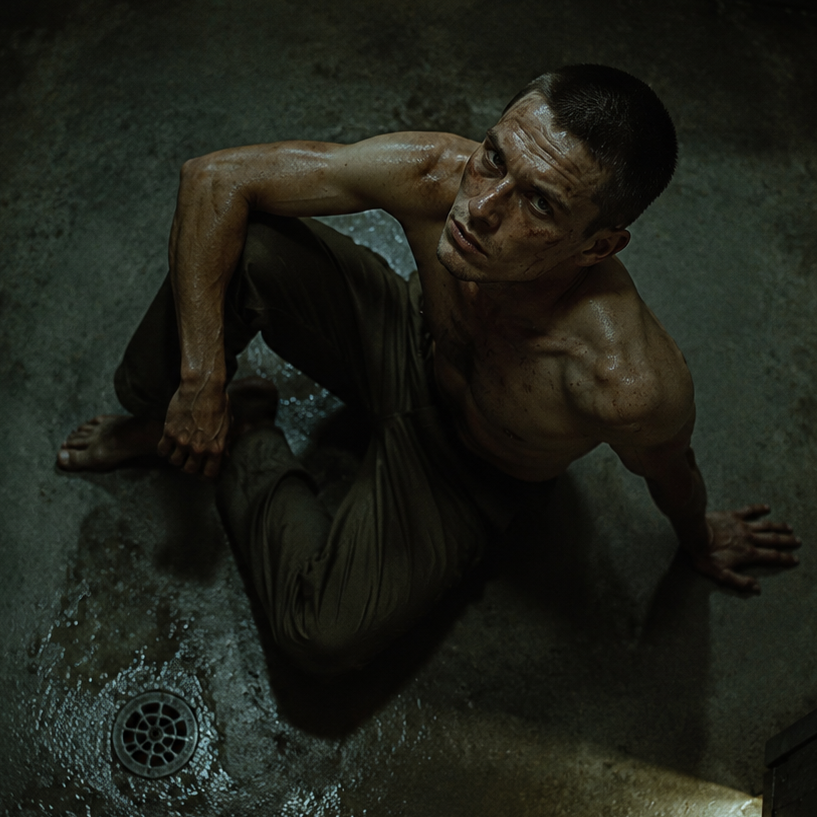
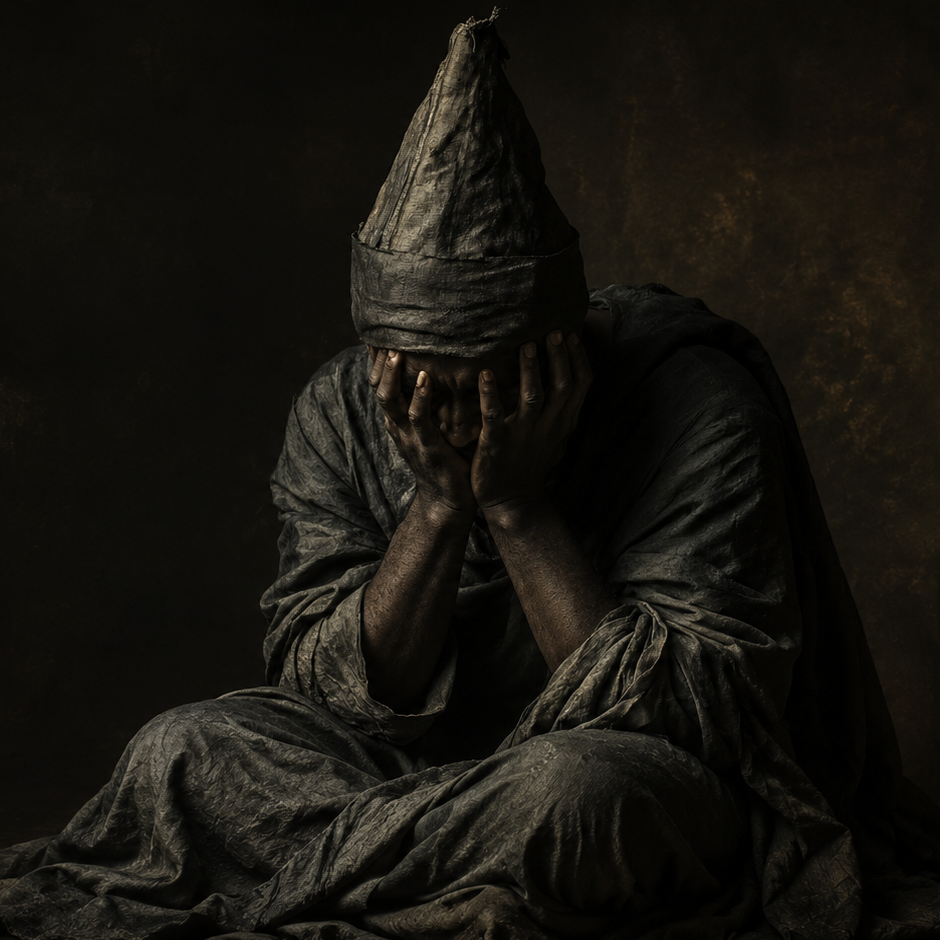
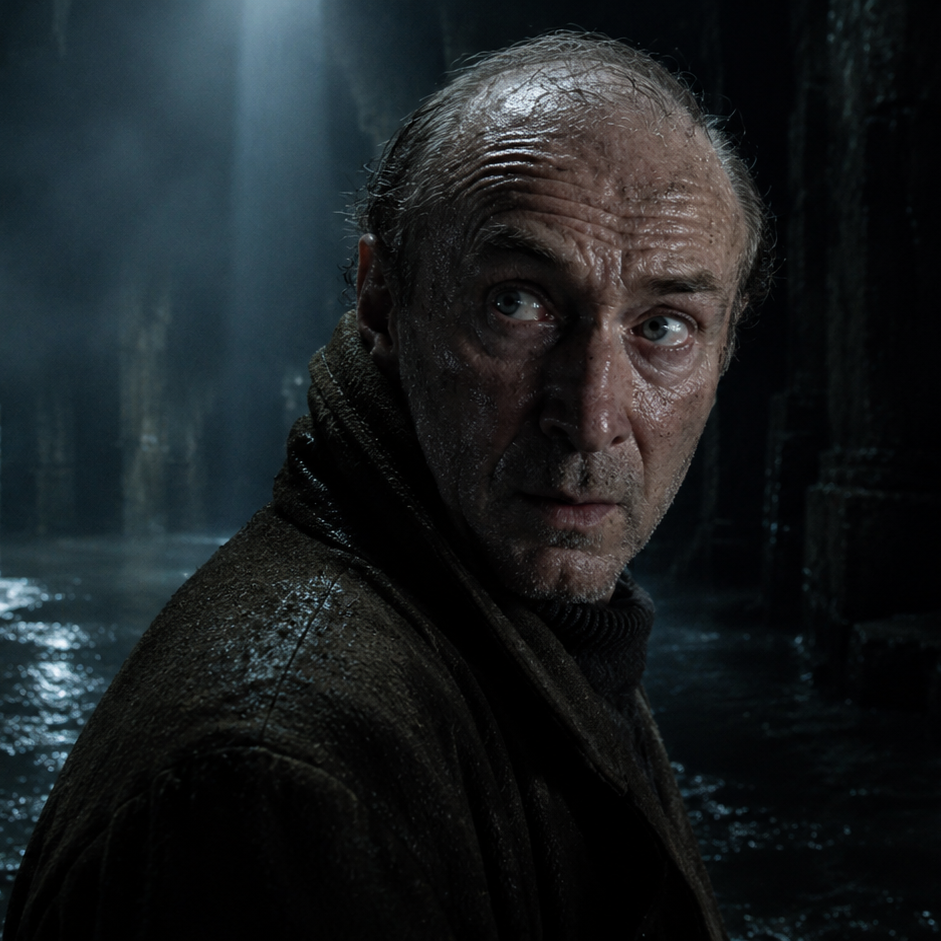
There is a word the February walk exists to make you feel. You will not find it on the page of the opera's themes. The walk names Verlangen, Konflikt, Gespaltenes Selbst, but it underlies all three and is more precise than any of them. The word is Zerrissenheit, and it names Tannhäuser's condition exactly. The state of being torn apart, of being pulled in irreconcilable directions simultaneously, of being not divided but shredded, because Zerrissenheit is not a clean split but a violent one.
English has no exact equivalent. The closest approximations are inner conflict (too clinical), being torn (too mild, too reversible), dividedness (accurate but inert as a word) or the literary weltschmerz-adjacent phrase being at war with oneself (gestural rather than precise). Zerrissenheit is none of these. It is a state of violent internal fragmentation from which the fragments cannot be reassembled. At least not without cost, not without something being permanently lost in the rejoining.
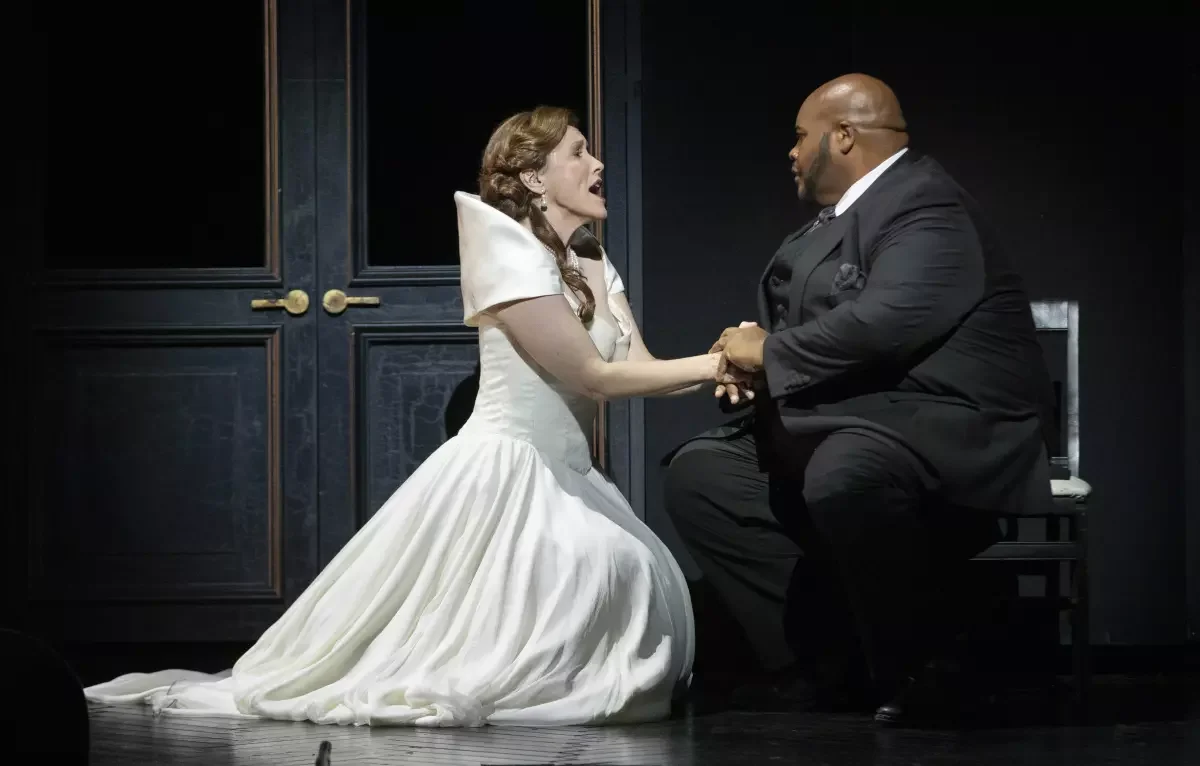
Tannhäuser is a man whose Zerrissenheit is the opera's dramatic engine. He has been in the Venusberg. He has known sensual completeness. He has also known the world of Wartburg, of the minnesingers, of Elisabeth's love, of moral order and artistic honour. Both worlds are real to him. Both have claims on him. Both have formed him. And they are not reconcilable. There is no compromise position. You cannot be half in the Venusberg and half in the Wartburg valley. The man is being pulled apart by two equally powerful claims, and the opera follows what happens when that tension becomes public.
Die Etymologie: Das Gewalt des Wortes / The Violence in the Word
Zerrissenheit derives from the verb zerreißen. To tear apart, to rip to shreds, to rupture. This is a verb of violence. Zerreißen is what happens to paper when you tear it roughly, to cloth when it's pulled past its limit, to skin in a serious injury. The prefix zer- is one of German's most vivid morphological elements. It indicates destruction, disintegration, separation into pieces.
Compare the zer- family:
Zerbrechen: To shatter, to break into pieces
Zerstören: To destroy
Zerschneiden: To cut apart
Zermalmen: To crush, to pulverize
Zerquetschen: To squash flat
Zerfallen: To fall apart, to crumble
Zersplittern: To splinter
Each of these involves not just negation or opposition but disintegration into multiple fragments. The zer- prefix does not mean simply un-doing. It means coming apart into pieces. Zerreißen then becomes, through the participial form zerrissen (torn apart), the adjective zerrissen (fragmented, torn), and the abstract noun Zerrissenheit (the state of being torn apart). The violence of the original verb does not dissipate through the nominalization. Zerrissenheit carries the force of the tearing even in its abstract noun form. To say someone is in a state of Zerrissenheit is not to say they have a mild inner conflict. It is to say something has been violently fragmented inside them.
This morphological weight matters when reading Wagner's libretto and thinking about Tannhäuser's condition. He is not experiencing a dilemma. He is not choosing between two options in any ordinary deliberative sense. He is being torn, and the word for that experience insists on the physical, violent dimension of the internal event.
Zerrissenheit und die Romantik / Zerrissenheit and Romanticism
The concept of Zerrissenheit is one of the central psychological diagnoses of the German Romantic movement, though the Romantics used a range of related terms alongside it. The Romantic zerrissener Mensch, the torn person, became a recognizable literary type. An individual whose consciousness is too large, too contradictory, too richly developed to fit within any single social or moral framework. The zerrissene hero is not weak. They are, in a specific sense, too much. Too much feeling, too much awareness, too much capacity for inhabiting contradictory states simultaneously.
Heinrich Heine, one of the great inheritors of German Romanticism and also one of its most sharp-tongued critics, used Zerrissenheit extensively, often with irony directed at the Romantics themselves. He accused the German Romantic movement of cultivating Zerrissenheit as an aesthetic pose, of performing inner fragmentation as a form of distinguished suffering rather than experiencing it as a genuine condition. But even Heine's irony acknowledges the word's power. You can only parody what already has weight.
The philosophical tradition intersects here. Hegel, whose system was the dominant intellectual framework of the period in which Tannhäuser was composed, understood Zerrissenheit as a phase in the dialectical development of consciousness. The moment when the self recognizes that it contains irreconcilable elements, that it is not the unified, self-transparent entity it naively took itself to be. For Hegel, this recognition of Zerrissenheit is not the end of the story but a necessary stage. The fragmented consciousness that recognizes its own fragmentation is moving toward a higher synthesis. Whether that synthesis arrives in Tannhäuser is one of the opera's great interpretive questions.
Das Gespaltene Selbst / The Split Self
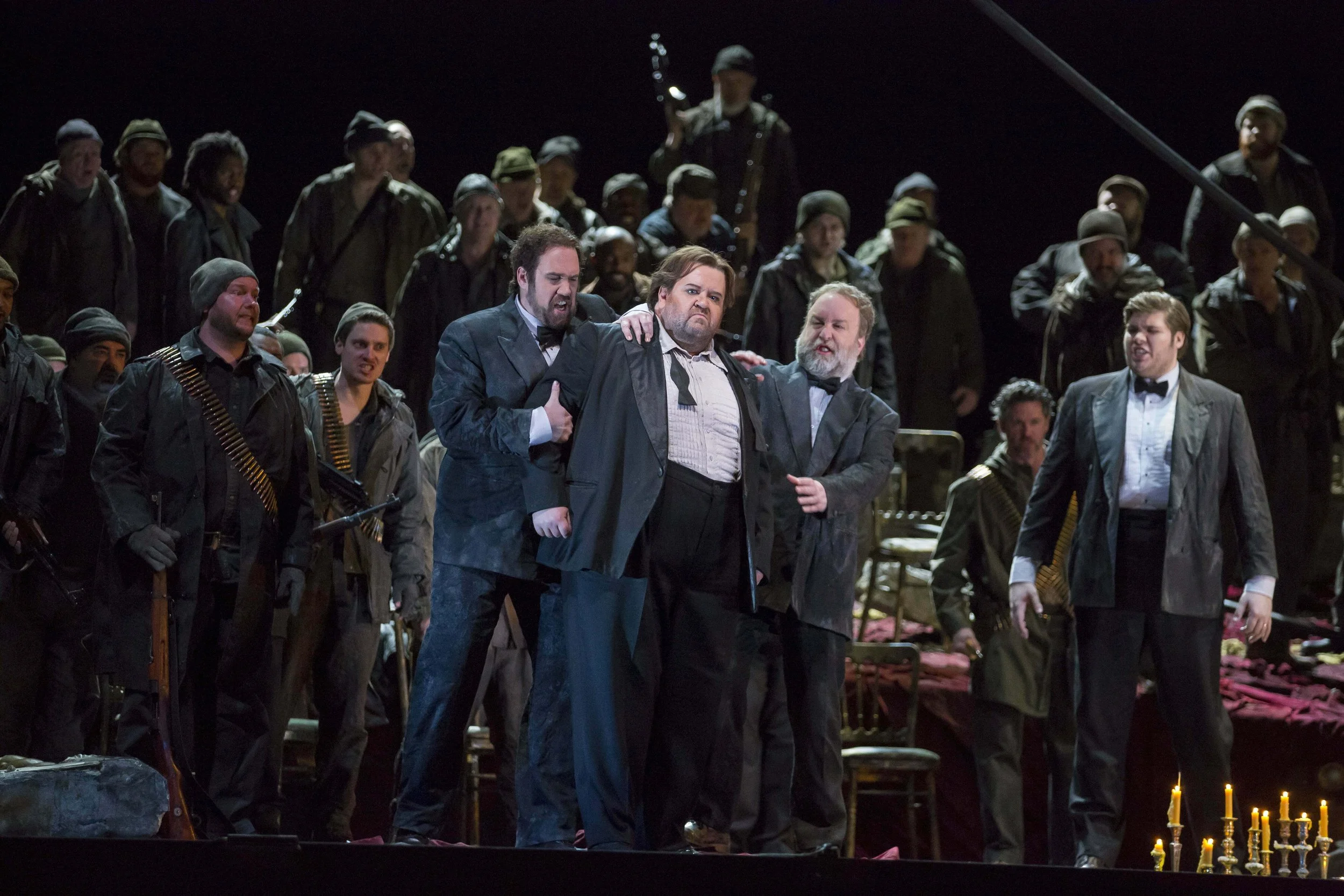
Zerrissenheit is often used alongside or confused with a related concept: das gespaltene Selbst, the split self. The February walk names this directly in its thematic header. The two concepts are related but not identical. Das gespaltene Selbst, literally the cleft or divided self, implies a clean vertical division. Two parts, clearly distinguished, each coherent within itself. The image is of something cut neatly in two. Psychologically, this maps onto concepts like ambivalence or the divided will. I want to do X and I want not to do X, and these two desires coexist in me without synthesis.
Zerrissenheit is less orderly. It is not a clean split into two halves but a tearing that produces ragged edges, multiple fragments, pieces that do not fit back together neatly. If the split self can imagine being reassembled, if the two halves could be pressed back together, Zerrissenheit cannot easily make that promise. The violence of the original tearing has done something to the material. The seam, if it could be rejoined, would show.
Tannhäuser is more zerrissen than merely gespalten. The time he has spent in the Venusberg has not simply created a second competing desire alongside his existing attachments. It has altered him. Changed what he is capable of experiencing, what he is capable of articulating, what he can and cannot translate for audiences like the minnesingers who have not shared his experience. He does not return from the Venusberg to his former self. He returns as someone who has been through something the former self had not encountered, and the former self's framework cannot contain what he now knows.
Im Heutigen Deutsch / In Contemporary German
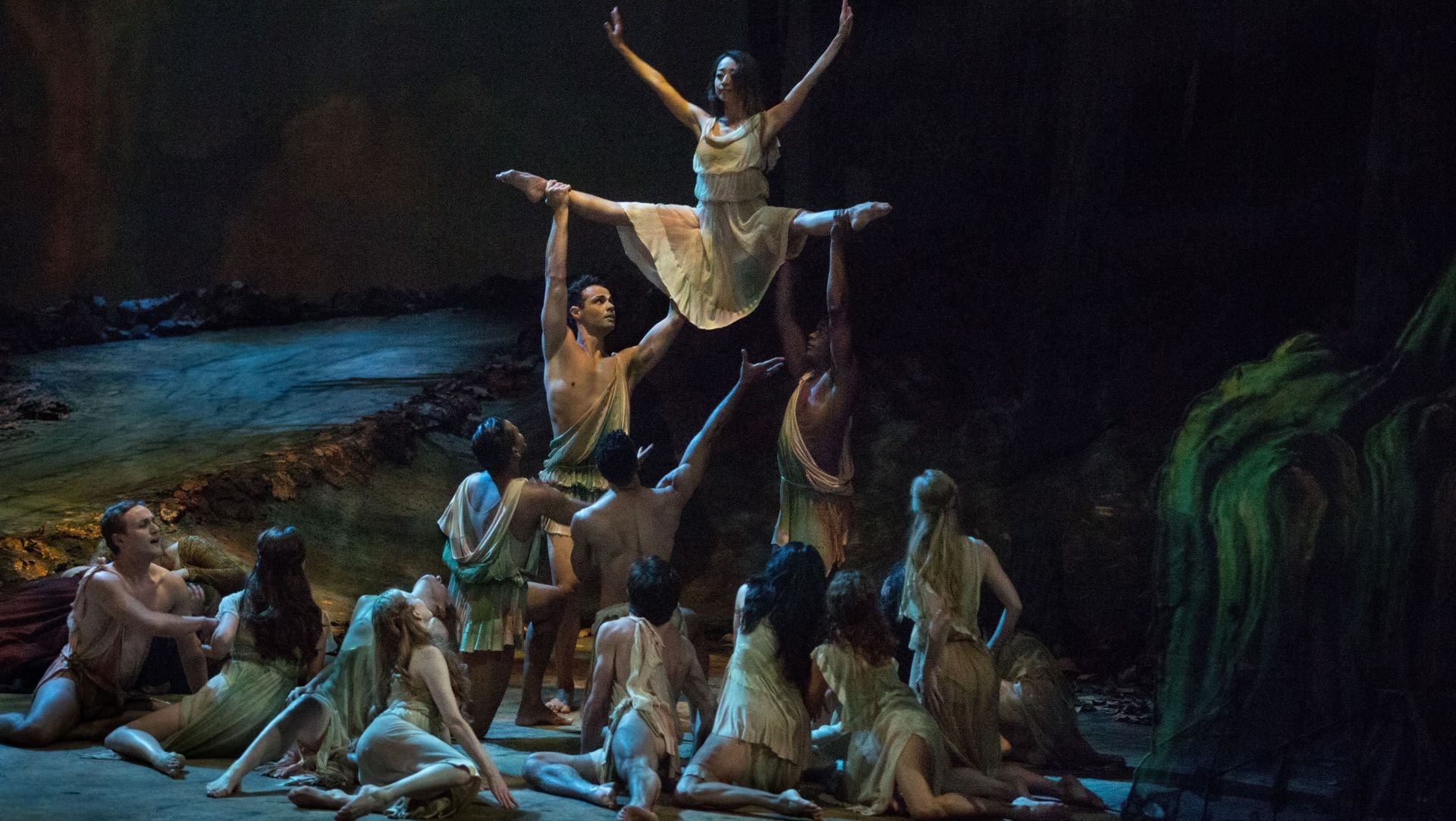
Zerrissenheit retains its literary and psychological register in contemporary German. You will encounter it in:
Political discourse, describing societies or communities torn between incompatible values or allegiances: die Zerrissenheit der Gesellschaft (the fragmentation of society)
Personal essays and long-form journalism about identity. Someone who is caught between cultures, languages, families, or life-paths may describe their experience as Zerrissenheit
Literary and philosophical criticism, as a key term for the Romantic period and for psychological realism in fiction
Psychotherapeutic contexts in Germany, where the concept maps onto what anglophone psychology might call internal conflict or, in more complex cases, identity diffusion
In casual speech, people are more likely to use hin- und hergerissen sein or simply gespalten to describe milder versions of the experience. Zerrissenheit is reserved for situations where the speaker wants to convey genuine severity. A state which is not just uncomfortable but disintegrating.
Verwandte Wörter / Related Words
Zerreißen (v.), to tear apart, to rip to pieces
Zerrissen (adj.), torn, fragmented, internally divided
Hin- und hergerissen, torn back and forth, of two minds (common idiom)
Gespalten (adj.), split, divided (cleaner and less violent than zerrissen)
Der Konflikt, conflict (more neutral and external)
Der innere Konflikt, inner conflict (the psychological parallel to Zerrissenheit)
Die Ambivalenz, ambivalence (borrowed, more clinical)
Der Widerspruch, contradiction (logical rather than psychological)
Die Spaltung, splitting, division (the noun form of gespalten)
Zerfallen (v.), to fall apart, to disintegrate (related zer- construction)
Der zerrissene Mensch, the torn person (the Romantic type)
Die Verbindung zum Weg / Connection to the Walk
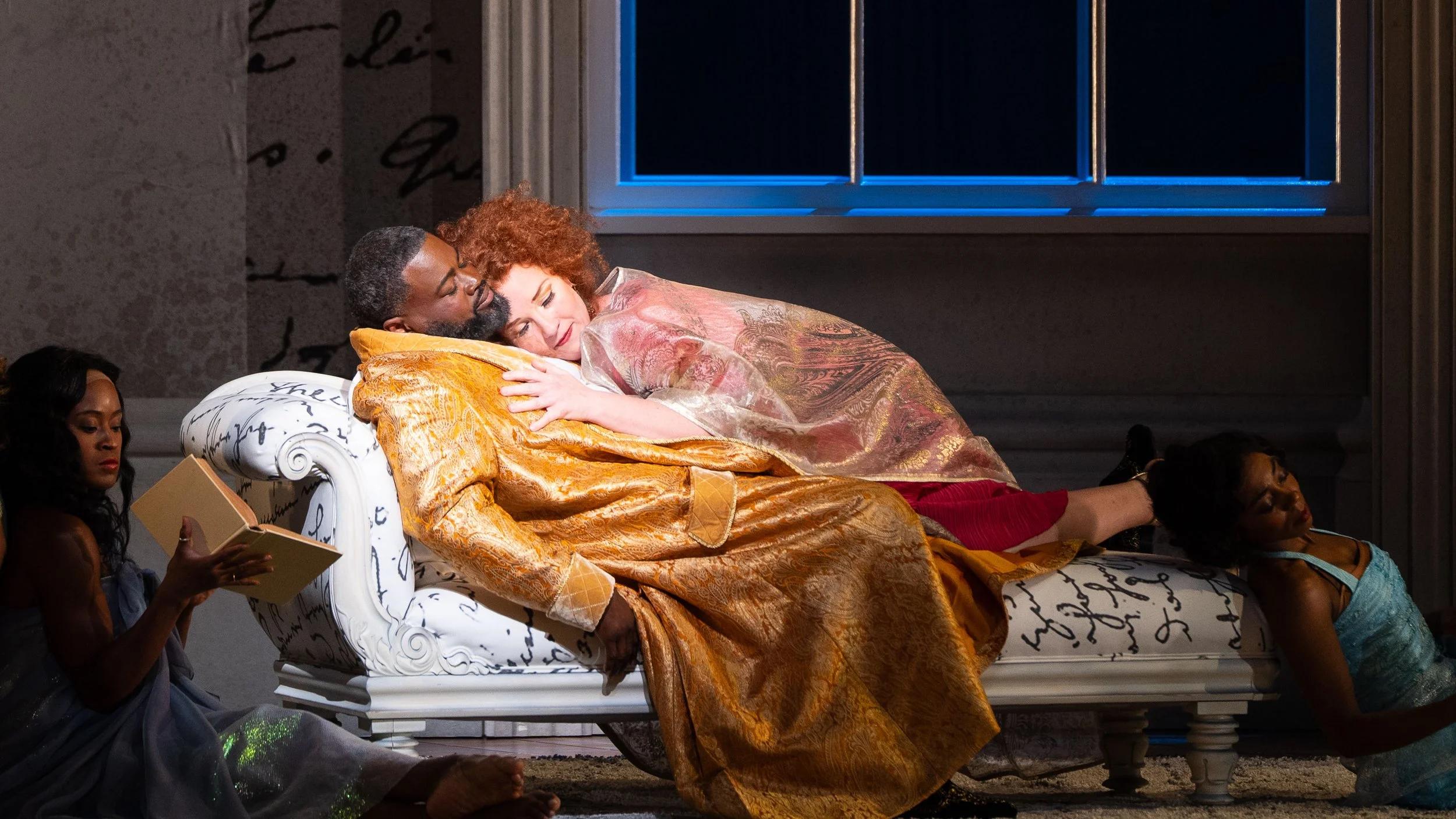
The February walk is itself a choreography of Zerrissenheit. It does not offer a resolved itinerary moving steadily from one settled position to another. It oscillates. The Bacchanale, then the Pilgrims' Chorus, then the Rome Narrative. Venusberg, then the pilgrim corridor of Sara D. Roosevelt Park, then the Rome-proxy of Old St. Patrick's. Pleasure, then aspiration, then refusal. The walk keeps moving between registers rather than resolving into one.
This is intentional and it is precise. You cannot understand Zerrissenheit by reading about it. You have to experience the oscillation. The way your body responds differently to the Bacchanale and to the Pilgrims' Chorus, the way one soundscape shuts down and another opens up, the way you cannot hold both simultaneously even though Tannhäuser must.
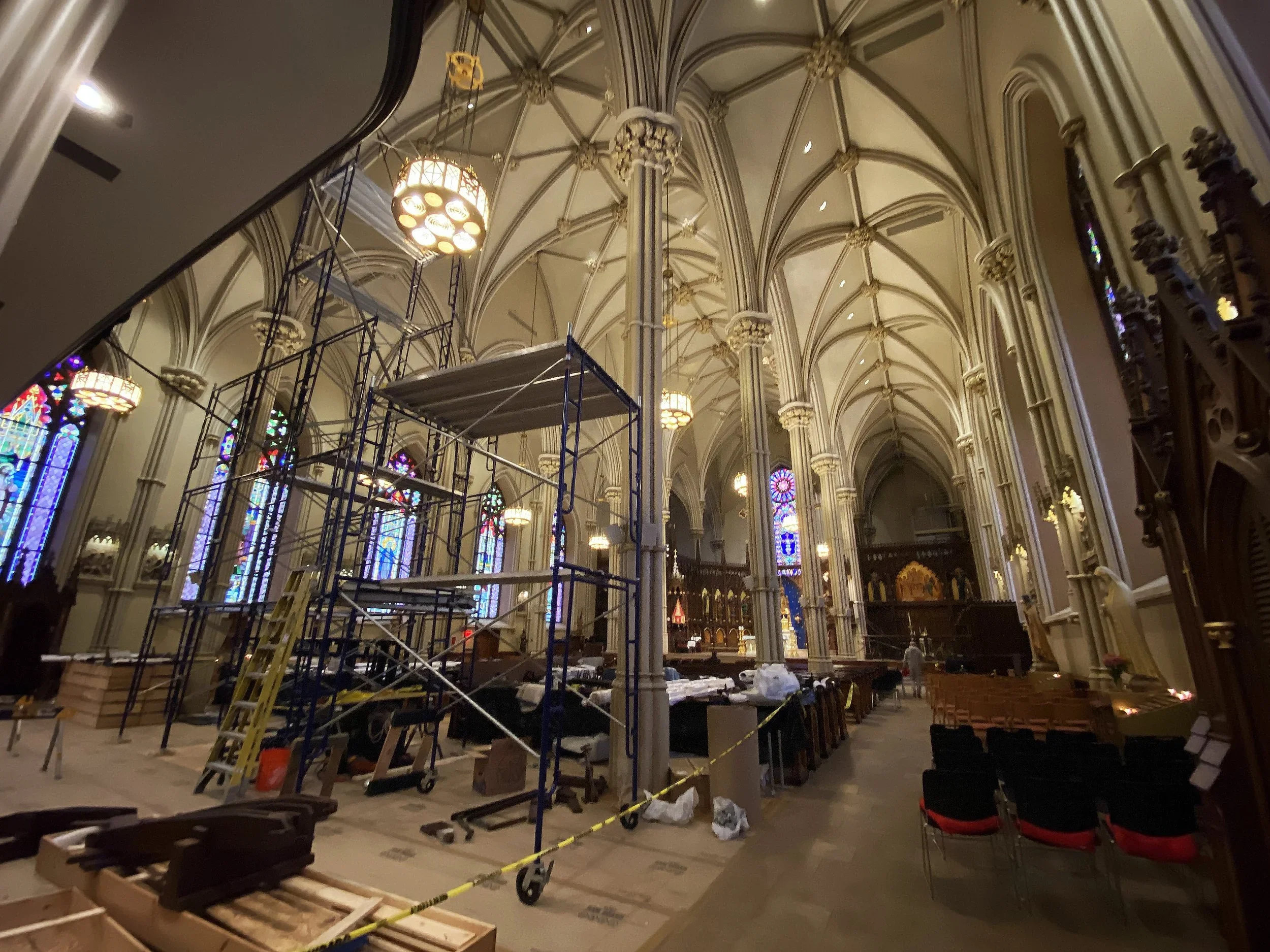
Standing outside Old St. Patrick's churchyard, having walked through the Bowery and the pilgrim park, you arrive at the point in the walk that corresponds to the Rome Narrative. The moment when Zerrissenheit has been fully lived and its consequences are being faced. Tannhäuser has tried both worlds. He has been in the Venusberg and walked the pilgrimage. He has brought his torn self before the highest earthly authority and been told that his tearing is beyond repair.
The walk does not end in resolution either. It ends with the instruction to let the opera's contradictions remain unresolved. To carry the Zerrissenheit of February into March rather than tying it off. This is accurate to experience. Inner fragmentation does not resolve on schedule. It asks for time, and movement, and the patience to hold irreconcilable things without forcing them into a premature unity. Zerrissen zu sein ist nicht dasselbe wie verloren zu sein. To be torn apart is not the same as being lost. The distinction is the whole drama.
Further Reading