Music as Conscience, Music as Complicity: Interviewing Furtwängler on the Unresolved Cadence of History
An interview conducted somewhere between a rehearsal that never quite ended and a tribunal that never quite concluded. Berlin, 1945. Or perhaps 2026. The difference, he insists, is smaller than you think.
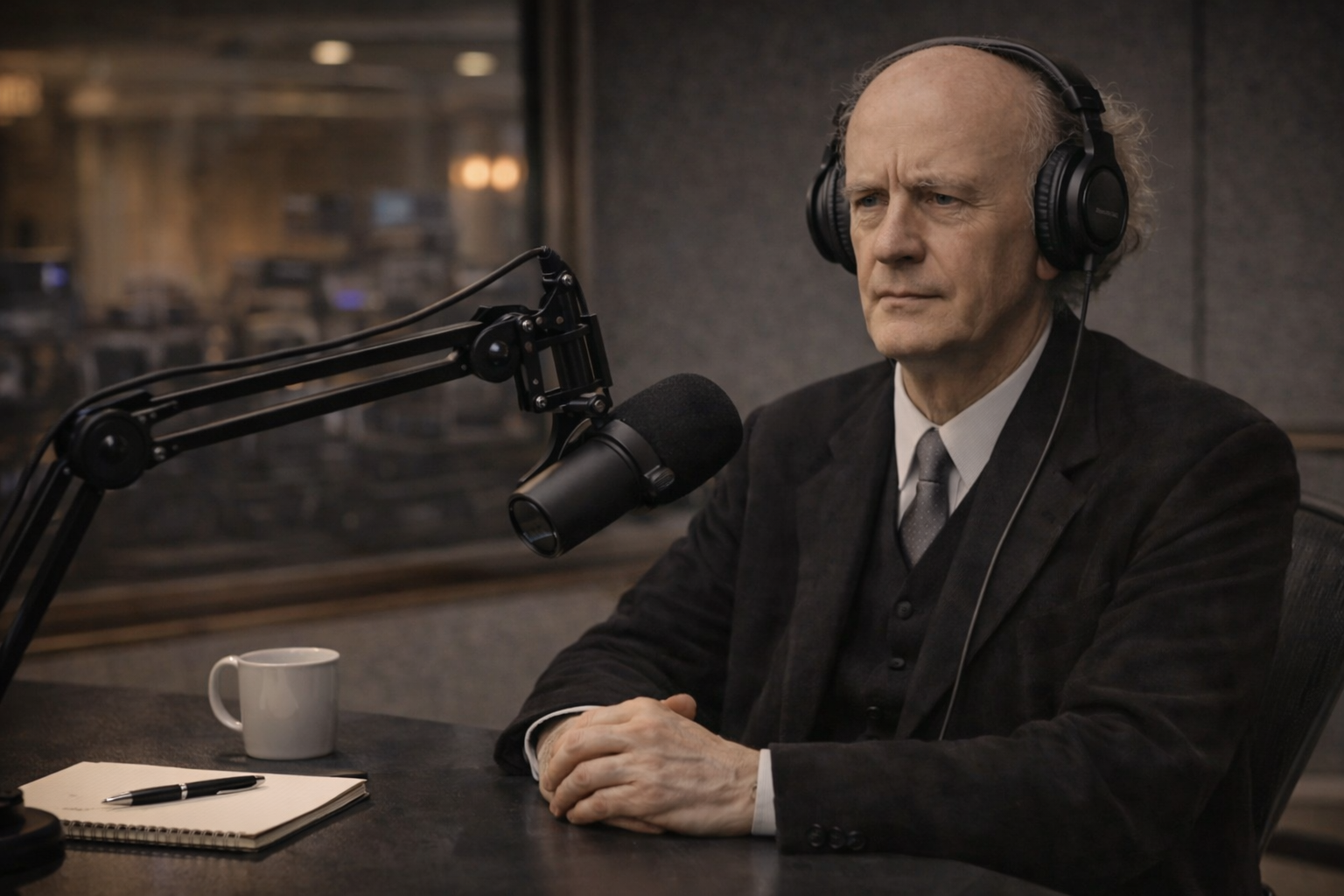
Aufbruch/Matt: Herr Furtwängler, I need to begin where everyone begins.
Wilhelm Furtwängler: With Germany. Yes. They always do.
Aufbruch/Matt: You stayed. Through the entire Reich. You conducted for them. Why?
Wilhelm Furtwängler: I conducted for Beethoven. For Brahms. For the music, which is not the same as the regime, however much the regime wished to claim it. Germany was not Hitler, any more than the Ninth Symphony was a rally. To abandon German music to those people, to leave it unguarded, would have been a worse betrayal than staying.
Aufbruch/Matt: And yet your presence lent them legitimacy.
Wilhelm Furtwängler: Everything in that country lent them legitimacy. The trains. The hospitals. The bakeries. Are we to have had no bread? I am not being flippant. I am pointing to the impossibility of the position. The question was never whether to collaborate. It was whether music could still protect something, some interior space, that politics had not yet reached.
Aufbruch/Matt: And could it?
Wilhelm Furtwängler: For three hours inside a concert hall, yes. Beyond that, I am less certain.
Aufbruch/Matt: You wrote to Goebbels. You protested the dismissal of Jewish musicians. You had genuine leverage and you used it, at real personal risk.
Wilhelm Furtwängler: I did what I could. It was not enough. Nothing was enough. That is a fact I have had to live with, and I have not made peace with it. Anyone who tells you they have made peace with such things is either lying or has not thought carefully enough.
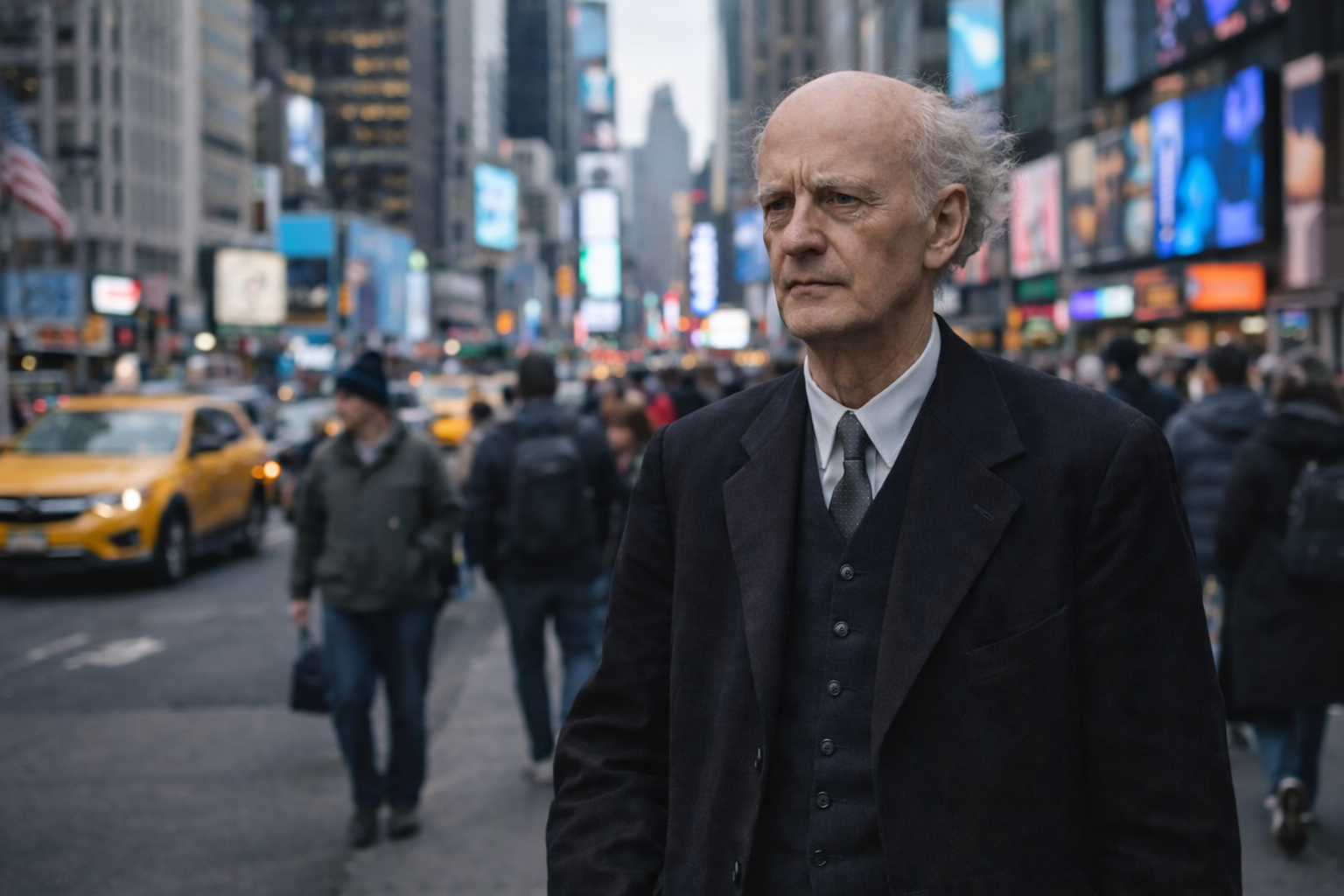
Aufbruch/Matt: Let me press on the music itself. You are the most celebrated interpreter of Wagner who ever lived, and yet Wagner's own shadow over the Reich is inescapable. Did you ever feel that conducting the Ring in those years was morally different from conducting it before or after?
Wilhelm Furtwängler: Wagner was being used. Systematically misused. The Ring is not a celebration of German power. It is a catastrophe for German power. Wotan loses everything. The gods burn. Anyone who staged those works as triumphalism either hadn't listened or was deliberately lying about what they heard.
Aufbruch/Matt: But the regime heard what it wanted.
Wilhelm Furtwängler: Regimes always hear what they want. That is what makes them regimes. Wagner himself said that his operas were warning, not programme. The misappropriation was not in the music. It was in the audience's willingness to substitute sensation for understanding.
Aufbruch/Matt: Let me ask you about your conducting philosophy, which is equally contested. Toscanini called your tempos self-indulgent. He believed the score was law.
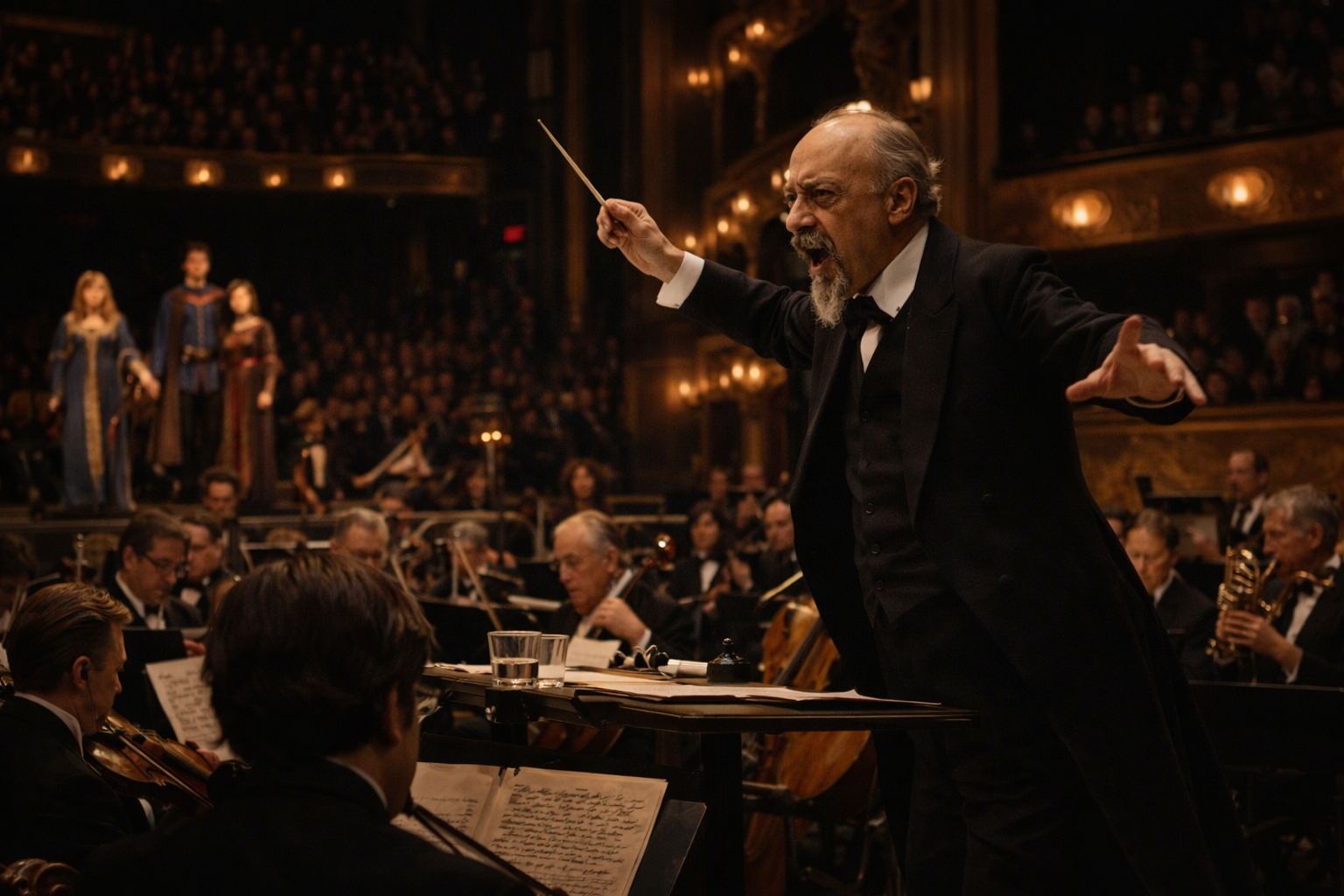
Wilhelm Furtwängler: Toscanini was a superb disciplinarian. A magnificent traffic conductor. He could move an orchestra with absolute precision from one note to the next. But music is not a sequence of notes. It is a breathing organism. The score is not the law. The score is a map, and maps are not the territory. You cannot walk a map.
Aufbruch/Matt: That sounds like a rationalization for doing whatever you wanted.
Wilhelm Furtwängler: It sounds like that to people who have never had to decide, in real time, how long the silence before the recapitulation should last. That silence is not in the score. It never was. The composer put a fermata, a pause, and trusted the interpreter to understand why. Trust of that kind requires a conductor who has thought deeply about the whole, not just the parts.
Aufbruch/Matt: And you trusted yourself to make that judgment.
Wilhelm Furtwängler: I trusted the music. Which is different. When it went wrong, and it sometimes went wrong, it was because I had imposed my will rather than listening for the work's own necessity. The best performances I ever gave were the ones where I felt I had disappeared. Where I had become transparent.
Aufbruch/Matt: That is a striking claim from a conductor with such a famously illegible baton.
Wilhelm Furtwängler: [a brief, unsmiling pause] The musicians always knew what I meant.
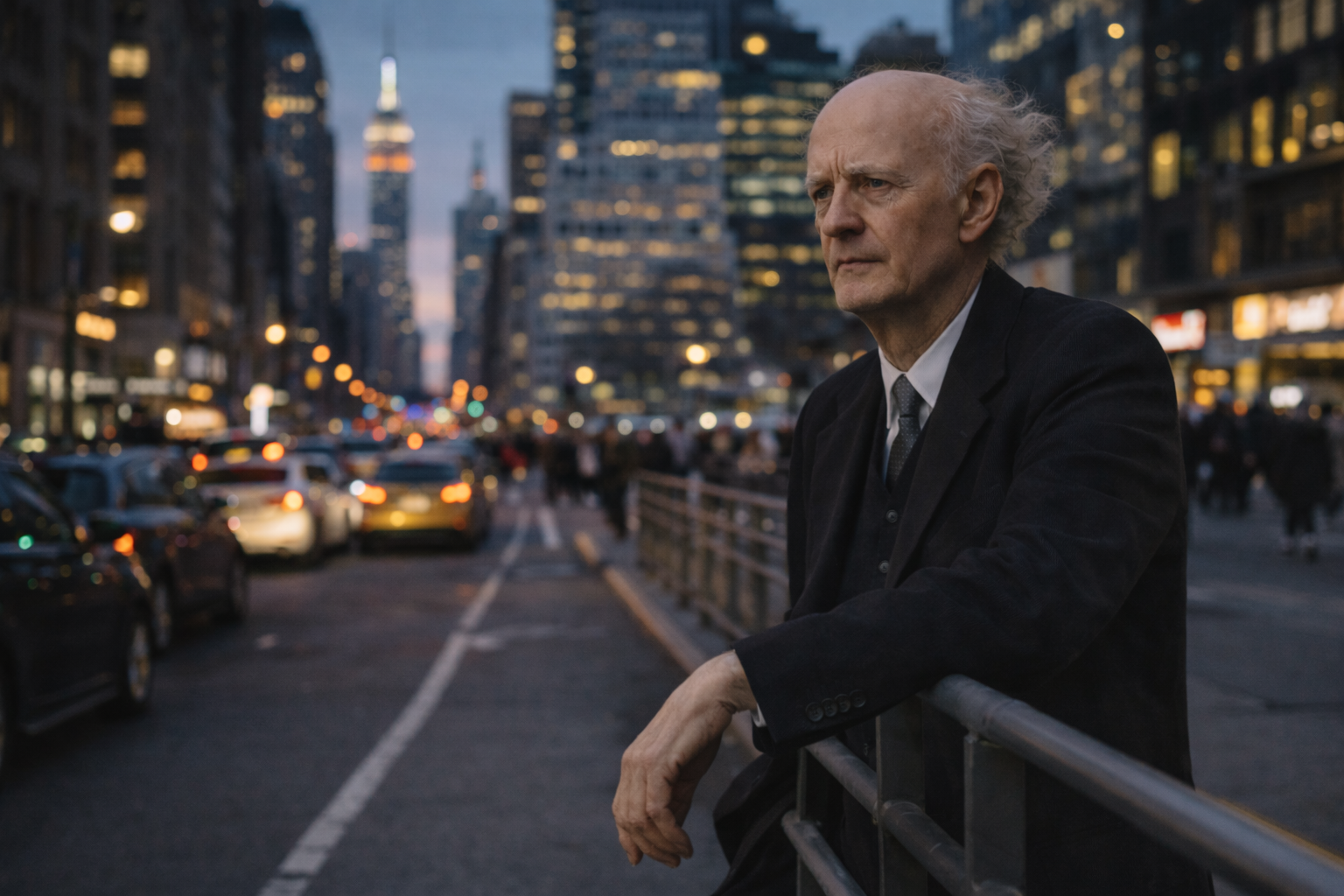
Aufbruch/Matt: In 1954, you conducted Tristan und Isolde with Flagstad. It is still regarded as perhaps the greatest recorded performance of any Wagner opera. What was happening in that room?
Wilhelm Furtwängler: Flagstad understood something very specific about Isolde that other sopranos have not always grasped. She is not a victim. She is not even, primarily, a lover. She is someone who has seen through the world to its underlying condition, and found that condition unbearable. The Liebestod is not about love. It is about the insufficiency of everything that is not love. That distinction is everything.
Aufbruch/Matt: And how did you prepare for it, by that point in your life?
Wilhelm Furtwängler: I had spent fifty years trying to understand what Wagner was doing structurally beneath the surface of those scores. The way the harmony never quite resolves, not for three hours. The way desire and fulfillment keep separating, like magnets reversed. I had also, by 1954, been before a denazification tribunal. I had been accused. I had been acquitted. I had lost years. I had been judged in public by people who could not have conducted a village band. Perhaps that gave me something to put into Tristan.
Aufbruch/Matt: Bitterness?
Wilhelm Furtwängler: Comprehension. Of what it means to long for something that the world's structure will not permit. That is, after all, Tristan's subject.
Aufbruch/Matt: You were acquitted, but the shadow remained. It remains now. What do you want history to understand about you that it has persistently refused to?
Wilhelm Furtwängler: That a person can be, simultaneously, courageous and complicit. That these are not opposites. That the question of what one should have done in an impossible situation has no clean answer from the outside. History likes verdicts. Music does not. Music understands that the most important tensions are the ones that cannot resolve.
Aufbruch/Matt: That sounds like you are asking for the same patience you demand from an audience listening to Tristan.
Wilhelm Furtwängler: Yes. Three hours before you judge. Minimum.
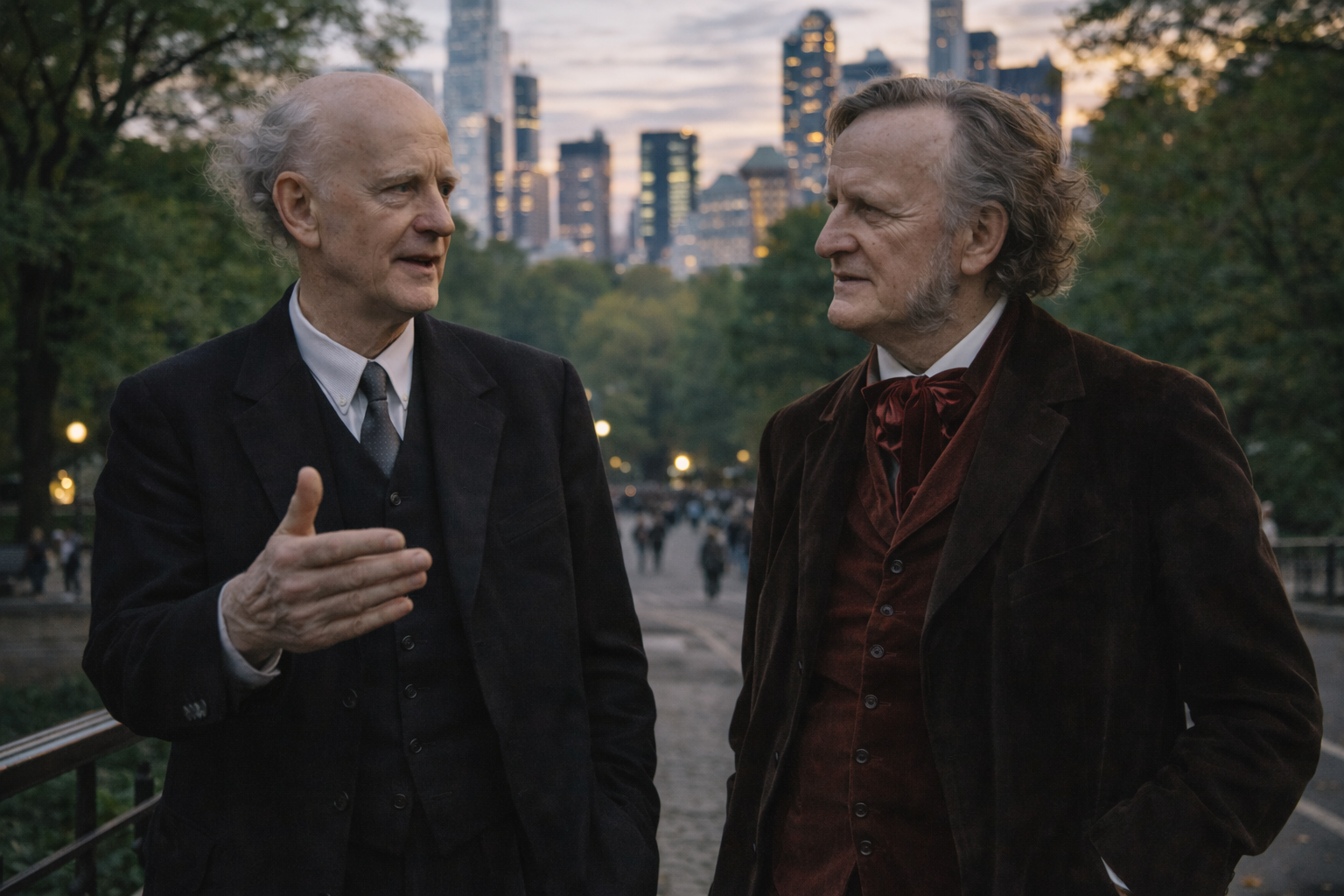
Aufbruch/Matt: Here is my final question. If a young conductor asked you today, asked you what it truly means to serve Wagner's music, what would you say?
Wilhelm Furtwängler: I would say, do not conduct it until you have been broken by something. Not inconvenienced. Broken. Wagner's music is not available to people whose interior life is undisturbed. The reason so many performances are technically correct and humanly empty is precisely that. The performers have not yet lived far enough into the material.
Aufbruch/Matt: And if they have?
Wilhelm Furtwängler: Then they will not need my advice. They will only need the silence before the downbeat. And they will know, without my telling them, how long to hold it.
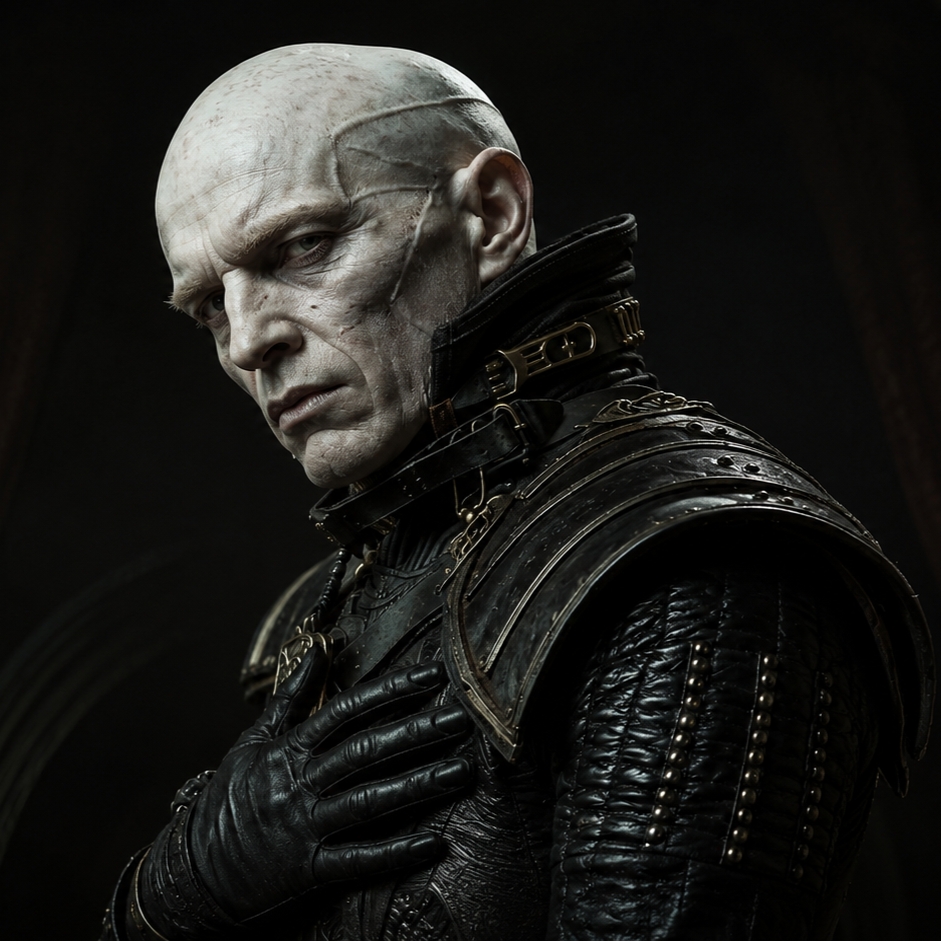
He stands. He does not bow. The gesture is neither arrogance nor warmth, but something harder to name. The posture of someone who has spent a lifetime listening to sounds the rest of us only hear once before we forget them.
Further Reading