Valhalla on a Deadline: Optionalism, the Ring Cycle, and the City That Cannot Choose
There is a story New York has always told about itself, and it is not the one you think. The official myth, the one about reinvention, about arriving with nothing and leaving with everything, about the immigrant's suitcase and the skyline as proof, that one is largely over. It ran for a long time and it did real work. But the city has quietly replaced it with something else, something more contemporary and considerably more insidious, and almost nobody has named it yet.
The replacement myth runs on three engines. The first is optionalism. The fantasy that you can always switch lives. That the version of yourself you're running right now is provisional, a beta test, and that somewhere else in the city, another neighborhood, another career, another relationship, another apartment with better light, there is a corrected version waiting. The second is throughput. The fantasy that speed equals worth. That to be busy is to be real, that calendar density is a form of character, and that the person who moves fastest through the city accrues the most of it. The third is visibility. The fantasy that being seen equals being real. That existence requires an audience, and that a life undocumented is a life somehow forfeited.
These three fantasies are not separate. They form a system. Optionalism keeps you in motion, preventing commitment to any single life long enough to actually inhabit it. Throughput justifies the motion as productivity. Visibility monetizes the motion as identity. Together they produce a city of people who are very busy, very documented, and almost entirely elsewhere. Present in body, elsewhere in aspiration, always optimizing for a life that remains, by structural necessity, just out of reach. The fantasy works only if the better life stays theoretical.
Optionalism is the engine underneath all of it. The philosopher Ruth Chang has written extensively on what she calls hard choices. Decisions between options that are genuinely incomparable rather than merely difficult to rank. Chang's point is that in genuinely hard choices, we cannot find a fact of the matter about which option is better. Instead, we create value through the act of committing. The person who cannot commit to a hard choice doesn't preserve their freedom. They surrender their agency to the architecture of the menu. Optionalism, then, isn't freedom. It's the paralysis of someone who has confused having options with having a life. In New York in 2026 this confusion is so structural it has become ambient, so woven into the city's operating system that most people inside it cannot see it, only feel its particular vertigo.
Barry Schwartz named an adjacent idea in The Paradox of Choice. That beyond a certain threshold, more options produce not satisfaction but anxiety, not freedom but a chronic, background dread that you have, somewhere, made the wrong choice. That someone else somewhere is living the life you should have chosen. New York is the most advanced delivery system for this dread that has ever been built. Wagner knew this feeling, though he would not have called it optionalism. He called it the curse of gold.
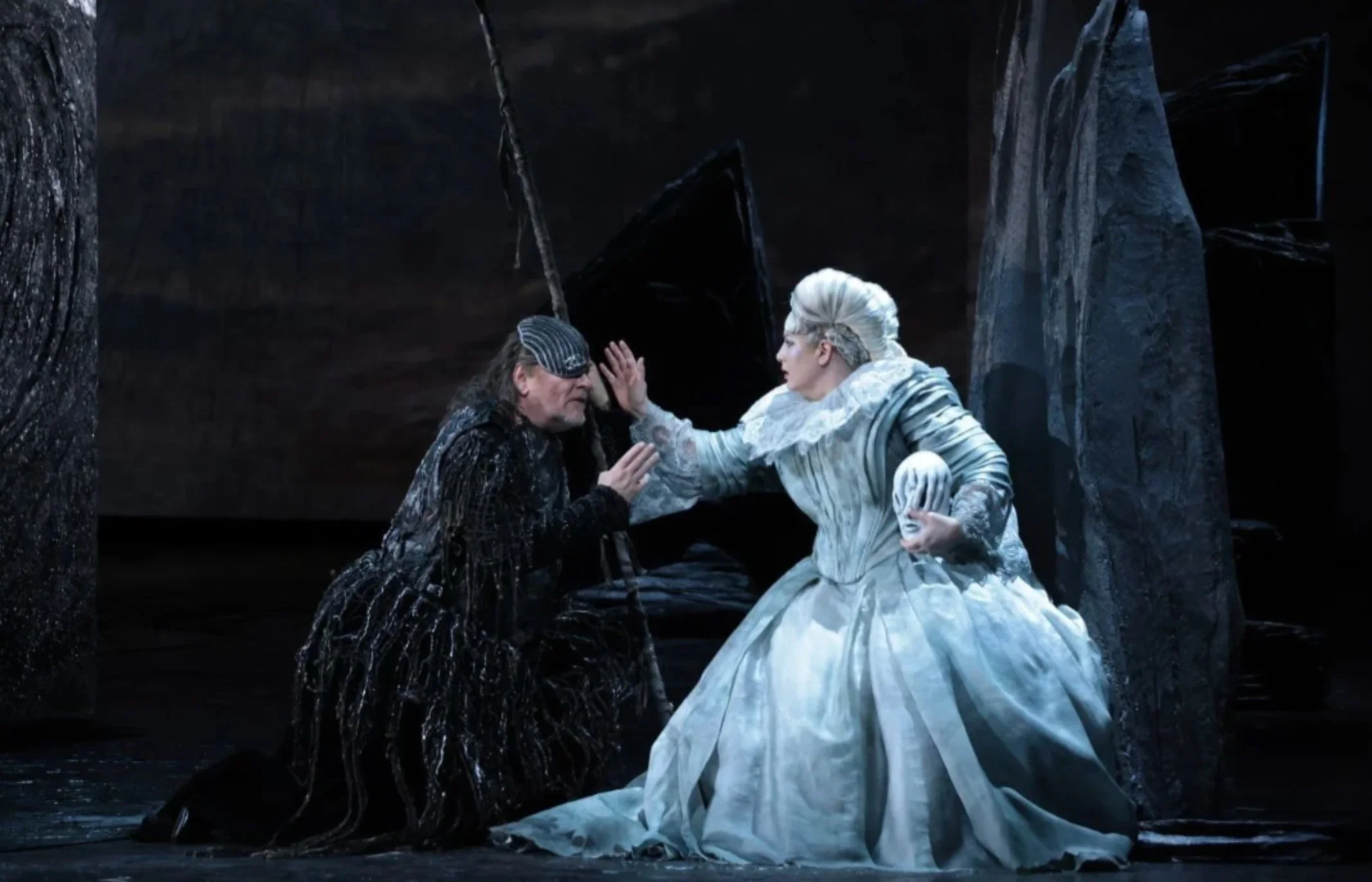
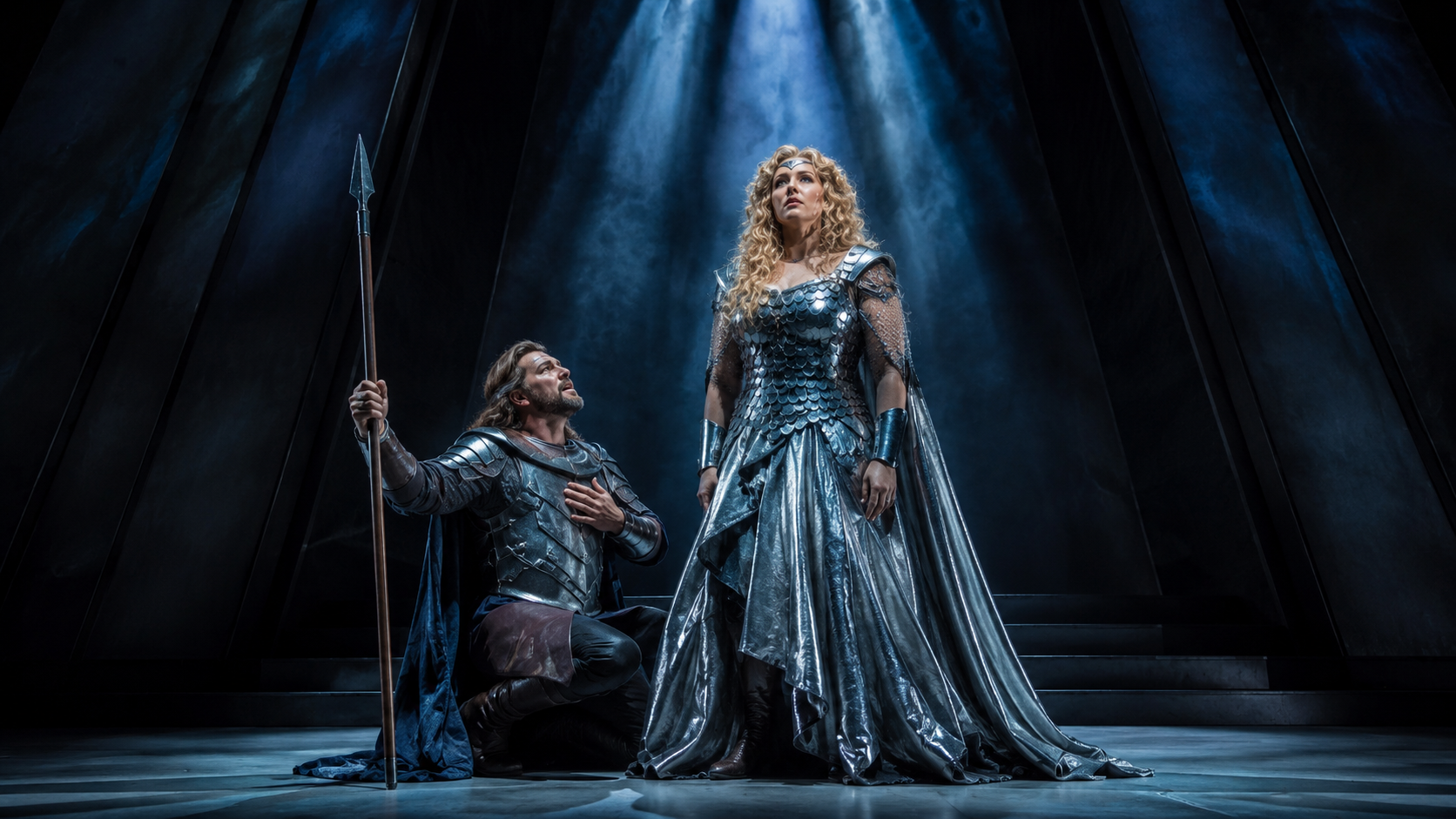
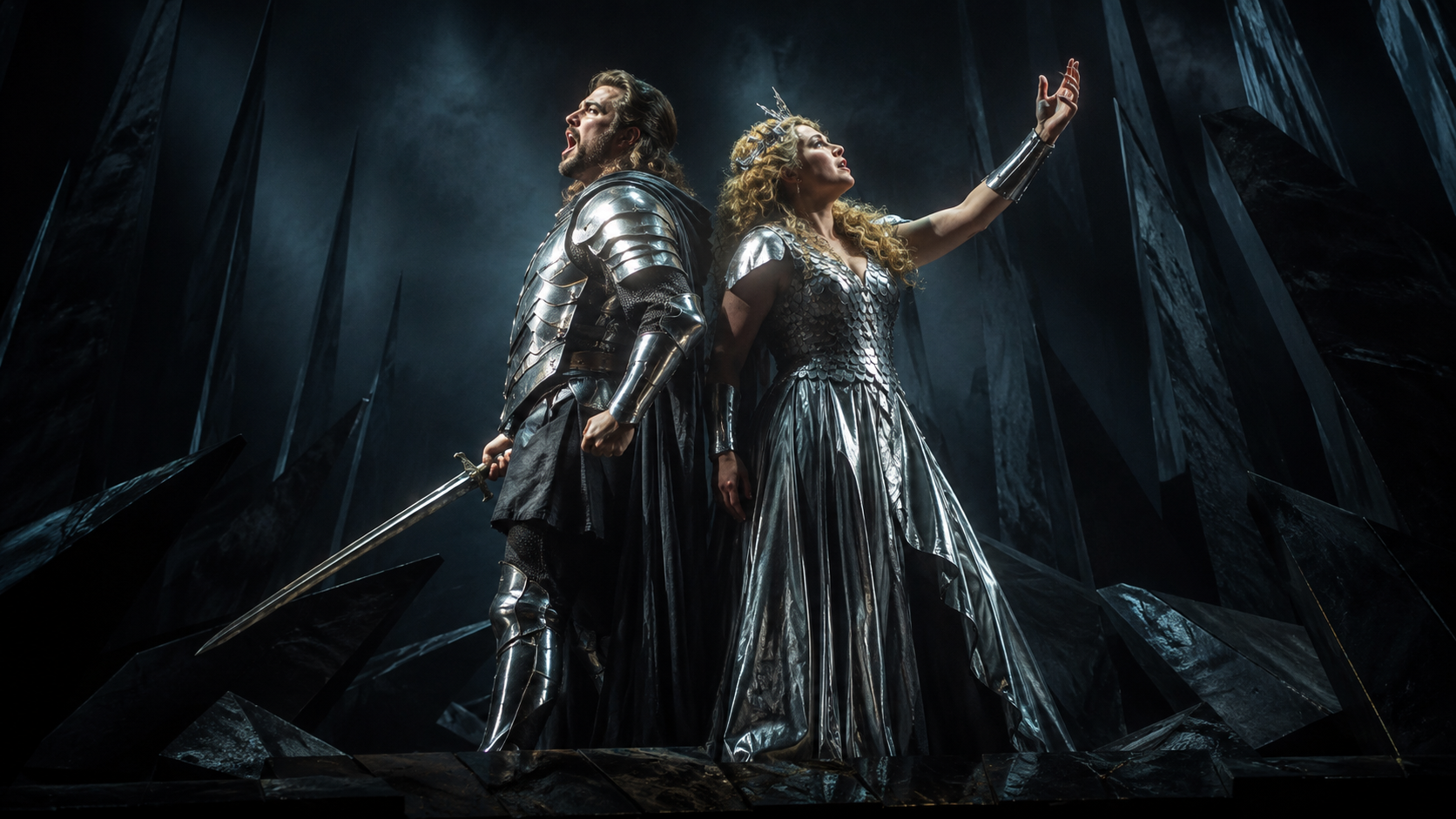
The Ring Cycle, Das Rheingold, Die Walküre, Siegfried, Götterdämmerung, four operas across approximately fifteen hours of music, is built around a single, annihilating premise. That the desire to possess everything is the mechanism of losing everything. Alberich renounces love in the opening scene of Das Rheingold in order to steal the gold and forge the ring that will give him power over the world. He doesn't know, yet, that this is also the moment he forecloses every other version of his life. He has made his choice and the curse that follows. Wotan's theft of the ring, Alberich's consequent malediction of it, is less a supernatural punishment than a logical one. The ring embodies pure optionalism. Whoever holds it commands all possibilities, and whoever commands all possibilities never chooses any of them cleanly, and so corrupts everything they touch.
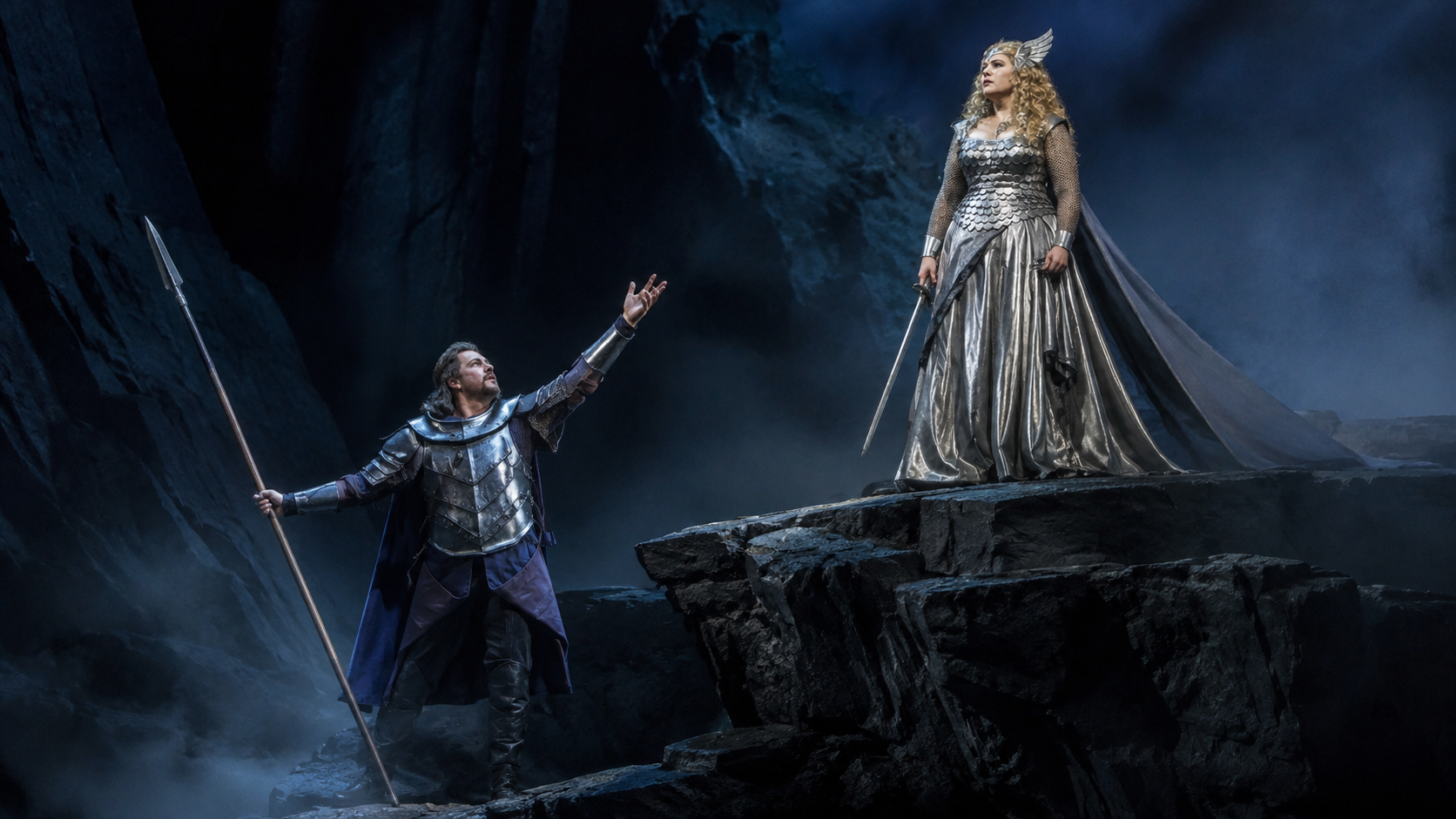
Wotan makes the same error by more sophisticated means. He negotiates, contracts, hedges, maneuvers. He builds Valhalla on a promise he never intends to keep, accumulates obligations he cannot honor, and constructs an enormous apparatus of control designed to produce a free hero, Siegfried, who by definition cannot be produced by apparatus. The contradiction destroys him. Wotan wants to hold all the options while appearing to have chosen. This is not a god's failing. It is a property manager in Williamsburg keeping six apartments on his watchlist while signing a lease on none of them.
What makes Götterdämmerung so devastating, and it is devastating, even on a recording, even if you don't speak a word of German, is that it doesn't end in a villain's defeat. It ends in a system's collapse. The gods fall not because Alberich wins but because Wotan's optionalism has so thoroughly corrupted the world that even a genuinely free act, Brünnhilde's immolation, her burning of Valhalla, cannot redeem it from within. She doesn't save the world. She ends a world that has become unsavable. The Rhine Maidens take back the ring. The gold returns to the river. The gods burn. The city in 2026 does not burn. It refreshes.
What Wagner could not have anticipated was that the city he found bewildering would eventually become one of the most advanced instantiations of everything his operas were written against. A civic life organized around accumulation, contract, spectacle, and the perpetual deferral of any single definitive commitment.
There is a reason, and it is not accidental, that New York has no Valhalla. The Ring Cycle requires a center, a hall of the gods, a cosmic contract, a place where the weight of inherited obligation actually sits. Optionalism cannot produce a center. It can only produce a map of options. The city is extraordinarily good at maps of options. It is not good at centers.
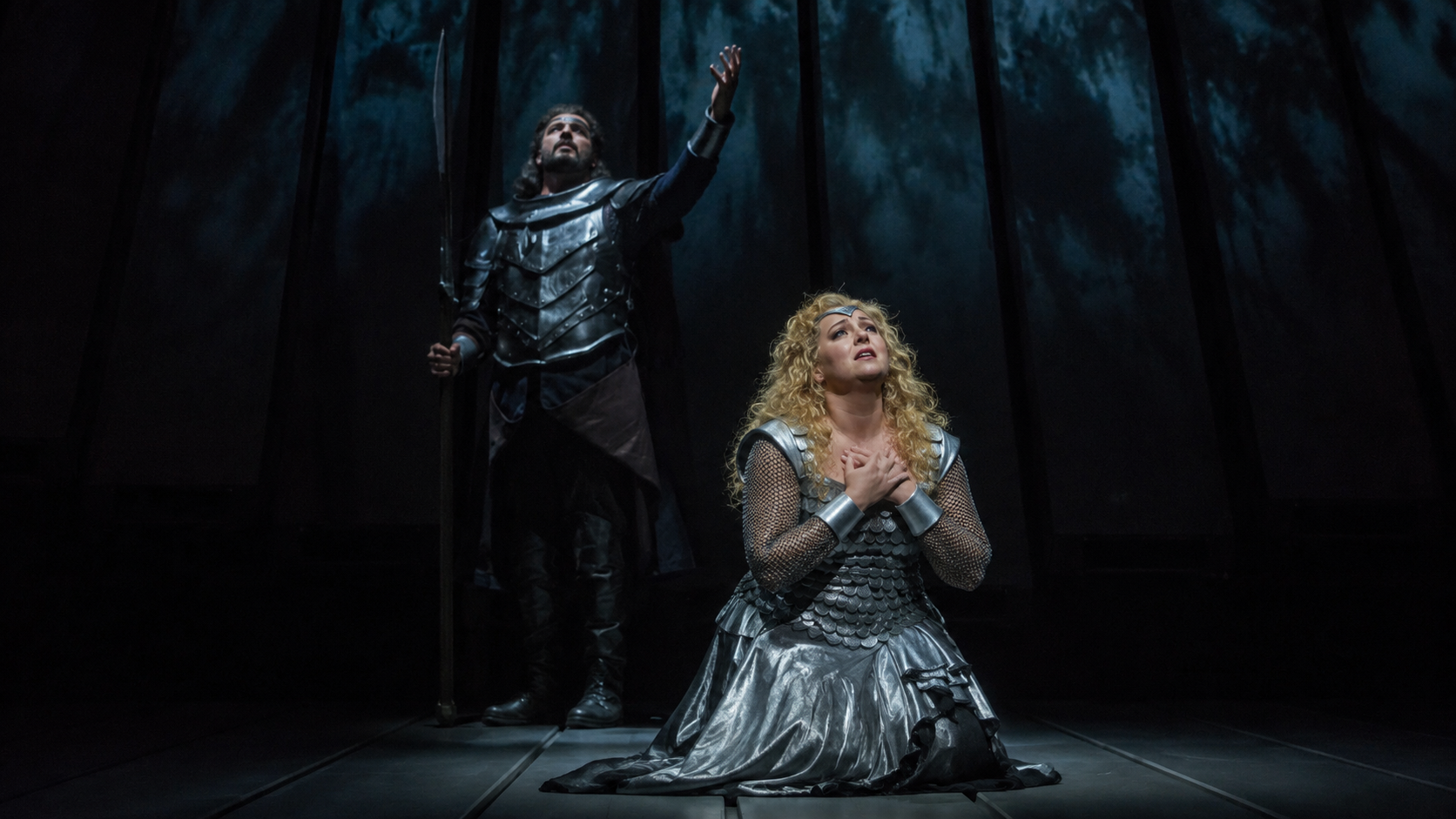
Tannhäuser is organized around a very similar problem by different means. Tannhäuser cannot choose between Venus and Elisabeth, between sensual indulgence and spiritual aspiration, because the act of choosing would require him to become a person rather than a site of conflict. He goes to Rome to be absolved. The Pope says no. He dies, partly of the impossibility of the choice. The miracle of the blossoming staff, the absolution that comes too late, is Wagner insisting that the capacity for redemption was always real, and always available, and entirely forfeited by a man who kept his options open.
The antidote to optionalism is not commitment as a discipline, as a productivity hack, as a lifestyle choice. It is commitment as ontology. The recognition that you do not exist fully until you have chosen something and stayed inside it long enough to be changed by it. German is a useful teacher here, because German is a language which requires you to commit at the beginning of a sentence to a grammatical structure you will not finish stating until the end. The verb, in many constructions, comes last. You have to hold your meaning in suspension, trust that the architecture will support it, and deliver. You cannot hedge mid-sentence in German the way you can in English. The language builds in the very thing optionalism destroys.
Walking does something similar. A scored walk, the kind this project asks you to take, requires you to be in one place at one time, moving at one pace, noticing one thing. You cannot walk and also be somewhere else. The throughput fantasy collapses. The visibility fantasy has nothing to feed on because you are not performing the walk, you are doing it. And the optionalism fantasy meets its simplest possible refutation. You are here, on this block, at this crossing, in this specific February cold, and there is nowhere else to be.
The Ring ends with fire and water. The city ends with the question it cannot answer. What happens when the menu runs out? When every neighborhood has been priced into inaccessibility, every identity tried on and returned, every life optimized into a performance of itself? Wagner's answer is that the world has to burn and something older has to take back what was taken from it. New York's answer, so far, is another funding round, another opening, another option. The Rhine Maidens are still waiting.
Further Reading