The One Who Knew: Erda, the Norns, and the City That Ignores Its Witnesses
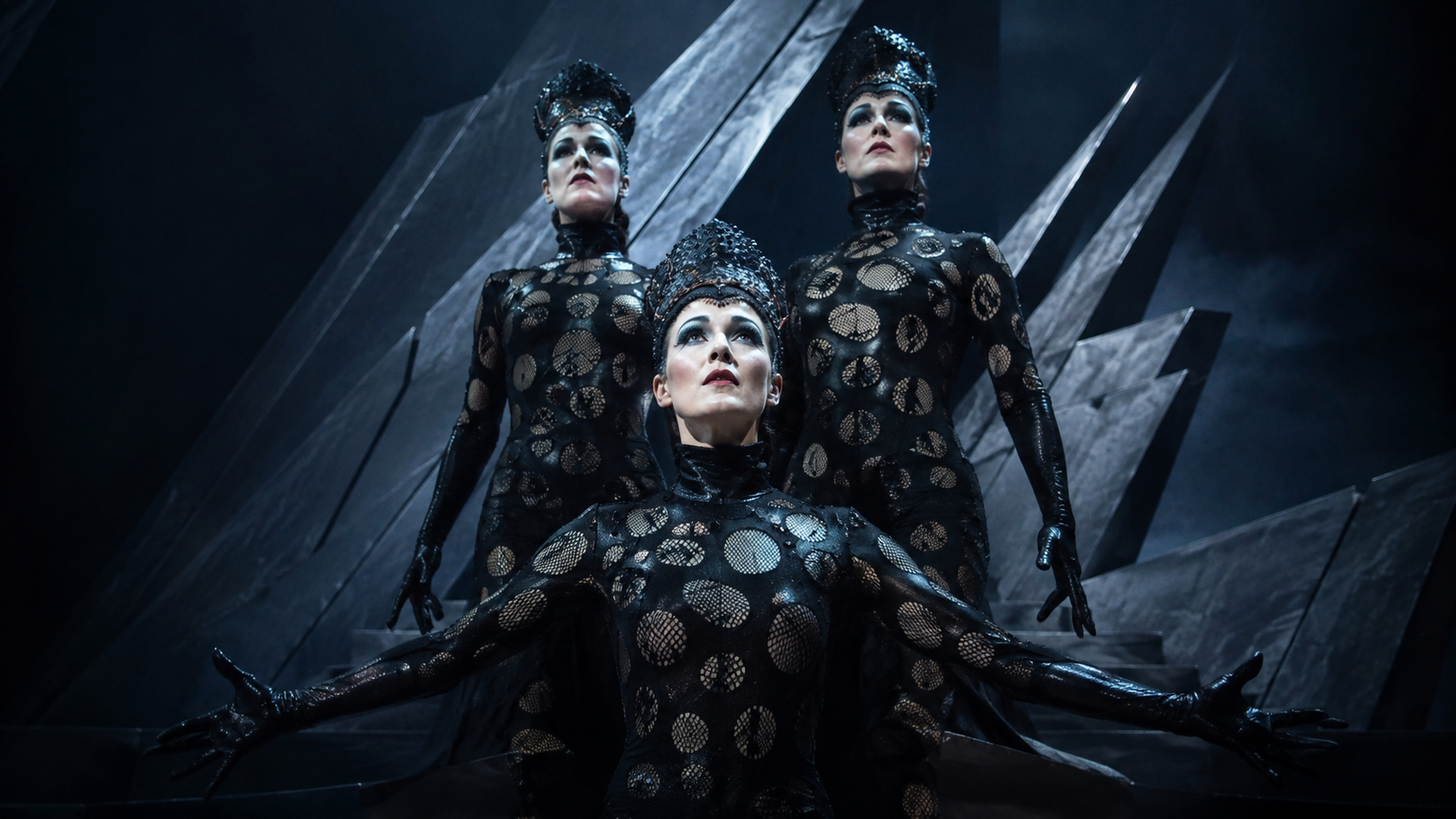
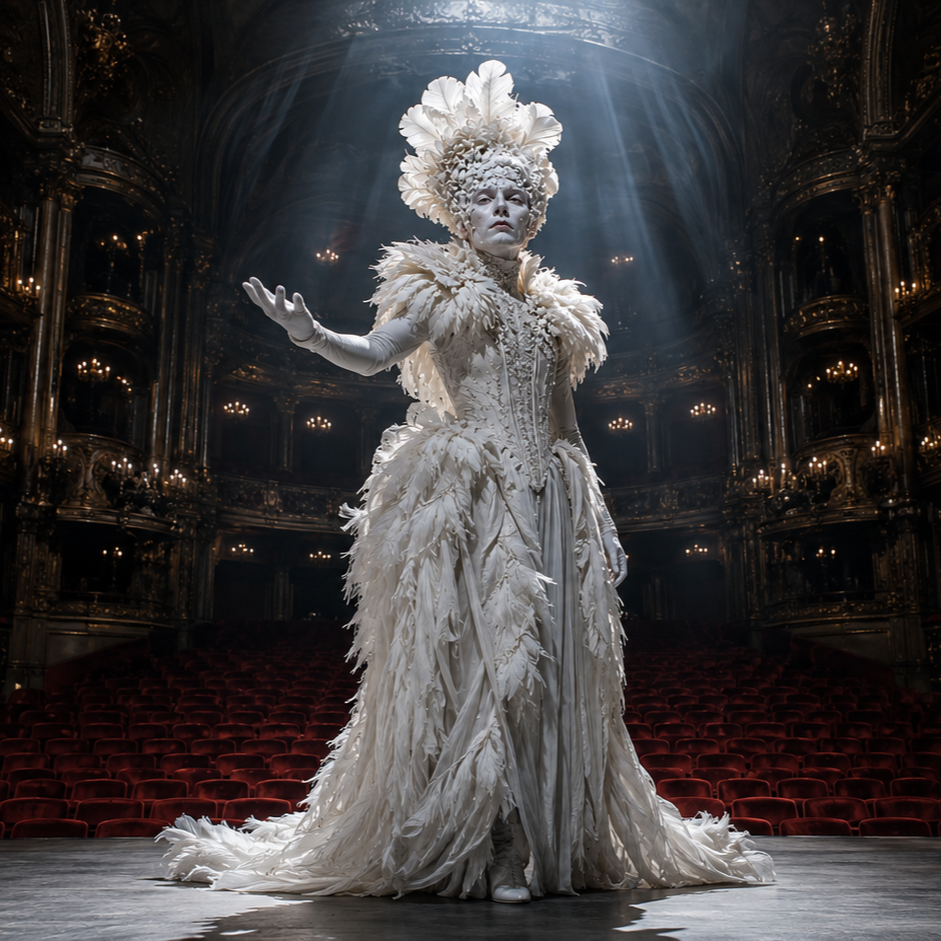
She appears without warning. No introduction, no preparation in the score. The earth opens and a woman rises from it and begins to speak, and what she says stops the action of the entire Ring Cycle in its tracks. Erda. Earth goddess. All-mother. The most epistemically complete figure Wagner ever created.
She knows everything. Past, present, and what is coming. She rises in Das Rheingold specifically to warn Wotan to surrender the ring, and her warning is enough. The most powerful god in the cycle, the one who has built Valhalla, who holds a spear carved with the runes of every contract ever made, who has spent the entire opera maneuvering and scheming and acquiring, simply complies. He gives up the ring. Not because he is defeated. Because she tells him to. Then she descends back into the earth, and the opera continues.
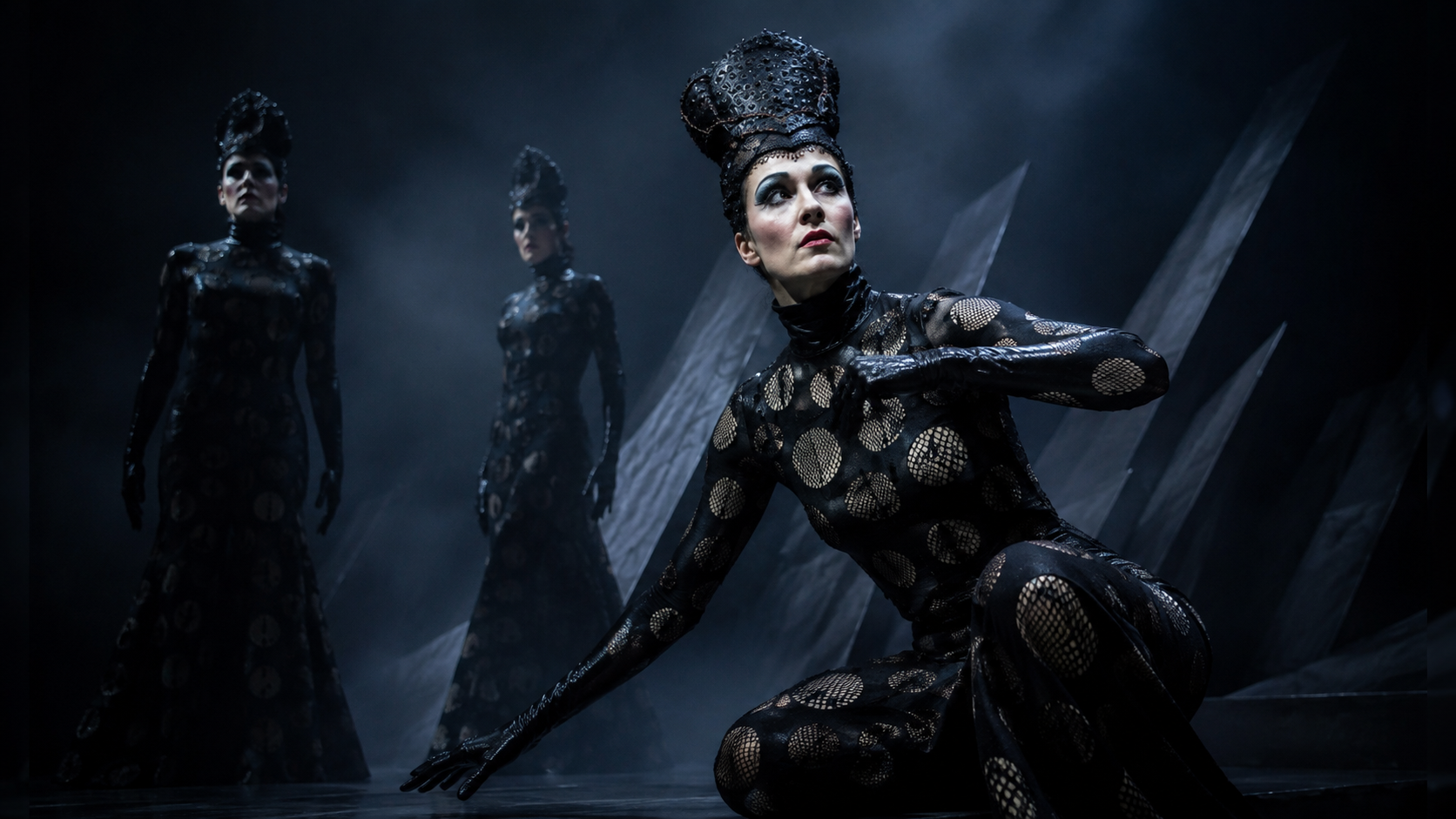
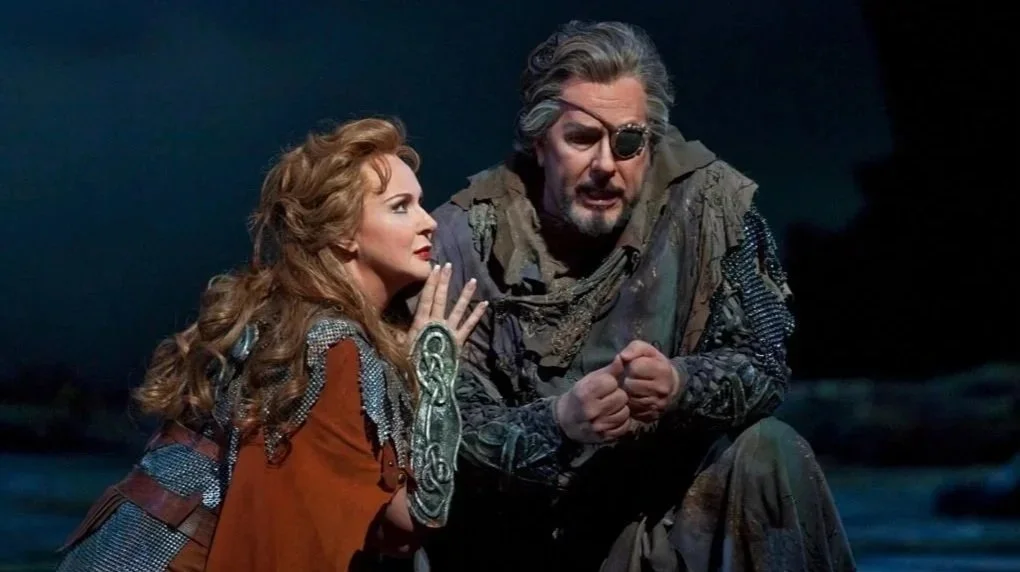
In Siegfried, the third opera of the Ring, Wotan makes his way to wherever Erda sleeps and wakes her. He needs to ask about the future. He is frightened. Things have not gone according to plan, and the one person who might know what comes next is underground, dreaming. She surfaces slowly. She is confused. She asks him why he has woken her. And then something remarkable happens. She cannot help him. The all-knowing one, whose single appearance in Das Rheingold was enough to redirect the entire trajectory of the gods, surfaces in Siegfried disoriented and diminished. She tells Wotan she has been sleeping. She tells him the Norns are awake and weaving and can tell him what he needs to know. She cannot.
Wotan, who has traveled specifically to consult her, dismisses her. Go back to sleep, he tells her. Your wisdom is finished. I no longer need what you know. She descends. She does not appear again. The most knowing figure in the Ring is consulted once, partially heard, and then abandoned. Not because she was wrong. Because Wotan has decided to stop caring whether she is right. This is not a minor dramatic detail. It is the hinge on which the entire cycle turns.
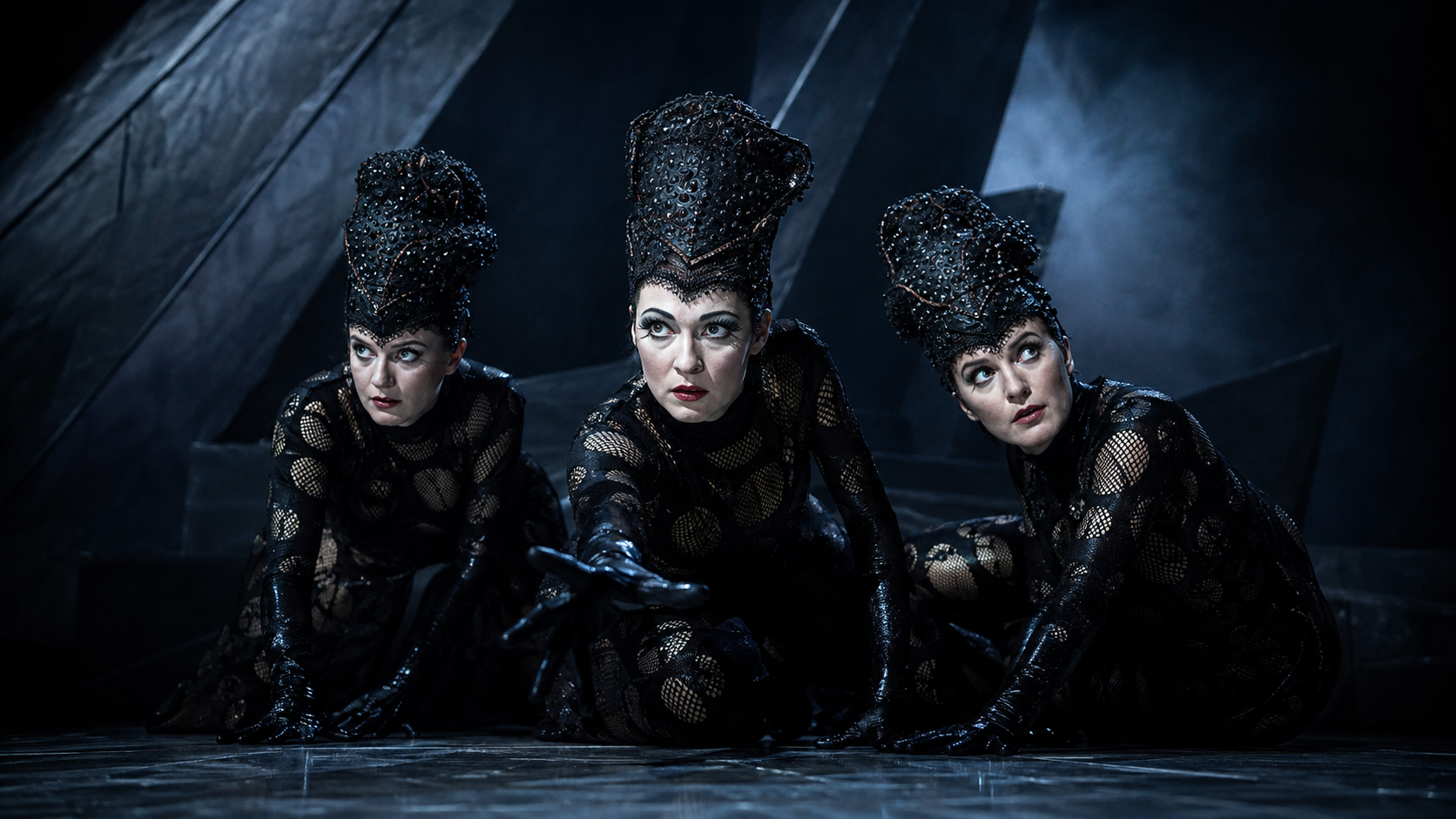
What Wagner is describing, with unusual precision, is a structure of willful ignorance. Not the ignorance of someone who doesn't know. The ignorance of someone who does know, who knows that someone else knows, and who chooses to stop the inquiry anyway because the answer is no longer convenient. Wotan in Siegfried is not confused about the future. He has already decided what he is going to do. Let it all burn. Pass the world to the heroes. Engineer his own end with whatever dignity he can preserve. He doesn't want knowledge. He wants ratification. And Erda, who deals only in what is actually true, cannot give him that. So he sends her back to sleep and carries on toward catastrophe.
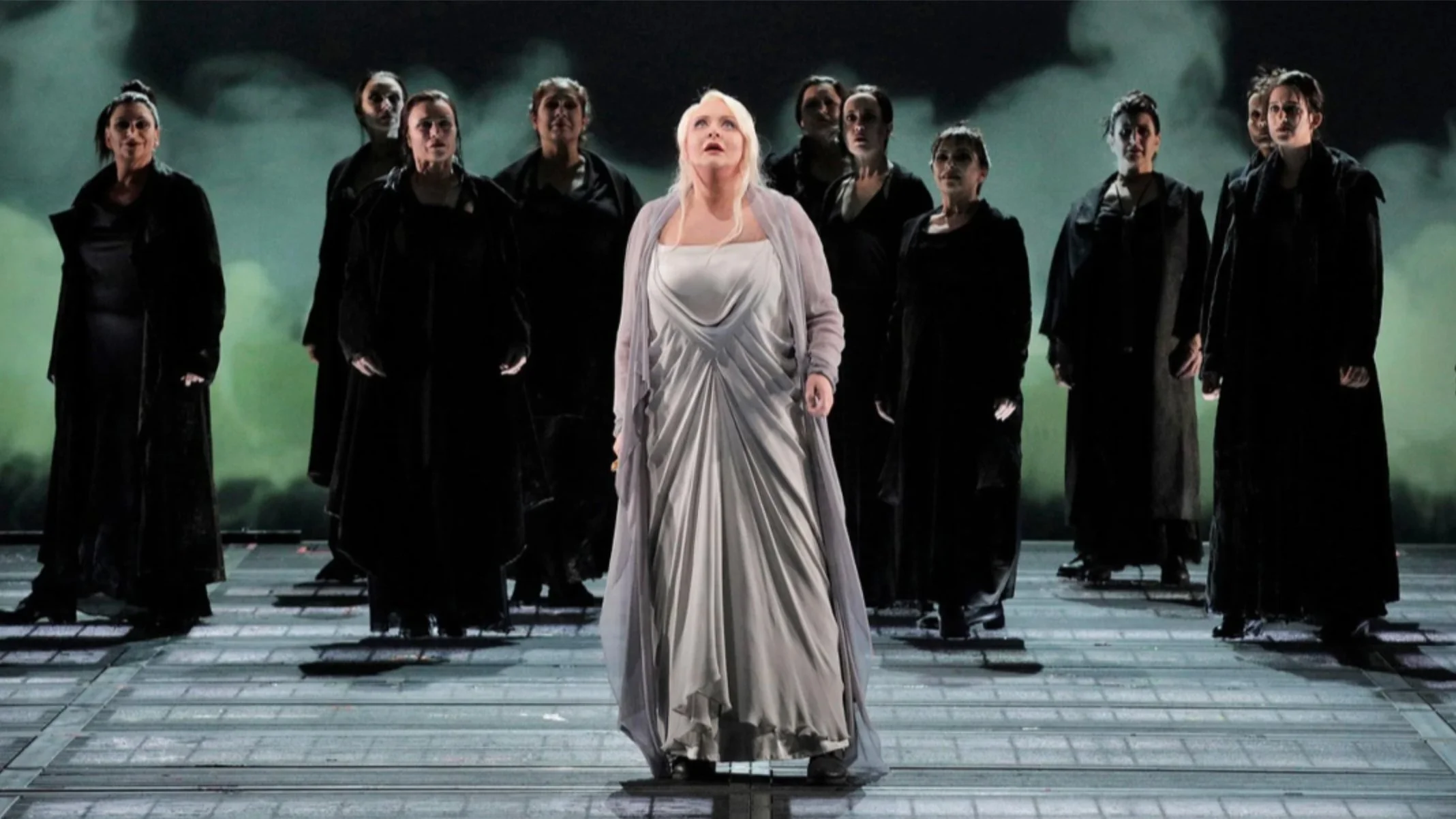
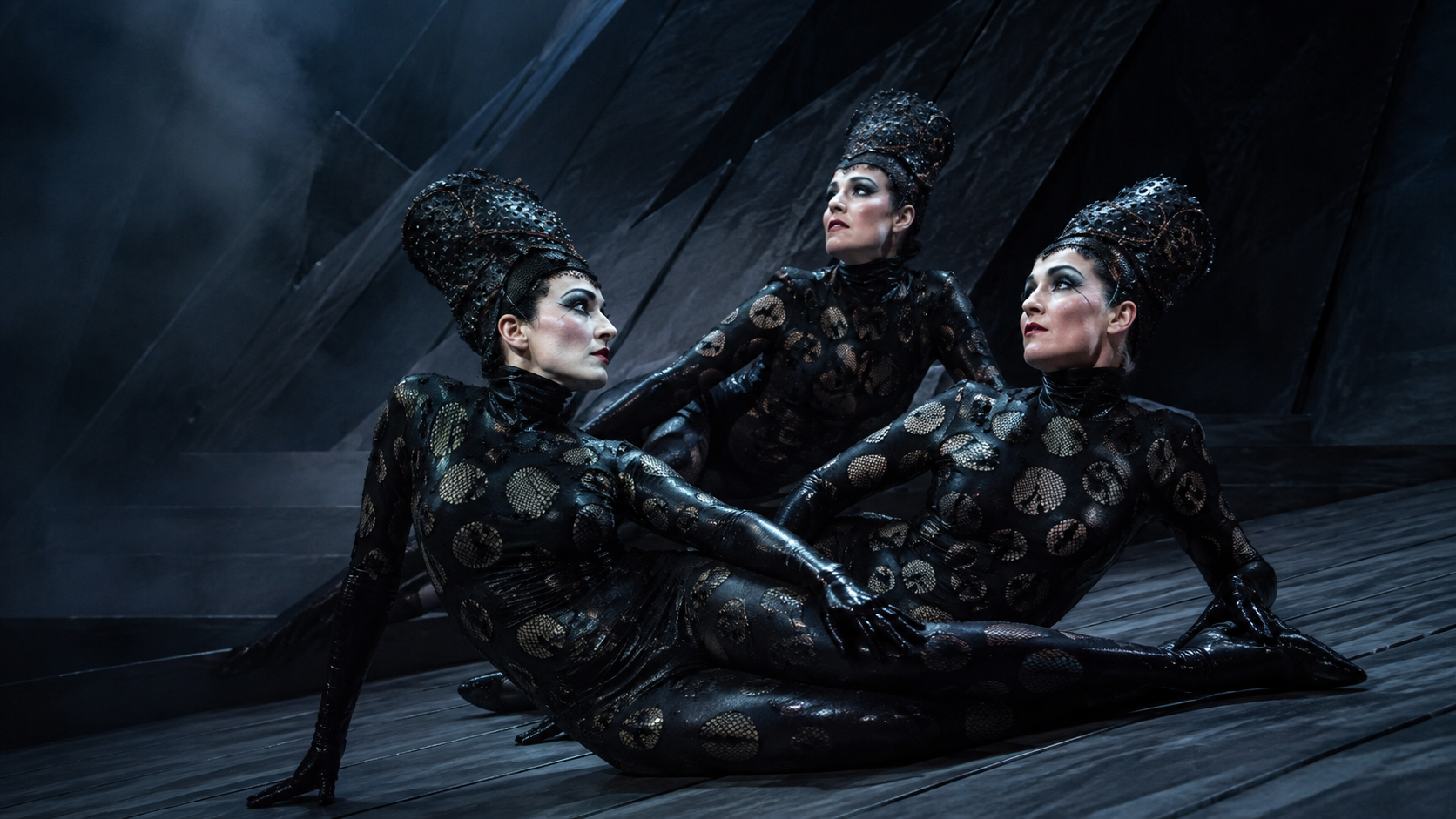
The Norns appear in the prologue to Götterdämmerung. Three women, Erda's daughters, at the rock of the world-ash tree, in darkness, weaving the rope of fate and narrating history to each other. Past, present, future. They have been doing this since before the gods existed. And then the rope breaks.
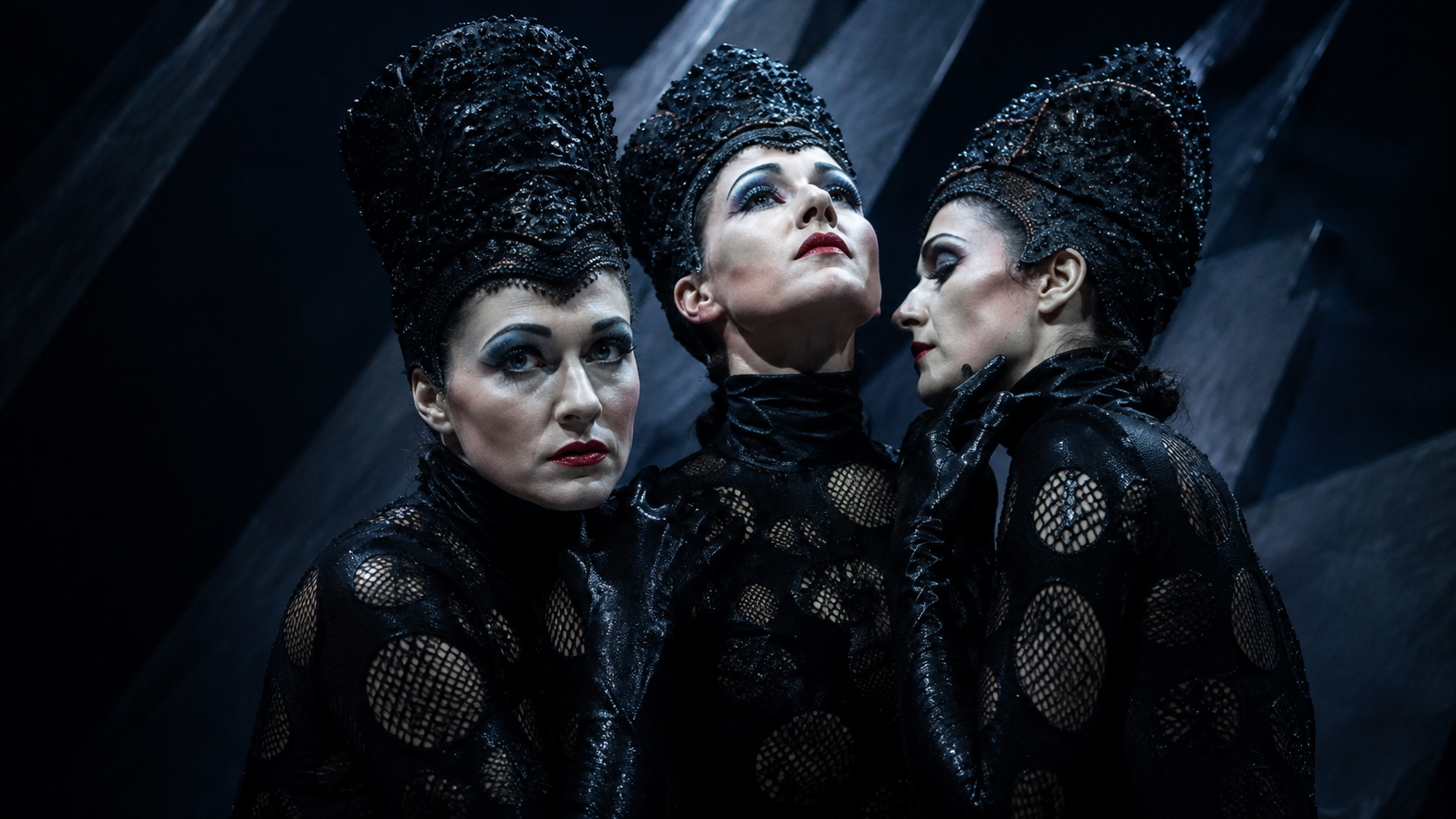
It breaks because the world has been so thoroughly corrupted, by Wotan's contracts, by the ring's curse, by Siegfried's unknowing treacheries, that the structure of fate itself can no longer hold the tension. The Norns cannot see what comes next. The future has become illegible. They descend to their mother. Erda is already sleeping. Has been sleeping since Wotan sent her back. The daughters return to the mother and find her already gone, already under. The transmission of knowledge from the deepest source upward through the generations to the surface of the world has been broken. Nobody noticed until the rope was already in pieces.
Götterdämmerung proceeds from there. Twilight of the gods. The gods burn at the end not because of a single catastrophic decision but because of the accumulated weight of every moment someone who knew something was dismissed, ignored, sent back to sleep. New York is very good at producing Erdas.
Not the mythological kind. The human kind. The ones who have been here long enough to know what the place actually is, how it actually works, what has been lost and what is being lost now. The ones whose knowledge is structural, embodied, accumulated across decades of living inside the city rather than visiting it or optimizing it or funding it. The longtime resident of a neighborhood being repriced out of existence who can tell you exactly what changed and when and why, and who is not consulted when the rezoning applications go in. The subway worker who knows which stations flood and in what sequence and has filed the reports and watched them disappear. The librarian, the schoolteacher, the person who has run the same small business on the same block for thirty years and watched four different versions of the neighborhood replace each other around them.
These people know things. Specific, unabstract, irreplaceable things. The kind of knowledge that cannot be reconstructed from data because it was never data to begin with. It was attention, sustained across time, applied to a single place.
And the city has no mechanism for consulting them. Not really. There are community boards and public comment periods and town halls that function more as ritual than as inquiry. The rope is being woven by people who arrived recently and intend to leave in a few years once the next opportunity opens up. The Norns are underground with their mother. Nobody went to ask them anything before the decisions got made.
The specific cruelty of Erda's situation is that her knowledge does not protect her. She is not consulted because she is wise. She is consulted when it is convenient, and dismissed when it is not. The dismissal does not diminish what she knows. It only removes it from circulation. The knowledge persists. It goes underground. It dreams. It becomes inaccessible to the people who most need it.
There is a German word that is relevant here. Erfahrung. It is usually translated as experience, but that translation loses something. Erfahrung comes from fahren, to travel, to move through. It is knowledge gained through traversal. Not information received. Not data processed. Knowledge that accumulates in the body through the act of moving through the world over time. Walter Benjamin distinguished it from Erlebnis, immediate, individual, momentary experience, specifically because Erfahrung requires duration. It requires staying somewhere long enough to be changed by it.

Erda is the embodiment of Erfahrung. She is knowledge which has traveled through the entire history of the world and settled into the earth. What Wotan dismisses when he sends her back to sleep is not an opinion. It is accumulated duration. It is exactly the thing the Ring cycle has been destroying from the beginning. Through contracts that replace trust, through gold that replaces love, through optionalism that prevents the long inhabitation of any single life long enough to know it deeply. A scored walk is a small act of resistance against all of this.
Not because walking produces wisdom automatically. It doesn't. Plenty of people walk through New York every day and learn nothing from it because they are not paying the kind of attention that produces Erfahrung. They are moving through it, not with it. The headphones are playing something unrelated. The phone is running a route that turns navigation into instruction rather than discovery.
But a walk undertaken with intention, at a specific pace, through specific streets, with specific music and specific pauses, is a practice of Erfahrung. It is staying inside a place long enough to feel what the place is doing. It is allowing the city to accumulate in you rather than passing through you. Slowly enough that something is deposited.
Erda rises from the earth to deliver her warning because she has been in the earth long enough to know what the earth knows. The scored walk doesn't promise anything so dramatic. But it operates on the same principle. You go slowly enough to receive something. You return to the same places across the weeks and months. You let the opera repeat in your ears until the leitmotifs stop being musical phrases and start being ways of understanding what you're seeing. The knowledge goes somewhere. That's the point. It doesn't evaporate at the end of the walk. It settles.
Wotan, at the end of Siegfried, having dismissed Erda, is confronted by his own grandson, who shatters his spear with a sword. The spear on which every contract was carved. Shattered. Wotan does not fight back. He picks up the pieces and walks away. He already knew, on some level, that this was coming. He had been told. He sent back the one who told him, but the telling happened anyway, and he carried it with him into the moment of the breaking.
The question the Ring leaves open is not whether Wotan knew. He knew. The question is what knowing is worth, in a world that has organized itself around everything except the willingness to hear what the earth has to say. The rope breaks. The daughters go home. Their mother is sleeping. The city applies for another permit.
Further Reading