The Silences of the Language: Wagner, Das Lehrerzimmer, and the Interior Walk
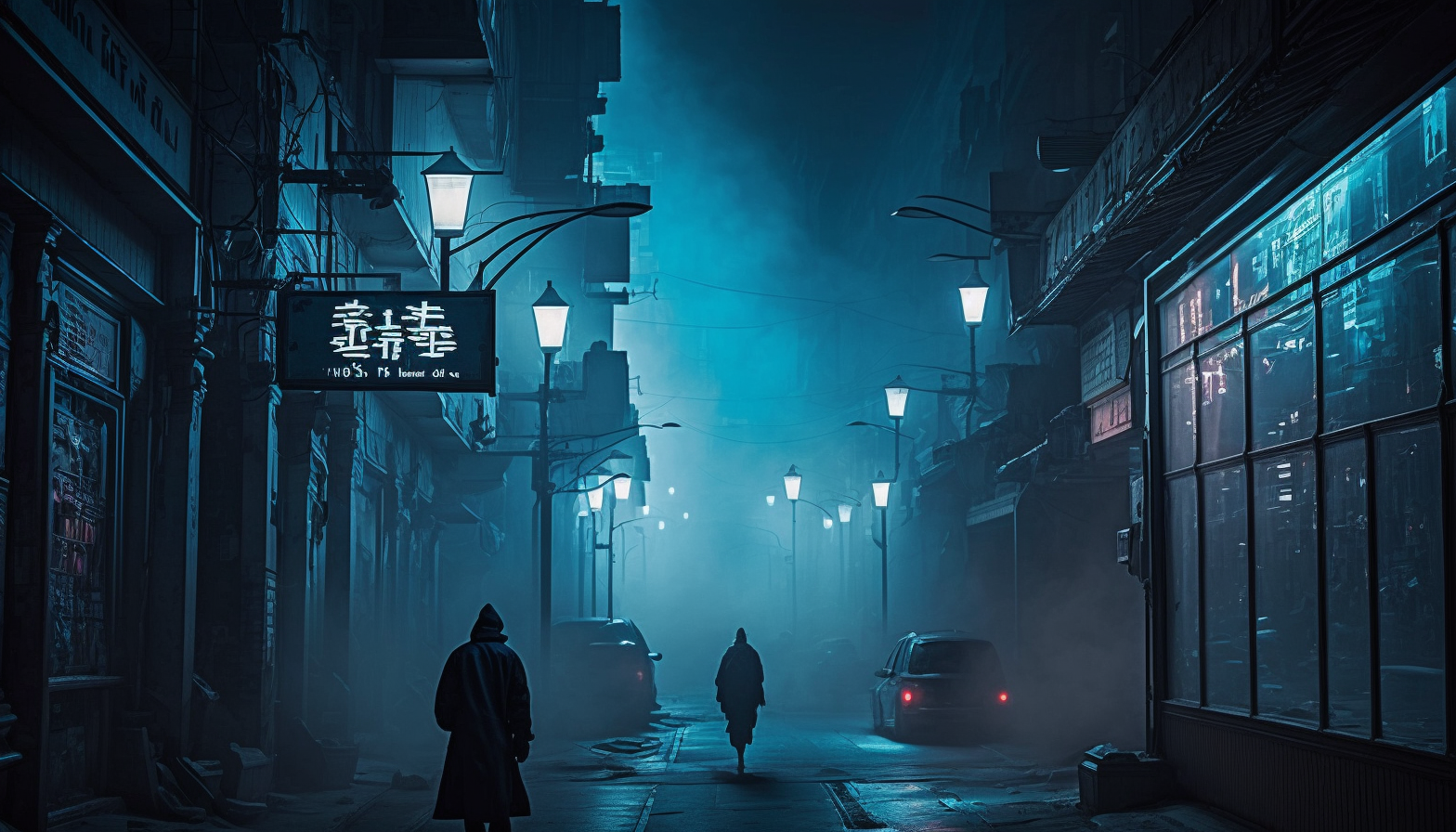
There are two ways to follow a score through a landscape. The first is the one this project is built around. You put on headphones, you step outside, and the music organizes what you see. The streets become a stage. The crossings and pauses and thresholds acquire weight they wouldn't have had without the music underneath them. You move at a pace the score dictates rather than the pace the city imposes. You are walking, but you are also being walked. The landscape is New York. The score is Wagner.
The second way is darker and warmer and involves sitting still. You find a film. You submit to its duration. Someone else has decided how long each scene lasts, where the camera goes, what you are allowed to see and when. You follow a character through a landscape you did not choose at a pace you cannot alter. You cannot skip ahead. You cannot check what happens next. You are inside the duration whether you want to be or not.
Cinema is an interior walk. The scored walk is an outdoor cinema. Both ask the same thing of you. A specific quality of attention which resists distraction. A willingness to be inside something longer than comfort requires. A trust that what you cannot yet see is coming, and that arriving at it too quickly would destroy it.
I have been watching German films. Not as a language exercise, exactly, though the language is accumulating the way it accumulates through the operas. Words arriving in context, catching and releasing, building a texture of comprehension which no flashcard could produce. Hearing German spoken by people who are not singing it, who are arguing in it, whispering in it, falling silent in it, has done something to my relationship with the language the grammar exercises could not. The grammar tells me the rules. The films show me what the language does when it forgets the rules are there.
Das Boot. The submarine as total institution, as sealed world, as Holländer's ghost ship updated for 1941. Barbara, a film about surveillance and interiority and the cost of being watched. Der Baader Meinhof Komplex, which moves with the relentlessness of something which has already decided how it ends. Sophie Scholl, almost unbearable in its stillness. Transit, which does something very strange with time and geography that I am still thinking about.
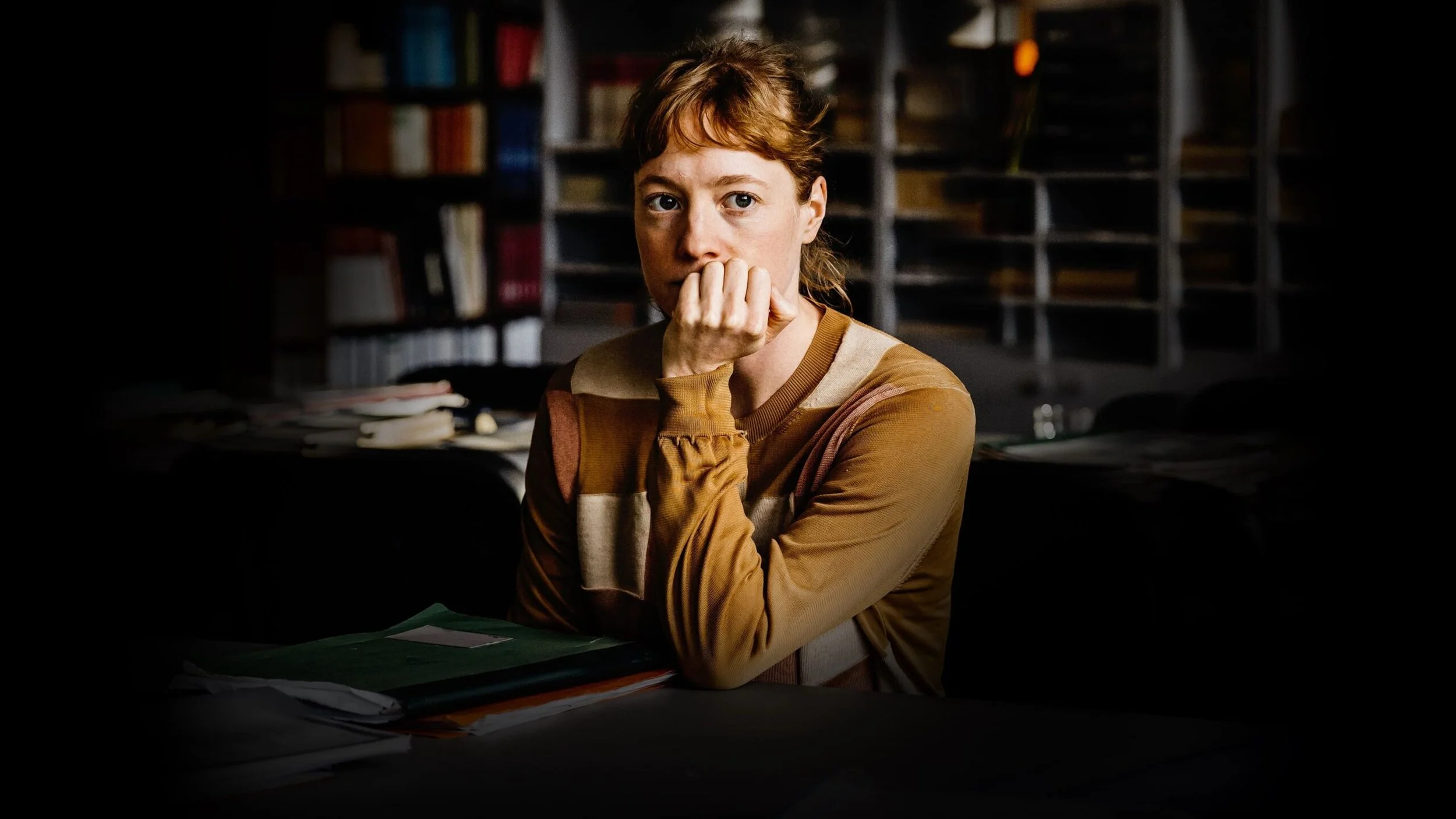
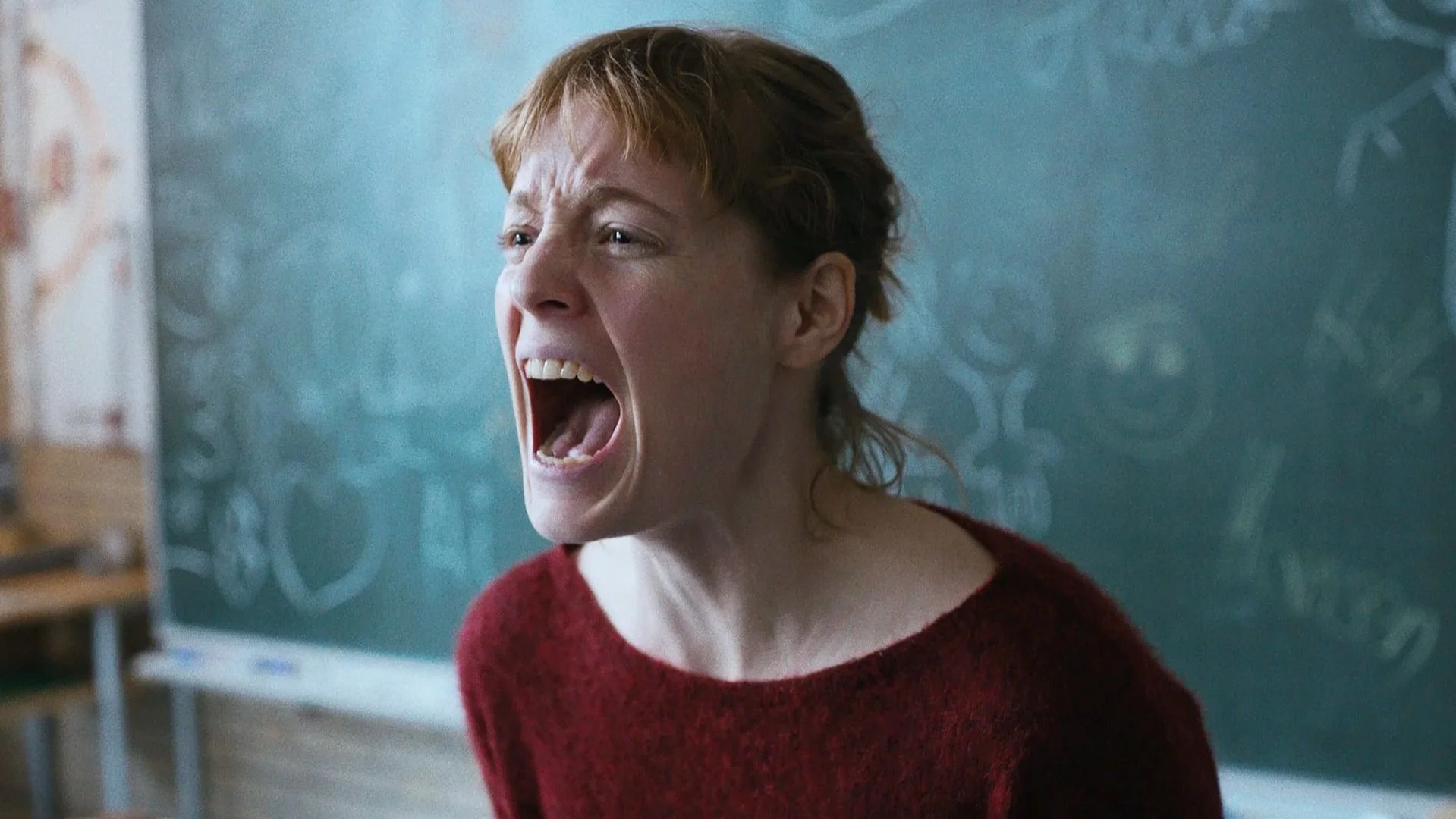
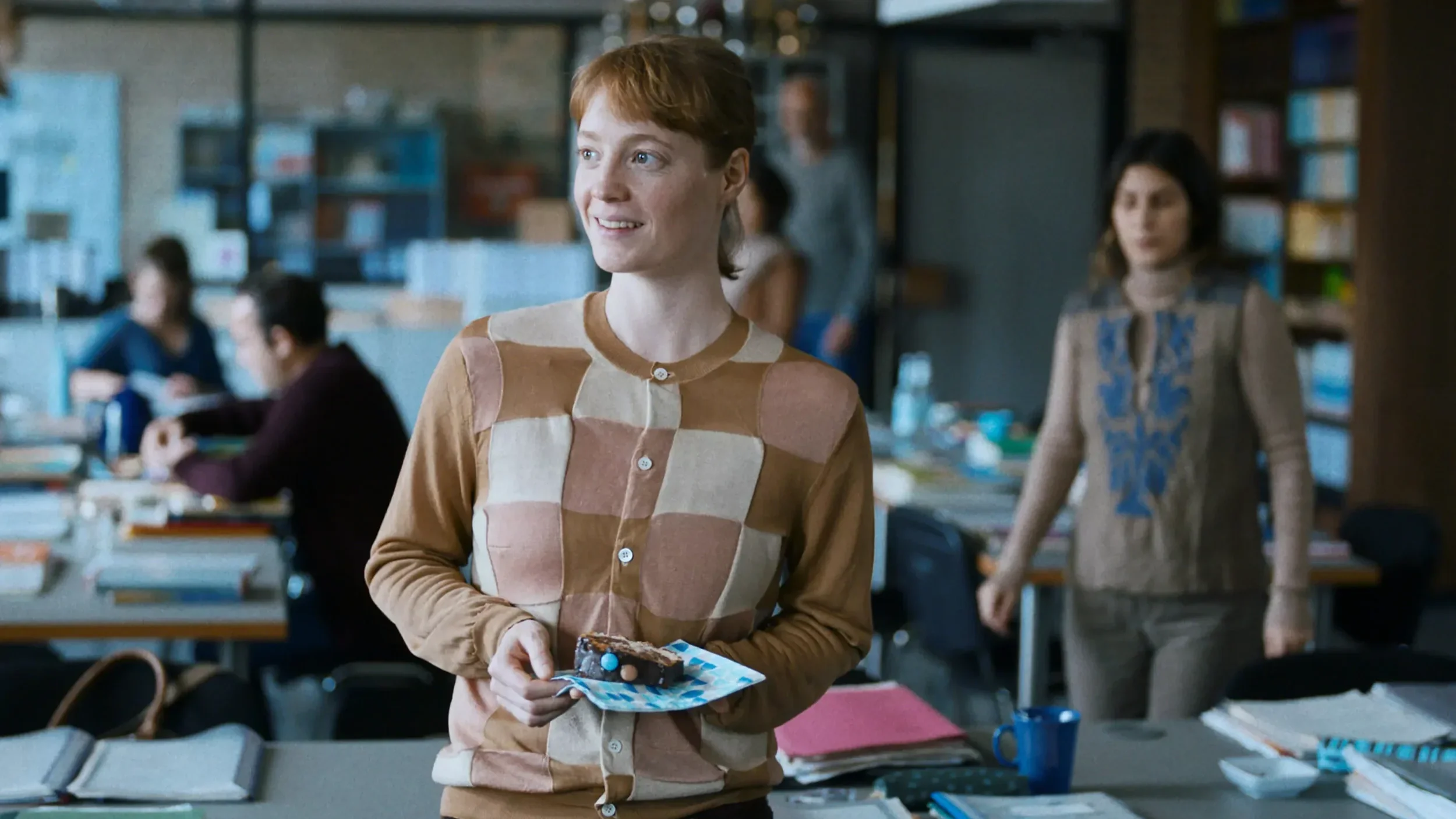
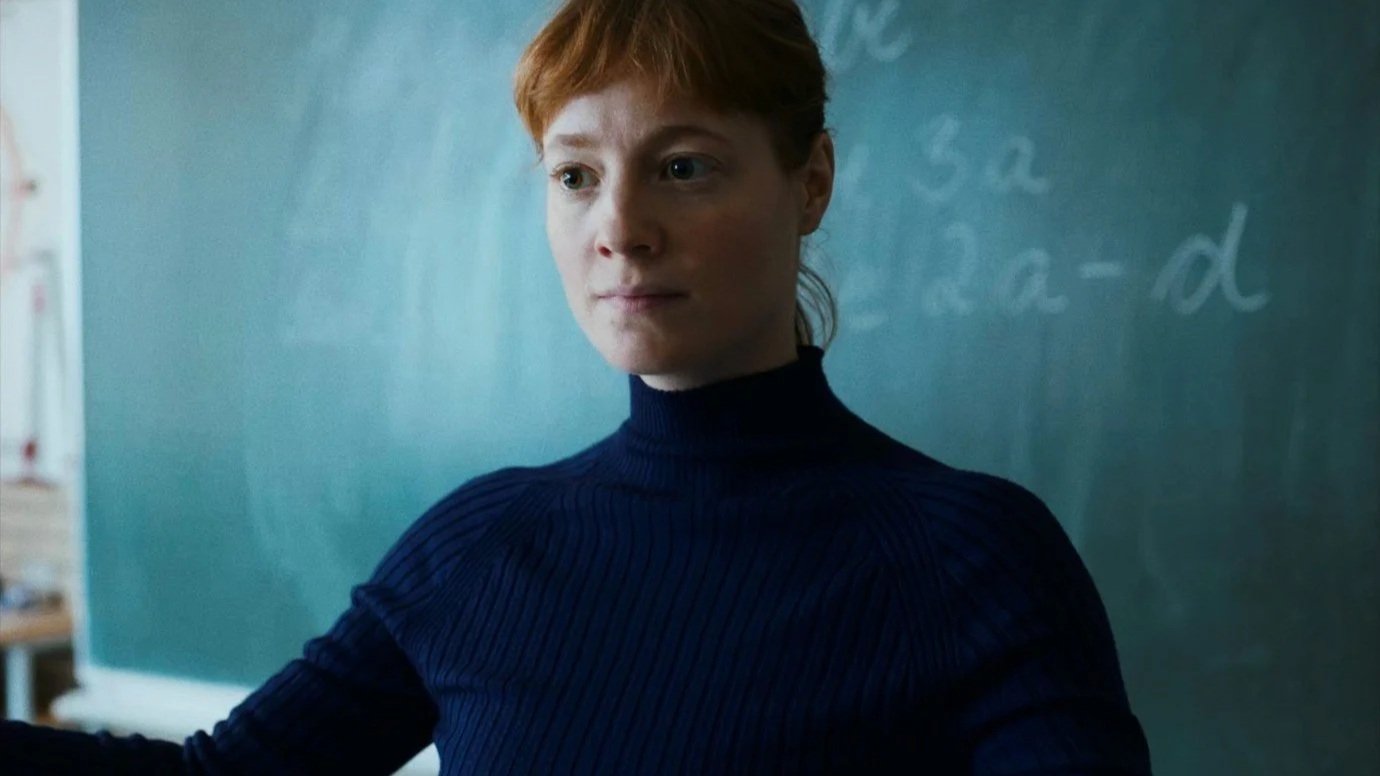
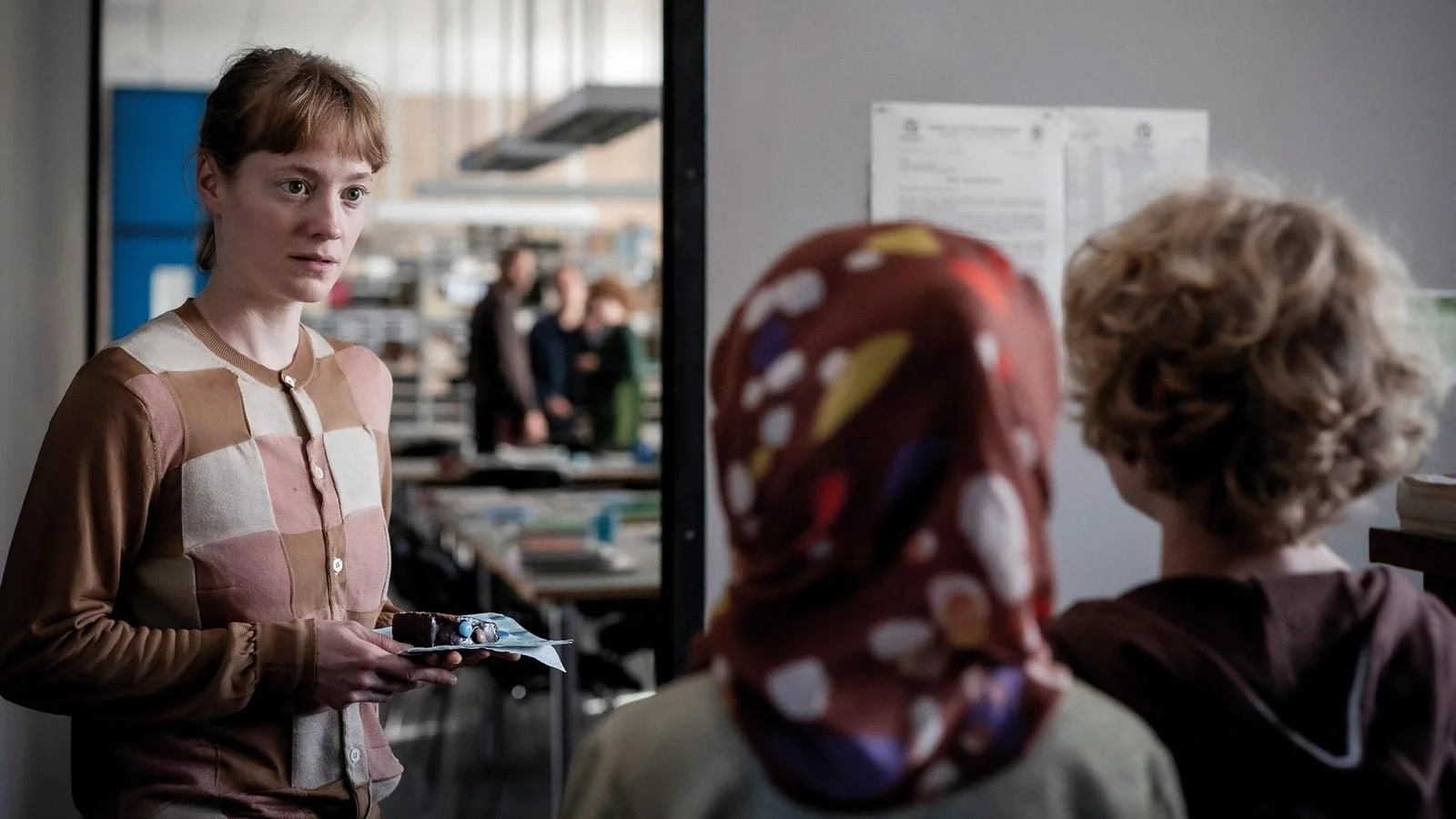
And then Das Lehrerzimmer. Set almost entirely inside a single school. A young teacher named Carla Nowak suspects a colleague of theft. She sets up a covert recording on her laptop to catch the thief. From that one act, performed with honest intentions, everything unravels. The rest of the film traces the unraveling with a precision that is genuinely Wagnerian. Not because of the subject matter. Because of the silence.
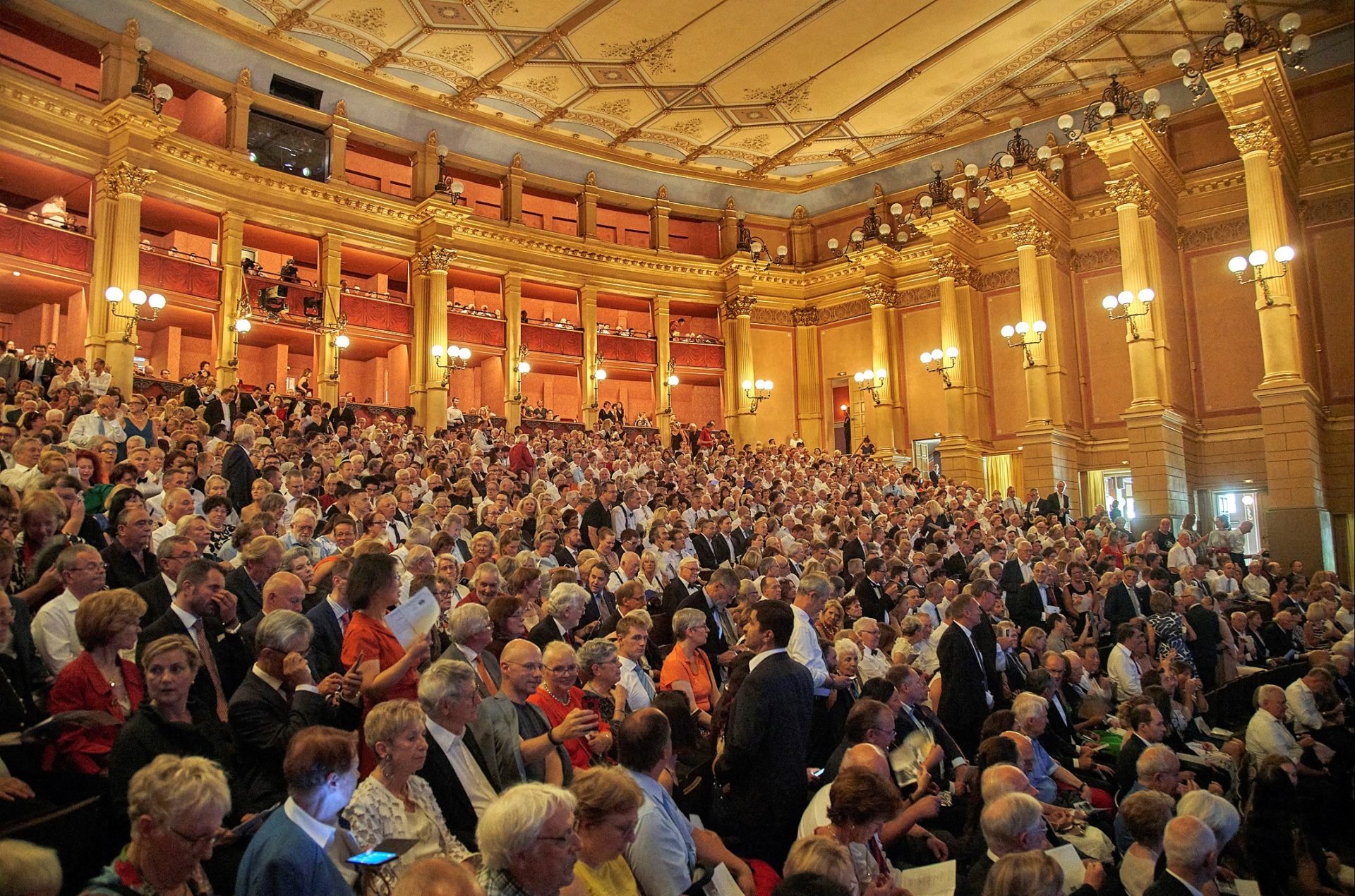
Wagner understood something which most composers and most filmmakers prefer not to understand. Silence is not the absence of music. It is music at maximum pressure. The held breath before the theme resolves. The pause after a character has said the wrong thing and both characters know it and neither has moved yet. The moment when the orchestra stops and you can hear the audience breathing and you realize the silence is louder than anything which preceded it.
Das Lehrerzimmer is full of these moments. The scene where Carla sits at her desk and waits for the laptop to record. She is doing nothing. The camera is doing nothing. The scene is doing nothing except building an unbearable pressure out of stillness and duration. It is the E-flat pedal before the Rheingold prelude begins. Not nothing. Everything, held. The corridor scenes. The classroom debates which keep returning to the same unresolved question about truth, loyalty, and what the institution can tolerate. The way the film refuses to tell you who is right. It presents a situation of genuine moral complexity and then stays inside it without flinching and without resolving it, because resolution would be a lie and the film knows it.
This is what Wagner does with Tannhäuser. With the Dutchman. The situation is presented with full force and full ambiguity and you are left inside it at the end, not released from it. The opera does not explain itself. It does not distribute blame. It presents what happened and then it ends and you carry it out of the theater with you. Das Lehrerzimmer ends the same way. I sat with it for a long time after the credits finished.
There is a question I have been carrying through both the films and the operas, and it is the same question. Does learning German deepen the experience of Wagner, or does Wagner deepen the experience of German? Does the cinema teach me something about the scored walks, or do the walks teach me something about the cinema? The honest answer is that the question is wrong. They are not sequential. They are not cause and effect. They are three entry points into the same practice of attention, and each one makes the others more available.
Hearing German in Das Lehrerzimmer in a state of incomplete understanding, catching words and missing others, following the shape of sentences before I can parse them fully, is very close to the experience of hearing a Wagner opera for the first time. The music carries you through passages of text you cannot follow yet. You tolerate the partial. You trust that what you don't yet have will arrive with return. You keep going.
This is not a deficiency of comprehension. It is a specific cognitive and emotional posture which all three practices are training simultaneously. The tolerance of not-yet-knowing. The willingness to be inside something you cannot fully see. The trust that duration will yield what impatience destroys.
Hollywood has largely stopped asking this of its audiences. Not because the audiences stopped being capable of it. Because someone discovered that removing the demand for sustained attention increases short-term engagement, and short-term engagement is what the metrics measure, and the metrics are what get funded. I find most Hollywood movies these days unbearably dull. The result is a cinema of throughput. Always moving, always resolving, always providing the next thing before you have finished with the last thing. Spectacular without weight. Loud without pressure. A cinema that mistakes velocity for meaning. The dull ache of it is real. It is the ache of being given everything except the one thing that actually nourishes. Stimulation without duration. Experience without Erfahrung.
German cinema, at its best, does the opposite. It slows down. It trusts silence. It lets things be unresolved. It asks you to follow a character through an institutional corridor at the character's pace without promising you that the corridor will lead somewhere satisfying. Das Boot is hours of enclosed duration. Das Lehrerzimmer is ninety-eight minutes of a school, and at the end you feel you have been somewhere real.
These are Wagnerian virtues. They are also the virtues a scored walk runs on. Slow down. Trust silence. Let things be unresolved. Follow the score through the landscape without knowing where it ends. The watchlist grows. Each film adds something to the language the way each walk adds something to the city. Not information. Texture. The specific quality of how German sounds when it is frightened, when it is bureaucratic, when it is tender, when it has run out of words and someone stands in a corridor and says nothing.
I am learning the silences of the language. Wagner first taught me they were there. The school in Das Lehrerzimmer. The submarine in Das Boot. The streets of New York in February with Tannhäuser in the headphones. Different landscapes, the same score. The same quality of attention moving through each of them, accumulating something that has no name yet but is becoming recognizable.
It feels like the beginning of understanding a language. It feels like the beginning of understanding a city. It might be the same thing.
Further Reading