Wagner’s Engineering of Conditions for a Single Moment of Attention
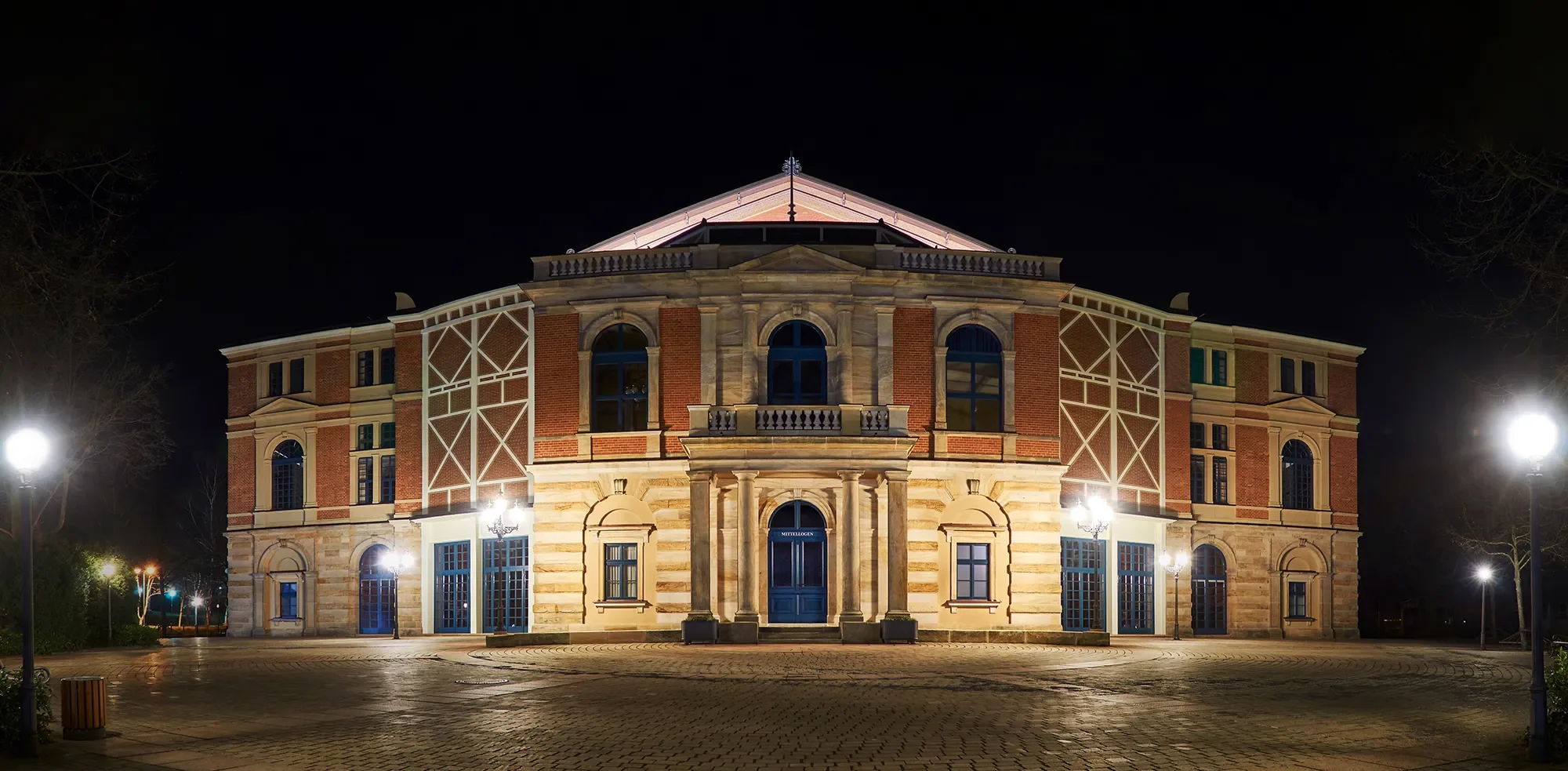
In 1876 Wagner turned the lights off. This sounds like a small thing. It was not a small thing. Audiences had always watched opera in lit houses. You could see your neighbors. You could be seen. The performance was one element of an evening which included socializing, displaying, being present in a particular room with particular people at a particular moment in the social calendar. The opera happened at the front of the room. Life happened everywhere else.
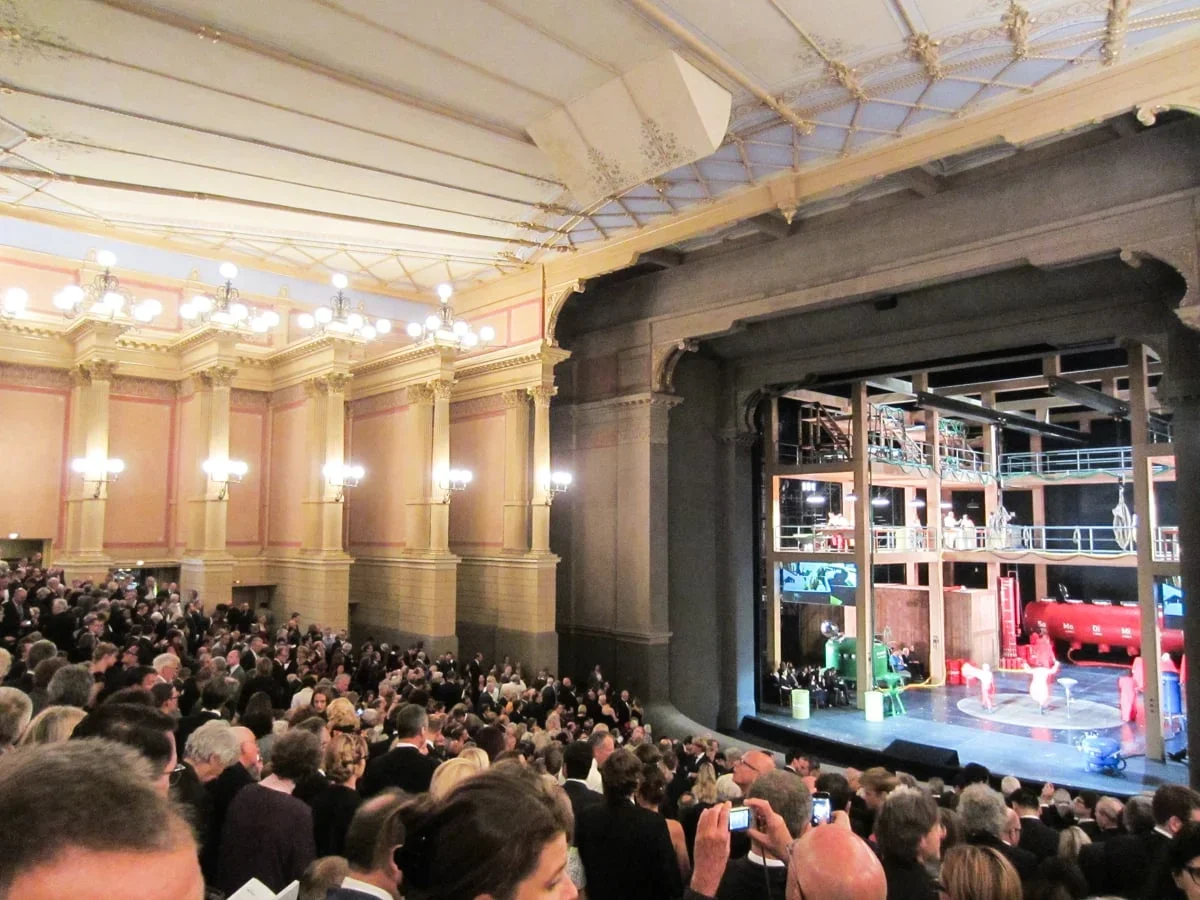
Wagner turned the lights off and pointed everyone in the same direction and sank the orchestra into a pit so the music seemed to rise from nowhere, sourceless, surrounding. He eliminated applause between acts. He eliminated the intervals in which the social world could reassert itself and remind you that you were still a person with obligations and a coat to collect. He created, by architectural and procedural design, a condition of total absorption. He was not just composing music. He was engineering a listener.
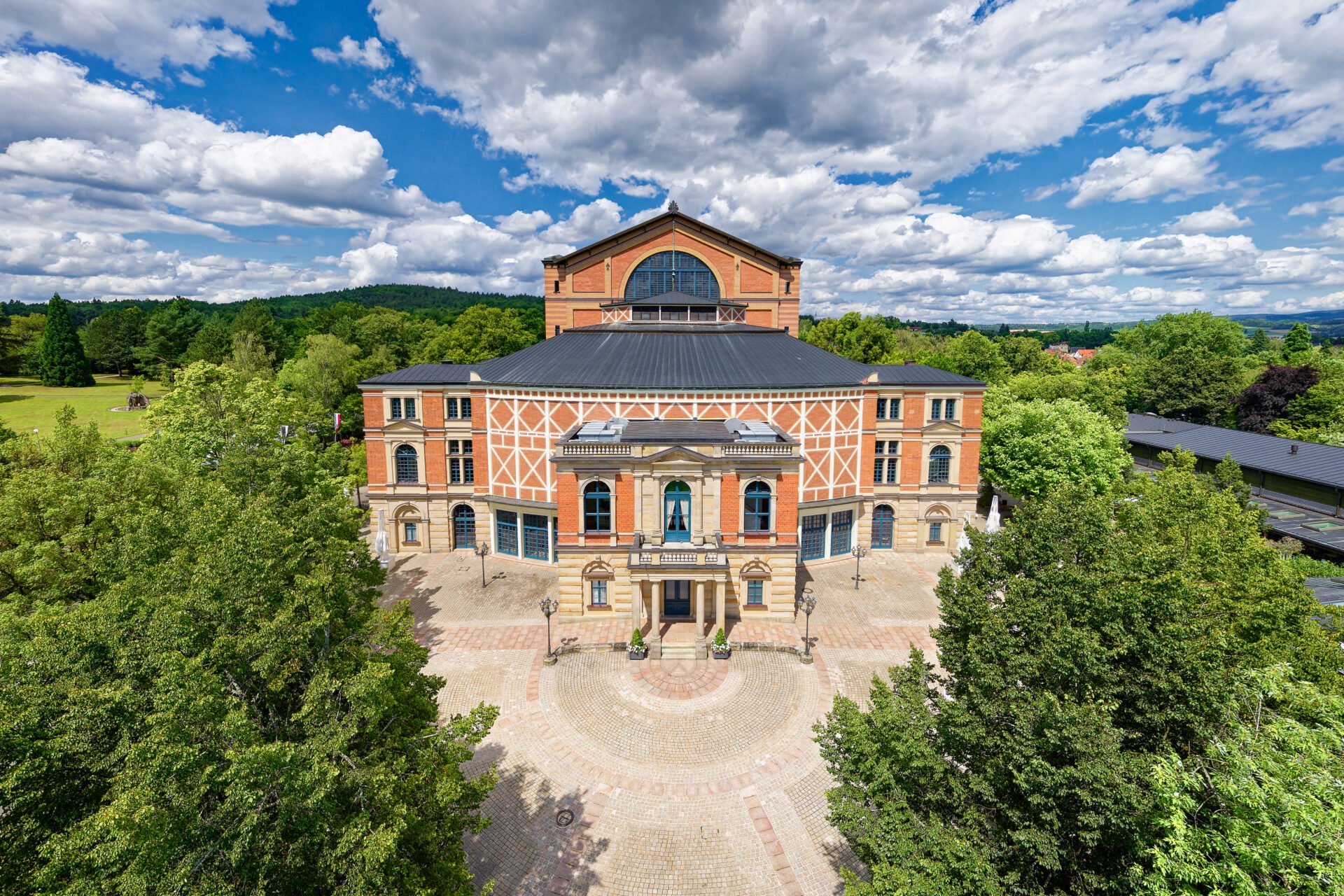
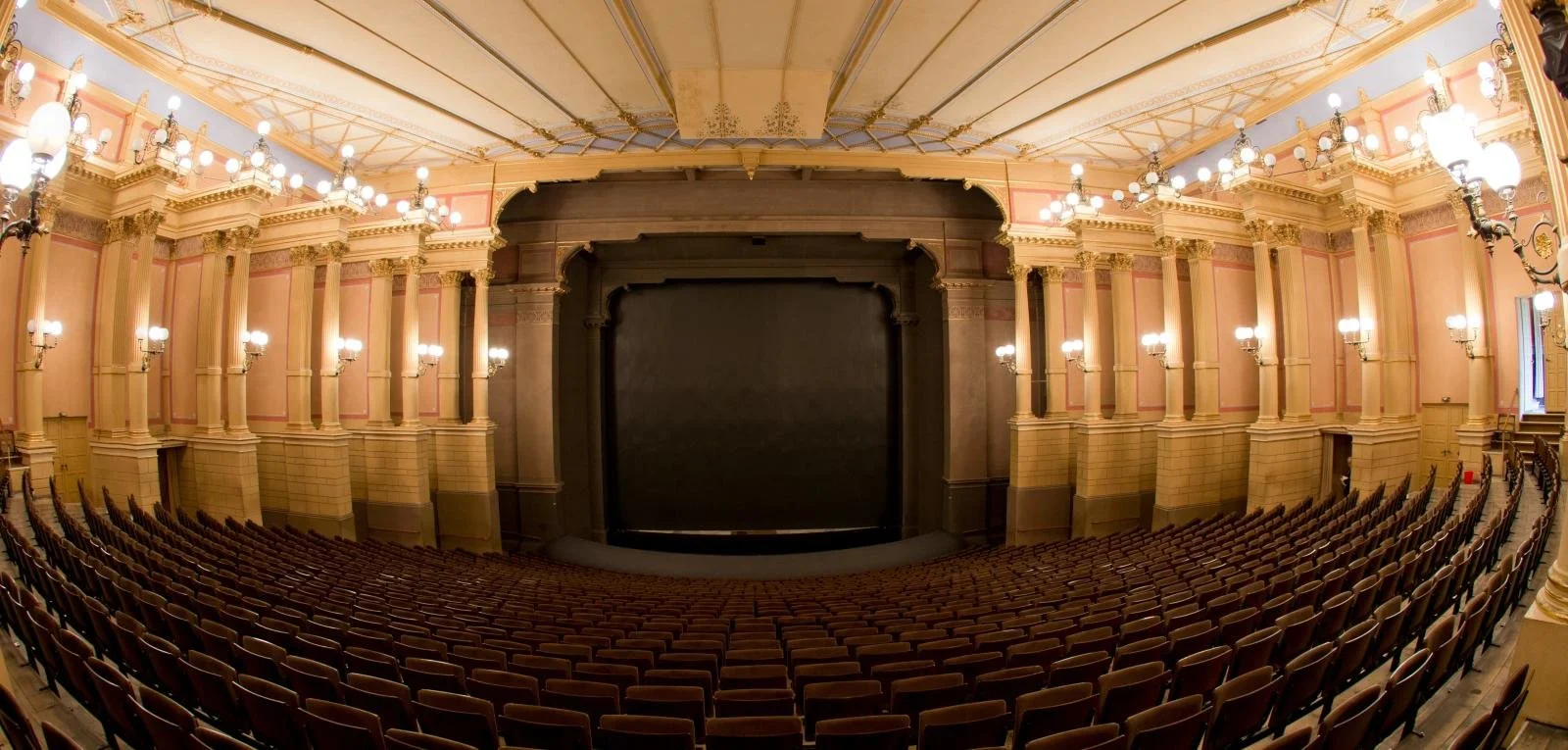
The Festspielhaus at Bayreuth is a machine for producing a particular kind of human attention. Every element of its design is an argument about how the music should be received. The fan-shaped auditorium so that every seat has an equal relationship to the stage. The double proscenium which creates what Wagner called a mystic gulf between the audience and the action, a visual separation which paradoxically deepens immersion. The hidden orchestra, invisible but everywhere. The darkness which removes the social from the peripheral vision and leaves only the work.
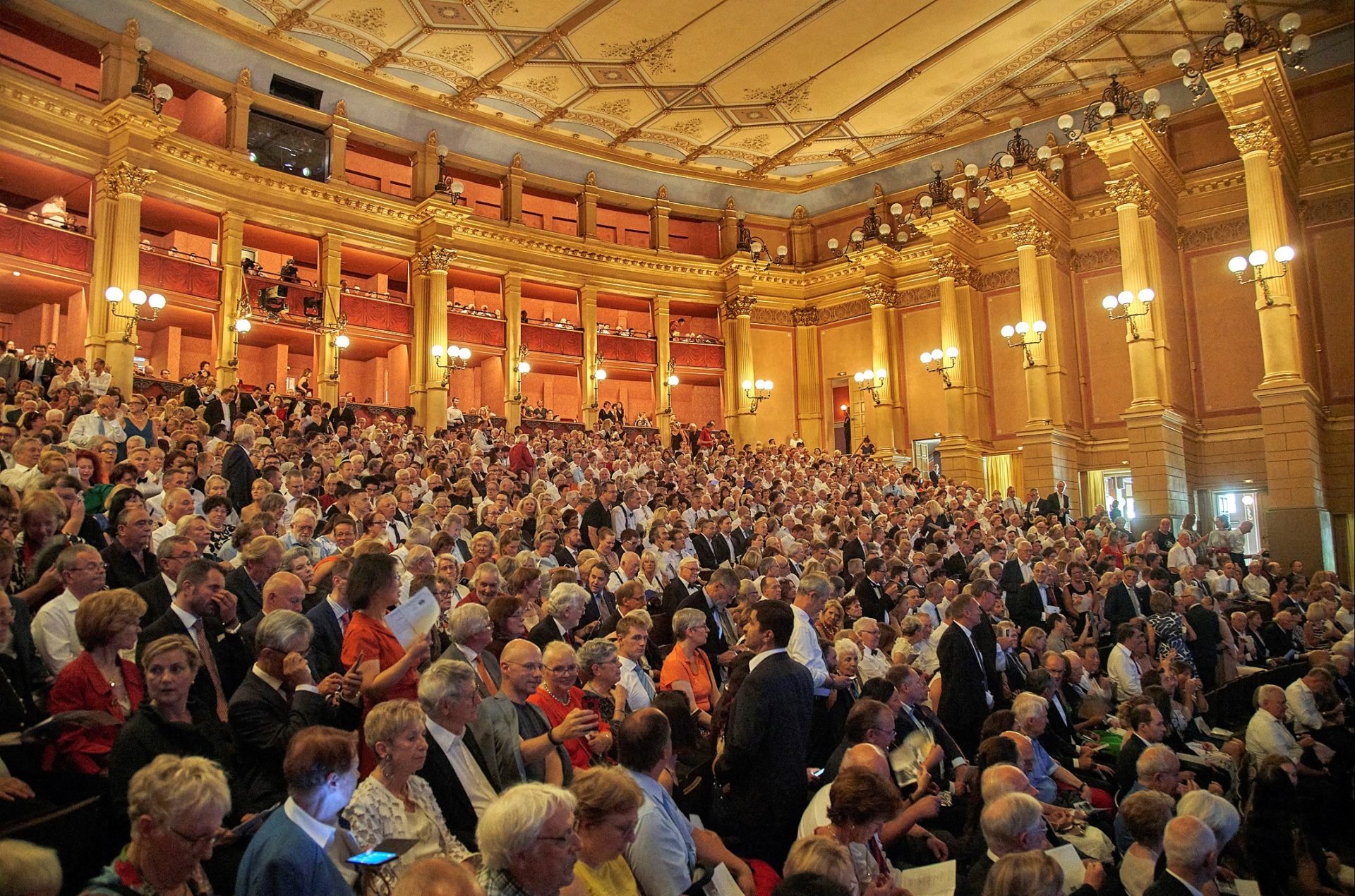
Wagner called it a Festspielhaus. A festival play house. The word Fest is doing real work there. A festival is not a regular event. It is a set-apart time. A deliberate removal from the ordinary. You travel to Bayreuth. You arrange your life around the journey. You stay for days and attend performances which last all day and eat in the intervals and sleep nearby and wake the next morning still inside it. The journey is part of the work. The removal from normal life is not incidental to the experience. It is structural to it. You cannot receive this music correctly, Wagner was saying, while remaining embedded in your ordinary life. You have to leave. This was received, in 1876, as grandiose. It was also correct.
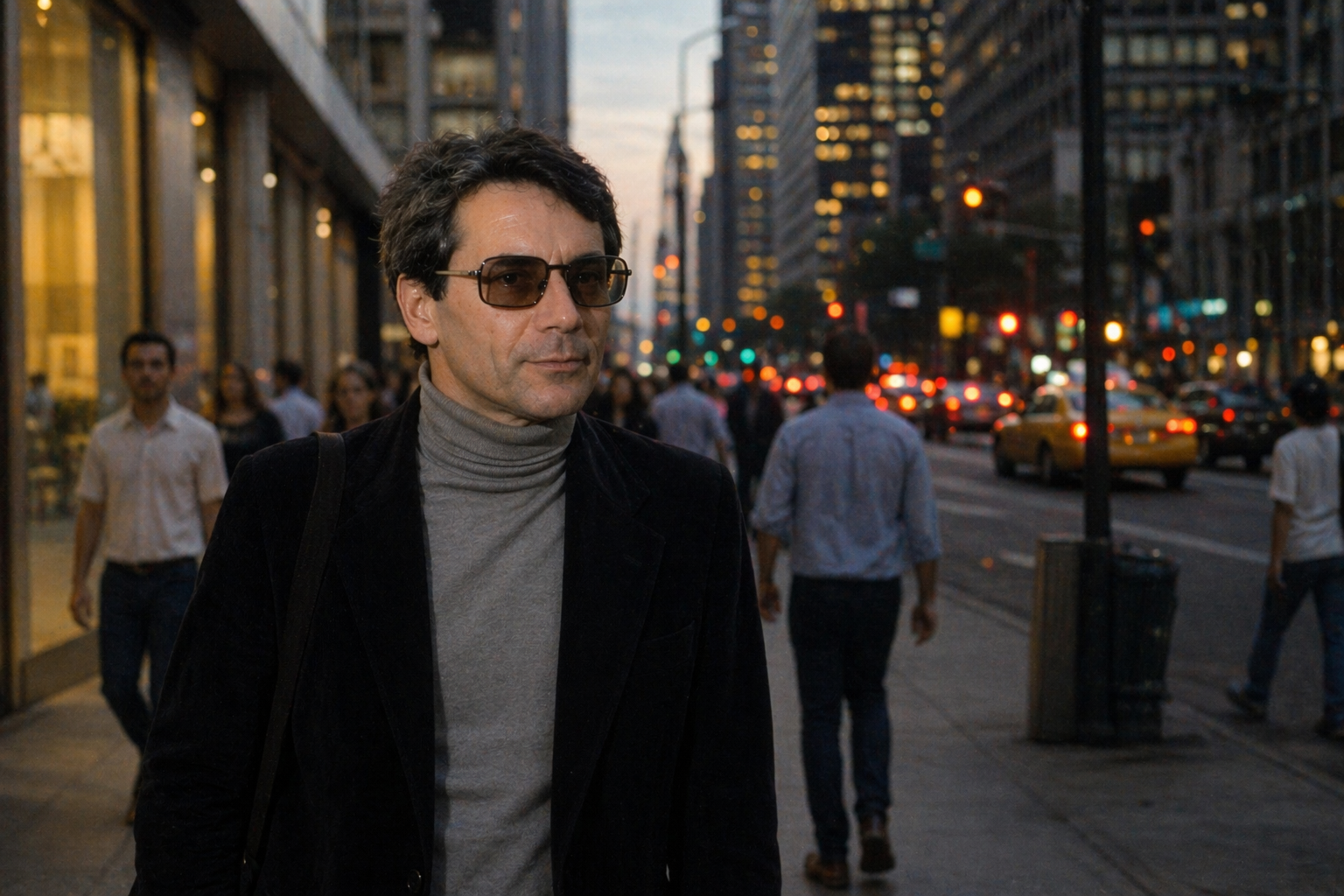
The headphone does everything Bayreuth does. It darkens the hall. It hides the orchestra. It removes the social world from the periphery and points all available attention at the music. It creates, inside the skull of the person wearing it, a condition of absorption which the open-air concert and the modern opera house, with their ambient coughing and glowing screens, largely fail to produce. The person walking through New York with Wagner in their headphones is, in terms of the neurological and experiential conditions of listening, closer to the Bayreuth ideal than most people sitting in a concert hall.
Wagner could not have anticipated this. He built a room to remove the listener from the world. The headphone removes the world from the listener while leaving the listener in it. The mechanism is the same. The result is inverted. Bayreuth eliminated the city to deliver the music. The scored walk delivers the music into the city. Wagner designed a hall with no outside. The scored walk makes the outside the hall. This inversion is not a betrayal of what Bayreuth was trying to do. It is a completion of something Bayreuth could only partially achieve.
The problem with total removal is that it produces a total return. You leave Bayreuth after five hours of Götterdämmerung and step back into the ordinary world and the transition is violent. The music which filled you completely now has nowhere to go. The streets don't know what you just heard. The restaurant where you eat afterwards cannot hold what the Festspielhaus contained. The experience is sealed in the past tense almost immediately. It was there. Now it is memory.
The scored walk does not produce this rupture because it never creates the seal. The music and the city are continuous from the beginning. Canal Street with the Dutchman's curse in your ears. The harbor at dusk with the Rheingold prelude arriving at the moment the light changes. The music does not describe the city from a distance. It moves through it with you. It finds its correlatives in real time. The threshold you are standing at becomes the threshold Tannhäuser cannot cross. The water you are looking at becomes the water the Rhine Maidens guard.
This is not metaphor. It is a different mode of attention producing a different mode of experience. The city does not illustrate the opera. The opera does not illustrate the city. They exist simultaneously and the friction between them is where something happens which neither could produce alone.
Wagner's Fest required you to leave your life. That was the point. The removal was the condition of the experience. And there is something real in this that the scored walk cannot fully replicate. Sitting in the Festspielhaus for the complete Ring cycle across four evenings is an experience of duration and removal which has no equivalent. The scale of it changes you in ways that an hour's walk through Lower Manhattan, however carefully scored, does not.
But the Fest also required resources most people do not have. The journey. The accommodation. The tickets, which have been allocated by lottery for decades and for which the waiting list runs to years. Bayreuth was designed as a total experience and became, almost immediately, an exclusive one. Wagner built a hall for the ideal listener and priced out most of the actual ones.
The scored walk is available to anyone with headphones and a willingness to move slowly. It does not require a journey to Bavaria. It does not require years on a waiting list. It requires only the decision, on a specific morning, to leave the apartment with the music already playing and follow the score through whatever the city offers that day. The Fest is smaller. The removal is partial. But the quality of attention it produces, the willingness to submit to a duration and a direction not of your own choosing, is the same thing Bayreuth was trying to produce.
Wagner wanted a listener who would give the work everything. He built a room to make that giving possible. The room still exists and it is still worth traveling to. But the condition it produces is not confined to it. There is a moment in the scored walk when the city and the music synchronize in a way you did not plan and could not have planned. A phrase which arrives at exactly the wrong moment and becomes exactly the right one. The Dutchman's motif as a container ship moves across the harbor. The Pilgrims' Chorus as someone old crosses the street slowly against the light. These moments cannot be engineered. They happen because you are in motion, inside the music, inside the city, with enough of your attention freed from navigation and obligation that you can receive them when they come.
Wagner spent years engineering the conditions for reception. He darkened the hall and hid the orchestra and made you travel across a continent to sit in a specific seat in a specific room at a specific time. All of that architecture is in service of a single moment. The moment when the music and the listener are completely present to each other and something passes between them that has no other name than attention.
The scored walk is a different architecture for the same moment. The hall is the street. The darkness is the headphone. The mystic gulf is the distance between what the city is and what the music makes of it. The orchestra is hidden. The lights are off. You are already inside it.
Further Reading