Marriage as Threshold: Wagner’s Bridal Chorus Reconsidered
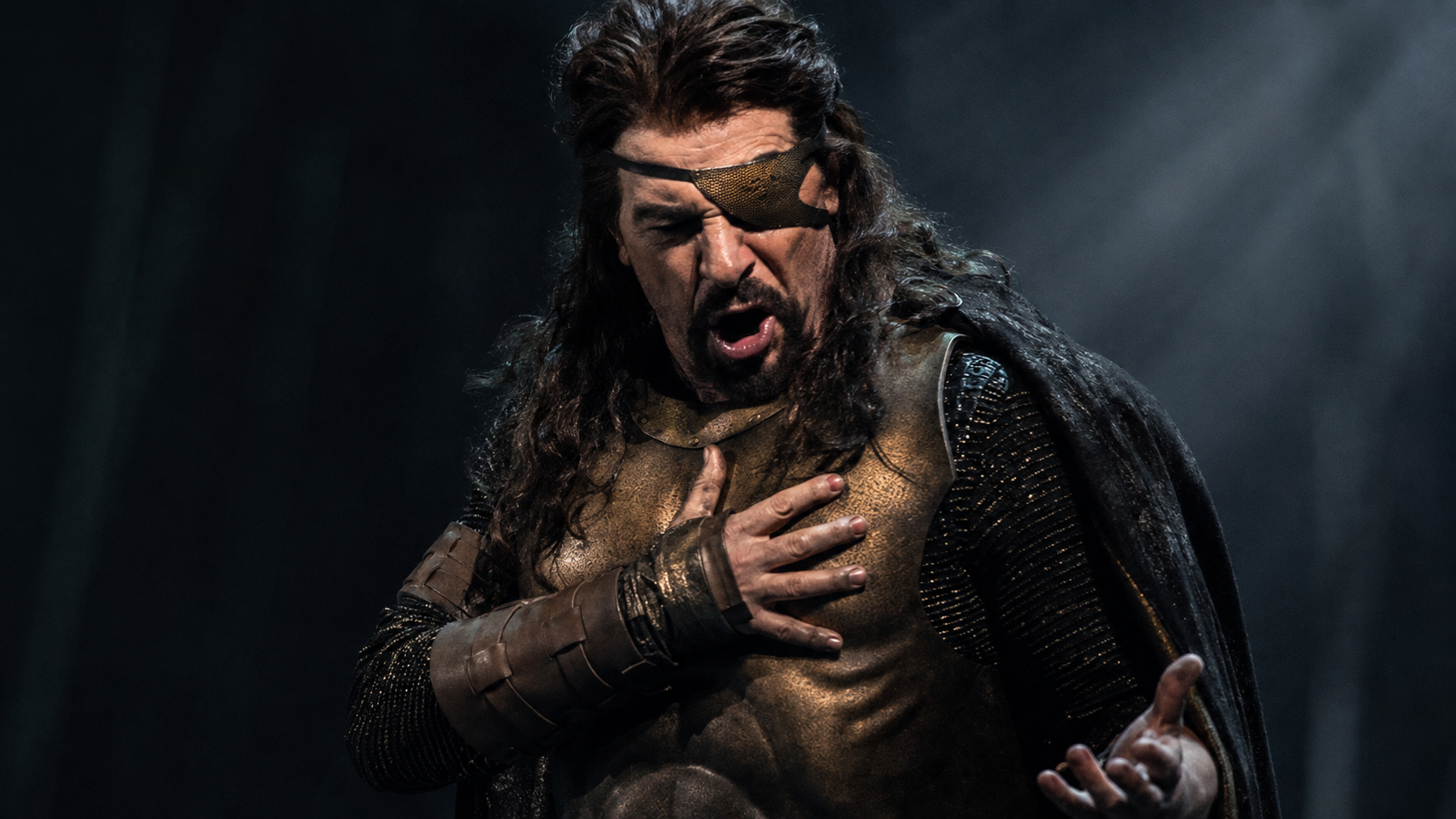
Many of us encounter Wagner at the precise moment we believe we are furthest from him. The doors open. The room rises. A familiar progression unfurls through organ pipes or string quartet, bright and processional, stately without being severe. It feels inevitable, as though it has always belonged to this ritual. The bride steps forward. Cameras tilt. Parents steady themselves. And Richard Wagner, composer of swans and Grail knights, of cursed rings and metaphysical longing, quietly enters the room.
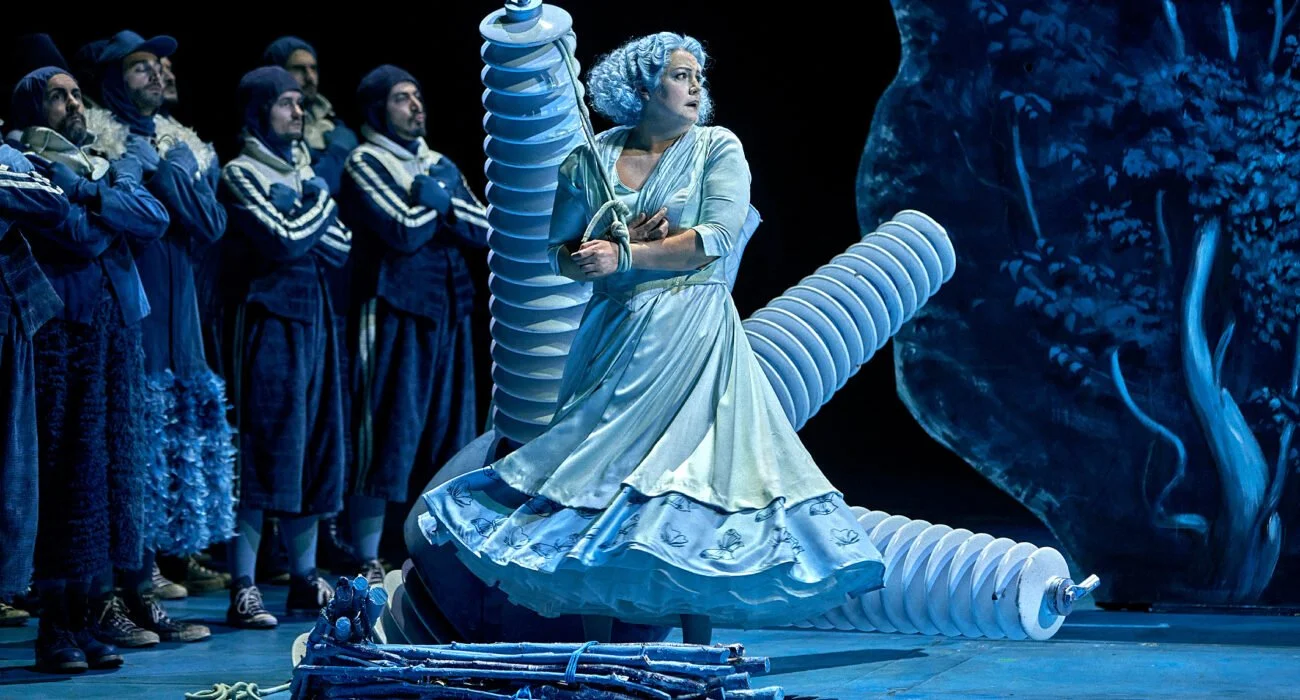
The Bridal Chorus from Lohengrin has become so absorbed into Western ceremony that its origins are almost invisible. We know it as Here Comes the Bride, a shorthand for arrival, for culmination, for a certain culturally scripted happiness. But inside the opera, this music is not the uncomplicated anthem we imagine. It accompanies a marriage that is already shadowed by a condition. Elsa may wed her mysterious rescuer, but she must never ask his name, never inquire into his origin, never cross the boundary between devotion and knowledge.
The music itself is luminous, civic, collective. It does not whisper intimacy. It proclaims legitimacy. Wagner scores the wedding not as a private exchange but as a restoration of order. The chorus is communal relief, the city exhaling after crisis. Love is not merely two people choosing one another. It is a public repair. This is precisely why the piece works so effectively in modern ceremonies. Weddings are not only personal promises; they are acts of social recognition. We gather not just to celebrate affection but to witness and ratify a bond.
Yet what makes the Bridal Chorus enduring is not just its grandeur. It is the tension beneath it. In Lohengrin, the marriage is founded on silence about identity. The knight’s power lies in his anonymity. His authority depends on mystery. Elsa’s trust must remain unquestioning. The chorus swells around a vow that contains, quietly, the seed of rupture. The opera does not condemn love. It exposes the fragility of idealization. The condition, do not ask, is an attempt to preserve myth at the expense of curiosity.
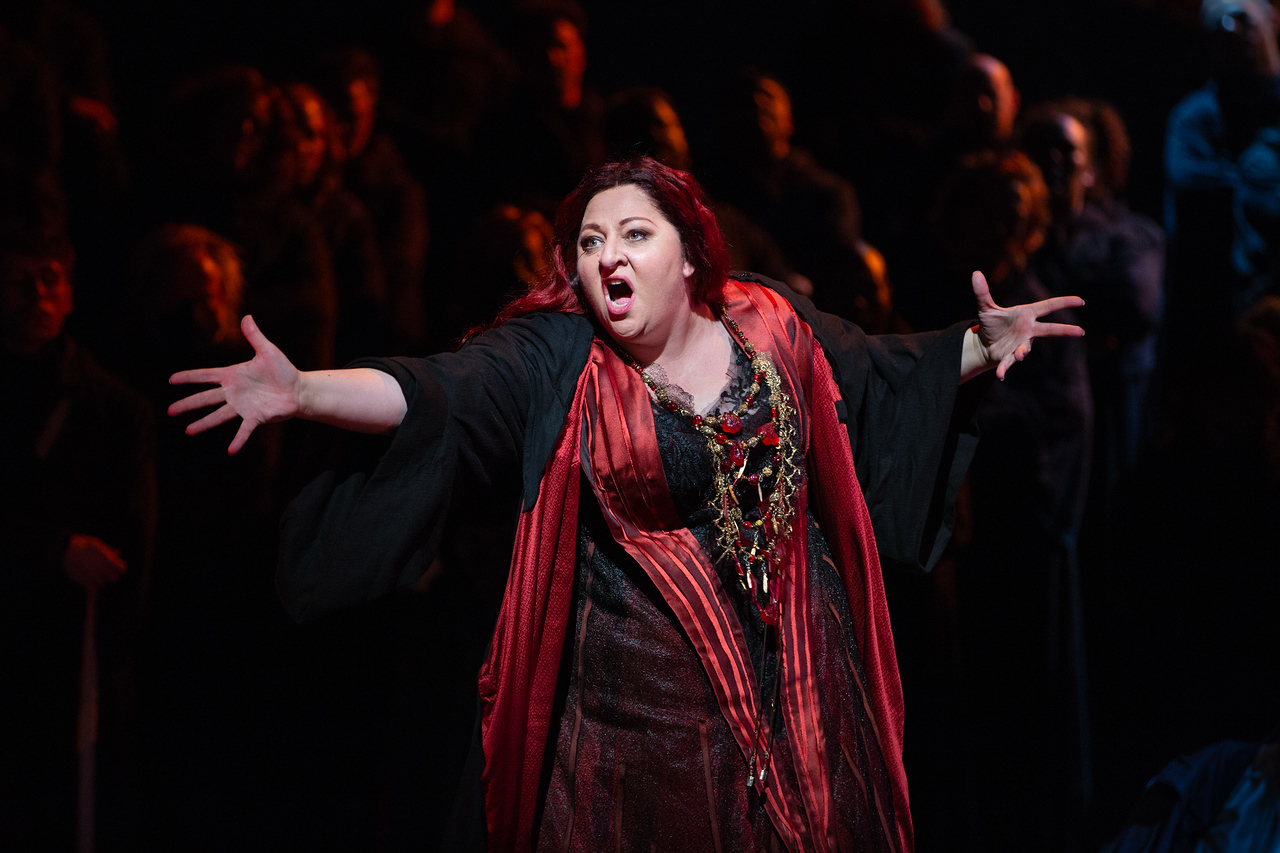
Wagner returns to this theme repeatedly across his canon. Marriage, in his operas, is rarely a static sanctuary. It is a threshold where desire meets law, where private longing collides with public structure. In Tristan und Isolde, the formal marriage arrangement between Isolde and King Marke becomes the stage upon which an overwhelming, transgressive love erupts. The vows are legitimate. The passion is absolute. Wagner refuses to simplify the conflict. He does not frame marriage as trivial nor desire as easily containable. Instead, he shows how institutions struggle to hold emotions that exceed their design.
In Die Walküre, marriage appears as coercion. Sieglinde’s union with Hunding is legal, socially sanctioned, and spiritually suffocating. The opera’s most incandescent love emerges not from obedience to vows but from escape. Wagner’s interest lies not in scandal but in ethical tension. When does a bond become bondage? When does fidelity to structure betray fidelity to the self?
Even within the vast architecture of the Der Ring des Nibelungen, marriage and betrothal are transactional. Freia is offered as payment. Brünnhilde is manipulated through disguise and deception. Rings are not merely tokens of affection but symbols of power and possession. Wagner is acutely aware that promises can sanctify control as easily as they can express devotion. The wedding gesture, placing a ring upon a finger, appears in his work as both pledge and peril.
Against this backdrop, the ubiquity of the Lohengrin Bridal Chorus takes on a layered resonance. The music has migrated from narrative specificity to cultural archetype. It now signals a beginning, unburdened by the opera’s dramatic arc. But Wagner never conceived beginnings as self-contained. For him, every radiant moment is already embedded in time. The wedding in Lohengrin is not a conclusion. It is an inflection point. The real drama unfolds after the ceremony, when curiosity surfaces, when love must withstand the human need to understand the beloved.
This is perhaps the deeper reason the music feels so apt at weddings. Beneath its ceremonial confidence lies an awareness of risk. The act of marriage is a wager on the future. It is the transformation of feeling into form, of affection into vow. Wagner understood that this transformation is both beautiful and dangerous. To bind oneself publicly is to invite both stability and vulnerability. The chorus sounds triumphant because commitment always contains aspiration. The hope that love can be sustained beyond the conditions that threaten it.
In Wagner’s worldview, love is never trivial. It is metaphysical, destabilizing, often redemptive. In Parsifal, compassion becomes the only force capable of healing a wounded community. In Lohengrin, trust falters when idealization cannot survive inquiry. In Tristan, longing dissolves the boundary between life and death. Across these works, marriage is not merely a social milestone. It is a crucible in which questions of identity, fidelity, and transcendence are tested.
Modern wedding culture tends to isolate the ceremony from the saga that follows. The day is curated, rehearsed, photographed, perfected. The music functions as a cue. This is joy, this is union, this is arrival. But Wagner’s music resists such containment. Even at its most ceremonial, it carries the memory of what comes next. The difficult intimacy of daily life, the negotiation between individuality and togetherness, the inevitable friction between myth and reality.
To hear the Bridal Chorus with this awareness is to sense the quiet irony woven into its grandeur. The room stands for a promise whose durability cannot be guaranteed by harmony alone. The swan knight’s condition hovers, unspoken, over every vow: what must remain mysterious for love to endure? And what happens when mystery gives way to knowledge?
Wagner’s operas are, in many respects, extended meditations on this question. They suggest that love thrives not by freezing identity but by enduring its evolution. When Elsa finally asks Lohengrin the forbidden question, the marriage dissolves. Yet the act of asking is profoundly human. It signals a desire not merely to be protected but to know and be known. The tragedy is not curiosity itself, but the impossibility of sustaining a bond that depends on its absence.
And so the Bridal Chorus endures in our ceremonies, detached from its dramatic aftermath yet still carrying its emotional DNA. It feels like culmination because it dramatizes recognition. It feels like stability because it invokes communal witness. But beneath its polished surface lies Wagner’s lifelong preoccupation. The tension between vow and desire, between institution and individuality, between the myth of perfect union and the lived reality of two complex beings attempting to share a life.
When the music rises and the couple begins their walk, they step not only into marriage but into narrative. Wagner understood that narrative is what gives commitment weight. A wedding is not simply a celebration. It is the first movement of a larger composition. The chorus may sound complete, but its cadence gestures forward. The real music, messy, searching, evolving, begins after the applause fades.
Further Reading