Death Stranding and the Long Twilight of Götterdämmerung
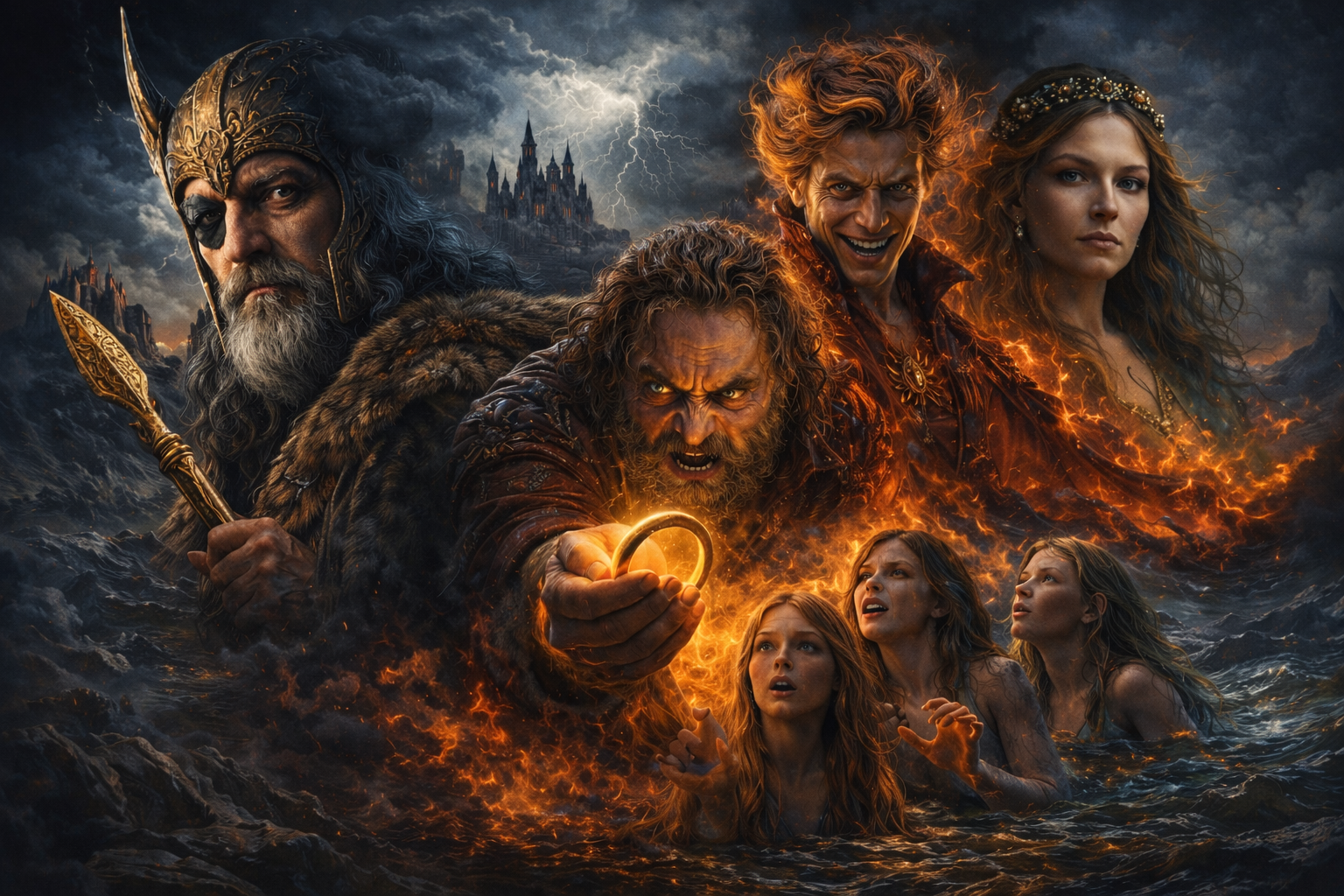
One of the most persistent misunderstandings of Wagner’s Götterdämmerung is that it is about the end of the world. It is not. The world, in Wagner’s imagination, does not end in fire. It ends in continuity. Rivers continue to flow. Humans remain. What vanishes is legitimacy. The gods burn not because they are defeated, but because the structures they built have finally revealed themselves as ethically bankrupt. Götterdämmerung is not apocalypse. It is aftermath. This is precisely the condition in which Death Stranding unfolds.
Kojima’s world has already passed through its Ragnarök. Nation-states are hollowed out, linear progress is discredited, heroic violence is obsolete. And yet the systems remain. Networks hum. Contracts are enforced. Optimization continues. Like Wagner’s Rhine after Valhalla burns, the infrastructure of modernity flows on long after the mythology that once justified it has collapsed. Death Stranding is not about saving the world. It is about deciding whether the world that remains deserves to be rebuilt in the same image.
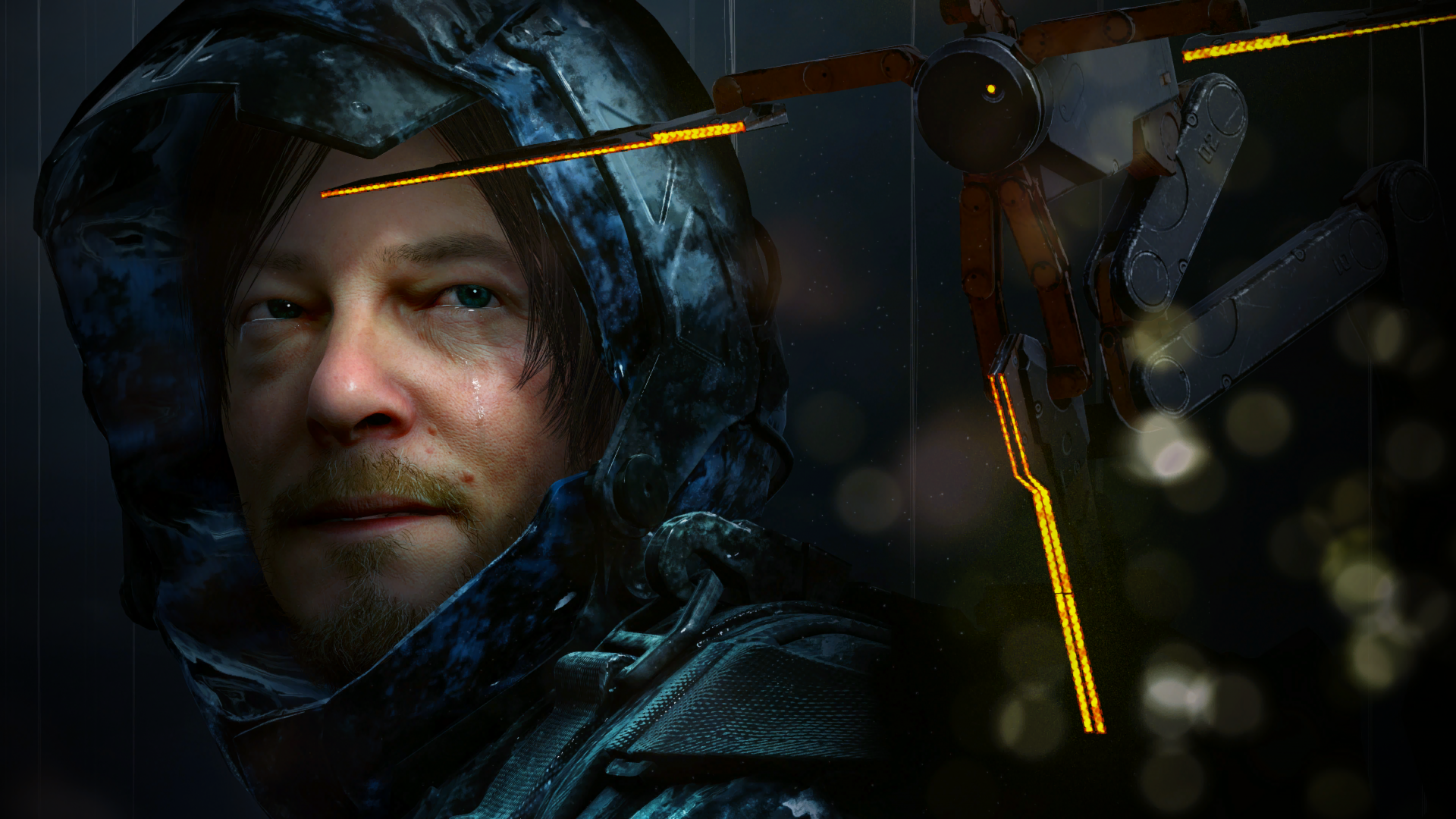
This is why Götterdämmerung is the right Wagnerian lens for the game. Not Parsifal, with its fragile hope of healing. Not Tristan, with its annihilating love. But the opera that asks the most modern question Wagner ever posed. What happens when systems outlive belief?
Wotan’s great error in the Ring is not greed or cruelty. It is abstraction. He believes that law can replace trust, that contracts can replace care, that systems can stabilize a world without requiring continuous ethical attention. By the time of Götterdämmerung, the gods are no longer meaningfully present. Their authority persists only as residue: treaties, rituals, inherited obligations no one fully remembers choosing. The tragedy is not that the gods fall, but that the world keeps running as if they still mattered. Death Stranding begins inside this exact moral vacuum.
The United Cities of America is Valhalla without gods. Its vision of reunification is framed as necessity, not ideology. Connection is assumed to be good. Expansion is assumed to be neutral. The Chiral Network is presented as infrastructure rather than philosophy. This is Wagner’s curse of the Ring re-expressed in digital form. Power abstracted so thoroughly from relationship that it appears benevolent by default. The system does not ask whether it should connect everything. It only asks whether it can.
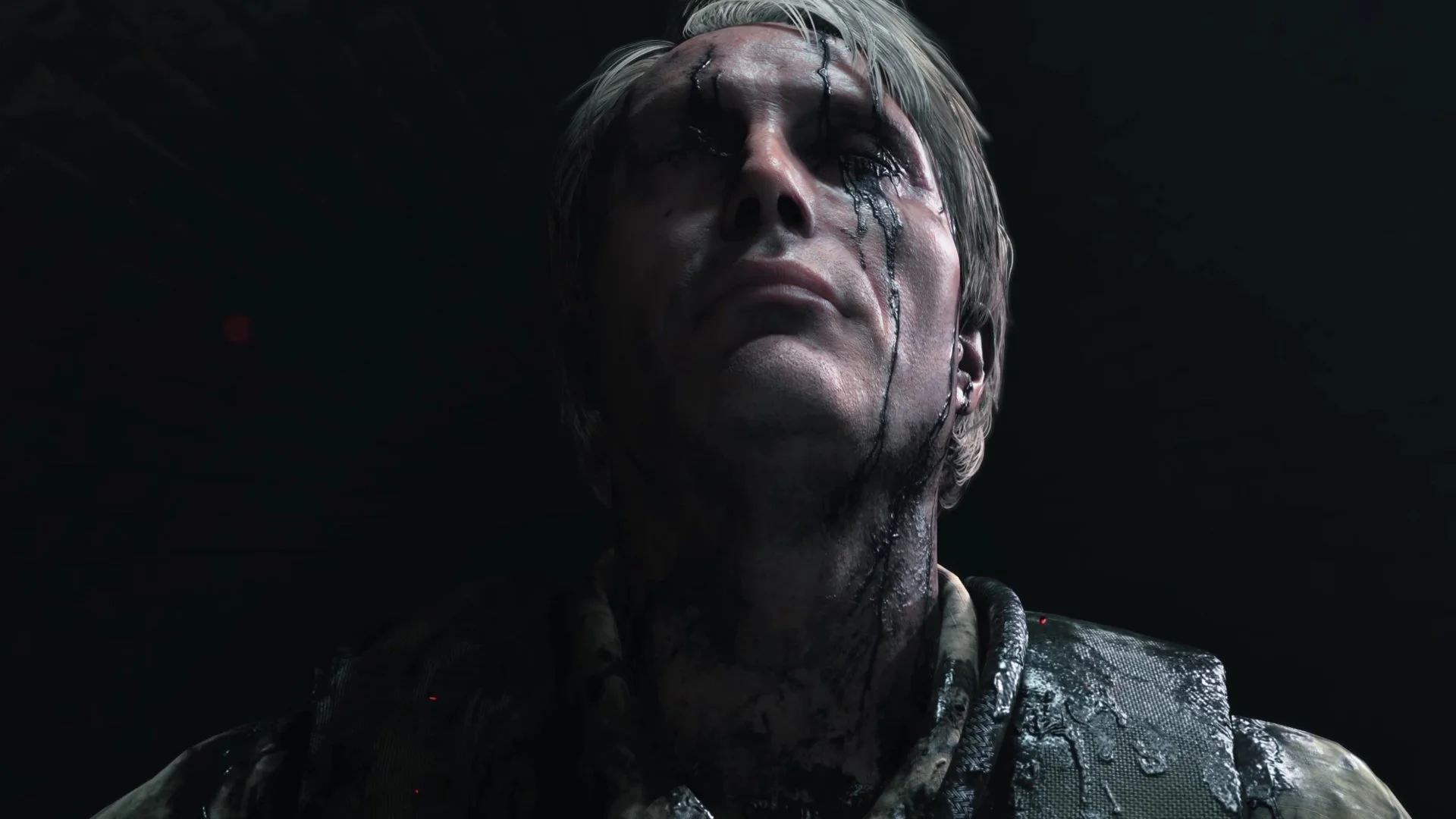
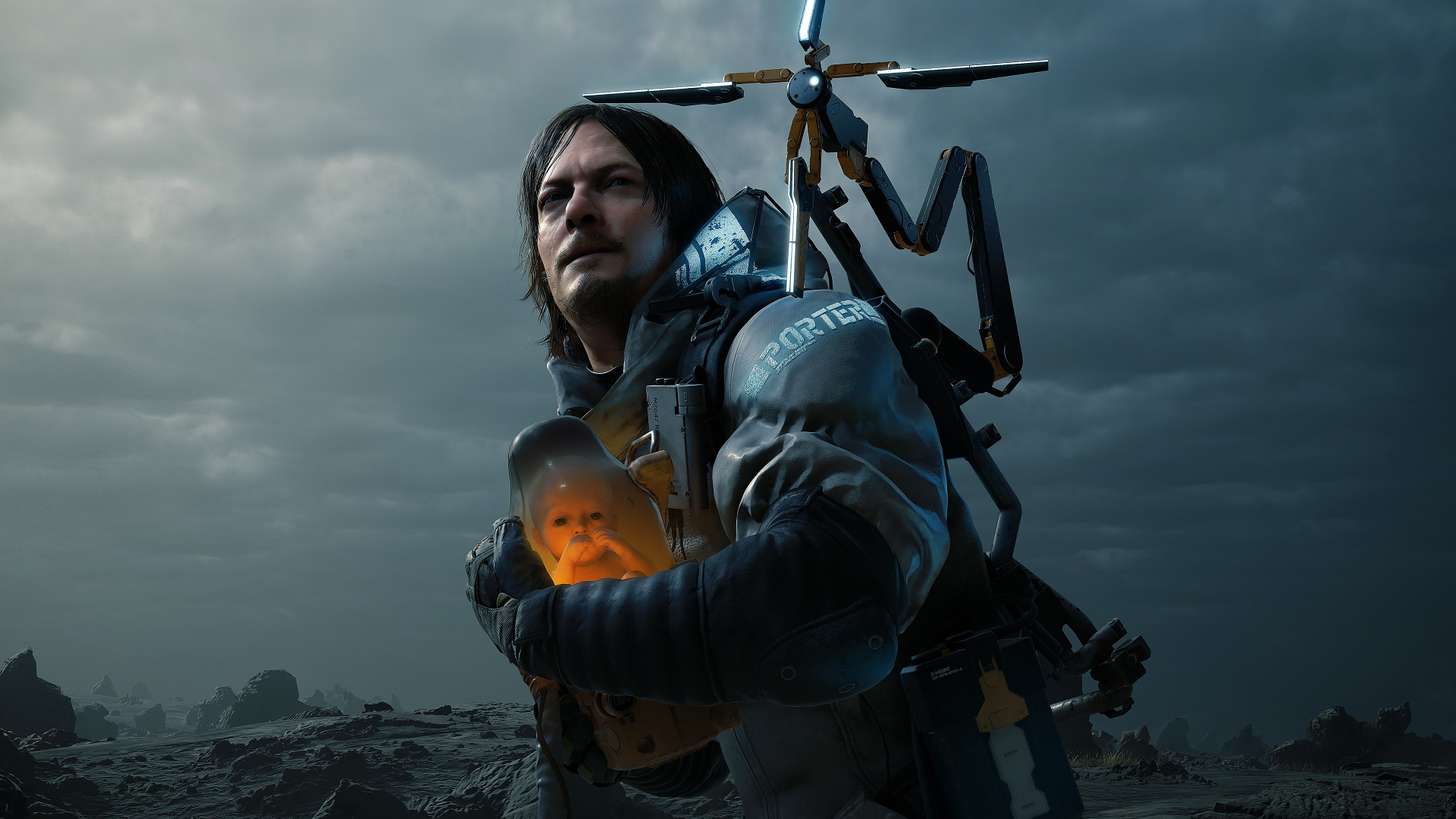
Sam Porter Bridges is not a hero in any Wagnerian sense. He is not Siegfried. He is not destined to overthrow anything. He is closer to the human survivors Wagner leaves behind at the end of the Ring. Exhausted, suspicious, and burdened with the labor of continuity. His role is not conquest but maintenance. He does not wield a sword; he carries packages. And this is not a diminishment. It is the ethical center of the game. Wagner understood that after the gods fall, the most dangerous temptation is not nihilism, but repetition. To rebuild the same structures under new names. To continue optimizing systems that have already proven destructive, simply because they are familiar. In Götterdämmerung, the Ring is returned to the Rhine not as a triumph, but as an act of release. Brünnhilde’s final gesture is not heroic domination but renunciation. She understands that the system cannot be purified. It must be ended.
Death Stranding asks whether we are capable of the same recognition. The Chiral Network is the Ring. It promises unity. It accelerates coordination. It feels indispensable. And like the Ring, it carries a curse that is not immediately visible. It collapses difference into data, replaces lived reciprocity with mediated connection, and encourages a belief that systems can substitute for responsibility. The world Kojima depicts did not collapse because people failed to connect. It collapsed because connection became unmoored from care. This is why the game’s most radical design choice is slowness.
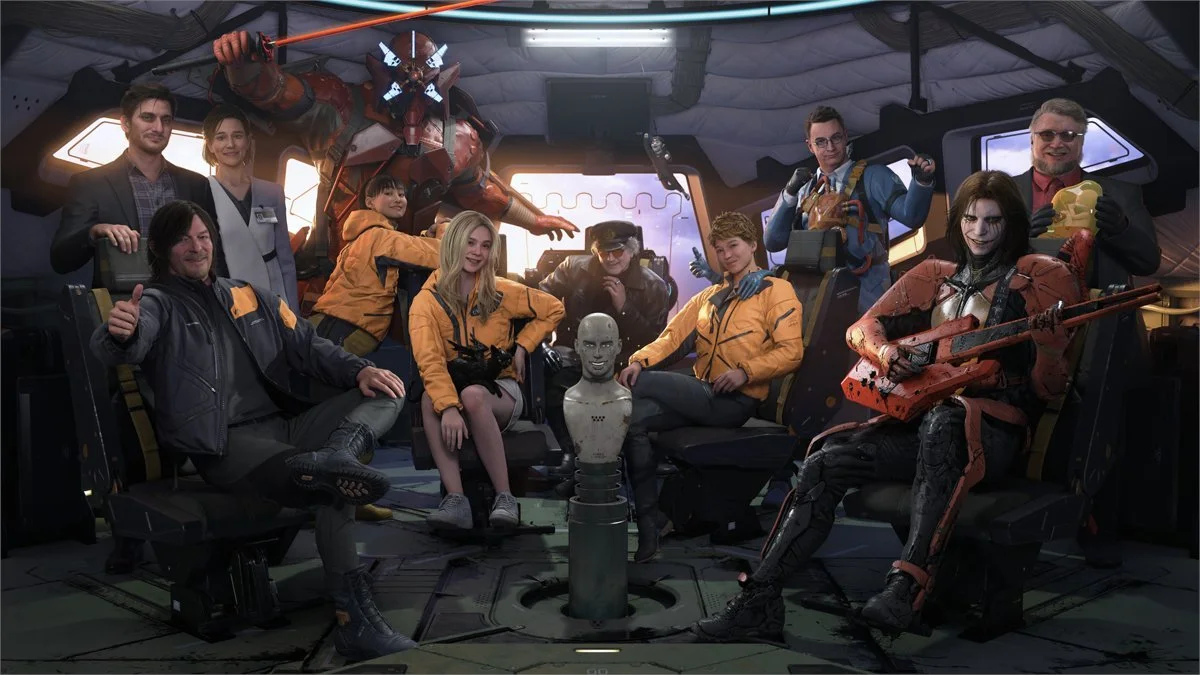
In a medium obsessed with mastery and speed, Death Stranding insists on friction. Terrain resists you. Weight matters. Balance is precarious. Progress is measured not in kills or achievements, but in successful delivery without harm. Kojima is doing something profoundly Wagnerian here. He is reintroducing cost into a world anesthetized by abstraction. Every step Sam takes is a small ethical decision. Every delivery is a negotiation with gravity, weather, exhaustion, and time. This is post-Götterdämmerung labor. Meaning rebuilt not through grand gestures, but through attentiveness.
The presence of BB sharpens this insight. BB is not a symbol of hope in a sentimental sense. It is a reminder of vulnerability that cannot be abstracted away. In Wagner, the end of the gods clears the ground for human responsibility unmediated by divine authority. In Death Stranding, BB prevents Sam, and the player, from mistaking connection for communion. BB cries. BB needs soothing. BB disrupts efficiency. In a world of systems, BB insists on presence.
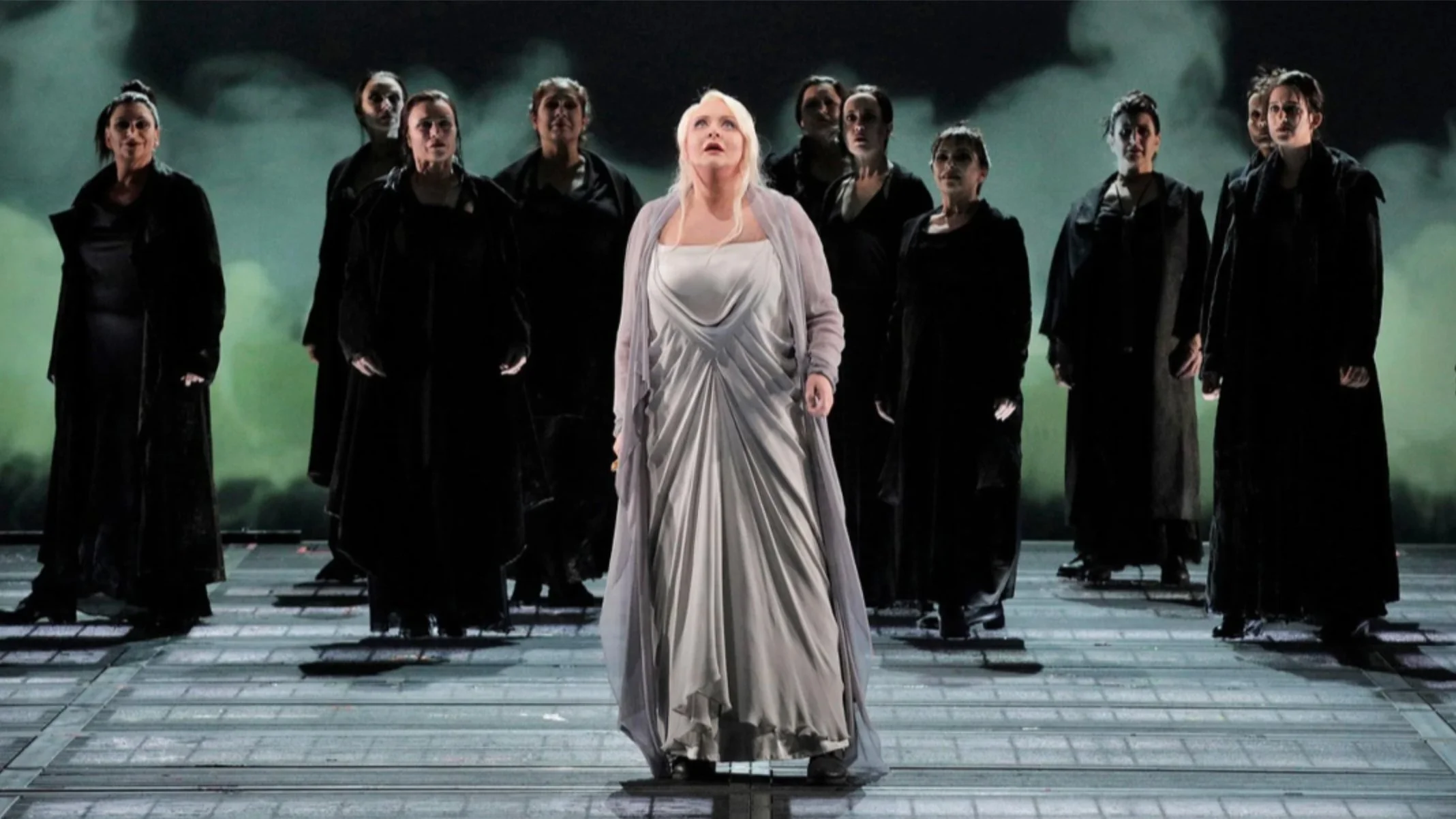
Brünnhilde’s role in Götterdämmerung is often misread as sacrificial romanticism. In fact, it is systemic critique. She sees that the gods’ order cannot be reformed because it is founded on renunciation, of love, of care, of embodied consequence. Her immolation is not destruction for its own sake; it is the ending of a feedback loop that has consumed everything else. Only by letting the system burn can the world breathe again. Sam’s final refusal echoes this logic with startling clarity.
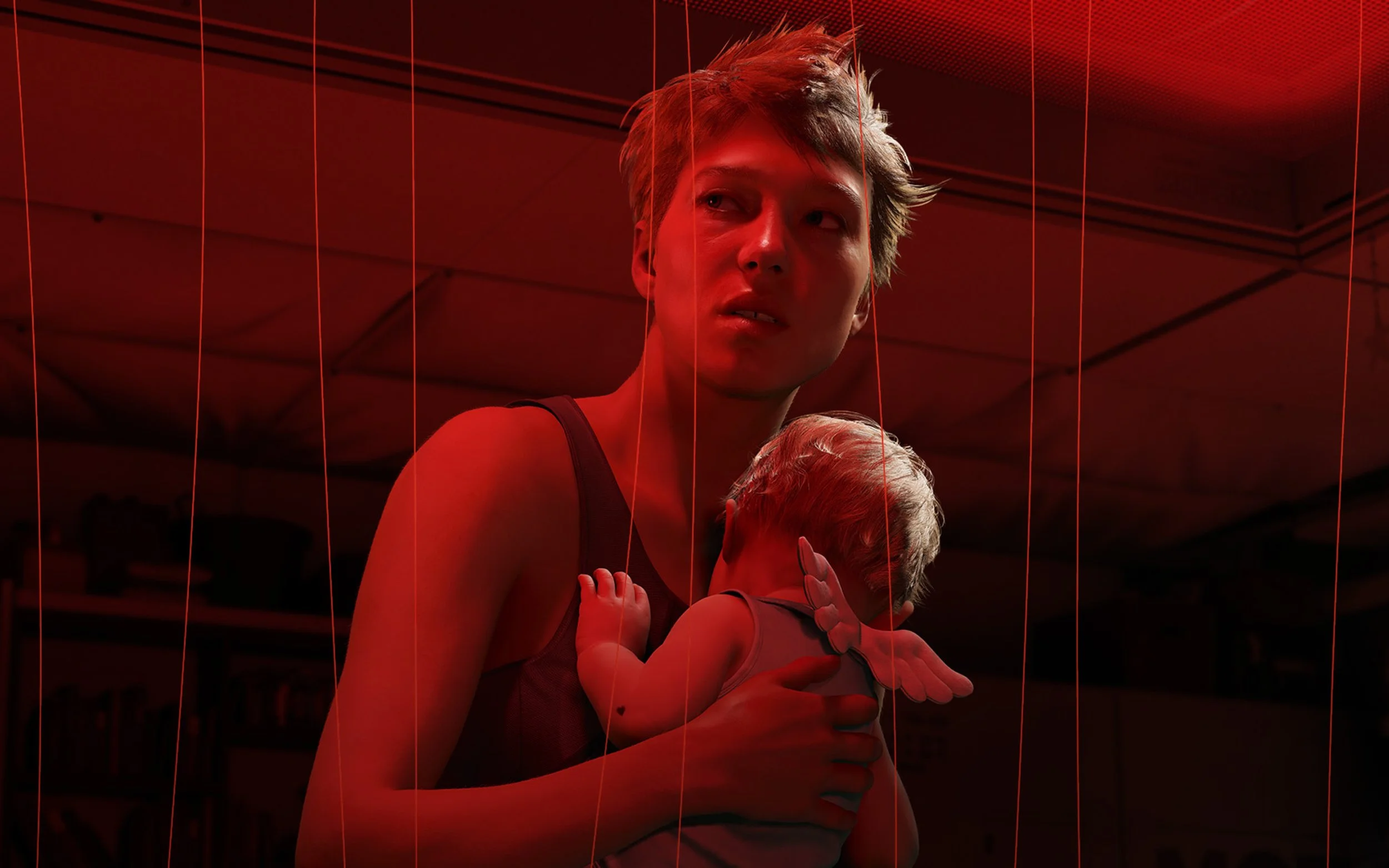
The game ultimately presents Sam with a choice that mirrors Brünnhilde’s. Perpetuate the system because it appears necessary, or end it because it no longer distinguishes life from management. The temptation to complete the network. To finish the job, to perfect the system, is immense. This is the modern equivalent of Wotan’s dream. A world stabilized through total integration.
Sam’s decision to step away is not triumphant. It is quiet. It is personal. And that is precisely what makes it Wagnerian. After Götterdämmerung, there is no cosmic chorus announcing a new order. There is only the possibility that humans might learn to live without the crutch of totalizing systems. What Kojima understands, what Wagner understood with terrifying prescience, is that progress myths do not die easily. They persist as infrastructure. They embed themselves into everyday labor. They convince us that rebuilding is always virtuous, that connection is always good, that optimization is always neutral. Death Stranding refuses this comfort. It asks whether some worlds should not be reconnected, whether some systems should not survive their gods.
The brilliance of Death Stranding as a post-Wagnerian work is that it does not replace one mythology with another. It does not offer a new god of connection to worship. It offers instead a practice. Carry carefully, move slowly, attend to weight, accept limits. This is Wagner without transcendence. Wagner after myth. Wagner for a world that no longer believes in final solutions. At the end of Götterdämmerung, the Rhine flows on, indifferent to gods and heroes alike. Life continues, but without guarantees. Death Stranding ends in a similar register. The world is not healed. It is livable. And that distinction matters.
Both works leave us with the same unsettling question. If the systems we inherit are no longer worthy of belief, are we capable of laying them down without replacing them with something just as totalizing? Or will we continue to build new Valhallas, convinced that this time the fire will not come? Wagner did not answer that question. Kojima does not either. They do something more demanding. They force us to sit in the long twilight after the gods of progress have burned, and to decide, step by careful step, what kind of world deserves to be carried forward at all.
Further Reading