German as a Practice of Attention
One of the quieter surprises of aufbruchmatt is how naturally it has pulled German into the center of my life. Not as a subject to be studied, but as a way of seeing. I didn’t explicitly set out to learn German in the efficient, productivity-optimized sense. Instead, German arrived sideways, folded into the project almost without friction, because it was already living inside the things that were feeding me. Opera, walking, architecture, time, patience. I’d visited Germany earlier this year and had forgotten how much I loved the country. I began planning a trip to Vienna and felt compelled to be able to speak the language with confidence once I got there.
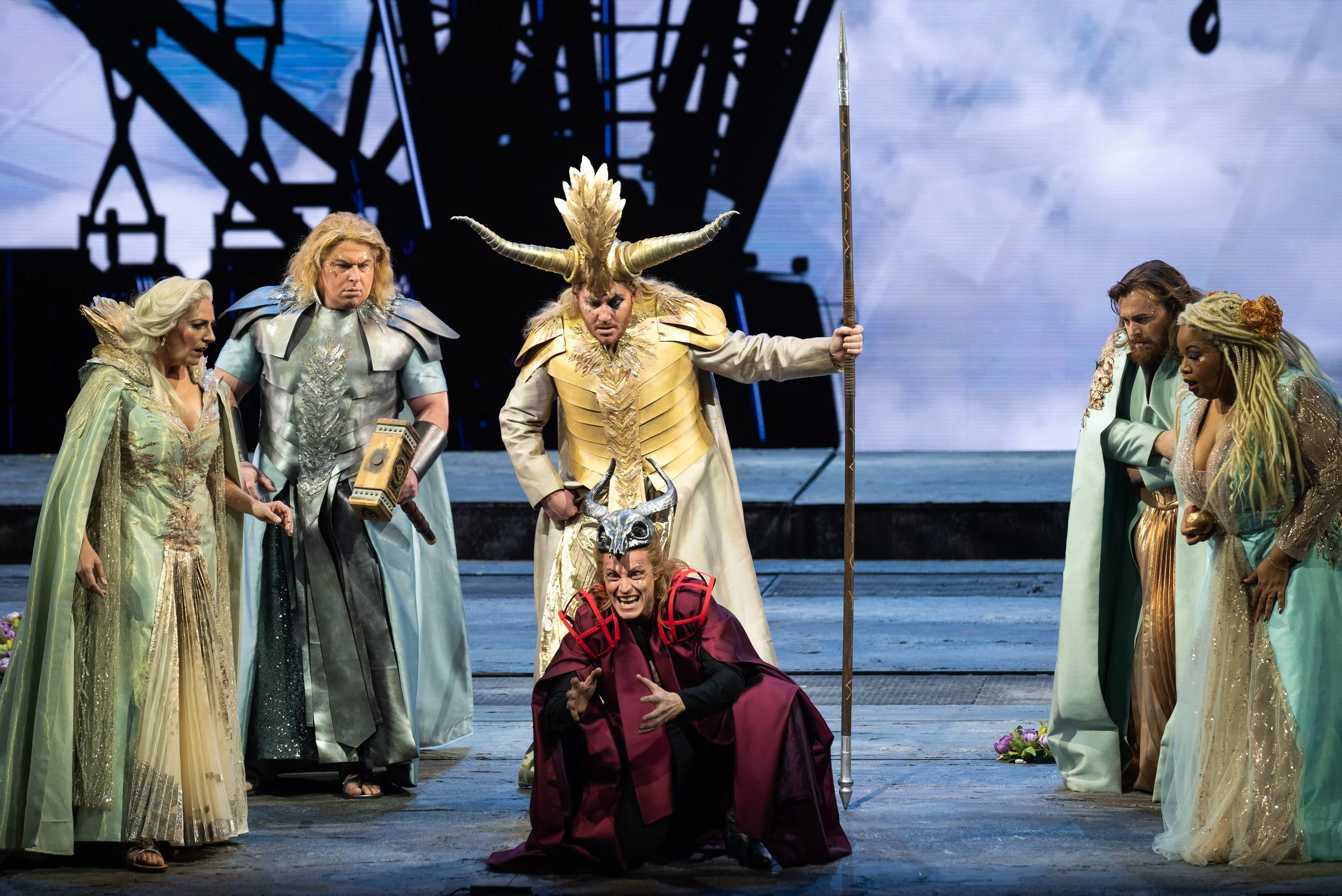
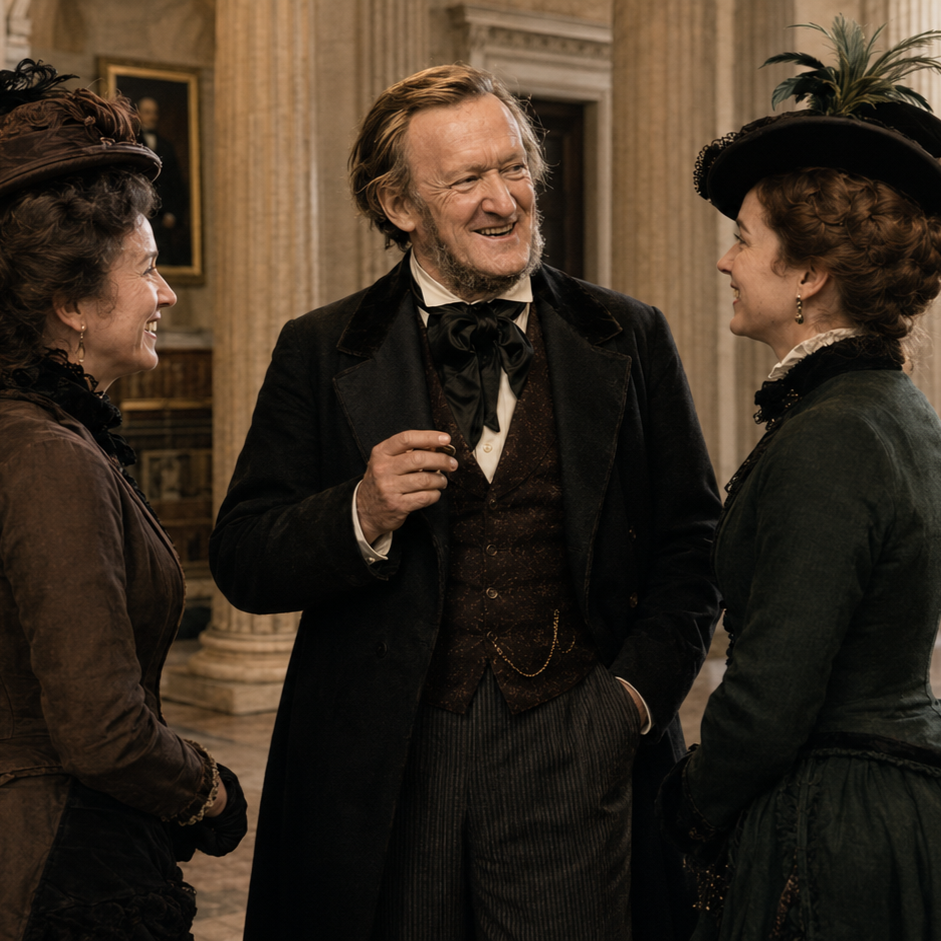
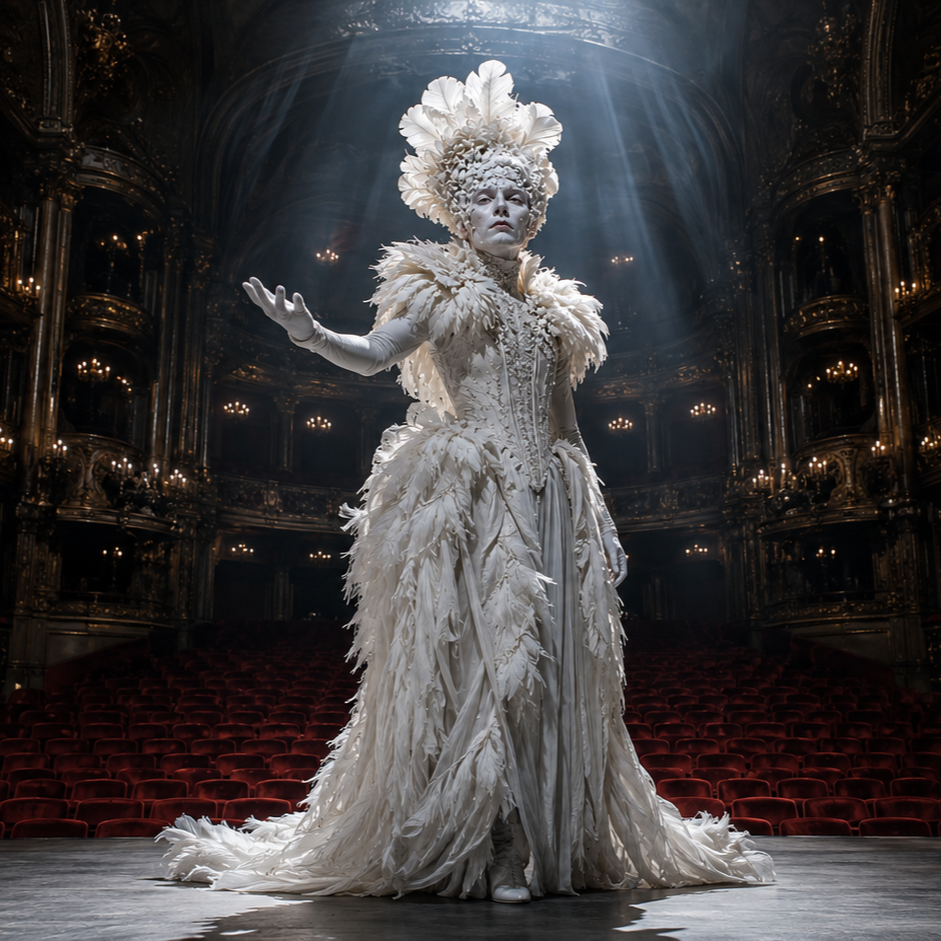
Wagner, of course, is the obvious entry point. His work doesn’t just use German, it stretches it. Words lengthen. Meanings accumulate. Syntax becomes architectural. Listening to Wagner while reading libretti forced me into a different relationship with the language. German stopped being something to decode quickly and became something to inhabit slowly. I wasn’t chasing fluency. I was absorbing rhythm, gravity, weight. And that distinction matters.
Most of my previous language learning, Italian and French especially, thrived on conversation, warmth, immediacy. Those languages invite you in socially. German does something else. It asks you to stay. To wait. To hold multiple clauses in suspension until the sentence finally resolves itself. It rewards patience over speed. Precision over charm. Which, in retrospect, is exactly what my inner life needed.
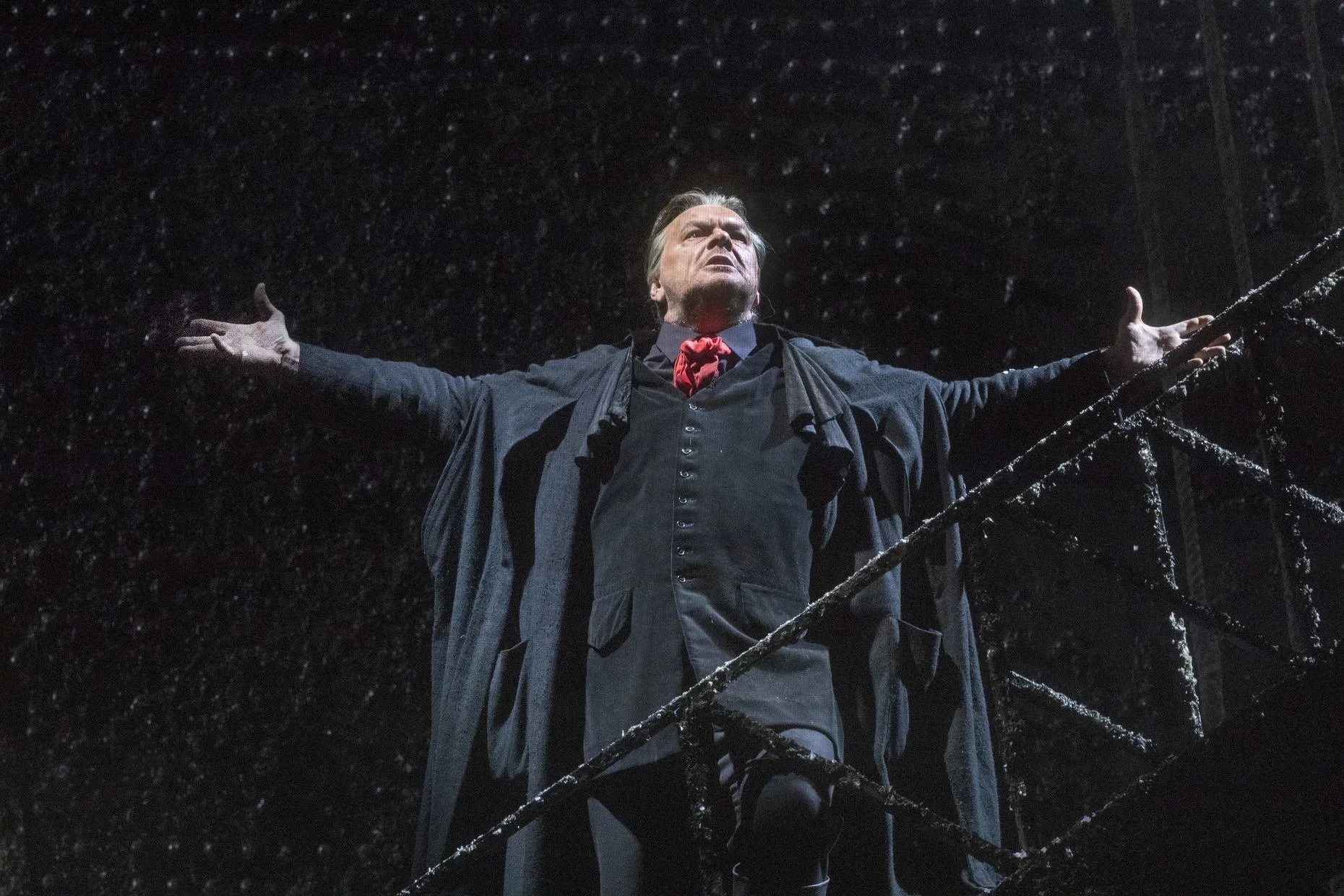
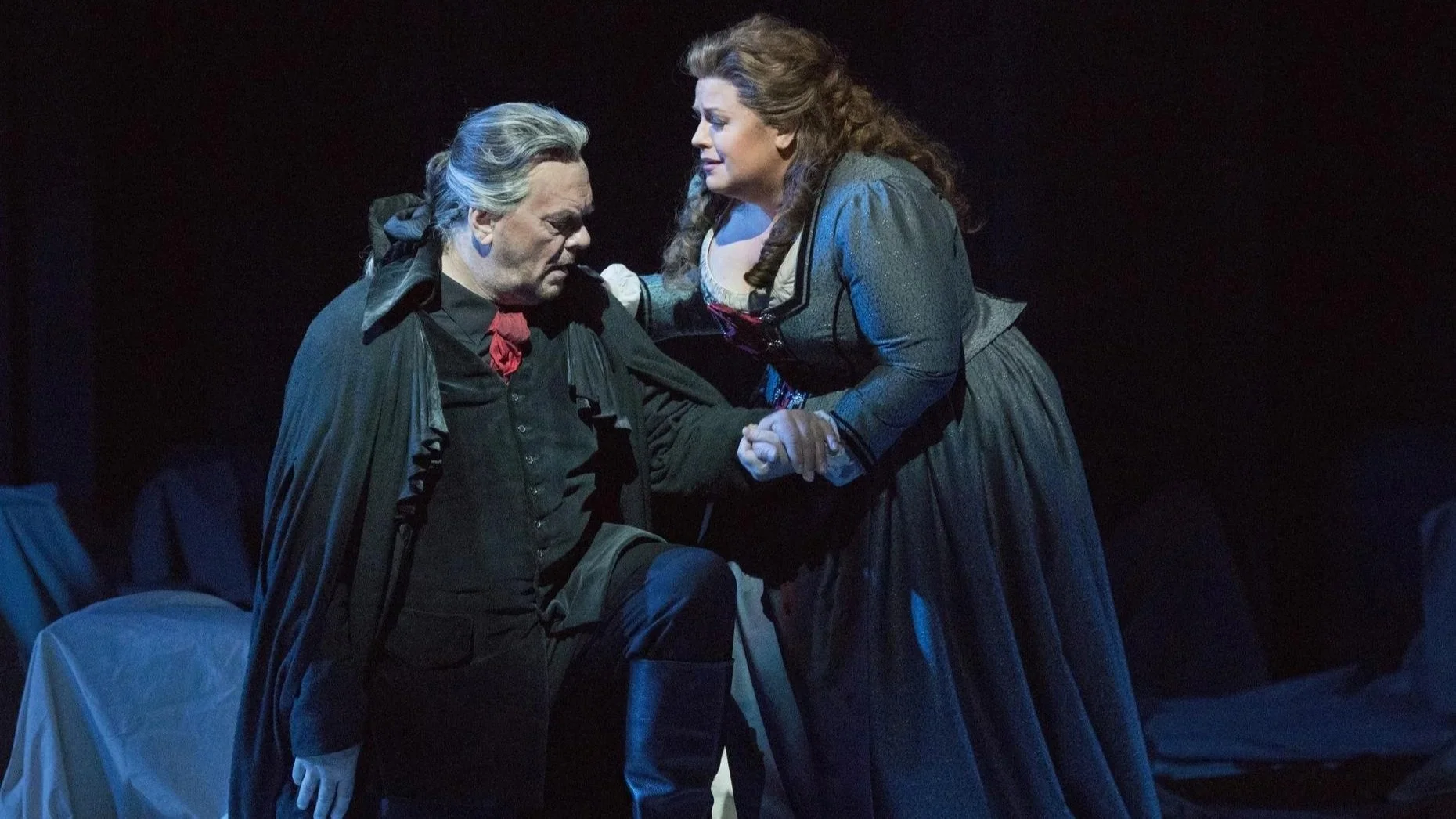
As the Creative Circuits took shape, German began attaching itself to place. Walking Battery Park City while listening to Der Fliegende Holländer. Sitting in the Winter Garden reading a paragraph of German commentary instead of scrolling headlines. Writing one short sentence at the end of a circuit. Not in English, but in German. Awkward. Imperfect. Honest. Heute fühlte sich die Stadt weit an. Die Musik machte den Abend langsamer. Ich habe mehr gehört als verstanden.
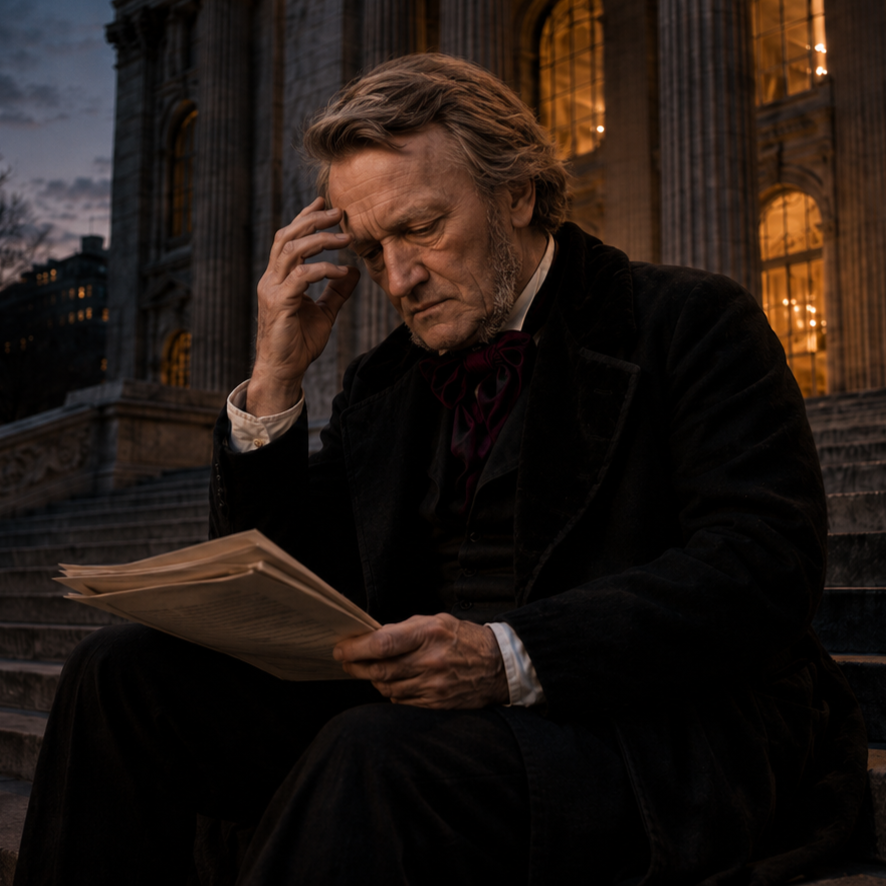
These sentences were not meant to impress anyone. They were proof of attention. That’s the shift this project is enabling. Language learning not as accumulation, but as attunement. German became a way to slow my thinking, to notice structure, to tolerate ambiguity without rushing to closure. You can’t skim German. You have to stay present until the end. You have to trust that meaning will arrive if you don’t panic halfway through. There’s something deeply restorative about that discipline in a world (and professional life) trained on speed.
The city helped too. New York, when walked instead of consumed, mirrors German beautifully. Its logic reveals itself over time. Neighborhoods unfold like long sentences. Battery Park City feels almost purpose-built for this kind of learning. Open sight lines, water, space to think. The Upper East Side, with its museums and libraries, supports reading and quiet absorption. Tribeca rewards lingering.
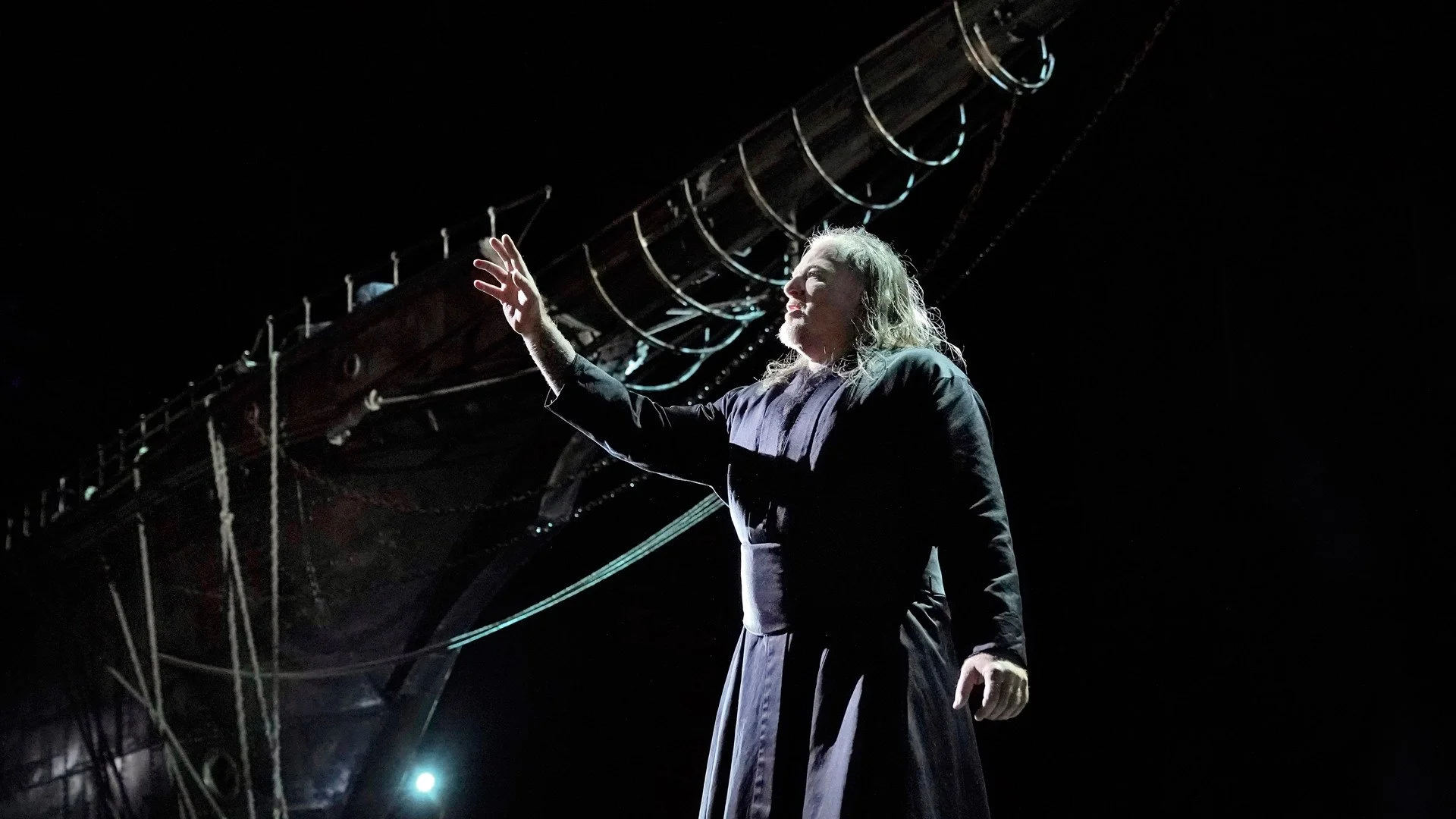
Language, place, and movement began reinforcing each other. I wasn’t practicing German. I was living alongside it. Letting it become part of the emotional texture of my evenings. Letting it coexist with uncertainty, with partial understanding, with the humility of being a beginner again at midlife. A humility which turned out to be a gift.
German has also changed how I listen. To music, to people, to myself. It has made me more comfortable not immediately knowing what something means. More willing to hold complexity without flattening it. More accepting of the fact that understanding often arrives late, if at all. This is not language learning as optimization. It’s language learning as alignment.
As preparation, quietly, for Vienna. For walking the Ringstrasse with Wagner in my ears. For ordering coffee without translating myself back into English. For thinking, just occasionally, in a language which refuses shortcuts. Aufbruchmatt gave German a home for me. Not on a to-do list, but inside a life rhythm that could actually sustain it. And in return, German has given the project something back. Structure, patience, depth.
A reminder that not everything worth knowing needs to be rushed. Sometimes it just needs to be walked toward, one clause at a time.
Further Reading