The Room Is Not the Grail: Parsifal, Stalker, and the Ethics of the Threshold
The temptation, when mapping Wagner onto Tarkovsky, is to reach too quickly for the shared atmosphere. The slowness, the solemnity, the sense that we are moving through a world where the ordinary has been hollowed out and replaced with ritual. But those are only the surface correspondences, like matching two maps because both contain mountains. The deeper alignment is structural and ethical. Both Parsifal and Stalker are works about the peril of sincerity. They are not primarily tales of miracles. They are treatises on what happens when the human urge for redemption becomes indistinguishable from the human appetite for reward. They ask, with extraordinary rigor, whether the sacred can survive contact with desire.
Wagner’s Parsifal is often described as a holy opera, a late-life benediction, a work which resolves the fever of Tristan and the political violence of the Ring into something cleansed and pacified. Tarkovsky’s Stalker, similarly, is often flattened into metaphysics. A mysterious Zone, a Room which grants wishes, a religious parable about faith in an unbelieving world. But the power of both works lies in the opposite direction. They do not offer holiness as comfort. They stage holiness as a problem. They insist that the true danger is not that the world lacks meaning, but that we do not know how to approach meaning without trying to possess it.
In Parsifal, the Grail is not a prize. It is a discipline. The kingdom does not fail because it is attacked from outside, but because it is internally compromised by a wound that cannot be metabolized within the existing moral order. Amfortas suffers not only from pain but from a crisis of legitimacy. He is a keeper who no longer believes in keeping. His wound is the sign of a boundary transgressed: the sacred breached by an act of desire that was not simply erotic but epistemic. The wish to know and feel and take what was not meant to be taken. The world of Parsifal is built on the idea that there are experiences too intense to be integrated without transformation, and that without transformation those experiences become rot.
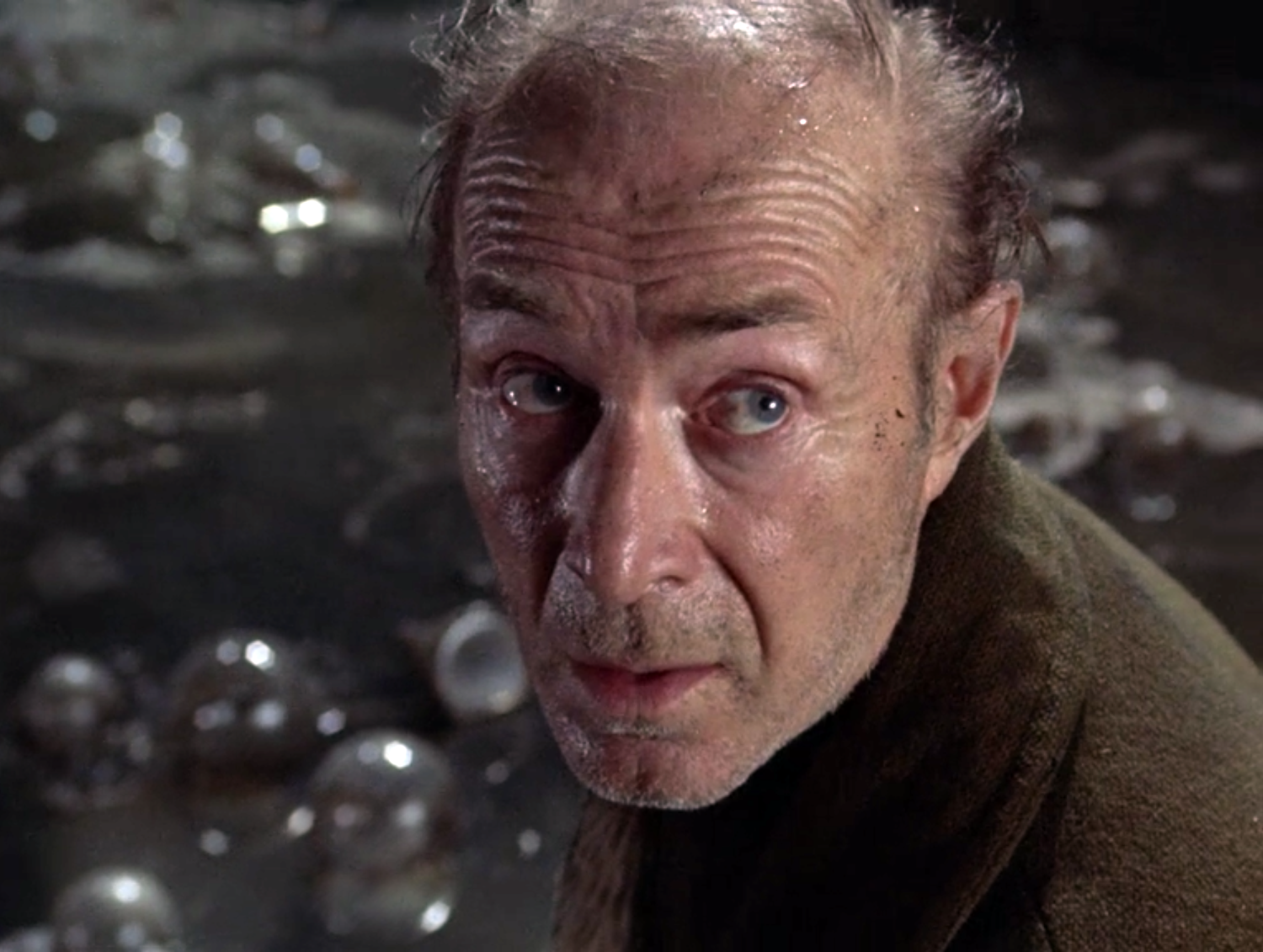
The Zone in Stalker is Tarkovsky’s Grail realm stripped of ecclesiastical symbolism and placed inside modernity’s exhausted landscape. It is not paradise. It is aftermath: an industrial wasteland punctured by something unaccountable. The Zone does not declare itself. It does not preach. It does not even consistently punish. It simply exists as a field of altered consequence, a space where the usual relationship between intention and outcome becomes unreliable. Tarkovsky is not interested in magic as spectacle, or mystery as puzzle. He is interested in the conditions under which the human psyche reveals itself when it can no longer lean on routine.
The Room at the center of Stalker is the most explicit conceptual hinge between Tarkovsky and Wagner, because it crystallizes the same ethical question the Grail poses in Parsifal. What if the thing you think you want is not the thing you truly want, and what if the world had the terrifying honesty to grant the latter? The Room does not fulfill conscious desire. It fulfills the innermost wish. The one beneath self-narration, beneath moral performance, beneath the story we tell ourselves about who we are. This is why it terrifies the Professor and the Writer not as an external threat but as an internal x-ray. It offers not gratification but exposure.
That is, in a different vocabulary, the essence of Parsifal’s wager. Klingsor’s garden is often treated as the opera’s temptation scene, but that is too simple. It is not merely a sexual trap. It is an alternative epistemology. It offers immediacy. Pleasure without delay, sensation without ritual, experience without the slow, burdensome work of becoming worthy of what you are experiencing. It is the Venusberg logic from Tannhäuser reconfigured into something colder and more programmatic. Klingsor is not a libertine; he is a technician of desire. He wants the Grail’s power without the Grail’s constraints. He wants sanctity as an extractive resource.
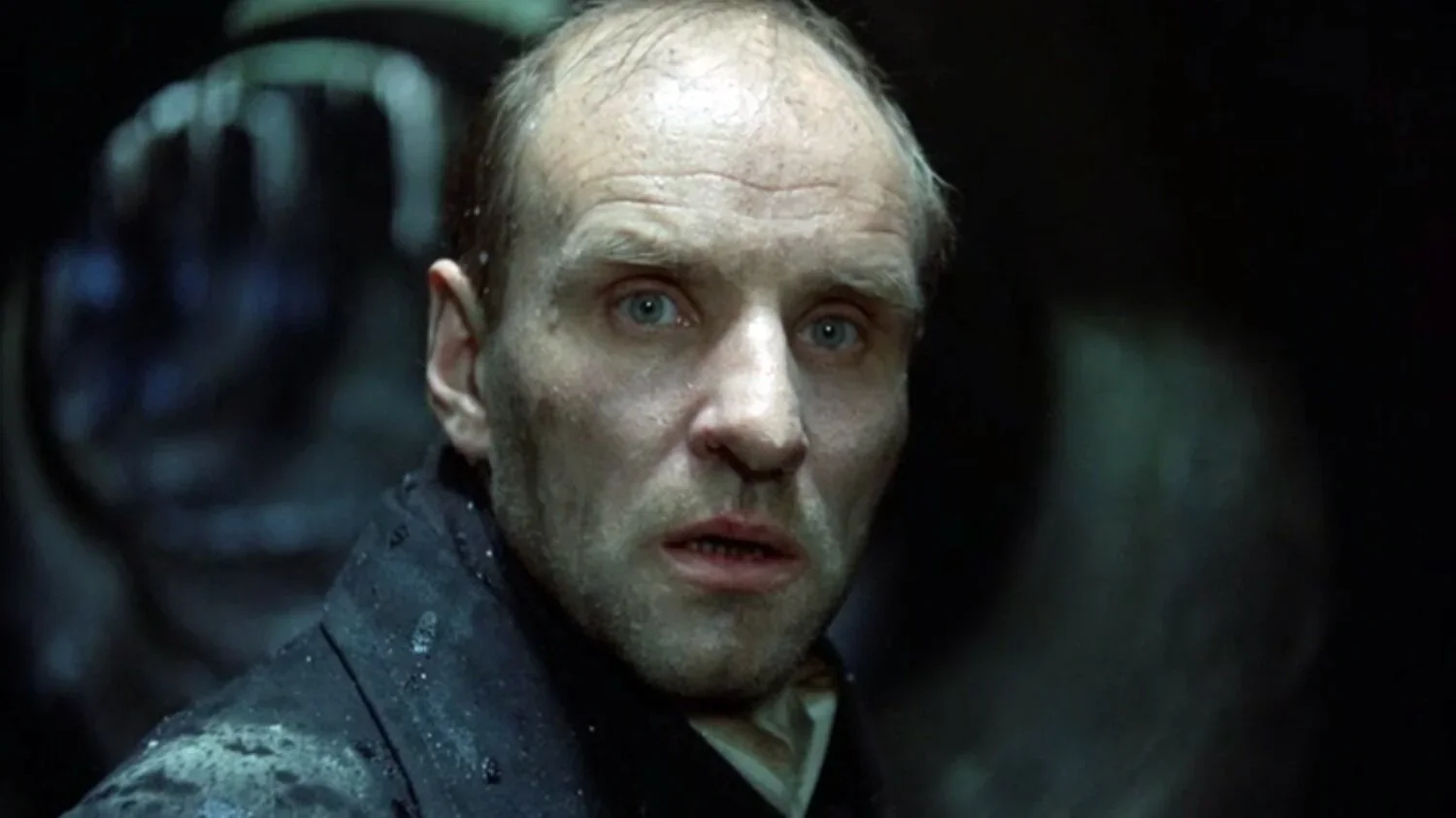
Tarkovsky’s Professor is a modern Klingsor in miniature. He arrives with instruments, theories, and ultimately a bomb. He cannot endure the possibility that the Room is real, because if it is real it exceeds the category systems by which he secures his identity. His response is not curiosity but control. Destroy the Room and you restore the world to explainability. It is a move that feels rational but is, on closer inspection, profoundly devotional to a different god: the god of mastery. The Writer, by contrast, is not a technician but a supplicant, yet he is no less compromised. He wants the Room because he wants to be saved from himself, but he also wants to preserve the theatrical suffering that gives him his persona. He is terrified of being granted something simple, something honest, something that would reveal his despair as performative.
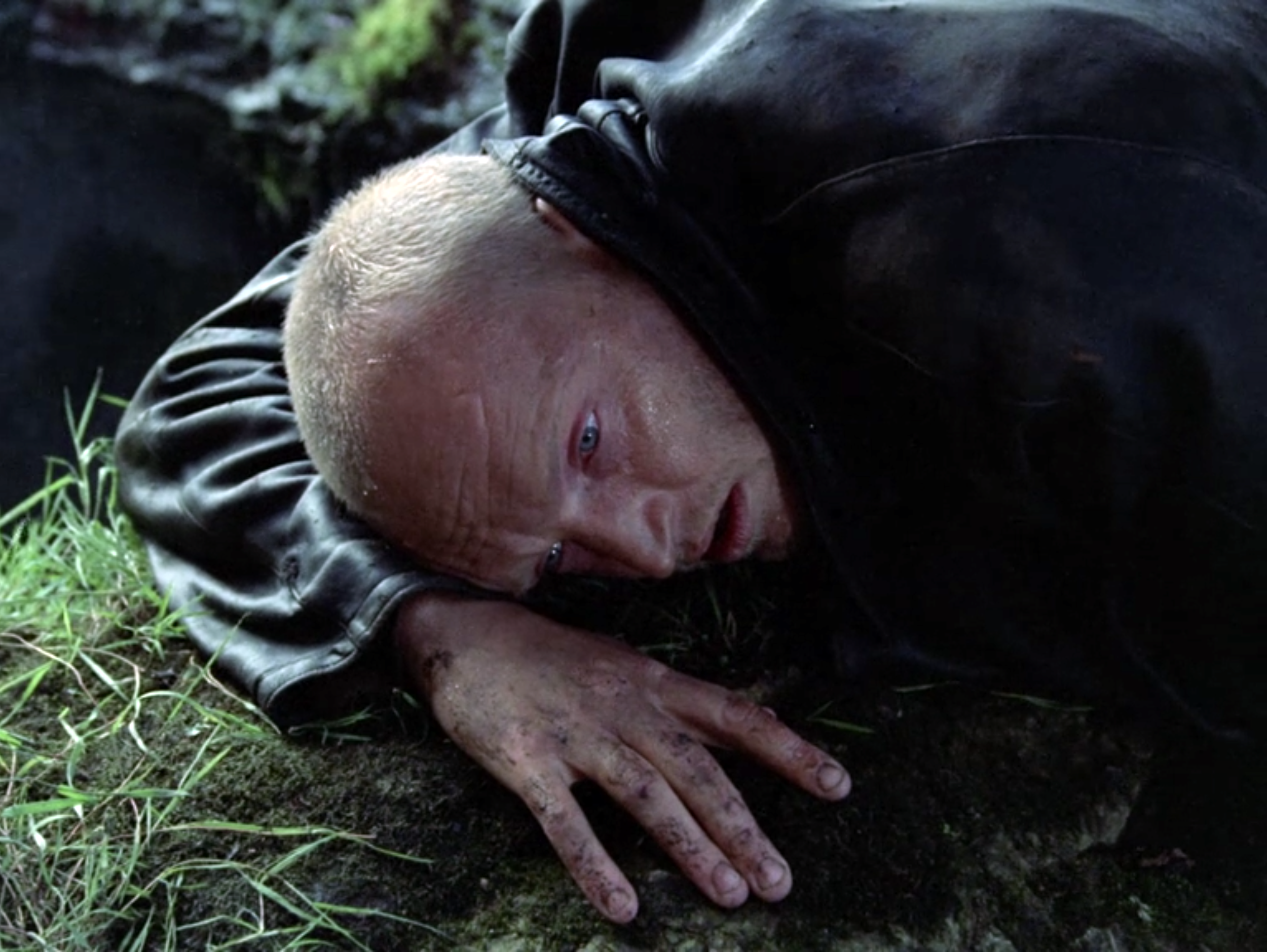
This is why the final approach to the Room is one of the greatest sequences in cinema. It is not suspense. It is moral attrition. Tarkovsky lingers at the threshold because he understands that the true drama is not whether the Room works, but whether the men approaching it are capable of approaching it without corruption. The closer they get, the more the Room converts them into theologians against their will. It forces them to confront the difference between wanting redemption and wanting an outcome. That difference is the line Wagner draws again and again in Parsifal, and it is the line most viewers, and most listeners, are tempted to blur.
Parsifal himself is the pivot point. In a conventional heroic narrative, the hero enters the sanctum, wins the object, defeats the enemy, restores the kingdom. Wagner’s hero is strange because he spends most of the opera learning not to reach. Parsifal’s defining trait is not bravery but receptivity. He does not conquer the Grail; he becomes someone for whom the Grail is no longer a commodity. His famous quality, often summarized as pure fool, made wise by compassion is frequently sentimentalized. But the operative word is not pure. It is wise. And the mechanism of wisdom is not intellect. It is a kind of ethical attunement, the capacity to be altered by the suffering of another without turning that suffering into a tool for self-elevation.
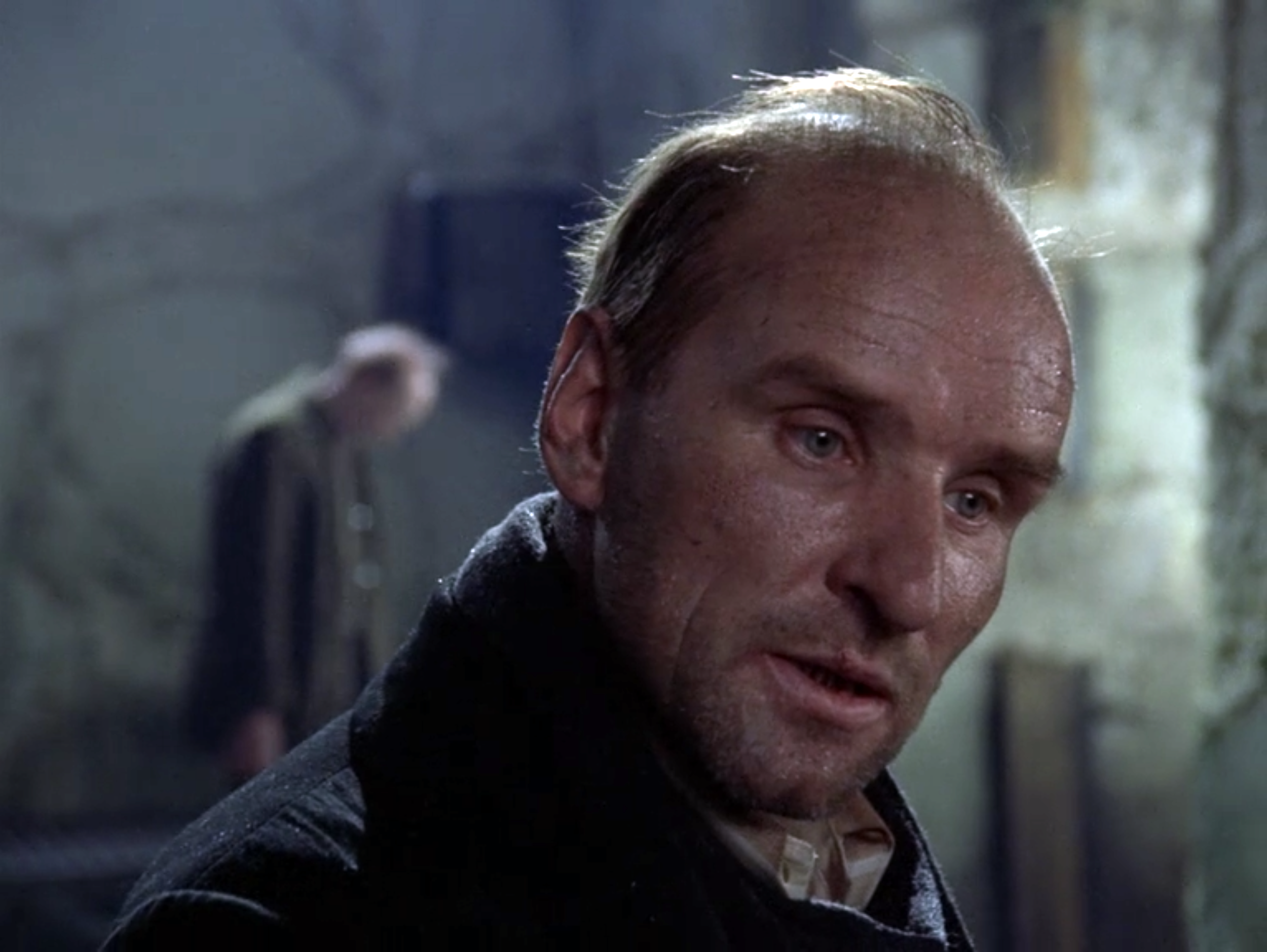
This is precisely the Stalker’s tragic grandeur. He is not a saint. He is not serene. He is anxious, sometimes petulant, sometimes desperate. He is a man who needs the Zone not because it flatters him but because it gives him a role in a world that has starved roles of significance. Yet his relationship to the Room is nevertheless marked by a kind of reverence that is structurally Parsifalian. He is the one figure who does not treat the threshold as a consumer proposition. He does not ask What can I get? He asks, implicitly, What must I become in order not to desecrate this?
And this is where a deeper, broader Tarkovsky concern comes into focus. Across his work, Tarkovsky is preoccupied with the spiritual consequences of modernity’s collapse of ritual. Modern life, in his films, is not tragic because it is godless. It is tragic because it is frictionless. The soul, if that word still means anything in a secular age, is not destroyed by doubt. It is destroyed by convenience. It is destroyed by the replacement of reverence with access. The Zone functions as a counter-technology. A place that reintroduces difficulty, slowness, and risk. Conditions that force the human being to become deliberate again.
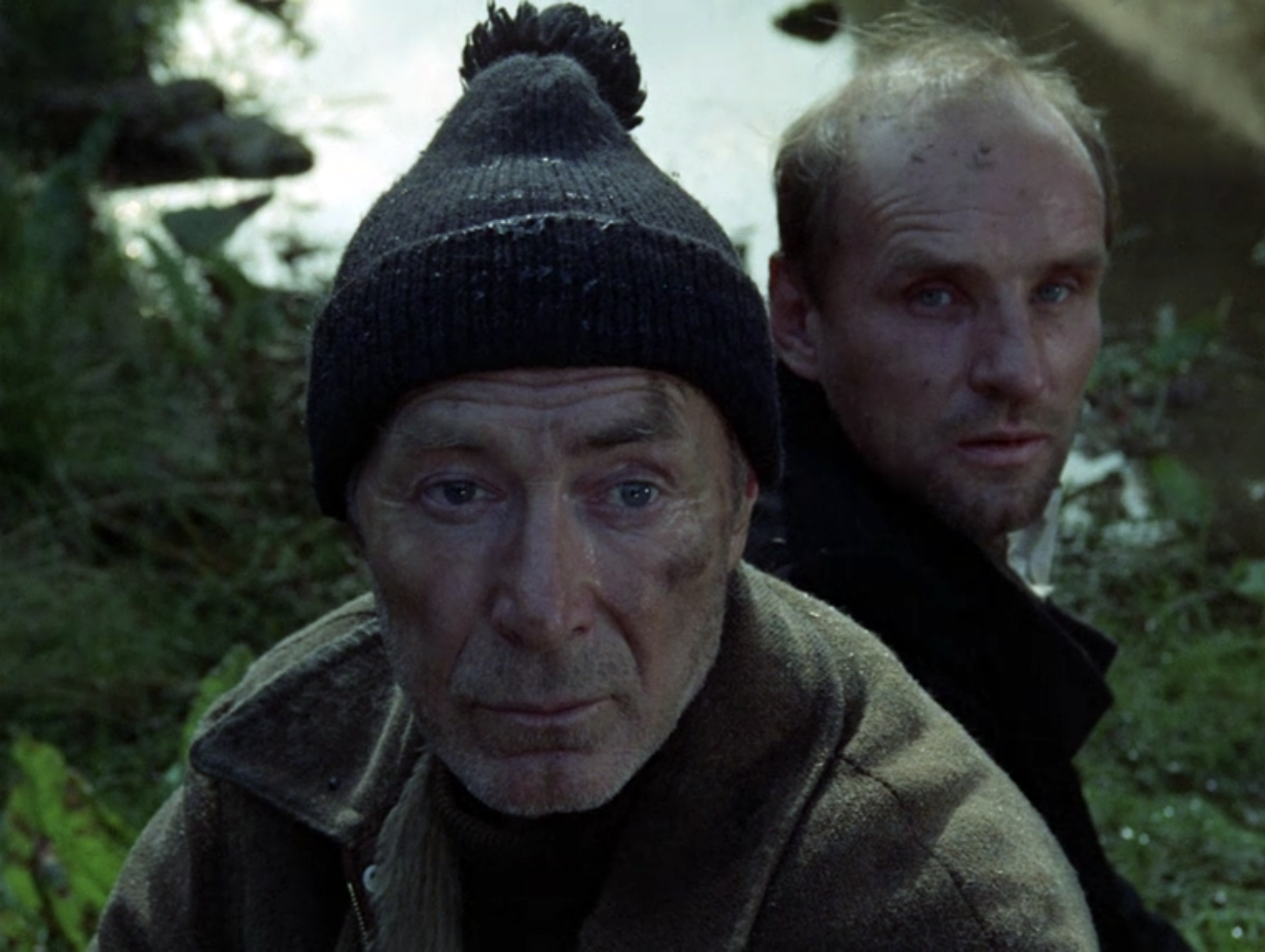
This is why the Room cannot be entered. Not in the way a tourist enters a museum, or a customer enters a store, or an operator enters a system to retrieve output. The final refusal, this hovering at the threshold, this unwillingness to cross, is not narrative anticlimax. It is the entire point. Tarkovsky is asserting, with extraordinary severity, that the sacred cannot be instrumentalized without ceasing to be sacred. If the Room becomes a machine for granting wishes, it collapses into Klingsor’s garden. An economy of desire. If the Grail becomes a tool for producing certainty, it is no longer the Grail.
Wagner stages this same refusal in Parsifal through a different mechanism: the hero does not seize. He heals. The Grail is restored not by triumph but by a gesture of compassion that reestablishes the boundary between the sacred and the extractive. Amfortas’s wound, an emblem of desecration, is answered not by punishment but by re-sanctification. The restoration is not the eradication of desire. It is the re-ordering of desire, the reinstallation of limits as a form of care.
What becomes uniquely potent in mapping Parsifal onto Stalker is the way both works transform the concept of a final room into a critique of the modern mind’s entitlement. The Room in Stalker and the Grail in Parsifal are both invitations to surrender the idea that meaning is something you can demand. They are invitations to stop treating the universe as a vending machine for internal states. They insist, in their own idioms, that the deepest human problem is not suffering but the wish to make suffering pay.
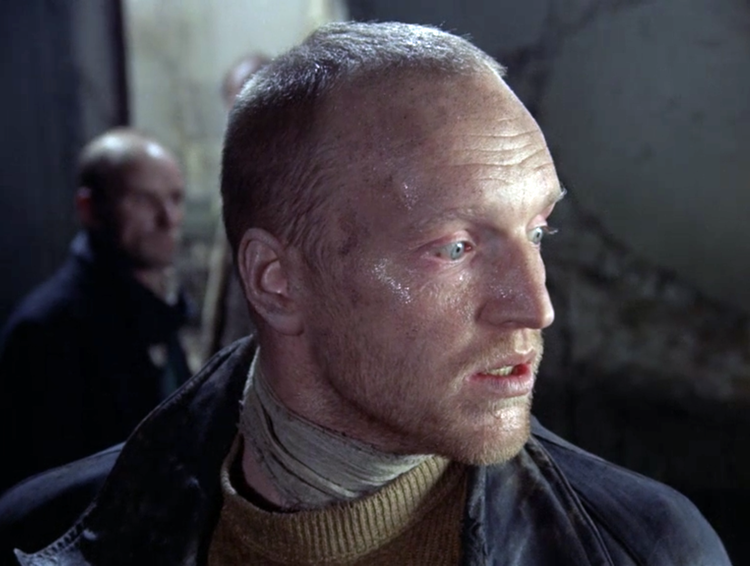
Tarkovsky’s broader oeuvre circles this relentlessly. Solaris gives us a planet that materializes guilt and longing, and the horror is not that it does so, but that human beings respond by either trying to weaponize the miracle or romanticize it into a narrative of personal destiny. The Sacrifice stages renunciation not as moral performance but as an act that looks insane precisely because it refuses transactional logic. Nostalghia turns spiritual endurance into a candle carried across a pool, meaning made through repetition, not revelation. Again and again, Tarkovsky suggests that redemption is not an experience you have. It is an ethics you practice.
Wagner’s late worldview, whatever one makes of its many problems and shadows, converges on a related point: art is not a delivery mechanism for catharsis. It is a structure that trains attention. Parsifal does not entertain you into transcendence. It conditions you. It creates a space where time slows, where desire is stretched, where empathy becomes a muscle rather than a sentiment. It does not resolve the world’s pain so much as reframe the listener’s relationship to pain, and thereby to the temptation of quick solutions.
So the Room is not the Grail. The Room is the test of whether the modern soul can still recognize what a Grail would be for. The tragedy of Stalker is not that no wish is granted. The tragedy is that the world has produced men who can no longer approach a threshold without either trying to monetize it or fearing what it will reveal about them. The Stalker’s tears are Wagnerian in the deepest sense. Not tears of disappointment, but tears of reverence for something that might still be holy, and terror that the people he guides are incapable of being changed by it.
And that is the quiet, severe brilliance of both works. They do not tell you that the sacred is real. They ask you whether, if it were real, you would be worthy of its constraints.
Further Reading